


8-Day Kathmandu, Pokhara and Chitwan Tour


8-day Kathmandu Pokhara Chitwan Tour Itinerary
Explore what each day has in store.
Day 1: Kathmandu Arrival
1,400m/4,600ft
Hotel
Your Nepal journey starts at Tribhuvan International Airport. Upon your arrival, one of our representatives will warmly welcome you and transfer you to your hotel. After check-in, you can explore the vibrant streets of Thamel. In the evening, you’ll meet your guide and have a short briefing about your tour. Overnight in Kathmandu.
Day 2: Kathmandu Sightseeing
2,551m/8,369ft

Breakfast
Hotel
Early morning, you’ll begin the day by visiting the Pashupatinath temple, Nepal’s most revered Hindu shrine dedicated to Lord Shiva. The temple is a unique glimpse into Nepal’s deep spiritual traditions and old rituals.
Then, you’ll visit the UNESCO World Heritage Sites of the glory of Patan Durbar Square. The square is grand with Newari architecture in the shape of its old royal palace, temple woodcarvings, and the religious pearl in the Patan Museum.
Continuing to the Kathmandu Durbar Square, where Nepali kings were crowned. Delight in the unique way of life of the Kumari (living goddess) and enjoy the vibrant atmosphere as locals relive their daily rituals within the steps of history, and then to Bhaktapur, where you’ll explore the famous Bhaktapur Durbar Square, where traditional Newari architecture, wood carving, and local workshops bring magic. Don’t forget to taste the city’s famous Juju Dhau(Curd).
In the late afternoon, you’ll travel to Nagarkot, a peaceful hill station situated at an altitude of approximately 2,175m/7,136ft. There, you can relax at your hotel, and if the weather is clear, you can see the beautiful sunset over the Himalayan range. Overnight in Nagarkot.
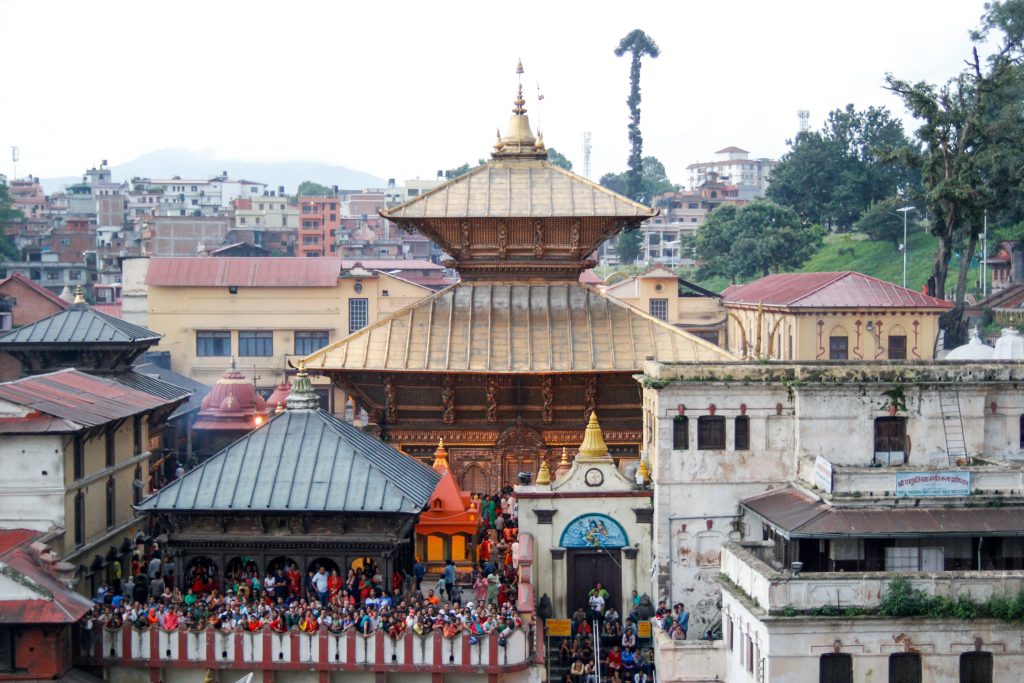
Pashupatinath Temple
The Pashupatinath Temple is one of the most sacred Hindu temples in the world, located on the banks ... Read More

Kathmandu Durbar Square
Kathmandu Durbar Square is a royal palace with a history where the Nepalese monarchs lived. It features some ... Read More
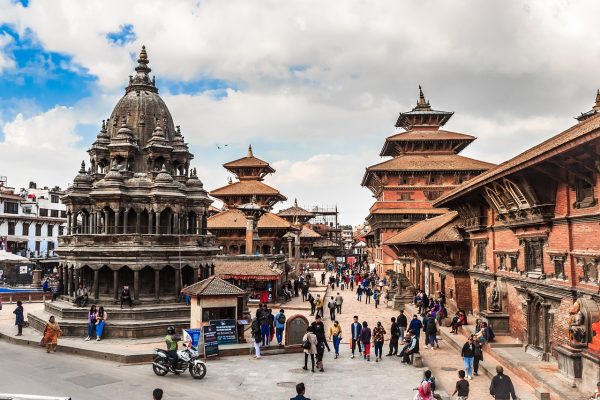
Patan Durbar Square
In Lalitpur city, Patan Durbar Square is renowned for having good Newari architecture. Krishna Temple, entirely constructed of ... Read More
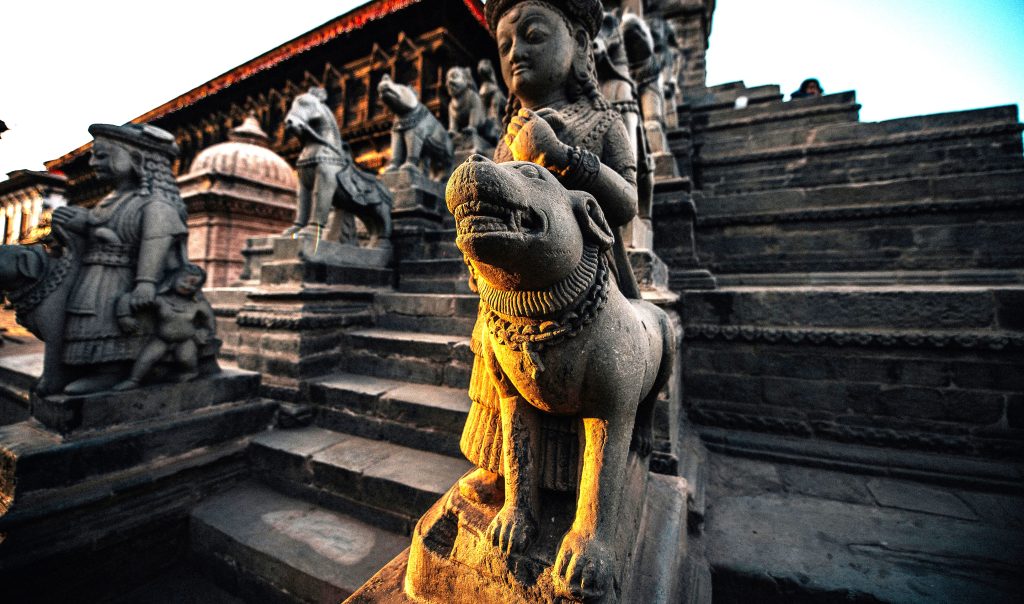
Bhaktapur Durbar Square
Bhaktapur Durbar Square is a remarkably preserved medieval town in the style of an open-air museum. The square ... Read More
Day 3: Visit Boudhhanath Stupa, Swayambhunath & Drive to Bandipur
1,030m/3,380ft
Hotel
Breakfast
Early morning, having breakfast, you’ll head to the Boudhanath Stupa, one of the largest Buddhist stupas in the world. There you’ll have time to walk around the stupa, spin the prayer wheels, and enjoy the peaceful atmosphere as colorful prayer flags flutter overhead.
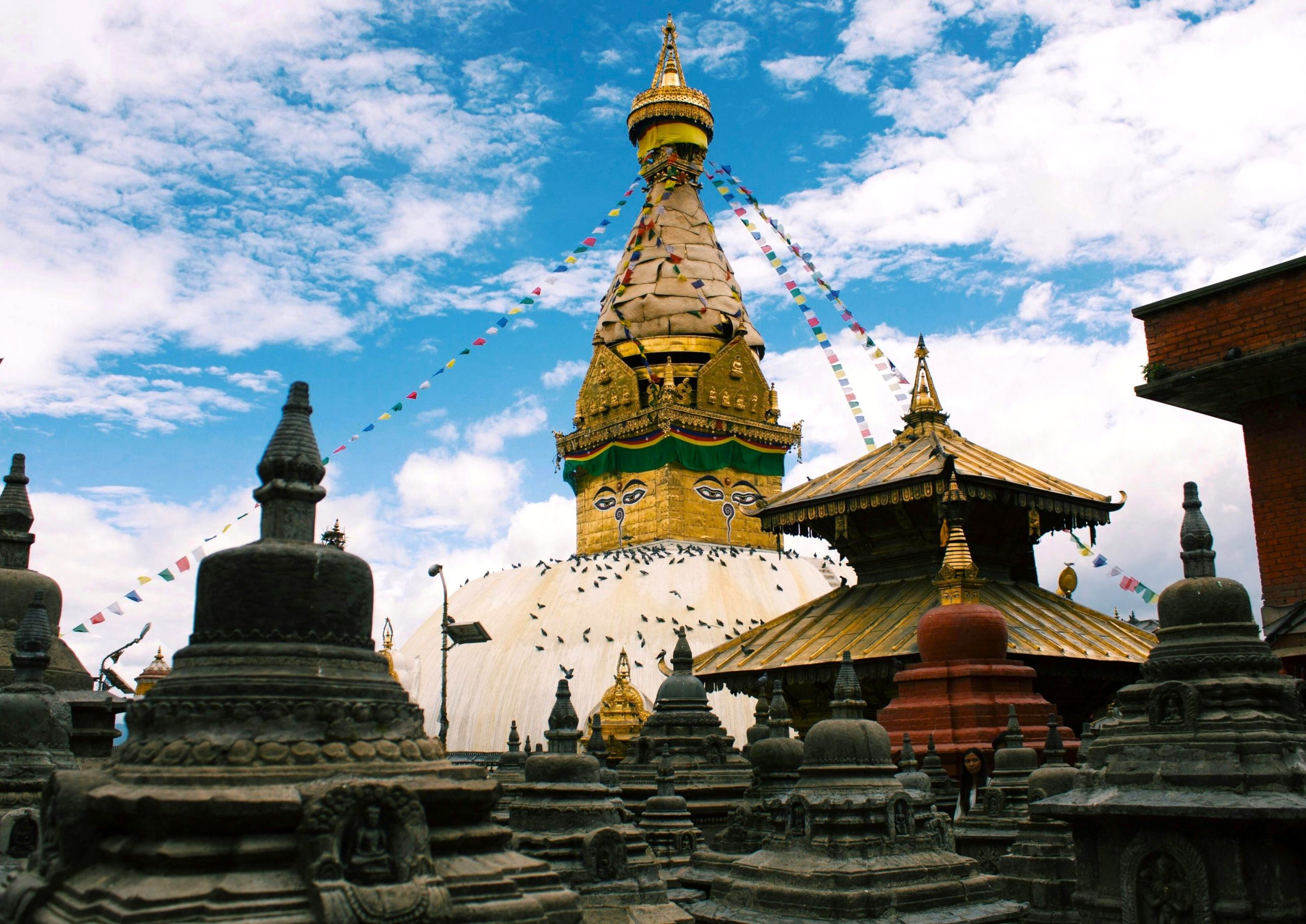
Then, you’ll visit the ancient Swayambhunath (Monkey Temple), Nepal’s holiest Buddhist temple. Mischievous monkeys play within the complex as you climb 365 stairs all the way to the top. Your guide explains the fascinating mix of Buddhist and Hindu iconography on the stunning stupa and shrines that flank it from the top.
And you’ll travel to Bandipur, through the scenic view of landscapes along the Trishuli River, which takes approximately 5 hours. Upon arrival, explore its traditional streets, vibrant local market, and enjoy a beautiful Himalayan sunset. Overnight in Bandipur.
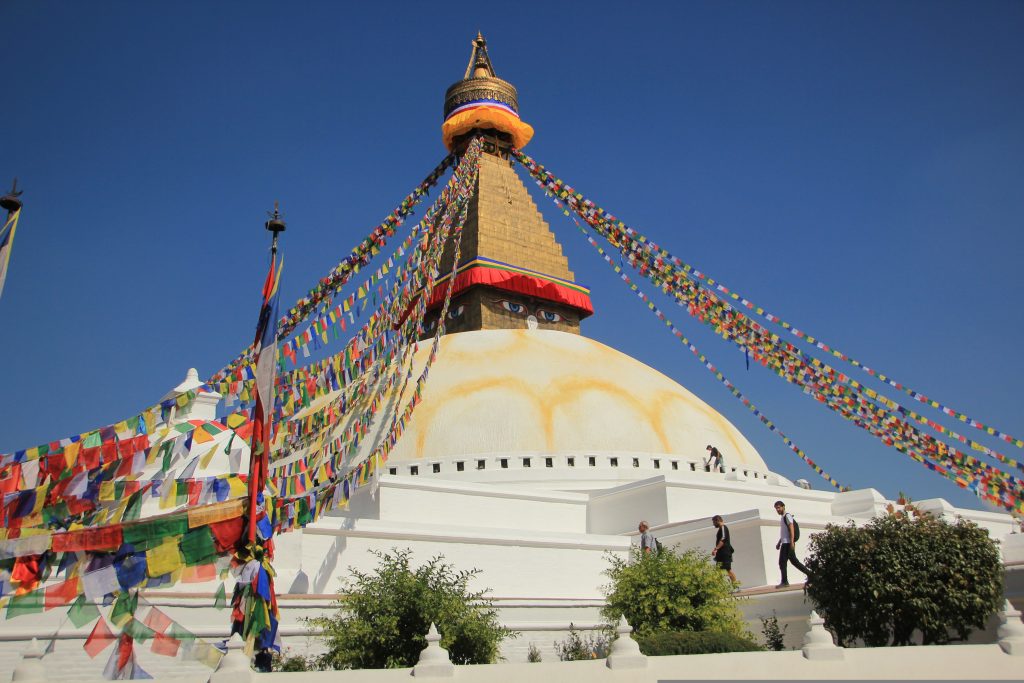
Boudhhanath Stupa
The world’s largest Buddhist stupa, Boudhanath Stupa is a Tibetan Buddhist pilgrim site. The enormous white dome is ... Read More
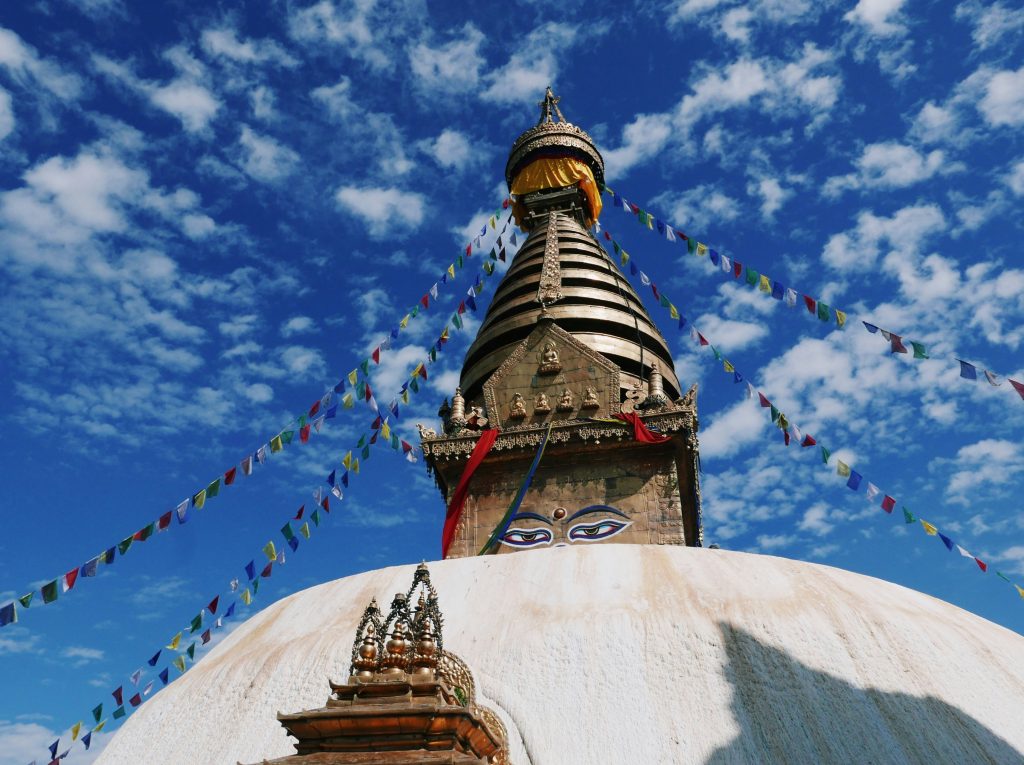
Swayambhunath (Monkey Temple)
The Swayambhunath Stupa, also known as the ‘Monkey Temple,’ is one of the oldest and most iconic religious ... Read More
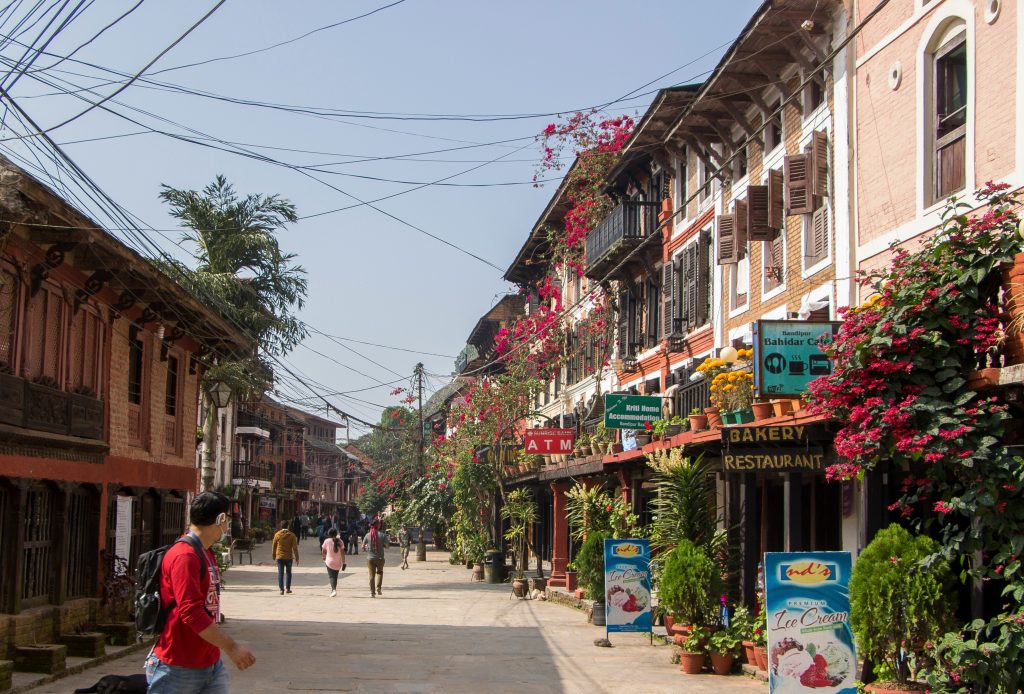
Day 4: Sunrise at Bandipur & drive to Pokhara
822m/2,697ft
Hotel
Breakfast
Wake up early in the morning to witness the breathtaking sunrise of the Himalayas at Bandipur. Sunrise slowly wraps the snow-white mountains in dreamy colors of pink and gold to last a lifetime.
After breakfast, you’ll leave Bandipur and drive to the beautiful lakeside city of Pokhara, passing through scenic hills, charming villages, and river valleys along the way. Upon arrival, you’ll check in to your hotel and enjoy lunch with relaxing views of Phewa Lake and the Annapurna range.
Then, you’ll visit the International Mountain Museum to see exhibits on the history of mountaineering and on Nepal’s mountain people’s rich cultures. Drive to Davis Falls (Patale Chhango), a bizarre underground waterfall where the Pardi River plunges into a sinkhole.
Visit serene Gupteshwor Mahadev Cave with a holy Shiva temple and delicate overhangs of limestone above the waterfalls. End the day by trekking to Pumdikot for the bird’s-eye view of the Pokhara Valley, Phewa Lake, and Annapurna hills rendered in sunset colors.
Davis Falls
Hidden beneath the busy streets of Pokhara, Davis Falls is one of the city’s most fascinating natural attractions. ... Read More
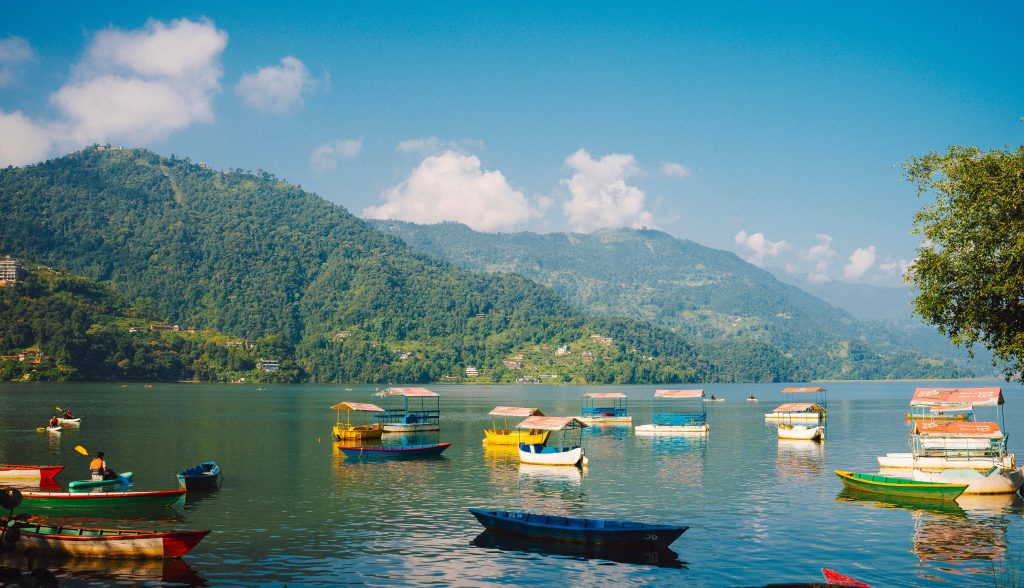
Phewa Lake
Phewa Lake is the second-largest lake in Nepal and the heart of Pokhara’s natural beauty. Surrounded by lush ... Read More
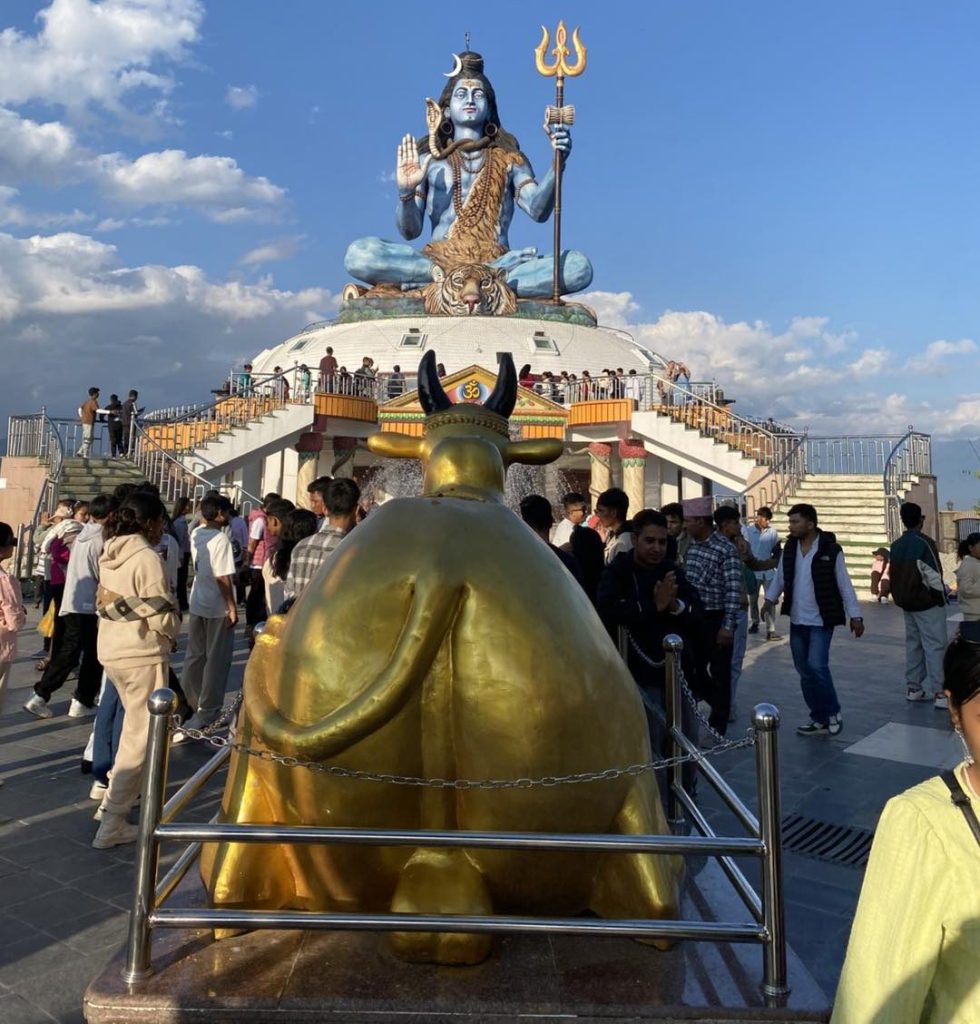
Shiva Stupa at Pumdikot
Pumdikot is a scenic hilltop near Pokhara, rising to about 1,500 m above sea level, offering breathtaking panoramic views ... Read More
Day 5: From Pokhara to Chitwan
1,600m/5,249ft
Hotel
Breakfast
Early morning, you’ll go to Sarangkot viewpoint (1,600m) for a legendary sunrise over the Annapurna massif. You’ll see the Himalayan giants such as Dhaulagiri (8,167m), Annapurna I (8,091m), and Machhapuchhre ‘Fishtail’ (6,993m), graciously awaken from slumber in golden morning light.
On the way back, you’ll stop at the Seti Gorge, a remarkable natural wonder carved by the powerful Seti River, and also visit the Gorkha Memorial Museum, where you’ll learn about the history, bravery, and legacy of Nepal’s world-renowned Gurkha soldiers.
After breakfast, you will drive from Pokhara to Chitwan, which takes about 4-5 hours and shows you yet another side of Nepal. You’ll descend from the hills into the Terai plains, where the landscape becomes more tropical, and the air gets warmer and more humid.
You will arrive at your jungle lodge and be received with a welcome drink and orientation to lunch. The afternoon will be spent on a walking jungle trail with a professional naturalist who will lead you through the park’s ecosystem variety. The evening can be spent on the Rapti riverbank, admiring the sunset. Overnight in Chitwan.
Day 6: Explore Chitwan Wildlife
100m/330ft
Hotel
Breakfast
Today, you’ll begin the day on a serene dugout canoe ride on the Rapti River. Plying the river in silence, looking for mugger crocodiles sunbathing on riverbank sand and waterbirds paddling in shallow waters as morning mist calms all to a sense of quiet.
Back to the hotel for breakfast, and visit the Elephant Breeding Centre and see how these lovely creatures are being conserved. See calves frolicking with their mothers and see how they are trained and nurtured.
In the afternoon, you’ll go for a Chitwan safari, a jeep tour to the center of the national park. A professional naturalist guide accompanies jeep tours around diverse habitats for a view of the Royal Bengal tiger, one-horned rhinoceros, sloth bear, wild elephant, and other principal deer species. Open-top jeep offers unparalleled wildlife viewing and photography opportunities in Nepal’s stunning biodiversity.
In the evening, you’ll watch a cultural dance show of the Tharu community narrating tales of the jungle kingdom. Overnight in Chitwan.
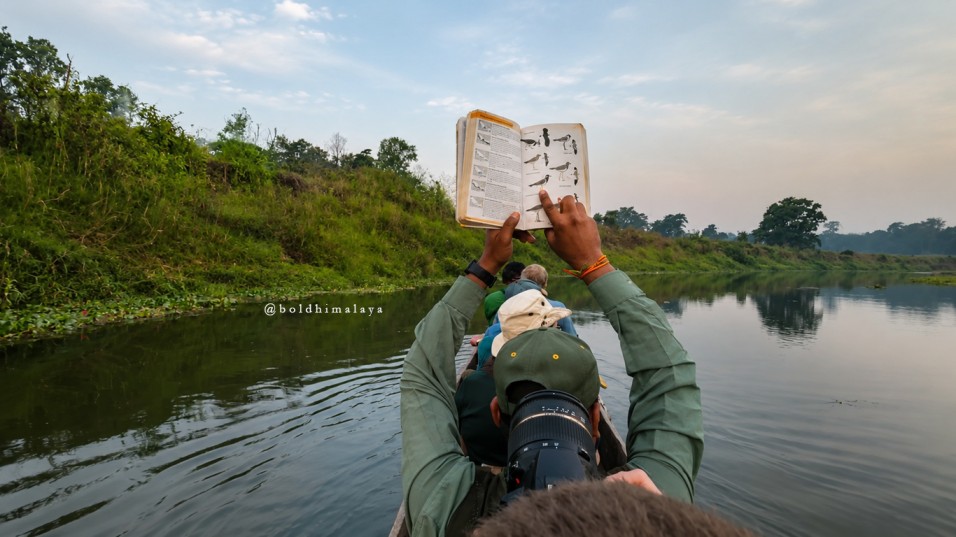
Canoe Ride
A canoe ride is a peaceful, silent drift down the river in a traditional wooden dugout boat, where ... Read More
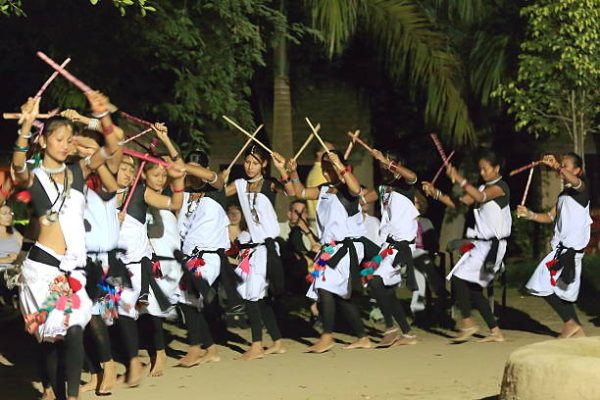
Tharu Cultural Dance Performance
The Tharu Cultural Dance Performance is a folk dance performance of the native Tharu ethnic group of the ... Read More
Day 7: Back to Kathmandu
1,400m/4,600ft
Hotel
Breakfast
Have a complimentary breakfast before driving off to Kathmandu. The drive provides a final glimpse of Nepal’s volatile landscape that ranges from tropical lowland plains to middle hills rice-terracing villages.
On reaching Kathmandu, just rest at the hotel and then lounge around for a couple of hours. You can do a bit of last-minute shopping at Thamel. Then, in the evening you’ll have a farewell dinner with us.
Day 8: Departure from Nepal
Breakfast
After breakfast at the hotel, you will be dropped off at Tribhuvan International Airport to board your departure flight, as per your flight schedule. Along with your goodbye to Nepal, you are carrying with you not only photographs, but also Nepali hospitality, Himalayan grandeur, and the cultural richness of this country.
Want to customize your trip?
We ensure every trip meets your expectations — customize your itinerary anytime to match your travel style and preferences.
Inclusions
What’s Covered in Your Adventure
- All Necessary Ground TransportationAirport pickup and drop in a private vehicle.
- All necessary pick up drop by tourist vehicle as per itinerary
- 3-star hotel and lodge accommodation in Kathmandu Pokhara and Chitwan
- Kathmandu sightseeing tour by private tourist vehicle
- Professional English-speaking guide throughout the Tour
- Jungle safari activities
- Entrance Fees
- All government & local taxes
- Nepal entry visa fees
- Beverages, and alcoholic drinks during the trip
- All personal expenses in Kathmandu, Pokhara, and Chitwan during the trip
- Tips for guide & driver (tipping is expected)
- Optional Activities Everest Flight
- Travel Insurance
- Additional Permits

Packing Lists for 8-day Kathmandu Pokhara Chitwan Tour
This tour does not require any special trekking equipment, but packing the right things will help you travel comfortably throughout your trek.

Clothing
- Light, breathable clothing for daytime sightseeing
- A light jacket or fleece for cool mornings and evenings
- Sun hat or cap

Footwear
- Comfortable walking shoes or lightweight hiking shoes

Accessories and Personal Items
- Sunglasses with UV protection
- Small daypack for daily excursions
- Sunscreen and lip balm
- Reusable water bottle
- Personal toiletries and medications
- Camera or smartphone with extra batteries/power bank
- Some cash for personal expenses, souvenirs, and optional activities

Fixed Departure
Fixed Departures, Guaranteed Hassle-Free Travel
Good to Know
From travel essentials to practical advice, here's everything you should know before you go.
Accommodation during the tour
Your Kathmandu, Pokhara, and Chitwan tour includes comfortable accommodations that provide a relaxing stay throughout your journey. In Kathmandu and Pokhara, you’ll stay in 3-star hotels offering modern amenities such as private rooms with attached bathrooms, Wi-Fi, hot showers, and complimentary breakfast.
In Bandipur, you’ll stay at a charming heritage-style hotel to experience the town’s traditional Newari architecture, peaceful atmosphere, and stunning hilltop surroundings.
In Chitwan, accommodation is in a comfortable jungle resort, with all modern conveniences, where you can enjoy a peaceful natural setting along with Nepalese hospitality.
If you prefer luxury comfort or a more luxurious experience, we also arrange 4-star or 5-star hotels throughout your tour. Simply, let us know your accommodation preference when booking, and we’ll customize your stay to suit your travel style and budget.
Transportation on the Tour
Your tour includes comfortable and well-organized transportation throughout the journey. You’ll travel in a comfortable private vehicle, with transportation arranged according to your group size to ensure a safe and enjoyable journey.
- 1-3 travelers: Private car
- 4-7 travelers: Private jeep or van (depending on group size and availability)
- 8-10+ travelers: Private tourist bus
If you’d like to avoid the longer overland drives, you can take domestic flights between destinations. For example, you may choose to fly from Pokhara to Chitwan (via Bharatpur Airport) and fly from Chitwan back to Kathmandu at the end of your tour.
Let us know your preference, and we’ll be happy to customize your itinerary for a faster and more comfortable travel experience.
Nepal Visa Information
A Nepal visa is available to most travelers upon arrival at the Tribhuvan International Airport. Or, visitors may apply for a tourist visa in advance through a Nepalese embassy or consulate in their home country.
To obtain a tourist visa, travelers generally need:
- A passport valid for at least six months from the date of entry.
- A completed visa application form (which can be filled out online before arrival or at the airport).
- Visa fee payment in the accepted currency or by approved payment methods.
- A passport-size photograph is recommended, although it may not always be required at the airport.
Tourist Visa Fees
- 15 Days: USD 30
- 30 Days: USD 50
- 90 Days: USD 125
Guides
Your 8-day Kathmandu Pokhara Chitwan tour is led by qualified, licensed, and English-speaking guides who ensure that your travels are hassle-free and enjoyable. During the sightseeing tours in Kathmandu and Pokhara, your guide will share with you the history, culture, architecture, and religious aspects of Nepal while assisting you in exploring the destinations at your own pace.
During the safari in Chitwan National Park, the entire jungle adventure is carried out by professional naturalists, who have extensive knowledge of the flora and fauna of the park.
Whether you are visiting temples, appreciating the scenic beauty of the mountains, or enjoying the nature trails in the jungle, your guide will assist you in the best way possible.
ATMs and Money Exchange
During your Kathmandu, Pokhara, and Chitwan tour, you can easily exchange major foreign currencies at authorized money exchange counters and banks.
Kathmandu and Pokhara have plenty of ATMs, banks, and exchange facilities where you can withdraw or exchange money conveniently. Credit and debit cards are accepted at many hotels, restaurants, and shops in tourist areas; however, carrying some Nepalese cash is recommended for small purchases, local markets, tips, and places where card payments may not be available.
During your Chitwan visit, it is better to carry enough cash beforehand, as ATM facilities and exchange options are more limited compared to Kathmandu and Pokhara.
Pokhara Extra Activities
There are many optional activities and adventures in Pokhara that can be added to your tour for more experience. Popular optional activities include paragliding over Phewa Lake, an ultralight flight for a unique aerial perspective of the mountains, and a zipline or bungee jump for thrill seekers. Adventure lovers can also enjoy hot air balloon rides, helicopter tours, or mountain biking through the scenic countryside.
Simply let us know your preferences in advance or during your tour, and we’ll be happy to arrange everything for you, ensuring a hassle-free experience in Pokhara.
Everest Mountain Flight (Optional)
If you have extra time in Kathmandu, an Everest Mountain Flight is one of the most unforgettable experiences you can add to your trip. This scenic flight gives a close-up aerial view of Mount Everest (8,848.86 m) along with many of Nepal’s highest Himalayan peaks, glaciers, and deep valleys. Lasting approximately 1 hour, the flight provides guaranteed window seats, allowing every passenger to enjoy spectacular panoramic views without the need for trekking.
This optional experience is perfect for travelers who wish to witness the grandeur of the Himalayas in a short time. We can arrange the Everest Mountain Flight on request, subject to weather conditions and flight availability.
Cultural Etiquette
- Dress decently at religious temples with uncovered shoulders and knees, and take shoes off at temple grounds.
- Walk around religious temples and stupas in the counterclockwise direction as a sign of respect.
- Seek prior permission for photo shooting of the locals, particularly at religious rituals or at religious temples.
- Greet the locals with the word “Namaste” by hand together to spread smiles among the locals and enjoy the culture.
Health and Safety
We recommend drinking bottled water or properly filtered water throughout the tour to stay hydrated and avoid any stomach discomfort. It is also advisable to carry your personal medicines, basic first-aid supplies, and any prescribed medications you may need during the trip.
During jungle activities in Chitwan National Park, such as jeep safaris, canoe rides, or nature walks, you should always follow the instructions provided by your experienced naturalist guide to ensure a safe and enjoyable wildlife experience. Maintaining a safe distance from animals and respecting park guidelines helps protect both visitors and wildlife.
Our travel team remains available throughout your journey to assist whenever needed.
FAQs of 8-day Kathmandu Pokhara Chitwan Tour
Your Questions, Answered
What is the best time for the Kathmandu Pokhara Chitwan tour?
The best time to enjoy this tour is during spring (March to May) and autumn (September to November), when the weather is pleasant and the skies are clear. However, this tour can be enjoyed throughout the year, with each season offering its own unique experience.
Do I need a visa to visit Nepal?
Yes, most international travelers require a tourist visa to enter Nepal. A Visa on Arrival facility is available at Tribhuvan International Airport in Kathmandu and other designated entry points. Travelers should carry a valid passport and required documents.
Is this tour suitable for families and senior travelers?
Yes, the 8-day Kathmandu Pokhara Chitwan tour is suitable for families, couples, and senior travelers. The itinerary can be customized with comfortable transportation, flexible sightseeing schedules, and suitable accommodation options.
Is it safe to drink tap water in Nepal?
Never drink tap water in Nepal since tap water is not safe for tourists. Use bottled water or filter/tablets to purify the water.
Are credit cards accepted?
All restaurants and hotels in Pokhara and Kathmandu take credit cards, but it is nice to have some money on hand in local currencies for village establishments and restaurants.
Do we need to be concerned about altitude sickness?
This Golden Triangle tour is below 2,700m and therefore altitude sickness will never be an issue for most visitors.
Is there a good mobile phone signal?
Excellent 4G signal in Pokhara and Kathmandu but spotty in Chitwan National Park areas.
Will I spot Mount Everest on this tour?
The main route does not offer Everest views, but unobstructed panoramas from Nagarkot or an optional Everest Mountain flight.
What animals can I observe in Chitwan?
You can observe one-horned rhinos, monkeys, deer, and other birds, and if you are lucky, you can also spot Bengal tigers.
Is it possible to extend the trip by trekking?
Yes. You can extend your trip and trek in the Annapurna range from Pokhara as an add-on after the Golden Triangle circuit is completed.
Do all our locations have ATM machines?
A lot of ATMs can be found in Pokhara and Kathmandu, but very few are actually in the Chitwan National Park area, so carry enough cash to the national park.
Are drones allowed for photography?
Drone use is regulated by special permits in Nepal and banned in national parks and around government or religious monuments.
What activities can I do in Pokhara?
Pokhara offers many optional activities, including paragliding, boating on Phewa Lake, mountain flights, ultralight flights, ziplining, bungee jumping, helicopter tours, and spa experiences. These activities can be arranged according to your interests and available time.
Can I add an Everest Mountain Flight to this tour?
Yes, an Everest Mountain Flight can be added as an optional activity from Kathmandu. It offers spectacular aerial views of Mount Everest and other Himalayan peaks in approximately one hour.
View OurSimilar Packages
Discover our top tours, loved by thousands of travelers annually. Choose the adventure that inspires you and embark on a journey tailored to your desires.
View All Packages
Save 20%

Nepal Experience Tour
 Nepal Tour Packages
  10.0 Days
4-Day Kathmandu Pokhara Tour
Nepal Tour Packages
4.0 Days

4 Day Nepal Sightseeing Tour
Nepal Tour Packages
4.0 Days

Save 24%
Bardiya National Park Safari Ultimate Wildlife Experience in Nepal
Nepal Tour Packages
4.0 Days

Save 12%
Everest Base Camp Helicopter Tour
Nepal Tour Packages
1.0 Days

Save 33%
Annapurna Base Camp Helicopter Tour from Pokhara
Nepal Tour Packages
1.0 Days