



Everything You Need to Know About Kanchenjunga Base Camp Trek

-
 Sobit Bhandari
 -
20 December, 2024
-
19 mins read
-
2332 Views
-
0 Comments


Two base camps. One colossal peak. Zero compromises. For the trekker who has conquered it all, the Kanchenjunga Circuit stands as the ultimate Himalayan trophy. From the rugged North Base Camp at 5,143 m to the pristine Yalung Glacier in the south, this trek tests endurance, determination, and spirit—but rewards you with a raw, teahouse-to-tent adventure that defines true Himalayan exploration.
In this article, you will journey through the breathtaking Kanchenjunga trek—along towering peaks, remote trails, and untouched landscapes—where every step promises challenge, awe, and memories that last a lifetime.
Quick Fact of The Kanchenjunga Base Camp Trek:
| Feature | Details |
|---|---|
| Kanchenjunga North Base Camp Altitude | 5,143 m |
| Kanchenjunga South Base Camp Altitude | 4,780 m |
| Highest Altitude Reached | 5,143 m |
| Trek Duration | 19–23 days |
| Required Permits | Kanchenjunga Conservation Area Permit, Protected (Restricted) Area Permit |
| Difficulty Level | Fairly difficult |
| Trekking Route | Start: Taplejung, End: Taplejung |
| Trekking Experience | Combination of local tea house & camping with minimal services |
| Highlights | Explore stunning landscapes and experience a true Himalayan adventure |
Discover the Ultimate Adventure: Kanchenjunga Base Camp Trek
A Journey Through the Majestic Nepal Himalayas
- Overview: The Kanchenjunga Base Camp Trek, also known as the Kanchenjunga Circuit Trek, is one of the most spectacular treks in the Nepal Himalayas. This trek includes visits to both the south and north base camps of Mount Kanchenjunga.
- Geographical Highlights: The trekking trails run along Nepal’s mountainous borders with Tibet and India. At 8,586 meters, Mount Kanchenjunga is the third-highest peak in the world.
Location and Historical Significance
- Eastern Nepal: Kanchenjunga is situated on the extreme eastern edge of Nepal, near the border with Sikkim, a small Himalayan state in northeastern India.
- Historical Perspective: Until the mid-19th century, Kanchenjunga was believed to be the tallest mountain in the world. The region was off-limits to trekkers until the mid-1980s.
Permits and Conservation
- Special Permits Required: A special trekking permit is required because the Kanchenjunga Conservation Area protects this region.
- Conservation Efforts: These restrictions help preserve the area’s stunning and unique flora and fauna in their pristine condition.
The Trekking Experience
- Challenging Adventure: The Kanchenjunga Circuit Trek is challenging but offers the best way to explore the natural splendor of the region.
- Breathtaking Beauty: Trekkers can experience the surreal beauty of the region by covering both the Southern and Northern base camps of Kanchenjunga.
Embark on the Kanchenjunga Base Camp Trek for an unparalleled adventure through some of the most remote and breathtaking landscapes in the Nepal Himalayas.
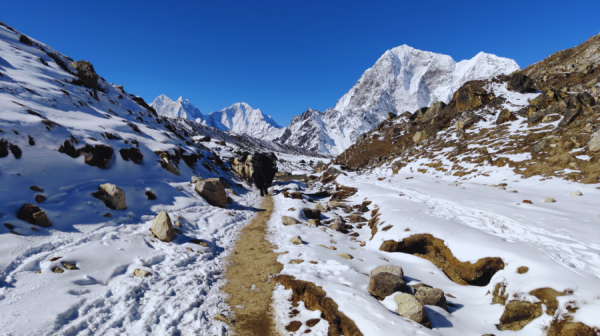
Highlights of the Kanchenjunga Base Camp Trek
1. Dual Base Camp Achievement: The “Double Crown
Unlike most treks that turn back at a single point, the Kanchenjunga Circuit offers two majestic base camps:
- North Base Camp (Pangpema, 5,143 m): Stand beneath the colossal north wall and gaze at the sweeping Kanchenjunga Glacier.
- South Base Camp (Oktang, 4,780 m): Witness the dramatic Yalung Glacier and jagged ridges bordering India and Sikkim.
The Connection: Traverse the Sele La (4,290 m) and Mirgin La (4,663 m) passes, where the “Big Four” giants—Everest, Lhotse, Makalu, and Kanchenjunga—come together in a panoramic sweep.
2. Breathtaking Scenery & Pristine Wilderness
Trek through one of Nepal’s most isolated and under-explored regions. Explore the Tamor Valley, Ghunsa, Ramche, Lhonak, and Khambachen valleys, highland forests, and glacial landscapes like Tso, Nyukla, Ramdung, and Kumbhakarna Kanchenjunga Glaciers.
With few tourists and untouched trails, this is a true wilderness adventure, offering serenity, solitude, and jaw-dropping vistas at every step.
3. Rare Wildlife & Eco-Adventure
The Kanchenjunga Conservation Area protects some of the Himalayas’ most elusive species:
- Snow Leopard (“Ghost of the Himalayas”) and Red Panda
- Himalayan Monal (Nepal’s national bird) and Blood Pheasant
- Rich flora, including 30 rhododendron varieties and 69 species of orchids in spring
Every step is a chance for a close encounter with nature, making this trek as much an ecological journey as an adventure.
4. Diverse Cultures & Local Communities
This trek immerses you in Nepal’s rich ethnic tapestry:
- Lowlands: Limbu and Rai communities with terraced fields and cardamom groves
- Highlands: Sherpa and Tibetan villages such as Ghunsa (“winter place”) and **Phale”)
- Spirituality: Visit the Old Gumba in Phale, ancient mani walls, and prayer flags that hum in the mountain wind
Friendly locals welcome trekkers with warmth, giving a first-hand look at centuries-old traditions and lifestyles.
5. Authentic Himalayan Flavors
The food along the trek is simple, hearty, and culturally immersive:
- Dal Bhat: Unlimited staple for trekking energy
- Thenduk & Sherpa Stew: Warm winter favorites
- Tongba: Fermented millet drink, served in a wooden canister with hot water, a traditional icebreaker with locals
Sharing meals and drinks strengthens connections and adds a personal, human dimension to the journey.
6. Majestic Mountains & Glacial Wonders
From both North and South Base Camps, enjoy panoramic views of Nepal’s largest peaks:
- Kanchenjunga (8,586 m), Everest (8,848 m), Lhotse (8,516 m), Makalu (8,481 m)
- Other peaks: Jannu, Kumbakarna, Rathong
- Alpine meadows, rhododendron forests, and glacial valleys make every turn more spectacular
As you ascend, the vistas grow grander and more rewarding, a constant reminder of the Himalayas’ scale and beauty.
7. Spiritual & Hidden Wonders
Kanchenjunga is a land of legends and quiet reflection:
- Walk through ancient gumbas and sacred sites
- Hear the whispers of Beyul, a hidden valley of immortality said to exist on Kanchenjunga’s slopes
- Feel the peaceful solitude of the Tamor Valley and Ghunsa, where silence replaces modern life’s noise
Why Trek Kanchenjunga?
The Kanchenjunga Circuit Trek challenges the body, delights the senses, and rewards the soul. It combines:
- Dual base camps and high passes
- Pristine Himalayan wilderness and rare wildlife
- Immersive cultural experiences and traditional cuisine
- Spectacular panoramic mountain vistas
It is the ultimate Himalayan trophy—a trek for adventurers who want to see it all, feel it all, and carry it with them for a lifetime.
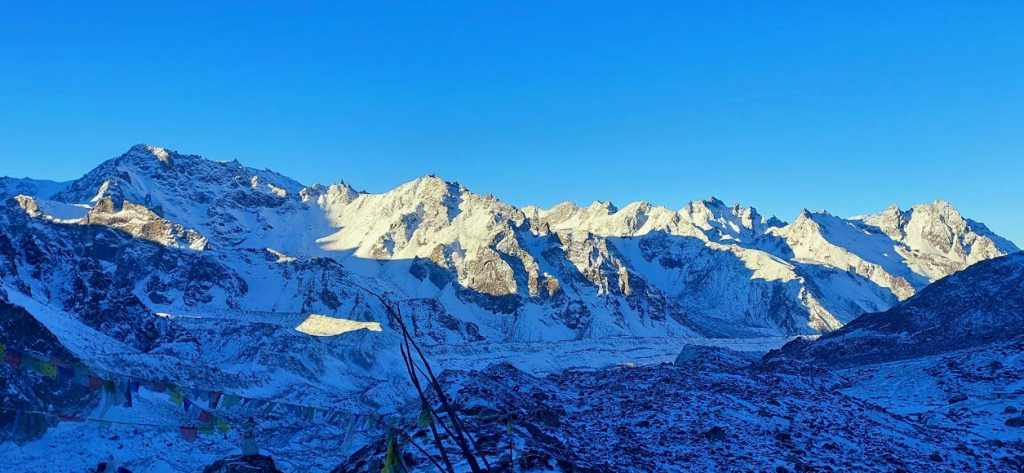
Best Time to Trek in the Kanchenjunga Region: Optimal Seasons and Conditions
Optimal Trekking Seasons
For the best trekking experience in the Kanchenjunga region, plan your trip from mid-October to late November or early March to mid-May. During these periods, you’ll experience the region’s most favorable weather conditions, making your trek more enjoyable and less challenging.
Avoid the Rainy Season
Trekking from late May to late September is particularly challenging due to the rainy season. Heavy rains can make trails slippery and difficult to navigate, increasing the risk of landslides and other hazards.
Winter Trekking Challenges
While it is possible to trek in winter, be aware that the weather can be unpredictable, and high passes are often covered in snow, making the trek more difficult. Additionally, most residents move to lower elevations during this time, reducing accommodation options.
Spring Blooms and Clear Skies
Spring, from early March to mid-May, offers excellent visibility and the added beauty of rhododendrons in full bloom. Various species flower in different hues, creating a stunning natural display.
Autumn Clarity and Trail Conditions
Autumn, from mid-October to late November, provides the clearest skies for spectacular mountain views. However, keep in mind that trails may have been altered by monsoon rains, requiring some itinerary adjustments.
Monsoon Season Caution
It is advisable to avoid the monsoon season from late May to mid/late September. The heavy rains can make trekking conditions hazardous and significantly less enjoyable.
By choosing the optimal trekking seasons and being mindful of seasonal challenges, you can fully appreciate the natural beauty and cultural richness of the Kanchenjunga region.
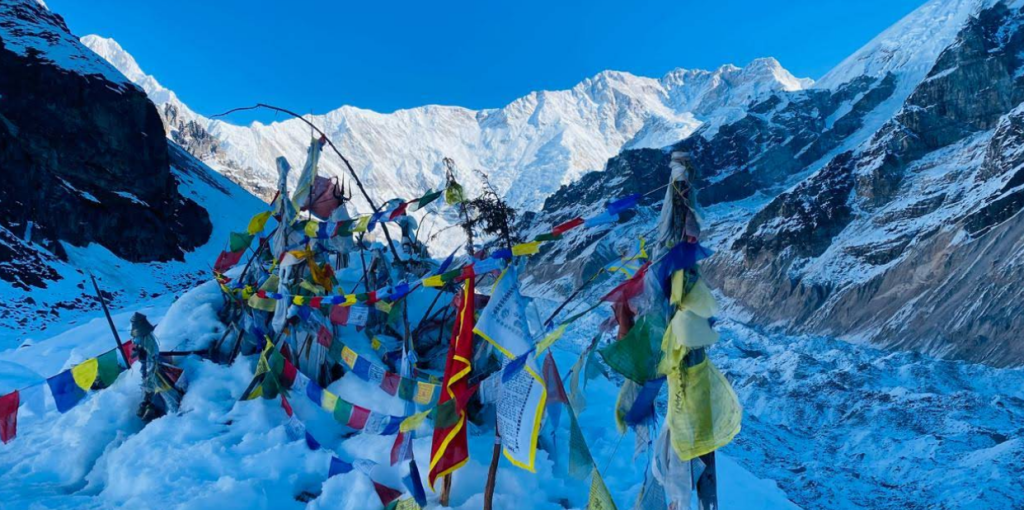
Preparing for the Kanchenjunga Circuit Trek: Physical and Mental Readiness
Physical Training
Aerobic Conditioning and Strength Endurance
- Aerobic Exercise: This will help your body perform efficiently with less oxygen, crucial for high-altitude trekking.
- Strength Training: Focus on strengthening your muscles to better handle elevation gains.
Hiking Practice
- Start Easy: Begin with short, manageable hikes and gradually increase the duration and difficulty.
- Build Stamina: Aim to reach a point where you can walk continuously for five to six hours.
Training Schedule (Twice Weekly)
- Hiking: Go for long hikes or walks, ascending for 5–6 hours with short breaks. Opt for hilly, uneven terrain when possible, and carry your daypack.
- Gym Workout:
- Treadmill: 30-45 minutes at a leisurely pace or hill setting.
- Stair Stepping: 10 minutes at 30-45 steps per minute.
- Cooldown: Five minutes of steady, incline-free walking.
- Strength Training: Three rounds of 20 lunges and 20 squats to build leg muscles.
- Stretching: Ensure proper form and stretch afterward.
Mental Preparedness
Adjusting to Remote Alpine Conditions
- Daily Routine: Prepare to walk uphill for 5 to 8 hours each day at high altitude, carrying a backpack.
- Expectations: Understand that there will be limited amenities like Wi-Fi and air conditioning. Mentally and emotionally prepare for basic living and sleeping conditions.
Gathering Information and Bonding
- Consult Experienced Trekkers: Talk to people who have completed the Kanchenjunga trek to learn about the routes and what to expect.
- Connect with Trekking Partners: Build a rapport with your fellow trekkers to enhance your overall experience.
By incorporating these physical and mental preparation strategies, you’ll be well-equipped to tackle the Kanchenjunga Circuit Trek and fully enjoy this challenging yet rewarding adventure.
Essential Equipment and Gear for the Kanchenjunga Base Camp Trek
Reliable Footwear
- Waterproof Hiking Boots: Ensure they are sturdy and comfortable for all-day wear on uneven terrain.
- Hiking Socks: Invest in good-quality socks to keep your feet comfortable and blister-free.
Clothing and Insulation
- Insulating Jacket: A high-quality, practical jacket is crucial for staying warm in cold conditions, especially since there won’t be heaters in tea houses or along the trails. Only expect indoor fireplaces in specific cooking areas.
- Sleeping Bag with Liner: Essential for staying warm during chilly nights at higher altitudes.
Hydration and Sun Protection
- Water Bottle: A durable, sturdy water bottle is a must.
- Sunglasses or Sun Hat: Protect yourself from intense sun exposure, which can cause headaches, rashes, and discomfort.
- Water Purifying Products or Tablets: Necessary for ensuring safe drinking water, as availability is limited at higher elevations.
For a complete checklist, including clothing, gear, and trekking essentials, check out our full Kanchenjunga Trek Packing List.
By ensuring you have these essential items, you’ll be well-prepared for the Kanchenjunga Circuit Trek and can fully enjoy this incredible adventure.
Essential Permits for the Kanchenjunga Base Camp Trek
Restricted Area Permit
The Kanchenjunga Trek requires a Restricted Area Permit, issued by Immigration and Customs Enforcement. This permit is essential for all treks in restricted areas of Nepal.
Trekking Company and Group Requirements
To trek in Nepal’s restricted areas, you must apply through a recognized trekking company and travel with at least two other people, including a guide. Ensure you have these requirements met before embarking on your journey.
Kanchenjunga Conservation Area Permit
In addition to the Restricted Area Permit, you need a Kanchenjunga Conservation Area Permit. This is essential for accessing and trekking within the conservation area.
Permit Handling by Bold Himalaya
Bold Himalaya, a reputable trekking agency, will handle all necessary permits for your Kanchenjunga Trek. Contact them in advance to ensure all permit requirements are met and to facilitate a smooth trekking experience.
By securing these permits through the appropriate channels, you can ensure a hassle-free and legal trek in the Kanchenjunga region.
Elevation and Weather Considerations for the Kanchenjunga Base Camp Trek
Altitude Range
During the Kanchenjunga Trek, you’ll ascend from an average height of 200 meters to a high of 5,175 meters. This significant elevation gain presents unique challenges and unpredictable weather conditions.
Weather and Temperature Variability
The weather and temperature can vary greatly throughout the trek due to the vast altitude range. Be prepared for fluctuating conditions and ensure you have the appropriate gear for both warm and cold climates.
Trekking Safety and Preparation
While the Kanchenjunga Base Camp Trek is demanding, it can be manageable with basic safety precautions. No prior hiking or climbing expertise is required, making it accessible to most adventurers.
Acute Mountain Sickness (AMS)
One of the major challenges on this trek is Acute Mountain Sickness (AMS). It’s crucial to acclimatize properly and recognize the symptoms of AMS to ensure a safe journey.
Unpredictable Weather
The weather in the Kanchenjunga region is notoriously unpredictable. Be prepared for sudden changes and pack accordingly to handle various weather scenarios.
By understanding and preparing for these factors, you can enhance your trekking experience and safely enjoy the stunning beauty of the Kanchenjunga region.
Kanchenjunga Circuit Trek (Including South and North Base Camp) Itinerary: Highlights and Detailed Plan
The Kanchenjunga Circuit Trek itinerary can be customized to fit your needs. Here is an average itinerary to help you plan your adventure:
| Day | Route / Activity | Max Altitude | Approx. Duration |
|---|---|---|---|
| 01 | Arrival in Kathmandu | 1,400 m | – |
| 02 | Kathmandu → Bhadrapur (Flight) → Taplejung | 1,820 m | 9–10 hrs (Flight + Drive) |
| 03 | Taplejung → Sekathum → Amjilosa | 2,400 m | 8–9 hrs (Drive + Trek) |
| 04 | Amjilosa → Gyabla | 2,730 m | 5–6 hrs |
| 05 | Gyabla → Ghunsa | 3,430 m | 5–6 hrs |
| 06 | Acclimatization Day in Ghunsa | 3,430 m | 3–4 hrs (Side hike) |
| 07 | Ghunsa → Kambachen | 4,050 m | 5–6 hrs |
| 08 | Rest / Optional Jannu Base Camp Hike | 4,420 m | 4–5 hrs |
| 09 | Kambachen → Lhonak | 4,800 m | 5–6 hrs |
| 10 | Pangpema (North Base Camp) → Kambachen | 5,143 m → 4,050 m | 8–9 hrs |
| 11 | Kambachen → Ghunsa | 4,050 m → 3,430 m | 4–5 hrs |
| 12 | Ghunsa → Selele Camp | 4,480 m | 5–6 hrs |
| 13 | Selele → Tseram (via Mirgin La) | 4,646 m | 7–8 hrs |
| 14 | Oktang (South BC Viewpoint) → Tseram | 4,900 m | 6–7 hrs |
| 15 | Tseram → Yarsang (Tortong area) | 2,995 m | 6–7 hrs |
| 16 | Yarsang → Helok → Taplejung | 1,820 m | 8–9 hrs (Trek + Drive) |
| 17 | Taplejung → Birtamod | 300 m | 7–8 hrs (Drive) |
| 18 | Birtamod → Bhadrapur → Kathmandu | 1,400 m | 2 hrs (Drive + Flight) |
| 19 | Departure from Nepal | – | – |
For a detailed day-by-day itinerary and duration breakdown, check out our Kanchenjunga Base Camp Trek Duration Guide
How to Get to Taplejung: Routes for the Kanchenjunga Base Camp Trek
Getting to Taplejung, the gateway to the Kanchenjunga Circuit Trek, can be done by air or road, each with its own balance of time, cost, and reliability. The most reliable option is to fly from Kathmandu to Bhadrapur with airlines like Buddha Air, Yeti Airlines, or Shree Airlines (45 minutes, ~$115–$140 USD), followed by an 8–10 hour drive to Taplejung in a private jeep (~$150–$250 USD) through the scenic Kanyam tea gardens and winding Phidim hills.
The direct flight to Suketar Airport above Taplejung is shorter (1 hour) but highly unreliable due to mountain weather, operating only 2–3 times per week with a high chance of cancellation (~$60–$75 USD).
For those on a budget or seeking adventure, a long road journey from Kathmandu by public bus or private jeep (~18–22 hours, $25–$35 USD) is possible, though it is bumpy, exhausting, and only recommended for experienced travelers. Overall, the fly-to-Bhadrapur-and-jeep route offers the best combination of speed, safety, and convenience.
Facilities on Kanchenjunga Base Camp Trek
Food and Dining: The “Himalayan Fuel”
In 2026, menus are becoming more common in lower villages, but above Ghunsa, you find the kitchen is often a single wood-fired stove serving whatever is fresh and available.
- Standard Staples: Dal Bhat (Lentil soup and rice), Thukpa (Noodle soup), Chowmein, and Breads (Tibetan bread, Chapati).
- The “Ghunsa Exception”: Ghunsa is the trek’s hub. You can often find more “luxury” items here like pasta, pancakes, and even basic cakes or coffee.
- Adventure Staples: In very remote area like Lhonak or Pangpema, expect to see Thenduk (pulled noodle soup) and Dhindo (buckwheat mash)—the ultimate local power food.
- Safety Tip: Stick to a vegetarian diet above 4,000 m. Since meat is carried for days on porters’ backs without refrigeration, it is much safer to avoid it until you descend.
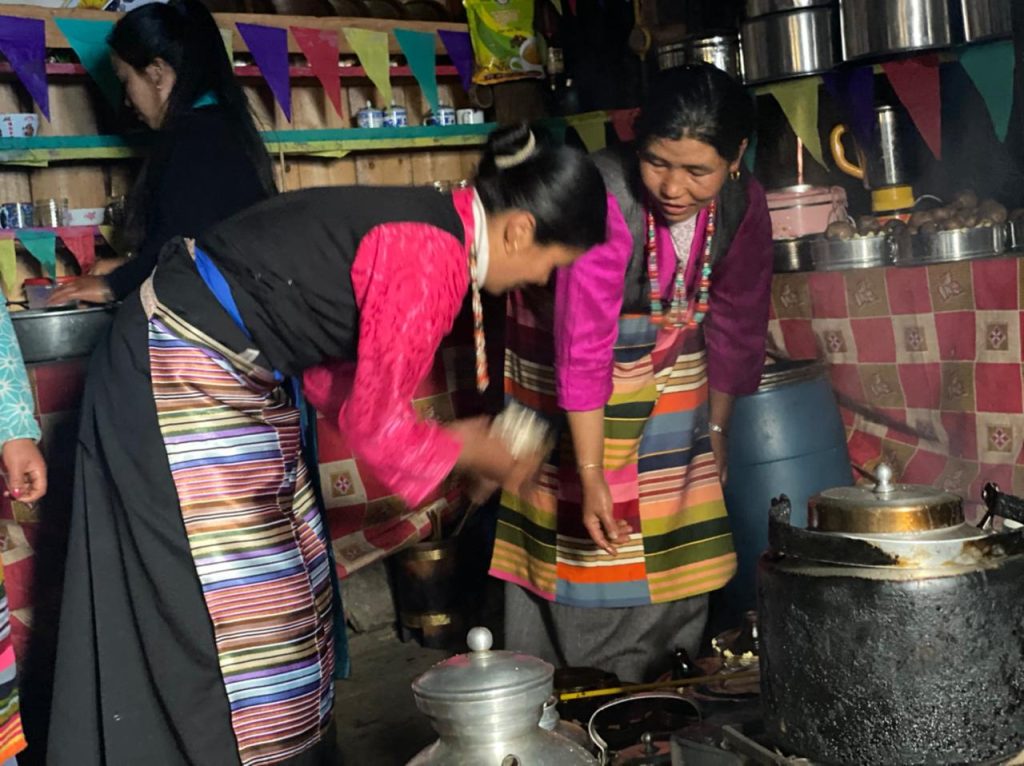
Accommodation: Teahouse vs. Tent
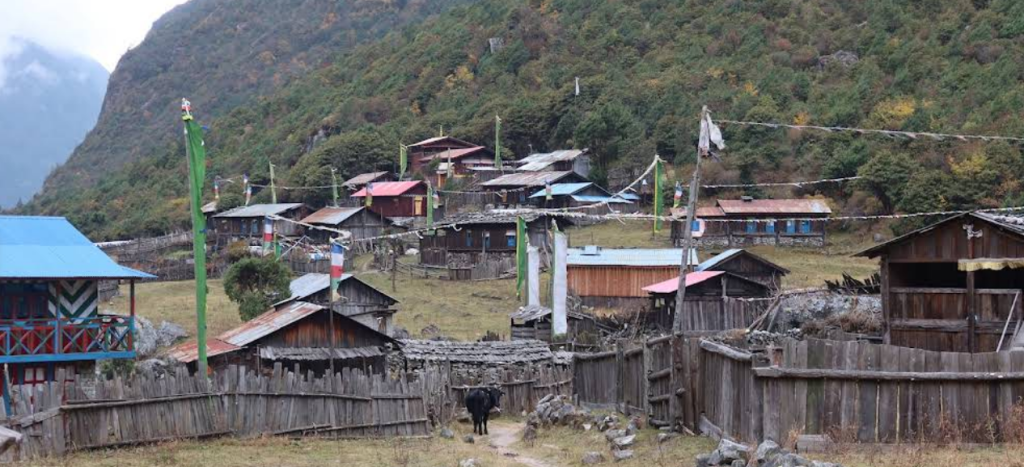
The trek has successfully changed from “Camping Only” to a Teahouse Trek, though the quality varies wildly.
- The Sleeping Bag Rule: Even though teahouses provide blankets, they are rarely washed and often damp. A -20°C rated sleeping bag is essential for hygiene and surviving the freezing nights.
- Lower Regions: Basic wooden lodges with twin beds, foam mattresses, and pillows.
- High Altitude (Lhonak/Pangpema): You may stay in seasonal stone huts or very basic wooden shacks. Insulation is non-existent.
Hygiene & Water
- Hot Showers: Available in the lower regions via gas or solar heaters for an extra cost. Above $4,000$ m, most trekkers switch to “wet wipe” showers to avoid getting chilled.
- Drinking Water: You cannot buy bottled water in the Conservation Area. You must use purification tablets or a Steripen/filter. Teahouses will sell “boiled water” for a small fee, which is safer for your stomach.
ATMs and Banking
ATMs are available at the start of the trek. However, as you move towards higher regions, there are no such facilities. It’s best to withdraw all the cash you need in the capital to avoid any problems, as ATMs might be out of service along the trekking route.
Tips: A hidden highlight of the Kanchenjunga trek is the greenhouses in Ghunsa. They grow fresh spinach and cabbage even at high altitudes. If your host offers “Saag” (greens) with your Dal Bhat, take it—it’s the best fresh nutrition you’ll get for weeks!
Essential Tips for the Kanchenjunga Circuit Trek
Follow Rules and Regulations
- Adhere to Guidelines: During the trek, follow the established rules and regulations.
- Avoid Littering: Refrain from throwing rubbish anywhere on the trail.
- Respect Local Flora and Fauna: Do nothing that might harm the local environment.
- Cultural Sensitivity: With many distinct racial and ethnic communities, respect their traditions and practices to avoid offending anyone.
Start the Trek from a Lower Elevation
- Acclimatization: Begin your trek from a lower elevation to acclimate faster.
- Climb High, Sleep Low: Spend time at higher altitudes during the day but sleep at a lower level for better acclimatization.
- Scout the Area: After setting up camp, explore nearby hills to help your body adjust.
- Climb and Descend: During downtime, climb and descend a few hundred vertical feet to aid acclimatization.
- High Altitude Awareness: This guideline is crucial at altitudes of 10,000 feet and above as your body adjusts to lower oxygen levels.
Allow Extra Days for the Trek
- Buffer Time: Include a couple of extra days in your itinerary to account for unforeseen circumstances and ensure a comfortable pace.
Why Choose Bold Himalaya for Your Trekking Adventure?
Guaranteed Departures
- Reliability: Except for exceptional circumstances like epidemics, pandemics, political disturbances, natural catastrophes, and government restrictions, all our packages and adventure excursions are guaranteed to depart as scheduled.
- Leading Expertise: As the undisputed leaders in hiking and climbing in the Himalayas, we ensure your trek goes as planned.
Personalized Vacation Packages
- Tailored Experiences: We offer customized vacation packages for people of all ages, couples, families, and individuals.
- Complete Autonomy: Enjoy total autonomy and selection with our personalized services.
Expert Knowledge and Experience
- Well-Traveled Experts: Our experts have traveled extensively and possess a deep understanding of the area.
- Custom-Tailored Trips: We tailor exciting and memorable trips to your specific interests and needs.
24/7 Support
- Round-the-Clock Assistance: Our staff is available around the clock to respond to your inquiries.
- Customized Responses: We tailor our responses to your specific preferences, needs, budget, and travel plans
Safety-First Infrastructure
On a trek where the nearest hospital is days away, Bold Himalaya’s safety protocols are a major “hook”:
- Oximeter Monitoring: Guides conduct daily oxygen saturation and pulse checks to catch Altitude Sickness (AMS) before it becomes an emergency.
- Evacuation Ready: They have a 24/7 standby coordination team in Kathmandu for emergency helicopter rescues, which is vital on a 22-day trek.
- Gear Support: They provide high-quality down jackets and -20°C sleeping bags, saving you from having to buy or lug expensive gear from home.
Importance of Travel Insurance for Your Nepal Trek
Health and Safety Protection
- Health Coverage: Traveling to areas like Nepal can pose health risks due to unfamiliar cuisine and varying cleanliness levels. Travel insurance ensures you are covered in case of illness or hazardous health conditions.
- Medical Evacuation: If you need to be evacuated for further treatment while trekking, insurance covers the costs.
Financial Security
- Prevent Financial Catastrophe: Travel insurance can save you from significant financial losses due to unforeseen medical expenses or emergencies.
- Cost Savings: It can save you money by covering unexpected expenses like medical treatment or evacuation.
Stress and Anxiety Reduction
- Peace of Mind: Knowing you are covered in case of emergencies reduces stress and anxiety, allowing you to enjoy your trip more.
- Emergency Assistance: If an emergency occurs during your trip, travel insurance ensures you can return home early and claim insurance.
Convenience and Efficiency
- Time and Effort Savings: Travel insurance can help you save time and effort by providing quick assistance and covering necessary expenses.
- Comprehensive Care: If you become unwell while traveling, your travel insurance may cover the cost of medical treatment or evacuation to a hospital that can provide the necessary care.
Some helpful tips for Kanchenjunga Base Camp Trek
Flexibility in Itinerary
- Weather Changes: The weather in the Himalayan region can change unexpectedly, leading to potential flight cancellations or delays.
- Acclimatization: Higher altitudes may require more time for acclimatization to avoid altitude sickness.
- Exploration: You might want to spend additional time exploring the beautiful locations along your trek.
Porter Weight Limit
- Government Guidelines: The Nepalese government sets a standard weight allowance for porters at 35 kgs (77 lbs), but this is not strictly enforced.
- Trekking Company Policies: Reputable trekking companies typically limit client trek loads to around 10 kgs per trekker (22 lbs) to ensure the well-being of porters.
- Beware of Overloading: Be cautious of dubious trekking agents who may expect porters to carry excessive loads.
By planning for extra days and understanding the Porter weight limits, you can ensure a more enjoyable and responsible trekking experience in the Himalayas.
Comments (0)
Write a comment- Quick Fact of The Kanchenjunga Base Camp Trek:
- Discover the Ultimate Adventure: Kanchenjunga Base Camp Trek
- Highlights of the Kanchenjunga Base Camp Trek
- Why Trek Kanchenjunga?
- Best Time to Trek in the Kanchenjunga Region: Optimal Seasons and Conditions
- Preparing for the Kanchenjunga Circuit Trek: Physical and Mental Readiness
- Essential Equipment and Gear for the Kanchenjunga Base Camp Trek
- Essential Permits for the Kanchenjunga Base Camp Trek
- Elevation and Weather Considerations for the Kanchenjunga Base Camp Trek
- Kanchenjunga Circuit Trek (Including South and North Base Camp) Itinerary: Highlights and Detailed Plan
- How to Get to Taplejung: Routes for the Kanchenjunga Base Camp Trek
- Facilities on Kanchenjunga Base Camp Trek
- Essential Tips for the Kanchenjunga Circuit Trek
- Why Choose Bold Himalaya for Your Trekking Adventure?
- Importance of Travel Insurance for Your Nepal Trek
- Some helpful tips for Kanchenjunga Base Camp Trek
Read the latest Blogs & Insights
Explore our collection of articles and insights to gain in-depth travel knowledge, expert advice, and stay updated on the latest trends and tips.
View All Articles
How Long is the Trek to Kanchenjunga Base Camp?
27 Feb. 2025
Packing List for Kanchenjunga Trekking
25 Feb. 2025
Best High Passes Treks in Nepal
19 Feb. 2026



No comments yet.