



Trekking vs Hiking
-
 Sobit Bhandari
 -
20 December, 2024
-
15 mins read
-
2126 Views
-
0 Comments


Trekking and hiking are often used interchangeably, but they are not the same. Although both activities involve hiking in nature and exploring the outdoors, the experience, the level of difficulty, the length of the hike, and the level of preparation needed for each activity are quite different. This is important to know, especially for beginners planning to go on their first hiking experience, or for travelers trying to choose between hiking in nature and a mountain journey.
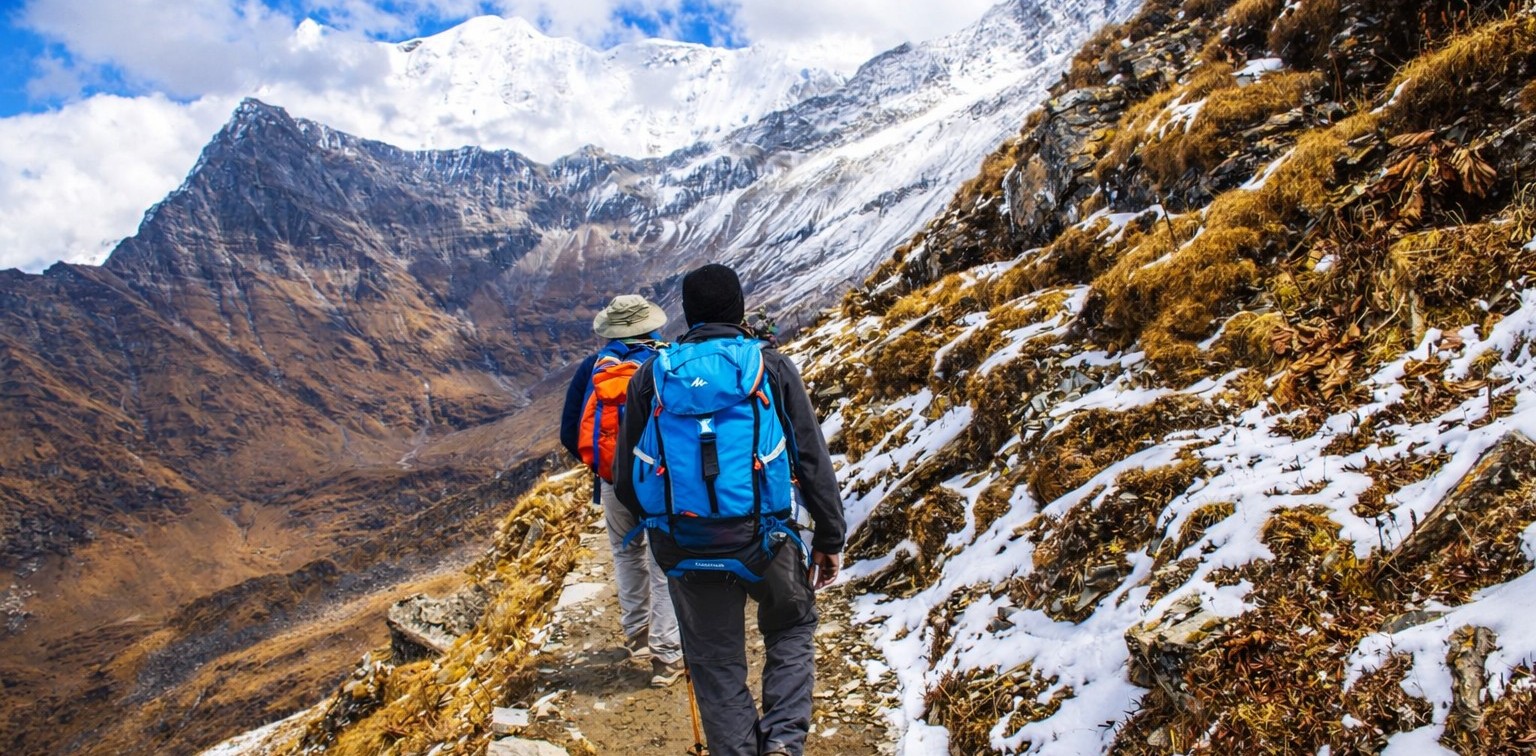
In simple terms, hiking usually refers to shorter walks on marked trails that can be completed within a day, often at lower altitudes and with minimal gear. Trekking, on the other hand, involves longer, multi-day journeys through more challenging and remote terrain, often requiring physical endurance, planning, and overnight stays. For example, a day hike in Shivapuri National Park is very different from completing the multi-day journey to Everest Base Camp.
Knowing the difference helps you choose the right adventure based on your fitness level, time availability, budget, and personal goals. For beginners, choosing hiking over trekking can build confidence and stamina gradually. For experienced adventure travellers, trekking offers a deeper immersion into nature, culture, and high-altitude landscapes. By understanding trekking vs hiking, you can prepare better, stay safer, and enjoy your outdoor journey to the fullest.
Trekking vs Hiking: Comparison Table
| Feature | Hiking | Trekking |
|---|---|---|
| Duration | Short (a few hours – 1 day) | Multi-day to weeks |
| Difficulty | Moderate | Moderate/Challenging |
| Terrain | Marked trails | Remote and rugged |
| Accommodation | Return same day | Camping/Tea houses |
| Example | Short (a few hours – 1 day) | Everest Base Camp |
What is Trekking?
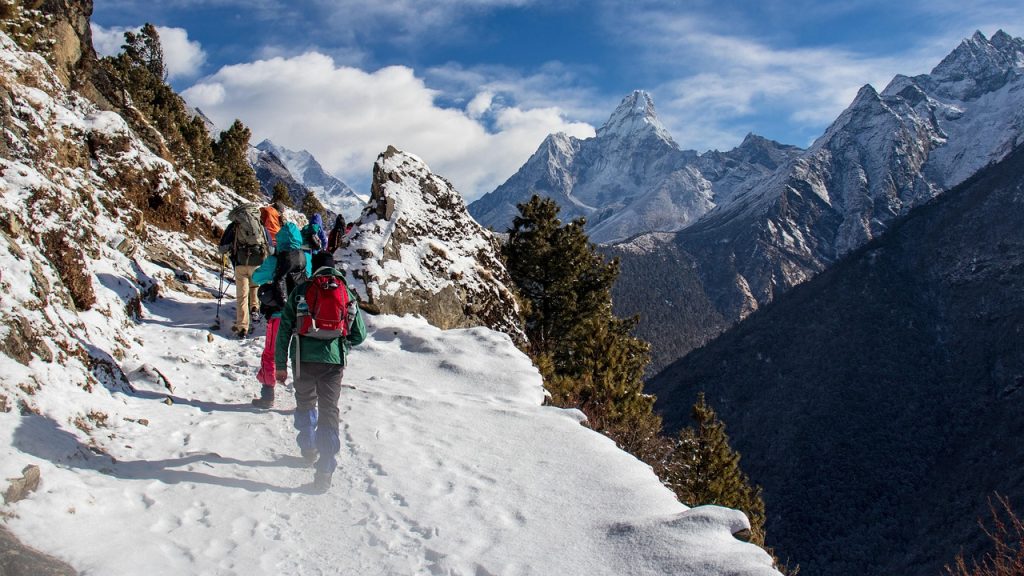
Trekking is a long-distance journey on foot, usually lasting multiple days, through remote and often mountainous terrain. Unlike short nature walks, trekking is a strenuous activity that requires physical exertion and overnight stays, while passing through natural landscapes that may not always have well-developed trails. It is commonly done in high-altitude regions where the journey itself is the main goal, rather than simply reaching a viewpoint and returning the same day.
In simple terms, trekking is an extended adventure that combines endurance, exploration, and immersion in nature.
Key Features of Trekking
1. Multi-Day Journey: Trekking typically lasts from several days to a few weeks. Trekkers follow a planned route, stopping at tea houses, lodges, or campsites along the way. The experience is about the entire journey, not just the final destination.
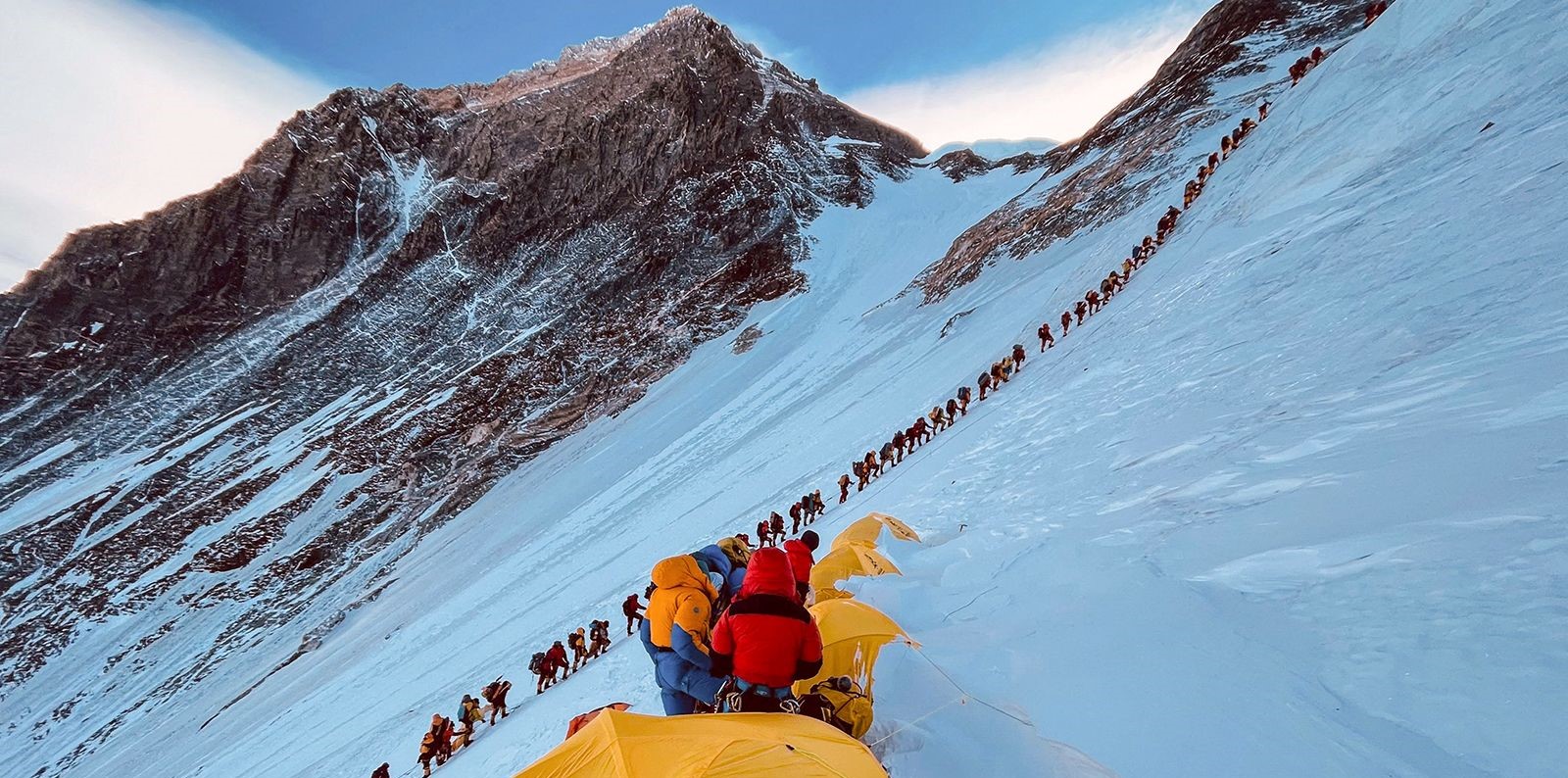
2. Remote Mountain Terrain: Most treks take place in isolated natural environments such as mountain ranges, valleys, or highland trails. The routes may include rocky paths, river crossings, forests, glaciers, or snow-covered passes.
3. Higher Altitude: Trekking often involves climbing to higher elevations where altitude becomes a significant factor. As you ascend, oxygen levels decrease, making the journey more physically demanding and requiring proper acclimatisation.
4. Requires Physical Preparation: Trekking involves long walking hours, elevation gain, and unpredictable weather, so physical fitness is essential. Strength, stamina, and mental endurance play a crucial role in completing a trek successfully.
Who should choose Trekking?
Trekking is suitable for those who want more than just a short walk in the outdoors, but also want to have a real adventure, cultural experiences, and the sense of achievement from completing a challenging activity. If you like spending time outdoors, walking through the mountains, and challenging your body, then trekking can be a great adventure for you.
However, trekking is not only for professional athletes or extreme adventurers. People with basic fitness levels can also go trekking, depending on the route, duration, altitude, and accommodation style. Not all treks are equally difficult. Some high-altitude or remote routes demand strong endurance and prior experience, while others are moderate and beginner-friendly with comfortable lodging options.
Popular Trekking Examples
Two of the most famous trekking routes in Nepal include:
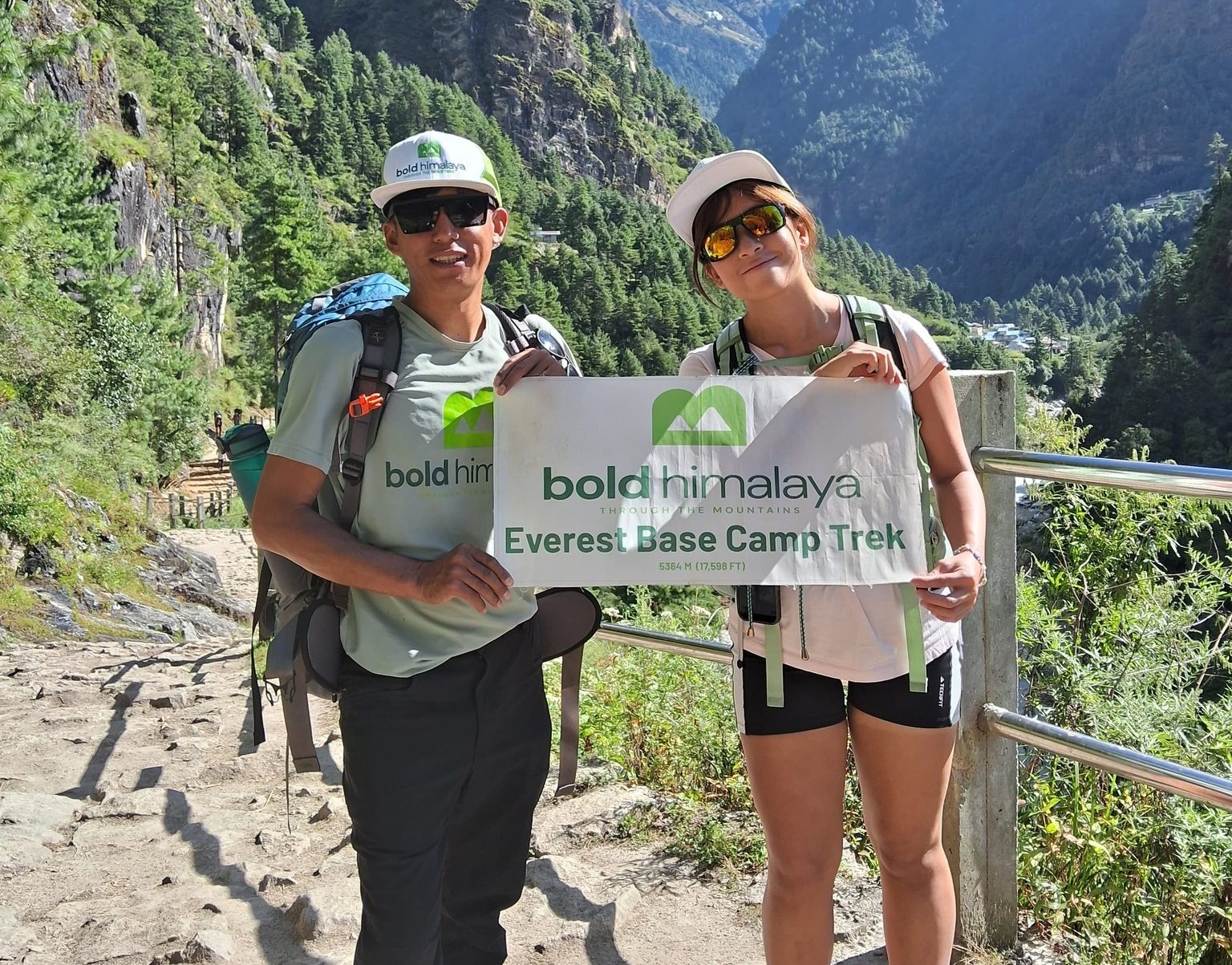
- Everest Base Camp: A world-renowned trek that takes you to the base of Mount Everest, offering dramatic Himalayan scenery and Sherpa culture.
- Annapurna Circuit: A diverse and scenic multi-day trek that circles the Annapurna massif, passing through varied landscapes, traditional villages, and high mountain passes.
These routes perfectly represent what trekking truly means: endurance, exploration, and unforgettable adventure in the heart of nature.
Looking to experience trekking in Nepal? Explore our trekking packages, designed for every level of adventurer. Enjoy guided treks, comfortable accommodations, and stunning Himalayan scenery on routes like Ghorepani Poon Hill, Mardi Himal Base Camp, Manaslu Circuit Trek, Langtang Valley Trek, and many more.
What is Hiking?
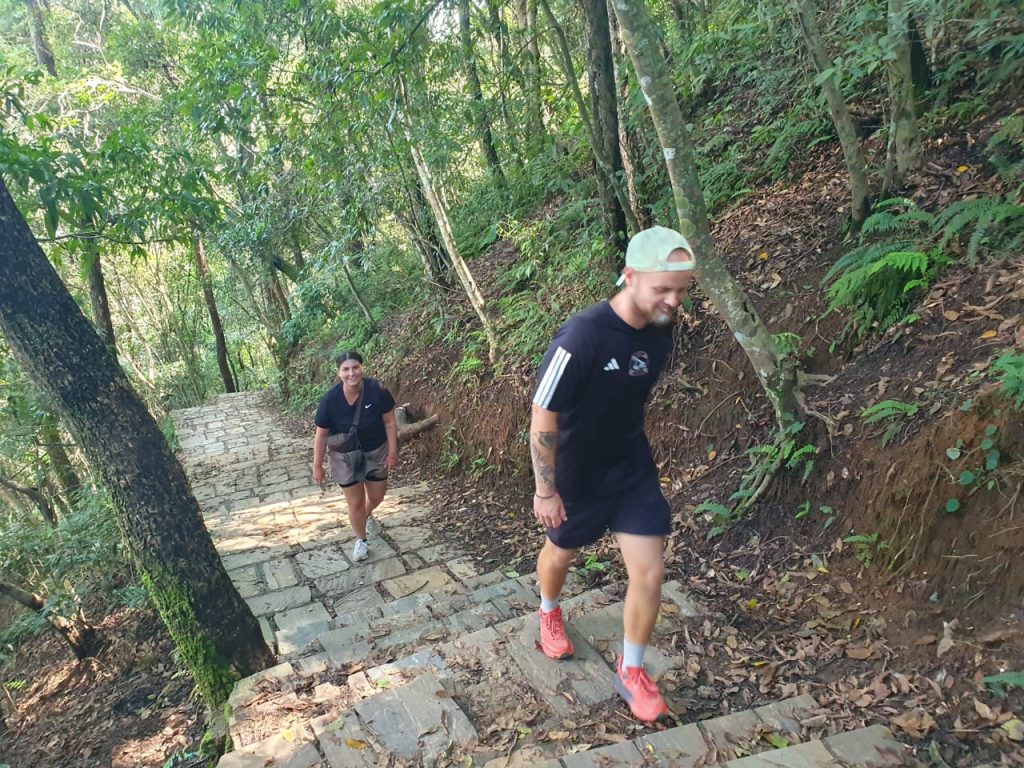
Hiking is a recreational outdoor activity that involves walking on established trails or paths, typically for a few hours to a full day. Unlike trekking, hiking is usually less strenuous and does not require overnight stays. It is an excellent way to enjoy nature, get light exercise, and explore scenic landscapes without the extensive planning or physical demands of longer journeys.
Hiking is ideal for people who want a day-long adventure in nature, whether for relaxation, fitness, or sightseeing. It is accessible to beginners and families, making it a popular choice for casual outdoor enthusiasts.
Key Features of Hiking
1. Short Duration: Hikes are generally completed in a few hours to one full day, making them suitable for a weekend or even a few hours of outdoor activity.
2. Well-Marked Trails: Hiking trails are typically clearly marked, maintained, and easier to navigate than trekking routes. This reduces the risk of getting lost and makes the experience more beginner-friendly.
3. Lower Altitude: Most hikes take place at lower elevations compared to trekking. This means less risk of altitude sickness and less physical strain.
4. Less Gear Required: Hiking requires minimal equipment: a comfortable pair of shoes, water, snacks, and light clothing are usually sufficient. There’s no need for heavy backpacks or camping gear unless you choose a longer or multi-day hike.
Who should choose Hiking?
Hiking is perfect for beginners, families, and casual travellers who want to enjoy nature without the physical or logistical challenges of trekking. People with basic fitness can easily participate, and even those new to outdoor activities can enjoy well-marked trails and scenic viewpoints.
Popular Hiking Examples
- Shivapuri National Park: A nearby hiking destination from Kathmandu, offering lush forests, diverse wildlife, and beautiful mountain views.
- Phulchowki Hill: Known for its panoramic views, birdwatching opportunities, and moderate hiking trails suitable for beginners.
- Jamacho Hike: A popular short hike close to Kathmandu, which offers a mix of forest trails, cultural spots, and scenic views of the Kathmandu valley
Reasons to do Trekking and Hiking
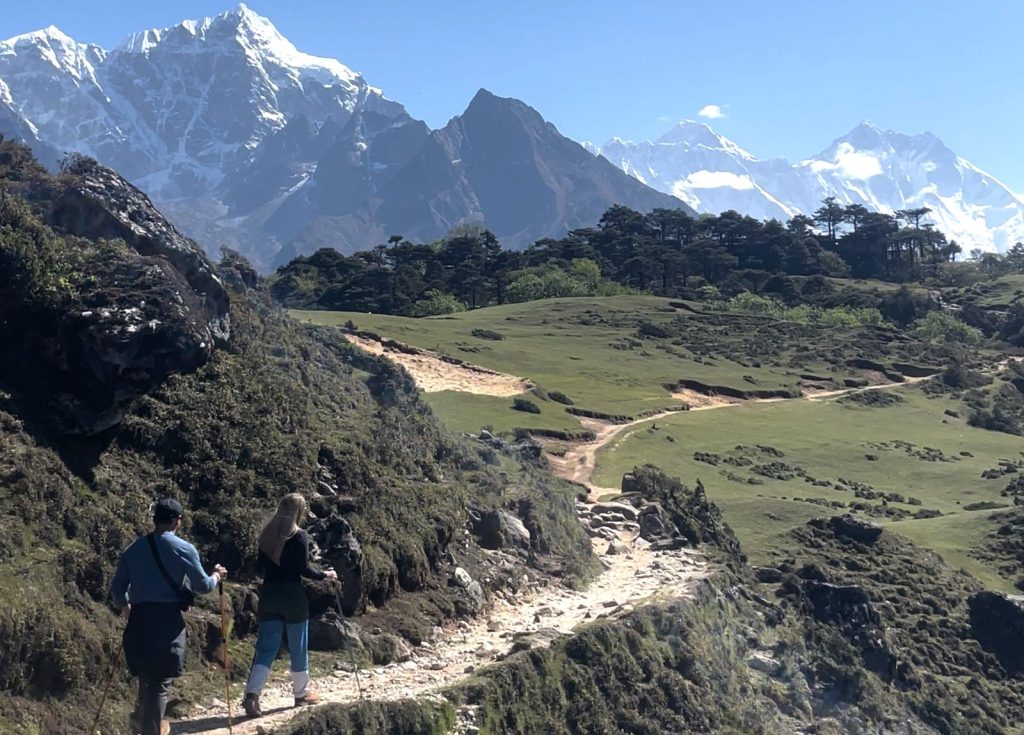
Here are some of the common reasons why people choose to do trekking and hiking:
- Physical Exercise: Trekking and hiking offer a great way to exercise while enjoying the outdoors. Walking long distances on varied terrain can improve cardiovascular health, build strength and endurance, and burn calories.
- Adventure and Exploration: This can take you to remote, off-the-beaten-path destinations, allowing you to explore new places and cultures. They can offer a sense of adventure, challenge, and excitement.
- Nature and Scenery: Trekking and hiking allow you to experience the beauty of nature and stunning landscapes, from snow-capped mountains and lush forests to breathtaking views and wildlife encounters.
- Mental Health: It can positively impact mental health by reducing stress, promoting relaxation, and improving mood. They can also provide a sense of accomplishment, boost self-esteem, and offer a break from the routine of daily life.
- Socialising: Trekking and hiking can be a social activity, allowing you to connect with like-minded individuals or travel companions. Group trekking or hiking trips can offer a sense of camaraderie, teamwork, and shared experiences.
- Weight management: It can help maintain a healthy body weight by burning calories and promoting muscle growth.
- Skill development: Trekking and hiking require various skills, such as navigation, first aid, and camping, which can enhance self-reliance and survival skills.
- Environmental awareness: This can increase awareness and appreciation of the environment, leading to greater conservation efforts and respect for natural resources.
- Cultural Exchange: Trekking and hiking can provide an opportunity to interact with local communities and learn about their culture, traditions, and way of life.
Overall, trekking offers a more rewarding and unique experience that combines physical and mental challenges, adventure, and the beauty of nature.
Key difference between Trekking vs Hiking
1. Duration: Hiking is usually a short walk lasting a few hours to a day, which is perfect for quick outdoor adventures like Shivapuri National Park or Phulchowki Hill. Trekking is a multi-day journey, often lasting several days to weeks, such as the Everest Base Camp or Annapurna Circuit Trek, requiring more time and preparation.
2. Terrain: Trails are well-marked, easy to navigate, and mostly safe. Trekking routes are rugged, remote, and may include rocky paths, river crossings, or snow-covered passes, often requiring guidance and experience.
3. Physical Fitness: Hiking is suitable for beginners or people with basic fitness. Trekking demands higher endurance due to long walking hours, steep climbs, and high-altitude conditions, though beginner-friendly treks are possible with proper pacing and accommodations.
4. Equipment Needed: Hikers need minimal gear: comfortable shoes, water, snacks, and light clothing. Trekkers need backpacks, layered clothing, trekking poles, and sometimes camping gear, depending on the route and duration.
5. Cost and Planning: Hiking is low-cost and requires little planning. Trekking involves more logistics: permits, accommodations, guides, and budgeting for multi-day trips, making it more time-consuming and expensive.
6. Permits: Hiking usually requires no permits, though some areas, like Shivapuri National Park, may charge a simple entry fee. Trekking, however, requires mandatory permits and documentation, especially for routes like Everest Base Camp, Annapurna Circuit, and Upper Mustang, where conservation and local permits are required for safety and regulation.
7. Altitude and Risk Level: Hikes are at lower altitudes with minimal risk. Trekking often reaches higher elevations, posing risks like altitude sickness, weather challenges, and rugged terrain, but also offers breathtaking landscapes and cultural experiences.
Trekking vs Hiking: Which one is better?
When comparing trekking and hiking, it is evident that trekking is more challenging than hiking. This is because trekking is more time-consuming, more challenging, at higher altitudes, and exposes the trekker to different weather conditions. Hiking is normally done on shorter routes on well-mapped trails at lower elevations, making it more accessible to beginners or individuals with minimal physical conditioning.
Trekking, on the other hand, often requires the trekker to trek for more than one day on challenging routes, including steep mountain routes, and in remote areas where help may not be readily available. This means that the trekker will face conditions such as altitude sickness, which requires good stamina, especially during treks such as the Everest Base Trek or the Annapurna Circuit. Weather conditions are also likely to affect the trekker, such as rain, snow, or extreme cold, which makes the trekking experience more challenging.
Note: The difficulty also depends on the chosen route and accommodations; some beginner-friendly treks with comfortable tea houses and moderate trails can be accessible even for people with basic fitness.
Benefits of Hiking
1. Improves Cardiovascular Health
Hiking is a great aerobic exercise that strengthens the heart and improves blood circulation. Hiking on natural trails, especially those that are gently sloping, is a great way to burn calories, increase endurance, and improve physical health. Hiking can also help increase endurance, balance, and muscle tone without straining the body.
2. Beginner-Friendly
One of the biggest advantages of hiking is that it is accessible to almost everyone. With well-marked trails and shorter durations, beginners, families, and even older adults can enjoy hiking safely. You don’t need advanced training or expensive gear to start, just comfortable shoes, water, and a positive mindset.
3. Time-Efficient
Hiking is perfect for people with busy schedules. Most hikes can be completed within a few hours or a single day, making them ideal for weekend getaways or short outdoor escapes. You can enjoy nature and return home the same day without complex planning.
4. Mental Relaxation
Spending time in nature reduces stress and improves mental well-being. Fresh air, greenery, and scenic views help clear the mind and boost mood. Hiking offers a peaceful break from daily routines, digital screens, and city noise, promoting emotional balance and relaxation.
Benefits of Trekking
1. Builds Endurance
Trekking significantly improves physical strength and stamina. Multi-day walking at varying altitudes challenges the body and gradually increases endurance. Over time, trekkers develop stronger leg muscles, better breathing capacity, and greater resilience.
2. Cultural Experiences
Trekking often passes through remote villages and traditional communities, allowing travellers to experience local culture, food, and hospitality. For example, treks like Everest Base Camp and Annapurna Circuit offer meaningful interactions with mountain communities and rich cultural traditions.
3. Deep Wilderness Immersion
Unlike short hikes, trekking allows you to fully disconnect from urban life and immerse yourself in nature for several days. You experience changing landscapes, forests, rivers, valleys, and high mountain passes, creating a deeper connection with the natural environment.
4. Strong Personal Achievement
Completing a trek brings a powerful sense of accomplishment. Overcoming physical challenges, altitude, and weather conditions builds confidence and mental strength. Reaching your final destination after days of effort is an unforgettable and rewarding experience.
Essential Gear Comparison: Trekking vs Hiking
Choosing the right gear depends on the season, duration, terrain, and difficulty of your adventure. While hiking requires minimal equipment, trekking demands more preparation due to multi-day travel and changing conditions.
Trekking Essential Gears
Packing the right gear and supplies is crucial for a successful trek, as trekking requires more equipment. Here is a general packing list for trekking:
- Durable trekking boots (ankle support recommended)
- An extra pair of socks
- Larger backpack (40-60L)
- Sleeping bag (for cold regions)
- Layered clothing (thermal base layer, fleece, down jacket, waterproof jacket)
- Trekking poles
- Headlamp with extra batteries
- Personal toiletries
- First-aid and basic medications
- Reusable water bottle and purification tablets
- Permits and necessary documents
Choose a sturdy and comfortable backpack that can hold all your gear and supplies. Make sure it fits well and has padded shoulder straps and a waist belt.
Hiking Essential Gears
Hiking gear is lightweight and simple because most hikes last only a few hours to a full day.
- Comfortable hiking shoes or trail runners
- Small daypack (15-25L)
- Water bottle or hydration pack
- Light snacks or a packed lunch
- Weather-appropriate clothing (light layers)
- Hat, sunglasses, and sunscreen
- Basic first-aid kit
- Mobile phone or a simple map
Why Choose Trekking in Nepal?
Nepal, where mountains feel alive, is considered one of the world’s top trekking destinations because it is home to the Himalayas, including eight of the fourteen highest mountains in the world. The country offers diverse landscapes ranging from subtropical forests to high-altitude glaciers within short travel distances. What makes Nepal especially unique is the combination of dramatic mountain scenery, rich cultural heritage, and well-established trekking routes with tea house accommodations.
Regions like the Everest, Annapurna, Langtang, and Manaslu areas attract thousands of trekkers every year. The presence of experienced guides, structured permit systems, and community-based lodges makes trekking accessible even for people with basic fitness, depending on the route they choose. This global reputation is why Nepal is often called a ‘trekker’s paradise.
Conclusion
In conclusion, trekking and hiking are fantastic outdoor activities that provide numerous benefits for physical and mental health. These activities offer an opportunity to connect with nature, promote physical fitness, and reduce stress and anxiety. Trekking and hiking also provide an opportunity to socialise, develop new skills, and increase environmental awareness.
However, it is essential to prepare adequately for trekking and hiking by researching the route, checking weather conditions, and packing essential gear and supplies. By embracing these activities, individuals can experience the beauty of nature and improve their overall well-being.
FAQs of Trekking vs Hiking
1. What is the main difference between trekking and hiking?
The main difference between trekking and hiking is duration and difficulty. Hiking is usually a short, day-long walk on well-marked trails, while trekking is a multi-day journey through remote and often mountainous terrain that requires more preparation and endurance.
2. Is trekking harder than hiking?
Yes, trekking is generally harder than hiking because it involves longer distances, higher altitudes, and greater physical stamina. Treks like Everest Base Camp require acclimatisation and multi-day walking, whereas hiking is typically shorter and less demanding.
3. Can beginners go trekking?
Yes, beginners can go trekking if they choose beginner-friendly routes and prepare properly. Many treks offer tea house accommodations and gradual altitude gain, making them accessible to people with basic fitness levels.
4. Do I need permits for trekking and hiking in Nepal?
Most short hikes require minimal or simple entry permits. However, trekking routes like the Annapurna Circuit require mandatory conservation and local permits for safety and environmental protection.
5. What gear do I need for hiking vs trekking?
Hiking requires basic gear such as comfortable shoes, water, snacks, and light clothing. Trekking requires additional equipment like backpacks, layered clothing, trekking poles, and sometimes camping gear, depending on the route.
6. Which is better for fitness: trekking or hiking?
Both are beneficial for health. Hiking improves cardiovascular fitness and is beginner-friendly, while trekking builds greater endurance, stamina, and mental resilience due to longer duration and higher altitude challenges.
7. Is Everest Base Camp a hike or a trek?
Everest Base Camp is considered a trek because it involves multi-day walking, higher altitude, required permits, and physical endurance.
Comments (0)
Write a comment- Trekking vs Hiking: Comparison Table
- What is Trekking?
- What is Hiking?
- Reasons to do Trekking and Hiking
- Key difference between Trekking vs Hiking
- Trekking vs Hiking: Which one is better?
- Benefits of Hiking
- Benefits of Trekking
- Essential Gear Comparison: Trekking vs Hiking
- Why Choose Trekking in Nepal?
- Conclusion
- FAQs of Trekking vs Hiking
- 1. What is the main difference between trekking and hiking?
- 2. Is trekking harder than hiking?
- 3. Can beginners go trekking?
- 4. Do I need permits for trekking and hiking in Nepal?
- 5. What gear do I need for hiking vs trekking?
- 6. Which is better for fitness: trekking or hiking?
- 7. Is Everest Base Camp a hike or a trek?
Read the latest Blogs & Insights
Explore our collection of articles and insights to gain in-depth travel knowledge, expert advice, and stay updated on the latest trends and tips.
View All Articles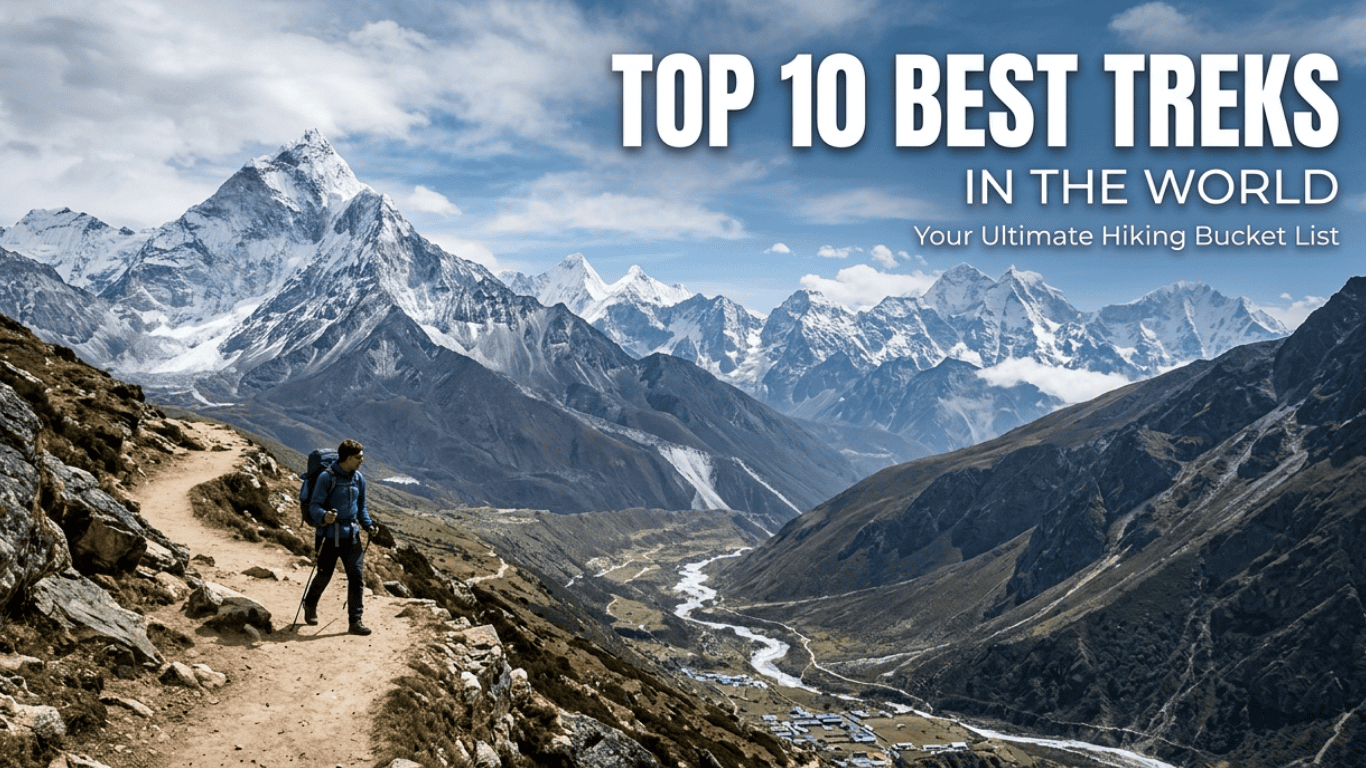



No comments yet.