


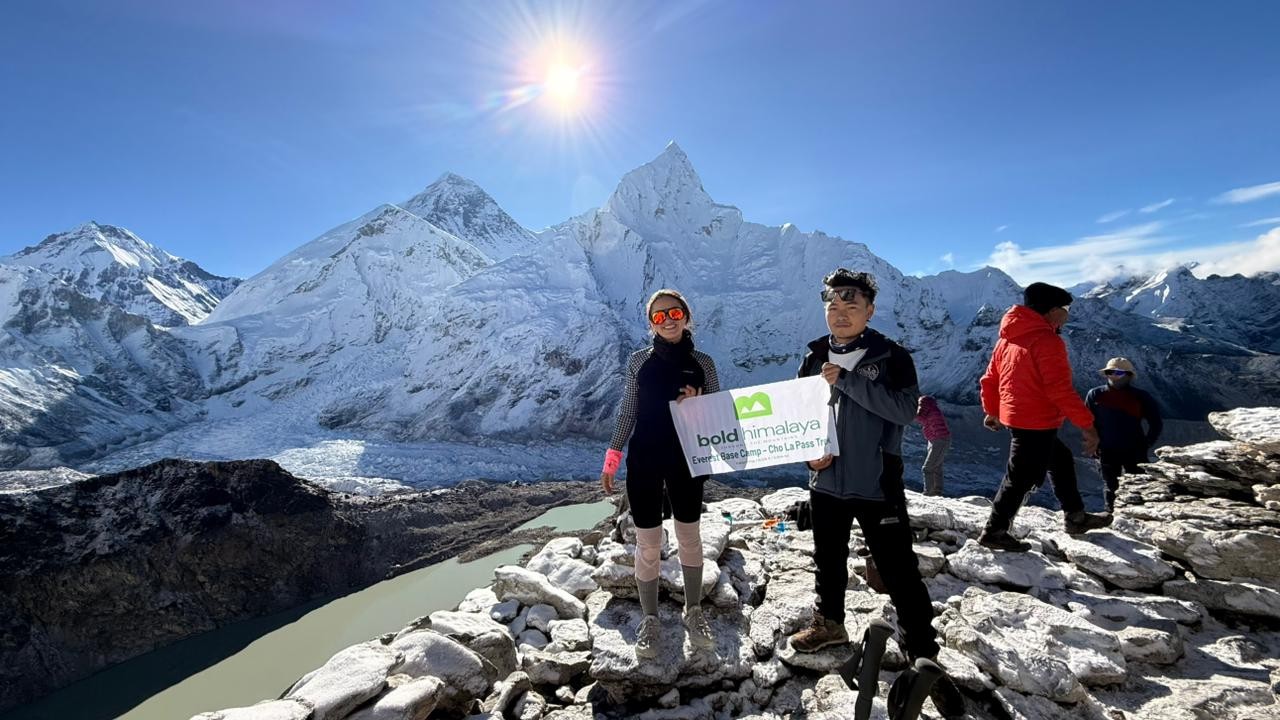
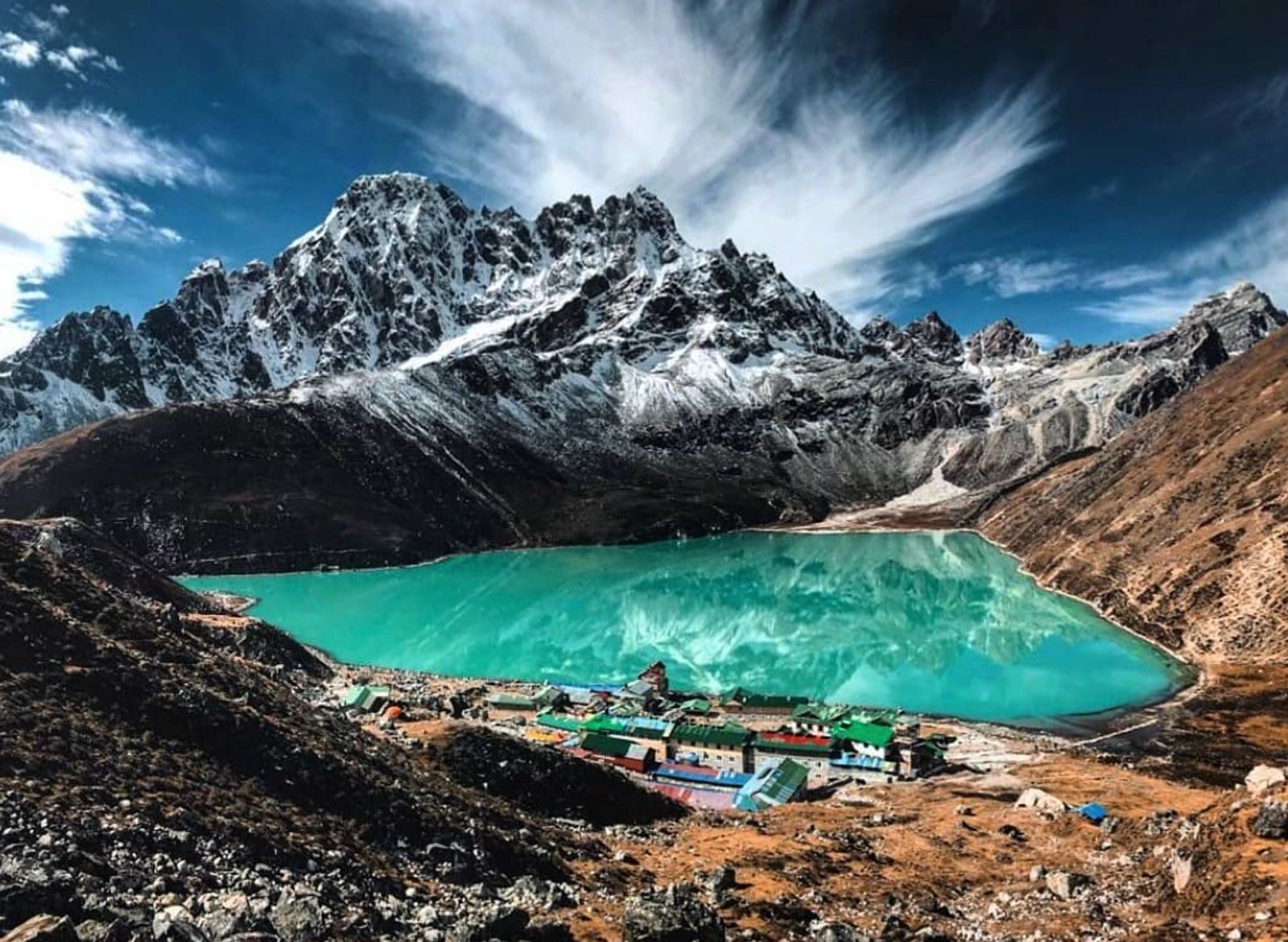
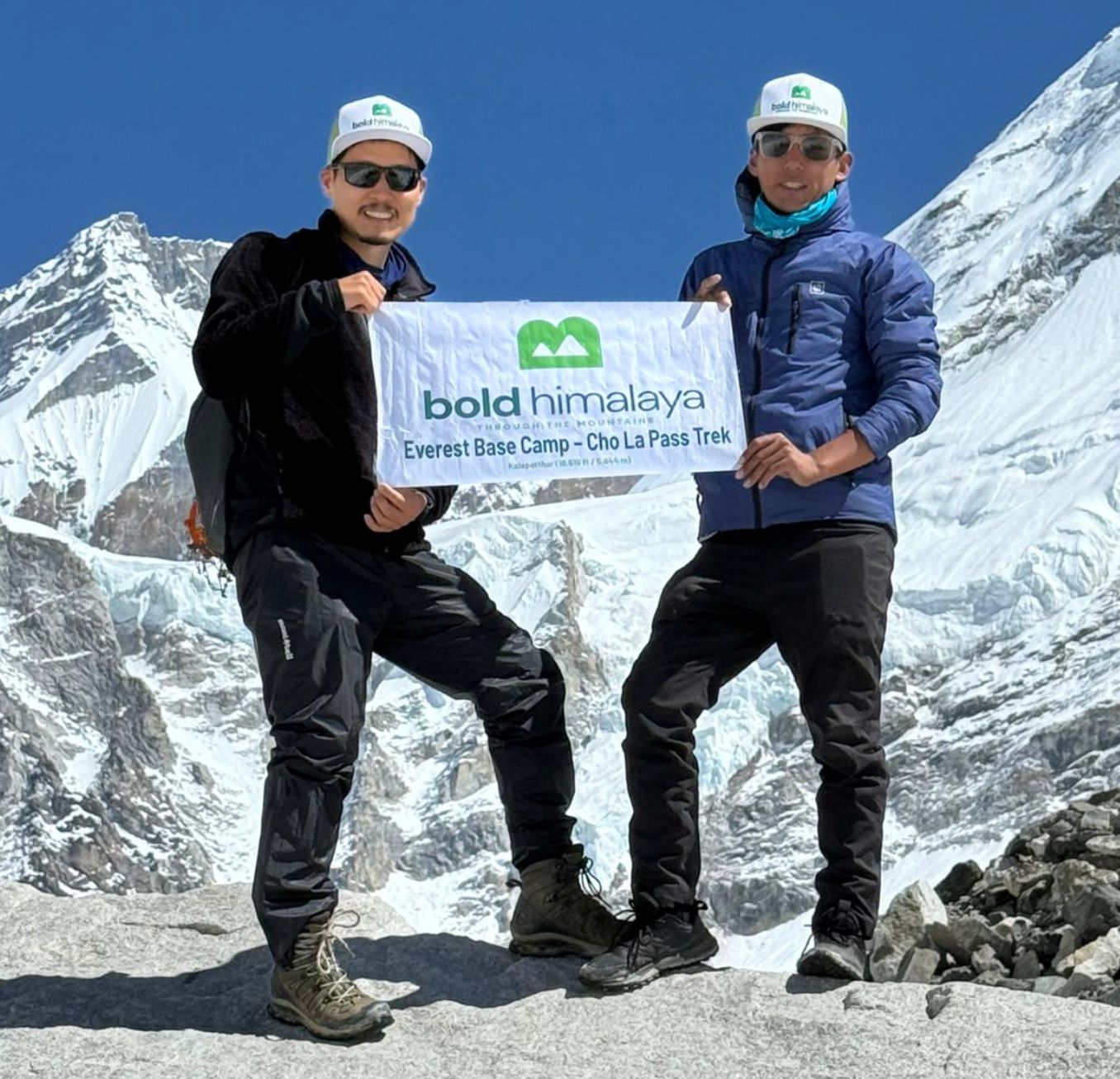

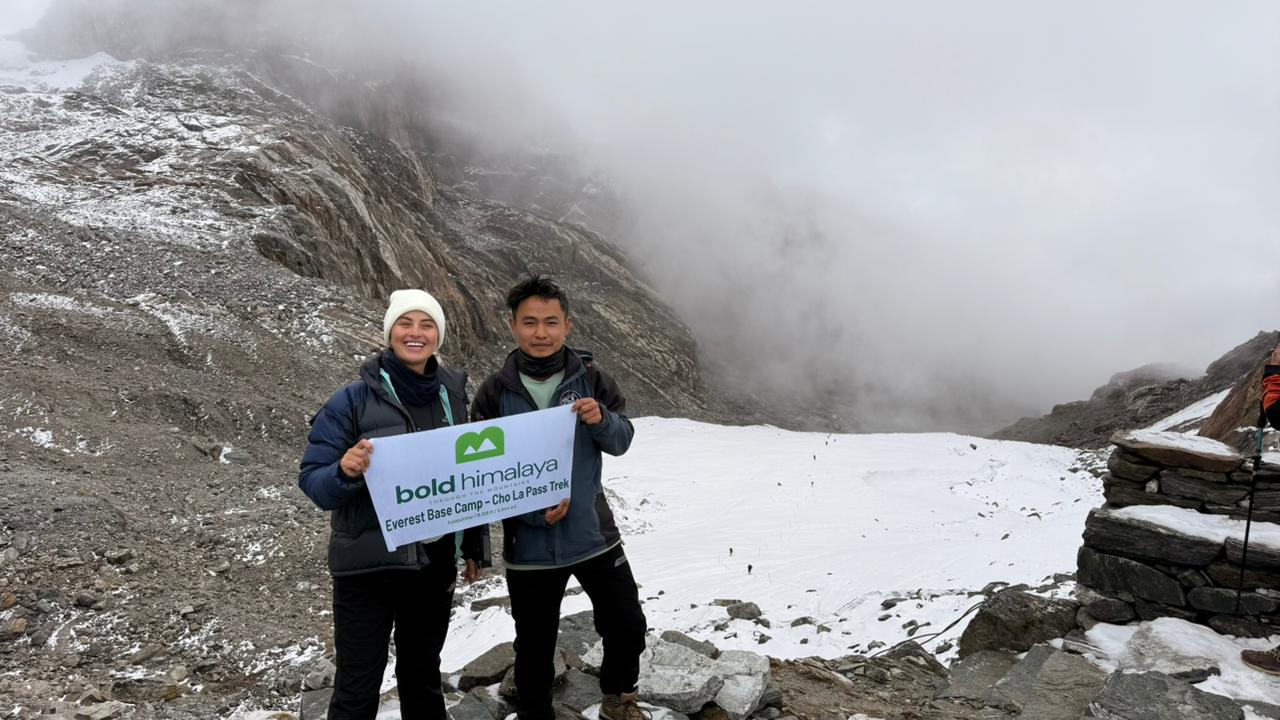
Everest Base Camp Trek with Gokyo Cho La Pass


Detailed Itinerary
Your Journey, Step by Step
Inclusions
What’s Covered in Your Adventure
- Pick up and drop off from/to Kathmandu airport.
- Kathmandu 3-star hotel stay with breakfast basis with twin sharing basis
- Domestic flights (Kathmandu-Lukla-Kathmandu) with pick up and drop off
- Food during trek (breakfast, lunch, and dinner each time one main course)
- Tea house accommodation during the trek
- English-speaking seasoned trek guide
- All permits and fees (Sagarmatha National Permit fee, Pasang Lhamu Rural Municipality entry fee and TIMS card )
- Emergency first aid kit and services including oximeter
- Welcome cultural farewell dinner
- Government tax and service charge
- International flights to/from Nepal
- Nepal arrival visa fee
- Travel insurance (mandatory)
- Personal trekking equipment and gear
- Extra meals and beverages
- Internet fees and hot showers in tea houses
- Tips for the guide and the porter
- Shopping and personal expenses
- Helicopter evacuation in an emergency
- Extra accommodation due to flight delays
- Alcoholic beverages and cold drinks
- Bold Himalaya T-Shirt or Cap
- Douffle Bag, Sleeping Bag, Down Jackets to use during trek
Good to Know
Things to Remember
Group Tour vs. Private Tour
Group Tour (2-20 travelers): $1,800 per person – Join any group on your preferred departure date. Travel along with fellow travelers, form lifelong friends, and enjoy fantastic experiences with similarly minded individuals from around the globe.
Private Tour (Any size): $1,950 per person – enjoy personalized service, flexible tour, and fully customized experience with your private guide and porter team.
Nepal Entry Visa and Permits
A tourist visa is readily obtainable on arrival at Kathmandu airport for $30 (15 days) or $50 (30 days). Give two passport photos and a US dollar denomination for simple processing. All your trekking permits will be arranged by us at Kathmandu, e.g., Sagarmatha National Park Permit ($30) and Khumbu Pasang Lhamu Rural Municipality Permit ($20). Our highly experienced staff carries out simple permit processing without any bother.
Required Documents
Current valid passport with a minimum of 6 months validity date from the date of departure, two passport photographs, travel insurance policy covering high-altitude trekking in detail, emergency numbers of your family members, and complete medical history if suffering from any pre-existing medical condition. Carry duplicate photocopies of the above documents as a safety backup and purpose during the trek.
Travel Insurance
Helicopter rescue travel insurance up to 6,000 meters is strictly necessary for this high-altitude trek. Trekking, medical evacuations, trip cancellations, loss of equipment, and flight delays have to be covered in the trekking insurance policy. Mountain rescues cost a lot ($5,000-15,000), and hence, financial protection and peace of mind insurance while trekking is necessary.
Best Season and Weather
Spring (March-May):
- Warm sunny days (10-15°C) and cold nights (-5 to -10°C)
- Scenic rhododendron flowers along the routes
- Stunning mountain vistas with half-day cloud cover in the afternoons
- Optimum time for photography and hiking
Fall (September-November):
- Bright blue sunshiny days with optimum mountain vistas
- Nice climate with zero rain
- Warm day temperatures (8-12°, C), which are highly pleasant
- Cold night temperatures- s (- -10 to -15°C) at higher elevations
Winter (December-February):
- Extremely cold weather (- -15 to -25°C nights)
- Heavy snowfall can lead to the closure of high passes
- Short durations of daylight and harsh weather conditions
- Exclusive for experienced winter trekkers with the right gear
Summer/Monsoon (June-August):
- Cloud cover and heavy rain showers
- Greenery in plenty and scenic waterfalls
- Cloudy landscape of hills
- Flight cancellations and slushy trails are a daily affair
Flight Information
Kathmandu to Lukla to Kathmandu flights are greatly weather-sensitive and may be delayed or even deferred due to mountain weather. We strongly suggest 2-3 buffer days in your itinerary to wait for flight delays. Small planes carry light loads – a maximum of 15kg of check-in luggage and 5kg of hand luggage. Morning flights will operate with higher success rates than afternoon flights since the morning weather pattern is more favorable.
Preparation and Packing List
Physical Preparation (2-3 months before):
- Daily cardio training (running, cycling, swimming)
- Weight hiking every few days
- Leg strengthening and squats, endurance, and stair climbing training
- Altitude training is feasible
Essential Packing Items:
- Sleeping bag warm (-15°C rated)
- Good quality trekking boots (broken in)
- Layered clothing system (base, insulation, outer)
- Rainproof and down jacket protection
- Warm hat, sun hat, and sunglasses
- Headlamp and trekking poles
- Personal first aid kit and personal medications
- Water purification tablets
- Sunscreen (high SPF) and lip balm
- Camera and spare batteries
- Power bank and charging equipment
Recommendations and Tips
- Stay well-hydrated by drinking 3-4 liters of water daily
- Walk at your own comfortable pace without rushing
- Listen carefully to your guide’s advice and safety instructions
- Inform your guide immediately if you feel unwell or experience any altitude sickness symptoms
- Respect local Sherpa culture and Buddhist customs
- Avoid littering in the pristine mountain environment
- Tip the guide and porter profusely (10-15% of the entire trekking fee) for their effort and dedication
Cash and ATM
ATMs are available in Namche Bazaar and Lukla town, but they frequently don’t work due to network connectivity issues and power outages. Smart to bring sufficient Nepali rupees, hard currency from Kathmandu for the whole trekking duration. Invest $10-15 extra dollars per day on extra expenses such as hot showers, internet, snacks, and souvenirs. US dollars can be exchanged in Kathmandu but not in hill towns.
Health and Safety
Acclimatization is the success mantra of trekking – strictly follow the mantra “climb high, sleep low.” Identify the signs of altitude sickness, including headache, nausea, and dizziness, and inform your guide if you become sick. Carry medication for basic ailments, maintain good hygiene, and don’t drink alcohol at high altitudes. Our guides are trained in wilderness first aid and emergency response to ensure your safety.
Guide Briefing and Communication
Your trekking guide provides you with morning reports each day of tomorrow’s trekking itinerary, weather, safety protocols, and cultural nuggets of the country. They will entertain you with Sherpa tribes’ heritage stories, mountaineering legends, and acquaint you with comprehensive information about summits, glaciers, and sites on the day’s agenda. Your trekking becomes a valuable exercise, and you are ready for the day’s task using this morning report.
Internet and Wi-Fi
Limited Wi-Fi connectivity is available in some tea houses and lodges for $3-5 per day, but the connection speed is very slow and often unreliable. The local SIM cards are quite good at lower altitudes, such as Namche Bazaar, but there is no signal at higher altitudes. Don’t imagine the internet connection will be smooth along the trekking route – embrace the digital detox and enjoy the mountain experience to the utmost possible degree.
Emergency Procedures
Emergency Response Protocol:
- Immediate assessment by an experienced guide
- Radio contact with the rescue coordination center
- Helicopter evacuation plan with the insurance company
- Emergency call facility 24 hours/7 days at Kathmandu office
- GPS location finding units
- Emergency first aid and oxygen kits with the guide
- Rescue helicopter operators associated with the association
- Rapid descent to a lower altitude, if possible
Sustainable Tourism Practices
Environmental Protection:
- Follow Leave No Trace principles strictly
- Biodegradable soaps and personal hygiene products are used
- Avoid single-use plastics and bring refillable bottles
- Respect wildlife and maintain a safe distance
- Walk the trails rather than damaging the land
Community Support:
- Employ Sherpa guides and local porters
- Sleep at family-owned tea houses and lodges
- Buy supplies at the local market and shops
- Demonstrate respect for local tradition and culture
- Be a responsible consumer with benefits to the local community
- Provide support for education and healthcare projects in rural villages
FAQs
Your Questions, Answered
2. What is the best time to do this trek?
The best time is spring (Mar-May) and autumn (Sep-Nov). For flowering rhododendrons and settled weather for spring, and the best mountain views and settled weather for autumn.
3. Do I need previous trekking experience?
No experience of high-altitude trekking is necessary, but helpful. You do need to be physically fit. But, and some experience of trekking. It is ideal if you train 2-3 months before the trek.
4. How do I avoid altitude sickness?
Follow a good acclimatization schedule, drink water, avoid the booze, slow down, and heed your body. We include acclimatization days on our schedule, and guides spend countless hours learning how to recognize altitude sickness symptoms.
5. What happens if flights to Lukla are cancelled?
Flight to Lukla may be delayed due to the weather and thus we recommend 2-3 buffer days for any unexpected situation or scenario. In case the flight is delayed due to bad weather, we can organize helicopter flights (at extra cost) or just wait for the weather to get clear again.
6. Can I do this trek alone, or do I need a guide?
While you do not need to go on trek alone, we would most definitely recommend a guide in case of an emergency, maps, understanding the culture, and safety. Otherwise, it is always safer with locals trailing behind.
7. What kind of food can we get during the trek?
Dal bhat (lentils and rice), noodles, soups, momos, and bits of foreign food feature on the menu in the tea houses. The food options get limited as you climb in height terms, but it is healthy and good.
8. Should I tip my guide and porter?
Tipping is customary and expected. We recommend $8-10 per day for guides and $5-7 per day for porters. You can give tips at the end of the trek based on their service quality.
9. What gear do I need to bring vs what can I buy in Kathmandu?
Bring your goods like shoes, clothes, and medicines from home. Sleeping bag, down jacket, and trekking poles are the technical gear that you can buy or hire in Kathmandu at a very cheap price.
10. Do I have to buy travel insurance?
Yes, you will have to have insurance covering helicopter evacuation up to 6,000 meters. Mountain rescue will be worth $5,000-10,000, and you will be rescued from paying such an enormous amount by insurance.
11. How much extra money should I bring?
Save $10-15 for minor daily expenses like a hot shower ($3-5), internet ($3-5), refreshment, souvenir, etc. Carry sufficient cash with you, as ATMs are working very poorly in the hills.
12. What if I can't complete the trek due to illness or injury?
If you get sick or injured, our guide will examine you in more detail and do what is appropriate. It can be in terms of rest days, helicopter evacuation, or an acclimatization walk to lower altitudes. Travel insurance will cover emergency costs.


View OurSimilar Packages
Discover our top tours, loved by thousands of travelers annually. Choose the adventure that inspires you and embark on a journey tailored to your desires.

Save 20%
Everest Base Camp Trek 14 days
The world’s most famous trekking destination is the Everest Base Camp... Nepal Tour Packages
 5 (149)
 14.0 Days
Save 30%
Everest Base Camp Luxury Lodge Trek
The Everest Base Camp Luxury Lodge Trek is one of the...
Nepal Tour Packages
15.0 Days
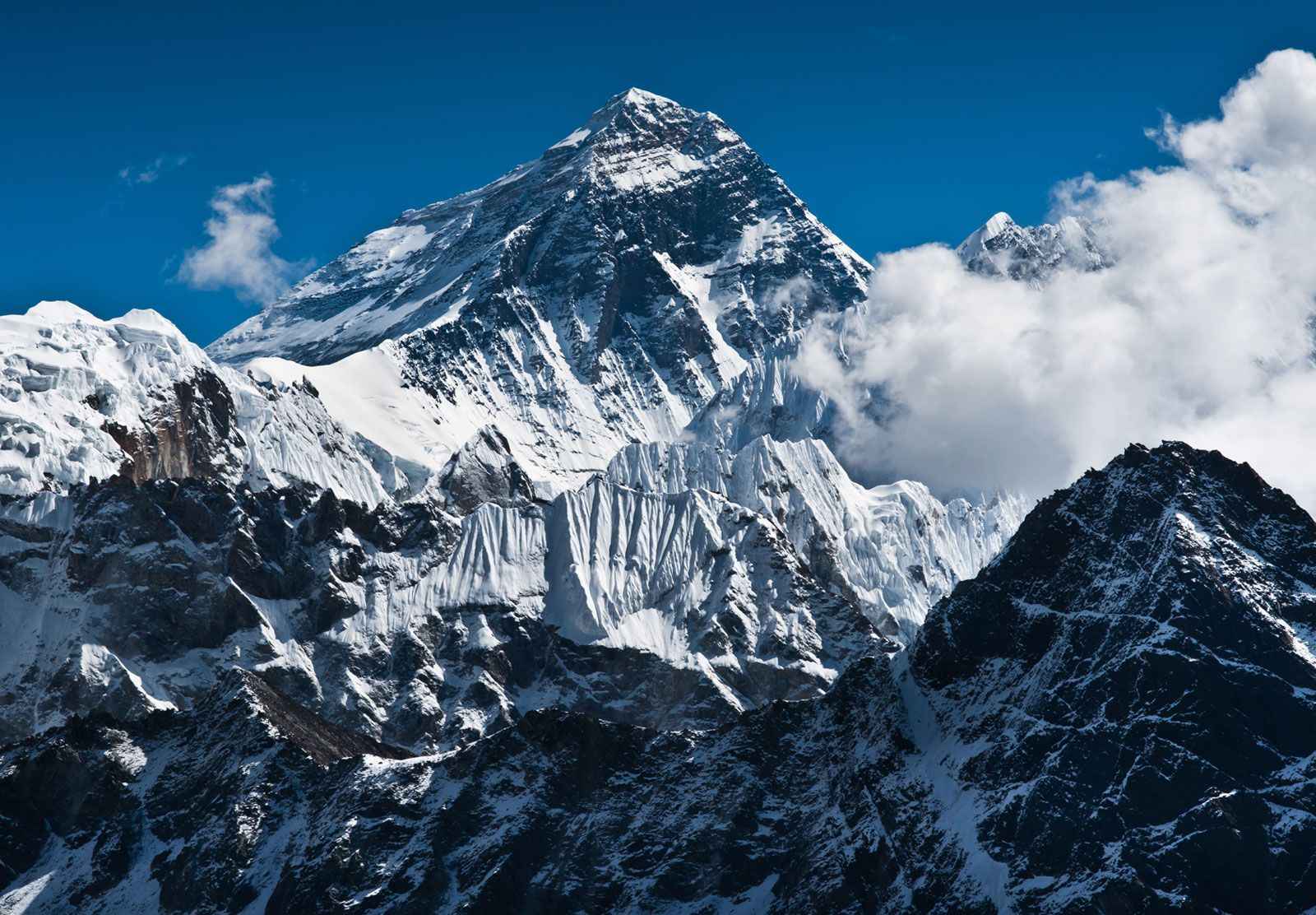
Save 20%
Everest Base Camp Trek by Road
What if you could reach Everest Base Camp without flying to...
5 (49)
17 Days
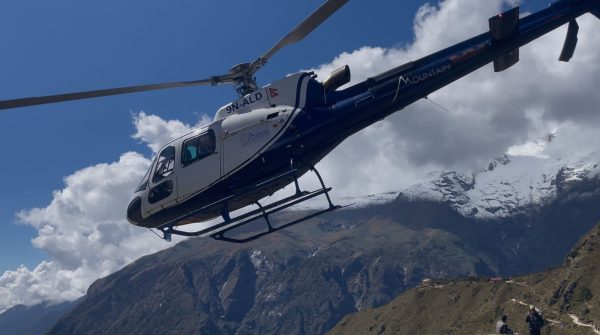
Save 44%
Everest Base Camp Trek with Helicopter Return
Looking for an adventure that stays with you forever? The Everest...
Nepal Tour Packages
11 Days
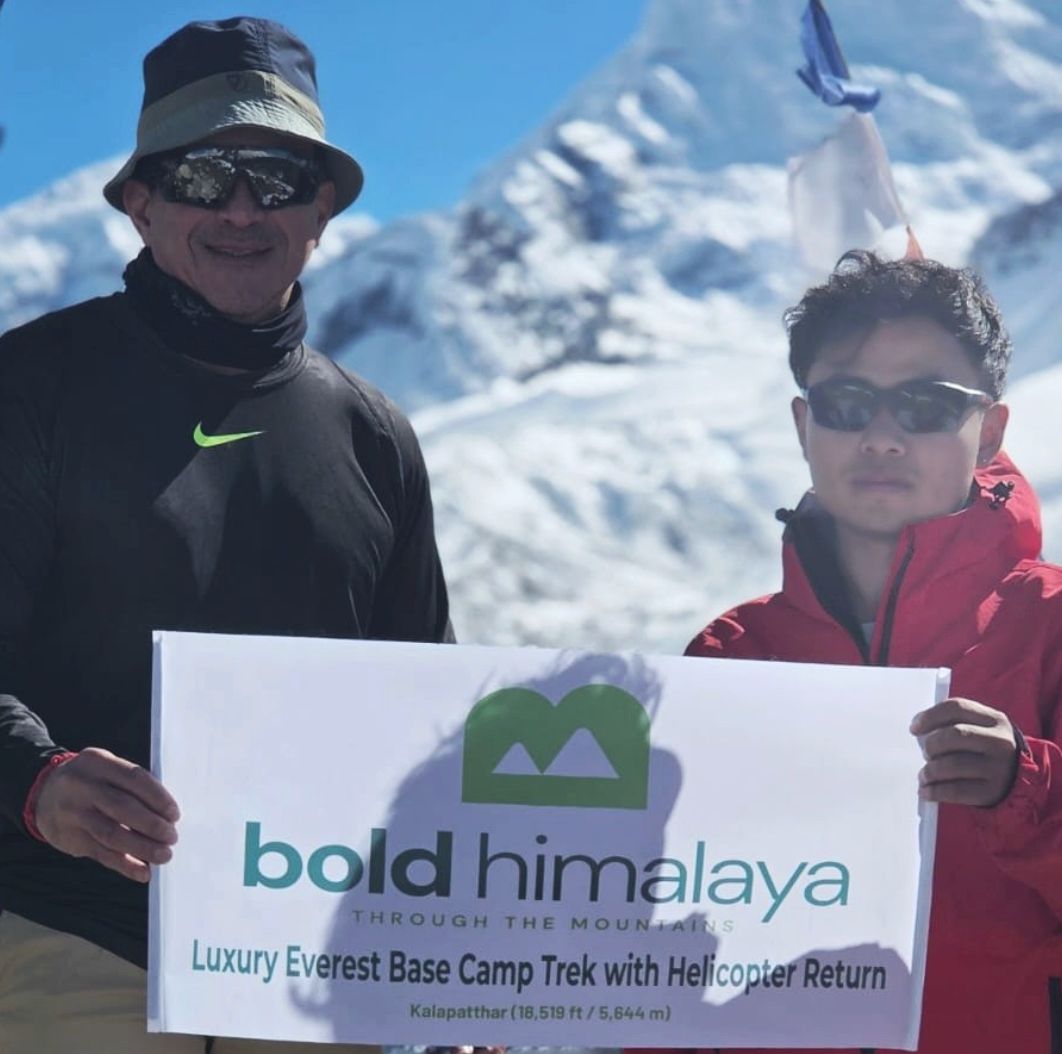
Save 27%
Luxury Everest Base Camp Trek with Helicopter Return – 2026 Premium Himalayan Adventure
The Luxury Everest Base Camp Trek with Helicopter Return is a...
Nepal Tour Packages
5 (0)
11 Days

Save 17%
Everest Mountain Flight – 1 Hour Scenic Flight from Kathmandu
Experience the Beauty of the Everest Mountain Flight Experience the Everest...
Nepal Tour Packages
1 Days

Save 33%
Everest Three Pass Trek – The Ultimate High Altitude Adventure in Nepal
Embark on the legendary Everest Three Pass Trek, one of the...
Nepal Tour Packages
18.0 Days

Save 25%
See Mt. Everest on Our Short & Scenic 6-Day Trek - Perfect for Beginners & Families
Everest View Trek – A Journey to the Roof of the...
Nepal Tour Packages
6.0 Days


