

Indigenous People Trail Trek


5(49)


Detailed Itinerary
Your Journey, Step by Step
Day 1: Drive to Mude (2,580m) and trek to Deurali (2,298m)
Breakfast, Lunch, Dinner
Homestay or Teahouse at Deurali
Have a good breakfast and drive to Mude village for 5 hours by bus on a scenic road. Drive goes through beautiful hills and villages by Sunkoshi River. Break at Dolalghat and have a plate of river fresh fish with a cup of local tea along with beautiful view of mountains.
Begin at Mude, begin your 3-hour leisurely walk to Deurali village on green hills and stone paths. Be welcomed with beaming smiles of the local Tamang people community who will welcome you with warm gestures. See traditional wooden and stone houses with colored prayer flags fluttering in front of them.
The hiking trail goes through tiny villages where the farmers sow vegetables, millet, and corn. Witness women spinning in traditional attire and men plowing fields. End the day at Deurali with breathtaking views of sunset falling on mountains.
Day 2: Trek from Deurali to Kholakharka (2,448m)
Breakfast, Lunch, Dinner
Homestay in Kholakharka
Wake up early in the morning to trek to Thulo Sailung hill (3,146m) to witness the sunrise view of Annapurna, Everest, and other giant peaks. The golden and orange hue of snow mountains glow with the rising sun. Photographers, get your cameras ready. Have a cup of hot tea at the top.
Hike along 6 hours of rodent-and-bird-inhabited forests to Kholakharka Sherpa village. Trek on spindly trails beneath pine and oak canopies. Trek across tiny wooden bridges over crystal mountain streams. Look out for flowers and butterflies along the way.
Reach Kholakharka where Sherpa locals live in communal stone houses. Go to the local community center where people come for meetings and celebrations. Eat local food like dal bhat, momos, and butter tea. Overnight homestay with the local family.
Day 3: Kholakharka to Surkey trek (1,842m)
Breakfast, Lunch, Dinner
Homestay at Surkey
Start your 5-hour downhill trek in scenic Sailung Forest, which is speckled with different trees and honeybirds. You trek through the Rajbhir village where you can see ancient Buddhist monastery and take blessings from the friendly monks.
Walk through two villages – a Sherpa and a Tamang families. Each village has a small monastery with rotating prayer wheels and multicolored flags. See people from diverse communities living together in harmony and caring for one another.
The trail is lined with countless stone walls with prayers written on them, small temples, and all hues of prayer flags. Each color holds a particular meaning in Buddhist culture. Overnight stay at Surkey village homestay and enjoy a traditional dinner with the local host family.
Day 4: Hike from Sukrey to Doramba (2,054m)
Breakfast, Lunch, Dinner
Homestay at Doramba
Visit Tinghare Village during the early morning to witness the Thami cultural dance and music program in traditional outfit. The villagers, dressed in colorful traditional outfits, dance traditional dances that reflect their history and religion.
Walk for 4 hours through green forest and stepped fields to scenic Doramba valley. The journey is along the ups and downs of rhododendron-clad hills. See farmers in stepped fields planting rice, wheat, and vegetables according to age-old agricultural practices.
Doramba valley is encircled by high hills and a peaceful river flow in the valley. Overnight home stay in a local house where the family will host organic vegetables directly from the garden itself. Observe hill people’s farming activity and their way of life.
Day 5: Trek to Khandadevi from Doramba (1,986m)
Breakfast, Lunch, Dinner
Homestay at Khandadevi
Trek 5 hours from Doramba valley to sacred Hindu temple at Agleshwari Danda. It is holy place for Hindu and Buddhist pilgrims coming for prayer and wish. Ring temple bells and enjoy peaceful ambiance.
From temple, observe breathtaking view of green Mahabharata hills and white Himalayan peaks on the far horizon. Green forest and snow peaks are contrasting beautifully. Rest and have lunch amid mountain vistas.
Travel to the village of Khandadevi where Buddhists and Hindus pray for the same religion together. See how two religions can coexist with each other in harmony. Overnight homestay and relish wood fire-cooked local dinner.
Day 6: Trek from Khandadevi to Dongme (1,982m)
Breakfast, Lunch, Dinner
Homestay or Camping at Dongme
See stunning sunrise over Himalayan mountains from Khandadevi prior to embarking on your 5-hour easy trek. Morning sun paints the mountains golden and pinkish. Savor hot tea as a nature drama is displayed.
Walk across vast hills lined with scented pine trees. Forest path is flat and soft on the foot. See small creatures like squirrels and numerous birds of all hues. Savor nature’s soothing sounds.
Reach Dongme village, which is situated in a quiet valley surrounded by verdant hills. It is a very small village with few houses where the people live simple life near nature. Camp near the village or stay at homestay in Dongme and have dinner in the light of stars.
Day 7: Dongme to Lubughat Hike (818m)
Breakfast, Lunch, Dinner
Riverside Homestay at Lubughat
Wake up early to witness another beautiful sunrise over mountains from Dongme. Every morning it is something different with different colors and cloud formations. Have breakfast while watching this beautiful nature drama.
Descend 4 hours along the mighty Sunkoshi River. The path traverses’ different forests and tiny villages. Watch the landscape transform while descending – from pine forest to tropical flora and warmer climate.
Reach the village of Lubughat of Majhi. Majhi people are fishermen, and these individuals are nicely adapted to river life. See them fishing with local boats and nets. See their own culture and river life. Overnight at riverside homestay.
Day 8: Trek to Nepalthok and drive to Dhulikhel (1650m)
Breakfast, Lunch, Dinner
Homestay at Dhulikhel
Cross the broad Sunkoshi River in wooden Majhi boats – a thrilling experience. Then walk along long suspension bridges that oscillate when crossing. The bridges link villages on either side of the river.
Arrive at Nepalthok and take a 2-hour scenic bus ride along hills and valleys to historic Dhulikhel town. The ancient Newari town has pleasant centuries-old traditional houses with wooden carved windows and doors.
Walk along crowded, old streets of Dhulikhel and view ancient Hindu temples with excellent architecture. Observe artisans making traditional pottery and metal work using time-honored methods. Overnight local Newari homestay and taste local Newari food.
Day 9: Drive from Dhulikhel to Kathmandu (1,480m)
Breakfast, Lunch, Dinner
3-star Hotel in Kathmandu
Complete the last 2-hour bus ride from Kathmandu on winding hills and valleys. Ride along terraced fields, villages, and rivers in journey. Observe rural people’s life prior to being in city chaos again.
Spend your last day exploring the older areas of Kathmandu like the Thamel and Basantapur. Bring souvenirs like traditional clothing, handicrafts, and tea to remember your wonderful trek. Go to the nearby old cities of Patan and Bhaktapur if there is time.
Reflect on your great experience of the indigenous people of Nepal. You have seen numerous cultures, looked at beautiful mountains, and befriended the locals. Recall this thrilling experience sweetly.
Want to customize your trip?
We ensure every trip meets your expectations — customize your itinerary anytime to match your travel style and preferences.
Inclusions
What’s Covered in Your Adventure
- All meals (breakfast, lunch, dinner) on trekking with organic homegrown food
- Homestay with local host families while on trek
- Trained English-speaking trek guide with cultural insight
- All trekking permits and protected area entry fee needed
- Transfer from Kathmandu to trek commencement and return journey
- Cultural program entrance fee with traditional dancing and visit to monastery
- A first aid kit and safety equipment
- Traditional boat transfer points and bridge tolls encountered en route
- Roundup welcome dinner and farewell dinner with cultural program in Kathmandu
- Certificate of completion of trek and certificate of traditional khada blessing scarf
- Return international air fare to/from Nepal
- Visa fee on arrival in Nepal and passport photographs
- Personal trekking gear like boots, backpack, and warm clothing
- High altitude trekking and medical travel insurance
- Personal money to spend on drinks, snacks, tips, and shopping
Maps
Navigate Your Journey
Good to Know
Things to Remember
2. Fitness Level Required
No tough physical fitness level is involved in the trek and may be done by a person having normal walking or mild physical exercise of 30 minutes daily. You must be able to walk for 2-3 hours without breathlessness or fatigue. Walk time is 4-6 hours a day on undulating but not mountainous terrain. If you can climb 10 flights of stairs without needing to stop, this trek will be a cakewalk for you. Start walking every day for 30 minutes for 2 weeks before your trek to condition your legs and lungs for hill walking.
3. Cultural Respect Guidelines
Always ask for permission before taking pictures of local people, their children, or interior shots of homes. Dress conservatively when visiting monasteries and temples – long tops and pants with covered shoulders. Take off your shoes when entering other individuals’ homes and religious structures. Never point your toes at Buddhist idols, religious figures, or towards people because pointing is highly disrespectful to do so. Do try to pick up some basic Nepali words such as “Namaste” (greeting) and “Dhanyabad” (thanks) to be polite. Do not offer sweets and money to kids as it provides bad habits for groups.
4. Altitude and Health
The highest point of 3,146m at Thulo Sailung is manageable for most healthy individuals who are not prone to altitude sickness. Have at least 3-4 liters of liquid per day and walk gradually if you are getting tired or begin to have a headache. Report your guide immediately in case of a severe headache, nausea, insomnia, or breathlessness. Most of the trekkers don’t suffer from altitude sickness in this trek because you ascend and descend gradually. Don’t do alcohol consumption and smoke during the trek as they magnify the effects of altitude.
5. Money and Expenses
Carry Nepali rupees in small denominations (100, 500, 1000) to use to buy tea, snacks, souvenirs, tips, etc. Banks and ATM facilities do not exist in villages, so they withdraw adequate cash in Kathmandu prior to trekking. Carry an extra 2000-3000 rupees per day for telephone call expenses, chocolates, drinks, and host family gifts. US dollars or Euro can be exchanged to Nepali currency at banks or exchange counters in Kathmandu. Keep money in waterproof packets.
6. Food and Water
All the meals are served with fresh foods like dal bhat (rice and lentils), vegetables, chicken, and seasonal fruits. Home-stay families consume food that is prepared with their own farm organic fruits and vegetables without adding any chemicals and preservatives to it. Drink always boiled water, bottled water, or water purification tablets to prevent stomach problems. Don’t consume raw vegetables, unpeeled fruits, and village street foods. Notify your guide ahead of time about food allergies or dietary restrictions. Most families can easily accommodate vegetarian meals.
7. Internet and Communication
Mobile connectivity is present in some villages but not in all rural village areas. Don’t count on quick internet or WiFi in hill villages – the perfect time to disconnect yourself from the world. Inform your family regarding minimal communication and leave your guide’s contact number in an emergency. Mobile phone charging facilities are present in some villages for minimal charges (50-100 rupees). Bring a power bank or battery charger for your phone and camera battery.
8. Weather Conditions
Weather in mountains is extremely unpredictable from sunny morning to overcast afternoon within the same day. Mornings will be sunny with good mountain views and good for photography. Afternoons will have clouds, drizzle or heavy gusty wind, especially in monsoon months. Nights will always be chilly in mountains (0-10°C) even during summer seasons. Dress up for all weather and take dresses for hot and cold weather.
9. Accommodation Standards
Homestays are basic but tidy mountain cottages that share toilets and washrooms. Rooms are basic with mattresses and pillows – bring your own sleeping bag for warmth. Most homestays do not have hot showers but provide warm water in a bucket to wash up. Electricity is also limited – charge gadget when you can and bring headlamp for use at night. Families reserve their best rooms for you and treat you as family with great hospitality.
10. Group Size and Safety
It is ideal to do this trek in small groups of 2-8 trekkers for more cultural experiences and personalized attention. Cultural guides who know all villages are familiar with village languages and help facilitate cultural interactions between you and village families. They have first aid kit, are aware of the nearest health posts, and help ensure your safety on the mountain trail. Language interpretation and information about local customs and traditions during village visit are also facilitated by guides.
11. Trekking Insurance
Purchase in-depth travel insurance including trekking to an altitude of 4000m and helicopter rescue evacuation. The insurance must include medical treatment, trip cancellation, lost baggage, and flight delay. Check policy thoroughly to ensure trekking activities are included – standard travel insurance excludes mountain sports. Carry insurance documents and leave a copy with your guide. Good insurance costs between 50-100 USD but can cost thousands in emergencies.
12. Permits and Documents
You need a TIMS (Trekkers Information Management System) card and area permits for the trek. Your trekking agency organizes all permits – all you need to do is get passport photos and photocopies. Carry permits along with you and produce while passing through check posts on the route. Permits allow monitoring of trekkers for security reasons and help local area development plans. Without proper permits, you will be denied entry to trekking areas and will have problems with officials.
13. Safety & Emergency Information
a. Emergency Contacts
Your guide carries a satellite phone to use in case of emergency communication with rescue teams. Tourist Police help line number is 1144 for safety concerns. Keep your embassy contact details and travel insurance easily accessible. Leave emergency contact numbers with your guide on trekking day one.
b. Medical Facilities
There are small health posts in major villages such as Jiri and Dhulikhel with basic medical facilities. For severe medical problems, patients need to be evacuated by helicopter to Kathmandu hospitals and it takes 3000-5000 USD. It is advised that all trekkers have travel insurance with helicopter evacuation.
c. Common Health Issues
Food and water stomach bugs are the most prevalent grievances on hill walks. Dehydration headaches or altitude headaches should also be expected – drink plenty of water and rest. Inform your guide of any medical issues instantly. Wear suitable shoes so as to avoid slipping on wet rocks and muddy paths.
d. Emergency Procedures
In case any individual gets seriously ill or injured, the group will halt and evaluate the situation. The guide will call for rescue teams and organize evacuation if necessary. Other group members will assist in carrying the injured person to the safe point. Basic first aid and emergency procedures need to be known by all prior to embarking on the trek.
14. Responsible Tourism
a. Benefiting Local Communities
Buy handicrafts, food, and services directly from the village families to raise their incomes. Stay in homestays and not in hotels owned by outsiders to benefit village communities. Learn local cultures and involve yourself respectfully in cultural activities. Promote responsible tourism by sharing your trekking experience on social networking sites.
b. Environmental Protection
Pack out all trash like food wrappers, plastic bottles, and batteries. Do not pick flowers or otherwise disrupt wildlife on trails. Wash with biodegradable soap in water. Stay on marked trails to prevent erosion and damage to plants.
c. Cultural Sensitivity
Respect religious local traditions and practices even if they are unlike your own. Dress conservatively at temples and when attending cultural events. Attempt to learn basic Nepali greetings to communicate with the locals. Do not give money or gifts to children because it fosters dependency.
d. Leave No Trace
Camp in established campsites and resist constructing campfires within woodland. Bury human waste away from trails and water sources. Refrain from scratching on rocks, trees, and cultural sites. Take photographs only and leave footprints only for other travelers to enjoy in the future.
Extension Options
a. Combine with Other Treks
Add 3-4 days to incorporate renowned Everest View Trek from Lukla airport. Incorporate Langtang Valley trek for additional mountain expeditions to lengthen your holiday. Combine with Chitwan National Park for wildlife safari following cultural trekking. Visit Pokhara city and Annapurna region for complete Nepal experience.
b. Cultural Add-ons
Spend additional days in Kathmandu visiting UNESCO World Heritage sites like Pashupatinath and Boudhanath. Discover Nepali traditional food by taking cooking classes. Visit local schools and participate in community development activities. Attend meditation retreats at Buddhist monasteries for spiritual enlightenment.
c. Adventure Activities
Add white water rafting in Sunkoshi River for aquatic adventure. Go paragliding at Pokhara with stunning Himalayan views. Go jungle safari at Chitwan to see tigers, elephants, and rhinos. Go on scenic mountain flights for an aerial view of Everest and other peaks.
d. Options for Relaxation
Finish your trek with yoga sessions and spa treatment in Pokhara or Kathmandu. Soak in natural hot water springs in Tatopani to ease your muscles after trekking. Enjoy rest days in scenic lakeside towns of Pokhara or Bandipur. Treat yourself to luxury hotels after basic mountain homestays.
16. Important Packing List
Clothing Items
- Warm jacket or down vest for chilly nights (0-5°C temperatures)
- Rain jacket and rain pants for quick change in weather
- 3-4 good t-shirts which dry quickly when washed
- 2 pairs of trekking pants, not jeans as they take ages to dry
- Sun and warm hat for variable weather
- Gloves for wind and cold early morning
- 5-6 underwear and socks (carry a few extra socks)
- Comfortable sleeping clothes and one dressier outfit for cultural evenings
Must-Haves Equipment
- Ankle-supported high quality trekking boots (most important item)
- Daypack (25-30 liters) for daily essentials
- Sleeping bag for 0°C (can be rented in Kathmandu)
- Headlamp with extra batteries for walking at dawn and dusk
- Water bottles (2 liter capacity total) or hydration system
- Hiking poles for balance on steep and rocky trails
- Sun glasses with UV protection and high sun block (SPF 30+)
Personal Items
- Basic first aid kit with band-aids, pain killers, and stomach tablets
- Personal hygiene items (toothbrush, soap, toilet paper)
- Camera with extra batteries and memory cards for great photos
- Power bank to charge phone and camera at villages
- Day-to-day expenditure in Nepali rupees in small denominations
- Travel insurance papers and passport copy
FAQs
Your Questions, Answered
2. What is the best time for this trek?
Although this trek can be done for the whole year, March to May and September to November are ideal for the weather season as well as ideal season for clear mountain vistas. Flowers in spring and autumn with crystal clear skies. Weather is serene with hot days and cold nights with best weather for treks during this period.
3. Do I need special permits for the trek?
Yes, local area permits and TIMS cards are covered under the trek package. Your guide will arrange all the permits – you just need to provide passport photos. These are required so we can facilitate tracking for safety reasons and assist local communities.
4. What kind of accommodation is covered?
You stay in family homestay houses inside the villages and can live and experience the actual village life and culture. The accommodation is modest but clean with collective washing and toilet facilities. You are welcomed as a member of the family by the local families and provided with home-cooked food.
5. Can food be eaten safely during the trek?
All food is cooked fresh by the homestay families using produce from their organic farm. It is wholesome and safe with no additives or chemicals. Boil water or have bottled water instead of raw veggies as a precaution to stomach diseases.
6. How difficult is the trek in relation to Base Camp Everest?
Simpler with fewer high lands and fewer walking days. Even the peak is only 3,146m to 5,545m of Everest Base Camp. It is ideal just to test your trekking skills before attempting more challenging treks.
7. Can I trek here by myself, or do I need a guide?
Cultural immersion and local guide support with families is highly recommended. Guides are familiar with trails, organize homestays, and interpret the local customs and traditions. Guides are also responsible for your safety and assist in any issue encountered during trekking.
8. What if the weather gets bad while trekking?
The guide will alter the itinerary and arrange safe shelter until the weather improves. Emergency shelter in school or village halls is possible in most villages. Due to the medium altitude of this trek, weather is generally stable as opposed to high-altitude mountains.
9. Is there an age limit for this trek?
All the people in the age group of 12 to 70 years with good health can do this trek. Children can walk for 4-6 hours a day and rest with older people. Adult people need to have normal fitness and doctor’s advice prior to mountain trekking.
10. Why is this trek unique compared to other treks of Nepal?
It’s more a matter of real cultural contact with native people and not so much about mountain scenery. You stay with indigenous host families, help with tasks, and experience traditional lifestyles. It’s a heck of a lot more cultural contact than physical hardship.

Reviews
What Our Travelers Say
Based on 0 ratings
View OurSimilar Packages
Discover our top tours, loved by thousands of travelers annually. Choose the adventure that inspires you and embark on a journey tailored to your desires.
View All Packages
Save -18%

Annapurna Base Camp Trek
 Nepal Tour Packages
  9 Days
Chisapani Hike
Nepal Tour Packages
1.0 Days
Save 42%
Dhulikhel Namobuddha Hiking via Panauti
Nepal Tour Packages
1.0 Days

Everest Base Camp Trek Via Jiri | EBC Trek From Jiri
Nepal Tour Packages
20.0 Days
Save -11%
Everest View Trek - A Scenic Journey in the Everest Region
Nepal Tour Packages
6 Days
Save -28%
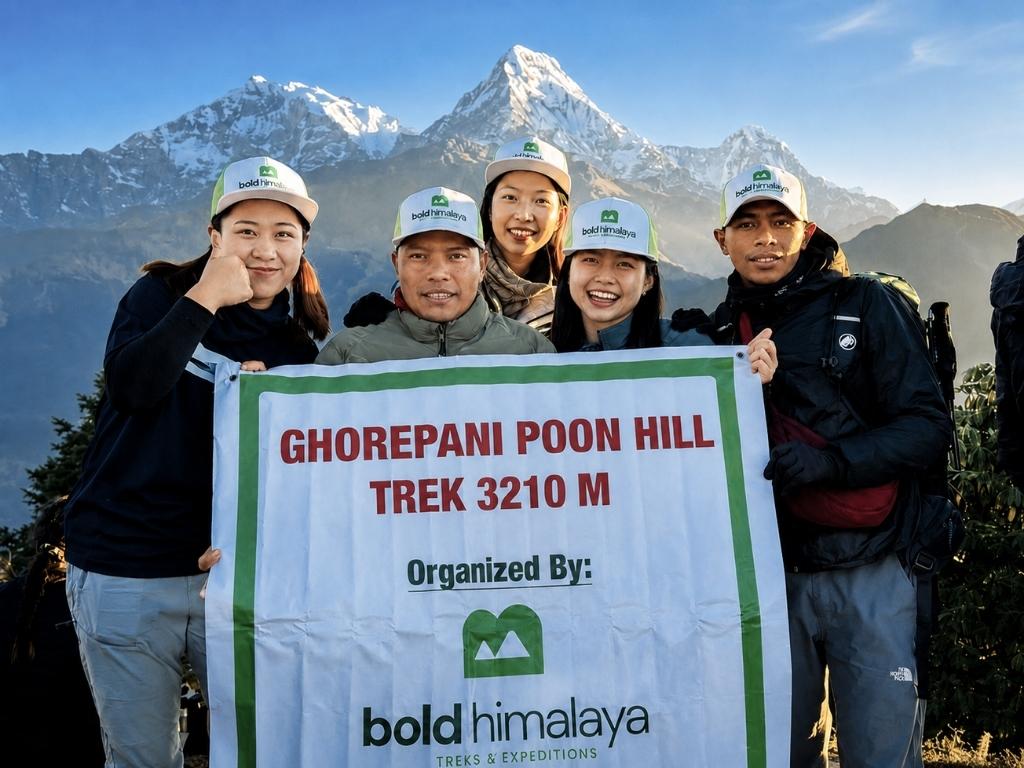
Ghorepani Poonhill Trek
Nepal Tour Packages
4.0 Days
Save 3%
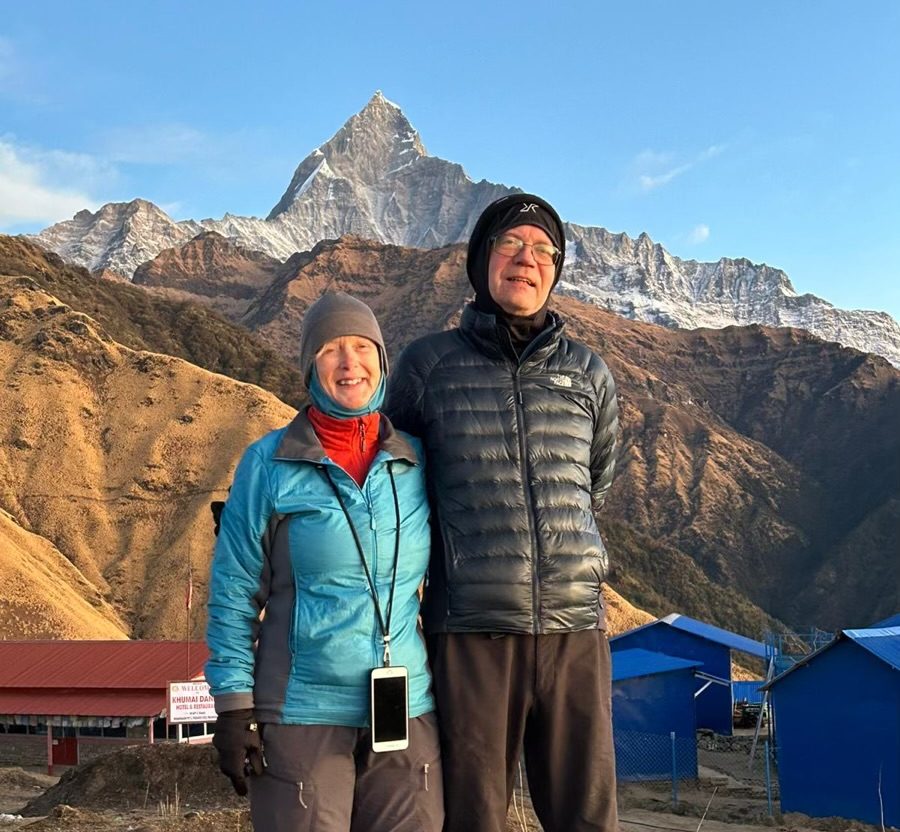
Khumai Danda Trek
Nepal Tour Packages
7 days Days
Save 25%
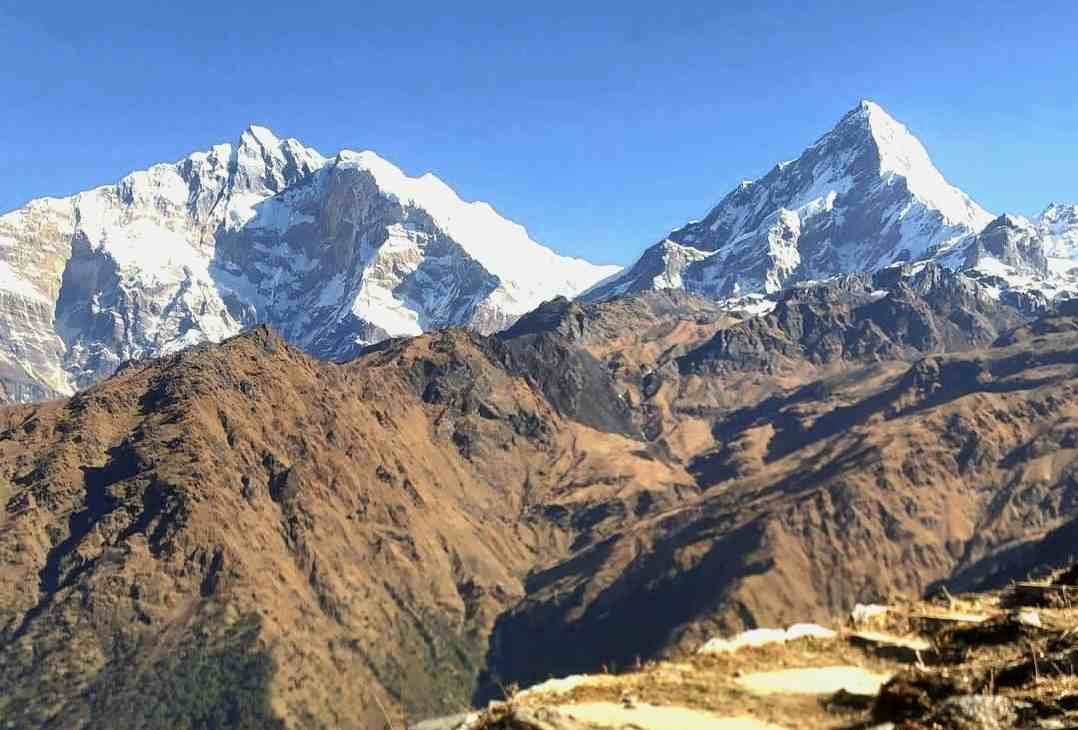
Khopra Ridge Trek Nepal
Nepal Tour Packages
11.0 Days

Save 24%
Mohare Danda Trek
Nepal Tour Packages
10.0 Days

Namo Buddha Hike
Nepal Tour Packages
1.0 Days
Save 28%
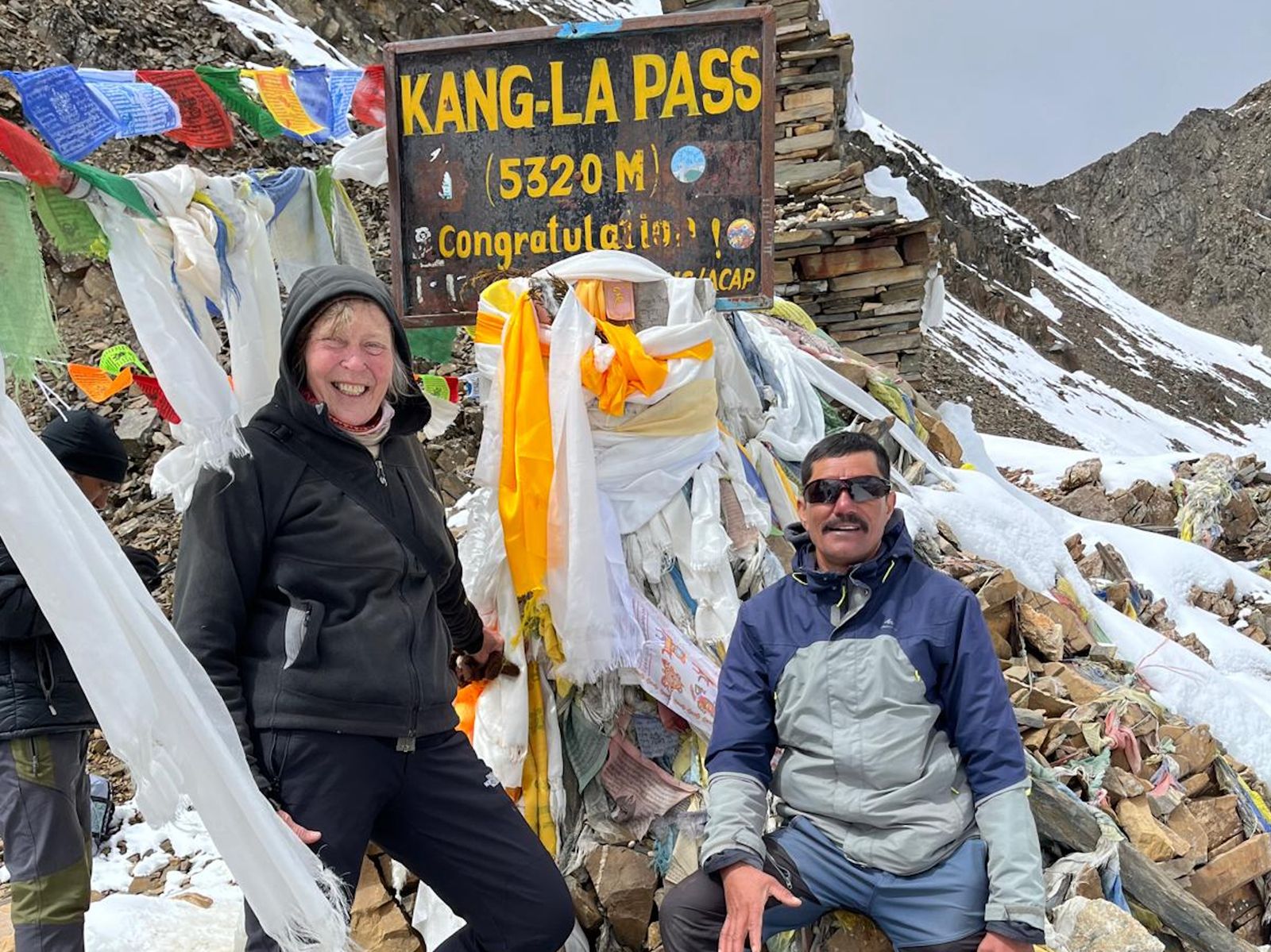
Nar Phu Valley Trek – 11-Day Remote Himalayan Adventure
Nepal Tour Packages
11 Days

Panchase Trek
Nepal Tour Packages
4.0 Days