
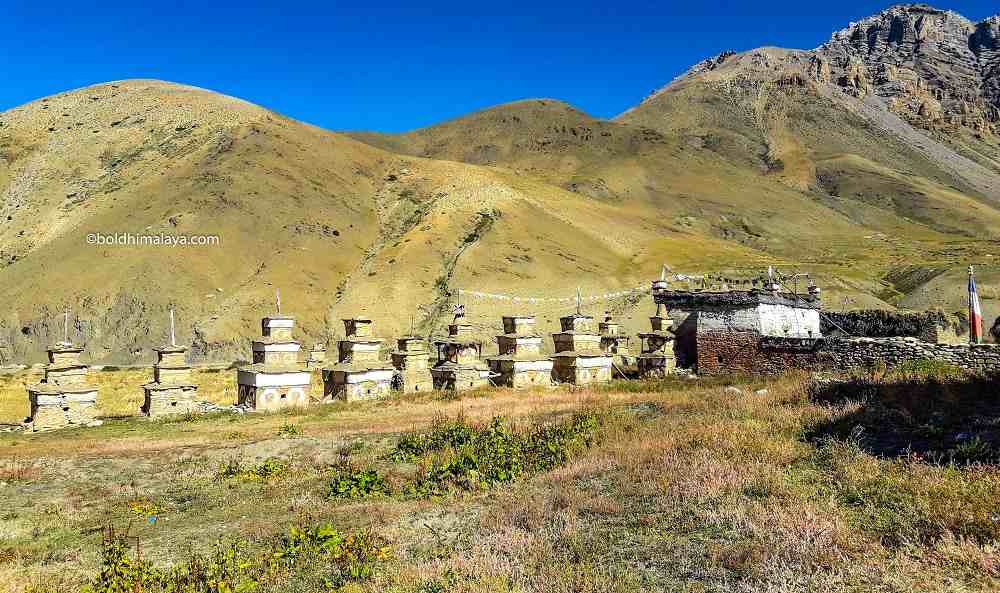
Lower Dolpo Circuit Trek


Itinerary
Your Journey, Step by Step
Day 1: Arrival at Kathmandu
3-star Hotel
1,400m/4,600ft
Upon your arrival at Tribhuvan International Airport, our representative from Bold Himalayan will pick you up and transfer you to the Hotel. After check-in, you can rest or explore the vibrant streets of Kathmandu City. In the evening, you will meet your guide and have a short briefing about the trek. Overnight in Kathmandu.
Day 2: Fly from Kathmandu to Nepalgunj
150m/490ft
Breakfast, Lunch, Dinner
Hotel
45mins- 1 hour
After breakfast, we fly to Nepalgunj, enjoying scenic views throughout the flight. After about an hour’s flight from Kathmandu, we arrive at Nepalgunj. Nepalgunj is a Terai town of Nepal, situated near the Nepal- India border. It is influenced by both the Nepal hills and plains, as well as local Hindu & muslim cultures. Overnight at the Hotel in Nepalgunj.
Day 3: Fly from Nepalgunj to Juphal and trek to Dunai
2,850m/9,350ft
Breakfast, Lunch, Dinner
Tea House
Flight: 45-55 mins & trek: 2-3 hours
After breakfast in Nepalgunj, we take another flight to Juphal. Flying over the Himalayan foothills, with a view of Annapurna and Dhaulagiri peaks to the north, we arrive at Juphal after about 45 minutes.
From Juphal, we start our trek. After about 3 hours of continuous trek through the terraced fields to the Bheri river and the narrow gorge, we reach Dunai, the administrative headquarters of the Dolpo region. Overnight at Dunai.
Day 4: Trek to Tarakot
2,543m/8,343ft
Breakfast, Lunch, Dinner
Tea house
5-6 hours
From Dunai, our trek continues along the southern bank of the Bheri River. Trails pass through several deep gorges, handling bridges, and isolated villages, including a tremendous gorge with pine trees and a path built seven meters above the river.
Finally, we will be greeted by the colorful terraced field of Tarakot after walking for a while. Tarakot is a small village that stands on a hillock to the south of the Bheri River. Overnight at the teahouse, Tarakot.
Day 5: Trek to Laini
3,160m/10,367ft
Breakfast, Lunch, Dinner
Tea house
5-7 hours
Today, we continue our trek following the Tarap chu river upstream, crossing some suspension bridges and the river. On the way, we’ll see a famous Gompa named Sandul Gompa, a little further on, at a junction where the Barbung River and Tarap Chu River meet. Further walking on a trail brings us through farm terraces and rural villages. Then, after ascending and descending for a while, we reach Laini. Overnight at Laini.
Day 6: Trek to Nawarpani
3,540m/11,318ft
Breakfast, Lunch, Dinner
Tea house
5 hours
After breakfast, we climb on a steep trail and walk along a switchback above the Tarap River. Today, walking the trail will be quite a different experience as the valley becomes a narrow gorge, where in some places you can jump from one side to another. Then, we reach the bank of the Chyugur Khola with several vigorous climbs and descents. Further, trekking leads to Nawarpani. Overnight at the teahouse in Nawarpani.
Day 7: Trek to Dho Tarap
4,040m/13,255ft
Breakfast, Lunch, Dinner
Tea House
6-7 hours
Our trek begins with a gradual ascent towards Kamattarka at the terminal of the Tarap Chu and Lang Khola. Crossing a narrow gorge and leaving the tree line behind us, the path leads through juniper bush and wild rose, typical of dry inner Himalayan valleys.
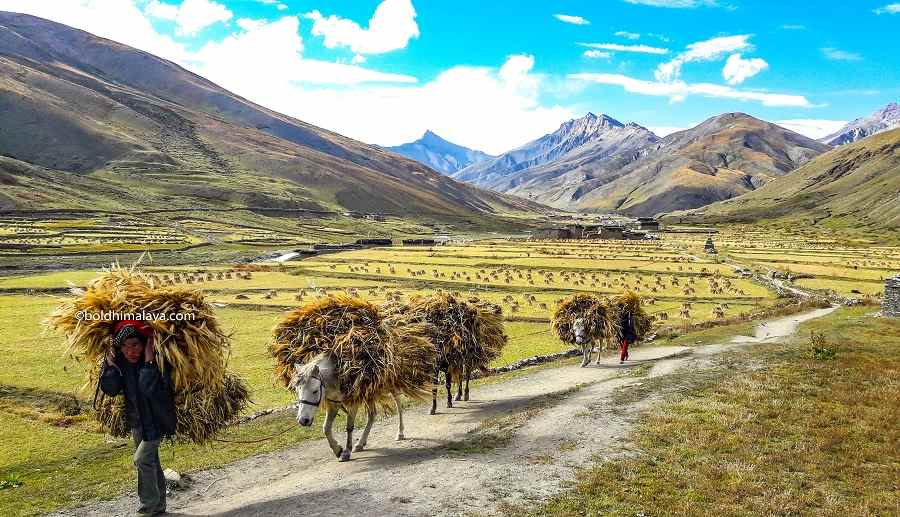
Further, after several hours of walking, we reach the village of Dho Tarap. Dho Tarap, a wonderful village surrounded by stone walls that is inhabited by a few Tibetans and mostly Magars. Overnight in the Lodge.
Day 8: Acclimatization in Dho Tarap
4,040m/13,255ft
Breakfast, Lunch, Dinner
Tea house
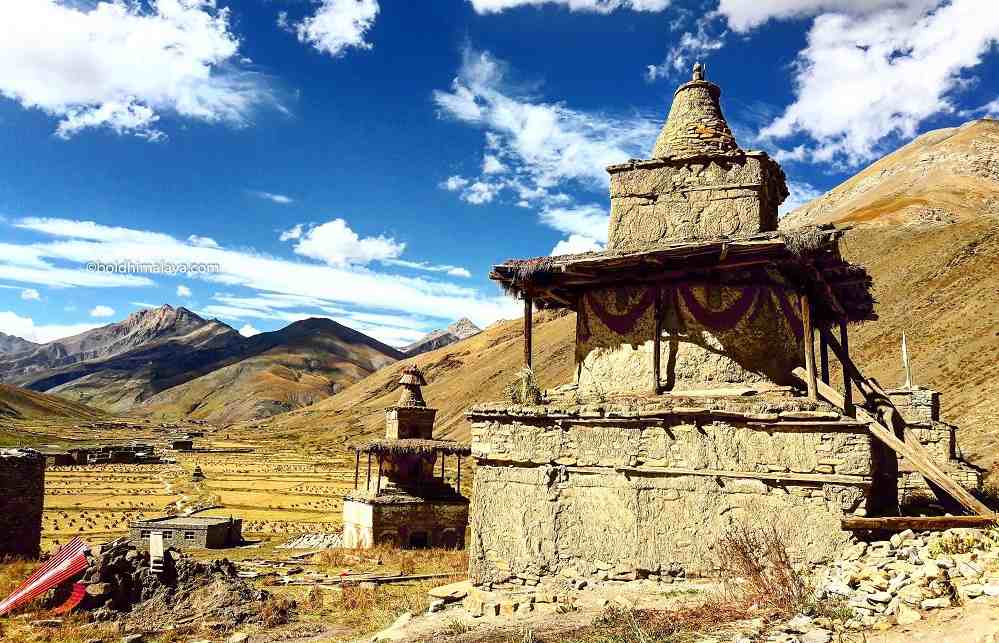
Today is a much-needed break in Dho Tarap to adjust to the high altitude and experience the rich Dolpo culture. Trekkers can talk to the local monks to learn about their spiritual practices and observe both Bon Po and Nyingmapa Buddhist rituals in action at the historic Dho Monastery. Explore the small villages with stone walls, take in the ancient architecture, and get a taste of the everyday life of the Magar populations, who are influenced by Tibetan culture. The alpine flora, which includes juniper and wild roses, is a treat for nature lovers.
You may also see some of the local fauna, such as snow pigeons and Himalayan marmots. This rest day is both relaxing and culturally enriching, with optional brief treks around the small town that provide breathtaking views of the surrounding peaks, valleys, and terraced fields for those who are up for it. In Dho Tarap, we’ll stay the night at a comfortable teahouse.
Day 9: Trek to Numa La Base Camp
4,350m/14,271ft
Breakfast, Lunch, Dinner
Tea House
6-7 hours
After spending a wonderful day at Dho Tarap, we continue walking, enjoying views of lush grassland on both sides of the river to the upper Tarap valley. Walking alongside the Tarap Chu River, we take pleasure in the amazing views of the vast Tarap valley with its wide plains and high mountains. We will be in Tokyo village after several hours of walking, where we can see a monastery of the Chiba group.
Finally, with the little difficult, rugged trail to Numa La Base Camp. Overnight at Numa La Base Camp.
Day 10: Cross Numa La Pass, and trek to Pelung Tang
5,190m/17,027ft
Breakfast, Lunch, Dinner
Tented Camps
8-9 hours
After an early morning breakfast, we start crossing the Numa La Pass on the steep trail up to the top ridge of the pass. It is going to be the longest day of our trek, so we can feel a little difficult.
On reaching the top, we get an unbelievable view of the arid mountains of Dolpo up to Mt. Dhaulagiri(8,167m). After spending some time enjoying the view, we descend to camp at Pelung Tang. Overnight camp at Pelung Tangday.
Day 11: Cross Baga La Pass and trek to Dajok Tang
5,170m/16,962ft
Breakfast, Lunch, Dinner
Tented Camp
6-7 hours
Today, we are crossing another pass. After breakfast, we begin our trek with a steep climb to the top of Baga La Pass. From Baga La Pass, we have a fantastic view of the dry landscape and the distant snow-capped mountain, including Mount Kanjiroba. After a wonderful moment at the pass, we descend to Dajok Tang. Overnight camp at Dajok Tang.
Day 12: Trek to Ringmo
3,660m/12,010ft
Breakfast, Lunch, Dinner
Tented Camp
4-5 hours
After an early breakfast, you begin your walk through quiet trails that gradually lead you deeper into the Phoksundo valley. The path is peaceful, with changing landscapes from dry, rugged terrain to greener surroundings as you approach Ringmo.
Along the way, you will pass small settlements, yak pastures, and open ridges that offer distant views of the mountains. As you get closer to Ringmo, the scenery becomes more dramatic.
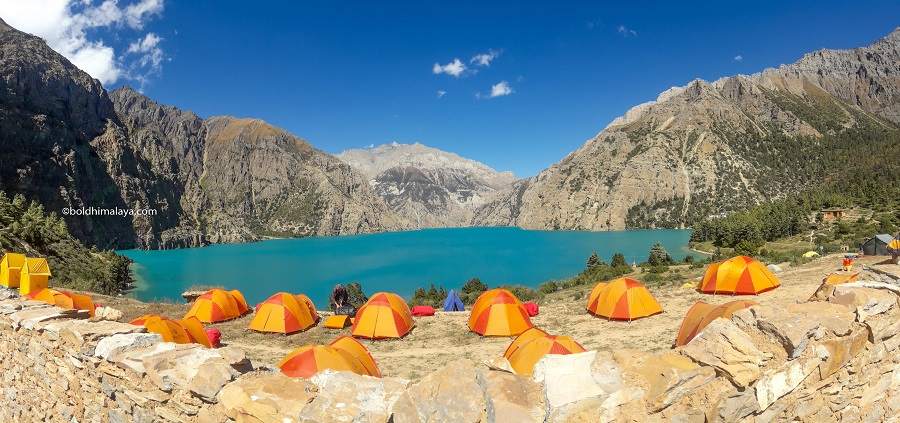
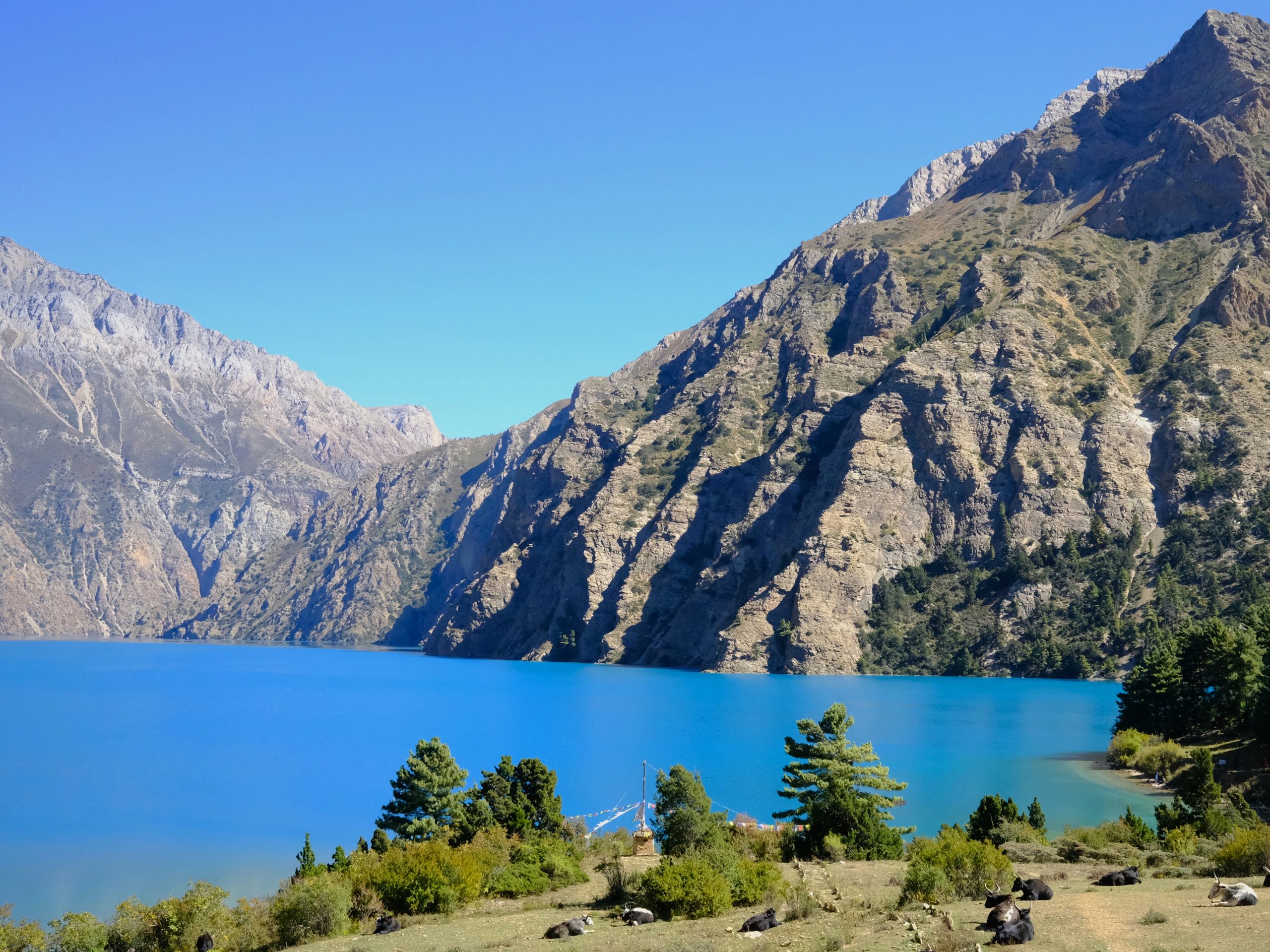
You can relax in the village, enjoy the peaceful surroundings, and settle into a campsite near one of Nepal’s most breathtaking lakes.
Day 13: Rest Day at Ringmo for a hike to Phoksundo Lake
3,600 m / 11,808 ft
2-3 hours
Breakfast, Lunch, Dinner
Tea House
Today, you will stay at Ringmo village to properly acclimatize to the increasing altitude. After breakfast, you will go for a gentle walk around the village and along the lakeshore. This short hike is designed to help your body adjust to the thin air while keeping the activity light and comfortable.
During the day, you can explore the surroundings at a slow pace, enjoy the stunning turquoise views of Phoksundo Lake, and visit nearby monasteries influenced by the Bon and Tibetan culture. You will also have time to rest, hydrate well, and recover from previous trekking days, which is very important for safe acclimatization.
The rest of the day is kept relaxed, with no long trekking hours. You will return to your accommodation for an early rest, preparing your body for the more challenging sections of the trek ahead.
Day 14: Trek to Shyanta
2,520m/8,268ft
Breakfast, Lunch, Dinner
Tea House
5-6 hours
After spending a wonderful day in Ringmo, we continue our trek to Shyanta. From Phoksundo, we trek downhill to Chhepka. The trail follows the massive overhanging rock from Chhepka. On the way, we found many important medicinal minerals that are believed to cure sickness. Then, the trail passes through villages, and after walking for hours, we reach Shyanta.
Day 15: Trek to Juphal
2,475m/8,120ft
Breakfast, Lunch, Dinner
Tea House
5-6 hours
Today is the last trekking day of our Lower Dolpo trek. We’ll head towards Juphal from Shyanta, following the trail gently sloping upwards. From atop the ridge, we get the most amazing views of the mountains. After reaching Juphal, we’ll take some rest and spend our remaining time exploring the market. Overnight in Juphal.
Day 16: Fly to Nepalgunj then fly to Kathmandu
1,400m/4,600ft
Breakfast, Lunch, Dinner
Hotel
2-3 hours
Today, we’ll catch an early morning flight from Juphal to Nepalgunj, which takes approximately 35-45 minutes. Upon arriving in Nepalgunj, depending on the schedule, we take the next flight to Kathmandu. Overnight in Kathmandu Hotel.
Day 17: Departure
On your final day in Nepal, you will be transferred from your hotel in Kathmandu to Tribhuvan International Airport according to your flight schedule. Our team will assist you with your departure and ensure you reach the airport on time for your onward journey.
This marks the end of your Lower Dolpo Circuit Trek adventure. As you leave Kathmandu, you take with you unforgettable memories of remote Himalayan landscapes, high mountain passes, and the unique culture of Dolpo.
Want to customize your trip?
We ensure every trip meets your expectations — customize your itinerary anytime to match your travel style and preferences.
Inclusions
What’s Covered in Your Adventure
- All ground transportation with pick up and drop off
- All Domestic flight tickets (Kathmandu-Nepaljung-Jhuphal-Nepaljung-Kathmandu)
- One Experienced Guide with their (food accommodation, salary, Insurance)
- One assistance guide (If group are more than 6pax)
- One porter to curry luggage for two guests with their(food accommodation, salary, Insurance)
- All accommodation during the trip(3-star accommodation in Kathmandu, Nepajung & Local Teahouses, and Tented Camp during trek)
- All camping campsite Items( Tent, Mattress, Sleeping Bag, Camping Pillow)
- All camping cooking items/Kitchen items
- All Meals (Breakfast, Lunch, Dinner with tea or coffee)
- Necessary equipment Down Jacket, Trekking Pole, and sleeping Bag(Return after Trek)
- Necessary permit for Sey Phoksundo National Park Permit, TIMS Card(Trekkers Information Management System) Restricted Area Permit
- One special welcome cultural dinner show and farewell dinner program
- Duffle Bag, T-shirt, and Trip certificate
- First Aid items
- Emergency evacuation and support
- All government, local taxes & service charges
- International Airfare
- Travel Insurance
- Tips for the trekking crew
- All bar bills
Good to Know
Your Journey, Step by Step
Trek Difficulty
The Lower Dolpo Circuit Trek is considered a challenging to strenuous trek and is best suited for trekkers with good physical fitness and a sense of adventure. Unlike popular trekking routes in Nepal, Lower Dolpo is remote, rugged, and less developed, requiring trekkers to be prepared for long days on the trail and basic facilities.
High Altitude and Remote Terrain
The trek reaches elevations above 5,000 meters, including the crossing of Numa La Pass (5,190m) and Bagala Pass (5,070m). At these heights, the thinner air can make walking more demanding and increase the risk of altitude-related issues.
Long Walking Days
Trekkers typically walk 6–8 hours per day, with some days requiring even longer hikes, especially when crossing high mountain passes. The trails often involve steep ascents and descents across rugged landscapes.
Accommodation
During your stay in Kathmandu, you will be accommodated in a comfortable 3-star hotel with modern amenities such as an attached bathroom, Wi-Fi, comfortable bedding, and complimentary breakfast. This provides a relaxing environment before and after your trek.
Throughout the Lower Dolpo Circuit Trek, accommodation varies depending on the location. In villages where facilities are available, you will stay in basic teahouses or local lodges, offering simple rooms and home-cooked meals. In more remote sections of the route, where teahouses are limited or unavailable, fully supported camping accommodation is used. Tents, dining facilities, and camping equipment are arranged by the trekking crew, ensuring a safe and comfortable experience in the wilderness.
While accommodations during the trek are basic, they are part of the authentic adventure of exploring one of Nepal’s most remote Himalayan regions.
Meals
During your stay in Kathmandu, you will enjoy a comfortable hotel setting with a variety of meals available, including breakfast and options for Nepali and international cuisine. This helps you prepare well before heading into the mountains.
Once the trek begins, meals are provided in teahouses or through a full camping setup, depending on the route section. In teahouses, you will be served simple but hearty home-cooked food such as dal bhat (rice, lentils, and vegetables), noodles, soups, potatoes, and seasonal local dishes. In camping sections, a professional cook team prepares fresh meals, offering a mix of Nepali, Tibetan, and basic Western-style food to keep energy levels high during long trekking days.
Meals are generally nutritious and carb-rich to support high-altitude trekking, though the variety becomes more limited as you move into more remote areas of Lower Dolpo. Hot drinks like tea, coffee, and soups are commonly available and help keep you warm in colder sections of the trek
Required Permits
The Lower Dolpo region in Nepal is a special place, and that means if you’re a foreigner, you can not go into that area without a trekking permit. You cannot simply roam this beautiful and culturally rich region on your own; you will have to book through a government-registered trekking agency. In this section, we’ll dive into everything you need about trekking permits for Lower Dolpo, the regulations of restricted zones, permits of the Shey Phoksundo National Park, cost of permits, and procedures.
When it comes to trekking in Lower Dolpo, you’ll need to be aware of the required permits.
1. Shey Phoksundo National Park Permit
This beautiful Phoksundo National Park consists not only of the magnificent Phoksundo Lake but also of several rare species of wildlife. The permit fee is usually USD 30-40 for foreign visitors. This park is home to an abundance of flora and fauna that are native to the Dolpo region, some of which are endangered.
2. Trekking Permit via Registered Agency
In the case of trekking in Lower Dolpo, you will have to use a government-approved trekking agency to get your permit. These agencies will do all of it: the application, payment, and submission of the required permits. Usually, you would have your permits sorted before your trek takes off, which would normally be in Kathmandu or Pokhara.
Connectivity & Internet
Connectivity on the Lower Dolpo Circuit Trek is very limited due to the region’s remote location. In most parts of the trail, mobile network signals are weak or completely unavailable, especially as you move deeper into the valleys and higher elevations. Internet access is almost non-existent, so trekkers should be prepared to stay offline for several days at a time.
In some lower villages or teahouses, you may occasionally find mobile signal or very basic connectivity, but it is not reliable. Even where service is available, it can be slow and may only work in certain spots. Some teahouses might also offer limited Wi-Fi or satellite-based communication options, but these usually come at an extra charge and are not consistently available.
Because of this, it is best to inform family and friends before the trek that you may not be reachable throughout the journey. Overall, the lack of strong network coverage is part of the remote wilderness experience of Lower Dolpo, allowing trekkers to fully disconnect and enjoy the natural surroundings.
Guide & Porter Requirement
Lower Dolpo is a restricted area, so trekking here is only allowed with a licensed guide and through a registered trekking agency. A guide is essential not just for navigation, but also for safety, permits, and cultural understanding.
Porters can also be helpful to carry heavy loads, making the trek more comfortable.
ATMs and Money
We can find ATMs in Nepalgunj, and Dunai has a few banks and ATM facilities. The local currency used is the Nepalese Rupee (NPR).
However, once you enter the Lower Dolpo trekking region, there are no banks, ATMs, or money exchange services available along the trail. Because of this, trekkers are strongly advised to withdraw and exchange enough cash in Kathmandu before starting the journey.
This cash will be needed for personal expenses such as drinks, snacks, tips, or small purchases during the trek
Emergency Situation
Medical facilities are extremely limited in this region, and minor issues must often be managed on the trail. In case of serious illness or injury, helicopter evacuation may be required. Having comprehensive travel insurance that covers high-altitude trekking and emergencies is strongly recommended.
Packing List for this trek
Packing for the Lower Dolpo Circuit Trek should focus on warmth, comfort, and self-sufficiency, as the region is remote and facilities are very basic.
Clothing
- Moisture-wicking base layers (thermal tops & bottoms)
- Fleece jacket or warm mid-layer
- Down jacket (essential for cold nights)
- Waterproof and windproof jacket
- Waterproof trekking pants
- Lightweight trekking pants
- Warm hat/beanie
- Sun hat or cap
- Gloves (light + heavy/warm pair)
- Extra pairs of socks (wool or thermal recommended)
- Comfortable trekking T-shirts
Footwear
- Sturdy waterproof trekking boots (well broken-in)
- Light camp shoes or sandals (for evenings)
- Warm socks (multiple pairs)
Trekking Gear
- Comfortable trekking backpack (30–50L for personal items)
- Duffel bag (usually carried by porter, if using one)
- Sleeping bag rated at least -10°C or lower
- Trekking poles (highly recommended for passes)
- Headlamp with extra batteries
- Water bottles or hydration bladder
- Water purification tablets or filter
Personal Items
- Sunscreen (high SPF)
- Lip balm with SPF
- Toiletries (toothbrush, toothpaste, wet wipes, etc.)
- Small quick-dry towel
- Toilet paper/tissues
- Hand sanitizer
Electronics
- Power bank(s)
- Extra batteries
- Universal travel adapter
- Camera or smartphone
Miscellaneous
- Energy snacks (chocolate, nuts, protein bars)
- Lightweight dry bags for organizing gear
- Small lock for bags
- Cash (Nepalese Rupees, no ATMs on trail)
- Passport copies & permits (waterproof pouch)
FAQs
Your Questions, Answered
How difficult is the Lower Dolpo Trek?
The Lower Dolpo Trek is considered a moderate to difficult trek. The route starts from Juphal at around 2,600m and crosses two high passes, Numa La (5,159m) and Baga La (5,190m). Trekkers should be prepared to walk for 4–6 hours a day.
How long is the Lower Dolpo Trek?
The Lower Dolpo Circuit Trek generally takes 12–15 days, depending on the itinerary, walking pace, rest and acclimatization. Bold Himalaya offers a 13-day itinerary that includes rest and acclimatization days.
What are the high passes in the Lower Dolpo Circuit Trek?
The Lower Dolpo Circuit Trek crosses two major high passes: Numa La at 5,159m (16,925ft) and Baga La at 5,190m (17,027ft).
Can beginners do the Lower Dolpo Circuit Trek?
Yes, beginners can undertake the Lower Dolpo Circuit Trek if they are physically fit and able to walk 4–6 hours a day for around 13 days. No technical climbing skills are required, but previous multi-day trekking experience is helpful.
What is the best time for the Lower Dolpo Circuit Trek?
The best time for the Lower Dolpo Circuit Trek is generally spring (March to May) and autumn (September to November), when the weather is more stable and mountain visibility is usually better.
What permits are required for the Lower Dolpo Trek?
Trekkers need the required conservation and trekking permits for the Lower Dolpo region, including the Shey Phoksundo National Park permit and the Lower Dolpo restricted-area permit. Bold Himalaya can arrange the necessary permits for the trek.
What can I see during the Lower Dolpo Circuit Trek?
The trek offers spectacular Himalayan landscapes, Phoksundo Lake, traditional Dolpo villages, Buddhist monasteries, high mountain passes and the unique culture of the Dolpo region.
Can I do the Lower Dolpo Trek without a guide?
The Lower Dolpo region is remote and includes restricted areas, so trekkers are required to travel with a licensed guide and through an authorized trekking agency. Bold Himalaya provides experienced guides and handles the necessary arrangements.
How much is the down payment required to book the Lower Dolpo Trek?
Bold Himalaya requires a 20% advance payment to confirm your Lower Dolpo Trek booking. The advance payment helps secure the required transportation, permits, accommodation and other trip arrangements.

Reviews
What Our Travelers Say


Based on 0 ratings
View OurSimilar Packages
Discover our top tours, loved by thousands of travelers annually. Choose the adventure that inspires you and embark on a journey tailored to your desires.
View All Packages

Premium Nepal & Bhutan Luxury Tour | 11-Day Himalaya Adventure
 Multi-country
  11 Days Days
Save 33%
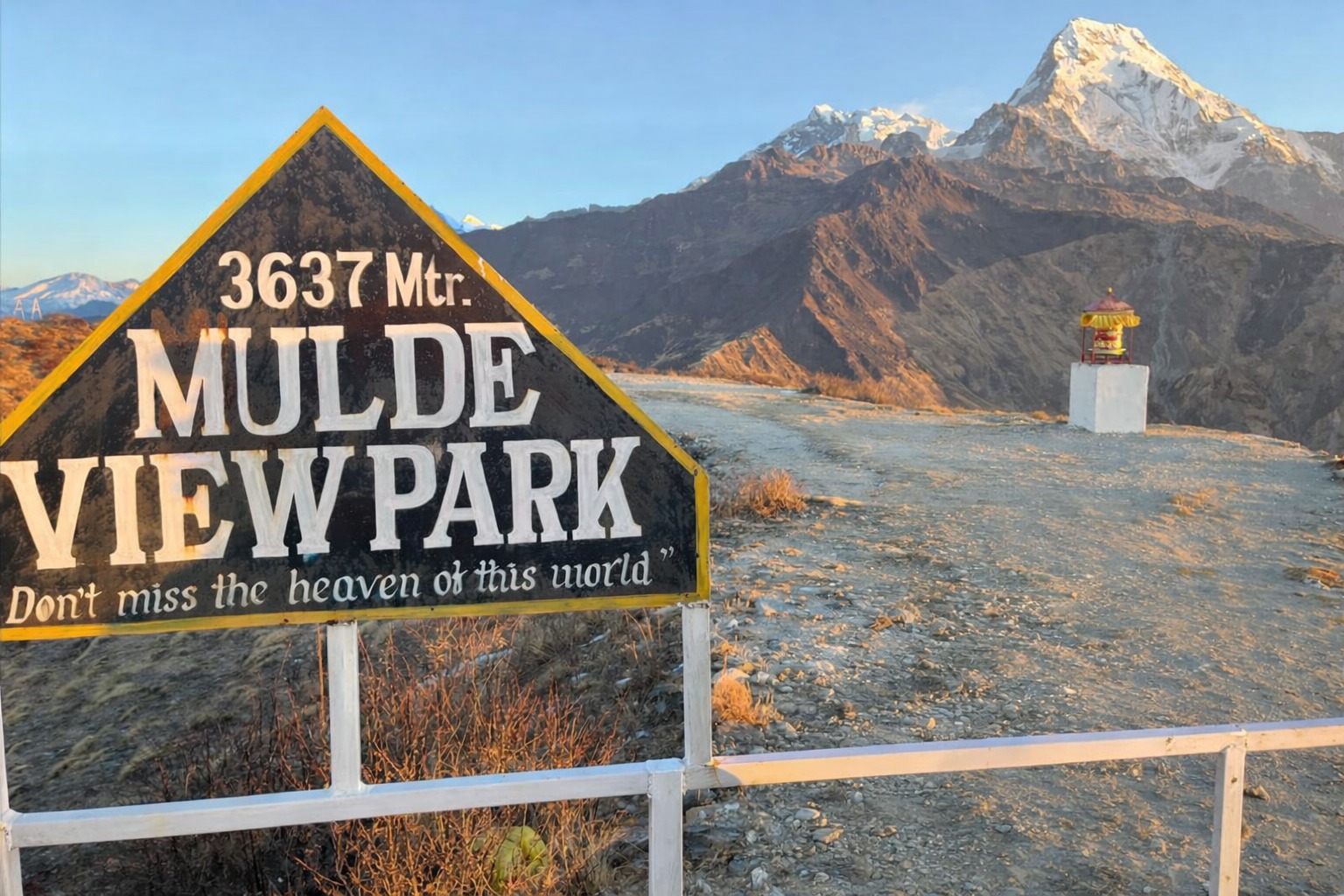
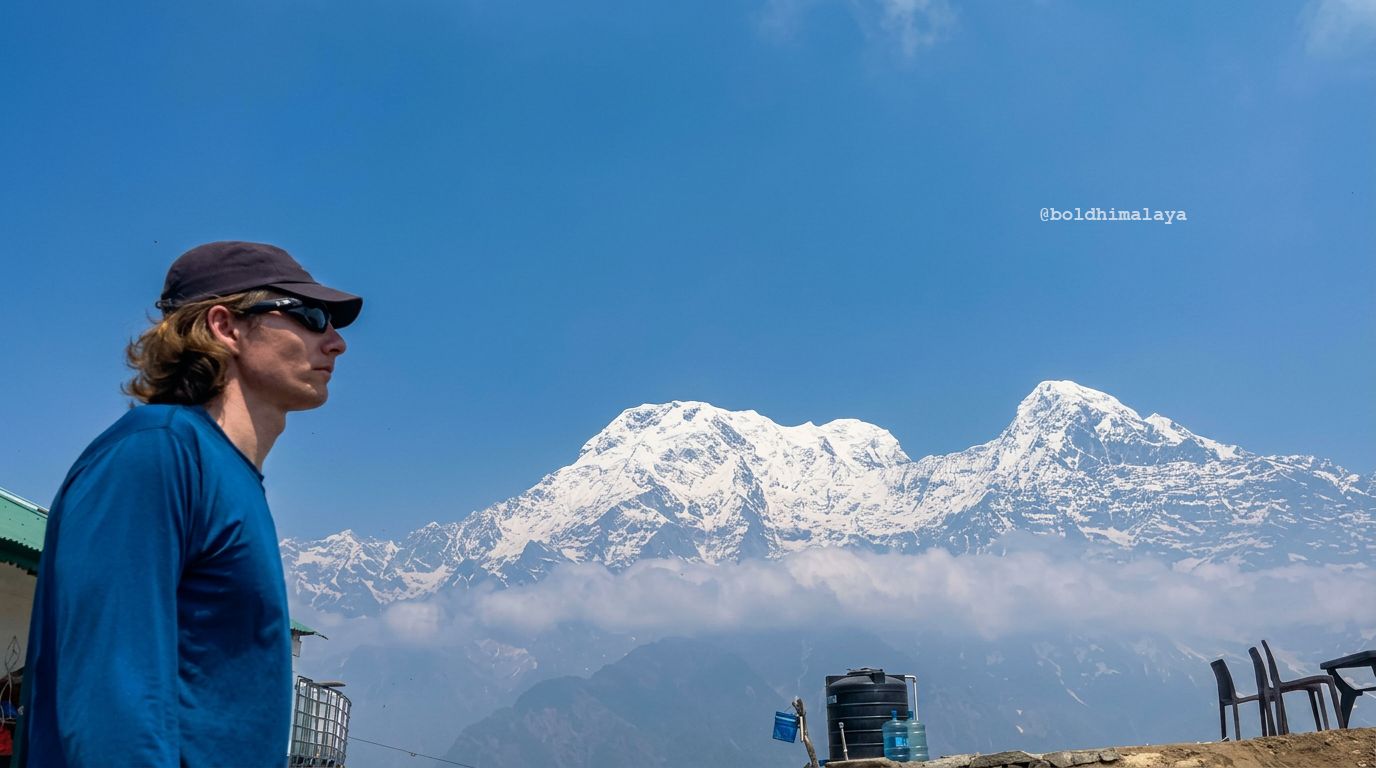
Mulde View Point Trek with Poon Hill – Four Days of Annapurna
Nepal Tour Packages
4 Days
Save 32%
Mardi Himal Base Camp 5 Days Trek
Nepal Tour Packages
5 Days
Save 32%
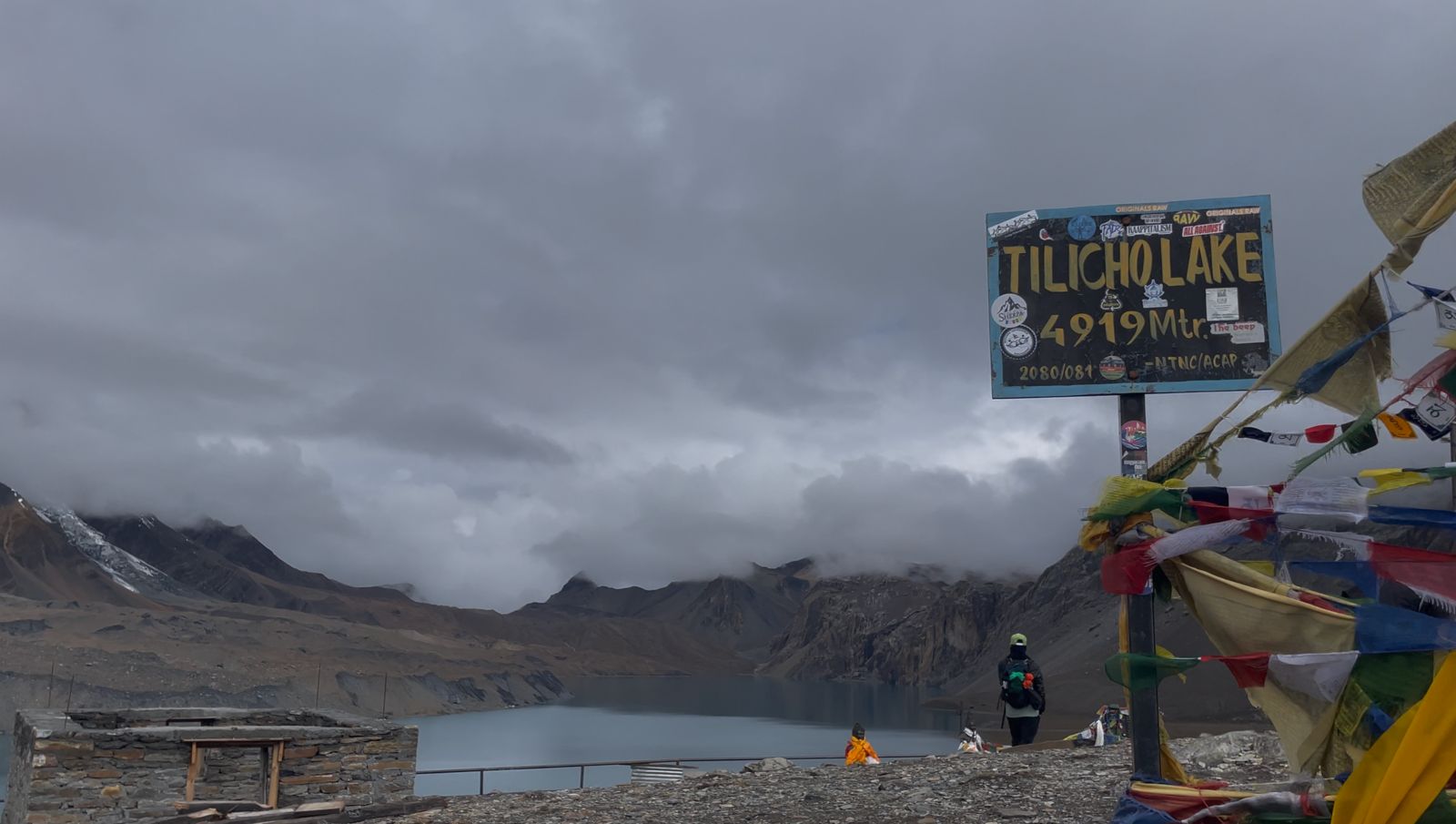
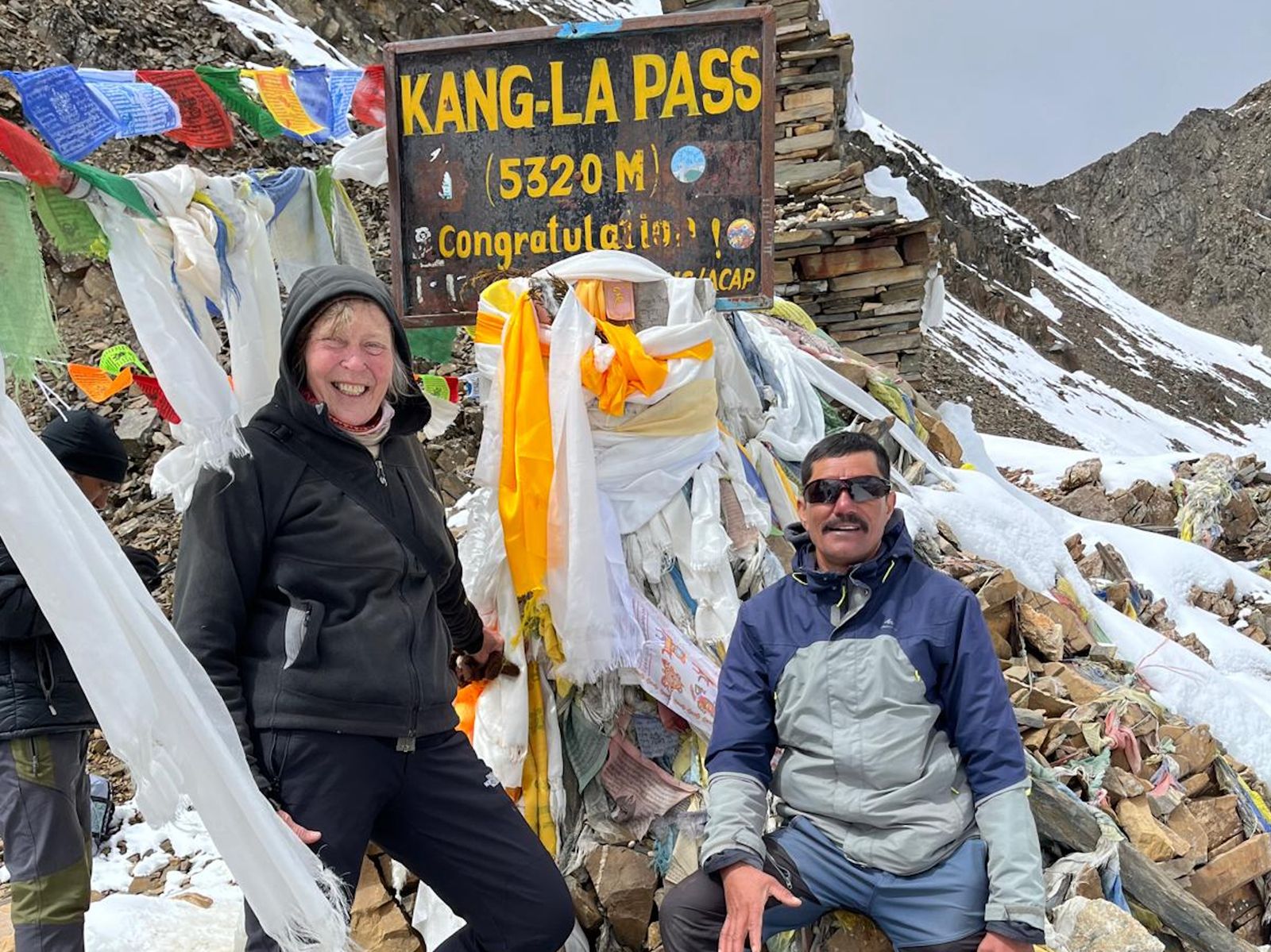
Annapurna Circuit Trek with Tilicho Lake
Nepal Tour Packages
13 Days
Save 28%
Nar Phu Valley Trek – 11-Day Remote Himalayan Adventure
Nepal Tour Packages
11 Days