Forgot Password
Register and start exploring through personalized experiences.
Register Account
Register and start exploring through personalized experiences.
By Registering, I agree to the terms and conditions of Bold Himalaya
View Nepal Tour Packages in Detail

Mount Kailash Inner Kora Tour

Country
Country China
Best Season
Best Season April-Oct
Duration
Duration 16.0 Days
Meal
Meal Vegetarian Full Board Meals
Max-Altitude
Max-Altitude 5,630m
Transportation
Transportation Private vehicles
Accommodation
Accommodation Basic Guesthouses or hotels

Mount Kailash Inner Kora Tour is more than a trek; it’s a sacred pilgrimage that challenges the body and transforms the soul. Known as the most intense and spiritually powerful parikrama around Mount Kailash, the Inner Kora route takes pilgrims deep into the heart of the mountain’s sacred geography, far beyond the outer circuit.

This inner kora pilgrimage leads you through legendary spiritual sites like Nandi Parvat, Kuber Kunda, Kailashi Gange, Saptarishi Cave, and the mystical Atmalingam, making it one of the most profound spiritual journeys on Earth.

More than just inner kora trekking, this experience blends devotion, endurance, and deep cultural meaning, offering seekers a rare chance to walk a path few ever complete. In this guide, you’ll discover the route, spiritual significance, difficulty level, permits, costs, and everything you need to plan a safe and meaningful journey on the sacred inner kora route of Mount Kailash.

What Is the Mount Kailash Inner Kora Tour?

The Mount Kailash Inner Kora Tour is the most religious, exclusive, and spiritually intense pilgrimage route around Mount Kailash. It is not like the outer parikrama, which is open to general pilgrims, the Inner Kora of Mount Kailash follows a hidden sacred circuit that passes through highly revered spiritual sites known only to serious pilgrims, monks, and advanced seekers. The inner Kora trail around the Kailash Mansarovar is said to be the purest path to go around the mountain, and it is said to provide more spiritual merit, purify the inner soul, and change the karma.

Often described as the most powerful form of inner kora pilgrimage, this sacred journey is not just a physical trek—it is a spiritual journey of self-transformation, devotion, and spiritual awakening. The Mount Kailash Inner Kora trek combines high-altitude terrain, remote sacred landscapes, and deeply spiritual landmarks, making it one of the most meaningful religious journeys in the world. Because of its restricted nature and high spiritual importance, the Mount Kailash Inner Kora route is only accessible through organized pilgrimages and authorized tour operators, making every Mount Kailash Inner Kora tour a rare and life-changing experience.

Spiritual vs. Physical Meaning

Spiritually, the inner kora mount Kailash represents the highest form of sacred circumambulation. In Hinduism, Buddhism, Jainism, and Bon traditions, walking the Kailash inner kora parikrama is believed to cleanse past karma, remove spiritual obstacles, and accelerate inner awakening. This sacred journey is not seen as tourism, but as a divine ritual of purification and rebirth.

Ancient scriptures and oral traditions describe the inner Kora Kailash pilgrimage as the path of enlightenment, reserved for those seeking deep spiritual connection rather than surface-level devotion.

Physically, the mt kailash inner kora is one of the most demanding high-altitude pilgrimage routes in the Himalayas. The terrain includes steep ascents, rocky passes, snow-covered sections, and remote high-altitude landscapes.

The Mount Kailash inner kora distance may be shorter than the outer kora, but its difficulty level is significantly higher due to altitude, isolation, and technical terrain. This makes the inner Kora Kailash trek both a spiritual test and a physical challenge—symbolizing the journey of conquering the mind, body, and ego together.

Highlights of the Mount Kailash Inner Kora Tour

  • Be a part of the exclusive Inner Kora trekking experience of Mount Kailash – it is a more intimate and very spiritual path that a few are fortunate to tread.
  • Enjoy a glorious close-up view of the North Face of Mount Kailash and, optionally, be an active participant in the sacred Charan Sparsh ceremony, where you can touch the holy mountain’s feet.
  • Visit the incredible Rishi Cave, Nandi Parvat, and the Sapta Rishi Caves – all ancient meditation caves where sacred men meditated for centuries in intense contemplation.
  • Hike on mountain top ridges and see mighty spiritual sites like Kuber Kund, Kuber Parbat, and Shivasthali – hard work but worth it!
  • Spend your days walking in Tibetan monasteries and holy sites that will leave you at peace and in awe.
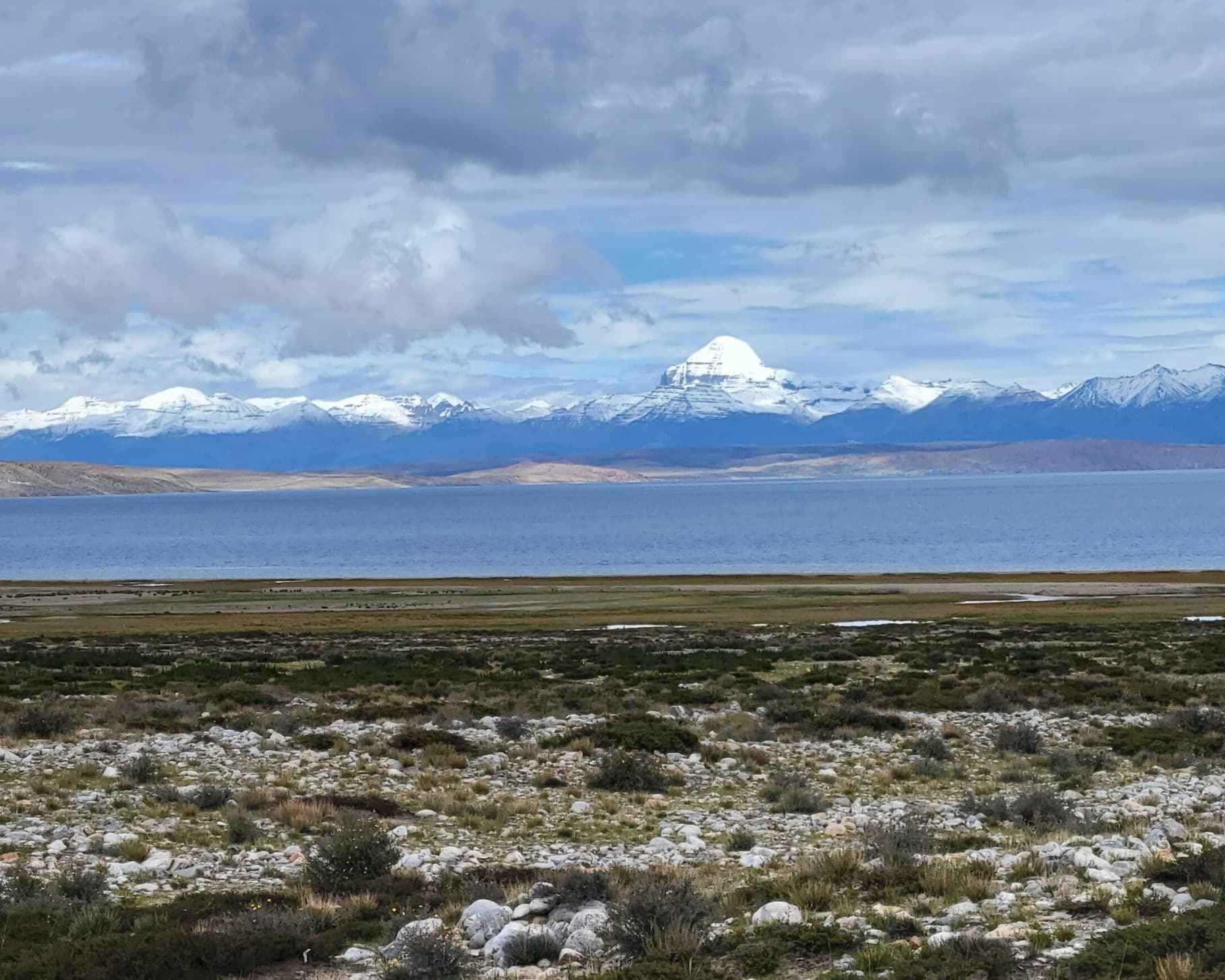
  • Have the most spectacular sight of Tibet, with immense grassland, serene lakes, and white-capped mountains awaiting you.
  • Participate in the old prayers and rituals at the sacred places on the route – it is a great means of contributing to your spiritual journey.
  • Meet the friendly local Tibetan native people and learn about their fascinating culture and way of life in this remote corner of the world.
  • Tour with knowledgeable guides who actually know their stuff and an excellent support staff who will care for you and make you safe and comfortable while at it.

Inner Kora Route Overview – Mount Kailash Inner Kora Tour

The Mount Kailash Inner Kora Tour is one of the most sacred and spiritually profound pilgrimage journeys in the Himalayas, known for its powerful spiritual significance, challenging terrain, and unparalleled sacred sites. Unlike the longer outer circumambulation (Outer Kora), the inner Kora of Mount Kailash takes pilgrims closer to the heart of the mountain’s spiritual geography, offering a deeper experience of devotion and purification.

Your journey typically begins in Kathmandu, Nepal, where you prepare and obtain the necessary Tibet permits and visas. From there, you travel overland through Nepal and into Tibet (often via the Kerung/Rasuwagadhi border) and continue through Tibet’s stunning landscapes — high plains, snow‑covered passes, and ancient monasteries — until you reach Darchen, the base town at the foothills of Mt. Kailash, where the real pilgrimage begins.

From Darchen, the inner Kora route takes you on an intense and sacred trail that is physically challenging but spiritually rewarding. On this route, you visit highly revered points such as Asthapath / Astapada, Saptarishi Cave, Atmalingam (Atma Linga), Nandi Parvat / Nandi La, and Rakshas Lingam / Ice Lingam.

The inner kora trail is approximately 30–34 km long and is divided into rugged, rocky terrain that often requires scrambling and careful trekking in narrow sections. It is shorter than the Outer Kora but physically more demanding, reaching higher passes and less frequented sacred sites.

Some tour versions also include visits to Kuber Kund, Serlung Monastery, and Charan Sparsh ritual points, where pilgrims symbolically touch sacred spots or seek blessings — all adding to the sanctity and intensity of the Mount Kailash Inner Kora pilgrimage.

Throughout this sacred circuit, pilgrims experience the vast serenity of Tibet’s high plateau, meet local monks, and witness breathtaking views of Mount Kailash’s North Face and other dramatic slopes — a blend of physical challenge and deep spiritual immersion that makes the inner kora journey truly unforgettable.

Key Sacred Stops Along the Way – Mount Kailash Inner Kora Tour

The Mount Kailash Inner Kora Tour is not just a trek, it’s a sacred pilgrimage along a hidden, highly spiritual path around the heart of Mount Kailash. Along this inner kora route, pilgrims encounter multiple holy sites and spiritual landmarks that have been revered for centuries. Each stop is a moment to connect with the divine energy of Kailash, making this journey an extraordinary inner kora pilgrimage experience.

Here are the key sacred stops along the Inner Kora route, why they matter, and how they enhance your spiritual journey.

1. Asthapath / Astapada — The Gateway to Spiritual Merit

Asthapath, also known as Astapada, is one of the first major sacred points on the Mount Kailash Inner Kora trek. Pilgrims often pause here to reflect and offer prayers before entering the more challenging sections of the inner kora route.

Why does it matter? Asthapath is traditionally believed to be a place of divine footprints and a gateway to spiritual purification. Pilgrims walking the inner kora of Mount Kailash consider this site the perfect start to a transformative spiritual journey.

2. Saptarishi Caves — Meditation Sites of the Seven Sages

The Saptarishi Caves are some of the most revered inner kora spiritual sites. These caves are said to have hosted the seven ancient sages who meditated here for centuries, seeking divine insight and enlightenment.

Why it matters: Visiting the Saptarishi Caves is considered a major spiritual milestone on the inner kora Kailash yatra, symbolizing wisdom, devotion, and inner awakening.

3. Atmalingam — The Soul Essence of Shiva

Atmalingam, or Atma Linga, is a highly revered spiritual site along the Mount Kailash Inner Kora trek. Pilgrims often stop here for meditation and prayer.

Why it matters: The Atmalingam represents the divine soul of Lord Shiva, making it one of the most spiritually charged spots on the inner kora pilgrimage. Pilgrims often experience deep peace and reflection here.

4. Nandi Parvat / Nandi La — Sacred Hill of Shiva’s Mount

On the inner kora of Mount Kailash, Nandi Parvat (or Nandi La) is a holy hill associated with Nandi, the divine bull of Lord Shiva. Pilgrims often perform rituals or circumambulate this sacred hill as part of the inner kora pilgrimage.

Why is Nandi Parvat sacred on the Inner Kora route? Touching or circling Nandi Parvat is believed to bring spiritual blessings and merit during the sacred inner kora yatra.

5. Rakshas Lingam — The Sacred Rock Formation

The Rakshas Lingam is a remarkable natural rock formation encountered along the inner kora of the Mount Kailash trail. It is considered sacred and a place for reflection and meditation.

Why do pilgrims stop at the Rakshas Lingam on the Inner Kora route? Pilgrims believe the Rakshas Lingam is infused with divine energy, making it a key spiritual stop on the inner kora Kailash pilgrimage.

6. Kuber Kund — The Hidden Sacred Lake

Kuber Kund is a serene lake often included in inner kora Mount Kailash tour packages. Its calm waters provide a perfect space for meditation and spiritual introspection.

Why does it matter? The lake is believed to cleanse karma symbolically, offering pilgrims an opportunity for spiritual renewal on their Mount Kailash Inner Kora trek.

7. Serlung Monastery — Spiritual Pause on the Inner Kora

While slightly off the direct path, Serlung Monastery is often visited on extended inner kora Mount Kailash tours. It offers insight into Tibetan Buddhist traditions and interactions with local monks.

Visiting this monastery adds cultural depth and reinforces the spiritual significance of the inner Kora Kailash pilgrimage.

Why These Sacred Stops Are Essential

Each of the sacred stops on the Inner Kora Mount Kailash route combines spiritual significance, cultural heritage, and breathtaking natural beauty. Together, they create a transformative journey, blending devotion, meditation, and Himalayan exploration. For pilgrims, the Inner Kora pilgrimage is not just a trek; it’s a path to inner awakening and spiritual merit.

To experience all these sacred sites safely and comfortably, careful planning is essential. If you want to plan your Mount Kailash Inner Kora Tour perfectly, contact Bold Himalaya — our experienced guides and support staff ensure a seamless, once-in-a-lifetime spiritual adventure.

Why Choose Mount Kailash Inner Kora Tour with Bold Himalaya?

  • Unique Access to the Inner Path: We will guide you along the unique Inner Kora path that only a few travelers can experience. It’s an extremely unique way of exploring this sacred mountain, perfect for those seeking an inner spiritual experience.
  • You’re in Safe Hands: You will be guided by our very own Tibetan and Nepali guides, who are locals. They know the mountains better than anyone. They will guide you through high altitude safely, yet comfortably, with great.
  • We Plan Everything Out: Worry-free planning, goodbye! We plan everything out for your travel, food, stay, and permissions ahead of time for you. Simply accompany us with an appetite for adventure, and we’ll handle everything else.
  • Touch Your Spiritual Self: Are you spiritual? We can make you feel the spiritual side of Mount Kailash. We will take you to holy rituals, allow you to meditate, and assist you in praying at some very holy locations around the mountain.
  • Stunning Scenery and Culture: Get ready to be amazed by Tibetan landscapes! And on top of that, you’ll be able to visit centuries-old monasteries, have a few good laughs with the friendly monks, and really get to understand the fascinating local Buddhist culture.
  • Personalized Experience: We’ve got small groups and can tailor the trip to your specifications. It’s not a mass-market adventure – it’s your trip, your way.
  • We Care About Tibet: With us, you’re helping us promote responsible tourism. We respect local customs and work to leave this beautiful area intact for years to come.
  • Life-Changing Experience: Whether you are a spiritual seeker, an explorer, or simply someone who is looking for an experience that’s totally unlike any other, this trek will mark you. We promise – it’s the kind of trip that changes your perception of the world!

Join the Mount Kailash Inner Kora tour from Kathmandu with the best inner Kora tour operator, Bold Himalaya. Secure your guided Inner Kora Kailash tour package today for an unforgettable spiritual journey.

Read More

Detailed Itinerary

Your Journey, Step by Step

- Collapse All
Day 1

Arrive in Kathmandu

Accommodation
Accommodation 4-star hotel
Meals
Meals Dinner

Upon your arrival at the Tribhuvan International Airport, a Bold Himalaya representative will receive you there and transfer you to your hotel. After check-in, you can either relax or go out to explore the vibrant streets of Thamel, Kathmandu, a lively tourist hub filled with cafes, trekking shops, and local culture.

In the evening, we gather for a trip orientation and welcome meeting, where you’ll meet your fellow pilgrims and receive a detailed briefing about the journey ahead. The day concludes with a traditional Nepali welcome dinner, offering an authentic taste of local cuisine and the perfect beginning to your Mount Kailash Inner Kora pilgrimage.

Day 2

Kathmandu Sightseeing & Preparation for Tibet

Accommodation
Accommodation 4-star Hotel
Meals
Meals Breakfast

Begin your Mount Kailash Inner Kora Tour with a spiritually enriching Kathmandu sightseeing day, visiting UNESCO World Heritage Sites including Pashupatinath Temple, the holiest Lord Shiva shrine, Boudhanath Stupa, the spiritual heart of Tibetan Buddhism, and Swayambhunath (Monkey Temple) with panoramic views of the Kathmandu Valley, followed by free time in Thamel for trekking gear shopping and travel essentials.

The day continues with full Inner Kora Mount Kailash travel preparation, including Chinese visa collection, permit coordination, final packing, equipment checks, and a detailed Mount Kailash Inner Kora briefing session covering safety guidelines, altitude acclimatization, and high-altitude pilgrimage protocols, ensuring you are fully prepared for your sacred Inner Kora Mount Kailash pilgrimage.

Day 3

Tibet Road Trip! (Kathmandu to Kerung - 2,900m | 150 km | 6-7 hours)

Accommodation
Accommodation Hotel in Kerung
Meals
Meals Breakfast, Lunch en route (packed or local), Dinner
Difficulty
Difficulty Difficulty: Easy
Altitude
Altitude 2,700–2,900 m
Duration
Duration 7–9 hours by road
Distance ~170 km

Your Inner Kora pilgrimage begins with a scenic drive from Kathmandu to the Nepal–Tibet border at Kerung, the main gateway into Tibet for Kailash Mansarovar travelers. The journey covers approximately 170 km and takes 7–9 hours, winding through the Kathmandu Valley, Dhunche, and Rasuwagadhi, with stops for border and immigration formalities.

As you ascend from 1,350 m in Kathmandu to around 2,700–2,900 m in Kerung, you’ll pass lush terraced hills, rivers such as the Trishuli and Bhote Koshi, and traditional mountain villages, gradually acclimating to higher altitudes. Kerung serves as the first rest and acclimatization stop before entering Tibet proper and continuing on the Mount Kailash Inner Kora route.

This road trip offers stunning mountain scenery, glimpses of Tibetan plateau landscapes, and a smooth start to your sacred journey.

Day 4

Rest Day in Kerung

Meal
Meal Breakfast, Lunch, Dinner
Accommodation
Accommodation Hotel in Kerung

On your Mount Kailash Inner Kora tour, Day 5 is a rest and acclimatization day at Kerung (2,900 m). This Tibetan border town offers a peaceful environment to recover from the road journey and adjust to the higher altitude before continuing on the Inner Kora Kailash pilgrimage.

You can explore the town, interact with locals, or simply relax at your guesthouse. Staying hydrated and taking it easy today is crucial to prevent altitude sickness and prepare for the physically demanding days ahead. Meals are provided in your guesthouse, usually vegetarian Tibetan cuisine, completing a restful and necessary pause on your sacred journey.

Day 5

Drive From Kerung to Saga (via Lhamo La Pass)

 Accommodation
Accommodation guesthouse or lodge in Saga
 Meals
Meals Breakfast, Lunch, Dinner
Highest Point
Highest Point Highest Point: Lhamo La Pass – 5,124 m
Duration
Duration 6–7 hours by private vehicle
Distance 232 km

On Day 5 of your Mount Kailash Inner Kora tour, you embark on a high‑altitude overland journey from Kerung (≈2,700–2,900 m) into the heart of the Tibetan plateau, heading toward Saga (4,640 m), crossing the breathtaking Lhamo La Pass (5,124 m). The distance covered is approximately 232 km, taking 6–7 hours via private vehicles. This drive is one of the most scenic on the Inner Kora Kailash pilgrimage route, offering sweeping views of the Tibetan plateau, arid valleys, and nomadic settlements.

A stop at Lhamo La Pass gives pilgrims a chance to appreciate the dramatic landscape while acclimatizing to higher altitudes. Overnight accommodation is in basic Tibetan guesthouses or lodges at Saga, with full vegetarian meals included. This segment is crucial for preparing your body for the demanding trekking ahead on the sacred Mount Kailash Inner Kora route.


Day 6

Saga to Lake Manasarovar (4,590m) | 370 km | 7-8 hours

Accommodation
Accommodation Guesthouse or lodge
Meals
Meals Full board (vegetarian)
Altitude
Altitude Lake Manasarovar (4,590 m)
Distance ~370–450 km
Duration
Duration 7–8 hours by private vehicle

After breakfast in Saga, you begin one of the most memorable days of your Mount Kailash Inner Kora pilgrimage, driving across the Tibetan plateau toward the sacred Lake Manasarovar, one of the highest freshwater lakes in the world and a spiritually revered site in Hinduism, Buddhism, Jainism, and Bon traditions. The road distance from Saga to Manasarovar is roughly 450–500 km, and the journey typically takes about 7–8 hours by private vehicle, depending on road conditions and stops along the way.

The route offers spectacular high‑altitude scenery: vast open plains, snow‑tipped mountain views, and stark desert‑like landscapes that shift between gentle grasslands and rugged terrain. You’ll pass through the small towns of Zhongba and Paryang, cross high‑altitude stretches of the G219 National Highway, and may catch your first distant glimpse of Mount Kailash as you approach the lake.

Upon arrival at Lake Manasarovar (≈4,590 m), you’ll check into lakeside guesthouses or lodges offering simple but comfortable accommodation and vegetarian meals throughout the day (breakfast en route, packed lunch on the road, and dinner at the lodge). Many pilgrims choose to perform a ritual holy dip or prayers at the lake shore, as its clear waters are believed to purify the body and soul before continuing toward Darchen and the Inner Kornext stages of the sacred journey.

This day combines long‑distance travel, stunning landscape views, and deep spiritual meaning, making it an unforgettable highlight of the Inner Kora Kailash pilgrimage.

Day 7

Drive from Lake Manasarovar to Darchen (4,670m) | 40 km | 1 hour

Accommodation
Accommodation Basic guesthouse or lodge in Darchen
Meals
Meals Full board (vegetarian)
Transport
Transport Private vehicle
Difficulty
Difficulty Easy
Altitude
Altitude Altitude: Lake Manasarovar (4,590 m)
Duration
Duration 1–1.5 hours by private vehicle
Distance ~40 km

After the sacred morning rituals and holy dip in the pristine waters of Lake Manasarovar (4,590 m), pilgrims embark on a short but scenic drive of about 40 km to Darchen (4,670 m), the base town for the Mount Kailash Inner Kora pilgrimage.

The drive takes approximately 1–1.5 hours along the tranquil Tibetan plateau, offering breathtaking views of open grasslands, distant mountains, and serene landscapes. On arrival in Darchen, you’ll check into a basic guesthouse or lodge, enjoy full board vegetarian meals, and begin preparations for the sacred Inner Kora Kailash trek.

This day is gentle in terms of physical exertion but spiritually significant, marking your first step toward the heart of the Inner Kora Kailash pilgrimage.

Day 8

Darchen to Yam Dwar and Hike to Dirapuk – Start of the Mount Kailash Inner Kora Trek

Accommodation
Accommodation Guesthouse/lodge at Dirapuk
Meals
Meals Full board vegetarian meals
Transport
Transport Short drive (~10 km) from Darchen to Yam Dwar
Difficulty
Difficulty Moderate
Altitude
Altitude Dirapuk (5,080 m)

Today marks the beginning of your sacred Mount Kailash Inner Kora pilgrimage. From Darchen (4,670 m), you take a short drive of about 10 km to Yam Dwar, also known as the “Gateway of the Gods,” the official starting point of the Inner Kora Kailash route. From Yam Dwar, the trek begins toward Dirapuk Monastery (5,080 m), covering approximately 12 km over 5–6 hours of moderately challenging terrain.

The trail offers dramatic views of the North Face of Mount Kailash, with rocky paths, narrow ridges, and occasional steep sections requiring careful walking. Along the way, pilgrims experience the serene Tibetan plateau and encounter spiritual landmarks that set the tone for the sacred journey ahead.

Accommodation is typically in basic guesthouses or lodges at Dirapuk, with full board vegetarian meals provided. This day combines physical challenge with spiritual preparation, giving trekkers a first-hand experience of the Inner Kora Mount Kailash trek while acclimatizing to high altitudes.


Day 9

North Face trek of Mount Kailash | 6 km | 3-4 hours

Accommodation
Accommodation Guesthouse/lodge
Meals
Meals Full board vegetarian meals
Distance 6 km
Duration
Duration 3–4 hours
Altitude
Altitude ~5,000 m
Difficulty
Difficulty Moderate

Day 9 of the Mount Kailash Inner Kora Tour is one of the most sacred and spiritually transformative days of the pilgrimage. Today, pilgrims embark on the North Face Trek, a short but profound journey that brings them as close as possible to the northern face of Mount Kailash, the abode of Lord Shiva.

The trek begins from Dirapuk Monastery, the resting point at the foot of the north face. The trail winds through rocky paths and high‑altitude terrain, offering breathtaking views of the North Face of Mount Kailash. Though the trek is only about 6 km, the thin mountain air and steep sections make it moderately challenging.

The highlight of this day is the Charan Sparsh ritual, which means “touching the feet” of the sacred mountain. Pilgrims pause here to meditate, pray, and offer devotion at a designated spot near the base of the north face. While climbing the summit of Kailash is strictly forbidden, this ritual allows pilgrims to symbolically connect with the divine energy of the mountain, purify past karma, and experience a deep spiritual awakening.

After spending time in reflection and prayer at this holy site, pilgrims return to Dirapuk Monastery to rest for the evening. Many consider this day the most memorable of the Inner Kora pilgrimage, as it combines physical exertion, spiritual devotion, and the awe-inspiring presence of Mount Kailash.

Day 10

Inner Kailash Kora to Zuthulpuk (4,790m) Trek | 22 km | 9-10 hours

Accommodation
Accommodation Guesthouse/lodge
Meals
Meals Full board vegetarian meals
Highest Point:
Highest Point: ~5,630 m
Duration
Duration 9–10 hours
Distance: ~22 km

Day 10 of the Mount Kailash Inner Kora Tour is widely regarded as one of the most physically demanding yet spiritually transformative days of the pilgrimage. Today, pilgrims trek from Dirapuk Monastery toward Zuthulpuk Monastery, crossing the sacred Dolma La Pass, the highest point of the Inner Kora route at approximately 5,630 meters.

The journey begins early in the morning to take advantage of stable weather conditions and to acclimatize to the high altitude. The trail ascends steeply from Dirapuk, winding over rocky paths, scree fields, and high-altitude slopes, requiring endurance, focus, and careful pacing. Despite its challenges, many pilgrims find the climb profoundly meaningful, as each step becomes a meditation on letting go of past burdens and embracing personal transformation.

Reaching Dolma La Pass is not only a physical achievement but also a spiritual milestone. Pilgrims pause among prayer flags, mani stones, and longda scarves, engaging in silent prayers, chants, and reflections. In Tibetan spiritual belief, crossing Dolma La symbolizes a symbolic death and rebirth, purifying karma, and bringing spiritual merit.

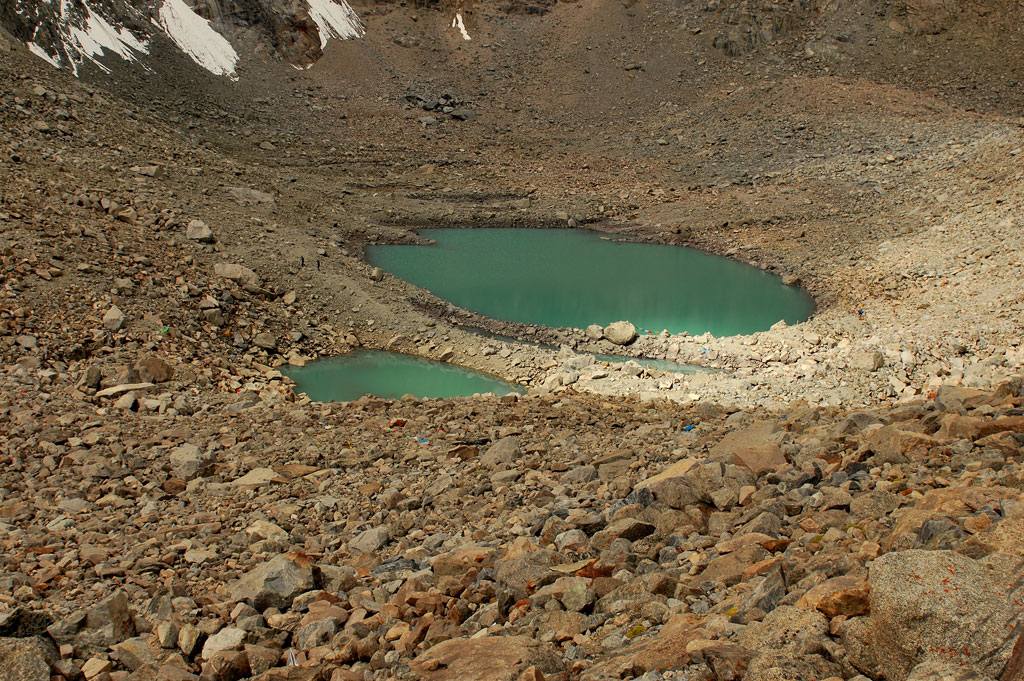
From the pass, trekkers descend toward Gauri Kund, the serene glacial lake associated with the goddess Parvati. This sacred site is believed to purify intentions and deepen spiritual devotion, offering a moment of calm reflection after the strenuous ascent.

The trail then continues through rocky foothills and gentle valleys, opening up to sweeping views of Mount Kailash, snow-capped peaks, and the high-altitude Tibetan plateau as pilgrims approach Zuthulpuk Monastery. Upon arrival, the monastery provides a peaceful atmosphere for rest, meditation, and reflection. Zuthulpuk holds historical and spiritual significance, with connections to the revered yogi Jetsun Milarepa, who is said to have meditated in nearby caves.

This combination of physical challenge, breathtaking landscapes, and sacred sites makes Day 10 a profound experience, blending endurance with spiritual awakening. Completing this section of the Inner Kailash Kora leaves pilgrims with a deep sense of accomplishment, inner peace, and a closer connection to the divine energy of Mount Kailash, making it one of the most unforgettable days of the journey.

Day 11

Zuthulpuk to Darchen Trek: Completing the Sacred Mount Kailash Inner Kora

Accommodation
Accommodation Guesthouse or monastery lodge in Darchen
Meals
Meals Full board (vegetarian)
Difficulty Level
Difficulty Level Easy to moderate
Duration
Duration 3–4 hours
Distance 10–14 km

After the physically demanding crossing of Dolma La Pass and the long first two days of walking, the trek from Zuthulpuk to Darchen is the final and most relaxed stage of the classic Mount Kailash Kora pilgrimage. This section typically covers around 10–14 km and takes approximately 3–4 hours to complete, as the trail gently descends through the open valley floor carved by the Lha Chu River.

The route from Zuthulpuk is far easier than the earlier sections, with mostly flat terrain and gradual downhill slopes allowing pilgrims to reflect on their journey while enjoying sweeping views of the surrounding Himalayan landscape and the eastern faces of Mount Kailash.

Along the way, you’ll pass many walls, prayer stones, and prayer wheels — constant reminders of the sacred nature of this spiritual walk. Upon arrival in Darchen, the small pilgrimage town at the foot of Mount Kailash, many pilgrims feel a deep sense of fulfillment and spiritual completion, having walked the full Kora circuit

Day 12

Darchen Rest Day

Accommodation
Accommodation Guesthouse or monastery lodge in Darchen
 Meals
Meals Full board (vegetarian)

Time to chill in Darchen after our amazing trek! At an elevation of 4,575 meters, this little town is the Kailash pilgrim base camp. Take it easy today – maybe walk around town, chat with other travelers about their journeys, or just find a nice place to take in those spectacular mountain views.

Fancy some spiritual shopping for some funky spiritual souvenirs? Go to the local markets to buy prayer flags and local handicrafts. Today is your day to unwind and let those incredible experiences sink in!


Day 13

Sacred Cave Adventure Day on Mount Kailash Inner Kora

Accommodation
Accommodation Guesthouse/Lodge in Darchen
Meals
Meals Full board vegetarian
Difficulty
Difficulty Easy to Moderate
Altitude
Altitude ~4,600–4,800 m
Distance ~10–12 km
Duration
Duration 4–7 hours

Day 13 of the Mount Kailash Inner Kora Tour is known as the Sacred Cave Adventure Day, a spiritually enriching and culturally meaningful exploration of several legendary holy sites around the base of Mount Kailash. After several days of high‑altitude trekking and the intense journey over Dolma La Pass, this day offers an opportunity to walk with intention through sacred landscapes that have been revered for centuries in Hindu, Buddhist, and Bon traditions.

The day typically begins with a visit to Rishi Cave, a quiet, rock‑sheltered spot traditionally believed to be a meditation site for ancient sages. Pilgrims have the chance to sit, pray, or meditate quietly inside the cave, sensing the timeless stillness that makes this place spiritually significant. From there, the group proceeds to Nandi Parvat (Nandi Hill), a sacred knoll associated with Nandi, the sacred bull and divine vehicle of Lord Shiva. Circumambulating or offering prayers here is believed to bring blessings and spiritual merit.

Next, pilgrims walk to Asthapad (Astapada), meaning “Eight Steps,” a high rocky outcrop often identified in ancient texts as the spot where Lord Shiva stood to watch the creation of the universe. From Asthapad, the views of the surrounding valleys and distant Himalayan ridges are breathtaking and offer a meaningful space for reflection and gratitude. The final stop of the day is the Sapta Rishi Caves, a cluster of seven caves said to have been retreat sites for the seven great sages (rishis) in deep meditation. Many pilgrims find that walking around these caves awakens a deep sense of peace and connection to ancient spiritual traditions.

Overall, Sacred Cave Adventure Day blends gentle walking with intense spiritual resonance. Because most of the terrain is moderate and not as steep as other sections of the Inner Kora, this day is suitable for most pilgrims who are acclimatized and in good health. The locations visited today are integral to the broader spiritual meaning of the Mount Kailash Inner Kora pilgrimage, connecting physical journey with inner reflection, prayer, and devotion.

After a day rich with sacred experiences, the group returns to Darchen in the evening for rest, vegetarian meals, and preparation for the next stage of the return journey.

Day 14

Return Journey to Saga

Accommodation
Accommodation Guesthouse or lodge in Saga
Meals
Meals Full board vegetarian
Duration
Duration 7–8 hours by road
Distance ~370–400 km

On Day 14 of the Mount Kailash Inner Kora Tour, pilgrims begin the return journey from Darchen back to Saga, retracing the stunning landscapes of the Tibetan plateau. After completing the sacred Inner Kora pilgrimage, this day allows for reflection and appreciation of the incredible spiritual and natural experiences encountered over the past days.

The drive covers approximately 370–400 km, typically taking 7–8 hours by private vehicle, with stops along the way for rest, photography, and short walks to enjoy the serene Tibetan scenery. Travelers pass through vast open grasslands, high-altitude valleys, and snow-dusted mountains, often spotting Tibetan nomads and herds of yaks along the route. Pilgrims may also cross Lake Manasarovar once again, offering a final opportunity to perform rituals or meditate by its sacred waters.

While physically less demanding than the Inner Kora trek itself, this day is spiritually significant, providing time to internalize the lessons and blessings of the pilgrimage.

On arrival in Saga, pilgrims check into basic guesthouses or lodges, enjoy full board vegetarian meals, and rest for the evening, preparing for the next stage of the journey back to Kathmandu.

Day 15

The Final Leg: Saga to Kathmandu

Accommodation
Accommodation 4-star hotel in Kathmandu
Meals
Meals Breakfast en route, dinner in Kathmandu
Duration
Duration 10–12 hours by road
Distance ~450–500 km

Our last day on the Tibetan plateau! We’re driving back through some beautiful countryside, over the massive Lhamo La Pass, and down to border town Kerung. Note the way landscapes change completely as we bid farewell to Tibet’s expansive rolling landscape and hello to Nepal’s rolling green hills and waterfall cascades. We return at night to boisterous Kathmandu, where the comforts of a hotel bed are awaiting us. Time to celebrate at having done this incredible trip!

Day 16

Departure from Kathmandu

Meal
Meal Breakfast

On the final day of your Mount Kailash Inner Kora Tour, pilgrims prepare for departure from Kathmandu. Depending on your flight schedule, you may have time for last-minute sightseeing, shopping, or temple visits within the city. Popular options include picking up souvenirs from Thamel, visiting the Pashupatinath Temple, or enjoying a final stroll around the vibrant streets of Kathmandu.

A Bold Himalaya representative will transfer you to Tribhuvan International Airport, ensuring a smooth and timely check-in for your flight home. This day concludes a life-changing spiritual journey, offering time to reflect on the profound experiences of the Inner Kora pilgrimage — from touching the feet of Mount Kailash during Charan Sparsh, visiting sacred sites like Rishi Cave, Sapta Rishi Caves, and Nandi Parvat, to meditating by the holy waters of Lake Manasarovar.

Pilgrims return home with not only memories of breathtaking Tibetan landscapes and Himalayan scenery but also a sense of inner peace, spiritual renewal, and accomplishment after completing one of the most sacred and challenging pilgrimages in the world.

Inclusions

What’s Covered in Your Adventure

Includes
  • Kathmandu Accommodation (pre-tour and post-tour).
  • All necessary Tibet Permits (Tibet Travel Permit, Alien Permit, Military Permit).
  • Chinese Visa Arrangement from Kathmandu.
  • Ground transportation in all (Kathmandu-Kerung-Saga-Manasarovar-Darchen).
  • Tibet Accommodation (lodges/guesthouses).
  • All vegetarian meals (breakfast, lunch, and dinner) during the tour.
  • Experienced Tibetan Guide and Nepalese Crew.
  • In Kathmandu, there will be one special cultural presentation and a farewell meal
  • Medical Kit and Oxygen assistance in case of altitude sickness.
  • Support vehicle for the tour, convenience and safety.
  • Tour T-shirt, Trip completion certificate (issued after tour completion)
  • All government/local taxes and formal charges are included
Excludes
  • International flights from/to Nepal.
  • Chinese Visa Fee ($85 for US citizens, $50 for others).
  • Travel Insurance (mandatory).
  • Personal expenses (drinks, washing, snacks, tips).
  • Extra accommodation in the event of bad weather or unforeseen delays.
  • Horse hire (optional) during trekking.
  • Tips to guides and staff.
  • Optional helicopter rides or luxury upgrades not mentioned in the itinerary
  • Personal expenses include shopping, phone calls, extra beverages, laundry, yak, etc.
Equipment Gears for Mount Kailash Inner Kora Tour

Equipment & Gears for the Mount Kailash Inner Kora Tour

Proper equipment is essential for a safe and comfortable Inner Kora Mount Kailash pilgrimage, as the route involves high-altitude trekking, unpredictable weather, and rugged terrain.

Essential Trekking Gear

Clothing & Protection:

Sleeping & Overnight Gear:

Health & Safety Essentials

Optional but Useful:

Documents

Sturdy, waterproof hiking boots with ankle support

Trekking poles for balance on steep or rocky trails

Durable backpack for personal items, snacks, and water

Layered clothing: base layer (moisture-wicking), mid-layer (warm), outer layer (windproof/waterproof)

Warm gloves, hat, and scarf/buff for cold nights

Sunglasses with UV protection and sunscreen

Sleeping bag suitable for sub-zero temperatures

Lightweight daypack for short walks or site visits

First-aid kit and personal medicines

Water bottles or hydration system

High-energy snacks

Optional altitude sickness medication

Headlamp with extra batteries

Gaiters for snow or muddy trails

Camera or phone for photos

Extra trekking shoes for short walks or indoor use

Passport – valid for at least 6 months

Chinese visa (for Tibet travel)

Tibet Travel Permit – required for all Kailash pilgrimages

Travel insurance documents

Flight tickets

Emergency contacts & guide information – printed copy

Good to Know Before Your Mount Kailash Inner Kora Tour

Embarking on the Mount Kailash Inner Kora pilgrimage is a once-in-a-lifetime experience, but there are important details to keep in mind to ensure a safe, comfortable, and spiritually fulfilling journey. Here’s everything you need to know before you start your Inner Kora Mount Kailash tour.

Best Time to Go for the Mount Kailash Inner Kora Tour

Choosing the right season for your Mount Kailash Inner Kora Tour is crucial for a safe, comfortable, and spiritually rewarding pilgrimage. The Inner Kora trek is a high-altitude journey, reaching a maximum elevation of around 5,630 meters (18,468 feet), so planning around weather, trail accessibility, and altitude conditions is essential. Traveling in the right season ensures smoother trekking, breathtaking views, and the chance to experience the profound spiritual energy of Tibet’s sacred landscapes.

Spring (April – June):

Spring is one of the best seasons for the Mount Kailash Inner Kora pilgrimage. The melting snow makes the high-altitude trail more accessible, and the Tibetan plateau begins to bloom, offering stunning landscapes that enhance your spiritual journey.

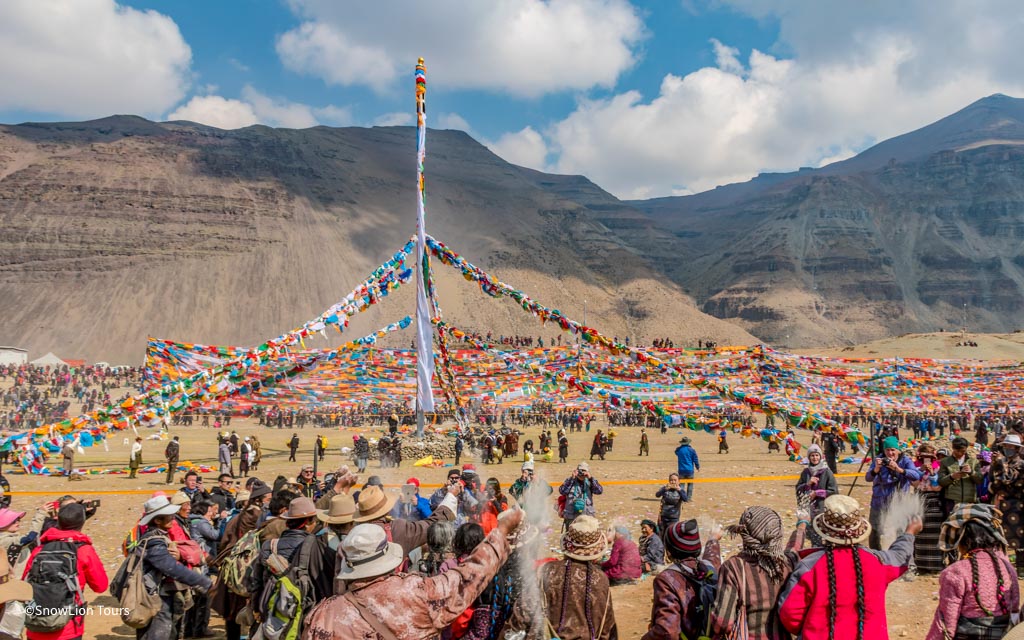
Nights in April can still be cold due to high altitude, but the trail is quieter, allowing pilgrims a more personal and meditative Inner Kora experience. Pilgrims traveling during this season may also witness the Saga Dawa festival, a rare opportunity to experience authentic Tibetan rituals and local cultural celebrations along the Inner Kora route.

Summer (June – August):

Summer brings warmer days, longer daylight hours, and relatively moderate temperatures, making it comfortable for the Mount Kailash Inner Kora trek. The scenery is at its most vibrant, with lush green pastures, serene lakes, and crystal-clear views of Mount Kailash and surrounding peaks.

While occasional fog or light rain may occur, the Inner Kora trail remains generally accessible. Summer is ideal for pilgrims seeking a balance of pleasant weather and awe-inspiring landscapes during their sacred pilgrimage.

Autumn (September – Early October):

Autumn is considered the most favorable time for the Mount Kailash Inner Kora trek. With crisp, clear skies and stable weather conditions, pilgrims can enjoy the best visibility of Mount Kailash’s majestic North Face, dramatic mountain ridges, and sacred landmarks along the Inner Kora route.

Cooler temperatures make trekking more comfortable, and the trail is less crowded, providing a deeply personal and spiritual experience. This season is also perfect for photography, capturing the spiritual and natural beauty of the Inner Kora pilgrimage at its peak.

Winter (November – March):

Winter is generally not recommended for the Inner Kora Mount Kailash trek. Extreme cold, heavy snowfall, and icy passes make the trail highly dangerous and inaccessible. High-altitude passes such as Dolma La, at 5,630 meters (18,468 feet), are often closed during these months, and severe weather poses serious risks for pilgrims and trekkers.

Only highly experienced high-altitude mountaineers with specialized gear should consider winter travel; for most travelers, it is best to avoid the Inner Kora route during this season.


Kailash Inner Kora Vs Outer Kora: What Is the Difference?

For anyone planning a pilgrimage to Mount Kailash, understanding the difference between the Inner Kora and Outer Kora is essential. Both routes offer a spiritual journey, but the experience, difficulty, and sacred significance vary greatly.

1. Spiritual Significance

  • Inner Kora Mount Kailash:

The Inner Kora is considered the most sacred circuit around Mount Kailash. It passes through highly revered spiritual sites like Nandi Parvat, Saptarishi Caves, Atmalingam, Kuber Kund, and Rakshas Lingam.

Pilgrims believe completing the Inner Kora brings greater spiritual merit, purifies karma, and accelerates inner awakening.

  • Outer Kora Mount Kailash:

The Outer Kora is the more accessible route around the mountain and is suitable for general pilgrims and trekkers.

While spiritually significant, it does not reach the heart of Mount Kailash’s sacred geography as the Inner Kora does. It is ideal for first-time pilgrims or those with limited time.

2. Physical Difficulty

  • Inner Kora:

Though shorter in distance (~30–34 km), the Inner Kora is far more challenging due to steep ascents, narrow rocky passes, high-altitude terrain (up to 5,630m), and remote locations.

It demands high physical fitness, acclimatization, and mental resilience.

  • Outer Kora:

Covering ~52 km, the Outer Kora is longer but less technically demanding. The path is well-trodden, with established rest points and moderate altitude, making it more manageable for most pilgrims.

3. Accessibility & Permits

  • Inner Kora:

The Inner Kora is restricted and requires special permits issued through authorized tour operators like Bold Himalaya. Foreigners, Indians, and other pilgrims must join organized groups to access this sacred route.

  • Outer Kora:

Open to all pilgrims, the Outer Kora does not require special permission, though standard Tibet entry permits are necessary.

4. Cultural & Ritual Experience

  • Inner Kora:

Offers exclusive spiritual rituals such as the Charan Sparsh ceremony and meditation at sacred caves. Interaction with monks and witnessing ancient Tibetan rituals is much more intimate and immersive.

  • Outer Kora:

Pilgrims can still participate in prayers and rituals at major sites like Dirapuk and Zuthulpuk, but the experience is more communal and less secluded.


Getting Fit for the Journey

Let’s get real here – this trek ain’t no walk in the park! You’ll be trekking more than 5,000 meters, where the air is seriously thin. But don’t worry, you can most certainly do it with proper preparation. Start preparing a month in advance: go hiking, running, or biking regularly. If you can hike up some nearby hills, the better! Conditioning your leg and core muscles will get you ready for those uphill climbs.

Pro tip: begin with some of the shorter treks in Nepal, like Mardi Himal, Annapurna Base Camp, to get a feel for high-altitude trekking.

Difficulty, Fitness & Preparation for the Mount Kailash Inner Kora Tour

The Mount Kailash Inner Kora Tour is renowned as one of the most challenging and spiritually rewarding pilgrimages in the world. Unlike the Outer Kora, the Inner Kora Mount Kailash trek covers rugged high-altitude terrain, remote sacred sites, and steep mountain passes, demanding both physical endurance and mental resilience.

Pilgrims on this route will encounter rocky ridges, snow-covered trails, and narrow paths, reaching a maximum altitude of 5,630 meters (18,468 feet) at Dolma La — the highest point of the Inner Kora.

Understanding the Difficulty

The Inner Kora Kailash difficulty is considered high due to the combination of altitude, long trekking days, and physically technical sections. While the total distance is shorter than the Outer Kora, the trail is far more demanding. Trekkers often spend 6–10 hours walking per day, sometimes carrying personal gear or participating in rituals along the way. Even experienced pilgrims should train for endurance, stamina, and high-altitude trekking to fully enjoy this sacred journey.

Fitness Requirements for Inner Kora Mount Kailash

Preparation is key for a safe and fulfilling Inner Kora Kailash yatra. Recommended training includes:

  • Cardiovascular exercises: running, cycling, or stair climbing to build stamina.

  • Strength training: focusing on legs, core, and back muscles to handle steep ascents and rocky paths.

  • Long-distance hiking: carrying a small backpack to simulate real trekking conditions.

Pilgrims should also acclimatize gradually to high altitudes, as sudden elevation gain can lead to altitude sickness, especially around Dolma La and Nandi Parvat, two of the most demanding points on the Mount Kailash Inner Kora route.

Preparation Tips for the Inner Kora Trek

A well-prepared trekker ensures both safety and spiritual focus during the pilgrimage. Key considerations include:

  • Trekking gear: sturdy boots, trekking poles, layered clothing for cold nights, and waterproof jackets.

  • Health essentials: hydration, high-energy snacks, and optional altitude medication.

  • Mental readiness: the Inner Kora is as much a spiritual journey as a physical one, requiring patience, devotion, and reverence for sacred sites like Saptarishi Caves, Atmalingam, and Kuber Kund.

Spiritual & Cultural Awareness

The Inner Kora Mount Kailash pilgrimage is a blend of physical challenge and deep spiritual meaning. Understanding rituals, sacred sites, and local Tibetan customs enhances the experience. Participating in prayers, meditation, or ceremonial acts at stops such as Nandi Parvat, Rakshas Lingam, and Shivasthali allows pilgrims to connect more deeply with the sacred essence of Mount Kailash Inner Kora.

Why Proper Preparation Matters

A well-prepared pilgrim is able to fully experience the exclusive Inner Kora trekking experience, appreciating both the natural grandeur of Tibet and the intense spiritual energy of the route. By planning including Inner Kora Kailash itinerary, permits, and logistical arrangements, pilgrims can focus on the journey itself rather than worrying about unforeseen challenges.

Whether you are joining a guided Mount Kailash Inner Kora tour package, an exclusive Inner Kora pilgrimage, or a spiritual Inner Kora trek, proper preparation ensures your journey is safe, comfortable, and transformative.

For first-time pilgrims who want a complete step-by-step guide to planning their journey, see How to Plan Your Kailash Yatra: A Step-by-Step Blueprint for First-Timers.

For a seamless experience, it is recommended to book with experienced operators like Bold Himalaya, who manage Inner Kora Mount Kailash permits, accommodations, and route guidance, letting you concentrate fully on your spiritual journey.

Permits, Visas & Regulations for Mount Kailash Inner Kora Tour

Traveling to Mount Kailash for the Inner Kora pilgrimage requires careful preparation, not just physically and spiritually, but also legally. The Inner Kora Mount Kailash route is restricted, and access is closely regulated by the Chinese authorities. Understanding the permits, visas, and regulations is essential to ensure a safe and smooth Mount Kailash Inner Kora tour.

1. Tibet Travel Permit

All foreign pilgrims and trekkers need a Tibet Travel Permit to enter the Tibet Autonomous Region. This permit is mandatory for anyone planning the Mount Kailash Inner Kora trek.

Key Points:

  • Issued only by authorized Chinese authorities.
  • Must be arranged in advance by your tour operator.
  • Bold Himalaya takes care of the entire permit application process, ensuring your Inner Kora journey starts smoothly.

2. Inner Kora Special Access Permit

Unlike the Outer Kora, the Inner Kora Mount Kailash route is restricted due to its high spiritual significance. Pilgrims need a special Inner Kora access permit, which allows entry to sacred sites such as Nandi Parvat, Atmalingam, and Saptarishi Caves.

Important Tips:

  • Only authorized tour operators like Bold Himalaya can secure this permit.
  • Solo travelers are generally not allowed to complete the Inner Kora.
  • Permit approval can take several weeks, so early booking is highly recommended.

3. Visa Requirements

Travelers must have a valid Chinese visa to enter Tibet.

Key Points:

  • Usually, a single-entry Chinese visa is sufficient.
  • Visa must be valid for the entire duration of the Mount Kailash Inner Kora tour.
  • Bold Himalaya guides can help you coordinate visa requirements, especially if entering via Nepal (Kerung) or India (Lipulekh/Nathu La).

4. Group Regulations & Authorized Tour Operators

Due to high-altitude risks and spiritual importance, the Inner Kora is accessible only through organized groups. Regulations include:

  • Small group sizes for safety and spiritual integrity.
  • Mandatory guides for the Mount Kailash Inner Kora trek.
  • Compliance with the Chinese authorities’ rules on camping, photography, and local cultural conduct.

Bold Himalaya ensures your group adheres to all regulations while keeping your experience safe, seamless, and deeply spiritual.

5. Restricted Areas & Local Rules

Some areas along the Inner Kora Mount Kailash route are off-limits to pilgrims, including:

  • Certain high-altitude passes in winter
  • Monastery areas with restricted access
  • Sites under temporary closures for festivals or maintenance

Following these regulations ensures both your safety and respect for the sacred sites along the Mount Kailash Inner Kora pilgrimage. Bold Himalaya is here to guide you at every step, from permits to safe navigation of these sacred areas.


Visa & Border Entry

For pilgrims embarking on the Mount Kailash Inner Kora Tour, understanding visa and border entry options is essential to access the sacred and highly restricted path.

Travelers from Nepal usually enter Tibet via the Kerung/Rasuwagadhi border, while those from India often cross through Lipulekh or Nathu La, both well-established gateways to the holy land.

A valid Chinese visa and a Tibet Travel Permit are mandatory, as the secret Inner Kora Mount Kailash and other sacred sites are strictly regulated. The restricted Inner Kora Kailash route, also known as the sacred Inner Circuit Kailash or hidden Inner Parikrama Kailash, is accessible only through organized tours with authorized operators.

Solo trekking is not allowed along the inner circumambulation of Mount Kailash or the exclusive Kailash Inner Route, ensuring pilgrims experience the spiritual journey safely and respectfully. These permits protect the inner sacred circuit Kailash and preserve the sanctity of esoteric sites like Atmalingam, Saptarishi Caves, Nandi Parvat, and Rakshas Lingam, which are central to the esoteric Inner Kora Kailash pilgrimage.

Bold Himalaya simplifies this entire process by arranging visas, permits, and border approvals, letting travelers focus entirely on the hidden Inner Kora Mount Kailash trek, fully immersing in its spiritual, cultural, and scenic wonders.

Rules You Must Know for the Mount Kailash Inner Kora Tour

When planning the Mount Kailash Inner Kora Tour, it’s important to understand and follow the official rules and regulations set by the local authorities, both for safety and to respect the sacred nature of this route.

Because the Inner Kora Mount Kailash, sometimes described as the restricted Inner Kora Kailash, hidden Inner Parikrama Kailash, or secret Inner Kora Mount Kailash, is a highly sacred, remote, and technically demanding circuit, individual or solo travel is not permitted; all pilgrims must travel as part of an organized group with authorized approvals and guides from registered operators such as Bold Himalaya.

This regulation is enforced partly to ensure safety on rugged mountain terrain and partly to preserve the spiritual sanctity of the inner sacred circuit Kailash and its esoteric sites. A Tibet Travel Permit and special access permissions are required, and these cannot be applied for independently — only through authorized agencies with the ability to register groups and secure approval from the Tibet Tourism Bureau.

Along the exclusive Kailash Inner Route, the terrain is difficult, unmarked, and remote, so it’s compulsory to have experienced local guides with you at all times; guides help with navigation, high altitude risks, and compliance with rules at sites such as Nandi Parvat, Saptarishi Caves, and Atmalingam.

For a detailed guide on spiritual and adventure activities along the Kailash Manasarovar Yatra, see Things to Do During Kailash Manasarovar Yatra: Spiritual & Adventure Guide.

Moreover, because authorities restrict access for individuals without permits, visitors must adhere to group itineraries and cannot deviate once permits are issued.

Due to these rules, beginners and independent travelers are generally not allowed to complete the Inner Kora, ensuring that only those with proper preparation, physical fitness, and guided support attempt the inner circumambulation of Mount Kailash with respect and safety.

Mistakes to Avoid on the Mount Kailash Inner Kora Tour

The Mount Kailash Inner Kora Tour is a sacred, high-altitude pilgrimage that requires careful preparation and respect for local rules. One of the biggest mistakes pilgrims make is attempting the inner circumambulation of Mount Kailash independently.

The secret Inner Kora Mount Kailash is a restricted and spiritually sensitive route, and solo trekking is strictly prohibited. Failing to book through an authorized operator like Bold Himalaya can lead to denied permits, missed sacred sites, and serious safety risks on rugged terrain.

Another common error is underestimating the physical difficulty: the inner Kora Kailash trek involves steep ascents, rocky passes, and altitudes reaching over 18,000 ft (5,630 m), so inadequate fitness or acclimatization can cause altitude sickness and exhaustion. Pilgrims also often neglect proper documentation; without valid Tibet Travel Permits and Inner Kora access approvals, authorities will not allow entry, even for experienced travelers.

For a complete guide to planning your pilgrimage and all essential details, see Kailash Mansarovar Yatra 2026 – Everything Pilgrims Must Know.

Ignoring local customs and rituals at sites such as Nandi Parvat, Saptarishi Caves, and Atmalingam can disrespect sacred traditions, while failing to follow group itineraries and guide instructions compromises both safety and spiritual experience.

Additionally, not preparing for high-altitude weather conditions, cold nights, sudden storms, or snow-covered paths is a frequent mistake that can ruin the journey.

To ensure a safe, meaningful, and spiritually fulfilling inner sacred circuit Kailash experience, pilgrims should plan meticulously, rely on expert guidance from Bold Himalaya, and respect the sacred and restricted nature of this esoteric Inner Kora Kailash route.


Gear Checklist for Mount Kailash Inner Kora Tour (Season-Based Packing Guide)

Packing for the Mount Kailash Inner Kora Tour requires careful attention to seasonal conditions, as the inner Kora Mount Kailash trek passes through high-altitude terrain where temperatures and weather vary drastically.

In spring (April–June), mornings and nights can still be cold, so pilgrims should pack lightweight thermal layers, insulated jackets, and warm gloves, along with sturdy trekking shoes suitable for snow-melt patches and rocky trails on the exclusive Kailash inner route. Days can be sunny and relatively warm, so light moisture-wicking shirts, trekking pants, and sunglasses with UV protection are essential to avoid sunburn and dehydration.

During the summer months (June–August), the Tibetan plateau is lush, and temperatures are moderate, making lightweight layered clothing, rainproof jackets, and quick-dry pants crucial for sudden rain showers along the sacred inner circuit Kailash. A sun hat, high SPF sunscreen, and trekking poles help manage both sun exposure and longer trekking hours across hidden inner Parikrama Kailash sections.

In autumn (September–October), which is considered the best season for the inner sacred circuit Kailash, clear skies and stable weather require packing warm mid-layers, windproof jackets, and thermal socks, especially for trekking over high passes like Dolma La (5,630m / 18,468 ft). Lightweight but insulating layers help pilgrims enjoy both the spiritual and natural beauty of the secret inner Kora Mount Kailash without feeling cold at higher altitudes.

During winter (November–March), travel on the restricted Inner Kora Kailash is not recommended for most pilgrims, as snow, icy paths, and sub-zero temperatures make the trek highly dangerous. Only highly experienced high-altitude mountaineers with heavy-duty insulated gear, four-season sleeping bags, crampons, and trekking poles should attempt the journey in this season.

No matter the season, certain essentials remain constant on the inner circumambulation Mount Kailash route: hydration packs, high-energy snacks, a personal first-aid kit, sun protection, sturdy trekking boots, and a reliable backpack. Pilgrims seeking a deeply spiritual experience should also consider carrying prayer beads, small offerings, or a journal to enhance their engagement with the sacred sites along the exclusive Kailash inner route.

By packing according to the season, pilgrims can focus on the journey itself — experiencing the hidden inner Parikrama Kailash, visiting ancient meditation caves, and embracing the unique spiritual energy of this inner sacred circuit Kailash — without being distracted by discomfort, weather, or improper gear.

Altitude Challenges on the Mount Kailash Inner Kora Tour

The Mount Kailash Inner Kora Tour is not just a spiritual pilgrimage—it is a high-altitude journey that challenges the body, mind, and soul. The secret inner Kora Kailash trek reaches elevations of up to 5,630 meters (18,468 ft) at high passes such as Dolma La, where thin air can lead to altitude-related symptoms including headaches, nausea, fatigue, and difficulty sleeping. The combination of rugged terrain and high elevation makes preparation essential for anyone attempting this sacred path. For a complete guide on how to prepare physically for this journey, see How to Physically Prepare for Kailash Mansarovar Yatra.

Bold Himalaya has carefully planned a perfect itinerary for the restricted inner Kora Mount Kailash, ensuring pilgrims gain altitude gradually. The journey begins with proper acclimatization at Kerung, allowing your body to slowly adjust to the thinner air before entering the more challenging sacred inner circuit Kailash. This slow, methodical approach reduces the risk of altitude sickness and ensures pilgrims can fully embrace the spiritual energy of the inner circumambulation of Mount Kailash.

As you progress along the mystical inner Kora Kailash trail, you will traverse high passes, rocky ridges, and hidden valleys that are part of the esoteric inner Kora route. The trek combines physical rigor with profound spiritual significance, visiting holy sites on the inner sacred Parikrama Kailash, following the hidden sacred route Kailash, and honoring centuries-old practices of the ancient inner Kora tradition.

To navigate these altitude challenges safely, Bold Himalaya’s experienced guides guide pacing, hydration, and rest periods at strategic points along the trail. By gradually gaining altitude, pilgrims can prevent common issues and enjoy the transformative rewards of the divine inner Kora pilgrimage. This careful preparation allows travelers to fully appreciate both the spiritual and physical aspects of the journey, connecting deeply with the sacred landscapes and hidden sanctuaries that make this trek unique.

Ultimately, the altitude challenges on the inner Kora Mount Kailash trek are part of what makes the experience life-changing. Overcoming them strengthens resilience, fosters mindfulness, and deepens spiritual awareness, ensuring every step on this secret inner Kora Kailash and esoteric inner Kora route leaves a lasting imprint on body, mind, and soul.


The “13 Kora Rule” Policy: Tradition vs. Modern Reality

The Mount Kailash Inner Kora is widely regarded as the most spiritually intense and sacred path around the holy mountain. Among traditional Tibetan and Hindu beliefs, the secret inner Kora Mount Kailash, also referred to as the sacred inner circuit Kailash or divine inner Kora Kailash, was historically reserved for pilgrims who had completed 13 outer koras. This ancient practice emphasized spiritual merit: multiple outer koras were believed to cleanse karma, prepare the body and mind, and ready devotees for the deeper meditative and mystical experience along the mystical inner Kora route. For centuries, the inner Kora represented not just a physical trek but a holy inner Kora pilgrimage, where intense devotion and discipline were essential.

In modern times, the traditional 13-kora expectation has become largely symbolic. Today, most pilgrims access the inner sacred circuit Kailash with proper permits and guided arrangements rather than personal completion counts. Tour operators like Bold Himalaya handle all inner Kora booking and Mount Kailash Inner Kora booking, including the necessary inner Kora yatra registration, ensuring a safe and authorized journey along this restricted and highly revered route. Pilgrims can now undertake the secret inner Kora Mount Kailash with the guidance of expert local teams, while still respecting the profound spiritual traditions behind the trek.

For those seeking deep understanding, an inner Kora guide or inner Kora pilgrimage guide can explain the historical, spiritual, and practical aspects of the trek. Resources such as an inner Kora complete guide or inner Kora sacred route guide help pilgrims learn the significance of each sacred stop, the rituals, and the mystical sites along the way. In essence, the journey along the sacred inner Kora is both a spiritual and transformative adventure — blending tradition with modern logistics to ensure safety, proper acclimatization, and profound spiritual experience.

Even though the 13 Kora Rule is not strictly enforced today, understanding this tradition enhances the appreciation of the spiritual inner Kora journey. Pilgrims who respect both the historical context and the modern regulated process can experience the divine inner Kora Kailash as intended: a once-in-a-lifetime opportunity for meditation, merit, and transformation along the mystical inner Kora route.


Travel Documents Needed for the Kailash Inner Kora Tour

The Kailash Inner Kora, also known as the inner sacred circuit Kailash or inner circumambulation of  Mount Kailash, lies in the Tibet Autonomous Region (China) and is a restricted and spiritually significant pilgrimage route. Unlike general travel destinations, you cannot enter this region independently. All foreign travelers and Indian pilgrims must obtain a specific set of documents before crossing into Tibet and beginning the Inner Kora Mount Kailash journey.

  1. Valid Passport

Every pilgrim (foreign or Indian) must carry an original passport with at least six months’ validity from the date of intended travel. Your passport must also have blank pages for visa and permit annotations.

  1. Chinese Visa or Chinese Group Visa

To enter the Tibet Autonomous Region from most entry points, especially via Nepal (Kathmandu) or the Kerung/Rasuwagadhi border, you must have a Chinese Visa:

  • From Nepal: A Chinese Group Visa issued by the Chinese Embassy in Kathmandu is mandatory — individual visas are not accepted for entry into Tibet via the Nepal route.
  • Your group visa is typically issued on a separate sheet of paper listing all pilgrims in your tour group, and your travel agency will collect your passports to process it.

If entering from mainland China (for example, via Lhasa), you can use an individual Chinese tourist visa (L Visa), but you still need all other Tibet permits.

  1. Tibet Travel Permit (TTP)

The Tibet Travel Permit (TTP) is the most essential document for any travel within Tibet, including the secret inner Kora Mount Kailash. Issued by the Tibet Tourism Bureau (TTB), the TTP is required to:

  • Board flights or trains to Lhasa from Nepal or China
  • Cross the Nepal–Tibet border
  • Enter Tibet and begin your Inner Kora Mount Kailash yatra

This permit cannot be applied for by individuals; only licensed tour operators can submit applications on your behalf.

  1. Alien’s Travel Permit (ATP) / PSB Permit

The Alien’s Travel Permit (ATP), sometimes called a PSB permit, is required because Mount Kailash and Lake Mansarovar lie in a restricted area of the Tibet Autonomous Region (Ngari Prefecture). This permit allows you to travel beyond Lhasa into high‑altitude and sensitive zones like Kailash.

  1. Military & Foreign Affairs Permits

Because the region around Mount Kailash and Mansarovar is close to international borders and considered militarily sensitive, additional documents may be needed:

  • Military Permit: Required for travel through certain border zones and internal checkpoints.
  • Foreign Affairs Permit: Sometimes required for foreigners to travel in politically sensitive or restricted areas.

These are arranged in coordination with local authorities by your authorized tour operator as part of your permit package.

  1. Medical Fitness Certificate

While not always officially mandated by authorities, many agencies strongly recommend — and sometimes require — a medical fitness certificate from a registered physician. This certifies that you are physically able to handle high‑altitude conditions above 5,000 m, which is very relevant for the inner Kora pilgrimage.

  1. Travel & Medical Insurance

Travel insurance covering high‑altitude sickness, medical emergencies, and helicopter evacuation is strongly advised. Insurance policies should be valid for your entire journey and route. Many operators ask for this documentation before departure.

  1. Passport‑Size Photos and Scanned Documents

Pilgrims will typically need:

  • Recent passport‑size photos (often 2–4)
  • Scanned passport copy for visa and permit applications
  • Confirmed tour itinerary and booking proof submitted by your operator

These help in processing your group’s Chinese Visa, TTP, ATP, and other permits.

  1. Additional Country‑Specific IDs

For Indian citizens specifically:

  • Only a passport is accepted for travel to Tibet; an Indian Voter ID or Aadhaar is not valid for the Tibet entry/Inner Kora segment.


Accommodation on the Mount Kailash Inner Kora Tour

Your Mount Kailash Inner Kora Tour from Kathmandu begins with a comfortable stay at a 4-star hotel in Kathmandu, allowing you to rest, adjust, and prepare for the high-altitude journey ahead. Once the pilgrimage moves into Tibet along the hidden inner Parikrama Kailash, accommodations shift to suit the rugged terrain and remote locations of the sacred route.

Along the Inner Kora, you will stay in a mix of basic guesthouses, high-altitude lodges, and Tibetan-style dormitories at key stops like Darchen, Dirapuk, Zuthulpuk, and Kuber Kund. These dormitory-style stays provide a shared, communal atmosphere, letting pilgrims experience the spiritual energy of fellow travelers while resting in simple but functional facilities. Guesthouses and lodges offer warm meals, basic comfort, and the opportunity to acclimatize properly, which is essential for tackling high passes like Dolma La (5,630 m / 18,468 ft).

With Bold Himalaya as your inner Kora tour operator in Kathmandu and Nepal, every stay is carefully planned to balance comfort, safety, and proximity to the sacred inner circuit Kailash. This means you can focus on the spiritual inner Kora experience without worrying about logistics. From dormitory nights near the mystical Saptarishi Caves to quiet lodges overlooking the serene Tibetan plateau, each stop on the exclusive Kailash inner route is designed to support both physical rest and spiritual reflection.

Whether you are on a guided inner Kora Kailash tour, an exclusive inner Kora Kailash tour package, or a spiritual inner Kora tour, the combination of well-planned accommodations ensures a safe, enriching, and memorable journey along the divine inner Kora Kailash.

Food on the Mount Kailash Inner Kora Tour

One of the questions every pilgrim asks is, “Will I get food during the Mount Kailash Inner Kora Tour?” The answer is yes, but with some important details you should know before your inner sacred circuit Kailash journey.

Along the secret inner Kora Mount Kailash route, you won’t find modern restaurants or cafes. Instead, meals are served at basic guesthouses, teahouses, or local monasteries, especially along the hidden inner Parikrama Kailash. The food is mostly vegetarian, reflecting Tibetan and local traditions. You can expect staples like rice, noodles, lentils, tsampa (roasted barley flour), soups, Tibetan bread, and butter tea, all designed to provide energy for the high-altitude trek.

Breakfast is typically light—porridge, bread, or noodles—while lunch and dinner are more substantial, often including rice, vegetables, and soups. On the longer trekking days or when crossing high passes like Dolma La (5,630 m / 18,468 ft), it’s essential to carry energy snacks such as nuts, dried fruits, chocolate, or protein bars. These small items can help you stay energized during steep ascents and prevent fatigue.

Drinks are limited to hot water, herbal teas, and butter tea. Pilgrims are strongly encouraged to stay hydrated at high altitudes, as dehydration increases the risk of altitude sickness. Alcohol and heavy meals are discouraged to maintain stamina and comfort during the trek.

When you book through a professional operator like Bold Himalaya, all your meals are usually included as part of the exclusive inner Kora Kailash tour package. This ensures you don’t have to worry about finding food on the route and can focus entirely on the spiritual and physical journey. For first-time pilgrims, having food arranged and carried by your tour operator is highly recommended, as it’s nearly impossible to purchase suitable meals along some remote stretches of the inner circumambulation of Mount Kailash.

In short, while food options are simple, they are **nutritious and sufficient for the demanding Inner Kora Mount Kailash trek. Planning, carrying your own high-energy snacks, and traveling with an experienced operator ensures that your spiritual pilgrimage stays safe, energizing, and unforgettable.


Medical & Hospital Facilities on the Mount Kailash Inner Kora Tour

The Mount Kailash Inner Kora Tour passes through remote high-altitude areas, so medical facilities are very limited. In Darchen, small clinics can handle minor issues, but full hospitals are only in larger towns like Shigatse or Lhasa, hours away.

Because the secret inner Kora Mount Kailash reaches 5,630 m (18,468 ft) at high passes, altitude sickness is a real concern. Bold Himalaya guides carry first aid kits, oxygen, and monitor pilgrims carefully. Bringing personal medications and following the gradual acclimatization plan at Kerung and Darchen is essential for safety.

While there are no major hospitals along the inner sacred circuit of Kailash, proper preparation, guidance, and emergency planning ensure a safe and spiritually rewarding divine inner Kora pilgrimage.

Kailash Inner Kora Trek: Spiritual Preparation for 2026/27

The Mount Kailash Inner Kora Tour is not just a physical journey; it’s a divine inner Kora pilgrimage that tests both body and spirit. Preparing spiritually for the sacred inner circuit Kailash, is as important as physical fitness, especially for pilgrims attempting the secret inner Kora Mount Kailash.

Before your trek, many pilgrims engage in meditation, chanting, or prayer rituals to focus the mind and cultivate patience. Practicing mindfulness helps you connect deeply with the mystical inner Kora route and experience the sacred energy at places like Saptarishi Cave, Atmalingam, and Nandi Parvat. Pilgrims often carry a prayer book, mala beads, or sacred threads to enhance their spiritual focus during the trek.

Understanding the ancient inner Kora tradition and the significance of each stop—part of the inner sacred parikrama Kailash—can transform the journey from a physical challenge into a holy inner Kora pilgrimage. With guidance from Bold Himalaya, you can balance spiritual rituals with safe trekking practices, ensuring your esoteric inner Kora Kailash experience is fulfilling and memorable.

By preparing mentally and spiritually, you’ll fully embrace the exclusive Kailash inner route, deepen your devotion, and gain lasting spiritual merit along this once-in-a-lifetime journey.


A Day on the Mount Kailash Inner Kora: Sacred Journey in Action

A typical day on the Mount Kailash Inner Kora Tour is a mix of spiritual devotion, trekking, and breathtaking Himalayan landscapes, offering pilgrims a profound inner Kora pilgrimage experience. The day usually begins at sunrise, with meditation or prayers to set the tone for walking along the sacred inner Kora route around Kailash.

As you trek on the hidden inner Kora of Mount Kailash, each step brings you closer to the divine energy of this mystical mountain. One of the first highlights is Dakini Rock, a revered spiritual site where pilgrims pause to reflect and offer prayers, enjoying panoramic views of the surrounding high ridges and valleys. Nearby, the Nandi Parvat viewpoint provides a spiritual vantage point, traditionally associated with Lord Shiva’s sacred bull, Nandi. This viewpoint is often used for meditation and the Nandi Parikrama ritual, deepening the pilgrim’s connection to the mountain’s sacred energy.

Continuing along the trail, you encounter the legendary Sapta Rishi Caves, where the seven ancient sages are believed to have meditated for centuries. Visiting these caves is considered a major milestone in the inner circumambulation of Mount Kailash, symbolizing wisdom, devotion, and spiritual awakening. Along the journey, pilgrims also cross or observe holy rivers like the Indus and Sutlej, often referred to as the “sacred mouths,” which hold immense spiritual significance in both Hindu and Buddhist traditions.

The trek continues along the East Slope traverse, featuring high ridges and rugged terrain that test both endurance and mindfulness. Walking these elevated paths, pilgrims experience awe-inspiring vistas of snow-capped peaks, serene lakes, and expansive Tibetan plateaus. Guided by experienced teams from Bold Himalaya, travelers navigate this challenging terrain safely while staying spiritually focused.

Evenings are spent resting in camps or guesthouses, reflecting on the day’s divine inner Kora Kailash journey and preparing for the next leg. Each day of the inner sacred parikrama, Kailash blends physical challenge, spiritual introspection, and cultural immersion, making it clear why the inner Kora Mount Kailash is more sacred than the outer Kora. For those exploring what Mount Kailash Inner Kora is or seeking the inner Kora spiritual journey, a day like this highlights its mystical, historical, and transformative significance.

Rivers from Mount Kailash: The Sacred Lifelines

One of the remarkable natural and spiritual features of Mount Kailash is that four of Asia’s major rivers originate in its vicinity, each flowing toward a different cardinal direction — a phenomenon that adds to the sacredness of the Mount Kailash Inner Kora pilgrimage. The local Tibetan tradition describes these river headwaters as emerging from symbolic mouths shaped like animals, representing the life‑giving forces of the mountain itself.

  • North (Lion’s Mouth) — Indus River: The Indus River, known locally as Sengge Khabab or the “Lion River,” begins on the northern slopes near the Kailash–Manasarovar area and flows north and west through Tibet, India, and Pakistan before reaching the Arabian Sea.

  • East (Horse’s Mouth) — Brahmaputra (Yarlung Tsangpo): To the east, the upper reaches of the Brahmaputra River (called the Yarlung Tsangpo in Tibet) originate from the glaciers and meltwater close to Mount Kailash and Lake Manasarovar, flowing eastward across the Tibetan plateau before descending into India and Bangladesh.

  • South (Peacock’s Mouth) — Karnali River: On the southern side, the Karnali River (known in Tibetan as Macha Khabab and later as the Ghaghara in northern India) rises near the Manasarovar region and flows southward through Nepal into the Ganges basin.

  • West (Elephant’s Mouth) — Sutlej River: From the western slopes near the Rakshastal–Manasarovar area flows the Sutlej River (Langchen Khabab), which travels west and southwest into India (Himachal Pradesh and Punjab) and then into Pakistan.


This unique geography makes Mount Kailash one of the only mountains in the world where such vast and varied river systems — covering the Indus, Brahmaputra, Karnali (Ghaghara), and Sutlej — rise so close together, sustaining millions of people downstream and enhancing the spiritual symbolism of the inner Kora Mount Kailash pilgrimage.

Spiritual Benefits of Doing the Inner Kora

The Mount Kailash Inner Kora is considered one of the most powerful spiritual pilgrimages in the world. In Hindu, Buddhist, Jain, and Bon traditions, performing the inner circumambulation of Mount Kailash is believed to bring deep karmic purification, helping devotees release negative karma and spiritual blockages accumulated over lifetimes.

Unlike the Outer Kora, the Inner Kora pilgrimage is seen as a path of inner awakening, where the journey symbolizes the transformation of ego, fear, and attachment into clarity and self-realization.

Pilgrims believe the sacred Inner Kora route accelerates spiritual growth, strengthens devotion, and deepens one’s connection to divine consciousness. Walking the secret inner circuit of Kailash is traditionally associated with attaining higher spiritual merit, inner peace, and enlightenment consciousness.

Many seekers describe the Inner Kora Mount Kailash journey as a life-changing experience that brings mental clarity, emotional healing, humility, and a profound sense of unity with nature and the divine — making it not just a pilgrimage, but a sacred spiritual rebirth.

The “Horse Year” Exception (Kailash Inner Kora Tradition)

In Tibetan Buddhism, the Year of the Horse (according to the Tibetan lunar calendar) holds special spiritual significance for the Mount Kailash pilgrimage. It is traditionally believed that one single kora (circumambulation) in a Horse Year equals the spiritual merit of 13 koras in a normal year.

Because of this belief, the strict traditional rule of completing 13 Outer Koras before attempting the Inner Kora is symbolically relaxed in a Horse Year. Spiritually, pilgrims are considered purified enough to attempt the inner sacred circuit of Kailash even with fewer outer circumambulations.

Important modern reality:

This is a spiritual belief, not a legal or permit rule.
Today, Inner Kora access is governed by permits, regulations, and local authority approval, not religious calendars. Even in a Horse Year, pilgrims still need:

  • Official Tibet permits

  • Authorized tour operators

  • Government approval for restricted inner routes

Is the Inner Kora more spiritual than the Outer Kora?

Yes. By tradition, the Outer Kora (52 km) serves as a path of purification, circling Mount Kailash’s “Palace of the Divine,” while the Inner Kora enters the “Inner Sanctum,” bringing pilgrims closer to the sacred heart of the mountain.

Physically tougher and spiritually more concentrated, the Inner Kora is traditionally reserved for those who have completed multiple outer circuits, though in Horse Years, one Outer Kora’s merit equals 13, allowing access to the Inner Kora.

Unique sacred sites like Atmalingam, Saptarishi Caves, and the 13 Golden Chortens are found only on the Inner Kora, making it a more profound, transformative spiritual journey.

Hiring a Horse (Pony) or Personal Porter (Mule) in Inner Kora

For the Mount Kailash Inner Kora, riding horses (ponies) is generally not allowed due to the narrow, steep, rocky, and restricted sacred route. The Inner Kora Mount Kailash trail passes through fragile spiritual zones and technical terrain where animal riding is unsafe and often prohibited by local regulations.

However, personal porters and mules are permitted on certain sections of the Inner Kora pilgrimage route—mainly for luggage support, not for riding. These porters help carry backpacks, oxygen cylinders, food supplies, and personal gear, allowing pilgrims to walk freely and conserve energy during the demanding high-altitude trek.

All porter and mule arrangements for the Inner Kora Kailash tour must be handled through authorized tour operators and local Tibetan associations to ensure safety, legality, and respect for sacred route regulations. For the Inner Kora route, pilgrims should plan for porter support rather than horse riding, as this is the safest and officially accepted option.

FAQs

Your Questions, Answered

What is Inner Parikrama Mt. Kailash?

The Inner Parikrama of Mount Kailash is a sacred, restricted circuit that takes pilgrims closer to the heart of the mountain than the outer Kora.

Unlike the 52 km Outer Kora, the Inner Kora Mount Kailash passes through hidden spiritual sites such as Asthapath, Saptarishi Caves, Atmalingam, and Nandi Parvat, offering a more intense and spiritually potent journey.

This mystical Inner Kora Kailash route is physically demanding, requiring proper acclimatization, guidance, and permits.

It is considered the highest form of spiritual circumambulation, reserved for serious seekers, and is often accessed through authorized Inner Kora Kailash tour packages.

What is the Kora in Mount Kailash?

The Kora is a circumambulation or ritual walk around Mount Kailash, performed by pilgrims for spiritual purification and merit.

The Outer Kora circles the mountain along a 52 km path accessible to most pilgrims, while the Inner Kora, Mount Kailash, follows a restricted, sacred route passing through hidden spiritual sites like Asthapath, Atmalingam, and Nandi Parvat for a deeper, more intense Inner Parikrama Kailash experience.

Can I go if I have health problems?

If you have heart, blood pressure, or respiratory conditions, talk to your doctor first. It’s an altitude journey, so you’ll have to be in good health.

Can I book a helicopter if I require it?

Yes, from overseas, but you will need to buy high-altitude rescue travel insurance.

Can I take pictures of Mount Kailash?

Yes, but not everywhere. No photos in temples or in the military areas. Stick with your guide.

What will I eat on the Mount Kailash Inner Kora Tour?

You can eat full-board vegetarian meals, including rice, noodles, lentils, vegetables, and soups. Snacks like nuts, chocolates, and energy bars are also recommended.

Avoid alcohol and drink plenty of water to help with acclimatization on the Inner Kora route.

Can I use phone or internet on the Mount Kailash Inner Kora Tour?

Phone and internet access are very limited on the Inner Kora route. Some areas in Darchen, Saga, and near Manasarovar Lake may have basic mobile signals, but during the trek itself, especially at high passes and remote sections, connectivity is almost non-existent.

Satellite phones are an option for emergencies.

Let your family know that you will be out of touch.

How cold will it be?

Very cold! Below -10°C at night. Take warm and a good sleeping bag.

Can I drink lake water?

Don’t drink Lake Manasarovar water! Use boiled or purified water to drink.


Where do I exchange money in Tibet?

You can exchange money at banks and authorized currency exchange counters in towns like Lhasa, Saga, and Darchen. Major currencies such as USD, EUR, and INR are accepted. Carrying cash in small denominations is recommended, as ATMs are rare along the Inner Kora route.

How to Get Permission for Mount Kailash Inner Kora (2026)

Foreigners cannot apply individually for the Inner Kora Mount Kailash. You must book through a licensed tour operator (Nepal or Tibet-based), who will apply for the Tibet Travel Permit (TTP) and special restricted Inner Kora permit from Chinese authorities.

Solo travel is not allowed; you must go in an organized group with an approved guide. Permits take 1–2 months to process, and access is heavily restricted, granted only to authorized pilgrims or groups.

Which one is the Best route for Mount Kailash Inner Kora Tour

The most recommended route for the Mount Kailash Inner Kora Tour begins from Kathmandu (Nepal), crosses into Tibet via the Kerung/Rasuwagadhi border, and continues overland to Darchen, the base town at Mount Kailash.

From Darchen, pilgrims start the Inner Kora trek, which is considered the secret inner Kora Mount Kailash route.

Difference between Kailash Inner Kora and Outer Kora

The Kailash Inner Kora is a shorter, more sacred, and physically demanding circuit that passes through hidden spiritual sites like Saptarishi Caves, Atmalingam, and Nandi Parvat, offering deeper spiritual merit.

The Outer Kora is a longer, more accessible route open to all pilgrims, circling the mountain’s base without entering these restricted inner sites.

The inner Kora is considered exclusive, secret, and highly revered, while the outer Kora serves as a preparatory or general pilgrimage path.

Is Inner Kora mentioned in Hindu and Buddhist scriptures?

Yes, the Inner Kora of Mount Kailash is referenced in both Hindu and Buddhist texts.

In Hindu scriptures, it is linked to Lord Shiva and the Atmalingam, highlighting it as a path for spiritual purification and karmic cleansing.

In Buddhist texts, the inner Kora is associated with advanced meditation, esoteric practices, and hidden sacred sites, emphasizing its role as a path of enlightenment.

This makes the secret inner Kora Mount Kailash a highly revered route for serious spiritual seekers from both traditions.

Why Inner Kora is considered more sacred than Outer Kora?

The Inner Kora of Mount Kailash is considered more sacred than the Outer Kora because it takes pilgrims closer to the mountain’s heart and the most revered spiritual sites, such as Atmalingam, Nandi Parvat, and the Saptarishi Caves.

Unlike the Outer Kora, which is accessible to most pilgrims, the Inner Kora is restricted, physically demanding, and historically reserved for serious devotees and advanced practitioners. Completing it is believed to grant greater spiritual merit, cleanse karma more deeply, and accelerate inner awakening, making it the ultimate sacred circuit Kailash pilgrimage.

Why are the Saptarishi Caves sacred on the Inner Kora route?

The Saptarishi Caves on the Mount Kailash Inner Kora route are considered highly sacred because they are believed to have been the meditation sites of the seven ancient sages (Saptarishi) for centuries.

Pilgrims visiting this hidden inner Parikrama Kailash stop here to reflect, meditate, and connect with the profound spiritual energy of the site.

The caves symbolize wisdom, devotion, and inner awakening, making them a key highlight of the mystical inner Kora Kailash journey and a major point of spiritual merit along the inner sacred circuit Kailash.

What is Atmalingam on the Inner Kora route of Mount Kailash?"

Atmalingam, also known as Atma Linga, is one of the most sacred inner Kora Kailash sites along the secret inner Kora Mount Kailash. Pilgrims on the inner sacred circuit of Kailash stop here to meditate and offer prayers, as it is believed to represent the divine soul of Lord Shiva.

Visiting Atmalingam is a deeply spiritual experience, symbolizing purification, inner awakening, and connection to the holy inner Kora pilgrimage. It is a must-visit site for those undertaking the mystical inner Kora route and contributes to the profound spiritual merit of the journey.
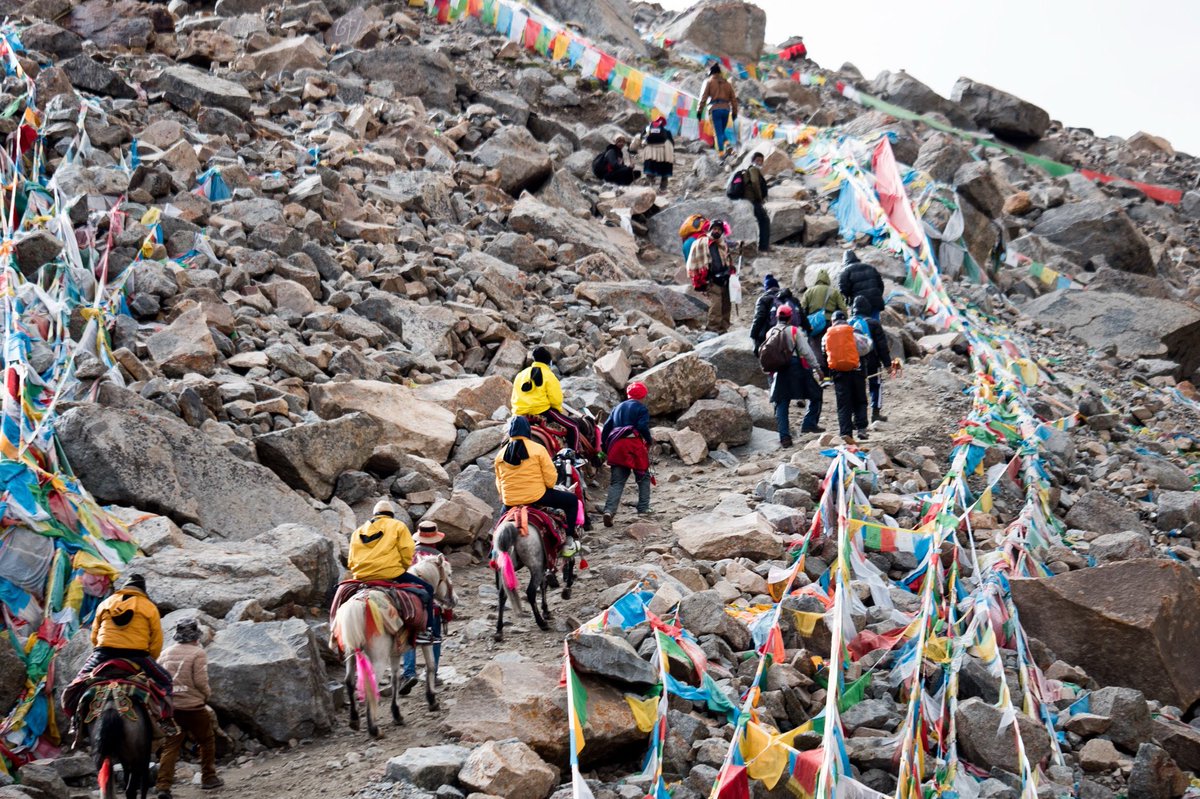
Who is Nandi and why is Nandi Parvat sacred on the Inner Kora route?

Nandi is the sacred bull and divine vehicle (vahana) of Lord Shiva, symbolizing devotion, strength, loyalty, and dharma in Hindu tradition. On the Mount Kailash Inner Kora route, Nandi Parvat, also called Nandi Parikrama point, is considered deeply sacred because it is believed to be the place where Nandi eternally faces Mount Kailash, standing in constant devotion before Lord Shiva’s divine abode.

Spiritually, Nandi Parvat represents the ideal devotee’s state of consciousness — unwavering focus, surrender, and humility before the divine.

Pilgrims on the inner sacred circuit of Kailash stop here for prayers and meditation, as it is believed that worship at this site brings spiritual purification, inner stability, and karmic cleansing.

In the context of the mystical inner Kora Kailash and divine inner Kora pilgrimage, Nandi Parvat is not just a physical mountain; it is a symbolic guardian of the sacred inner circumambulation of Mount Kailash, marking a powerful point of spiritual alignment on the journey.


Is Kuber Kund part of the Inner Kora pilgrimage route?

Yes — Kuber Kund is part of the Mount Kailash Inner Kora pilgrimage route.

Kuber Kund is a sacred high-altitude lake located along the inner circumambulation of the Mount Kailash path and is closely associated with Lord Kubera, the Hindu deity of wealth and prosperity. Pilgrims on the inner sacred circuit of Kailash traditionally stop here for prayers, rituals, and spiritual offerings, believing the site brings blessings, abundance, and purification.

Within the mystical Inner Kora Kailash and divine Inner Kora pilgrimage, Kuber Kund is considered one of the most powerful spiritual energy points, making it an essential sacred stop on the restricted Inner Kora Mount Kailash route.

Can I visit Serlung Monastery during the Mount Kailash Inner Kora tour?

Yes, Serlung Monastery can be visited during the Mount Kailash Inner Kora tour, but it is not directly on the main Inner Kora route.

Serlung Monastery lies slightly off the inner circumambulation Mount Kailash trail and is usually included in extended or customized Inner Kora itineraries. Many exclusive Mount Kailash Inner Kora tours add Serlung Monastery as a spiritual side visit for pilgrims who want a deeper connection with Tibetan Buddhism and local monastic traditions.

Because the restricted Inner Kora Mount Kailash route requires special permits and fixed movement regulations, visiting Serlung Monastery depends on official permissions, itinerary design, and guide authorization. When included, it becomes a meaningful spiritual pause on the sacred Inner Kora Kailash pilgrimage, offering meditation time, monk interactions, and cultural insight alongside the mystical Inner Kora journey.

What will I see on the Inner Kora of Mount Kailash?

The advanced Inner Kora pilgrimage features these profound sites:

  • Asthapath: The spiritual gateway to the inner circuit.

  • Saptarishi Caves: Ancient meditation caves of the Seven Sages.

  • Atmalingam: A sacred point representing the divine essence of Shiva.

  • Nandi Parvat: The holy hill of Shiva’s mount, Nandi.

  • Rakshas Lingam & Kuber Kund: A sacred rock formation and a hidden karma-purifying lake.

  • North Face Viewpoint: Offers one of the closest, most powerful views of Mount Kailash.

  • Sacred River Origins: Area connected to the spiritual sources of the four major rivers.

How hard is the Inner Kora?

The Mount Kailash Inner Kora is very difficult. It is much harder than the Outer Kora due to extreme altitude (up to 5,630 m / 18,468 ft), steep ascents, rocky ridges, narrow trails, cold weather, and low oxygen levels.

It requires strong physical fitness, good stamina, proper acclimatization, and mental resilience. This is considered a high-risk, high-altitude sacred pilgrimage, not a normal trek.

Do I need trekking gear for the Inner Kora?

Yes, proper trekking and high-altitude gear are essential. You need:

  • High-ankle trekking boots

  • Thermal layers (base, mid, and outer shell)

  • Down jacket

  • Windproof & waterproof jacket

  • Trekking poles

  • Gloves, wool hat, neck warmer

  • UV sunglasses & sunscreen

  • Daypack & hydration system

  • Personal first-aid & altitude meds

The Inner Kora Mount Kailash pilgrimage is not possible safely without proper trekking gear and high-altitude preparation.

Is the Inner Kora safe?

Yes, if you travel with a proper guide and plan carefully. The Mount Kailash Inner Kora is physically challenging with high altitudes (up to 5,630 m / 18,468 ft), steep passes, and rugged terrain.

With experienced guides, gradual acclimatization, and proper permits—like those arranged by Bold Himalaya, pilgrims can complete the Inner Kora Kailash pilgrimage safely while fully experiencing its spiritual rewards.

How many days does Inner Kora take?

The Mount Kailash Inner Kora typically takes 17 days to complete, depending on your pace, acclimatization, and route. This includes travel from Kathmandu or India, overland entry into Tibet, and the full secret Inner Kora Mount Kailash trek, covering sacred sites like Asthapath, Saptarishi Caves, Atmalingam, Nandi Parvat, and Kuber Kund.

Most pilgrims follow a well-paced itinerary with proper altitude acclimatization at Darchen and along high passes to safely experience the divine inner Kora Kailash pilgrimage.

What is the oxygen level during Inner Kora?

On the Inner Kora Mount Kailash, especially at high passes like Dolma La (5,630 m / 18,468 ft), the air pressure is much lower, so your body gets roughly half the oxygen compared to sea level. Oxygen saturation can drop to 70–80 % during exertion if you’re not acclimatized.

This is why gradual ascent, proper acclimatization, hydration, and rest are essential. Traveling with experienced guides, like Bold Himalaya, helps you manage these altitude challenges safely while completing the sacred Inner Kora pilgrimage.

What is the risk of altitude sickness?

The Inner Kora Mount Kailash trek reaches heights up to 5,630 m (18,468 ft), so altitude sickness is a real risk. Symptoms can include headaches, nausea, dizziness, fatigue, and shortness of breath.

Proper acclimatization, gradual ascent, hydration, and resting at key points are essential. Traveling with experienced guides like Bold Himalaya greatly reduces risks and ensures a safe, spiritually rewarding Inner Kora pilgrimage.

Is medical support available during Inner Kora?

Yes, during the Mount Kailash Inner Kora tour, full medical support is available to ensure pilgrims’ safety at high altitudes. Experienced guides carry a comprehensive medical kit, including oxygen cylinders, first-aid supplies, and medications for altitude sickness.

In case of emergencies, support vehicles and trained staff are ready to assist the Inner Kora Kailash route. Traveling with a guided inner Kora Kailash tour package ensures you have professional help whenever needed, making the sacred journey safer and more comfortable.

What emergency facilities exist on the Inner Kora route?

On the Mount Kailash Inner Kora tour, emergency facilities include medical kits, oxygen supply, support vehicles, and trained guides to assist pilgrims in case of altitude sickness, injury, or other emergencies.

What are the main places covered in Inner Kora?

The Mount Kailash Inner Kora takes pilgrims through sacred sites like Asthapath/Ashtapad, Saptarishi Caves, Atmalingam, Nandi Parvat, Rakshas Lingam, Kuber Kund, and other spiritually significant landmarks.

Which monasteries are visited during Inner Kora?

Pilgrims often visit Dirapuk Monastery, Zuthulpuk Monastery, and Serlung Monastery, experiencing Tibetan Buddhist rituals and local spiritual traditions along the route.

What is the Parikrama route for Inner Kora?

The Inner Kora route is approximately 30–34 km, circling the core sacred areas of Mount Kailash, passing high ridges, hidden caves, and lakes, offering a spiritually intense and physically challenging pilgrimage.

Does Inner Kora include Nandi Parvat and Ashtapad?

Yes, the Inner Kora Mount Kailash includes both Nandi Parvat and Asthapad/Ashtapad, which are among the most sacred sites for blessings and meditation during the inner circumambulation.

Is special permission required for Inner Kora?

Yes, the Hidden Inner Kora of Mount Kailash is restricted, and pilgrims need special permits to undertake this sacred circuit. It’s not open for general trekking.

Who issues Inner Kora permits?

Inner Kora permits are issued by Chinese authorities, often coordinated through authorized Mount Kailash Inner Kora tour operators to ensure legal access.

Is Inner Kora allowed by Chinese authorities?

Yes, with proper documentation. The Sacred Inner Kora Mount Kailash route is officially sanctioned, but only pilgrims with permits and guided support can access it safely.

Can tour operators arrange Inner Kora permits?

Absolutely. Trusted operators, like those offering a Mount Kailash Inner Kora tour 2026, handle permits, logistics, and travel arrangements for the Inner Kora Kailash pilgrimage.

What is included in a Mount Kailash Inner Kora Tour package?

A typical Mount Kailash Inner Kora tour package includes Tibet permits, guided Inner Kora Kailash pilgrimage, accommodation in guesthouses/lodges, vegetarian meals, transport between key points, and support staff for high-altitude trekking.

How long is the Inner Kora route?

The Mount Kailash Inner Kora distance is approximately 30–34 km, covering sacred sites like Asthapad, Nandi Parvat, and Saptarishi Caves.

Is Inner Kora safe for beginners?

Yes, the Hidden Inner Kora of Mount Kailash is safe for beginners if accompanied by experienced guides and with proper acclimatization.

What fitness level is needed for Inner Kora?

A moderate to high fitness level is recommended for the Mount Kailash Inner Kora tour 2026/2027, due to steep ascents, high-altitude terrain, and long trekking days.

How to prepare for Kailash Kora?

Preparing for the Mount Kailash Inner Kora requires a mix of physical fitness, spiritual readiness, and proper gear:

  1. Physical Fitness: Build stamina with trekking, walking, and light cardio. High-altitude training is recommended to reduce the risk of altitude sickness.

  2. Acclimatization: Spend a few days at base towns like Darchen or Kerung to gradually adapt to high altitude.

  3. Gear & Clothing: Pack season-appropriate trekking gear—warm layers, waterproof jackets, sturdy boots, and trekking poles.

  4. Mental & Spiritual Preparation: Practice meditation or prayer, as sacred Inner Kora Mount Kailash is physically demanding and spiritually intense.

  5. Health Precautions: Carry a medical kit, stay hydrated, and avoid alcohol. Pilgrims with pre-existing conditions should consult a doctor.

  6. Travel Documents & Permits: Arrange Tibet permits and Inner Kora Kailash tour booking in advance through authorized operators.

Proper preparation ensures a safe, rewarding, and transformative experience on the sacred Inner Kora Kailash pilgrimage.

Do Inner Kora permits or Tibet visas depend on nationality?

Yes. Tibet Travel Permits and Inner Kora permits are varies on your nationality. All the requirements and fees differ for Indian, Nepalese, and foreign nationals. The pilgrims must apply through authorized tour operators (like Bold Himalaya), who coordinate permits, visas, and any special approvals required for the Inner Kora Mount Kailash pilgrimage.

Reviews

What Our Travelers Say

Based on 2 ratings

5

Add a Review

I booked the Mount Kailash Inner Kora package with Bold Himalaya, and I can honestly say it was one of the most meaningful and well-organized journeys of my life. From permits and planning to guidance on the sacred route, everything was handled with professionalism, care, and deep spiritual respect. The guides were experienced, supportive, and safety-focused; the itinerary was perfectly paced for high altitude, and every detail reflected genuine devotion to the pilgrimage. This was not just a tour—it was a truly transformational Inner Kora experience, and I would wholeheartedly recommend your service to anyone seeking an authentic and spiritually fulfilling Mount Kailash journey.

Read More
NS
Nita Sharma Delhi

Completing the Mount Kailash Inner Kora Tour through this team was one of the most profound travel experiences I’ve ever had. As a foreign traveler, I was especially impressed by how smoothly everything was organized—from permits and border formalities to acclimatization and daily logistics. The guides were professional, calm, and extremely knowledgeable about both the terrain and the spiritual meaning of the route. Even in the most challenging high-altitude sections, I always felt safe and supported. What made this journey truly special was the respect shown toward the sacred sites and traditions—it never felt commercial, only sincere and spiritual. I came for adventure, but I left with a deep sense of peace and gratitude. I would strongly recommend Bold Himalaya to anyone seeking a meaningful and well-managed Mount Kailash experience.

Read More
MT
Michael Thompson UK

View OurSimilar Packages

Discover our top tours, loved by thousands of travelers annually. Choose the adventure that inspires you and embark on a journey tailored to your desires.

Mount Kailash Mansarovar Tour via Hilsa Border

Mount Kailash rises as a divine beacon in the Himalayas, revered...
The Kailash Mansarovar Yatra is a sacred pilgrimage where devotees from Hinduism, Buddhism, Jainism, and Bon come together to seek blessings, inner peace, and spiritual renewal through the holy Kailash Parikrama and Kailash Kora.

Save 46%

Kailash Mansarovar Yatra 2026–2027: Spiritual Pilgrimage via Kerung

Mount Kailash and Lake Mansarovar are not just destinations; they are...
Most Selling Tour
Reaching the precise point for Charan Sparsh feel the haeven

Save 36%

Kailash Charan Sparsh Tour

Kailash Charan Sparsh Tour: “Charan” refers to “feet ” while “Sparsh”...

Save 11%

Ghorepani Tatopani Jomsom Muktinath Trek

Ghorepani, Tatopani, Jomsom, and Muktinath trek is a short trek to...

$1900

Per Person
Quick Inquiry

Plan a trip

Explore the recognitions we've earned and the legal foundations we've built.

What is the destination of choice? [Select Multiple]

Explore the recognitions we've earned and the legal foundations we've built.

Flexible Flexible
Nepal Nepal
India India
Bhutan Bhutan
China China
Maldives Maldives
Indonesia Indonesia
Peru Peru
What activities are you interested in?

Explore the recognitions we've earned and the legal foundations we've built.

Flexible
Trekking/Hiking
Tours sightseen
Peak Climbing
Wildlife & Nature
Biking & Cycling
Water Sports
Day Tours
Helicopter Tours
Spiritual Religious
Hunting
Travel Date & Duration

Explore the recognitions we've earned and the legal foundations we've built.

Contact Information

Explore the recognitions we've earned and the legal foundations we've built.

Bookmark Added Successfully
You can always view your bookmarks on the profile page.
Error
You can always view your bookmarks on the profile page.
Warning
You can always view your bookmarks on the profile page.
Information
You can always view your bookmarks on the profile page.
invoice
Bold Himalaya Kuleswor-13, Kathmandu, Nepal https://www.boldhimalaya.com +977-9862964046
BILL TO John Michael [email protected] +977-9819947321 Triyuga, Udayapur, Koshi Province, Nepal
  • Invoice #156
  • Created 15/11/2024
  • Due 28/11/2024
  • Booking Number #156
  • Booking Status Processing
  • Payment Method Offline Payment
  • Tour Name Everest Basecamp Trek
  • Address Indonesia
  • Departure Date 12 Nov. 2024
  • Duration 4 Days
  • Adult 2
Pricing
  • Adult: 2 * $700 $1,400
  • Service Tax $0
  • Discount - $100
  • Invoice #156
  • Created 15/11/2024
  • Due 28/11/2024