


Bhutan Travel Guide

-
 admin
admin -
29 October, 2024
-
22 mins read
-
2114 Views
-
0 Comments


Discover the World’s Last Shangri-La
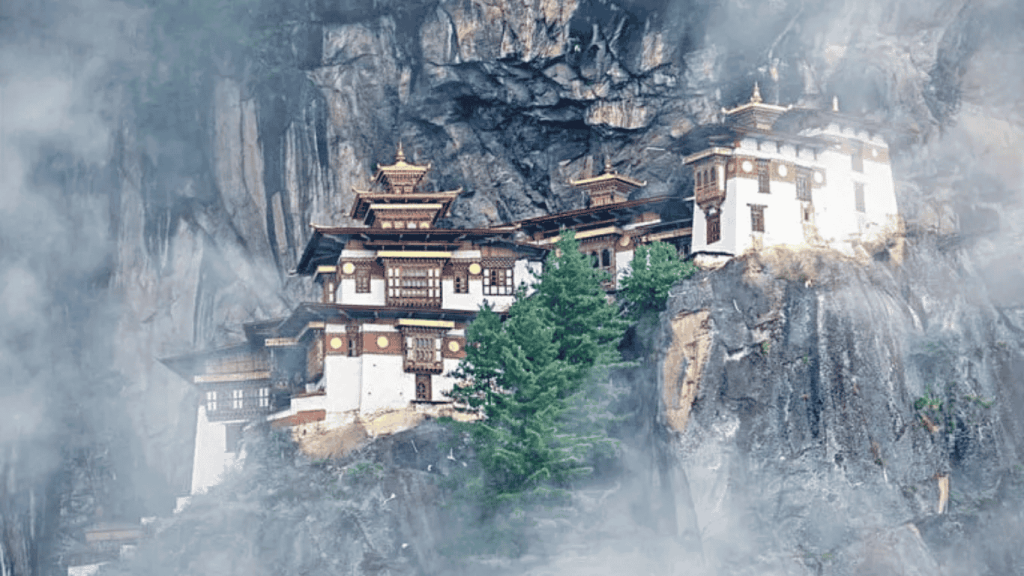
Where monasteries cling to cliffs and clouds drift through valleys, Bhutan feels like a world untouched by time. Situated in the Eastern Himalayas, Bhutan is not just another travel destination; it’s a sanctuary where culture, spirituality, and nature exist in perfect harmony. Here, ancient monasteries cling to cliffs, prayer flags move with the wind, and life slows down in a way the modern world has almost forgotten. From the iconic hike to Tiger’s Nest Monastery to peaceful valleys and authentic traditions, every experience feels meaningful and unforgettable.
But Bhutan is not a place you can visit anytime. Tourism is carefully controlled, permits are limited, and the best seasons fill up quickly. Without the right planning, you risk missing the experience the way it’s meant to be.
This complete Bhutan Travel Guide gives you everything you need to plan it right, from understanding Bhutan trip cost and visa requirements to building the perfect itinerary, exploring trekking in Bhutan, and choosing the best time to visit Bhutan.
Don’t just dream about Bhutan, plan your journey now, before the opportunity becomes harder to secure.
There are places you visit, and then there are places that truly transform you. Bhutan is one of the rare few that still can.
Bhutan Language
Bhutan is a linguistically rich country, and any good Bhutan travel guide highlights its diverse languages shaped by geography, culture, and history.
The national and official language of Bhutan is Dzongkha. It is used in government, education, and media, and is written in the Tibetan script. Dzongkha developed from classical Tibetan and plays an important role in preserving Bhutanese identity and culture. You’ll hear it widely spoken in western regions and in major towns like Thimphu.
Regional Languages
Bhutan is home to more than 19 languages and dialects, many of which belong to the Tibeto-Burman language family. Some of the major regional languages include:
- Sharchopkha: Spoken mainly in eastern Bhutan; one of the most widely used native languages.
- Lhotshamkha (Nepali): Common among the southern Bhutanese population.
- Bumthangkha: Spoken in central Bhutan, especially in the Bumthang region.
- Khengkha: Used in central-southern areas.
Why Visit Bhutan?
Bhutan is unlike anywhere else in the world, and that’s exactly why it should be on your bucket list.
Diverse Trekking Adventures: Bhutan offers world-class trekking routes for all levels, including the Druk Path Trek, Jhomolhari Trek, and the challenging Snowman Trek.
Carbon-Negative Country: Bhutan is one of the few countries in the world that absorbs more carbon than it produces, with over 70% forest cover.
Focus on Happiness (GNH): Bhutan measures progress through Gross National Happiness, prioritizing well-being, culture, and sustainability over GDP.
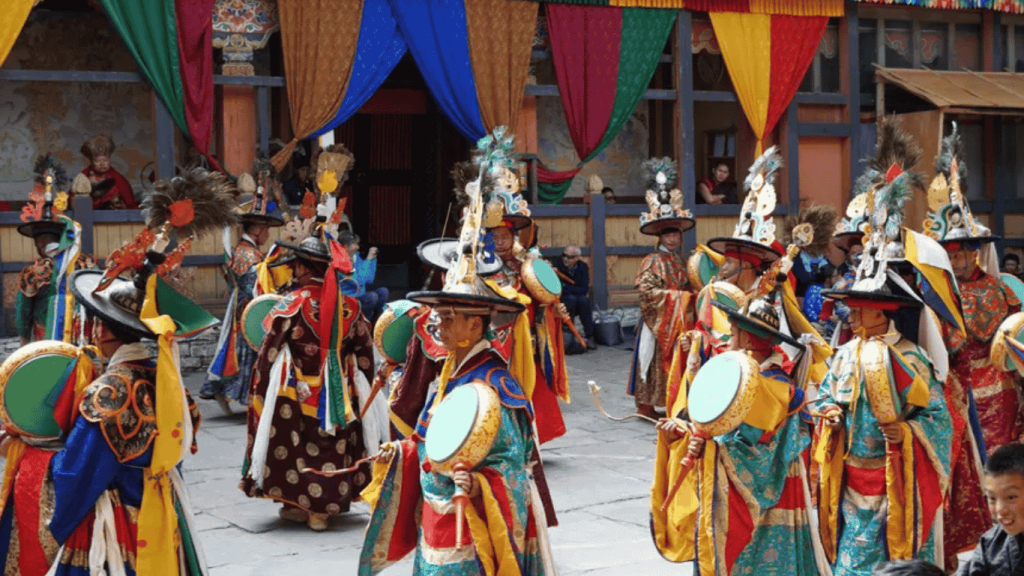
Vibrant Cultural Festivals: Experience colorful traditions through festivals like Paro Tshechu, Punakha Drubchen, Gomphu Kora Festival, and Sakteng Festival.
Warm and Honest People: Bhutanese locals are known for their genuine hospitality, making travelers feel safe, welcomed, and respected.
Unique Archery Culture: Archery is Bhutan’s national sport and a deep-rooted tradition; every village celebrates it with passion and pride.
Preserved Culture & Heritage: Bhutan has protected its traditions, where ancient customs, traditional dress, and architecture are still part of daily life.
Stunning Dzongs & Monasteries: Explore beautiful fortresses and monasteries in places like Paro, Thimphu, and Punakha, often set on hilltops or river confluences.
Unique Bhutanese Cuisine: Taste local dishes such as Ema Datshi, along with Kewa Datshi, Phaksha Paa, Jasha Maru, red rice, and momos.
No Mass Tourism: Strict tourism policies ensure:
- No overcrowding
- No over-commercialization
- Authentic travel experiences
Verdict: If you want a meaningful, peaceful, and exclusive travel experience, Bhutan is unmatched.
Best Time to Visit Bhutan
In this Bhutan Travel Guide, choosing the best time to visit Bhutan can completely transform your experience.
1. Spring (March–May): Blooming Beauty
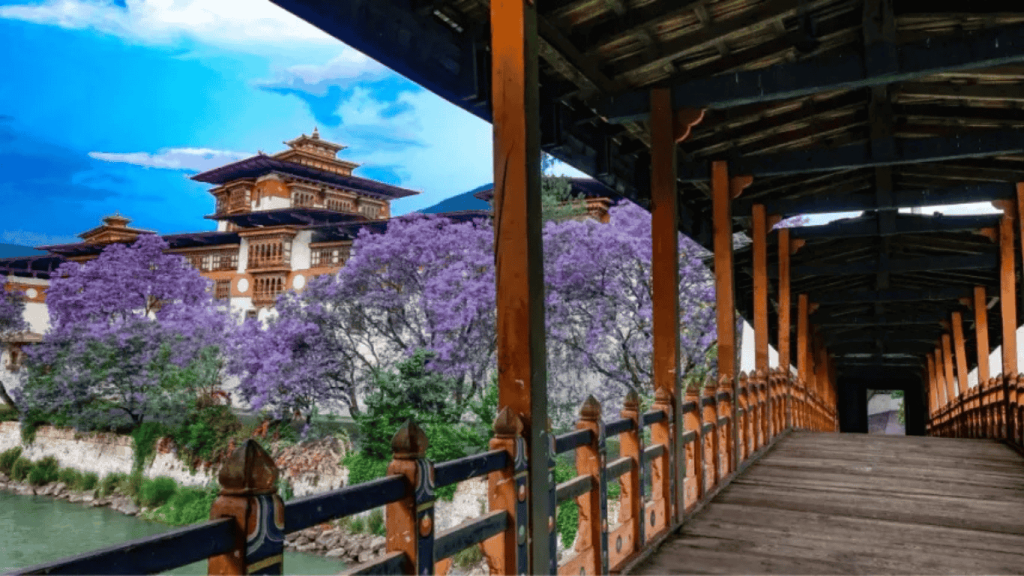
Spring is the magical time of year when temperatures are at their most pleasant, snow melts, and pretty wildflowers blanket the slopes, offering plenty of photo opportunities; however, high humidity and low rainfall come into play in March. Clear views, though what puts in spring Bhutan holiday is the absolute clarity of decoration, some of the most beautiful Himalayan panoramas at high elevations. Valleys burst into color with blooming rhododendrons, and the weather is perfect for trekking and sightseeing. So, spring is one of the best time to visit Bhutan.
Ideal for:
- Photography
- Nature lovers
- First-time visitors
2. Autumn (September–November): Peak Perfection
Autumn, from September to November, is widely regarded as the best overall season to visit. After the monsoon rains wash away dust and haze, the skies become exceptionally clear, revealing breathtaking views of the Himalayan peaks. The weather remains stable and cool, making it perfect for trekking and sightseeing. This season also hosts some of Bhutan’s most vibrant cultural festivals, offering travelers a chance to experience traditional dances, rituals, and local celebrations in their full energy.
Ideal for:
- Cultural experiences
- Trekking
- Festivals like Tshechu
3. Winter (December–February): Quiet & Peaceful
Winter, from December to February, gives a completely different experience. While temperatures can drop significantly, especially in higher regions, the skies are often clear and the landscapes peaceful. This season is ideal for travelers seeking solitude and a more relaxed cultural journey, particularly in lower valleys where conditions remain more manageable.
Ideal for:
- Budget-conscious travelers
- Peaceful exploration
4. Monsoon (June–August): Lush but Wet
The summer months, from June to August, bring the monsoon season, which can make travel more challenging. Heavy rainfall often leads to cloudy skies, limited visibility, and occasional travel disruptions such as landslides. However, the countryside turns intensely green, and the number of tourists decreases significantly, making it a quieter time for those who don’t mind the rain.
Ideal for:
- Off-season travel
- Fewer crowds
Best Overall Time: Spring and Autumn for the perfect balance of weather, views, and experience.
This is why every Bhutan Travel Guide strongly recommends planning your trip during peak seasons.
Bhutan Visa & Entry Requirements
Bhutan is one of the most unique countries when it comes to travel regulations.
Visa Process Made Simple
- All international travelers (except Indians, Bangladeshis, and Maldivians) require a visa
- Visa is processed through a licensed tour operator
- You cannot apply independently
Sustainable Development Fee (SDF)
Bhutan charges a daily fee ($100 per person) to promote sustainable tourism.
This fee supports:
- Environmental conservation
- Free healthcare and education
- Cultural preservation
Why is Guided Travel Mandatory?
You must travel with a licensed guide, which ensures:
- Hassle-free experience
- Cultural insights
- Safety and convenience
Tip: Booking through a trusted company like Bold Himalaya ensures your visa, permits, and logistics are handled smoothly.
Bhutan Trip Cost
Trekking in Bhutan is often seen as expensive, but it offers incredible value for a complete travel experience.
Average Cost Breakdown
Standard Package:
- $200–$350 per person/day
Includes:
- Accommodation (3-star minimum)
- All meals
- Licensed guide
- Private transport
- Entry fees
What Affects Cost?
- Group size (larger groups = lower cost)
- Hotel upgrades (luxury options available)
- Trekking vs cultural tours
Is Bhutan Worth the Price?
Absolutely. You’re not just paying for travel, you’re investing in:
- A curated, stress-free experience
- Exclusive access to a protected country
- Authentic cultural immersion
Note: You can also customize packages that fit your budget without compromising experience.
Top Places to Visit in Bhutan
In this Bhutan Travel Guide, these are the top places to visit in Bhutan for culture, nature, and scenic beauty:
Paro – The Cultural Gateway
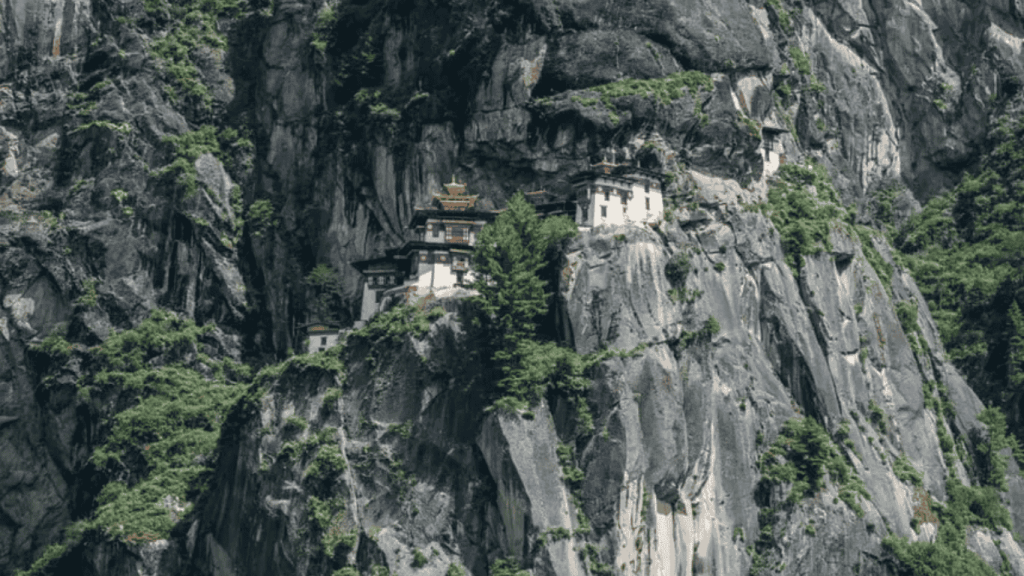
Paro is a small yet culturally rich town surrounded by forested hills, terraced fields, and a glacial river flowing through the valley. Unlike busy urban centers, Paro presents a calm, almost timeless atmosphere, which makes it a perfect introduction to Bhutan’s unique way of life.
The valley is home to some of Bhutan’s oldest temples and monasteries. The most iconic is the breathtaking Tiger’s Nest Monastery (Paro Taktsang), dramatically perched on a cliff 900 meters above the valley floor. It is not only a spiritual landmark but also a symbol of Bhutanese identity. Another must-visit site is Rinpung Dzong, a stunning fortress-monastery known for its intricate architecture and its role in religious and administrative life.
Best for: Culture, hiking, first-time visitors
Thimphu – The Capital City
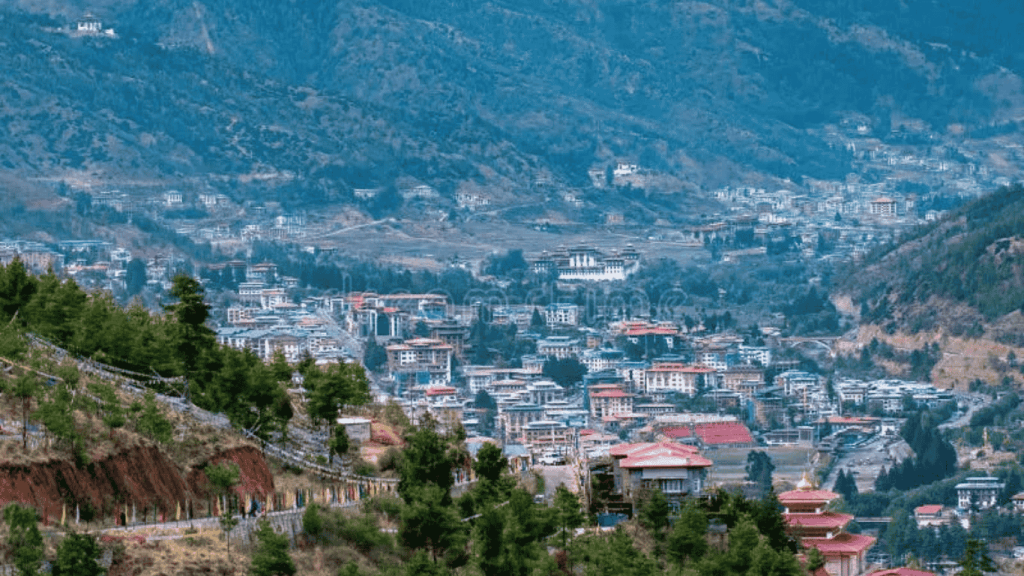
Thimphu, the capital of Bhutan, blends traditional culture with a modern lifestyle, without losing its identity. Impressively, the city houses Tashichho Dzong, a splendid fortress cum monastery that serves as the administrative and religious center of Bhutan, containing the royal offices and throne room. For those interested in Bhutanese culture and history, there are two places worth visiting: the National Folk Heritage Museum and the National Institute for Zorig Chusum. They offer an insight into traditional arts, crafts, and rural life.
The Buddha Dordenma is an enormous golden statue that overlooks the city, giving both a spiritual experience as well as panoramic views of the valley. Thimphu’s lively Centenary Farmers’ Market is a hive of activity where tourists can taste local fruits, vegetables, spices, or souvenirs, thus making it one of the best spots for experiencing Bhutanese day-to-day life.
Best for: Dzongs, Museums, Markets, Local culture
Punakha – The Scenic Valley
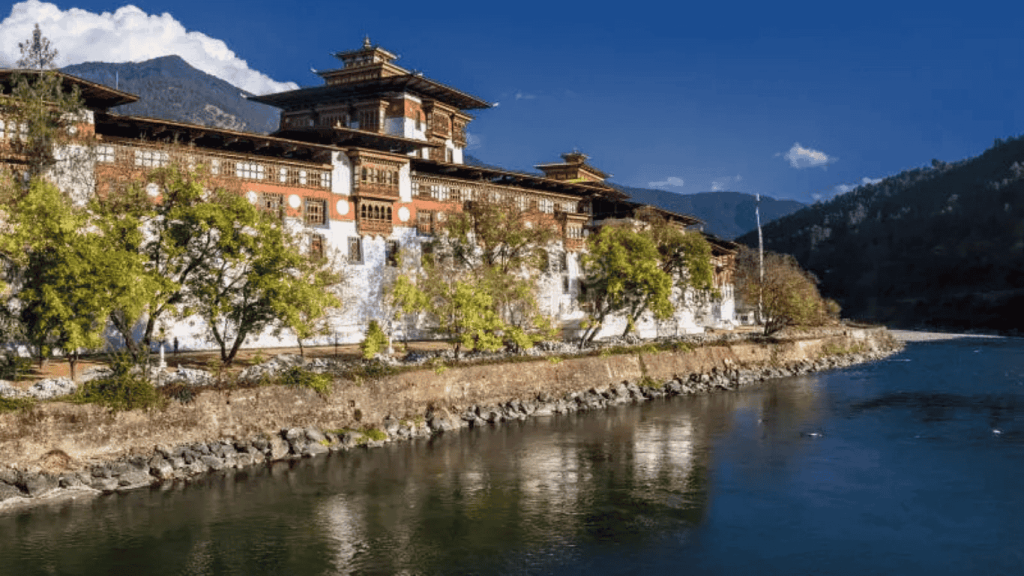
Known for its riverside farms where cows peacefully graze amidst rice and chili fields, Punakha is widely regarded as one of Bhutan’s enchanting destinations. It is home to what many consider to be the country’s dzong, a monastery fortress that stands gracefully by the Punakha River. The Punakha Dzong, the largest in Bhutan, boasts a structure perched at an elevation of 1200 meters above sea level.
Remarkably, this fortress was built in one year without using a nail. In 1953, Bhutan’s inaugural national assembly took place within these walls. Noteworthy events such as the wedding of King Jigme Khesar Namgyel Wangchuck and Queen Jetsun Pema in 2011 have added to the allure of Punakha. Serving as Bhutan’s winter capital, this picturesque town sees its leader residing at the Punakha Dzong during the colder months. Additionally, visitors can admire one of the nation’s suspension bridges adorned with prayer flags while enjoying activities such as white-water rafting in the lively rapids nearby.
Best for: Photography, Peaceful scenery
Phobjikha Valley – Nature & Serenity
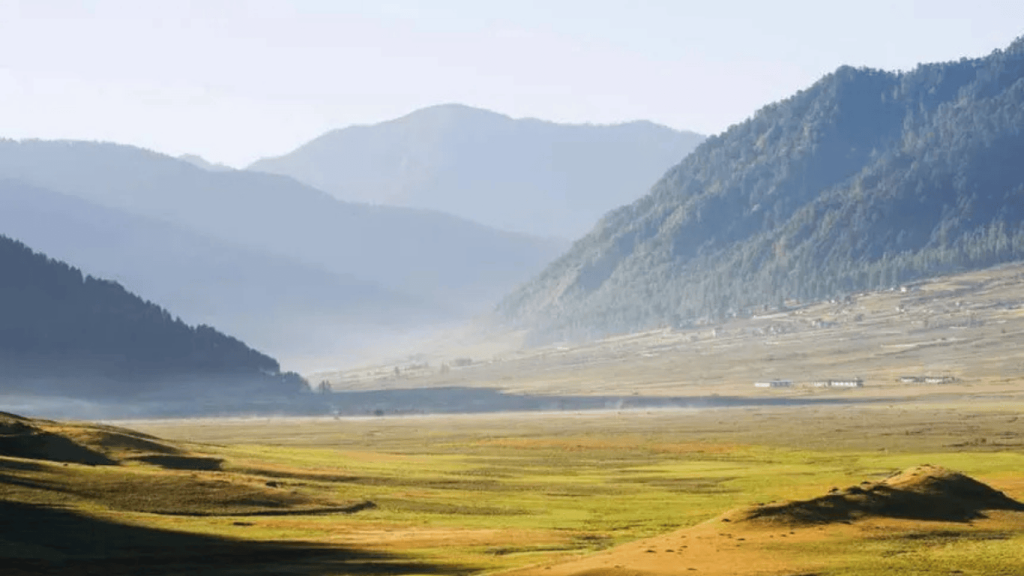
Phobjikha Valley is one of the most scenic and culturally rich destinations that you’ll find in any Bhutan travel guide. This wide, glacial valley lies on the western slopes of the Black Mountains and is known for its untouched beauty, peaceful atmosphere, and strong connection to nature.
Unlike many steep Himalayan valleys, Phobjikha is surprisingly flat, making it ideal for gentle walks and immersive exploration. The valley is especially famous for being the winter home of the rare and elegant Black-necked crane, which migrates here from Tibet between October and February. Their arrival is celebrated with the vibrant Black-Necked Crane Festival, a cultural highlight often featured in every Bhutan travel guide.
At the center of the valley stands the historic Gangtey Monastery, a revered Nyingma school monastery that offers breathtaking views of the surrounding landscape. The nearby Gangtey village provides a glimpse into traditional Bhutanese life, with charming farmhouses and warm local hospitality.
Best for: Nature lovers and quiet retreats
Trekking in Bhutan
Bhutan is one of the best destinations in the Himalayas for trekking, offering uncrowded trails, raw landscapes, and authentic cultural experiences. If you’re searching for the best routes for trekking in Bhutan, these are the top options:
Druk Path Trek (5–6 Days)
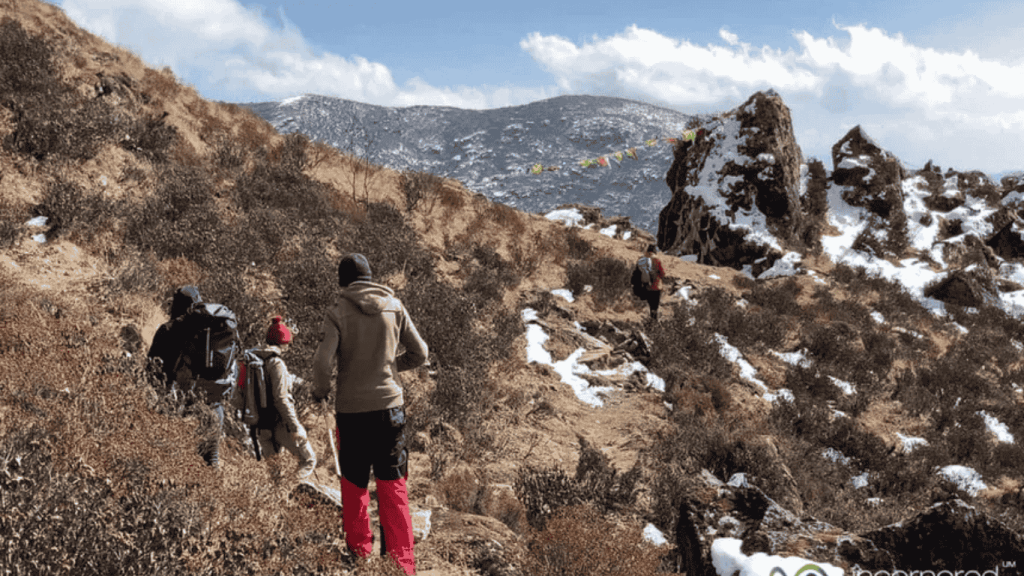
The Druk Path Trek in Bhutan is one of the most popular short treks featured in any Bhutan travel guide, offering a perfect blend of natural beauty and cultural highlights. Connecting Paro to Thimphu, this scenic route takes you through dense forests, high mountain ridges, and pristine alpine lakes.
Along the way, trekkers enjoy stunning views of snow-capped Himalayan peaks, including Mount Gangkar Puensum on clear days. The trail also passes ancient monasteries, remote yak herder camps, and peaceful landscapes that reflect Bhutan’s untouched charm.
- Duration: 5–6 days
- Difficulty: Moderate
- Best for: Beginners and first-time trekkers
This trek is ideal if you want a short Bhutan trekking experience with scenic Himalayan views.
Jomolhari Trek (7–9 Days)
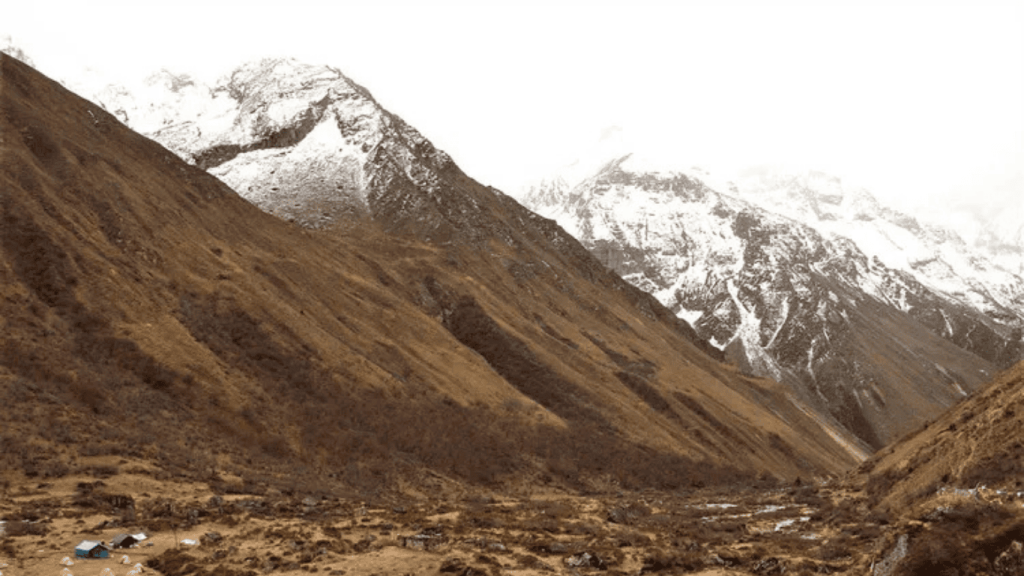
The Jomolhari Trek in Bhutan takes you close to Mount Jomolhari, one of the most sacred peaks in the country. It is one of the most iconic high-altitude adventures, known for its dramatic mountain scenery and rich cultural encounters. Starting from Paro, the trail gradually ascends through forests, alpine meadows, and remote villages toward the base of the sacred Mount Jomolhari.
Trekkers are rewarded with breathtaking views of towering Himalayan peaks, pristine rivers, and traditional yak herder camps. A key highlight is reaching Jangothang, often called the ‘Jomolhari Base Camp,’ where you can enjoy close-up views of the mountain and explore the surrounding highland landscape.
- Duration: 7–9 days
- Difficulty: Moderate to challenging
- Best for: Adventure seekers
Perfect for travelers looking for a classic Bhutan trek with stunning mountain scenery.
Snowman Trek (25+ Days)
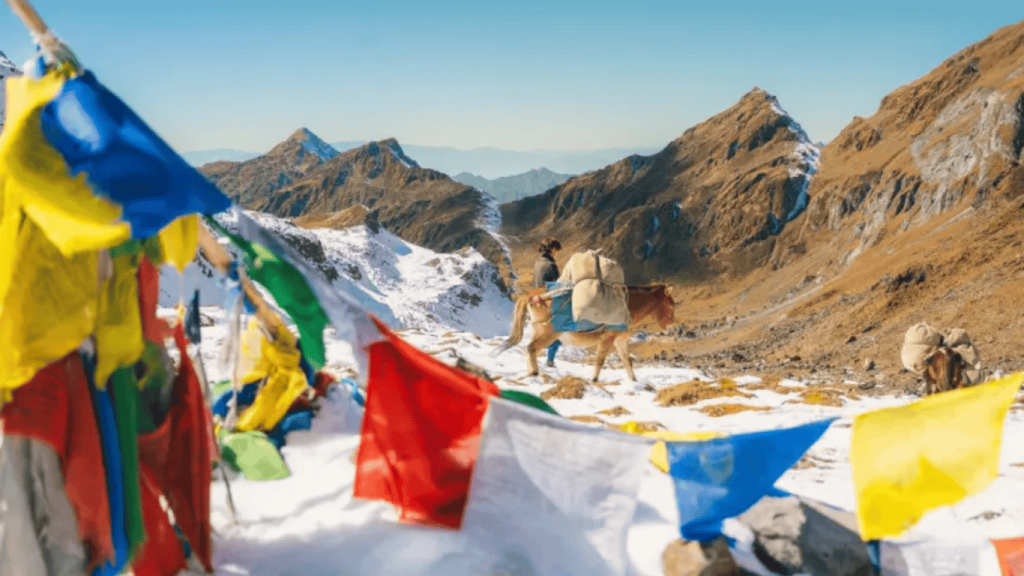
The Snowman Trek in Bhutan is considered one of the toughest treks in the world, crossing high-altitude passes and remote regions. This legendary trek takes you deep into the remote and untouched regions of northern Bhutan, following ancient trading routes that wind through some of the highest and most isolated parts of the Himalayas.
Starting from areas like Paro or Laya, the trail crosses numerous high mountain passes, often above 5,000 meters, with breathtaking views of snow-covered peaks, including Mount Gangkar Puensum. Along the way, trekkers pass through remote villages such as Lunana, where life remains largely unchanged for centuries.
- Duration: 25+ days
- Difficulty: Very challenging
- Best for: Experienced trekkers
This is the ultimate Bhutan trekking adventure for serious explorers.
Is Trekking in Bhutan Worth It?
Absolutely, trekking in Bhutan is worth it.
Bhutan offers a rare combination of:
- Raw Himalayan adventure
- Cultural immersion
- Peaceful, uncrowded trails
If you want a unique trekking experience beyond the usual routes, Bhutan is one of the best choices in the world.
Best Things To Do in Bhutan
Bhutan travel is about experiences, not just sightseeing. Here are the best things to do in Bhutan:
- Hike to Tiger’s Nest Monastery
- Attend a Tshechu festival
- Meditate in Buddhist monasteries
- Explore Himalayan valleys
- Shop local handicrafts
Accommodation & Food in Bhutan
Traveling in Bhutan is not about luxury alone; it’s about comfort blended with culture and authenticity.
Accommodation in Bhutan
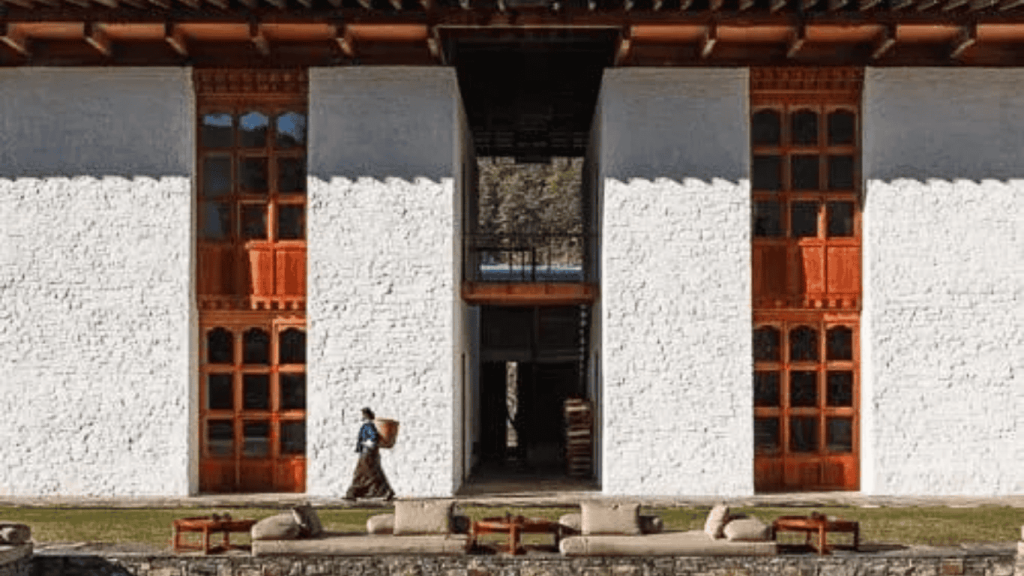
Most Bhutan tour packages include well-selected 3-star hotels, which are clean, comfortable, and designed with traditional Bhutanese architecture. Expect warm hospitality, peaceful surroundings, and a stay that reflects the country’s cultural charm.
For travelers seeking a more premium experience, Bhutan also offers boutique hotels and luxury resorts with world-class service and stunning Himalayan views.
Whether standard or luxury, accommodation in Bhutan is curated to give you a relaxing and immersive experience after each day of exploration.
Food in Bhutan
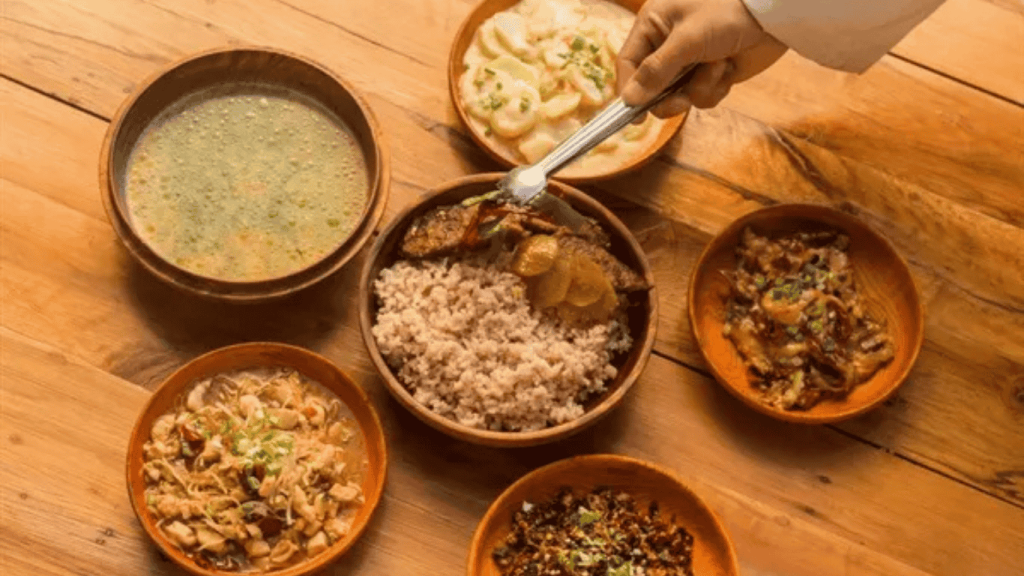
Bhutanese cuisine is simple, organic, and deeply rooted in local traditions. Meals are often prepared using fresh, locally sourced ingredients, giving you a true taste of Bhutan.
Must-Try Bhutanese Food:
- Ema Datshi (chili & cheese) – the national dish, bold and flavorful
- Red rice – a staple grown in Bhutan’s valleys
- Momo (dumplings) – a Himalayan favorite
Expect meals that are not just food, but a cultural experience on your plate. Food and accommodation in Bhutan together create a comfortable yet deeply cultural travel experience you won’t find anywhere else.
Bhutan Travel Guide Itinerary: 5 to 7 Days Plan
Planning the right itinerary is crucial because Bhutan is not a place you want to rush.
Bhutan Itinerary 5 Days
- Day 1: Arrival in Paro → Transfer to Thimphu (scenic drive)
- Day 2: Explore Thimphu (culture, monasteries, local life)
- Day 3: Travel to Punakha (valleys, rivers, and Dzong visit)
- Day 4: Return to Paro (relaxation and preparation)
- Day 5: Hike to Tiger’s Nest Monastery → Departure
This itinerary covers the must-see highlights in a short time.
7-Day Bhutan Itinerary
A 7-day Bhutan itinerary allows you to explore Paro, Thimphu, Punakha, and Phobjikha Valley at a slower, more meaningful pace.
You’ll experience:
- More cultural depth
- Less travel rush
- Better acclimatization
- Deeper connection with Bhutan
Packing List for Bhutan Travel
Packing smart is essential because Bhutan’s weather can change quickly, especially in the mountains.
Essential Packing List:
- Warm clothing layers (temperature varies)
- Comfortable trekking shoes
- Sunscreen & sunglasses (strong mountain sun)
- Travel documents & permits
- Personal medication
Packing correctly ensures you stay comfortable, prepared, and stress-free throughout your journey.
Bhutan Travel Guide Tips
Bhutan is unique, and traveling here requires awareness and preparation.
Essential Bhutan Travel Tips:
- Book early: Permits and slots are limited
- Respect local culture: Traditions are deeply valued
- Dress modestly: Especially in monasteries and temples
- Carry cash: ATMs are limited outside major cities
- Stay hydrated: Helps with altitude adjustment
Important: Don’t Underestimate Planning
Bhutan is not a destination where you can just arrive and figure things out.
- Permits are limited
- Travel is regulated
- Planning mistakes can ruin the experience
The difference between a stressful trip and a seamless journey comes down to proper preparation.
Follow these tips carefully, or better yet…
Let experts like Bold Himalaya handle everything for you, so you can focus on enjoying Bhutan, not worrying about it.
This Bhutan Travel Guide is designed to help you plan every part of your journey with confidence. From understanding Bhutan trip costs and visa requirements to choosing the best time to visit Bhutan, exploring trekking options, and building the perfect itinerary, this Bhutan Travel Guide ensures a smooth, meaningful, and unforgettable experience.
Conclusion: Bhutan Is Not Just About Travelling—It’s a Rare Experience
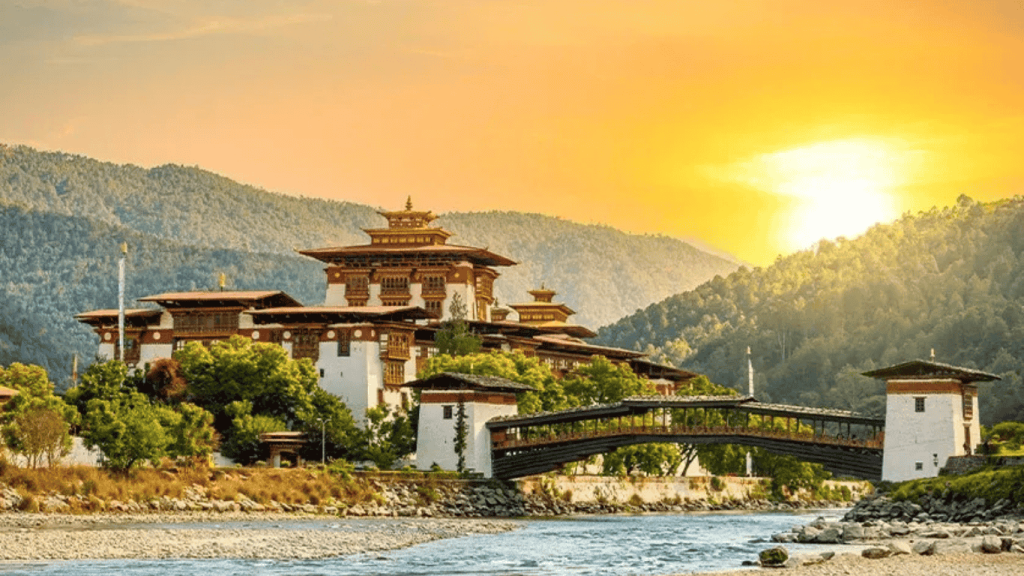
In a world where most travel destinations are becoming crowded, commercialized, and rushed, Bhutan remains one of the last places where life still moves with intention.
This is not just another trip you take and forget.
It’s where you:
- Wake up to silence instead of crowds
- Walk through valleys untouched by time
- Stand before places like Tiger’s Nest Monastery and feel something deeper than just “travel.”
Bhutan doesn’t just give you memories—it changes your perspective.
But here’s the truth: most travelers realize too late:
- You cannot visit Bhutan anytime you want
- You cannot experience it fully without proper planning
Tourism is controlled. Permits are limited. The best seasons fill up months in advance.
And once you miss the right time, you don’t just delay a trip…You risk missing the experience the way it’s meant to be. This Bhutan Travel Guide is your complete roadmap to planning the perfect Himalayan journey.
Why do travelers choose Bold Himalaya?
- Personalized Bhutan itineraries tailored to your travel style
- Hassle-free visa & permit handling
- Trusted local guides with real Himalayan expertise
- Transparent pricing with no hidden costs
Get your FREE customized Bhutan itinerary now
Talk to a local expert today
Secure your travel dates before they’re gone.
FAQs About Bhutan Travel
1. Is Bhutan really expensive compared to other destinations?
Bhutan may seem expensive at first, but it’s important to understand what you’re paying for. Unlike most destinations, Bhutan’s travel cost is all-inclusive, covering accommodation, meals, transport, guide services, and entry fees. The Sustainable Development Fee (SDF) also supports environmental conservation and local communities. So while the upfront cost is higher, the experience is far more organized, exclusive, and meaningful.
2. Can I travel to Bhutan without a tour package or guide?
No, independent travel in Bhutan is generally not allowed for international tourists (except for citizens of India, Bangladesh, and the Maldives, with different rules). You must book through a licensed tour operator, and a certified guide will accompany you throughout your trip. This ensures a smooth, culturally respectful, and well-managed experience.
3. What is the best time to visit Bhutan for trekking and sightseeing?
The best time to visit Bhutan is during spring (March to May) and autumn (September to November). Spring offers blooming landscapes and mild weather, while autumn provides clear skies, stunning mountain views, and vibrant festivals. These seasons are ideal for both trekking and cultural exploration.
4. How many days are enough for a Bhutan trip?
For most travelers, 5 to 7 days is ideal to explore the main highlights like Paro, Thimphu, and Punakha. If you want a deeper experience, including valleys like Phobjikha or trekking adventures, you can extend your trip to 8–12 days. A well-planned itinerary ensures you experience Bhutan without feeling rushed.
5. Is Bhutan safe for tourists, especially solo travelers?
Yes, Bhutan is considered one of the safest countries in the world. Crime rates are extremely low, and locals are friendly and respectful. Since you’ll be traveling with a licensed guide, safety and logistics are well managed. Even solo travelers can feel completely secure throughout their journey.
6. What kind of accommodation and food can I expect in Bhutan?
Most travel packages include comfortable 3-star hotels, which are clean, cozy, and culturally styled. Luxury upgrades are also available. Food in Bhutan is simple, organic, and flavorful, often featuring local dishes like Ema Datshi (chili and cheese), red rice, and momos. Meals are typically included in your package, making travel convenient and stress-free.
7. Do I need to worry about altitude sickness in Bhutan?
Some parts of Bhutan are at higher altitudes, especially if you go trekking or hiking to Tiger’s Nest Monastery. However, most cultural tours stay within manageable elevation levels. Staying hydrated, moving at a steady pace, and allowing time to acclimatize will help minimize any risks.
8. How do I book a Bhutan trip easily and safely?
The easiest and safest way to book your Bhutan trip is through a trusted travel company like Bold Himalaya. They handle everything—from visa processing and permits to accommodation, guides, and customized itineraries—ensuring a seamless and stress-free experience from start to finish.
9. What is the best time to visit Bhutan?
The best time to visit Bhutan is during spring (March to May) and autumn (September to November). These seasons offer clear skies, comfortable weather, and the best views of the Himalayan mountains. Spring is known for blooming rhododendrons and lush landscapes, while autumn is famous for vibrant festivals and ideal trekking conditions. If you want the best overall experience, planning your trip during these peak seasons is highly recommended, but booking in advance is essential due to limited availability.
10. What is the average Bhutan trip cost?
The average Bhutan trip cost typically ranges from $200 to $350 per person per day, depending on your travel style, group size, and accommodation preferences. This cost usually includes hotels, meals, a licensed guide, private transport, and entry fees. While Bhutan may seem expensive compared to other destinations, it provides a fully organized and all-inclusive travel experience, making it a high-value destination rather than just a costly one.
11. What should a complete Bhutan travel guide include?
A complete Bhutan travel guide should cover all essential aspects of planning your journey, including visa requirements, Bhutan trip cost, the best time to visit Bhutan, recommended itineraries, trekking options, and practical travel tips. Having a well-structured guide helps travelers avoid common mistakes, understand travel regulations, and make informed decisions for a smooth and enjoyable Bhutan experience.
12. Is trekking in Bhutan suitable for beginners?
Yes, trekking in Bhutan can be suitable for beginners, especially if you choose shorter and less demanding routes like the Druk Path Trek. These treks offer moderate difficulty and stunning scenery without requiring advanced trekking experience. However, Bhutan also has challenging routes like the Snowman Trek, which are designed for experienced trekkers. Beginners are advised to start with guided treks that match their fitness level for a safe and enjoyable adventure.
13. How difficult is trekking in Bhutan compared to Nepal?
Trekking in Bhutan is often considered more remote and less commercialized compared to Nepal. While Nepal offers more developed trekking infrastructure, Bhutan provides quieter trails and a deeper cultural experience. Depending on the route, trekking in Bhutan can be equally or more challenging, especially in high-altitude regions. It is ideal for travelers who want a more exclusive and less crowded Himalayan trekking experience.
14. Are Bhutan Tour Packages worth it?
Yes, Bhutan tour packages are absolutely worth it because they include everything required for a smooth and hassle-free journey. A standard Bhutan tour package typically covers visa processing, permits, accommodation, meals, transport, and a licensed guide. This all-inclusive system ensures that travelers can focus entirely on the experience without worrying about logistics, making it one of the easiest and most convenient ways to explore Bhutan.
15. How far in advance should I book a Bhutan tour packages?
It is recommended to book your Bhutan tour package at least 2 to 3 months in advance, especially if you plan to travel during peak seasons like spring and autumn. Bhutan controls tourist numbers and permits, which means last-minute bookings can lead to limited availability, higher costs, or compromised itineraries. Early booking ensures better planning, smoother travel, and access to the best experiences
16. Do I need a guide for trekking in Bhutan?
Yes, a licensed guide is required for trekking in Bhutan, as independent trekking is not permitted for most international travelers. This regulation ensures safety in remote areas, proper route navigation, and a deeper understanding of Bhutanese culture and traditions. Traveling with a guide also enhances your overall experience, making your journey more informative and stress-free.
17. Is Bhutan a good destination for first-time international travelers?
Bhutan is an excellent destination for first-time international travelers who are looking for a safe, peaceful, and well-organized experience. Since travel in Bhutan is structured and guided, visitors do not have to deal with complicated planning or logistics. This makes it a perfect choice for those who want a meaningful and stress-free introduction to international travel.
Comments (0)
Write a comment- Discover the World’s Last Shangri-La
- Bhutan Language
- Why Visit Bhutan?
- Best Time to Visit Bhutan
- Bhutan Visa & Entry Requirements
- Why is Guided Travel Mandatory?
- Bhutan Trip Cost
- Top Places to Visit in Bhutan
- Trekking in Bhutan
- Is Trekking in Bhutan Worth It?
- Best Things To Do in Bhutan
- Accommodation & Food in Bhutan
- Bhutan Travel Guide Itinerary: 5 to 7 Days Plan
- Packing List for Bhutan Travel
- Bhutan Travel Guide Tips
- Conclusion: Bhutan Is Not Just About Travelling—It’s a Rare Experience
- FAQs About Bhutan Travel
- 1. Is Bhutan really expensive compared to other destinations?
- 2. Can I travel to Bhutan without a tour package or guide?
- 3. What is the best time to visit Bhutan for trekking and sightseeing?
- 4. How many days are enough for a Bhutan trip?
- 5. Is Bhutan safe for tourists, especially solo travelers?
- 6. What kind of accommodation and food can I expect in Bhutan?
- 7. Do I need to worry about altitude sickness in Bhutan?
- 8. How do I book a Bhutan trip easily and safely?
- 9. What is the best time to visit Bhutan?
- 10. What is the average Bhutan trip cost?
- 11. What should a complete Bhutan travel guide include?
- 12. Is trekking in Bhutan suitable for beginners?
- 13. How difficult is trekking in Bhutan compared to Nepal?
- 14. Are Bhutan Tour Packages worth it?
- 15. How far in advance should I book a Bhutan tour packages?
- 16. Do I need a guide for trekking in Bhutan?
- 17. Is Bhutan a good destination for first-time international travelers?



No comments yet.