



Things to do in Lumbini
-
 Sobit Bhandari
 -
20 December, 2024
-
14 mins read
-
2337 Views
-
0 Comments


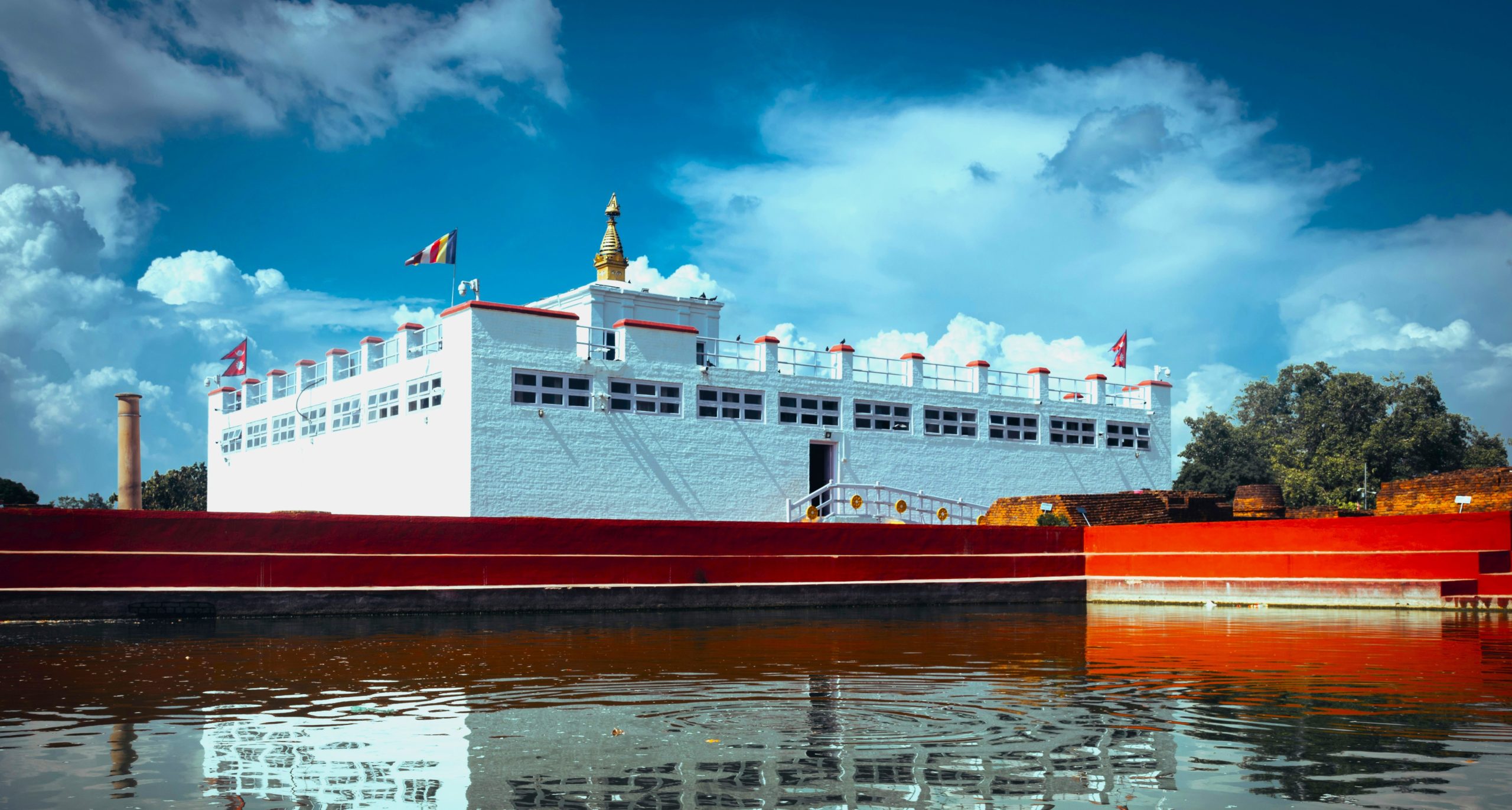
Have you wondered where one of the greatest spiritual leaders in human history was born? Lumbini is the birthplace of Lord Buddha, who is also known as the light of Asia. It is an important pilgrimage site with rich cultural and historical significance, as well as religious and national values. This serene destination is recognized as a UNESCO World Heritage Site, located in the peaceful plains of Lumbini Province in southern Nepal. It was here, in 623 BCE, that Queen Maya Devi gave birth to Prince Siddhartha, who later became the Buddha, the Enlightened One. If you are searching for the best things to do in Lumbini, this sacred site offers a powerful blend of history, culture, and spirituality in the heart of Nepal.
Today, Lumbini stands not just as a historical landmark, but as a living spiritual sanctuary. Pilgrims from across Asia and around the globe visit this sacred ground to meditate, reflect, and connect with the roots of Buddhism. The tranquil gardens, ancient ruins, monasteries built by different countries, and the sacred birthplace marker make Lumbini both spiritually moving and historically significant.
From exploring ancient ruins to meditating in serene monasteries, the top things to do in Lumbini attract spiritual seekers, history lovers, and cultural explorers from around the world.
Why Visit Lumbini?
Lumbini is a unique and major attraction for travellers. Here are some of the reasons:
Birthplace of Buddha: Lumbini is the sacred birthplace of Gautama Buddha, which makes it one of the most important pilgrimage sites in the world.
Visit Maya Devi Temple: Explore the revered Maya Devi Temple, which marks the exact spot of Buddha’s birth.
Historical Significance: See the ancient Ashoka Pillar, erected in the 3rd century BCE, confirming Lumbini’s authenticity.
International Monastic Zone: Discover monasteries built by different countries, showcasing diverse Buddhist architecture and traditions.
World Peace Pagoda: Visit the stunning World Peace Pagoda, a symbol of global harmony and peace.
Spiritual Experience: Practice meditation, attend chanting ceremonies, and enjoy a peaceful environment ideal for reflection.
Nature & Tranquillity: Walk through serene gardens and visit the Lumbini Crane Sanctuary for birdwatching and relaxation.
Slow Travel Experience: Enjoy cycling, boating, and quiet exploration in a calm, less crowded setting.
Cultural & Archaeological Insights: Explore museums and ancient ruins that reveal the history of Buddhism.
Peaceful Atmosphere: Experience a calm and spiritual environment away from busy city life.
Best Time to Visit Lumbini
The best time to visit Lumbini is from October to March, when the weather is cool, dry, and comfortable for sightseeing. During these months, daytime temperatures are pleasant, making it ideal for exploring sacred sites like Maya Devi Temple, the monastic zones, and the World Peace Pagoda. Clear skies and mild temperatures also create perfect conditions for cycling, walking tours, and photography.
Spring (March to May) is another good season, especially around Buddha Jayanti, the celebration of the birth of Gautama Buddha. During this festival, Lumbini becomes vibrant with prayers, ceremonies, and international pilgrims. However, temperatures begin to rise toward late April and May.
The summer months (June to September) bring monsoon rains and high humidity. While the landscape becomes greener and less crowded, heavy rainfall can make outdoor exploration less comfortable.
Things to do in Lumbini
1. Explore the heart of Lumbini: Maya Devi Temple
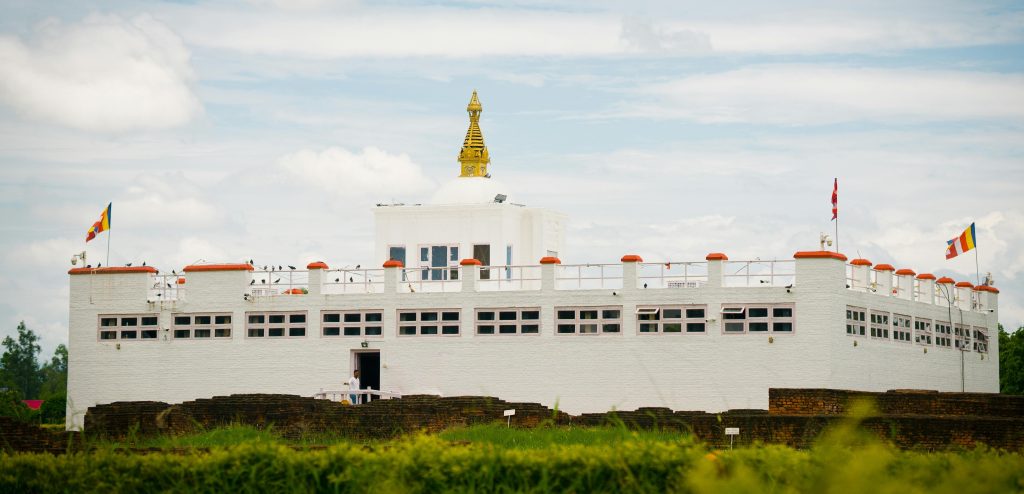
At the very centre of Lumbini’s sacred grounds stands the revered Maya Devi Temple, the exact site where Gautama Buddha is believed to have been born. This temple was built in the name of Queen Maha Maya Devi, mother of Siddhartha Gautama (Lord Buddha). This temple is the most important attraction in Lumbini and a deeply spiritual place for millions of Buddhists worldwide. The atmosphere here is calm and reflective, with pilgrims quietly offering prayers and meditating near the birthplace of Prince Siddhartha.
Within the temple, visitors can view the ancient marker stone, which identifies the exact location of Buddha’s birth. This ancient stone is preserved inside a modern structure built on top of the archaeological site that dates back over two thousand years. The excavation of the site has discovered a series of brick temples and shrines built by successive civilisations, indicating that this holy site has been continuously revered since ancient times. This makes the Maya Devi Temple a holy site and also one of the most important archaeological sites in Nepal.
Just outside the temple lies the sacred Pushkarni Pond, where it is believed that Queen Maya Devi took a sacred bath before giving birth. It is also believed that the newborn Buddha took a ceremonial cleansing bath in the same water. Next to the temple stands the sacred Bodhi Tree, decorated with prayer flags of various colours. This is where devotees come to chant, meditate, and reflect, creating the sacred energy of the heart of Lumbini.
2. Exploring the Monasteries
To experience Buddhist traditions from around the world within a single peaceful environment, the Monastic Zone offers a chance to learn ancient stories about Lord Buddha and how he is known all over the world. The Monastic Zone is divided into the Eastern Monastic Zone and the Western Monastic Zone. Within these areas, various monasteries have been built by various countries around the world, reflecting their unique styles of architecture, spirituality, and culture. Walking or cycling through this peaceful region is one of the most fulfilling things to do in Lumbini.
Eastern Monastic Zone – Theravada Tradition
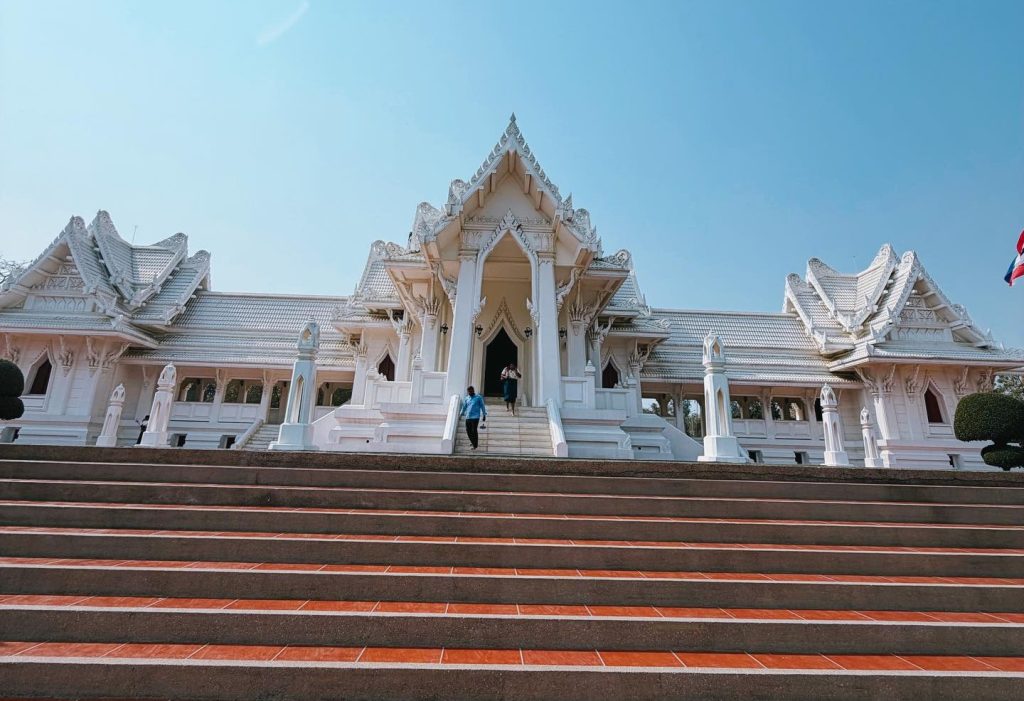
The Eastern Monastic Zone is primarily dedicated to the Theravada tradition of Buddhism, practised in countries such as Thailand, Myanmar, and Sri Lanka. Here, you will find stunning monasteries like the Royal Thai Monastery, the Myanmar Golden Temple, and the Sri Lankan Monastery, each built in a traditional architectural style.
Golden rooftops, intricate carvings, white marble structures, and peaceful meditation halls create a tranquil spiritual environment. Monks dressed in saffron robes can often be seen chanting or walking quietly within the monastery grounds, adding to the authentic atmosphere. Some of the names of the Eastern Monastic Zone:
- Royal Thai Monastery
- Myanmar Golden Temple
- Sri Lankan Monastery
- Cambodian Monastery
- Vietnam Phat Quoc Tu Temple
- Lao Monastery
- Nepal Theravada Buddhist Monastery
Western Monastic Zone – Mahayana and Vajrayana Traditions
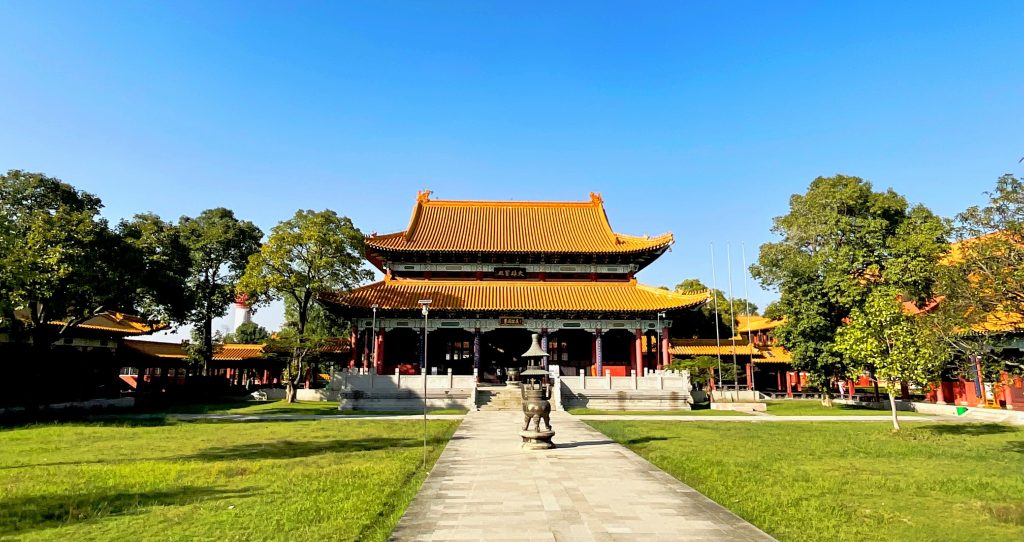
The Western Monastic Zone represents the Mahayana and Vajrayana traditions, followed in countries such as China, Korea, Germany, France, Japan, and Tibet. Monasteries here display diverse architectural designs, from colourful Tibetan-style temples adorned with prayer wheels to elegant Chinese pagodas and minimalist European Buddhist centres.
Each monastery tells a story of how Buddhism evolved and adapted across cultures while maintaining its core teachings of compassion and enlightenment. Names of the western monastic zone:
- Great Drigung Kagyud Lotus Stupa
- Zhong Hua Chinese Buddhist Monastery
- Korean Buddhist Temple
- German Monastery
- French Buddhist Monastery
- Tara Foundation Monastery
- Nepal Vajrayana Mahavihar
3. Visiting World Peace Pagoda
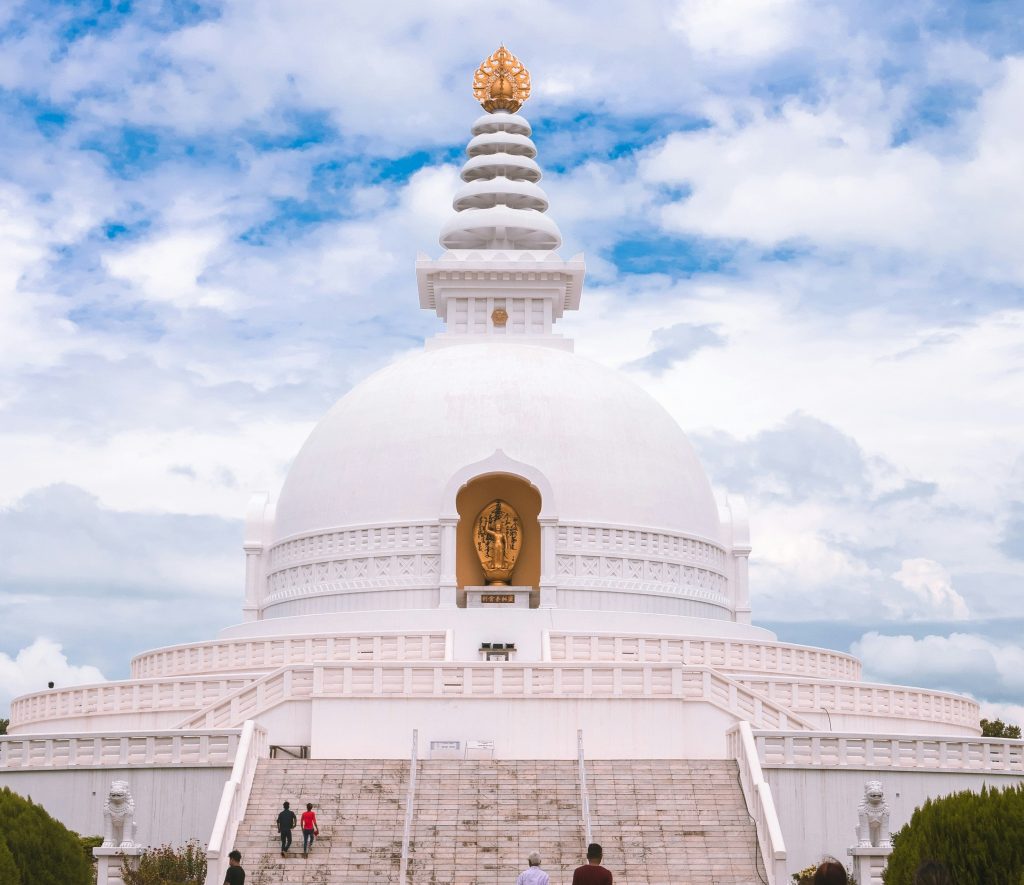
Beautifully situated in the sacred garden of Lumbini, in the west, the majestic World Peace Pagoda is an icon of peace and harmony, embodying the essence of global unification. This beautiful white structure, built by the Japanese Buddhists of the Nipponzan Myohoji school, is intended for the establishment of peace and nonviolence in the world, principles that are closely associated with the teachings of Gautam Buddha himself.
The pagoda’s brilliant white dome represents purity and enlightenment, while four golden Buddha statues face the four cardinal directions. Each statue depicts Buddha in a different mudra, symbolising important moments of this life and teachings. The simplicity of the design, combined with its spiritual meaning, makes the monument both visually striking and deeply meaningful.
4. Discover History at the Ashoka Pillar
The Ashoka Pillar is an ancient sandstone column from the 3rd century BCE that confirms Lumbini as the birthplace of Gautama Buddha. Erected by Emperor Ashoka, it stands as a lasting testament to early Buddhist history.
The pillar is inscribed with ancient Brahmi and Pali scripts that narrate Emperor Ashoka’s pilgrimage to Lumbini and his efforts to protect the sacred site. The inscriptions are regarded as an important archaeological discovery, providing valuable information on the ancient Buddhist era, the rise of Buddhism, and the ancient culture of Nepal.
Many scholars and pilgrims are interested in the pillar not only for its historic significance but also for its religious symbolism as a heritage of devotion and reverence for Buddha’s life. Visiting the Ashoka Pillar and surrounding relics is one of the most important things to do in Lumbini, offering a brief but powerful connection to history and spirituality.
5. Visit the Lumbini Museum
The Lumbini Museum features the life of Gautama Buddha, Buddhist history, and the development of Buddhism throughout Asia. The museum features rare artifacts, ancient relics, sculptures, and informative materials that give an insight into the religious and cultural importance of Lumbini.
The museum building is contemporary yet compatible with the surroundings of the sacred gardens. There are also interpretation centres nearby that provide information on the archaeological findings and Buddhist influence around the world. Visiting the museum is one of the things to do in Lumbini that every visitor should consider, whether they are interested in history or religion.
The Lumbini Museum is located in the Cultural Zone, which preserves some of the rare and very old Mauryan and Kushana coins, religious manuscripts, terra-cotta fragments, and stone and metal sculptures within the extensive collection of stamps depicting the Lumbini and Buddha.
6. Experience Spiritual Traditions
Meditation and Yoga
Meditation under ancient trees or in monastery halls allows visitors to enjoy the serene and reflective atmosphere of Lumbini. Yoga sessions, often held at sunrise or sunset, help harmonise body and mind with the peaceful surroundings.
Attend Puja and Ritual Ceremonies
Monks perform chanting and traditional rituals that visitors can observe or respectfully participate in. These ceremonies provide insight into Buddhist practices and are suitable for both pilgrims and travellers seeking spiritual connection.
7. Lumbini Crane Sanctuary
The Lumbini Crane Sanctuary is a serene natural area dedicated to protecting the endangered Sarus cranes, the tallest flying birds in the world, along with other local bird species. Spread across wetlands and grasslands near the sacred garden, the sanctuary provides a safe habitat for these graceful birds to feed, nest, and thrive. Bird lovers and nature enthusiasts will find this a peaceful escape from the spiritual and cultural attractions of Lumbini.
The best time to visit is in the early morning, when the birds are most active. Visitors can watch the cranes perform their elegant mating dances, listen to their distinctive calls, and observe migratory and native birds in their natural environment. Walking along the sanctuary’s well-maintained trails or quietly sitting near observation points offers opportunities for photography, wildlife spotting, and connecting with nature.
A visit to the Lumbini Crane Sanctuary adds a refreshing, ecological dimension to any trip, making it one of the most rewarding things to do in Lumbini for those who appreciate wildlife, tranquillity, and the beauty of Nepal’s natural landscapes.
8. Relax with Boating and Cycling
Lumbini presents visitors a peaceful way to explore its sacred grounds and surrounding countryside through boating and cycling. Boating along the central canal provides a unique perspective of the monastic zones, temples, and gardens, allowing travellers to enjoy the serene waters while taking in the spiritual and architectural beauty of Lumbini.
Cycling is another popular way to enjoy this area. The quiet farmlands, tree-lined paths, and monastery trails make a peaceful and scenic ride. There are several rental shops in Lumbini that provide bicycles for rent, and you can plan your own route. The most popular routes include the circumambulatory route through the Eastern and Western Monastic Zones and short excursions to surrounding villages.
9. Day Trips Around Lumbini
Exploring beyond Lumbini’s sacred garden reveals important historical and cultural sites that enhance your knowledge of Buddha’s life and the region’s heritage. There are several meaningful destinations, which are located within a short drive, making them ideal for enriching day trips.
Tilaurakot
Tilaurakot is believed to be the ancient capital of the Shakya kingdom and the palace site where Prince Siddhartha spent his early life before renouncing royal comforts in search of enlightenment. The archaeological remains include palace foundations, fortification walls, gates, and ancient structures that date back over 2,500 years.
For research purposes, there is the Lumbini International Research Institute, which is located on the opposite side of the museum. There is another museum known as Tilaurakot Museum, which is just 27 km west of the village of Tilaurakot. This museum holds coins, pottery, and toys dating between the seventh century BC and the fourth century AD. You can have a great experience seeing all those ancient collections while you are in Lumbini.
Ramagrama Stupa
The sacred Ramagrama Stupa is one of the original stupas believed to contain relics of Gautama Buddha. Unlike other relic stupas that were opened and redistributed by Emperor Ashoka, this one is said to have remained untouched. The site holds deep spiritual importance and remains a quiet pilgrimage destination, surrounded by peaceful rural landscapes.
Bhairahawa (Siddharthanagar)
Siddharthanagar, commonly known as Bhairahawa, serves as the gateway city to Lumbini. It offers modern conveniences such as hotels, restaurants, local markets, and transportation hubs. Visitors can enjoy Nepali cuisine, explore local shops, and experience a livelier urban atmosphere compared to the tranquillity of Lumbini.
Taking day trips to these nearby destinations adds historical depth, spiritual meaning, and cultural variety to your journey, making your visit to Lumbini even more enriching.
Travel Tips
Getting There
- Take a domestic flight from Kathmandu or Pokhara to Gautam Buddha International Airport, which takes about 30 minutes from Lumbini.
- Tourist buses and private vehicles are available; road travel takes longer but is budget-friendly.
- From the airport or bus park, taxis and local transport can take you to the sacred garden area.
Local Guides & Tours
- Hire a licensed local guide to understand Buddhist history and symbolism.
- Join cycling or walking tours to explore the Monastic Zones efficiently.
- Consider guided day trips to Tilaurakot and Ramagrama for deeper historical insight.
Cultural Etiquette
- Dress modestly (cover shoulders and knees).
- Remove shoes before entering temples and monasteries.
- Speak softly and avoid disturbing meditation or prayer sessions.
- Ask permission before photographing monks or religious rituals.
Accommodation Options
- Budget guesthouses near the sacred garden.
- Mid-range hotels with modern amenities.
- Comfortable resorts for a peaceful retreat.
- Stay in Siddharthanagar (Bhairahawa) for more dining and shopping options.
These tips will help you enjoy a smooth, respectful, and meaningful visit to Lumbini.
FAQs of Things to do in Lumbini
1. What are the best things to do in Lumbini?
The best things to do in Lumbini include visiting the sacred Maya Devi Temple, exploring the Eastern and Western Monastic Zones, seeing the World Peace Pagoda, discovering the historic Ashoka Pillar, and enjoying peaceful activities like meditation, cycling, and boating.
2. Why is Lumbini famous?
Lumbini is famous as the birthplace of Gautama Buddha. It is a UNESCO World Heritage Site and one of the most important pilgrimage destinations for Buddhists around the world.
3. How many days are enough to explore Lumbini?
One full day is enough to visit the major highlights, but 2 days are recommended to fully explore the monastic zones, museums, nearby sites like Tilaurakot, and enjoy meditation or cycling experiences.
4. What is the best time to visit Lumbini?
The best time to visit Lumbini is from October to March, when the weather is cooler and more comfortable for sightseeing. Buddha Jayanti (April/May) is also a special time with vibrant celebrations.
5. Can visitors meditate in Lumbini?
Yes, visitors can meditate in monastery halls, under the Bodhi Tree, or in peaceful garden areas. Some monasteries also offer guided meditation sessions and spiritual programs.
6. What is the significance of the Ashoka Pillar in Lumbini?
The Ashoka Pillar, erected in the 3rd century BCE by Emperor Ashoka, contains inscriptions confirming Lumbini as Buddha’s birthplace. It is one of the most important archaeological proofs in Buddhist history.
7. Are there entry fees for Lumbini?
Yes, visitors must pay an entry fee to access the sacred garden area. Fees may vary for domestic and international tourists.
8. How far is Lumbini from Kathmandu?
Lumbini is approximately 260-280 km from Kathmandu. It can be reached by domestic flight to Gautam Buddha International Airport (Bhairahawa) or by road in about 7-9 hours.
9. What are the nearby attractions around Lumbini?
Popular nearby attractions include Tilaurakot (ancient Kapilvastu), Ramagrama Stupa, and Siddharthanagar (Bhairahawa) for shopping and dining.
10. Is Lumbini suitable for family travel?
Yes, Lumbini is peaceful, safe, and educational, making it suitable for families, spiritual travellers, and history lovers alike.
Comments (0)
Write a comment- Why Visit Lumbini?
- Best Time to Visit Lumbini
- Things to do in Lumbini
- Travel Tips
- FAQs of Things to do in Lumbini
- 1. What are the best things to do in Lumbini?
- 2. Why is Lumbini famous?
- 3. How many days are enough to explore Lumbini?
- 4. What is the best time to visit Lumbini?
- 5. Can visitors meditate in Lumbini?
- 6. What is the significance of the Ashoka Pillar in Lumbini?
- 7. Are there entry fees for Lumbini?
- 8. How far is Lumbini from Kathmandu?
- 9. What are the nearby attractions around Lumbini?
- 10. Is Lumbini suitable for family travel?
Read the latest Blogs & Insights
Explore our collection of articles and insights to gain in-depth travel knowledge, expert advice, and stay updated on the latest trends and tips.
View All Articles

Top 10 Best Treks in the World
23 Aug. 2026




No comments yet.