



Mount Kailash Mansarovar Tour

-
 Sobit Bhandari
 -
20 December, 2024
-
21 mins read
-
2009 Views
-
0 Comments


Mount Kailash Mansarovar Tour is the holiest spiritual journey of mankind, with continuously recurring rituals and breathtaking Himalayan landscapes. The spiritual tour carries pilgrims to the heart of western Tibet, where the holy Mount Kailash rises 6,638 meters above sea level. The tour encompasses both Holy Mount Kailash and Holy Lake Mansarovar, thus making it an experience more than ordinary tourism.
For many pilgrims worldwide, this pilgrimage is a journey of a lifetime in spiritual terms. The region incorporates several religious traditions – Hinduism, Buddhism, Jainism, and Bon – within one vast continuum of world spirituality. Every step on these age-old paths teaches profound meaning and assures long-term change.
The journey demands physical endurance and mental toughness but rewards pilgrims with a lifetime of experience. As an unequalled pilgrimage to the spiritual heart of the Himalayas for spiritual awakening, cultural experience, or physical challenge, the Mount Kailash Mansarovar Tour is a lifetime experience.
This one-stop guide completely describes everything you need to know and prepare for this life-changing pilgrimage from its spiritual origin to nuts-and-bolts preparation essentials.
Why go on the Mount Kailash Mansarovar Tour
1. Spiritual Independence and Moksha
Hindu scriptures do assert that circumambulating Mount Kailash achieves moksha—liberation from the cycle of birth and death. It is the reason why so many pilgrims undertake the hassle of ascending the difficult terrain, each step moving them towards spiritual freedom. The spiritual energy of the mountain is said to wash away built-up karma and provide access to superior states of consciousness.
2. Abode of God Lord Shiva
Mount Kailash is home of Lord Shiva eternally, where he resides in eternal peace. Travelers believe that the grace of the destroyer of ignorance and transformer of souls in this divine abode reaches them directly by visiting this abode. The four faces of the mountain are representative of the all- potence of Shiva, protecting the world in every direction.
3. Buddhist Enlightenment Center
Tibetan Buddhists regard Mount Kailash as a home of the tantric deity Demchok, who is mighty. The top is a mandala—a cosmic religious diagram—mirrored here on this earth. Buddhist pilgrims believe that the completion of the kora (circumstellar journey) accelerates their route towards enlightenment and demolishes the chains of samsara.
4. Synthesis of Multiple Religions
Few places on the planet enjoy four significant religions—Buddhism, Hinduism, Jainism, and Bon—unite in mutual worship. Such a meeting produces a unique type of global spiritual landscape where religions meet in harmony. Pilgrims of diverse leanings walk the same paths, common spiritual aspirations unifying them.
5. Geological Marvel and Natural Wonder
Mt. Kailash’s pyramid-shaped nearly man-made structure defies natural formation, as if almost humanly constructed in its origin. Its four sides lie cardinal directions face-to-face, and its slopes give rise to four of Asia’s most powerful rivers. Such geological perfection has led to limitless speculation regarding how and why it was formed.
6. Life-Changing Personal Transformation
Physical and emotional stress of the journey causes deep transformation at a very fast pace. Pilgrims experience radical shifts in outlook, understanding of life, and spiritual sensitivity. The pilgrimage removes the outer cover of worry to reveal inner realities about life and human potential.
7. Cultural Immersion in Ancient Tibet
The trekking holiday offers true exposure to Tibetan culture, which is unchanged for centuries. Visitors experience ancient ways of living, engage in traditional rites, and meet individuals who have faith in ancient wisdom. Cultural experience generates sensitivity towards alternative modes of living and models of thinking.
8. Unspoiled Himalayan Wilderness
The hike goes through the freshest environments on the planet, with crystal lakes, vast plateaus, and snowy mountain tops. The fresh environment is a perfect moment to experience nature in its most natural unspoiled condition, free from man’s modern civilization.
9. Physical Challenge and Adventure
The pilgrimage requires physical strength, mental resilience, and emotional resilience. The altitude level, rocky terrain, and mercurial climate test the mettle of individuals and make them strong. Achieving the pilgrimage gives an individual lifelong confidence and self-esteem.
10. Purification of Holy Water
The holy waters of Lake Mansarovar are considered to cleanse lifetimes of evil and ill karmic deposits. A ritual bath in the clear waters of the lake represents cleansing and renewal. Many pilgrims feel spiritually cleansed and emotionally cleansed after the holy bath.
Understanding Mount Kailash: The Holy Mountain
1. Geographic Marvel and Spiritual Significance
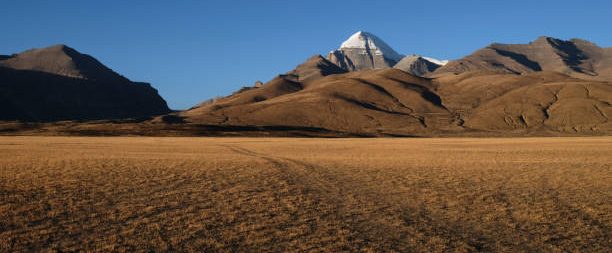
Mount Kailash towers over western Tibet, near the Nepal and Indian border. It rises to 6,638 meters above sea level in a near-perfect pyramid shape with four sides of equal length facing the four cardinal directions. Its face is marked by multi-colored rock formations, a natural occurrence that has impressed pilgrims and travelers for centuries.
The inaccessibility of the mountain adds to its mystique and sacredness. The ascent of Mount Kailash is via high passes and rugged landscape, so that only the most devout pilgrims undertake the sacred circuit. Such inaccessibility has served to maintain the sacredness of the mountain as well as preserve its concentrated spiritual energy.
2. The Four Sacred Faces
The most dramatic aspect of Mount Kailash is the four nearly symmetrical faces of the mountain, each face full of symbolic meaning in the different religious traditions.
- North Face: Remains white with year-round snow, symbolizing purity and wisdom
- South Face: Displays deep blue hues, representing space and equanimity
- East Face: Catches sunrise in golden tones, symbolizing earth and generosity
- West Face: Glows with fiery red at sunset, representing fire and divine knowledge
All these four faces are exactly in cardinal directions and are a natural mandala and can be seen from incredible distances. Each face has unique characteristics and spiritual properties, and Mount Kailash is a three- dimensional symbolic illustration of cosmic equilibrium and divine flawlessness.
3. Source of Sacred Rivers
It is the source of four of Asia’s most powerful rivers and, thus, the lifeline for millions. The Brahmaputra flows east through Tibet and India, the Indus west through Pakistan, the Sutlej southwest through India, and the Karnali south as a major Ganges tributary. This geological fact makes Mount Kailash the source of spiritual, no less than material, life.
Mt. Kailash is one of the world’s unconquered peaks, not for technical impossibility but for global religious respect. The Chinese government expressly prohibits climbing attempts, and religious leaders of all four faiths associated with the mountain unite in supporting the prohibitions, regarding any summit attempt as blasphemous.
Lake Mansarovar: The Sacred Waters
1. Geographic Wonder and Spiritual Power
Mansarovar Lake sprawls across 410 square kilometers at an elevation of 4,590 meters above sea level, one of the world’s highest freshwater lakes. The lake’s almost circular shape and snow-white water endow the lake with a mirror-like effect reflecting nearby peaks with dazzling clarity. Nourished by glacial melt and underground springs, the lake retains its natural clarity despite the harsh climatic conditions. Hindu scriptures explain Mansarovar to be the product of Brahma’s mind first and thus the name “mind-born lake.” The lake here is a symbol of the cosmic sea from whence the whole creation has been born. A ritual dip in these waters is believed to wash away sins of many births and to bring spiritual awakening.
2. Religious Significance Across Traditions
To Tibetan Buddhists, Mansarovar is a land of residing enlightened beings. Its crystal-clear water symbolizes mental clarity and religious purity one must achieve to attain enlightenment. Meditation by the lake accelerates religious development and has direct access to Buddhist teaching and practice.
The traditional practitioners of Bon regard Mansarovar as a fountain of divine energy and spiritual power. The lake is the focus of Bon cosmology since it’s a gateway from the terrestrial to the celestial realms and therefore a significant location for traditional Tibetan religious practice.
3. Natural Beauty and Sacred Rituals
The lake shines in iridescent turquoise during summer amidst clear mountain skies. Winter clamps over it as a sheet of glacial glass that renders unnatural reflections of surrounding peaks. The lake is also home to several animal species such as bar-headed geese and black-necked cranes that contribute to its natural beauty.
Pilgrims perform a few spiritual rites at Lake Mansarovar, including ritual bath in the icy cold waters representing spiritual cleansing and rebirth. Some of the pilgrims also take Mansarovar water in spiritual containers to their homes for use in subsequent rituals. The serene environment of the lake provides ideal spots for intense meditation and spiritual contemplation.
The Sacred Kora: Pilgrimage of Circumambulation
1. Grasping the Spiritual Pilgrimage
Kailash kora is the spiritual crown of the trip – a 52-kilometer counterclockwise walk generally done in three days by ordinary walkers. The path has been walked by thousands of pilgrims for centuries, and each step echoes profound spirituality. Circumambulation transforms physical travel to meditative walking, where outer traveling reflects inner spirituality traveling.
The pilgrimage follows routes carved by centuries of tradition, dotted with prayer flag, rock carving, and consecrating earth. Certain places are devotional and contemplative and hold special significance in religious traditions. The kora is the cycle of birth, death, and rebirth and allows pilgrims to be instantaneously reborn spiritually.
2. Daily Journey Breakdown
Day one is from Darchen and travels 20 kilometers to Dirapuk Monastery, offering the first close-up shots of the north face of Mount Kailash. The gradual rise allows acclimatization time as it passes by the many sacred places and ancient landmarks left behind by prior pilgrims.
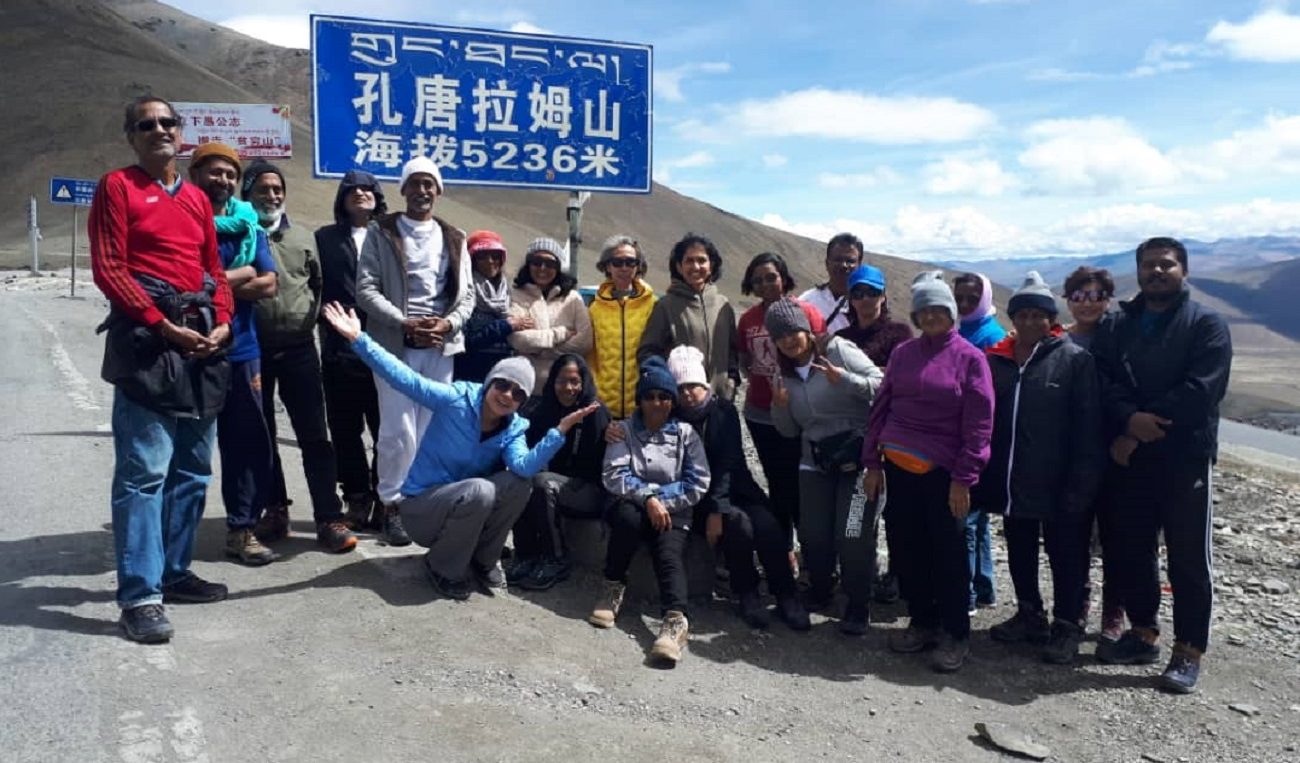
Day two poses the greatest challenge of the journey: crossing Dolma La Pass at 5,630 meters – the highest point of the kora. The pass symbolizes death and rebirth in spiritual heritage, where pilgrims traditionally leave personal belongings symbolizing past-life attachments. Descending from there is to Zutulpuk Monastery, which relates to the great Buddhist master Milarepa’s meditation caves.
Day three brings us slowly back to Darchen, completing the sacred circuit. Pilgrims describe serious spiritual and emotional transformation at culmination, with signs of rejuvenation, lucidity, and extreme spirituality.
3. Spiritual Elements and Sacred Practices
Some very dedicated pilgrims finish the entire kora on full-body prostrations, with the body tracing out the distance in/devotion. This exhausting exercise would take weeks to complete but earns the person an awesomely large amount of spiritual merit in local thinking.
Prayer flags blow along the way, prayers transported by mountain breezes for the good fortune of all living things. Mani stones with sacred mantras stacked where there is significance, each a testament to pilgrim devotion and combined spiritual strength accumulated over a litany of religious iterations.
Best Routes to Mount Kailash Mansarovar
1. Kathmandu to Kerung Border Route
Easiest to reach by road from Nepal, 160 km from Kathmandu to Kerung within 4-5 hours. The route then goes towards Saga to Mansarovar with gradual rise and best acclimatation points. Soft road conditions and fast border crossings make it the most suitable for many pilgrims.
The touts are the highlights along the stops such as Kerung’s new border entry points, Saga’s resting houses, and breathtaking Peikutso Lake. There are several Tibetan villages en route that provide genuine cultural experience and warm hospitality, which make the pilgrimage more enjoyable.
2. Lhasa Flight Route
The journey has the advantage of flying with exposure to full culture, for example, a 1.5-hour flight from Lhasa to Kathmandu and 2-3 days acclimatization and sightseeing. The 1,200-kilometer trip from Lhasa to Mount Kailash takes two days over dramatic Tibetan scenery.
The cultural sights are Potala Palace, Jokhang Temple, historic Barkhor Street, and large monasteries like Sera and Drepung. The tour is excellent acclimatization to high altitude but thorough introduction to Tibetan Buddhist history and culture.
3. Simikot-Hilsa Border Route
The shortest but most challenging way is through Simikot flights and helicopter flight to Hilsa border, followed by a 100-kilometer road journey to Mount Kailash. It provides scenic mountain flights and off-the-beaten- trail Himalayan exposures but is extremely weather-sensitive and requires very good physical conditioning.
More expensive and weather-dependent, but the timetable provides the shortest overall traveling time and utilization of less crowded border crossings, a major advantage for intrepid pilgrims seeking something different.
Detailed Route Comparison and Selection
1. Route 1: Kathmandu to Kerung Border
Distance: 160km from Kathmandu to the border (4-5 hours)
Advantages:
- Most accessible by road from Nepal
- Gradual altitude gains for better acclimatization
- Good road conditions and efficient border crossings
- Cultural stops in Tibetan villages
Best For: First-time pilgrims, those seeking comfortable travel
2. Route 2: Lhasa Flight Route
Distance: 1,200km from Lhasa to Mount Kailash (2 days)
Advantages:
- Rich cultural experience in Lhasa
- 2-3 days acclimatization time
- Visit to Potala Palace, Jokhang Temple, and major monasteries
- Comprehensive introduction to Tibetan Buddhism
Best For: Culture enthusiasts, those with extra time
Route 3: Simikot-Hilsa Border Route
Distance: 100km from Hilsa to Mount Kailash
Advantages:
- Shortest overall travel time
- Scenic mountain flights
- Less crowded border crossings
- Off-the-beaten-path Himalayan experience
Best For: Adventurous travelers, those seeking unique experiences
Cultural and Historical Significance
1. Ancient Kingdoms and Civilizations
The Mount Kailash region was the cradle of the ancient Tibetan society, such as the magnificent Zhang Zhung Kingdom that lasted from 500 BCE to 625CE. The Zhang Zhung Kingdom founded the Bon religion and initiated major trade routes between Central Asia and the Indian subcontinent and left behind archaeological remnants of advanced urban settlement and high- order cultural accomplishment.
The later 10th-17th century Guge Kingdom flourished here and left wonderful art and architecture. The area remains littered with the remains of Guge monasteries and palaces bearing unique Indo-Tibetan artistic synthesis and as evidence of the site’s diversification of culture.
2. Religious Traditions and Integration
The indigenous religion of Tibet, Bon, was born here over 4,000 years ago. The Bonpas consider Mount Kailash the world soul and circumambulate it counterclockwise as per tradition. Buddhism, when it came to Tibet in the 7th-8th centuries, borrowed extensively from Bon and developed in Mount Kailash one of the most significant pilgrimage sites.
Hindu traditions associating Lord Shiva with Mount Kailash extend thousands of years in ancient Sanskrit texts describing the religious sacredness of the mountain. Some religious traditions have cultivated a unique blend of religious rituals and religious belief patterns based on the religious aura of Mount Kailash.
3. Living Heritage and Cultural Preservation
Despite the pressures of modernization, the indigenous population preserves traditional ways of life, languages, and customs through conscious preservation. Continuity in traditional housing, schools of language, religious traditions, and craft is preserved due to tourist patronage and collective action.
Monasteries and hermitages that cling to hilltops blanket Mount Kailash, and most of them contain old murals and statues recounting a rich mix of cultural influences. These manifestations of convention in art form, as well as the prevalence of prayer wheels, stupas, and religious structures, speak of centuries of religiosity and cross-fertilization.
What to Pack: Essential Items
1. Clothing and Layering System
- Base Layer: Synthetic thermal or merino wool base layers, moisture- wicking undershorts, warm wool socks
- Mid Layer: Down vest or fleece jacket, insulated pants, ear-covering warm hat
- Outer Layer: Waterproof windproof jacket, insulated winter jacket, waterproof trousers, spare warm gloves
- Footwear: Ankle-bracing trekking boots, walking shoes for comfort, warm spare socks
- Accessories: Sun hat, winter hat, high-quality UV sunglasses, neck gaiter or scarf, snow protection gaiters
2. Technical and Health Equipment
- High-Altitude Attire: Emergency whistle, pulse oximeter, altitude sickness medication
- Health Basics: Prescription drug, water purification tablets, high SPF sunscreen, UV lip balm, complete first aid kit
- Electronics: GPS unit with spare batteries, power charger/power bank, headlamp with spare batteries, weather-proof camera gear
- Accessories: Sun hat, winter hat, high-quality UV sunglasses, neck gaiter or scarf, snow protection gaiters
3. Spiritual and Comfort Basics
- Religious Items: Mala or prayer beads, prayer books, donation items (incense, flowers), khata or traditional scarf, personal religious items
- Comfort Items: Favorite food, book or e-reader, eye mask and earplugs, travel pillow, extreme cold sleeping bag
Best Time to Visit
1. Summer Season (June – August)
Summer offers the best conditions overall with warmest temperatures (10- 20°C daytime), longest daylight (up to 16 hours), and all passes open. Best photograph, road conditions, and all amenities available at this peak season but pricey and must be booked in advance.
2. Spring and Autumn (April-May, September-October)
Spring enjoys good weather and lovely rhododendron blooms at lower altitudes, while autumn is renowned for clear blue skies and spectacular views of the mountains. Both periods are slower than in the summer, have excellent trekking conditions, and consistent weather patterns, with the only drawback being that some of the higher lodges will only have limited facilities.
3. Winter (November-March)
Winter is icy with temperatures falling to -30°C, thick snow, and restricted access. Although it offers solitary winter landscape views and no tourists, winter travel involves gigantic planning and provides gigantic weather-related issues.
Detailed Permit Requirements and Processing
1. Essential Permits Required
a. Chinese Tourist Visa:
- Valid for 30 days from entry
- Apply through Chinese embassy in your country
- Processing time: 7-10 working days
b. Tibet Travel Permit (TTB):
- Required for all foreign visitors to Tibet
- Arranged through authorized tour operators
- Processing time: 15-20 days
c. Alien Travel Permit:
- The Military Permit will cost 100-300 CNY per person, which is equivalent to about US$15-45
- Required for restricted areas around Mount Kailash
- Must be obtained in Lhasa or border towns
2. Group Travel Requirements
You can’t go to Kailash Mansarovar Yatra alone. To get the visa and permit, we need a minimum of 5 people for the trip. Individual travelers must join organized groups for permit processing.
3. Permit Processing Timeline
Start your application for permit 6-8 weeks before travel:
- Week 1-2: Submit documents to tour operator
- Week 3-4: Tibet Travel Permit processing
- Week 5-6: Chinese visa application
- Week 7-8: Final confirmation and documentation
Accommodation Guide Along the Route
1. Accommodation Standards and What to Expect
a. In Major Towns (Saga, Darchen):
- Basic guesthouses with shared bathrooms
- Simple rooms with beds and basic bedding
- Limited hot water availability
- Communal dining areas
b. During Kora Trek: Day 1 – Dirapuk Monastery Guesthouse:
- Dormitory-style accommodation
- Basic mattresses and blankets provided
- Shared toilet facilities
- No heating systems
c. Day 2 – Zutulpuk Monastery Guesthouse:
After the arduous trekking, you can stay overnight at Dzultripuk Monastery Guesthouse, a basic guesthouse located near the Dzultripuk Monastery. The guesthouse also provides basic facilities for trekkers, including simple rooms, hot water, and basic amenities such as blankets and pillows.
2. What to Bring for Accommodation
- Personal sleeping bag rated as -10°C Travel pillow for comfort
- Personal towels and toiletries
- Flip-flops for shared bathrooms Headlamp for navigation at night
Food and Dining Information
1. Typical Meal Options
a. Tibetan Cuisine:
- Tsampa (roasted barley flour)
- Tibetan bread and butter tea
- Yak meat dishes
- Momos (dumplings)
b. Chinese and Indian Options:
- Rice and vegetable dishes
- Simple curries and dal
- Noodle soups
- Basic egg preparations
c. Dietary Accommodations:
- Vegetarian meals are widely available
- Vegan options limited but possible
- Special dietary needs require advance notice
- Bring personal snacks for restricted diets
Medical and Emergency Information
1. Medical Facilities Available
During the Parikrama of Mount Kailash, Medical evacuation can be done only on Day 1 and not on Day 2 and 3. Basic medical clinics exist in larger towns like Saga, but facilities are limited during the actual kora.
2. Emergency Evacuation
- Helicopter evacuation possible from Day 1 of kora
- No evacuation possible on Days 2-3 of kora
- Emergency evacuation costs can exceed $10,000
- Comprehensive travel insurance essential
3. Medical Preparation Requirements
- Complete health checkup before departure
- Altitude sickness medication prescription
- Personal first aid kit with prescription medicinesOxygen saturation monitors recommended
- Fitness certification from doctor
4. Common Health Issues
- Altitude sickness (most common)
- Dehydration and sun exposure
- Stomach problems from food changesCold-related injuries
- Exhaustion from physical demands
Safety Guidelines and Risk Management
1. Altitude Sickness Prevention
- Gradual ascent with proper acclimatization days
- Recognize early symptoms (headache, nausea, fatigue)
- Descend immediately if symptoms worsen
- Stay hydrated and avoid alcohol
- Carry prescribed altitude medications
2. Weather-Related Safety
- Monitor weather forecasts daily
- Be prepared for sudden weather changes
- Carry emergency shelter and warmth
- Know when to turn back or seek shelter
- Travel with experienced guides familiar with conditions
3. Emergency Communication
- Satellite communication devices for remote areas
- Emergency contact numbers for tour operators
- International emergency services contacts
- Family emergency contact information
- Medical emergency action plans
Spiritual Practices and Rituals
1. Traditional Pilgrimage Customs
Pre-travel spiritual preparation includes purification ceremonies, serious prayer and meditation, guru blessings, and clear explicit spiritual intention- setting. During the journey, pilgrims engage in walking mantra recitation, pilgrimage place meditation, praying and flower offering, and bringing back sacred water.
Post-travel integration includes sharing experiences with spiritual communities, maintaining elevated spiritual practice, and developing relationships established through pilgrimage. These rituals facilitate the incorporation of experience gained on the journey into daily life.
2. Hindu Traditional Practices
The Hindu traditional practices encompass sunpath circumambulation in a clockwise manner, location-based mantras, offering rituals to sacred locations, and meditation on Shiva’s sacred attributes. Mansarovar sacred bath involves specific time (sunset or sunrise), specific prayer while immersed, and thanksgiving rituals.
3. Buddhist Pilgrimage Practice
Buddhist circumambulation incorporates walking meditation with heedful mindfulness, prostration training for merit accumulation, mantra recitation (especially Om Mani Padme Hum), and deity visualization. Devotional site practices involve reverent monastery behavior, worshipful Three Jewels offering, and prayer wheel turning with mindful intent.
Frequently Asked Questions
1. How physically challenging is the Mount Kailash Mansarovar Tour?
The trek is not physically challenging due to high altitude (max 5,630m) and daily walks of 10-22km on the kora, good acclimatization and good physical health required.
2. What are the permits required for the pilgrimage?
Chinese visa, Tibet Travel Permit, Alien Travel Permit for restricted areas, application normally 4-6 weeks through tour operators.
3. Is anyone of any age able to take this pilgrimage?
Over 60 is not nearly as much a problem as overall physical and health fitness; there are older pilgrims who succeed and younger pilgrims with serious medical conditions that must have physicians in advance.
4. Do I have to be religious to participate in the tour?
While highly spiritual, the tour also appeals to cultural, natural, and historical appreciation type of travelers; most important is positive attitude regarding local ways.
5. What if the weather is too bad to kora?
Tour operators account for interference with travel schedules, organizing other spiritual ceremonies and cultural excursions when kora is impossible.
6. And what about manners and etiquette with the locals?
Primary practices are walking in a clockwise direction, dressing conservatively at spiritual sites, not wearing hats at temples, and asking for permission before photographing people.
7. How do I prepare spiritually for the journey?
Spiritual preparation is a process of meditation, reading the meaning of the location, making precise intentions, and mental preparation to overcome future challenges.
8. Is there any availability of medical facilities on tour?
Medical facilities are basic and restricted to small clinics in large towns; full travel insurance covering emergency evacuation must be taken.
9. Can special diets be catered for on the tour?
All operators accommodate vegetarian diets and usual restrictions with warning but few in remote off-the-beaten-path locations.
10. Is some kind of banking facility present somewhere along the tour?
There is very limited banking facility outside large towns; bring enough Chinese Yuan (RMB) cash for the duration of the tour as most is in cash.
Conclusion
Mount Kailash Mansarovar Tour is not tourism – it’s the greatest odyssey of mankind, one that transforms all who ever undertake this sacred journey. Mount Kailash has been calling out to pilgrims for centuries now, it’s perfect pyramid shape towering like a giant over the Tibetan plateau, still fascinating all who behold its sacred presence with reverence and wonder today.
This breathtaking odyssey entwines physical journey and spiritual transformation, cultural abundance and natural beauty, to create an experience beyond the ordinary paradigm. The holy waters of Lake Mansarovar, reflecting boundless sky in crystal purity, provide purification and renewal to thousands of pilgrims. These holy sites create a gigantic spiritual whirlpool which has attracted followers, mystics, and seekers for centuries.
Aside from the physical exertion, the actual value of the tour lies in the internal transformation it accomplishes. Pilgrims always come back with irreplaceable adjustments in attitude, revalidation of priorities, and heightened spiritual awareness that enriches their living in countless ways. The kora of Mount Kailash turns into prayerful contemplation, each step a step in the boundless spiritual path to light and liberty.
If you feel yourself being called to embark upon these sacred pilgrimages, have faith in that ancient call. The Mount Kailash Mansarovar Tour offers special possibilities for spiritual enrichment, depth of culture, personal challenge, and natural beauty to be discovered nowhere else in the world. Plan now and join the timeless movement of pilgrims walking these holy pilgrimages to transformation and union with the divine.
Comments (0)
Write a comment- Why go on the Mount Kailash Mansarovar Tour
- 1. Spiritual Independence and Moksha
- 2. Abode of God Lord Shiva
- 3. Buddhist Enlightenment Center
- 4. Synthesis of Multiple Religions
- 5. Geological Marvel and Natural Wonder
- 6. Life-Changing Personal Transformation
- 7. Cultural Immersion in Ancient Tibet
- 8. Unspoiled Himalayan Wilderness
- 9. Physical Challenge and Adventure
- 10. Purification of Holy Water
- Understanding Mount Kailash: The Holy Mountain
- Lake Mansarovar: The Sacred Waters
- The Sacred Kora: Pilgrimage of Circumambulation
- Best Routes to Mount Kailash Mansarovar
- Detailed Route Comparison and Selection
- Cultural and Historical Significance
- What to Pack: Essential Items
- Best Time to Visit
- Detailed Permit Requirements and Processing
- Accommodation Guide Along the Route
- Food and Dining Information
- Medical and Emergency Information
- Safety Guidelines and Risk Management
- Spiritual Practices and Rituals
- Frequently Asked Questions
- 1. How physically challenging is the Mount Kailash Mansarovar Tour?
- 2. What are the permits required for the pilgrimage?
- 3. Is anyone of any age able to take this pilgrimage?
- 4. Do I have to be religious to participate in the tour?
- 5. What if the weather is too bad to kora?
- 6. And what about manners and etiquette with the locals?
- 7. How do I prepare spiritually for the journey?
- 8. Is there any availability of medical facilities on tour?
- 9. Can special diets be catered for on the tour?
- 10. Is some kind of banking facility present somewhere along the tour?
Read the latest Blogs & Insights
Explore our collection of articles and insights to gain in-depth travel knowledge, expert advice, and stay updated on the latest trends and tips.
View All Articles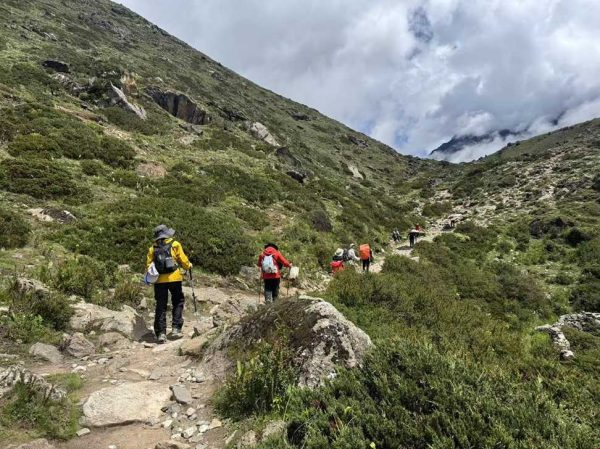




No comments yet.