



How to Physically Prepare for Kailash Mansarovar Yatra

-
 admin
admin -
29 April, 2025
-
9 mins read
-
1540 Views
-
0 Comments


The Kailash Mansarovar Yatra is one of the most revered and spiritually transformative pilgrimages in the world, drawing thousands of devotees every year from across the globe. For Hindus, Mount Kailash is believed to be the sacred abode of Lord Shiva and Goddess Parvati, the center of the universe, and a source of spiritual liberation. Mansarovar Lake, lying at the foot of the mountain, is considered a purifier of sins — a holy body of water that bestows profound blessings on those who bathe in or drink from it. Beyond Hinduism, this journey holds deep religious significance for Buddhists, Jains, and followers of the Bon religion, each honoring the sacred landscape in their own traditions.
Yet, the Mount Kailash trek isn’t merely a sightseeing tour or a simple hike — it’s a physically demanding journey through some of the highest and most remote terrain on Earth. With elevations often above 4,500 meters and a core trek (the kora or circumambulation) of roughly 52 kilometers over rugged paths, this pilgrimage tests both body and spirit. Challenges like thin air, unpredictable weather, long walking days, and basic living conditions make Kailash Mansarovar Yatra Preparation essential for any pilgrim wishing to complete the trek safely and meaningfully.
That’s why preparing yourself physically — building strength, stamina, and lung capacity — is just as important as strengthening your faith and mental resilience. A well‑structured preparation plan ensures you can embrace the sacred journey fully, stay healthy on the trail, and arrive with joy in your heart and energy in your limbs.
To enjoy this trip safely, your body must be ready. Preparing to visit it is a huge task because it is very high up, and the weather also changes suddenly. Let’s see how to prepare your body step by step for this holy trip.
Understanding the Terrain & Challenges of the Mount Kailash Trek
The Mount Kailash trek, a central part of the Kailash Mansarovar Yatra, is not just spiritually profound — it’s physically demanding and mentally testing. To prepare well, it’s essential to understand the natural and environmental challenges you’ll face on this sacred journey.
1. Extreme High Altitude & Oxygen Scarcity
One of the biggest Mount Kailash trekking challenges is the high altitude. Much of the Yatra takes place above 4,500 meters (14,760 ft), with the Dolma La Pass — the highest point — soaring to about 5,630 meters (18,471 ft). At these elevations, the air contains significantly less oxygen than at sea level, making your body work much harder to breathe and function normally.
This reduced oxygen can lead to Altitude Sickness (also known as Acute Mountain Sickness), with symptoms like headache, nausea, dizziness, and fatigue. Even fit travellers can experience these effects without proper acclimatization.
2. Sudden & Unpredictable Weather Changes
The weather in the high Himalayas is notoriously unpredictable. Even during the best trekking seasons, you can experience rapid weather swings — from bright sunshine to freezing winds, rain, or sudden snowfall.
Temperatures can drop sharply at night, often well below freezing, especially as you ascend higher. Strong winds and occasional snowstorms near high passes like Dolma La make the trek more challenging and require proper layering, gear, and constant readiness.
3. Long Days of Trekking on Rough Terrain
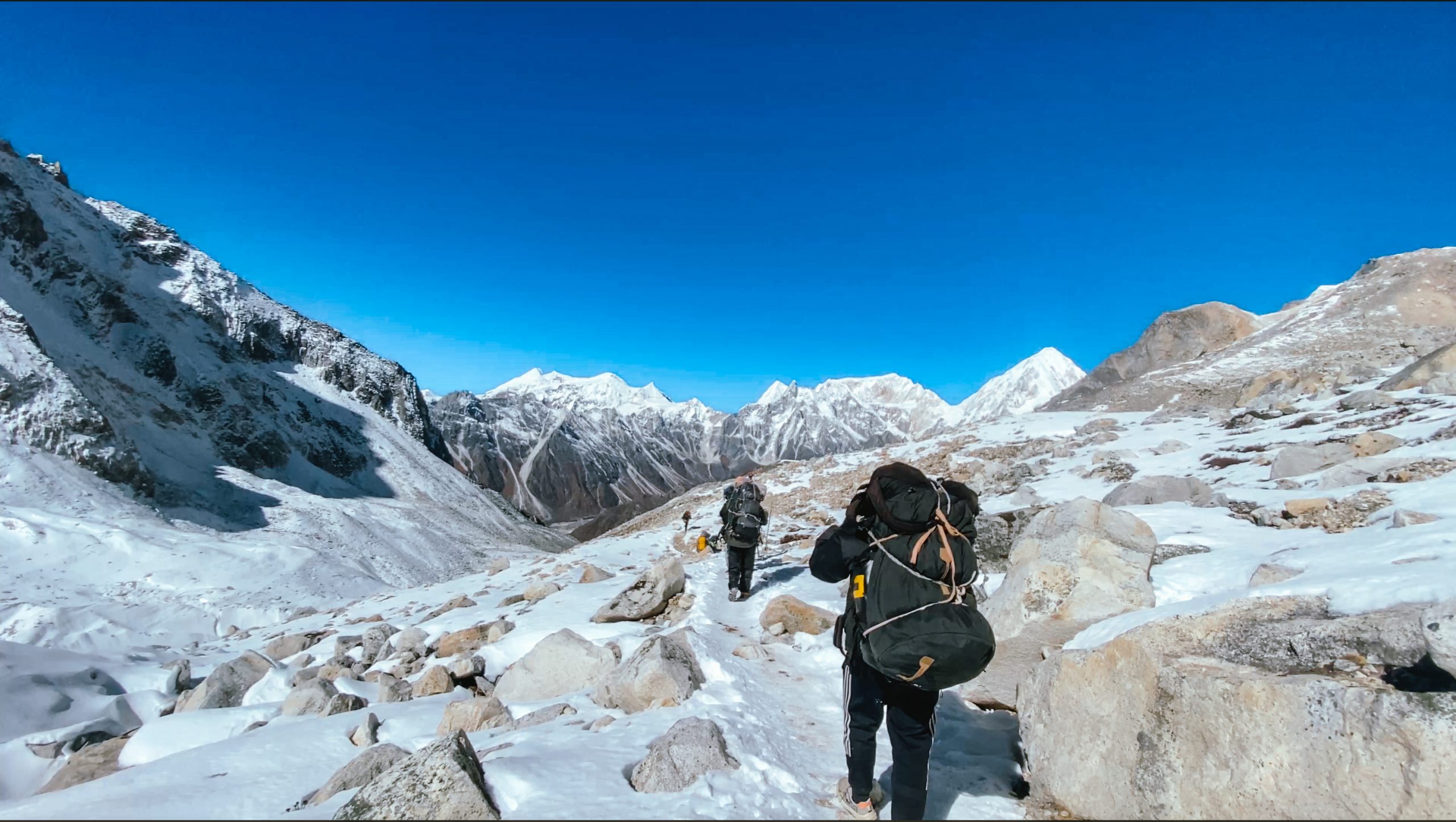
On the Kailash Mansarovar Yatra, pilgrims often walk 6–8 hours a day, covering uneven, rocky, and rugged mountain trails. The famous Kailash Kora (a 52 km circumambulation around Mount Kailash) involves steep ascents and descents, especially near high passes, where the terrain can be loose, uneven, and energy‑draining. Walking long hours every day with a backpack — often on rocky or snowy ground — demands strong stamina, leg strength, and good balance.
4. Mental & Spiritual Aspects of the Trek
Beyond the physical challenges, the Kailash Yatra’s difficulty lies in its long‑lasting mental and emotional demands. The journey is remote, far from cities or modern comforts, requiring patience, determination, and inner calm. Trekkers must cope with isolation, the physical strain of daily walking, and continuous acclimatization. Yet for many, this austerity enhances the spiritual experience — turning every hardship into a moment of personal growth and deeper devotion.

When to Start Preparing for Kailash Mansarovar Yatra
Proper timing is key to a successful Kailash Mansarovar Yatra. Physical and mental readiness cannot be rushed, as your body needs time to adjust to the rigorous demands of high-altitude trekking. Experts recommend beginning your preparations 3–4 months before the trek, allowing a steady and gradual improvement in stamina, strength, and endurance.
Gradual Progression Plan
- Initial Phase (3–4 months out):
Start with daily 30-minute walks to build basic cardiovascular fitness. Focus on consistency rather than intensity. - Intermediate Phase (2–3 months out):
Gradually increase your walking duration to 1–2 hours. Begin light jogging or stair climbing to strengthen your legs and improve lung capacity. - Advanced Phase (1–2 months out):
Include long hikes with a backpack, ideally on uneven terrain, to simulate the trekking conditions of Mount Kailash. Practice walking on rocky or hilly paths to build endurance. - Final Phase (Last month):
Focus on maintaining your stamina while incorporating strength training, stretching, and breathing exercises. Avoid overexertion to prevent injuries.
Following this structured approach ensures your body is gradually conditioned for the high-altitude journey, reducing the risk of fatigue or altitude sickness. By adhering to a Kailash Yatra preparation timeline, you can undertake the sacred pilgrimage with confidence, strength, and peace of mind.
When and How to Prepare Physically
The best time to prepare yourself is 3 to 4 months before your trip. Your body needs time to build strength and stamina before starting the trek. You can start with a 30-minute walk every day, then slowly increase the time to 1-2.
Key Areas of Physical Preparation
1) Walking & Stamina
You will be walking a lot during the holy trip. So, prepare yourself by going on daily walks, climbing stairs, or doing light jogging. Running can really help, too.
Training tips:
- Begin with 30-minute daily walks, gradually increasing to 1–2 hours.
- Include stair climbing, hill walks, and light jogging to simulate trekking conditions.
- Focus on consistency rather than intensity to prevent injuries.
2) Strength Training
Exercising daily will help you to increase your stamina. So try doing squats and planks, as they will increase your endurance.
Recommended exercises:
- Squats, lunges, and step-ups for leg strength
- Planks and core exercises for stability
- Practice walking with a loaded backpack to mimic trekking conditions
3) Stretching & Flexibility
Stretch your arms, legs, and back every morning. This keeps your body flexible and avoids pain. Yoga is perfect for this, plus it calms your mind.
Tips:
- Stretch arms, legs, and back daily.
- Include yoga to enhance flexibility, balance, and mental calm.
- Focus on hamstrings, calves, hips, and shoulders, which are heavily used during trekking.
4) Breathing Exercises & Lung Capacity Building
In the mountains, the air has less oxygen. That’s the reason deep breathing exercises such as Pranayam, Alternate nostril breathing, and Ujjayi pranayam are very important. It should be practiced for 10–15 minutes on a daily basis. It keeps your lungs healthy.
Recommended practices:
- Pranayama (deep diaphragmatic breathing)
- Alternate nostril breathing (Nadi Shodhana)
- Ujjayi pranayama
- Practice 10–15 minutes daily to strengthen lungs and improve oxygen efficiency
5) Mental & Spiritual Readiness
Walking in silence can be tough, far from the city. That’s why mental strength is critical. Start practicing meditation, even for 5 minutes a day. You can listen to spiritual music to calm yourself. It will help you stay peaceful and strong inside.
Preparation tips:
- Meditate for 5–10 minutes daily to calm the mind.
- Walk in silence or listen to spiritual music to build mental resilience.
- Visualize completing the trek successfully to reinforce determination.
6) Diet & Hydration During Training
Eat fruits and vegetables and take nuts, seeds, and protein that boost one’s energy. All these types of food will help the body remain strong as well as active during a journey. Drink water even if you feel you don’t need it, especially at high altitudes. Avoid junk foods, alcohol, and smoking as much as possible. All of these will weaken the body, make you spend more energy, and generally make you feel a little more tired or sick. This will help you enjoy every step taken in this journey with a strong and well-fueled body!
Guidelines:
- Eat energy-rich foods: fruits, vegetables, nuts, seeds, and proteins.
- Stay hydrated, especially at higher altitudes.
- Avoid junk food, alcohol, and smoking, which reduce stamina and increase fatigue.
7) Health Checkups & Medical Precautions
Before starting the trip, visit your doctor. Check your lungs, heart, and blood pressure, and ask if you’re fit for high altitude hiking. Get vaccines if you need, carry medicines, and keep basic things like pain relief spray, band-aids handy.
Important steps:
- Check lungs, heart, and blood pressure.
- Get necessary vaccines and carry essential medicines.
- Prepare a first-aid kit with basics like pain relief and band-aids.
8) Gear & Footwear Practice
Don’t wear a new pair of shoes on the yatra. Buy good trekking shoes early and wear them during the training so they become comfortable. Use trekking sticks to balance, wear clothes that are light but protect you from the cold, and carry a comfortable backpack.
Tips:
- Break in trekking shoes well before the journey.
- Practice walking with trekking poles and a comfortable backpack.
- Wear layered clothing suitable for cold, wind, and sun.
9) Final Week Preparation
This is not a race, it’s a spiritual journey. You should prepare it well, trust your body, and enjoy it. For a week of your journey, try to take more rest and walk less, eat light but healthy food, double-check your packing, and keep your mind calm and joyful.
Key points:
- Reduce intense workouts; focus on short walks and light stretching.
- Eat light, nutritious meals.
- Double-check gear and essentials, and stay calm and positive.
Conclusion
The Kailash Mansarovar Yatra is a once-in-a-lifetime spiritual journey that challenges both your body and mind. Proper physical and mental preparation — including walking, strength training, flexibility exercises, breathing techniques, diet, hydration, and mental readiness — ensures that you can fully embrace the trek’s sacred experience.
Beyond physical fitness, the journey requires patience, consistency, and spiritual focus. Cultivating these qualities allows you to remain calm and resilient, even on the toughest days of the trek, and enhances the transformative power of this pilgrimage.
Start your preparation early, follow a structured plan, and approach the journey with faith, discipline, and joy. With the right training and mindset, you will not only complete the Mount Kailash trek safely but also experience the deep spiritual fulfillment that the Kailash Mansarovar Yatra offers.
Wishing you a safe, happy, and holy journey to Kailash Mansarovar. Om Namah Shivaya!
Comments (0)
Write a commentRead the latest Blogs & Insights
Explore our collection of articles and insights to gain in-depth travel knowledge, expert advice, and stay updated on the latest trends and tips.
View All Articles



No comments yet.