



How to Prepare for a Mount Everest Base Camp Trek

-
 Bold Himalaya
 -
23 November, 2025
-
13 mins read
-
737 Views
-
0 Comments


Standing beneath the world’s highest peak is more than a trek; it’s a life-changing achievement. The Everest Base Camp (EBC) journey challenges your endurance, rewards your spirit, and opens the door to some of the most spectacular landscapes on Earth.
For over a decade, we have guided trekkers from across the globe safely to Base Camp and back. This high-end guide provides everything you need: expert planning, safety insights, accurate itineraries, gear recommendations, training strategies, permits, and professional advice to ensure your Everest dream becomes a reality.
What Actually Is the Everest Base Camp Trek?
The Everest Base Camp hike is about 130 km back and forth and kicks off in Lukla, sitting at nearly 2,900 m. Climbers head up to Base Camp, which sits way higher, around 5,360 m above sea level. Most plans last between two or three weeks, give or take a day. This path leads straight to where climbers gear up before trying the big peak.
The path goes up along the Dudh Kosi river, winding through Sherpa settlements while climbing higher. Instead of turning west or south, it keeps heading north among thick rhododendron woods that slowly fade into rocky highland stretches. Hikers reach Namche Bazaar first – then push onward to Tengboche, where views open wide. From there, trails lead further ahead toward Dingboche, a spot often used for acclimatising. Finally, they arrive at Lobuche as the ground turns more rugged underfoot.
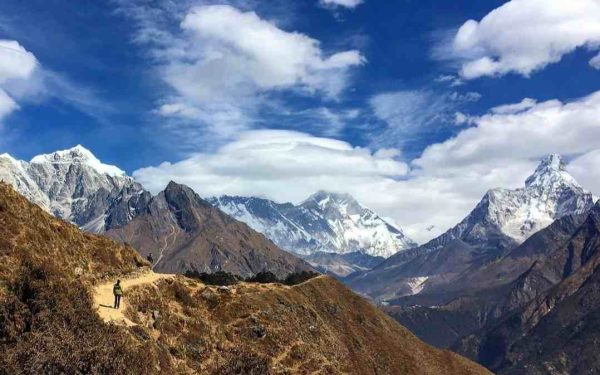
Tea houses line the trail, so you’ll sleep under a roof and get hot food every day. Not roughing it in tents. Instead, you’re staying in basic lodges that are already set up. Because of this setup, even folks who’ve never climbed mountains can do the trip. But don’t think it’s a walk in the park, it’s a challenging but unforgettable journey.
Can Beginners Actually Do This?
Short answer: yes—beginners can trek to Everest Base Camp, but preparation is key. You don’t need previous mountaineering experience or prior exposure to high altitudes, but the trek demands stamina, mental grit, and awareness of your body’s limits.
The climb means hiking up slopes five to eight hours each day, lugging a small backpack, high up where the air’s about half as thick. Breathing takes more effort here. Even little movements push your heart into overdrive. Basic chores wear you out fast.
Novice trekkers succeed when they:
- Train physically before the trip
- Allow enough time for proper acclimatisation
- Move at a comfortable, steady pace
- Pay close attention to signs of altitude sickness
Working with experienced guides is essential—they can spot warning signs early, adjust routes or schedules, and ensure safety. Arriving “just okay” won’t cut it; the trail reveals weaknesses quickly, and high elevation amplifies them. With proper preparation, though, beginners can complete the trek safely and enjoyably.
How to Prepare for Everest: Training That Actually Works
Preparing for Everest Base Camp (EBC) is about training your body, packing the right gear, and planning for altitude. With consistent effort, even beginners can handle the trek safely and enjoyably.
Mental Preparation
The true prize waits at Kala Patthar. Get up by 4 a.m., begin hiking while it’s still pitch black. Arrive atop the 5,545-meter peak just as sunlight spills over the Himalayan range. Everything shows clearly from this spot – Everest stands out, then Lhotse appears, followed by Nuptse; the whole mountain wall lights up with sunrise.
This idea proves each practice session right. But also those awkward evenings in teahouses. Yet still, the suffering from high elevation.
Something returns once the journey’s done. Strength is built by pushing your body every day. A sense of pride after pulling off a real challenge. New ways of seeing things, standing up at 5,500 meters, staring across the Himalayas – knowing you got here on foot.
Cardio Training for Stamina
To complete the Everest Base Camp trek, building a strong cardiovascular base is essential. High-altitude trekking requires stamina for long uphill hikes, so consistent cardio workouts for trekking will prepare your heart, lungs, and legs for the challenges ahead.
Get ready for mountain hikes by boosting your stamina. Try jogging, biking, or walking on trails regularly; these help you go longer uphill. Instead of just one thing, mix in stuff like stairs now and then. Begin by doing it three times a week. As your trip gets closer, bump it up to four – or even five.
For each session, start off doing one hour of exercise at a steady pace. After that, slowly make it longer over time. Around six weeks before leaving, your Saturday or Sunday hikes need to run between four and six hours. Put on proper hiking shoes. Add a weighted backpack to simulate carrying your daypack, which helps your body adjust to the extra load during high-altitude trekking.
Hill workouts pack a serious punch. While flat runs boost overall stamina, they leave your legs unready for constant ascents – so seek out sharp trails or crank the treadmill all the way up. Try the StairMaster; it’s solid. Or hit stadium stairs – they do the trick. Basically, pick any option that keeps you pushing upward without letup.
Leg Strength Exercises for High-Altitude Trekking
Strong legs are crucial for Everest Base Camp trekking and other high-altitude mountain hikes, as your quads, calves, glutes, and hamstrings take the brunt of long uphill climbs and steep downhills. Building leg strength reduces fatigue, improves stability, and protects your knees during multi-day treks.
Do box step-ups using a 40cm bench – it’s like hiking on trails. Twice a week, hit three rounds of fifteen lifts per leg.
Back and Core Conditioning
A strong back and core are essential for high-altitude trekking. Though porters or yaks haul the big bags, your daypack’s got water, extra clothes, a camera, and also munchies. Five to eight kilos feels light – till you’re hiking six hours up at 4,500 meters.
Build a stronger back and core using planks, then try deadlifts. Mix in rows – these help too. Swap those for loaded carries now and then. Get ready for trails by hiking with heavier packs over time. Work up to carrying 7–8 kg on practice walks.
Building core and back strength improves your posture, balance, and endurance on steep trails, making daily hikes more comfortable and reducing fatigue during the demanding Everest Base Camp trek.
The Real Secret to Everest Base Camp Training
When preparing for the Everest Base Camp trek, consistency beats intensity. Training four days a week for 12 weeks is far more effective than occasional bursts of hard exercise. Your body adapts to regular effort, building endurance, stamina, and high-altitude trekking fitness over time.
About two weeks before your trek, it’s important to taper your training. Keep moving, but avoid pushing yourself too hard. This allows your muscles, joints, and cardiovascular system to recover fully, ensuring you start the trek strong, energised, and less prone to fatigue or injury.
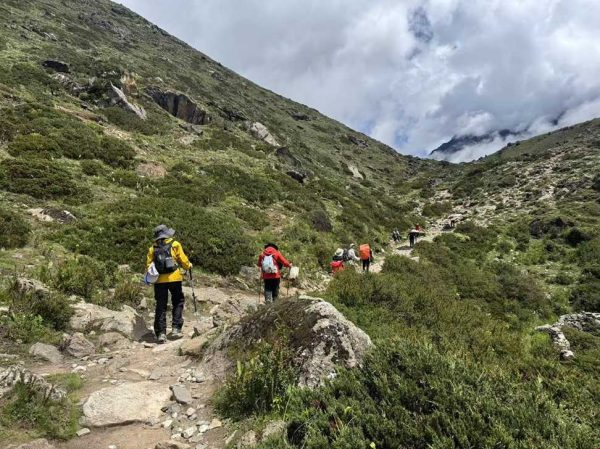
Remember, the goal is steady, sustainable preparation—not last-minute overexertion. Consistency, proper pacing, and gradual build-up are the keys to conquering multi-day high-altitude hikes like Everest Base Camp.
Essential Gear You Need
Packing the right gear is critical for a safe and comfortable Everest Base Camp trek. Proper equipment helps you handle high-altitude conditions, cold temperatures, and long trekking days. Below is a complete Everest Base Camp packing checklist for beginner and experienced trekkers.
Footwear for High-Altitude Trekking
- Waterproof hiking boots – essential for rugged trails and snow; break them in by hiking 80 km+ before departure
- Lightweight trekking shoes or sneakers – for lodges and short walks
- Extra socks – thermal or wool for warmth and blister prevention
Layering System for Cold and Wind
- Base Layer: Merino wool or synthetic thermal underwear (2 sets recommended)
- Mid Layer: Fleece jacket or synthetic insulation for warmth
- Outer Layer: Waterproof and windproof jacket and trousers
- Insulating Layer: Down jacket rated for −15°C or colder
Tips: Layering allows you to adjust to temperature changes from 2,800m to 5,364m during the trek.
Trekking Accessories and Essentials
- Trekking poles – reduce strain on knees and improve stability on rocky trails
- Backpack: 35–45 litres with a strong waist strap
- Sleeping bag – rated −10°C for cold nights in tea houses or lodges
- Headwear: Wide-brimmed hat for sun, warm beanie for cold
- Gloves: Insulated and windproof
- Headlamp or flashlight with spare batteries
- Water bottles: Two 1L bottles or hydration system
- Water purification: Tablets or portable filter
- Power bank for electronics
- Sunscreen and SPF 50+ lip balm
- Basic medical kit including medications for high-altitude sickness
Everest Base Camp Trek Permit Requirements
Before you embark on the Everest Base Camp trek, all trekkers must obtain two essential permits for the Khumbu region. These permits are mandatory for trekking in Sagarmatha National Park and the surrounding areas.
Sagarmatha National Park Entry Permit
- Cost for foreign trekkers: NPR 3,000 (~$23)
- Cost for SAARC nationals: NPR 1,500
- Cost for Nepali citizens: NPR 100
- Where to get it: Nepal Tourism Board Office in Kathmandu or at the Monjo park entry gate
- Purpose: Grants access to Sagarmatha National Park, home of Mt. Everest and other high-altitude trekking routes
Khumbu Pasang Lhamu Rural Municipality Permit (Trek Card)
- Cost for foreign trekkers: NPR 2,000 (~$15)
- Cost for SAARC nationals: NPR 1,000
- Cost for Nepali citizens: NPR 100
- Where to get it: Lukla or Monjo permit offices
- Note: This permit replaced the old TIMS card system in the Khumbu region
- Purpose: Ensures trekkers contribute to local community development, trail maintenance, and conservation
Tips for Trekkers
- Carry your passport and permit documents — you’ll be checked at Monjo, Namche Bazaar, and other checkpoints
- Bring cash in Nepali rupees (NPR) for permit fees
- Keep permits safe to avoid delays or fines
- Fees support local communities — your permit helps fund schools, healthcare, and trail maintenance in the Khumbu region
Altitude Sickness Prevention: Critical Knowledge
When you go higher up, air pressure gets lower. Up at 5,500 meters, there’s only about half the oxygen compared to down at sea level. To cope, your body makes extra red blood cells, starts breathing faster, and pushes the heart to beat more quickly.
Acclimatization Strategy
The key tip? Go up high, but rest down low. On break days, you trek upward by daylight – then head back down to snooze at a lower spot. It seems odd when you’re worn out. Yet it really helps.
Recognizing Symptoms
Mild AMS may bring on headache or nausea, along with dizziness, tiredness, and sometimes a loss of appetite. Happens a lot, but it can fade by resting while drinking fluids.
Moderate AMS: Headache gets worse even with meds, throws up a lot, feels way more tired, can’t catch breath while just sitting. Needs help soon – might have to go down.

Severe AMS or HACE brings confusion, trouble moving properly, bad headaches, and changes in awareness. This is an urgent situation. Get down to a lower altitude fast.
Hape brings extreme trouble breathing while just sitting still – chest feels squeezed, you start coughing up foamy spit, and your lips turn bluish. This’s a crisis; get down fast and seek help right away.
Prevention Strategies
Climb slowly using routes that already include time to adjust. Keep drinking water – around three or four litres every day helps. Skip booze and meds for sleep once you’re up high. Load up on carbs, no matter if you’re not hungry.
Try meds for high-altitude issues – Diamox works for some. Chat with a doctor first thing. A lot of hikers pop 125mg pills two times a day, beginning one day before their flight into Lukla.
If things feel really off, don’t keep going. When it gets worse even after stopping, you’ve got to go down – no exceptions.
How Long Is the Everest Base Camp Trek Really?
The Everest Base Camp trek is typically completed in 14 days, including arrival and departure. While the total distance is important, what really matters is giving your body enough time to adjust to high altitudes. Moving too fast can increase the risk of altitude sickness, so pacing and acclimatisation are essential.
Here’s a standard 14-day itinerary:
- Day 1: Arrival in Kathmandu
- Day 2: Fly to Lukla and trek to Phakding (2,652m / 8,699ft)
- Day 3: Phakding to Namche Bazaar (3,440m / 11,283ft)
- Day 4: Acclimatisation day – hike to Everest View Hotel (3,962m / 12,995ft)
- Day 5: Namche Bazaar to Tengboche (3,860m / 12,660ft)
- Day 6: Tengboche to Dingboche (4,410m / 14,464ft)
- Day 7: Acclimatisation day in Dingboche
- Day 8: Dingboche to Lobuche (4,910m / 16,105ft)
- Day 9: Trek from Gorakshep (5,180m / 16,990ft) to Everest Base Camp (5,364m / 17,594ft) and back
- Day 10: Trek from Gorakshep to Kala Patthar (5,545m / 18,192ft), descend to Pheriche (4,210m / 13,810ft)
- Day 11: Pheriche to Namche Bazaar (3,440m / 11,283ft)
- Day 12: Namche Bazaar to Lukla (2,800m / 9,184ft)
- Day 13: Fly back to Kathmandu from Lukla
- Day 14: Departure from Nepal
Know the Everest Base Camp Trek Options
Whether you’re a seasoned trekker, a beginner, or short on time, there’s an Everest Base Camp (EBC) trekking option for everyone. Here are some of the most popular routes and experiences:
10-Day Everest Base Camp Trek with Helicopter Return
Complete the classic EBC trek in just 10 days, with the convenience of a helicopter return from Base Camp or Kala Patthar. Ideal for trekkers who want the full experience but have limited time.
Everest Base Camp & Gokyo Lake via Cho La Pass Trek
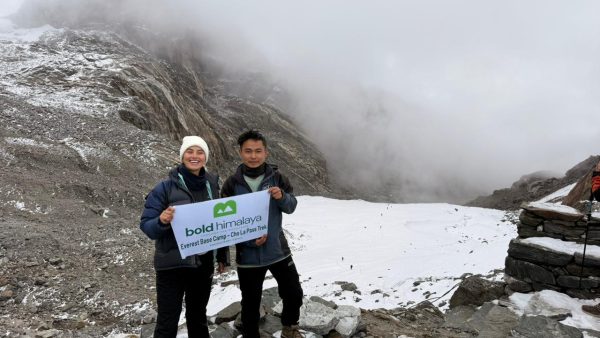
This challenging trek links Everest Base Camp with the stunning Gokyo Lakes via the famous Cho La Pass. Trek through high-altitude landscapes and enjoy panoramic views of Everest, Cho Oyu, and the Gokyo region.
Everest Base Camp Helicopter Tour
For travellers short on time or preferring minimal trekking, this option flies directly to Base Camp or Kala Patthar, providing spectacular aerial views of Everest and surrounding peaks.
Everest Base Camp with Gokyo Lake Helicopter Tour – Guaranteed Landing
Combine trekking to Gokyo Lakes with a helicopter ride to Base Camp. This option offers both the adventure of trekking and the convenience of a helicopter, with guaranteed landing at key points along the route.
Short & Scenic 6-Day Everest View Trek – Perfect for Beginners & Families
A beginner-friendly and family-friendly trek offering breathtaking Everest views in just 6 days. Ideal for travellers with limited time who want an unforgettable Himalayan experience.
Guide vs. Porter: Do You Need One?
Choosing the right support staff can make or break your Everest Base Camp trekking experience. Guides and porters provide different services, and many trekkers combine both for maximum comfort.
Hiring a Guide
- Role: Monitors altitude sickness, manages logistics, provides local knowledge, and ensures safety.
- Cost: Approximately $25–35 USD per day, usually including meals and accommodation.
- Recommended for: First-time trekkers, solo travellers, or anyone unfamiliar with high-altitude trekking in Nepal.
Hiring a Porter
- Role: Carries your bag (up to 15 kg), lightening your load for long uphill hikes.
- Cost: $20–25 USD per day, paid in cash.
- Benefit: Reduces fatigue, protects your knees, and improves overall trekking enjoyment.
Porter-Guide Combo
- Some trekkers hire a combined guide-porter who carries their gear while providing guidance.
- Ideal for first-time trekkers wanting minimal hassle and expert support.
Comments (0)
Write a comment- What Actually Is the Everest Base Camp Trek?
- How to Prepare for Everest: Training That Actually Works
- Essential Gear You Need
- Everest Base Camp Trek Permit Requirements
- Altitude Sickness Prevention: Critical Knowledge
- How Long Is the Everest Base Camp Trek Really?
- Know the Everest Base Camp Trek Options
- Guide vs. Porter: Do You Need One?
Read the latest Blogs & Insights
Explore our collection of articles and insights to gain in-depth travel knowledge, expert advice, and stay updated on the latest trends and tips.
View All Articles
Broad Peak Avalanche: Nirmal Purja & the Team
05 Aug. 2026
Prayer Flags
10 Jul. 2026
Golf Tour in Nepal
30 Jun. 2026
Mera Peak vs Island Peak Climbing
12 Jun. 2026



No comments yet.