



Mount Kailash: The One Mountain That’s the Center of 4 Universes

-
 Bold Himalaya
 -
8 December, 2025
-
36 mins read
-
1341 Views
-
0 Comments


Introduction
A Summit Where Four Faiths Meet
The Spiritual Significance of Mount Kailash begins long before pilgrims step onto its sacred trails. At sunrise, the golden light touches the four faces of this holy mountain, creating a moment that many describe as a universal blessing. This breathtaking sight draws thousands of devotees every year, each carrying their own spiritual traditions and prayers.
On any given morning, you may see Hindu sadhus, Buddhist monks, Jain pilgrims, and Bon practitioners gathering at the base of Kailash. Though their rituals differ, the purpose is the same—seeking purification, awakening, and a deeper connection to the divine. This rare harmony makes Mount Kailash a meeting point of faiths, unmatched anywhere else in the Himalayas.
One of the reasons the sacred Mount Kailash is so revered is that it remains unclimbed. Across all four religions, touching its summit is considered forbidden—an act that would disturb its spiritual purity. This shared belief has helped preserve Kailash as one of the most untouched and respected peaks on Earth, enhancing its reputation as the world’s most sacred mountain.
For believers, a journey here is more than a trek—it is a Kailash pilgrimage, a transformative experience rooted in faith, devotion, and ancient mythology.
Essential Facts About Mount Kailash
Mount Kailash, one of the most revered sacred Himalayan peaks, rises to 6,638 meters (21,778 feet) in Tibet’s remote Ngari Prefecture. Situated near the borders of India, Nepal, and China, it has long attracted pilgrims and adventurers seeking spiritual insight. The nearest settlement, Darchen, sits at 4,670 meters and serves as the primary base for travelers embarking on the Kailash pilgrimage.
Just 30 kilometers southeast lies Lake Manasarovar, a pristine high-altitude lake at 4,590 meters, considered holy by Hindus, Buddhists, Jains, and Bon followers. Pilgrims often begin their journey here, performing rituals that purify the body and mind before starting the 52-kilometer Kailash kora (circumambulation), a spiritually significant path that typically takes three days to complete.
Mount Kailash Mansarovar is also the origin of four major Asian rivers: the Indus, Sutlej, Brahmaputra (Yarlung Tsangpo), and Karnali. These waterways not only sustain life across vast regions but also contribute to Kailash’s enduring reputation as the spiritual heart of the Himalayas.
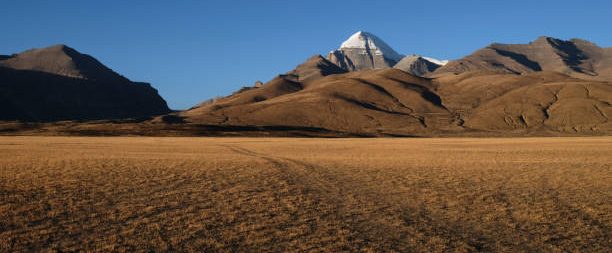
The mountain’s unique pyramid shape, with nearly perfect alignment to the cardinal directions, adds to its mystique. A striking crack on the southern face, resembling an ancient swastika, has inspired countless legends and deep spiritual symbolism, emphasizing why this peak remains untouched, revered, and central to pilgrimages across centuries.
Why Kailash Is Sacred: Four Spiritual Traditions, One Mountain
Hinduism: The Eternal Abode of Shiva
To Hindus, Mount Kailash isn’t just a peak on a map. Instead, it’s known as Kailāsa – a divine home where Lord Shiva, who handles destruction and renewal in the holy trio, meditates forever alongside his partner Parvati. This place feels like the real-world version of Mount Meru, which acts as the central pillar of existence in Hindu belief; linking our everyday reality with deeper, unseen dimensions. While geography marks its location, faith sees something greater – an upright spine between earth and sky.
- Sacred Texts Highlighting Kailash
The Skanda Purana, among the big eighteen Puranas in Hindu tradition, gives deep details on why Kailash is sacred. A well-known line from it says: “No peak matches the Himalayas – Kailash and Manasarovar live there; just like dawn heat wipes away dew, seeing Mount Kailash and Lake Manasarovar purifies the soul and erases sins accumulated over lifetimes.”
In the Shiva Purana, Kailash shines as a haven where divine folks, heavenly singers, dancers, plus wise hermits stay together, forever honoring Lord Shiva through devotion.
Meanwhile, the Vishnu Purana paints strong pictures, explaining how Mount Kailash’s four sides glow with crystal, red stone, golden shine, and blue gemstones, standing at the center of six surrounding mountain ranges—a cosmic lotus of the Himalayas.

- Legends and Tales of Power
Hindu tales often talk about Kailash. One well-known story features Ravana, Lanka’s powerful ruler from the Ramayana. When he wasn’t allowed onto the mountain, tried to lift Kailash to Lanka. But Shiva got furious – so he pinned Ravana’s arms under the peak using just his foot.
Ravana, hurting bad, started singing the Shiva Tandava Stotram – no break for ages – till Shiva let go. That story shows why Kailash isn’t just rock; it’s where power lives, locked, never fading.
- Spiritual Practices: The Kailash Kora
The spiritual rituals tied to Kailash come from strong personal faith. Hindu travelers circle the mountain clockwise, starting and finishing in Darchen. This path feels like life’s own inner struggle – a loop of dying and being born again, where every round moves the spirit nearer to moksha, freedom from endless cycles.
Many think doing one full walk wipes away a whole life’s wrongs; hitting 108 rounds – a sacred count in their belief – almost ensures release. Just putting one foot ahead becomes quiet prayer, each stride given freely to Shiva.
- Lake Manasarovar: The Lake of Mind
Lake Manasarovar is just as key for Hindu pilgrims. Old writings say Brahma, the god who made everything, formed this lake from his thoughts – his manas – which gives it the name Manas Sarovar, meaning Lake of Mind.
In the Ramayana, sage Vishvamitra tells Rama about this spot, calling it deeply pure. To followers, simply washing in or drinking its water wipes away bad deeds built up over a hundred past lives, cleaning the spirit and setting one on a clearer spiritual path.
Right before walking the kora, plenty of Hindu travelers rinse themselves by the shore, reciting chants while sending out prayers.
- Mount Kailash: The Axis of Life and Spirit
The Hindu pilgrims sees Holy Mount Kailash as a sacred axis linking ground to sky, where real life meets unseen forces. To followers, trekking there isn’t sightseeing – it’s discipline, more like inner fire that clears past burdens while drawing them nearer to god.
Buddhism: The Navel of the Universe
Tibetan Buddhists call Mount Kailash Kangri Rinpoche, sometimes spelled Gang Rinpoche – it translates to “Precious Snow Mountain” or “Jewel of Snow.” Instead of seeing it just as rock and ice, they link it with Mount Meru, a legendary peak said to sit at the heart of everything, where celestial bodies like the sun and moon spin around.
This mountain’s believed to be home to Buddha Demchok, also known as Chakrasamvara – a figure tied to deep joy and the blend of insight plus kindness, both key ideas in tantric practice.
- Kailash and Tantric Symbolism
The link between Kailash and Buddhism goes way back, especially in tantric paths where daily life flips into awakened insight. Instead of just “and,” think of Kailash with Manasarovar as father meets mother – one stands for action, the other for knowing.
The peak carries male force: rising strong, steady, unshakable. Meanwhile, the water holds female spirit: open, feeding, cleansing. Those trekking around the mountain? They move through a living mandala – a cosmic map shaped by nature itself.
- Padmasambhava’s Hidden Legacy
The area’s tied in big ways to Padmasambhava – also called Guru Rinpoche – an 8th-century teacher from India who carried Tantric Buddhism into Tibet; folks in the Nyingma line honor him almost like a second Buddha. Locals say he once passed through Mount Kailash, leaving hidden teachings inside caves and holy spots so people much later could find them.
- Legend of Milarepa and Naro Böncham
The best-known Buddhist tale about Kailash features Milarepa (around 1052–1135), a legendary yogi and poet cherished in Tibet. Instead of fighting, he challenged Naro Böncham – a skilled practitioner from the native Bon faith – to see whose path would rule the mountain’s spirit.
Whoever made it to the top first would take control. That day, Naro climbed fast using his enchanted drum, sure he’d win. Yet right when dawn broke, Milarepa – still seated below in quiet focus – shot upward along a ray of sunlight, reaching the peak in an instant.
As Naro Böncham spotted Milarepa sitting on top, he freaked out – tumbling fast down the south side, scraping the stone hard; some claim those marks still remain. Still, Milarepa let the Bon folks keep walking the opposite way around, honoring their old bond with the peak.
- The Kailash Kora: Meditative Pilgrimage
Kailash pilgrimage for Buddhists involves performing the Kailash kora clockwise, a meditative circumambulation. Devotees may prostrate fully every few steps, reciting mantras such as “Om Mani Padme Hum”, connecting body, speech, and mind in devotion.
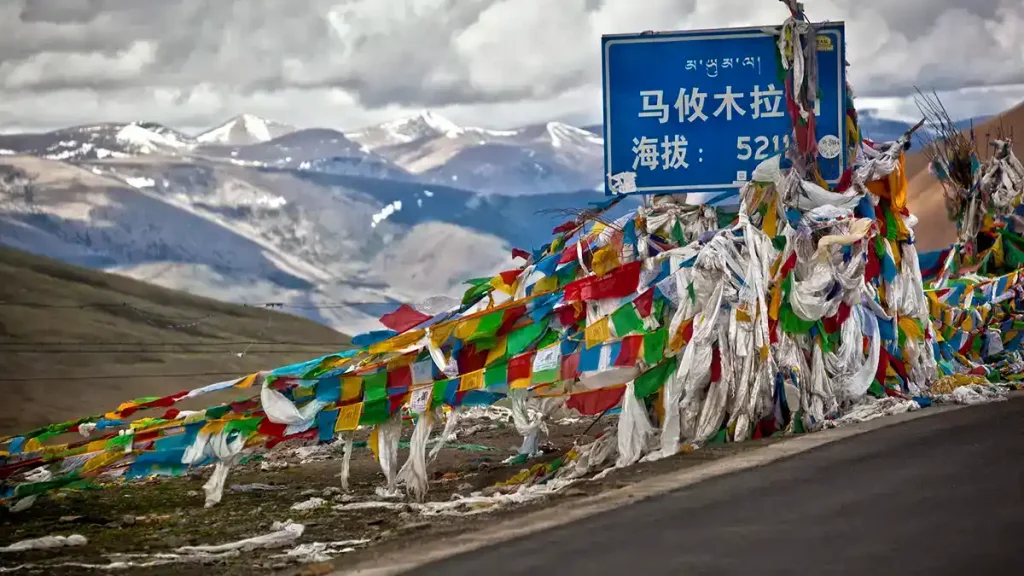
The journey mirrors tantric Buddhist teachings, emphasizing detachment, awareness, and the impermanence of life. The Dolma La Pass at 5,630 meters serves as a pivotal point where pilgrims offer prayers, place prayer flags, and perform rituals honoring the goddess Tara.
- Mount Kailash as a Living Mandala
For Buddhists, Kangri Rinpoche is more than a physical peak—it is a living mandala, where the terrain itself embodies the cosmos. Every step along the kora strengthens merit, purifies karma, and deepens spiritual insight. Pilgrims leave behind worldly attachments and walk in the footsteps of centuries of devotion, experiencing Mount Kailash spirituality in its most profound form.
Jainism: Ashtapada, the Mount of Liberation
- Ashtapada: Eight-Peaked Sacred Mountain
For followers of Jainism, Mount Kailash is known as Ashtapada – translated as ‘eight steps‘ or ‘mountain with eight peaks.‘ This place? It’s deeply sacred. In their beliefs, Rishabhadeva – who’s also named Rishabhanatha or Adinatha – was the first among 24 Tirthankaras. He’s seen as the original teacher who shaped Jain thought in this era.
After meditating for ages and living an austere life, he reached moksha right here, breaking free from endless rebirth. The mountain symbolizes the culmination of spiritual discipline, asceticism, and devotion, forming a cornerstone of Jain pilgrimage traditions.
- Rishabhadeva’s Journey to Liberation
Jain texts tell of Rishabhadeva as both a mighty ruler and deep spiritual guide from ages long gone, said to have been 1,200 feet high – not really about size, more about showing how far beyond ordinary people he was. Instead of staying in power after building early societies, he walked away from it all, choosing harsh self-discipline over comfort.
Wandering without clothes, avoiding harm to any living thing, he moved toward Ashtapada’s slopes. Once there, motionless in kayotsarga – a stance where the body is let go – he pushed through fierce tapasya until full understanding broke open within him.
That moment of perfect awareness arrived during the waning moon’s fourteenth night in Magha, ending in total freedom just when darkness peaked.
- Bharata Chakravartin and Sacred Structures
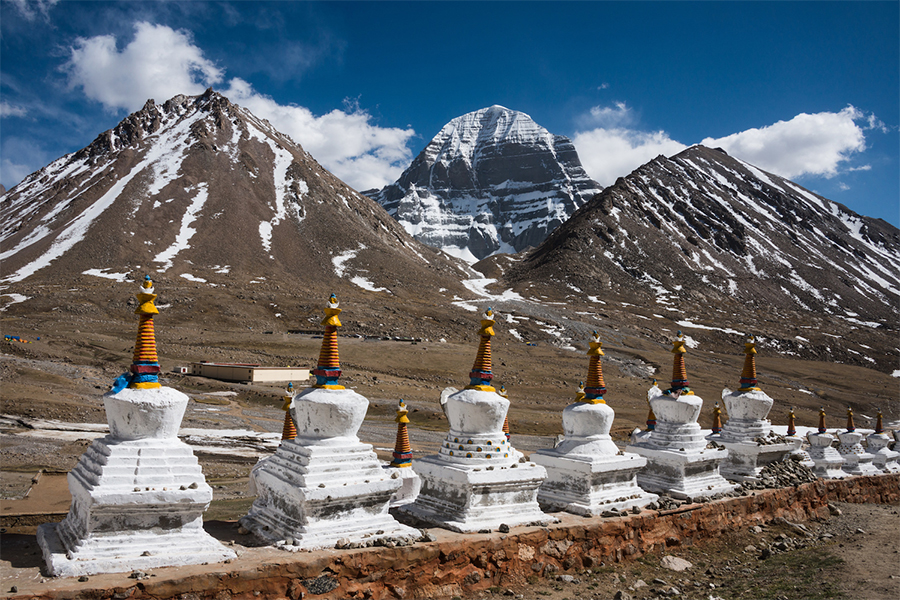
After Rishabhadeva reached liberation, his son Bharata Chakravartin – who became the first world ruler in Jain belief – is believed to have created grand temples on Ashtapada. He set up three huge stupas along with twenty-four holy spots for the Tirthankaras, each decorated using rare gems and sparkling ornaments. That site went by the name Sinhnishdaprasad. While those buildings aren’t around today – or might only live beyond physical reality – Ashtapada still holds strong in Jain minds as the most sacred place to visit.
- Pilgrimage and Spiritual Significance
For Jains, Ashtapad isn’t just a place on a map; it’s deeper than that. This spot marks the end of a long road – the soul’s path through endless lives full of actions and growth. When you get there, every last tie from past deeds breaks loose.
That’s when the spirit finally shines as it was meant to. The tough, bare landscape up in the high Himalayas feels like Jain monastic life itself: giving up comforts, pushing through hardship. Staying unattached helps weaken cravings. Strength comes not from body power but inner focus and strict practice.
Jains don’t travel to Kailash in big groups like Hindus or Buddhists – getting there is tough, borders are tricky, also their beliefs focus more on personal growth than traveling. Still, Kailash matters a lot in Jain faith and stories. Some who go say it feels like following Rishabhadeva himself, moving along where the first enlightened being reached freedom.
- Kora and Direction Confusion
Some accounts suggest that Jain pilgrims circle Ashtapada counter-clockwise, like Bon followers, while others report the opposite. This variation may reflect the diversity of Jain traditions or the limited number of pilgrims who reach the mountain.
- Ashtapada: Symbol of Liberation
The Jain view of Kailash highlights inner freedom rather than tough climbs – purity of spirit breaking free from karmic chains. Ashtapada shows liberation isn’t just an idea; it actually happened when Rishabhadeva reached moksha right there on that peak.
Bon: The Nine-Story Swastika Mountain
- Yungdrung Gutseg: Sacred Axis of the Universe
For the Bon faith, Mount Kailash is called Yungdrung Gutseg, or the Nine-Story Swastika Mountain, and is considered one of the most sacred sites in Tibet. Older than Buddhism, Bon views Kailash as a spiritual axis, linking the physical and divine realms, where the energy of the universe converges.
The mountain is also known by names like Tise and Water’s Flower, highlighting its symbolic connection to life, water, and cosmic balance.
- Tonpa Shenrab Miwoche and the Arrival of Bon Teachings
In Bon beliefs, Mount Kailash sits right in the middle of Olmo Lungring – a magical region possibly linked to Zhangzhung, an old realm in western Tibet that got pulled into the Tibetan empire around the 600s. Instead of walking there, Tonpa Shenrab Miwoche – the man who started Bon – is said to have come down from the sky straight onto the mountain to share sacred wisdom with people.
Old Bon writings tell how he arrived along a “thread from heaven,” or ray of light, bringing the nine paths (or methods) of Bon teaching.
- The Nine-Story Swastika: Symbolism and Spiritual Meaning
The term ‘Nine-Story Swastika Mountain‘ holds strong symbolic weight. In Bon belief, the swastika – called g.yung drung in Tibetan – isn’t linked to modern misuse; it’s actually an old sign of lasting balance and inner strength. Instead of starting at zero, this emblem stretches way back before dark chapters in European history.
Nine layers stand for nine stages of wisdom in Bon doctrine, moving step by step – not just jumping – from moral basics toward deeper meditation and advanced rituals until full awakening clicks. From certain angles, you can spot that swastika outline on Kailash’s south side, thanks to a steep crack crossing flat stone bands like lines drawn on purpose.

- Counterclockwise Kora: A Unique Spiritual Practice
Followers of Mount Kailash Bon tradition walk around sacred sites the reverse way – counterclockwise – as they face the peak, unlike Hindus, Buddhists, or Jains who go clockwise. That’s not just being different for no reason; it shows how Bon stands apart spiritually, rooted in beliefs older than Buddhism.
People sometimes call Bon the “left-hand” route, though that doesn’t mean evil – it means a separate flow of inner power moving against the Buddhist norm. A few researchers think this habit might come from old Arctic-based shaman customs where going backward in circle symbolized stepping into unseen realms.
- Sacred Deities and Rituals
Walking around Kailash means getting back in touch with the deep roots of Bon belief – paying respect to old deities like Sipaimen, said to live right at the peak – not just worship but also holding tight to who they are after so many years under Buddhist influence.
The tale of Naro Böncham’s challenge against Milarepa, often shared through Buddhist eyes highlighting Milarepa’s win, takes another turn in Bon teachings.
In certain Bon versions, Naro stepped back on purpose – giving the peak to Milarepa – not from loss, yet out of inner strength and clear sight, knowing Buddha’s path would grow, still guarding Bon’s old rite to walk around their sacred peak as they always had. What looks like falling short shifts into making space – and lasting through change.
- Kailash as a Living Spiritual Entity
For Bon practitioners, Kailash is not just a mountain—it is a living spiritual entity. Walking its paths, observing ancient rituals, and maintaining the counterclockwise kora preserves the Bon heritage and strengthens the soul’s connection to universal life forces.
The mountain embodies the eternal spiritual energy of Tibet, uniting generations of faith and devotion in a single sacred landscape.
Comparison Table: How Four Religions View Mount Kailash
While each tradition has its own rich narrative, comparing them side-by-side reveals both profound differences and remarkable harmony. Here’s how the four faiths view this singular mountain:
| Aspect | Hinduism | Buddhism | Jainism | Bon |
|---|---|---|---|---|
| Name for Kailash | Kailāsa (Shiva’s Abode) | Kang Rinpoche (Precious Snow Jewel) | Ashtapada (Eight-Peaked Mountain) | Yungdrung Gutseg (Nine-Story Swastika Mountain) |
| Central Figure | Lord Shiva | Buddha Demchok (Chakrasamvara) | Rishabhadeva (First Tirthankara) | Tonpa Shenrab Miwoche |
| Why Sacred | Eternal home of Shiva; Earthly manifestation of Mount Meru | Navel of the universe; Home of Buddha Demchok; Living mandala | Site where first Tirthankara achieved moksha (liberation) | Spiritual axis; Place where founder descended from heaven |
| Kora Direction | Clockwise | Clockwise | Varies (disputed/reports differ) | Counter-clockwise |
| Key Symbolism | Cosmic axis, Shiva Linga | Cosmic mandala, enlightenment | Liberation from rebirth cycle | Eternal balance, swastika |
| Associated Water Body | Lake Manasarovar (Lake of Mind) | Lake Manasarovar (Symbol of wisdom) | Lake Manasarovar (Purity) | Lake Manasarovar (Ancient energy) |
| Pilgrimage Goal | Darshan of Shiva, moksha | Merit accumulation, enlightenment | Honoring Rishabhadeva, spiritual inspiration | Connection to Bon heritage, cosmic energy |
The Sacred Geography Around Mount Kailash
Lake Manasarovar: The Lake of Pure Mind
Lake Manasarovar, located about 30 km southeast of Mount Kailash, sits at 4,590 meters and is revered as the highest freshwater lake in the Himalayas. Across traditions—Hinduism, Buddhism, Jainism, and Bon—the lake symbolizes purity, spiritual cleansing, and divine energy.
- Hindu belief
According to Hindu belief, Lord Brahma brought the lake into being through pure awareness, turning inner vision into physical reality, linking spirit with earth. Devotees feel that soaking in its clear waters clears out wrongdoings gathered over many lives, helping cleanse the spirit for deeper growth.
- Buddhist perspective
For followers of Buddhism, Lake Manasarovar stands for a calm, awake mind – free from confusion, clean like water, untouched by false thoughts. Connected to the goddess Tara, it’s also tied to Padmasambhava, believed to have made its waters sacred.
Many Tibetan travelers walk around the full edge of the lake instead; this journey lasts days, holds deep value, and counts just as much as circling Mount Kailash.
- Jain view
In Jainism, Manasarovar links to clear insight – wisdom that comes before freedom, like a calm surface showing reality straight.
- Bon tradition
Yet for Bon followers, the lake carries old energy, tied to gods of the sky and beings of water from times before Buddhism took root.
The lake’s striking blue tint comes from minerals and melting glaciers, giving it a dreamlike feel. When skies are clear, Mount Kailash’s south side shows up sharp in the water-like sky meeting ground, which stirs deep feelings in travelers and writers alike. Taking dips used to be part of the tradition; however, China banned swimming recently to save the delicate nature around it. Still, visitors can scoop some water into bottles for sacred use.

Rakshastal: The Shadow Lake
In stark contrast, Rakshastal, west of Manasarovar, is known as the Lake of the Demon. This saline lake symbolizes obstacles, shadows, and inner voids in spiritual life. According to Hindu legends, it is linked to Ravana’s austerities for Shiva’s favor.
In sharp difference from the holy Manasarovar sits Rakshastal – known as the Lake of the Demon – just to the west. This salty body of water holds no clear outflow, while its curved form mirrors the night’s moon, unlike Manasarovar’s bright roundness. Some say it ties back to Ravana, the fierce ruler who once meditated here for Shiva’s favor. It stands for what blocks growth: confusion, shadows, inner voids we need to move past.
The difference between the two lakes – one full of fresh water, alive with energy, the other salty and empty-feeling – shows how opposite forces exist side by side: kindness next to cruelty, brightness beside darkness, truth mixed with confusion. Visitors are warned against swimming in Rakshastal, while its beaches stay quiet, unlike the busy crowds near Manasarovar.
Sacred Monasteries and Caves
Some monasteries lie along the Kailash kora trail – spots where travelers pause or meditate. Perched at 5,210 meters, Dirapuk Gompa gives clear sight of Mount Kailash’s northern side; many visitors sleep here overnight. This modest religious site was fixed up after being harmed in China’s Cultural Revolution. Inside, there are prayer halls tied to different gods, offering space for people to leave gifts and say silent words.
Zutulphuk Monastery sits at 4,790 meters on Kailash’s east flank – linked to Milarepa, it holds a cave where he supposedly practiced meditation. Visitors frequently bow near the opening while also lighting yak-butter lamps within. Choku and Gyangdrak monasteries are more modest, occasionally manned just part of the year; still, they serve as key spots for worship along the trail.
Though simple, these monasteries show how Buddhist life still lives on at Kailash – linking old tales of holy figures with today’s travelers chasing quiet truths.
The Mount Kailash Kora Trek: Walking the Sacred Circle
The kora around Mount Kailash isn’t just hiking through pretty views. Instead, it’s like praying while walking – each step part meditation, part faith in action, a tradition kept alive across generations without real change. About 52 kilometers long, this loop mirrors life itself: beginning, hardship, ending, then rebirth – all packed into three tough days on thin mountain air where each breath feels harder than usual.
Clockwise and Counterclockwise: Ritual Significance
The act of walking around something holy means a lot. Going clockwise past a revered item sits at the heart of how Hindus and Buddhists show reverence – this direction follows the sun’s arc, seen as the way of proper living. With every stride comes dedication; each inhale turns into quiet praise; tough moments turn into chances to shed old burdens.
Those from the Bon faith walk opposite, counter-clockwise, keeping alive their age-old customs while sharing the very same ground. Their routes meet others’, weaving together different beliefs in motion – separate yet side by side.
Day-by-Day Highlights of the Kora
Most people walk the kora over three days, but certain strong villagers do it in just one; those doing full-length bows might spend up to twenty-one days. It starts and stops in Darchen, forming a loop that stands for unity, balance, because life moves in cycles. You travel across three separate valley rivers – Lha-chu, Lham-chu, then Dzong-chu – each gives unique views of the peak while testing your strength and mindset.
Day 1 – Darchen to Shiva Tsal (13–20 km)
The first day’s walk spans 13–20 km along the Lha-chu River, with glimpses of Kailash’s southern and western slopes. Instead of roads, you’ll find rows of mantra-carved mani stones, fluttering prayer flags, then tiny shrines scattered like breadcrumbs.
Since the climb isn’t steep, your body slowly adapts to thin air – while curiosity grows about what comes next. At Shiva Tsal, piles of clothes and trinkets mark a spot where people drop off pieces of their former lives. Fear, habits, emotional baggage – they’re left here on purpose.
This moment strips away pride; letting go becomes necessary before anything new can take root.
Day 2 – Ascending Dolma La Pass (5,630 m
The next morning starts in darkness as travelers head up toward Dolma La Pass, high above at 5,630 meters. The path gets rougher, uneven underfoot while the sky grows thinner – each stride takes stubborn focus. Up top, battered by cold gusts, fluttering rows of colored cloth fill the skyline.
Some cry hard then, overwhelmed from pushing through pain, doubt, or something deeper. Items pile near cairns: pebbles, change, keepsakes – left behind not just to give thanks but also to ask for help.

Below the pass sits Gaurikund – also called Parvati Lake – a tiny blue-green body of water up at 5,608 meters where ice sticks around through warm months. A few travelers dip their fingers in it, seeing it as sacred.
The drop down from Dolma La beats up your joints, yet after a while the land gets gentler, spreading into wider space. Come late day, walkers arrive at Zutulphuk Monastery – some crash in basic rooms or shelters, trading meals and tales with others who’ve come from everywhere.
Day 3 – Descent to Darchen via Dzong-chu Valley (14 km)
The last stretch? Just a gentle 14 km stroll down Dzong-chu Valley toward Darchen. When the camp appears, travelers feel drained – yet proud – saying quiet goodbyes in their heads. Loop closed. Mountain respected. Prayers carried on foot.
Some people do the kora by stretching flat on the ground over and over – up, down, touch earth, rise – as a way to show deep respect. Instead of walking, they move forward this slow way, which can last many days; it’s tough but meaningful. By doing so, they let go of pride, focusing only on faith and inner quiet. Each motion counts – not just steps, yet effort with purpose.
Routes, Seasons, and Practical Access
Routes to Mount Kailash
Getting to Mount Kailash means entering China’s Tibet region – permits are needed, sorted out only by approved travel agencies. Most foreign visitors start via Nepal. You can take a flight from Kathmandu to Nepalgunj if you’re using the Simikot-Hilsa path, or go by road through Rasuwagadhi-Kerung – but that crossing shut in 2025 after floods wrecked it. On the air route, hop on a tiny plane or chopper from Nepalgunj up to Simikot, then onward to Hilsa, right where Nepal meets Tibet; after that, trek across land through Purang until you hit Kailash.
Indian travelers used to cross into Tibet via Lipulekh Pass in Uttarakhand or Nathu La in Sikkim. However, both paths closed in 2019 – mainly because of the pandemic along with regional tensions. By 2025, talks had started again aiming to restart the sacred Kailash Mansarovar journey. To join the state-run pilgrimage arranged by the Ministry of External Affairs, applicants need to be aged 18 to 70. Also, they’ve got to submit a doctor’s note confirming they’re physically fit.
Best Time to Visit
The best time to visit for a pilgrimage runs from May to September – this stretch brings milder weather plus open trails without snow blocking the way. Clear views and comfortable temps show up in May and June, while also bringing the holy Saga Dawa Festival during the full moon of the fourth Tibetan month (that’s May 31 in 2026), said to boost spiritual rewards.

By July and August, it warms up more, though rain can pop in now and then due to monsoon shifts. Crisp air and steady skies return in September, giving sharp mountain sightlines. Once past mid-October, deep snows roll in alongside freezing cold, making trips risky – or just unworkable.
Permits and Documentation
All foreigners need a Tibet Travel Permit – this comes via approved tour companies – or extra papers if heading to off-limits zones such as Mount Kailash, which means snagging an Alien’s Travel Permit along with a Military Permit.
You can’t wander solo; everyone rides with guided groups instead. Getting documents ready in Kathmandu usually burns 4 or 5 days.
Trip prices out of Kathmandu start around $2,200 and climb to $4,000 for basic 14–16-day deals, but hopping on a chopper ride from Nepal might cost over $7,000.
Traveler Advice and Cultural Respect
Altitude sickness? Big risk when visiting Kailash. Headaches, feeling sick, dizziness, trouble breathing – these often start 6 to 24 hours after going up too fast; worst cases get dangerous without care. To adjust better, spend a few days in Lhasa first – or somewhere similar height – before pushing onward. Drink plenty each day, like three or four big bottles of water, skip booze and greasy food while moving higher slow step by step. Drugs such as Diamox might work, though you’ll want to talk to a doctor first. If you’ve got major issues with your heart, lungs, or blood flow, think twice before going.
- Physical and Mental Preparation
Get your body ready a month or two before you go – start doing cardio every day, work on stronger legs, build stamina. Still, high elevation can hit anyone hard, no matter how strong they are; getting your mind right matters just as much, like being okay with feeling bad sometimes, keeping calm, paying attention to now, remembering why this trip means something deep inside.
- Cultural Respect and Etiquette
Cultural rules mean you should wear clothes that cover your arms and legs. Before taking photos of folks or in temples, it’s best to ask first. Stay clear of walking over prayer flags or stone carvings – they’re special. Keep things calm and low-key around holy spots.
Flying drones isn’t allowed anywhere here. The Chinese government says no swimming in Lake Manasarovar these days, meant to help nature; still, visitors can scoop some water into bottles.
- Gear and Essentials for the Kailash Trek
Pilots of the journey need clothes that stack – think heat-trapping base layers, a cozy mid-layer like fleece or puffy gear, then a tough outer shield against wind. A solid hat plus insulated mitts are must-haves when chill hits.
Footwear? Go with worn-in boots that grip rough ground. Trekking sticks help balance on uneven trails. Sunscreen’s non-negotiable – use SPF 50 or higher. Eye shields blocking UV rays keep glare at bay. Bring any meds you rely on every day. Toss in basic wound care items just in case.
Pack bites that fuel long pushes – nuts, bars, dried goods. Coverage for trips into thin air matters – a policy handling altitude-related health scares and rescue lifts isn’t optional.
Cultural and Environmental Concerns
The rise in visitors to Mount Kailash during the last 20 years has sparked debate on keeping its holy status while saving the delicate environment up there. Instead of limiting access, China built better facilities like smooth roads, lodging spots, and phone lines – so people can reach it easier, yet it feels less pure now. Because of this shift, the Dalai Lama worries the journey’s deep meaning is fading for Tibetan believers, turning what was once a revered path into just another travel stop.
- Environmental Challenges
Heavy foot traffic and growing numbers of trekkers have caused:
- Trail erosion along the kora
- Litter accumulation, despite cleanup initiatives
- Disturbances to wildlife, including the elusive snow leopard and Tibetan kiang
- Glacial retreat, affecting rivers originating from Mount Kailash
Visitors are encouraged to tread lightly, respect fragile habitats, and minimize their environmental footprint.
- The Sacred Ban on Climbing Mount Kailash
The ban on scaling Mount Kailash mixes politics, faith, and nature care in an unusual way. Back in 2001, a Spanish group got approval to climb it – yet lost the go-ahead when global religious groups protested loudly.
Decades earlier, in the ’80s, famed climber Reinhold Messner was invited but said no, explaining, “Climbing this peak means breaking part of humanity’s spirit.” That idea – that certain spots must stay untouched by ambition – is a kind of insight rarely seen now, when success is always pushed at any cost.
- Responsible Pilgrimage Practices
To maintain environmental integrity and cultural respect, pilgrims should:
- Pack out all waste, including toilet paper, or use designated restrooms
- Support small local businesses rather than large outside companies
- Hire eco-conscious guides who prioritize sustainability
- Avoid disturbing plants, animals, or sacred areas along the trail
- Treat the journey as a spiritual practice, not a race to complete
By following these practices, visitors help protect Mount Kailash’s spiritual and natural legacy while ensuring a meaningful pilgrimage experience.
Frequently Asked Questions
Is it possible to hike up Mount Kailash?
Nope – China bans climbs completely, honoring how sacred this peak is for Hindus, Buddhists, Jains, and those who follow Bon. Nobody’s made it to the top in recent times, so far as we know; instead, the mountain stays untouched, unique among global summits since faith – not gear or skill – keeps climbers away.
For Hindus, Mount Kailash is where Lord Shiva lives – it’s also seen as the physical form of Mount Meru, a sacred world axis. In Buddhism, people view it as home to Buddha Demchok and a symbolic heart of existence. Followers of Jainism say their first prophet, Rishabhadeva, reached liberation at a place called Ashtapada near this peak. Bon believers see it as the Nine-Level Swastika Peak, the spot their leader came down from sky. Yet each of the four lineages treats this peak like a spiritual pillar connecting upper and lower worlds.
The Kailash kora stretches about 52 km, or roughly 32 miles. Many travelers walk it over three days; however, quicker hikers might wrap up in just two. Some locals manage the whole loop in one day flat. Instead of walking, others move forward on hands and knees – this slow path takes around two to three weeks.
Why does Lake Manasarovar matter?
Sitting near Kailash, about 30 km away and up high at 4,590 meters, this lake is seen as sacred across faiths. In Hindu belief, Brahma made it from his own awareness – dipping into its waters wipes out past misdeeds. To Buddhists, it’s tied to clarity and awakening. Across cultures, it stands for inner cleanliness and renewal.
Some people go left when walking around holy spots – others turn right. Bon followers move against the usual flow because their faith came before Buddhism in Tibet. Their way ties back to old customs that set them apart from later beliefs.
Going backward-like respects their leader, Tonpa Shenrab’s teachings. It also keeps their heritage alive through motion. Most Hindu, Buddhist, or Jain paths curve to the right following age-old habits tied to sacred circles.
When should you go to Mount Kailash?
Try going between May and late summer – it’s warmer then, plus trails aren’t blocked by snow. Early months bring sunny days along with the holy Saga Dawa event (Tibetan calendar’s fourth month peak; that’s May 31 in 2026). Late trips, like early autumn, give steady weather and sharp views. But once November nears, deep frost and snowstorms show up – travel gets risky.
Getting to Mount Kailash need permit?
Yep, foreigners need a Tibet Travel Permit – on top of that, an Alien’s Travel Permit for zones marked off-limits. You can’t just apply yourself; only registered tour agencies handle the paperwork. Solo trips aren’t allowed at all. It usually wraps up in about four or five days. Indians face extra steps, especially if state-run pilgrimage paths are open or closed.
Some folks without religious beliefs might wonder – can they go to Mount Kailash?
Sure, anyone can join the trip, no matter their background, if they value nature or local traditions. Still, every person there should act politely, stick to local customs, stay quiet and mindful around spiritual spots, also keep in mind it’s a sacred place for many, not just another spot on a travel list.
Mount Kailash and Mount Meru – are they connected?
In Hindu and Buddhist beliefs, Mount Meru sits right at the heart of everything – a legendary peak that holds up the cosmos, where celestial bodies circle around it. People think Mount Kailash is its real-world version – like a mirror of that divine axis showing up on Earth. So one’s a story from ancient texts; the other feels like proof you can touch.
How difficult is the Mount Kailash kora?
Walking the Kailash kora isn’t super tough on flat ground, yet high elevation turns it into a real test. Since Dolma La Pass sits at 5,630 meters, air up there holds way less oxygen than down below – so just moving feels heavy. Instead of smooth paths, you’ll face uneven rocks underfoot along with sharp climbs and drops that slow your pace. On top of that, storms can roll in fast, shifting conditions without warning. A decent level of fitness, time to get used to the altitude, also a strong mindset – these really matter. If you’ve got major issues with your heart, lungs, or blood flow, maybe think twice.
How can I prevent altitude sickness on Mount Kailash?
Altitude sickness tops the list – can turn serious if fluid builds up in lungs or brain. Spend a few days getting used to mid-level heights first. Drink plenty of water every day, around 3 to 4 liters. Move upward slowly, don’t rush the climb. Some people take Diamox as a precaution. Start building stamina weeks ahead, maybe 6–8 weeks before leaving. Get solid travel coverage that includes rescue and treatment at high elevations.
Who should avoid the trek?
People with severe heart, lung, or blood circulation issues should reconsider, as high altitude can trigger dangerous complications.
What’s the deal with 108 being special at Kailash?
In Hindu belief, 108 stands out as deeply holy – like a full circle of spirit stuff. Going around the mountain exactly 108 times is said to bring you close to moksha, which means breaking free from endless rebirths. Not many actually do all 108 rounds, yet just aiming for it shows how strong people feel about Kailash’s energy. The journey changes you, bit by bit.
Can you check out Milarepa’s cave near Mount Kailash?
Sure thing – over on the east part of the kora, there’s Zutulphuk Monastery, which holds a small cave tied to Milarepa, that famous Tibetan spiritual figure who supposedly sat and meditated right there. Visitors usually bow when they reach the opening, fire up yak-butter lights, or leave little gifts behind. This place is typically where folks rest during the usual three-day walk around the mountain.
Can you take photos at Mount Kailash?
Sure, outside shots are usually fine. Yet think twice before snapping pictures of folks or temple interiors – ask first. Flying drones? Not allowed anywhere around here. Keep quiet moments sacred; don’t ruin prayers with camera clicks. Certain spots might ban shooting altogether. Listen to your guide closely while taking pics. Show respect – it goes a long way.
What’s written in the Skanda Purana about Mount Kailash?
This ancient Hindu scripture – one of 18 key texts – gives deep details on why Kailash is sacred. According to it: “No peak matches the Himalayas, since they hold both Kailash and Lake Manasarovar. Just like early sunlight burns away dewdrops, seeing these mountains wipes out human wrongdoing.” The book calls Kailash the never-changing home of Shiva, filled with divine spirits living above.
Why hasn’t anyone climbed Mount Kailash?
Climbing it isn’t allowed – China blocks access since the peak holds deep meaning for four big religions. A Spanish group nearly got clearance in 2001, yet backlash made officials pull back fast. This ban shows how rules can line up with belief, reminding us certain spots belong to nature, not records.
Why do the four big rivers link to Mount Kailash?
From icy glaciers near Kailash, the Indus begins its path westward; meanwhile, the Sutlej slips south through deep gorges. Then there’s the Brahmaputra – it starts close by but winds east before turning into India. Also rising here is the Karnali, feeding Nepal’s plains with vital water flow. Because these waters spread out across different sides of the compass, folks see this peak as a hub where earth meets sky. It doesn’t just stand tall in myths – it actually gives life, drop by drop. So people treat it like a sacred heart that also fills their fields and homes.
Why is Mount Kailash sacred to so many faiths?
Mount Kailash is sacred to multiple faiths because it serves as a spiritual axis connecting the physical and divine worlds. For Hindus, it is known as Kailāsa, the eternal abode of Lord Shiva, where devotees seek moksha (liberation) and spiritual purification.
For Buddhists, Mount Kailash, called Kang Rinpoche, represents the navel of the universe and a living mandala, home to Buddha Demchok (Chakrasamvara) and a center for tantric practices.
Jains revere it as Ashtapada, where the first Tirthankara, Rishabhadeva, attained liberation, symbolizing the ultimate path to spiritual freedom.
Followers of Bon, Tibet’s pre-Buddhist religion, call it Yungdrung Gutseg, the Nine-Story Swastika Mountain, viewing it as the spiritual axis of the universe and a source of cosmic energy.
In essence, Mount Kailash is sacred across faiths because it embodies spiritual purification, enlightenment, and divine connection, making it a universal pilgrimage site in the Himalayas.
Who Is This Guide For?
This comprehensive guide serves multiple seekers on their journey to understanding Mount Kailash:
- The Spiritual Pilgrim: Planning a once-in-a-lifetime yatra (pilgrimage) and seeking deep insight into the sacred rituals, myths, and significance of the Kora.
- The Adventure Trekker: Preparing for the physical and logistical challenge of the high-altitude Kailash circuit, needing practical details on permits, fitness, and the best time to trek.
- The Curious Seeker: Fascinated by sacred geography, comparative religion, and the unique phenomenon of one mountain revered by four distinct world religions.
- The Thoughtful Traveler: Valuing cultural respect, environmental responsibility, and wanting to visit this sacred site with mindfulness and proper preparation.
Conclusion
Mount Kailash shows how people from different beliefs can still honor the same thing. While religions often split us, this one peak pulls many together through deep respect – every group sees it differently, follows unique customs, shares distinct tales, but everyone senses something powerful and untouched about it.
You might see it as home to Shiva, or where Demchok lives, the spot Rishabhadeva broke free, or where Tonpa Shenrab came down to earth; no matter your view, the mountain gives the same feeling – a place where real life meets endless mystery, walking changes who you are, every step circling up high turns into an inner search.
If you ever get to take that path, don’t expect just prayer, sightseeing, or thrill – it’ll hit deeper than any of those, quietly shaping what stays with you forever.
If this guide has illuminated the path and inspired you to undertake the ultimate pilgrimage, Bold Himalaya is here to help you take the next step with confidence and reverence.
Comments (0)
Write a comment- Introduction
- Why Kailash Is Sacred: Four Spiritual Traditions, One Mountain
- Comparison Table: How Four Religions View Mount Kailash
- The Sacred Geography Around Mount Kailash
- The Mount Kailash Kora Trek: Walking the Sacred Circle
- Routes, Seasons, and Practical Access
- Traveler Advice and Cultural Respect
- Cultural and Environmental Concerns
- Frequently Asked Questions
- Is it possible to hike up Mount Kailash?
- Why does Lake Manasarovar matter?
- When should you go to Mount Kailash?
- Getting to Mount Kailash need permit?
- Some folks without religious beliefs might wonder – can they go to Mount Kailash?
- Mount Kailash and Mount Meru – are they connected?
- How difficult is the Mount Kailash kora?
- How can I prevent altitude sickness on Mount Kailash?
- Who should avoid the trek?
- What’s the deal with 108 being special at Kailash?
- Can you check out Milarepa’s cave near Mount Kailash?
- Can you take photos at Mount Kailash?
- What’s written in the Skanda Purana about Mount Kailash?
- Why hasn’t anyone climbed Mount Kailash?
- Why do the four big rivers link to Mount Kailash?
- Why is Mount Kailash sacred to so many faiths?
- Who Is This Guide For?
- Conclusion
Read the latest Blogs & Insights
Explore our collection of articles and insights to gain in-depth travel knowledge, expert advice, and stay updated on the latest trends and tips.
View All Articles



No comments yet.