


Adi Kailash Yatra and Trek 2026 Essentials
Hidden deep within the northern Himalayas of Uttarakhand, far beyond highways and crowded pilgrimage routes, rises a sacred Himalayan mountain known as Adi Kailash. Revered as one of the five holy peaks of the Panch Kailash, Adi Kailash holds profound spiritual significance for devotees, trekkers, and seekers of inner stillness. Often called Chota Kailash or […]
-
 Bold Himalaya
-
5 February, 2026
-
40 mins read
-
25 Views
-
0 Comments


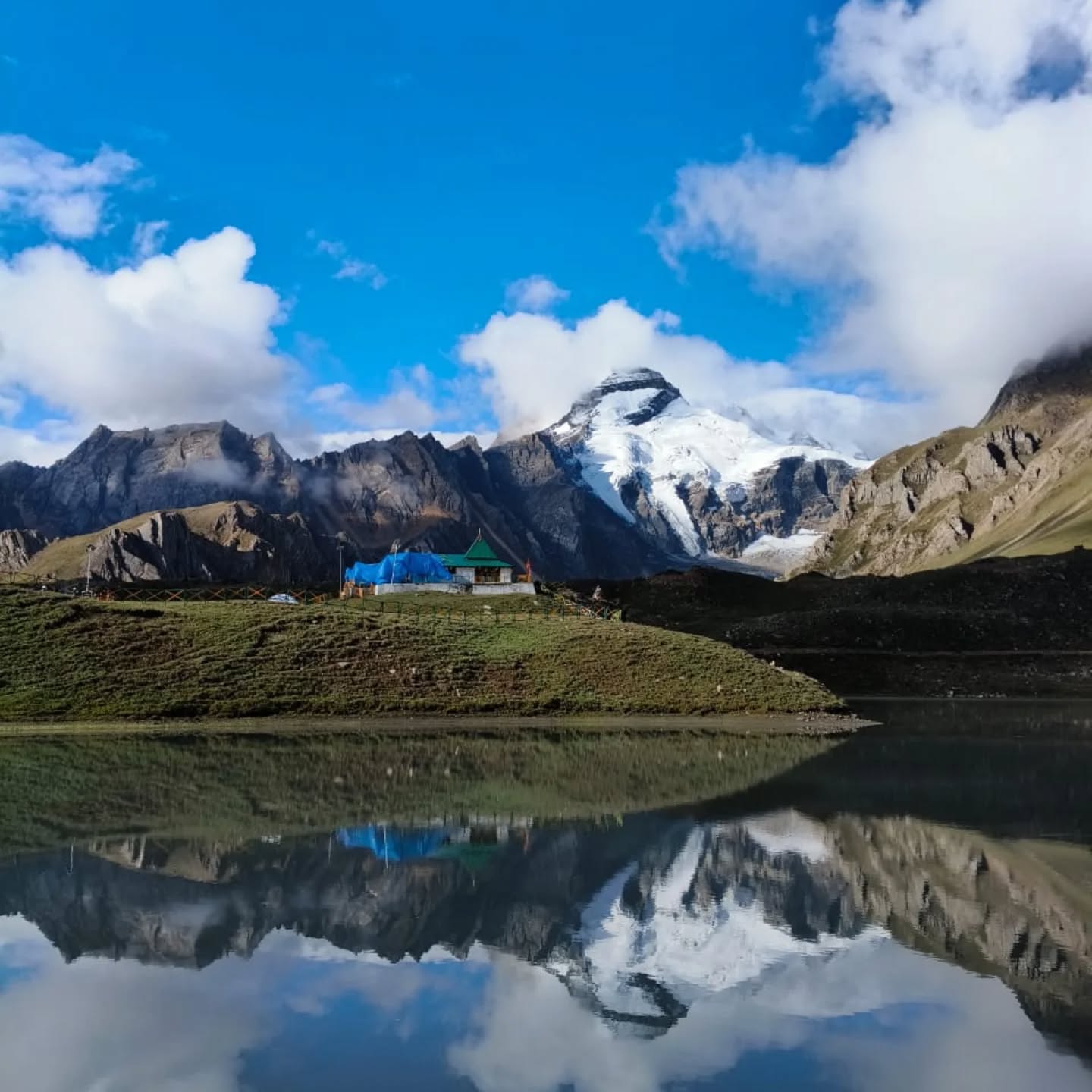
Hidden deep within the northern Himalayas of Uttarakhand, far beyond highways and crowded pilgrimage routes, rises a sacred Himalayan mountain known as Adi Kailash. Revered as one of the five holy peaks of the Panch Kailash, Adi Kailash holds profound spiritual significance for devotees, trekkers, and seekers of inner stillness. Often called Chota Kailash or Little Kailash, this sacred mountain is traditionally believed to be the original abode of Lord Shiva, predating the spiritual prominence of Mount Kailash in Tibet.
The Adi Kailash Yatra 2026 is not merely a high-altitude trek; it is a sacred pilgrimage that blends spiritual devotion, Himalayan wilderness, and ancient cultural heritage. Located in the Pithoragarh district of Uttarakhand, close to the Indo-Tibetan border, the Adi Kailash trek route passes through remote border villages, sacred lakes, alpine valleys, glacial streams, and ancient pilgrimage paths that have remained largely untouched by mass tourism.
This complete Adi Kailash travel guide 2026 provides everything required to plan a successful pilgrimage and trek, including Adi Kailash trek route and access points, Inner Line Permit process for Adi Kailash, the best time to visit Adi Kailash, and Trek difficulty and physical preparation.
Due to its location in a restricted border zone, the Adi Kailash trek requires careful planning, official permissions, physical conditioning, and strict adherence to regional regulations. Factors such as weather conditions, altitude exposure, terrain difficulty, and permit procedures play a critical role in shaping the journey. Early permit processing, proper seasonal timing, and structured preparation are essential for a safe and meaningful pilgrimage experience.
More than a destination, Adi Kailash is a transformative journey where silence, altitude, devotion, endurance, and faith converge. Every step on this sacred trail is shaped not just by geography but by spiritual tradition, ancient belief systems, and inner resilience.
Adi Kailash stands beyond the known peaks?
Adi Kailash Mountain Overview
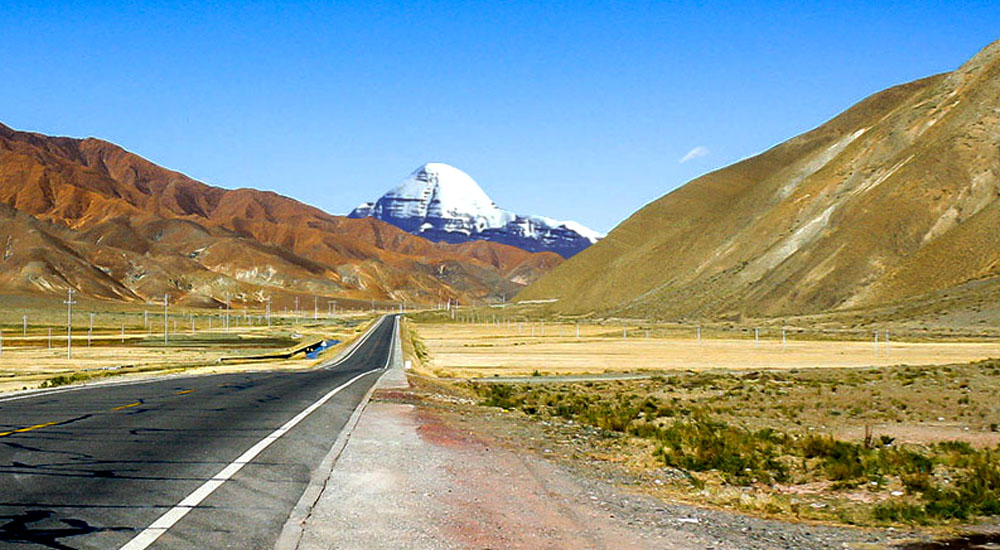
Rising to an elevation of 6,191 meters (20,312 feet), Adi Kailash Mountain is one of the most sacred Himalayan peaks in India. Known by several revered names, Chota Kailash, Shiva Kailash, and Baba Kailash, this holy mountain closely resembles Tibet’s Mount Kailash in its sharp pyramidal shape, earning it the title “Little Kailash.” Despite its comparatively smaller height, the spiritual significance of Adi Kailash is considered equally powerful among Hindu devotees and pilgrims.
Situated in the Kumaon region of Uttarakhand, Adi Kailash rises above the remote border village of Gunji, one of the last inhabited settlements near the Indo-Tibetan border. The mountain forms part of the Greater Himalayan range and is surrounded by deep ravines, glacial streams, alpine meadows, sacred lakes, and untouched high-altitude landscapes, creating a rare blend of natural beauty and spiritual geography.
Due to its remote location, restricted border-zone access, and sacred history, the Adi Kailash pilgrimage route has remained largely free from mass tourism. This isolation has preserved its pristine environment, spiritual atmosphere, and cultural purity, making the Adi Kailash Yatra one of the most spiritually profound, geographically untouched, and visually pristine Himalayan journeys in India.
Spiritual and Cultural Significance of Adi Kailash Yatra
Adi Kailash holds profound importance in Hindu belief as a sacred Himalayan manifestation of Lord Shiva’s divine abode. Ancient traditions regard it as the original spiritual seat of Shiva, where deep meditation and divine presence existed long before Mount Kailash in Tibet became the principal pilgrimage center. This belief gives Adi Kailash a unique spiritual identity that is deeply rooted in Himalayan religious history.
At the foothills of the sacred peak lie the revered water bodies of Gauri Kund (Jollingkong Lake) and Parvati Tal, where pilgrims perform prayers, rituals, and purification ceremonies. These sacred lakes are not merely geographical landmarks but powerful spiritual symbols in Hindu mythology, representing divine energy, purity, and transformation.
The entire landscape surrounding Adi Kailash forms a living spiritual geography — where ancient pilgrimage paths, natural springs, stone formations, and high-altitude valleys are woven into sacred narratives passed down through generations. This deep cultural continuity transforms the region into more than a trekking route; it becomes a sacred Himalayan pilgrimage corridor, where devotion, tradition, and natural silence merge into a profound spiritual experience.
Geography and Terrain of Adi Kailash Yatra
Location Details
Adi Kailash is located in the Pithoragarh district of Uttarakhand, within the remote Kumaon region of the Indian Himalayas. The sacred mountain lies near the small high-altitude village of Gunji, one of the last permanent settlements before the Indo-Tibetan border. This area falls within a sensitive border zone, making access regulated and preserving the region’s isolation and ecological purity.

Far removed from highways and urban centers, the region remains largely untouched by mass tourism. The long approach routes, restricted permits, and limited infrastructure ensure that the landscape retains its raw Himalayan character. This geographical isolation shapes the experience of the Adi Kailash pilgrimage, offering rare silence, minimal human interference, and a deep sense of remoteness that defines the journey.
Natural Landscapes and Geographic Features
The terrain surrounding Adi Kailash Mountain reflects the dramatic transitions of the Greater Himalayan range. Dense forest belts of pine, oak, and rhododendron dominate the lower elevations, gradually giving way to alpine meadows, glacial valleys, and barren high-altitude plateaus as the altitude increases.
Above the treeline, vegetation becomes sparse, replaced by rocky moraines, glacial debris fields, and wind-carved stone formations. Seasonal wildflowers briefly appear during the summer months, adding short-lived color to the otherwise stark landscape. Permanent snowfields, glacial streams, and steep ravines define the upper Himalayan zone, creating a rugged, high-altitude environment shaped by extreme climate conditions.
Daytime temperatures can rise moderately during summer, but nights remain cold due to elevation and thin air. Snow-covered peaks remain visible year-round, while glacial meltwater feeds rivers that carve deep valleys through the terrain. Strong winds, sudden weather shifts, and altitude-driven climate changes make the geography both visually dramatic and physically demanding.
Sacred Lakes and Water Bodies
At the base of the sacred peak lie the revered high-altitude lakes Gauri Kund (Jollingkong Lake) and Parvati Tal, both central to the Adi Kailash pilgrimage route. Located at elevations above 4,000 meters, these glacial lakes are formed by snowmelt and natural springs flowing from the surrounding mountains.
Gauri Kund holds major spiritual importance, serving as a ritual site where pilgrims perform prayers, meditation, and symbolic purification. Parvati Tal, though less frequently visited due to terrain and access conditions, carries equal spiritual significance within Hindu tradition. Frozen edges, crystal-clear waters, and silent surroundings give these sacred water bodies a timeless presence within the Himalayan landscape.

These lakes are not only spiritual landmarks but also key geographical features of the region’s fragile alpine ecosystem, reinforcing the connection between sacred belief and natural geography in the Adi Kailash Himalayas.
How to Get to Adi Kailash, Uttarakhand
Reaching Adi Kailash requires a combination of rail, road, and trekking travel due to its remote location near the Indo-Tibetan border in the Kumaon region of Uttarakhand. Because the area lies in a restricted border zone, access is regulated, and movement follows approved routes only.
Nearest Major Transportation Hubs
Kathgodam Railway Station is the primary rail gateway for the Adi Kailash Yatra. It is well connected to major Indian cities, including Delhi, Lucknow, Kolkata, and Dehradun, making it the most practical starting point for pilgrims and trekkers.
From Kathgodam, road travel leads to Pithoragarh, the district headquarters and a major logistical hub for the journey. Pithoragarh serves as a key stop for:
- Rest and acclimatization
- Food and supply purchases
- Permit coordination
- Accommodation
- Administrative formalities
The next major stop is Dharchula, the last significant town before entering the restricted border zone. Dharchula functions as the official gateway town for the Adi Kailash pilgrimage route.
Road Access and Transportation Options
Kathgodam → Pithoragarh → Dharchula is the main road corridor used for Adi Kailash travel.
Primary route:
Kathgodam → Almora → Bageshwar → Pithoragarh → Dharchula
This journey typically takes 2 days by road due to mountain terrain, narrow roads, altitude changes, and weather conditions.
From Dharchula, travelers must proceed only through authorized transport routes to reach Gunji village, the last motorable settlement on the Adi Kailash route.
Dharchula → Gunji route:
Dharchula → Tawaghat → Malpa → Budhi → Nabi → Gunji
This section is fully regulated and requires:
- Inner Line Permit
- Valid identification
- Approved transport
- Registered guide or local authority clearance
Private vehicles are often not permitted beyond Dharchula. Travel is usually conducted via:
- Government-authorized vehicles
- Shared local jeeps
- Registered tour operators
- Official pilgrimage transport services

Trekking Routes and Trail Access
The trek to Adi Kailash begins from Gunji village, which serves as the primary trekking base.
Main trekking route:
Gunji → Nabi → Kuti → Jollingkong → Gauri Kund → Adi Kailash viewpoint
This route passes through:
- High-altitude villages
- Alpine valleys
- Sacred pilgrimage trails
- Border-zone landscapes
- Ancient Himalayan footpaths
The trekking distance is approximately 15–20 km, usually completed in 2–3 days, depending on acclimatization, fitness level, and weather conditions.
The trail involves:
- Steep ascents
- Rocky terrain
- Stream crossings
- Uneven stone paths
- High-altitude exposure
Alternative Access Route (Official Route)
There is also a government-supported pilgrimage route via the Lipulekh Pass corridor, which is sometimes used for combined Adi Kailash–Om Parvat Yatra itineraries:
Dharchula → Gunji → Nabi → Kuti → Jollingkong → Adi Kailash
Dharchula → Kalapani → Nabhi → Om Parvat route (connected route system)
This route is managed under official pilgrimage circuits and is accessible only through authorized yatra programs and registered tour operators.
When to Go to Adi Kailash Yatra
Planning the Adi Kailash Yatra 2026 requires selecting the right time for safety, comfort, and a spiritually fulfilling experience. Located in the remote high-altitude Kumaon region of Uttarakhand, near the Indo-Tibetan border, Adi Kailash is accessible only during certain months due to weather, terrain, altitude, and permit regulations. Choosing the proper season ensures safer trekking conditions, smoother logistics, and a memorable pilgrimage.
Best Time to Visit Adi Kailash Yatra
The ideal months for the Adi Kailash trek are May–June and September–October. During these periods, the weather is stable, the skies are clear, and trekking routes are accessible. Snow is mostly melted at higher elevations, rivers and streams are safer to cross, and the natural beauty of alpine meadows, sacred lakes, and glaciers can be fully appreciated. Pilgrims can perform rituals at Gauri Kund and Parvati Tal while enjoying panoramic Himalayan views.
Pre-Monsoon Season: May to June
May and June are considered the pre-monsoon trekking season. Daytime temperatures at high altitude range between 10°C and 18°C, while nights can be cold. Early May may still have patches of snow on higher trails, so preparation is essential. This season also features vibrant alpine flora and longer daylight hours, making it ideal for both trekking and spiritual reflection along the Adi Kailash pilgrimage route.
Post-Monsoon Season: September to October
September and October are the post-monsoon months and are often preferred by experienced trekkers. After the monsoon rains, trails are dry, visibility is excellent, and temperatures range between 8°C and 15°C during the day, with colder nights. Fewer visitors in this season allow for a more serene spiritual experience. Clear skies make it perfect for photography and sightseeing along the Adi Kailash trek in the Himalayas.
Seasons to Avoid
The monsoon season (July–August) is unsafe due to heavy rainfall, landslides, and slippery trails. Forested sections become hazardous, and roads to Dharchula and Gunji may be blocked. Winter (November–April) is also unsuitable, with thick snow, sub-zero temperatures (-15°C to -25°C), and closed facilities. During these months, the Inner Line Permit is not issued, and trekking becomes extremely risky due to high-altitude conditions and inaccessible routes.
Official Travel Window
Authorities permit the Adi Kailash Yatra only in May–June and September–October. Travel outside these months is officially restricted for safety reasons. Adherence to this window ensures permit approval, authorized transport access, and safe trekking conditions, making the pilgrimage both secure and spiritually meaningful.
We have several options for pilgrims. If you want to explore the Mount Kailash Inner Kora Tour, you can experience the full sacred circuit. For a broader journey, check out the Kailash Mansarovar Yatra 2026–2027: Spiritual Pilgrimage via Kerung and plan your next spiritual adventure.
Permits and Travel Rules for Adi Kailash Trek
Traveling to Adi Kailash in Uttarakhand requires strict compliance with official regulations due to its location in a sensitive Indo-Tibetan border zone. Pilgrims and trekkers must obtain the Inner Line Permit (ILP), follow regulated travel routes, and maintain proper health precautions to ensure a safe and meaningful Adi Kailash Yatra or Adi Kailash pilgrimage.
Inner Line Permit (ILP) Basics
An Inner Line Permit is mandatory for all travelers heading to Adi Kailash. This permit regulates access beyond Dharchula and ensures safety in the border area. Applications are processed at the Sub-Divisional Magistrate (SDM) office in Dharchula, and entry into Gunji or trekking trails is strictly prohibited without official approval.
Required Documents for ILP:
- Government-issued photo ID (Aadhaar, Passport, or Voter ID)
- Recent passport-sized photographs
- Health clearance issued by a licensed doctor confirming fitness for high-altitude trekking
Approval may involve the Ministry of Home Affairs in Delhi, which can take several days to weeks. Solo applications often face delays, so many travelers rely on licensed tour operators who streamline paperwork and guide pilgrims through the ILP process. Regardless of support, all travelers must appear in person at the SDM office with complete and authentic documents.
Note: The Inner Line Permit (ILP) for Adi Kailash is required for all travelers. Permit issuance can sometimes change due to local regulations, seasonal closures, or special events. It is strongly recommended to verify the latest permit rules with local authorities or official offices shortly before your journey to avoid any surprises.
Health Checks and Clearances
Due to high-altitude risks, a medical certificate is required within 15 days of ILP application. Doctors evaluate conditions that could worsen with elevation, including:
- Heart problems and hypertension
- Asthma or respiratory disorders
- Recent surgeries or injuries
- Pregnancy (often restricted due to high-altitude risk)
Carrying a copy of your medical certificate is mandatory during the Adi Kailash trek. Authorities may inspect documents at checkpoints multiple times. Additionally, travelers should keep a summary of ongoing health conditions and treatments for emergencies, ensuring smooth permit compliance.
Acclimatization and AMS Prevention
High-altitude trekking to Adi Kailash requires careful acclimatization to prevent Acute Mountain Sickness (AMS). Recommended protocols include:
- Spending 1–2 acclimatization days at Gunji or lower-altitude villages
- Gradual ascent of no more than 300–500 meters per day above 3,000 meters
- Adequate hydration and avoidance of alcohol
- Regular rest breaks and attention to physical condition
- Immediate descent if severe AMS symptoms appear
Common AMS symptoms include headache, dizziness, nausea, fatigue, and shortness of breath. Following these rest protocols ensures pilgrims remain safe and fully experience the spiritual and scenic beauty of the Adi Kailash pilgrimage.
Permit Processing Tips
- Apply for the Inner Line Permit well in advance, especially during peak trekking months (May–June, September–October).
- Arrive at Dharchula at least one day before heading to Gunji to avoid last-minute delays.
- Travel to Gunji and beyond only via authorized transport; private vehicles are usually restricted.
- Tour operators can expedite ILP processing, but all paperwork must be presented in person and unaltered.
By following these rules, pilgrims can safely embark on the Himalayas trekking route to Adi Kailash, combining spiritual devotion with high-altitude adventure.
Detailed Adi Kailash Yatra Itinerary – Day‑by‑Day Guide (2026)
Day 1: Kathgodam to Pithoragarh
Your Adi Kailash Yatra begins at Kathgodam Railway Station, the principal rail hub connecting Delhi, Lucknow, Kolkata, and major Indian cities to the Uttarakhand Himalayas. From here, you embark on a scenic road journey to Pithoragarh, approximately 200 kilometers through winding hills, crisp mountain air, and views of snow‑draped peaks. The drive takes around eight hours, with opportunities to see local hill towns and forested valleys that characterize this Himalayas trekking route.
Upon arrival in Pithoragarh — the administrative center of the district — you check into simple but comfortable lodging. This town offers your first taste of high‑altitude surroundings and serves as an essential acclimatization stop before deeper travel into the Adi Kailash pilgrimage region. Use this time to rest, hydrate, and prepare for permit formalities and higher terrain ahead.
Day 2: Pithoragarh to Dharchula
On Day 2, you continue along the Adi Kailash travel route from Pithoragarh to Dharchula, a journey of about 90 kilometers that typically takes four to five hours. As you ascend, winding mountain roads narrow and gradients steepen, offering dramatic views of rivers and ridgelines. Dharchula sits at the confluence of the Dhauliganga and Kali Rivers and functions as the final major hub before entering the restricted border zone.
Here, many travelers complete the Inner Line Permit (ILP) process, which is mandatory for movement beyond this point on the Adi Kailash Uttarakhand route. Dharchula also provides last‑minute opportunities for food, supplies, and trekking gear, as services become scarce beyond the town. Plan for moderate elevation gain and slow travel, and rest well before proceeding further.
Day 3: Dharchula to Gunji
Day 3 marks your transition from the road to the start of your high‑altitude trekking adventure. Depart Dharchula before sunrise for the 70‑kilometer journey toward Gunji Village, which serves as the primary base for the Adi Kailash trek. Although the distance is short on paper, frequent security checkpoints, permit verifications, and rugged terrain extend travel time to 6–8 hours.
Gunji sits at around 3,200 meters and is your first major high‑altitude settlement. Basic guesthouses provide rest, meals, and a chance to begin acclimatization days — essential for AMS (Acute Mountain Sickness) prevention and safe progression. Use this evening to drink plenty of water, follow rest protocols, and enjoy views of the surrounding snow‑tipped ridges.
Day 4: Gunji to Jollingkong
The trekking section of the Adi Kailash pilgrimage begins in earnest on Day 4. From Gunji, the Himalayas trekking route climbs through alpine landscapes, crossing streams and high‑altitude meadows. You pass through small settlements like Nabi and Kuti, observing local culture and mountain life. The ascent is steady, and you should pay close attention to pacing and hydration as you climb.
This day’s trek covers approximately 10–12 kilometers and usually takes 5–7 hours, depending on fitness and weather conditions. Rest frequently — this helps maintain oxygen saturation and allows your body to adjust to altitude. Ending the day at Jollingkong, you settle for the night with scenic views and ample time to rest before the spiritual heart of the journey.
Day 5: Jollingkong to Gauri Kund (Adi Kailash Base)
On Day 5, you continue the Adi Kailash trek toward the sacred Gauri Kund (Jollingkong Lake) and Parvati Tal, both key spiritual locations on the journey. The trail from Jollingkong is shorter in distance but steeper in climb, requiring careful attention to breathing and pacing. This section is deeply meaningful for pilgrims participating in the Adi Kailash pilgrimage route, as the sacred lakes are places of prayer, purification, and reflection.

Focus on AMS prevention and follow your acclimatization and rest protocol closely; symptoms like dizziness, headache, or nausea may indicate your body needs a longer adjustment period. Many trekkers perform rituals, meditate, and take in the serene beauty of the high Himalayas around these glacial lakes. After ample spiritual time, you either camp nearby or begin your descent later in the afternoon.
Day 6: Descent from Gauri Kund to Gunji
Day 6 begins your return journey along the same trail back toward Gunji. Descending requires controlled pace and focus, especially on uneven terrain and rocky paths common in the Himalayan trekking ecosystem. Though faster than the ascent, this day still demands careful footwork and consistent hydration.
As you walk, reflect on your experience — from sacred rituals to spiritual depth at high altitudes. The atmosphere of the mountains changes subtly on descent, with each turn offering new views of snow‑capped peaks, glacial streams, and silent valleys. With acclimatization days behind you and descending altitude, your body continues adjusting safely, minimizing AMS risks.
Day 7: Gunji to Dharchula to Pithoragarh and Kathgodam
The final day of the Adi Kailash Yatra 2026 returns you to lower elevations after high-altitude trekking. From Gunji, you travel by road to Dharchula, continuing through Pithoragarh before reaching Kathgodam by evening or late afternoon. Travel times vary based on weather, road conditions, and stops for meals or services.

On this leg, you once again experience the dramatic landscapes of the Uttarakhand Himalayas, wrapping up your spiritually significant journey with memories of pristine valleys, sacred lakes, and the remote beauty of the Adi Kailash pilgrimage route. For those combining this trek with the Om Parvat pilgrimage, additional days may be included, with adjustments to acclimatize further, continue AMS prevention, and plan the route.
Note on Trekking Routes: Many pilgrims today reach Jollingkong (Parvati Sarovar/Gauri Kund) using authorized vehicles, walking only short distances to the sacred sites. However, more adventurous trekkers often choose the multi-day foot routes from Gunji or other base villages to experience the remote high-altitude trails, alpine valleys, and deeper spiritual landscapes of the Adi Kailash Yatra.
Accommodation and Facilities on the Adi Kailash Yatra
Accommodation and facilities on the Adi Kailash trek in Uttarakhand are simple, purpose-driven, and adapted to the realities of high-altitude Himalayan terrain. Unlike commercial trekking regions, the Adi Kailash pilgrimage route lies within a restricted Indo-Tibetan border zone, where infrastructure development is limited by geography, climate, and strategic regulations.
Facilities along the Adi Kailash Yatra route are designed for pilgrims, spiritual seekers, and serious trekkers, not for luxury tourism. As travelers move deeper into the Adi Kailash Himalayas, accommodation becomes progressively more basic, making planning essential for safety, comfort, and acclimatization.
Understanding where to stay, what facilities exist, and how supplies function is a core part of preparing for the Adi Kailash pilgrimage in the Greater Himalayan range.
Places to Stay in Dharchula and Gunji
Dharchula – Gateway Town of the Adi Kailash Route
Dharchula is the final major settlement before entering the restricted Adi Kailash border corridor and serves as the primary logistics hub for the Adi Kailash pilgrimage route. Located in the Kumaon region of Uttarakhand, it offers the most reliable accommodation infrastructure on the entire route.
Available lodging includes:
- Small hotels
- Trekker lodges
- Guesthouses
- Pilgrim accommodations
Typical facilities in Dharchula include:
- Clean private and shared rooms
- Regular vegetarian meals
- Seasonal hot water systems
- Basic room heating (season-dependent)
- Electricity supply
- Secure luggage storage
- Trek preparation services
Dharchula functions as the last full-comfort stop before entering the high-altitude trekking zone of the Adi Kailash Himalayas, making it the most important preparation point for permits, supplies, acclimatization, and logistics.

Gunji – Base Village of the Adi Kailash Trek
Gunji village is the official base settlement for the Adi Kailash trek route and marks the transition from motorable access to remote Himalayan trekking terrain. Accommodation here is limited to basic, community-run homestays and simple guesthouses.
Facilities typically include:
- Clean but minimal rooms
- Shared sanitation facilities
- Limited and seasonal electricity
- Manual hot water (bucket system)
- Simple home-cooked vegetarian meals
- Basic bedding
Gunji is a functional acclimatization village, not a comfort destination. All accommodations operate seasonally and remain closed during winter due to heavy snowfall, isolation, and road inaccessibility.
Gunji’s role is logistical and physiological — helping travelers adapt to altitude before moving toward the Adi Kailash sacred mountain zone.
Remote Village Stays: Nabi and Kuti
Remote Himalayan villages such as Nabi and Kuti offer traditional homestay accommodation along the Adi Kailash pilgrimage route. These are not commercial hotels but community-based shelters run by local families living in the high-altitude Indo-Tibetan border villages.
Facilities typically include:
- Floor bedding or simple beds
- Shared living spaces
- Traditional heating methods
- Home-cooked local meals
- Cultural interaction with host families
- No commercial tourism infrastructure
These villages represent the living cultural landscape of the Adi Kailash region. Staying here offers deep immersion into:
- Border-zone Himalayan life
- High-altitude survival culture
- Traditional Kumaoni mountain communities
- Indo-Tibetan cultural influences
- Spiritual pilgrimage traditions
These homestays are spiritually and culturally rich, even though facilities remain minimal.
Food and Supplies on the Adi Kailash Yatra
Food infrastructure along the Adi Kailash trek in the Himalayas is limited, seasonal, and location-dependent. As altitude increases, food availability decreases.
Meals in Dharchula and Gunji
In Dharchula and Gunji, meals are primarily vegetarian, locally sourced, and high-energy, including:
- Rice and lentils (dal)
- Roti and flatbread
- Seasonal Himalayan vegetables
- Simple curries
- Tea and basic snacks
- Traditional Kumaoni dishes
Due to cold storage limitations, altitude digestion sensitivity, and supply constraints, animal-based foods are rare and not advisable at higher elevations. Plant-based meals support better digestion, hydration, and altitude adaptation during the Adi Kailash Yatra.
Supplies Beyond Gunji (Critical Trekking Zone)
After Gunji, resupply points disappear. This zone of the Adi Kailash trek route requires full self-sufficiency.
Travelers must carry:
- Dry fruits and nuts
- Energy bars
- Protein snacks
- High-calorie foods (chocolate, dates, glucose biscuits)
- Ready-to-eat meals
- Electrolytes and ORS
- Emergency nutrition packs
This section of the Adi Kailash pilgrimage route in Uttarakhand is logistically isolated, and nutritional planning directly affects safety and trekking endurance.
Water Access and Purification
Beyond Gunji, bottled water is unavailable. Natural sources such as:
- Mountain streams
- Glacier-fed springs
- High-altitude water channels
become the only water supply.
Every trekker must carry:
- Water filter bottles
- Portable water purifiers
- Purification tablets
- Refillable hydration systems
Water purification is mandatory, not optional, on the Adi Kailash sacred mountain route, due to microbial risk and the absence of medical infrastructure.
Trek Difficulty and Preparation
Physical Fitness Requirements for the Adi Kailash Trek
The Adi Kailash trek in Uttarakhand is classified as a moderate-to-challenging high-altitude Himalayan trek, where difficulty increases progressively due to altitude gain, rugged terrain, long walking hours, and remote conditions.
Although the trail does not involve technical climbing, the combination of steep ascents, rocky paths, uneven mountain trails, river crossings, and high elevation places sustained physical and mental demands on trekkers.
Daily trekking durations typically range from 5 to 7 hours, often at elevations exceeding 3,500–4,000 meters, where oxygen levels are lower, and fatigue builds more quickly. The real challenge of the Adi Kailash trekking route is not extreme terrain but endurance, stamina, and consistent movement at altitude, where even simple walking becomes physically taxing. '
Cardiovascular fitness, leg strength, balance, and mental resilience are essential, as the body must adapt to continuous altitude exposure, temperature changes, and prolonged exertion over multiple days.
To prepare properly for the Adi Kailash Yatra and trekking journey, physical conditioning should begin at least 8–12 weeks before departure. Training should focus on:
- Cardiovascular endurance (brisk walking, jogging, cycling, stair climbing)
- Leg strength (squats, lunges, step-ups, hill walking with a backpack)
- Core stability and balance
- Long-distance walking practice with a load
This conditioning builds the stamina required for sustained trekking and reduces fatigue, injury risk, and altitude stress during the Adi Kailash pilgrimage trek.
Altitude Acclimatization and AMS Prevention Strategy
Altitude is the primary difficulty factor on the Adi Kailash Himalayan trek, as the route rises rapidly from lower valleys to elevations above 4,000 meters. Proper acclimatization is essential to prevent Acute Mountain Sickness (AMS) and other altitude-related illnesses. The body needs time to adapt to reduced oxygen levels, which is why slow ascent, rest days, hydration, and controlled pacing are critical for a safe journey.
Common altitude sickness symptoms include:
- Headache
- Nausea or vomiting
- Dizziness
- Fatigue
- Loss of appetite
- Breathlessness
- Sleep disturbance
If symptoms worsen, immediate descent is the safest response. Ignoring AMS symptoms can lead to serious conditions such as HAPE (High Altitude Pulmonary Edema) or HACE (High Altitude Cerebral Edema), which are life-threatening.

Effective AMS prevention and acclimatization practices include:
- Gradual altitude gain
- Scheduled acclimatization days
- Drinking plenty of fluids
- Avoiding alcohol and smoking
- Eating light, high-energy meals
- Maintaining a slow trekking pace
- Proper rest protocol
- Avoiding overexertion
- Medical consultation before using Diamox (Acetazolamide)
Successful completion of the Adi Kailash trek route in the Himalayas depends more on altitude adaptation and endurance management than physical strength alone. Proper preparation, structured acclimatization, and disciplined pacing transform a difficult pilgrimage into a safe, spiritually fulfilling Himalayan journey.
Essential Packing List for the Adi Kailash Yatra Trek
Proper packing is critical for the Adi Kailash pilgrimage trek in Uttarakhand due to its high-altitude terrain, unpredictable Himalayan weather, remote trekking routes, and limited facilities. The region’s isolation and climate demand practical, functional, and safety-focused gear rather than luxury items. Every item should serve a purpose related to warmth, safety, altitude adaptation, and trekking comfort.
Clothing for High-Altitude Conditions
For the Adi Kailash trek in Uttarakhand, layered clothing is essential due to extreme temperature variation caused by altitude, wind exposure, and Himalayan weather patterns.
Trekkers must carry thermal innerwear, insulated fleece jackets, waterproof and windproof outer layers, quick-dry trekking pants, and cold-protection accessories such as woolen caps, insulated gloves, thermal socks, sun hats, and UV-protection sunglasses.
Layering allows the body to regulate temperature efficiently during ascents, acclimatization days, and overnight stays in high-altitude villages, making it a core safety requirement for the Adi Kailash Yatra and Himalayan trekking routes.
Footwear Essentials
Footwear plays a critical role on the Adi Kailash Himalayan trekking route, where rocky trails, uneven terrain, river crossings, and steep ascents are common.
Trekkers must use waterproof trekking boots that are well broken-in before the journey to prevent blisters and injuries, along with lightweight footwear or sandals for rest periods in lodges and homestays.
Multiple pairs of trekking socks, including thermal and moisture-wicking types, help maintain foot health, prevent cold injuries, and ensure comfort during long walking hours in high-altitude conditions.
Trekking Gear and Equipment
The remote and rugged nature of the Adi Kailash pilgrimage route requires essential trekking gear for safety and stability. Trekking poles support balance on steep slopes and protect knees during descents, while a headlamp with spare batteries ensures visibility in low-light conditions.
A 35–40 liter trekking backpack provides adequate capacity for essentials, and a hydration system with at least 2 liters of water storage supports altitude hydration. A sleeping bag is strongly recommended for cold nights in mountain villages and basic homestays, where insulation and heating are limited.
Personal, Medical, and Health Essentials
Health preparation is fundamental for the Adi Kailash trek, especially due to altitude-related risks and limited medical access in remote Himalayan regions.
Trekkers should carry a basic first-aid kit, altitude sickness medication (only with medical consultation), personal prescriptions, high-SPF sunscreen, UV-protection lip balm, toilet paper, wet wipes, and hand sanitizer.
These items support AMS prevention, hygiene maintenance, infection control, and physical safety, making them essential for a secure and sustainable high-altitude pilgrimage experience.
Mandatory Documents
Due to the restricted border-zone status of Adi Kailash, travelers must carry official documentation at all times, including original government-issued photo identification with photocopies, the Inner Line Permit, a medical fitness certificate, travel insurance papers, and emergency contact information. These documents are required at multiple military and administrative checkpoints along the Adi Kailash trekking corridor, and failure to present them can result in denied access, travel delays, or route restrictions.
Factors That Influence Cost
The total Adi Kailash trek cost is influenced by multiple variables, including season of travel, road accessibility, weather conditions, permit processing, accommodation type, transport method, guide services, trekking logistics, food supply, and safety arrangements. Because the region lies in a restricted Himalayan border zone, costs fluctuate based on infrastructure access, administrative permissions, and environmental conditions rather than standard tourism pricing models.
Seasonal Cost Variation
The cost of the Adi Kailash Yatra changes significantly with the season. During peak months (May–June and September–October), high demand, limited permits, restricted transport availability, and increased guide requirements raise overall expenses.
Shoulder season periods (early May and late September) offer slightly lower costs but depend heavily on weather stability and road access. During the monsoon and winter seasons, the route remains officially closed due to landslides, snow blockages, permit suspension, and safety risks, making travel legally and physically impossible.
Typical Budget Components
A complete Adi Kailash pilgrimage budget typically includes transportation from Kathgodam to Dharchula and Gunji, Inner Line Permit processing, medical certification costs, accommodation, meals, trekking logistics, guide services, support staff, safety planning, and emergency management arrangements. Because the route is remote and the infrastructure is limited, every component contributes directly to operational cost and travel safety.
Budget Planning Tip
During quieter months - such as early May or late October - fewer visitors mean lower prices for lodging, along with better terms when arranging rides locally. When several people share a tour, travel fees are divided, bringing down individual spending noticeably.
Instead of buying bottled water, bringing a reusable bottle together with purification tablets cuts expenses and limits plastic trash. Before departure, making simple energy snacks plus trail mix proves cheaper compared to purchases made during travel, where prices rise near tourist areas.
Tour Package vs. Independent Travel
Travel through structured itineraries usually ranges between ₹30,000 and ₹60,000, covering transport, lodging, food, official permissions, and guided support. Though such arrangements reduce coordination efforts, adaptability during the trip tends to be limited.
Venturing solo demands careful preparation; unpredictability may arise, yet personal choice expands notably. Cost efficiency becomes possible when arranging elements separately, even if time investment increases accordingly.
Safety and Health Considerations for Adi Kailash Yatra
Managing Altitude Sickness (AMS Prevention)
Altitude sickness is one of the most serious health risks on the Adi Kailash trek in Uttarakhand, as the route involves rapid elevation gain into high-altitude Himalayan terrain above 4,000 meters. Proper acclimatization is the most effective prevention strategy. Gradual ascent, planned rest days, slow trekking pace, and controlled breathing help the body adapt naturally to reduced oxygen levels.
Trekkers should maintain consistent hydration, consuming 3–4 liters of water daily, and follow a light, carbohydrate-rich diet for better oxygen utilization. Alcohol, smoking, and sleeping pills must be strictly avoided during ascent, as they worsen oxygen deprivation and slow physiological adaptation.
Early symptoms of Acute Mountain Sickness (AMS) include headache, nausea, dizziness, fatigue, loss of appetite, and disturbed sleep. These signs should never be ignored. Immediate rest, hydration, and halting ascent are essential at the first signs of discomfort. In severe cases, AMS can progress into HAPE (High-Altitude Pulmonary Edema) or HACE (High-Altitude Cerebral Edema) — life-threatening conditions marked by breathlessness at rest, chest tightness, confusion, loss of coordination, and altered consciousness.
In such situations, immediate descent to a lower altitude and emergency medical assistance are critical. Preventive medication such as Diamox (Acetazolamide) may be used only after medical consultation and should never replace acclimatization protocols.
Weather-Related Hazards in the Adi Kailash Himalayas
The Adi Kailash Himalayan region is characterized by highly unpredictable mountain weather. Conditions can shift rapidly from clear skies to storms within hours. Afternoon cloud build-up, sudden rainfall, and strong winds are common, especially during seasonal transitions. Landslides and road blockages frequently occur near Dharchula, Gunji, and Tawaghat, making route planning and weather monitoring essential for safety.
High-altitude solar radiation is another major risk. Due to a thinner atmosphere and snow reflection, UV exposure is extremely intense, increasing the risk of sunburn, snow blindness, and eye damage. Proper protection using high-SPF sunscreen (SPF 50+), UV-protected sunglasses, wide-brim hats, and full-sleeve clothing is essential. Cold winds combined with sunlight can cause rapid dehydration, making hydration and skin protection equally important for health and endurance.
General Safety Guidelines for the Adi Kailash Trek
The Adi Kailash pilgrimage route passes through extremely remote Himalayan border zones with limited infrastructure, weak communication networks, and restricted emergency access. Mobile connectivity is unreliable beyond Dharchula, and in many sections, completely unavailable. For organized groups and long routes, satellite communication devices are recommended for emergency preparedness.
Solo trekking in the Adi Kailash region is strongly discouraged due to terrain risks, altitude hazards, border regulations, and lack of rescue infrastructure. Travel should always be undertaken with registered guides, authorized tour operators, or organized pilgrimage groups. Sharing your itinerary, route plan, and travel schedule with family members before departure is essential for emergency preparedness.
Strict compliance with border security regulations, army checkpoints, and restricted zones is mandatory due to the proximity of the Indo-Tibetan border. Photography restrictions, movement regulations, and military protocols must be respected at all times. Unauthorized movement can result in serious legal and security consequences
Frequently Asked Questions (FAQs) – Adi Kailash Yatra
How high is Adi Kailash Mountain?
Adi Kailash Mountain rises to an elevation of approximately 6,191 meters (20,312 feet), making it one of the most sacred high-altitude peaks in the Indian Himalayas. However, pilgrims and trekkers do not climb the peak itself.
The Adi Kailash pilgrimage route usually reaches elevations around 4,000–4,300 meters, primarily up to Gauri Kund (Jollingkong Lake) and the Adi Kailash viewpoint area, which are the main spiritual and trekking destinations.
How long is the Adi Kailash trek?
The trekking distance from Gunji village to Adi Kailash base and back is approximately 15–20 km one way (30–40 km round trip). The trekking portion typically takes 2 to 3 days, depending on acclimatization, weather, and physical fitness.
When including road travel from Kathgodam → Pithoragarh → Dharchula → Gunji, the complete Adi Kailash Yatra itinerary typically takes 7 to 10 days.
Is an Inner Line Permit required for Adi Kailash Yatra?
Yes. An Inner Line Permit (ILP) is mandatory for all travelers, including Indian citizens, because Adi Kailash is located in a restricted border zone near the Indo-Tibetan frontier.
The permit must be obtained from the Sub-Divisional Magistrate (SDM) Office in Dharchula before traveling toward Gunji and the Adi Kailash trekking route. Without a valid permit, entry beyond Dharchula is legally prohibited.
What is the best time to visit Adi Kailash Yatra?
The best time for the Adi Kailash Yatra is during the two official trekking seasons:
- May to June (pre-monsoon season)
- September to October (post-monsoon season)
These months offer stable weather, open routes, safer trekking conditions, and clear mountain views.
July–August (monsoon season) is dangerous due to landslides and road blockages, while November–April is closed due to heavy snowfall, extreme cold, and inaccessible routes.
How difficult is the Adi Kailash trek?
The Adi Kailash trek difficulty is classified as moderate to challenging. While it does not involve technical climbing, it includes:
- High-altitude exposure
- Steep ascents and descents
- Rocky and uneven terrain
- Long walking hours
- Limited infrastructure
- Remote border-zone conditions
Good physical fitness, basic trekking experience, altitude preparedness, and acclimatization are essential for a safe and successful pilgrimage.
Where does the Adi Kailash trek start?
The official trekking route begins from Gunji village in the Pithoragarh district of Uttarakhand. However, the journey toward Adi Kailash typically starts much earlier from Kathgodam Railway Station, followed by multi-day road travel via Pithoragarh and Dharchula before reaching Gunji.
Can elderly people undertake the Adi Kailash pilgrimage?
Yes, elderly travelers can undertake the Adi Kailash Yatra if they are medically fit and cleared by a doctor. The journey requires careful pacing, proper acclimatization days, and physical support.
Hiring porters, traveling with registered tour operators, and following a slow ascent schedule significantly improve safety for senior pilgrims. Medical clearance is essential before planning the journey.
Are ATMs and digital payments available on the route?
ATM facilities are reliably available only up to Pithoragarh. Dharchula may have limited banking access, but services are inconsistent and unreliable. Beyond Dharchula, including Gunji and trekking villages, there are no ATMs, no digital payment systems, and no reliable mobile connectivity.
Travelers must carry sufficient cash for the entire journey beyond Pithoragarh. Digital payments, UPI, and card transactions generally do not function in the high-altitude border region.
Is Adi Kailash safe for solo trekking?
Solo trekking is not recommended on the Adi Kailash pilgrimage route due to remoteness, border regulations, altitude risks, and limited rescue infrastructure. Traveling with a registered guide, group, or authorized tour operator is strongly advised for safety, permit compliance, and emergency support.
Do foreigners need special permission for Adi Kailash?
Yes. Foreign nationals require special government clearance in addition to standard permits due to the sensitive border-zone location. Access is usually possible only through authorized tour operators and official pilgrimage programs with government approval.
Is Adi Kailash more of a trek or a pilgrimage?
Adi Kailash is both a high-altitude Himalayan trek and a sacred Hindu pilgrimage. Spiritually, it is revered as the original abode of Lord Shiva, while geographically it is one of the most remote and pristine trekking routes in the Greater Himalayan range. The journey combines faith, endurance, spirituality, and wilderness exploration into a single transformative experience.
Places Nearby Worth Visiting on the Adi Kailash Trek
The Adi Kailash pilgrimage does not end at the sacred mountain itself. The surrounding region in Pithoragarh district, Uttarakhand, offers several spiritual, cultural, and natural landmarks worth exploring. Trekkers and pilgrims often include these sites in extended itineraries to enrich their journey through the Himalayas trekking route, combining high-altitude adventure with deep spiritual significance.
Om Parvat – The Sacred “Om” Snow Mountain
Om Parvat, located along the Adi Kailash trekking route in Uttarakhand, is famed for its snow pattern that naturally forms the sacred “Om” symbol. This high-altitude peak draws both pilgrims and trekkers who seek spiritual significance combined with breathtaking Himalayan landscapes.
Situated near Gunji, Om Parvat is often included in guided Adi Kailash Yatra itineraries, offering travelers a rare chance to witness a naturally occurring symbol deeply revered in Hindu tradition.

The Panch Kailash Circuit – Five Sacred Mountains
The Panch Kailash Circuit is a spiritual network of five sacred peaks: Adi Kailash, Kinnaur Kailash, Manimahesh Kailash, Shrikhand Kailash, and Tibet’s Mount Kailash. Each mountain holds unique religious and cultural significance, forming a revered pilgrimage path across the Indian and Tibetan Himalayas.
Many devoted travelers aim to complete multiple peaks, while trekking enthusiasts appreciate the challenging terrain, high-altitude routes, and stunning landscapes that define the circuit. The Panch Kailash journey is both a test of endurance and a path to spiritual fulfillment.
Parvati Tal (Gauri Kund) – Sacred High-Altitude Lake
Parvati Tal, also called Gauri Kund, is a serene glacial lake at the base of Adi Kailash, standing at around 4,000 meters. Pilgrims perform rituals, prayers, and purification ceremonies here, making it one of the most sacred stops on the Adi Kailash trek. The lake’s pristine waters, surrounded by snow-capped peaks, offer tranquility and spiritual reflection, while trekkers experience the stunning natural beauty of the upper Himalayan region.

Kali Temple – Frontier Spiritual Landmark
Close to the Indo-Tibetan border, the Kali Temple is a sacred site that reflects the enduring traditions of high-altitude Himalayan communities. Located near remote villages along the Adi Kailash trail, the temple provides insight into local faith practices and mountain culture. Pilgrims often stop here to pay respects, making it an integral part of the Adi Kailash pilgrimage experience.
Tips for a Successful Adi Kailash Yatra
Respect Local Culture and Traditions
The Adi Kailash trek passes through remote Himalayan villages near the Indo-Tibetan border, where communities maintain unique Kumaoni and Tibetan-influenced traditions. Pilgrims and trekkers should show respect by seeking permission before photographing people, homes, or sacred sites. Wearing modest clothing demonstrates cultural sensitivity and aligns with local values that have persisted due to the region’s isolation.
Simple gestures, such as removing footwear before entering homes or temples, convey reverence and understanding of high-altitude Himalayan customs. Learning a few basic words in Hindi or Kumaoni can also foster warmer interactions with locals along the Adi Kailash pilgrimage route.
Acclimatization and Hydration
Proper altitude acclimatization is essential on the Adi Kailash trek, as rapid ascent can increase the risk of Acute Mountain Sickness (AMS). Incorporating rest days into the itinerary allows the body to adjust to higher elevations safely. Pilgrims should maintain consistent hydration, drinking small amounts frequently, and avoid alcohol or sleep-inducing medications while ascending.
Meals should be light and regular to sustain energy, and trekkers must monitor for early AMS symptoms such as headaches, dizziness, or nausea. Slow, steady progress combined with sufficient water intake ensures both physical safety and spiritual focus during the journey.
Carrying Sufficient Cash
Electronic payment options are extremely limited on the Adi Kailash trekking route. While Pithoragarh may have functional ATMs, Dharchula and villages beyond (like Gunji, Nabi, and Kuti) often lack reliable banking services. Trekkers should carry enough physical currency to cover accommodation, food, porter services, local transport, and emergency needs. Smaller denominations are preferred for village-level transactions, as larger notes are often difficult to exchange. Planning ensures uninterrupted travel across the remote Uttarakhand border region.
Environmental Responsibility
The fragile Himalayan ecosystem requires responsible trekking and pilgrimage practices. All non-biodegradable waste must be carried back to towns or disposal centers, and natural water sources like streams and lakes must remain uncontaminated. Personal hygiene should use eco-friendly products, and cleaning should be done at a safe distance from water bodies.
Supporting local economies by purchasing supplies, meals, and handicrafts locally helps communities along the Adi Kailash route while minimizing the environmental footprint. Respecting nature ensures the Adi Kailash Yatra remains a sustainable and spiritually enriching experience for future pilgrims.
Conclusion: Completing the Adi Kailash Yatra
The Adi Kailash trek is more than a journey through the Uttarakhand Himalayas—it is a profound combination of spiritual devotion, physical endurance, and high-altitude adventure. Successful completion requires careful preparation, including securing an Inner Line Permit, planning around the best seasons (May–June and September–October), maintaining physical fitness, and budgeting for trekking logistics. Understanding altitude challenges, acclimatization strategies, and emergency preparedness is essential for safety on this remote pilgrimage route.
Travelers experience vast alpine landscapes, sacred lakes like Gauri Kund (Parvati Tal), and culturally rich villages such as Dharchula, Gunji, Nabi, and Kuti, where local traditions shape interactions and provide insight into life along the Indo-Tibetan border. Each step along the Adi Kailash Yatra route blends spiritual reflection with exposure to rugged Himalayan terrain, offering moments of quiet contemplation beneath towering peaks, including the iconic Om Parvat.
Preparation extends beyond physical training—it also involves respecting local culture, carrying sufficient cash and supplies, and practicing environmental responsibility to preserve this fragile high-altitude ecosystem. Pilgrims who follow these guidelines can safely navigate the challenges of uneven trails, extreme weather, and limited facilities, while fully immersing themselves in the sacred Panch Kailash circuit experience.
Ultimately, the Adi Kailash pilgrimage rewards dedication and perseverance with unparalleled views, serene highland solitude, and deep spiritual fulfillment. Those who undertake it leave with memories of both the Himalayas’ majestic beauty and the inner growth that comes from facing its challenges. With careful planning, the journey becomes not only a physical trek but a transformative spiritual adventure in one of India’s most remote and sacred Himalayan regions.
Comments (0)
Write a comment- Adi Kailash stands beyond the known peaks?
- Adi Kailash Mountain Overview
- Spiritual and Cultural Significance of Adi Kailash Yatra
- Geography and Terrain of Adi Kailash Yatra
- Location Details
- Natural Landscapes and Geographic Features
- Sacred Lakes and Water Bodies
- How to Get to Adi Kailash, Uttarakhand
- Nearest Major Transportation Hubs
- Road Access and Transportation Options
- Trekking Routes and Trail Access
- Alternative Access Route (Official Route)
- When to Go to Adi Kailash Yatra
- Best Time to Visit Adi Kailash Yatra
- Seasons to Avoid
- Official Travel Window
- Permits and Travel Rules for Adi Kailash Trek
- Inner Line Permit (ILP) Basics
- Health Checks and Clearances
- Acclimatization and AMS Prevention
- Permit Processing Tips
- Detailed Adi Kailash Yatra Itinerary – Day‑by‑Day Guide (2026)
- Day 1: Kathgodam to Pithoragarh
- Day 2: Pithoragarh to Dharchula
- Day 3: Dharchula to Gunji
- Day 4: Gunji to Jollingkong
- Day 5: Jollingkong to Gauri Kund (Adi Kailash Base)
- Day 6: Descent from Gauri Kund to Gunji
- Day 7: Gunji to Dharchula to Pithoragarh and Kathgodam
- Accommodation and Facilities on the Adi Kailash Yatra
- Places to Stay in Dharchula and Gunji
- Food and Supplies on the Adi Kailash Yatra
- Water Access and Purification
- Trek Difficulty and Preparation
- Physical Fitness Requirements for the Adi Kailash Trek
- Altitude Acclimatization and AMS Prevention Strategy
- Essential Packing List for the Adi Kailash Yatra Trek
- Clothing for High-Altitude Conditions
- Footwear Essentials
- Trekking Gear and Equipment
- Personal, Medical, and Health Essentials
- Mandatory Documents
- Factors That Influence Cost
- Seasonal Cost Variation
- Typical Budget Components
- Budget Planning Tip
- Tour Package vs. Independent Travel
- Safety and Health Considerations for Adi Kailash Yatra
- Managing Altitude Sickness (AMS Prevention)
- Weather-Related Hazards in the Adi Kailash Himalayas
- General Safety Guidelines for the Adi Kailash Trek
- Frequently Asked Questions (FAQs) – Adi Kailash Yatra
- How high is Adi Kailash Mountain?
- How long is the Adi Kailash trek?
- Is an Inner Line Permit required for Adi Kailash Yatra?
- What is the best time to visit Adi Kailash Yatra?
- How difficult is the Adi Kailash trek?
- Where does the Adi Kailash trek start?
- Can elderly people undertake the Adi Kailash pilgrimage?
- Are ATMs and digital payments available on the route?
- Is Adi Kailash safe for solo trekking?
- Do foreigners need special permission for Adi Kailash?
- Is Adi Kailash more of a trek or a pilgrimage?
- Places Nearby Worth Visiting on the Adi Kailash Trek
- Om Parvat – The Sacred “Om” Snow Mountain
- The Panch Kailash Circuit – Five Sacred Mountains
- Parvati Tal (Gauri Kund) – Sacred High-Altitude Lake
- Kali Temple – Frontier Spiritual Landmark
- Tips for a Successful Adi Kailash Yatra
- Respect Local Culture and Traditions
- Acclimatization and Hydration
- Carrying Sufficient Cash
- Environmental Responsibility
- Conclusion: Completing the Adi Kailash Yatra
Read the latest Blogs & Insights
Explore our collection of articles and insights to gain in-depth travel knowledge, expert advice, and stay updated on the latest trends and tips.

Best Photography Spots on Popular Treks


No comments yet.