


Best Season for Everest Base Camp Trek
Mount Everest is the highest mountain in the world, standing at an elevation of 8,848 meters (29,029 feet) above sea level. Located in the Himalayas on the border between Nepal and Tibet, Mount Everest is the crowning jewel of the Himalayas and a symbol of human achievement and endurance.
-
 Sobit Bhandari
-
20 December, 2024
-
16 mins read
-
1840 Views
-
0 Comments


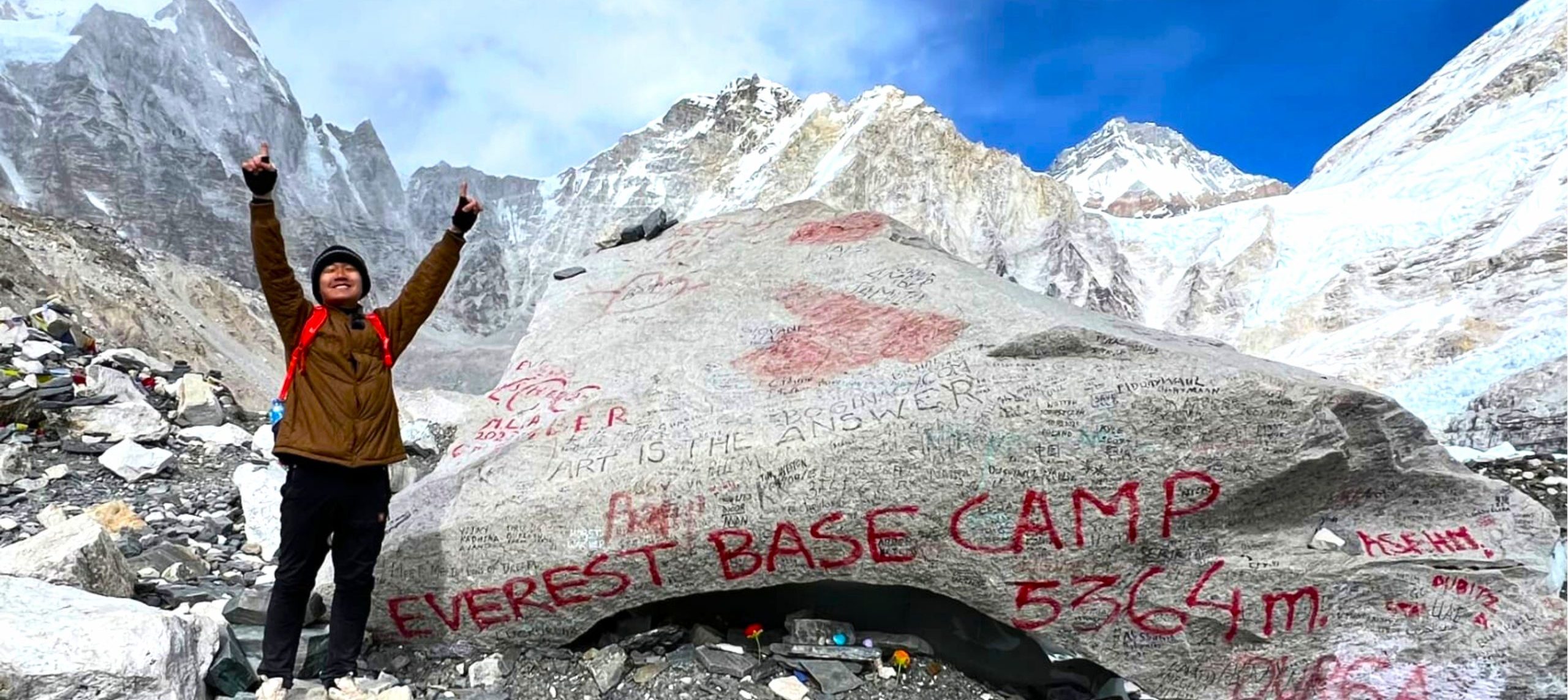
Everest Base Camp feels like stepping into a living legend, where towering icefalls glitter beneath endless skies and the silence of the Himalayas is louder than words ever could be. Surrounded by snowy giants and raw alpine beauty, there is a quiet magic about Mount Everest that is humbling, inspiring, and unforgettable to every soul who reaches it.
The most iconic trekking adventure, the Everest Base Camp Trek, draws a large number of trekkers every year who long for a glimpse of the foot of the world's highest peak, Mount Everest. The trek takes you through the beautiful and diverse landscapes of the Sagarmatha National Park, a UNESCO World Heritage site. For those planning their journey, knowing the best season for the Everest Base Camp trek is essential to enjoy clear views, safe trails, and the region's natural beauty. It offers the opportunity to learn about the culture and traditions of the Sherpa people, who have a deep connection with the mountain.
The trek is a physically demanding journey that requires a good fitness level and mental toughness, but the rewards are well worth the effort. It's a chance to step out of your comfort zone, face your fears, and test your limits while experiencing the region's beauty and culture.
Overview: Weather and Seasons in the Everest Region
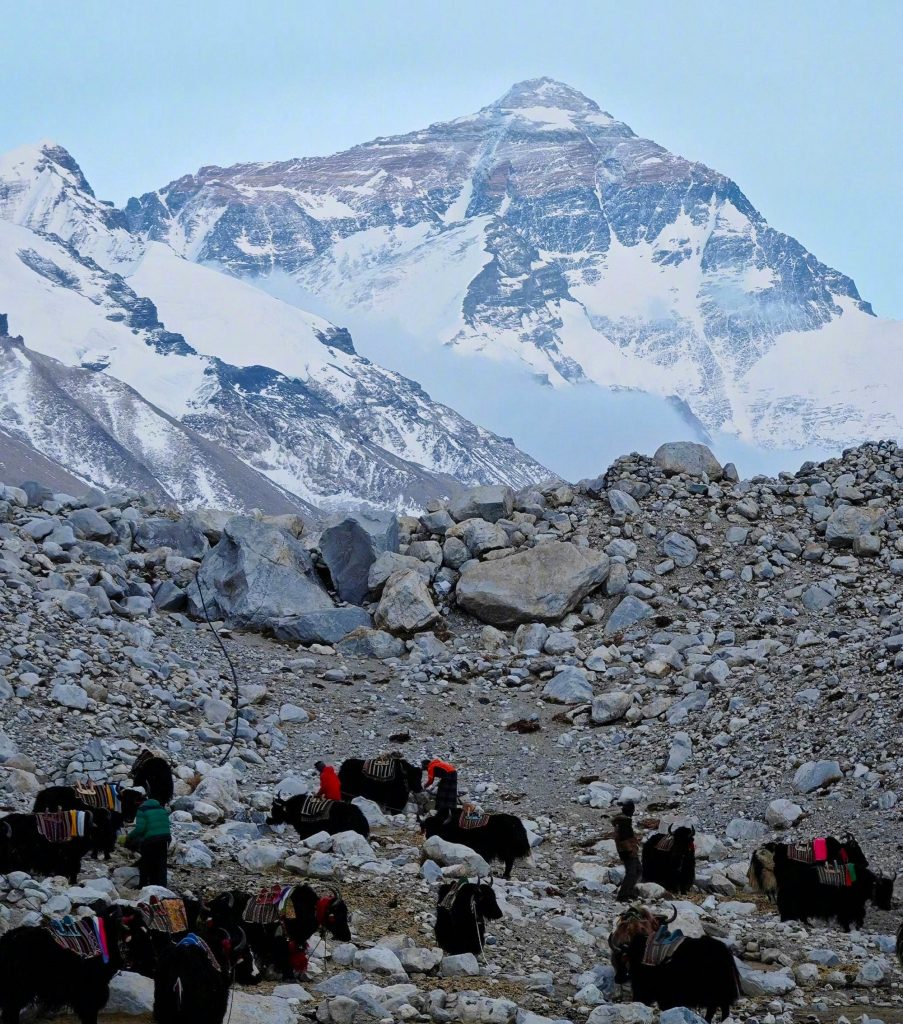
The climate in the Everest region exhibits significant variations from season to season; altitude is a crucial factor in determining this climate. The higher the trekkers go on this trek, the lower the temperatures they face. There will be colder nights, along with heavy winds; this is particularly true above 4,000 meters. Knowing this climatic detail will help trekkers in planning their trek accordingly.
The Everest region experiences four seasons: Spring, Autumn, Winter, and Monsoon. During Spring (March to May), the Everest region is characterized by mild temperatures during the day, blooming rhododendron, and more stable weather patterns. During Autumn (September to November), the region gets clear weather with dry air, along with clear visibility to the mountains.
Winter (December to February) is characterized by low temperatures with constant chances of snowfall, but with minimal tourist presence, along with clear visibility. During the monsoon season (June to August), the Everest region gets rainy weather with low visibility in the lowland areas, along with quite a bit of cloud cover in the higher regions, despite receiving low precipitation.
Altitude has a critical role in determining the Everest trekking weather. The lower areas of Lukla and Namche Bazaar offer relatively milder conditions, while in the higher areas like Dingboche, Lobuche, and Everest Base Camp, sub-zero temperatures are experienced, especially at night. The winds at higher points get stronger as well, which contributes to low temperatures.
Weather conditions have a significant impact on trail conditions and visibility. Good weather makes for easy trails and good visibility for viewing Mount Everest and other peaks. Weather conditions such as rain and snow can make trails slippery and visibility poor because it may lead to delays in flights to Lukla. Hence, it is very important to choose the appropriate time to have a safe trek and enjoy good Himalayan views.
Best season for the Everest Base Camp Trek
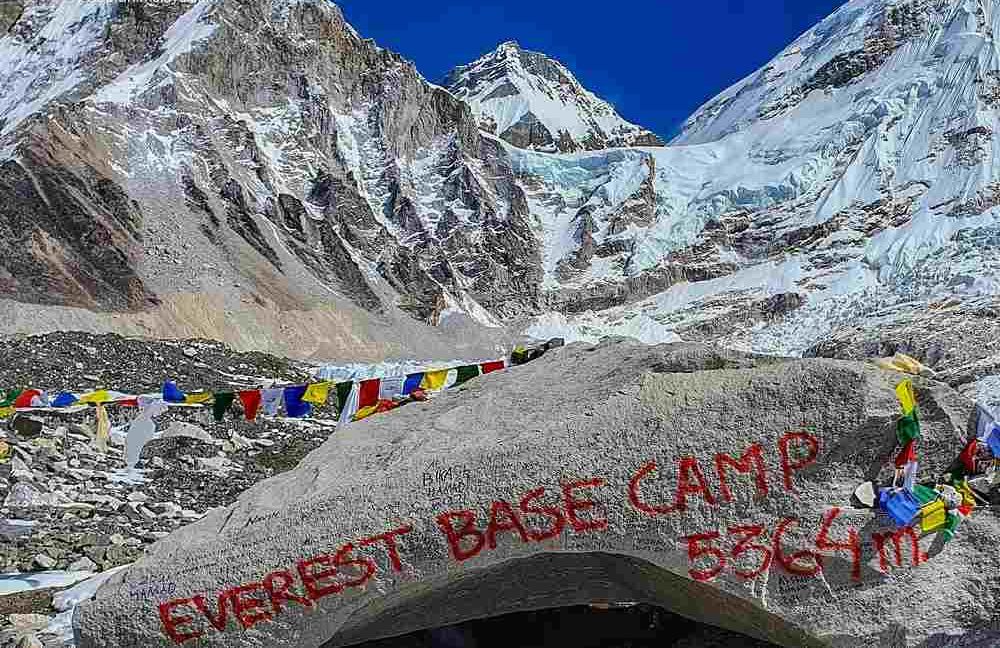
The best season for the Everest Base Camp Trek depends on your personal preference and the type of experience you are looking for. Here are a few things to consider:
1. Autumn (September to November)
Autumn is the peak season for the Everest Base Camp Trek, favored for its crisp air and comfortable temperatures. After the monsoon rains wash away dust and pollution, the mountains appear sharp and crystal-clear, offering some of the best views of the entire year.
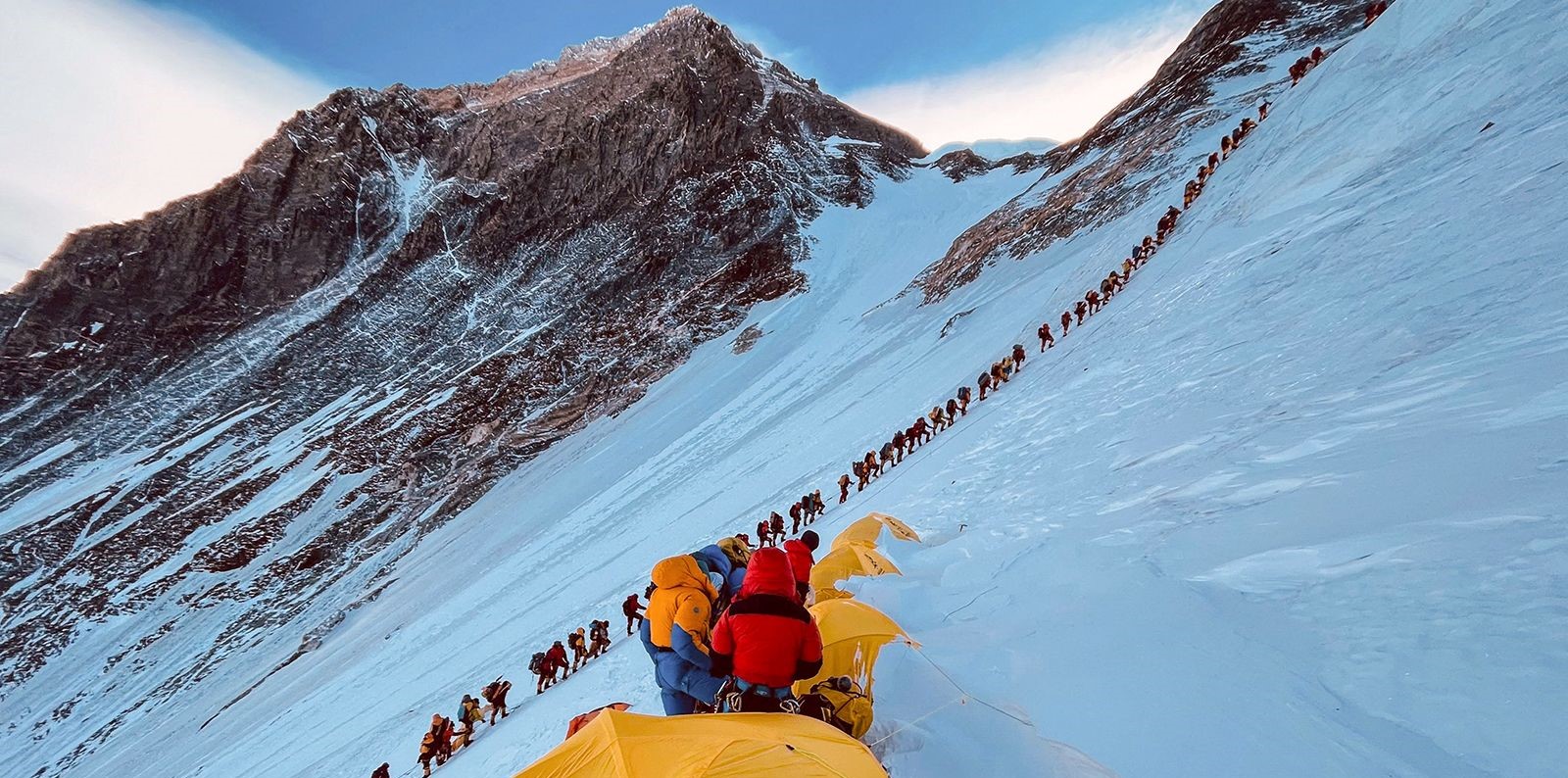
The temperature at the base camp starts to drop, with an average low of around -10°C (14°F) at night and a high of around 10°C (50°F) during the day. This is the most popular time to trek to the Everest Base Camp, as the weather is generally clear and stable, with warm days and cool nights. The views of the mountains are also typically very clear during this time. However, the trails can be quite crowded, as this is the best season for the Everest Base Camp Trek.
2. Spring (March to May)
Spring is widely regarded as one of the best seasons for the Everest Base Camp Trek, which offers stable weather, mild temperatures, and vibrant natural beauty. During this season, the skies are generally clear, offering uninterrupted views of Mount Everest, Lhotse, Nuptse, and Ama Dablam. The lower trails come alive with blooming rhododendron forests, adding color and charm to the trek.
These are the spring months, and the temperature at the base camp starts to warm up, with an average low of around -10°C (14°F) at night and a high of around 10°C (50°F) to 15°C (59°F) during the day. Trail conditions in spring are mostly dry and well-maintained, making walking comfortable even at higher altitudes. However, the trails can still be quite crowded, and there is a chance of avalanches due to the melting snow.
Trekking in Low-Seasons
1. Winter (December to February)
Everest Base Camp trek during winter is a completely different experience. The skies are often crystal-clear, providing breathtaking Himalayan views. The winter months can be a good time to visit the Everest Base Camp if you want a less crowded and more peaceful, and personal trekking experience.
The temperature at the base camp can drop to as low as -20°C (-4°F) at night and reach a high of around 5°C (41°F) during the day. The weather can be very cold and dry, with clear skies and good views of the mountains. This trek is best for experienced and adventurous trekkers who prefer solitude over crowds.
However, the trails can be icy and treacherous, and there is a higher risk of frostbite and altitude sickness. The freezing temperatures and potential blockages at higher sections can make the trek challenging.
2. Monsoon (June to August)
The monsoon season brings heavy rainfall, especially at lower elevations, along with cloudy skies and high humidity. Trails can become muddy and slippery, and landslides may occur in some sections. Lukla flights are more prone to delays due to weather conditions.
The temperature at the base camp is generally mild, with an average low of around 5°C (41°F) at night and a high of around 15°C (59°F) during the day. The monsoon season is generally not the best time to visit the Everest Base Camp, as the trails can be muddy and slippery, and the weather is generally cloudy and wet. The views of the mountains are also typically not as clear due to the clouds and fog.
However, this may be a good time to visit if you are looking for a more affordable and less crowded experience with essential gear.
Note: The weather in the Himalayas can be very unpredictable, and conditions can change quickly. The temperature at the base camp can vary significantly depending on the weather conditions, and it can be much colder or warmer than the average temperatures listed above. It's always a good idea to be prepared for various weather conditions and bring appropriate clothing for the time of year you visit.
Reasons for the Everest Base Camp Trek
There are many reasons to trek to the Everest Base Camp. One may find any reason for this trek. It may be a love for mountains, a desire to travel, testing one’s body and pushing it to the limit, or anything in between, and here are a few of them:
Experience the stunning beauty of the Himalayas
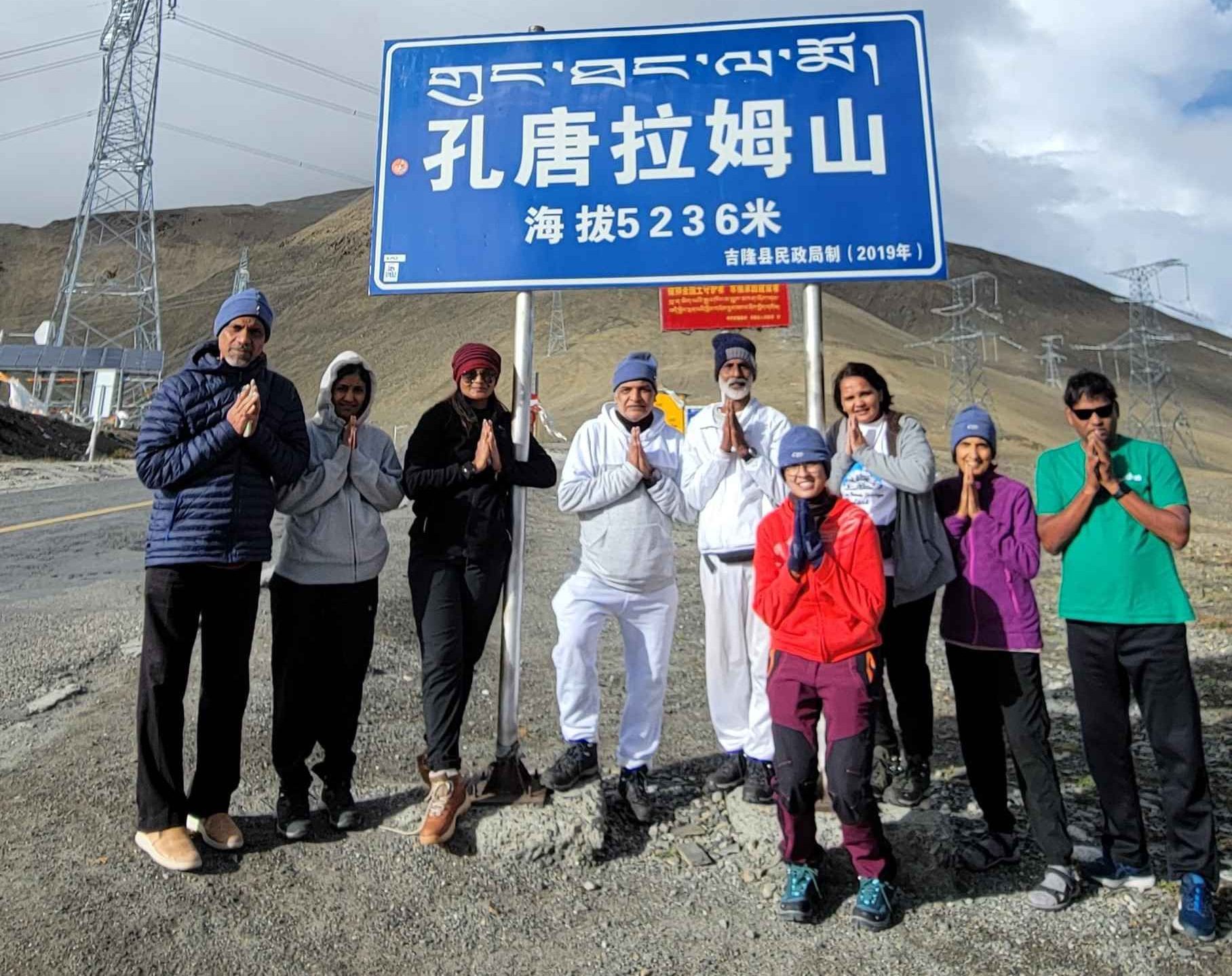
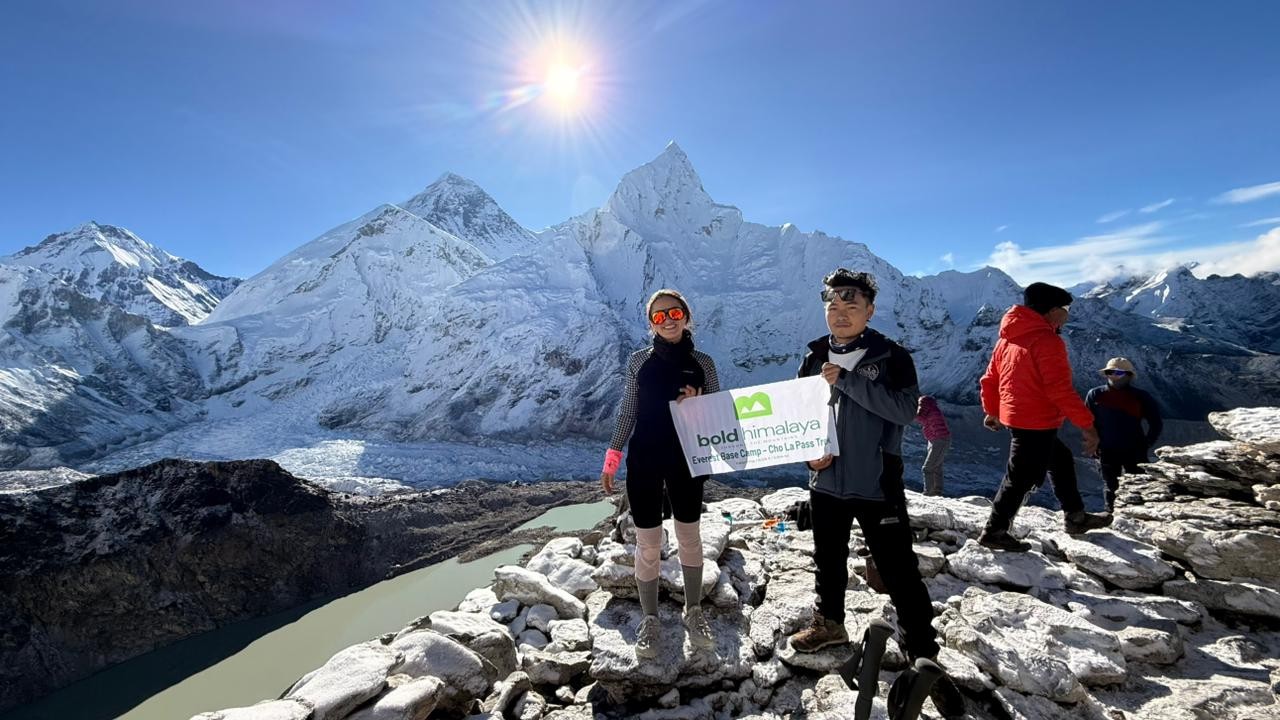
The Everest Base Camp Trek takes you through the heart of the Himalayas, offering breathtaking views of some of the highest peaks in the world, including Mount Everest, Lhotse, and Nuptse. You will also experience the region's diverse landscape, including forests, rivers, glaciers, and high passes. The views from the high passes, such as the Kongma La Pass and the Cho La Pass, are breathtaking and offer a sense of accomplishment as you look out at the vast expanse of the Himalayas.
Learn about the culture and traditions of the Sherpa people
The Everest Base Camp Trek takes you through the heart of the Khumbu region, home to the Sherpa people. You will have the opportunity to learn about the culture, traditions, and way of life of the Sherpa people, who have a deep connection with the mountain and the surrounding region. You will also have the opportunity to visit the famous Tengboche Monastery, the largest Buddhist monastery in the Khumbu region, and learn about the spiritual practices and rituals of the Sherpa people.
To challenge yourself physically and mentally
The Everest Base Camp Trek is a physically demanding journey that requires a good fitness level and mental toughness. It offers a unique opportunity to test your limits and push yourself beyond your comfort zone. The trek's high altitude and strenuous nature will challenge your physical and mental endurance. Completing the trek is a major accomplishment that can be a source of great pride and personal satisfaction.
To achieve a personal goal
The Everest Base Camp Trek represents a personal challenge and a bucket list item for many trekkers. It's a chance to step out of your comfort zone, face your fears, and test your limits. Completing the trek is a major accomplishment that can be a source of great pride and personal satisfaction.
To contribute to the local community
The Everest Base Camp Trek is an important source of income for the local communities in the region. By choosing to trek in Nepal, you will contribute to the local economy and help preserve traditional life. Trekking in Nepal also supports sustainable tourism and helps preserve the region's natural beauty.
Comparison Table: Best time to visit Everest Base Camp By Month
| Month | Temperature | Visibility | Crowd Level | Trail Condition | Lukla Flight Reliability |
|---|---|---|---|---|---|
| January | Very Cold (–15°C to –5°C) | Excellent | Very Low | Snowy, icy at high altitudes | Moderate |
| February | Very Cold (–12°C to –3°C) | Excellent | Low | Snow-covered, cold | Moderate |
| March | Cold to Mild (–5°C to 10°C) | Very Good | Moderate | Mostly dry, improving | Good |
| April | Mild (0°C to 15°C) | Excellent | High | Dry and well-maintained | Very Good |
| May | Mild to Warm (5°C to 18°C) | Good | High | Dry but slightly dusty | Good |
| June | Mild (8°C to 18°C) | Fair | Low | Wet at lower elevations | Moderate |
| July | Warm (10°C to 20°C) | Poor | Very Low | Muddy, slippery | Low |
| August | Warm (10°C to 20°C) | Poor | Very Low | Wet, landslide-prone | Low |
| September | Mild (5°C to 15°C) | Very Good | Moderate | Improving after the monsoon | Good |
| October | Mild (0°C to 12°C) | Excellent | Very High | Dry and stable | Very Good |
| November | Cold (–5°C to 10°C) | Very Good | High | Dry but colder | Good |
| December | Very Cold (–10°C to –5°C) | Excellent | Low | Snowy at higher points | Moderate |
What type of trekkers are you?
The best time for the Everest Base Camp trek depends largely on your travel style, experience level, and expectations. Each season offers a different atmosphere, from lively trails to peaceful solitude. Understanding which season suits your trekking personality will help you enjoy a safer and more rewarding journey.
1. Photographers: For photographers, spring (March-May) and autumn (September-November) are ideal, as they offer clear skies, sharp mountain views, and excellent lighting. Spring brings colorful rhododendron blooms, while autumn provides crisp, dust-free views after the monsoon.
2. Beginners: Beginners will feel most comfortable on the Everest Base Camp trek during spring and autumn, when weather conditions are stable, and trail conditions are safest. Moderate temperatures, reliable Lukla flights, and well-maintained paths make these seasons perfect for first-time trekkers.
3. Trekking Enthusiasts: Experienced trekking enthusiasts can enjoy both peak and off-season, depending on their goals. Spring and autumn offer energetic trekking environments, while early winter or late monsoon provide a more challenging experience with fewer crowds and a stronger sense of adventure.
4. Budget Travelers: Budget-conscious trekkers should consider the winter (December-February) or monsoon season (June-August). Lower demand during these months means reduced costs for flights, guides, and accommodations. However, trekkers should be prepared for colder temperatures or wet trail conditions.
5. Travelers Seeking Solitude: If you prefer quiet trails and a peaceful trekking experience, winter and monsoon are the best choices. These seasons see significantly fewer trekkers, allowing for a quieter and deeper immersion in nature and local culture, though they require extra preparation and planning.
6. Adventure Seeker: Adventure seekers willing to face harsh weather and physical challenges may enjoy winter or monsoon trekking. Snow-covered landscapes in winter and dramatic, cloud-filled scenery during the monsoon offer a raw Himalayan experience best suited for confident and well-prepared trekkers.
Travel Tips for Any Season
Everest Base Camp trek is an unforgettable journey, but proper preparation is key to making your journey safe and enjoyable, no matter which season you choose.
1. Packing Essentials
Your gear should be tailored to the season. In spring and autumn, lightweight trekking layers, sturdy boots, and sun protection are essential. During winter, pack warm clothing, thermal layers, and a quality down jacket, while monsoon trekkers need reliable rain gear and waterproof shoes.
2. Weather Preparation
The weather in the Everest region can change rapidly. Dressing in layers allows you to adjust to fluctuating temperatures, from warm afternoons at lower elevations to freezing nights at higher altitudes. Rain jackets, windproof outer layers, and insulated clothing are essential depending on the season.
3. Acclimatization Tips
Altitude sickness is a serious risk above 3,000 meters. Take your time to acclimatize by following recommended trekking schedules, staying hydrated, and listening to your body. Rest days at key villages like Namche Bazaar or Dingboche can help prevent altitude-related issues during the Everest Base Camp trek.
4. Importance of Travel Insurance
Comprehensive travel insurance that covers high-altitude trekking, medical emergencies, and potential evacuation is essential for safety. Delays or accidents can happen at any time, so insurance provides peace of mind.
5. Early Booking Advice During Peak Months
Spring and autumn are the busiest seasons for the Everest Base Camp trek. To secure accommodations, guide services, and flights to Lukla, it’s best to plan and book well in advance. Early booking ensures a smoother and more stress-free trekking experience.
What Are Things I Should Not Miss?
There are many highlights and things to see and do on an Everest Base Camp trek. Here are a few things that you should not miss:
1. The view of Mount Everest
Seeing Mount Everest up close is a once-in-a-lifetime experience that you won't want to miss. As you make your way up the Everest Base Camp trek, you will get closer and closer to the mountain, and the views will get more breathtaking. Make sure to take some time to appreciate the beauty and majesty of this iconic mountain, and try to get some great photos to remember your trip by.
2. Sherpa culture and way of life
The Everest Base Camp trek passes through the Solu-Khumbu region of Nepal, home to the Sherpa people. These hardy and hospitable people are known for their mountaineering expertise and strong cultural traditions. Take the opportunity to learn about their culture and way of life, and try to interact with the local people as much as possible. You can visit a Sherpa village, see traditional dress and handicrafts, and learn about their customs and beliefs.
3. Buddhist monasteries
The Everest Base Camp trek passes through several Buddhist villages, and you will have the opportunity to visit some of the region's monasteries. These monasteries are important cultural and spiritual centers for the local people and offer a glimpse into the region's rich cultural and religious traditions. Make sure to visit at least one of these monasteries and explore and learn about the Buddhist faith.
4. Flora and fauna
The Everest Base Camp trek takes you through various landscapes, from forests and meadows to high-altitude deserts. Keep an eye out for the local flora and fauna, as you will see many different types of plants and animals along the way. Some examples include rhododendrons, the national flower of Nepal, which can be found in various colors; pheasants, which are common in the region and have brightly colored feathers; and yaks, which are used as pack animals in the high mountains.
5. Local food
Nepali cuisine is diverse and delicious, and you can try various local dishes on the Everest Base Camp trek. Make sure to try local specialties, such as dal bhat (a dish of rice and lentils) and momos (dumplings). You will also have the chance to try other dishes, such as curries, stews, and sandwiches. Don't be afraid to try new things and expand your culinary horizons.
Overall, the Everest Base Camp trek offers different experiences and sights to see and enjoy. Make sure to take the time to fully experience and appreciate every aspect of the region, and you will have a trip you will never forget.
Final Thoughts on the Everest Base Camp Trek
The Everest Base Camp Trek is a challenging journey through the Sagarmatha National Park in Nepal, taking hikers to the base of Mount Everest, the highest mountain in the world. The trek begins in the village of Lukla and follows the Dudh Koshi River, passing through small villages, forests, and high passes with stunning views of the Himalayas.
Along the way, hikers will encounter the famous Tengboche Monastery, the largest Buddhist monastery in the Khumbu region, which is an important cultural and spiritual center for the Sherpa people. A visit to the monastery offers an opportunity to learn about the culture and traditions of the region. Hikers will also visit Namche Bazaar, the region's main hub, and home to many Sherpa people.
To make the most of this adventure, it is important to plan according to the best season for the Everest Base Camp trek. Spring (March-May) and autumn (September-November) are the ideal seasons, offering clear skies, stable weather, and excellent mountain visibility. Trekking during these months ensures safer trails, comfortable temperatures, and the opportunity to fully enjoy the natural beauty of the Himalayas.
The trek is a chance to step out of your comfort zone, face your fears, and push your boundaries, all while immersing yourself in the beauty and culture of the region. If you plan to go on the Everest Base Camp Trek, it is important to prepare properly. This includes getting in good physical shape, packing the right gear, and allowing enough time for acclimatization.
Whether you are an experienced trekker or a first-timer, the Everest Base Camp Trek is a once-in-a-lifetime experience. It challenges your physical and mental limits, immerses you in rich Sherpa culture, and rewards you with some of the most iconic landscapes in the world. Planning your trek in the best season for the Everest Base Camp trek will ensure you have an unforgettable and safe Himalayan adventure.
In the end, choosing the right time for the Everest Base Camp Trek comes down to balancing your priorities, comfort versus adventure, popularity versus solitude, and weather stability versus a unique experience. With proper planning and preparation, every season offers its own unforgettable version of Everest.
Comments (0)
Write a comment- Overview: Weather and Seasons in the Everest Region
- Best season for the Everest Base Camp Trek
- 1. Autumn (September to November)
- 2. Spring (March to May)
- Trekking in Low-Seasons
- 1. Winter (December to February)
- 2. Monsoon (June to August)
- Reasons for the Everest Base Camp Trek
- Experience the stunning beauty of the Himalayas
- Learn about the culture and traditions of the Sherpa people
- To challenge yourself physically and mentally
- To achieve a personal goal
- To contribute to the local community
- Comparison Table: Best time to visit Everest Base Camp By Month
- What type of trekkers are you?
- Travel Tips for Any Season
- 1. Packing Essentials
- 2. Weather Preparation
- 3. Acclimatization Tips
- 4. Importance of Travel Insurance
- 5. Early Booking Advice During Peak Months
- What Are Things I Should Not Miss?
- 1. The view of Mount Everest
- 2. Sherpa culture and way of life
- 3. Buddhist monasteries
- 4. Flora and fauna
- 5. Local food
- Final Thoughts on the Everest Base Camp Trek
Read the latest Blogs & Insights
Explore our collection of articles and insights to gain in-depth travel knowledge, expert advice, and stay updated on the latest trends and tips.


No comments yet.