


Top 10 Best Treks in the World
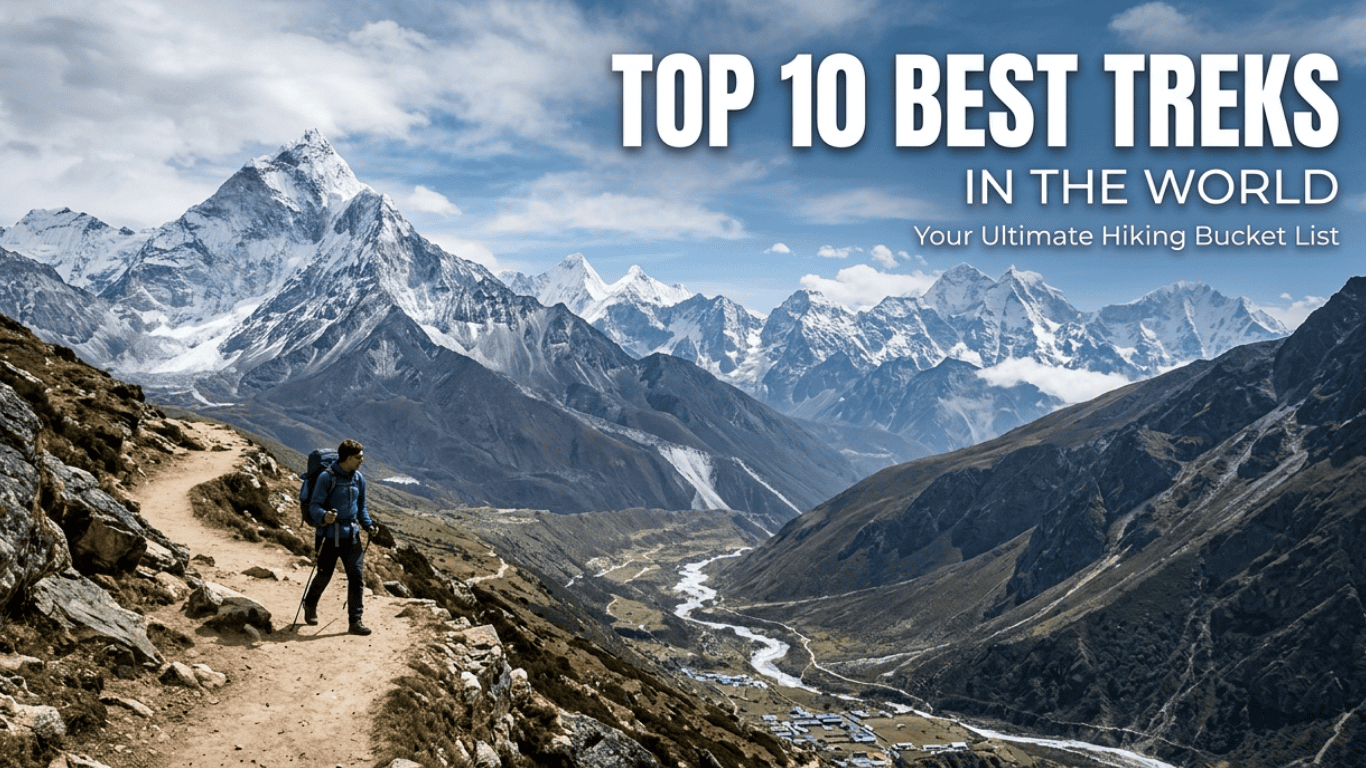
Discover the best treks in the world with this ultimate hiking bucket list featuring breathtaking trails like Everest Base Camp, Annapurna Circuit, and more. Explore top trekking destinations with stunning mountain landscapes, diverse cultures, and unforgettable adventures.
-
 Bold Himalaya
-
8 April, 2026
-
19 mins read
-
16 Views
-
0 Comments


Introduction
Stillness moves through modern travel in footsteps stretched across hours. Without chasing records, persistence becomes its own rhythm. Outcomes fade when each stride measures breath more than finish lines. While others fix eyes on destinations, this path reads shifts beneath boots - elevation earned, quiet met, energy spent, earth studied. Quiet holds here; onlookers stay away, acts pass without audience. Maybe it is not summits drawing wanderers into rough terrain, yet changes in sight shaping steps. As pace drops to stride rhythm, small signs emerge - fissures in rock where green threads cling, grain of soil changing while gullies tighten. Breath adjusts above four kilometers high, intake growing jagged, distinct. Noticing grows richer once movement sheds haste.
Looking for the best treks in the world for your next adventure? This guide covers the top trekking destinations across the globe, from high-altitude Himalayan trails to scenic European routes.
These famous treks around the world offer breathtaking landscapes, cultural experiences, and unforgettable journeys. Whether you are a beginner or an experienced trekker, this list of the best treks in the world will help you choose the perfect adventure.
Overview of Long-Distance Trekking
Appearing often in official park documents are ten extended walking paths, noted also by global trekking bodies like the IVBV-UIAGM whenever applicable. These routes gain recognition not due to declared excellence but because of consistent use over time. Monitoring data collected between 2018 and 2023 helps confirm how frequently hikers complete them from start to finish. Environmental impact controls, formally recorded, contribute to their standing. Cross-border preservation efforts, such as those under UNESCO's Man and the Biosphere program, include several among their references. Recognition arises gradually, shaped by movement patterns seen via satellite studies. Authorization logs further support claims about usage levels across years. Their presence in policy discussions reflects sustained human passage more than any imposed ranking system.
Top 10 Best Treks in the World
Everest Base Camp Trek - Nepal
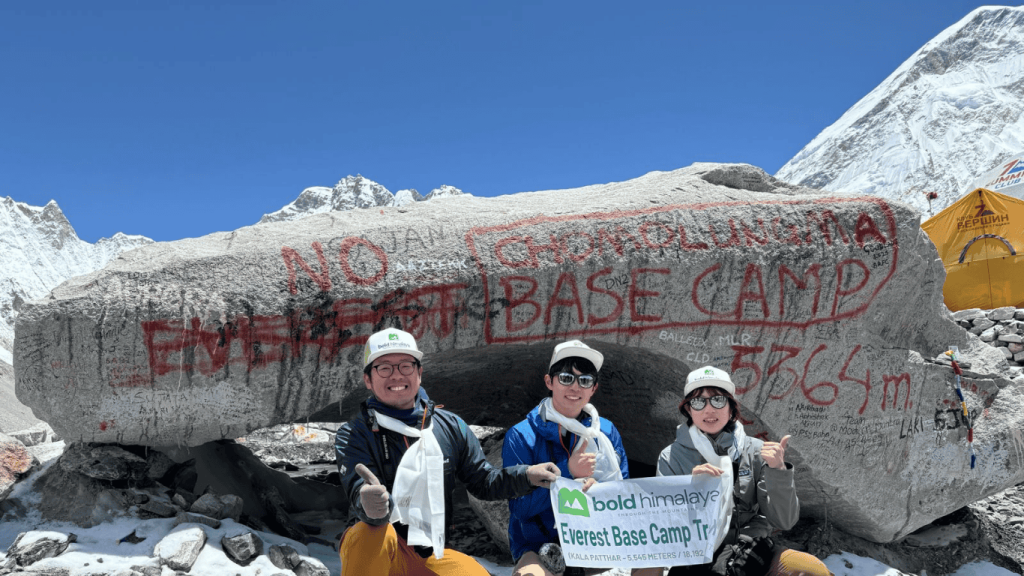
Everest Base Camp is one of the top trekking destinations and one of the famous treks around the world.
Stretching approximately 130 kilometers round trip from Lukla, this route leads toward the base of Mount Everest at 5,364 meters. Movement occurs through the Khumbu region, where glacial valleys, suspension bridges, and high-altitude settlements define progression. Acclimatization becomes necessary beyond 3,000 meters, with rest days typically observed in Namche Bazaar and Dingboche to reduce altitude-related risks.
Permit systems require registration under Nepal’s trekking authorities, including TIMS and Sagarmatha National Park entry. According to regional data, oxygen availability decreases by nearly 40 percent compared to sea level, influencing walking pace and cognitive response. Despite these constraints, completion rates remain high due to gradual ascent profiles and established infrastructure.
Seasonal windows fall mainly between March to May and October to November, when visibility remains stable and precipitation stays limited. Lodging along the route operates through teahouses, forming a continuous chain of support points across elevation gain. The trail’s consistent usage reflects both global recognition and long-term integration into local economic systems.
This is truly one of the best treks in the world for high-altitude adventure seekers.
Key Details
- Distance: 130 km round trip
- Duration: 12-14 Days
- Difficulty: Difficult
- Max Altitude: 5,364m
- Best Time: March - May, October - November
Why It's One of the Best Treks in the World
This trek offers unmatched views of Mount Everest, rich Sherpa culture, and a true high-altitude adventure. The gradual ascent makes it achievable for determined trekkers.
Inca Trail - Peru
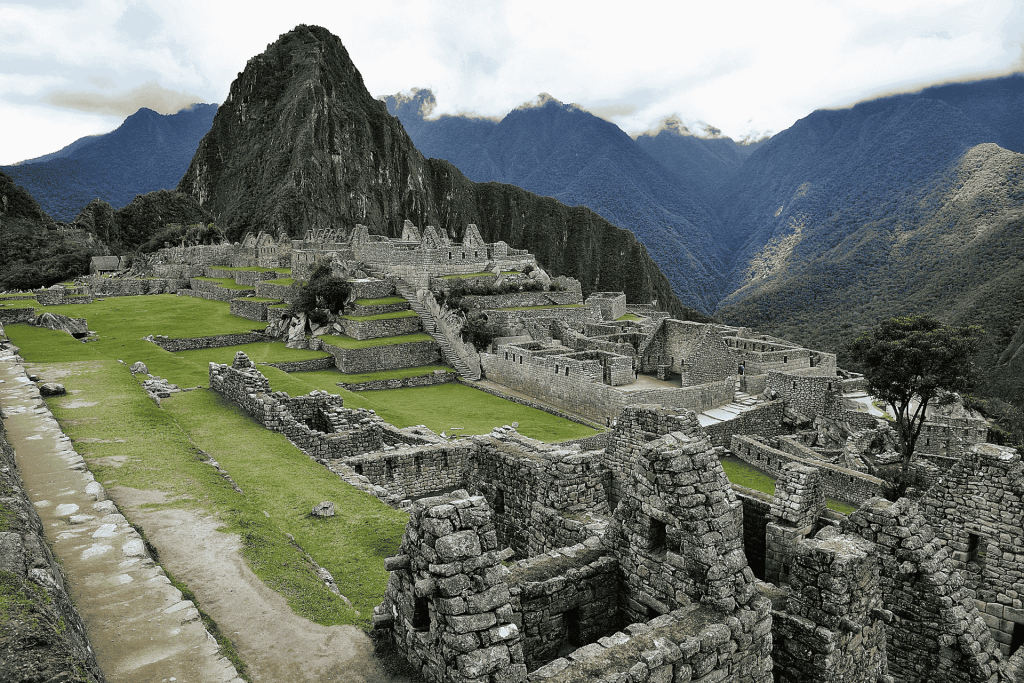
Each day, fifty individuals enter a forty-three-kilometer path managed by Peru's Ministry of Culture; included among them are those providing logistical assistance. Beginning in 2001, restrictions were put in place because of visible environmental strain close to Wiñay Wayna, a terraced ruin situated along the route. Over five days of walking, travelers shift through four separate climate zones, progressing slowly from dense fog-laden forests toward exposed high-altitude grasslands. The focus here lies elsewhere - on heritage rather than personal stories - as mandated protocols emphasize explanations about Incan engineering and hydraulic architecture. Following implementation of these rules, remote sensing imagery detected a nineteen percent increase in vegetation recovery from 2005 to 2020.
This is truly one of the best treks in the world for high-altitude adventure seekers.
Key Details
- Distance: 43 km
- Duration: 4-5 Days
- Difficulty: Moderate
- Max Altitude: 4,200 m
- Best Time: May - September
Highlights
- Ancient Ruins
- Cloud Forests
- Machu Picchu Sunrise
Annapurna Circuit - Nepal
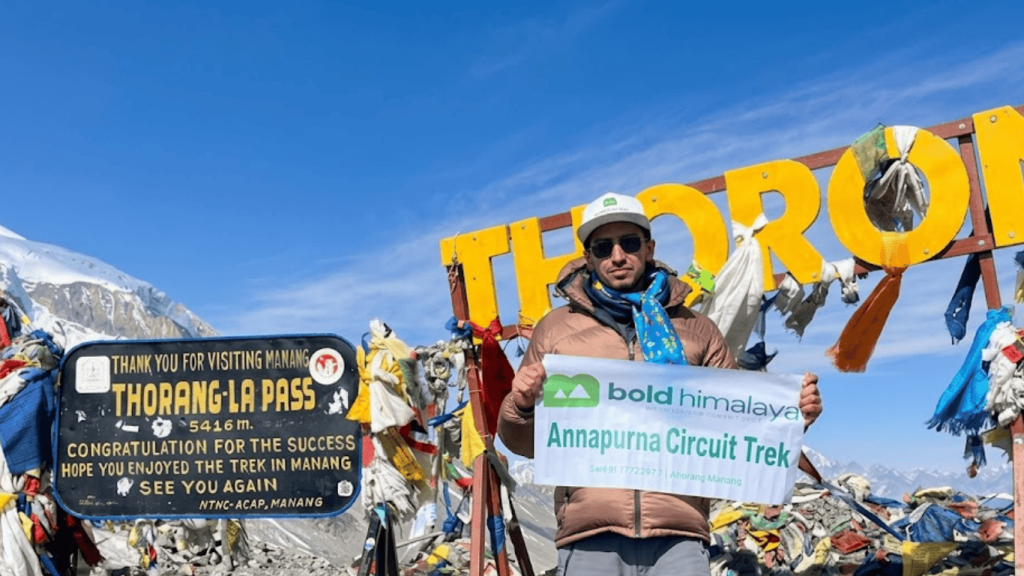
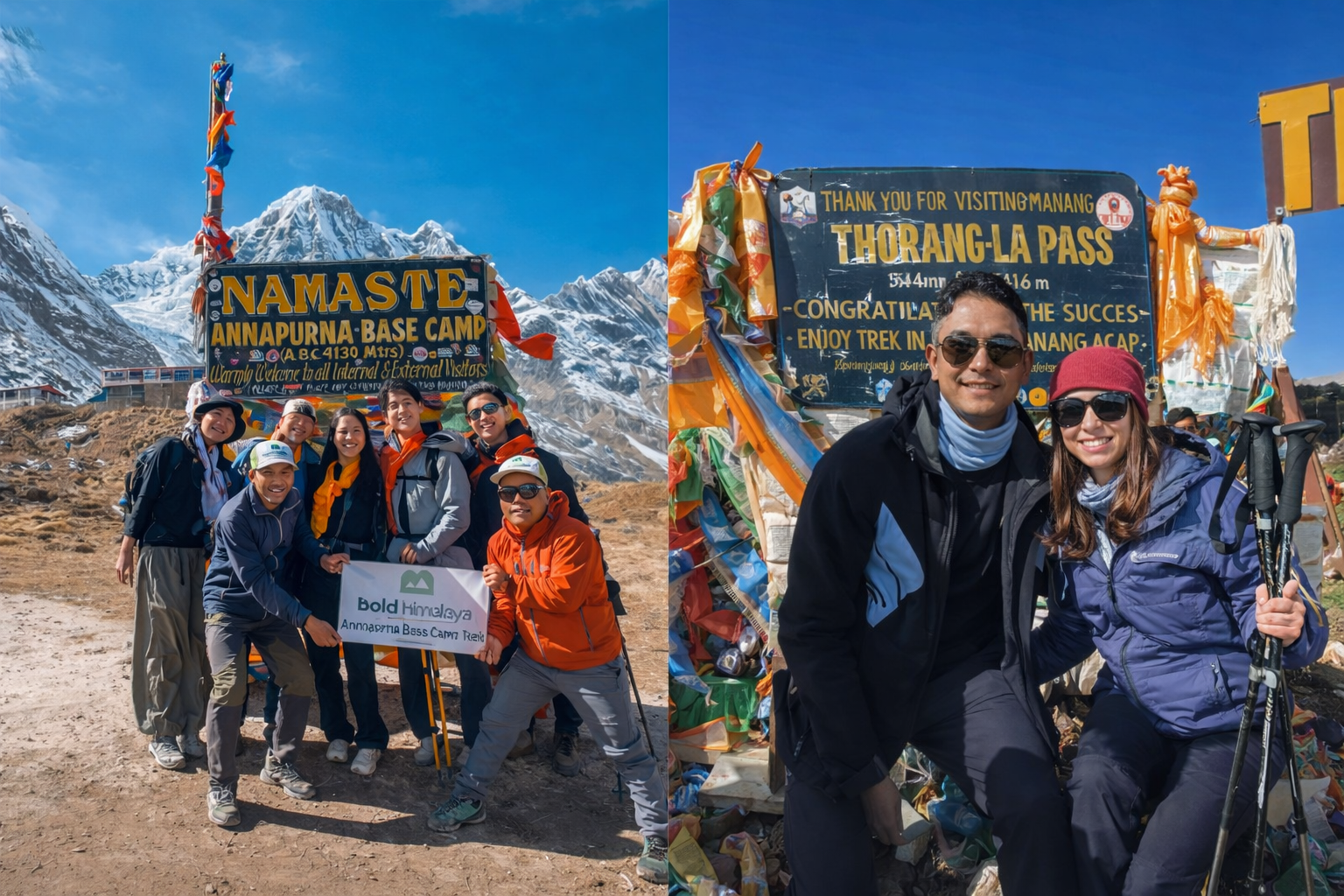
Spanning roughly 160 kilometers from Besisahar to Muktinath, the trail ascends through Thorong La Pass - perched at 5,416 meters above sea level. Once traveled by salt traders crossing remote Himalayan terrain, documentation of its paths started appearing in records kept by international travelers around the middle of the twentieth century. During the years following 1980, usage slowly transitioned; trekkers replaced caravans as the primary users. Following seismic activity in 2015, reconstruction strengthened sections near Chame and Pisang using improved structural methods.
Structures meant for rest now rely heavily on durable stone, a shift having occurred after older timber constructions proved less resilient. Thirty-eight percent fewer visitor permits were issued between 2014 and 2016. Despite this drop, numbers returned to pre-quake levels five years afterward. The recovery suggests local economies depend on foot traffic along the trail.
This is truly one of the best treks in the world for high-altitude adventure seekers.
Key Details
- Distance: 160 km
- Duration: 14-21 Days
- Difficulty: Difficult
- Max Altitude: 5,416 m
Why It Stands Out
Form subtropical forests to alpine deserts, this trek offer extreme variation in landscapes.
Tour Du Mount Blanc - France, Italy, Switzerland
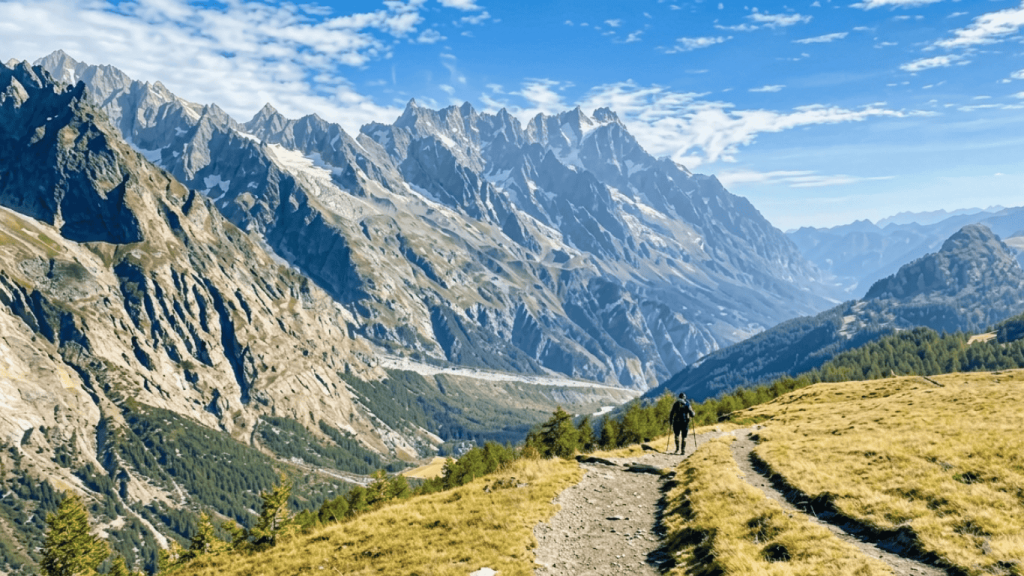
A figure of roughly 170 kilometers forms a ring near the highest peak in Western Europe, cutting across three countries. Oversight is split - no single authority manages the full route. Regulations on waste alter without notice; weather alerts transform just as suddenly when lines on maps shift. Lodging reservations follow separate systems depending on location. Many who walk it choose a direction countering the sun's arc, possibly guided by breezes that soften upward steps from eastern slopes. Despite being lengthy, the path feels less harsh compared to other high mountain areas. Emergency incidents appear infrequent, according to documented reports. When needed, air support reaches the area promptly. Communication devices draw energy from shelters along the way.
This is truly one of the best treks in the world for high-altitude adventure seekers.
Key Details
- Distance: 170 km
- Duration: 10-12 Days
- Difficulty: Moderate - Hard
Highlights
- Alpine Meadows
- Glacier Views
- Multi - Country Experience
Mount Kilimanjaro - Tanzania
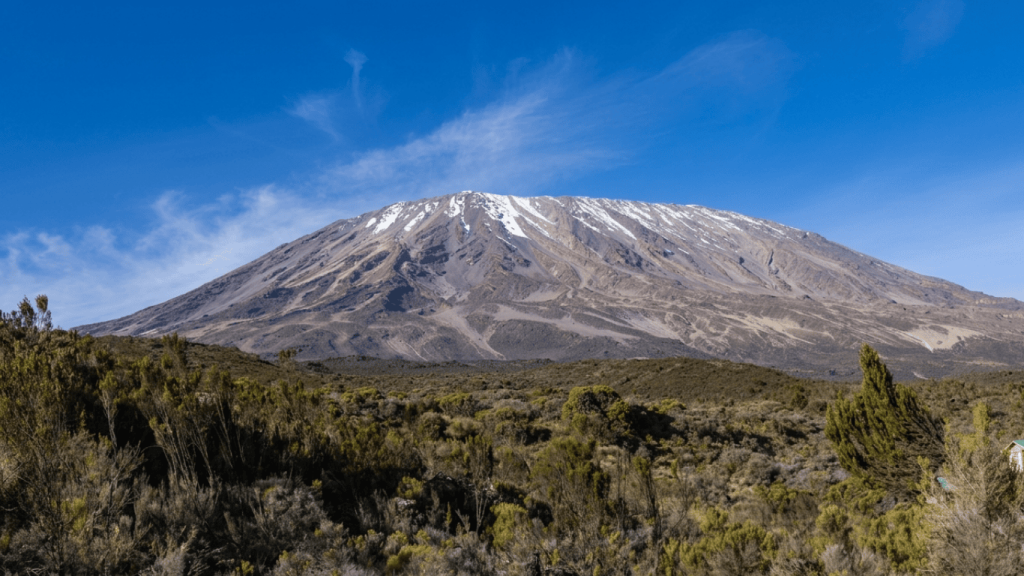
Above Kilimanjaro's base, seven official trails lead to Uhuru Peak - Lemosho, Rongai, and Marangu attract most climbers. Despite near-identical scenery along each path, gradients and acclimatization periods vary. According to 2022 data from Tanzania National Parks Authority, successful ascents occur in 85 out of every 100 tries using Lemosho, yet only 65 per 100 on Marangu. Such difference emerges through extended itineraries allowing better physical adaptation; however, actual difficulty levels stay comparable between them. Not easy despite common belief, Marangu follows a quicker pace yet allows smaller chances to adjust to height.
At 5,895 meters, oxygen drops by half when set beside sea level, which slows mental sharpness past 3,500 meters as brain activity declines. Each climber must register, relying solely on approved guides who report health status at fixed intervals. Even with thinning air impairing focus, supervision remains active via enforced enrollment in tracked systems.
This is truly one of the best treks in the world for high-altitude adventure seekers.
Key Details:
- Duration: 5-9 Days
- Difficulty: High
- Max Altitude: 5,895 m
Why It's Unique
No technical climbing required - just endurance and acclimatization.
Camino de Santiago
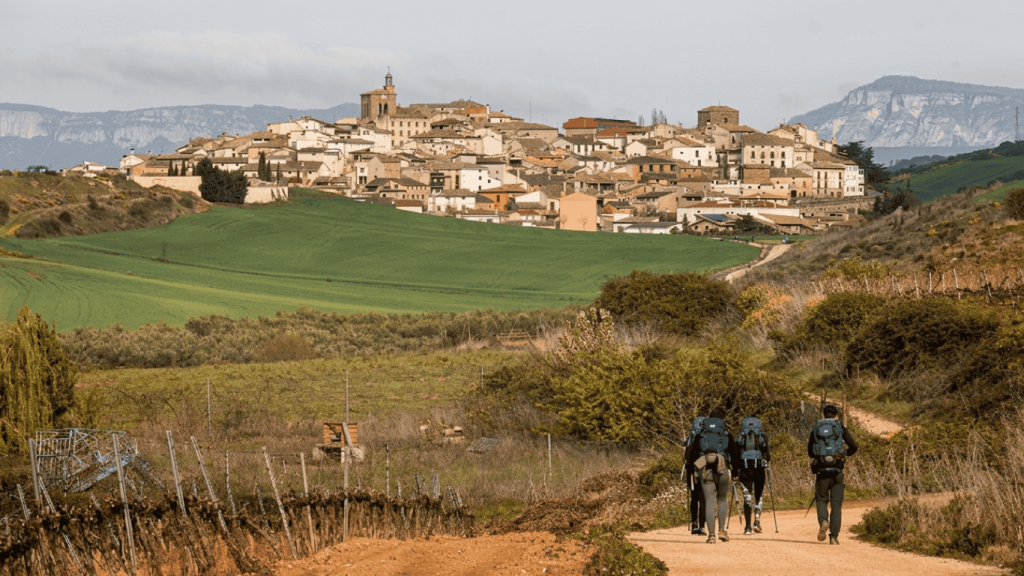
Known officially as Camino Francés, the route measures 780 kilometers, beginning at Saint-Jean-Pied-de-Port in France, ending beneath the spires of Santiago de Compostela Cathedral. Accommodation in shelters requires a pilgrim's record - referred to as a "credential" - stamped daily along the way. A certificate named Compostela became available through the Archdiocese afterward, provided the traveler walked at least the final 100 kilometers. Over 380,000 received such proof in 2023; totals rising year by year since 2014. Parking spaces fall under municipal oversight, spaced approximately twelve kilometers apart. Where urban stretches appear, these zones replace wilderness trails - altering movement patterns across populated regions. Interaction shifts occur not in untouched woods but within developed corridors, redefining access points along transit routes.
This is truly one of the best treks in the world for high-altitude adventure seekers.
Key Details:
- Distance: 780 km
- Duration: 30+ Days
- Difficulty: Easy - Moderate
Highlights
- Historic Villagees
- Social experience
- Pilgrimage Tradition
GR20 - France
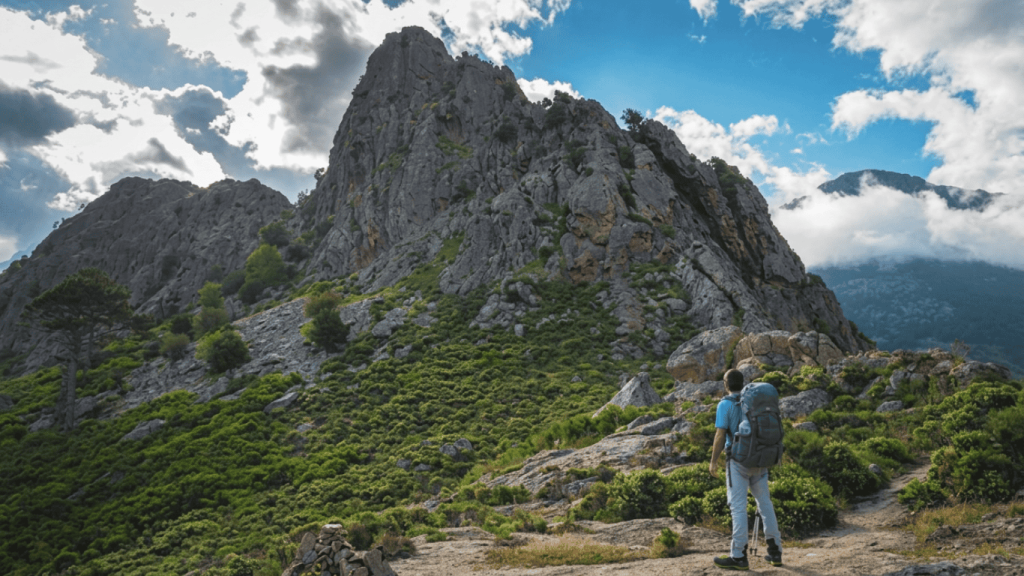
Stretching across Corsica, the GR20 spans 180 kilometers from Calenzana to Conca. Managed by Parc Naturel Régional de Corse, it winds through rugged highlands where climbing often needs hand support. Steel cables, introduced in the 1990s, are found only near dangerous drop-offs - placed with restraint. Along the way, shelters remain basic; roofed but unstaffed, they rely solely on rainwater collection. Injury rates exceed those of comparable long-distance paths, mainly from falls or sprains - one reason why, since 2017, foreign hikers must present medical insurance. This trail does not welcome underprepared travelers.
This is truly one of the best treks in the world for high-altitude adventure seekers.
Key Details:
- Distance: 180 km
- Duration: 14-16 Days
- Difficulty: Very Hard
Laugavegur Trail - Iceland
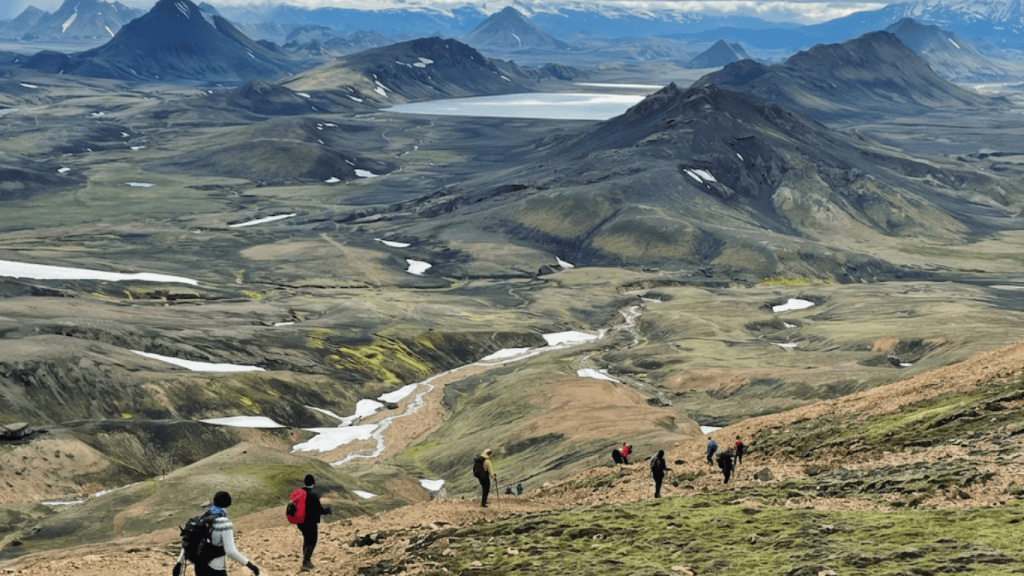
Stretching beyond fifty-five kilometers, the path connects Landmannalaugar to Þórsmörk, winding between rhyolite mountains, frozen stream beds, and old lava fields. Where rivers must be crossed, there are no permanent structures - water levels shift due to changes in geothermal activity beneath fault lines. Information about current situations comes through messages, managed by the national hiking group when weather turns quickly. Close to hot fumes escaping the ground, earth high in sulfur prevents trees from returning, leaving slopes open years after eruptions. Signs uncovered by studying carbon show woods slowly spreading in Þórsmörk, linked to reduced grazing since the 1980s.
This is truly one of the best treks in the world for high-altitude adventure seekers.
West Coast Trail - Canada
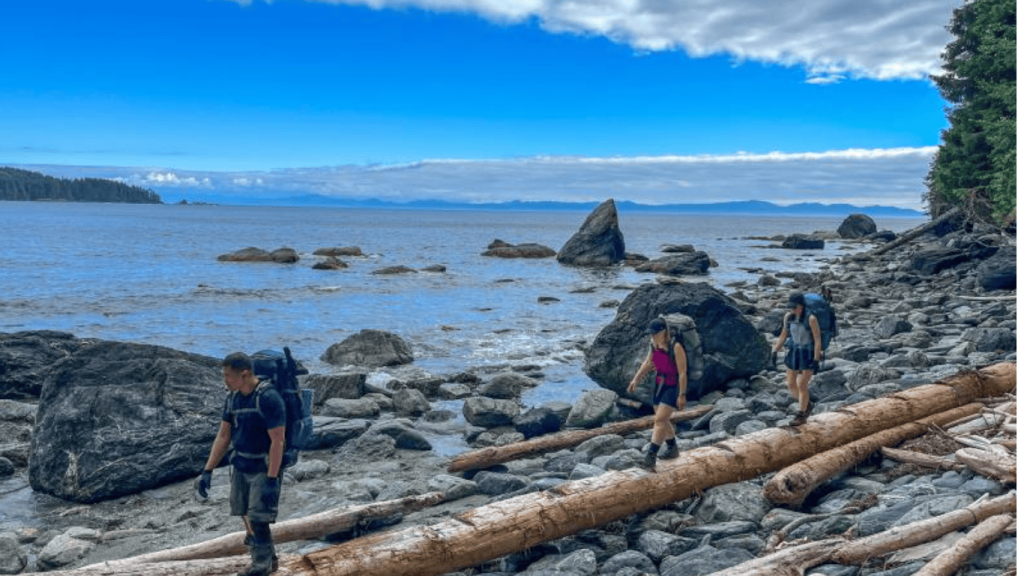
Within Pacific Rim National Park Reserve on Vancouver Island, a coastal footpath spans seventy-five kilometers across terrain long crossed by Nuu-chah-nulth people, then repurposed for seafaring aid missions. Passage shifts with ocean tides - rising seas seal off certain sections temporarily. Daily visitor numbers stay low to protect fragile ground layers and water-edge ecosystems from disruption. Where rivers meet the sea, weathered wooden cable carts still hang, remnants of rescue stations built after the 1906 Valencia disaster. Under dense tree cover, clusters of salal fruit thrive; their dim understory slows decay, forming rich soil blankets that reshape root development beneath.
This is truly one of the best treks in the world for high-altitude adventure seekers.
Kumano Kodo - Japan
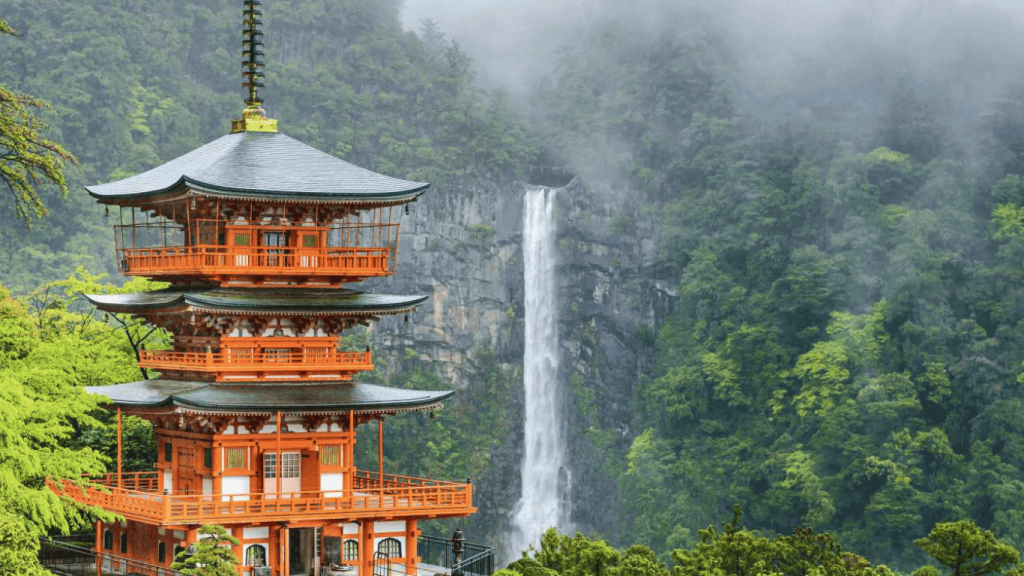
Found within Wakayama Prefecture is a network of old pilgrimage routes, added to UNESCO's list in 2004. The path most taken? That would be Nakahechi - a route measuring 68 kilometers, linking Tanabe to Kumano Hongū Taisha. Steps carved from stone date back to the 900s, preserved over time by replacing worn pieces with local rock. Rainfall here exceeds 2,000 millimeters each year, making drainage along these stairs a necessity. Once traveled mainly by nobility, modern walkers now blend reverence with preservation goals. Funds arrive through municipal allocations, backed by payments made by guests. Along trails they show up, these stewards, where tradition overlaps with current civic duties.
This is truly one of the best treks in the world for high-altitude adventure seekers.
Why These Are the Best Treks in the World?
The best treks in the world are defined by their scenery, cultural experience, and overall journey. From Nepal to Europe, these top trekking destinations attract thousands of adventurers every year.
What makes these famous treks around the world stand out is their diversity—ranging from beginner-friendly routes to extreme high-altitude challenges.
Choosing among the best treks in the world depends on your fitness level, budget, and travel goals.
Similarities Across Trails
Though paths may rise or stretch unevenly, hidden likenesses emerge below. Attention to footways increasingly aligns with shifting weather patterns. Rather than manufactured substances, those tending hills in Nepal choose braided jute, layered with native seeds, to anchor earth. Along ridge routes in Corsica, short-term sanitation pits - built from breaking-down organics - sit close to resting areas. Prior to electronic guides, Iberian pathways held history in rock; ancient markers reappear next to modern signs.
Every trail has changed in some way. Evidence of updates shows everywhere - detours restructured, rest zones relocated, stream passages adjusted. Continued access depends less on natural beauty than coordinated maintenance. Seasonal teams deploy yearly, slope safety assessments occur regularly, stream quality receives monitoring, while coordination among authorities strengthens, especially at crossing points between regions.
Environmental Considerations
Far from common, secluded paths grow scarce as demands on terrain increase nearby. When the Inca route steps outside safeguarded zones, it cuts across fields tended by Quechua growers - disagreements sometimes arise over passage of carriers or access to streams used by both. Along Kilimanjaro's western corridors, plots worked by households encroach further, narrowing seasonal movement lanes for wildlife. Elsewhere, in rural stretches of Japan's Kumano region, thinner settlement means fewer eyes drift along lesser tracks, nudging oversight methods toward remote sensors instead.
With increasing visitors, pressure on nature grows stronger. Close to routes along five major trails, water samples were analyzed during 2021 by scientists who discovered harmful amounts of fecal bacteria at close to one-third of locations - especially beneath camping spots lacking adequate waste management. This data was later published in the Journal of Sustainable Tourism.
Responses across areas are not uniform: in Switzerland, rules mandate that trekkers remove bodily waste when traveling high on the Tour du Mont Blanc trail. Yet cooking is limited to stoves by authorities in Australia's eucalypt regions prone to flames. Past WHO limits, contamination appeared at twelve points within the surveyed zones.
Cultural Significance and Visitor Impact
What counts as meaningful shifts between societies. Once considered a journey of penance, reports abroad now frame the Camino more around personal development, influencing those who choose to travel it. According to figures from the University of Santiago de Compostela, only 22 percent of travelers from outside Europe cite religion as motivation; in contrast, 64 percent of Spanish pilgrims do. On the Kumano Kodo trail, certain rituals - bowing before vermilion gates or offering rice - are sometimes skipped by guests focused on capturing images.
When economic stability hinges on limited revenue streams, feedback mechanisms take shape. After changes to licensing rules during the 1980s, an increasing number of Gurung families established accommodations near hiking trails in Nepal. Come 2019, nearly every four out of five dollars earned by households in Ghorepani came from visitors - making incomes vulnerable to events like the 2015 earthquake or halted travel in 2020. Meanwhile, in Tasmania, fees collected from those using the Overland Track fund a large share of conservation work, meaning nature protection shifts with visitor numbers.
Comparison of the Best Treks in the World
| Trek | Location | Distance | Duration | Difficulty | Max Altitude | Best Time |
|---|---|---|---|---|---|---|
| Everest Base Camp | Nepal | 130 km | 12-14 Days | Difficult | 5,364 m | Mar-May, Oct-Nov |
| Inca Trail | Peru | 43 km | 4-5 Days | Moderate | 4,200 m | May-Sep |
| Annapurna Circuit | Nepal | 160 km | 14-21 Days | Difficult | 5,416 m | Mar-May, Oct-Nov |
| Tour du Mont Blanc | France, Italy, Switzerland | 170 km | 10-12 Days | Moderate - Hard | 2,643 m | Jun-Sep |
| Kilimanjaro | Tanzania | Varies | 5-9 Days | High | 5,895 m | Jun-Oct |
| Camino de Santiago | Spain | 780 km | 30+ Days | Easy - Moderate | 1,270 m | Mar-Oct |
| GR20 | France | 180 km | 14-16 Days | Very Hard | 2,706 m | Jun-Sep |
| Laugavegur Trail | Iceland | 55 km | 4-6 Days | Moderate | 1,200 m | Jun-Sep |
| West Coast Trail | Canada | 75 km | 5-7 Days | Difficult | Sea Level | May-Sep |
| Kumano Kodo | Japan | 68 km | 4-6 Days | Moderate | 900 m | Mar-Nov |
Scenic Experience and Highlights
Not every trail fit within a single route. Still, think on how Jordan moves from Dana to Petra, or how Georgia winds past Abano, or how New Zealand circles the Kepler track - each brings distinct challenges into view. Omission occurs due to consistency with references, never neglect. Assessments remain fluid. When skies change, ground conditions follow. Permissions may evolve across years. Earth diminishes gradually. Where nations draw lines, passage over earth changes. As ice diminishes, future iterations could show routes opening through polar regions. Alternatively, trails in dry areas may persist due to updated hydration methods - stations employing solar energy to cleanse moisture along the way.
Travel Tips
What to Pack
Among required items are layered clothes alongside waterproof protection. Footwear must be strong, suitable for long walks on rough ground. Trekking poles assist balance, particularly on uneven trails. A first-aid supply is necessary, kept ready at all times. Staying hydrated depends on reliable water-carrying methods. Knowing location involves using maps, compasses, or similar aids. Official papers - permits or identification - are often mandatory. At higher elevations, extra equipment becomes essential. This may involve devices that track oxygen levels. Thermal wear helps maintain body warmth when temperatures drop.
Guided Tours
Where laws apply, guides become a requirement on paths such as the Everest Base Camp, Inca Trail or Kilimanjaro. On routes including the Tour du Mont Blanc, the Camino de Santiago, or Laugavegur Trail, independent travel is possible - provided navigation tools and lodging are arranged ahead of time.
Approximate Cost
Travel expenses differ significantly across regions, ranging from 150 to 3,000 dollars per journey. Factors such as guide availability, lodging quality, meals provided, and permit requirements influence totals. Trips through Europe often demand higher budgets. So do climbs up Kilimanjaro, where operational demands raise base costs.
Conclusion
The best treks in the world offer more than just scenic beauty—they provide life-changing experiences. Whether you choose Everest Base Camp, Kilimanjaro, or the Camino de Santiago, each journey is unique.
These top trekking destinations continue to inspire travelers from around the globe. If you are planning your next adventure, exploring the best treks in the world is a perfect place to start.
Possibly, the appeal of trekking lies in its unfiltered nature. Not all paths lead to insight, just as none guarantee immediate understanding. Still, subtle shifts occur: progress through consistent motion while carrying weight, noticing delicate variations overhead, staying present within discomfort even when relief seems distant. Change unfolds slowly. Attention expands irregularly. A few return noticing fatigues above all. Following conversations bring up distinctions that resist clear definition.
Wherever people go, certain patterns appear: paths form where access is managed and local knowledge shapes design. Though complete control may be absent, travel continues anyway. Boundaries - physical, environmental, cultural - are acknowledged without emphasis. Order emerges through arrangement, not ideology. Routes persist not due to awe, but because conditions are repeatedly accepted. What lasts grows from repeated choice, never force.
Far walking gains depth when attention shifts toward detail rather than collection. Not until surface patterns claim notice does the shift begin - coolness underfoot, pressure in the breeze. A sound emerges: faint flow beneath close-laid rock. Discovery rarely follows plan; still, room forms for noticing. This gap - slight, irregular - is almost always what holds meaning across cases.
FAQs
1. What is the best trek in the world overall?
2. Which trek is best for beginners?
3. Which is the hardest trek among the best treks in the world?
4. How much does it cost to complete the best treks in the world?
5. Is altitude sickness a risk on the best treks in the world?
6. Which trek offers the best scenery?
7. Can I do the best treks in the world solo?
Comments (0)
Write a comment- Overview of Long-Distance Trekking
- Top 10 Best Treks in the World
- Everest Base Camp Trek – Nepal
- Inca Trail – Peru
- Annapurna Circuit – Nepal
- Tour Du Mount Blanc – France, Italy, Switzerland
- Mount Kilimanjaro – Tanzania
- Camino de Santiago
- GR20 – France
- Laugavegur Trail – Iceland
- West Coast Trail – Canada
- Kumano Kodo – Japan
- Why These Are the Best Treks in the World?
- Similarities Across Trails
- Environmental Considerations
- Cultural Significance and Visitor Impact
- Comparison of the Best Treks in the World
- Scenic Experience and Highlights
- Travel Tips
- What to Pack
- Guided Tours
- Approximate Cost
- Conclusion
- FAQs
- 1. What is the best trek in the world overall?
- 2. Which trek is best for beginners?
- 3. Which is the hardest trek among the best treks in the world?
- 4. How much does it cost to complete the best treks in the world?
- 5. Is altitude sickness a risk on the best treks in the world?
- 6. Which trek offers the best scenery?
- 7. Can I do the best treks in the world solo?
Read the latest Blogs & Insights
Explore our collection of articles and insights to gain in-depth travel knowledge, expert advice, and stay updated on the latest trends and tips.


No comments yet.