


Everest vs K2 | How They Differ
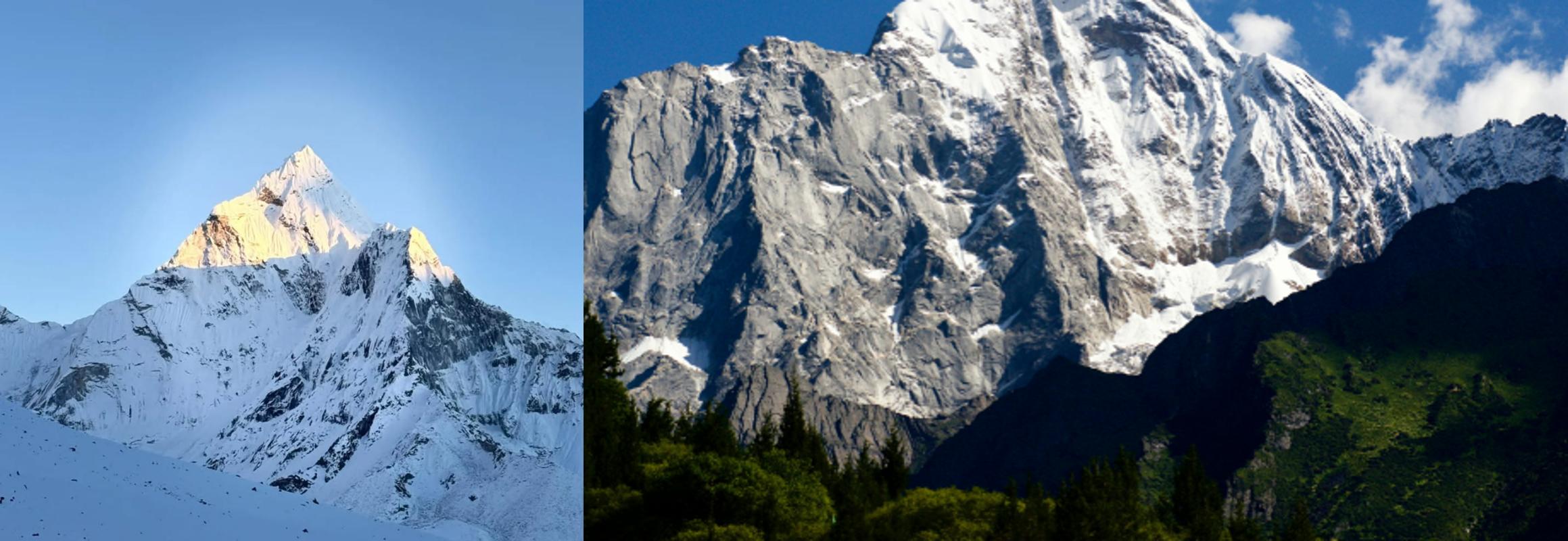
The debate over Everest vs K2 continues to capture the attention of climbers and adventure enthusiasts worldwide. Mount Everest, at 8,848.86 metres, holds the title of the highest mountain on Earth. K2, slightly shorter at 8,611 metres, is widely recognized as one of the most technically challenging and dangerous climbs in the world. Though the […]
-
 Bold Himalaya
-
17 March, 2026
-
15 mins read
-
40 Views
-
0 Comments


The debate over Everest vs K2 continues to capture the attention of climbers and adventure enthusiasts worldwide. Mount Everest, at 8,848.86 metres, holds the title of the highest mountain on Earth. K2, slightly shorter at 8,611 metres, is widely recognized as one of the most technically challenging and dangerous climbs in the world.
Though the two mountains are separated by just 237 metres in height, the differences in climbing experience are enormous. Everest attracts hundreds of mountaineers each year due to well-established routes, guided expeditions, and extensive support systems. In contrast, K2 is remote, steep, and unpredictable, with extreme weather conditions that test even the most skilled climbers.
Located in different ranges—Everest in the Himalayas between Nepal and Tibet, and K2 in the Karakoram on the border of Pakistan and China—these peaks offer unique challenges that highlight why the comparison between Everest and K2 is so compelling.
In essence, Everest is renowned for its unmatched height, while K2 is respected for its difficulty and risk. Understanding the contrasts between these two iconic mountains gives climbers and enthusiasts a deeper appreciation of the world’s highest summits.
Mount Everest Overview
Mount Everest, the tallest mountain on Earth at 8,848.86 metres, towers in the Himalayas along the border of Nepal and China’s Tibet Autonomous Region. Known as Sagarmatha in Nepali and Chomolungma in Tibetan, both names celebrate its status as the “roof of the Earth.” Mount Everest's height was officially confirmed in 2020 through a joint survey conducted by Nepal and China.
The first successful ascent of Everest took place on 29 May 1953, achieved by Edmund Hillary and Tenzing Norgay, under a British expedition led by John Hunt. Their historic climb brought worldwide attention to Everest, establishing the mountain as a symbol of human endurance, determination, and adventure.
Today, Everest remains the most accessible of the 8,000-metre peaks, drawing climbers from around the globe. The two main climbing routes are the South Col from Nepal and the Northeast Ridge from Tibet, with the southern approach being far more popular. Climbers typically ascend in spring, guided by experienced Sherpas, using fixed ropes, supplemental oxygen, and high-altitude camps. Above 8,000 metres — in the so-called Death Zone — oxygen levels are extremely low, making every step physically demanding and dangerous.
Since the mid-20th century, more than 6,000 climbers have reached the summit, cementing Everest’s reputation as both a challenging and achievable high-altitude climb. Today, Mount Everest continues to inspire adventurers and mountaineers worldwide, offering a mix of extreme challenge, natural beauty, and historical significance
Overview of K2
K2, the world’s second-highest mountain at 8,611 metres, rises sharply within the Karakoram range, straddling the border between Pakistan’s Gilgit-Baltistan region and China’s Xinjiang province. Unlike Mount Everest, whose name reflects centuries of local tradition, this peak was labeled “K2” by 19th-century British surveyors as the second peak measured in the Karakoram. Despite lacking native linguistic ties, the name has remained.
The first successful ascent of K2 took place on 31 July 1954, achieved by the Italian climbers Lino Lacedelli and Achille Compagnoni. Previous attempts by several international teams had failed, underscoring the extreme difficulty of the climb and the high level of technical skill required to reach the summit.
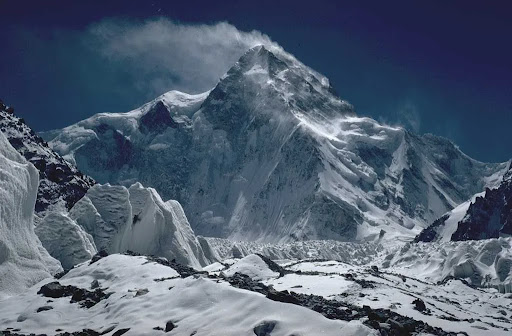
K2 is widely regarded as one of the most challenging and dangerous mountains in the world. Its steep, icy slopes demand precise climbing techniques, while sudden storms can appear without warning. The Abruzzi Spur, the most commonly used route, offers almost no margin for error. Even the most experienced mountaineers face constant hazards, including avalanches, falling ice, and the effects of extreme altitude. Its fatality rate—roughly 20–25%—is far higher than that of Everest, highlighting why K2 is often considered the tougher of the two peaks.
For climbers, K2 is more than a mountain—it is a rigorous test of endurance, skill, and judgment. Its technical complexity, unpredictable weather, and remote location demand careful preparation, making it one of the most respected and feared summits in high-altitude mountaineering. Understanding K2 in comparison to Everest offers insight into why the Everest vs K2 debate continues to captivate climbers and adventure enthusiasts alike.
Mount Everest vs K2: How They Compare
Height
Mount Everest stands tallest at 8,848.86 metres, making it the highest mountain on Earth. K2 follows at 8,611 metres, the second-highest summit globally. While the vertical difference is just 237 metres, the real contrast lies in the difficulty and danger of climbing each peak.
Location and Mountain Range
Mount Everest is located in the Himalayas along the border of Nepal and Tibet, while K2 towers within the Karakoram range between Pakistan and China.
K2’s slopes are steeper, glaciers are more complex, and access is far more remote. Reaching its base often requires multiple days of trekking through rugged, isolated terrain, highlighting the mountain’s extreme nature.
Climbing Difficulty
Everest, despite its extreme altitude, offers routes equipped with fixed ropes, high-altitude camps, and support teams, making it challenging but relatively predictable.
K2, in contrast, provides no such margin for error. Climbers face steep rock and ice faces, unstable snow, and technical obstacles from early in the ascent, demanding advanced high-altitude climbing skills.
Weather Conditions
K2 is infamous for sudden, unpredictable storms due to its location at the convergence of multiple air masses. Climbers often have only brief windows for safe ascent.
Everest also experiences severe cold and high winds, but its seasonal patterns are more consistent, allowing for better planning and safer climbs during spring or autumn.
Technical Challenges
The Bottleneck on K2, a narrow passage beneath massive ice cliffs, is one of the most dangerous sections in mountaineering. Passage here requires expert skill, and falling ice or avalanches pose constant threats.
In contrast, Everest’s main routes are more standardized, with fixed ropes and high-altitude camps providing relative security.
Popularity and Risk
Everest attracts hundreds of climbers each season, aided by guided expeditions and established routes. K2 sees far fewer climbers, usually 50–100 per year, due to technical difficulty, remoteness, and extreme hazards. Its fatality rate, roughly 20–25%, is dramatically higher than Everest’s ~1–2%, cementing K2’s reputation as the ultimate test for elite mountaineers.
Comparison Table – Mount Everest vs K2
| Feature | Mount Everest | K2 |
|---|---|---|
| Height | 8,848.86 m | 8,611 m |
| Mountain Range | Himalayas | Karakoram |
| Location | Nepal / Tibet (China) | Pakistan (Gilgit-Baltistan) / China (Xinjiang) |
| First Ascent | 29 May 1953 | 31 July 1954 |
| First Ascenders | Edmund Hillary & Tenzing Norgay | Lino Lacedelli & Achille Compagnoni |
| Standard Route | South Col (Nepal) | Abruzzi Spur |
| Climbing Difficulty | Moderate to high | Extreme /technical |
| Popularity | Hundreds of climbers per season | 50–100 climbers per season |
| Fatality Rate | ~1–2% | ~20–25% |
| Notable Hazards | Death Zone, jet stream, altitude sickness | Bottleneck, avalanches, unpredictable weather |
Why K2 Is the Harder Climb
Among high-altitude mountaineers, K2 is widely regarded as one of the most difficult and dangerous peaks on Earth. Its structure, extreme weather, and technical demands set it apart from even the world’s tallest mountain, Mount Everest.
Every face of K2 rises steeply, leaving virtually no gentle terrain or recovery zones. The Abruzzi Spur, the most commonly used route, involves long stretches of ice, rock, and snow at extreme altitude, where climbers face exhaustion much earlier than on Everest. Fixed ropes are installed each year, but conditions are unpredictable and often deteriorate rapidly, unlike the more stable setup on Everest’s main routes.
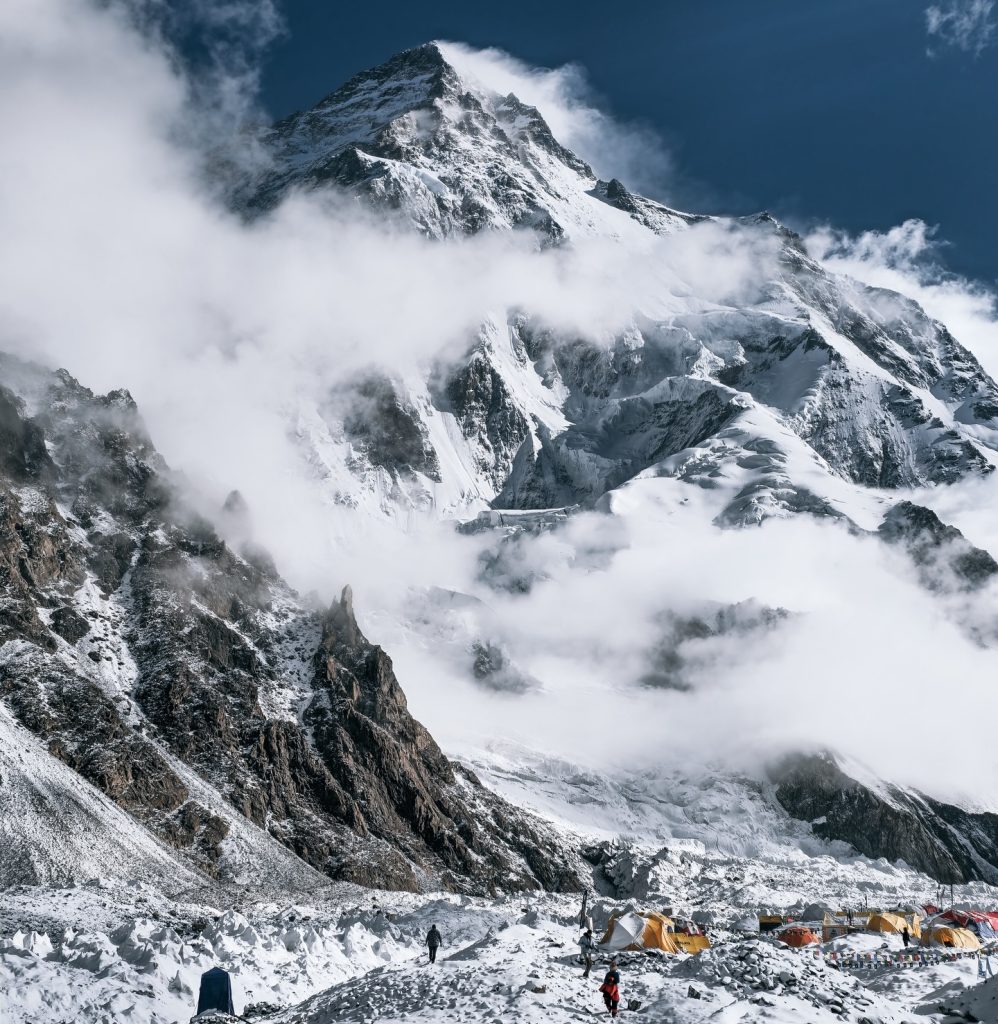
One of K2’s deadliest features is the Bottleneck, a narrow couloir beneath massive seracs of ice. Climbers must navigate this perilous section near the summit, often at night during descent, with the constant threat of falling ice or avalanches. Historically, this section has caused numerous fatalities, including the tragic events of 2008, when a massive ice collapse claimed eleven lives.
K2’s extreme conditions are further highlighted by its late winter ascents. No climbers reached the summit in winter until January 2021, nearly seven decades after the first successful climb in 1954. This delay demonstrates the mountain’s relentless difficulty and the extreme skill, endurance, and preparation required to overcome its challenges.
For mountaineers, K2 is not just a climb—it is a test of technical ability, high-altitude resilience, and decision-making under severe risk. Its steep slopes, unpredictable weather, and isolated location make it the ultimate benchmark for elite climbers worldwide.
Everest vs K2: Difficulty Scale
| Feature | Mount Everest | K2 | Notes |
|---|---|---|---|
| Altitude | 8,848.86 m | 8,611 m | Everest is higher, but K2’s technical difficulty makes it harder despite being slightly shorter |
| Technical Climbing | Moderate | Extreme | Everest’s main routes are less technical; K2 requires advanced rock and ice climbing skills |
| Steepness | Moderate | Very steep | K2’s slopes are sharper with fewer recovery zones |
| Weather Difficulty | Moderate | Extreme | Everest has predictable windows; K2’s weather is highly unpredictable, with sudden storms |
| Route Complexity | Low to Moderate | High | Fixed ropes and camps on Everest; K2 has fewer established routes, more hazards |
| Avalanche Risk | Medium | Very high | K2 has frequent icefalls and avalanche-prone slopes |
| Fatality Rate | ~1–2% | ~20–25% | Indicates overall danger and risk exposure |
| Accessibility | High | Low | Everest supports guided climbs; K2 requires self-reliance and elite skills |
Everest vs K2: Why Everest Is Still a Formidable Climb
Even though K2 is often seen as the more technically demanding mountain, Mount Everest remains one of the harshest environments on Earth, testing climbers’ physical and mental limits.
Above 8,000 metres—the so-called Death Zone—oxygen levels drop to roughly a third of what is available at sea level. In this thin atmosphere, the human body cannot fully acclimate: brain swelling (HACE), fluid in the lungs (HAPE), extreme fatigue, and frostbite become real threats. Climbers must carefully manage every step, every breath, and every decision.
A typical summit push on Everest can last 12–18 hours, with temperatures dropping below −30°C and winds exceeding 100 km/h. The jet stream hovers above the Himalayas for much of the year, often blocking access and allowing only brief weather windows in spring and autumn. Even within these periods, conditions can change suddenly, challenging even the most experienced teams.
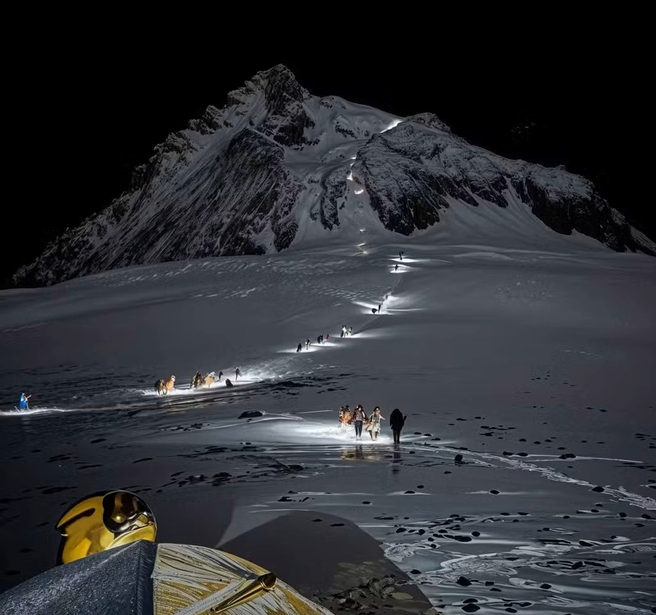
Modern climbing has made Everest more accessible, with fixed ropes, high-altitude camps, and guided expeditions supporting hundreds of climbers annually. Yet this accessibility comes with its own hazards: congestion on popular routes like the South Col and delays near the Hillary Step increase risk. Experience, preparation, and careful judgment remain essential, even on the world’s tallest mountain.
Everest’s allure lies not only in its height but also in the endurance and resilience it demands. While it may be less technically challenging than K2, reaching the summit still represents a significant achievement in the world of high-altitude mountaineering.
Everest vs K2: Weather and Environmental Conditions
Weather plays a decisive role in climbing success on both Mount Everest and K2, but the challenges differ sharply between the two mountains. Understanding these differences is essential for anyone comparing Everest vs K2.
Mount Everest experiences relatively predictable seasonal patterns. Influenced by the South Asian monsoon, the best climbing windows occur in late spring, just before heavy rains, and in autumn, after the monsoon clears. During these periods, temperatures can drop below −30°C, and winds may reach 100 km/h, but careful planning allows experienced teams to maximize their chances of a successful summit. This predictability is one reason why hundreds of climbers attempt Everest each year.
K2, on the other hand, is notorious for its extreme and unpredictable weather. Located in the Karakoram, it is affected by the convergence of monsoon flows, Central Asian winds, and Arctic cold surges. Conditions can change within hours: calm skies can quickly become violent storms, with gusts exceeding 160 km/h at high altitude.
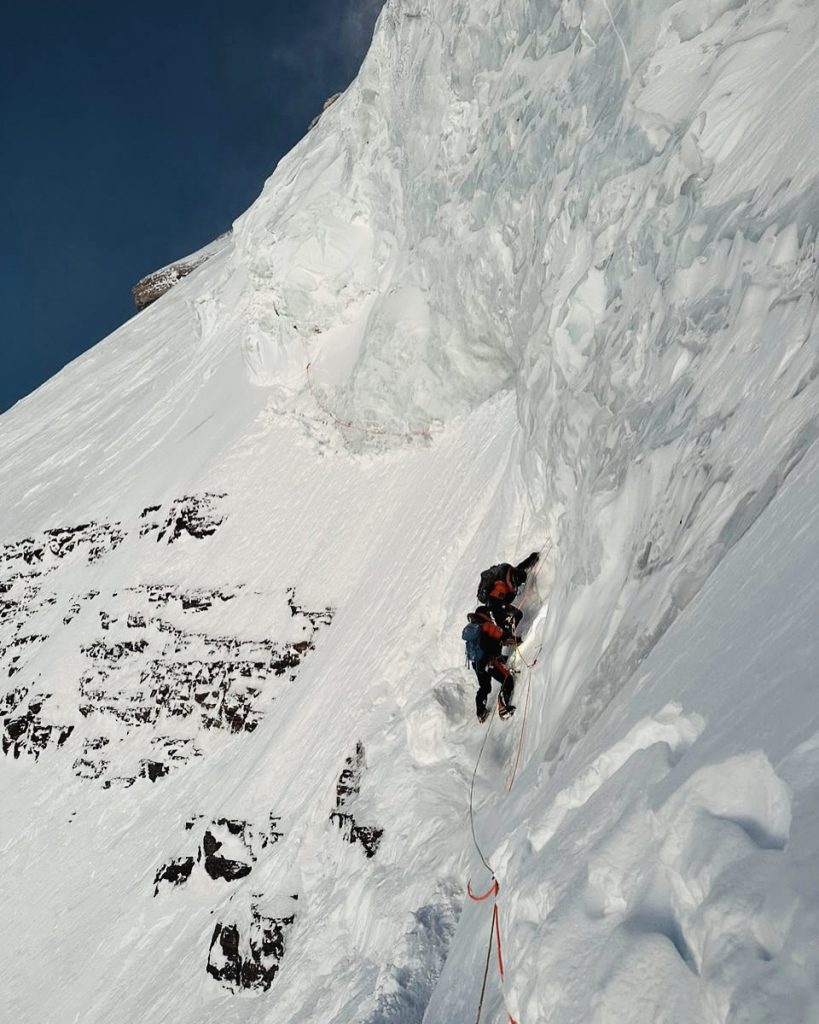
Heavy snowfall, avalanches, and sudden temperature drops can trap climbers in shelters for days, depleting oxygen, rations, and energy reserves. This volatility, combined with K2’s steep terrain, contributes to its far higher fatality rate of approximately 20–25%, compared to Everest’s 1–2%.
In summary, while both peaks expose climbers to extreme cold and high winds, Everest offers more predictable weather windows, whereas K2 demands constant vigilance, rapid decision-making, and technical skill. These environmental differences are a key factor in why K2 is often considered the ultimate test of mountaineering skill, and why the discussion of Everest vs K2 continues among climbers worldwide.
Everest vs K2: Danger and Fatality Comparison
When evaluating Everest vs K2, the most striking difference lies in their fatality rates. On Mount Everest, roughly 1–2 climbers per 100 attempts do not survive, giving a mortality rate of about 1–2%. K2, however, has historically claimed 20–25 lives per 100 attempts, making it ten times deadlier than Everest. Even with modern gear, training, and improved expedition planning, K2 remains one of the most perilous peaks in the world.
Several factors make K2 particularly dangerous:
- Steep and technical terrain: Climbers encounter vertical ice and rock faces, often with no safe margins.
- Isolation and limited rescue options: Above 7,000 metres, helicopter evacuations are rarely possible.
- Unpredictable weather: Sudden storms, heavy snowfall, and avalanches can trap climbers for days.
- High-altitude hazards: Narrow passages like the Bottleneck expose climbers to falling seracs and rockfall, where even a single misstep can be fatal.
- Altitude-related risks: Extreme cold, low oxygen, and prolonged exertion amplify the danger.
In comparison, Everest, though still highly challenging, is somewhat less risky due to:
- Well-established routes with fixed ropes and ladders
- High-altitude camps stocked with supplies
- Faster and more accessible rescue options at lower elevations
For mountaineers weighing Everest vs K2, the statistics and conditions clearly illustrate why K2 is regarded as the ultimate test of skill, judgment, and endurance in high-altitude climbing.
Everest vs K2: Who Should Attempt These Peaks?
Climbing outcomes on high-altitude mountains depend heavily on experience, skill, and mental preparedness. Determination alone is not enough; mountaineers must combine endurance with technical expertise and sound judgment.
Mount Everest is more accessible to experienced climbers who have summited multiple 7,000-metre peaks. Expeditions often provide strong support, including experienced Sherpa guides, high-altitude camps, and fixed ropes. Even so, reaching the summit requires careful planning, acclimatization, and respect for the mountain’s extreme conditions.
K2, by contrast, is a mountain that demands exceptional preparation and skill:
- Climbers should have multiple eight-thousanders already summited.
- Technical ice and rock climbing expertise is essential.
- Experience at high altitude, with independent route-finding and survival skills, is crucial. K2’s remote terrain leaves almost no margin for error, and external help is extremely limited.
- Full recognition of the heightened risks and extreme exposure is required. Each decision can mean the difference between life and death.
Even the most skilled climbers face peril on K2. A single misstep can prove fatal, underscoring that experience and judgment matter more than raw strength. While Sherpa guidance is invaluable on Everest, on K2, climbers must rely largely on themselves, making careful preparation non-negotiable.
In the debate of Everest vs K2, this distinction highlights why K2 is considered the ultimate test of high-altitude mountaineering skill.
Frequently Asked Questions
1. Which mountain is taller, Everest or K2?
Mount Everest is the tallest at 8,848.86 metres (29,032 ft). K2 is the second-highest at 8,611 metres (28,251 ft). While the difference is only 237 metres, Everest’s higher altitude means climbers experience more severe physiological strain and a greater need for high-flow supplemental oxygen.
2. Is K2 harder to climb than Everest?
Yes. While Everest is a grueling test of endurance, K2 is a technical rock and ice climb. Everest has several "plateaus" where climbers can rest, whereas K2 is relentlessly steep. On K2, technical cruxes like House's Chimney and the Black Pyramid require elite-level climbing skills that aren't necessary for the standard routes on Everest.
3. How many climbers have summited Everest and K2? (2026 Stats)
- Everest: As of early 2026, there have been over 13,700 total summits by more than 7,500 unique individuals.
- K2: This remains an exclusive club with fewer than 1,000 recorded summits in history. K2 often has "no-summit years" due to bad weather, whereas Everest has seen 600–800+ summits annually in recent years.
4. Which mountain is more dangerous?
K2 remains significantly more perilous.
- K2 Fatality Rate: Historically 25% (1 in 4), though modern support in 2025/2026 has brought the recent average down to roughly 10–13%.
- Everest Fatality Rate: Approximately 1–1.5% in the modern commercial era. K2’s "Savage Mountain" reputation comes from its unpredictable weather and the high risk of objective hazards like falling ice in the Bottleneck.
5. Where are Everest and K2 located?
- Everest: Straddles the border of Nepal and Tibet (China), within the Himalayas.
- K2: Lies along the boundary of Pakistan’s Gilgit-Baltistan region and China’s Xinjiang province, in the Karakoram range.
6. Which mountain has more extreme weather?
K2. Because it is located 8 degrees further north, K2 is colder and more exposed to clashing air masses from the Arctic and Central Asia. This creates sudden "micro-storms." Everest’s weather is governed by the South Asian Monsoon, which provides a more predictable (though still dangerous) "summit window" in May.
7. Which climb requires more technical skill?
K2 demands superior technical ability. Everest is often attempted by "adventure tourists" with high-end guide support, but K2 is reserved for expert alpinists. As of 2026, Nepal requires Everest climbers to have summited at least one 7,000m peak before applying, but K2 remains a "self-reliant" mountain where even the guided teams are expected to be highly proficient climbers.
Final Verdict: Height vs. Hardship
If your goal is to stand on the highest point of human existence and witness the curvature of the Earth, Mount Everest is your peak. But if you seek the ultimate validation of your technical skills as an alpinist—where the climb itself is the reward—K2 stands waiting.
Which summit is calling you? Whether you are preparing for your first 6,000m peak or eyeing the Roof of the World, the journey begins with preparation, and Bold Himalaya is always there for you to help.
Comments (0)
Write a comment- Mount Everest Overview
- Overview of K2
- Mount Everest vs K2: How They Compare
- Height
- Location and Mountain Range
- Climbing Difficulty
- Weather Conditions
- Technical Challenges
- Popularity and Risk
- Why K2 Is the Harder Climb
- Everest vs K2: Difficulty Scale
- Everest vs K2: Why Everest Is Still a Formidable Climb
- Everest vs K2: Weather and Environmental Conditions
- Everest vs K2: Danger and Fatality Comparison
- Everest vs K2: Who Should Attempt These Peaks?
- Frequently Asked Questions
- 1. Which mountain is taller, Everest or K2?
- 2. Is K2 harder to climb than Everest?
- 3. How many climbers have summited Everest and K2? (2026 Stats)
- 4. Which mountain is more dangerous?
- 5. Where are Everest and K2 located?
- 6. Which mountain has more extreme weather?
- 7. Which climb requires more technical skill?
- Final Verdict: Height vs. Hardship
Read the latest Blogs & Insights
Explore our collection of articles and insights to gain in-depth travel knowledge, expert advice, and stay updated on the latest trends and tips.



No comments yet.