


Sacred Kailash Mansarovar Yatra: Officially Reopened for Indian Passport Holders
Sacred Mt. Kailash and Lake Mansarovar opened their heavenly doors to Indian passport holders, a milestone for spiritual pilgrims in the nation. The mythological pilgrimage route is the most religious trek ever, with pilgrims having the honor of being in the holy presence of the abode of Lord Shiva at an altitude of 6,638 meters above sea level.

-
 admin
admin
-
17 June, 2025
-
18 mins read
-
546 Views
-
0 Comments


Its glittering summit has stirred generations of infinite pilgrims over the centuries who have aspired to walk around its base in religious parikrama. Lake Mansarovar, at 4,590 meters above sea level, offers spiritual purification in the form of crystal- clear waters looking out into the infinite Tibetan skies with divine clarity.
The Nepal route is the most accessible to Indians currently, promising a combination of breathtaking Himalayan landscape and profound spirituality. The traditional pilgrimage path has a combination of physical challenge with spiritual rejuvenation, and it is more than an ordinary travel experience.
To Hindu pilgrims, yatra is not traveling but a call of the soul that liberates one from birth and death. Reopening offers hopes of a new ray of hope for tens of millions of spiritual pilgrims who waited for years for this divine opportunity.
Why do the Divine Kailash Mansarovar Yatra?
1. Supreme Spiritual Liberation
It is said to grant moksha and wash away the sins of innumerable lifetimes.
2. Lord Shiva's Residence
Mt. Kailash is Lord Shiva's residence, bestowing direct divine blessings upon devout pilgrims.
3. Parikrama Spiritual Awakening
The 52-kilometer parikrama is the path of life, death, and rebirth, and is spiritually awakening.
4. Mansarovar Holy Waters
Holy dip in Lake Mansarovar cleanses the soul and fulfills the ultimate spiritual aspiration.
5. Multi-Religious Significance
The sacred site is sacred in Hinduism, Buddhism, Jainism, and the Bon religion, creating universal spiritual energy.
6. Life-Changing Experience
Pilgrims undergo profound spiritual awakening, mental clarity, and positive life change after yatra.
7. Himalayan Scenic Beauty
Yatra offers scenic views of virgin lakes, snow peaks, and untouched wilderness.
8. Cultural Immersion
Observe authentic Tibetan culture, witness ancient monasteries, and meet people.
9. Physical and Mental Challenge
Hard ground tests inner strength in building spiritual resistance and self- confidence.
10. Once-in-a-Lifetime Achievement
Its completion earns eternal respect and is one of human beings' highest spiritual achievements.
Mount Kailash: The Sacred Mountain
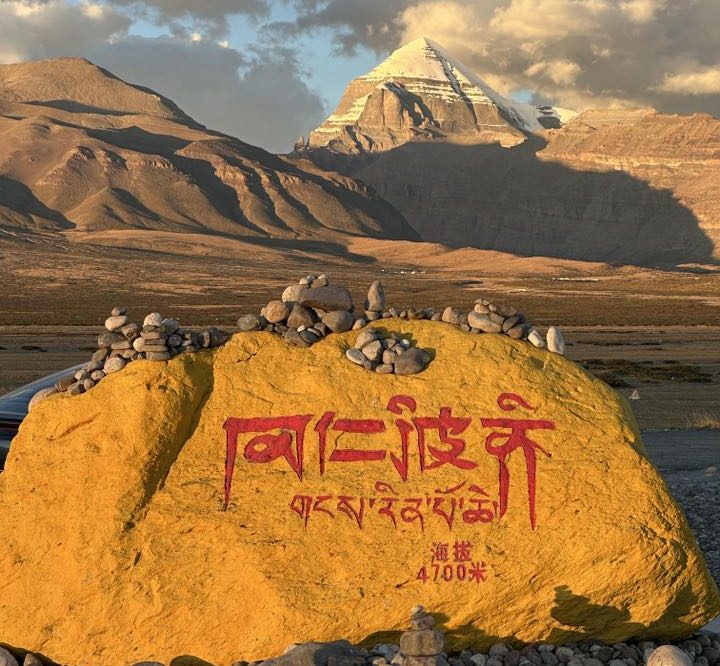
Mount Kailash is located in the west of Tibet, close to the India-Nepal border. The pyramidal peak rises 6,638 meters above sea level, and it has four sides that face the four cardinal directions. The symmetry of the mountain is beyond the capabilities of nature, as if God had accomplished it.
The four faces of Mount Kailash are also religiously significant. The snow-white north face year-round symbolizes purity and wisdom. The dark blue southern face symbolizes space and peace. The eastern face, on which the golden rays of sunrise fall, symbolizes earth and generosity. The west face, which turns red at sunset, symbolizes fire and divine wisdom.
Mt. Kailash is the source of four of Asia's great rivers - the Brahmaputra, Indus, Sutlej, and Karnali. Such a profound natural marvel is it that it is the nourishment for millions of lives across the continent. The mountain has never been ascended not for technical feasibility, but for global religious respect.
Lake Mansarovar: The Sacred Waters
Lake Mansarovar is 410 square kilometers in area at an altitude of 4,590 meters, one of the highest freshwater lakes in the world. The lake is circular and crystal
clear, offering mirror-like reflections of the surrounding mountains. The lake is fed by glacial meltwater and groundwater aquifers and is crystal clear despite the bad weather.
Hindu scriptures have mentioned Mansarovar as the mind-born lake created from the mind of Brahma. The lake is the cosmic ocean from which the entire creation emerged. It is believed by Buddhist schools to be the abode of enlightened beings and by followers of Bon to be an area of supernatural power.
Its water is turquoise in color during the summer months when the mountain skies are open. Winter transforms it into a sheet of ice, offering mystical reflections.
Pilgrims perform sacred rituals like holy baths, carrying back water for home shrines, and circumambulation along the shore.
The Sacred Parikrama: Journey of Transformation
Parikrama of Kailash is the spiritual highlight of the whole pilgrimage. The 52- kilometer anticlockwise walk is typically completed in three days. The path has been walked by pilgrims for centuries, and each step is imbued with tremendous spiritual energy.
Day one is 20 kilometers from Darchen to Dirapuk Monastery with a good view of the north face of Mount Kailash. Easy ascents are perfect for acclimatization while walking around sacred sites and prayer flag points. Basic accommodation is available at Dirapuk Monastery with a direct view of the mountain.
The second day is the most difficult day, and Dolma La Pass, at 5,630 meters, is the trek's highest point. Spiritual rebirth and death are said to occur here, and pilgrims leave personal items here as a symbol of past attachments. The pass drops to Zuthulphuk Monastery, which is associated with the great Buddhist master Milarepa.
Day three completes the spiritual circuit with a simple return trip back to Darchen.
It's claimed that all but a few pilgrims are forever altered by the time they conclude, with some even experiencing spiritual rebirth, mental clarity, and profound inner peace years after its completion.
Best Routes to Kailash Mansarovar
1. Kathmandu to Kerung Border Road
This is the most convenient driving trip from Nepal, a 4–5-hour 160 km drive from Kathmandu to Kerung border. It continues with a steady rise in altitude via Saga to Mansarovar, with excellent acclimatization. Good roads and fast border formalities are the reasons why many of the pilgrims prefer it as the first choice.
The journey includes cultural visits to Tibetan Kerung villages, newly constructed border buildings, and comfortable rest houses of Saga. The drives are picturesque with unspoiled lakes, village life in the traditional manner, and stunning mountain views en route.
2. Lhasa Flight Route
This option combines pilgrimage and cultural travel. The 1.5-hour Kathmandu to Lhasa flight allows for 2-3 days of acclimatization and sightseeing. Two-day, 1,200-kilometer drive from Lhasa to Mount Kailash is over a spectacular Tibetan landscape.
Cultural tours visit Potala Palace, Jokhang Temple, ancient Barkhor Street, and the vast monasteries of Sera and Drepung. This option offers profound immersion into Tibetan Buddhist culture and history with ample altitude acclimatization.
3. Simikot-Hilsa Border Route
The Simikot-Hilsa border route is the shortest but toughest route and involves flights to Simikot with additional helicopter flights to the Hilsa border. The 100-kilometer journey to Mount Kailash includes scenic mountain flights and an off-the-beaten-path adventure. Depending on weather conditions and physical exhaustion, the route is for pilgrims with an adventurer's spirit who seek alternate experiences.
More expensive and less stable, but with the shortest overall travel time and less busy border crossings, this choice is for adventurers.
Best Time to Visit
1. Summer Season (June-August)
Summer offers perfect conditions with maximum daytime temperatures of 10-20°C. All passes are open and there is daylight for up to 16 hours. Peak season is ideal for road conditions and photography, but one would have to book in advance since it is peak season.
2. Spring and Autumn (April-May, September-October)
Spring enjoys good weather with beautiful rhododendron in bloom at lower altitudes. Autumn is renowned for blue skies and spectacular mountain views. Both seasons enjoy fewer trekkers, perfect hiking conditions, and stable weather with comfortable temperatures.
3. Winter Considerations
Winter is a season of harsh cold with temperatures below -30°C and heavy snowfall. Although offering deserted landscapes and no other visitors, winter travel requires meticulous planning and entails severe weather conditions.
Visa Process and Embassy Documentation for Indians
1. Step-by-Step Chinese Visa Process
Indians must obtain Chinese Group Tourist Visa (L-type) from authorized Chinese embassy or consulate. Application requires an original passport with a minimum validity of 6 months and 2 blank pages. It requires 2 white background passport photographs, a visa application form completed with proper details, and Tibet hotel reservation confirmations.
2. Required Documents Checklist
Documents required are 3 months' bank statements with sufficient funds, proof of employment or certificate of business registration, confirmed return ticket, and complete travel insurance. Pension certificates are necessary for pensioners, and enrollment certificates and no-objection letters from institutions are necessary for students.
3. Processing Time and Fees
Regular processing takes 4-5 working days at the visa cost of ₹3,200-4,500 for Indian citizens. Express processing is also available at additional cost. Group visa applications receive priority processing and reduced charges when filed together by licensed tour operators.
4. Group Travel Requirements
However, for group travel, three members is the minimum required. Solo travel to Mt. Kailash is not permitted. There should be at least 5 individuals to process permits. Solo travelers would have to join group tours to process necessary permits and visas.
Customs and Border Procedures
1. India-Nepal Border Crossing
Indian citizens can enter Nepal on voter ID cards or passports on specific border points like Sunauli, Raxaul, and Kakarbhitta. Indians are not required a visa to visit Nepal on a tourist visa. The process is quick with very little paperwork.
2. Nepal-Tibet Border Procedures
Kerung border crossing includes Chinese visa examination, Tibet Travel Permit examination, and custom declaration. Prohibited items are GPS, satellite phones, political books, and certain medicines. Luggage inspection is strict with possible delays during peak periods.
3. Customs Allowances and Restrictions
Personal religious objects, small quantities of drugs, and gifts with a value of less than $100 are permitted for pilgrims. Prohibited items are drones, expensive electronics, and significant money. Goods declared must be well documented and are also liable to duty.
Accommodation and Dining
1. Accommodation Standards
Basic and simple guesthouses with dormitory toilets and bare rooms are available in big towns like Saga and Darchen. Monasteries along the parikrama, like Dirapuk and Zuthulphuk, offer dormitory-type accommodation with bare mattresses and communal facilities. The personal sleeping bag that is rated to -10°C is required.
2. Meal Options
Tibetan cuisine includes tsampa (roasted barley flour), butter tea, yak meat dishes, and momos (dumplings). Chinese and Indian cuisine provide rice dishes, plain curries, and noodle soups. Vegetarian cuisine is ubiquitous, but vegan cuisine is not. Personal snacks are recommended for dietary requirements.
3. Monastery Accommodation Experience
Dirapuk and Zuthulphuk monasteries provide authentic Tibetan experiences with dormitory stays, shared facilities, and basic meals. Sleeping is on plain beds with plain mattresses and a necessity for individual sleeping bags. Bathroom facilities are likewise shared with minimal hot water provision.
4. Camping and Alternative Accommodation
Some of the tours have camping overnight at Lake Mansarovar with camping gear and tents provided. Camping provides exposure to nature but involves more preparation for poor weather. Professional camping tours involve arrangements for food, sanitation, and security.
Medical Fitness Requirements and Health Certificates
1. Mandatory Medical Tests for Indian Pilgrims
All pilgrims above the age of 50 are to present complete health certificates issued by licensed hospitals. Tests they must undergo include: complete blood count, kidney function test, liver function test, and electrocardiogram. Cardiac stress tests are required for those with heart disease or hypertension.
2. Restricted Medical Conditions
Pilgrims with serious heart diseases, uncontrolled diabetes, chronic lung diseases, or recent major surgery cannot undertake this pilgrimage. Pregnancy, severe arthritis, and psychiatric diseases on medication also disqualify individuals from participating in this high-altitude haj.
3. Pre-Travel Medical Consultations
High-altitude medical consultations can be had in major Indian cities such as Delhi, Mumbai, Kolkata, and Bangalore. The consultation gives guidance for acclimatization, prevention of high-altitude sickness, and tailored prescriptions for drugs for the Himalayan environment.
Currency Exchange and Payment Methods
1. Currency Requirements in Tibet
Chinese Yuan is the currency used in Tibet, and the usage of any other currency is minimal. Indian Rupees are never accepted in Tibet, and therefore the best possible alternative is US Dollars. The exchange rates favor pre-departure conversion of currency in major Indian cities.
2. Banking and ATM Facilities
There are no ATM centers on the pilgrimage path in Tibet. Pilgrims must carry sufficient cash for the entire journey, including tips, personal expenses, and emergencies. Credit cards cannot be used in remote places.
3. Cash Recommendations
Carry $800-1,200 in US Dollars and ₹15,000-20,000 to be spent in Nepal.
Carry $300-500 as emergency funds for contingencies. Carry cash in waterproof envelopes and distribute it into two or more locations for protection.
Communication and Internet Access
1. Mobile Network Coverage
Indian mobile network coverage does not exist in Tibet. China Unicom and China Mobile have sparse coverage of major cities but nothing on the parikrama. Purchase Chinese SIM cards in Kathmandu or along the Kerung border for limited communications needs.
2. Internet and WiFi availability
WiFi is available in large towns like Saga and Darchen, and there is limited access to external sites. Social websites like Facebook, Instagram, and WhatsApp are censored in China. VPN may not work at high elevations.
3. Satellite Communication Devices
Satellite phone and GPS gear are tightly restricted in Tibet. Pilgrims cannot bring these gear without permission. Emergency communication relies on licensed tour operator communication gear and Chinese network systems.
Health and Safety Issues
1. Medical preparation
Complete medical check-ups are required before traveling. The authorized doctors should prescribe altitude sickness tablets. All the prescribed medicines and the general medicines should be stored in the personal first aid kits. Medical fitness certificates should be carried by older pilgrims.
2. Emergency Evacuation
Medical evacuation is only possible on Day 1 of the parikrama. On Days 2-3 of the Kora, there are no facilities for evacuation. Helicopter evacuation is very costly, over $10,000, so thorough travel insurance is required.
3. Common Health Problems
Altitude sickness is the most common problem, requiring gradual climbing and medication. Sun exposure and dehydration are common problems at high elevation. Stomach problems due to dietary adaptation and cold injury require careful planning and prophylactic treatment.
Spiritual Practices and Rituals
1. Traditional Pilgrimage Traditions
Pre-journey preparations entail purification rituals, intensification of meditation and prayer, blessings from spiritual heads, and intention setting. Pilgrims practice walking meditation, mantra recitations, offering sacred sites, and holy water collection en route.
2. Hindu Practices
Hindu practices entail clockwise circumambulation, location-specific mantras, ritual offerings, and meditation on Lord Shiva's attributes. The Mansarovar sacred bath requires special timing (sunrise or sunset), prayers during the bath, and gratitude rituals.
3. Buddhist Practices
Buddhist circumambulation incorporates walking meditation with mindful awareness, merit-gaining prostration practice, and mantra recitation, most notably Om Mani Padme Hum. Monastery visits involve respectful behavior, offerings to the Three Jewels, and prayer wheel turning with mindful awareness.
Cultural and Historical Significance
The Kailash area was formerly the cradle of Tibetan civilization, e.g., of the Zhang Zhung Kingdom (500 BCE - 625 CE), the originator of the Bon religion. The later Guge Kingdom (10th-17th centuries) left the area an incredible heritage of art and architecture.
It was here that the indigenous Bon religion came into existence over 4,000 years ago, and Mount Kailash is the spiritual umbilicus of the world. The introduction of Buddhism in the 7th-8th centuries resulted in a very distinctive fusion with the earlier traditions, which has rendered Mount Kailash sacred to more than one religion.
Despite modernization pressure, the local people continue to uphold traditional lifestyles, languages, and traditions. The monasteries and hermitages contain centuries-old murals and sculptures that unlock centuries of religious belief and cultural exchange.
Cultural Sensitivity and Local Customs
1. Tibetan Cultural Etiquette
Be sensitive to local customs by removing hats when going to monasteries, not pointing feet towards religious objects, and asking permission before photographing people. Clockwise procession is the norm, and reserved demeanor is appreciated in temples.
2. Religious Sensitivity Guidelines
A number of religions consider Mount Kailash sacred and require respectful behavior towards all pilgrims regardless of religion. Avoid loud conversation, inappropriate dressing, and disrespect near religious sites. Photography is prohibited in some religious ceremonies and locations.
3. Interaction with Local People
Culturally aware travelers are welcomed with open arms by indigenous Tibetan nationals with age-old hospitability. Learn some basic Tibetan salutations and expressions of gratitude. Shop responsibly for local handicrafts and produce from the local economy while being vigilant about cultural authenticity.
What to Pack: Essentials
1. Clothing System
The base layers require thermal underwear and moisture-wicking clothing. Mid layers require down jackets, fleece clothing, and insulated pants. Outer layers require waterproof jackets, winter coats, and protection gear. It requires high-quality trekking boots, warm socks, and protection gear.
2. Technical Equipment
High-altitude gear includes pulse oximeters, altitude sickness pills, and emergency whistles. Health items include prescription drugs, first aid kits, sunscreens, and water purification tablets. Electronics should include GPS devices, power banks, headlamps, and weather-sealed cameras.
3. Spiritual Items
Spiritual items include prayer beads, religious texts, offering items, and personal devotional items. Comfort items include comfort foods, reading materials, travel pillows, and extreme cold-rated sleeping bags.
Technology and Photography Guidelines
1. Recommendations for Camera Equipment
Cold protection for gears and extra batteries is required for photographing at high altitudes. Recommended gears include weather-sealed DSLR cameras, wide-angle lenses for landscape photography, and handheld tripods for low- light photography.
2. Photography Permit and Restrictions
Military bases, border areas, and certain monastery interiors prohibit photography. Get permission beforehand to photograph local people or religious ceremonies. Commercial photography needs special permits and additional fees.
3. Equipment Protection and Maintenance
Protect electronic equipment from heat, humidity, and dust by using specialized protection covers and camera bags. Carry spare power and spare memory cards. Equipment must be kept in moisture-proof containers for maintenance.
Strategies for Booking and Seasonal Planning
1. Advance Booking Guidance
Book 6-8 months in advance of the summer season since it is peak demand and few permits are available. Book early for better group selection, preferred departure dates, and adequate planning time. Last-minute applications can result in increased cost and limited options.
2. Seasonal Demand Patterns
Peak season (June-August) requires earliest booking with best but highest weather. Shoulder seasons (May and September) offer good weather and few
tourists with medium rates. Off-season travel is challenging but possible with experienced operators.
3. Flexible Booking Options
Part payment with flexible booking and cancellation protection is offered by certain operators. Flexible travel and additional contingency days are required by weather delays. Weather or political climate-related trip cancellations and delays must be included in the travel insurance.
Post-Pilgrimage Considerations
1. Procedures for Re-entry to India
Indian law allows reasonable quantities of religious artifacts and personal belongings duty-free. Declare valuable items purchased abroad to avoid trouble. Medical quarantine is demanded during pandemics or health crises.
2. Health Monitoring and Follow-up
Monitor for altitude sequelae of recurring headaches, lethargy, or respiratory distress. Conduct doctor's visits within 2-3 weeks of arrival. Difficulty with emotional adjustment requiring counseling or spiritual guidance is seen in some pilgrims.
3. Sharing Experiences and Memories
Personal journal, photo, and video experiences for reflection and sharing with loved ones. Most pilgrims also act as a pilgrimage ambassador, providing recommendations and tips to future pilgrims. Spiritual integration takes time and practice.
Frequently Asked Questions
1. Can pilgrims above 65 years undertake this yatra?
Yes, provided with a medical fitness certificate and taking the easier Kerung route with little walking involved.
2. Is vegetarian food available on the trek?
Vegetarian food is easily available, although the option would be restricted at remote locations on the parikrama.
3. What happens if one becomes ill with altitude sickness during the trek?
Prompt medical treatment and descent are organized, with Day 1 parikrama emergency evacuation.
4. May pilgrims reserve this yatra independently?
No, group reservation of a minimum of 5 individuals is mandatory for permit registration and border crossing.
5. Is travel insurance mandatory for this pilgrimage?
No, though not legally required, comprehensive travel insurance including high-altitude emergencies is highly recommended.
6. How much cash are pilgrims required to carry on the yatra?
Carry $500-800 of Indian currency and American money as there are no ATM facilities in Tibet.
7. Are there any photography restrictions along the route?
Photography is prohibited in some monasteries and at military complexes en route.
8. Can knee patients perform parikrama?
Consult doctors beforehand and rent horses for risky sections of the circumambulation.
9. At what time will one get clear views of mountains?
May-June and September are the best months with very good views of Mount Kailash.
10. How long does it take to make the whole yatra?
The entire journey typically takes 12-14 days with travel, acclimatization, and the parikrama.
11. Is there a helicopter service for the parikrama?
Helicopters are not available for the actual parikrama, which must be done on foot.
12. Can holy water of Mansarovar be taken to India?
Yes, small quantities of holy water and religious items are permitted for personal use.
Conclusion
The Kailash Mansarovar Yatra is the supreme spiritual journey for Indian pilgrims, offering unmatched potential for the feeling of closeness to the divine presence of Lord Shiva. The spiritual journey deeply affects all spiritual pilgrims through its singular blend of physical ordeal, spiritual importance, and natural beauty that moves the heart.
The official re-opening to Indian passport holders through the Nepal route marks renewed access to this life-changing pilgrimage. Every step on the journey, from the bustling streets of Kathmandu to the serene banks of Lake Mansarovar, is in divine graces and profound meaning for pilgrims.
Its ornate preparation guidelines, route recommendations, and practical tips render the journey a tranquil and safeguarded pilgrimage. Although the convenient Kerung route or the exciting Simikot route is selected, both deliver a one-of-a-kind experience without compromising the spiritual aspect of the journey.
Remember that the call to Mount Kailash comes now when the soul is ready to reincarnate. Have faith in divine timing, take required preparations with devotion, and set out on this spiritual path with commitment in heart and faith in footsteps. May Lord Shiva enlighten your path with spiritual realization and eternal peace.
Comments (0)
Write a comment- Why do the Divine Kailash Mansarovar Yatra?
- 1. Supreme Spiritual Liberation
- 2. Lord Shiva’s Residence
- 3. Parikrama Spiritual Awakening
- 4. Mansarovar Holy Waters
- 5. Multi-Religious Significance
- 6. Life-Changing Experience
- 7. Himalayan Scenic Beauty
- 8. Cultural Immersion
- 9. Physical and Mental Challenge
- 10. Once-in-a-Lifetime Achievement
- Mount Kailash: The Sacred Mountain
- Lake Mansarovar: The Sacred Waters
- The Sacred Parikrama: Journey of Transformation
- Best Routes to Kailash Mansarovar
- 1. Kathmandu to Kerung Border Road
- 2. Lhasa Flight Route
- 3. Simikot-Hilsa Border Route
- Best Time to Visit
- 1. Summer Season (June-August)
- 2. Spring and Autumn (April-May, September-October)
- 3. Winter Considerations
- Visa Process and Embassy Documentation for Indians
- 1. Step-by-Step Chinese Visa Process
- 2. Required Documents Checklist
- 3. Processing Time and Fees
- 4. Group Travel Requirements
- Customs and Border Procedures
- 1. India-Nepal Border Crossing
- 2. Nepal-Tibet Border Procedures
- 3. Customs Allowances and Restrictions
- Accommodation and Dining
- 1. Accommodation Standards
- 2. Meal Options
- 3. Monastery Accommodation Experience
- 4. Camping and Alternative Accommodation
- Medical Fitness Requirements and Health Certificates
- 1. Mandatory Medical Tests for Indian Pilgrims
- 2. Restricted Medical Conditions
- 3. Pre-Travel Medical Consultations
- Currency Exchange and Payment Methods
- 1. Currency Requirements in Tibet
- 2. Banking and ATM Facilities
- 3. Cash Recommendations
- Communication and Internet Access
- 1. Mobile Network Coverage
- 2. Internet and WiFi availability
- 3. Satellite Communication Devices
- Health and Safety Issues
- 1. Medical preparation
- 2. Emergency Evacuation
- 3. Common Health Problems
- Spiritual Practices and Rituals
- 1. Traditional Pilgrimage Traditions
- 2. Hindu Practices
- 3. Buddhist Practices
- Cultural and Historical Significance
- Cultural Sensitivity and Local Customs
- 1. Tibetan Cultural Etiquette
- 2. Religious Sensitivity Guidelines
- 3. Interaction with Local People
- What to Pack: Essentials
- 1. Clothing System
- 2. Technical Equipment
- 3. Spiritual Items
- Technology and Photography Guidelines
- 1. Recommendations for Camera Equipment
- 2. Photography Permit and Restrictions
- 3. Equipment Protection and Maintenance
- Strategies for Booking and Seasonal Planning
- 1. Advance Booking Guidance
- 2. Seasonal Demand Patterns
- 3. Flexible Booking Options
- Post-Pilgrimage Considerations
- 1. Procedures for Re-entry to India
- 2. Health Monitoring and Follow-up
- 3. Sharing Experiences and Memories
- Frequently Asked Questions
- 1. Can pilgrims above 65 years undertake this yatra?
- 2. Is vegetarian food available on the trek?
- 3. What happens if one becomes ill with altitude sickness during the trek?
- 4. May pilgrims reserve this yatra independently?
- 5. Is travel insurance mandatory for this pilgrimage?
- 6. How much cash are pilgrims required to carry on the yatra?
- 7. Are there any photography restrictions along the route?
- 8. Can knee patients perform parikrama?
- 9. At what time will one get clear views of mountains?
- 10. How long does it take to make the whole yatra?
- 11. Is there a helicopter service for the parikrama?
- 12. Can holy water of Mansarovar be taken to India?
Read the latest Blogs & Insights
Explore our collection of articles and insights to gain in-depth travel knowledge, expert advice, and stay updated on the latest trends and tips.
Adi Kailash Yatra and Trek 2026 Essentials

Best Photography Spots on Popular Treks


No comments yet.