


Mount Kangchenjunga
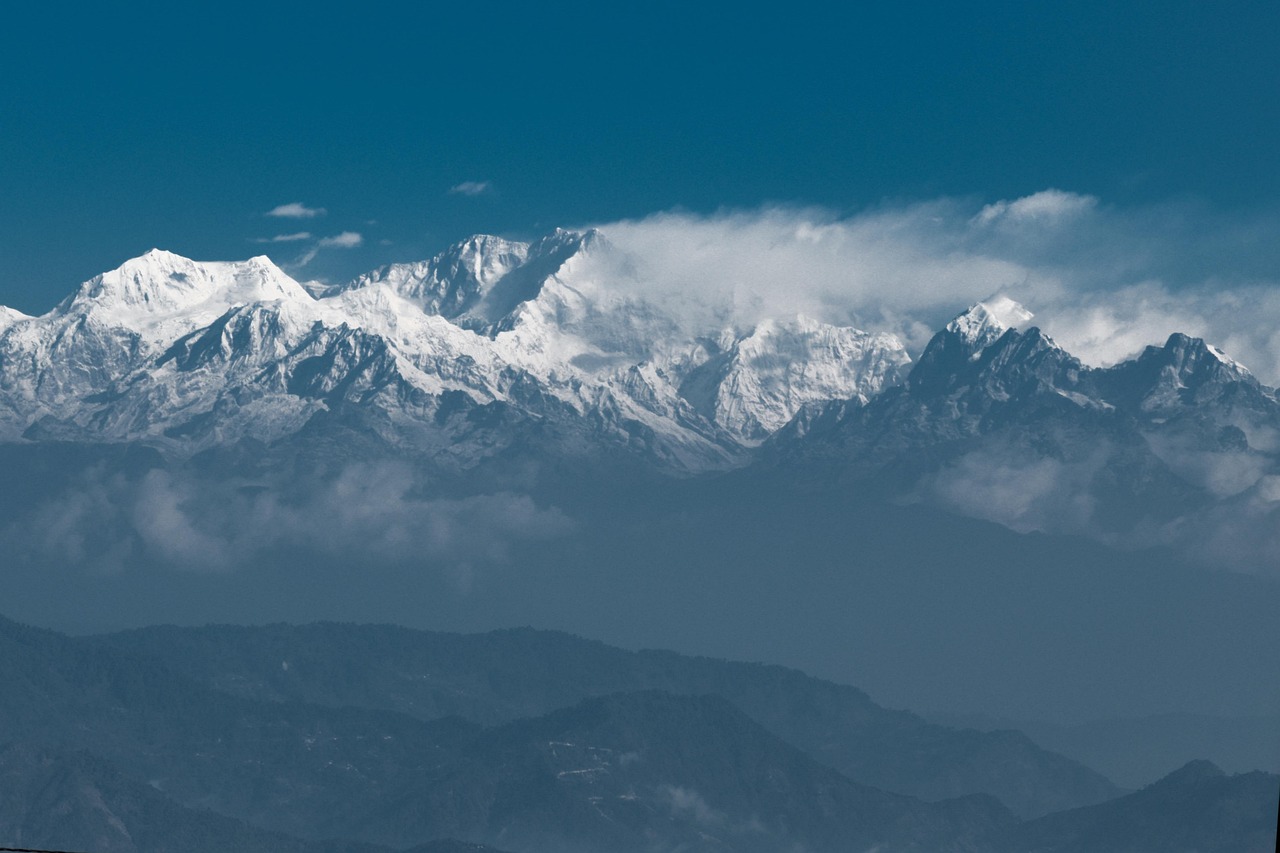
Words fall short of capturing the splendor of Kangchenjunga, the third-highest mountain in the world.
-
 Sobit Bhandari
-
20 December, 2024
-
0 mins read
-
3469 Views
-
0 Comments


Discover the Majestic Beauty of Mount Kangchenjunga: The World’s Third-Highest Mountain
Situated in the eastern Himalayas on the border between Sikkim, India, and eastern Nepal, Mount Kangchenjunga stands tall at an impressive altitude of 8,586 meters (28,169 feet). This majestic peak is part of the Kangchenjunga Himal range that is bounded by the Tamur River to the west, the Lhonak Chu and Jongsang La to the north, and the Teesta River to the east.
Mount Kangchenjunga is not just one peak but a collection of five prominent summits, often referred to collectively by this name. The range forms a massive cross, with arms extending in all four cardinal directions. The name “Kangchenjunga” derives from the Tibetan words “Kang-Chen-dzo-Nga” or “Yang-Chhen-dzö-Nga,” meaning “Five Treasuries of the Great Snow.” Three of these five peaks (Main, Central, and South) straddle the border, while the other two (West and Kangbachen) lie within Nepal’s Taplejung District. In the Limbu language, it is known as “Senjelungma” or “Aeseylungma.”
The official spelling “Kangchenjunga” was endorsed by notable figures such as Douglas Freshfield, Alexander Mitchell Kellas, and the Royal Geographical Society. Until 1852, Kangchenjunga was believed to be the highest mountain in the world. However, calculations from the Great Trigonometrical Survey of India in 1849 revealed that Mount Everest (then known as Peak XV) held this title. It was officially confirmed in 1856 that Kangchenjunga is the third-highest peak on Earth.
Kangchenjunga holds a revered place in the mythology and religious practices of local communities. The region around the mountain is believed to be home to a mountain deity known as Dzo-Nga or the Kangchenjunga Demon. In 1925, a British geological expedition reported sightings of a bipedal creature, which locals identified as the ‘Kangchenjunga Demon.’
Explore the breathtaking landscapes and rich cultural heritage of Kangchenjunga, a true treasure of the Himalayas. Check out our Kanchenjunga Base Camp Trek to plan your adventure.
Mount Kangchenjunga Highlights
- Kangchenjunga: the third-highest mountain in the world
- Kangchenjunga is not only the name of one mountain, but it also collectively applies to the Kanchenjunga five peaks
- Kangchenjunga was assumed to be the highest mountain in the world until 1852. Later, the Great Trigonometrical Survey concluded that Mt. Everest(8,884m) was the highest one
- It is the least summited top after Mt. Annapurna (8,091 m)
- First ascent- Joe Brown and George Band, on 25 May 1955
- First ascent without oxygen- 16 May 1979, Doug Scott, Peter Boardman, and Joe Tasker (also established a new route on the North Ridge
- First solo ascent( without supplementary oxygen)- Pierre Beghin,1983
- Edurne Pasaban- First woman to summit twelve eight-thousands, reached the summit in 2009
Geography of Mount Kangchenjunga
The Kangchenjunga mountain range, part of the eastern Himalayas, straddles both Nepal and India. This spectacular region boasts 16 peaks over 7,000 meters (23,000 feet), including the formidable Kangchenjunga Main, standing at 8,586 meters (28,169 feet). The range is bounded by the Lhonak Chu, Goma Chu, and Jongsang La to the north, and by the Teesta River to the east. The western boundary extends from the Jongsang La, encompassing the Gingsang and Kangchenjunga glaciers, and includes the rivers Ghunsa and Tamur. Located approximately 125 kilometers east-southeast of Mount Everest, Kangchenjunga lies about 20 kilometers south of the main Himalayan range. South of Kangchenjunga’s southern face, the Singalila Ridge (3,000m/9,800–3,500m/11,500 ft) separates Sikkim from Nepal and northern West Bengal.

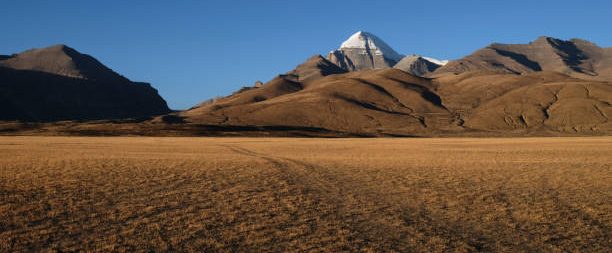
Sunlight kisses the majestic Mount Kangchenjunga, painting the snow-covered summit in shades of gold and serenity.
Kangchenjunga is a vast mountain range, featuring multiple significant peaks:
- Kangchenjunga Main: 8,586 meters (28,169 feet)
- Kangchenjunga West (Yalung Kang): 8,505 meters (27,904 feet)
- Kangchenjunga Central: 8,482 meters (27,828 feet)
- Kangchenjunga South: 8,494 meters (27,867 feet)
- Kangbachen: 7,903 meters (25,928 feet)
The main ridge of Kangchenjunga runs from the north-northeast to the south-southwest, serving as a watershed for various rivers. The range includes numerous peaks between 6,000 meters (19,685 feet) and 8,586 meters (28,169 feet), with four primary glaciers radiating from the peak. These glaciers are:
- Zemu Glacier: The largest glacier in the Eastern Himalayas, located in the northeast, draining into the Teesta River.
- Talung Glacier: Located in the southeast, it also drains into the Teesta River.
- Yalung Glacier: Located in the southwest, draining into the Arun and Kosi rivers.
- Kangchen Glacier: Located in the northwest, it also drains into the Arun and Kosi rivers.
Mount Kangchenjunga is home to 120 glaciers, 17 of which are covered in debris. Although it is the third-highest peak globally, Kangchenjunga Main holds the distinction of being the highest elevation in the Brahmaputra River basin. It is also a significant part of the Ganges Basin and the Koshi River basin.
Discover the breathtaking beauty and geological significance of Kangchenjunga, a true marvel of the Himalayas.
Where is Mount Kangchenjunga? The Location of the Third-Highest Mountain
Mount Kangchenjunga, the third-highest peak in the world, often confuses people about its exact location. Is it in Nepal or India? The answer is both. Kangchenjunga is located on the border between Nepal and the Indian state of Sikkim. This majestic range comprises five main peaks:
- Kangchenjunga Main: 8,586 meters (28,169 feet)
- Kangchenjunga West: 8,505 meters (27,904 feet)
- Kangchenjunga Central: 8,482 meters (27,828 feet)
- Kangchenjunga South: 8,494 meters (27,867 feet)
- Kangbachen: 7,903 meters (25,928 feet)
Among these peaks, the Main, Central, and South are situated right on the border of Nepal and Sikkim, while Kangchenjunga West and Kangbachen lie within Nepal’s Taplejung District.
Located in the eastern Himalayan range, Kangchenjunga is about 125 kilometers southeast of Mount Everest. The main range of Mount Kangchenjunga runs from the northeast to the southeast, forming watersheds that feed into various rivers.
Discover Kangchenjunga’s breathtaking beauty and strategic significance, a true marvel of the Himalayas, and understand its unique geographical positioning spanning two countries.
Diverse Flora and Fauna of the Mount Kangchenjunga
Exploring the Kangchenjunga region offers a unique opportunity to encounter the diverse flora and fauna of the region. The surrounding area of Kangchenjunga Mountain is rich with various vegetation and wildlife. The Kangchenjunga Conservation Area, a protected zone at the base of Mount Kangchenjunga, is home to numerous rare species.
The lower valleys of Mount Kangchenjunga are covered with warm and mild climate forests filled with beautiful flowers such as rhododendrons, magnolias, oaks, and orchids during the spring bloom. When the altitude increases, coniferous forests of fir, pine, and juniper dominate, eventually giving way to alpine shrubs and snowfields near the base of the mountain.
In the context of wildlife, Kangchenjunga’s slopes are a protected and safe place for many rare and endangered Himalayan species. This is home to the different wild animals and a variety of colorful pheasants and birds of prey. The diverse habitats of this region make it a vital part of the Eastern Himalayan biodiversity hotspot.
The green mountains around Mount Kangchenjunga are adorned with grasslands, coniferous forests, and pastures. These habitats support a wide range of animals, including:
- Snow Leopards
- Musk Deer
- Black Bears
- Red Pandas
- Red Pheasants
- Blue sheep
Additionally, the area is known for the rare Melanistic leopard, a high-altitude cat that is seldom seen.
Bird Watching Paradise
The Mount Kangchenjunga region is not only for towering peaks and glaciers, but also a true paradise for bird-watching. This region gives some of the most rewarding experiences of birdwatching in Nepal.
There are over 250 species of birds, including blood pheasants, Himalayan monals, which is also the national bird of Nepal, called “Danphe”. It creates a magical harmony that enhances the severity of the mountains, and the melody of these birds echoes through the forest. Its untouched environment makes it one of the most remarkable bird-watching destinations in the Himalayas.
Kangchenjunga is a haven for bird enthusiasts. You can spot:
- Golden-breasted Fulvetta
- Snow Cock
- Blood Pheasant
- Himalayan monal(Danphe)
- Sunbirds
Many other bird species inhabit the area, making it a prime location for bird watching.
Rich Botanical Diversity
The Mount Kangchenjunga region is also famous for its rich botanical diversity that blooms across different altitudes. This region is often described as a living garden of the Himalayas, which presents an amazing variety of plants, flowers, and forest ecosystems.
The botanical richness of Mount Kangchunjunga helps local people who depend on forest resources for traditional medicinal herbs, food, and culture. Himalayan biodiversity is vital for maintaining the beauty and the natural balance that make Kanchenjunga one of the world’s remarkable mountain ecosystems. The forests are lush with various types of rhododendrons, orchids, and other plant species, adding to the natural beauty of the region.
Explore the Kangchenjunga Conservation Area and immerse yourself in the stunning biodiversity that this unique expedition has to offer. Whether you’re a nature lover, bird watcher, or wildlife enthusiast, the Kangchenjunga Expedition promises an unforgettable experience.
Mount Kangchenjunga Weather and Climate
Generally, the weather and climate in high-altitude regions like Mount Kangchenjunga are unpredictable. Even within the same season, conditions can vary significantly. Here’s what you need to know about the climate of Kangchenjunga:
Temperature Variations
- Extreme Cold: At higher altitudes, temperatures can plummet to below -25 degrees Celsius.
- Consistently Cold: Throughout the winter, temperatures remain below freezing.
- Seasonal Changes: Summer brings some respite from the extreme cold but introduces other weather challenges.
Seasonal Weather Patterns
- Winter: The area experiences less snowfall than the monsoon season, but temperatures remain consistently low.
- Summer: This season brings regular rainfall to the lower areas and heavy snowfall to the higher altitudes.
Unpredictable Conditions
The weather in Kangchenjunga can change rapidly, making it essential for trekkers and climbers to be prepared for sudden shifts. Whether you’re dealing with extreme cold, unexpected snow, or shifting temperatures, understanding these patterns can help you plan a safer and more enjoyable expedition.
Stay informed and prepared for the unpredictable weather of Kangchenjunga to ensure a successful and safe adventure.
Climber’s attraction
Mount Kangchenjunga, the third-highest mountain in the world, lies amidst a region teeming with diverse flora and fauna. Often referred to as the ‘Queen of the Mountains’ and the ‘Five Treasure Troves of the Great Snow,’ Kangchenjunga stands out not only for its height but also for its unique geographical features.
Unique Features of Mount Kangchenjunga
- Four Peaks Over 8,000m: Mount Kangchenjunga is the only mountain with four peaks surpassing 8,000 meters.
- Historical First Ascent: The first successful ascent was achieved by Joe Brown and George Band on May 25, 1955, followed by Norman Hardie and Tony Streather on May 26, 1955.
- Stunning Views: Trekkers can enjoy breathtaking views of Mt. Everest, Mt. Lhotse, and 14 other peaks in the eastern Himalayas.
Ideal for Climbing Enthusiasts
- Challenging and Rewarding: The Kangchenjunga Expedition is a must-try for climbing enthusiasts, offering one of Nepal’s most beautiful and challenging routes. Exploring an unforgettable adventure to Mount Kangchenjunga and experiencing the beauty and grandeur of this iconic mountain. Whether you’re a nature lover or a climbing enthusiast, Kangchenjunga offers an unparalleled experience.
- High Altitude Adventure: As it is the third-highest peak in the world (8,586m), summiting Kangchenjunga is a dream for serious mountaineers seeking extreme altitude challenges.
- Less Crowded: Mount Kangchenjunga sees fewer climbers than Mt. Everest and Annapurna, providing a more adventurous and exclusive climbing adventure.
- Diverse Routes: The mountain has multiple climbing routes, each with unique difficulties and stunning views, making it ideal for those who enjoy strategic and technical climbing.
- Ecological and Cultural Beauty: Climbers are blessed with breathtaking landscapes, glaciers, and forests, along with glimpses of local culture in nearby villages, that enhance the overall trekking and climbing experience.
- Historical Significance: Its sacred status and the legacy of past expeditions add a sense of prestige and adventure for those attempting the climb.
Historic Kangchenjunga Expeditions: A Chronicle of Triumphs and Tragedies
The Kangchenjunga expedition, a Himalayan mountaineering quest, aimed to climb Kangchenjunga in 1905 but was only completed in 1955. Joe Brown and George Band made the first ascent on May 25, 1955, proving that Aleister Crowley’s 1905 route was viable.
In 1973, Yutaka Ageta and Takeo Matsuda of a Japanese expedition summited Kangchenjunga West (Yalung Kang) via the southwestern ridge. Tragically, Matsuda’s body was never found, and he did not return to camp.
The challenging ridge that defeated German expeditions in 1929 and 1931 was finally conquered by an Indian Army team led by Colonel Narendra Kumar in 1977, marking the second ascent of Mount Kangchenjunga.
The first ascent without supplementary oxygen and the third overall ascent of Kangchenjunga occurred on May 16, 1979, by Doug Scott, Peter Boardman, and Joe Tasker, who established a new route on the North Ridge. Pierre Beghin achieved the first solo ascent without supplementary oxygen in 1983.
In 1991, Slovenian climbers Marija Frantar and Joze Rozman attempted the first ascent by a woman, but their bodies were later found below the summit headwall. Edurne Pasaban became the first woman to summit twelve eight-thousanders, including Mount Kangchenjunga, in 2009.
Best Seasons to visit Mount Kangchenjunga
Pre-Monsoon (Spring)- March to May:
- Warm and clear weather
- Rhododendrons and orchids are in full bloom, creating colorful landscapes.
- Ideal for photography, trekking, and wildlife observation.
Post-Monsoon (Autumn)- September to November:
- Pure and clean air with excellent visibility of peaks.
- Moderate temperatures, less rainfall, and stable trekking conditions.
- Perfect for climbers and photographers seeking panoramic views.
Seasons to Avoid:
- Monsoon (June–August): Heavy rainfall, landslides, leeches, and slippery trails.
- Winter (December–February): Extremely cold temperatures at higher altitudes (-20°C to -30°C), heavy snowfall, and difficult trekking conditions.
Comments (0)
Write a comment- Mount Kangchenjunga Highlights
- Geography of Mount Kangchenjunga
- Where is Mount Kangchenjunga? The Location of the Third-Highest Mountain
- Diverse Flora and Fauna of the Mount Kangchenjunga
- Mount Kangchenjunga Weather and Climate
- Climber’s attraction
- Historic Kangchenjunga Expeditions: A Chronicle of Triumphs and Tragedies
- Best Seasons to visit Mount Kangchenjunga
Read the latest Blogs & Insights
Explore our collection of articles and insights to gain in-depth travel knowledge, expert advice, and stay updated on the latest trends and tips.
Namaste Meaning Origin and Spiritual Significance


No comments yet.