


Namaste Meaning Origin and Spiritual Significance
Hands pressed together, a gentle bow, a quiet pause—Namaste is more than a greeting.It is a living tradition shaped by centuries of philosophy, spirituality, and cultural wisdom. Rooted in ancient Sanskrit and born in the sacred landscapes of South Asia, Namaste carries meanings far deeper than a simple “hello” or “goodbye.” It reflects humility, reverence, […]

-
 Bold Himalaya
-
9 February, 2026
-
20 mins read
-
9 Views
-
0 Comments


Hands pressed together, a gentle bow, a quiet pause—Namaste is more than a greeting.
It is a living tradition shaped by centuries of philosophy, spirituality, and cultural wisdom. Rooted in ancient Sanskrit and born in the sacred landscapes of South Asia, Namaste carries meanings far deeper than a simple “hello” or “goodbye.” It reflects humility, reverence, inner awareness, and the recognition of something sacred within every human being.
From Hindu temples and Buddhist monasteries to yoga studios and homes across the world, this simple gesture has traveled across time and borders without losing its soul. It has shifted from ritual to daily life, from sacred ceremony to everyday connection—yet its essence remains unchanged: respect, presence, and shared humanity.
Today, Namaste stands at the meeting point of tradition and modern life. It bridges spirituality and simplicity, ritual and routine, silence and meaning. Whether spoken in prayer, offered in yoga practice, or exchanged between strangers, Namaste continues to express a timeless truth—that beneath all differences, something deeply human and deeply sacred connects us all.
What is Namaste? Meaning, Origin, and Significance
Namaste is more than a simple greeting; it carries profound spiritual, cultural, and philosophical significance.
Meaning of Namaste
The word comes from Sanskrit, combining two parts:
- Namah – “to bow” or show reverence, implying humility, softening the self, and letting go of ego.
- Te – “to you,” acknowledging the other person.
Put together, Namaste literally means:
“I bow to you” or “honor flows your way.”
But the literal meaning only scratches the surface. It is a gesture of mutual respect, shared spirit, and recognition of the divine within every individual.
Example: When a student greets their teacher with Namaste, they are not only saying hello—they are acknowledging the teacher’s wisdom and honoring the learning space. Similarly, when two friends meet after a long time, a Namaste conveys respect, warmth, and connection beyond words.
Namaste Origin and Historical Roots
The origin of Namaste traces back to India’s Vedic age, appearing in sacred texts like the Rigveda and Upanishads. In ancient times, speech was considered sacred words that carried weight and could influence existence.
Within this context, Namaste emerged as a gesture of devotion, offered to gods, spiritual teachers, and respected elders. This foundation forms the heart of its spiritual significance, reflecting humility, reverence, and inner awareness.
As Hindu and Buddhist traditions spread across India and neighboring regions, Namaste gradually entered everyday life. It moved beyond temple rituals into villages, towns, and households, becoming a common social greeting.
By the 14th century, Namaste was widely exchanged as a sign of respect and acknowledgment, regardless of faith, caste, or social rank—a practice that continues today in Namaste in Nepal and across South Asia.
Example: In Nepal or India, people often greet elders, shopkeepers, or neighbors with Namaste instead of shaking hands. This conveys respect and politeness while maintaining personal space.
Anjali Mudra: The Gesture of Respect
The physical gesture associated with Namaste is called Anjali Mudra or Pranamasana. It involves:
- Pressing the palms together with fingers pointing upwards
- Holding the hands near the heart center
- Performing a slight forward bow
In yoga practice, this same posture serves as a yoga greeting, connecting the practitioner to mindfulness, inner balance, and mutual respect. In Buddhist traditions, Namaste is used to show awareness, compassion, and recognition of the sacred in others.

The gesture also demonstrates subtle cues of respect and reverence: the height of the hands and the depth of the bow convey different levels of honor, whether toward a teacher, elder, deity, or peer.
Cultural Meaning of Namaste in South Asia
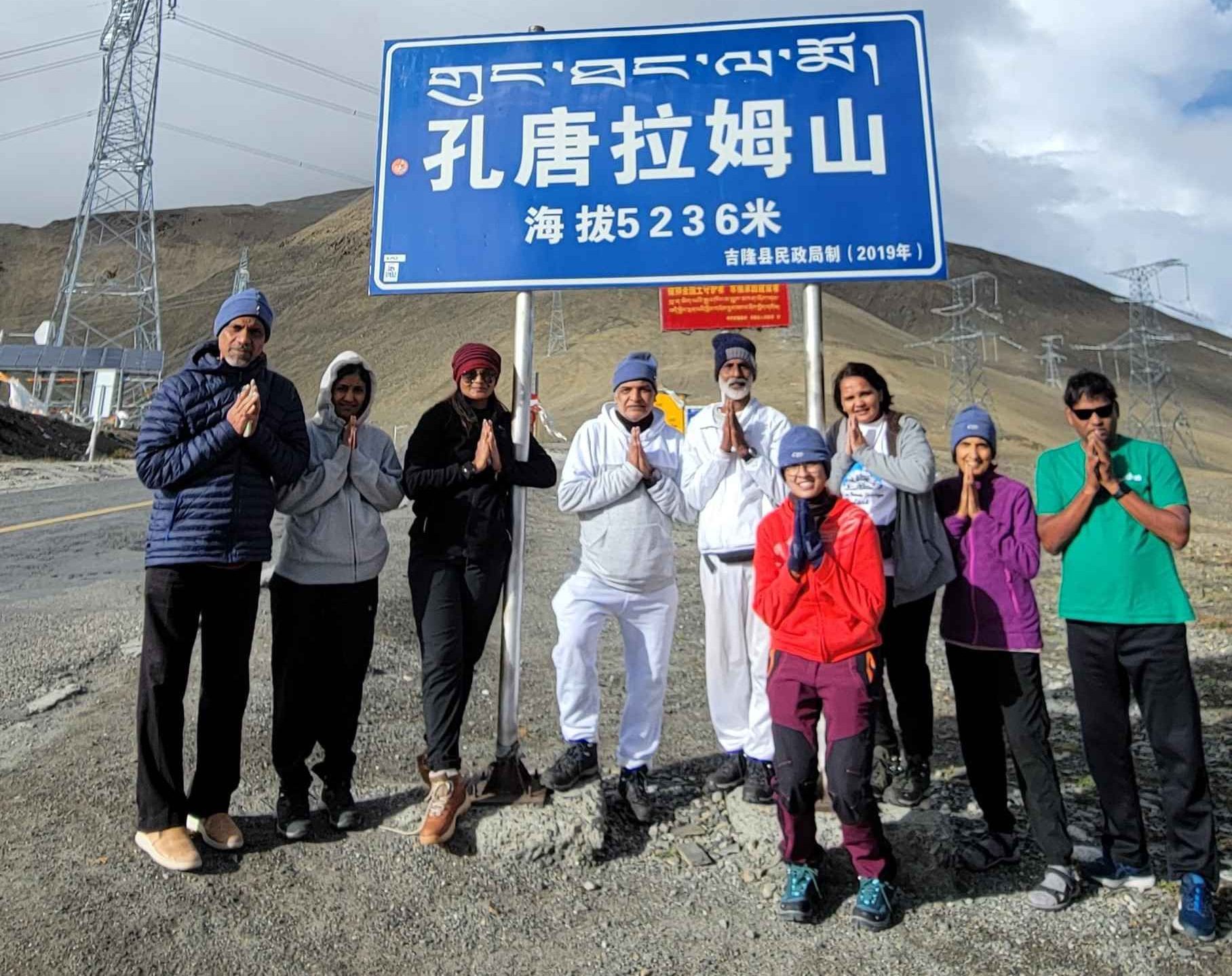
In Nepal, India, and other parts of South Asia, saying Namaste often comes with hands pressed together in Anjali Mudra and a slight forward bow—a gesture observed daily across communities. Instead of a handshake, this respectful greeting allows people to maintain personal space while expressing honor and recognition. In situations where physical contact may be inappropriate, such as between unfamiliar men and women, Namaste conveys respect without seeming distant or cold.
The use of Namaste extends across social roles and relationships. From student to teacher, child to parent, or follower to guru, it conveys reverence. Yet, it is equally common among friends or peers, demonstrating that the essence of Namaste lies in honoring the shared divinity within every person, rather than titles, rank, or age. This spiritual significance highlights the universality of human respect and connection.
Across South Asia, customs vary: in some regions, Namaste is used only when meeting someone, while in others, it also serves as a farewell. Formal workplaces and public meetings may favor Namaskar, while Namaste remains common among family, friends, and spiritual contexts. Despite regional differences, the gesture—folded palms, a gentle bow, and mindful presence—remains consistent, embodying mutual respect.

The depth of the bow communicates meaning beyond words. A slight forward dip signals courtesy, while a deeper bend shows greater reverence. Raised hands can indicate elevated respect, and the duration of the gesture conveys sincerity. Older individuals may perform a slower, more deliberate bow, sometimes bringing palms close to the brow, reflecting the highest honor. Teachers and elders observe these subtle cues to understand relationships and social context.
Through this simple yet profound gesture, Namaste in Nepal, India, and South Asia continues to express humility, spiritual awareness, and shared human connection. It is a daily reminder of respect, inner divinity, and the quiet power of presence.
Spiritual and Philosophical Meaning of Namaste
At its core, Namaste embodies a profound spiritual and philosophical significance found in Hindu thought, yoga, and Buddhism. It reflects the belief that divinity and holiness reside within every being, a concept emphasized in ancient texts like the Bhagavad Gita, which teaches that all life carries Brahman, the ultimate truth.
When we perform Namaste with hands together in Anjali Mudra, we silently acknowledge this inner spark. The gesture is more than polite courtesy—it becomes a moment of mutual recognition, where the awareness of one person meets the same divine essence in another. In this sense, Namaste transcends a simple social greeting, acting as a quiet spiritual awakening that reminds us we are all interconnected.

In Buddhist practices, especially in the Himalayan traditions, Namaste emphasizes mindfulness and presence. Bowing with hands pressed together encourages letting go of ego, softening self-importance, and cultivating compassion, kindness, and awareness. The gesture holds meaning only when performed with full attention; absentminded actions render it hollow.
Bowing through Namaste allows the self to step aside, creating space not only for respect but also for attentive listening and genuine connection. Like a door left open for others to enter, this act fosters shared stillness, recognition, and reverence. Repeated in daily life at dawn, before meals, or during yoga, Namaste becomes a practice of inner awareness, subtly nurturing harmony, humility, and spiritual presence.
Through its combination of motion, mindfulness, and intention, Namaste remains a Hindu greeting, yoga greeting, and Buddhist gesture that bridges people, cultures, and consciousness, carrying a timeless spiritual significance that continues to inspire and connect.
The Meaning Behind the Namaste Gesture
The gesture of Namaste, performed with palms pressed together in Anjali Mudra, holds deep significance in yoga, Hindu culture, and spiritual practice. Each movement and placement carries meaning, turning a simple greeting into a powerful act of respect and mindfulness.
Unity and Harmony in the Gesture
When the hands meet, one mirrors qualities often seen as opposite to the other—logic with intuition, giving with receiving, day with night. This union symbolizes balance and harmony, forming not two halves but a whole. Even the alignment of fingers reflects an ancient awareness of interconnectedness, a quiet reminder of spiritual oneness.
Hands at the Heart: The Seat of Kindness
Placing hands at the heart center aligns with yoga teachings, where the heart represents kindness, compassion, and deep feeling. From this position, Namaste becomes more than a greeting—it communicates honest connection and recognition without words, embodying the spiritual significance of Namaste.
The Bow: Modesty and Respect
A slight forward lean of the body adds another layer of meaning. Bending down demonstrates humility, honor, and mindful presence. Historically, gestures like this also served practical purposes—lowering the body signaled non-aggression, showing calm and goodwill.
Hand Placement and Context
The exact placement of hands can vary depending on context:
- Above the head: honoring gods or the most sacred. Each placement maintains the gesture’s soul while subtly adjusting the degree of reverence or intimacy.
- At the chest: greeting peers or equals, maintaining eye-level connection
- At the brow: showing respect to teachers, elders, or spiritual guides
Namaste Across Hinduism, Buddhism, and Yoga
Though Namaste originated in Hindu Vedic culture, it has transcended religious boundaries and is now widely practiced across South Asia and beyond. The gesture remains a symbol of respect, mindfulness, and spiritual connection wherever it is used.
Namaste in Hinduism
In Hindu temples and sacred spaces, worshippers greet gods, gurus, and elders with palms pressed together in Anjali Mudra and a gentle bow. This greeting appears during prayer ceremonies, quiet reflection, and spiritual rituals, emphasizing reverence and the recognition of divinity within all beings. Even outside formal rituals, the gesture conveys respect and spiritual awareness in everyday life.
Namaste in Buddhism
In Nepal, Tibet, and the mountainous regions of India, Buddhist practitioners adopted Namaste as a daily greeting. The gesture aligns with Buddhist principles such as kindness, mindfulness, and recognition of inner wisdom. Monks and devotees use it in temples, meditation halls, and learning centers to honor teachers, peers, and sacred moments. Through this practice, Namaste fosters presence, calm, and spiritual connection between individuals.
Namaste in Yoga Practice
In modern times, Namaste has become an integral part of yoga culture worldwide. Yoga teachers often conclude sessions with the greeting, sometimes paired with phrases like “my inner light sees your inner light.” This practice introduces students to the spiritual significance of Namaste, bridging ancient wisdom and contemporary mindfulness. Even outside South Asia, Namaste is now a universal gesture of respect and inner awareness, appearing in yoga studios, wellness retreats, and mindfulness circles.

Namaste Across Cultures
Today, Namaste crosses borders, appearing far from its original context. While some fear that it may lose meaning when used casually, many experience it as a connection point, a silent acknowledgment of the shared human spirit. Regardless of form or location, hands meet at the heart, respect grows quietly, and presence matters more than words.
How Namaste is Used Around the World Today
The greeting Namaste, once primarily a Hindu greeting in South Asia, has now become a global symbol of respect, mindfulness, and connection. Its spread is closely linked to yoga greetings, meditation practices, and wellness rituals, as well as cultural exchange through travel, migration, and media. It is now recognized as a gesture of spiritual significance in many parts of the world.
While trekking through Himalayan trails like Mardi Himal and Annapurna Base Camp, travelers often meet local villagers, porters, and fellow trekkers on narrow mountain paths. A simple Namaste becomes the shared language of respect — a quiet greeting exchanged when strangers meet, pause, smile, and continue their journey.
Namaste in Yoga and Mindfulness Spaces
Worldwide, yoga classes and mindfulness circles commonly end sessions with Namaste, often performed in Anjali Mudra. Students and teachers bow slightly, expressing respect, gratitude, and shared awareness. Beyond yoga studios, the greeting is increasingly adopted in wellness retreats, spiritual getaways, and meditation workshops, symbolizing inner peace, mindfulness, and the spiritual significance.
Cultural Exchange and Media Influence
Travel, migration, and media have played a significant role in spreading Namaste in Nepal, India, and South Asia globally. Films, TV shows, and online platforms showcase the gesture, making it familiar in offices, schools, casual meetups, and international gatherings. As a cultural greeting, it often replaces handshakes or hugs in contexts where distance, hygiene, or social etiquette is preferred.
Namaste During the Pandemic
The COVID-19 pandemic further propelled Namaste as a contact-free greeting worldwide. Leaders in government, healthcare, and media promoted it as practical while honoring its Hindu greeting origins and spiritual significance. Many people appreciated seeing an ancient tradition recognized globally, though some worried that its meaning might be diluted when used casually.
Maintaining Meaning and Respect
Even as Namaste spreads globally, its true power lies in intention, mindfulness, and respect. It is not merely a word or pose; it is a conscious act of recognition, respect, and shared humanity. When performed sincerely, even small gestures—hands meeting in Anjali Mudra, a slight bow—become moments of quiet connection, spiritual recognition, and Namaste meaning.
Across cultures, the gesture reminds us that respect, awareness, and presence are universal, making Namaste a greeting that transcends borders while honoring its South Asian and Hindu heritage.
Namaste vs Other South Asian Greetings
South Asia is rich in traditional greetings, each shaped by language, religion, culture, and regional identity. While Namaste is one of the most widely recognized, it exists alongside many other greetings that express respect, humility, and connection. Understanding these differences highlights Namaste’s unique spiritual and cultural position while honoring the diversity of South Asian traditions.
Difference Between Namaste and Namaskar
Both Namaste and Namaskar originate from ancient Sanskrit and share the same roots, but their usage varies slightly depending on context, region, and formality. While both are Hindu greetings expressing respect, acknowledgment, and spiritual significance, subtle differences shape how they are used today.
- Namaskar – The Formal Greeting
Namaskar is often preferred in workplaces, public events, or formal occasions. Its tone leans toward seriousness and ritual, making it suitable for structured ceremonies, meetings, or greetings to elders and mentors. Loosely interpreted, it means offering deep acknowledgment and respect, highlighting the spiritual significance of the gesture.
In regions like Maharashtra and surrounding areas, Namaskar remains the common greeting, used for formal interactions, while Namaste may feel more casual.
- Namaste – The Everyday Gesture
By contrast, Namaste is widely used in Nepal, northern India, and yoga practices worldwide, often associated with yoga greetings and mindfulness routines. It carries a slightly closer, more personal tone, addressing the other person directly (“I bow to you”).
The word is built from “namah” (to bow or show reverence) and “te” (to you), giving it a sense of personal connection and shared respect. When performed with palms pressed together in Anjali Mudra, it emphasizes humility, inner awareness, and spiritual recognition, making it a gesture of Namaste spiritual significance.
- Shared Gesture, Same Respect
Whether saying Namaste or Namaskar, the physical gesture remains the same: hands pressed together at the chest in Anjali Mudra, with a slight bow of the head. Differences are primarily in context, region, or the level of formality, rather than in meaning.
1. Namaste – casual, friendly, spiritual, used in everyday life and yoga.
2. Namaskar – formal, ritualistic, used in public, ceremonial, or official settings.
Understanding these nuances ensures smooth communication across South Asia and beyond, honoring tradition while respecting cultural and spiritual values.
Namaste vs Pranam
Pranam is a deeper expression of reverence.
- Namaste – Mutual respect between equals
- Pranam – Devotional respect, often toward elders, teachers, saints, or deities
Pranam is often performed by touching the feet of elders or bowing deeply, symbolizing surrender and humility, whereas Namaste maintains equality and shared dignity.
Namaste vs Salaam (India & South Asia)
Salaam / Salaam Alaikum is rooted in Islamic tradition and means “peace be upon you.”
- Namaste – Spiritual recognition and inner divinity
- Salaam – Blessing of peace and goodwill
Both convey respect, but arise from different spiritual traditions and philosophies.
Namaste vs Sat Sri Akal (Punjab Region)
Sat Sri Akal is a Sikh greeting meaning “Truth is eternal.”
- Namaste – Recognition of the divine within all beings
- Sat Sri Akal – Affirmation of divine truth and spiritual reality
Both express spirituality, but through different religious philosophies.
Namaste vs Khamma Ghani (Rajasthan)
Khamma Ghani is a royal Rajasthani greeting meaning “I humbly greet you.”
- Namaste – Spiritual equality
- Khamma Ghani – Cultural hierarchy and royal respect
What Makes Namaste Unique
Namaste stands apart because it combines:
- Language (Sanskrit origin)
- Gesture (Anjali Mudra)
- Philosophy (humility, shared divinity)
- Spiritual meaning (recognition of inner essence)
- Universal adaptability (Hinduism, Buddhism, yoga, daily life)
Unlike many greetings that are purely social or religious, Namaste functions simultaneously as:
- A cultural greeting
- A spiritual gesture
- A philosophical statement
- A yoga greeting
- A symbol of inner awareness
What People Often Get Wrong About Namaste
At its core, Namaste literally means “I bow to you” in Sanskrit, combining “namah” (to bow or show reverence) and “te” (to you). Despite popular interpretations like “my inner light sees your inner light,” these words are not in the greeting itself — such meanings are implied, felt, and rooted in tradition, not explicit in grammar.
Many people assume Namaste belongs only to Hinduism, but its use has expanded across South Asia. Today, people of various faiths and even non-religious individuals use it as a gesture of respect, acknowledgment, and cultural connection. For some, it may carry little spiritual weight and simply function as polite greeting etiquette. Just like how the English word “goodbye” evolved from “God be with you,” the meaning of Namaste shifts depending on context.

In the West, Namaste is often mistakenly used only as a farewell, but in South Asia, it is equally common when meeting someone. It can also serve as a quiet nod without words, or as a yoga greeting at the beginning or end of a session, emphasizing mindfulness, awareness, and the spiritual significance of Anjali Mudra.
Pronunciation errors are another common misunderstanding. Many English speakers say “nah-mah-STAY,” stressing the last syllable. The correct Sanskrit pronunciation is NAH-mah-stey, with a soft final “e.” Even imperfect attempts are appreciated by native speakers, but getting the tones right shows respect and better conveys the Namaste meaning and spiritual intent behind the gesture.
Namaste Pronunciation: How to Pronounce Namaste Correctly
Namaste is often mispronounced by English speakers as “nah-mah-STAY,” stressing the last syllable. The authentic Sanskrit pronunciation is NAH-mah-stey, with a soft and subtle final “e.” Correct pronunciation is important, not just for speaking accurately, but for honoring the gesture’s spiritual and cultural significance.
Key Pronunciation Tips
- “Namah” – Pronounced like “NAH-mah,” it conveys bowing, reverence, and humility.
- “Te” – Pronounced “stey,” directed at the person you greet, expressing personal acknowledgment and respect.
- Soft final syllable – Unlike English stress patterns, the last sound is gentle, reflecting the quiet humility behind the greeting.
- Palms together – When spoken, pressing the hands in Anjali Mudra amplifies the meaning, making it both a yoga greeting and a Hindu greeting that recognizes the divine within others.
Why Pronunciation Matters
Pronouncing Namaste correctly demonstrates understanding of its deeper spiritual significance. It shows care for the Hindu cultural heritage and acknowledges the sacredness of the gesture beyond mere words. Whether used in a casual greeting, a yoga class, or a formal setting, accurate pronunciation reflects mindfulness, respect, and shared humanity.
Even small details, like bowing slightly while saying Namaste, enhance the gesture’s meaning, turning a simple hello into a moment of connection, awareness, and spiritual recognition.
Quick Guide to Saying Namaste
- Step 1: Press palms together in front of your chest (Anjali Mudra).
- Step 2: Slightly bow your head toward the other person.
- Step 3: Pronounce clearly: NAH-mah-stey.
- Step 4: Maintain awareness and sincerity — intention is key.
With these simple steps, Namaste becomes more than a greeting; it is a reflection of humility, respect, and shared spiritual presence, whether in Nepal, India, or any yoga or mindfulness space worldwide.
Why Namaste Still Matters Today
In a fast-paced world where human connections are often fleeting, Namaste remains a quiet but powerful reminder of respect, presence, and shared humanity. Beyond being a simple gesture or greeting, it embodies the spiritual significance of Anjali Mudra, acknowledging the divine spark within every individual.
A Gesture That Connects People
When someone greets with Namaste, they pause — hands pressed together, a slight bow, eyes meeting briefly. This simple act creates space for genuine recognition, fostering respect, dignity, and mindfulness. The greeting transcends culture, religion, or social rank, reflecting the core idea that all people share an inner essence, which is the heart of the Namaste meaning.
Daily Mindfulness Through Namaste
Incorporating Namaste into everyday life turns ordinary interactions into moments of presence and intention. Pausing before a conversation, greeting a teacher, or acknowledging a friend allows both parties to connect beyond words. Even brief gestures — a bow, joined palms, or eye contact — carry the Hindu greeting’s spiritual significance, making routine interactions more thoughtful and respectful.

Preserving Tradition in a Globalized World
Globalization has spread Namaste far beyond South Asia, but its value lies in maintaining the authentic practice and meaning. In Nepal, India, and South Asian communities abroad, children learn respect and cultural heritage through this simple gesture. Likewise, people from diverse backgrounds adopting Namaste thoughtfully show openness to non-Western traditions, honoring the philosophy behind the greeting.
Namaste as a Universal Act of Respect
Whether in yoga studios worldwide, meditation circles, offices, or casual meetups, Namaste continues to promote presence, mindfulness, and spiritual awareness. When performed sincerely, it’s more than a greeting — it is a gesture of shared humanity, humility, and cultural respect, bridging distances and differences in an increasingly disconnected world.
Frequently Asked Questions about Namaste
1. What does Namaste mean?
Namaste is a traditional Hindu greeting that literally means “I bow to you” in Sanskrit, formed from namah (to bow or show reverence) and te (to you). Beyond words, it’s a gesture of respect, acknowledgment, and recognition of the divine within others. It conveys humility, shared spirit, and spiritual awareness, whether used in daily life, yoga, or spiritual settings.
2. Is Namaste a religious word?
While Namaste originates from Hindu scriptures, including the Vedas and Upanishads, it is not restricted to religion. People of different faiths—or even non-religious individuals—use it in South Asia as a polite greeting, a yoga gesture, or a sign of mutual respect. Its spiritual weight varies depending on the context and intention.
3. Why is Namaste said in yoga?
In yoga, Namaste is often spoken at the beginning or end of a session as a yoga greeting. It symbolizes mindfulness, mutual respect, and the connection between teacher and student. Performing Namaste in Anjali Mudra reminds practitioners of inner awareness, shared energy, and the spiritual significance behind the gesture.
4. What is the correct way to do Namaste?
To perform Namaste properly:
- Press the palms together in front of the chest (Anjali Mudra).
- Keep fingers pointing upward.
- Bow the head slightly.
- Maintain awareness and intention while saying the word clearly: NAH-mah-stey.
Respect comes from mindfulness, not perfection; the gesture is meaningful when performed with sincerity.
5. Can Namaste be used outside South Asia?
Yes. Namaste is widely adopted around the world, especially in yoga studios, meditation workshops, and mindfulness circles. When using it outside South Asia, intention matters: it should reflect respect, cultural acknowledgment, and awareness, rather than mimicry or casual fashion.
6. What is the difference between Namaste and Namaskar?
Both Namaste and Namaskar come from Sanskrit and convey respect and acknowledgment, but usage varies:
- Namaskar: More formal, often used in workplaces, ceremonies, or public events.
- Namaste: Slightly more personal, common in daily life, yoga practices, and casual greetings.
Regardless of which term is used, the gesture (hands pressed together in Anjali Mudra with a slight bow) remains the same, expressing humility and respect.
Comments (0)
Write a comment- What is Namaste? Meaning, Origin, and Significance
- Meaning of Namaste
- Namaste Origin and Historical Roots
- Anjali Mudra: The Gesture of Respect
- Cultural Meaning of Namaste in South Asia
- Spiritual and Philosophical Meaning of Namaste
- The Meaning Behind the Namaste Gesture
- Unity and Harmony in the Gesture
- Hands at the Heart: The Seat of Kindness
- The Bow: Modesty and Respect
- Hand Placement and Context
- Namaste Across Hinduism, Buddhism, and Yoga
- Namaste in Hinduism
- Namaste in Buddhism
- Namaste in Yoga Practice
- Namaste Across Cultures
- How Namaste is Used Around the World Today
- Namaste in Yoga and Mindfulness Spaces
- Cultural Exchange and Media Influence
- Namaste During the Pandemic
- Maintaining Meaning and Respect
- Namaste vs Other South Asian Greetings
- Difference Between Namaste and Namaskar
- Namaste vs Pranam
- Namaste vs Salaam (India & South Asia)
- Namaste vs Sat Sri Akal (Punjab Region)
- Namaste vs Khamma Ghani (Rajasthan)
- What Makes Namaste Unique
- What People Often Get Wrong About Namaste
- Namaste Pronunciation: How to Pronounce Namaste Correctly
- Why Pronunciation Matters
- Quick Guide to Saying Namaste
- Why Namaste Still Matters Today
- A Gesture That Connects People
- Daily Mindfulness Through Namaste
- Preserving Tradition in a Globalized World
- Namaste as a Universal Act of Respect
- Frequently Asked Questions about Namaste
- 1. What does Namaste mean?
- 2. Is Namaste a religious word?
- 3. Why is Namaste said in yoga?
- 4. What is the correct way to do Namaste?
- 5. Can Namaste be used outside South Asia?
- 6. What is the difference between Namaste and Namaskar?
Read the latest Blogs & Insights
Explore our collection of articles and insights to gain in-depth travel knowledge, expert advice, and stay updated on the latest trends and tips.



No comments yet.