


Main Things to know before you go to the Everest Base Camp Trek
Planning for Everest Base Camp Trek? Get important knowledge to know before you go to Everest Base Camp Trek that helps to complete the Everest Base Camp Trek successfully.
-
 admin
admin
-
29 October, 2024
-
25 mins read
-
1674 Views
-
0 Comments


Planning for the Everest Base Camp Trek? Get important knowledge before you go to the Everest Base Camp Trek that helps to complete the Everest Base Camp Trek successfully.
A Journey That Touches the Soul: The Everest Base Camp Experience
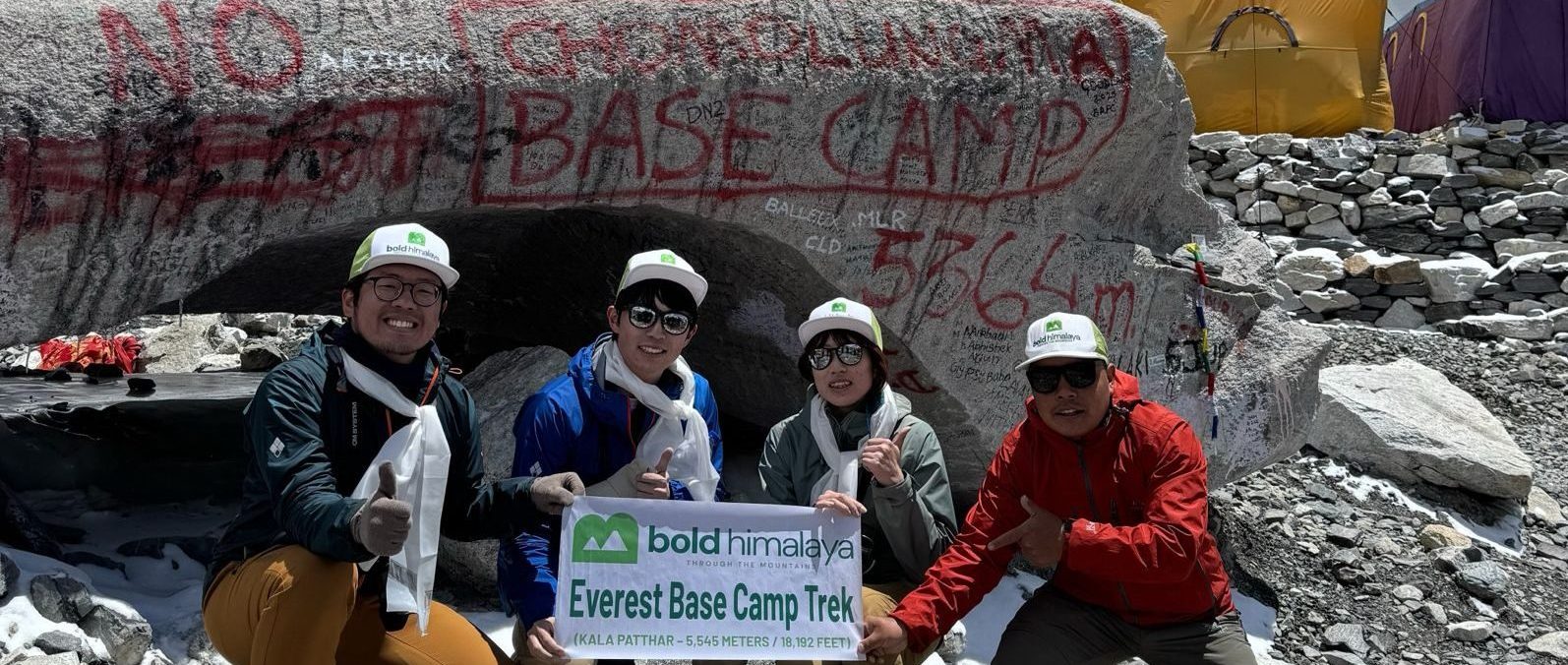
There is something magical about standing at Everest Base Camp, towering above you, the world's highest mountain, located in the Khumbu region of Nepal, at an altitude of 5,364 meters (17,598 ft). A place where every breath feels like an achievement and every step tells a story. This is one of the iconic destinations and journeys of the heart.
The Everest Base Camp is emotionally powerful, touching your heart, inspiring you, and it stays with you forever, whether the journey ends or not. It is a blend of breathtaking scenery, Himalayan culture, and heartfelt victory. The stars seem closer here, the nights quieter, and your connection to nature, deeper than ever.
Understanding the Everest Base Camp Trek
Location and Altitude:
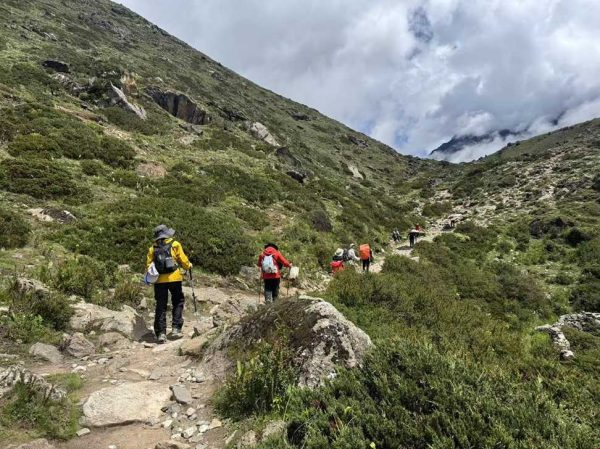
The Everest Base Camp is located on the south side of Mount Everest in the Khumbu region of northeastern Nepal, within the famous Sagarmatha National Park. The journey takes you through the beautiful Sherpa villages, rhododendron forests, and rough mountain trails, all leading to the base of the world’s highest peak, Mount Everest (8,848.86 m). The trek reaches its highest point at Everest Base Camp, 5,364 meters (17,598 feet) above sea level, offering jaw-dropping views of the Himalayas, including Lhotse, Nuptse, and Ama Dablam.
Trek Duration:
The Everest Base Camp Trek takes around 12-14 days to complete, which depends on your route and altitude conditioning plan. Most trekking plans include two rest days, i.e, one in Nanche Bazaar and another in Dingboche, to help your body adjust to the altitude.
The trek begins with a short flight from Kathmandu to Lukla that takes you through Phakding, Namche Bazaar, Tengboche, Dingboche, Lobuche, and Gorak Shep before finally reaching the base camp.
Difficulty Level:
This trek is considered moderate to challenging. You do not need to be a professional climber, but be good at fitness, stamina, and mental endurance. The trails involve long, high climbs, rocky paths, and thin air as you gain altitude. The main challenge of the Everest Base Camp trek is altitude sickness rather than the technical difficulty of the trail. Most of the trekkers complete this incredible trek with the proper preparation, adaptation, and determination.

Best Time to Trek the Everest Base Camp
Located in the snowcapped Himalayas, Everest Base Camp is a beautiful and challenging trekking destination. This trek begins at Lukla and ends at the Everest Base Camp. The Everest region is packed with challenging trails, unpredictable hazards, exciting scenery, huge mountains, and a mesmerizing experience. So, it is important to choose the best time to trek to the Everest Base Camp.
You will seemingly only trek to Everest Base Camp once in your life, so why not present yourself plenty of time to soak it all in? Choosing the best time to trek the most famous trekking destination gives the most memorable and adventurous experience.
So, it is important to understand the weather of the region you're trekking to ensure you get the most out of your time spent in the area. A few details must be taken into account when choosing the most suitable time to trek to Everest Base Camp. There are two excellent seasons for the Everest Base Camp trek: Spring and Autumn. The spring season begins from mid-February and ends towards the end of May. The days between March and May are the hottest time of year when temperatures might go up to 30°C.
The autumn season in the Everest region begins from mid-September and lasts until the end of November. It comes with features of dryness, a clear blue sky, and a mild breeze.
How to Prepare Physically and Mentally
The Everest Base Camp trek is one of the high-altitude trekking destinations. So, one of the most important things that you need to know before going to the Everest Base Camp trek is to prepare yourself physically and mentally. The Everest Base Camp gives different trekking experiences from your training, but once you’re all physically and mentally fit, you will be good to go.
Before starting the Everest Base Camp Trek or any high-altitude trek, train yourself for high elevation and low-oxygen atmosphere. Preparing yourself physically helps you to overcome Acute Mountain Sickness (AMS). Other than that, if you do not have 4-8 hours of daily walking experience at high altitude, we suggest you first hit the gym and consult your trainer. While preparing yourself physically, focus on conditioning your leg muscles, abdomen, shoulders, and back. Training should be an integral part of your overall training in preparation for the Everest Base Camp Trek.
If you had been training yourself for a high-altitude, low-oxygen atmosphere, then it would be great. It will be adventurous to the base camp of the highest mountain in the world. However, it is best to keep realistic expectations of the trip. You have to be mentally prepared for the gain in elevation. You also need to be prepared for the services and facilities in the high-altitude regions.
While trekking to the EBC(Everest Base Camp), you have to keep in mind that teahouse accommodations on the route are basic but efficient. Besides that, toilet situations could be challenging at times, so try to be creative and resourceful when needed. Also, you can reach out to trekkers who have tried trekking to the base camp so that you can learn from their stories. So, mental and physical fitness equipped you to handle challenges and bring optimism to the forefront.
Prepare for Altitude sickness
Everest Base Camp is one of the most adventurous and challenging trekking destinations in Nepal. The EBC trek takes you to the base camp of the highest mountain in the world. So, there is no doubt that Altitude Sickness is going to be one of the most challenging aspects of trekking in the Everest region/EBC. Trekking the Himalayan foothills of the Everest Base Camp Trek originates with its set of difficulties. The oxygen level reduces significantly with the increase in altitude during the Everest Base Camp trek. Furthermore, the atmospheric pressure also decreases as a result.
Additionally, there are some symptoms of altitude sickness. It includes breathing difficulty, dizziness, loss of appetite, energy etc. Altitude sickness at higher altitudes can turn life-threatening if not treated properly and on time. The level of altitude sickness also ranges from simple, mild to fatal. At altitudes above 2,400m, the oxygen level is less than 60% of that at sea level.
Some of the basic points provided below also help you tackle altitude sickness.
- The risk of altitude sickness increases with trekking, so walk at a steady and gentle pace.
- Stay hydrated by drinking plenty of water.
- Don’t push beyond your limits, be patient, and listen to your body.
- Increase your altitude slowly so that your body has time to adjust to thinner air.
- Take acclimatization days seriously.
- Avoid alcohol and smoking because they cause dehydration and delay acclimatization.
- Get enough sleep and eat well, which keeps your body strong.
- Know the symptoms of AMS(Acute Mountain Sickness) like headache, dizziness, fatigue, and nausea. If it worsens, descend immediately.
- Note that altitude sickness is unpredictable; even the most fit trekkers can be affected, so it is important to take precautions seriously.
Packing List
Trekking to the base camp of the highest mountain in the world can be overwhelming and full of stress at the same time. The Everest Base Camp trek is full of thrill and excitement. But one of the more daunting chores you will find on the Everest Base Camp Trek is packing for the trek itself. Trekkers should recognize the packing list before the Everest Base Camp Trek. Packing is the last thing a traveler has to do before heading out to the destination. But your packing list/items can make your trek from worst to best. It is even more important when you are preparing for a high-altitude trek like the Everest Base Camp trek.
Your Packing List for Everest Base Camp Trek has to be on your sight. Besides, the EBC trek is a time-consuming journey, and you require different things on your back to endure this trek. Hence, you’ll need suitable clothes for the body, a strong pair of shoes for your feet, a good pair of gloves for your hands, and so on.
Bold Himalaya has prepared a complete Packing List for the Everest Base Camp Trek for you.
Clothing
- Inner Layer Thermals
- Middle Layer (Fleece)
- Water/Windproof jacket
- Down Jacket
- Hiking Shirts
- Fleece Pants
- Trekking Trousers
- Breathable Underwear's
- Buff (especially for the neck)
- Thick Woolen Trekking socks
- Gloves
- Woolen Cap
- Sun Hat (for sunny hours)
Note: You need multiple pairs of clothing.
- Footwear
- Trekking Boots
- Gaiters- for Snowy/Winter season only)
- Sandals/Flip Flops (For non-trekking times)
- Toiletries
- Sunscreen (SPF 30-50)
- Lip Balm
- Quick Drying Towel
- Toilet Paper
- Moisturizing Cream and Face Wash
- Toothbrush, toothpaste
- Shower Gel
- Shampoo
- Hand Towel.
- Hand sanitizer
- Sanitary Napkins (For Women)
- Plastic Bags (For dirt collection)
Note: You cannot throw plastic bags, bottles, wrappers, or other dirt on the trekking trail.
Electronics and Gadgets
- Mobile Phone, charger
- Universal socket adapter
- Camera with extra batteries
- Power Bank
- Bluetooth speaker (if you want)
- Others
- Sunglasses (UV protected)
- Head Torch
- Trekking poles
- Raincoat- (mainly for the rainy season)
- Day backpack
- Diary and pen
- Board or card games
- Sleeping bag
- Dry fruits, chocolate, and snacks
Medication
- Povidone-Iodine Cream (1 tube)
- Cotton roll
- Dressing Gauze
- Bandage
- Paracetamol (for general headaches)
- Diamox
- Water Purification Tablet
- Loperamide
Note: A first aid kit will be carried by our guides throughout the trek. If you are using any long-term medicine, you have to pack it. Not all medicines are available on trekking routes.
Insurance for the Everest Base Camp Trek
Mount Everest Base Camp is one of the most popular trekking destinations in Nepal. And every traveler wants to have a healthy and happy adventure during the Everest Base Camp trek. So, Insurance is the most reliable way to feel secure about yourself and your valuable items.
Everest Base Camp Trek is not a technical climb, but it the based at a certain high altitude. Insurance for your belongings might not be enough for you if you are a trekker. Trekking in the Everest Base Camp signifies that you deal with the severe climatic conditions that mountains can offer. Also, there can be events where you injure yourself. The damages might be created by slipping, pulling a muscle, or getting down with altitude sickness. So, Insurance is a must for any tourists trying the Everest Base Camp Trek.
Here is detailed information about the things for which you need the Everest Base Camp Trek Insurance.
Accidents/Illness
While you are traveling, accidents can happen at any time. Accidents while EBC trekking remain uncommon and are never completely unavoidable. And, remoteness and high altitude can complicate minor injuries. So, you have to get insurance and check that its policy covers hospitalization. Also, getting people to treat your illnesses in the remoteness of the mountains means that you might have to pay an extremely high amount of money. Even if you have the treatment of the simplest of diseases, you may need to pay a high price.
If trekkers have to evacuate themselves from a helicopter, they might see their expenses of the excursion tripled or even quadrupled. You might also have diarrhea or food poisoning due to changes in altitude and environment. In case such an accident or illness takes place while trekking, the Everest Base Camp travel insurance will be helpful.
Altitude Sickness
The EBC trek is one of the most adventurous and lengthy high-altitude treks in Nepal. And as you trek to high altitude, the amount of oxygen decreases. As a result, the amount of oxygen that your body gets becomes less, and you might suffer from dizziness, muscle fatigue, and, in extreme cases, hallucinations. If trekkers do not treat the problem of altitude sickness seriously, it can lead to extreme damage or even death. And when you want to get help in the form of a helicopter to take you to hospitals in the middle of the treks when your health breaks down, it will cost a lot. The costs can range from $5000 to $10,000. It is simply like breaking your bank. But, if you have insurance that covers your Helicopter evacuation, it will be great for your health and bank account.
Flight Cancellation/ Baggage
Many travelers are traveling for a limited amount of time. While traveling, problems like flight cancellation, baggage loss might occur, which can make a bad traveling experience. So, get travel insurance that will cover your loss. Flight cancellation insurance will help you manage the problem of flight cancellation. Bad weather conditions can also lead the way to the cancellation of trips, and other obstacles involve some maintenance work in the flight itself or problems on the runway.
Usually, there will be two different flights to take. So, one of them will be your international flight, while the other one will be the domestic flight. Lukla Airport is the airport in the Everest Base Camp region. So you need to check if your insurance covers both international and domestic flights,
Similarly, if your baggage gets lost or stolen, travel insurance will cover your loss.
Go through a professional trekking agency
Trekking with a professional trekking agency is the best and safest way of trekking in the high-altitude regions of Nepal. Trekking to the Everest Base Camp takes around 10 to 14 days. And the duration of the trip depends on how well you can acclimatize. Besides that, you also need to be prepared for all the adventures that may also involve some challenges you might face in the high elevations. Your trip experience depends on the travel agency you choose. So, before looking for an Everest Base Camp trek agency, first you have to be sure of what you expect from the trip. For example, for the majority of trekkers, think about the budget, accommodation, level of comfort, number of days, and travel guide.
The most important thing before choosing a trekking agency in Nepal is to determine what your priorities are and what you want to avoid.
Moreover, it is necessary to know if your trekking agency is authorized or not. Professional trekking agencies are registered with the Nepal Government, the Nepal Tourism Board (NTB), and the Trekking Agencies Association of Nepal(TAAN). Other than that, a trekking agency is required to register with the Nepal Mountaineering Association to offer climbing. So, you can check the list of reliable agencies via the company's website for confirmation.
Besides that, though the trekking routes are very similar, the costs may differ between the agencies. What matters the most for a memorable and enjoyable trek is whether the facilities provided by the agency match your needs or not. Also, the longer an agency has been servicing the trekkers, the higher the chance that they will provide better service. But, picking a new agency started by an experienced trekker or guide can also be a good option. If you plan to go alone or you are not an experienced trekker, trekking to Everest Base Camp with a professional trekking agency is the best option. Trekking agency also provides professional, experienced, and friendly guides.
Food & Accommodations
Everest Base Camp Trek is both challenging and adventurous. There are a lot of tea houses and lodges in the Everest Region. Most of the Tea houses in the EBC trekking trail serve comfortable accommodation and a variety of hygienic food. Moreover, tea houses in the lower altitude even serve international cuisine cooked by a trained chef at the tourist hubs like Lukla and Namche.
Still, while choosing the food item in the Everest Base Camp Trek, prepare a proper diet plan. Changes in altitude and environment can create health problems. You can try the typical, tasty, and heavy Nepali dal-bhat during the EBC trek. It keeps you energetic for 6-7 hours as you have to traverse long distances after breakfast and lunch.

Additionally, the tea houses serve three meals per day while trekking in the higher elevations. Foods in tea houses are altitude-friendly. The meals combine energy-giving food like rice, lentil soup, cereals, noodles soup, hot tea, potatoes, etc. Also, the people of this region eat the same food so that they can defeat the cold of the region.
Talking about the accommodation of the Everest Base Camp Trek, trekkers will find tea houses along the trail. In the tea houses of famous (lower-altitude) trekking trails, you will find flush toilets and hot water showers. Hot water showers normally cost around $4. But, as the altitude increases, the toilets will start to become manual flushing with a bucket full of water and ultimately long drops.
Additionally, nearly all the tea houses of the Khumbu Region offer twin rooms. There you will find two single beds on two sides of the room and a small tea table in mid. These tea houses give you a pillow, bed sheets, and a bed cover. Still, it gets too cold at night in the Himalayas, so a sleeping bag is the best idea. Besides that, using earplugs while sleeping is also a good idea, as the walls are not well protected.
Internet, Electricity & Drinking Water during Trek
Electricity
Everest Base Camp is a remote trekking destination in the Everest region. You will find basic tea houses on the trekking trail. Most of the tea houses offer electricity for light and also some plug points. But the plug points are usually located in the communal areas. Usually, trekkers have to pay an extra $3-5 per hour for using the plug points. Also, it is typically in high demand, mainly in the busier tea houses and during high trekking seasons.
Internet
Internet facilities are also available in a few tea houses and offer Wi-Fi hotspots at a charge. But you have a better option for the internet. You can purchase a 3G SIM card and use the internet throughout your trekking journey. You can purchase a 3G or 4G sim card of NTC/Ncell at Superstore Thamel. The 3G-4G SIM card gets connected up to Namche. But, behind Namche, the 3G-4G SIM card might not operate properly. Besides that, you can also purchase a Wi-fi card to get easy Internet Access on the Everest Base Camp Trek. The cost of the sim card or wifi card is cheap and affordable too. The Wifi card is surely available at Namche.
Drinking water
The Everest Base Camp trek is around a 2-week trek. And you have to trek for 7-8 hours a day. Trekking for 7-8 hours a day causes dehydration. Dehydration during the trek may result in altitude sickness, muscle cramps, headache, and short breath. So, the trekkers are advised to drink more than 4 liters of water per day. Talking about the drinking water during the EBC trek, you will not have any problem finding it. The tea houses in the trail offer hot water as well as filtered water.
Besides that, you will find different tap water while trekking. Besides that, you have to carry at least 2 water bottles of 1L for the trekking hours. For those trekkers who prefer mineral water, they can get bottled mineral water in the tea houses of the Everest Region. But, all trekkers are advised to avoid bottled water during the trek as every year the Everest Base Camp is getting piled up by wastewater bottles and plastic wrappers. So, if you are trekking to Everest Base Camp, you don't have to worry about the availability of drinking water.
ATMs & Pocket Money
Everest Base Camp is a remote region trekking destination. So, there is no other transaction possible other than cash. Everything you purchase during the Everest Base Camp trek (meals, WiFi, charging, etc) will have to be paid for with cash. But if you go through a trekking agency and you have paid for the trek, your agency will arrange it for you. But you have to pay for the further expenses.
If you want to buy anything while trekking, you have to pay cash. Credit cards in the shops or tea houses won’t work. Also, apart from Days 1-4, there are no ATMs outside of Lukla and Namche Bazaar. Also, even the ATMs in Lukla and Namche are not reliable. So, this means that you’ll have to withdraw enough cash (Nepalese Rupees) at an ATM in Kathmandu. And the cash you carry has to cover your entire trek. It’s unavoidable here.
If you are not going to add on WiFi, showers, and charging during the trek, then you don't have to carry much cash. But, you never know, anything can happen while trekking, so you have to carry extra cash while trekking to the remote regions of Everest.
Expandable trekking route
The Everest region is the best-known trekking destination in Nepal. From the tallest peaks, beautiful landscapes, rivers, lakes, hidden valleys, to eye-catching waterfalls, you can find everything in this region. So, there are many other trekking destinations that travelers can explore with the Everest Base Camp. So, some of the popular expandable trips with Everest Base Camp are listed below:
Everest Three High Passes Trek
If you have time and want the ultimate trekking experience, the Everest Three High Pass Trek is the best choice. Everest Three High Pass Trek is a little bit longer and more challenging as trekkers have to cross three high passes during the trek. This trekking trail is not similar to the Everest base camp trail, but the views are worth watching. This whole trek is challenging and offers you astonishing views of the world’s highest mountains.
Everest Base Camp with Island Peak Trek
In this trek, you will not only go to Everest Base Camp and Kala Pathar but also cross mountain passes such as Cho La Pass and Kongma La Pass. Also, with the Everest Base Camp, trekkers will climb Island Peak, which is 6,187 m tall. The Everest Base Camp with Island Peak Trek is a long trip that will last around 25 days.
Jiri to EBC trek
Everest Base Camp trek via Jiri is one of the longest treks in the Everest region. In this trek, trekkers will trek from Jiri, a place with an altitude of 1,900 m. Everest Base Camp via Jiri Trek will help trekkers to acclimatize while trekking to the higher regions of Everest.
Everest Base Camp via Gokyo Chola Pass Trek
While talking about another expandable trekking, the Everest Base Camp in the Everest region is the Gokyo Valley trek. Gokyo is one of the most wonderful valleys in Nepal. This valley offers breathtaking mountains, Buddhist monasteries, glaciers, and lakes.
Everest Base Camp Trek from Phaplu
Everest Base Camp Trek from Phaplu is a short EBC Trekking route without taking the flight to Kathmandu-Lukla-Kathmandu.
Major Places to Visit
Khumbu International Library
Khumbu International Library is a section of Sherwi Khangba Center. It is another important attraction for tourists. In this library, you will find Guidebooks, maps, tourist books, tips books, and other books related to the Nepalese Himalayas and overall Nepal.
Namche Bazar
Namche is considered the gateway to Mt. Everest. It is the only place from which travelers can go towards Base Camp and to the top of the peak. Namche Bazar consists of several restaurants, pubs, and market areas. You will find a different set of trekking and daily-use stuff where one can experience by their own choice. It serves as a good plan for all the tourists. But many travelers may find it quite expensive. The sloppy area of Namche is pretty beautiful, and the views from here are worth it. It is breathtaking as we can observe the majestic Himalayas.
Sagarmatha National Park
One of the major attractions of the Everest Base Camp Trek is Sagarmatha National Park. This park is listed as a UNESCO World Heritage Site. It covers a section of 1148 sq km. Sagarmatha National Park is a protected region in the Himalayas of the Khumbu/Everest Region. These national parks also preserve natural vegetation and conserve natural biodiversity. While exploring these parks, you will get to see rare varieties of flora and fauna and endangered wildlife. Endangered wildlife includes the Himalayan Thar, Red Panda, Musk Deer, Snow-Leopard, Himalayan Black Bear, and many others. And to enter this national park, travelers should reach the Jorsalle village and enjoy exploring.
Hillary Museum
The Hillary Museum is located in the world-famous Sherpa village of Namche Bazaar in the Everest Region. It is another highlight of the Everest region. Everyone can visit this museum as it is open to all trekkers who come to the Everest Region, as well as for research and expedition purposes. This museum is considered to be one of the oldest and most beautiful museums in the Everest region. And it is named after Sir Edmund Hillary.
The major things that one can observe in this museum are traditional Sherpa Lifestyles, cultures, dresses, utensils, art and architecture, trekking gears and equipment, and many other things. While exploring this museum, you can see the past photographs collected from the Local Sherpa community, their lifestyle, and way of life in the past. So, the acclimatization day at the Namche Bazaar is considered to be the best time to visit this museum. I will offer you a great memory.
Ancient Monasteries and Gompa
Monasteries and Gompas are those places where Buddhist people go for prayers and spiritual findings. These sites have remained popular for their approach of Buddhist monks with their spirituality and powers. One can find harmony and peace if they learn about these places which will offer them calm and better. These sayings encourage tourists to go to monasteries. It provides an encounter with the Sherpa people, cultures, and traditions.
Thame Monastery, Tengboche Monastery, Pangboche Monastery, monasteries at Khumjung, and much more are found in the monasteries. All of these monasteries carry their attributes and specialties.
Lukla Flight, Its Diversion, & Extra days at the end of the trip
Due to air traffic control, unexpected changes may occur in mountain weather. Your flight may not operate on time from Kathmandu to Lukla. At that time, flights operated from Ramechap, which is a 4-hour drive from Kathmandu. We request that all guests come with an extra day plan, except for the trekking itinerary.
FAQs about the things to know before you go to the Everest Base Camp trek
Where is Everest Base Camp located?
Everest Base Camp is situated in the Khumbu region of Nepal, within the boundaries of Sagarmatha National Park. It sits at an altitude of 5,364 meters (17,598 feet) at the foot of Mount Everest, the world’s highest peak.
How long does it take to complete the Everest Base Camp Trek?
The classic Everest Base Camp Trek usually takes 12 to 14 days, depending on your pace and acclimatization schedule. Some itineraries also include an extra day at Namche Bazaar or Dingboche for acclimatization to altitude.
How difficult is the Everest Base Camp Trek?
The trek is rated as moderate to challenging. While it doesn’t require technical climbing skills, trekkers must be prepared for long hiking days, uneven trails, and high altitudes. Good physical fitness and mental endurance are essential.
What is the best time to trek to Everest Base Camp?
The best seasons are Spring (March to May) and Autumn (September to November). During these months, the skies are clear, the weather is stable, and mountain views are at their best. Winter offers fewer crowds but colder temperatures, while the Monsoon (June to August) brings rain and limited visibility.
Do I need a guide or porter for the trek?
While solo trekking is now restricted in Nepal, hiring a licensed guide and porter is strongly recommended. Guides help with navigation, altitude management, and safety, while porters carry your heavy gear, allowing you to trek comfortably.
What permits are required for the Everest Base Camp Trek?
You’ll need two main permits:
- The Sagarmatha National Park Entry Permit and
- The Khumbu Pasang Lhamu Rural Municipality Permit
Both can be arranged in Kathmandu or at the start of the trek in Lukla or Monjo.
How do I get to the starting point of the trek?
Most trekkers fly from Kathmandu to Lukla, a thrilling 35-minute flight that lands on one of the world’s most adventurous airports. From Lukla, the trek begins toward Phakding and Namche Bazaar.
How much does it cost to trek to Everest Base Camp?
The cost depends on your itinerary, services, and travel style. On average:
- Independent trek(with guide): $1,200-1,800
- All-inclusive package trek: $1,500-2,500
This includes permits, flights, accommodation, food, and guide/porter fees.
Comments (0)
Write a comment- A Journey That Touches the Soul: The Everest Base Camp Experience
- Understanding the Everest Base Camp Trek
- Location and Altitude:
- Trek Duration:
- Difficulty Level:
- Best Time to Trek the Everest Base Camp
- How to Prepare Physically and Mentally
- Prepare for Altitude sickness
- Packing List
- Insurance for the Everest Base Camp Trek
- Accidents/Illness
- Altitude Sickness
- Flight Cancellation/ Baggage
- Go through a professional trekking agency
- Food & Accommodations
- Internet, Electricity & Drinking Water during Trek
- Electricity
- Internet
- Drinking water
- ATMs & Pocket Money
- Expandable trekking route
- Everest Three High Passes Trek
- Everest Base Camp with Island Peak Trek
- Jiri to EBC trek
- Everest Base Camp via Gokyo Chola Pass Trek
- Everest Base Camp Trek from Phaplu
- Major Places to Visit
- Khumbu International Library
- Namche Bazar
- Sagarmatha National Park
- Hillary Museum
- Ancient Monasteries and Gompa
- Lukla Flight, Its Diversion, & Extra days at the end of the trip
- FAQs about the things to know before you go to the Everest Base Camp trek
- Where is Everest Base Camp located?
- How long does it take to complete the Everest Base Camp Trek?
- How difficult is the Everest Base Camp Trek?
- What is the best time to trek to Everest Base Camp?
- Do I need a guide or porter for the trek?
- What permits are required for the Everest Base Camp Trek?
- How do I get to the starting point of the trek?
- How much does it cost to trek to Everest Base Camp?
Read the latest Blogs & Insights
Explore our collection of articles and insights to gain in-depth travel knowledge, expert advice, and stay updated on the latest trends and tips.


No comments yet.