Kailash Mansarovar Yatra on Full Moon
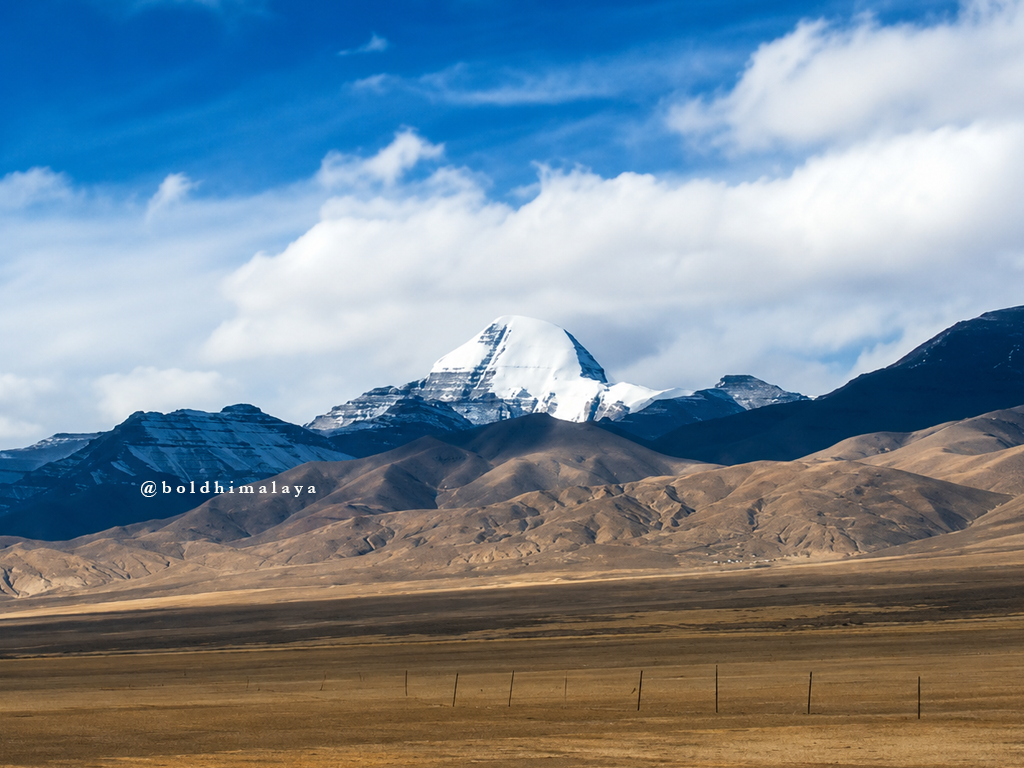
As the full moon rises over Tibet, Lake Mansarovar shines like liquid metal beneath a breathless sky. The Kailash Mansarovar Yatra on Full Moon is a once-in-a-lifetime spiritual experience that touches the soul at its deepest level. Moonlight slowly spread across the southern face of Mount Kailash, whose sacred 6,630-meter peak has never been climbed.
Many pilgrims and travelers say that walking here under the full moon feels peaceful and unforgettable. In those quiet moments, the journey becomes more than just visiting the place. It is a chance to experience ancient landscapes, deep spiritual traditions, and the beauty of the Himalayan night, far away from crowds and noise.
Situated in the remote Himalayas, Mount Kailash and the sacred Mansarovar Lake have drawn pilgrims, seekers, and adventurers for centuries. But witnessing this holy land under the full moon (Purnima) transforms the journey into something truly extraordinary.
Kailash Mansarovar Yatra Quick References
| Detail | Information |
|---|---|
| Pilgrimage Name | Kailash Mansarovar Yatra |
| Main Location | Tibet Autonomous Region, China |
| Mount Kailash Elevation | 6,638 Meters (21,778 Feet) |
| Lake Mansarovar Elevation | 4,590 Meters (15,060 Feet) |
| Journey Duration | 18 to 25 Days |
| Ideal Time to Travel | May Through September |
| Religious Traditions | Hindus, Buddhists, Jains, and Bon Practitioners |
| Difficulty | Physically Demanding Trek |
| Origins | Roots in Ancient Spiritual Practice |
Overview of Kailash Mansarovar
High in western Tibet lies one of the Asia’s oldest and most meaningful pilgrimage destinations, Kailash Mansarovar Yatra. For centuries, pilgrims and travelers have undertaken this challenging journey not because it is easy, but because of its deep spiritual significance. They cross high mountain passes, face cold winds, and travel through remote landscapes to reach the sacred Mount Kailash Mansarovar Yatra.
The main pilgrimage is the Kora, a walk around Mount Kailash, and one which most people feel blesses their soul with spiritual enlightenment. Upon completing the Kora, many people will visit Lake Manasarovar. Some take a holy dip in its clear waters, while some just sit at the lake’s edge, enjoying the tranquil atmosphere and peaceful surroundings.
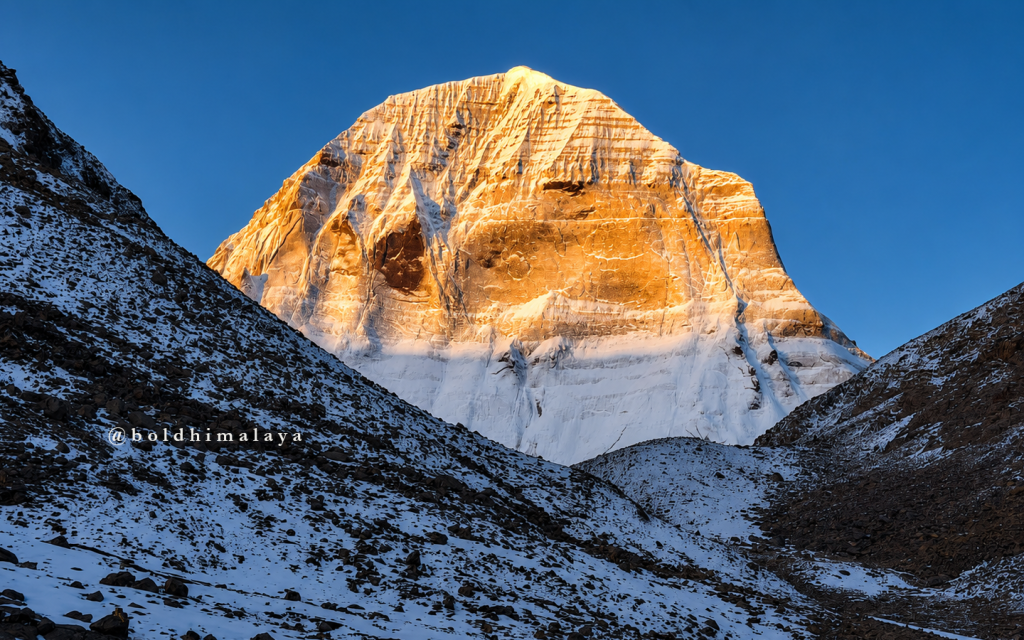
Mount Kailash (6,638 m/21,778 ft) remains unclimbed, as it is sacred to multiple religions and believed to be untouched. About 30 km south lies Lake Mansarovar (4,590 m/15,060 ft), one of the world’s highest freshwater lakes. Revered as one of Asia’s holiest sites, it draws pilgrims and travelers for ritual baths, prayer, meditation, and its serene beauty.
Close to Lake Mansarovar is Rakshas Tal, another high-altitude lake with great religious significance. According to ancient beliefs, the two lakes represent opposite forces. While Lake Mansarovar symbolizes purity, peace, and spiritual blessings, Rakshas Tal is often associated with power and mystery. Together, they create a unique and sacred landscape that has inspired pilgrims for centuries.
How does the Full Moon change the Pilgrimages?
Under the bright moon, the journey to Kailash Mansarovar shifts in feel. Because of the old beliefs, the time of the moon shapes how people experience the trip. When the moon swells fullest in Shravan (July-August), the lake becomes even more special for pilgrims. Many people visit during this time to take part in sacred walks and ritual baths. According to tradition, the full moon is considered especially auspicious, making the spiritual experience even more meaningful.
Under the clear sky near Kailash, the full moon shines brightly over Lake Mansarovar. Its light reflects on the calm water, while the surroundings remain dark and peaceful, far from any artificial lights. During this time, many visitors stay by the lake through the night until sunrise. This quiet tradition holds deep meaning and is shared by people of different faiths.
During the bright May full moon, many Tibetan Buddhists gather at sacred places. This time, known as Saga Dawa, feels calm yet powerful. It honors the Buddha’s birth, enlightenment, and passing. People believe good deeds done now bring greater merit. Many walk the parikrama (kora) together, following the same ancient path. It’s a special time of deep devotion and shared spiritual energy.
Religious Meaning in Four Faiths
Hinduism
In Hindu belief, Mount Kailash is the sacred abode of Lord Shiva, where he is believed to reside in deep meditation. Some old writings name it Meru, imagining it as the central pillar holding all worlds in place. During the full moon (Purnima), taking a holy bath in Lake Mansarovar and walking its full circle, 52 kilometers through thin air and silence, is said to wash away years of burdened actions and purify the soul. Devotees chant Om Namah Shivaya and perform rituals while doing the Kailash Kora, gaining powerful spiritual merit and inner peace.
Buddhism
Pilgrims walk around the mountain called Kangri Rinpoche, which means ‘Precious Jewel of Snow.’ They do this to feel closer to their sacred power. This walk is known as a kora in Tibet. It is not just a journey, but a spiritual act done with focus and devotion. People believe that completing 108 circles around the mountain can bring freedom from the cycle of life. Very few can do this, but even one or three rounds are meaningful. It is also believed that Demchok, a silent deity, lives in this sacred place and watches over the mountain.
Jainism
In Jain belief, the sacred mountains are linked to Rishabhadeva, the first Tirthankara, who is said to have attained moksha at Ashtapada. Pilgrims travel long distances to reach this holy place, as being there is seen as an act of deep devotion rather than just a physical journey. During the full moon, devotees perform prayers and meditation, believing this sacred time helps purify the mind, reduce negative karma, and inspire spiritual growth.
Bon
In the Bon tradition, an ancient Tibetan belief older than Buddhism, Mount Kailash is called Tise and is seen as the center of the world. Followers walk around the mountain in a leftward, counterclockwise direction. This is different from Buddhists and Hindus, who walk clockwise. Because of this, people move in opposite directions on the same path. Followers of the ancient Bon religion believe that the full moon creates a stronger connection between the natural world and the spiritual universe.
The Kailash Parikrama
The Kailash Parikrama, also called the kora, is a sacred walk around Mount Kailash in Tibet. The journey around Mount Kailash starts from Darchen and covers about 52 kilometers. Most people take three days to complete it, but some finish it in just one day without stopping. Darchen is the main starting point where pilgrims gather. After completing the walk, they return to the same village.
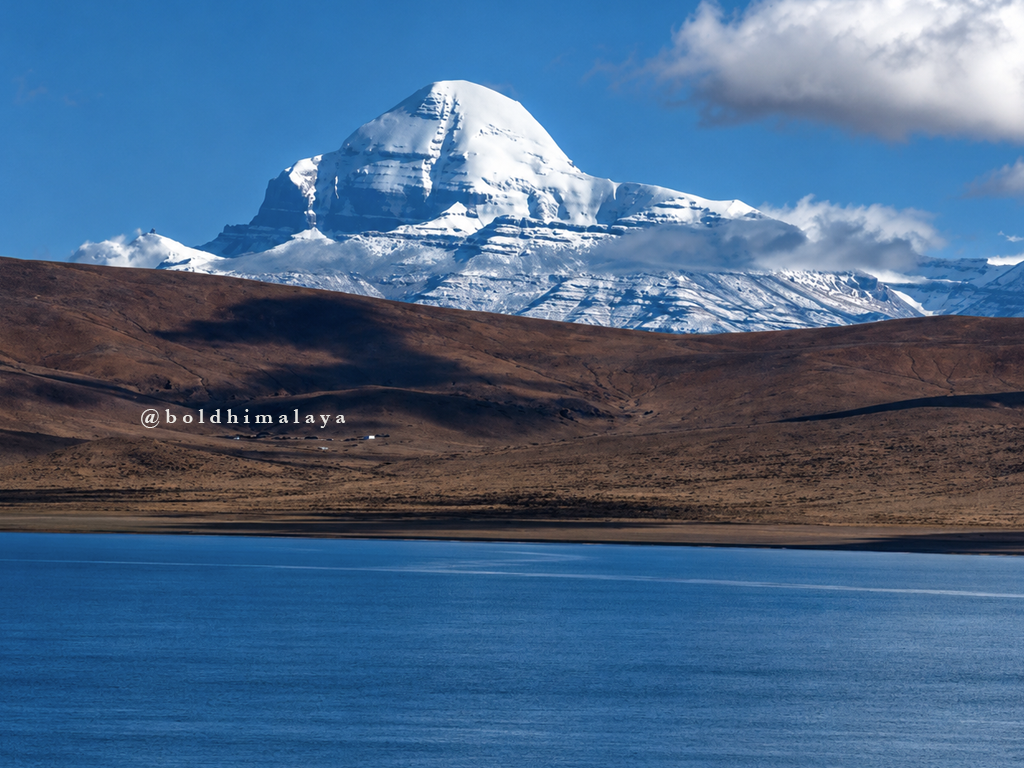
Day 1: On the first day, the path goes from Darchen to Dirapuk, following the Lha Chu River along the northern side of the mountain. At the beginning, the path is mostly flat, but it slowly becomes uphill. As you walk, the north face of Mount Kailash starts to appear little by little. It is a sharp and beautiful view that many people come to see.
Day 2: Most people find the second day the toughest. The trail goes uphill to Dolma La Pass, which is very high at 5,636 meters. The climb is steep, and the air becomes thin, which makes it difficult to breathe. At the top, you can see colorful prayer flags and small shrines left by earlier pilgrims. After crossing the pass, the path descends toward Gauri Kund, a small, icy lake associated with Goddess Parvati. From there, the walk continues to Zuthulpuk.
Day 3: Back on Day 3, the path heads towards Darchen through the Zhong Chu valley. This part is longer but much easier, with a gentle path following the river.
The weather in this region can change quickly. Some days are sunny, while others may bring sudden snow, even during the busy season. Good health is very important, especially for the heart and lungs. Wearing warm layers and getting used to the altitude beforehand helps a lot. The trek does not need special climbing gear, but the high altitude can still be challenging for many people.
Best Time for Kailash Mansarovar Yatra on Full Moon
Most pilgrims visit Mount Kailash between May and September. During this time, the snow melts, and the paths become open and safe to walk. Before this season, the routes were usually blocked by heavy snow and cold weather.
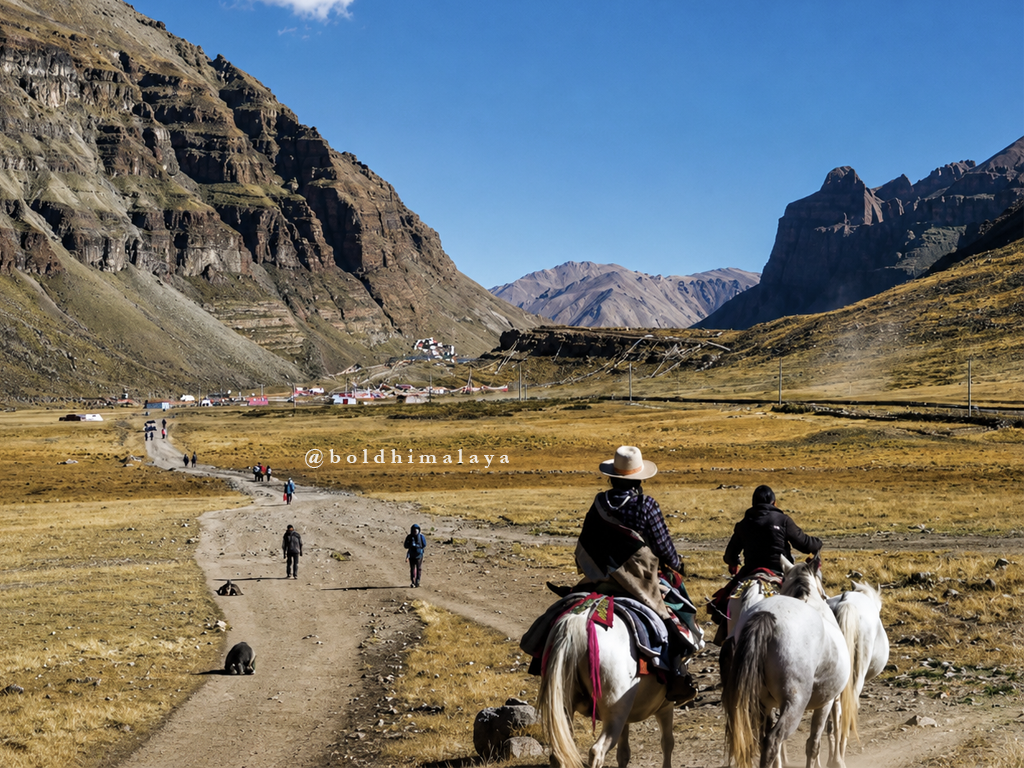
May – June
Days are warmer, but nights can still be cold. Monks chant in temples, pilgrims walk the high trails under the open sky, while prayer flags flutter above temples, and the sound of holy drums fills the morning air.
July – August
The weather becomes warmer, which makes walking easier. However, there can be rain and mist, especially in the lower areas. Sometimes it rains suddenly, but it usually does not last very long. Even with the rain, the trails remain open and manageable.
September
By September, the trails become quieter as fewer people visit. The monsoon rains have ended, the air feels fresh, and golden sunlight lights up the mountains. It is a peaceful time to enjoy the beautiful scenery.
Full moon periods in late spring and early autumn are popular for visiting. When those bright nights arrive, flights and routes tend to work out better. Because many people plan their trips during these times, it is best to book several months in advance to secure your place.
Travel Routes & Permits
1. Nepal Route via Kerung (Most Popular)
The most common route for international travelers is Kailash Mansarovar via Kerung, which starts in Kathmandu and enters Tibet through the Kerung border, sometimes spelled Gyirong. It offers a gradual ascent for better acclimatization before reaching Lake Mansarovar and beginning the Kailash Parikrama.
2. Helicopter Route via Hilsa
Helicopter Route via Hilsa is the fastest option, combining helicopter flights and road travel to reach Kailash Mansarovar. It reduces travel time while still allowing pilgrims to complete the sacred yatra and Kailash Parikrama.
3. India Route via Lipulekh Pass
This traditional pilgrimage route begins in Uttarakhand and includes several days of trekking through the Himalayas. It is physically demanding but highly valued for its spiritual significance.
4. India Route via Nathu La Pass
The Nathu La route is only for Indian pilgrims. It passes through Sikkim and is managed by the Government of India under an agreement with China. There is a fixed yearly limit for travelers on this route. The journey is strictly controlled, and pilgrims must follow a set plan.
Permits for Kailash Mansarovar Yatra
Getting into this area means having three permits:
- Tibet Travel Permit
- Tibet Alien’s Travel Permit
- Chinese Group Visa
- Military Area Permit
Each step is important and cannot be skipped. Since you can’t apply alone, registered tour companies handle all the paperwork for you. For Indian travelers, the process is managed through government arrangements, so everything goes through official channels instead of direct applications.
Altitude and Physical Preparation for Kailash Manasarovar Tour
Elevations
| Location | Elevation |
| Darchen Base Camp | 4,675 metres/15,338 feet |
| Lake Mansarovar | 4,590 metres/15,060 feet |
| Dolma La Pass | 5,630 metres/18,471 feet |
Even seasoned trekkers can struggle here; altitude doesn’t care about past trips. The body may react with headaches, nausea, tiredness, or breathing problems within a couple of days. Staying for some time in places like Kathmandu, Nyalam, Saga, and Mansarovar helps the body adjust. Good travel plans include these rest stops before starting the parikrama.
Physical Preparation
It is important to prepare your body before the trip. Start a few weeks early with regular walking, light running, or hiking to improve your stamina. It is also wise to have a medical check-up, especially if you have heart or breathing issues. Strong legs help on rough trails, so include simple leg exercises. Building fitness in advance pays off once the trail begins.
Clothing
The weather can be cold at any time. Days may feel cool when clouds roll in, and nights often go below freezing. It is best to wear layers. Start with a warm inner layer, add a middle layer for insulation, and finish with a windproof and waterproof outer jacket. This way, you can adjust easily as the weather changes. Also carry warm gloves, a hat, good trekking shoes, and extra socks.
Altitude Medication
Many people carry altitude medicine like acetazolamide (Diamox) to help prevent mountain sickness. However, it should only be taken with a doctor’s advice. Using it without proper guidance can cause problems instead of helping. At high altitude, safety is most important, especially if breathing becomes difficult. If symptoms get worse, going down to a lower altitude is the safest option. It is also important to drink plenty of water, walk slowly, and listen to your body.
Accommodation and Essential Amenities
Accommodation along the Kailash Manasarovar is very basic. In Darchen, you can find simple guesthouses, while in places like Dirapuk and Zuthulpuk, there are mostly tents or small huts. Facilities are limited, cold showers are common, bathrooms are shared, and comfort is minimal. Food is also simple and does not change much. You will usually eat noodles, rice, bread, soup, and drink tea.
Communication can be difficult, as mobile signals are weak or unavailable in many areas. In some cases, guides may use satellite phones for emergencies. It is very important to carry a personal first-aid kit because medical help is not easily available. You should also bring water purification tablets or a filter to make drinking water safe.
Personal medicine? Better have it on hand. Clinics in these parts barely exist.
The Full Moon Over Lake Mansarovar
Some people plan their Kailash Mansarovar journey so they can stay near Lake Manasarovar during the full moon. This body of water loops around over 80 kilometers. Towering peaks like Api and Gurla Mandhata rise up nearby, shaping a bowl-like space. When the full moon rises, its light makes everything bright, and you can see clearly without a flashlight.
Before sunrise, some people sit quietly while others walk slowly near the water. Flames flicker on wet stones where butter lamps are placed by hand. Not everyone prays aloud; many stay silent and observe. People from different places and beliefs gather there, all sharing the same peaceful moment by the lake.
Even if someone is not religious, the experience feels special and powerful. It creates a deep sense of calm and reflection without needing words.
FAQs of Kailash Mansarovar Yatra Full Moon
Why is the Full Moon considered auspicious for the Kailash Mansarovar Yatra?
According to Buddhist, Hindu, Jain, and Bon traditions, the full moon is believed to enhance spiritual blessings, and many pilgrims believe one full-moon Kora equals the merit of 108 regular Koras. In May, the Saga Dawa lunar peak holds strong meaning within Tibetan Buddhist practice.
Can First-Time trekkers do the Kailash Parikrama?
The Kailash Parikrama is a challenging high-altitude trek, but first-time trekkers with good fitness and proper acclimatization can complete it successfully.
When does this tour happen?
This tour is usually held during Guru Purnima or other full moon dates (May-September).
Is the full moon visible clearly?
Yes, if the weather is clear, reflections on the lake are very powerful & serene.
What permits are required for the Kailash Mansarovar Yatra?
The yatra requires a Tibet Travel Permit, Chinese Group Visa, Alien’s Travel Permit, and Military Permit, all of which are usually arranged by your tour operator.
Can this tour be completed without prior trekking experience?
Yes. Previous trekking experience is not mandatory, but good physical fitness and proper preparation are highly recommended due to the high altitude.
Related more Traveler Information
Some more related traveler information