



Kanchenjunga Circuit Trek


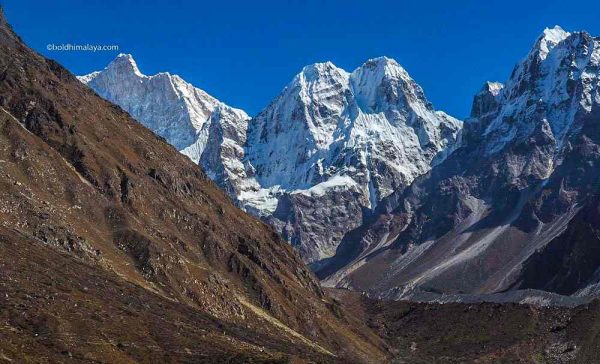
The Kanchenjunga Circuit Trek is one of Nepal’s most remote and rewarding high-altitude adventures. Circling the world’s third-highest mountain, Mount Kanchenjunga (8,586 m), this trek offers pristine landscapes, hidden glaciers, and authentic Himalayan culture far from crowded trails.
This challenging expedition takes you to both the North and South Base Camps of Kanchenjunga, passing through lush forests, alpine meadows, roaring rivers, and traditional mountain villages. It is not a trek for beginners — a good level of fitness and prior trekking experience are essential. Solo trekking is not allowed due to restricted area regulations.
Ideal for adventurers seeking solitude and untouched natural beauty, the Kanchenjunga expedition blends raw wilderness with cultural immersion. Trekkers can visit sacred monasteries, meet local communities, and experience the magic of the eastern Himalayas on a journey few have completed.
If you’re looking for a once-in-a-lifetime Himalayan expedition, the Kanchenjunga Circuit Trek promises an unforgettable adventure that challenges your limits and rewards you with extraordinary scenery and memories.
Kanchenjunga Circuit Trek – Key Highlights
- Unmatched Himalayan Views: Experience spectacular panoramic views of Mt. Kanchenjunga (8,586 m) and surrounding giants like Yalung Kang, Jannu, and Kabru from multiple vantage points.
- North & South Base Camps: Trek to both the North Base Camp (Pangpema) and South Base Camp, offering unique perspectives of the massive Kanchenjunga massif.
- Remote, Untouched Wilderness: This trek remains less traveled compared to the Everest and Annapurna routes, giving you true solitude and a pristine trekking experience.
- Spectacular Biodiversity: Walk through the Kanchenjunga Conservation Area, home to rare wildlife such as red pandas, snow leopards, Himalayan black bears, and a wide variety of birds and alpine flora.
- Cultural Immersion: Encounter diverse ethnic groups like the Rai, Limbu, Sherpa, and Tibetan communities, their traditions, festivals, and deep-rooted mountain culture.
- Diverse Landscapes: Traverse through subtropical forests, flowering rhododendron and pine woods, alpine meadows, high passes, and glacial valleys with dramatic scenery at every step.
- Ancient Monasteries: Visit sacred sites and Buddhist monasteries along the trail that reflect centuries-old spiritual heritage.
- Teahouse & Camping Experience: Enjoy a mix of basic teahouse stays and wilderness camping, deepening your connection with nature.
- Challenging High Passes: Cross rugged high passes like Sele La, adding thrilling adventure and rewarding summit views.
- True Expedition Feel: Far from commercialized trails, this is a holistic Himalayan trek — raw, remote, and richly rewarding.
What Is the Kanchenjunga Circuit Trek?
The Kanchenjunga Circuit Trek is one of the most remote and challenging trekking routes in Nepal, taking you around the world’s third-highest mountain, Mount Kanchenjunga (8,586 m).
Unlike popular trails like the Everest Base Camp or Annapurna Circuit, this trek offers a true expedition experience with less crowded paths, pristine wilderness, and authentic Himalayan culture.
Meaning of “Circuit”
The term “circuit” refers to a loop trek that starts and ends at the same location while encircling the Kanchenjunga massif. Trekkers experience both the North and South Base Camps of Kanchenjunga, cross high passes, and witness a variety of landscapes, from dense forests to alpine meadows and glacial valleys. This makes the Remote eastern Nepal trek a complete Himalayan adventure.
Kanchenjunga Location & Geography
The trek is located in eastern Nepal, near the border with Sikkim, India, and spans the Kanchenjunga Conservation Area. Trekkers pass through remote villages, isolated monasteries, and high-altitude ridges, enjoying uninterrupted views of Kanchenjunga and surrounding peaks.
Popular viewpoints include Sele La Pass and other vantage points for the Kanchenjunga panorama. Along the way, you can observe the Yalung Glacier, terraced landscapes, and the rich biodiversity of the region.
Why Trek This Route vs Other Nepal Treks
Compared to the Everest Base Camp Trek or the Annapurna Circuit Trek, the Kanchenjunga Trek is significantly more remote and less commercialized. It offers:
- Less populated: This trek is quite quiet and extraordinarily peaceful, compared to the remarkably populated Everest and Annapurna.
- Panoramic scenery of mountains: Valleys offer panoramic mountain scenery. Also view Kanchenjunga (8,586m), the world’s third-highest mountain, and glaciers.
- Rich culture: Explore the genuinely warm hospitality of the deeply wealthy Rai, Limbu, and Tibetan cultures.
- Mixed landscape: Hike through meadow, forest, and glacier, and view blue sheep and red pandas, which are rare species.
- Hard but Worth It: Tough hike for the experienced hunter in pursuit of the experience of a lifetime.
- Two Base Camps: Witness the North and South Base Camps of Kanchenjunga and experience the difference.
- Fewer tourists: Enjoy the sheer beauty of nature and the existence of the mountains without the tourists.
Whether you want to trek Kanchenjunga in Nepal or in Sikkim, this expedition offers an unparalleled Himalayan adventure. With options for tea house stays, base camp experiences, and summit views, the Kanchenjunga Circuit Trek is perfect for trekkers seeking less-traveled trails, spectacular panoramas, and cultural richness.
What makes the Kanchenjunga Circuit Trek unique?
The Kanchenjunga Base Camp Trek is one of Nepal’s most remote and breathtaking Himalayan adventures. Trekkers are rewarded with high-altitude trekking experiences, pristine landscapes, and unforgettable mountain views. Each pass, viewpoint, and base camp along the route offers a unique experience that captures the essence of eastern Nepal.
Jannu Viewpoint (4,420 m / 14,501 ft)
The Jannu Viewpoint on the Kanchenjunga Base Camp Trek provides a truly beautiful panorama of Jannu, one of the world’s most technically challenging peaks. From this high-altitude vantage point, trekkers can enjoy breathtaking Himalayan views of surrounding ridges, valleys, and snow-capped peaks, making it an ideal spot for photography and nature lovers.
The trek to Jannu Viewpoint is moderately challenging, suitable for trekkers with basic fitness who want to experience the stunning landscapes of eastern Nepal and the serene beauty of the Himalayas.
Kanchenjunga North Base Camp (Pangpema, 5,140 m / 16,864 ft)
Reaching Pangpema requires high fitness, as the route involves steep ascents and long trekking hours at altitude. At this high-altitude vantage point, you witnessed the awe-inspiring Kanchenjunga massif, nearby glaciers, and peaks like Kabru and Pandim. Pangpema is one of the most rewarding stops on the trek, providing incredible Himalayan scenery and once-in-a-lifetime photography opportunities.
Tamo La 3,900 m (12,795 ft)
The trek to Tamo La is moderately challenging and offers stunning vistas of the Ghunsa Valley. Walking across this scenic pass, you will experience the tranquility of a remote Himalayan landscape, with rolling hills, distant snow-capped peaks, and untouched alpine meadows, a true hidden gem of the Kanchenjunga region.
Selele La (4,355 m / 14,288 ft)
At approximately 4,290 m (14,075 ft), Sele La sits as a key high‑altitude pass linking the north and south valleys of the Kanchenjunga region. From the top of this pass, you are rewarded with breathtaking views of peaks such as Kanchenjunga (8,586 m), Jannu (7,710 m), and Makalu (8,485 m).
Crossing Sele La is moderately challenging and best attempted with proper acclimatisation, as the sharp ascent and thin air at this elevation demand physical readiness.
Once at the summit, the remote, wind‑swept scenery and the switch from north to south valley terrain make this pass a memorable highlight for trekkers seeking solitude, adventure, and stunning Himalayan vistas.
Mirgin La (4,633 m / 15,196 ft)
Mirgin La, situated at approximately 4,633 meters (15,196 feet) above sea level, is one of the most spectacular high passes on the Kanchenjunga Base Camp Trek in Nepal’s remote eastern Himalayas. From this vantage point, trekkers are rewarded with sweeping panoramic views of peaks such as Jannu and Makalu, glacier‑fed valleys, and ridges that stretch into the horizon.
The ascent to Mount Virgin La is challenging, with steep terrain and high altitude demanding good fitness and proper acclimatization, but those who reach the summit are immersed in the raw grandeur of the Himalayas, making it a memorable highlight for adventure seekers and photography enthusiasts alike.
Sinelapche La (4,700 m / 15,420 ft)
Sinelapche La is the highlight of a long trekking day, requiring high fitness and excellent acclimatization. From this pass, you will witness panoramic Himalayan views of Kanchenjunga, Rathong Peak, Kabru, Yalung Glacier, and surrounding mountains. The sense of accomplishment and the extraordinary vistas make it one of the most unforgettable experiences on the trek.
Kanchenjunga South Base Camp (Oktang Viewpoint, 4,780 m / 15,682 ft)
Although landslides prevent access to the actual base camp, the Oktang Viewpoint offers stunning views of Kanchenjunga’s southern face and surrounding peaks. The trek to this viewpoint is physically demanding, suitable for experienced trekkers, and standing here provides a thrilling sense of achievement and unparalleled Himalayan scenery.
Cultural Encounters & Local Communities
The Kanchenjunga region is home to a vibrant mix of ethnic communities, including the Limbu, Rai, Sherpa, and Tibetan-influenced peoples. As you walk through remote mountain villages, you’ll be welcomed with warm hospitality and timeless traditions.
These communities have preserved their language, dress, and customs for generations, and trekking here offers a rare glimpse into a deeply rooted way of life.
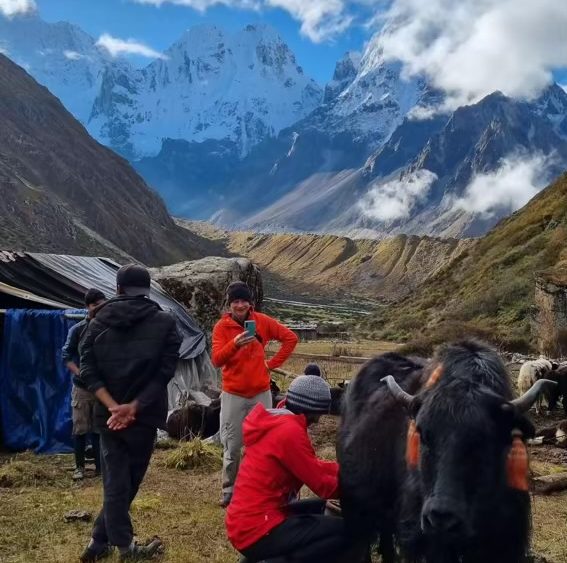
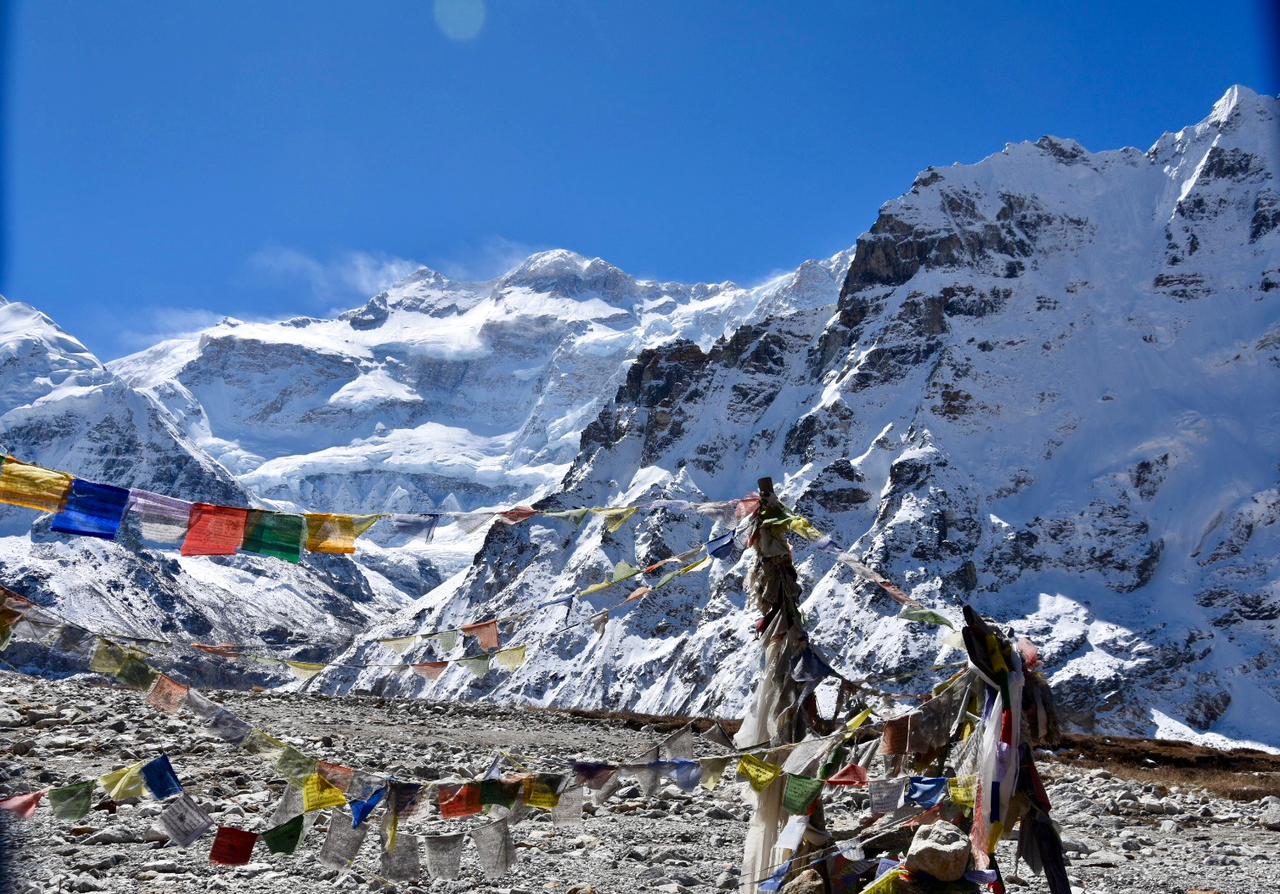
Expect prayer flags fluttering in the wind, chortens (Buddhist monuments) dotting the trails, and locals going about their daily routines – herding yaks, spinning prayer wheels, or offering you a warm cup of butter tea.
Wildlife Spotting Opportunities
The trek passes through the Kanchenjunga Conservation Area, home to diverse flora and fauna. Trekkers may spot red pandas, Himalayan tahr, musk deer, and a variety of bird species. Dense rhododendron and pine forests provide a rich ecological backdrop, making wildlife spotting and birdwatching rewarding experiences for nature enthusiasts and photographers alike.
Explore Kanchenjunga Circuit Trek (South and North) – A Journey to the Remote Himalayas with Bold Himalaya
The Five Great Snow Treasures, i.e., Kanchenjunga, the world’s third-highest. Both North Base Camp and South Base Camp invite you to trek there. The trek passes through dense rhododendron forests, mountaintop grazing pastures, glacial valleys, and solitary villages where time stood still for centuries.
The area is home to Tibetan-style Buddhist communities and the Limbu people, offering a rich cultural experience. Fewer walkers translates into greater peace and a real sense of adventure.
Perfect for frequent walkers seeking challenge, wonderful views, untainted nature, and true local hospitality. It’s challenging but well worth it, with tremendous views, untouched nature, and the warmth of the people.
If you desire something different, an off-the-beaten-path hike with tranquility, vistas, and stunning Himalaya scenery, visit here. With a Bold Himalaya trek, you will have a safe, professionally led experience that will give you a lifetime of memories.
Plan Your Kanchenjunga Circuit Trek
Get a customized Kanchenjunga Circuit Trek itinerary tailored to your dates, budget, and fitness level.

Plan Your Kanchenjunga Circuit Trek
Get a customized Kanchenjunga Circuit Trek itinerary tailored to your dates, budget, and fitness level.
Day-by-Day Itinerary for Kanchenjunga Circuit Trek
Your Journey, Step by Step
Kathmandu → Bhadrapur → Taplejung 1,820 m / 5,971 ft)
After breakfast, our guide will pick you up from your hotel and transfer you to Tribhuvan International Airport for a domestic flight to Bhadrapur. The short mountain flight offers breathtaking views of the Kathmandu Valley, surrounding hills, and the distant snow-capped peaks of the Nepal Himalayas.
On arrival in Bhadrapur, we drive through the scenic landscapes of eastern Nepal to Taplejung, passing rolling hills, rivers, and the lush tea plantation region of Fikkal/Kanyam. Taplejung, the gateway to the Kanchenjunga Circuit Trek, is a culturally rich town shaped by Limbu and Rai communities, offering traditional architecture, warm hospitality, and a first glimpse of the remote Kanchenjunga region of Nepal.
Check into your hotel or teahouse to rest and acclimatize. This day sets the tone for your Kanchenjunga trek itinerary, combining culture, nature, and panoramic Himalayan scenery, preparing you for the adventure ahead.
Taplejung → Sekathum → Amjilosa (2,400 m / 7,874 ft)
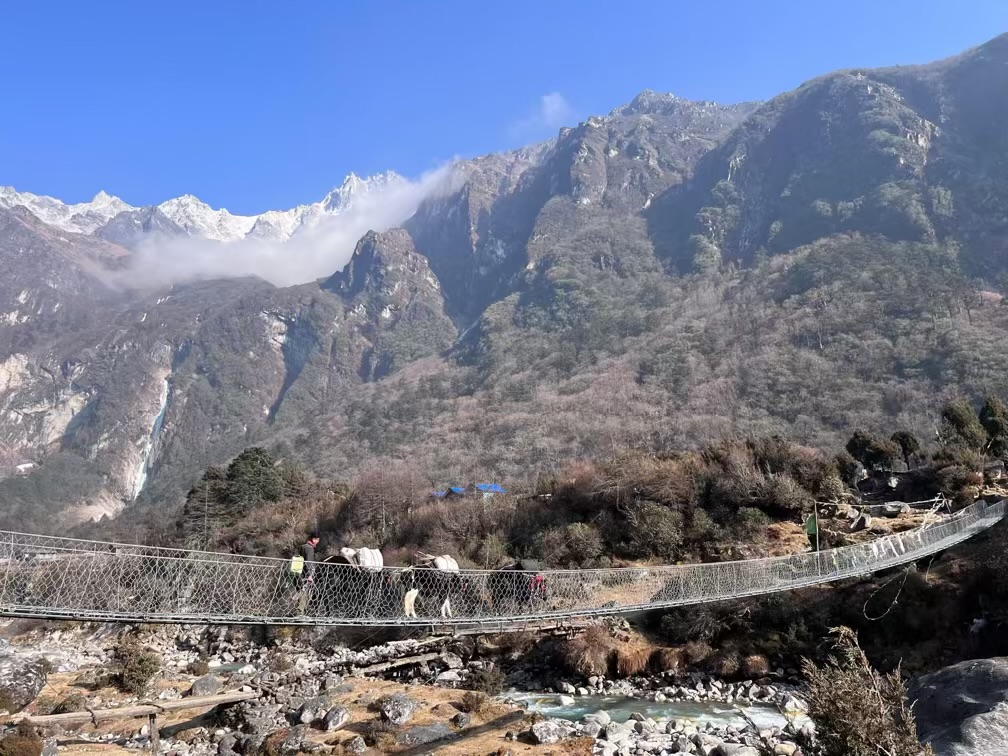
Your Kanchenjunga Circuit Trek adventure begins in earnest today! After a scenic drive from Taplejung to Sekathum, you set off on the trail along the Ghunsa Khola, crossing multiple suspension bridges that offer thrilling views of the rushing river below.
The trek winds through dense forests of bamboo, rhododendron, and ferns, immersing you in the serene wilderness of the Kanchenjunga region of Nepal. Along the way, the trail passes through narrow gorges, cascading streams, and traditional villages like Jongim and Ghaiyabari, giving trekkers a first-hand glimpse of local Himalayan culture and the warm hospitality of the Limbu and Rai communities.
After several hours of trekking on moderately steep terrain, you arrive at Amjilosa, a small mountain village perched on the hillside. Here, you settle into a cozy teahouse, enjoy a hearty meal, and rest for the next stage of the journey deeper into the remote Kanchenjunga circuit trail. This section sets the tone for the adventure ahead, combining natural beauty, cultural immersion, and the excitement of trekking in one of Nepal’s most untouched Himalayan regions.
Amjilosa → Gyabla (2,750 m / 9,022 ft)
After breakfast in Amjilosa, the trail climbs gently through mixed forests of pine, bamboo, rhododendron, and oak. As you gain altitude, the vegetation gradually shifts, signaling the approach to higher Himalayan zones. Along the route, you may spot yaks, sheep, and goats grazing, while a variety of Himalayan birds add to the natural charm.
The path passes through small villages where the culture begins to reflect Tibetan influences, with stone houses, prayer flags, and mani walls becoming more prominent. Crossing wooden suspension bridges and following the Ghunsa Khola, you reach Gyabla, a tranquil mountain settlement. Here, a cozy teahouse offers a warm meal and comfortable overnight stay, preparing you for the next stage of the Kanchenjunga Circuit Trek.
This section balances scenic forest trails, wildlife encounters, and cultural immersion, giving trekkers an authentic taste of the remote Kanchenjunga region.
Gyabla → Ghunsa (3,430 m / 11,253 ft)
The trek from Gyabla to Ghunsa takes you deeper into the Kanchenjunga region of Nepal, passing through lush forests of pine, rhododendron, and juniper. The trail follows the Ghunsa Khola, crossing streams and yak pastures, offering glimpses of the area’s diverse wildlife, including Himalayan birds and grazing yaks.
You will pass Phale Village, a Tibetan settlement established by refugees decades ago. The village is now a winter settlement where trekkers can observe traditional Tibetan-style architecture, ancient mani walls, and fluttering prayer flags, reflecting the rich Buddhist culture of the eastern Himalayas.
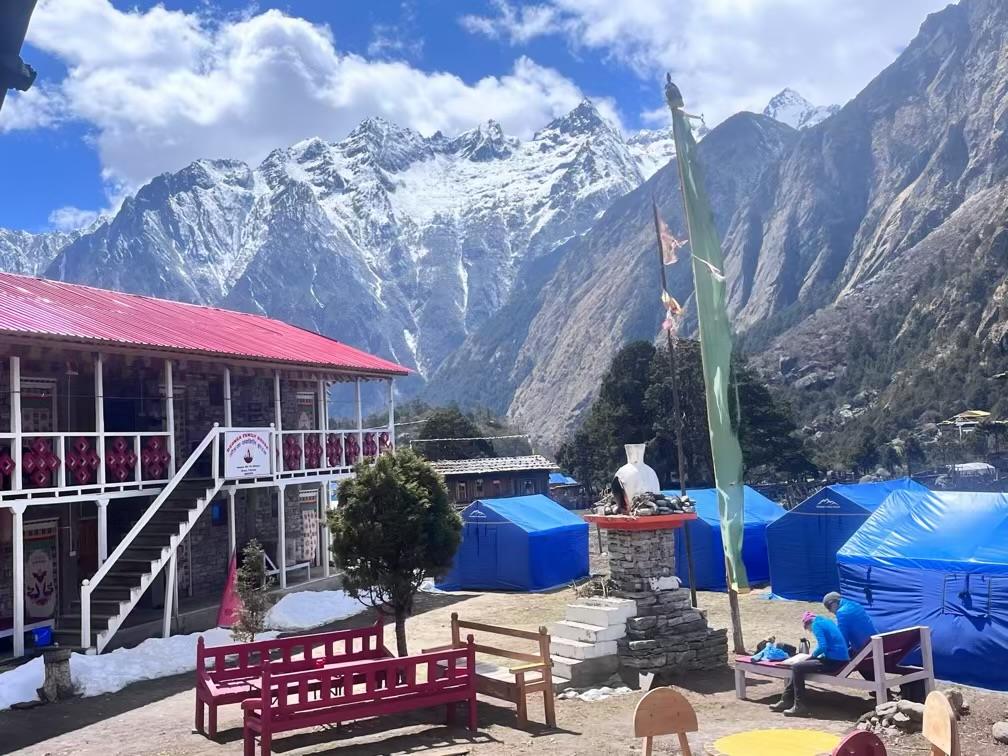
Continuing along moderate ascents, you arrive at Ghunsa, the largest village in the upper Kanchenjunga region. This settlement serves as an important stop for trekkers, with well-maintained teahouses, a monastery, schools, a health post, and the Kanchenjunga Conservation Area Project (KCAP) office. Here, the local community—mainly of Tibetan descent—practices yak herding, trade, and maintains traditional customs, providing trekkers with a genuine cultural experience.
Ghunsa’s combination of scenic alpine landscapes, vibrant village life, and convenient facilities makes it an ideal place for rest and acclimatization before advancing to higher passes and the Kanchenjunga Base Camps. The trek typically takes 4–5 hours, balancing adventure with opportunities to appreciate the natural and cultural richness of this remote Himalayan region.
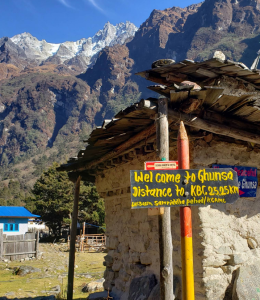
Welcome to Ghunsa – Gateway to the Kanchenjunga Circuit Trek, where Himalayan adventure and Tibetan culture meet
Acclimatization Day in Ghunsa
On your acclimatization day in Ghunsa (3,430 m), you rest and let your body adjust to the high altitude, reducing the risk of Altitude Sickness. Take a short hike to the Ghunsa Viewpoint for panoramic views of the Kanchenjunga range and surrounding peaks. Explore the Tashi Choeling Gompa, a historic monastery housing sacred texts and prayer wheels, reflecting the rich Tibetan-Buddhist culture of the region.
You can also wander through Ghunsa village, visit local handicraft stalls, or relax by the Ghunsa Khola. This day combines light trekking, cultural exploration, and scenic immersion, preparing you physically and mentally for the higher altitudes ahead on the Kanchenjunga Circuit Trek.

Ghunsa → Kambachen (4,050 m / 13,287 ft)
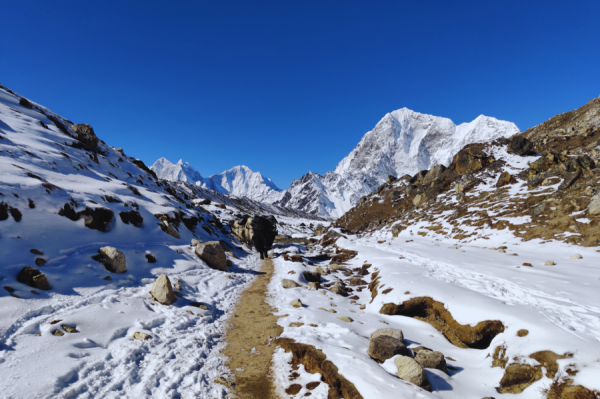
On this stage of the Kanchenjunga Circuit Trek, you leave Ghunsa behind and ascend into high-altitude alpine terrain. The trail follows the Ghunsa River, winding through lush forests that gradually give way to open meadows, rocky slopes, and glacial valleys. Majestic views of Jannu Himal (Kumbhakarna) dominate the skyline, offering some of the most spectacular mountain vistas on the trek.
Trekking through this section, you may encounter Himalayan wildlife such as blue sheep, Himalayan monals, and occasionally snow leopards, making the journey even more rewarding for nature enthusiasts. The path passes a scenic waterfall and a landslide-prone area, where trekkers need to exercise caution.
Arriving at Kambachen, a small high-altitude settlement at 4,050 m, you’ll find basic teahouses and lodges nestled among towering peaks. This stop is a crucial acclimatization point on the Kanchenjunga Circuit Trek, allowing trekkers to rest and prepare for the more challenging sections ahead toward Kanchenjunga North Base Camp.
Rest Day in Kambachen – Optional Jannu Base Camp & Viewpoint (4,050 m / 13,287 ft / Jannu Viewpoint 4,420 m / 14,501 ft)
Today’s acclimatization day on the high-altitude trek gives you the chance to explore one of the most breathtaking side valleys in the region, Jannu Base Camp, and its spectacular viewpoint. The trail begins by climbing gently through open alpine meadows, past scattered juniper bushes, and across ancient glacial moraines. Very quickly, the landscape shifts into a raw, untouched high-altitude world where silence feels almost sacred.
As you move higher, you begin to feel the presence of the mighty Himalayan walls rising around you. The crisp, thin air, the crunch of stones beneath your boots, and the distant rumble of glaciers create a powerful sense of being deep inside the wilderness of Kanchenjunga. Along the way, you may spot grazing yaks, agile mountain goats, and Himalayan birds gliding above the cliffs—life thriving in a land that seems carved from ice and stone.
Reaching the Jannu Viewpoint (4,420 m / 14,501 ft) is an unforgettable moment. Here, the colossal north face of Jannu (Kumbhakarna) rises like a vertical fortress of ice—one of the most dramatic, intimidating, and admired walls in the Himalayas. Below it lie sweeping glaciers, serrated ridges, and deep valleys that stretch into the horizon. It’s the kind of panorama that makes trekkers pause, breathe deeply, and take in the magnificence of the eastern Himalayas.
After soaking in the views and capturing once-in-a-lifetime photos, you retrace your steps back to Kambachen. The warm teahouses, hot meals, and friendly local hospitality offer the perfect end to a day filled with awe, adventure, and altitude.
This rest day not only helps your body acclimatize but also fuels your excitement for what lies ahead tomorrow, as you push toward Lhonak, the gateway to Kanchenjunga North Base Camp and some of the most striking landscapes of the entire circuit.

Kambachen → Lhonak (4,800 m / 15,748 ft)

On this stage of the Kanchenjunga Circuit Trek, the trail leads from Kambachen into the remote alpine expanse of Lhonak. Trekkers follow a gradual but steady ascent over glacial moraines, rocky ridges, and open alpine meadows, surrounded by the dramatic peaks of Kanchenjunga, Jannu (Kumbhakarna), and other Himalayan giants.
The terrain here is rugged and sparse, with only scattered vegetation, making it one of the most isolated sections of the trek. Along the way, you may spot Himalayan wildlife such as blue sheep, yaks, Himalayan goats, and—if lucky—the elusive snow leopard. The trail offers stunning panoramic views and a true sense of wilderness, perfect for trekkers seeking an off-the-beaten-path adventure.
Lhonak is a tiny high-altitude settlement with a few basic teahouses, emphasizing the remote nature of this part of the Kanchenjunga region in Nepal. Its proximity to glaciers and towering peaks creates an awe-inspiring environment, making it an ideal stop before the ascent to Kanchenjunga North Base Camp. Today’s trek is physically demanding, but the breathtaking scenery, quiet landscapes, and anticipation of reaching the base camp reward every step.
Lhonak → Pangpema / North Base Camp (5,143 m / 16,870 ft) → Return to Kambachen (4,050 m / 13,287 ft)
Today is the highlight of the Kanchenjunga Circuit Trek, as trekkers journey from Lhonak to Kanchenjunga North Base Camp (Pangpema) and return to Kambachen. The day begins early in the morning, around 6:00–7:00 AM, to maximize daylight and allow time for a safe ascent and descent at high altitude.
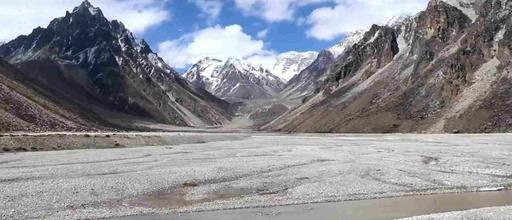
The trail from Lhonak (4,050 m / 13,287 ft) climbs steadily through a glacial moraine valley, with views opening to Kanchenjunga’s towering north face, Tent Peak, and Chang Himal. Trekkers traverse barren, high-altitude terrain with patches of alpine grasslands, scattered rocks, and ice formations. Along the way, wildlife enthusiasts may spot Himalayan blue sheep, yaks grazing in the meadows, and high-altitude birds.
Reaching Pangpema (5,143 m / 16,870 ft), trekkers are rewarded with panoramic vistas of Kanchenjunga and surrounding peaks, along with the dramatic beauty of glaciers and rugged Himalayan ridges. This is a day-trip summit experience, as there are no lodges at the base camp; trekkers spend about 30–45 minutes here for photos, rest, and to soak in the pristine environment.
After taking in the views, the group descends back to Kambachen, carefully retracing the glacial moraine path. The descent takes 3–4 hours, and the return to Kambachen offers a sense of achievement and awe, marking a milestone in the Kanchenjunga Circuit Trek. Overnight stay is at a teahouse in Kambachen, allowing for rest and acclimatization before continuing toward Lhonak or Ghunsa.

Kambachen → Ghunsa (4,050 m → 3,430 m) – Descending into the Heart of Kanchenjunga
After the exhilarating day at Kanchenjunga North Base Camp, the trek from Kambachen to Ghunsa is mostly a descent through stunning alpine landscapes, allowing trekkers to rest and acclimatize after high-altitude exertion. The trail passes through glacial valleys, rocky ridges, and scattered alpine meadows, with breathtaking views of Jannu (Kumbhakarna), Tent Peak, and surrounding Himalayan giants.
Along the way, trekkers may spot yak herds, Himalayan goats, and blue sheep, while the air grows warmer and the vegetation denser as you descend. The path crosses wooden bridges over streams and sections prone to landslides, requiring careful attention, especially after snowmelt or rain.
Ghunsa, at 3,430 meters, is the largest village in the upper Kanchenjunga region and serves as an essential acclimatization and rest stop. The village showcases Tibetan-Buddhist culture, with a local gompa, colorful prayer flags, and traditional stone houses. Facilities include teahouses, lodges, a health post, a police station, and the Kanchenjunga Conservation Area Project (KCAP) office, making it a secure and comfortable stop for trekkers.
Ghunsa to Selele Camp (4,480 m / 14,698 ft)
Leaving behind the tranquil village of Ghunsa, today’s trail takes you on a steep and rewarding climb toward Selele Camp, one of the most stunning high-altitude stops on the Kanchenjunga Circuit. The route begins through dense pine, rhododendron, and birch forests, where you might hear the distant sound of the Ghunsa Khola river echoing below.
As you ascend, the air becomes thinner and cooler, and the views open dramatically — offering glimpses of Mount Makalu, Jannu, and other Himalayan giants. The trail is physically demanding but incredibly scenic, often dotted with fluttering prayer flags and small stone shelters where trekkers can rest.
By afternoon, you’ll reach Selele Camp, a rugged yet breathtaking spot perched high in the mountains. The atmosphere here is peaceful and remote — a true Himalayan wilderness experience. Spend the evening acclimatizing, warming up with hot tea, and watching the golden sunset light up the peaks around you.
Selele Camp to Tseram via Mirgin La & Sinion La (4,646 m / 15,243 ft)
Today is one of the most dramatic and physically demanding stages of the Kanchenjunga Circuit Trek, linking the remote northern valleys with the wild southern side of the region. Leaving Selele Camp early in the morning is essential, as the trail climbs steadily in cold, thin air toward the high mountain passes. The ascent follows rugged ridgelines and rocky alpine terrain, where prayer flags flutter in the wind, and the landscape feels stark and untouched.
The route crosses Mirgin La (4,646 m)—the highest point of the day—followed by Sinion La, both offering vast Himalayan panoramas. On clear days, trekkers are rewarded with sweeping views of Mount Kanchenjunga, Makalu, and surrounding peaks stretching across eastern Nepal. This section is slow and challenging due to altitude, exposure, and uneven ground, but it is also one of the most visually rewarding moments of the entire trek.
After the final pass, the trail descends steeply into the Yalung Valley, where the terrain gradually softens into alpine meadows and yak pastures. As altitude drops, the air feels richer, and temperatures ease. By afternoon, you reach Tseram (3,870 m), a quiet high-altitude settlement that provides a well-earned rest after a long and demanding day. This crossing marks a major transition on the trek and stands out as one of the true highlights of the Kanchenjunga Circuit.
Tseram to Oktang Viewpoint (4,900 m / 16,076 ft) and Back to Tseram
Day 14 takes you to the dramatic southern base of Mount Kanchenjunga, a day filled with awe-inspiring scenery and a true sense of Himalayan grandeur. Leaving Tseram early in the morning, the trail follows the Yalung Glacier upstream through a vast alpine valley shaped by ice, rock, and time. With every step, the landscape grows more powerful and remote, surrounded by towering peaks and raw glacial terrain.
The hike culminates at Oktang Viewpoint, the final and most striking viewpoint on the Kanchenjunga South Base Camp trek. From here, the south face of Kanchenjunga rises dramatically above massive icefalls and glaciers, creating a scene that feels both humbling and unforgettable. The scale, silence, and beauty of this place make it one of the most memorable moments of the entire Kanchenjunga Circuit.
After spending time absorbing the views and capturing photographs, the trail retraces back to Tseram. Although the route is familiar, the descent offers a different perspective of the valley and a quiet sense of achievement. This day stands out not for distance, but for the rare privilege of standing face to face with one of the world’s greatest mountains in one of the Himalayas’ most untouched settings.

Tseram to Yarsang
After several days at high altitudes in the Kanchenjunga South Base Camp region, today marks the descent from Tseram toward Yarsang village, offering a welcome change in pace and scenery. Leaving Tseram (3,870 m / 12,696 ft), the trail gradually winds down through lush forests, terraced farmland, traditional Sherpa and Limbu villages, and small streams, giving trekkers a full experience of the eastern Nepal trekking landscapes.
The descent takes you through verdant Yalung Valley scenery, moving from high alpine meadows and rocky ridges to lush subtropical valleys, offering a beautiful contrast and stunning Kanchenjunga trek photography opportunities. Along the way, you’ll also experience cultural encounters with local communities, observe traditional farming practices, and enjoy the fresh mountain air.
By late afternoon, you’ll reach Yarsang (1,800 m / 5,906 ft) — a peaceful village and perfect resting point after the long descent. Here, trekkers can relax, enjoy local hospitality, and reflect on the Kanchenjunga trekking adventure. This day not only eases the body after several high-altitude days but also offers a chance to soak in the natural beauty of the Kanchenjunga region.
Yarsang → Helok → Taplejung (1,600 m / 5,249 ft)
Today marks the final day of your Kanchenjunga Circuit Trek. After breakfast in Yarsang (1,800 m / 5,906 ft), the trail begins a gentle descent through lush forests, terraced farmland, and small traditional villages. This final trek offers a last opportunity to immerse yourself in the natural beauty and cultural richness of the eastern Nepal trekking region, capturing the essence of the Kanchenjunga experience.
Upon reaching Helok (1,600 m / 5,249 ft), your trekking adventure concludes, and you’ll transfer by vehicle to Taplejung, the vibrant gateway town of the Kanchenjunga region. The scenic drive showcases rivers, rolling hills, terraced fields, and distant Himalayan peaks, allowing you a reflective final view of the Kanchenjunga landscape.
In Taplejung, you can unwind at your lodge or hotel, celebrate the completion of your Kanchenjunga Circuit Trek, and prepare for your onward journey to Kathmandu or other destinations in Nepal. This day offers a peaceful conclusion, combining gentle walking, breathtaking scenery, and a final connection with the local culture and Himalayan environment.
Taplejung to Birtamod
After completing the incredible Kanchenjunga Circuit Trek, today you’ll travel from Taplejung, the gateway of the Kanchenjunga region, to Birtamod by road. The journey takes you through scenic eastern Nepal landscapes, including rivers, terraced hills, lush forests, and rural villages, giving trekkers a chance to enjoy the natural beauty of the lower Himalayan region.
The drive is long but comfortable, and it provides a chance to reflect on your Kanchenjunga trekking experience, share stories with fellow travelers, and enjoy the peaceful countryside. Upon arrival in Birtamod, you can relax at your hotel or lodge, preparing for your onward journey to Kathmandu or other destinations in Nepal.
Birtamod to Kathmandu
Today marks the final leg of your Kanchenjunga Circuit Trek journey as you travel from Birtamod to Kathmandu, the vibrant capital city of Nepal. Depending on your preference, you can choose to travel by scenic bus or book a short domestic flight. Both options offer a comfortable and memorable way to conclude your trek.
The road journey provides an immersive experience through eastern and central Nepal’s lush landscapes, including rivers, terraced hills, forests, and small towns. The flight option gives a quick, aerial view of the Terai lowlands and the Kathmandu Valley, perfect for travelers short on time or who prefer less road travel.
Upon arrival in Kathmandu, you’ll check into your hotel and have the evening free to relax, celebrate the completion of your trek, explore the city, shop for souvenirs, or enjoy traditional Nepali cuisine. This is the perfect opportunity to reflect on your incredible journey through the high Himalayas of Kanchenjunga.
Inclusions
What’s Covered in Your Adventure
- All ground transportation during Kanchenjunga Circuit Trek
- All domestic flights (Kathmandu-Bhadrapur-Kathmandu)
- Full board meals( Breakfast, Lunch, Dinner) during the trek
- Best available standard Guesthouse/ Trekking Lodge during the trek
- Necessary staff, guide (6 guest: 1 Guide) & porters (2guest: 1 porter) including all their (Food Accommodation, Salary, and Insurance)
- Kanchenjunga Conservation Area entry permit & Trekkers Information Management System (TIMS) card
- Sleeping Bag, Down Jacket (If you Needed Return after Trekking)
- One special cultural show and farewell dinner program
- First aid medicine items
- Some seasonal fruit items as the in trekking
- Duffle Bag, T-shirt, and Trip certificate
- Our government tax & official expenses
- Extra Breakfast, Lunch in the Kathmandu
- Dessert & Bar Bills
- Your international air ticket & travel insurance
- Tips for the trekking crew members
Kanchenjunga Circuit Trek map
Altitude Chart of Kanchenjunga Circuit Trek

Good to Know
Things to Remeber
Best Time to Do The Kanchenjunga Trek
We have two great seasons to choose from:
- Spring (Mar-May): Lovely warm sunlit days (11°C-18°C), red rhododendrons blooming everywhere, and brilliant views of mountains!
- Autumn (Sept-November): A tad bit cold (7°C-14°C) but oh my! The vistas are simply magnificent. You’ll spot kanchenjunga and other mammoth mountains so distinctly it looks like you’ll reach out and touch them!
- Winter (Dec-Feb): Also a possibility if you’re adventurous for an added challenge and don’t mind the cold!
- Monsoon (June-August): Constant rain, landslides, and slippery trails. It can be a bit challenging.
Guides and Porters
It is simpler and safer to do this trek with a guide and a porter. Your guide will be trained and experienced, and he will accompany you on trails, keep you safe from injury, and inform you about the local geography and culture. Your porters will carry your heavy luggage (some 20-25 kg), and you will carry an easy rucksack to trek with. Each six trekkers will have a typical guide, and groups are bigger with more guides and porters. They will look after you so that you can enjoy the trek rather than the hard bit.
Communication and Internet
When you begin the trek to Kanchenjunga, it’s difficult to remain connected. Most places have no phone signal or internet. There are some teahouses where Wi-Fi is available, but it’s not fast and there’s a cost involved. The guides have satellite phones in case of emergencies so you’re never totally disconnected. If you are in lower reaches, local SIM cards may get through, but don’t bet on it when you’re higher up. Make sure you let your friends and family members know that you might be inaccessible for a day or two.
Banks and ATMs
There are no ATMs and banks beyond Taplejung. Trekkers will have to carry enough Nepalese rupees for food, extra accommodation, and other purposes. There are a few ATMs at Taplejung, but they may not always function due to technical issues. Withdrawal of money in Kathmandu before the trek is recommended.
Electricity and Charging
There is electricity in villages in lower areas, and charging your gear is cost-free. Power is limited and mostly solar power in higher areas, so charging may be $2 to $2.5. It would be wise to carry power banks or solar chargers to ensure that your devices are charged.
Safety Against Altitude Sickness
Sleep low and ascend high to remain out of altitude sickness. Use the “sleep low, climb high” principle. Consume 3-4 liters of water daily. Recognize symptoms of altitude sickness. Immediately descend to a lower elevation if the symptoms get worse.
Required Documents
- Valid Passport
- Nepal Tourist Visa
- Trekking Permits
- Trekker’s Information Management System (TIMS) card.
- Travel Insurance
We handle all necessary permits, so trekkers only need to provide required documents in advance.
Packing Items
Proper packing is essential for a safe and comfortable Kanchenjunga Circuit Trek, where weather conditions, altitude, and remoteness demand reliable gear. Clothing should focus on layering to adapt to changing temperatures throughout the day.
Clothing:
- Moisture-wicking base layers
- Insulated jacket
- Waterproof outer shell
- Trekking pants and thermal layers
- Gloves, hat, and woolen socks
Footwear:
- High-quality trekking boots (broken in before the trek)
- Lightweight camp shoes
Gear and Essentials:
- Backpack (50-60L)
- Sleeping bag (for -10°C or lower)
- Trekking poles
- Sunglasses and sunscreen
- Headlamp and extra batteries
Other Necessities:
- Water bottles and purification tablets
- Personal first aid kit
- Snacks (energy bars, trail mix)
- Power bank
How to Book This Trip?
Book online by filling out the form on our website. You can customize the itinerary as per your desires. We would need a deposit of 20% to confirm your trip.
We will send you all the information and guidance for preparation after deducting the payment, which will prepare you for the trek. Let us make your experience live the memories that stay!
Weather & Clothing Tips
The Kanchenjunga Expedition experiences varying weather depending on the season and altitude. Spring (March–May) and autumn (September–November) offer clear skies, pleasant days, and cold nights at higher elevations, while winter can be extremely cold with snow blocking trails.
The monsoon season brings heavy rainfall and slippery paths, making trekking less ideal. Layered clothing is essential: moisture-wicking base layers, insulating mid-layers like fleece or down, and waterproof, windproof outer layers.
Warm hats, gloves, sunglasses, and sturdy trekking boots are necessary, along with quick-dry clothes for comfort. Layering helps manage temperature changes from valleys to high passes, and carrying lightweight rain gear is always recommended.
Health & Medical Facilities
During the Eastern Himalaya Kanchenjunga Trek, medical facilities are limited due to the remote nature of the region. Basic first-aid supplies are usually available at teahouses, but serious medical issues may require evacuation to larger towns like Taplejung or even Kathmandu.
Trekkers should carry a personal first-aid kit, including medications for altitude sickness, headaches, stomach issues, and minor injuries. Staying hydrated, pacing yourself, and listening to your body are essential to prevent altitude-related problems. Hiring an experienced guide ensures a quick response in emergencies, and many trekking agencies provide trained staff and oxygen kits for added safety.
Local Culture & Etiquette
The Kanchenjunga region is home to diverse ethnic communities, including the Limbu, Rai, Sherpa, and Tibetan-influenced peoples. Trekking here offers a rare opportunity to witness their centuries-old traditions, vibrant festivals, and warm hospitality.
As you pass through remote villages, you’ll notice prayer flags fluttering in the wind, chortens (Buddhist monuments) dotting the trails, and locals going about daily routines—herding yaks, spinning prayer wheels, or crafting traditional goods.
Respecting local customs is essential: dress modestly, ask permission before taking photos, and greet people with a friendly “Namaste.” Engaging respectfully with villagers not only enriches your experience but also helps preserve the authenticity and harmony of these mountain communities.
Difficulty Level of Kanchenjunga Circuit Trek
At Bold Himalaya, we specialize in treks that take you far beyond the usual Himalayan routes—and the Kanchenjunga expedition is one of our most remote and rewarding adventures. Located in the far eastern region of Nepal, this extraordinary journey circles Mount Kanchenjunga, the third-highest mountain in the world at 8,586 meters (28,169 feet).
More than just a scenic expedition, this trek tests your physical endurance, mental resilience, and ability to adapt in true wilderness conditions.
The Kanchenjunga Circuit Trek difficulty level is considered moderate to highly challenging due to its extended duration, high-altitude environment, and isolated Himalayan terrain. The trek typically takes around three weeks to complete and ascends beyond 5,000 meters at the North Base Camp.
Trekkers walk for several hours each day across steep ascents, rocky trails, glacier viewpoints, and narrow mountain paths. Unlike commercial routes in Nepal, the Kanchenjunga region remains largely untouched, with basic facilities and limited infrastructure along the trail.
The combination of altitude gain, rugged landscapes, and continuous trekking days makes this adventure best suited for well-prepared and experienced trekkers rather than beginners seeking an easy mountain holiday.
Trekking Terrain & Trail Conditions
Over the course of this expedition, you’ll pass through a variety of terrains, from lowland jungles and river gorges to high-altitude alpine meadows and snowy passes.
The trek involves both gradual ascents and challenging climbs, including narrow ridgelines, steep stone staircases, and several suspension bridges that stretch across roaring rivers.
As you gain altitude, the landscape opens up dramatically, revealing panoramic views of Kanchenjunga and neighboring peaks. While physically demanding, the trail is incredibly rewarding, offering constantly changing scenery and a genuine sense of Himalayan exploration.
Acclimatization & Altitude Tip
Reaching altitudes over 5,000 meters (16400 ft) means proper acclimatization is critical. Our Kanchenjunga circuit trek itinerary is designed with this in mind, including rest days and gradual elevation gains to help your body adjust.
During these stops, short acclimatization hikes and proper hydration are key. We recommend walking slowly, drinking plenty of water, and avoiding alcohol while at altitude.
Our experienced guides are trained to recognize symptoms of altitude sickness, and our support team carries basic medical supplies to ensure your safety throughout the trek. Preparation and listening to your body are essential to enjoying this trek at its best.
Acclimatization & Altitude Tip
Reaching altitudes over 5,000 meters (16400 ft) means proper acclimatization is critical. Our Kanchenjunga circuit trek itinerary is designed with this in mind, including rest days and gradual elevation gains to help your body adjust.
During these stops, short acclimatization hikes and proper hydration are key. We recommend walking slowly, drinking plenty of water, and avoiding alcohol while at altitude.
Our experienced guides are trained to recognize symptoms of altitude sickness, and our support team carries basic medical supplies to ensure your safety throughout the trek.
Preparation and listening to your body are essential to enjoying this trek at its best.
Fitness Requirements for Kanchenjunga Trekking
Proper physical preparation is essential for anyone planning a Kanchenjunga trek. Because of the sustained elevation gain and long daily walking hours, trekkers should build strong cardiovascular endurance and lower-body strength before arrival in Nepal.
Training that includes uphill hiking, stair climbing, endurance workouts, and carrying a backpack over uneven terrain will significantly improve performance on the trail. Prior experience at higher altitudes is highly beneficial, as it helps the body adapt more efficiently and reduces the risk of altitude-related illness.
With adequate preparation and gradual acclimatization, trekkers can safely handle the physical demands and fully enjoy the extraordinary landscapes of the Kanchenjunga Circuit Trek.
High Altitude Challenges on the Kanchenjunga Circuit Trek
Altitude is one of the most serious factors influencing the Kanchenjunga Circuit Trek difficulty. The trek reaches extreme elevations at both base camps: Kanchenjunga North Base Camp (Pang Pema) at 5,143 meters and Kanchenjunga South Base Camp at 4,780 meters. These heights are comparable to the elevation of Everest Base Camp and place the Kanchenjunga Circuit Trek altitude among the highest of all trekking routes in Nepal.
Because of this significant elevation gain, understanding why Kanchenjunga is so dangerous often comes down to altitude exposure rather than technical climbing. The reduced oxygen levels above 4,000 meters increase the risk of Acute Mountain Sickness (AMS), especially for trekkers who ascend too quickly. Even though a well-designed Kanchenjunga Circuit Trek itinerary includes gradual ascent and acclimatization days, altitude-related challenges remain a real concern throughout the journey.
The remote nature of the Kanchenjunga region in Nepal further adds to the risk factor. Unlike commercial trekking areas, evacuation logistics are more complex, and facilities along the Kanchenjunga Circuit tea house trek are basic.
This is why following a detailed Kanchenjunga Circuit Trek map, maintaining proper pacing across the full Kanchenjunga Circuit trek distance, and trekking with an experienced Kanchenjunga Circuit Trek guide are strongly recommended.
When planning your Kanchenjunga Base Camp Circuit Trek, it is essential to prioritize acclimatization, hydration, and awareness of early AMS symptoms such as headache, nausea, dizziness, or unusual fatigue. Never push beyond safe limits. Proper preparation, a realistic understanding of the Kanchenjunga Circuit Trek altitude, and a carefully structured itinerary are key to safely completing this high-altitude Himalayan adventure.
Accommodation and Food Availability on the Kanchenjunga Circuit Trek
On the Kanchenjunga Circuit Trek, accommodation and food are basic but dependable, reflecting the remote Himalayan nature of this journey. Throughout the trek, you’ll primarily stay in local teahouses and family-run lodges with simple rooms featuring twin beds, blankets, and shared bathrooms.
At lower elevations such as Taplejung, Mitlung, and other villages, lodges tend to be a bit more comfortable—some with attached bathrooms, hot showers, and even occasional Wi-Fi access. As you gain elevation toward Ghunsa, Kambachen, Lhonak, and higher spots along the Kanchenjunga Circuit Trek itinerary, facilities become more rustic, with shared toilets, limited heating, and often no shower facilities, typical of remote Himalayan treks.
Food along the Kanchenjunga Circuit tea house trek focuses on hearty, energy-rich meals that fuel long days of trekking. Common dishes include dal bhat (rice with lentil soup and vegetables), noodles and fried rice, Tibetan bread, thukpa, momos, soups, and hot drinks like tea and coffee.
In lower and mid-altitude teahouses, you’ll find a wider variety, including simple breakfasts like porridge and eggs or chapati, while higher up, the menu becomes more limited due to the challenge of transporting supplies. Prices for meals and accommodations rise with altitude because all food and goods are carried uphill by porters or pack animals, so it’s wise to budget accordingly.
Water is generally available at places offering meals. Still, it’s recommended to boil or purify tap water for safety. Vegetarian and vegan options are widely available, though truly vegan meals may be limited at remote stops, so communicating your dietary needs to your guide and teahouse hosts can help. Snacks such as energy bars, nuts, and dried fruits are wise to carry from Kathmandu or Taplejung, as they can be more expensive or harder to find on the trail.
Overall, while the food and accommodation on the Kanchenjunga Circuit Trek are never luxurious, they provide the essential nourishment and rest needed for this demanding Himalayan adventure, giving trekkers a taste of local hospitality and cultural authenticity at every stop
Transport Options for the Kanchenjunga Circuit Trek
Reaching the starting point of the Kanchenjunga Circuit Trek involves a combination of domestic flights and overland travel, depending on your chosen Kanchenjunga Circuit Trek itinerary. Most itineraries begin with a flight from Kathmandu to Bhadrapur, followed by a long but scenic drive toward Taplejung, the gateway to the Kanchenjunga region of Nepal.
For the overland sections, transportation is typically arranged by public bus or shared local jeep. These options are included in most standard Kanchenjunga Circuit Trek packages and are the most practical way to travel in this remote eastern Himalayan region. Road conditions can be rough, and journeys may be long due to mountainous terrain, but they offer an authentic travel experience through rural Nepal.
If you prefer more comfort and flexibility, a private jeep can be arranged for part or all of the overland journey. This option reduces travel time, increases convenience, and allows for more stops along the way. Private vehicle hire comes at an additional cost, which is usually shared among members of the group. For larger groups, arranging a private jeep is often more comfortable and cost-effective per person.
Due to the remoteness of the Kanchenjunga region, transport logistics require careful planning, and road access can occasionally be affected by weather conditions. Choosing the right transport option plays an important role in ensuring a smooth start and finish to your Kanchenjunga Circuit Trek Nepal adventure.
Landscapes, Wildlife and Culture in the Kanchenjunga Area
The Kanchenjunga Circuit Trek takes you through the pristine wilderness of the Kanchenjunga Conservation Area, where landscapes shift dramatically from lush forests and terraced hillsides to alpine meadows, glacial valleys, and towering Himalayan peaks. The region remains one of Nepal’s most untouched trekking destinations, offering raw mountain scenery far from crowded trails.
The area is rich in biodiversity and is known for rare wildlife such as the red panda, snow leopard, musk deer, and Himalayan black bear, along with diverse bird species. Its protected status helps preserve both its fragile ecosystem and natural beauty.
Culturally, the Kanchenjunga region of Nepal reflects a blend of Rai, Limbu, Sherpa, and Tibetan Buddhist traditions. Ancient monasteries, prayer flags, stone chortens, and traditional mountain villages provide meaningful cultural encounters throughout the journey, making the trek as culturally rewarding as it is scenically spectacular.
Expenses You May Have on the Kanchenjunga Circuit Trek
While the Kanchenjunga Circuit Trek price covers accommodation, full board meals, transport, and a guide, trekkers should plan for some additional costs. Cash in Nepali rupees is essential for personal expenses along the route, including snacks, cold drinks, or souvenirs.
Transport beyond flights is usually by public bus or jeep, but private jeep hire can be arranged for an extra charge. Discuss pricing before your trek.
At teahouses, most basic meals and tea/coffee are included. Additional costs such as hot showers, electricity for charging devices, or Wi-Fi are typically USD 2–5 per use, payable directly in Nepali rupees. Boiled drinking water, beer, and cold drinks are also extra.
Tipping your guide and porter is customary. For a 17-day trek, we recommend approximately USD 200 for the guide (shared among the group) and USD 150 for a personal porter, paid individually. Tips can be given in dollars or rupees.
For daily expenses like drinks, snacks, or small purchases, budget USD 15–20 per day in Nepali rupees, in addition to tips. Proper budgeting ensures a smooth experience on this remote Kanchenjunga trek in Nepal.
Why Book with Bold Himalaya
Booking your Kanchenjunga Circuit Trek with Bold Himalaya ensures a safe, seamless, and unforgettable adventure in one of the world’s most remote Himalayan regions. We specialize in off-the-beaten-path treks, offering expert local guides who know the Kanchenjunga region of Nepal intimately, from high passes to hidden villages.
Our treks combine safety, comfort, and authenticity. With well-planned Kanchenjunga Circuit Trek itineraries, experienced porters, and reliable accommodation in teahouses, you can focus on enjoying the breathtaking landscapes, rich wildlife, and vibrant local culture. We also handle all permits, Kanchenjunga Circuit Trek maps, and logistics, so your journey is hassle-free from start to finish.
Whether you are trekking in Kanchenjunga, Nepal, or Kanchenjunga, Sikkim, Bold Himalaya provides a professional, supportive team dedicated to making your high-altitude expedition both rewarding and memorable. With us, you’re not just booking a trek—you’re investing in an expertly guided Himalayan experience.
FAQs
Your Questions, Answered
2. Do I need permits?
Yes, you need a Restricted Area Permit, Kanchenjunga Conservation Area Permit, and TIMS card, which we arrange for you.
3. How long is the Kanchenjunga Base Camp trek?
The trek takes 20-24 days, that depends on your pace and acclimatization needs.
4. Is it possible for beginners?
It’s a challenging trek for experienced trekkers, but dynamic beginners with proper preparation and a guide can try it.
5. What kind of accommodation can I find?
Basic teahouses/lodges with twin-sharing rooms, simple beds, and local food. Lower facilities at higher elevations.
6. Is Wi-Fi and mobile network available during the trek?
There is Wi-Fi for a charge in some of the villages but it’s slow. Mobile services work in low-altitude villages but are unpredictable higher up.
7. Is there a power supply for charging devices?
Yes, limited and largely solar-powered, charging for which can cost ($2-$5 hourly). Bring a power bank along.
8. Is there an ATM on the trail?
No ATM on the trail. Withdraw sufficient cash from the ATMs found in Kathmandu or Taplejung before starting.
9. How demanding is the trek?
It’s a challenging trek with lots of walking hours, hill climbing, and altitude issues. But if you prepare 2 weeks prior to the trek, then it is very much possible to do this trek.
10. How do I book this trek?
Book online through our website, confirm your details, pay deposit, and receive instant booking and trip planning.
11. How difficult is the Kanchenjunga Base Camp Trek
The Kanchenjunga Base Camp Trek is moderate to very challenging. With altitudes reaching 5,143 m (16,870 ft), steep trails, rocky ridges, and long daily trekking hours (4–8 hours), it is recommended for experienced trekkers or those with good fitness. Proper acclimatization is essential to avoid altitude sickness.
12. What is the South Kanchenjunga Base Camp Trek?
The South Kanchenjunga Base Camp Trek mainly focuses on the southern approach to the Kanchenjunga massif. This trek offers panoramic views of the southern face of Kanchenjunga, remote villages, and high-altitude landscapes. It is slightly less frequented than the North Base Camp trek, giving trekkers more solitude.
13. Is there a short Kanchenjunga Base Camp Trek
Yes, some itineraries offer a short Kanchenjunga Base Camp Trek ranging from 12–15 days, suitable for trekkers with limited time. It is suitable only for those who are physically fit. These shorter routes may skip certain high passes, but still provide spectacular views and cultural experiences.
14. Can I do the Kanchenjunga Base Camp Trek from Sikkim, India?
Yes, trekkers can access the Kanchenjunga Base Camp Trek from Sikkim, India, entering the region via the Indian border. Special permits are required, and the trek may combine both Nepalese and Indian trail sections.
15. What is the altitude of the Kanchenjunga Base Camp Trek?
The Kanchenjunga Base Camp Trek ranges from about 1,820 m (5,971 ft) in Taplejung to 5,143 m (16,870 ft) at Pangpema, the North Base Camp. Along the route, trekkers also pass other high points like Kambachen (4,050 m / 13,287 ft), Jannu Viewpoint (4,420 m / 14,501 ft), Sele La (4,290 m / 14,075 ft), and Mirgin La (4,633 m / 15,196 ft). Proper acclimatization is essential due to the high altitudes encountered during this remote Himalayan trek.
16. How long is the trek from Kanchenjunga North Base Camp?
The round-trip from Lhonak to Pangpema (North Base Camp, 5,143 m) typically takes 1 day of trekking, starting early in the morning and returning by evening
17. What is the distance of the Kanchenjunga Base Camp Trek?
The full circuit trek covers approximately 220–240 km, depending on the chosen route and side trips.
18. Can I visit North Kanchenjunga Base Camp from the South Kanchenjunga Base Camp?
Yes, you can visit the North Kanchenjunga Base Camp from the South Base Camp. Trekkers normally complete this through the Kanchenjunga Circuit Trek, which connects both base camps in a single route.
To reach the North Base Camp from the South side, you must follow the official connecting trail:
- Cheram Sele La Pass
- Ghunsa
- Kambachen
- Pangpema (North Base Camp)
There is no direct shortcut between the two base camps, but the Sele La Pass route makes it possible to complete both sides of the mountain in one trek.
This route requires a restricted-area permit and a licensed guide, and it is recommended only for trekkers with good fitness and prior high-altitude experience.
View OurSimilar Packages
Discover our top tours, loved by thousands of travelers annually. Choose the adventure that inspires you and embark on a journey tailored to your desires.

Kanchenjunga South Base Camp Trek
Kanchenjunga South Base Camp is one of the best off-the-beaten trekking... Nepal Tour Packages
 16.0 Days

Makalu Base Camp Trek
Makalu Base Camp Trek is situated between the Everest and Kanchenjunga...
Nepal Tour Packages
20.0 Days

Tsum Valley with Manaslu Circuit Trek | Larkey La Pass Trekking
The Tsum Valley with Manaslu Circuit Trek is a one-of-a-kind Himalayan...
Nepal Tour Packages
22.0 Days

Pathibhara Devi Temple Pilgrimage Lodge Trekking
Pathibhara Devi Temple is one of the most important temples in...
Nepal Tour Packages
10.0 Days


