



2 Day Kathmandu Valley Sightseeing Tour


Itinerary
Your Journey, Step by Step
Day 2: Spirituality and Adventure
Make your way to Swyambhunath, often referred to as the Monkey Temple, to start the day. This historic stupa, perched atop a hill, provides sweeping views of the Kathmandu Valley. Take in the spiritual atmosphere, spin the prayer wheels, and marvel at the Buddha’s gaze.
We ride the contemporary marvel that is the Chandragiri Cable Car up Chandragiri Hill for an unmatched Himalayan adventure. Views of the spectacular Himalayan range open up as you soar over verdant valleys. Once at the top of the hill, see Bhaleshwor Temple, which is tucked away among the Chandragiri Hills. This historic temple provides a calm retreat and is rich in history. Savour a delicious meal at Chandragiri Hilltop and take in the majesty of the Himalayas. The calm surroundings offer the ideal conditions for a peaceful moment.
Enjoy an exhilarating climb downhill from Chandragiri Hill to round up the tour. This lets you descend and enjoy some time in nature while taking in some amazing mountain views. Your journey will take on an exciting flavour thanks to the hiking track, which provides a unique viewpoint of the surroundings. We return to Kathmandu as the day comes to an end, having gained new perspectives on culture, experienced spirituality, and enjoyed the rush of adventure.
Want to customize your trip?
We ensure every trip meets your expectations — customize your itinerary anytime to match your travel style and preferences.
Inclusions
What’s Covered in Your Adventure
- Hotel pickup and drop in a private vehicle.
- Diver, Private Vehicles, Parking Fee
- Professional English-speaking guide throughout the Tour.
- All government & local taxes.
- Nepal entry visa fees.
- Food and Drinks
- Tips for guide & driver (tipping is expected).
- Optional Activities
Good to Know
Your Journey, Step by Step
Transportation Arrangement
During our sightseeing tour, in Kathmandu, which spans two days guests will have the convenience of traveling in private vehicles specially designed for Tourist transportation. Experienced drivers will ensure transfers between attractions. Our transportation services cover pickups and drop-offs from both hotels and the airport. Safety is our priority. We strictly follow hygiene protocols and local regulations. Furthermore, the maintained air conditioning, in the vehicles guarantees an atmosphere while you explore the rich cultural heritage of the Kathmandu Valley.
Tour Guide
We offer the services of knowledgeable guides who have a passion, for sharing the vibrant cultural heritage and history of Kathmandu with our valued guests. Our guides are fluent in English. Possess knowledge about the city’s iconic landmarks, traditional practices, and local customs. They excel not only in communication but also in creating captivating and immersive experiences that cater to travelers from diverse backgrounds and with varying interests.
Our dedicated guides provide context intriguing stories and insightful perspectives, about each site they accompany you to. They will skillfully explain the carvings found in temples while also delighting you with legends and folklore associated with historical monuments.
Furthermore, our guides are well-versed in understanding and catering to the needs and preferences of our valued guests. They provide care and support throughout the tour. Whether you have areas of interest that you would like to delve into dietary requirements, meal choices, or any mobility concerns that necessitate special arrangements our guides are committed, to guaranteeing a smooth and unforgettable experience for you.
Packing
The packing list for your Kathmandu tour may vary with the season. December, January, and February bring cold weather, while June, July, and August are typically rainy. Spring (March, April, May) and Autumn offer mild temperatures. It’s advisable to pack wisely and check the weather forecast for Kathmandu before embarking on your trip.
Clothing:
Lightweight, breathable layers
Warmer layers for cooler mornings and evenings
Waterproof jacket
Comfortable walking shoes or hiking boots
Flip-flops or sandals
Accessories:
Sunscreen and sunglasses
Daypack or small backpack
Travel umbrella
Electronics:
Travel adapter and converter
Portable power bank
Camera or smartphone
Other Items:
Valid passport and travel documents
Local currency (Nepalese Rupees)
Reusable water bottle
Hand sanitizer and disinfectant wipes
Food Options
In our tour, food is not included. However, if you have concerns about dining options, don’t worry you can get various international and local cuisines available in Kathmandu. You can find a wide range of international foods as well as the best local delicacies. Check the best local foods If you’re interested in trying local foods
Nepali dishes:
Momo (dumplings)
Sel Roti (rice-based doughnut)
Local street snacks
Bara (lentil-based pancake)
Yomari (steamed dumpling with jaggery and sesame seeds)
Dal Bhat (lentil soup, rice, and side dishes)
Gundruk (fermented leafy greens)
Dhido (traditional buckwheat or millet dough)
Thukpa (Tibetan noodle soup)
Samosas and fried lentil patties at local eateries
International Options:
Indian
Chinese
Italian
Halal
Korean
Japanese
Thai
FAQs
Your Questions, Answered
How can I get a visa, for Kathmandu?
To enter Nepal you will need a passport and visa. You can obtain one from the Nepal Embassy in your country at the Kathmandu International Airport or the Nepal border. Visas are available for durations of one week or one month giving you the flexibility to choose the period that suits you best. If needed it is possible to extend the validity of your visa by paying fees every week.
What is the weather like in Nepal?
Nepal experiences four seasons; summer/monsoon, autumn, winter and spring. The weather can vary depending on both the season and location within Nepal. In Kathmandu, which is situated in the hill country and serves as the capital city of Nepal the weather is generally pleasant for exploring with neither heat nor cold temperatures.
What should I expect during a sightseeing tour of Kathmandu?
A sightseeing tour of Kathmandu promises exciting experiences. It will introduce you to places that are unique and not found elsewhere in the world. This fantastic trip, across the Kathmandu Valley will provide you with a religious and historical experience of the Nepalese people.

Reviews
What Our Travelers Say


Based on 0 ratings
View OurSimilar Packages
Discover our top tours, loved by thousands of travelers annually. Choose the adventure that inspires you and embark on a journey tailored to your desires.
View All Packages

Premium Nepal & Bhutan Luxury Tour | 11-Day Himalaya Adventure
 Multi-country
  11 Days Days
Save 33%
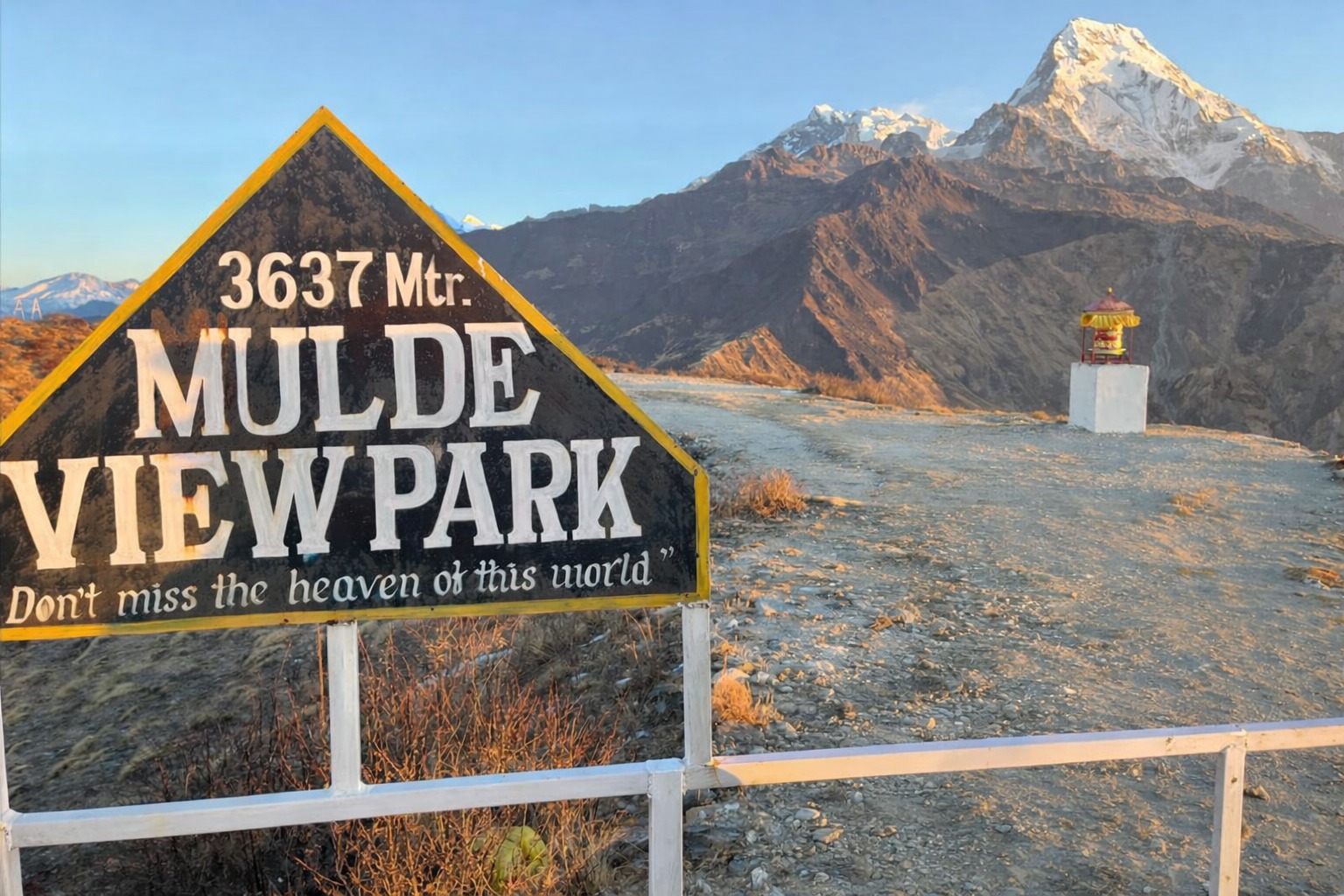
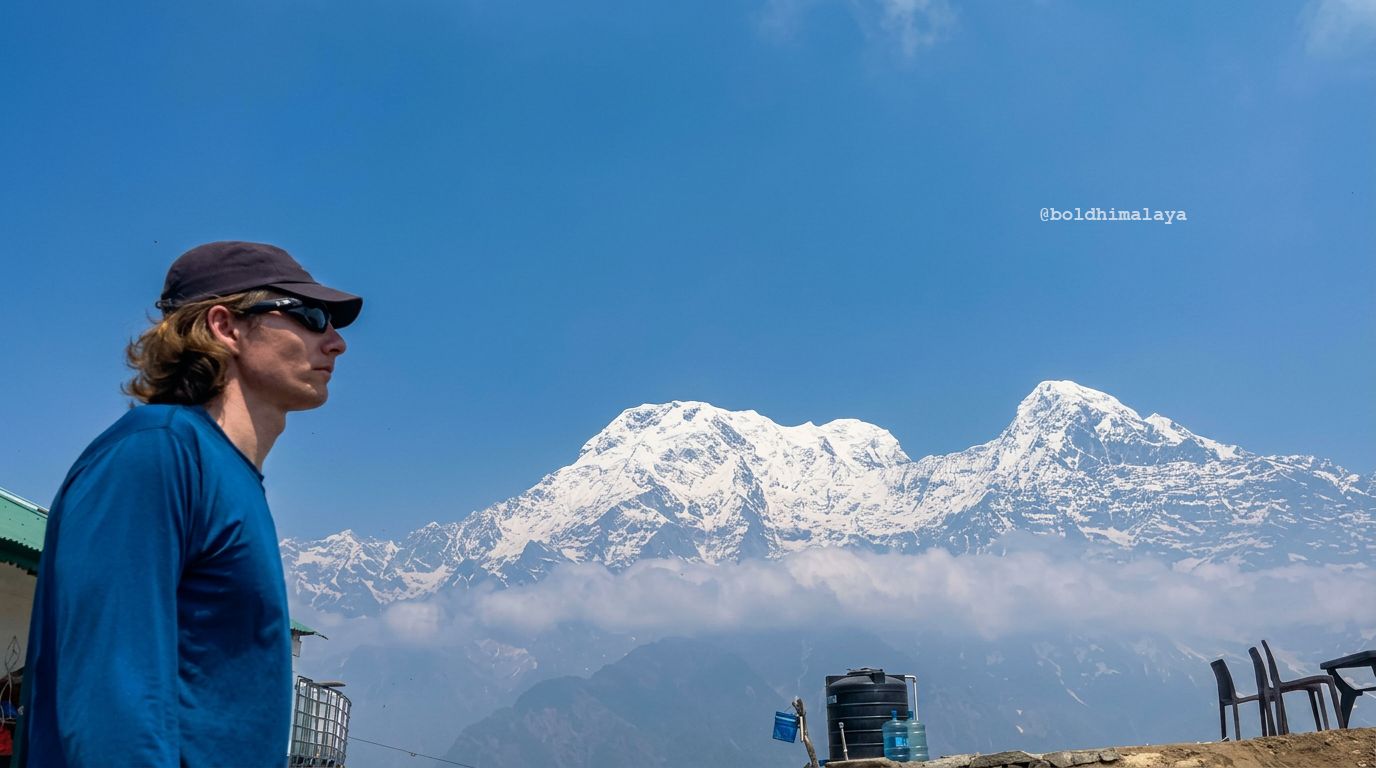
Mulde View Point Trek with Poon Hill – Four Days of Annapurna
Nepal Tour Packages
4 Days
Save 32%
Mardi Himal Base Camp 5 Days Trek
Nepal Tour Packages
5 Days
Save 32%
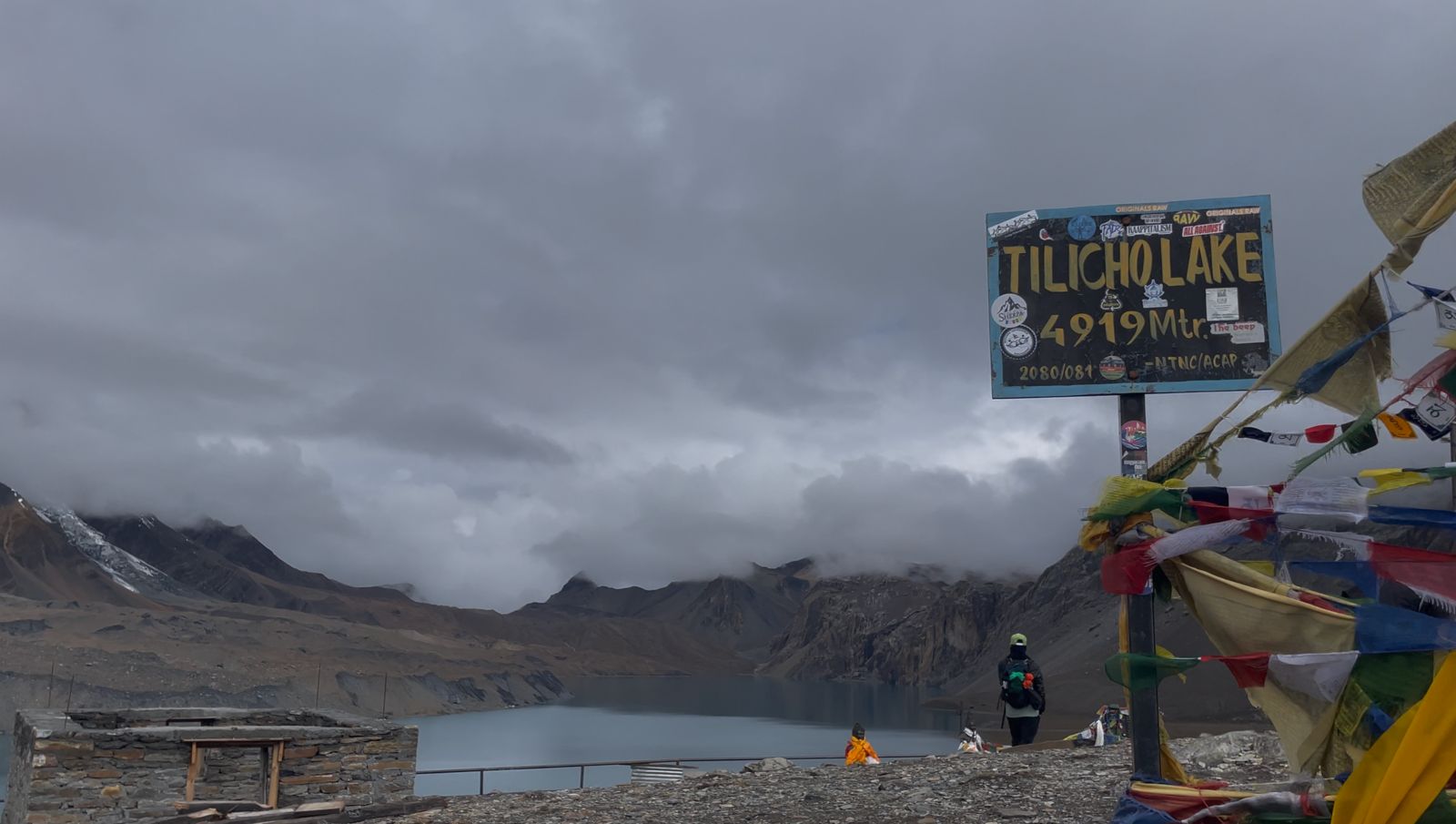
Annapurna Circuit Trek with Tilicho Lake
Nepal Tour Packages
13 Days
Save 28%
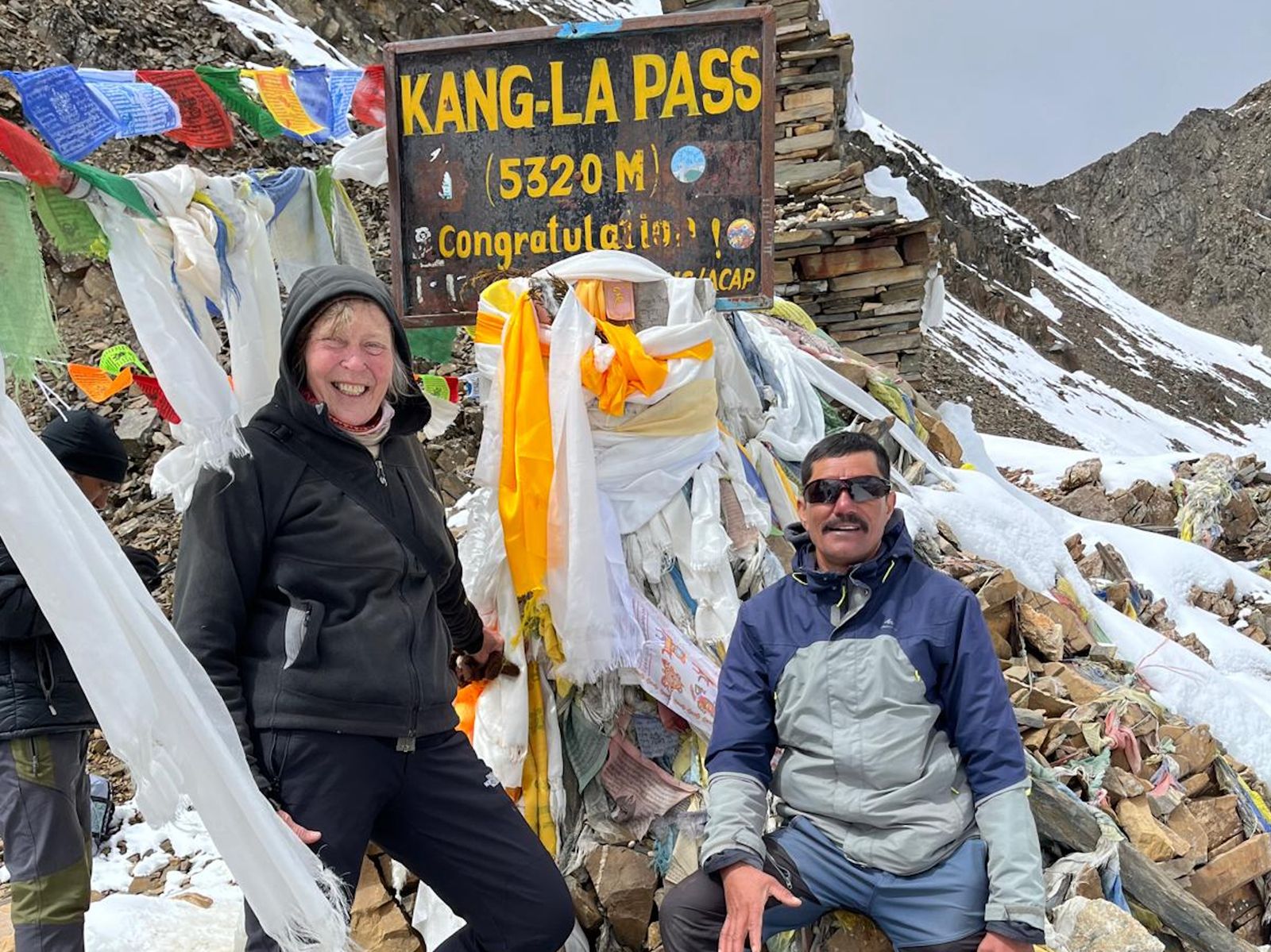
Nar Phu Valley Trek – 11-Day Remote Himalayan Adventure
Nepal Tour Packages
11 Days