
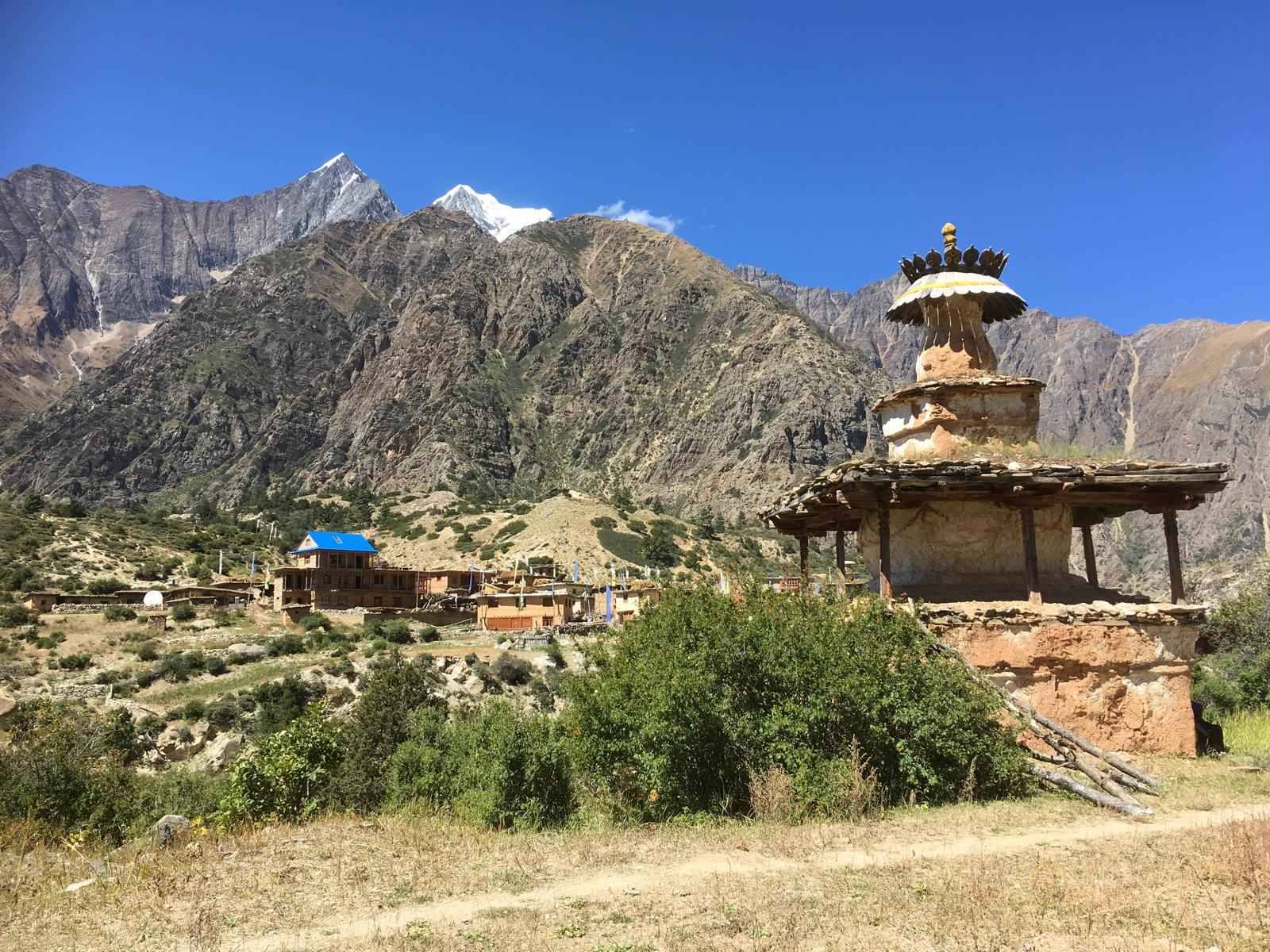
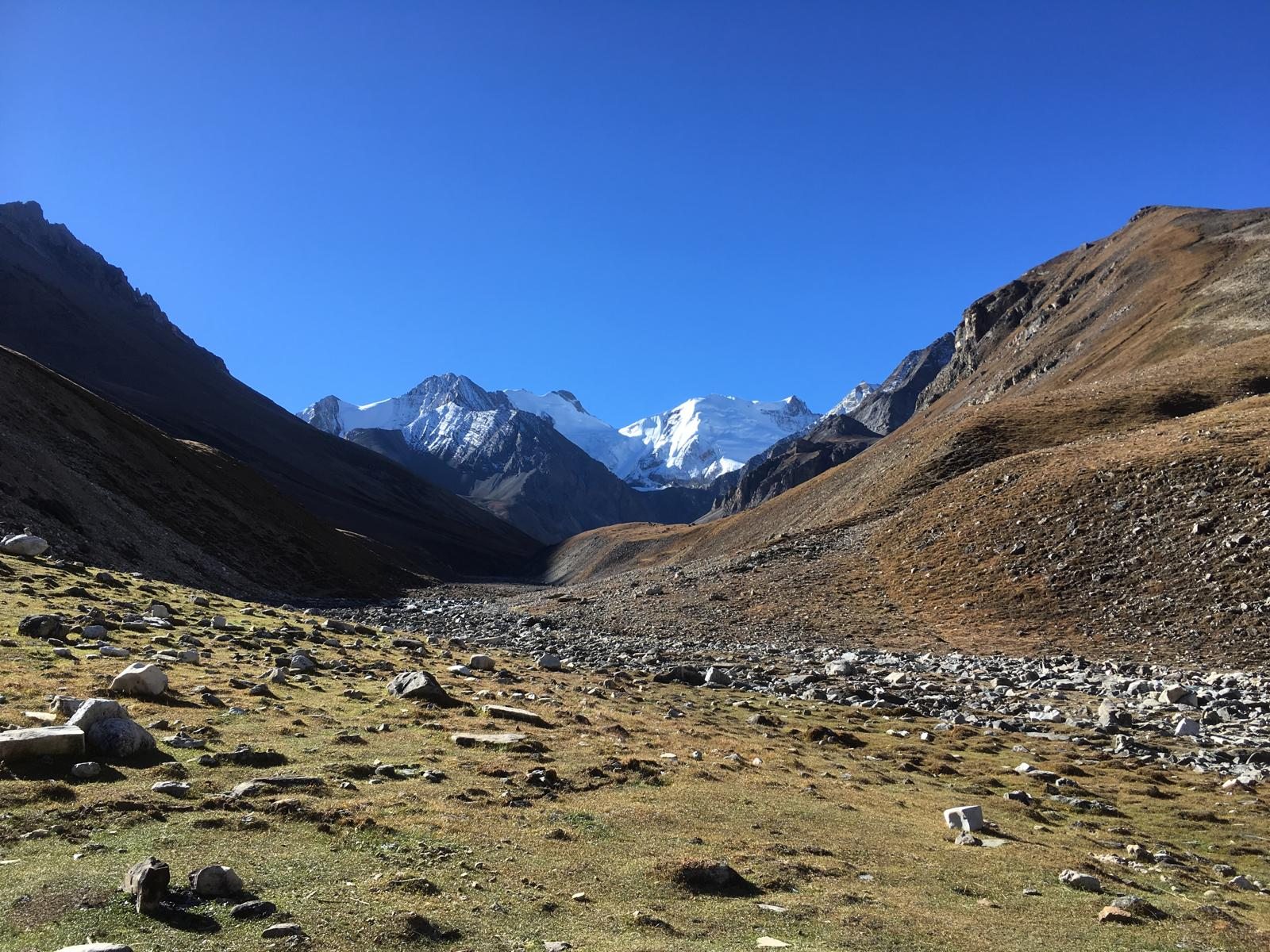
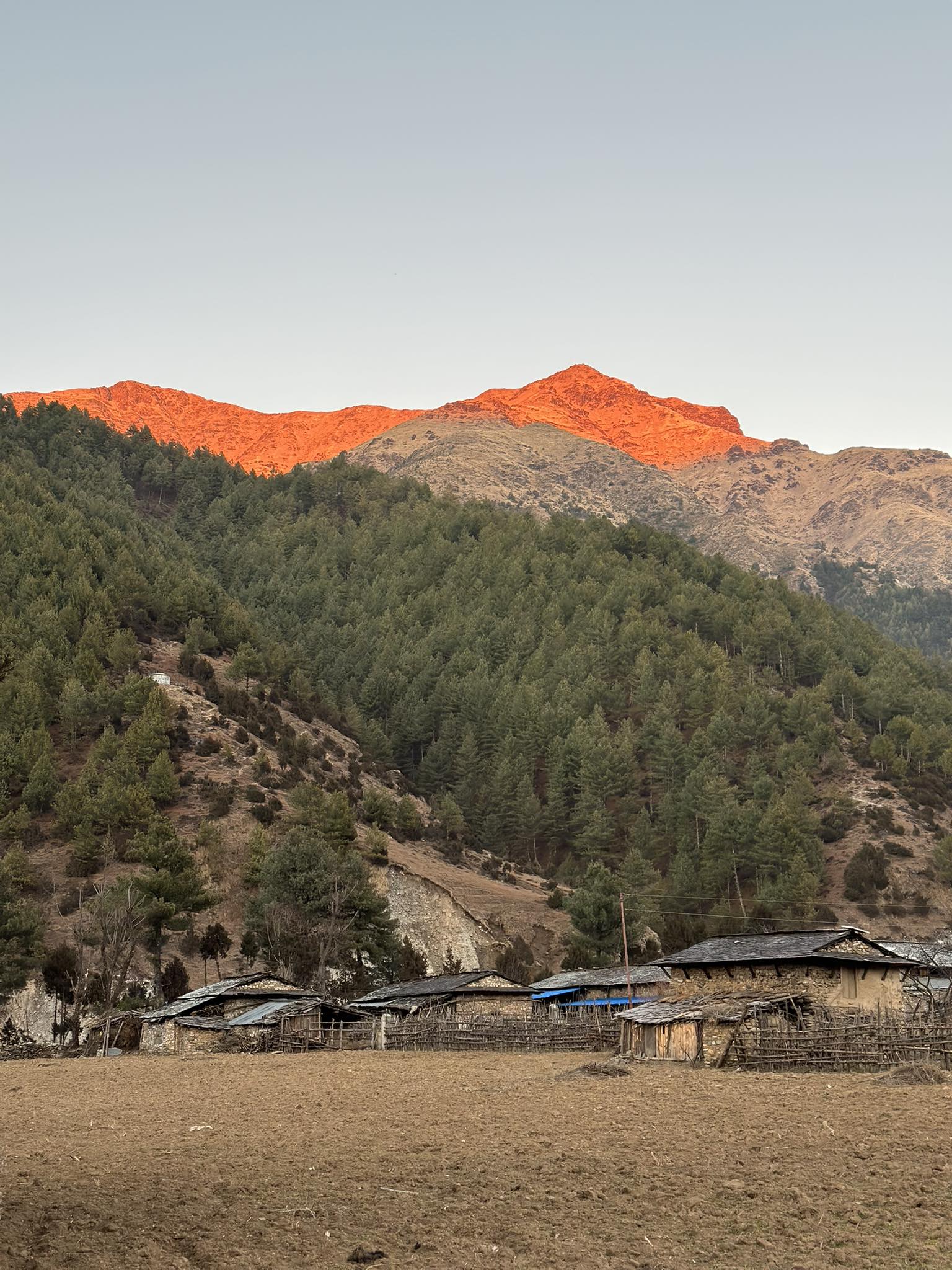
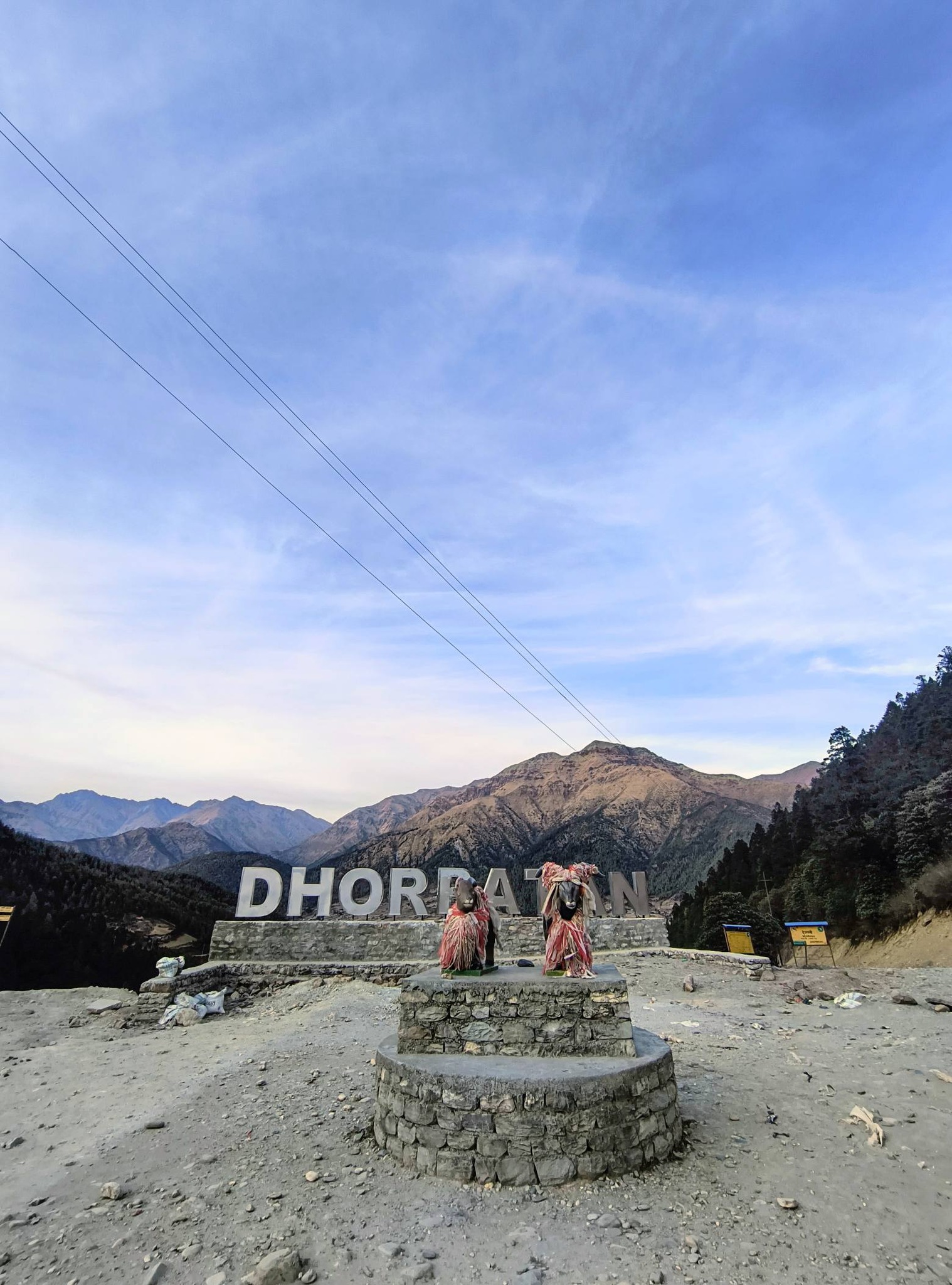
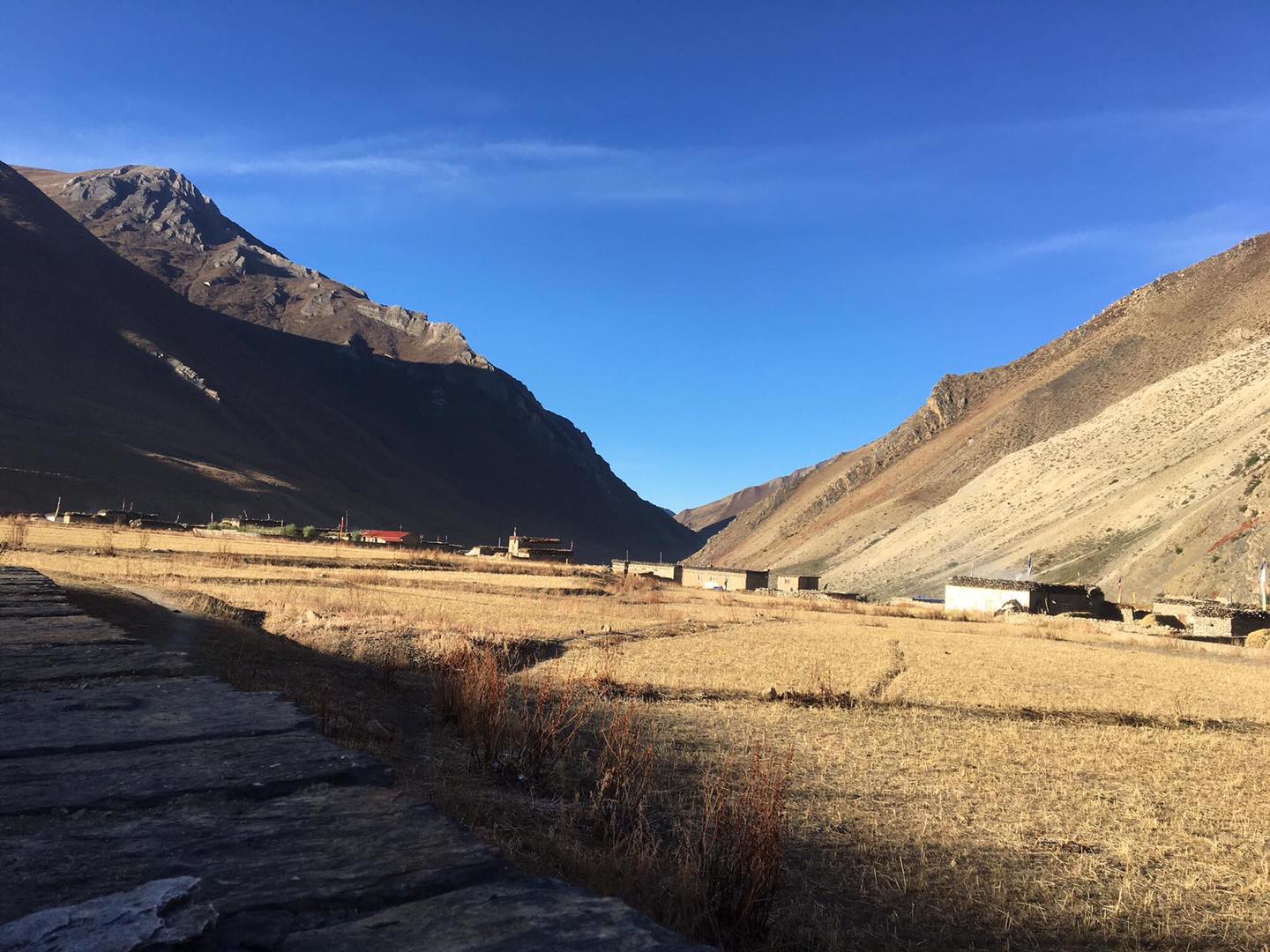
Dhorpatan to Lower Dolpo Trek


Itinerary
Your Journey, Step by Step
Day 1: Arrive in Kathmandu (1,400m / 4,593ft)

3-star hotel in Kathmandu

Dinner
Your Dhorpatan to Lower Dolpo Trek begins the moment you land in Kathmandu. On Day 1, you will arrive at Tribhuvan International Airport (KTM), where our representative will greet you and transfer you to your hotel. This day is reserved for rest and recovery, allowing you to adjust to the altitude and prepare mentally for the upcoming Dolpo trekking adventure.
Day 2: Preparation for Dhorpatan to Lower Dolpo Trek
3 star Hotel
Dinner
On Day 2, you will meet your experienced trekking guide to finalize all logistics, conduct a thorough gear check, and confirm your Dhorpatan to Lower Dolpo trek permits, including the Dolpo restricted area permit. Since the trek enters a protected region, having all documentation ready is crucial for a smooth start. You will also review your Dhorpatan to Dolpo trek itinerary, discuss the trek difficulty, daily walking hours, and the expected duration of this 23-day expedition. This preparation ensures that every aspect of your Dhorpatan to Lower Dolpo trekking route is well-organized, from permit handling to packing, so you can fully focus on the adventure ahead.
Day 3: Kathmandu –Pokhara Flight & Drive to Burtibang (1,200 m / 3,937 ft)
Guesthouse / Lodge in Burtibang
Lunch & Dinner
25–30 minutes
15–30 travelers
15–30 travelers
Burtibang: 1,200 m (3,937 ft)
On Day 3 of your Dhorpatan to Lower Dolpo Trek, you will take a scenic domestic flight from Kathmandu to Pokhara, a 25–30 minute journey offering impressive views of the Himalayas before landing beside the tranquil Phewa Lake.
After arriving in Pokhara, your trekking crew will transfer you to a private vehicle for the overland drive to Burtibang, the gateway to the Dhorpatan Lower Dolpo trekking route. Burtibang is a major market town in Baglung District, Gandaki Province, and serves as a key logistics hub before entering the more rugged terrain of the Dhorpatan Hunting Reserve and onward into Lower Dolpo.
The road journey from Pokhara to Burtibang covers roughly 160–170 km and can take about 6–7 hours depending on road and weather conditions, with mountain scenery and rural settlements en route. Upon arrival in Burtibang, you’ll check in at a simple guesthouse or lodge, enjoy a hearty dinner, and prepare for the next leg of the trek toward Dhorpatan.
Day 4: Burtibang to Dhorpatan (2,860m / 9,383ft)
Lodge/Guesthouse in Dhorpatan
Breakfast (Burtibang) | Lunch (on the road) | Dinner (Dhorpatan)
2,860 m / 9,383 ft
4 hours
~80–90 km
On Day 4, you drive from Burtibang to Dhorpatan (2,860m / 9,383ft), marking the official start of the Dhorpatan to Lower Dolpo trek. The 4–5 hour journey crosses rugged mountain roads and offers your first glimpse of the Dhorpatan Hunting Reserve, Nepal’s only legal hunting reserve.
As you climb, the landscape shifts from terraced farmlands to dense pine and rhododendron forests, and on clear days, you can see distant peaks of the Dhaulagiri and Annapurna ranges. Upon arrival in Dhorpatan, you can explore the small market town, visit the reserve headquarters to learn about local wildlife conservation, and take short hikes to nearby viewpoints and yak pastures. The evening is perfect for enjoying the highland sunset and preparing your gear for the challenging but rewarding trekking route ahead.
Day 5: Trek From Dhorpatan to Thakur
Basic campsite near Thakur
Breakfast, Lunch, Dinner
~3,190 m
4–6 hours
~10–12 km
On Day 5 of your Dhorpatan to Lower Dolpo Trek, you begin your first full day of trekking into the wild heart of western Nepal. After breakfast in Dhorpatan, you’ll leave the village behind and follow a well-defined trail that gradually ascends through lush alpine pastures and yak grazing land. This section of the Dhorpatan lower Dolpo trekking route is known for its gentle uphill gradients, breathtaking mountain views, and a real sense of stepping into true Himalayan wilderness.
Much of today’s trek winds through yak herder camps and highland meadows where nomadic shepherds graze their livestock during the summer months. Depending on the season, you may see tents and makeshift huts used by local herders, and you’ll cross clear streams fed by mountain snowmelt. The terrain remains relatively soft underfoot compared with the steeper passes ahead, making this a good day for acclimatization.
As you approach Thakur village (3,190 m / 10,463 ft), you’ll notice the rugged skyline of distant peaks rising above rolling grasslands. Thakur is a small seasonal settlement set among sweeping ridges and fields where yaks and horses graze freely—a serene introduction to the vast, remote treks in Nepal’s Dolpo experience.
Day 6: Trek From Thakur to Tatopani
Basic teahouses
B/L/D
Moderate
5–6 hours
~12–14 km
From 3,190m (Thakur) to 2,400m (Tatopani)
On Day 6 of the Dhorpatan to Lower Dolpo trek, you trek from Thakur to Tatopani (2,400m / 7,874ft), descending through dense pine forests, alpine meadows, and scenic ridgelines. The trail follows a gradual downhill route, passing local yak herder settlements, terraced fields, and small streams that feed into the river valleys below. Along the way, trekkers can enjoy beautiful views of the Dhaulagiri range and experience the fresh mountain air of western Nepal.
Tatopani is a major highlight of this day because it is known for its natural hot springs, where you can relax and soothe your muscles after two days of trekking.
This area also offers a chance to meet local villagers and see traditional Nepali rural life far from tourist routes. Because the region has limited teahouse facilities, trekkers should expect basic accommodation and simple local meals, usually consisting of dal bhat, noodles, and soup. The day is a perfect mix of nature, culture, and recovery before the trek becomes more remote and challenging.
Day 7: Tatopani to Dhule (3,340m / 10,958ft)
Basic teahouse / guesthouse
Breakfast, Lunch, Dinner
12–16 km
6–8 hours
Moderate to Difficult
On Day 7 of the Dhorpatan to Lower Dolpo Trek, you begin the most challenging section of the journey as the trail steadily climbs from Tatopani to Dhule (3,340m / 10,958ft). This day marks the true transition into the high-altitude trekking experience and is a key part of the Dhorpatan to Dolpo camping trek route. The trail moves through dense pine and rhododendron forests, crossing several small streams and passing open alpine meadows. During this ascent, trekkers often spot Himalayan wildlife such as blue sheep (bharal), Himalayan monal, and other high-altitude birds.
As you climb, the landscape gradually opens up and the views of the Dhaulagiri and Annapurna ranges become clearer. The terrain is steep and demanding, requiring good stamina and trekking poles for support. Dhule village is a remote settlement with very basic facilities, making it one of the last major rest stops before the trail becomes more isolated. Most trekkers stay in simple teahouses or camp nearby, depending on availability and group preference. This day is also essential for acclimatization as you prepare for higher passes and the Dolpo plateau ahead.
Day 8: Dhule to Seng Khola (3,820m / 12,533ft)
Camping (mostly); limited teahouse options
Camping meals prepared by crew (dal bhat, noodles, soup)
Moderate to difficult
6–8 hours
12–15 km
On Day 8 of the Dhorpatan to Lower Dolpo Trek, you trek from Dhule (3,340m) to Seng Khola (3,820m), moving along a remote and less-traveled segment of the Dhorpatan to Dolpo trekking route. The trail steadily climbs along high ridges, rewarding trekkers with dramatic views of the Dhaulagiri range and surrounding Himalayan peaks.
As you gain altitude, the landscape changes from dense pine and rhododendron forests into more open alpine terrain, giving early signs of the trans-Himalayan rain shadow zone that defines Lower Dolpo. Seng Khola is a remote campsite area, and due to limited teahouse facilities, most trekking groups stay in tents, making this section a classic part of the camping trek in Lower Dolpo (Dhorpatan route).
The day is moderately challenging because of the uphill climb and altitude gain, but the panoramic ridge views and the feeling of true wilderness make it one of the most rewarding days on the Dhorpatan to Lower Dolpo Trek.
Day 9: Seng Khola to Purpang (4,270m / 14,009ft)
Camping
Camp meals prepared by crew
Difficult
6–9 hours
10–14 km
On Day 9 of the Dhorpatan to Lower Dolpo Trek, you hike from Seng Khola (3,820m) to Purpang (around 4,200–4,300m), entering the high alpine zone as you approach the high pass area of the Dhorpatan to Dolpo trekking route. This is one of the most challenging days of the Dhorpatan Dolpo trek itinerary due to steep ascents, rocky terrain, and thinner air at altitude.
The landscape becomes barren and windswept, marking the beginning of the trans-Himalayan highland environment. Purpang serves as a camping area near the pass, where trekkers set up tents and rest before the major crossing into the Dolpo region. This day is a crucial part of the camping trek in Lower Dolpo (Dhorpatan route) and is often chosen by adventure seekers looking for a wild Dolpo trek via Dhorpatan or an off-the-beaten-path trek in Nepal.
Because of its remoteness, limited teahouse options, and high altitude, this section is best done with a guided Dhorpatan to Lower Dolpo trek package and an experienced crew for safety and logistics.
Day 10: Purpang to Tarakot (2,450m / 8,038ft)
Basic teahouse
B/L/D
14–18 km
6–8 hours
Moderate to Challenging
On Day 10 of the Dhorpatan to Lower Dolpo Trek, you descend from Purpang (around 4,200–4,300m) into the Tarap Valley, reaching Tarakot (2,450m). This day is a major turning point because it marks the official entry into the Lower Dolpo region, crossing from high alpine desert into the culturally rich Tarap Valley. The trail drops steeply through rocky slopes and alpine grasslands, passing yak pastures, ancient herder trails, and isolated Bon-Po villages.
As you descend, the air becomes warmer and the landscape greener, with traditional stone houses and mani walls appearing more frequently. Tarakot is a small settlement where trekkers often rest and enjoy the first real taste of Dolpo culture, with its unique Bon and Tibetan Buddhist influence. Because the area is still remote and less developed, accommodation is basic, and many trekking groups camp or stay in simple local homes.
This day is an essential part of the Dhorpatan to Dolpo trekking route and is commonly included in Dhorpatan Dolpo trek itineraries for those seeking an off-the-beaten-path trek in Nepal.
Day 11: Tarakot to Laini (3,160m / 10,367ft)
Basic teahouse
Dal Bhat, noodles, soup
Moderate
6–8 hours
12–15 km
On Day 11 of the Dhorpatan to Lower Dolpo Trek, you walk deeper into the Tarap Valley, following the Tarap Chu River upstream toward Laini. The trail is scenic and peaceful, passing through narrow river gorges, dense pine forests, and small rural villages. Along the way, you cross suspension bridges over fast-flowing streams and enjoy stunning views of the surrounding cliffs and ridges.
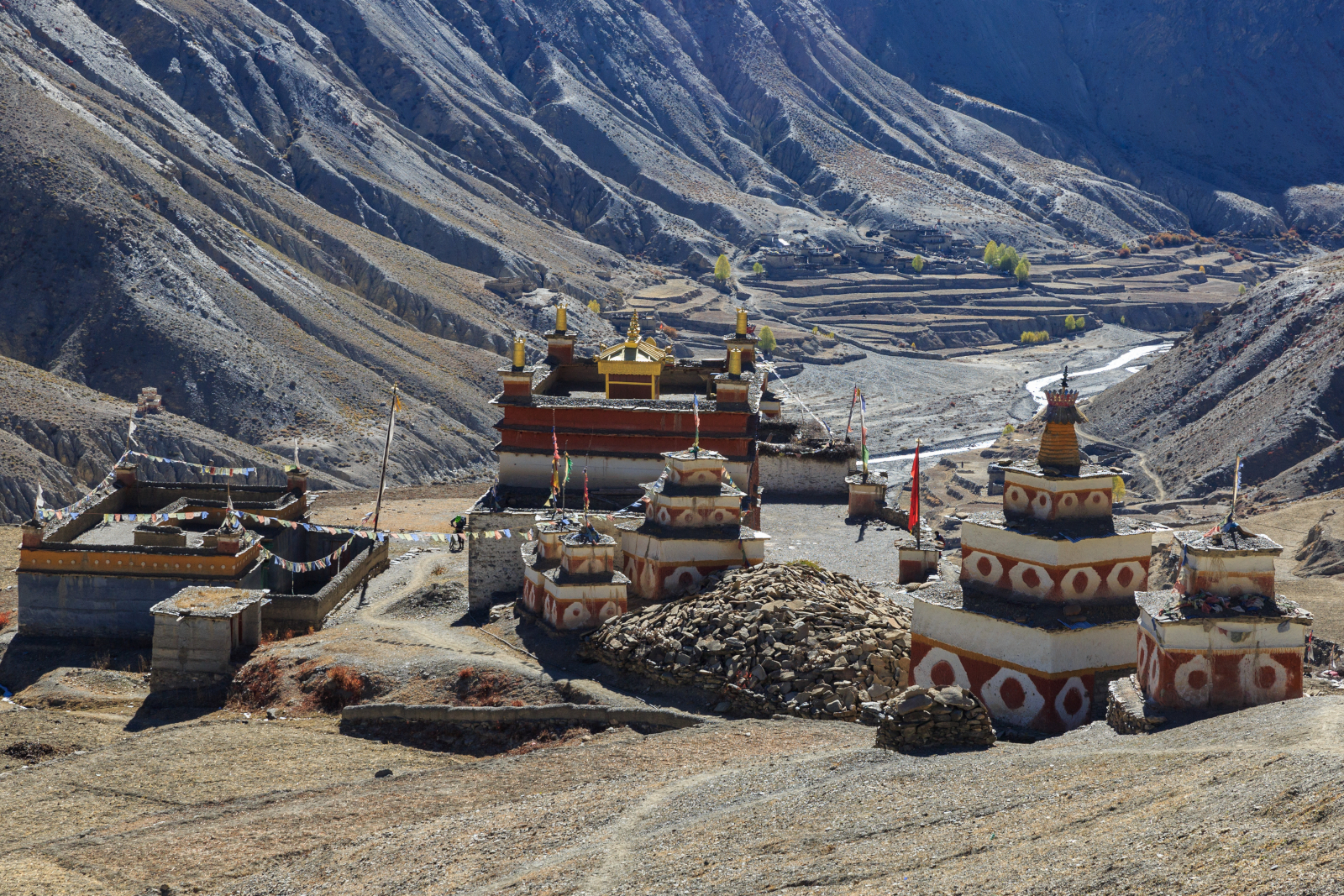
One of the day’s main highlights is Sandul Gompa, a famous Buddhist monastery near the confluence of the Barbung River and Tarap Chu River. This sacred site offers a powerful cultural experience with prayer flags, chortens, and traditional monks.
The route then continues through terraced farms and remote village trails, giving a rare glimpse of authentic Dolpo village life. The terrain is moderate, with a mix of gentle climbs and descents, making it a comfortable yet rewarding day of trekking.
You will stay overnight in Laini, where basic teahouses provide simple meals and accommodation. This section is a key part of the remote Dolpo trek via Dhorpatan, offering cultural richness and dramatic river valley scenery.
Day 12: Laini to Nawarpani (3,545m / 11,631ft)
Camping / Basic teahouse
Moderate to Challenging
6–8 hours
10–14 km
On Day 12, you start early from Laini after breakfast and climb steadily along a steep trail above the Tarap River. The valley becomes narrow and dramatic, with deep gorges and rocky cliffs that create a true Tarap Valley trekking experience. You’ll cross multiple suspension bridges over fast-flowing streams, and the path alternates between steep switchbacks and narrow ridges.
Midway, you reach the bank of Chyugur Khola, where the trail rises and falls through rugged terrain, increasing the challenge and altitude gain. The landscape gradually becomes more trans-Himalayan, signaling your deeper entry into the remote Dolpo region. You arrive at Nawarpani (3,545m) in the late afternoon, where camping or basic teahouse accommodation is available.
This day is one of the most scenic and challenging parts of the Dolpo trekking route, offering dramatic river gorges, remote wilderness, and a true Dhorpatan to Dolpo camping trek experience. Tonight’s meals include traditional mountain foods like dal bhat, noodles, and soup, preparing you for the higher-altitude days ahead.
Day 13: Nawarpani to Dho Tarap (4,080m / 13,386ft)
Basic teahouse
Moderate
6–7 hours
12–15 km
On Day 13 of the Dhorpatan to Lower Dolpo trek, you continue your ascent into the remote Dolpo region, following the Dhorpatan Lower Dolpo trekking route. The trail climbs through high-altitude meadows and rocky ridges before reaching Dho Tarap, one of the most culturally significant valleys in Lower Dolpo.
This area is inhabited by the Dolpo-pa people, known for preserving ancient Bon and Tibetan Buddhist traditions, making it a key highlight in the Dhorpatan to Dolpo trekking itinerary. The landscape becomes more open and barren, reflecting the Dolpo trekking route’s high-altitude terrain, with wide panoramic views of the surrounding Himalayan peaks. As you arrive in Dho Tarap, you’ll see traditional stone houses, prayer flags, and ancient chortens that reveal the region’s deep spiritual heritage.
Overnight accommodation is basic with simple teahouses and local meals like dal bhat. This day also gives trekkers a real sense of the unexplored trekking routes in Nepal, perfect for experienced trekkers seeking an authentic Lower Dolpo trek via Dhorpatan experience.
Day 14: Acclimatization Day in Dho Tarap (4,080m / 13,386ft)
Basic teahouses or camp
Dal bhat, noodles, soups
4,080m (13,386 ft)
Day 14 is a vital acclimatization day on the Dhorpatan to Lower Dolpo trek, as you are now deep inside the remote Lower Dolpo region. This rest day helps your body adjust to the thinning air and prepares you for the high passes ahead, reducing the risk of altitude sickness.
During the day, you will explore Dho Tarap village, one of the most culturally significant settlements in Dolpo. The valley is home to the Dolpo-pa people, who practice Bon Po and Nyingmapa (Tibetan Buddhist) traditions, making it a rare place to experience authentic Himalayan culture. You can visit the ancient monasteries, prayer flags, chortens, and traditional stone houses, and learn about the local lifestyle, customs, and spiritual rituals.
Because Dho Tarap is a remote high-altitude village, accommodation is basic, with simple teahouses or camping tents. Meals usually include dal bhat, noodles, soups, and local Tibetan-style dishes, prepared by local families or the trekking crew.
This day is a key part of the Dhorpatan to Lower Dolpo trekking itinerary and is essential for acclimatization, cultural immersion, and preparing for the next challenging segment of the trek.
Day 15: Dho Tarap to Numa La Base Camp (4,460m / 14,633ft)
Camping (tents)
Camp meals (dal bhat, noodles, soup)
Moderate to challenging
~380m
6–8 hours trekking
~10–14 km
Day 15 on the Dhorpatan to Lower Dolpo trek marks the start of the high-altitude expedition section as you leave the cultural valley of Dho Tarap and head toward the Numa La Base Camp. This day is a significant part of the Lower Dolpo trek via Dhorpatan, where the terrain shifts from green valleys to the high trans-Himalayan landscape.
The trail gradually climbs through open alpine meadows, rocky ridges, and windswept plateaus, offering breathtaking views of the Dolpo mountains and distant Himalayan ranges. As you gain altitude, the environment becomes drier, and vegetation becomes sparse, reflecting the rain-shadow climate of the Dolpo region.
You will reach Numa La Base Camp, located below the Numa La Pass (5,310m). This area is very remote and there are no teahouses or lodges, so this day is part of the camping trek in Lower Dolpo. Accommodation is in tents, and meals are provided by your trekking crew, typically including dal bhat, noodles, soups, and high-energy snacks.
This section is challenging due to the steady altitude gain and cold temperatures, so it is recommended for experienced trekkers. Numa La Base Camp is a crucial stop for acclimatization and rest before crossing the high pass, and it plays a key role in the Dhorpatan to Lower Dolpo trekking itinerary.
Day 16: Cross Numa La Pass (5,310m) – Trek to Baga La Phedi (4,465m)
Camping only
Provided by trekking crew
10–14 km (6–9 miles)
8–10 hours
Very Difficult
Day 16 is one of the most challenging and memorable days of the Dhorpatan to Lower Dolpo trek. You start early, before sunrise, to climb toward Numa La Pass (5,310m), one of the highest points on the Lower Dolpo trek via Dhorpatan. This section is part of the trans-Himalayan pass crossing and is known for its harsh weather, strong winds, and dramatic alpine scenery.
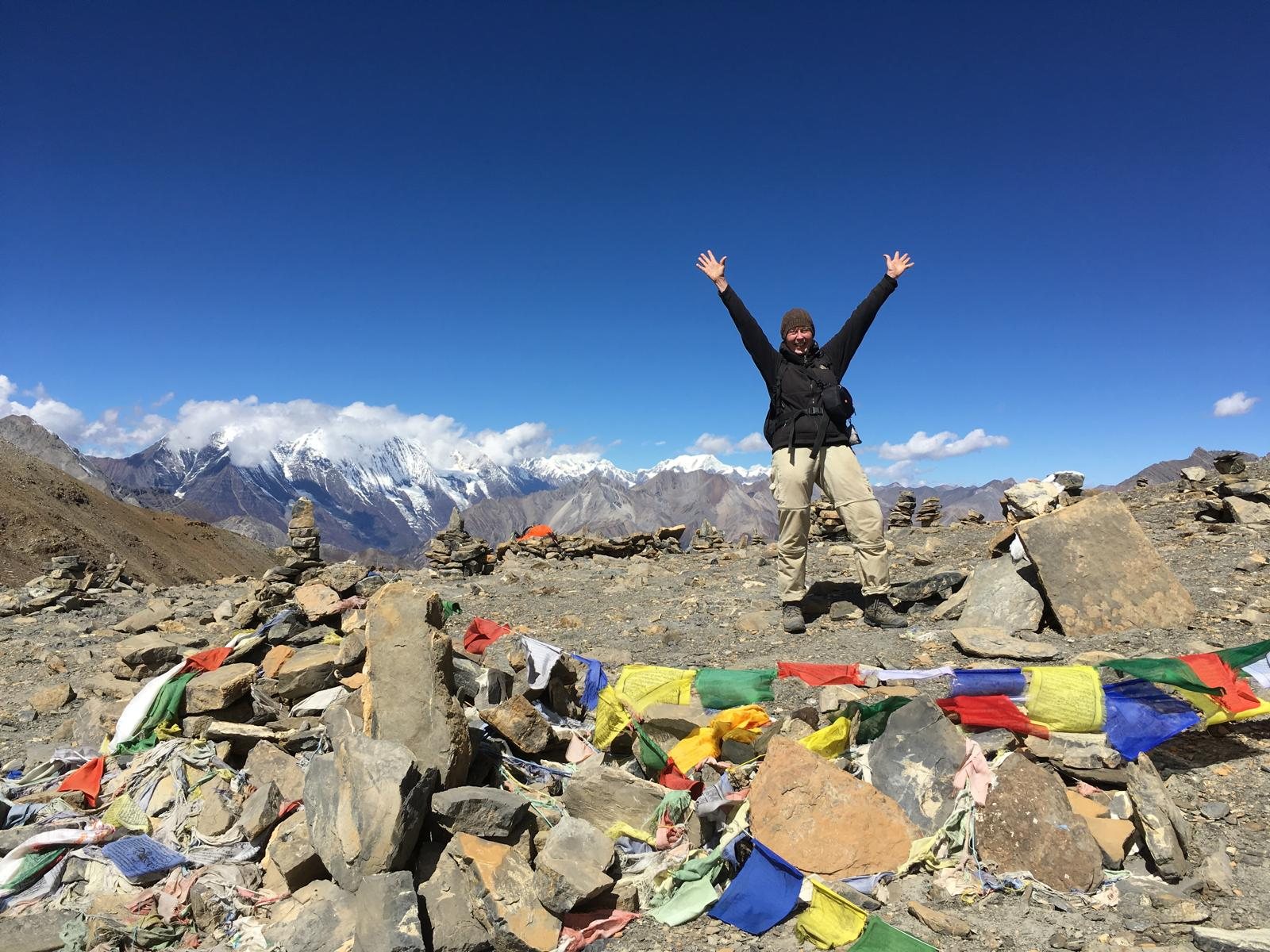
The climb to Numa La is steep and rocky, with a steady gain in altitude. As you ascend, the landscape becomes barren and windswept, offering panoramic views of the Dolpo mountain ranges and distant Himalayan peaks. Upon reaching the pass, you will feel a strong sense of achievement and enjoy one of the most iconic viewpoints on the Dolpo trekking route.
After spending some time at the pass for photos and rest, you begin the descent toward Baga La Phedi (4,465m). The downhill trail is steep and rocky, requiring careful footing. The terrain becomes slightly less exposed, but the high-altitude conditions remain cold and dry. Baga La Phedi is a remote camping site located in a high alpine valley where your trekking crew will set up tents for the night.
There are no teahouses or lodges in this area, so this day is part of the camping trek in Lower Dolpo. Meals will be prepared by your trekking team. Despite its difficulty, this day offers some of the most breathtaking views of the Dolpo highlands and is a key segment of the Dhorpatan to Lower Dolpo trekking itinerary.
Day 17: Cross Baga La Pass (5,179m / 16,988ft) – Trek to Dajok Tang (3,820m / 12,533ft)
Camping
Camping meals prepared by crew (dal bhat, noodles, soup)
12–15 km
7–9 hours
Hard
On Day 17 of the Dhorpatan to Lower Dolpo trek, you tackle one of the most challenging yet rewarding sections of the journey: crossing Baga La Pass, at 5,179 meters (16,988 ft), a high-altitude alpine pass that offers unparalleled panoramic views of the Dolpo mountains and the surrounding trans-Himalayan wilderness.
The day starts with a steep ascent over rocky ridges and barren highlands, where trekkers can admire dramatic snow-capped peaks, windswept valleys, and the unique high-altitude flora. Along the way, the trail is dotted with prayer flags, chortens, and small shrines, giving a glimpse into the enduring Buddhist culture of the Dolpo-pa people. Wildlife enthusiasts may spot blue sheep (Bharal), Himalayan birds, and other alpine species inhabiting the region.
After reaching the pass, the trek descends into the Baga La valley, transitioning from exposed highlands into a sheltered alpine valley with meandering streams, scattered meadows, and occasional yak herder camps. The descent is steep and rocky, requiring careful footing. You will end the day at Dajok Tang (3,820m / 12,533ft), a remote campsite with no teahouse facilities, making this a key part of the camping trek in Lower Dolpo. Meals are prepared by your trekking crew, typically including dal bhat, noodles, soups, and energy foods, and you spend the night in tents under the clear, high-altitude skies.
This day represents one of the most memorable experiences of the Dolpo trek via Dhorpatan, combining high-altitude adventure, cultural immersion, and the raw beauty of Nepal’s least-traveled regions.
Note:
Because of the remote location and limited resources, meal options are basic but nutritious, designed to help you recover and stay energized for the high pass crossing.
Day 18: Dajok Tang to Phoksundo Lake (3,620m / 11,877ft)
Basic teahouses
Dal bhat, Tibetan bread, noodle soup, local tea
Moderate to Challenging
6–8 hours
15–18 km
On Day 18 of the Dhorpatan to Lower Dolpo trek, you descend from Dajok Tang (3,820m) into the spectacular Shey Phoksundo National Park, one of Nepal’s most remote and scenic protected areas. The day is long and moderately challenging, covering about 15–18 km over 6–8 hours, with steep downhill sections, rocky trails, and several suspension bridges.
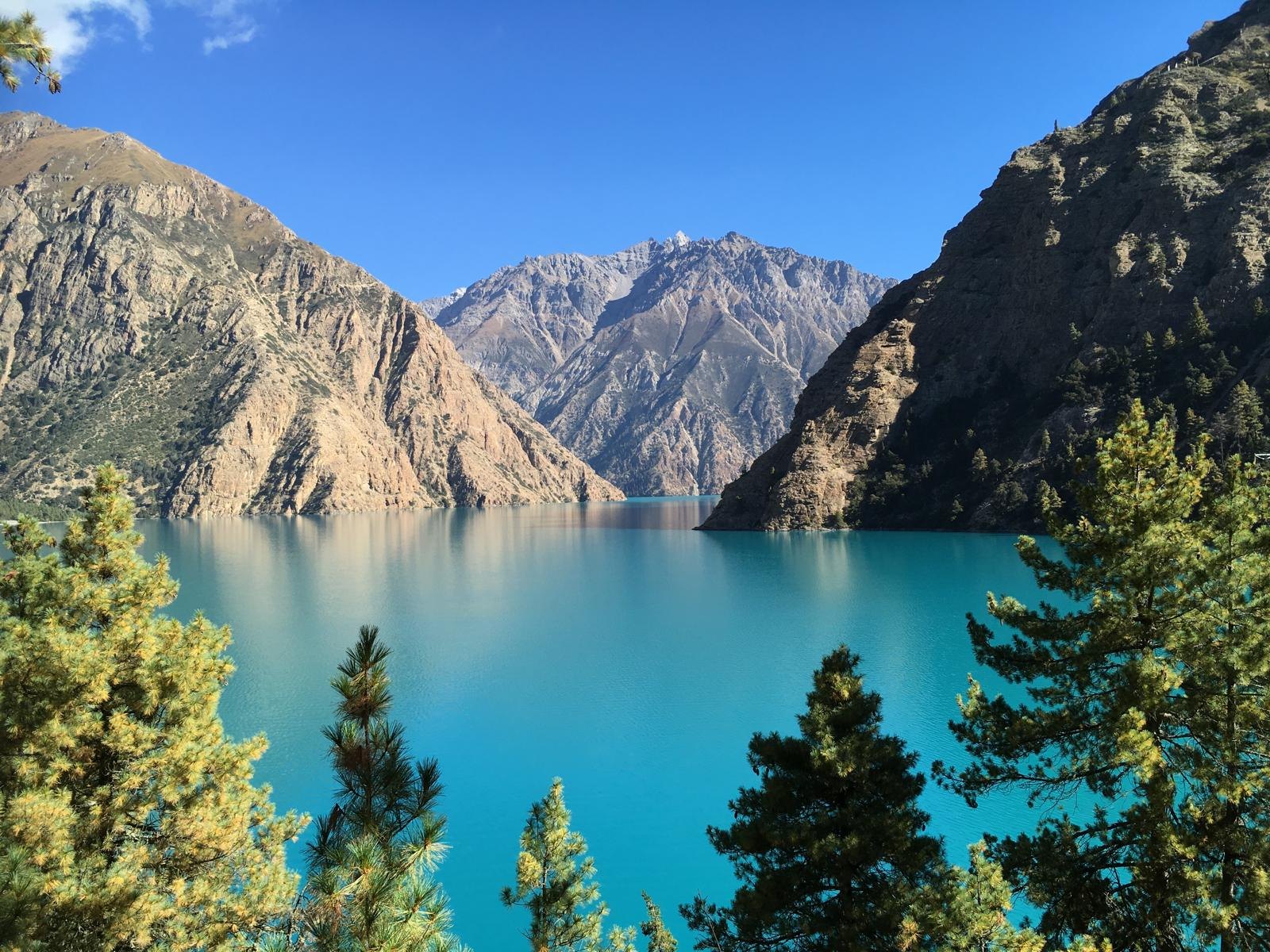
As you move down, the landscape changes dramatically from barren high-altitude desert to lush valleys, dense forests, and rushing rivers. The highlight of the day is reaching Phoksundo Lake, Nepal’s deepest and most iconic turquoise lake, framed by towering cliffs and the traditional village of Ringmo, where Bon and Tibetan Buddhist culture is still deeply preserved.
This section of the Dhorpatan Dolpo trekking route is often considered the most rewarding part of the journey because of its dramatic scenery and cultural significance. Accommodation at Phoksundo is basic, with limited teahouses and guesthouses offering simple meals like dal bhat, Tibetan bread, and noodle soup, and camping is also an option for a more immersive wilderness experience.
Note:
Day 18 is often considered the best day in Dhorpatan to Lower Dolpo trek reviews, because it delivers the most dramatic scenery and cultural richness in one single day. It is a major highlight for trekkers who want to experience the best of Dolpo trekking, including nature, culture, and wilderness.
Day 19: Rest Day at Phoksundo Lake – Explore Ringmo Village
Basic teahouses
Dal Bhat
On Day 19 of the Dhorpatan to Lower Dolpo trek, you take a well-deserved rest day at the stunning Phoksundo Lake, one of the most iconic highlights of the Dolpo trekking route. This day is dedicated to recovery and exploration, allowing trekkers to fully enjoy the peaceful lake, nearby waterfalls, and the unique cultural atmosphere of Ringmo Village. Ringmo is a traditional Bon-Po settlement, where ancient Tibetan-Buddhist customs and rituals are still practiced.
You can visit local monasteries, explore the village’s stone houses, and observe daily life in one of Nepal’s most remote communities. Many trekkers also take short hikes around the lake or to nearby viewpoints for sunrise and sunset photography. Accommodation is basic but comfortable, with simple teahouses offering local meals such as dal bhat, Tibetan bread, noodles, and soup.
This rest day is a key highlight in the Dhorpatan Dolpo trek, giving you time to recharge before the final descent and making your Dhorpatan to Lower Dolpo trekking itinerary complet
Day 20: Phoksundo Lake to Chhepka (2,670m / 8,760ft)
Basic Teahouse
Dal Bhat, Noodle soup
Moderate
12–15 km
6–7 hours
On Day 20 of the Dhorpatan to Lower Dolpo trek, you descend from the stunning Phoksundo Lake and follow the Phoksundo River Valley toward Chhepka. This section of the Lower Dolpo trekking route is mostly downhill, offering a dramatic change from the high alpine scenery to greener forests and river gorges.
The trail passes through traditional Dolpo villages, crossing several suspension bridges over the Phoksundo River and smaller tributaries. The terrain is rocky and can be slippery, so trekking poles are recommended. Chhepka is a small village with basic teahouse accommodation and simple meals such as dal bhat, noodle soup, and Tibetan bread, making it a comfortable stop before the final days of the trek.
This day is also a popular part of Dhorpatan Dolpo trek itineraries, and many trekkers describe it as a peaceful, scenic descent after the high passes.
Day 21: Chhepka to Juphal (2,320m / 7,611ft)
Accommodation: Teahouse / Lodge
Meals: Breakfast, Lunch, Dinner
Distance: Approx. 14–16 km
6–7 hours
Moderate
Juphal – 2,320m
Today is the final walking day of the Dhorpatan to Lower Dolpo trek. After breakfast at Chhepka, you begin your descent through the beautiful Phoksundo River valley, gradually leaving the remote wilderness behind. The trail follows well-defined paths through pine forests, terraced farmlands, and traditional Dolpo villages, offering a glimpse into local rural life.
As you walk, you will pass small settlements, cultivated fields, and stone houses, where locals are often seen working in the fields or tending livestock. The route is mostly downhill with a few gentle ups and downs, making today’s trek moderate and comfortable compared to the high-pass days earlier in the journey.
After approximately 6–7 hours of walking, you reach Juphal, the administrative hub of Lower Dolpo and the main trekking gateway of the region. Upon arrival, you check into a basic teahouse or lodge, where you can enjoy a warm shower and your final trekking meal, typically dal bhat, noodles, soup, or Tibetan bread.
Today marks the successful completion of the Dhorpatan to Lower Dolpo trekking route, a truly remote and unforgettable Himalayan adventure.
Day 22: Fly Juphal – Nepalgunj – Kathmandu (1,400m / 4,593ft)
Hotel in Kathmandu
Breakfast
Day 22 marks the final day of the Dhorpatan to Lower Dolpo trek, concluding your remote Himalayan adventure with scenic domestic flights back to the capital. After an early breakfast, you transfer to Juphal Airport and board a short mountain flight to Nepalgunj, enjoying aerial views of the rugged Dolpo landscape below. From Nepalgunj, you continue with a connecting flight to Kathmandu, descending from the remote highlands into the vibrant Kathmandu Valley.
Upon arrival in Kathmandu, you are transferred to your hotel, where you can relax after completing one of Nepal’s most challenging and rewarding trekking routes. This day officially ends the Dhorpatan Dolpo trek itinerary, offering time to rest, explore the city, or celebrate the successful completion of a true wilderness trek.
Day 23: Fly Juphal – Nepalgunj – Kathmandu (1,400m / 4,593ft)
Today is the final departure day of the Dhorpatan to Lower Dolpo trek itinerary. After breakfast at your hotel in Kathmandu, you are transferred to Tribhuvan International Airport for your onward international flight. This concludes your unforgettable journey through the remote landscapes of Dolpo, from high Himalayan passes to sacred lakes and ancient villages.
As you depart Nepal, you take with you memories of one of the country’s most authentic and least-traveled trekking experiences, combining wilderness, culture, and high-altitude adventure.
Day 24: Final Departure
Today, a representative from ‘Bold Himalayan’ will take you to the Tribhuvan International Airport, three hours before your flight to your home town.
Want to customize your trip?
We ensure every trip meets your expectations — customize your itinerary anytime to match your travel style and preferences.
Good to Know
Your Journey, Step by Step
Physical & Mental Endurance Required
This trek requires strong physical fitness and mental stamina, as it includes consecutive trekking days in isolated areas with minimal facilities. Trekkers should be comfortable carrying a daypack for long hours, coping with cold temperatures, unpredictable weather, and basic camping conditions. Mental endurance is equally important, as the remoteness of Lower Dolpo means limited communication, few settlements, and a deep immersion into wilderness trekking.
Daily Walking Hours & Terrain
On average, trekkers walk 6 to 8 hours per day, with some longer days during high-pass crossings. The trail passes through steep ascents, rocky ridges, narrow gorges, river valleys, and high alpine deserts. Terrain varies from forested mid-hills in Dhorpatan to exposed, windswept plateaus in Upper Dolpo, requiring sure footing and steady pacing throughout the trek.
High Passes, Altitude & Acclimatization
The Dhorpatan to Lower Dolpo route crosses two major high passes above 5,000 meters, including Numa La Pass and Baga La Pass. Altitude gain is gradual but significant, and proper acclimatization days are essential to reduce the risk of altitude-related illness. Trekkers must be prepared for thinner air, colder nights, and physically demanding climbs at high elevation, especially during pass-crossing days.
Who This Trek Is Best Suited For
This trek is best suited for experienced trekkers, adventure travelers, and those seeking a remote camping trek in Nepal away from crowded routes like Everest or Annapurna. It is ideal for trekkers with prior high-altitude experience, good cardiovascular fitness, and a strong interest in Himalayan culture, Bon traditions, and untouched wilderness. Beginners or those unfamiliar with multi-day remote trekking should consider easier routes or prepare extensively before attempting this journey.
Best Time to Do the Dhorpatan to Lower Dolpo Trek
Choosing the right season is crucial for a safe and rewarding Dhorpatan to Lower Dolpo trek, as this remote Himalayan route involves high passes, extreme landscapes, and limited shelter. Weather conditions directly affect trail safety, visibility, and overall trekking comfort. Among all seasons, spring and autumn are considered the best times to experience this unique Lower Dolpo trekking adventure.
Spring Season (April–May)
Spring is one of the most popular and reliable seasons for the Dhorpatan to Lower Dolpo trek in Nepal. During this period, the weather is generally stable, with clear skies, moderate daytime temperatures, and manageable snow conditions on high passes such as Numa La and Baga La.
Lower elevations come alive with blooming rhododendrons and alpine flowers, while higher regions offer crisp mountain views of Dhaulagiri, Gurja Himal, and surrounding ranges. Spring also provides longer daylight hours, making daily trekking distances more comfortable and allowing proper acclimatization along the Dolpo trekking route.
Autumn Season (September–October)
Autumn is widely regarded as the best season for the Dhorpatan to Lower Dolpo trek, especially for trekkers seeking clear mountain panoramas and dry trail conditions. After the monsoon rains, the air is clean, and visibility is at its best, revealing dramatic landscapes, deep gorges, and snow-capped Himalayan peaks.
Temperatures are cool but stable, and trails are less muddy, making high-pass crossings safer. Cultural festivals in Lower Dolpo villages during autumn also offer a unique opportunity to experience Bon and Tibetan Buddhist traditions along this remote trekking route.
Why Monsoon & Winter Are Challenging
The monsoon season (June–August) and winter season (November–March) present significant challenges for the Dhorpatan to Lower Dolpo trek. Heavy monsoon rainfall causes landslides, swollen rivers, leeches in lower sections, and poor visibility, while flights to and from Juphal are often delayed or canceled.
In winter, heavy snowfall blocks high passes, temperatures drop far below freezing, and extreme cold makes camping difficult. Due to these risks, monsoon and winter are generally not recommended for trekking this high-altitude Dolpo route unless you have extensive experience and specialized equipment.
Permits Required for the Dhorpatan to Lower Dolpo Trek (Short)
The Dhorpatan to Lower Dolpo trek requires several mandatory permits due to restricted and protected areas. Trekkers must obtain the Dhorpatan Hunting Reserve Permit to pass through Nepal’s only hunting reserve and the Lower Dolpo Restricted Area Permit, which is compulsory and issued only through a registered trekking agency.
Independent trekking is not allowed, and a licensed guide is mandatory. A TIMS card is generally not required for restricted area treks, but may be arranged by some agencies for record purposes. These Dhorpatan Dolpo trek permits ensure legal access, conservation support, and safety in this remote Himalayan region.
Accommodation, Food & Trek Logistics
The Dhorpatan to Lower Dolpo trek is a true expedition through remote wilderness, where infrastructure is minimal and most of the route has no guesthouses or lodges. Because of this, the journey relies heavily on camping and a professional trekking crew to manage daily needs.
Fully Camping-Based Trek
From Dhule onwards, the trek becomes predominantly camping-based. Trekkers sleep in tents each night, while the crew sets up dining and sleeping camps at designated sites. Even where small teahouses exist (such as near Phoksundo Lake), many groups still choose camping to stay flexible and maintain the expedition style of the journey.
Meals Prepared by Trekking Crew
On this route, food is mainly cooked by the trekking team. A dedicated cook prepares high-energy meals to support long trekking days. Typical menu includes:
Breakfast: Porridge, eggs, toast, tea
Lunch: Dal bhat, noodles, soup, vegetable curry
Dinner: Pasta, rice dishes, warm soups
Snacks: Energy bars, biscuits, dried fruits
Meals are served in a central dining tent, creating a comfortable and social setting after long hours on the trail.
Drinking Water, Hygiene & Waste Management
Clean water is limited, so trekkers must rely on water purification methods like filters or tablets. Hygiene facilities are basic; wet wipes and biodegradable soap are commonly used. Waste management is strict — non-biodegradable waste is carried back by the crew, following a leave-no-trace policy to protect the fragile environment of the Dolpo region.
Role of Guides, Porters & Support Staff
A professional support team is essential for this Dhorpatan Dolpo trek:
Guides: Lead navigation, manage safety, altitude pacing, and cultural guidance.
Porters: Carry tents, equipment, and personal gear (usually up to 20–25 kg).
Cook: Prepares meals and maintains hygiene in the camp.
This support makes the Dhorpatan to Lower Dolpo trek possible and safe, ensuring a smooth expedition experience in one of Nepal’s most remote trekking routes.
Cost of Dhorpatan to Lower Dolpo Trek
The Dhorpatan to Lower Dolpo trek cost depends on several key factors such as permits, guide and porter services, transportation, and camping logistics. Trekkers must obtain the Dhorpatan Hunting Reserve permit and the Lower Dolpo Restricted Area permit, along with TIMS if applicable, which are mandatory for the Dolpo trek.
Since this is a remote and restricted area, hiring a licensed guide is required, and most groups also need porters to carry camping gear, food, and supplies. Transportation expenses include flights and road travel from Kathmandu to Pokhara, then to Burtibang and Dhorpatan, and finally domestic flights from Juphal to Nepalgunj and Kathmandu.
As the trek is mostly camping-based, costs also cover tents, sleeping bags, cooking equipment, fuel, and the trekking crew’s food and accommodation. On average, the Dhorpatan to Lower Dolpo trek price ranges from USD 2,200 to 3,200 per person, depending on the season, group size, and service level.
For those considering the Dolpo trek further, the Upper Dolpo trek generally costs USD 3,000 to 4,500, and the full Dolpo circuit can reach USD 4,500 to 6,000, mainly due to longer duration, higher altitude, and additional permit requirements.
Culture, Religion & Lifestyle of Lower Dolpo
Lower Dolpo is a living museum of ancient Tibetan culture, making the Dolpo cultural trek one of the most rewarding experiences in Nepal. The region is deeply influenced by the Bon religion, which predates Buddhism and still shapes daily life, rituals, and local beliefs.
Along the trail, you will see Bon stupas, prayer flags, and sacred caves, as well as ancient monasteries where monks practice traditional Bon rituals. At the same time, Tibetan Buddhist culture is also strong, especially in villages like Dho Tarap and Ringmo, where prayer wheels, chortens, and monastery festivals are common.
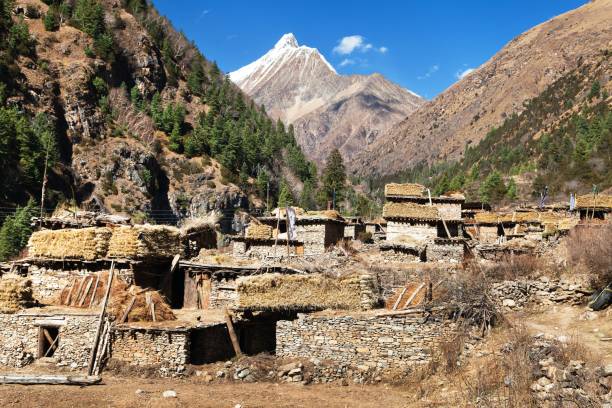
Village life in Lower Dolpo is simple and self-sustained. People live in stone houses, raise yaks, and practice seasonal farming. The Dolpo-pa communities follow traditional customs such as nomadic herding, butter tea drinking, and unique local festivals, which give trekkers a rare chance to experience a lifestyle that has remained unchanged for centuries.
To respect this unique culture, trekkers should follow cultural etiquette, such as asking permission before taking photos, dressing modestly, and walking clockwise around sacred sites. This respectful approach not only preserves the local traditions but also enhances your Bon culture Dolpo trek experience.
Safety, Altitude & Acclimatization Tips
The Dhorpatan to Lower Dolpo trek is a high-altitude, remote adventure where safety and acclimatization are crucial. Since the route crosses multiple high passes and remote valleys, the risk of altitude sickness is real. Proper acclimatization and cautious pacing are essential to ensure a safe and successful trek.
Preventing Altitude Sickness
To reduce the risk of altitude sickness, maintain a slow and steady pace, stay well-hydrated, and avoid alcohol. Follow the “climb high, sleep low” rule whenever possible and take rest days at key points like Dho Tarap. If symptoms like headaches, nausea, or dizziness occur, it’s important to stop climbing, rest, and descend if symptoms worsen.
Emergency Evacuation Challenges
Emergency evacuation in Lower Dolpo is difficult due to its remote location and limited road access. Helicopter evacuation is possible but depends on weather and availability. That’s why it is essential to travel with a reliable trekking operator and carry basic emergency supplies, including a first-aid kit, warm clothing, and extra food.
Importance of Experienced Local Guides
The Dhorpatan Dolpo trek requires experienced local guides because of its complex terrain, high passes, and unpredictable weather. A knowledgeable guide can manage route changes, monitor altitude sickness symptoms, and coordinate emergency support when needed. They also help in handling permits, logistics, and cultural interactions along the way.
Contact Bold Himalaya for Your Dhorpatan to Lower Dolpo Trek
Ready to explore the remote wilderness of Lower Dolpo? Bold Himalaya is here to help you plan the most authentic and safest Dhorpatan to Lower Dolpo trek. Our local team provides full support with permits, logistics, guides, camping equipment, and customized itineraries.
Email: sobitbbhandari@gmail.com
Phone/WhatsApp:+977 984-9615880
Office: Kathmandu, Nepal
Get in touch today and start your Dolpo trekking adventure!
Book Dhorpatan to Lower Dolpo Trek with a Local Agency (Bold Himalaya)
For an authentic Dhorpatan to Lower Dolpo trek, booking with a local agency like Bold Himalaya is the best choice. Our experienced local team ensures reliable logistics, trusted guides, and safe trekking in one of Nepal’s most remote regions.
Benefits of Trekking with a Local Operator
With Bold Himalaya, you get expert route knowledge, permit handling, and emergency support. Our local connections also provide deeper cultural insights and a smoother trekking experience.
Custom Itinerary & Private Trek Options
We offer customizable Dolpo trekking packages, including private guided treks, flexible schedules, and tailored acclimatization days based on your fitness and preferences.
Ethical & Sustainable Tourism
By choosing Bold Himalaya, you support community-based tourism in Dolpo. We hire local guides, porters, and staff, and follow responsible trekking practices to protect the environment and culture.
FAQs
Your Questions, Answered
What is the total distance of the trek?
The total trekking distance is approximately 250–300 km (160–190 miles), depending on the exact route and any side trips you include, such as exploring Phoksundo Lake or village trails.
What is the total distance of the trek?
The total trekking distance is approximately 250–300 km (160–190 miles), depending on the exact route and any side trips you include, such as exploring Phoksundo Lake or village trails.
What is the maximum altitude on this trek?
The highest point on the Dhorpatan to Lower Dolpo trekking route is Numa La Pass at about 5,310 m (17,421 ft), followed by Baga La Pass at around 5,179 m (16,988 ft). These high passes require careful acclimatization and good fitness.
How difficult is the Dhorpatan to Lower Dolpo trek?
This trek is rated hard to very challenging due to:
- Long trekking days (6–9 hours)
- High passes above 5,000 m
- Remote camping sections
- Limited lodges or teahouses in many parts
It’s best suited for trekkers with high fitness and some previous high-altitude experience.
Do I need a guide for this trek?
Yes. A licensed guide is mandatory for the Lower Dolpo restricted area. Independent trekking is not permitted in many sections. A guide also helps with:
- Permit checks
- Navigation on remote trails
- Altitude safety
- Cultural translation with local communities
What permits do I need for the trek?
You will need:
- Dhorpatan Hunting Reserve Permit
- Lower Dolpo Restricted Area Permit
- (Some operators also process TIMS if they include non-restricted sections)
These are part of the Dhorpatan to Lower Dolpo trek permits and must be arranged through a licensed agency before departure.
What is the best time to do the trek?
The ideal seasons are:
- Spring (April–May): Stable weather, blooming landscapes
- Autumn (September–October): Clear skies, excellent mountain views
Monsoon (June–August) and winter (Nov–Mar) are not recommended due to heavy snow, cold, and difficult trail conditions in high passes.
Is this trek suitable for beginners?
No — this is not recommended for first-time trekkers. You should be comfortable with:
- Long days on uneven terrain
- Camping conditions
- High-altitude weather
- Limited facilities
If you are a beginner, consider easier treks first, e.g., Annapurna Base Camp, Mardi Himal Base Camp 5 Day Trek from Pokhara
Are there teahouses along the route?
Only in limited areas such as:
- Phoksundo Lake region
- Juphal
- Some village sections
Most of the trek is camping-based, especially in deep Lower Dolpo and high pass sections
What kind of food is available on the trek?
During camping sections, meals are prepared by your trekking crew and typically include:
- Dal Bhat (rice & lentils)
- Soup and noodles
- Tibetan bread
- Tea and snacks
In teahouse areas, basic local meals like rice dishes and simple soups are available.
How do I prepare physically for this trek?
Good preparation includes:
- Regular cardiovascular exercise (running, cycling)
- Hiking with a loaded backpack
- Long uphill and downhill walking
- Strength training for legs and core
Start training at least 8–12 weeks before departure.
What kind of accommodation should I expect?
- Camping tents in most sections
- Basic teahouses near Phoksundo Lake and Juphal
- Simple facilities with shared bathrooms and limited hot showers
What is the best time to visit?
The best time to visit is during the dry season, from April to October, when the weather is pleasant and ideal for outdoor activities.
Can I do a private guided trek?
Yes. Many trekkers choose a private guided Dolpo trekking option or a custom itinerary tailored to their pace, interests, and fitness level.
Is the mobile network available on the trek?
Network coverage is very limited. You will likely have:
- Sporadic signal near larger villages
- Better coverage near Juphal
- Little to no signal in high passes and remote valleys
Prepare for minimal connectivity.
Is travel insurance necessary?
Yes. Travel and trek insurance that covers high-altitude trekking and emergency evacuation is highly recommended.
View OurSimilar Packages
Discover our top tours, loved by thousands of travelers annually. Choose the adventure that inspires you and embark on a journey tailored to your desires.
View All Packages

Premium Nepal & Bhutan Luxury Tour | 11-Day Himalaya Adventure
 Multi-country
  11 Days Days
Save 33%
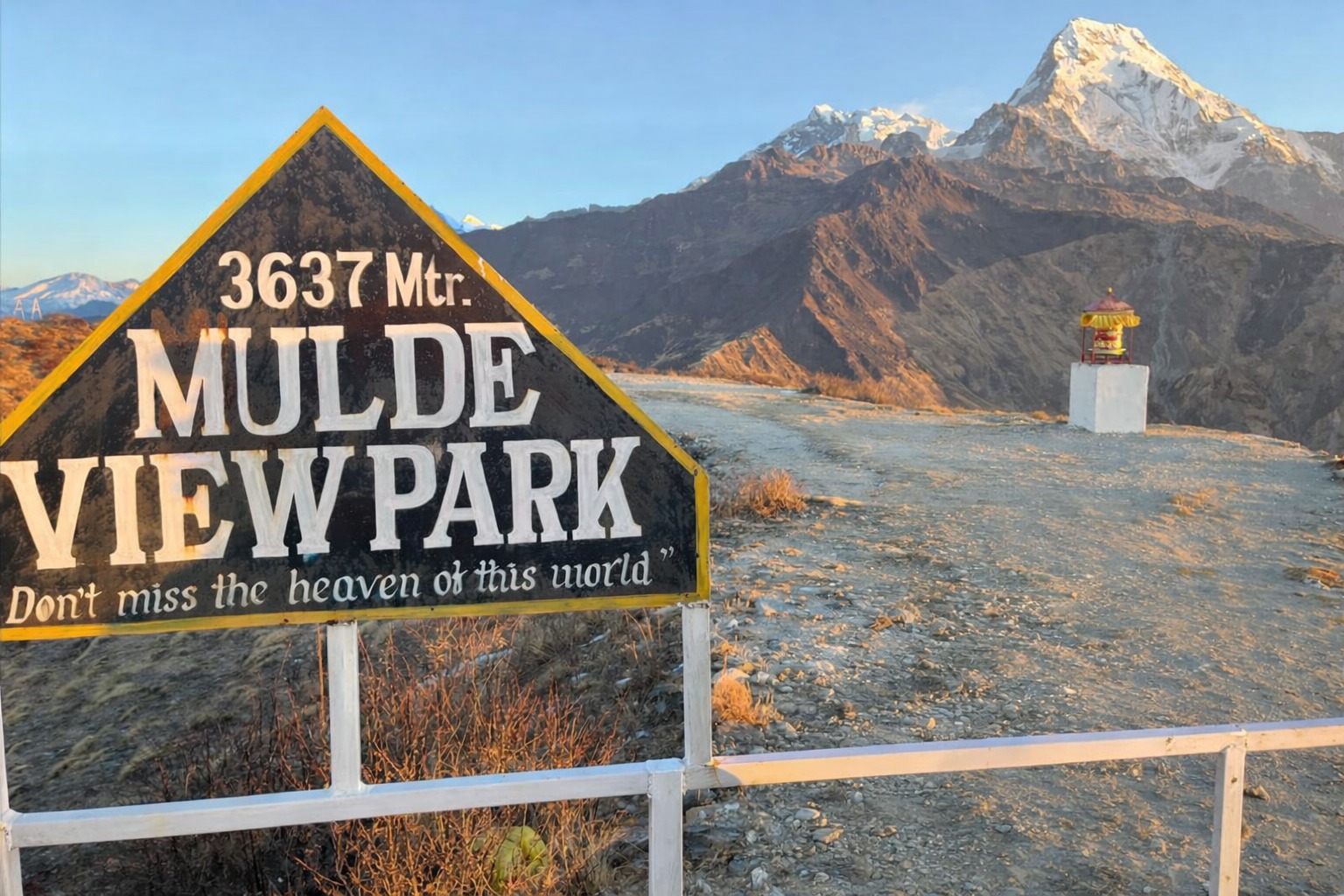
Mulde View Point Trek with Poon Hill – Four Days of Annapurna
Nepal Tour Packages
4 Days
Save 32%
Mardi Himal Base Camp 5 Days Trek
Nepal Tour Packages
5 Days
Save 22%
Annapurna Circuit Trek with Tilicho Lake
Nepal Tour Packages
13 Days
Save 28%
Nar Phu Valley Trek – 11-Day Remote Himalayan Adventure
Nepal Tour Packages
11 Days