



Best Time to Visit Tibet
-
 Sobit Bhandari
 -
20 December, 2024
-
14 mins read
-
1895 Views
-
0 Comments


Travelling to Tibet is a unique experience that presents us with dramatic landscapes, rich culture, ancient monasteries, and breathtaking views of the high-altitude environment on the Tibetan Plateau. Tibet is often called the ‘Roof of the World’, which sits at an average elevation of over 4,000 meters (13,123 feet), and has a unique alpine climate characterized by strong sunshine, thin air, cool temperatures, and large differences between daytime and nighttime weather. Understanding Tibet’s climate and seasonal patterns is essential for planning a comfortable and memorable journey.
The best time to visit Tibet is generally from April to October, when the weather is milder, skies are clearer, and most roads and trekking routes are accessible. Spring and autumn are particularly popular for travelers because they offer pleasant temperatures, stunning mountain views, and ideal conditions for sightseeing and trekking.
Summer brings warmer weather and vibrant landscapes, while winter offers fewer crowds and a quieter cultural experience. Overall, April-May and September-October are considered the best months to explore Tibet, making them perfect for enjoying iconic destinations such as Mount Everest Base Camp and the sacred pilgrimage route around Mount Kailash.
Tibet Weather Overview
The climate of Tibet is strongly influenced by its extreme altitude and location on the Tibetan Plateau. Most of the region of Tibet lies at elevations over 4,000 meters above sea level, which creates a unique high-mountain climate with cool temperatures, thin air, and strong sunshine. Tibet experiences intense solar radiation and large temperature differences between day and night, sometimes reaching 15-20°C variation within a single day, because the atmosphere is thinner at high elevations.
Tibet, although it lies near the Asian monsoon, is a dry region with low rainfall compared to many other areas of the Himalayas. Most of the rainfall occurs during the short summer monsoon, between July and August, when occasional showers are experienced, although rain often falls briefly or at night rather than throughout the day.
Weather conditions can also vary significantly across different parts of Tibet. Cities in valleys such as Lhasa experience milder temperatures and abundant sunshine, while higher areas such as Everest Base Camp and the sacred Mount Kailash region remain colder throughout the year. Understanding these regional weather differences helps travelers choose the best season for sightseeing, trekking, and pilgrimage in Tibet.
Tibet’s High-Altitude Climate
Tibet’s environment is shaped by its average elevation of more than 4,000 meters, making it one of the highest inhabited regions on Earth. At this altitude, the air is thinner and contains less oxygen, which can affect travelers until they acclimatize. The thinner atmosphere also allows stronger ultraviolet (UV) radiation to reach the ground, meaning sunlight can feel intense even when temperatures are cool.
Tibet’s climate has a large difference between daytime and nighttime temperatures. Warm sunshine during the day can quickly turn into chilly evenings once the sun sets, especially in high mountain areas.
Rainfall and Monsoon
Although Tibet is part of the broader Himalayan region, it generally receives less rainfall than neighboring countries such as Nepal or India. Most of the annual precipitation falls during the summer monsoon months of July and August, when moisture from the Indian Ocean reaches the plateau.
However, rainfall in Tibet is usually light and short-lived, often occurring at night. This means that travelers can still enjoy sunny mornings and relatively clear conditions even during the monsoon season.
Best Seasons and Places to Visit
The weather in Tibet varies throughout the year. Here is a general overview of the weather in Tibet from January to December:
Spring
In Tibet, Spring is typically considered to be the months of March, April, and May. During this time, the weather begins to warm up as the region emerges from the long, cold winter. Snow begins to melt in many parts of the area, and the landscape becomes more verdant. This season’s temperature ranges from -5 to 20°C (23 to 68°F).
Spring is a beautiful time to visit Tibet as the region becomes more verdant and the landscape becomes lush and green. The snow melts, and the weather becomes mild and pleasant, with clear skies and warm, sunny weather. This makes spring a great time for outdoor activities such as trekking and sightseeing, as you can enjoy the natural beauty of the region without being too hot or cold.
Spring is also a time of renewal and growth in Tibet, as the region comes alive with the sounds of birds and other wildlife. The trees and plants start to bud and bloom, creating a vibrant and colorful landscape. This is a great time to witness the natural beauty of Tibet and take in the sights and sounds of the region.
In addition to the natural beauty, Spring is also an excellent time to experience Tibetan culture and traditions. Many Tibetan festivals and celebrations occur during this season, including the Tibetan New Year, which is celebrated in February or March. This is an excellent opportunity to learn about Tibetan culture and participate in traditional activities.
Highlights of Visiting in Spring
- Pleasant and mild temperatures across much of Tibet
- Clear skies with excellent visibility of the Himalayan mountains
- Fewer tourists compared to the peak summer season
- Beautiful landscapes, such as valleys and grasslands, begin to bloom
- Ideal conditions for sightseeing in Lhasa
- Great time for photography with bright sunlight and crisp mountain views
- Comfortable weather for cultural tours and monastery visits
- Early trekking opportunities toward places like Mount Everest Base Camp
Autumn
Autumn is regarded as the best time to visit Tibet. This is because, after the monsoon rains in summer, the climate becomes stable with clear blue skies and low humidity. During this time, the temperature in Tibet can vary from 5-20°C (41-68°F). The climate is also ideal for touring since the temperatures are mild during the day and cool in the evening. The scenery during this season is also very beautiful, with golden grasslands, clean mountain air, and plenty of sunlight that makes the scenery look even more breathtaking.
One of the main highlights of autumn is the spectacular visibility of the world’s highest mountains, especially from viewpoints such as Mount Everest Base Camp. The clear atmosphere provides incredible panoramic views, making this season perfect for trekking, photography, and adventure travel.
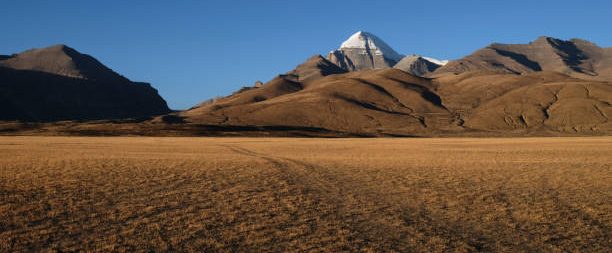
Travelers also visit sacred destinations like Mount Kailash or explore historic sites in Lhasa. With its combination of pleasant temperatures, clear skies, and breathtaking scenery, September and October offer some of the most rewarding travel experiences in Tibet.
Highlights of Visiting Tibet in Autumn
- Clear blue skies and excellent mountain visibility
- Spectacular views of the Himalayas and Mount Everest
- Ideal weather conditions for trekking and outdoor activities
- Comfortable daytime temperatures with cool, crisp air
- Perfect season for photography and scenic travel
- Great time to visit cultural and historic sites in Lhasa
- Stable weather conditions across most regions of Tibet
Monsoon
The monsoon season in Tibet generally occurs from June to August, when moisture from the Indian Ocean reaches the Tibetan Plateau. However, compared to many parts of South Asia, Tibet receives much less rainfall because the Himalayas block most of the heavy monsoon clouds. As a result, rainfall is usually light and short, often occurring in the late afternoon or at night. Daytime temperatures during this season are the warmest of the year, making travel relatively comfortable in many areas, especially in cities such as Lhasa.
During the monsoon months, the landscapes across Tibet become greener and more vibrant, with grasslands, valleys, and lakes looking especially beautiful. Although occasional clouds may reduce mountain visibility at times, travelers can still enjoy cultural tours, festivals, and scenic drives across the plateau. Some remote trekking routes may experience muddy trails, but popular destinations such as Mount Everest Base Camp and sacred areas around Mount Kailash remain accessible for many travelers.
Highlights of Visiting Tibet During the Monsoon
- Warmest temperatures of the year on the Tibetan Plateau
- Lush green landscapes and vibrant grasslands
- Fewer dust storms and clearer lakes and rivers
- Opportunities to experience Tibetan cultural festivals
- Scenic drives with beautiful views of valleys and rivers
- Good time to explore cities and monasteries like Lhasa
- Lower tourist crowds in some trekking areas compared to peak months
Winter
Winter in Tibet lasts from November to March and is considered the quietest travel season of the year. Temperatures drop significantly, especially in high-altitude regions, but Tibet still experiences plenty of sunshine and clear blue skies during winter days. The weather in Tibet during the winter is cold and dry, with temperatures ranging from -10 to 5°C (14 to 41°F). During this time, the days are short, and the skies are often cloudy and overcast. In cities like Lhasa, daytime temperatures can remain relatively manageable despite cold mornings and nights. Because fewer international tourists visit during this time, winter offers a peaceful atmosphere and a more authentic glimpse into everyday Tibetan life.
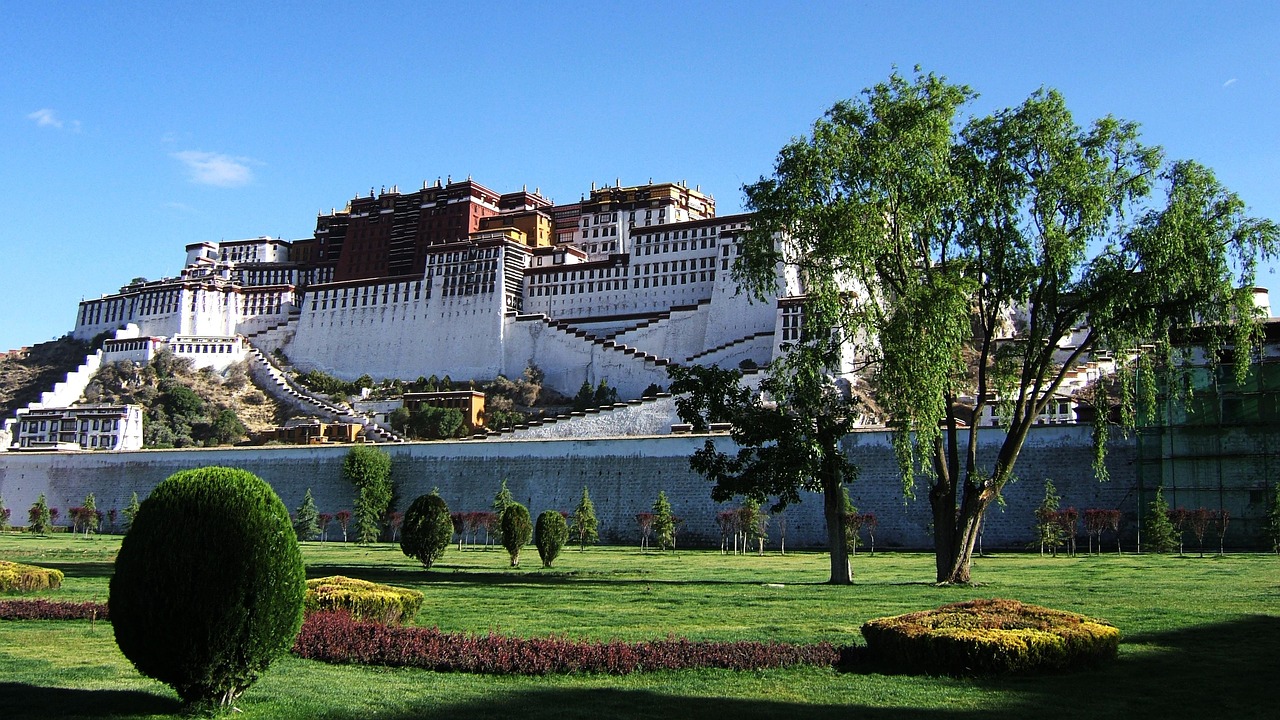
Although some remote mountain areas may become very cold, winter is still a rewarding season for cultural exploration. Travelers can visit famous landmarks such as the Potala Palace and explore traditional markets, monasteries, and pilgrimage routes with far fewer crowds. Snow-covered landscapes and clear mountain air also create beautiful scenery for photography.
While trekking in extreme high-altitude regions like Mount Everest Base Camp may be challenging, winter remains an excellent time for cultural tours and spiritual experiences.
Highlights of Visiting Tibet in Winter
- Fewer tourists and quieter attractions
- Lower travel and accommodation costs
- Clear skies and sunny winter days
- Authentic cultural experiences in monasteries and local communities
- Snow-covered Himalayan landscapes ideal for photography
- Easier access to major landmarks in Lhasa without crowds
- Opportunity to experience traditional winter life in Tibet
Tibet Travel Tips and Recommendations
Consider the best traveling months: The best time to visit Tibet is generally considered to be during the spring, summer, and early autumn months of April, May, June, July, August, September, and October. During this time, the weather is mild, and the skies are clear, making it ideal for sightseeing and outdoor activities. The days are warm and sunny, and the nights are cool. This is also the peak tourism season in Tibet, so visitors can expect to find more amenities and services open and available.
Obtain the necessary permits: As mentioned earlier, visitors are required to obtain a Tibet Travel Permit (TTP) from the Tibet Tourism Bureau before entering the region. Make sure to apply for it well in advance of your trip to avoid any last-minute issues.
Acclimatize properly: Tibet’s high altitude can cause altitude sickness in some people, so make sure to acclimatize properly by taking it easy on the first few days of your trip, and avoiding strenuous activities.
Be prepared for the weather: Tibet’s weather can be unpredictable and harsh, so make sure to check weather forecasts and pack accordingly. Bring warm clothing, even in the summer months, as temperatures can drop significantly at night and in high-altitude areas.
Respect local customs and culture: Tibet is a region with a rich cultural heritage, and visitors should be mindful of local customs and traditions. Show respect for religious sites and artifacts, and be aware of dress codes when visiting temples and monasteries.
Don’t go to restricted areas: Certain areas of Tibet are off-limits to foreign visitors, so make sure to be aware of these restrictions and avoid attempting to enter these areas without permission. Learn some basic Tibetan language: Knowing some basic Tibetan language can help you in communicating with the locals, and it’s also a sign of respect towards them.
Be aware of government monitoring: The Chinese government closely monitors foreign visitors in Tibet, so be aware that your movements and activities may be restricted or prohibited. Avoid discussing sensitive political topics while in the region.
Travel with a guide: As mentioned earlier, foreign visitors are required to travel with a guide throughout their trip to Tibet. This applies to both group tours and independent travelers. This will help you to navigate the complex regulations and make the most of your trip.
Get travel insurance: Travel insurance is important for any trip. It will provide you with protection against unexpected events such as accidents, illnesses, and trip cancellations.
Table of Month-by-Month Travel Guide and Temperature
| Month | Average Temperature | Travel Conditions | Highlights |
|---|---|---|---|
| January | -10°C to 7°C | Very cold but sunny | Quiet travel season and peaceful monastery visits in Lhasa |
| February | -8°C to 9°C | Cold winter weather | Experience the famous Losar celebrations |
| March | -3°C to 12°C | Transition from winter to spring | Gradually warming temperatures and fewer tourists |
| April | 2°C to 16°C | Start of trekking season | Clear skies and great mountain visibility |
| May | 6°C to 20°C | One of the best months | Ideal weather for travel and sightseeing |
| June | 10°C to 23°C | Warm and pleasant | Perfect time to visit sacred sites like Mount Kailash |
| July | 12°C to 24°C | Peak travel season | Warmer temperatures and vibrant landscapes |
| August | 12°C to 23°C | Monsoon influence but still popular | Cultural events like Shoton Festival |
| September | 8°C to 21°C | Excellent trekking weather | Clear skies and ideal travel conditions |
| October | 3°C to 18°C | One of the best months | Best views of the Himalayas from Mount Everest Base Camp |
| November | -3°C to 13°C | Beginning of low season | Fewer tourists and peaceful travel |
| December | -8°C to 8°C | Cold but sunny winter | Quiet spiritual atmosphere and monastery visits |
Influence of weather on travelling
Various factors need to be considered while making travel plans. Atmospheric elements, such as temperature and weather, directly impact travel. A few examples of how weather can have a significant effect on travel plans and experiences are:
- Snow, ice, or freezing weather can render roads and airports sometimes unsafe or impassable, causing delays or cancellations in flights.
- Flying can be uncomfortable when strong winds, rain, or other adverse weather conditions occur.
- In addition to making it difficult or painful to spend extended periods outside, extreme cold in winter can also be difficult for one’s health if safety measures are not taken.
FAQs of the Best Time to Visit Tibet
1. What is the best time to visit Tibet?
The best time to visit Tibet is from April to October, when the weather is mild, skies are clearer, and most roads and trekking routes are open. This period offers the best conditions for sightseeing and cultural experiences.
2. Which month offers the clearest mountain views in Tibet?
The clearest mountain views are usually seen in April, May, September, and October. During these months, the skies are less cloudy, making it perfect to see Himalayan peaks like Mount Everest.
3. Is summer a good time to visit Tibet?
Yes, summer (June to August) is a popular time to visit Tibet due to warmer temperatures and lush landscapes. However, it is also the rainy season, so occasional rain can affect visibility.
4. Can I visit Tibet in winter?
Yes, you can visit Tibet in winter (November to February), but it is very cold. The advantage is fewer tourists and lower costs, and cities like Lhasa remain accessible.
5. When is the best time for trekking in Tibet?
The best time for trekking is April to June and September to October, when the weather is stable, temperatures are comfortable, and trails are safer.
6. Are there any festivals worth visiting in Tibet?
Yes. Visiting during festivals adds a unique cultural experience. Popular ones include:
- Losar (February/March)
- Saga Dawa Festival (May/June)
7. When is the cheapest time to visit Tibet?
The cheapest time is during winter (November to February), as fewer tourists visit and travel costs are lower. However, expect very cold temperatures.
8. Is altitude a concern year-round in Tibet?
Yes, Tibet is a high-altitude region, and altitude sickness can occur at any time of the year. It’s important to acclimatize properly, especially when visiting places like Lhasa.
9. When should I avoid visiting Tibet?
Late winter (January to early March) can be challenging due to extreme cold and possible travel restrictions. Also, heavy monsoon rains in July and August may disrupt travel plans.
10. How many days are ideal to visit Tibet?
A trip of 7-10 days is ideal to explore major highlights like Lhasa, monasteries, and nearby landscapes while allowing time for acclimatization.
Comments (0)
Write a comment- Tibet Weather Overview
- Best Seasons and Places to Visit
- Tibet Travel Tips and Recommendations
- Table of Month-by-Month Travel Guide and Temperature
- Influence of weather on travelling
- FAQs of the Best Time to Visit Tibet
- 1. What is the best time to visit Tibet?
- 2. Which month offers the clearest mountain views in Tibet?
- 3. Is summer a good time to visit Tibet?
- 4. Can I visit Tibet in winter?
- 5. When is the best time for trekking in Tibet?
- 6. Are there any festivals worth visiting in Tibet?
- 7. When is the cheapest time to visit Tibet?
- 8. Is altitude a concern year-round in Tibet?
- 9. When should I avoid visiting Tibet?
- 10. How many days are ideal to visit Tibet?
Read the latest Blogs & Insights
Explore our collection of articles and insights to gain in-depth travel knowledge, expert advice, and stay updated on the latest trends and tips.
View All Articles




No comments yet.