



Food and Accommodation on the Manaslu Circuit Trek
-
 admin
admin -
28 October, 2025
-
11 mins read
-
510 Views
-
0 Comments


Trekking the Manaslu Circuit is not only about breathtaking mountain views and remote Himalayan landscapes, but it is also a journey into the region’s unique food culture and simple mountain lifestyle. Understanding what to eat and where to stay plays a crucial role in making your trek comfortable, safe, and enjoyable.
Along the trail, trekkers rely on tea houses for both meals and accommodation, where you can experience a mix of traditional Nepali and Tibetan cuisine along with basic yet welcoming lodging. From hearty dishes like dal bhat to warm soups and fresh local foods, every meal helps fuel your body for long trekking days.
This guide covers everything you need to know about food, meals, accommodation, prices, and hygiene on the Manaslu Circuit Trek, helping you prepare better and enjoy the journey to its fullest.
Overview of Food and Meals on the Manaslu Circuit Trek
Food on the Manaslu Circuit Trek is designed to meet the high energy demands of trekking in a remote Himalayan environment. While routes like Everest Base Camp and the Annapurna Circuit may offer a wider variety of meals, the food on the Manaslu Circuit is simple, nutritious, and rich in carbohydrates, providing everything trekkers need to stay energized and healthy throughout long walking days.
Tea houses along the route offer a consistent menu, including traditional Nepali dishes as well as basic international options. While the variety of food is greater in the lower sections of the trek, it gradually becomes more limited as you gain altitude due to transportation challenges.
In addition to variety, prices also increase with altitude, as all food supplies must be carried by porters or mules to higher villages. Understanding these changes helps trekkers plan their meals, manage their budget, and maintain proper nutrition throughout the journey.
Typical Meals in Tea Houses (Breakfast, Lunch, Dinner Options)
Every village along the Manaslu Circuit has tea houses that provide simple yet satisfying meals. These modest lodges serve both lodging and dining, making them an essential stop for trekkers.
Breakfast:
Breakfast usually includes Tibetan bread, chapati, oatmeal, muesli, pancakes, and omelets. Many trekkers pair these with tea or coffee, along with honey, jam, or peanut butter for a quick energy boost. A hearty breakfast is important, as it fuels the body for the day’s trek.
Lunch:
Lunch is generally served around midday at one of the tea houses along the trail. Typical options include vegetable fried rice, noodles, pasta, and Nepali dal bhat. Since this is often your main meal of the day before continuing on the trail, it’s recommended to choose dishes rich in carbohydrates to maintain energy levels.
Dinner:
Dinner tends to be similar to lunch but slightly heavier to provide sustained energy for the next day’s hike. Most trekkers choose dal bhat, which is nutritious, filling, and ideal for high-altitude trekking. Tea houses also frequently serve soups, such as garlic soup (believed to help with altitude sickness) and thukpa, a warm and nourishing noodle soup.
Local Nepali Foods to Try (dal bhat, momo, thukpa, Tibetan bread)
The Manaslu region is a cultural fusion of Gurung, Tibetan, and Nubri influences, which is well reflected in its cuisine.
Dal Bhat: Dal Bhat is Nepal’s national dish and a favorite among trekkers. It includes steaming rice, lentil soup, vegetable curry, and pickles. Dal bhat is nutritious, has an endless serving size, and gives long-lasting energy, making it ideal for trekkers.
Momo: These steamed dumplings packed with vegetables or meat are a must-try. They are a popular choice at many tea houses, especially when served with spicy dipping sauce.
Thukpa: This noodle soup with vegetables and sometimes meat, which originated in Tibetan cuisine, is ideal for cold, high-altitude evenings.
Tibetan Bread: A thick, fried flatbread often eaten with honey or jam. It’s simple yet very filling, commonly served for breakfast.
These local dishes are not only delicious but also a way to connect with the region’s culture and people.
Vegetarian and Vegan Options
Vegetarians will have no issue finding appropriate meals around the Manaslu Circuit. Dal bhat, fried rice, vegetable noodles, and soups are all vegetarian options. Most lodges make dishes with locally grown veggies to ensure freshness.
Vegans should advise the tea house workers that they do not eat dairy or eggs. While dairy items such as butter and milk tea are popular, they can frequently be substituted or removed. If you have special dietary requirements, carrying plant-based snacks or protein bars can be beneficial.
Snacks, Fruits, and Energy Foods on the Trail
While tea houses provide full meals, you will often get hungry between walking sections. Bringing your own snacks is crucial, especially at higher altitudes where shops are scarce and prices rise significantly.
Popular trekking snacks include nuts, dried fruits, chocolate, biscuits, and energy bars. Peanut butter sachets, instant soup packs, and trail mix are excellent sources of quick energy. Local shops in lower settlements occasionally sell biscuits, noodles, or fresh fruits, but these become very limited as you ascend.
On the Manaslu Circuit, BOLD Himalayan ensures that snacks and fruits are provided according to the trekking section, helping trekkers maintain energy throughout the journey without needing to carry all supplies themselves.
Tip: Even with supplied snacks, it’s smart to bring some personal favorites or high-energy bars for long trekking days or bad weather, especially at higher altitudes.
Drinks and Hydration (tea, coffee, bottled water, purification methods)
Staying hydrated is essential during trekking. Most teahouses serve black tea, milk tea, coffee, and hot lemonade. In chilly weather, hot liquids can help keep the body warm and hydrated.
Bottled water is accessible in most settlements, but as you ascend higher, it gets more expensive and environmentally damaging. Instead, bring a reusable container and use water purification pills or filters. Many trekkers boil water at tea houses to protect their safety.
Avoid drinking untreated tap or stream water since it may contain bacteria or parasites.
What Foods to Avoid at High Altitude
At higher elevations, digestion slows considerably, making certain foods more difficult to digest. It is better to avoid meat because refrigeration is unpredictable, and freshness cannot be assured. Also, avoid alcohol and fizzy beverages, which dehydrate the body and exacerbate altitude sickness symptoms. Instead, focus on simple, carb-heavy meals and plenty of fluids.
Packing Your Own Snacks (nuts, chocolate, energy bars)
Bringing your own high-energy snacks can make a significant difference on long trekking days. Granola bars, dark chocolate, roasted chickpeas, almonds, and protein powder are lightweight and easy to transport. Instant oatmeal packets or cup noodles can come in handy when you need a quick meal between tea houses or in terrible weather. To avoid waste, always pack your snacks in reusable containers or paper bags.
Tips for Safe Eating and Drinking
- Eat freshly cooked food: tea houses prepare meals to order, so avoid anything that looks pre-cooked or reheated.
- Drink boiled or purified water: carry purification tablets or a reliable filter bottle.
- Avoid raw vegetables and unpeeled fruits: they may have been washed with unsafe water.
- Stick to vegetarian meals: they’re safer and fresher in remote areas.
- Wash your hands regularly or use sanitizer before eating to prevent stomach issues.
Accommodation on the Manaslu Circuit Trek
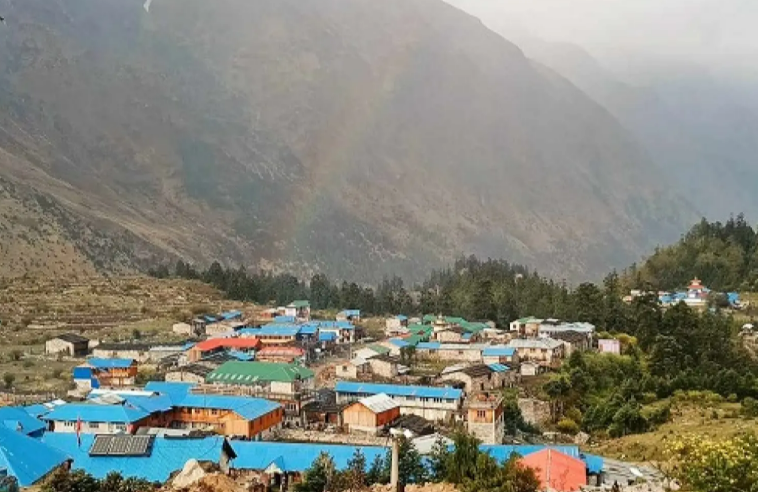
Accommodation on the Manaslu Circuit is simple and practical. You won’t find luxury hotels like on the Everest Base Camp or Annapurna Circuit routes, but every major stop along the trail has family-run tea houses where trekkers can eat, sleep, and rest before continuing the next day.
Rooms are basic, typically featuring two single beds with a thin mattress, a pillow, and a blanket. Walls are usually made of wood or stone, and bathrooms are shared or modest. In the lower villages, rooms tend to feel slightly more comfortable as supplies are easier to transport, while beyond Samagaun and Samdo, lodges become much more basic due to the remoteness of the region.
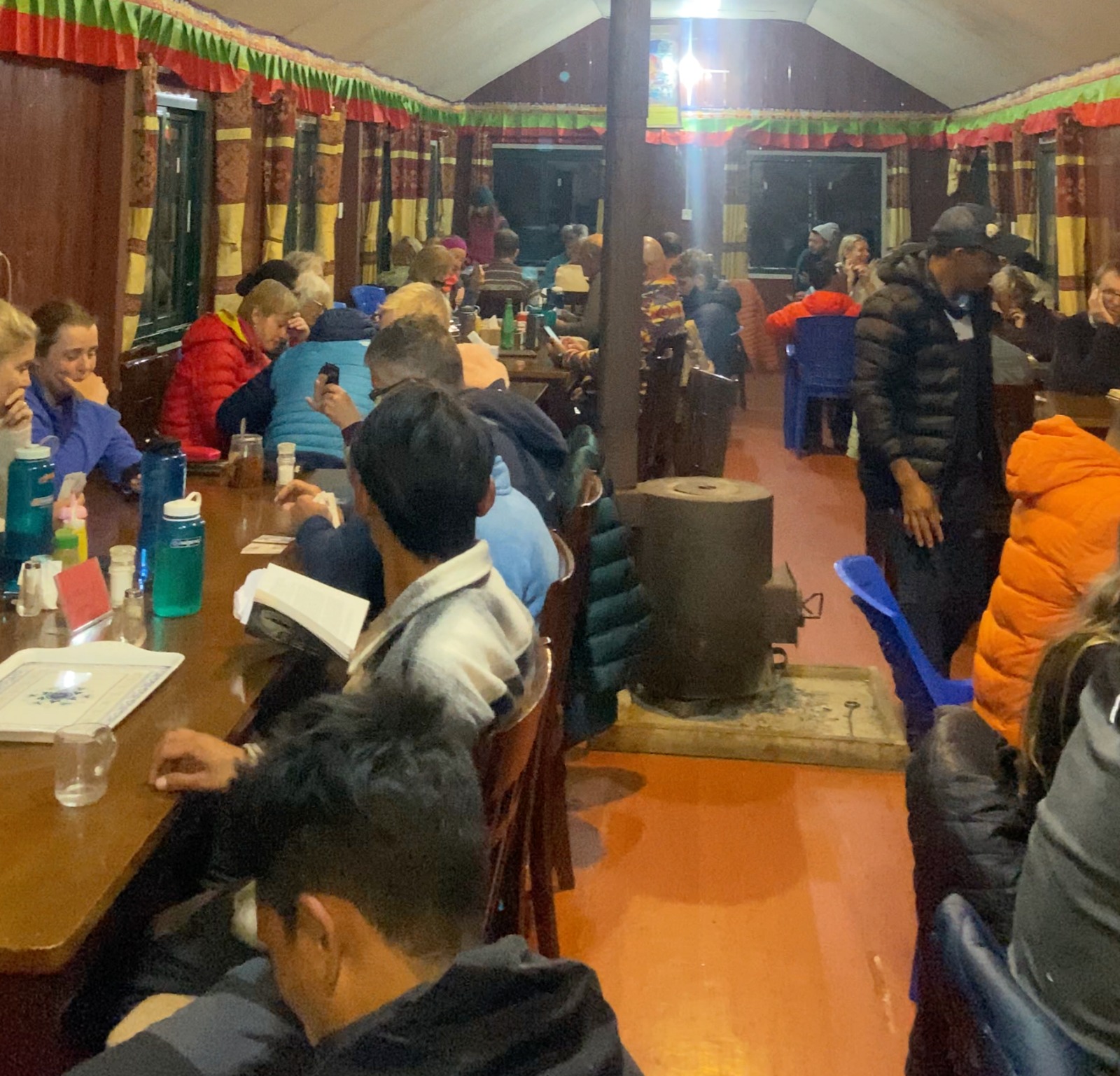
Heating is usually limited to the dining hall, where trekkers gather around a central stove in the evening. Bedrooms are not heated, so a good sleeping bag is essential, especially at higher altitudes.
What makes these accommodations memorable is not luxury, but the genuine hospitality and atmosphere. Sharing meals, enjoying hot tea by the stove, and connecting with fellow trekkers and locals are all part of the Manaslu trekking experience.
What to Expect Inside a Manaslu Teahouse
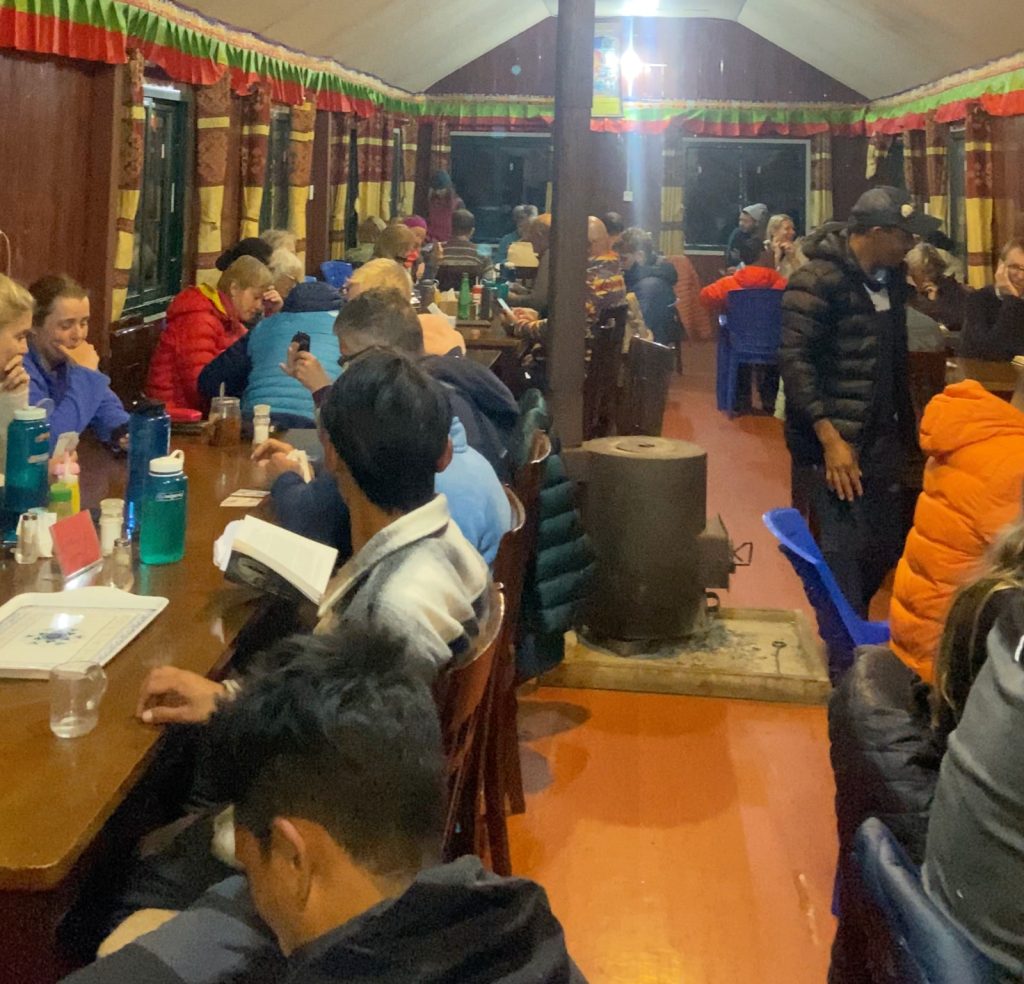
Inside a Manaslu teahouse, trekkers will find a warm and welcoming environment that combines dining, socializing, and resting. The main area is typically a cozy dining hall with a wood or coal stove, where everyone gathers in the evening to eat, drink tea, and share stories from the trail. Meals are cooked fresh to order, filling the space with the aroma of Nepali and Tibetan dishes such as dal bhat, momos, and thukpa.
Rooms remain simple and functional, and while bedrooms are usually unheated, the dining hall provides a comfortable place to relax after a long day. Electricity is limited and often solar-powered, and Wi-Fi is rare or comes at an extra cost. As a result, evenings are usually spent chatting, playing cards, or enjoying the peaceful mountain surroundings, creating a strong sense of community among trekkers.
Bathroom and Hygiene Facilities
Bathroom and hygiene facilities on the Manaslu Trek are basic and become more limited as you gain altitude. In the lower villages, especially those with road access, some teahouses may offer Western-style toilets, running water, and occasionally attached bathrooms. However, as you move higher into the mountains, shared bathrooms become the standard.
Squat-style (Asian) toilets are common at higher elevations, with limited running water and water often stored in buckets for flushing. Cleanliness varies from lodge to lodge, but facilities are generally maintained as well as possible given the remote conditions, where all supplies, including cleaning materials and water, must be transported by mule or porter.
Hot showers are available in some villages but are usually charged separately, with prices increasing at higher altitudes. In colder or more remote areas, hot water may depend on solar heating or limited fuel availability.
For better hygiene, it is recommended to carry toilet paper, hand sanitizer, wet wipes, and basic toiletries. Accepting the simplicity of these facilities is part of the trekking experience, and most trekkers find them manageable once they adjust to the remote Himalayan environment.
Accommodation in Kathmandu
In Kathmandu, you will stay at a 3-star, 4-star, or 5-star hotel, depending on your package, where you can enjoy a high level of comfort and modern facilities before and after your trek. These hotels offer a range of amenities, including comfortable rooms, private bathrooms, hot showers, Wi-Fi, air conditioning, and 24-hour service.
Higher-end hotels also provide luxury experiences such as spas, fitness centers, swimming pools, fine dining restaurants, and airport transfers, allowing you to relax and recover after your journey in the mountains.
Staying in Kathmandu offers a perfect contrast to the simple tea houses on the trek, giving you a chance to unwind and enjoy the city’s hospitality in comfort.
How Food and Accommodation Prices Change with Altitude
A key factor to remember when trekking in Manaslu is that both food and accommodation prices increase with altitude. The higher you go, the more expensive everything becomes, as all supplies, including food, fuel, and building materials, must be transported by porters or mules to these remote mountain villages.
For example, a dal bhat set that costs around NPR 500 in lower-altitude areas like Soti Khola may cost NPR 1,000 or more in higher villages such as Lho or Samdo. Similarly, the prices of tea, bottled water, and snacks can double or even triple as you ascend.
Accommodation follows a similar pattern. Rooms in lower villages are generally more affordable and slightly more comfortable, while at higher altitudes, prices increase despite facilities becoming more basic due to the difficulty of transporting materials and maintaining lodges in remote conditions.
It is important to plan your budget accordingly and understand that these higher costs directly support the local economy and the challenging logistics of living and operating in the Himalayan region.
Conclusion
Food and accommodation on the Manaslu Circuit Trek are simple, practical, and deeply connected to the local Himalayan way of life. While options may become more limited and basic as you gain altitude, they provide everything a trekker needs to stay energized, warm, and comfortable.
From enjoying a hearty plate of dal bhat to relaxing in a cozy teahouse after a long day, every experience adds to the journey. With proper planning, smart food choices, and realistic expectations, trekkers can enjoy both the adventure and the unique cultural experience that makes the Manaslu Circuit truly unforgettable.
Comments (0)
Write a comment- Overview of Food and Meals on the Manaslu Circuit Trek
- Snacks, Fruits, and Energy Foods on the Trail
- Drinks and Hydration (tea, coffee, bottled water, purification methods)
- What Foods to Avoid at High Altitude
- Packing Your Own Snacks (nuts, chocolate, energy bars)
- Tips for Safe Eating and Drinking
- Accommodation on the Manaslu Circuit Trek
- Accommodation in Kathmandu
- How Food and Accommodation Prices Change with Altitude
- Conclusion
Read the latest Blogs & Insights
Explore our collection of articles and insights to gain in-depth travel knowledge, expert advice, and stay updated on the latest trends and tips.
View All Articles

Top 10 Best Treks in the World
23 Aug. 2026



No comments yet.