



Kailash Mansarovar Yatra Cost: Complete Route & Season Breakdown
-
 Bold Himalaya
 -
19 December, 2025
-
34 mins read
-
684 Views
-
0 Comments


Introduction
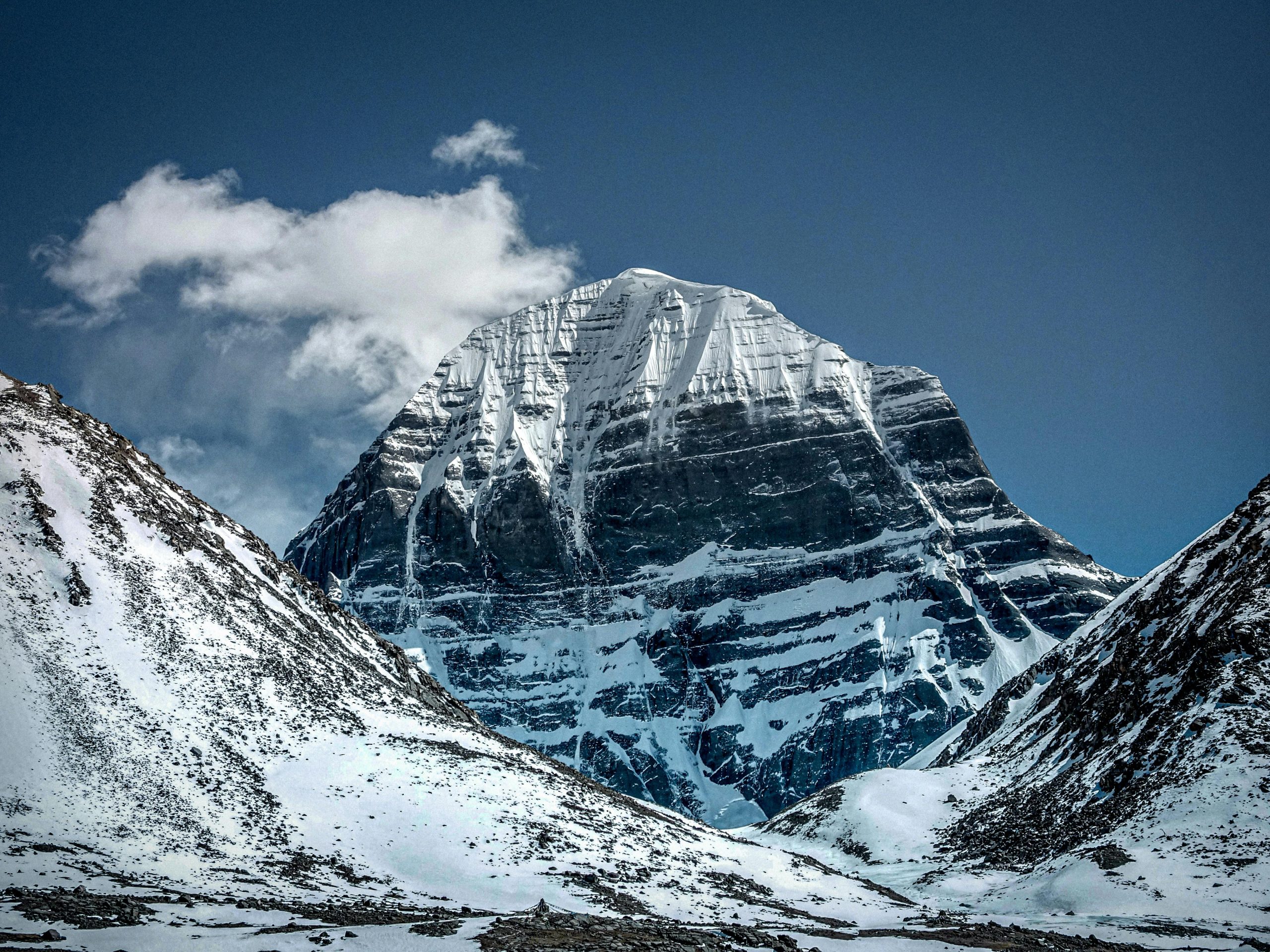
The Kailash Mansarovar Yatra cost varies widely due to the extreme remoteness of Mount Kailash and Lake Mansarovar, strict government regulations, limited travel seasons, and the complex logistics required to operate in high-altitude Tibet. Unlike most pilgrimages, this journey cannot be undertaken independently; travelers must join guided groups approved by authorities, with multiple permits, visas, and safety arrangements factored into the total price.
For many pilgrims, understanding how much the Kailash Mansarovar Yatra costs can be confusing because prices depend on several interconnected factors. The route you choose (Nepal, India, or Lhasa), the mode of transport (overland or helicopter), group size, level of comfort, and the time of year all significantly influence the final Kailash Mansarovar Yatra cost per person. Seasonal demand, especially during peak months and religious festivals, can further raise prices by 20–30%.
Beyond transportation, the Kailash Mansarovar Yatra cost breakdown includes mandatory Tibet permits, Chinese group visas, high-altitude vehicles, basic accommodation in remote regions, experienced local guides, oxygen support, and contingency planning for unpredictable weather. Additional personal expenses—such as medical tests, insurance, trekking gear, and porter support at Dolma La Pass—also add to the overall budget.
This guide provides a complete, route and season-wise analysis of Kailash Mansarovar Yatra costs, covering Nepal routes, Indian government routes, helicopter options, luxury tours, and seasonal price variations. Whether you are looking for the cheapest way to go to Kailash Mansarovar or planning a more comfortable, time-efficient journey, this detailed breakdown will help you choose the right route, season, and budget with confidence.
Kailash Mansarovar Yatra Cost: Route-Wise Breakdown
Understanding the Kailash Mansarovar Yatra cost is essential for planning this once-in-a-lifetime pilgrimage. The total expense depends on your chosen route, travel style, group size, and the season of travel.
Nepal Routes
Kerung Land Route (Kathmandu → Gyirong/Kerung → Kailash Mansarovar)
The Kerung land route is a popular way to get to Kailash Mansarovar from Nepal. Starting in Kathmandu, it moves through Rasuwa toward Gyirong Port – known also as Kerung – at the border between Nepal and Tibet.
From there, travelers head north across the Tibetan land to reach Mansarovar and Kailash. The Kailash Mansarovar Yatra costs via the Kerung route from Nepal usually fall between $1,800 and $3,500 each person when going with a group. Prices shift based on how many people are traveling, where they stay, and what time of year it is.
For pilgrims looking for a well-organized Nepal route tour, the Kailash Mansarovar Charan Sparsh Tour offers a complete itinerary with permits, transport, and guided support included.”
The whole journey takes around 12 to 15 days, mostly spent inside rugged four-wheel-drive trucks built for tough mountain roads. Costs add up from border fees at Gyirong Port – on top of rental prices, which climb when demand spikes in busy months because there aren’t enough vehicles around.
Staying overnight across the Tibetan highlands means paying for simple lodgings since fancy places are scarce. Each extra day on the road multiplies food and sleep costs. Traveling by land saves money compared to flying by chopper, though it takes longer and tests your stamina more.
Simikot-Hilsa Helicopter Route (Kathmandu → Simikot → Hilsa → Kailash Mansarovar)
The Simikot–Hilsa helicopter route is the fastest way to reach Kailash Mansarovar from Nepal, combining air travel with overland drives. Instead of one long trip, you start with a regular plane ride from Kathmandu to Nepalgunj in western Nepal – this part uses standard airlines. From there, hop onto a smaller plane heading to Simikot, where things shift gears. Next comes a helicopter leg straight from Simikot to Hilsa, right at the edge between Nepal and Tibet.
Once across the border, the journey continues by land into Tibet toward Mansarovar and Mount Kailash. The cost depends heavily on how much the Nepalgunj-Simikot copter stretch costs – that piece weighs significantly on the budget. The Kailash Mansarovar Yatra cost via the Simikot–Hilsa helicopter route generally ranges between $4,500 and $7,000 per person for group trips. However, fewer people means higher individual fees, especially when booking privately.
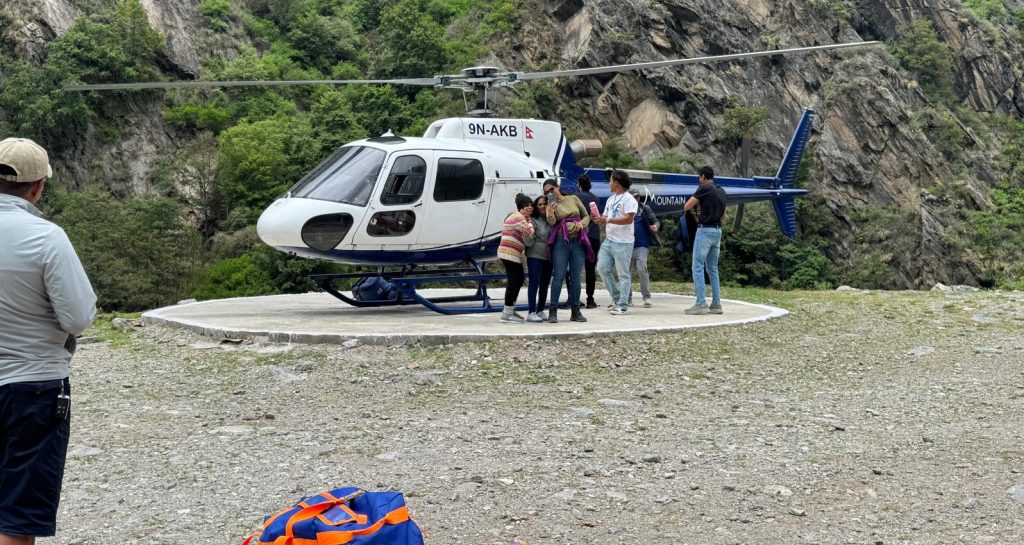
Just the chopper portion might take up $1,500 to $2,500, shaped by current fuel rates, passenger load limits, and whether flights get delayed due to weather. This path cuts travel time down to about 10–13 days while easing the strain of extended land trips; however, since helicopters need good weather, fog or snow might stall flights, adding extra costs for lodging and waiting around.
Flying straight in appeals to those wanting a quicker trip with less effort on foot, yet shelling out more cash for chopper rides really bumps up the total price of the Kailash Mansarovar pilgrimage.
Lhasa Overland Route (Kathmandu → Lhasa → Kailash Mansarovar)
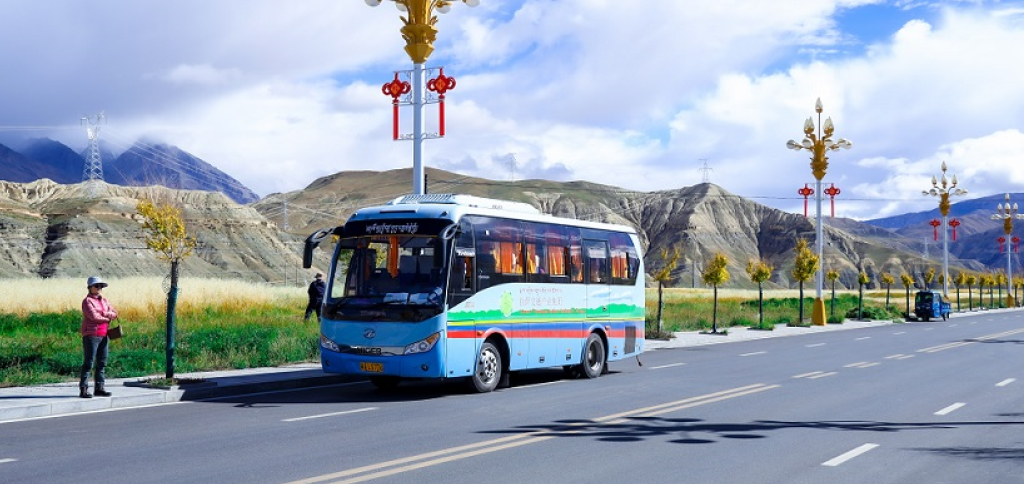
Traveling via the Lhasa Overland Route to Kailash Manasarovar starts with a flight from Kathmandu to Tibet’s main city. Once there, you spend a few days getting used to the altitude before heading west across the highlands toward Kailash and Mansarovar. Instead of combining legs, think of it step by step – each phase adds up.
The cost of the Lhasa Overland Kailash Mansarovar trip typically ranges from $2,800 to $5,500 per traveler, as the road stretch is approximately 1,200 km, requiring more time behind the wheel. That extra ground means paying for more rides, gas, beds, and food along the way. Most trips last 15 to 18 days when taking this path – but hey, your body adjusts more easily here.
Along the way, pilgrims can also experience spiritual and cultural highlights. For insights on the sacred trek around Kailash, refer to our Inner vs Outer Kora Mount Kailash guide and learn about the significance of the holy mountain in our Mount Kailash Sacred Peak Pilgrimage Guide.
Plus, you can stop at key spots in central Tibet that most miss. A return air ticket runs about $400–$600 each. Then comes the rugged overland trek through isolated areas where services are thin; so everything must be packed in – from tents to stoves – which pushes prices higher.
Private Helicopter Tours (Fully Customizable)
For travelers seeking luxury Kailash Mansarovar helicopter tours, private helicopters offer maximum comfort, flexibility, and minimal physical effort. This is the most expensive way to reach Kailash Mansarovar, with costs typically ranging from $15,000 to $40,000 per person, depending on the size of the group, helicopter model, exact flight path, and whether the trip is fully airborne or combines road travel with flights.
Private helicopter tours are ideal for solo adventurers or small groups who want personal timing, faster travel, and a premium experience. These custom Kailash Mansarovar helicopter trips also allow travelers to avoid long overland journeys, reducing fatigue while providing scenic aerial views of Mount Kailash, Mansarovar Lake, and the surrounding Tibetan highlands.
India Routes
The Indian government organizes official Kailash Mansarovar Yatra routes from India, offering affordable pilgrimage options compared to private or luxury tours, and alternate Routes for Kailash Yatra. These state-supported trips provide structured guidance, group visas, and logistical help, making them ideal for Indian pilgrims seeking a budget-friendly Kailash Mansarovar journey.
Lipulekh Pass Route (Uttarakhand → Pithoragarh → Kailash Mansarovar)
The Lipulekh Pass Kailash Mansarovar route starts in Uttarakhand and follows the historic trail through Pithoragarh across the Kumaon mountains. The official cost sits between $1,200 and $1,800 per traveler, much less than market rates since public funds cover big chunks of logistics. It takes roughly 18 to 24 days, packed with tough hikes, stops at high-elevation sites, and minimal lodging along the way.
People need to pass strict health checks before they can go. Only those in decent shape can handle the trip’s challenges. Getting picked by the authorities isn’t guaranteed – spots are few, so luck plays a role.
Nathu La Route (Sikkim → Tibet → Kailash Mansarovar)
The Nathu La Kailash Mansarovar route in Sikkim has become a backup option set up by authorities, but it hasn’t run consistently lately. When trips do occur, prices typically range from $1,200 to $2,000 each, thanks to state support. Travelers start from Gangtok, head to the border at Nathu La into Tibet, then continue by road toward Kailash and Mansarovar.
Trips typically take about three weeks or more, depending on weather and political factors that affect access. Whether it runs often hinges on the season and cross-border agreements. For both official paths, visas are arranged as groups through specific offices; people move together in guided teams.
Besides, availability is limited for Indian pilgrims, so securing a spot often requires early registration. Learn more about the reopening for Indian citizens here.
Tibet and China Routes
Travelers starting in China or Tibet can book the Kailash Mansarovar Yatra from Lhasa to Kailash via local Chinese travel networks.
Route Overview (Lhasa → Kailash Mansarovar)
The overland Lhasa to Kailash Mansarovar tour typically costs between $2,500 and $4,500 per person for shared group trips. Prices vary depending on group size, accommodations, and seasonal travel.
To take this path, you need a Chinese visa and a special Tibet permit, both arranged through mainland access points, which makes the Lhasa to Kailash land route slightly more complexfor foreign visitors who’d rather come from Nepal or India.
Routes to the Ngari (Ali) region depend heavily on road conditions, which change with the seasons. Improved roads have reduced drive times, yet western Tibet remains remote, and services like lodging and vehicle rentals are limited, keeping costs relatively high. Travelers opting for this path should plan for the Lhasa Kailash overland pilgrimage carefully to ensure safety, comfort, and smooth logistics.
Special and Additional Route Variants for Kailash Mansarovar Yatra
Luxury Trips
For travelers seeking ultimate comfort and convenience, luxury Kailash Mansarovar Yatra packages offer top-tier experiences. These high-end options usually run between$6,000 and $12,000 per person – or even higher – offering top-tier stays when possible, skilled guides, upgraded transport, full medical backup, and sometimes private helicopter rides to bypass strenuous trekking sections.
Luxury packages often include the Inner Kora trek, a special route circling Mount Kailash that requires additional permits and local experts. Adding this exclusive experience can increase the overall Kailash Mansarovar Yatra cost by $500 to $1,000.
For those seeking a deeper spiritual experience, consider our Inner Kora Kailash pilgrimage package — it explores the tighter circuit around the sacred mountain.
Budget-Friendly Group Trips
Budget-conscious travelers can opt for shared Kailash Mansarovar overland packages, which reduce individual expenses by splitting transport, lodging, and guides among a larger group. When 20–30 pilgrims join, prices typically range from $1,800 to $2,800 per person.
Smaller crews of just 2 to 6 pay steeper rates, usually $$3,500 to $6,000+ per person, since overhead gets divided among fewer wallets. Going solo means shelling out extra for your own ride, personal guide, plus freedom to pick dates; whereas big groups save by sharing loads. Group pricing spreads fixed charges wide, so everyone pays less.
Cheapest Options
The most affordable Kailash Mansarovar Yatra cost depends on nationality, route, and trip style:
- Indian pilgrims can take state-supported routes, such as the Lipulekh Pass or Nathu La, which cost $1,200 to $1,800 per person. Availability is limited, so early registration is essential.
- Foreign travelers or those seeking guided packages often save by joining shared Kerung land route tours from Nepal, which range from $1,800 to $3,500 per person.
- Private helicopter tours or high-end luxury bundles are the costliest options, potentially exceeding $15,000 to $40,000 per person.
Kailash Mansarovar Route Cost Comparison
| Route | Approx. Cost Range (USD) | Duration | Key Advantages | Notes |
|---|---|---|---|---|
| Overland via Tibet (Lhasa Route) | $2,500 – $3,500 | 14–18 days | Scenic Tibetan plateau, cultural immersion, widely used and well-supported | Popular route; moderate altitude acclimatization needed |
| Overland via Nepal (Kathmandu – Kerung/Gyirong) | $2,200 – $3,200 | 15–19 days | Road conditions may vary; a good alternative during July–August | Offbeat trails, fewer crowds, and unique cultural and natural experiences |
| Helicopter / Fly-in from Nepal or India | $4,000 – $6,500 | 5–7 days | Fastest way, minimal trekking, ideal for travelers with limited time or health constraints | Weather-dependent; higher cost; less cultural immersion |
| Alternate Routes (Via Nyalam, Simikot, or Other Pilgrimage Paths) | $2,800 – $4,000 | 16–22 days | Offbeat trails, fewer crowds, unique cultural and natural experiences | Longer journey; requires good planning and guides |
Kailash Mansarovar Yatra Cost: Key Components
Understanding why the Kailash Mansarovar Yatra cost is high means breaking down the main expenses that go into the journey. Here’s a detailed look at each component:
Permits and Visas
Permits form a significant portion of the Kailash Mansarovar Yatra budget. Essential documents include:
- Tibet Travel Permit, Alien’s Travel Permit, and Military Permit — collectively $150–$300 per traveler, depending on the season and processing location.
- Chinese Group Visa — mandatory for travelers entering Tibet via Nepal, costing an additional $100–$150 per person. These are processed only through official Chinese visa offices in Kathmandu or other recognized centers.
Transport Costs
Travel prices change a lot depending on how you go.
- In Tibet, renting a land vehicle isn’t cheap – there aren’t many tourist cars, especially from May to October when everyone wants one; expect $300–$500 daily, split between riders.
- Flights by chopper? Those are pricey; just the hop from Simikot to Hilsa runs $1,500–$2,500 per traveler.
- Flying across borders or within Nepal and China, like Kathmandu to Lhasa or Kathmandu → Nepalgunj → Simikot, tacks on another $500–$1,000 to your Kailash trip budget.
Accommodation
Accommodation costs depend on location and comfort level:
- Tibetan plateau guesthouses: $20–$40 per night.
- Easily accessible towns: $60–$100 per night.
- Remote areas: limited lodging; sometimes simple campsites cost more due to supply logistics.
Meals
Food on the trip usually runs between $20 and $40 daily per traveler – prices go up in far-off spots since getting food there takes more effort. Guides and helpers like drivers, camp cooks, pack animals, or porters cost quite a bit.
Guides and Helpers
For groups, hiring an experienced local guide from Tibet can set you back $80 to $150 each day. On top of that, driver fees, kitchen hands, and porters help during tough mountain crossings such as Dolma La, might tack on another $50–$100 per hiker just for the trail stretch.
To ensure you hire the right team and know what to expect, check out how to physically prepare for the Kailash Mansarovar Yatra.
Oxygen & Medical Kits
Oxygen gear plus basic medical kits – key because the trail hits more than 5,600 meters at Dolma La Pass – run between $100 and $200 each for reliable backup. Insurance that includes high-altitude trekking and rescue flights, often required by trip operators, usually falls from $100 to $300 a head based on how much it covers and how long you’re out there.
Fees for border checks, vehicle clearances entering Tibet, and road stop payments pile on another $50 to $150 individually.
Extra Fees and Miscellaneous Costs
When tourism hits its busiest time in Tibet, there aren’t enough cars available – especially tough four-by-fours built for steep mountain roads – so prices go up.
Changes in how much the US dollar, Chinese yuan, Nepali rupee, or Indian rupee is worth can shift what tours cost; some companies tweak their fees partway through the season if currency swings impact expenses.
Nationality-Based Kailash Mansarovar Yatra Cost Variations
The Kailash Mansarovar Yatra cost varies significantly depending on your nationality, as permits, government support, and tour packages differ for Indians, Nepalis, and foreign travelers.
Indian Travelers
Instead of paying full cost, Indian pilgrims can take cheaper trips run by the government using Lipulekh Pass or Nathu La paths; these go from $1,200 to $1,800 each, which is low because the state covers big chunks of expense – but they’re tough physically and picked via lottery, spots being few every year.
Some Indians opt for paid Kailash Mansarovar tours via Nepal, which charge nearly what foreigners pay: between $1,800 and $7,000, based on how fancy the service is or which way they go, given that tour companies don’t cut locals any special deal.
Nepali Travelers
Citizens of Nepal usually get better deals if they start their journey at home – they save thanks to shorter distances, no long-haul flights, easier paperwork, plus agencies including them in groups due to fewer hassles, bringing normal Nepal-based Kailash tour packages to around $1,600–$3,000 – cutting roughly 10% to 20% off foreigner rates.
Other Foreign Nationals
Travelers from other countries face higher expenses because they lack government subsidies. Standard international Kailash Mansarovar packages range from $1,800 up to $7,000 or more, depending on private services, guided tours, visa arrangements, cross-border logistics, and optional flights or helicopter rides.
Currency Factors Affecting Kailash Mansarovar Yatra Cost
The Kailash Mansarovar Yatra cost can fluctuate due to currency exchange rates. Indian and Nepali pilgrims often pay less when using their local currency, while foreign travelers converting USD, EUR, or other currencies may see higher costs because of exchange rate differences.
Many tour operators quote Kailash Mansarovar packages in US dollars to stabilize pricing despite currency swings. These fluctuations can affect land routes, helicopter rides, lodging, and daily expenses across Tibet and Nepal.
Pricing differences also arise from nationality: Indian pilgrims benefit from government-backed support, Nepali travelers save through proximity and group inclusions, while overseas tourists pay more due to extra logistics, visas, and cross-border arrangements for tours starting far away.
Season-Wise Price Variation for Kailash Mansarovar Yatra Cost
The Kailash Mansarovar route cost varies significantly throughout the year, depending on the season, altitude conditions, and pilgrimage demand. This high-altitude trek only operates between April and October, when snow melts, and trails become accessible. Prices fluctuate due to crowd levels, weather stability, and logistics challenges faced by travel operators.
April – Early Season
In April, trails start reopening after being shut down for winter. Kailash Mansarovar pilgrimage packages during this period are about 10–15% under summer prices, since companies want to book spots fast while the weather remains unpredictable. Higher mountain crossings might still have snow, so packing cold-weather trekking gear for freezing temps is a smart move. Yet folks who like fewer crowds and more savings typically see this time as a solid pick.
May–June – Peak Season
Late spring marks the peak season for Kailash Mansarovar tours. Costs increase sharply during May and June, often 30% higher than in autumn months, due to ideal weather, clear skies, and rising demand. The Saga Dawa festival, a major Buddhist event on the full moon of the fourth Tibetan lunar month (usually May–June), attracts large numbers of pilgrims, further driving prices up.
During these months, Kailash Mansarovar overland and helicopter packages may cost $500–$1,500 extra per traveler, and accommodations fill quickly. High demand also raises vehicle and porter costs.
July–August – Monsoon Influence
Summer months bring heavy rains to the southern Himalayas, yet Tibet stays drier due to its position up north. Still, damp air and downpours now and then mess with flights heading to Simikot or Nepalgunj. Road travel across southern Nepal gets trickier because of this, while mountain paths face higher chances of landslides after storms.
When rain interferes, trips cost more since companies add extra buffer days plus backup plans just in case. Rates from July to August usually sit 10–20% lower than busy May and June times – but fine print might hide weather clauses. Carrying gear over Dolma La Pass means paying porters and muleteers extra when trails turn soggy, tacking on around $50 to $100 per traveler.
September–October – Late Season
In September and October, skies clear up after the rains, giving steady weather plus sharp views along with mild temps. These times usually cost less – about 15–25% cheaper than busy seasons – even though paths stay solid and supply chains run smoothly.
Unlike May-June, when groups pile up at border spots causing logjams, this stretch sees fewer crowds, so lines shrink, and fees drop. For folks watching their cash or wanting quieter trails, late fall hits a sweet spot between price and practicality.
Weather-Related Cost Impacts
Extreme weather directly affects the cost of the Kailash Mansarovar Yatra. Difficult driving conditions can increase vehicle rental fees, while isolated lodges may raise accommodation charges when supplies are hard to deliver. Travelers may pay $800–$2,000 more per person during late spring and early summer compared to quieter months. Choosing the right season is essential for balancing budget, comfort, and pilgrimage experience.
Permit and Visa Cost Breakdown
One of the major contributors to the Kailash Mansarovar Yatra cost is the permit and visa fees. Every traveler must obtain several essential documents, each with its own price and processing requirements.
Tibet Travel Permit (TTP)
Instead of a visa, foreign visitors need a Tibet Travel Permit – this comes from the Tibet Tourism Bureau and is essential for accessing areas including Lhasa, Kailash, and Mansarovar. It generally ranges between $50 and $100 per traveler, but most agencies include it in the overall Kailash Yatra package price instead of listing it alone. You can’t apply on your own; only authorized Kailash tour operator companies can secure this document for you.
Alien’s Travel Permit (ATP)
Traveling to western Tibet and sacred regions like Mount Kailash and Lake Mansarovar requires an Alien’s Travel Permit (ATP). It runs between $50 and $80 per traveler, depending on a few factors you don’t control. Getting it means dealing with the Public Security Bureau, though most folks let their Kailash Mansarovar Yatra tour company sort everything out.
Military/Restricted Area Clearance
In some spots along the route, military clearance also comes into play because those areas edge close to guarded borders. That extra pass usually tacks on another $30 to $50 for each person traveling.
Fees for Restricted Zones
Additional fees may apply for restricted zones, where foreigners cannot freely travel. These typically cost $50–$100 per person and cover administrative charges for crossing high-altitude, sensitive Tibetan areas.
Chinese Group Visa (for Nepal Entry)
Pilgrims entering Tibet from Nepal must also get a Chinese Group Visa, issued via the Chinese Embassy or Consulate in Kathmandu. Fees run $100–$150 per traveler. Tour operators manage the group application process, including submitting passport scans, photos, and forms.
Notes on Permit Costs
- Fees can fluctuate based on the time of year and government regulations.
- Most tour operators bundle permit and visa costs into the total Kailash Mansarovar Yatra package, but it’s wise to confirm what’s included.
- Processing may take several weeks, so early booking ensures all approvals are in place before departure.
Permit Costs Table:
| Permit | Cost (USD) | Notes |
|---|---|---|
| Tibet Travel Permit | 50–100 | Included in most packages |
| Alien’s Travel Permit | 50–80 | Required for western Tibet |
| Military Clearance | 30–50 | Restricted zones |
| Chinese Group Visa | 100–150 | Only for Nepal entry |
| Restricted Zone Fees | 50–100 | Administrative charges |
Inclusions and Exclusions in Packages
Figuring out what’s actually covered in the Kailash Yatra deal matters – prices shown might skip key costs.
What’s Usually Included
- Tibet entry papers, group visa help, plus rides across Tibet using 4x4s.
- Lodging ranges from basic to okay along the way.
- You’ll get breakfast, lunch, and dinner each day while in Tibet.
- A local guide and driver are usually part of it. Oxygen gear’s often tossed in, too.
What’s Typically Excluded
- Most trips don’t cover flights to or from where you begin – like Kathmandu or Indian/Chinese border towns.
- If you enter Nepal, visa costs aren’t part of the package. Some need a health check before leaving; that’s on you.
- Insurance isn’t thrown in either.
- You’ll have to grab your own cold-weather clothes and hiking gear.
- Crossing Dolma La? Hiring porters or mules adds cost.
- Chopper rides only count if clearly listed.
- Staying longer in cities pre- or post-hike means extra charges.
- Snacks, drinks, souvenirs, and tipping – all out-of-pocket.
Hidden or Additional Costs to Budget For
Hidden charges pop up during trips – medical exams are required, running from $50 to $150 based on how detailed they are or where you get tested.
Connectivity & Power
- To stay connected in Tibet, a SIM card might set you back $20–$40, though data stays tight.
- The Internet’s hard to find out there; when it does show up, don’t expect much.
- Charging your gadgets in far-off lodges? That’ll often cost between $5 and $10 each night – if power’s even an option.
Clothing & Gear
- Cozy clothes plus special equipment are crucial when climbing high, since it gets super cold – even in summer – unless you’ve got them already.
- A good down jacket along with heat-trapping layers, rainproof coats, padded gloves, thick beanies, and tough hiking shoes might set you back $300 to over $800 if bought fresh.
- Some folks prefer renting instead of buying; however, getting those items on loan in Kathmandu could run between $100 and $200, depending on how long you’re out there.
Porters & Animal Assistance
Hiring a porter or pony for the Dolma La stretch – the top part of the Kailash pilgrimage around 5,630m – runs between $80 and $150 each, based on how much help you need. Though strong hikers may manage fine solo, plenty struggle with the thin air and a full-day hike covering 18 km, so they bring aid along instead.
Extra Days & Delays
Some extra days from bad weather or slow border checks might cost between $40 and $100 each night.
Medical & Health Expenses
- Mandatory medical exams: $50–$150
- High-altitude medicine (e.g., Diamox): $20–$50
Tips & Personal Expenses.
Most travelers give tips, adding up to $100–$200 per person overall – how much depends on team size and how happy they are.
How Group Size Affects Overall Pricing
Big groups usually mean lower prices for each person – this happens when set costs get split more ways.
Large Group Tours (20–30 People): Lowest Cost per Person
With 20 or 30 folks joining, things like van rental, guide pay, or permits cost less per head since so many share the load. Take a ride costing $400 a day – it works out to about $13 a person if thirty are chipping in, especially when using several vans. But five people going solo on the trip? That same ride jumps to $80 each, just ’cause fewer cover it.
As more people join, each person pays less – this is how bigger groups save money. These budget trips aim at travelers watching their spending, filling spots to cut costs per head, and sometimes offering deals 30–40% cheaper than smaller tours. But big crowds take longer to manage, stick to tighter timetables, while guides can’t always give one-on-one help.

Medium Group Tours (8–15 People): Balanced Cost & Comfort
- Moderate pricing with better group management
- Easier coordination than very large groups
- More flexibility and interaction with guides
- Often preferred by travelers seeking a balance between cost and comfort
Small Group & Private Tours (2–6 People): Higher Cost, More Flexibility
Smaller trips with just 2 to 6 people usually cost significantly more per person – often up to 80% pricier than large groups – since the base costs are split among fewer people. For example, four travelers going private could end up paying between $4,500 and $6,500 each for a trip where spots in a 25-person group go for $2,500 to $3,500 apiece. That extra cash gets you freedom with timing, quicker pacing, guides who focus only on your crew, plus room to tweak plans every day depending on what everyone feels like doing.
Solo Travelers: Highest Cost Option
- Independent solo travel is not permitted due to Tibetan regulations
- Solo travelers must join an existing group or book a private arrangement
- Private solo setups require a personal vehicle, a guide, and full logistics
- Costs usually range from $8,000 to $15,000+, depending on route and comfort level
Which Group Size Offers the Best Value?
- Budget travelers: Large group tours
- Comfort-focused pilgrims: Medium or small groups
- Maximum flexibility: Private or solo-style arrangements (highest cost)
Route Comparison Summary
Analyzing the full picture shows unique traits that make certain paths better depending on your needs.
Best Value Route: Nepal–Kerung Land Route
From Nepal, the Kerung land route stands out – it’s the most affordable for guided trips, mixing decent comfort with manageable expenses and solid planning support. For travelers watching their wallet, this path works well if they’ve got around fourteen days to spend moving across stunning mountain and highland terrain. Since it takes longer and asks more physically, folks wanting speed might skip it – yet low prices plus seasoned guides keep many coming back.
Fastest Route: Helicopter-Assisted Paths (Simikot–Hilsa)
The quickest way uses helicopters, like flying from Simikot to Hilsa – then linking up with smooth ground travel through Tibet, cutting the trip down to 10 or 13 days. Going fast means paying a lot more; this option can cost half again as much – or even double – compared to regular land routes. People short on time, folks wanting less effort, plus anyone ready to spend extra for ease, tend to prefer this faster path – even if it’s pricier.
Safety & Emergency Support by Route
Safety tends to lean toward paths where facilities are solid, and crews know what they’re doing. The Kerung trail gets steady traffic, so help is usually close by on the Nepal-China stretch. Indian government-backed crossings aren’t easy, yet oversight keeps things running, backed by clear crisis plans. Flights add unpredictability due to shifting weather, making timing shaky – still, time spent at extreme heights drops noticeably.
Comfort Levels Across Different Routes
Comfort hits the top in high-end trips featuring top-tier lodging, skilled guides, full backup help – sometimes even helicopter rides to skip tough hiking parts. Priced from $6,000 up past $12,000 each, these options suit those who value ease and aren’t shy about spending for better moments. Regular group journeys bring fair comfort with simple yet functional setups; on the flip side, cheap versions go barebones to keep prices down.
Most Expensive Options: Fully Customized Private Journeys
The priciest options mix private flights with high-end extras, along with heavy helicopter trips – costs can go beyond $15,000 up to $40,000 each for totally tailored plans. These top-tier choices stay rare, aimed at tourists who want ultimate ease, privacy, or full personal control.
Logistical Reliability & Seasonal Stability
Logistical reliability shifts depending on path and time of year. From May to October, the Kerung land crossing stays steady thanks to solid support teams and frequent trips. Flights by helicopter tend to waver when storms hit, especially in the rainy season, causing delays now and then. Indian government–run options run like clockwork with grouped exits, though they only handle so many people each year. Traveling via Lhasa is dependable overall, but foreign visitors must sort out tricky paperwork to enter China.
Which Route Should You Choose?
- Lowest cost: Nepal–Kerung land route
- Shortest duration: Helicopter-assisted routes
- Highest safety oversight: Indian government routes
- Maximum comfort: Luxury or private tours
Frequently Asked Questions
What is the most affordable way to reach Kailash Mansarovar?
The cheapest option depends on your nationality and where you begin. If you’re an Indian citizen fit enough, go via Lipulekh or Nathu La – state-supported trips there cost between $1,200 and $1,800 a head, usually the lowest price available.
Foreigners, or anyone after organized tours, find better deals on the land path through Kerung in Nepal; shared departures run around $1,800 to $3,500 each. To save more, pick big groups leaving just before peak season – April, or late September into October – for the rock-bottom tour prices.
What makes the Kailash Mansarovar trip so costly?
Several reasons add up. Since Tibet is off-limits to solo travelers, you’ve got to go with an approved group – permits are required, no exceptions. Instead of going it alone cheaply, everyone’s funneled through official agencies.
Getting there means long drives on rough mountain roads, often scarce routes where few vehicles can operate safely. Transport prices shoot up because conditions are tough and choices are slim. Along the way, services like food and lodging barely exist, especially in far-west Tibet.
Operators have to bring everything they need, which pushes their costs higher. All these bits pile on top, making the whole thing pricey. Operations only run about seven months each year because of changing seasons, so companies have fewer chances to make money – this helps justify higher prices.
Instead of spreading things out, they’ve got tight timing, which affects planning. Fees for permits add up fast; on top of that, there’s the price of group visas. Hiring required guides takes another chunk from profits.
Oxygen gear isn’t cheap either, especially when it’s needed at high altitudes. Safety setups for emergencies also raise expenses. All these pieces pile onto the baseline cost, meaning tour packages need to cover them to break even.
What is usually included in a Kailash Mansarovar package?
Most standard packages include:
- Tibet Travel Permit and related paperwork
- Chinese Group Visa processing (for Nepal entry)
- Ground transport in Tibet using 4WD vehicles
- Accommodation (basic to mid-range, depending on package)
- Three meals per day while in Tibet
- Licensed local guide and driver
- Basic oxygen support
Some packages also include welcome or farewell dinners in Kathmandu
What is not included in the package cost?
Common exclusions are:
- International flights
- Nepal entry visa fees
- Pre-departure medical tests
- Travel and medical insurance
- Personal clothing and trekking gear
- Porter or horse hire at Dolma La Pass
- Helicopter flights (unless clearly specified)
- Extra hotel nights before or after the itinerary
- Snacks, drinks, souvenirs, and tips
Always review inclusions carefully to avoid surprises.
Frequently Asked Questions (FAQ) – Kailash Mansarovar Yatra Cost
How much does the helicopter trip cost?
Instead of regular routes, folks often pick Simikot to Hilsa by chopper – this one usually runs between $4,500 and $7,000 a head when you bundle it all, like flying time plus road travel through Tibet. Of that sum, just hopping from Simikot up to Hilsa grabs about $1,500–$2,500; everything else pays for rides, beds, paperwork fees, and help along the way.
If someone wants their own bird with flexible stops or skips ground trips completely, prices jump anywhere from $15K to over $40K based on how far they fly and what gear’s needed. These numbers aren’t random – they cover tough mountain conditions, scarce copters nearby, pricey fuel loads, backup plans if skies turn bad, and tight load limits, meaning groups might need several passes.
Is the Lhasa route more expensive than the Nepal–Kerung route?
Yes. Entering via Lhasa and traveling overland to Kailash typically costs $2,800–$5,500 per person. This route involves a longer journey—around 1,200 km—adding extra days of transport, accommodation, fuel, and meals. While more expensive than Kerung, it allows gradual altitude acclimatization and offers a deeper cultural experience, making it a popular mid-range option.
What permits do you need, and how much will they cost you?
Travelers generally need:
- Tibet Travel Permit: $50–$100
- Alien’s Travel Permit: $50–$80
- Military Permit (border areas): $30–$50
- Chinese Group Visa: $100–$150
- Restricted area fees: $50–$100
Total permit and visa costs usually fall between $280 and $480 per person. Most tour operators include these fees in the package price and handle all applications on your behalf.
Which season offers the lowest prices?
September usually brings cheaper deals – often 15–25% lower than pricey May or June trips. Instead of waiting for summer’s rush, many pick these fall weeks when skies stay clear, and paths aren’t crowded. Because the monsoon ends earlier, conditions turn steady by then.
Still, some opt for April; it’s less expensive but comes with chillier days and unpredictable shifts in weather. For a smart mix of low costs and decent climate, late-season treks make sense. Skip the busy spring wave if you want better rates without sacrificing smooth planning or sunny views.
What’s the price gap between May-June and September-October?
Usually, it’s anywhere from $800 up to $2,000 more per traveler during high summer compared to early fall – roughly a 20–30% shift in total trip costs. Traveling in May or June means higher prices because everyone wants to go then, the climate is ideal, there’s the Saga Dawa event, and cars plus rooms are harder to get since lots of tours run at once.
By contrast, when you head out in September or October, fewer people book trips even though skies stay clear and temps hold up well; that pushes companies to lower their rates just to keep group sizes steady. Because this saving can be so big, picking autumn travel dates often gives smart spenders a real break without messing with comfort, ease, or how smoothly everything runs.
What additional costs should travelers budget for?
Beyond the package price, expect extra expenses such as:
- Medical checkups before leaving might cost between $50 and $150.
- Insurance typically ranges from $100 up to $300.
- If you don’t own cold-weather gear, buying it could set you back $300 to $800 – renting is cheaper, around $100 to $200.
- Crossing Dolma La Pass may require the assistance of a porter or horse, which incurs an additional cost of $80 to $150.
- Medication for high altitudes typically ranges from $20 to $50.
- Tipping guides and crew together should be about $100 to $200.
- Staying connected means a local SIM or data, costing roughly $20 to $40.
- Charging devices in far-off spots adds up – $5 to $10 each night.
- Delays due to weather mean extra lodging, $40 to $100 per night.
- Then there’s food, drinks, and small things you didn’t expect.
All these bits stack up – anywhere from $800 to over $1,500 on top of your main payment. That’s why nailing down every expense early makes sense.
Does group size affect the total cost per person?
Yep – bigger groups cut individual prices since setup costs get split more ways. When there are 20 to 30 folks, everyone chips in way less – about 30–40% below smaller crews – because things like transport, guides, and permits are shared among more people.
Take five friends going solo: they might drop $4,500 to $6,500 apiece, but join a pack of 25, and it drops to $2,500–$3,500 each. If saving cash matters most, big groups make sense; yet anyone wanting freedom, closer service, or quicker pace will likely pay extra for small or custom trips offering tailored support.
Conclusion
The Kailash Mansarovar Yatra cost varies widely due to distance, government regulations, seasonal access, and the extreme logistics required to reach this sacred Himalayan destination. The cost of the Kailash Mansarovar trip depends mainly on the route, travel style, and time of year. For Indian nationals, government-supported routes keep the Kailash Mansarovar Yatra cost from India relatively low—typically $1,200 to $1,800 per person. For international travelers, the most popular and affordable option remains the Kailash Mansarovar Yatra cost from Nepal via the Kerung land route, which usually ranges from $1,800 to $3,500 per person for group tours.
Travelers seeking faster and less physically demanding options should note that the Kailash Mansarovar helicopter cost is significantly higher. Helicopter-assisted journeys generally fall between $4,500 and $7,000 per person, while fully private or luxury experiences can push the Kailash Mansarovar luxury tour cost beyond $6,000, reaching as high as $40,000 depending on customization. These figures highlight how dramatically the Kailash Mansarovar Yatra by route can differ.
Season also plays a critical role. The best time for Kailash Mansarovar Yatra cost savings is usually September and October, when prices drop by 15–25% compared to peak months. In contrast, May and June see the highest Kailash Mansarovar Yatra price, often 20–30% higher due to ideal weather and festival demand. April offers moderate pricing but comes with less predictable conditions.
Beyond the listed Kailash Mansarovar package cost, travelers must budget for permits and visas, which add approximately $280–$480 per person, along with personal expenses such as medical checks, insurance, trekking gear, porter support at Dolma La Pass, and contingency costs. These extras can increase the total Kailash Mansarovar Yatra cost per person by another $800 to $1,500. Group size also impacts pricing—larger groups reduce individual costs, while private or small-group trips raise the overall Kailash Mansarovar tour cost in exchange for flexibility and personalized service.
Choosing the cheapest way to go to Kailash Mansarovar is not only about spending less—it depends on your time availability, physical fitness, comfort expectations, and preferred travel season. Budget-conscious travelers often benefit from shared land routes, while those short on time may justify the higher helicopter expense. Eligible Indian pilgrims may access subsidized routes, though these come with stricter selection and demanding conditions.
For those looking for a reliable and experienced operator, Bold Himalaya is a trusted Nepal-based trekking and pilgrimage company with proven expertise in organizing Kailash journeys. Their transparent pricing, careful permit handling, experienced guides, and strong logistical support make them a dependable choice for travelers planning their Kailash Mansarovar Yatra. Pilgrims can confidently explore routes and book with Bold Himalaya, knowing their journey is handled with professionalism and care.
In the end, the Kailash Mansarovar pilgrimage cost reflects not just transportation and permits, but safety, preparation, and peace of mind. With smart planning, the right season, and a trustworthy operator, travelers can balance budget, comfort, and spiritual fulfillment—making this once-in-a-lifetime journey truly meaningful.
Comments (0)
Write a comment- Introduction
- Kailash Mansarovar Yatra Cost: Route-Wise Breakdown
- Kailash Mansarovar Yatra Cost: Key Components
- Nationality-Based Kailash Mansarovar Yatra Cost Variations
- Currency Factors Affecting Kailash Mansarovar Yatra Cost
- Season-Wise Price Variation for Kailash Mansarovar Yatra Cost
- Permit and Visa Cost Breakdown
- Inclusions and Exclusions in Packages
- How Group Size Affects Overall Pricing
- Route Comparison Summary
- Best Value Route: Nepal–Kerung Land Route
- Fastest Route: Helicopter-Assisted Paths (Simikot–Hilsa)
- Safety & Emergency Support by Route
- Comfort Levels Across Different Routes
- Most Expensive Options: Fully Customized Private Journeys
- Logistical Reliability & Seasonal Stability
- Which Route Should You Choose?
- Frequently Asked Questions
- Frequently Asked Questions (FAQ) – Kailash Mansarovar Yatra Cost
- How much does the helicopter trip cost?
- Is the Lhasa route more expensive than the Nepal–Kerung route?
- What permits do you need, and how much will they cost you?
- Which season offers the lowest prices?
- What’s the price gap between May-June and September-October?
- What additional costs should travelers budget for?
- Does group size affect the total cost per person?
- Conclusion
Read the latest Blogs & Insights
Explore our collection of articles and insights to gain in-depth travel knowledge, expert advice, and stay updated on the latest trends and tips.
View All Articles
Top 10 Best Treks in the World
23 Aug. 2026



No comments yet.