
6-days Ladakh Tour


5(49)


Itinerary
Your Journey, Step by Step
Day 01: Arrival in Leh
35,00m/11,480ft
Hotel
Dinner
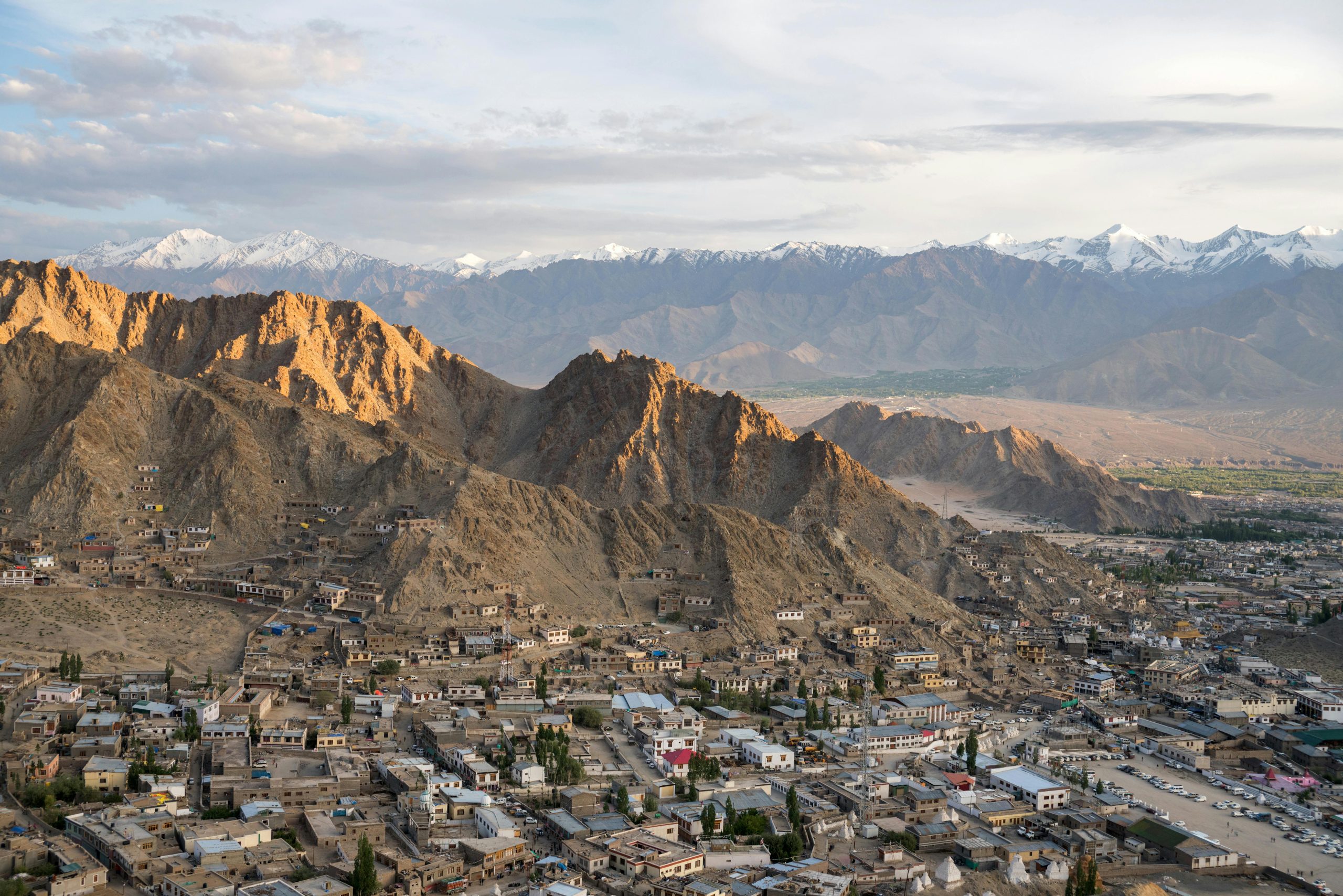
Upon your arrival at Kushok Bakula Rimpochee Airport, the fresh, thin mountain air of Ladakh greets you instantly. Our representative will welcome you and transfer you to the hotel.
Spend the rest of the day at leisure, stay hydrated, avoid alcohol, and keep movement to a minimum. If you feel comfortable in the evening, a slow walk around the local market can be relaxing, but don’t overexert yourself.
Mild symptoms like headaches are common on the first day. Medications like Diamox can help, but it’s best to consult your doctor before the trip. Taking it slow on day one ensures a safer and more enjoyable journey ahead.
Day 02: Leh Local Sightseeing
3,500m/11,480ft
Hotel
Breakfast, Dinner
After a good night’s rest, you’re ready to begin exploring Ladakh. Today is all about discovering the cultural and historical gems around Leh, where tradition is visible in every detail.
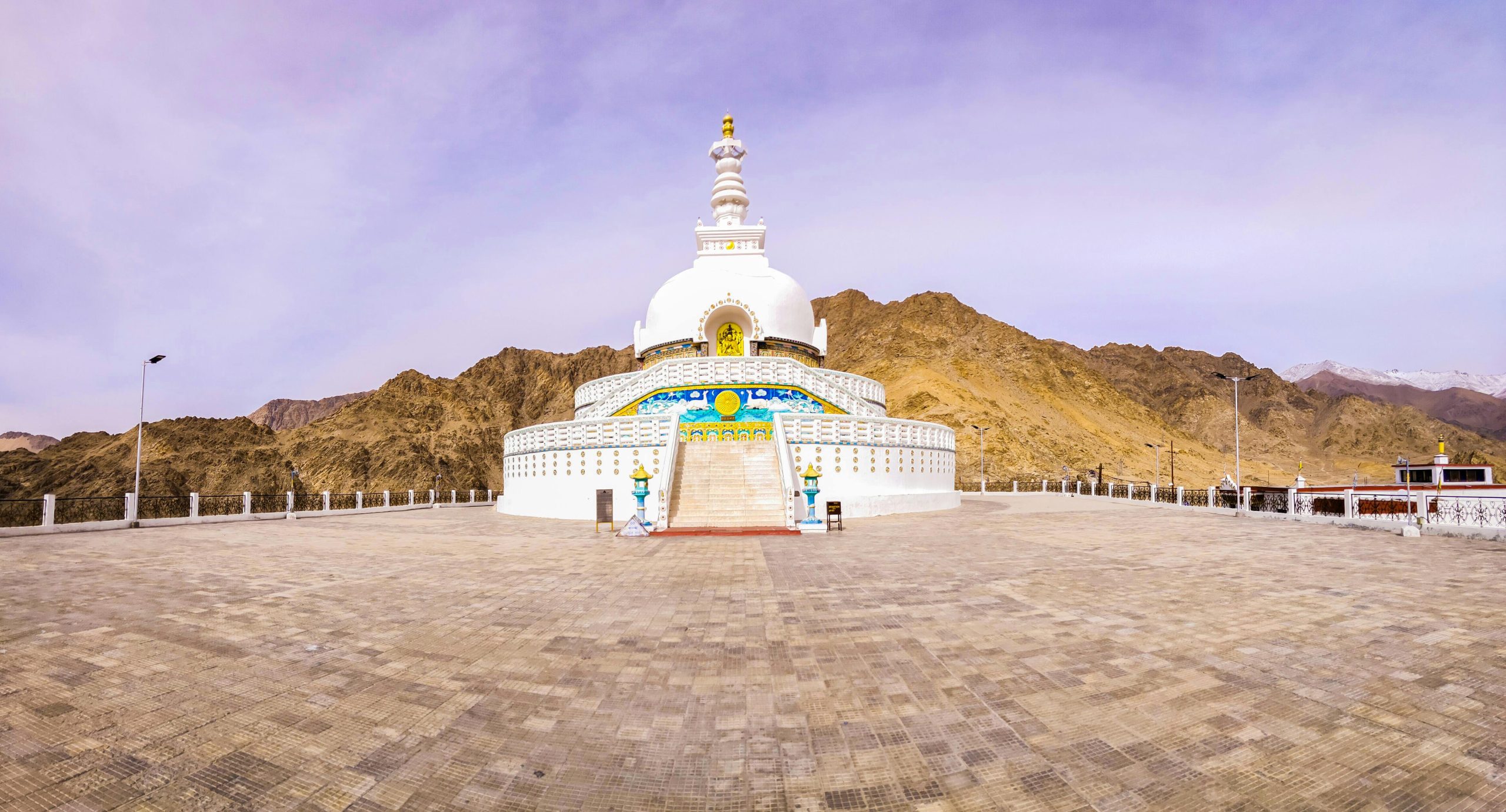
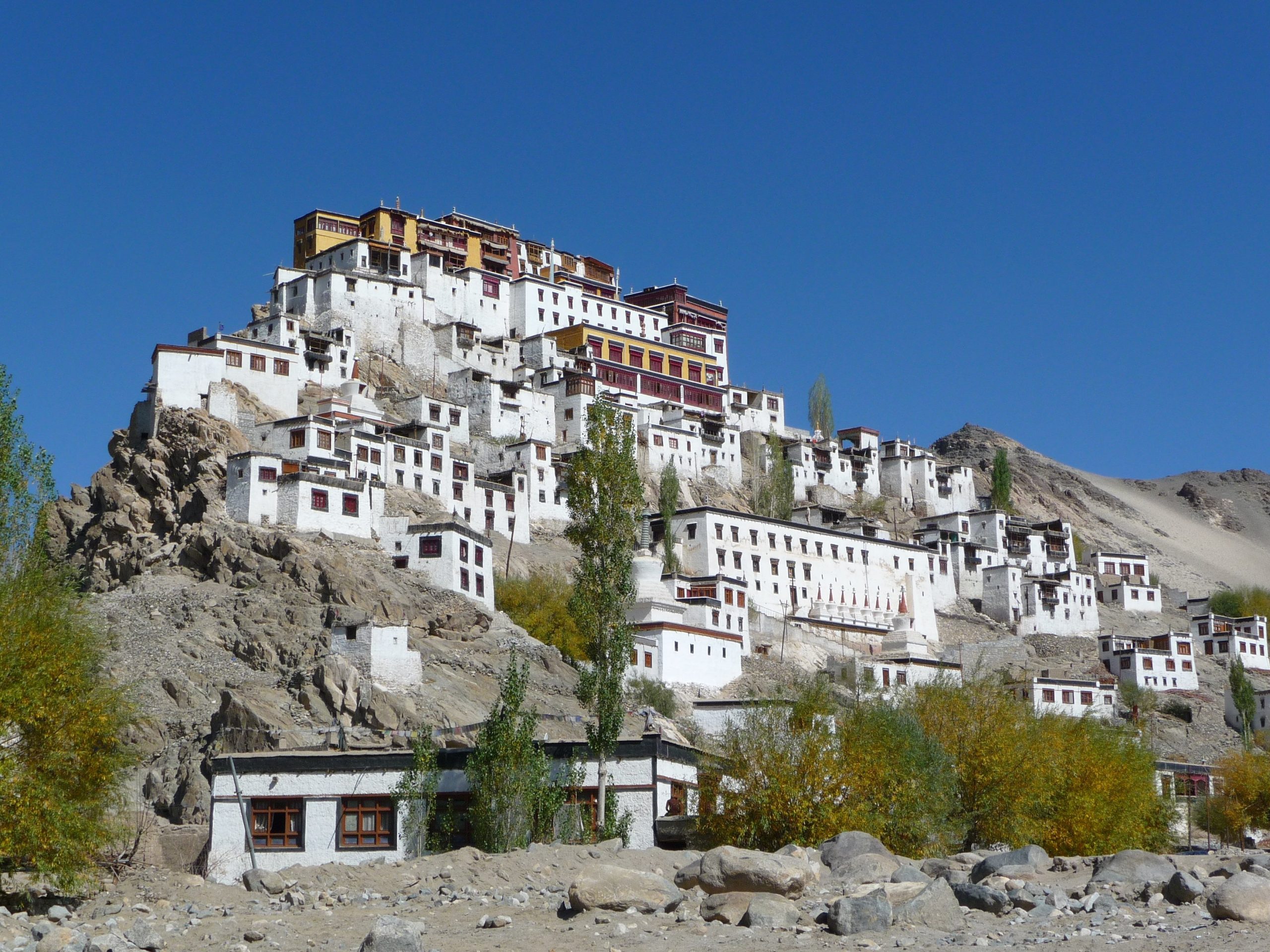
Visit famous monasteries like Thiksey Monastery and Hemis Monastery, known for their stunning architecture and spiritual significance, filled with ancient murals and sacred artifacts. You will also explore Shanti Stupa for panoramic views of the town and Leh Palace, and also Shey Monastery, which is known for its historical importance.
After a fulfilling day, rest early as your journey continues the next day toward higher mountain passes.
Day 03: Leh to Nubra Valley via Khardung La
5,359m/17,582ft
Tea house
Breakfast, Dinner
5-6 hours
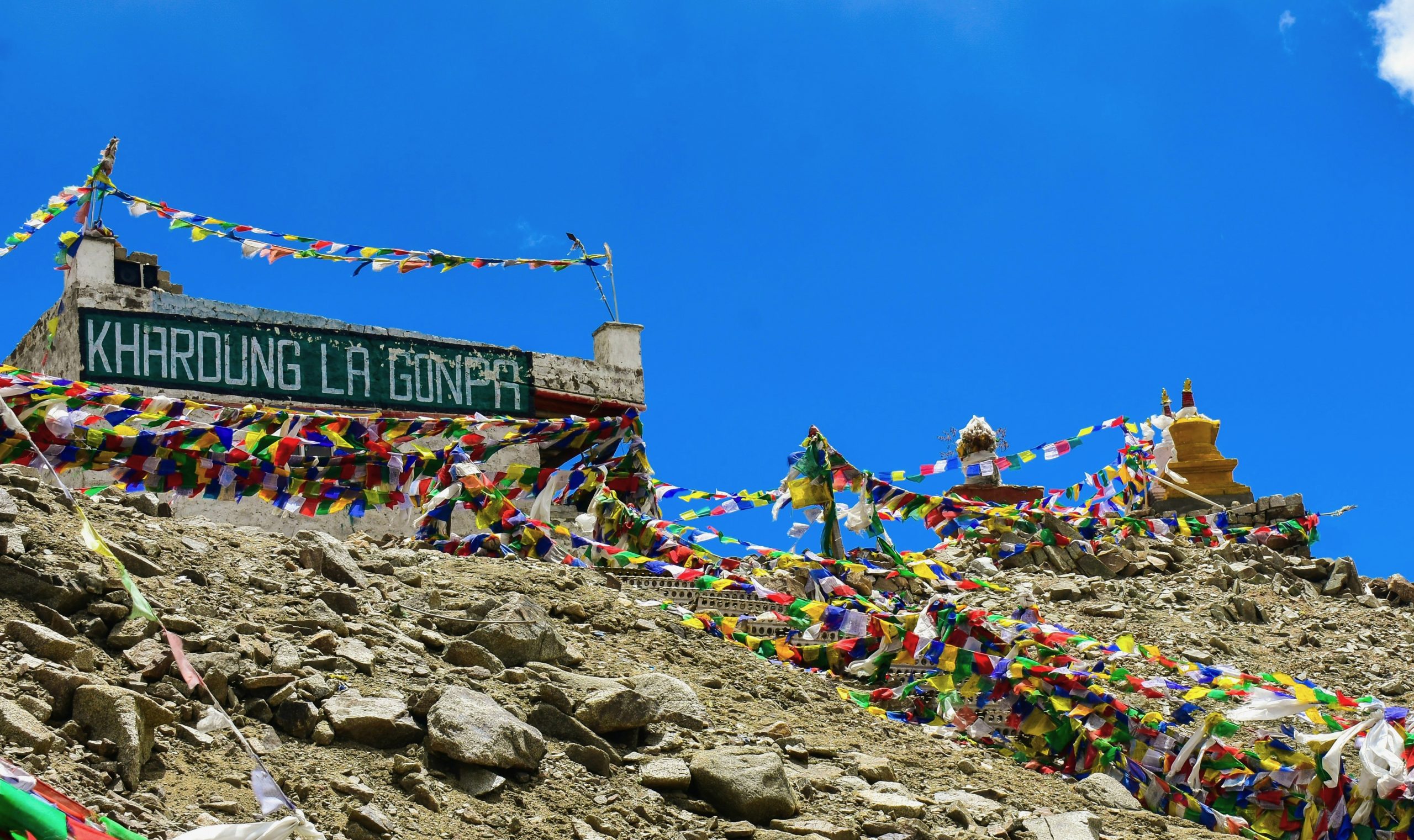
Today is one of the most exciting highlights of your Ladakh journey. After breakfast, drive from Leh towards the stunning Nubra Valley, via the iconic Khardung La Pass(5,359m/17,582ft), one of the highest motorable roads in the world.
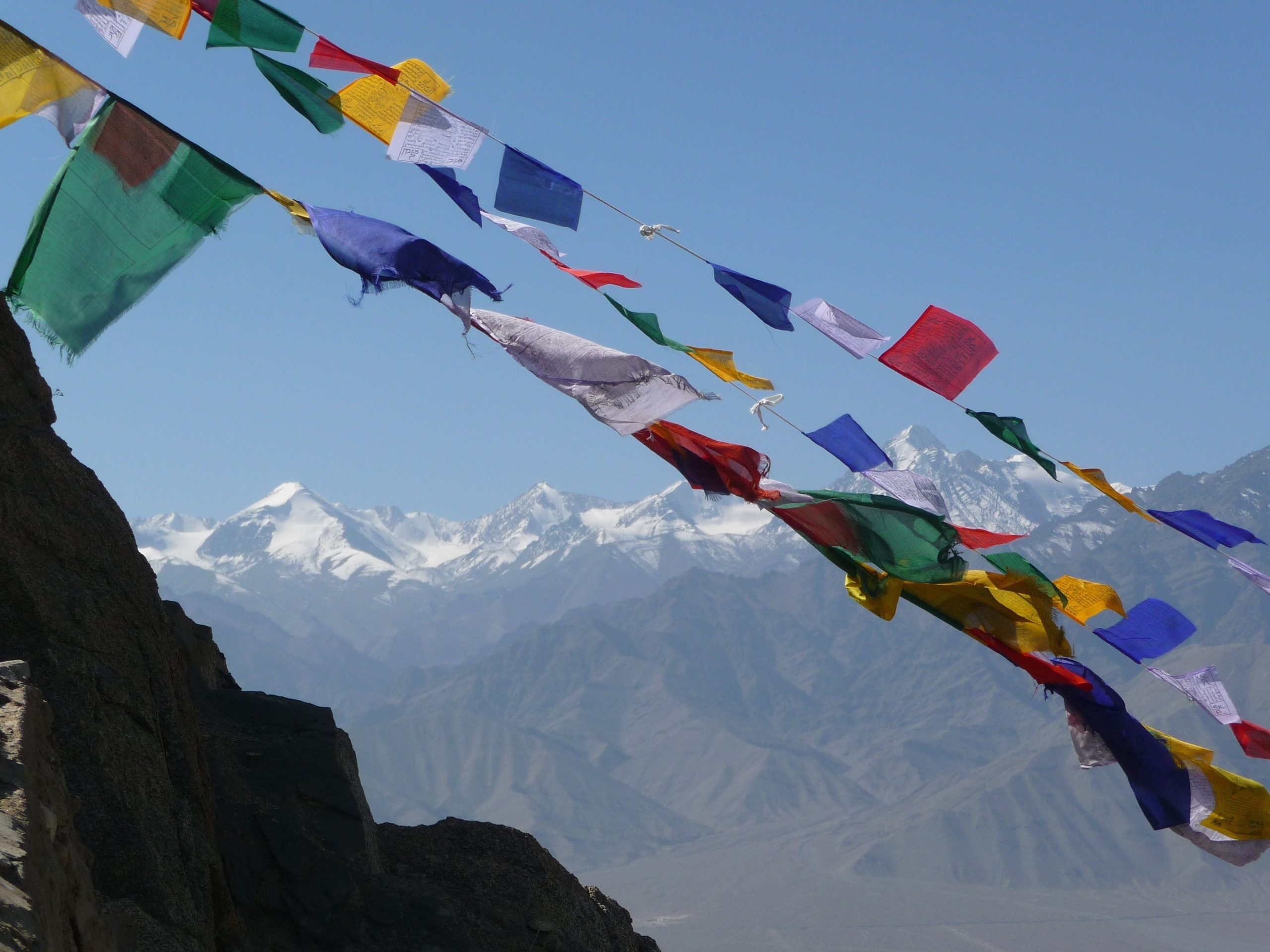
As you ascend, the scenery changes dramatically, from small patches of greenery to rugged mountains and snow-covered landscapes. At the top, take a short break to enjoy the views, click photos, and sip a hot drink while feeling the crisp mountain air. Be sure to stay warm, as temperatures here remain cold throughout the year.
Descending from Khardung La, the landscape shifts once again. You’ll enter the unique high-altitude desert of Nubra Valley, where dunes sit between towering mountains. Visit Diskit Monastery, home to a large statue of Maitreya Buddha overlooking the valley.
By evening, arrive at Hunder, where you’ll check into your camp or hotel. If time and energy allow, enjoy a ride on the famous double-humped Bactrian camels across the dunes, an unforgettable experience in this surreal landscape.
Day 04: Nubra Valley to Pangong Lake
4,350m/14,270ft
Tented Camps
Breakfast, Dinner
6 hrs to 6:30 hrs
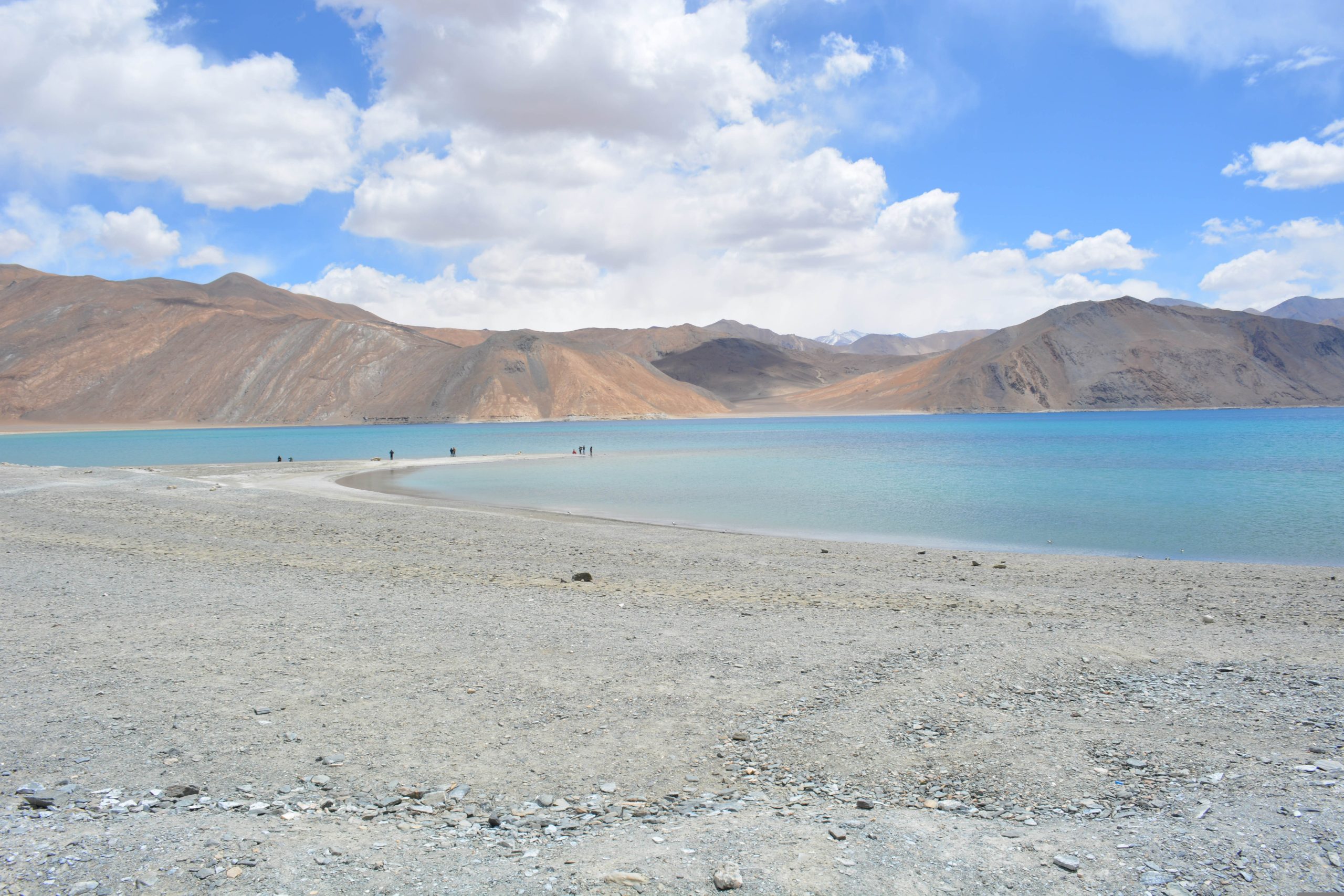
Today is one of the most memorable days of your Ladakh trip. After breakfast, drive from Nubra Valley to the breathtaking Pangong Lake, following the scenic route along the Shyok River. The journey takes around 5-6 hours and offers beautiful views of mountains, valleys, and remote landscapes along the way.
As you get closer, the scenery becomes more open and dramatic, until suddenly, Pangong Lake appears. Located at about 4,350 meters, this stunning lake is famous for its ever-changing shades of blue, from turquoise to deep sapphire, depending on the sunlight.
Spend some peaceful time by the lake, soaking in the views and the quiet surroundings. In the evening, enjoy the calm atmosphere as the temperature drops slightly. Overnight stay will be in camps or simple lodges near the lake, making it a truly unique experience.
Day 05: Pangong Lake to Leh via Chang La Pass
5,360m/17,585ft
Hotel
Breakfast, Dinner
6 to 7 hrs
Wake up early and start your day at Pangong Lake, where the sunrise paints the sky and lake in beautiful changing colors. It’s a peaceful and memorable moment, perfect for enjoying the calm surroundings before leaving.
After breakfast, begin your journey back to Leh via the high-altitude Chang La Pass. The drive takes around 5-6 hours, offering scenic views of mountains and vast landscapes along the way.
Once you arrive in Leh, you can relax or explore the local market if you have the energy. The evening is a great time to shop for souvenirs like handmade crafts, woolen items, or local specialties, and enjoy a nice meal at one of the town’s cozy restaurants.
Day 06: Departure
3,500m/11,480ft
Breakfast
Your final morning in Ladakh begins on a reflective note. After breakfast, prepare for your departure and head to the airport in Leh.
If you have some extra time before your flight, you can take a short walk around the local market for last-minute shopping or simply enjoy the peaceful atmosphere one last time.
As you board your flight and leave the mountains behind, you carry with you unforgettable memories of Ladakh’s landscapes, culture, and unique experiences, leaving you with a desire to return again someday.
Want to customize your trip?
We ensure every trip meets your expectations — customize your itinerary anytime to match your travel style and preferences.

Inclusions
What’s Covered in Your Adventure
- Transportation: Pick up & drop off from your point of arrival and all transfers for the sightseeing tour by private vehicles or shared transportation
- Accommodation (Hotel/Guesthouse/Camp) with a double or twin sharing basis
- Meals: (Breakfast and Dinner)
- Experience Local Tour Guide
- All necessary permits
- All applicable taxes
- International or domestic flight
- Travel Insurance
- Any kind of extra meals or drinks
- Your personal expenses
- Other Activities that are not mentioned in the itinerary
Good to Know
Your Journey, Step by Step
Difficulty Level
A Ladakh tour is generally considered moderate in difficulty, making it suitable for travelers who are comfortable with some long drives, basic walking, and high-altitude conditions. Most sightseeing and trekking in Ladakh do not require technical skills, but the terrain can be rugged, roads winding, and distances between destinations long.
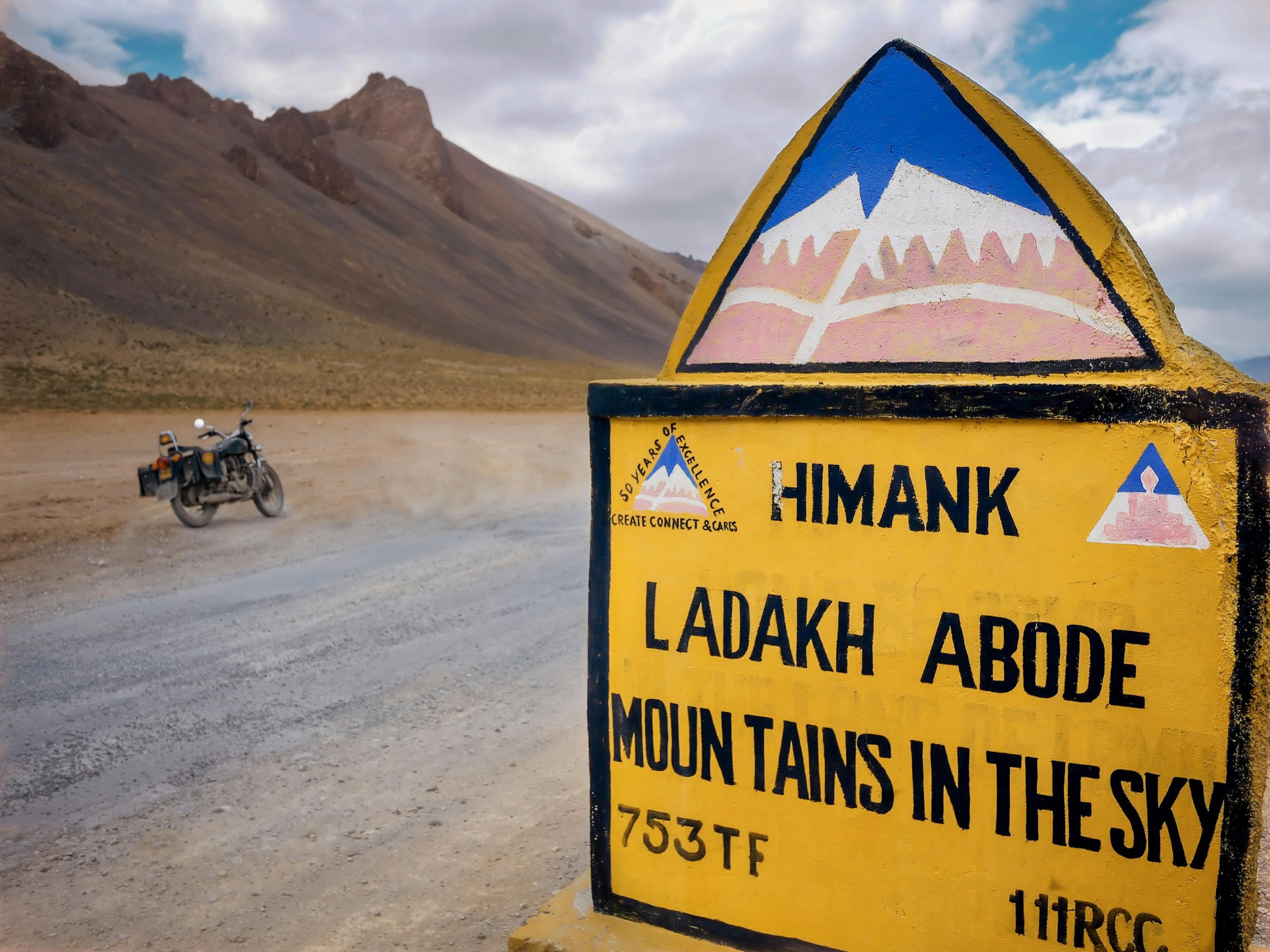
The main challenge comes from the high altitude, which can make even simple activities like walking or climbing stairs feel more strenuous. Travelers should expect early mornings, long days on the road, and occasional cold or windy conditions, especially in remote valleys and high passes like Khardung La or Chang La.
Most itineraries are carefully planned with rest days and gradual acclimatization, so while the tour is adventurous, it’s manageable for healthy adults and teens who follow precautions. Good physical fitness, stamina for long drives, and readiness for altitude changes will make the experience much more enjoyable.
Permits for Ladakh Tour
Travelling in Ladakh requires certain permits, especially if you plan to visit remote and border areas. Understanding these permits in advance helps ensure a smooth and hassle-free journey.
Inner Line Permit (ILP): The Inner Line Permit (ILP) is mandatory for Indian travellers visiting restricted regions in Ladakh. These include popular destinations such as Nubra Valley, Pangong Lake, and Tso Moriri. This permit is issued by the local authorities in Leh and is usually arranged by your tour operator.
Protected Area Permit (PAP): Foreign nationals are required to obtain a Protected Area Permit (PAP) instead of an ILP. This permit is necessary for visiting the same restricted areas and must be obtained through a registered travel agency.
Foreign travellers are generally required to travel in a group (minimum 2 persons) to access these regions.
Where Are Permits Required?
Permits are needed for most high-altitude and border areas, including:
- Nubra Valley
- Pangong Lake
- Tso Moriri
- Hanle and other remote regions
No permit is required for staying within Leh town itself.
Permit Fees
Permit costs usually include:
- Government fee
- Environmental fee
- Red Cross contribution
These charges are often included in your Ladakh tour package, but it’s always good to confirm beforehand.
Processing Time
Permits are typically processed within a few hours to one working day in Leh. Many tour operators arrange them in advance so you can start your trip without delays.
Important Tips
- Always carry multiple photocopies of your permit, as they are checked at several checkpoints.
- Keep a valid ID (passport for foreigners, ID card for Indians).
- Follow all local regulations, especially in sensitive border areas.
Accommodation
Accommodation during a tour in Ladakh ranges from comfortable hotels to basic stays, depending on the location. In main towns, you’ll find better facilities, while remote areas offer simpler options focused more on experience than luxury.
In Leh, hotels and guesthouses provide the most comfort. Options range from budget rooms to luxury stays with modern amenities, hot water, and beautiful mountain views.
In regions like Nubra Valley, homestays are common. These are run by local families and offer a cultural experience with simple rooms and traditional home-cooked meals.
At scenic spots such as Pangong Lake, accommodation is mainly in tented camps. These are basic but comfortable, offering a unique stay close to nature with stunning views.
Along routes like the Manali-Leh Highway, you’ll find simple lodges. Facilities are minimal, making them suitable for short overnight stops during long journeys.
Overall, accommodation in Ladakh is simple yet memorable, with each stay offering a different experience shaped by the region’s remote and rugged landscape.
Food
Food during a tour in Ladakh is simple, hearty, and designed to suit the high-altitude environment. Meals are usually warm, filling, and mildly spiced to help with digestion and energy.
In towns like Leh, you’ll find a variety of options, including Indian, Tibetan, and even continental dishes. Cafes and restaurants serve everything from dal, rice, and noodles to pizzas and bakery items.
In rural areas such as Nubra Valley, food is more traditional and home-style. Homestays often serve local dishes like Thukpa, Momos, and butter tea, giving you an authentic taste of Ladakhi culture.
At remote places like Pangong Lake, food options are limited. Camps usually provide fixed meals, simple vegetarian dishes, soup, rice, and tea, due to limited resources and accessibility.
Overall, food in Ladakh may not be very diverse in remote regions, but it is nourishing and comforting, perfectly suited for travelers exploring the high mountains.
Altitude Sickness
When you embark on a Ladakh tour, you’ll be traveling at some of the highest elevations in the world, with places like Leh sitting at over 3,500 meters (11,500 ft) above sea level. At these heights, the air has less oxygen than you’re used to, which can sometimes lead to altitude sickness, also known as Acute Mountain Sickness (AMS).
Mild symptoms often include headache, nausea, fatigue, shortness of breath, or difficulty sleeping. These usually appear within the first 24-48 hours of arrival. Most travelers experience only minor discomfort, but it’s important to listen to your body, avoid strenuous activity initially, and drink plenty of water.
Tour operators design itineraries with gradual acclimatization, including rest days and easy drives before heading to higher passes or remote valleys. Carrying a small first-aid kit, taking oxygen if needed, and moving at a relaxed pace can help you enjoy your journey safely. With proper preparation, altitude sickness rarely prevents travelers from experiencing the stunning landscapes, serene lakes, and unique culture that make a Ladakh tour truly unforgettable.
Packing List
Packing for a trip to Ladakh requires careful planning due to its high altitude, cold climate, and remote conditions. Here’s a well-organized packing list to help you prepare:
Clothing Essentials
Pack warm layers, even in summer, as temperatures can drop quickly.
- Thermal innerwear (top & bottom)
- Fleece jacket or wool sweater
- Heavy down jacket (windproof)
- T-shirts (preferably quick-dry)
- Trekking pants and warm trousers
- Woolen cap, gloves, and scarf
- Comfortable sleepwear
Footwear
Good footwear is essential for walking and exploring.
- Sturdy trekking shoes (with good grip)
- Warm socks (woolen + cotton pairs)
- Flip-flops or sandals for casual use
Personal & Toiletries
Basic hygiene items may not always be available in remote areas.
- Toothbrush, toothpaste, face wash
- Moisturizer and lip balm (for dry climate)
- Sunscreen (SPF 50+) and sunglasses (UV protection)
- Quick-dry towel and wet wipes
- Hand sanitizer and tissues
Health & First Aid
High altitude requires extra care.
- Personal medications
- Basic first-aid kit (bandages, pain relief, antiseptic)
- Medicines for Altitude Sickness
- ORS or hydration salts
Travel Essentials
Keep important items handy at all times.
- Valid ID proofs and permits
- Cash (ATMs are limited outside Leh)
- Power bank and chargers
- Reusable water bottle
- Backpack (daypack for daily use)
Extras (Optional but Useful)
These items can enhance your travel experience.
- Camera or smartphone with extra memory
- Snacks (energy bars, dry fruits)
- Travel pillow and eye mask
- Torch or headlamp
Overall, pack light but smart for Ladakh, focus on layering, essentials, and comfort to ensure a safe and enjoyable trip.
Travel Tips for Ladakh
Before finalizing your Ladakh trip, it’s worth keeping a few practical tips in mind to ensure a smooth and comfortable journey. A little preparation can save you from common challenges many travelers face.
It’s always a good idea to carry enough cash. ATMs in Leh can be unreliable, especially during peak travel season, and may not always have cash available. If you’re heading to remote areas, withdrawing money in advance is the safest option.
Make sure to arrange the necessary permits before your trip. Certain areas in Ladakh require special permissions for non-residents, so it’s best to get these sorted early to avoid last-minute hassle.
Staying hydrated is extremely important at high altitude. Drinking around 3-4 liters of water daily helps your body adjust better and reduces the risk of altitude-related discomfort.
Respect local culture and traditions. In Ladakh, religion plays a big role in everyday life. When visiting monasteries or stupas, dress modestly by covering your shoulders and legs, and always walk clockwise around religious sites as a sign of respect.
Finally, take it easy on your first day. Many travelers try to explore too much too soon, but your body needs time to adjust to the high altitude. Resting and moving slowly at the beginning will help you enjoy the rest of your trip safely.
FAQs
Your Questions, Answered
What is the best time for a 6-day Ladakh tour?
The best time to visit Ladakh is from May to September when the weather is pleasant, roads are open, and major attractions like Pangong Lake and Nubra Valley are fully accessible.
Do I need permits to visit Ladakh?
Yes, Inner Line Permits are required for areas like Nubra Valley and Pangong Lake. These are usually arranged by your tour operator.
How difficult is the Ladakh trip?
The trip is moderate in difficulty due to high altitude and long drives. Proper rest, hydration, and acclimatization make it comfortable for most travelers.
Can I face altitude sickness in Ladakh?
Yes, since Ladakh is a high-altitude region, some travelers may experience mild symptoms. Spending your first day resting in Leh helps your body adjust.
What kind of accommodation is available?
You’ll find a range of options from budget guesthouses to comfortable hotels in Leh, and camps or basic stays in Nubra Valley and near Pangong Lake.
Is a mobile network available in Ladakh?
Mobile connectivity is mostly available in Leh. Networks are limited or unavailable in remote areas like Nubra Valley and Pangong Lake.
Is Ladakh safe for travelers?
Yes, Ladakh is generally very safe for tourists. However, it’s important to follow local advice, respect weather conditions, and travel responsibly.

Reviews
What Our Travelers Say
Based on 0 ratings
View OurSimilar Packages
Discover our top tours, loved by thousands of travelers annually. Choose the adventure that inspires you and embark on a journey tailored to your desires.
View All Packages