
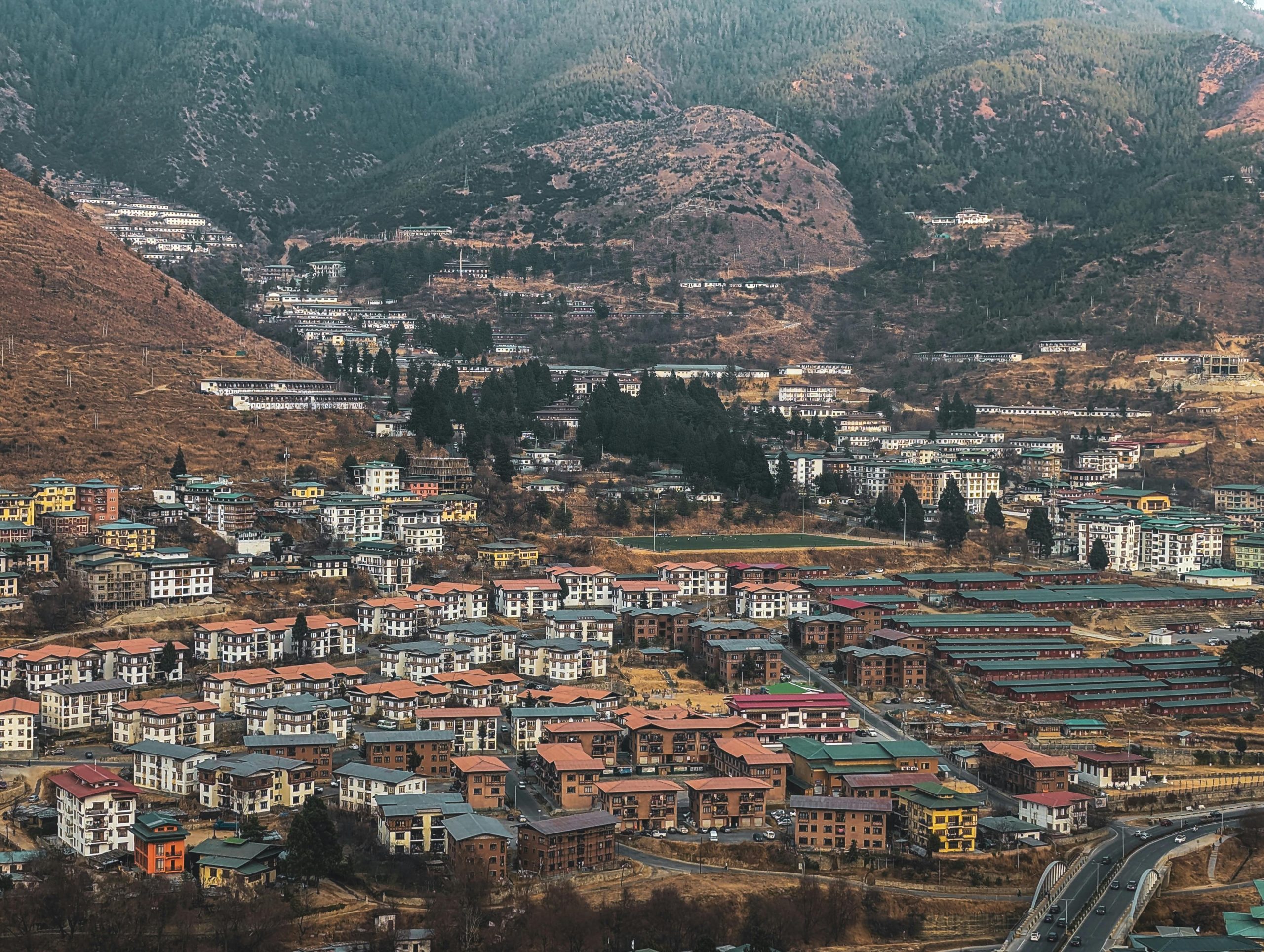
Nepal Bhutan Tour – Best Cultural & Himalayan Journey


5(49)


Itinerary
Your Journey, Step by Step
Day 01: Arrival in Kathmandu

1,400m/4,600ft
Hotel
The view of snow-capped mountain peaks greets you as you fly into Kathmandu. Upon your arrival at Tribhuvan International Airport in Kathmandu, the Bold Himalaya representative will pick you up and transfer you to the hotel. Rest, or explore the streets of Thamel.
In the evening, you’ll have a short briefing about the tour. Overnight in Kathmandu.
Day 02: Kathmandu sightseeing
1,400m/4,600ft
Hotel

Breakfast
After breakfast, you’ll start your Kathmandu sightseeing journey in Kathmandu, exploring its rich culture, history, and spirituality in a short and memorable day.
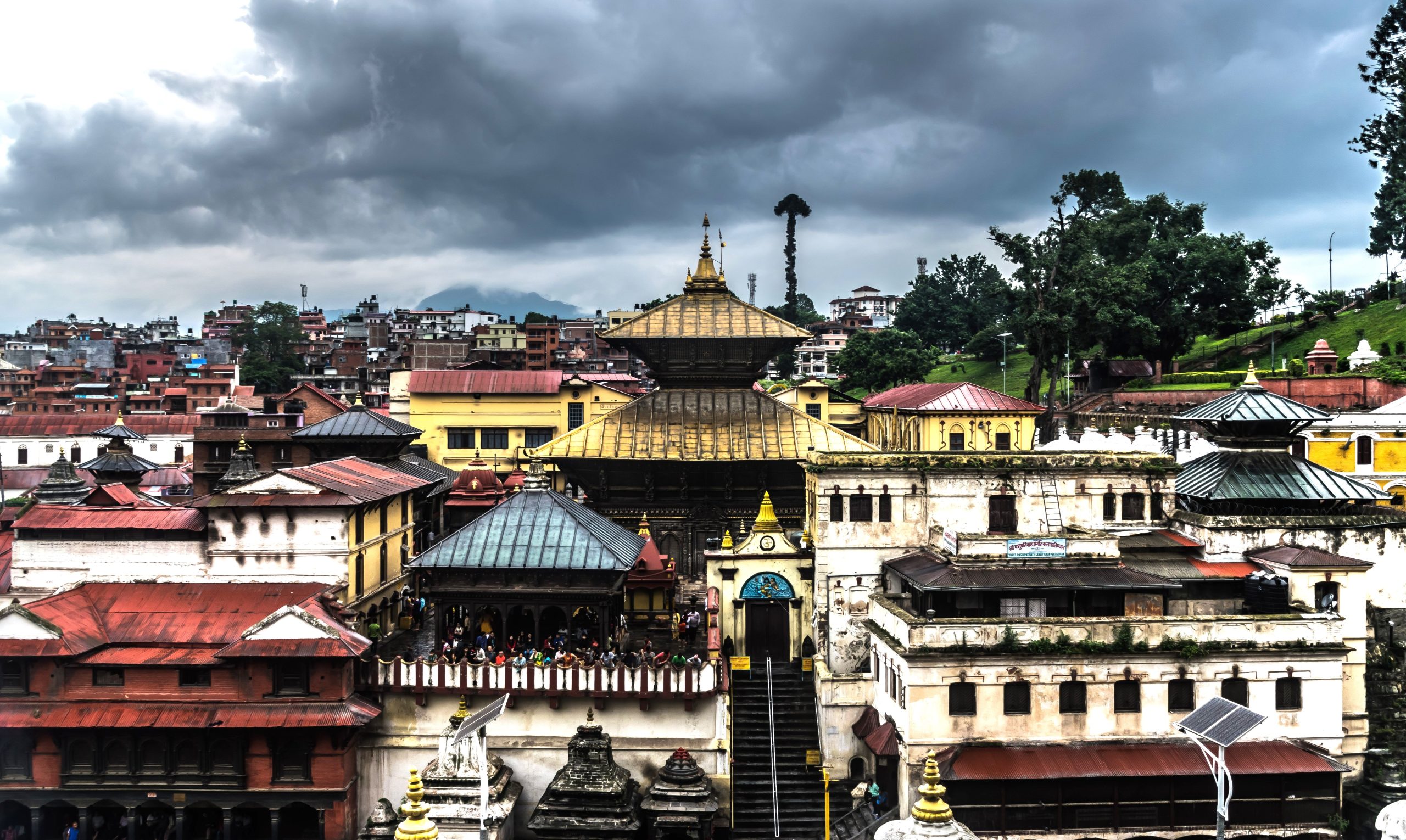
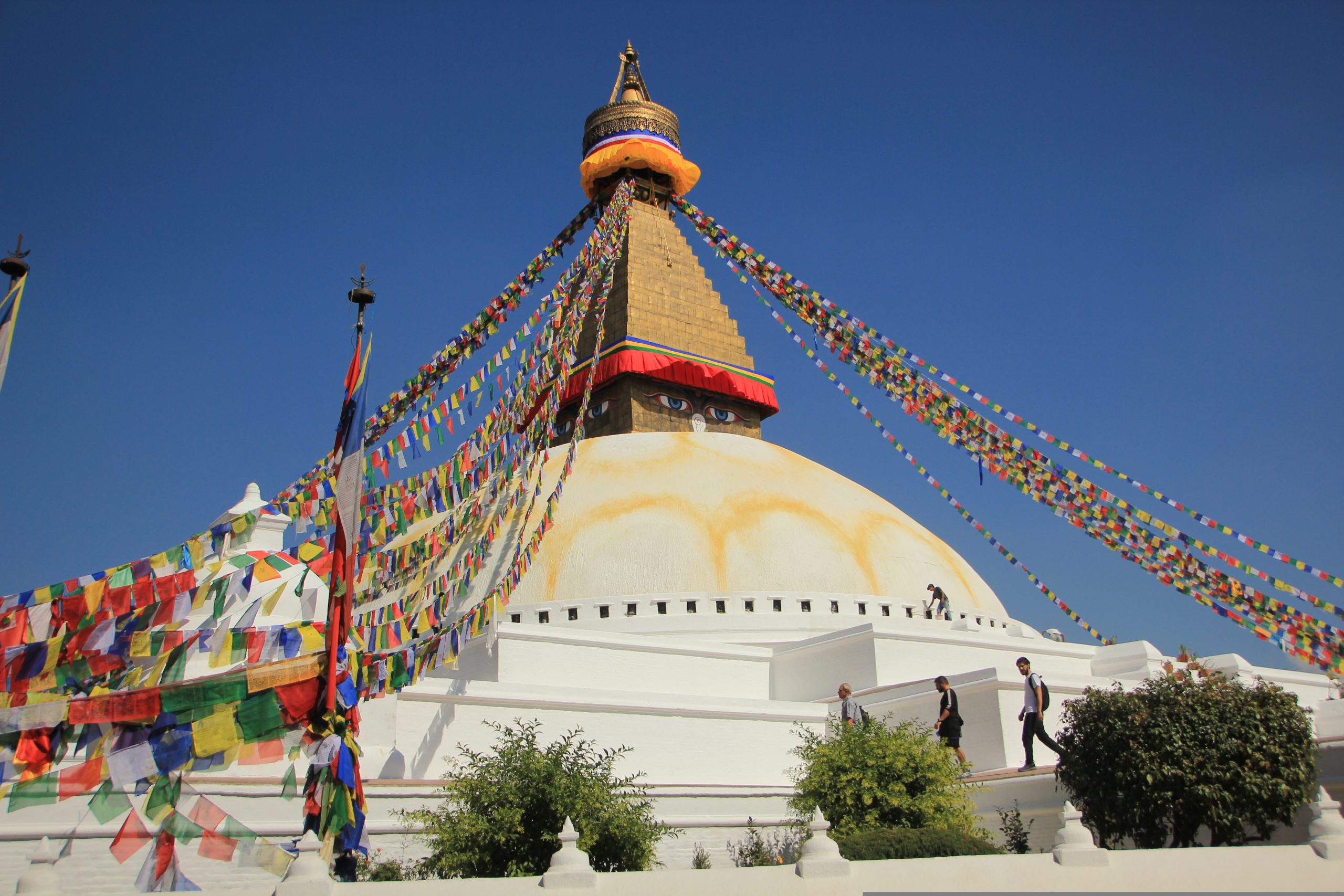
First, you’ll visit the sacred Pashupatinath Temple, where you can witness deep Hindu rituals along the Bagmati River. Then, you’ll head to the peaceful Boudhanath Stupa, a massive Buddhist stupa surrounded by prayer flags and monasteries.
Next, you’ll explore the famous Swayambhunath Stupa (Monkey Temple), offering panoramic views of the valley along with a spiritual atmosphere filled with prayer wheels and fluttering flags. From there, you’ll visit the historic Patan Durbar Square, where ancient palaces, temples, and intricate wood carvings showcase Nepal’s royal past and Newari architecture.
Then, you can explore local markets like Thamel, where narrow streets are filled with handicrafts, souvenirs, cafes, and vibrant energy.
Day 03: Visit Kathmandu Durbar Square, and drive to Bandipur
1,030m/3,380ft
Hotel
Breakfast
4-5 hours drive
Today, you’ll begin your day in Kathmandu with a visit to the historic Kathmandu Durbar Square, where ancient palaces, temples, and intricate Newari architecture showcase the city’s royal heritage and living culture.
After exploring the square, you’ll start a scenic drive toward Bandipur, which is around 143km from Kathmandu. The journey takes you through winding highways, riverside views, and beautiful countryside landscapes of Nepal.
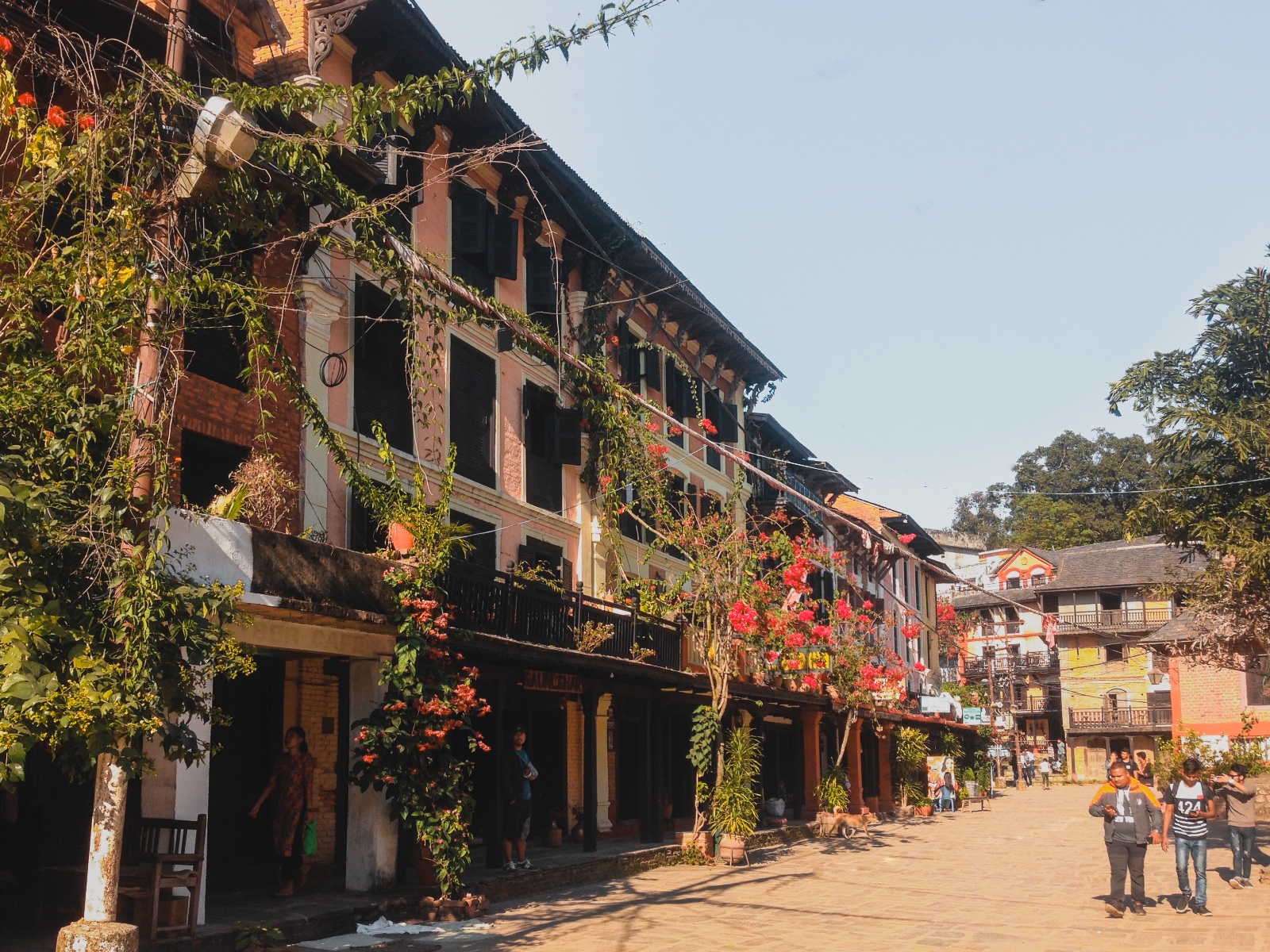
By late afternoon, you’ll reach Bandipur, a peaceful hilltop town known for its preserved culture, quiet streets, and stunning Himalayan views. Here, you can relax, walk around the traditional settlement, and enjoy a calm evening away from city life. Overnight in Bandipur.
Day 04: Sunrise at Bandipur and Drive to Pokhara
822m/2,697ft
Hotel
Breakfast
3 hours drive
Wake up early in Bandipur to witness a peaceful sunrise over the Himalayas, as the first light slowly reveals distant snow-capped peaks. The quiet morning and fresh mountain air make this moment truly special. Return, have breakfast, and drive towards Pokhara.
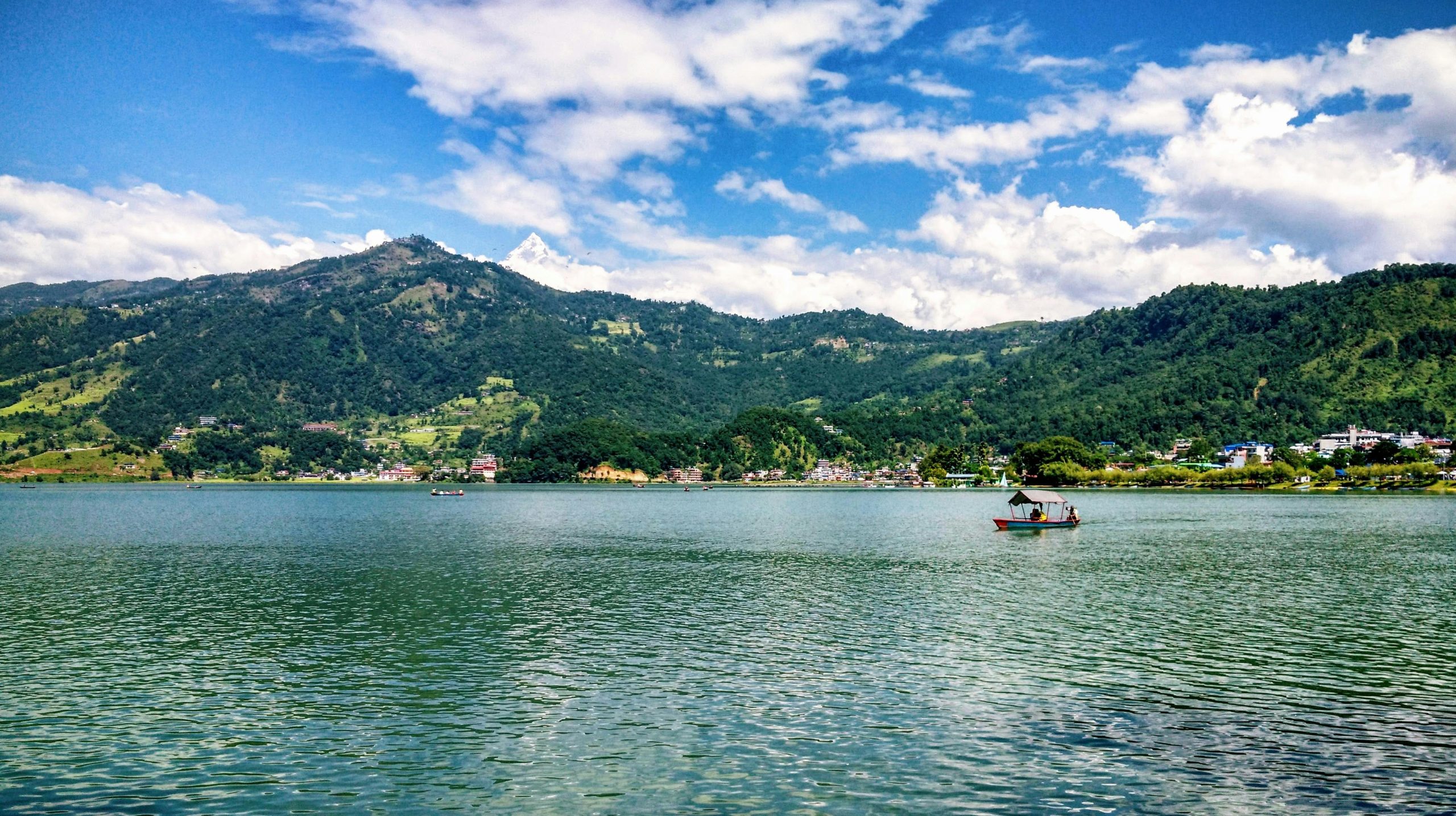
Upon arrival in Pokhara, we begin exploring the city’s highlights. You’ll visit the tranquil Phewa Lake, where the reflection of the Annapurna Range creates a picture-perfect setting. Explore the impressive Devi’s Falls, a unique waterfall known for its underground flow, followed by a visit to the nearby Gupteshwor Mahadev Cave, a sacred cave housing a revered Shiva shrine.
To complete the experience, you can take time to stroll around the vibrant lakeside area, offering a mix of relaxation, local culture, and scenic beauty. Overnight in Pokhara.
Day 05: Sunrise at Sarangkot and Drive to Chitwan
150m/490ft
Hotel
Breakfast, Lunch, Dinner
5-6 hours
Start the day early with a breathtaking sunrise from Sarangkot, one of the best viewpoints in Nepal. As the sun rises, golden light illuminates the majestic peaks of the Annapurna Range and Dhaulagiri, creating an unforgettable panorama that perfectly captures the beauty of the Himalayas.
After soaking in the views, you’ll have breakfast and drive towards Chitwan. The landscape gradually changes from mountains to subtropical plains, offering a completely different side of Nepal. In the evening, as the day winds down, enjoy a relaxing walk around the local Tharu village to gain insight into the indigenous culture and lifestyle. Overnight in Chitwan.
Day 06: Full-Day Chitwan Jungle Exploration
150m/490ft
Hotel
Breakfast, Lunch, Dinner
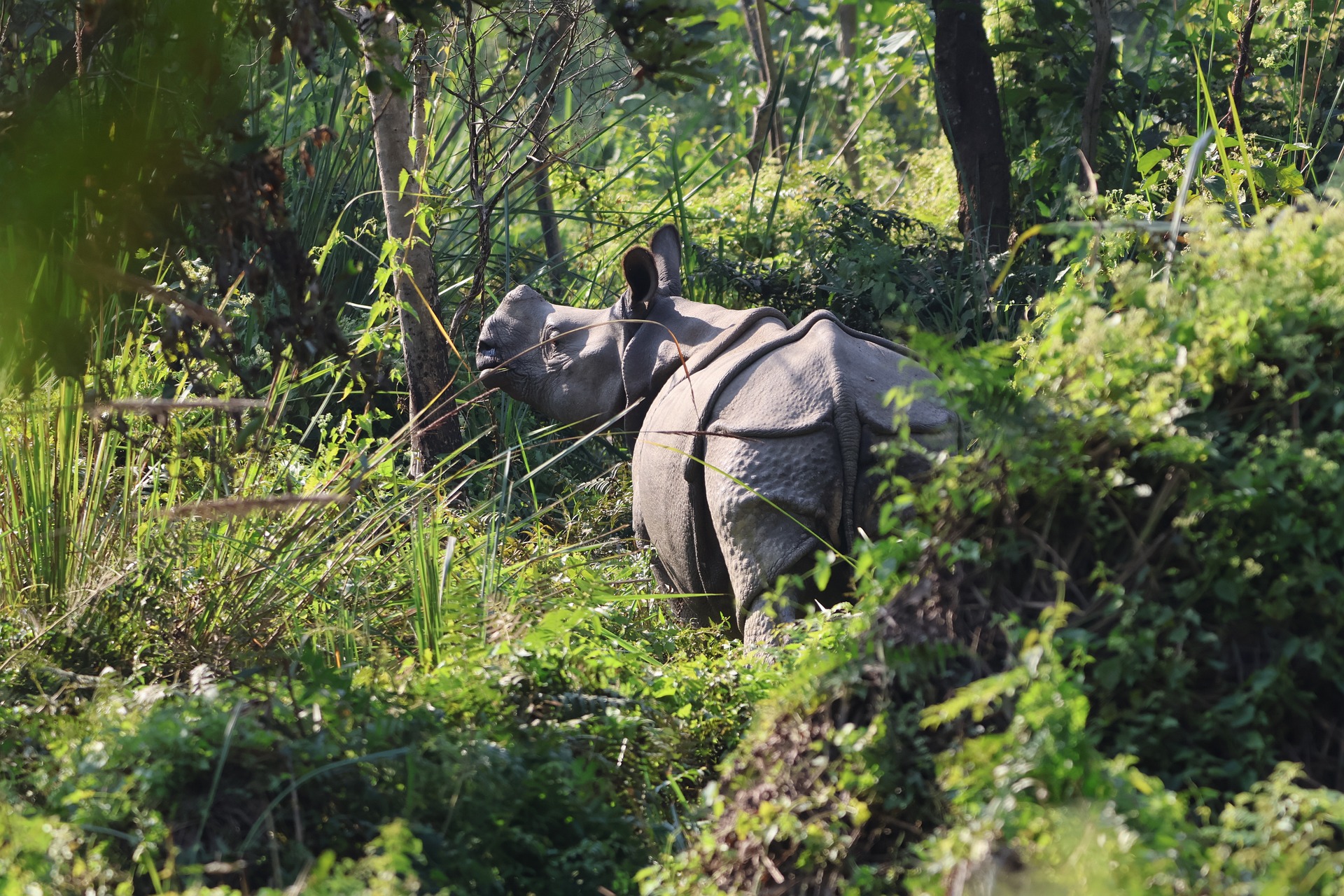
Today is dedicated to exploring the rich wildlife of Chitwan National Park. You’ll venture deep into the jungle on a jeep safari, where you may encounter one-horned rhinos, spotted deer, crocodiles, and a variety of bird species. The experience is both exciting and peaceful, as you move through forests and grasslands guided by experts.
You may also enjoy canoe rides along the river or visit a local conservation center, gaining insight into Nepal’s wildlife preservation efforts. In the evening, witness a vibrant Tharu cultural dance performance, showcasing traditional music and rituals.
Day 07: Drive Back to Kathmandu
1,400m/4,600ft
Hotel
Breakfast
5-7 hours
After breakfast, you’ll begin your return journey to Kathmandu. The drive offers a chance to relax and reflect on the diverse experiences you’ve had, from mountains to jungles. As you re-enter the valley, the familiar energy of the capital welcomes you back. In the evening, you can explore local markets, enjoy a nice dinner, or simply rest at your hotel.
Day 08: Fly to Paro & Drive to Thimphu
2,320m/7,610ft
Hotel
Breakfast, Lunch, Dinner
Flight: 1 hr & Drive: 1-1.5 hrs to Thimphu
Today, you’ll take a scenic flight from Kathmandu to Paro, often considered one of the most beautiful flights in the Himalayas. On clear days, you can even catch glimpses of Mount Everest and other towering peaks. Upon arrival, you’ll drive to Thimphu, enjoying clean air, quiet roads, and untouched landscapes.
After checking in, have some rest and begin exploring the city’s cultural sites and get a first impression of Bhutan’s peaceful and unique way of life.
Day 09: Thimphu Sightseeing & drive to Punakha
1,200m/3,937ft
Hotel
Breakfast, Lunch, Dinner
3 hours drive
You’ll spend your morning exploring Thimphu, visiting peaceful monasteries, local markets, and cultural sites that give you a closer look at Bhutan’s traditions and daily life. The city has a calm and relaxed atmosphere, making it very different from busy cities and easy to enjoy at a slow pace.
After lunch, you’ll begin your drive to Punakha, which is about 70 km and takes around 2.5 to 3 hours. On the way, you’ll pass through the scenic Dochula Pass, one of the most beautiful viewpoints in Bhutan. Here, you can stop to enjoy wide Himalayan views and see the famous 108 chortens decorated with colorful prayer flags. After a short break, you’ll continue your drive down into the warmer Punakha valley, surrounded by rivers and lush greenery.
Day 10: Explore Punakha & Return to Paro
2,200m/7,200ft
Hotel
Breakfast, Lunch, Dinner
3-4 hours drive
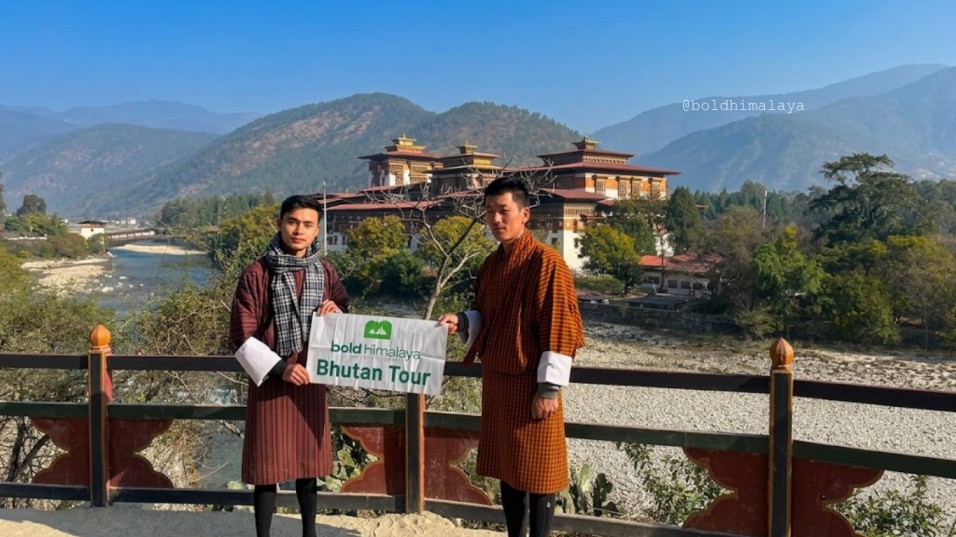
In the morning, visit the stunning Punakha Dzong, one of Bhutan’s most impressive architectural masterpieces, located at the meeting point of two rivers, Pho and Mo Chu. The peaceful surroundings and intricate design make it a truly special place to explore.
After lunch, you’ll begin your drive back to Paro, which is around 115 km and takes about 3 to 4 hours. The journey takes you back over the scenic Dochula Pass, enjoying the scenic countryside and quiet beauty of Bhutan along the way. By evening, you’ll arrive in Paro, where you can relax or take a gentle walk around the town.
Day 11: Hike to Tiger Nest's Monastery & explore Paro
3,120m/10,240ft
Hotel
Breakfast, Lunch, Dinner
2-3 hours hike
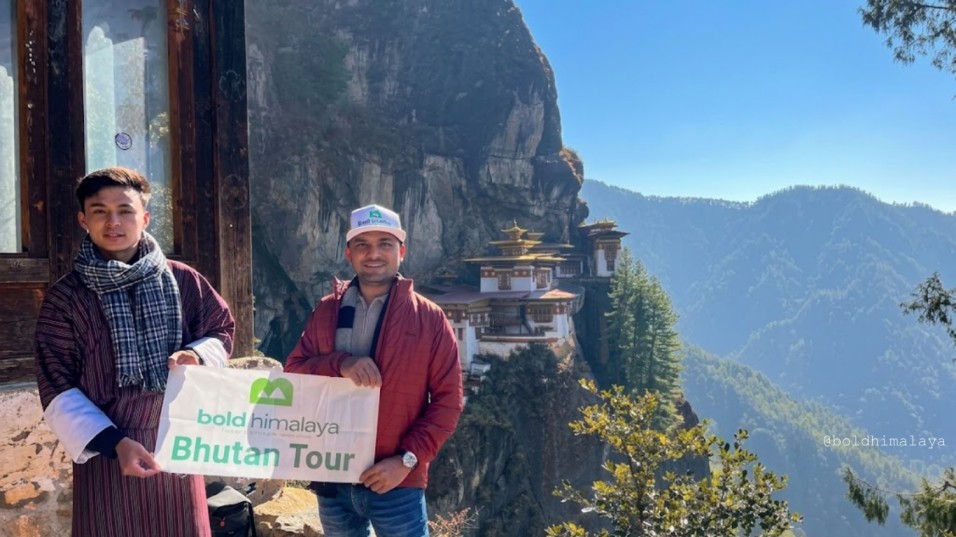
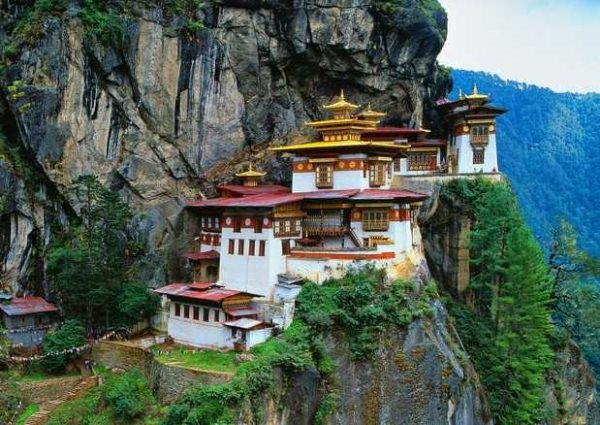
Today is one of the most unforgettable days of your journey. You’ll hike up to the iconic Tiger’s Nest Monastery, dramatically perched on a cliffside. The trail takes you through pine forests and scenic viewpoints, making the journey as rewarding as the destination.
After the hike, spend your afternoon exploring Paro town, visiting local shops, or simply relaxing after an inspiring day. Overnight in Paro.
Day 12: Fly from Paro to Kathmandu
1,400m/4,600ft
Hotel
Breakfast
Flight: 1 hr-15 mins
After breakfast, you’ll board your flight from Paro back to Kathmandu. The aerial views of the Himalayas once again offer a breathtaking farewell to the mountains. Once you arrive, you’ll have some free time to revisit favorite spots, do last-minute shopping, or enjoy a quiet evening.
Day 13: Final Departure
Breakfast
30-40 mins
Your journey comes to an end today. After breakfast, you’ll be transferred to the airport for your onward flight. As you leave, you’ll carry with you unforgettable memories of Nepal and Bhutan, a journey filled with culture, nature, wildlife, and moments of peace that stay with you long after the trip is over.
Whether you’re interested in more tours or trekking adventures, Bold Himalaya is always ready to help you create a memorable and well-planned experience.
Want to customize your trip?
We ensure every trip meets your expectations — customize your itinerary anytime to match your travel style and preferences.
Inclusions
What’s Covered in Your Adventure
- All Airport transfers (arrival & departure)
- 3-star hotel accommodation (Kathmandu, Bandipur, Pokhara, Chitwan) with breakfast
- Domestic flight (Kathmandu–Pokhara)
- All entrance fees during sightseeing
- Private vehicle with driver for all transfers and tours
- English-speaking guide
- Chitwan jungle activities (safari, canoeing, nature walk, etc.)
- Round-trip flights (Kathmandu–Paro–Kathmandu)
- Bhutan visa fee, permits, and Sustainable Development Fee (SDF)
- 3-star hotel accommodation in Bhutan
- All meals as per itinerary (B, L, D)
- Private transportation and sightseeing
- English-speaking licensed Bhutanese guide
- Entrance fees to monuments and museums
- All government taxes and service charges
- International airfare to/from Nepal
- Nepal visa fee
- Lunch and dinner in Kathmandu and Pokhara
- Personal expenses (laundry, drinks, tips, etc.)
- Travel insurance
- Any additional services not mentioned in the inclusions
Good to Know
Your Journey, Step by Step
Documents Required
Traveling to Nepal and Bhutan requires a few essential documents, and preparation in advance ensures a smooth journey. For Nepal, most travelers can obtain a visa on arrival at the airport by presenting a valid passport (with at least 6 months’ validity), a passport-sized photo, and the required visa fee. Alternatively, visas can be arranged in advance through embassies.
For Bhutan, all international travelers (except citizens of India, Bangladesh, and the Maldives) must obtain a visa before arrival. This visa is processed through a licensed tour operator, and independent travel is not permitted. You will need a passport with at least 6 months’ validity, and your visa clearance letter will be issued before your trip.
It is also recommended to carry multiple copies of your passport, travel insurance documents, flight tickets, and itinerary details. Travel insurance covering medical emergencies and trip interruptions is highly advised for both countries. Keeping digital copies of all important documents can be helpful in case of loss or emergencies.
Accommodation During Nepal Bhutan Tour
Accommodation during a combined tour of Nepal and Bhutan is typically arranged in comfortable standard 3-star hotels, offering a pleasant balance of quality, convenience, and local character.
In Nepal, you can expect well-located hotels in major destinations such as Kathmandu, Pokhara, and Chitwan. These properties generally feature clean and cozy rooms with attached bathrooms, air conditioning or heating (depending on the season), Wi-Fi access, and in-house restaurants serving a mix of local and international cuisine. The atmosphere is often warm and welcoming, with a touch of Nepali hospitality.
In Bhutan, 3-star accommodations are carefully selected government-approved hotels that reflect traditional Bhutanese architecture and design. In destinations like Thimphu, Paro, and Punakha, hotels provide comfortable rooms with modern amenities such as private bathrooms, heating systems, and attentive service. While facilities may be simpler compared to luxury options, they are clean, well-maintained, and rich in cultural charm.
Transportation
Transportation is a mix of private vehicles and short flights. In Nepal, you’ll travel by comfortable private vehicles between destinations like Pokhara and Chitwan. The flight between Kathmandu and Paro is one of the most scenic Himalayan flights.
In Bhutan, all travel is arranged with private vehicles and a guide for a smooth experience.
Packing List for this tour
Packing for a journey across Nepal and Bhutan means preparing for a mix of climates—cool mountains, warm valleys, and cultural sightseeing.
Clothing
- Light, breathable clothes (for daytime)
- Warm layers (fleece/jacket for mornings & evenings)
- Down jacket (especially in cooler months)
- Comfortable trekking pants or jeans
- T-shirts & long-sleeve shirts
- Modest clothing (for temples & monasteries)
- Sleepwear & undergarments
Footwear
- Comfortable walking shoes or trekking shoes
- Sandals or flip-flops (for hotels/lakeside areas)
- Warm socks
Accessories
- Sunglasses
- Hat or cap
- Light scarf or shawl (useful for temples/monastery visits)
- Gloves (if traveling in colder months)
Personal Essentials
- Sunscreen (high SPF)
- Lip balm & moisturizer
- Personal toiletries
- Hand sanitizer & wet wipes
Health & Safety
- Basic first aid kit
- Personal medications
- Motion sickness tablets (for mountain roads)
- Reusable water bottle
Electronics
- Phone & charger
- Power bank
- Camera
- Universal travel adapter
Travel Documents
- Passport (valid for 6 months)
- Visa documents
- Travel insurance
- Flight tickets & copies
Extra Useful Items
- Small daypack (for daily sightseeing)
- Snacks (energy bars, nuts)
- Notebook or journal
- Lightweight rain jacket (especially in the monsoon season)
Internet and Connectivity
Wi-Fi is available in most hotels in both Nepal and Bhutan, though the speed may vary in remote areas. In Nepal, local SIM cards with data are easy to purchase. Bhutan also offers tourist SIM cards, but connectivity may be limited in mountainous regions, allowing you to truly disconnect and enjoy the surroundings.
Cultural Etiquette
When traveling through Nepal and Bhutan, respecting local customs and traditions is an important part of the experience. Both countries are deeply rooted in spiritual and cultural values, and a little awareness goes a long way in creating meaningful interactions.
In religious sites like Pashupatinath Temple or Tiger’s Nest Monastery, it’s important to dress modestly; covering shoulders and knees is recommended. Shoes should always be removed before entering temples or monasteries, and it’s best to maintain a quiet and respectful attitude while inside.
When walking around stupas or prayer wheels, such as at Boudhanath Stupa, always move in a clockwise direction, following local tradition. Avoid touching sacred objects or pointing your feet toward religious symbols, as this is considered disrespectful.
Photography is generally allowed in many places, but it’s polite to ask for permission before taking photos of people, monks, or religious ceremonies. In some monasteries, photography inside may be restricted.
Simple gestures also matter, greeting people with a smile, using your right hand when giving or receiving items, and showing patience in local settings reflects respect for the culture. By being mindful and open, you not only avoid misunderstandings but also gain a deeper, more authentic connection with the places you visit.
Currency and Payment
When traveling through Nepal and Bhutan, understanding how currency and payments work will make your journey smoother and more comfortable.
In Nepal, the local currency is the Nepalese Rupee (NPR), while Bhutan uses the Ngultrum (BTN), which is equal in value to the Indian Rupee. In cities like Kathmandu and tourist areas such as Pokhara, ATMs are widely available, and credit or debit cards are accepted in many hotels, restaurants, and shops. However, it’s always a good idea to carry some cash for small purchases, local markets, or remote areas.
In Bhutan, most expenses such as accommodation, meals, transport, and guide services are usually included in your tour package, which makes daily spending quite simple. Still, carrying a small amount of cash is useful for personal expenses like souvenirs, snacks, or tips.
While digital payments are growing, both countries still rely significantly on cash, especially outside major cities. Inform your bank before traveling to avoid any issues with international transactions, and consider carrying some backup currency (like USD) for exchange if needed.
Travel Insurance
Travel insurance is highly recommended when visiting Nepal and Bhutan for a safe and worry-free journey. It should cover medical emergencies, trip cancellations, flight delays, and lost luggage.
It is especially useful during flights between Kathmandu and Paro, as well as activities like hiking to Tiger’s Nest Monastery or jungle safaris in Chitwan National Park.
In Bhutan, insurance is often required for tour approval, while in Nepal it is strongly advised. Overall, it ensures peace of mind throughout your Himalayan journey.
FAQs
Your Questions, Answered
How many days are ideal for this tour?
The ideal duration is 10 to 13 days, allowing enough time to explore major places like Kathmandu, Pokhara, Bandipur, and Bhutan’s highlights such as Thimphu and Paro.
What is the best time to visit Nepal and Bhutan?
The best time is spring (March–May) and autumn (September–November) when the weather is clear and perfect for sightseeing and mountain views.
Do I need a visa for Nepal and Bhutan?
Yes. Nepal offers a visa on arrival for most travelers. Bhutan requires a pre-arranged visa through a licensed tour operator before arrival.
Is the Nepal Bhutan Tour expensive?
Nepal offers flexible budgets, while Bhutan has a fixed daily tour cost that includes accommodation, meals, transport, and guide services.
What are the main attractions of this tour?
Key highlights include Pashupatinath Temple, Boudhanath Stupa, Chitwan National Park, Tiger’s Nest Monastery, and Punakha Dzong.
Is the tour physically difficult?
It is generally easy to moderate. However, activities like hiking to Tiger’s Nest Monastery require a reasonable level of fitness.
What type of accommodation is provided?
Accommodation ranges from comfortable hotels in cities like Kathmandu and Thimphu to cozy lodges in scenic areas, all included or pre-arranged in Bhutan packages.
What currency is used in Nepal and Bhutan?
Nepal uses the Nepalese Rupee (NPR), while Bhutan uses the Ngultrum (BTN), which is equal to the Indian Rupee.
Is the internet available during the tour?
Yes, Wi-Fi is available in most hotels, but connectivity may be limited in remote and mountainous areas.

Reviews
What Our Travelers Say
Based on 0 ratings
View OurSimilar Packages
Discover our top tours, loved by thousands of travelers annually. Choose the adventure that inspires you and embark on a journey tailored to your desires.
View All Packages