
Kanchenjunga Circuit Trek Food: What to Eat, Cost & Tips
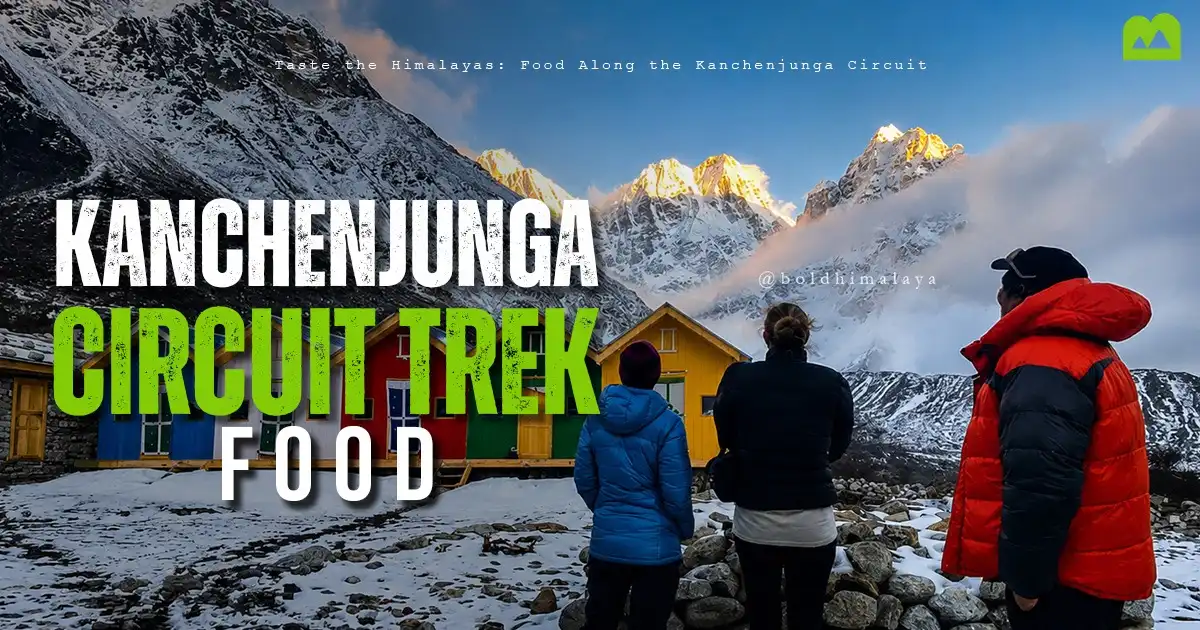
Food on the Kanchenjunga Circuit Trek is simple, warm and filling. Most meals are prepared at small teahouses and lodges along the route, where the menu depends on what can be brought into the remote mountain villages.
You will find familiar trekking meals such as dal bhat, noodles, fried rice, potatoes, eggs, soups and Tibetan bread. Lower villages usually offer more choices, while the menu becomes smaller as you move towards Ghunsa, Kambachen and Lhonak. Food also becomes more expensive at higher elevations because supplies have to travel farther into the mountains.
What Food Is Available on the Kanchenjunga Circuit Trek?
The main food available on the Kanchenjunga Circuit includes dal bhat, noodles, fried rice, soup, potatoes, eggs, bread and a few local dishes.
The exact choice depends on the village. In lower and more established settlements, you may find items such as momos, pasta or macaroni. Farther into the remote sections, meals tend to be simpler because carrying a large range of ingredients is difficult.
You should think of teahouse food as home-style trekking food, not restaurant food. The meals are mainly there to keep you warm, fed and ready for the next day’s walk.
What Do You Get for Breakfast?
Breakfast is usually light but filling enough for the morning walk. Common choices include:
- Porridge
- Tibetan bread
- Chapati
- Pancakes
- Eggs
- Cornflakes or muesli
- Toast with honey or jam
- Tea or coffee
Porridge, eggs, Tibetan bread and chapati are useful choices before a long walking day because they are simple and filling. Breakfast is usually served at the teahouse where you stay, and it is a good idea to order in advance when you plan to leave early.
What Do You Get for Lunch and Dinner?
Dal bhat is one of the most common meals for both lunch and dinner on the Kanchenjunga Trek. A typical plate includes rice, lentils, vegetables and pickle.
Other meals you may find include:
- Noodles or chowmein
- Fried rice
- Vegetable soup
- Thukpa
- Momos
- Pasta or macaroni
- Potatoes
- Chapati
- Simple vegetable dishes
The menu is usually wider at lower elevations. As you go deeper into the remote part of the trek, simple meals become the more realistic choice.
What Local Food Can You Try?
Food is also a chance to experience some of the local culture of eastern Nepal. Depending on where you stay and what a teahouse or family is preparing, you may come across dishes that are less common on the bigger trekking routes.
Thukpa
Thukpa is a hot noodle soup that is especially welcome on cold evenings. It can be made with vegetables, eggs or meat depending on what is available.
Momo
Momo are Nepali dumplings that may be filled with vegetables, cheese or meat. They are more likely to be found in the lower villages than in the highest parts of the trail.
Shakpa
Shakpa is a thick noodle-based dish found in some Himalayan communities. It is a good option when you want something warm and filling after walking.
Tibetan Bread
Tibetan bread is a common breakfast choice and is often served with honey, jam or another simple spread.
Riki Kur
Riki kur is a traditional potato pancake found in some eastern Himalayan communities. It is not available in every teahouse, so treat it as something to try when a local kitchen offers it.
Local Limbu Food
The lower sections of the Kanchenjunga region are home to Limbu communities. In places such as Yamphudin and Amjilosa, you may have the chance to eat traditional home-cooked food, depending on the family or lodge.
Does Food Change at Higher Altitudes?
Food choices become more limited as you move higher on the Kanchenjunga Circuit.
In villages such as Ghunsa, Kambachen and Lhonak, fewer ingredients are available than in the lower part of the route. Supplies have to be carried much farther, often by porters or pack animals, which also increases the price.
At higher elevations, it is better to expect basic meals such as dal bhat, noodles, soup, potatoes and eggs rather than a long menu.
This is also why carrying a few snacks from Kathmandu or Taplejung is useful.
How Much Does Food Cost on the Kanchenjunga Trek?
Food prices generally increase as you gain altitude. A meal that costs less in Taplejung can be considerably more expensive in remote villages because ingredients and supplies are harder to transport.
Prices vary between teahouses, but a rough guide is:
| Food | Approximate Cost |
| Breakfast | NPR 400–700 |
| Dal bhat | NPR 500–900 |
| Noodles / fried rice | NPR 400–800 |
| Soup | NPR 300–600 |
| Momos | NPR 500–800 |
| Tea / coffee | NPR 150–350 |
| Hot lemon / ginger tea | NPR 200–350 |
These are approximate ranges rather than fixed prices. Remote villages and higher elevations can be more expensive. Current trekking sources also show a wide difference between lower and higher settlements, so it is better to keep some extra budget for food and drinks.
For food alone, a budget of around NPR 1,500–2,500 per person per day is a reasonable starting point, although your actual spending can be higher in remote areas or if you buy several drinks and snacks.
Should You Carry Snacks?
Yes.Carrying a small supply of snacks is a good idea on the Kanchenjunga Circuit. You can carry:
- Nuts and trail mix
- Dried fruit
- Chocolate
- Energy bars
- Biscuits
- Granola bars
You can buy them in Kathmandu or Taplejung before heading into the more remote sections. Snacks are especially useful when there is a long gap between meals or when you want something quick while walking.
There is no need to carry large amounts of food because the teahouses provide your main meals.
What Can You Drink on the Kanchenjunga Trek?
Tea, coffee, hot lemon, ginger tea, soup and other hot drinks are commonly available along the route.
Warm drinks are especially useful in the colder villages. Water is also available, but you should not assume that water from a tap, spring or stream is safe to drink without treatment.
You can use boiled water, a filter or purification tablets. Carrying a reusable bottle is also more practical than depending on bottled water throughout the trek.
Bottled water becomes more expensive and less convenient as you move higher, so treating refill water is often the better option.
Is Vegetarian Food Available on the Kanchenjunga Trek?
Vegetarian food is widely available on the Kanchenjunga Circuit.
Dal bhat, vegetable curry, potatoes, noodles, fried rice, soup, bread and several breakfast dishes can normally be prepared without meat.
Vegetarian meals can also be a practical choice in the higher sections, where fresh meat is less readily available.
Can Vegans Eat on the Kanchenjunga Circuit?
Yes, but vegan trekkers should tell their guide and teahouses before the trek.
Vegetarian food is easier to find than strictly vegan food because milk, butter, ghee, cheese and eggs are commonly used in mountain kitchens. Simple meals such as rice, lentils, vegetables and potatoes can often be prepared without animal products when the kitchen is informed in advance.
It is also useful to carry a few snacks that you know are suitable for your diet.
Is Meat Available on the Kanchenjunga Trek?
Meat may be available in some lower villages, but it becomes less common as you go higher.
Fresh meat can be difficult to transport and store in remote villages, especially where refrigeration is limited. For this reason, many trekkers choose dal, beans and eggs as easier sources of protein at higher elevations.
If you do order meat, choose a place where it appears to be stored and prepared properly.
How Do You Stay Safe With Food and Water?
Food safety becomes more important when you are far from larger towns and medical facilities.
Eat Freshly Cooked Food
Hot, freshly prepared meals are generally the safer choice than food that has been sitting out for a long time.
Be Careful With Raw Food
Raw salads and unpeeled fruits can be harder to clean properly in remote areas. Cooked vegetables are a simpler option.
Treat Your Drinking Water
Use boiled, filtered or properly treated water rather than drinking untreated water directly from a tap, stream or spring.
Carry Basic Medicine
Bring any personal medicines you need, along with basic medicine for common stomach problems. It is better to have them with you before entering the remote sections.
What Food Should You Choose on Long Walking Days?
Choose food that you know you can eat comfortably and that gives you enough energy for several hours of walking.
A breakfast of eggs, porridge, Tibetan bread or chapati can work well before setting off. During the day, noodles, fried rice or another simple meal can give you a break before continuing.
For dinner, dal bhat is a practical choice because it combines rice, lentils and vegetables in one meal. You do not need to search for complicated dishes when a simple hot meal can do the job.
Your appetite can also change at higher elevations, so familiar food that you can eat comfortably is often more useful than trying something new on your hardest trekking days.
What Food Is Available During Camping Sections?
The Kanchenjunga route includes some remote sections where camping may be needed depending on the itinerary and current accommodation. During these sections, meals are prepared by a trekking cook rather than ordered from a teahouse.
The cooking team normally carries the ingredients and equipment needed for the group. Breakfast and dinner are prepared at camp, while lunch can be cooked along the trail or prepared in advance for longer walking days.
The menu is usually simpler than at a teahouse because everything has to be carried to the campsite.
How Can You Keep Food Costs Under Control?
Food is one of the daily expenses on a long trek, but a few simple choices can help.
Buy snacks before entering the remote sections, carry a reusable bottle and use treated water instead of buying bottled water every day.
It is also useful to carry enough Nepali cash, as card payments are not dependable in remote villages. Checking food prices at the teahouse before ordering can also help you keep track of your daily spending.
The goal should not be to eat less. You need enough food to support long walking days.
Final Thoughts
Food on the Kanchenjunga Circuit is simple, but there is enough variety to keep most trekkers comfortable throughout the journey. Dal bhat, noodles, soup, potatoes, eggs, bread and rice form the main part of the menu, while lower villages may offer momos, pasta and local dishes.
As you move higher, the choices become fewer and the prices rise. This is simply part of trekking in a remote region where every ingredient has to travel a long way before reaching the kitchen.
A few snacks from Kathmandu or Taplejung, safe drinking water and some extra cash can make the food side of the trek much easier. At the same time, trying local food when you get the chance adds something special to the experience.
You are not going to Kanchenjunga for a restaurant menu. You are going for the mountains, the villages and the long days on the trail. A warm plate of dal bhat after one of those days can be more than enough.
Kanchenjunga Circuit Trek Food FAQs
Can I get Western food on the Kanchenjunga Circuit?
Yes, some lower villages offer simple Western-style meals such as pasta, pancakes, toast and macaroni. As you go higher, the menu becomes smaller and local meals are easier to find.
Are fresh fruits and vegetables available on the Kanchenjunga Trek?
Fresh fruits and vegetables are easier to find in the lower villages but become limited at higher elevations. Meals in the remote sections rely more on potatoes, rice, lentils and other ingredients that are easier to transport and store.
Can I eat safely with a food allergy on the Kanchenjunga Trek?
Yes, but tell your guide and teahouse staff about your allergy before ordering. Because kitchens are small and ingredients may be shared, carry any essential medication and safe snacks with you.
Can I get boiled water on the Kanchenjunga Trek?
Yes. Teahouses can provide boiled water for an extra charge. You can also treat refill water with purification tablets or a filter.
Are there enough food options at higher elevations?
Yes, but the choices become simpler. At higher places such as Kambachen and Lhonak, expect basic meals like dal bhat, noodles, potatoes, soup and eggs rather than a large menu.
Related more Traveler Information
Some more related traveler information