



How Difficult Is the Manaslu Circuit Trek?
-
 admin
admin -
1 February, 2026
-
10 mins read
-
446 Views
-
0 Comments


The Manaslu Circuit Trek is one of Nepal’s most scenic and less-crowded trekking routes, circling the majestic Mount Manaslu (8,163m). Known for its remote trails, authentic mountain culture, and dramatic landscapes, this trek offers a more off-the-beaten-path experience compared to other popular Himalayan routes. However, with its beauty comes a fair share of challenges, making many trekkers curious about how difficult is the Manaslu Circuit trek.
Trekkers often consider the Manaslu Circuit Trek both challenging and rewarding. The difficulty mainly comes from its high altitude, long trekking duration, and rugged terrain, while the reward lies in breathtaking mountain views, peaceful trails, and rich cultural encounters in traditional Tibetan-influenced villages. Unlike busier routes, the sense of isolation and raw adventure here adds to its appeal.
Trekking the Manaslu Circuit is not to be underestimated, but neither is it impossible. Located in western Nepal, the trek offers physical challenges as well as otherworldly travel through some of the wildest regions of the Himalayas. We will be discussing why the trekking circuit of the Manaslu is difficult, and how to best prepare yourself both mentally and physically to take the trek.
Quick Overview of Manaslu Circuit
- Difficulty level: Moderate to Challenging
- Trek duration: 13-16 days
- Total distance: Approximately 177 km-180 km
- Max altitude: 5,106m/16,752ft at Larkya La Pass
- Daily walking hours: 6-8 hours
Factors that determine the Manaslu Circuit Trek Difficulty
1. High Altitude and Acclimatisation
One of the main challenges of the Manaslu Circuit Trek is the high altitude, where oxygen levels decrease as you climb higher. Above 3,000 meters, the air becomes thinner, which makes the physical activity more demanding and increases the risk of Acute Mountain Sickness (AMS). Common symptoms include headaches, dizziness, nausea, and fatigue, which can affect trekkers if proper precautions are not taken. This is why ascending gradually is essential, allowing your body enough time to adapt to the changing altitude.
Acclimatisation days are a key part of a safe and successful trek. A common stop for this is Samagaun, where trekkers usually spend an extra day to rest and adjust. Short hikes to higher elevations during this time help the body adapt more effectively. By maintaining a slow pace, staying hydrated, and following a proper itinerary, trekkers can significantly reduce altitude risks and enjoy the journey more comfortably.
2. Length and Duration of the trek
The Manaslu Circuit trek is a relatively long journey, typically taking 13-16 days to complete. This extended duration means trekkers must be prepared for consecutive long trekking days, often walking 6 to 8 hours daily. Over time, this continuous physical effort can be tiring, especially as the altitude increases and the terrain becomes more demanding.
Other factors that add to the difficulty of the trek are its remote, multiday nature without shortcuts or easy points. Unlike more developed routes, there are limited transportation options once you are deep into the trail, meaning you must complete the journey on foot. This remoteness requires strong mental endurance, proper planning, and commitment, as turning back or skipping sections is not always simple.
3. Terrain and Trail Conditions
The Manaslu Circuit Trek features a wide variety of terrain, which significantly adds to its difficulty. Trekkers will face frequent steep ascents and descents, especially in the early and middle sections of the trek. These uphill climbs can be physically demanding, while long downhill stretches can put strain on the knees and require good balance and endurance.
The trails are often rocky, narrow, and sometimes exposed, particularly in higher and more remote sections. In certain areas, especially during or after the monsoon, the paths can be landslide-prone, requiring extra caution while walking.
Additionally, trekkers will cross several suspension bridges over fast-flowing rivers, which can feel challenging for those not used to heights. These varying trail conditions demand sure-footedness, focus, and a steady pace throughout the journey.
4. Crossing Larkya La Pass
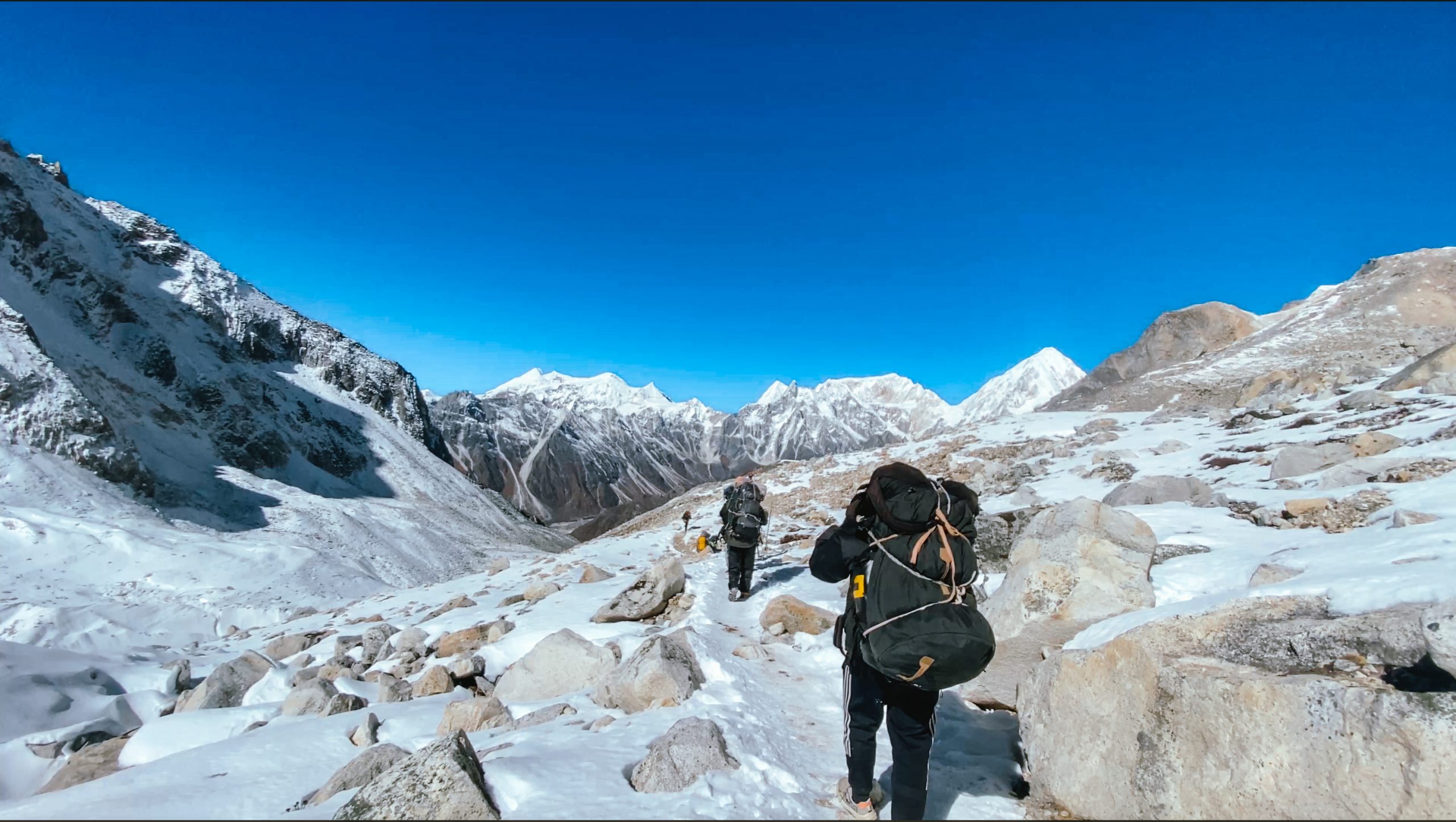
The most challenging part of the Manaslu Circuit Trek is crossing Larkya La Pass, which sits at an altitude of 5,106 metres (16,752 feet). At this altitude, the oxygen level is significantly lower, which makes breathing more difficult, and each step feels heavier. Trekkers often experience exhaustion more quickly, and the risk of altitude-related issues increases. This makes the section both physically and mentally demanding.
The pass is usually crossed early in the morning, often before sunrise, to avoid strong afternoon winds and unstable weather conditions. While trekking, trekkers may encounter snow-covered trails, freezing temperatures, and strong winds, especially in the colder months. The long walking hours, combined with harsh weather and high altitude, make this the toughest yet most rewarding part of the trek, offering stunning panoramic views as a reward for the effort.
5. Weather and Seasonal Changes
The weather within the Himalayas can be as unpredictable as dramatic. You may experience bright days suddenly transform into biting cold snaps or occasional snowfall. The weather and seasons play a major role in determining the Manaslu Circuit Trek difficulty.
The Manaslu Circuit Trek is strongly influenced by seasonal weather, which can make a huge difference in trek difficulty. The best seasons to trek the Manaslu Circuit are Spring (March-May) and Autumn (September-November), when the skies are generally clear, temperatures are moderate, and the trails are relatively safe. During these months, trekkers can enjoy pleasant weather and breathtaking views without the extreme challenges of heavy snow or rain.
In contrast, the off-season, Monsoon (June-August), and Winter (December -February) present additional difficulties. Monsoon brings heavy rainfall, slippery trails, and increased risk of landslides, while Winter can bring extreme cold, snow, and icy paths, especially at higher altitudes like Larkya La Pass. Mountain weather is often unpredictable, with sudden storms, temperature drops, and strong winds, so trekkers need to be prepared with proper gear and flexibility in their schedule to handle these conditions safely.
6. Physical Demands: Something More Than Taking a Walk through the Park
One of the greatest challenges of the trek to Manaslu lies in Physical Fitness. 5-8 hours of walking a day over rough, uneven terrain means that you will need to possess a firm baseline fitness. Expect days of steady climbing and descending where every step will be an impromptu gym session for the core muscles and the legs. Even if you are an experienced trekker yourself, the added burden of carrying a backpack (or using porters) and the gradual exhaustion that comes from days of trekking one after the other will be taken to the limit.
If you’re new to trekking at higher altitudes, don’t be concerned. With appropriate training, regular cardiovascular exercises, leg exercises to strengthen the muscles, and training treks carrying a full pack, you can create the physical endurance the trek will require. Consistency is key, and incrementally but surely growing the time spent trekking will allow the body to adapt to the trekking requirements.
Facilities on the Trail: Tea Houses and Wilderness Comforts
Unlike some other, more touristy treks in Nepal, the Manaslu Circuit trek truly takes one off the beaten path. This trek offers basic yet functional teahouse facilities, reflecting its remote and less-developed nature. Along the trail, especially in villages like Samagaun and other settlements, trekkers will find small, family-run teahouses that provide simple rooms, usually with twin beds, blankets, and shared bathrooms. While the lower regions offer slightly better comfort, facilities become more basic as you gain altitude, with limited heating and fewer amenities.
Food is generally simple but nourishing, including items like dal bhat, noodles, soups, and Tibetan bread, which help maintain energy during long trekking days. However, due to the trek’s remoteness, options are more limited compared to popular routes like the Annapurna Circuit. Additional comforts such as hot showers, Wi-Fi, and charging are available in some places but often come at an extra cost and may not always be reliable.
The facilities’ quaintness means one can experience some Nepalese hospitality, but one has to be flexible and open to a less pampered trek. Warm sleeping bags and extra layers to pack along to be certain.
Tips for Overcoming the Manaslu Circuit Trek Difficulty
- Train in Advance: Train your leg muscles and your cardiovascular fitness. Walking every day with a backpack can replicate real conditions.
- Acclimatise Well: Space the days to allow lighter days and days off to slowly adapt to the higher altitude.
- Pack Smart: The bare essentials only: good trekking footwear, appropriate clothes, and a good first aid kit.
- Hire a porter and a guide: Not only will they ease the load, but they will also have some native knowledge along with an added dose of protection.
- Stay Hydrated and Refuel: Hydration and nutrition will help sustain your energy and allow you to acclimatise to higher elevations.
- Keep a positive attitude: Just as important as physical fitness is mental toughness. Have fun during the process, take breaks if need be, and mark every victory along the way.
Final Thoughts
The Manaslu Circuit trek is demanding but highly worthwhile. With fewer tourist crowds and unvarnished Himalayan trekking, you will be trekking off the beaten path. Whether a veteran trekker or a willing beginner, careful planning will allow you to navigate the physical and mental challenges of the trek.
After it’s complete, each gruelling ascent to the summit, each swaying bridge crossing, and each spectacular view from the top of the Larkya La Pass will be that much sweeter. So lace up your trekking shoes, pack your willpower, and be ready to trek one of the best trekking trails in Nepal. Safe trekking!
Check out our Manaslu Circuit trek package with complete itinerary, cost, maps, and everything else you could need – Book now at a discounted rate!
FAQs – How difficult is the Manaslu Circuit Trek?
1. How difficult is the Manaslu Circuit Trek?
The Manaslu Circuit Trek is considered moderate to challenging. While it doesn’t require technical climbing skills, the combination of high altitude, long trekking days, and rugged terrain makes it physically demanding.
2. Is the Manaslu Circuit Trek suitable for beginners?
Yes, beginners can complete it, but only with good physical fitness, proper preparation, and a well-planned itinerary that includes acclimatisation days. Prior trekking experience is helpful but not mandatory.
3. What is the hardest part of the Manaslu Circuit Trek?
The most difficult section is crossing Larkya La Pass (5,106m). The high altitude, cold temperatures, and long walking hours make this day the toughest.
4. How many hours do you walk each day?
On average, trekkers walk 6 to 8 hours per day, depending on the route and altitude. Some days, especially during the pass crossing, can be longer and more strenuous.
5. Is altitude sickness common on this trek?
Yes, there is a risk of Acute Mountain Sickness (AMS), especially above 3,000 meters. Proper acclimatisation, hydration, and a gradual ascent help reduce the risk.
6. How fit do I need to be for the Manaslu Circuit Trek?
You need a good level of fitness, including cardiovascular endurance and leg strength. Being able to walk for several hours daily on uneven terrain is essential.
7. Do I need prior trekking experience?
Not necessarily, but having previous trekking or hiking experience will make the journey easier and more enjoyable.
8. Is the Manaslu Circuit Trek harder than the Everest Base Camp?
Compared to the Everest Base Camp Trek, the Manaslu Circuit is often considered more challenging due to its remoteness and fewer facilities, although both involve high-altitude trekking.
9. Can I do the Manaslu Circuit Trek solo?
No, solo trekking is not allowed in the Manaslu region. You must trek with a licensed guide and in a group, as it is a restricted area.
10. What makes the Manaslu Circuit Trek difficult overall?
The difficulty comes from a combination of high altitude, long duration, remote trails, limited facilities, and challenging terrain, making it a rewarding but demanding Himalayan adventure.
Comments (0)
Write a comment- Quick Overview of Manaslu Circuit
- Factors that determine the Manaslu Circuit Trek Difficulty
- Facilities on the Trail: Tea Houses and Wilderness Comforts
- Tips for Overcoming the Manaslu Circuit Trek Difficulty
- Final Thoughts
- FAQs – How difficult is the Manaslu Circuit Trek?
- 1. How difficult is the Manaslu Circuit Trek?
- 2. Is the Manaslu Circuit Trek suitable for beginners?
- 3. What is the hardest part of the Manaslu Circuit Trek?
- 4. How many hours do you walk each day?
- 5. Is altitude sickness common on this trek?
- 6. How fit do I need to be for the Manaslu Circuit Trek?
- 7. Do I need prior trekking experience?
- 8. Is the Manaslu Circuit Trek harder than the Everest Base Camp?
- 9. Can I do the Manaslu Circuit Trek solo?
- 10. What makes the Manaslu Circuit Trek difficult overall?
Read the latest Blogs & Insights
Explore our collection of articles and insights to gain in-depth travel knowledge, expert advice, and stay updated on the latest trends and tips.
View All Articles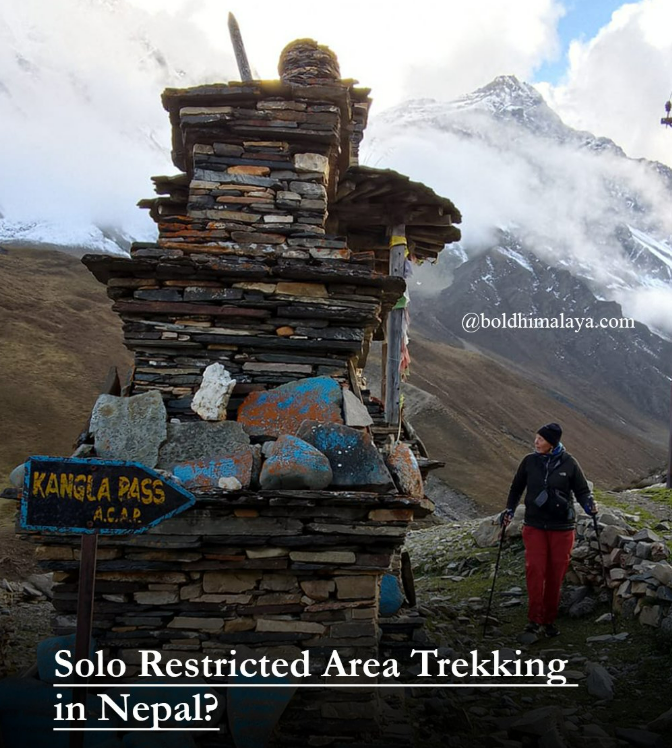



No comments yet.