



The Everest Base Camp Trek: Luxury vs Budget

-
 Bold Himalaya
 -
14 June, 2025
-
24 mins read
-
944 Views
-
0 Comments


The Everest Base Camp trek is one of the world’s most renowned adventures, attracting thousands of trekkers each year to the base of the highest mountain on Earth. This legendary journey takes travelers through picturesque Sherpa villages, ancient monasteries, dramatic high-altitude landscapes, and breathtaking Himalayan viewpoints. From the thrilling flight into Lukla to the spectacular panorama of Everest, Lhotse, and Nuptse from Kala Patthar, every step of the trek offers a remarkable blend of adventure and cultural discovery.
However, many trekkers are surprised to learn that there are two distinct ways to experience the Everest Base Camp trek: the Luxury Everest Base Camp Trek and the standard Budget Everest Base Camp Trek. While both routes lead to the same iconic destination, the style of travel, level of comfort, services, and overall experience can vary significantly.
A Luxury Everest Base Camp Trek focuses on comfort, premium lodges, personalized service, flexible itineraries, chef-prepared meals, and a variety of food, allowing trekkers to enjoy the Himalayas with added convenience. In contrast, a Budget Everest Base Camp Trek emphasizes affordability and authenticity, offering traditional teahouse accommodation and a more classic trekking experience.
Whether you prefer the indulgence of a luxury adventure or the simplicity of a budget-friendly journey, both trekking styles ultimately lead to the same unforgettable destination, the base of the mighty Mount Everest in the heart of the Sagarmatha National Park.
Understanding the Two Treks: Luxury EBC Trek and Budget EBC Trek
What Makes a Trek “Luxury”?
A Luxury Everest Base Camp trek transforms the traditional Himalayan journey into a comfortable and premium adventure. Instead of focusing only on reaching the destination, luxury trekking emphasizes high-quality services, personalized support, and a relaxed travel experience throughout the journey.
Luxury packages usually begin with five-star accommodation in Kathmandu, where trekkers enjoy comfortable rooms, spa facilities, fine dining, and professional concierge services before heading into the mountains.
Once on the trail, trekkers stay in the best available lodges and high-end teahouses, featuring private rooms, attached bathrooms in many locations, heated dining halls, chef-prepared food, electric blankets, and superior bedding that provide extra comfort during cold Himalayan nights.
At Everest Base Camp, stand at the gateway to the summit of the world’s tallest mountain and soak in the serene beauty of the surrounding Himalayas.

The luxury treatment doesn’t end with lodging. Transportation is by private vehicles in cities and, most often, by helicopter flights to and from Lukla, reducing the risk of flight delays. Gourmet eating is unlimited, with menus designed around dietary restrictions and international cuisine standards. Most of the food is prepared by the chef. Also, luxury treks are completely flexible – you set your dates, group size, and service level.
Another key benefit is the fully managed trekking experience. Reputable trekking companies, such as Bold Himalaya, handle all logistics, so trekkers do not need to worry about gear, accommodation, or transportation. Professional guides and experienced porters handle navigation, safety, and luggage, allowing you to focus entirely on enjoying the scenery and the journey.
What Defines a “Budget” Trek?
Budget Everest Base Camp treks focus on the mountain experience rather than frills you do not require. You will sleep in regular teahouses and lodges in which the local trekkers sleep, with clean beds, straightforward meals, and shared or attached toilet facilities. You will also sleep in a basic but cozy hotel with international-standard accommodation at non-luxury rates in Kathmandu.

Transport is on fixed routes with fixed vehicles and regular flights. Cuisine is traditional local food and regular international fare, though healthy, nutritious, and ideal for high-altitude trekking. Budget treks are also on fixed routes with fixed dates, which is ideal to meet a group and mingle with fellow trekkers from across the globe.
Detailed Comparison: Luxury vs Budget of the Everest Base Camp Trek
Accommodation: Comfort vs Authenticity
Accommodation is one of the most noticeable differences between luxury and budget Everest Base Camp treks. While both trekking styles follow the same route through the Khumbu region toward the base of Mount Everest, the level of comfort and services provided at each stop can vary significantly.
Luxury Everest Base Camp treks prioritize comfort and upgraded facilities throughout the journey. In Kathmandu, trekkers typically stay in five-star hotels offering spacious rooms, wellness facilities, and high-quality dining options.
Along the trekking route, luxury lodges and premium teahouses provide private rooms, comfortable mattresses, improved insulation, and heated dining areas that make the high-altitude environment more relaxing after long days on the trail. Many luxury lodges also feature attached bathrooms in select locations and modern amenities designed for trekkers seeking extra comfort in the mountains.
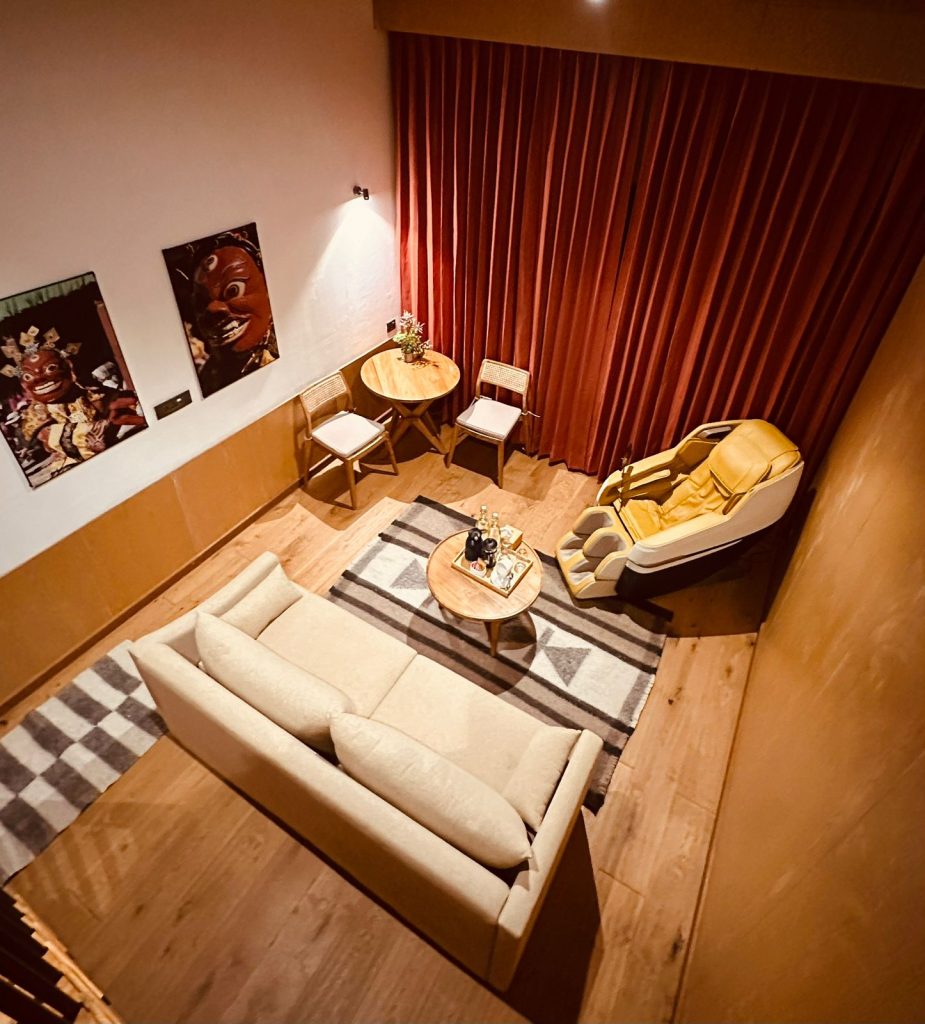
Budget Everest Base Camp treks, in contrast, focus on the traditional teahouse experience that has been part of Himalayan trekking culture for decades. In Kathmandu, accommodation usually consists of clean and comfortable three-star hotels that provide essential facilities without the luxury upgrades. During the trek, trekkers stay in locally run mountain teahouses that offer simple twin-share rooms with basic bedding.
Shared bathroom facilities are common in most villages, although private rooms may occasionally be available for an additional cost, depending on availability. Heating is typically provided by a central wood stove in the dining hall, where trekkers gather in the evenings to warm up, enjoy meals, and share stories with fellow adventurers. This communal atmosphere often becomes one of the most memorable parts of the traditional trekking experience in the Everest region.
Transportation and Logistics Comparison in the Everest Base Camp Trek
Budget and luxury trek transport disparity makes all the difference in your overall trekking experience.
Luxury trip treks, including the Everest Base Camp trek, feature private airport pickups in luxury cars with individualised and considerate service from pick-up to drop-off. Helicopter transport to Lukla and back on the Everest Base Camp trek eliminates the gamble of your flight being grounded by weather, which provides spectacular views of the Himalayas from the air. Book in advance and schedule your trek according to your convenience.
Budget trek transport for the Everest Base Camp trek is organised with an eye to cost and efficiency. Shared airport transfer gets you to where you meet your trekking companions and often leads to mountain adventure-instilling friendships. Domestic flights to Lukla on the Everest Base Camp trek, a routine practice, have fixed schedules, but weather delays can happen more frequently, which makes travel arrangements flexible. Fixed departure dates have the potential for being part of pre-gelling groups and to relish the experience with others from around the world.
Dining Experience: Customisation vs Tradition
Food plays an important role in the overall trekking experience in the Everest region, especially during long days of hiking at high altitude. The dining experience differs noticeably between luxury and budget Everest Base Camp treks, reflecting the different styles of travel.
Luxury treks focus on comfort and variety when it comes to meals. Many premium lodges offer carefully prepared menus with a wide selection of international and local dishes. Meals are often cooked by experienced chefs using quality ingredients transported to remote mountain locations. Trekkers can usually request customized meals based on dietary needs, including vegetarian, vegan, or gluten-free options. This flexibility allows travelers to maintain their preferred diet while trekking through the Himalayas near Mount Everest.
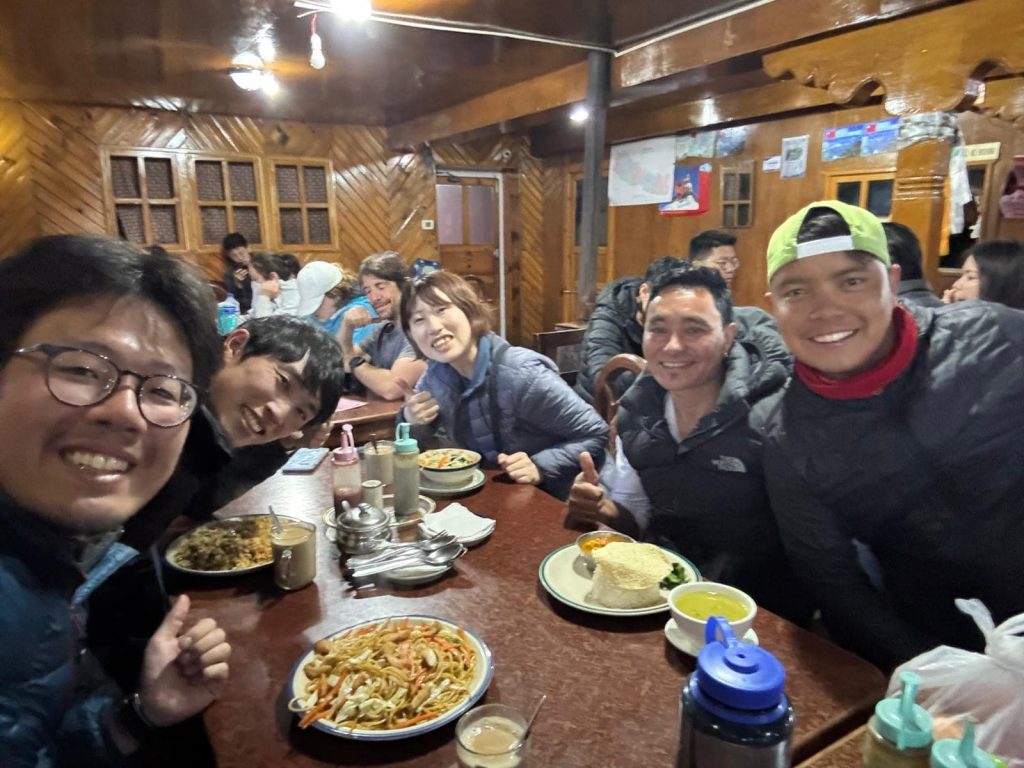
Budget treks, on the other hand, highlight the traditional teahouse dining experience. Meals are typically served in communal dining halls where trekkers gather to eat, relax, and share stories from the trail. The menus usually include a mix of simple international dishes and traditional Nepali food. One of the most common meals is Dal Bhat—a hearty combination of rice, lentil soup, vegetables, and sometimes curry. This nutritious meal is popular among trekkers because it provides the energy needed for trekking at high altitude.
Dining in local teahouses also creates a social atmosphere where trekkers from around the world meet and interact. The shared dining spaces, warm stoves, and simple mountain meals often become memorable cultural experiences that are an essential part of the classic Everest Base Camp trekking journey.
Guide Services and Group Dynamics for the Everest Base Camp Trek
Luxury Trek Guide Services
Luxury Everest Base Camp treks offer private guide services, typically with one guide for every two to four trekkers. These guides are most often multilingual and upper-level certified in mountain guiding and first aid. The lower guide-to-trekker ratio translates into individual attention to your own pace, interests, and concerns throughout. Support staff takes care of group logistics, so your guide can have their complete attention on your safety, learning, and enjoyment of the mountain world.
Budget Trek Guide Experience
Budget treks of the Everest Base Camp trek have one guide for six to eight trekkers and thus have a more group-like environment. Necessary mountain information and safety supervision are provided by standard-certified English-speaking guides, who are comfortable with larger groups. The group guide scenario works out well to create closer groups since you climb together and help each other up the challenging trek. Guaranteed departure dates and group interactions provide the opportunity to meet other travellers from around the globe and exchange experiences with them.
Cost Analysis for Both Types of the Everest Base Camp Trek
Luxury Everest Base Camp Trek Investment
Luxury Everest Base Camp Treks are a costly venture and typically range between $3,000 and $8,000 per person, depending on independent services and personalisation. Full-board expenses cover all permits and taxes, luxury accommodations along the trail, all beverages and meals, private transportation and transfer, and complete insurance coverage and emergency helicopter evacuation. The additional expense is owed to the luxury service, low group sizes, and special security features that make the experience an accident-free adventure.
Budget Everest Base Camp Trek Price and Expenses
Budget Everest Base Camp trek offers excellent value for money at $1,150 to $1,650 per trekker for the base trekking package. The base cost includes standard permits and taxes, standard accommodations with the option to upgrade, three meals per day, and shared transportation. Budget trekkers will also have to pay extra for drinks, internet, hot showers, charging devices, and optional upgrades that will add $200-400 on top of the trip cost.
Duration and Itinerary Choices for the Entire Trek
The duration and structure of the itinerary can vary depending on whether you choose a luxury or budget Everest Base Camp trek. While both options ultimately reach the same destination, the pace, flexibility, and travel arrangements can significantly influence the overall trekking experience.
Flexibility and Efficiency of Luxury Treks
Luxury Everest Base Camp treks often offer greater flexibility in itinerary planning. Many premium packages shorten the overall journey to around 10–12 days by including a helicopter return that reduces travel time to and from Lukla. This allows trekkers to spend more time exploring the Everest region while minimizing long travel days.
Another advantage of luxury treks is the ability to customize the schedule. Trekkers can adjust rest days, extend their stay in scenic mountain villages, or modify the itinerary according to weather conditions and personal preferences. Helicopter sightseeing tours are sometimes included, offering incredible aerial views of the Himalayas and the iconic peak of Mount Everest. These options are particularly attractive for travelers with limited vacation time who want to experience the highlights of the Everest region efficiently.
Traditional Budget Trek Timeline
Budget Everest Base Camp treks usually follow the classic 14–16 day itinerary and are often organized as group departures. Trekkers travel and walk together with other participants, following a fixed schedule designed for safe acclimatization and steady progress through the Everest region. This group format means that daily trekking distances, rest days, and overnight stops are planned.
Popular acclimatization stops include villages such as Namche Bazaar and Dingboche, where trekkers spend extra time adjusting to the altitude before continuing toward Everest Base Camp.
Because budget treks are typically group-based, trekkers share the experience with people from different countries, creating a social and supportive trekking environment. Walking together also helps maintain a comfortable pace for the entire group while guides monitor safety and acclimatization along the route.
Health and Safety Protocols
Luxury Trek Medical Support
The Everest Base Camp trek focuses on advanced health and safety measures on the journey. Pre-trek health screening detects potential altitude hazards and conditions that you are going to face. Satellite communication gear provides round-the-clock access to emergency services, and instant helicopter evacuation facilities ensure quick response to any medical situation. Pulse oximetry examinations and assessments for altitude sickness are conducted daily by seasoned guides.
High-quality medical insurance coverage typically includes the entire cost of evacuation and treatment, saving trekkers and their loved ones from worry. The provision of supplemental oxygen and high-tech first aid means minor illnesses won’t spoil your trekking adventure. Small group sizes also allow guides to provide each trekker with special attention to his or her health and welfare during the journey.
Budget Trek Safety Standards
Budget Everest Base Camp treks maintain essential safety standards while emphasising group responsibility and mutual support. Guides receive standard first aid training and carry basic medical supplies suitable for common trekking ailments. Minimum emergency communication systems provide access to rescues, though the time taken will be longer than in the luxury options. Evacuation insurance is highly recommended as a separate purchase to cover potential helicopter rescue operations.
Group safety measures and buddy systems also encourage trekkers to report in with one another and address any health issues immediately. Frequent checks for altitude sickness and orientation alert trekkers to symptoms and enable them to take necessary action. The bigger group dynamic also helps to offer support as experienced trekkers pass on tips and information to novices of high-altitude trekking.
Cultural Immersion and Local Interaction in the Everest Base Camp Trek
Luxury Trek Cultural Experience
The Everest Base Camp trek provides escorted cultural trips that combine luxury with local interaction. Luxury lodges often feature cultural presentations and performances, including traditional music concerts arranged for clients. Exclusive cultural tours in Kathmandu include visits to UNESCO World Heritage sites with experienced guides who provide rich cultural and historical details. Small group sizes allow for more personal interaction with the local community leaders and families.
But the luxury aspect of upscale lodges often is a hindrance to the trekker’s exposure to mountain village everyday life. While cultural experiences are generally upscale and enriching, sometimes they are more set up and less happenstance than their low-budget peers.
Budget Trek Authentic Cultural Immersion
Budget EBC treks offer unique opportunities for real cultural exposure and contact with the local people. Sleeping overnight in such traditional-style teahouses means sharing dining halls and living rooms with local families who run and own such high-altitude lodges. Soaking in the night campfire with the locals acquaints you with Sherpa culture, Buddhism, and daily life in the high Himalayas in a way that is impossible in affluent settings.
Budget trekking is an open form of experience, involving local celebrations, visits to monasteries and villages, and exposure to some rich cultural interactions. Language is also part of the experience, where Nepali phrases are picked up and lived through gestures and shared understanding. These experiences create lasting friendships and a deeper appreciation of Himalayan culture.
Who should select which trek style?
Luxury Trek is Ideal For:
- Busy Professionals: Individuals with less time for vacation who want optimum efficiency and luxury in their trek. The helicopter transfers and premium services allow you to make the most of every day.
- Comfort Seekers: Those who do not want to compromise on accommodation and dining quality, even in the farthest mountain regions.
- Special Events: Celebrating milestone birthdays, anniversaries, or achievements with a single premium experience.
- Health Requirements: Trekkers with specific dietary needs, senior adventurers, or those requiring additional comfort and support.
- Needs for Customisation: Groups with specific dates in mind, private booking, or custom itinerary modification.
- First-Timers High-Altitude Trekkers: Those who need professional guidance and maximum security measures for their maiden exposure to rigorous mountain treks.
Budget Trek is Suitable For:
- Budget Travellers: Students, backpackers, and anyone who wants to realise their Everest dream without shelling out a lot of money.
- Solo Trekkers: Solo adventurers who enjoy meeting new people and being part of multi-national trekking teams.
- Culture Seekers: People who desire a true cultural experience and a genuine mountain heritage.
- Serious Trekkers: Seasoned adventure travellers who are not fussy about roughing it and enjoy the challenge of old-fashioned trekking.
- Flexible Itineraries: Adventurers with open schedules who can accommodate potential weather hold-ups and don’t have rigid time constraints.
- Social Adventurers: Persons who excel in group settings and enjoy the social benefits of mutual aid.
Equipment and Packing Considerations of the Everest Base Camp Trek
Luxury Trek Packing
With porter services and laundry facilities, luxury trekkers can pack lighter and focus on comfort items for the Everest Base Camp trek:
- Quality but not necessarily technical gear
- Comfortable walking clothes and layers
- Electronic devices (charging readily available)
- Personal comfort items and toiletries
- Casual evening wear for hotel stays
Budget Trek Packing
Budget trekkers need to be more self-reliant and pack for various scenarios:
- Durable, technical outdoor gear
- Sleeping bag (essential for warmth)
- Water purification tablets
- First aid supplies
- Extra batteries and power banks
- More versatile clothing options
Environmental Impact and Sustainability
Environmental responsibility is an important consideration when trekking in the Everest region. Both luxury and budget Everest Base Camp treks contribute to the local economy and tourism industry, but they also have different environmental impacts depending on how services are organised and managed.
Luxury Trek Environmental Considerations
Luxury treks often involve additional services such as helicopter transfers and upgraded facilities, which can increase the overall carbon footprint of the journey. Helicopter flights to or from Lukla, while convenient, produce higher emissions compared to traditional flights or overland travel.
However, many luxury lodges are investing in improved sustainability practices. These include better waste management systems, energy-efficient heating, and water filtration systems designed to reduce plastic bottle waste. Luxury groups are usually smaller, which can reduce congestion on trekking trails and minimize pressure on local infrastructure within Sagarmatha National Park.
In addition, higher-quality trekking equipment and long-lasting gear used on luxury trips can help reduce waste over time. Some operators also run environmental awareness programs that encourage responsible trekking practices.
Budget Trek Sustainability
Budget Everest Base Camp treks typically rely on regular flights and traditional trekking routes, which generally produce a lower carbon footprint compared to helicopter-supported travel. Trekkers stay in locally operated teahouses, supporting family-run businesses and contributing directly to the economy of mountain communities such as Namche Bazaar.
Because budget treks often involve larger groups, the collective environmental impact can be higher if sustainable practices are not followed. For this reason, many trekking operators emphasize the Leave No Trace principle, encouraging trekkers to minimize waste, avoid single-use plastics, and respect the fragile Himalayan ecosystem.
Overall, both trekking styles can be environmentally responsible when managed properly. Choosing responsible trekking companies, respecting local regulations, and supporting sustainable tourism initiatives all help protect the natural beauty of the Everest region for future generations.
Why Choose Bold Himalaya for Your Everest Base Camp Adventure
Embarking on the journey to Everest Base Camp is a dream of a lifetime, and choosing the right trekking company can make all the difference. Bold Himalaya is a trusted leader in organizing both luxury and budget Everest Base Camp treks, providing every traveler with a safe, unforgettable, and fully managed Himalayan experience.
Expert Team and Proven Experience
With years of experience guiding trekkers through the Everest region, Bold Himalaya works with licensed, highly trained guides who are experts in high-altitude trekking, first aid, and local culture. Their deep knowledge of the trails, weather patterns, and acclimatization ensures that every trek is safe, efficient, and tailored to your needs. The team also shares insights about Sherpa traditions, Buddhist monasteries, and the rich heritage of the Khumbu region, enriching your trekking journey beyond the scenery.
Hassle-Free, Fully Managed Trekking
Bold Himalaya organizes every logistical detail for you. From airport pickups in Kathmandu to permits, domestic flights, accommodations, and porters, every aspect is professionally handled. Trekkers do not need to worry about gear, lodging, or transportation—so you can fully immerse yourself in the adventure. Luxury trekkers enjoy helicopter transfers and premium accommodations, while budget trekkers receive authentic teahouse stays with reliable services, all managed seamlessly.
Flexible Options for Every Traveler
Whether you prefer a luxury trek with private lodges, gourmet meals, and customizable itineraries or a budget trek focused on authentic mountain experiences, Bold Himalaya tailors the trek to your preferences. You can choose your travel dates, group size, and pace, and even extend your itinerary if you want extra rest or exploration days along the trail.
Reliable Accommodation and Transportation
- Luxury Trekking: Premium hotels in Kathmandu and top lodges in the Khumbu region, heated dining halls, comfortable rooms, and chef-prepared meals. Helicopter and private vehicle transfers for stress-free travel.
- Budget Trekking: Clean, safe, and cozy teahouses along the trekking route, supporting local families and providing authentic Himalayan hospitality. Scheduled flights and shared transfers are efficiently managed to ensure smooth logistics, even when weather delays occur.
Safety and Support You Can Trust
Safety is a priority on every trek. Bold Himalaya guides monitor acclimatization, provide high-altitude first aid, and maintain clear emergency evacuation protocols. Experienced porters and support staff ensure your belongings are handled safely, while small or large group sizes are managed to maximize comfort, security, and camaraderie.
Strong Local Partnerships and Responsible Tourism
Bold Himalaya works closely with local communities, lodges, and Sherpa families throughout the Everest region. These partnerships ensure reliable services, authentic cultural experiences, and direct support for the local economy. Both luxury and budget treks follow sustainable tourism practices, promoting environmental awareness and respect for the Himalayan ecosystem.
Personalized Service and Complete Peace of Mind
From pre-trek planning and gear guidance to 24/7 support during your journey and post-trek follow-up, Bold Himalaya provides a truly personalized experience. You can focus entirely on enjoying the breathtaking landscapes, the unique Sherpa culture, and the thrill of trekking to one of the world’s highest peaks—without worrying about logistics, equipment, or planning.
Hassle-Free and Unforgettable
If you want a hassle-free Everest Base Camp adventure with the best service and safety, Bold Himalaya ensures every detail is expertly handled without compromising on quality, authenticity, or the thrill of the Himalayan journey. Every trek is designed to create lasting memories, whether you are experiencing the comfort of a luxury lodge or the authentic charm of a teahouse stay.
Your Himalayan adventure begins here. Trust Bold Himalaya to guide you safely, comfortably, and memorably to Everest Base Camp.
Planning Your Perfect EBC Trek
Pre-Trek Preparation
- Physical Preparation: Proper physical conditioning is required for both trek styles. Start training at least 2-3 months before your departure, focusing on cardiovascular conditioning, walking, and weight training.
- Mental Preparation: Familiarise yourself with the needs of high-altitude trekking, including potential altitude sickness, climate, and physical demands.
- Documentation: Ensure your passport is valid for at least six months, and purchase travel insurance if necessary.
Booking Timeline
- Luxury Treks: Book 3-6 months in advance to ensure optimal scheduling and tailoring.
- Budget Treks: Book 2-4 months in advance for optimal group option availability and cost.
Final Considerations
Keep in mind that both luxury and budget treks take you to the same amazing destination, the Everest Base Camp Trek. The style of your trip should match your individual preferences, finances, and travel aspirations. Neither one is superior; they are just for a different kind of adventurer.
Your health, your pleasure, and the memories you will have are all that matter. You may be sipping tea from the comfort of a luxury teahouse lodge or sitting trading stories by a wood fire in an old teahouse, but either way, you’ll be enjoying one of the world’s finest experiences.
Conclusion
Arriving at the Everest Base Camp is one of the world’s most universal connections with the world’s most unfriendly places. Whether you step off a luxury helicopter after warmly resting in convenience or hump the iconic trail after weeks of teahouse camaraderie, the feeling of arrival at Base Camp is more than the trip itself. Glacial landscape, monolith seracs, and whipping prayer flags in thin air awe every visitor the same, regardless of mode of transportation.
The joy of having both costly and inexpensive options is the potential to allow this wonderful experience to be within reach of all types of adventurers at any point in their lives. Young backpackers carving out character through knocks and hard-earned experience, and experienced executives looking for qualitative adventure, both deserve the luxury of being in the shadow of the world’s highest peak. Neither approach takes away from the accomplishment or the inherent quality of the experience.
Ready to embark on the Everest Base Camp trek? Prefer either the luxury model with its ease and customisation or the more affordable original version with its cultural experience and autonomy. Bold Himalaya’s seasoned staff is prepared to help you plan the perfect trek. Our experienced guides, unblemished safety record, and robust local familiarity with the Everest region ensure your journey is secure, memorable, and life-altering in whichever style you prefer.
Contact Bold Himalaya’s experts today and learn more about your Everest Base Camp trekking experience options, and start planning the adventure of a lifetime. Your Himalayan adventure is merely a call away from becoming reality, and we are honoured to facilitate it for you in the way most convenient for you.
FAQs: The Everest Base Camp Trek- Luxury vs Budget
1. What is the main difference between luxury and budget Everest Base Camp treks?
Luxury EBC treks offer premium lodges, private transfers, flexible itineraries, and sometimes helicopter flights, while budget treks focus on cost-effective accommodations, shared transport, and fixed departure dates.
2. How much does a luxury Everest Base Camp trek cost?
Luxury EBC treks generally range from $3,500 to $7,000+ per person, depending on lodge upgrades, helicopter options, and personalised services.
3. How much does a budget Everest Base Camp trek cost?
Budget-friendly EBC treks usually cost between $1,150 and $1,650 per person for the standard package.
4. Do luxury EBC treks include helicopter flights?
Many luxury packages include helicopter flights to and/or from Lukla, reducing flight delays and offering exceptional mountain views, but this depends on the operator.
5. What type of accommodation can I expect on a luxury trek?
Luxury EBC treks typically provide high-end lodges, heated rooms, comfortable bedding, attached bathrooms, and gourmet meals in selected locations.
6. What kind of accommodation is available on a budget trek?
Budget treks offer basic teahouses with simple rooms, shared bathrooms, and standard meals that still ensure a cultural Himalayan experience.
7. Is the trekking experience very different between luxury and budget treks?
The trail, scenery, and physical challenge remain the same, but comfort levels differ significantly; luxury treks provide more convenience and flexibility.
8. Are luxury treks better for beginners?
Luxury treks can be easier for beginners because they offer better acclimatization support, comfortable rest, and premium services, though budget treks are perfectly suitable for fit, adaptable trekkers.
9. Which option is better for the cultural experience of the Everest Base Camp trek, luxury or budget?
Budget treks often offer more authentic cultural interaction, while luxury treks prioritise comfort. However, both provide valuable local experiences depending on the itinerary.
10. Is it safer to do a luxury Everest Base Camp trek?
While both are safe with reputable operators, luxury treks may provide better emergency support, quicker transport options, and more experienced guides.
11. Does a luxury trek reduce the chances of altitude sickness?
Not directly, but luxury treks usually offer flexible itineraries, better acclimatisation breaks, and high-quality meals, all of which can support altitude adjustment.
12. Which option should I choose for the Everest Base Camp Trek?
Choose a luxury EBC trek for maximum comfort, flexibility, and premium services. If you prefer an affordable, authentic, group-oriented Himalayan adventure, go for a budget EBC trek.
Comments (0)
Write a comment- Understanding the Two Treks: Luxury EBC Trek and Budget EBC Trek
- Detailed Comparison: Luxury vs Budget of the Everest Base Camp Trek
- Cost Analysis for Both Types of the Everest Base Camp Trek
- Duration and Itinerary Choices for the Entire Trek
- Health and Safety Protocols
- Cultural Immersion and Local Interaction in the Everest Base Camp Trek
- Who should select which trek style?
- Equipment and Packing Considerations of the Everest Base Camp Trek
- Environmental Impact and Sustainability
- Why Choose Bold Himalaya for Your Everest Base Camp Adventure
- Expert Team and Proven Experience
- Hassle-Free, Fully Managed Trekking
- Flexible Options for Every Traveler
- Reliable Accommodation and Transportation
- Safety and Support You Can Trust
- Strong Local Partnerships and Responsible Tourism
- Personalized Service and Complete Peace of Mind
- Hassle-Free and Unforgettable
- Planning Your Perfect EBC Trek
- Final Considerations
- Conclusion
- FAQs: The Everest Base Camp Trek- Luxury vs Budget
- 1. What is the main difference between luxury and budget Everest Base Camp treks?
- 2. How much does a luxury Everest Base Camp trek cost?
- 3. How much does a budget Everest Base Camp trek cost?
- 4. Do luxury EBC treks include helicopter flights?
- 5. What type of accommodation can I expect on a luxury trek?
- 6. What kind of accommodation is available on a budget trek?
- 7. Is the trekking experience very different between luxury and budget treks?
- 8. Are luxury treks better for beginners?
- 9. Which option is better for the cultural experience of the Everest Base Camp trek, luxury or budget?
- 10. Is it safer to do a luxury Everest Base Camp trek?
- 11. Does a luxury trek reduce the chances of altitude sickness?
- 12. Which option should I choose for the Everest Base Camp Trek?
Read the latest Blogs & Insights
Explore our collection of articles and insights to gain in-depth travel knowledge, expert advice, and stay updated on the latest trends and tips.
View All Articles



No comments yet.