


Everest Base Camp Trek vs Kilimanjaro Climb: Which Is Right for You?
Everest Base Camp Trek and Kilimanjaro Climb both the are most popular trekking destinations in the world. In both of these treks, you have to hike above 5000m and need a good level of physical fitness It looks some similarities between these treks some of the differences are

-
 Sobit Bhandari
-
20 December, 2024
-
19 mins read
-
1577 Views
-
0 Comments


Introduction: Two Legendary Journeys, One Big Decision
When it comes to iconic high-altitude adventures, few names spark excitement like the Everest Base Camp Trek and the Kilimanjaro Climb. These two routes consistently rank among the world’s most dreamed-about expeditions—and for good reason. One takes you deep into the cultural heart of the Himalayas, walking through Sherpa villages toward the base of the world’s highest peak. The other leads you to the rooftop of Africa, standing triumphantly on the summit of the continent’s tallest freestanding mountain.
Though both are bucket-list journeys, they couldn’t be more different. Everest Base Camp offers a slow-gaining, scenic trek through rugged Himalayan terrain, rich monasteries, and centuries-old traditions. Kilimanjaro, on the other hand, is a shorter but steeper climb that pushes you quickly through rainforest, alpine deserts, and glaciers to a true summit experience.
In this guide, you’ll discover the real differences between EBC and Kilimanjaro—from altitude profiles and difficulty levels to cultural immersion, cost, safety, and ideal seasons. By the end, you’ll know exactly which adventure best matches your goals, fitness level, and travel style.
As a long-established trekking company, we designed this breakdown to help you make a confident decision. Choosing between these two giants requires proper planning, realistic expectations, and a clear understanding of the terrain and acclimatization demands. Let’s get started.
Everest Base Camp Trek vs Kilimanjaro Climb — Complete Comparison
| Factor | Everest Base Camp Trek (EBC) | Kilimanjaro Climb |
|---|---|---|
| Maximum Elevation | 5,545 m (Kala Patthar) – Everest Base Camp itself is 5,364 m, but the highest viewpoint trekkers reach is Kala Patthar, offering the best view of Mount Everest, which is 8,848.86 m (29,031.7 ft). | 5,895 m (Uhuru Peak) – Kilimanjaro’s summit, Africa’s highest point. |
| Major Attractions | Mount Everest, Sherpa villages (Lukla, Namche, Tengboche, Dingboche), Gorak Shep, Base Camps of Everest/Makalu/Lhotse, Khumbu Glacier | Marangu Gate, Mandara Hut, Horombo Hut, Kibo Hut, Gilman’s Point, Uhuru Peak, Mweka Route |
| Permits Required | Pasang Lhamu Rural Municipality Permit, TIMS Card, Sagarmatha National Park Entry | Kilimanjaro National Park Permit |
| Duration / Itinerary | 10–14 days | 5–9 days |
| Things to See | Lush forests, mountain streams, terraced fields, traditional villages, monasteries (Tengboche, Sama, Rachen, Sho, Lho) | Rainforest, moorland, alpine desert, giant heather, lobelia, Kilimanjaro Colobus monkeys |
| Difficulty Level | Moderate to challenging (high altitude, extreme weather, long trekking days) | Challenging (steep terrain, rapid altitude gain, limited amenities) |
| Total Distance | ~120 km (Lukla–EBC–Lukla) | 40–80 km depending on route |
| Side Trekking Routes | Gokyo Lakes, Three Passes, Renjo La, Cho La Pass, Island Peak | Lemosho, Machame, Rongai, Marangu, Umbwe, Western Breach |
| Risk of Altitude Sickness | Moderate: headache, nausea, dizziness, fatigue, edema | High: headache, shortness of breath, nausea, exhaustion |
| Cost | $1,300–1,500 | $2,000–4,000 |
| Flights Needed | Kathmandu ↔ Lukla | No domestic flight required |
| Trekking Route | The EBC Trek begins and ends in Lukla, following the classic Khumbu trail through Sherpa villages and alpine forests. Major stops include Lukla → Namche Bazaar → Tengboche → Dingboche → Gorak Shep → Everest Base Camp, then returning via the same route. | Kilimanjaro offers several climbing routes, each with unique scenery and difficulty. Popular options include the Marangu Route: Marangu Gate → Mandara Hut → Horombo Hut → Kibo Hut → Gilman’s Point → Uhuru Peak → Mweka Gate Machame Route: Machame Camp → Shira Camp → Barranco Camp → Karanga Camp → Barafu Camp → Uhuru Peak → Mweka Gate Lemosho Route: Lemosho Glades → Big Tree Camp → Shira 1 → Shira 2 → Barranco Camp → Barafu Camp → Uhuru Peak → Mweka Gate |
| Best Time | The best time for the Everest Base Camp Trek is during Autumn (September–November) and Spring (March–May). These two seasons offer clear skies, stable weather, and the best mountain visibility. Winter (December–February) is also possible for EBC, though temperatures are colder and trails are quieter. | For the Kilimanjaro Climb, the best seasons are January–February and June–October. These months provide dry weather, moderate temperatures, and a higher chance of reaching the summit successfully. |
| Weather | It is usually temperate and sunny during the trekking season, which runs from September to November and March to May. At higher elevations, though, it can get chilly and snowy at night. The daytime temperature is relatively mild, and the sky is typically clear during the spring season (March-May), but the evenings can get quite chilly. On the route to the base camp, there is a rhododendron woodland that will be in full bloom at this time. The days are typically clear and sunny during the fall season (September to November), but the nights can get very chilly, especially at higher altitudes. The base camp can see temperatures as low as -4°F (-20°C). The trek is typically not advised between June and August because of the risk of landslides and heavy rain. | During the dry seasons of January to February and June to October, the weather is generally more stable, with less chance of rain and clearer skies. However, it’s important to note that the weather on the mountain can be unpredictable, and hikers should be prepared for all types of weather conditions. It’s also important to note that, because of the altitude, the sun can be intense, and it’s essential to wear sunscreen and sunglasses |
| Cultural Experience | Immersive Sherpa culture: traditional villages, Buddhist monasteries (Tengboche, Lho, Rachen, Sama, Sho), local festivals, prayer flags, Himalayan lifestyle. Trekkers interact closely with local communities throughout the Khumbu Valley. | Opportunities to engage with local culture: visits to Chagga villages near the mountain, coffee‑farm tours, learning about traditional farming and community life, interaction with Tanzanian guides and porters (language, folklore, traditions), chance to learn local customs and buy traditional crafts |
| Preparation Required | Physical fitness, acclimatization, gear, permits, guides/porters, research of route/culture | Physical fitness, altitude training, gear, travel insurance, visa, and medical check-up |
| Packing List | Hiking boots, warm/waterproof clothing, sleeping bag, headlamp, water bottles, purification tablets, first-aid kit, sunscreen, gloves, down jacket, rain gear, camera, cash, travel documents | Hiking boots, warm layers, sleeping bag + mat, headlamp, water bottles, purification tablets, first-aid kit, sunscreen, gloves, camera, snacks, passport, rain gear, maps/guidebooks |
Everest Base Camp Trek Overview — The Heart of the Himalayas
The Everest Base Camp Trek is one of the most iconic trekking adventures in the world. This journey takes trekkers through the Khumbu Valley, offering a perfect blend of natural beauty, cultural experiences, and Himalayan heritage. Whether you’re a seasoned trekker or a first-time visitor to Nepal, the EBC trek route provides breathtaking views and unique encounters with local Sherpa communities.
Where the EBC Trek Starts & What the Route Looks Like
The trek begins with a scenic Lukla flight from Kathmandu, offering panoramic views of the Himalayan peaks. From Lukla, the EBC trek route winds through the picturesque Khumbu Valley, passing rivers, alpine forests, and glacial landscapes. Along the way, trekkers stay in charming teahouse villages such as Namche Bazaar, Tengboche, Dingboche, and Gorak Shep, experiencing authentic Sherpa hospitality.
Terrain & Technical Difficulty on the EBC Trek
The EBC Trek is primarily a long-distance trekking adventure rather than a technical climb. Trekkers benefit from:
- Gradual Altitude Gain: Helps with acclimatization and reduces the risk of altitude sickness. Many trekkers often say the view from Kala Patthar is more rewarding than the Base Camp itself, making the long trek worthwhile.
- Non-Technical Terrain: No mountaineering experience is required.
- Challenging Distances: Covers ~120 km, testing endurance while rewarding you with stunning Himalayan scenery.
Cultural Experience on the EBC Trek
The trek is also a cultural journey. Trekkers can immerse themselves in Sherpa culture, witnessing local traditions, visiting bustling villages, and exploring ancient monasteries such as Tengboche, Lho, Rachen, Sama, and Sho. This combination of culture, nature, and adventure makes the Everest Base Camp Trek a truly unforgettable Himalayan experience.

Kilimanjaro Climb Overview — Africa’s Highest Freestanding Peak
The Kilimanjaro climb is one of the world’s most iconic trekking experiences, offering adventurers the chance to summit Mount Kilimanjaro, Africa’s tallest freestanding peak at 5,895 meters. Unlike multi-day Himalayan treks, the Kilimanjaro climb combines a rapid altitude gain with diverse ecological zones, making it both physically challenging and visually spectacular.
Starting Point & Route Options
There are several popular Kilimanjaro trekking routes, each with unique features:
- Marangu Route: Marangu Gate → Mandara Hut → Horombo Hut → Kibo Hut → Gilman’s Point → Uhuru Peak → Mweka Gate
- Machame Route: Machame Camp → Shira Camp → Barranco Camp → Karanga Camp → Barafu Camp → Uhuru Peak → Mweka Gate
- Lemosho Route: Lemosho Glades → Big Tree Camp → Shira 1 → Shira 2 → Barranco Camp → Barafu Camp → Uhuru Peak → Mweka Gate
- Rongai Route: Rongai Gate → Simba Camp → Kikelewa Camp → Mawenzi Tarn → Kibo Hut → Uhuru Peak → Mweka Gate
- Umbwe Route: Umbwe Gate → Umbwe Cave → Barranco Camp → Karanga Camp → Barafu Camp → Uhuru Peak → Mweka Gate
Each route offers a different experience, but all lead to the summit of Kilimanjaro (Uhuru Peak) for the ultimate achievement in African trekking.
Terrain & Technical Difficulty
The Kilimanjaro climb is a trekking adventure rather than a technical climb:
- Steep Push to Summit: The final day is an intense high-altitude challenge
- High-Altitude Volcanic Desert: Exposed terrain above 4,500 m
- Non-Technical: No mountaineering experience required, but endurance and acclimatization are crucial
Trekkers should be prepared for rapid elevation changes and variable weather, especially during the summit night when temperatures drop sharply.
Cultural & Wildlife Elements
While Kilimanjaro is primarily a summit-focused climb, it offers unique cultural and natural experiences:
- Tanzanian Local Culture: Encounter small villages and local guides along the trekking routes
- Diverse Ecological Zones: From rainforest and moorland to alpine desert and arctic summit, with unique flora and fauna like giant lobelia and Kilimanjaro colobus monkeys
On the lower slopes, trekkers may meet Chagga farmers, see traditional banana terraces, and taste locally roasted coffee — a cultural bonus often missed by summit-focused climbers.
Best Time to Climb Kilimanjaro
The best seasons for climbing Kilimanjaro are the dry windows:
- January–February and June–October offer stable weather, clear skies, and reduced risk of rain, making the summit attempt safer and more enjoyable
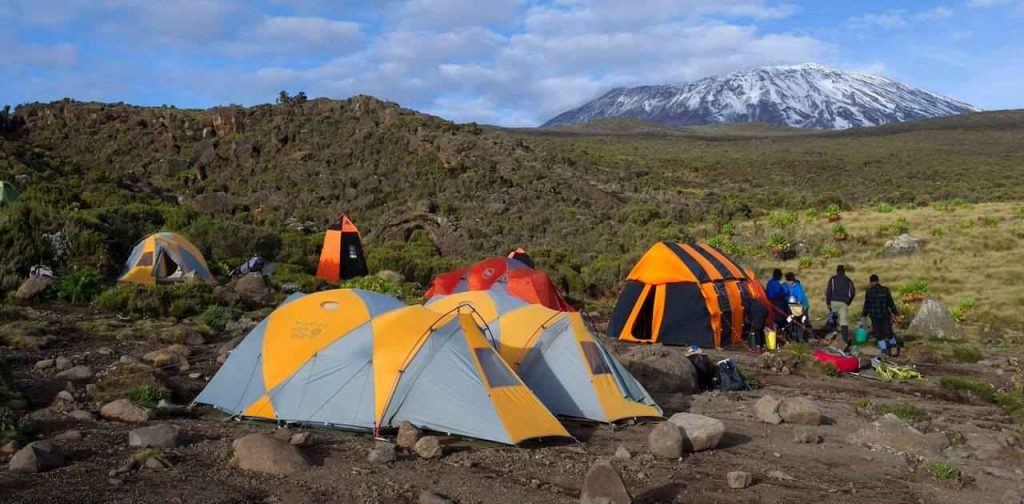
Altitude & Acclimatization: Which Trek Is Safer and Easier?
Understanding altitude and acclimatization is one of the most critical factors when choosing between the Everest Base Camp Trek and the Kilimanjaro climb. Both treks reach extreme elevations, but the way your body adapts to altitude differs significantly between Nepal and Tanzania.
Everest Base Camp Altitude Profile
The EBCTrek has a gradual ascent, making it one of the safer high-altitude trekking options. Trekkers often note that resting at Namche Bazaar or Dingboche before ascending further gives both a physical and mental boost — seeing the Khumbu Icefall from a distance often reinforces why pacing matters.
- Longer Acclimatization Period: Typical itineraries span 12–14 days, giving trekkers multiple days to adjust at intermediate elevations such as Namche Bazaar and Dingboche.
- Lower Risk of Acute Mountain Sickness (AMS): The slower, step-by-step increase in altitude allows your body to adapt naturally.
- Acclimatization Benefits on EBC Trek: Incorporating rest days and short acclimatization hikes along the Khumbu Valley trekking route significantly reduces altitude-related risks.
Kilimanjaro Altitude Profile
The Kilimanjaro climb presents a more intense altitude challenge due to its rapid ascent:
- Rapid Altitude Gain: Most routes reach the summit in 5–7 days, giving less time for your body to adjust.
- Higher Risk of AMS: Trekkers are more likely to experience headaches, nausea, dizziness, and fatigue.
- Importance of Acclimatization Routes: Choosing longer routes like Lemosho or Machame increases acclimatization opportunities and improves summit success rates.
While the summit push on Kilimanjaro can be completed in a single night, trekkers often comment on how the thin air feels much sharper than on EBC’s gradual ascent. Many climbers also report a sudden sense of altitude on the final push, even if the weather was mild the day before, making mental focus as important as physical fitness.
Facilities Comparison: Everest Base Camp Trek vs Kilimanjaro Climb
| Facility / Service | Everest Base Camp Trek (Nepal) | Kilimanjaro Climb (Tanzania) |
|---|---|---|
| Accommodation type | Teahouses and lodges along the trail: simple twin or dorm‑style rooms; basic beds with foam mattresses, pillows, and often thin blankets. Rooms are often unheated, especially at higher altitudes. | Either huts (on routes like the “hut‑style” Marangu Route) with bunk beds and mattresses, or tents on camping‑style routes (e.g., Machame Route, Lemosho Route). Huts are basic; tents require your own sleeping bag/pad. |
| Toilet & Sanitation | Lower- to mid-altitude teahouses may offer western‑style flush or squat toilets. As you go higher, expect more basic “long-drop” or squat toilets, often shared and sometimes without toilet paper. | Toilets vary: many campsites use pit‑latrines or simple long-drop toilets; some tours provide portable toilet tents. Quality and cleanliness depend heavily on route and operator. |
| Hot Shower / Washing Facilities | Hot showers are available at many teahouses (especially at lower/mid altitudes) for an extra fee. At higher altitudes, showers may be rare or replaced by bucket/warm‑water options. | Showers are usually not available on camping/climbing days. Some operators may offer basic solar‑heated or bucket showers at certain camps — but this is not guaranteed. Plan for “minimal hygiene” (wet wipes, dry shampoo, etc.) during the climb. |
| Electricity & Charging Devices | Electricity (often solar or generator) is available at many teahouses — sometimes only in communal areas. Charging usually costs per device/hour. At high altitude or remote lodges, power may be limited or unavailable. | On hut‑route nights (e.g., huts on Marangu Route), there may be solar lighting or minimal power for device charging. On tent‑based routes, electricity is generally unavailable, so you need power banks or solar chargers. |
| Internet / Mobile Signal | Some teahouses in lower/mid-altitude villages offer Wi‑Fi or 3G/4G (e.g., through local SIMs). But as altitude increases, the signal becomes weak or nonexistent, Wi‑Fi — if available — is often slow and costly. | Some teahouses in lower/mid-altitude villages offer Wi‑Fi or 3G/4G (e.g., through local SIMs). But as altitude increases, signal becomes weak or nonexistent, Wi‑Fi — if available — is often slow and costly. |
| Food / Meals | Teahouses serve basic meals — usually Nepali or simple “western‑style” dishes, sometimes with vegetarian options. As altitude increases, options shrink, and food becomes more basic — but still provides adequate nutrition. Drinking water is often available (bottled or boiled), but costs increase with altitude. | Organized climbs typically include full board meals managed by the crew: from base camp up until the summit. Meals tend to be basic but sufficient for energy needs. Water is usually provided by tour operators (boiled or purified). |
| Toiletries / Hygiene & Water Supply | Clean, boiled, or bottled water is available at most stops (though pricey at higher altitudes). You may need to bring personal items (toilet paper, wet wipes, hand sanitizer). | On most routes, there is no “facility for water + shower + hygiene”; expect simplified hygiene standards. Bring water purification tablets, personal toiletries, wet wipes, etc. Portable toilets may handle waste. |
| Health & Safety Support (Guides, Crew, Medical Kits) | Not always structural — depends on your trekking operator. Some teahouses or groups may carry basic first‑aid kits; ultimately, evacuation from high altitudes can be complicated. | Most organized climbs include a crew: guides, porters, and cooks. Good operators carry first‑aid kits, monitor altitude sickness, and may have emergency oxygen or evacuation plans. |
Difficulty Level: Which Trek Is Harder?
When deciding between the Everest Base Camp Trek and the Kilimanjaro climb, understanding the physical demands and difficulty level of each trek is essential. Both adventures challenge endurance, strength, and mental stamina, but in very different ways.
Physical Demands of Everest Base Camp
The EBC trek is a moderate to challenging Himalayan trek:
- Long Days Hiking: Trekkers cover 10–15 km per day across rugged trails and valleys.
- Cold Temperatures: Nights can drop below -20°C at higher elevations like Kala Patthar.
- Endurance over 12–14 Days: Gradual ascent requires sustained cardiovascular fitness and stamina over two weeks.
Physical Demands of Kilimanjaro
Some climbers describe the moment reaching Gilman’s Point as surreal — the landscape changes abruptly from alpine desert to snow-covered peaks, and it’s often the first time they truly feel the extreme altitude.
- Steep Summit Attempt: Climbers ascend 1,200–1,500 m in a single push, a physically taxing endeavor.
- Less Recovery Time: The 5–7 day itinerary leaves minimal days for acclimatization or rest.
- High Intensity: Requires strong cardiovascular fitness, mental focus, and resilience.
Which is Harder Overall?
- Everest Base Camp Trek: While longer, the gradual ascent allows for better acclimatization and pacing, making it easier for endurance-focused trekkers.
- Kilimanjaro Climb: Demands a short, intense burst of effort, with rapid altitude gain and steep summit push, making it physically tougher for most trekkers despite fewer days.
- Tip: Trekkers with limited time but strong fitness may prefer Kilimanjaro, while those seeking a cultural and scenic Himalayan trekking experience may enjoy EBC’s endurance challenge.
Which Adventure Should You Choose?
Deciding between the Everest Base Camp Trek and the Kilimanjaro climb ultimately depends on your fitness level, time availability, and adventure goals. Both treks offer unique experiences, but each caters to different types of travelers.
Choose Everest Base Camp if…
- You want a scenic and cultural Himalayan trekking experience
- You prefer a gradual ascent to reduce altitude sickness risk
- You enjoy long-duration treks with teahouse accommodations
- You want to experience Sherpa culture, monasteries, and Himalayan villages
- You are prepared for moderate to challenging trekking over 12–14 days
Choose Kilimanjaro if…
- You aim to summit Africa’s highest peak in a shorter time frame
- You are physically fit and can handle rapid altitude gain
- You prefer a summit-focused climb over multiple ecological zones
- You enjoy intense trekking with steep elevation gain
- You want an adventure that can be completed in 5–8 days
Who Should Avoid Each Option
- Everest Base Camp: Avoid if you have limited time, cannot commit to a 12–14 day trek, or have severe altitude sensitivity.
- Kilimanjaro: Avoid if you are new to high-altitude trekking, have heart or respiratory issues, or cannot handle a rapid ascent with minimal recovery time.
Frequently Asked Questions (FAQs)
Is Mount Everest higher than Kilimanjaro?
Yes, Mount Everest is significantly higher than Mount Kilimanjaro.
- Mount Everest: 8,848.86 meters (29,031.7 feet) — the highest peak in the world.
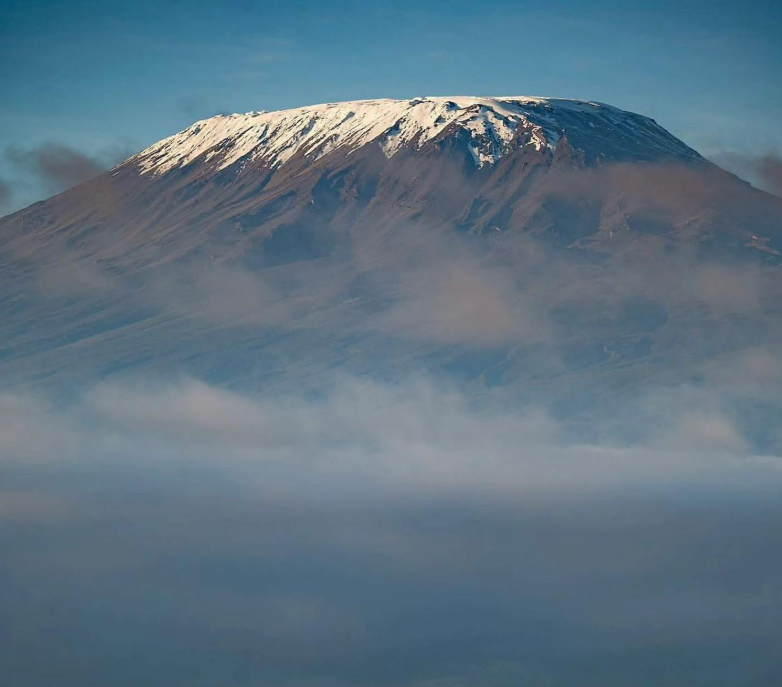
- Mount Kilimanjaro: 5,895 meters (19,341 feet) — the highest peak in Africa, but much lower than Everest.
So, Everest is almost 3,000 meters taller than Kilimanjaro, which is why the Everest Base Camp Trek reaches high altitude but is still far below the actual Everest summit.
Which is harder — Everest Base Camp or Kilimanjaro?
- Technically, many consider Kilimanjaro harder because the climb reaches 5,895 m at the summit and the ascent is very rapid, often over 5–9 days, which increases the risk of altitude sickness.
- On the other hand, EBC is a longer endurance trek (typically 12–14 days), with many days of hiking, exposure to cold, and a cumulative strain, but the ascent is gradual, allowing better acclimatization.
- Note: If you focus on the summit push, Kilimanjaro can be tougher; if you consider overall duration, remoteness, and cumulative fatigue, EBC is demanding.
How many days does each trek usually take?
- Everest Base Camp Trek: Typically 10–14 days, sometimes up to 16 days depending on itinerary and acclimatization schedule.
- Kilimanjaro Climb: Usually 5–9 days, depending on the route and how quickly you ascend.
Which offers better views and cultural experience — EBC or Kilimanjaro?
- Everest Base Camp Trek: Offers spectacular Himalayan scenery, glaciers, towering peaks, alpine valleys, and rich cultural immersion: Sherpa villages, Buddhist monasteries, traditional lifestyle, mountain communities. This makes EBC more than just a trek, a full cultural‑scenic Himalayan experience.
- Kilimanjaro Climb: Offers dramatic ecological variety, rainforest, moorland, alpine desert, and then the arctic summit. For views, the summit panorama and changing vegetation zones are impressive. But cultural exposure is more limited; the focus is largely on the climb and natural environment rather than local communities.
- Note: For a blend of culture + views + Himalayan lifestyle, EBC wins. For a pure climb + natural diversity + summit thrill, Kilimanjaro stands out.
What are the biggest risks or challenges besides altitude?
- For EBC: Cold nights, unpredictable mountain weather (especially early spring or late autumn), rugged terrain (rock, snow, moraine), fatigue from many continuous trekking days.
- For Kilimanjaro: Fast altitude gain raises the risk of AMS; summit‑night conditions (cold, wind, exhaustion); fewer facilities in certain routes; and weather in the summit zone can be unpredictable.
- Advice: Always listen to your body. Hydrate, ascend slowly when possible, avoid pushing too hard, and pick a route/season that fits your fitness and experience.
Which trek is more budget‑friendly?
- In general, EBC tends to be more budget‑friendly — teahouse-based stays (not full expedition tents), cheaper permit & logistics costs compared with full support climbs.
- Kilimanjaro tends to be more expensive overall — because of permit costs, required guide/porter/crew, often more gear, and logistical support.
- Good to know: You can adjust cost by choosing simpler accommodations/routes (for EBC) or a longer but simpler route (for Kilimanjaro), but always factor in gear, permit, food, and emergency buffer.
Conclusion: Choose Your Ultimate High-Altitude Adventure
When it comes to high-altitude trekking, both the Everest Base Camp Trek and the Kilimanjaro climb rank among the world’s most sought-after adventures. Choosing the right trek depends on what you’re looking for: culture, endurance, or the thrill of standing on a summit.
- Everest Base Camp Trek: If your dream is to experience the Himalayan trekking experience, rich Sherpa culture, and breathtaking mountain landscapes, EBC is the perfect choice. Trek through iconic villages, visit ancient monasteries, and witness the majestic Khumbu Valley up close.
- Kilimanjaro Climb: If your goal is to summit Mount Kilimanjaro, Africa’s highest freestanding peak, this climb is ideal. You’ll traverse diverse landscapes—from tropical rainforest to alpine desert—pushing your limits on a short but intense high-altitude adventure.
Both treks offer once-in-a-lifetime experiences, challenging your endurance while rewarding you with unforgettable views and memories.
Whether your dream is to trek through the heart of the Himalayas on the Everest Base Camp Trek or to stand atop Africa’s highest peak on Kilimanjaro, your adventure starts with proper planning and expert guidance. Explore our detailed itineraries, gear checklists, and exclusive packages at Bold Himalaya to make your high-altitude journey safe, unforgettable, and uniquely yours. Start your adventure today!
Comments (0)
Write a comment- Everest Base Camp Trek vs Kilimanjaro Climb — Complete Comparison
- Everest Base Camp Trek Overview — The Heart of the Himalayas
- Where the EBC Trek Starts & What the Route Looks Like
- Terrain & Technical Difficulty on the EBC Trek
- Cultural Experience on the EBC Trek
- Kilimanjaro Climb Overview — Africa’s Highest Freestanding Peak
- Starting Point & Route Options
- Terrain & Technical Difficulty
- Cultural & Wildlife Elements
- Best Time to Climb Kilimanjaro
- Altitude & Acclimatization: Which Trek Is Safer and Easier?
- Everest Base Camp Altitude Profile
- Kilimanjaro Altitude Profile
- Facilities Comparison: Everest Base Camp Trek vs Kilimanjaro Climb
- Difficulty Level: Which Trek Is Harder?
- Physical Demands of Everest Base Camp
- Physical Demands of Kilimanjaro
- Which is Harder Overall?
- Which Adventure Should You Choose?
- Choose Everest Base Camp if…
- Choose Kilimanjaro if…
- Who Should Avoid Each Option
- Frequently Asked Questions (FAQs)
- Is Mount Everest higher than Kilimanjaro?
- Which is harder — Everest Base Camp or Kilimanjaro?
- How many days does each trek usually take?
- Which offers better views and cultural experience — EBC or Kilimanjaro?
- What are the biggest risks or challenges besides altitude?
- Which trek is more budget‑friendly?
- Conclusion: Choose Your Ultimate High-Altitude Adventure
Read the latest Blogs & Insights
Explore our collection of articles and insights to gain in-depth travel knowledge, expert advice, and stay updated on the latest trends and tips.



No comments yet.