


Mount Kailash Kora Trek: Outer vs Inner Kora Guide
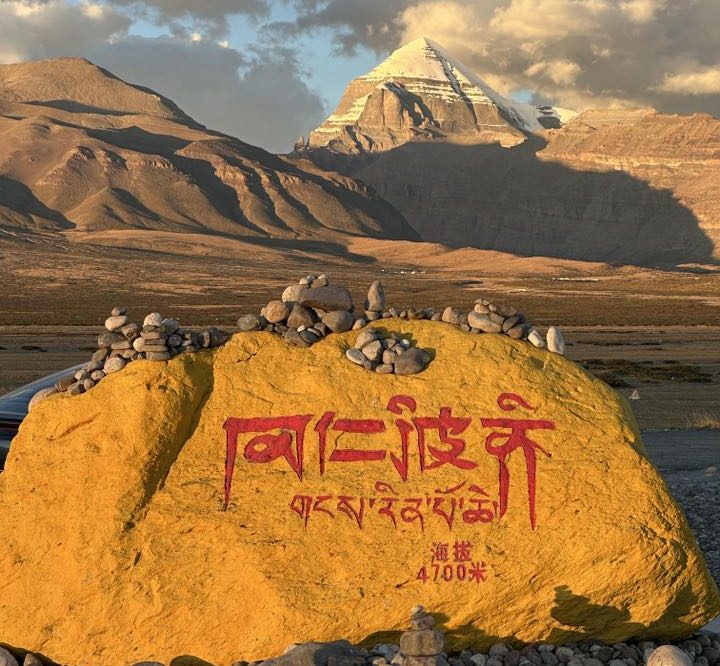
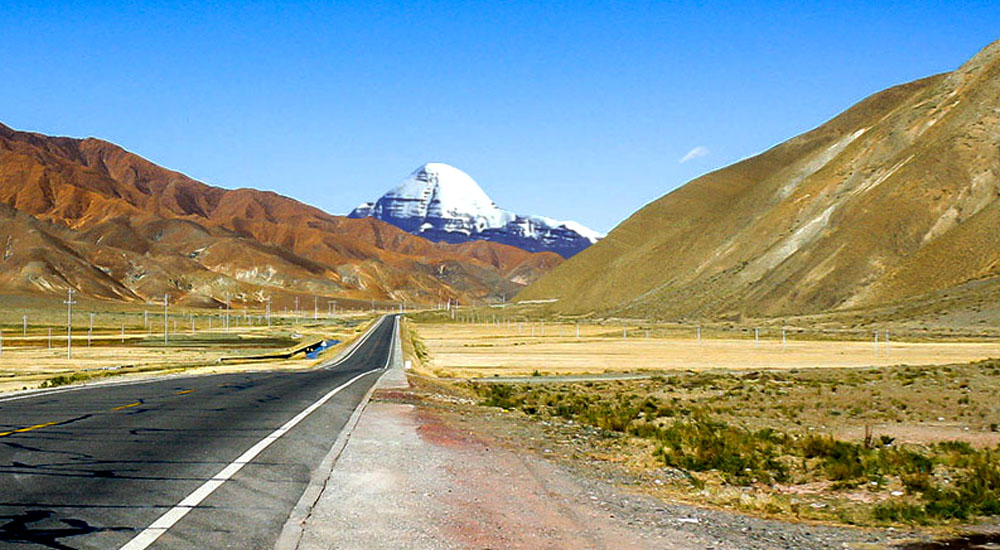
Mount Kailash Kora Trek offers one of the most sacred and breathtaking journeys in the world. Though Mount Kailash barely clears six thousand meters, its spiritual significance towers far higher. Hindus see it as Shiva’s abode, Buddhists connect it to Demchok, Jains revere it as the site where their first spiritual leader attained liberation, and […]
-
 Bold Himalaya
-
3 December, 2025
-
25 mins read
-
155 Views
-
0 Comments


Mount Kailash Kora Trek offers one of the most sacred and breathtaking journeys in the world. Though Mount Kailash barely clears six thousand meters, its spiritual significance towers far higher. Hindus see it as Shiva’s abode, Buddhists connect it to Demchok, Jains revere it as the site where their first spiritual leader attained liberation, and followers of Bon trace ancient visions here. Even those without religious beliefs often feel an inexplicable pull toward this mountain. Walking the kora—circumambulating the peak—connects pilgrims to both the earth and the deeper meaning it holds.
One path circles the peak, then another one does too. Most visitors pick the outside loop - it wraps all the way around Kailash. You’ll pass temples along the trail, cross steep mountain gaps, see sharp drops into canyons, plus spots where people have prayed for ages. The inner track’s far briefer, runs nearer to the cliff side, yet hardly anyone attempts it - just seasoned hikers go there. It's steeper, tougher to handle, trickier to climb - needs a permit plus solid fitness. Every path carries its past, unique feel, pace, and even deeper meaning.
This piece dives into each kora closely - laying out distance, how tough they are, what the ground’s like, height changes, and real-life hurdles. Yet it goes further by touching on meaning, tradition, spirit, and showing side-by-side differences plainly. Its goal? To offer a full picture - one that's thoughtful, grounded, honest, shaped by facts and voices from the region.
Meaning of a Kora
A kora, also called a parikrama, means walking in a circle around something holy - like a temple, relic, or peak. This practice is old but straightforward. Instead of focusing on everyday worries, someone moves step by step, matching outer motion to inner purpose. It might serve as a gift, a way to find answers, a sign of honor, or simply following a family custom.
The walker pushes ahead, moving as the land decides. High air makes breathing harder, storms roll in fast, while quiet time brings focus inward. Those who’ve walked just one stretch of the Outer Kora know it’s more than routine - it becomes a test shaped by strain, weariness, yet steady will.
The Outer Kora
- Distance: ~52 km
- Duration: 2–3 days (sometimes 4 depending on weather and acclimatization)
- Highest Point: Dolma La Pass (5,630 m approx.)
- Difficulty: Moderate to hard (main challenge is altitude)
- Start/End: Darchen
The Outer Kora follows the common path around Kailas; most folks take three days to finish - some push through in two, others slow down over four, based on how they handle thin air, stamina, or if storms roll in. You begin at Darchen, just a tiny cluster of buildings sitting near the base of the peak. After that, the route climbs along the Lha Chu river valley, making for the west side first, then swings north past the towering walls of the mountain.
The Outer Kora stretches for about 52 kilometers. From Darchen’s four thousand six hundred meters up to Dolma La’s nearly five thousand six hundred, the height shifts fast. Glacial valleys stretch out - rocky trails follow, now with small streams crossing, while sharp ascents get tougher when storms roll in. It's dry, freezing ground; yet the views go far, full of broad skies, deep shadows, bright sun.
Route Breakdown of Outer Kora
Day 1: Darchen → Dirapuk Monastery
- Distance: ~20 km
- Starting Elevation: 4,560 m (Darchen)
- Ending Elevation: ~5,080 m (Dirapuk)
- Average Duration: 6–7 hours
- Highest Point of the Day: Tarboche – ~4,750 m
The First Steps Into the Outer Kora
Your Kailash journey begins at Darchen, a small settlement resting at the foot of the sacred mountain. The trail starts gently, easing you into the terrain with gradual slopes and long, flat stretches along the Lha Chu Valley. This early section lets your body acclimate to the altitude while offering wide-open views of barren hills and distant glacier-fed ridges. For a complete, day-by-day plan of the Kailash trek, check out our detailed Kailash Yatra itinerary to see distances, elevations, and highlights for each day.
Walking Through the Lha Chu Valley
As you move further up the valley, the landscape begins to shift.
The valley narrows, cliffs rise abruptly on either side, and the wind carries a deeper silence. The path remains well-marked, making it comfortable for most trekkers despite the altitude.
Yaks and ponies used by local pilgrims often share the same track, adding a slow, rhythmic flow to the landscape.
Reaching the Tarboche Flagpole
One of the most important cultural landmarks of the day is the Tarboche flagpole, the central site of the annual Saga Dawa Festival, which celebrates the birth, enlightenment, and parinirvana of Buddha.
During the festival, thousands of pilgrims gather here, raising a massive prayer flag pole believed to bring blessings for the year ahead.
Even on a quiet day, the pole—covered in fluttering prayer flags—feels charged with history and devotion.
The First Revealing View of Kailash North Face
Not long after Tarboche, the north face of Mount Kailash comes into view.
This moment is unforgettable for many trekkers. The mountain rises like a sharply carved pyramid, its upper slopes wrapped in shadows and ice. Even seasoned Himalayan hikers often pause here—its presence feels impossibly close yet near-mythical.
The Final Stretch to Dirapuk
The trail gradually climbs until the Dirapuk Monastery finally appears—perched directly opposite Kailash’s towering northern wall. This is one of the most iconic viewpoints of the entire journey.
Discover the different ways to begin your journey with Helicopter vs Overland Kailash Mansarovar options.
Day 2: Dirapuk → Dolma La Pass → Zuthulpuk Monastery
- Distance: ~18–20 km
- Starting Elevation: ~5,080 m (Dirapuk)
- Highest Point: Dolma La Pass – 5,630 m
- Ending Elevation: ~4,790 m (Zuthulpuk)
- Average Duration: 8–9 hours
- Most Challenging Day of the Outer Kora
Climbing Toward Dolma La Pass
Day two begins early, often before sunrise, because this is the hardest and highest section of the entire Kailash Outer Kora. The trail leaves Dirapuk with an immediate climb, and as you move higher, the air thins quickly. Breathing becomes slower, footsteps feel heavier, and pacing yourself is essential.

The ascent is steep and rocky, and weather can shift within minutes—brief snow flurries are common even on warm mornings. Trekkers often walk in quiet concentration here, focusing on steady breathing while the world around grows increasingly cold and wind-swept.
Reaching the Sacred High Point
Near the summit sits a culturally important site often referred to as the Stone of Compassion, draped in layers of prayer flags left by countless pilgrims over the centuries. The top of Dolma La Pass feels both harsh and holy—winds whipping across the ridge while the air carries the weight of ancient devotion.
Most hikers rest only briefly here due to the altitude and cold.
Steep Descent to Gauri Kund
On the other side of the pass, the route drops sharply toward Gauri Kund, a turquoise lake sacred in Hindu belief. The descent is one of the trickiest parts of the day—loose stones, icy patches, and steep slopes can strain the knees and require careful footing. The lake sits slightly off the main trail but remains a deeply spiritual sight for many pilgrims.

The Long Valley Walk to Zuthulpuk
Once the steep section eases, the trail enters a wide, quieter valley. The path becomes gentler but feels long after the intensity of the pass. The landscape softens into sandy slopes, grassy patches, and smooth rock formations carved by ancient glacial flow.
By late afternoon or early evening, trekkers finally reach Zuthulpuk Monastery, a peaceful site linked to legends of Milarepa. This marks the end of the toughest day of the kora.
Day 3: Zuthulpuk Monastery → Darchen (Completion of the Outer Kora)
- Distance: ~14 km
- Starting Elevation: ~4,790 m (Zuthulpuk)
- Ending Elevation: 4,560 m (Darchen)
- Average Duration: 3–4 hours
- Easiest Day of the Kora
Morning Light Over Zuthulpuk
Your final day begins in the calm surroundings of Zuthulpuk Monastery, known for its meditation caves linked to the great Tibetan yogi Milarepa. The monastery sits beside a gentle stream, and the early morning light brings a peaceful softness to the valley. After two demanding days, today’s trail feels noticeably easier—your body welcomes the change.
Walking Through the Broad Valley
The path follows a wide, open valley carved by flowing water and ancient glaciers. The terrain here is smoother, with flat trails, sandy stretches, and scattered boulders weathered by wind. Pilgrims, yaks, and occasional locals quietly pass by, giving this section a steady, rhythmic flow.
The valley slowly widens, the mountains pull back, and the air begins to feel thicker as you gradually lose elevation.
Approaching the Exit of the Outer Kora
As the route continues, the trail transitions into broader plains. Small bridges, prayer stones, and carved mani walls appear along the way—silent reminders of spiritual devotion. The walking is easy and steady, making it a relaxed final stretch after the intensity of Dolma La.
Returning to Darchen
Eventually, the trail merges into the outskirts of Darchen, completing the full circuit of Mount Kailash. The settlement comes into view with guesthouses, teahouses, and familiar paths marking the end of the pilgrimage.
Finishing the Outer Kora brings a mix of relief, accomplishment, and quiet gratitude—three days around one of the world’s most sacred mountains.
Outer Kora Difficulty & Conditions
Most travelers see the Outer Kora as more than just walking. Instead of being tough, it’s doable if you’re fairly fit and give your body time to adjust. You can count on help like local leaders, pack animals, or people carrying gear.
Plus, places to stay pop up along the route when things are running smoothly. The path usually opens after winter ends and stays passable until fall rolls around. Still, whether it's actually walkable depends on storms, snow, or sudden rule changes from officials.
The Inner Kora
The Inner Kora is known quite differently. Though shorter, it’s way steeper - also trickier to navigate, with a deeper meaning in Tibetan belief. Instead of looping wide, it sticks tight to the mountain, moving under towering walls and through spots seen as sacred by locals.
In some stretches, you’re not just walking - you’re climbing over rocks or edging across slim ledges near drop-offs. Because of this, only seasoned travelers try it; usually, they bring someone along who actually knows the route.
The Inner Kora’s controlled too - access isn’t guaranteed for outsiders. Not even locals go there often, just on special holy days, said to boost blessings. That's when energy supposedly gets stronger.
Stay updated on Kailash Mansarovar Yatra reopening and permit rules for Indian citizens.
Route Breakdown of Inner Kora
Day 1: Dirapuk → Inner Kora Gate → Dakini Rock → Nandi Parvat Lookout
The Inner Kora begins near Dirapuk and immediately feels different from the Outer loop. Instead of open valleys, the path hugs close to Kailash, moving beneath cliff walls and sacred rock formations. Trekkers soon reach the Inner Kora Gate, where pilgrims traditionally chant and symbolically request permission from mountain spirits before entering the sacred zone.
From here, the route tightens into rocky ledges and small scrambles. Dakini Rock, believed to carry impressions linked to enlightened beings, marks one of the key spiritual sites of the day. A little farther ahead, the path opens briefly to the Nandi Parvat viewpoint, where locals say the spiritual energy feels strongest.
Day 2: Nandi Parvat → High Ridge (~5,500+ m) → East Slope Traverse → Rejoin Outer Kora
Day two climbs sharply toward a high ridge beneath Kailash’s dramatic north cliff. The altitude rises above 5,500 meters, meaning the air thins noticeably and every step demands effort. The landscape here is raw—exposed stone, wind-cut slopes, and narrow ledges that require careful balance and sure footing. Explore the four sacred faces of Mount Kailash and their spiritual significance for pilgrims.
After reaching the ridge, the trail angles east, traversing uneven, rocky ground along the mountain’s lower slopes before looping back toward the eastern stretch of the Outer Kora. This section is physically demanding and weather-sensitive; ice or sudden wind can turn it risky in minutes.
Spiritually, this route holds deep meaning. Tibetans believe walking the Inner Kora clears heavier karma and brings stronger blessings, which is why pilgrims move with great reverence—some bowing low, others advancing step by step in full devotion.

Comparison of Inner and Outer Kora
The two koras are unlike in almost every way - yet both tie back to the mountain.
The Outer Kora takes more ground yet feels easier step by step. It sets a smooth pace so you can soak in the views without rushing. You’ll walk past temples, wide meadows, streams, and also cross the tall ridge of Dolma La. The path isn’t tricky to follow, still it tests your breath up there.
The Inner Kora’s shorter, yet way more demanding. Not your typical hike - more like a sacred loop with sharp ascents, tight trails, so you’ll need nerve when footing feels shaky. Deep roots in tradition come along, plus rules set by locals. Most visitors aren’t ready for it, while seasoned pilgrims still move carefully.
When it comes to meaning, every group sees the paths in its own way.
For many Buddhists, the Inner Kora feels more sacred. In Hindu practice, walking the full circle is tied to cleansing the spirit. Jain writings focus on the area overall - yet they don’t split the route like others do. Followers of Bon view Mount Kailash as a core piece of old-world belief.
Outer Kora: Main Attractions & Highlights
The Outer Kora trek is the most commonly undertaken path around Mount Kailash. It is suitable for moderately fit trekkers and offers a balance of spiritual experience and scenic beauty.
Key Highlights of Outer Kora:
- Dolma La Pass (~5,630 m): Highest point of the Outer Kora with panoramic mountain views.
- Dirapuk Monastery: Iconic monastery at the north face of Mount Kailash.
- Zuthulpuk Monastery: Linked to the famous yogi Milarepa, with serene meditation caves.
- Tarboche Flagpole: Central site during the Saga Dawa festival; decorated with prayer flags.
- Lha Chu Valley: Scenic valley with rivers, glaciers, and open meadows.
- Sacred rivers & streams: Pilgrims often stop for rituals and offerings.
Follow the dos and don’ts during the Kailash Mansarovar travel to ensure a safe and respectful journey.
Inner Kora: Main Attractions & Highlights
The Inner Kora is a restricted, more challenging path that runs closer to Mount Kailash itself. This route is steeper, less crowded, and spiritually intense. Only experienced pilgrims and trekkers attempt it, often under local guidance.
Key Highlights of Inner Kora:
- Inner Kora Gate: Traditional entrance where pilgrims seek permission from mountain spirits.
- Dakini Rock: Sacred rock associated with enlightened beings.
- Nandi Parvat Lookout: A High viewpoint considered spiritually powerful.
- Secluded meditation caves: Often linked to Bon and Tibetan Buddhist practices.
- Sacred cliff areas: Narrow ledges and rock formations revered by locals.
Practical Considerations for Kailash Koras
Acclimatization and Physical Readiness
Trekking the Outer Kora requires time to get used to high altitudes. Pack warm layers, sturdy hiking shoes, medications for headaches, and snacks for slow stretches. Dolma La can become particularly challenging if your body isn’t prepared for thin air.
The Inner Kora is much more demanding. Only those with prior high-altitude trekking experience (above 5,000 meters) should attempt it. Strong heart health, sure footing on uneven stone surfaces, and sound decision-making are crucial. Experienced guides often skip the Inner Kora if weather or terrain conditions feel unsafe.
Permits and Seasonal Timing
Permits to trek the Kailash Koras vary annually, depending on local regulations and international relations. For the safest and smoothest journey, plan your trek between late spring and early fall, when valley trails are mostly clear of snow. However, the weather can change rapidly—storms and sudden snow may block sections of the trail, so staying flexible is essential.
Acclimatization Stops
Many pilgrims spend a couple of days in towns like Purang or Saga to let their bodies adjust. High-altitude sickness is common—headaches, shortness of breath, and nausea should never be ignored. Severe symptoms such as vomiting, dizziness, or difficulty walking require descending immediately. Maintaining good health is critical to completing even the Outer Kora.
Learn how to physically prepare for the Kailash Mansarovar Yatra to handle high-altitude challenges.
Food and Accommodation
Along the Outer Kora, food and shelter are basic but sufficient. Tiny teahouses serve simple local meals such as rice or noodles, and hot drinks help maintain energy. Pilgrims often carry dried fruit, sweets, and water purification tablets. Electricity is limited, so portable chargers are recommended.
The Inner Kora lacks these comforts entirely. There are no cabins or shelters, and trekkers usually start at dawn to avoid strong afternoon winds. Hiring a local guide is essential, both for navigating the difficult terrain and respecting sacred sites.
Trail Conditions and Safety
The Outer Kora is physically demanding due to altitude but relatively straightforward to follow. The Inner Kora, however, is steep, narrow, and exposed along cliffs. Loose stones, tight ledges, and sharp ascents make careful movement necessary. Sudden weather changes can quickly make certain sections dangerous, emphasizing the need for caution and experience.

Spiritual and Cultural Awareness
The Inner Kora offers a deeply spiritual experience. The terrain feels quieter and more sacred, prompting many travelers to move with reverence—bowing, prostrating, or advancing slowly along the trail. Sacred stones and rock formations must be respected; disturbing them can upset local communities.
During festivals, crowds increase, yet the sense of shared purpose remains. Pilgrims of all ages—from elderly women clutching prayer beads to younger men carrying supplies—move together in quiet, rhythmic harmony.
Environmental Responsibility
Mount Kailash and its surrounding lakes hold ecological as well as spiritual significance. The area is home to wildlife such as antelopes, wild donkeys, and migratory birds. Visitors must carry out all trash, particularly plastics, which persist for decades in the fragile high-altitude environment.
Personal Experience and Mental Benefits
Even non-religious trekkers often notice a transformation. Hours of walking in thin air and quiet surroundings strip away mental clutter. Thoughts slow down, and a sense of calm develops as your steps sync with the rhythm of the landscape. The trek challenges the body, but it also offers profound mental clarity and inner stillness that few experiences at lower altitudes can provide.
Outer vs Inner Kora: Detailed Comparison
Putting both koras next to each other through various sections shows what sets them apart.
Distance and Duration
About fifty-two kilometers make up the Outer Kora. Meanwhile, the Inner Kora takes less ground - but its length shifts each season slightly based on guide choices. Just because it’s brief doesn’t mean it’s simpler. Tougher land can hit harder when packed into fewer miles.
Altitude and Terrain
Each climbs past five thousand meters, yet the Inner Kora gets nearer to sheer slopes, cutting through stretches that seem loftier since the path shoots up fast - no wide basins to ease the rise. The elevation spikes sharply instead of creeping step by step.
Cultural Significance
People from all communities who revere Kailash follow the Outer Kora - it's a key piece of the famous journey taken by Hindus, followers of Buddhism, Jains, or those rooted in Bon. The Inner Kora ties more closely to old beliefs found in Tibetan Buddhist circles and native Bon customs. Some stones, hollows in rock walls, and cliff areas? They're thought to carry traces of wise elders and guardians from long ago.
Accessibility and Permits
You can walk the Outer Kora most years - just need regular permits. But the Inner Kora’s different - it's restricted. A lot of times, travelers from abroad aren't permitted at all. When it is open, only those who know what they're doing give it a try - often with locals leading the way.
Physical Challenge
The Outer Kora feels tough on the body yet steady in rhythm. Meanwhile, the Inner Kora pushes both strength and focus hard. Loose rocks, tight paths along edges, also sharp ascents shape this trail.
Landscape.
Landscape and Scenery
Outside, the Kora opens up - valleys stretch out, glaciers glimmer far off, rivers carve dry paths, while endless sky hangs above. Inside, it’s all stone, steep walls, dark corners, squeezed trails. Not so much a stroll, instead like moving through hidden layers of the peak.
Choosing the Right Kora
Walking the Outer Kora opens up space. Yet, stepping into the Inner Kora draws you down deep. It’s like circling a temple yard instead of slipping inside its quiet room. Once you enter, the air changes fast.
Travelers picking one over the other need to think about fitness levels, what permits are open at the time, also why they're going in the first place.
The Outer Loop offers full depth but skips extreme dangers. Meanwhile, the Inner Circle fits those used to tough hikes at elevation - people aware of mountain risks, plus genuinely honoring regional traditions.

Comprehensive Comparison: Outer Kora vs Inner Kora
Mount Kailash offers two main kora (circumambulation) routes. Both are sacred and rewarding, but they differ significantly in distance, difficulty, scenery, and spiritual experience. Here’s a side-by-side comparison to help trekkers and pilgrims choose the route that suits them.
| Feature / Aspect | Outer Kora | Inner Kora |
|---|---|---|
| Distance | ~52 km | ~30–34 km (varies by guide and season) |
| Typical Duration | 3 days (can extend to 4 days depending on acclimatization or pace) | 1–2 days (very physically demanding; some do it in 1 long day) |
| Route / Path Type | Well-marked trails through valleys, gentle slopes, and Dolma La Pass (~5,630 m). Mostly trekking paths with minor technical sections. | Rough, often unmarked trails close to cliffs. Rocky, narrow, exposed paths; may require scrambling and careful footing. |
| Highest Elevation | Dolma La Pass — ~5,630 m | High ridge beneath Kailash North Cliff — ~5,500–5,600 m |
| Difficulty Level | Moderate to challenging; mainly altitude stress. Feasible for moderately fit trekkers. | High; physically demanding with technical sections. Requires prior high-altitude trekking experience and excellent fitness. |
| Accommodation / Facilities | Small teahouses available; basic meals, some shelter. | No facilities; trekkers must be self-sufficient. |
| Support Options (Guides / Porters / Animals) | Required: local guides are essential for safety and route knowledge. | Classic pilgrimage route; widely followed by Hindus, Buddhists, Jains, and Bon followers. Temples, prayer flags, ritual sites along the way. |
| Accessibility & Permits | Usually accessible with standard Kora/pilgrimage permits. Widely done by foreign pilgrims. | Restricted; special permission required. Often limited to experienced pilgrims, sometimes not open to foreigners. |
| Ideal Months / Season | May–October (late spring to early fall) | May–October (same window; higher risk outside this period) |
| Weather & Risks | High altitude + technical terrain. Risk of injury, altitude sickness, and hypothermia. Rescue options are limited. | Altitude risk (~5,630 m), cold nights, sudden weather changes, thin air, and basic medical facilities. |
| Spiritual / Cultural Experience | Inner Kora Gate, Dakini Rock, Nandi Parvat Lookout, secluded caves, and sacred cliff areas. | Deeply spiritual; access to sacred inner-face sites, secluded caves, and high cliff areas. Fewer pilgrims, more intense spiritual focus. |
| Crowd Level & Solitude | Moderate to busy; easier to find fellow trekkers, support, and shared rhythm. | Very few pilgrims; remote and quiet. Ideal for those seeking solitude and deeper reflection. |
| Scenery & Landscape | Wide valleys, river crossings, panoramic views of mountains and glaciers. Broad vistas and classic Kailash landscapes. | Closer to cliffs and rocky faces; raw, dramatic terrain. Unique inner-mountain views not seen on Outer Kora. |
| Main Attractions | Dolma La Pass, Dirapuk Monastery, Zuthulpuk Monastery, Tarboche Flagpole, prayer flags, rivers, and glaciers. | Sturdy boots, layered clothing, water purification, and snacks. Moderate trekking fitness, able to handle high altitude (~5,630 m). |
| Preparation Needed (Gear / Fitness / Experience) | First-time pilgrims, moderately fit trekkers, and those seeking spiritual experience with manageable risk. | All Outer Kora gear + rope/climbing gear if needed. Full self-sufficiency, excellent fitness, prior high-altitude trekking experience. Only for experienced trekkers. |
| Who Should Choose This | Extreme terrain, high physical demand, permit restrictions, unpredictable weather, and very limited support. | Experienced trekkers/pilgrims seeking solitude, adventure, and a deeper spiritual journey close to the sacred inner face. |
| Key Drawbacks / Risks | Altitude sickness, cold nights, limited comfort, sudden weather changes. | Extreme terrain, high physical demand, permit restrictions, unpredictable weather, and very limited support. |
Additional Regional Questions
When looking into all koras, it’s easy to wonder how to start, what to take, and who guides the way. Most of the time, local travel groups handle entry permits and route decisions. Folks can also rent gear if needed - from warm layers to high-altitude shoes.
A few myths run around. Some claim NASA satellites see unnatural formations. Others say spirits guard each stone. Yet reality is simpler: this is a sacred mountain, and science doesn’t confirm tales. Stories serve faith, tradition, and community more than any lab result.
Choosing the Right Kora
- Outer Kora: Ideal for those seeking a manageable spiritual journey with stunning views, accessible monasteries, and moderate altitude challenge.
- Inner Kora: Best for seasoned pilgrims and trekkers who want solitude, spiritual intensity, and closer proximity to sacred sites.
Tip: Always check local permits, hire experienced guides, and prepare for high-altitude conditions.
Conclusion
The Outer and Inner Kora around Mount Kailash remain world-famous for more than the scenery. They combine tradition, physical challenge, and spiritual meaning. Each route tests travelers differently.
Outer Kora? Broader, longer, doable for most reasonably fit trekkers.
Inner Kora? Narrower, steeper, meaningful, demanding.
Both link footpaths to centuries-old beliefs, shaping journeys that leave marks in memory, body, and mind. With careful planning, respect for local rules, plus attention to the harsh terrain, a Kailash trek can remain both safe and profoundly moving.
FAQ of Mount Kailash Kora Trek
Which Route Is Easier for Kailash Mansarovar Yatra
The Outer Kora’s simpler. Most people who’re fairly fit - and used to the height - can manage Kailash Mansarovar Yatra if they’ve got help from someone who knows the way. Only folks used to high-altitude hikes should try the Inner Kora, and even then, just when the weather’s safe and the paperwork’s sorted.
What Is the Kora Route in Simple Terms
The Outer Kora starts in Darchen, follows the west valley upward, gets to Dirapuk at the northern end, crosses Dolma La into the eastern flank, then loops back via Zuthulpuk valley to finish the round.
From near Dirapuk, the Inner Kora heads up fast toward its gate, runs just under the mountain’s steep walls, winds across stony terrain, before linking once more with the bigger loop.
The Toughest Trek in the Panch Kailash Region
In the Panch Kailash crew, folks often see Adi Kailash - reached through Kailash Parvat’s starting point - as the toughest hike, thanks to how far it is, brutal climate, plus unrelenting uphill stretches.
A few put Kinnaur Kailash on the same level since it sits high and demands a grueling push-up to that stone spire. Toughness shifts depending on the season; still, both hikes usually end up being top challenges.
A Less Crowded Trek in Nepal
The Makalu Base Camp trail is usually seen as one of Nepal’s big hikes, with hardly any people. While Kanchenjunga South and North Base Camp paths stay off most tourists’ lists, unlike Everest or Annapurna. Though once peaceful, the Manaslu loop now draws way more trekkers than before.
The Coldest Trek in India
The Chadar Trek along the icy Zanskar River gets crazy cold. It’s common for temps to drop under minus twenty C, while biting winds make it feel even harsher. Trudging across solid ice in freezing air is what makes this trek so tough.
A Forest Banned for Trekking in India
The Silent Valley area in Kerala is kept safe as a national park, so entries are tightly controlled. Inside paths for hiking? Mostly off-limits - to shield animals and delicate habitats. Other forest zones in India also block treks, mainly for the same cause. Still, people often bring up Silent Valley when talking about such places.
The Riskiest Fort Trek in India
Harihar Fort in Maharashtra gets attention thanks to a rocky path cut straight into the hill. This trail’s tight, plus it turns slick when it rains. A good number of hikers make it through every season - still, staying alert matters. Some take risks; others go slow, yet both need care on this climb.
Is Harihar Fort Safe
Harihar Fort stays safe if you move carefully, pick a calm day, wear solid shoes, and also get help from someone who knows the route. Things turn risky once it rains or winds kick up - those stairs sit out in the open. Trouble usually starts when hikers hurry through or push upward despite bad weather.
Comments (0)
Write a comment- Meaning of a Kora
- The Outer Kora
- Route Breakdown of Outer Kora
- The Inner Kora
- Route Breakdown of Inner Kora
- Comparison of Inner and Outer Kora
- Outer Kora: Main Attractions & Highlights
- Inner Kora: Main Attractions & Highlights
- Practical Considerations for Kailash Koras
- Acclimatization and Physical Readiness
- Permits and Seasonal Timing
- Acclimatization Stops
- Food and Accommodation
- Trail Conditions and Safety
- Spiritual and Cultural Awareness
- Environmental Responsibility
- Personal Experience and Mental Benefits
- Outer vs Inner Kora: Detailed Comparison
- Distance and Duration
- Altitude and Terrain
- Cultural Significance
- Accessibility and Permits
- Physical Challenge
- Landscape and Scenery
- Choosing the Right Kora
- Comprehensive Comparison: Outer Kora vs Inner Kora
- Additional Regional Questions
- Choosing the Right Kora
- Conclusion
- FAQ of Mount Kailash Kora Trek
- Which Route Is Easier for Kailash Mansarovar Yatra
- What Is the Kora Route in Simple Terms
- The Toughest Trek in the Panch Kailash Region
- A Less Crowded Trek in Nepal
- The Coldest Trek in India
- A Forest Banned for Trekking in India
- The Riskiest Fort Trek in India
- Is Harihar Fort Safe
Read the latest Blogs & Insights
Explore our collection of articles and insights to gain in-depth travel knowledge, expert advice, and stay updated on the latest trends and tips.
Adi Kailash Yatra and Trek 2026 Essentials



No comments yet.