


Mount Kailash Yatra cost details for Indian and foreign travelers including route options packages and budget tips
Embarking on a Mount Kailash Yatra is not just a journey—it’s a once-in-a-lifetime spiritual adventure that tests your body, mind, and soul. For anyone searching for guidance on Mount Kailash Yatra cost details for Indian and foreign travelers, including route options, packages, and budget tips, understanding the numbers before you go is crucial. This sacred […]
-
 Bold Himalaya
-
25 December, 2025
-
39 mins read
-
222 Views
-
1 Comments


Embarking on a Mount Kailash Yatra is not just a journey—it’s a once-in-a-lifetime spiritual adventure that tests your body, mind, and soul. For anyone searching for guidance on Mount Kailash Yatra cost details for Indian and foreign travelers, including route options, packages, and budget tips, understanding the numbers before you go is crucial. This sacred peak in western Tibet draws pilgrims from Hinduism, Buddhism, Jainism, and Bon traditions, making the trek a blend of devotion, culture, and raw natural beauty.
Why does budgeting matter here more than on any other trek? Unlike regular mountain trips, Mount Kailash is remote, high-altitude, and tightly regulated. From securing permits and visas to navigating rough roads or relying on yaks and local helpers, costs can add up fast. Indian pilgrims may access certain government-supported routes, while foreign travelers must hire approved guides and travel in controlled groups—both adding layers of expense and planning.
This guide is designed to take the mystery out of your pilgrimage. You’ll discover all the route options, compare package costs, uncover hidden expenses, and get practical budget tips so that every rupee or dollar you spend is planned and purposeful. By knowing what to expect, you can focus on the true heart of the journey, the spiritual experience, without surprises along the way.
Why Budgeting Matters for Mount Kailash
Planning a trip to Mount Kailash isn’t like organizing a regular trek—it’s a journey into one of the most remote and sacred landscapes on Earth. Costs here don’t just come from accommodation or transport; they’re influenced by high-altitude challenges, strict permit and visa requirements, and the remote nature of Tibet, where roads are few and weather windows are narrow. Travelers often find themselves navigating army zones, border checks, and sudden route closures, making flexibility both essential and expensive.
Without proper budgeting, unexpected costs can quickly mount. Extra nights due to weather delays, emergency medical needs, or visa processing issues can inflate your expenses far beyond initial estimates. Even seasoned travelers discover that quotes found online often skip critical charges like airfare, rescue plans, or specialized medical coverage—leaving them scrambling once they’re already on the trail.
High-altitude terrain adds another layer of cost and complexity. From oxygen supplies to health monitoring, small oversights can become costly. And with Mount Kailash accessible only during a short season (roughly May to September), peak crowds drive prices up, while off-season trips risk road closures and limited services. For foreign travelers, additional layers like mandatory guides and restricted zones further increase expenses.
Hidden Costs Travelers Often Miss
- Airfare to Kathmandu or Delhi: Often not included in packages, can range from INR 15,000–40,000 for Indians, USD 300–1,500 for foreigners.
- Specialized high-altitude travel insurance: Required for treks above 15,000 feet, USD 100–300 depending on coverage.
- Emergency evacuation & oxygen: Helicopter rescue can be extremely costly if insurance doesn’t cover it.
- Extra helpers or yaks for luggage: Often needed for carrying gear on the Parikrama, costing USD 20–50/day per assistant.
Proper budgeting ensures that your focus stays on the spiritual journey rather than unexpected financial hurdles. Planning is not just smart—it’s essential for a safe, smooth, and stress-free Mount Kailash Yatra.
Main Routes to Mount Kailash
Travelers heading to the Kailash Mansarovar usually pick one of three paths - each different in how tough it is, how long it takes, what it costs, and how easy it is to get there.
Kathmandu–Kerung Route
Most people, whether from India or elsewhere, go through Kerung after starting out in Kathmandu. Crossing the border into Tibet marks the shift from Nepal's capital to rugged mountain roads leading straight toward the sacred peak and nearby Lake Mansarovar.
It generally takes two weeks, give or take a day or two, with several planned pauses meant to help bodies adjust to thinning air along the way. When summer storms hit, roads can turn slow - some even shut down completely.

Winter brings deep snow that blocks travel in spots. You will find more companies running trips here than elsewhere, plus a wider range of start times throughout the year. Costs shift depending on how many people are traveling, where you stay, and what time of year it is.
- Duration: ~2 weeks, with acclimatization breaks
- Challenges: Summer storms may slow progress; winter snow can block roads
- Costs: Varies based on group size, accommodations, and season
Lipulekh Pass Route
Starting at the edge of Uttarakhand, the path climbs toward Tibet through an old mountain crossing used long ago by travelers on foot. Managed by India's foreign affairs department, access is open only to citizens holding Indian nationality.
Instead of paying higher fees set by travel businesses, those who qualify pay less due to state support behind the scenes. Even though costs are lower here, getting a spot feels nearly impossible - too many want in, too few places exist. Decisions come slowly, after piles of forms fill up fast each season. Younger applicants might face limits on eligibility due to age rules, while health clearances are strictly checked before approval.
From Delhi onward, reaching the remote border zone usually spans nearly three weeks of constant movement. Trekking at extreme elevations forms a core part of the journey, where sleep comes in modest shelters each night. Rough terrain defines much of the path, making stamina essential for anyone attempting it. Priced between 1.6 and 1.7 lakh rupees, the fee stays low thanks to state backing, covering less than actual expenses.
- Duration: ~3 weeks from Delhi
- Cost: INR 1.6–1.7 lakh
- Key Points: State-backed rout
Helicopter-Assisted Route
Flying into Nepal by chopper has become a way out for those wanting less walking or tighter schedules. Instead of only roads, some parts happen in helicopters when landing isn't possible nearby.
Most times, air travel cuts down time between Kathmandu and the Tibetan edge - maybe even gets you closer to certain mountain spots - but clouds, wind, or snow often delay or stop flights altogether. If you want to know which route suits you best—helicopter or overland—check out our detailed guide: Helicopter vs Overland Kailash Mansarovar: Which Route is Right for You
Prices go up fast; Indian travelers pay around 2.6 to 2.8 lakh rupees, while others from abroad can expect bills past four thousand US dollars. Fuel prices drive up flight costs, while rare permissions for sky travel add more expense.

Not many companies can fly helicopters through Tibet's tight air zones, which keeps supply low. Bad weather plans are part of what makes these trips costly, too. Older travelers often choose this path, just like busy people who lack the time for slow journeys. Some pick it to lower dangers tied to high elevations. Walking remains unavoidable even when choppers help - Kailash Parikrama must be finished on foot.
- Cost: INR 2.6–2.8 lakh (Indians), USD 4,000+ (foreigners)
- Advantages: Faster, easier on the body, suitable for older travelers
- Limitations: Weather-dependent, still requires walking for Kailash Parikrama, and limited availability
Mount Kailash Yatra Cost for Indian Nationals
Starting at about one point eight lakhs rupees, a journey to Mount Kailash for Indians booked via private agencies usually goes up to two and a half lakhs. Most of these options follow the land path from Kathmandu through Kerung, offering basic travel needs but nothing fancy.
If you go with official trips using the Lipulekh route instead, prices drop - somewhere between one point six and one point seven lakhs - but spots are limited. Because space is tight on those, many end up choosing private tours anyway. Spend more, say near two point eight lakhs or above, and you might get better rooms, fewer people in your group, or extra helpers along the way. The price shifts actually match what you receive, not just random markups.
A journey arranged by officials tends to cost less for people from India, yet preparing takes time, along with agreeing to fixed travel days. Oversight comes under the Ministry of External Affairs, where trips get some financial help from public funds.
Want to know which option suits you better—Group Kailash Yatra or Private Kailash Yatra Tour? Read our full guide here
Getting picked usually follows sending forms long before departure, while health checks remove those not fit enough. Those approved find things handled smoothly, moving together on set routes, focused more on well-being and purpose than on luxury.
Not everyone likes the simple lodgings, tight timetables, or having to follow the group's rules on these trips. Yet people still sign up in large numbers for these state-run options because they cost much less. That lower price opens the door for families without deep pockets, letting them join a journey that could be too expensive through commercial tours.
Going solo with a private company means pick-your-date trips, flexible group sizes, and different meal options. Prices run higher than state-run tours because everything gets paid for - no outside help covers the bill. These outfits often bring stronger backup: veteran guides, cleaner vans, rooms one step up when possible, quicker replies if something goes wrong.
Anyone from India who picks this path needs to check what each firm actually gives, since one might include meals while another does not. Watch out - one quote may skip must-have pieces like entry permits for Nepal, team paperwork for Tibet access, safety coverage during travel, or extra nights held open just in case skies turn bad.
Route-Wise Cost Breakdown for Indians
For Indian travelers, the Mount Kailash Yatra depends heavily on the chosen route and travel style. Here’s a detailed breakdown:
Starting off with travel options for Indian citizens, the cheapest way turns out to be the government-run path via Lipulekh Pass - costing roughly 1.6 to 1.7 lakh rupees. Availability here is tight, which makes booking tricky despite the low rate.
Choosing a journey from Kathmandu to Kerung using non-government providers usually means paying somewhere between 1.8 and 2.5 lakh rupees - the exact figure sways with time of year and comfort level.
If flying's part of the plan, expect prices to jump; helicopter-supported trips run high at 2.6 to 2.8 lakh due to aircraft fees and complex planning needs. Permits, guide pay, and helper charges stay about the same across paths, but what really shifts the total? How you move, where you sleep, and how many people share the trip.

About one-fifth of Indian tour prices goes to paperwork - permits for Tibet, travel clearances, and visas handled via Nepal. Moving people around eats up roughly a third; that covers buses or jeeps, fuel bills, paying drivers, plus fixing vehicles after rough mountain roads. Places to sleep take up nearly a fifth, even if rooms are simple, simply because there are so few hotels out in the far corners of Tibet.
Meals make up a tenth to a little more than that, mostly plant-based dishes respecting local beliefs. Human help - guides, helpers on site, those carrying loads - adds another chunk close to fifteen percent. What's left - around five to ten percent - covers medical setups, oxygen tanks, plus how emergencies are handled. Depending on whether it is a basic or high-end plan, the split changes just a bit, especially where lodging and team staffing are concerned.
Traveling through Nepal means fewer restrictions for Indian visitors, thanks to looser rules set by China. Group size matters - Indians can form bigger parties, cutting individual fees. Smaller oversight needs mean fewer staff on hand during trips. Years of cooperation between Indian agencies and local guides in Tibet have smoothed out logistics. Shared cultural cues help too, especially near borders where languages blend. Fewer misunderstandings lead to cheaper planning. Foreign travelers face tighter controls, heavier supervision, and higher prices.
Mount Kailash Yatra Cost for Foreign Nationals
Pricing for foreign travelers on Mount Kailash trips starts around two thousand eight hundred dollars, going up to four thousand five hundred for typical plans - some high-end ones even go beyond five grand. What you pay isn't about how good the trip is, but because rules set by China make it more complex than what Indian visitors deal with. Instead of regular tourist permits, people holding non-Chinese passports need special group visas, which take longer, ask for extra papers, and cost more. These group requests can only be sent by approved tour companies that have official rights to run tours in Tibet - so your options shrink, giving those few firms stronger control over availability and rates.
Travel in Tibet requires foreigners to have an officially approved guide at all times. Not just any guide will do - only those with special government clearance for international visitors. This rule creates delays, since only a limited number of guides qualify under these rules. Their job goes further than showing sights or translating words. They check permissions, track daily plans, and act as the contact point with regional officials. Because of extra duties and certification demands, such guides earn more than average. Group sizes also come with fixed limits - too small or too large is not allowed - which shapes how tours are organized compared to trips made by Indian travelers.
If you’re planning your journey, check out our detailed guide on How to Plan Your Kailash Yatra: A Step-by-Step Blueprint for First-Timers to make sure nothing is missed.”
Travel to certain parts of Tibet is off limits without special permission from military authorities, a rule that applies to visitors from other countries. Getting close to Mount Kailash means stepping into areas tightly controlled because they sit near border lines and hold security importance. Sorting out the paperwork takes time, touches several branches of government, and changes price depending on where you are from and exactly where you plan to go. Foreigners can't handle these passes on their own - they have to rely on approved travel companies, which adds an unavoidable expense. Because of how things work now, solo trips by international guests aren't allowed; instead, every journey needs a complete setup covering movement, places to stay, and guided presence throughout the visit.
Package Price Range for Foreigners
Starting at about two thousand eight hundred dollars, budget trips for international travelers cover basics without much extra comfort. Cost sharing happens through shared rooms, regular vehicles, and bigger groups. Moving up, mid-level plans sit between three thousand five hundred and four thousand dollars - better places to stay, fewer people together, guides who know more. Above that, high-end options go past four thousand five hundred, including better lodgings when possible, personal transport choices, stronger health backup, plus extra time built in for weather or adjusting to altitude. Though spending more helps a bit, even top-tier trips run into limits due to Tibet's isolated areas. Fancy comforts found elsewhere just do not exist here, no matter how much is paid.
Overland travel via Kathmandu–Kerung is pretty much the only real choice for most foreigners, so prices across options stay close. Though China runs a route at Lipulekh Pass, it's off-limits to anyone without an Indian passport - bilateral terms keep access narrow. Flying in by helicopter? That tab begins near four thousand U.S. dollars, sometimes pushing past five, thanks to air service fees layered with extra charges just for non-residents. Whether you're on your own or paired up, signing onto set group trips means paying what others pay - even if splitting things could save money, local rules block any reshaping of plans.
When one person travels versus several, the real difference shows up in when they leave, not what things cost at their core. A bunch of people from another country who already know each other - six or eight maybe - can sometimes get a tiny discount per head because plans fit just their timeline. Still, cuts are small, often no more than 10 or 15%, since rules and fees stay high no matter how many show up. Most visitors from abroad sign up for trips others have set up ahead of time, and those prices treat singles and pairs the same way. Because going solo isn't allowed, outsiders never see price tags made for lone explorers across Tibet.
Detailed Cost Comparison Table
| Category | Indian Nationals | Foreign Nationals |
| Kathmandu–Kerung Route | INR 1.8–2.5 lakh (USD 2,200–3,000) | USD 3,000–4,500 |
| Lipulekh Pass | costs between 1.6 and 1.7 lakh rupees, says the government - around 1,950 to 2,050 US dollars | Not Available |
| A ride by helicopter | costs between 2.6 and 2.8 lakh rupees. That is around 3,150 to 3,400 US dollars | USD 4,000–5,500 |
| Duration | Lasts around two to four weeks | 12–16 days |
| Permit Processing Time | 4–6 weeks | 6–8 weeks |
| Group Size Flexibility | Higher | Lower |
| Independent Travel | Not Permitted | Not Permitted |
| Difficulty Level | High | High |
Travel conditions show comparable challenges for Indian and foreign visitors when reaching Mount Kailash - both deal with tough terrain and tight movement rules. Yet expenses differ sharply because of policy differences. Indians can use state-supported pathways closed to outsiders, along with cheaper options from local providers.
Visitors from abroad must pay extra for required high-end services, a result of China's permit system, not supply and demand. Trip lengths tend to match up since distance and altitude adjustment shape schedules more than where someone is from. Paperwork delays hit international travelers harder, thanks to added forms and cross-border approvals slowing things down.
What Is Included in Most Mount Kailash Yatra Packages
Most Mount Kailash Yatra packages come with places to stay that aren't fancy resorts.
Accommodation During Mount Kailash Yatra
Accommodation along the Kailash Mansarovar trip is basic but functional, focusing on safety and proximity rather than luxury.
- No luxury upgrades: The terrain and remote location prevent high-end options, so the focus is on practicality rather than comfort.
- Cities like Kathmandu and Shigatse: Travelers may stay in rooms with private bathrooms, offering slightly more comfort.
- Along the route: Lodging is usually in guesthouses or simple lodges with minimal amenities.
- High-altitude zones: Facilities become shared, including bathrooms and beds. Heating is often limited, and electricity can flicker or fail unexpectedly.
- Room sharing: Most rooms accommodate multiple travelers. A private bed is possible, but it usually increases the total cost by 40–50%.
Food and Meals
Meals on the Mount Kailash Mansarovar are simple, nutritious, and mostly plant-based, reflecting local traditions and spiritual practices.
- Staples: Bread, rice, lentils, and vegetables form the core of every meal along the route.
- Daily meals: Once travelers reach Tibet, three meals a day are typically included in the package.
- Remote areas: In far-flung locations, meal choices are limited due to supply challenges. Basic local dishes are offered alongside familiar staples.
- On-the-move meals: During hikes or transfers, some operators provide pre-packed midday meals for convenience.
- High-altitude challenges: Cooking at higher elevations can take longer because thin air slows down baking and boiling, and kitchens may lack proper tools.
- Special dietary needs: Travelers requiring non-vegetarian or specific dietary options should notify the tour operator in advance, though supply shortages may still affect availability.
Transport and Logistics on Mount Kailash Yatra
Travel during the Mount Kailash Yatra relies on rugged, high-altitude vehicles designed to handle challenging terrain.
- Vehicle types: Most trips use four-by-four trucks or sturdy buses capable of navigating rocky paths and sudden elevation changes.
- High-altitude features: Newer vehicles often include oxygen tanks onboard to support passengers at extreme heights.
- Driver expertise: Skilled drivers are essential—they must navigate icy turns, steep climbs, narrow passes, and unpredictable mountain conditions.
- Road challenges: Routes may wind along cliffs, pass through tight gaps, or disappear under mud after storms. Long stretches can take up to 10 hours of travel, so comfortable seating is crucial.
- Backup plans: Mechanical failures, snow blockages, or tire bursts can occur. While most trips include contingency measures, delays are not always recoverable.
Kailash Parikrama Support: Yaks, Porters, and Horses
The Kailash Parikrama is a challenging 52-kilometer loop around Mount Kailash, reaching heights of 18,600 feet over the Dolma La Pass. At these elevations, travelers often need extra support to complete the trek safely and comfortably.
- Helpers and animals: Most packages include one yak, horse, or porter per traveler to carry luggage and supplies, making the journey more manageable.
- Horseback option: Some trekkers opt to ride horses for sections where walking becomes too strenuous. This choice requires prior arrangement and an additional fee.
- High-altitude challenges: Despite support, the trek remains physically demanding. Thin air, rocky terrain, and changing weather conditions test even experienced trekkers.
Providing proper support ensures a safer, more efficient Parikrama, while letting travelers focus on the spiritual and cultural experience rather than just the physical strain.
Health & Safety Measures During Mount Kailash Yatra
At higher altitudes, oxygen levels drop significantly, so oxygen tanks are provided as a precaution. Before departure, travelers often undergo heart and lung checkups to identify potential risks related to thin air. Some operators even provide portable oxygen units for use while sleeping at camps situated above 5,000 meters.
Despite these precautions, the body can react unpredictably to extreme altitudes. Experienced guides carry first aid kits and maintain communication links to doctors in case of emergencies. In serious situations, evacuation may involve rapid descent or helicopter transfer to better-equipped clinics. It’s important to note that these emergency measures are typically not included in the standard package cost, so travelers should plan accordingly.
Guides and Support Staff During Mount Kailash Yatra
On the ground, guides and support staff handle far more than just leading the way. At checkpoints, they present permits, coordinate with local officials, and manage accommodations, ensuring travelers have designated sleeping spots and meal arrangements along the route. They also explain cultural rituals and sacred practices when passing through villages or spiritual sites, enriching the pilgrimage experience.
For international travelers entering Tibet, assigned guides carry official approval papers and take legal responsibility for the group’s behavior, ensuring compliance with local regulations. Meanwhile, before departure, support teams in Kathmandu or Delhi manage paperwork, visas, and communication, keeping family members updated throughout the journey.
Along the high-altitude trail, where phone signals are weak, helpers coordinate logistics behind the scenes—linking porters, animal handlers, lodge owners, and drivers—to resolve delays quietly and efficiently. Their work ensures the pilgrimage flows smoothly, allowing travelers to focus on the spiritual and cultural experience rather than the complex logistics.
What Is NOT Included (Hidden or Overlooked Costs)
Airfare to Kathmandu or Delhi
One big cost travelers often miss? Plane tickets to Kathmandu or Delhi. These are never part of the trip price. How much they cost depends on where you start and when you book.
Flying from cities in India might take between INR 15,000 and INR 40,000 - season matters. Those coming from far away usually pay more.
If you're arriving from somewhere in Southeast Asia, expect to spend USD 300 to USD 600.
Journeys from Europe or North America go way beyond that, sometimes hitting USD 1,500.
This airfare sits outside any package deal. It's a heavy chunk of what the whole journey really costs. Many forget to count it at first. That surprise adds up fast.
High-Altitude Travel Insurance
Got to watch out - regular travel insurance usually does not cover treks above 15,000 feet. Instead, you need special protection made for high altitudes, which runs between USD 100 and USD 300 based on how long you go, your age, plus what kind of benefits are included.
One thing matters most: make sure it covers emergency evacuations because if something goes wrong in faraway parts of Tibet, a helicopter ride might be needed straight to Kathmandu or another center that handles severe altitude illness.
Without that policy? Those flights alone could set you back anywhere from USD 10,000 up to USD 30,000 - enough to cause major money problems. It is common now for trip organizers to ask for proof of solid coverage before they lock in your spot; so, having this isn't just wise, it has become required.
Emergency Evacuations
Unexpected bills show up when insurance does not cover full evacuation expenses or takes too long to pay. Getting a helicopter out of the Mount Kailash area toward Kathmandu means dealing with storms, flight permissions, plus cooperation between countries.
Insurance might help later, yet hospitals often want payment right away, forcing travelers to spend their own money first. Repayment comes days or weeks afterward, once the paperwork finishes moving through the systems.
How much credit is available on cards, along with savings tucked aside, plays a quiet but vital role when health crises strike without warning.
Extra Luggage or Animal Support
Extra help with luggage often means paying more than the basic plan covers. Usually, each person gets one yak or helper on the Kailash trek. Those bringing bulky photo gear or lots of belongings might need another set of hands along the way.

Each added assistant runs between twenty and forty dollars daily. Over a three-day loop around the mountain, that adds up to sixty through one hundred twenty bucks.
Some travelers who cannot walk far choose to ride horses instead. Horse use costs thirty to fifty dollars a day. Pilgrims settle these payments straight with local animal tenders, not travel companies.
Clothing and Gear
When winter hits, what you wear hinges on how chilly it feels to you, yet a few things stay necessary - jackets that trap heat, long underwear that holds warmth, sturdy hiking shoes, mittens, head coverings, plus bedding safe for freezing nights.
Those who show up without them might need to buy or rent along the way. Buying everything new could cost between INR 20,000 and INR 30,000 if durability matters.
Renting in Kathmandu? That runs closer to INR 5,000 or maybe INR 8,000 for the whole trip. Poor choices here mean shivering - or worse - once trails climb skyward. Saving too much now may lead to trouble later.
Paperwork and Visa Delays
When mistakes happen in paperwork, visas might take longer or need extra payment to fix. Getting a group visa for Tibet from China means passing through several checks.
If something is wrong with the documents, sending them again becomes necessary. Fixing it usually costs between fifty and one hundred US dollars.
Worse than the fee, though, are the holdups - travelers sometimes miss their planned start date. That leads to changing bookings, paying new fees, or losing money already spent.
Planning with extra days ahead reduces trouble, yet sudden document problems still pop up now and then, pushing travelers toward costly changes.
Weather-Related Disruptions
Weather-related disruptions happen often enough that extra days are wise to include. When heavy rains arrive, roads may shut because of mudslides or water overflow - this is normal before winter sets in. Flights going to or leaving Kathmandu frequently get held up when fog rolls in or winds pick up strength.
Extra nights mean more costs: lodging, food, maybe even new rides, none covered by standard plans. Smart travelers set aside cash - between INR 10,000 and INR 20,000, roughly USD 150 to USD 300 - to handle stays that stretch past the planned return.
Most travelers don't see how high the full cost will be until later. That happens because advertised deals show only starting numbers, hiding extra charges in small details or other papers.
Once people lock onto that first number, anything added feels wrong, even when expected. Airfare overseas, coverage plans, equipment, emergency funds, plus gratuities - these pile on top, often boosting spending by a third to half again more than the listed price.
When everything adds up, many are shocked. Planning honestly at the start keeps money worries away. It frees attention for what matters during the trip itself.
Factors That Increase or Decrease the Total Cost
Several factors can increase or decrease the total cost of your Mount Kailash pilgrimage. Understanding these helps in budgeting effectively.
Group Size
Big groups usually mean less money spent per person, especially when comparing Indian and foreign travelers under different rules. When there are more people, things like hiring guides or renting vehicles cost less for each one because the price is shared.
Twelve to sixteen members work best for keeping prices down, whereas four to six leads to higher rates per head. Small private gatherings with fewer than four often do not get priced at all - too little profit for those running them.
Rules set by China add extra limits on how big a group of foreigners can be, making savings harder to reach that way. Not sure whether to travel with others or go solo? Read our guide on Kailash Yatra in Group vs. Private Kailash Yatra Tour to see which option suits you best.
Season & Permits
When permits get busy and trails open up, prices shift. High numbers show up between May and August because skies stay clear, kids are out of school, and crowds pack in. April and September bring softer rates - down roughly 10 to 15 points - with decent forecast odds.
Winter months, October to March, deal with snowed-in roads plus freezing temps; yet some guides drop fees for seasoned climbers ready for rougher climbs. What you pay across the year ties directly to who shows up and what nature allows - not made-up rules.
Not many see how shifting permit rules can shake up costs mid-summer. Even in high season, rates jump around depending on short-term openings. The busiest times hit hardest in June and July - prices climb simply because everyone wants those dates.
Cooler heads might look at May or August; skies stay clear, yet the price tag stings less. When China adjusts its permit flow - often due to politics - the number of slots drops without warning. That squeeze pushes prices higher, sometimes even outside busy months. Planning far ahead helps avoid getting caught in sudden shortages. Locking things down early keeps numbers steady despite coming surprises.
Accommodation Upgrades
Most travelers pay extra when they choose a higher-tier stay, if one is offered at all. Usually, that means spending between twenty and thirty percent more than the standard rate. In cities like Kathmandu or Shigatse, those upgrades often mean rooms in stronger buildings with steadier water and power.
Outside major stops, options fade fast once roads thin out and altitude climbs. Near Mount Kailash itself, every guest sleeps on similar beds - no matter how high the price tag - because nothing fancier has been built. So even costly plans only shift comfort levels partway through the trip.

For the rougher stretches, everyone faces the same walls, cold floors, and shared toilets. Whether that added city-side ease feels worth it comes down to what each person can spend - and how much soft sheets matter after long days walking.
Age & Health Considerations
Older travelers or people needing medical help often face extra charges. Because of age or health issues, some might need check-ups before starting, carry oxygen tanks, move more slowly, take more breaks, or even fly by helicopter on tough stretches.
Services like these raise prices right away. They also lead to smaller groups since not everyone can join trips set up for special needs. Fewer people mean higher costs per person.
Certain companies offer routes designed for older adults. Those plans usually cost 20 to 40 percent more. Still, they lower stress on the body and cut down health dangers along the way.
Helicopter or Air Transport
Traveling by helicopter brings the biggest rise in price, often between eighty thousand and one hundred thousand rupees - or a thousand to fifteen hundred dollars - per traveler, based on how far it goes.
Cutting travel time by several days, these flights ease bodily stress while drawing those short on time or uneasy about high elevations. When skies turn rough, flights may stop suddenly, forcing people back onto ground routes that take just as long as usual.
Paying extra for air transport means weighing saved money against spared effort, where personal needs guide what feels right. Each choice hangs on its own mix of limits and priorities.
Budget vs Premium Mount Kailash Yatra Packages
Choosing between budget and premium Mount Kailash Yatra packages depends on your comfort preference, travel style, and how much you’re willing to spend. Here’s a clear comparison to help you decide
Budget Packages
Basic lodgings appear - small rooms where people sleep together, bathrooms used by many. Food arrives plain each time, cooked without choice, only meeting simple eating rules tied to faith. Rides come in old buses, filled with others, engines still working though worn down. More faces pack into one group, sometimes sixteen walking as one, which saves cash yet leaves little room for private talks with leaders. A few oxygen tanks sit nearby. First aid kits are available, too - though no doctor travels along. Younger people, feeling strong lately, often pick the cheaper option. These travelers care more about spending less than sleeping cozily. The trip works if you accept simple setups all the way through.
Premium Packages
A step up means softer beds, even when roads stay rough, and power stays shaky. In busier spots, travelers get rooms with locks on doors, showers that work most of the time, plus lights that flicker less often. Food becomes broader - fresh herbs show up if trucks make it through mountain passes, and someone checks your meal needs without brushing you off.
Rides swap out old vans for sturdier ones built for bumpy trails; they carry extra oxygen canisters and leave space between seats so knees aren't pressed together. Smaller crowds move more easily: picture six to ten faces around a campfire instead of twenty.
Guides notice who's tired, adjust walks, pause longer at views nobody else stops for. Depending on needs, care could involve assigned staff trained in health response. Extra oxygen might be available when required. Devices that check how much oxygen is in the blood can come into play.

If things get serious, faster departure options are set up ahead of time. Some travelers benefit more from these extras - older participants often do. Anyone managing a condition may find it helpful to have watchful oversight nearby. When physical ease supports mental clarity, the experience tends to feel different.
When travel shifts away from trekking, that is when price levels start showing clearer contrasts. Around Kathmandu and bigger towns in Tibet, higher-end trips land guests in lodgings close to regular hotels, whereas cheaper ones stick to bare-bones rooms. Meals on costlier plans bring warm dishes with more choice - occasionally even open buffets; simpler itineraries hand out fixed, modest plates each time. Rides feel a bit easier on upgraded tours thanks to cleaner vehicles and fewer people packed inside, although bumpy roads still test every tire equally. Out in the farthest stretches - like the Kailash Parikrama trail itself - both high and low budgets face near-identical simplicity, since nothing beyond basics has been built there.
Key Differences
Comfort with risk shapes choices between budget and premium options. Those picking lower-cost plans often accept unpredictability, simpler setups, leaving small issues to sort themselves. Higher-priced plans draw people wanting clear guidance, quick fixes, and less chance of hassle or confusion during trips. High elevation dangers, sudden weather shifts, and health crises remain possible either way. When trouble hits, pricier services usually handle it faster - stronger gear, clearer contact methods, guides with deeper experience make the difference.
A journey's rhythm shifts a bit depending on how it is set up. Slower steps and extra pauses show up now and then in costlier options, meant for those who need gentler days. Faster movement marks the cheaper trips, pushing more distance each day for people ready to keep up. How fast you go can stretch the whole trip by one, maybe three days. Longer stays mean more nights sleeping somewhere, more meals eaten - those add up when plans favor comfort over speed.
What you get for less money often fits people who move well, not just those marked by a number on a chart. Most choosing simpler options fall between thirty and fifty, bodies used to effort, okay with rougher conditions. Those paying more span wider years - many past fifty-five, some past sixty - still active, yet leaning into softer beds and quicker access to health checks. When grandparents travel with kids, the costlier setup usually wins, simply because walking speed and stamina differ across ages.
Physical Effort Remains the Same
Even though packages differ, the body's effort stays about the same because the trip itself doesn't change much, no matter what you pay. Walking the full Kailash Parikrama means covering 52 kilometers on foot, often through steep mountain paths.
Sitting in a vehicle for hours each day also takes its toll, especially when roads are rough and slow. Better-priced options might include help carrying gear, extra breaks, or time to go slower if needed - yet they still require serious stamina just to get there.
Anyone who struggles with walking at high elevations will find it tough, whether they choose cheap or expensive plans. Flying partway by helicopter is really the only way to cut downon exertion, although that comes with a much higher price.
Budget vs Premium Mount Kailash Yatra Packages
| Feature | Budget Package | Premium Package |
|---|---|---|
| Approx. Cost | Lower price, focused on essentials | 20–40% higher due to added comfort |
| Accommodation | Basic guesthouses or dorm-style rooms with shared bathrooms | Better lodges in cities with private rooms; basic near Kailash |
| Bathrooms | Shared, limited water supply | Cleaner facilities where available |
| Meals | Simple vegetarian meals, limited variety | Better food quality, more variety, and dietary requests considered |
| Transportation | Older buses or jeeps, crowded seating | Newer vehicles, fewer passengers, more legroom |
| Oxygen Support | Limited oxygen cylinders | Extra oxygen supply, pulse oximeter available |
| Medical Support | Basic first aid only | Trained staff, better emergency planning |
| Group Size | Large groups (12–16 people) | Small groups (6–10 people) |
| Walking Pace | Faster, fixed schedule | Slower pace, flexible daily planning |
| Guide Attention | Limited personal attention | High guide-to-guest ratio |
| Comfort Level | Very basic | Moderate to high (where possible) |
| Stress & Flexibility | Higher stress, less flexibility | Lower stress, smoother logistics |
| Best For | Young, physically fit pilgrims | Seniors, families, first-time travelers |
| Helicopter Option | Usually not included | Available as an add-on |
| Experience Style | Cost-focused pilgrimage | Comfort-focused spiritual journey |
Is Mount Kailash Yatra Worth the Cost?
Worth every rupee? That depends on what you'd have to handle alone. Getting permits through China's system isn't something most can sort out overnight. You need a guide with proper credentials - not just any local, but someone officially cleared.
Moving between countries with gear, food, shelter, oxygen - it piles up fast. Altitude brings its own headaches: timing acclimatization, medical backup, and emergency routes. Try doing all that solo, and delays will stack up.
Then there is the law: foreigners cannot wander Tibet freely. The rules shut down self-guided trips before they start. What looks like a price tag is really a shared effort spread across many travelers. Operators incur some cost, so each person doesn't shoulder everything.
Behind the scenes, paperwork gets filed months ahead, drivers are pre-vetted, and checkpoints are notified. One missed step means turning back at border posts. So yes, the fee covers more than transport and tents. It buys access where none exists otherwise. Think of it as pooled strength against red tape and terrain. Without joining forces, few would make it past Lhasa.
What one person finds holy might differ from another, yet many see Mount Kailash as a place set apart - deeply respected in Hinduism, Buddhism, Jainism, and Bon. Its role in faith stretches back thousands of years; walking around it is thought to clear burdens and bring inner reward.
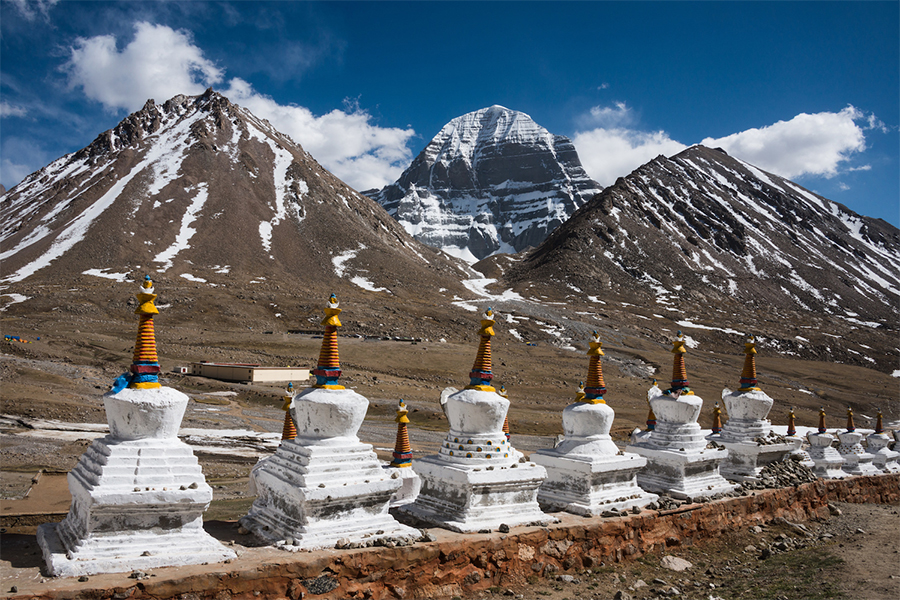
To those committed, spending money feels less like paying for travel and more like honoring a dream carried through life. Days spent climbing at great heights, facing strain on the body, living among monasteries and chants - it shapes who they become. Such changes cannot be measured easily, but they drive people forward, even when the path asks much of their strength and wallet.
Out there, where few are allowed, the land speaks differently. High on the Tibetan plateau, thin air meets wide-open skies, shaping thoughts in ways ordinary trips cannot. Beauty stands bare, untouched by crowds, while ancient customs continue without pause.
Visitors meet locals, watch silent prayers at mountain temples, not loud tours. Walking paths tied to faith tests more than legs - it shifts how you see things later. Hard-to-get permits keep numbers low, so being part of it feels less like visiting, more like stumbling upon something rare. Not many make it each year, not because they choose not to, but simply because they can't. That gap between wanting and doing? It adds weight to those who do.
Ultimately, the decision comes down to personal priorities. For some, the cost may feel overwhelming; for others, it is a fair exchange for an experience found nowhere else. Since there is no truly cheaper alternative, the choice is often between going despite the cost or not going at all. Most pilgrims who complete the Mount Kailash Kora trek later say the same thing—they never regret the money spent, because the meaning gained far outweighs the price paid.
Frequently Asked Questions About Mount Kailash Yatra Cost & Planning
How much does the Mount Kailash Yatra cost for Indian citizens?
The price tag for Indian citizens doing the Kailash pilgrimage shifts a lot. Some pay as low as 1.6 lakh rupees using state-supported options. Others spend up to 2.8 lakh when picking high-end private tours. A typical range lands between 1.8 and 2.5 lakh, shaped by path choice and comfort level picked along the way.
Why is the Mount Kailash Yatra more expensive for foreign travelers?
Rules set by China mean non-Indians must travel in groups, get special permits, hire approved local guides, and move under supervision through restricted zones - extra steps that raise costs. These demands don’t apply the same way to Indian travelers, so their experience stays less expensive.
What is the cheapest route to Mount Kailash?
Starting cost-wise, the most affordable path to Mount Kailash tour runs through Lipulekh Pass - this one’s run by the government. Priced between 1.6 and 1.7 lakh rupees, it suits Indian citizens only. Spots are tight, mind you; getting on means going up against others in a selection round.
Can senior citizens do the Kailash Mansarovar Yatra?
Yes, senior citizens can undertake the Mount Kailash pilgrimage if they are medically fit. Doctors must clear participants for high-altitude travel. Seniors who require additional support—such as oxygen assistance or helicopter travel—should expect higher costs. Preparation and gradual acclimatization are key.
What happens if there is a medical emergency during the yatra?
Basic first aid and oxygen are available during the yatra. In serious cases, emergency evacuation—often by helicopter to Kathmandu—may be required. This is not included in most packages, making high-altitude travel insurance with evacuation coverage essential.
Is the Mount Kailash Yatra refundable if I cancel?
Refund policies depend on the tour operator. Generally, cancellation charges increase closer to departure. Canceling within 30 days of travel often results in losing most or all of the paid amount.
What is the best time to do the Mount Kailash Yatra?
The peak season runs from May to August, with June and July being the busiest due to stable weather. April and September are considered shoulder seasons and may be 10–15% cheaper, though major discounts are rare.
What medical tests are required before the yatra?
Heart screenings show up on most forms, along with breathing measurements. Blood pressure tracking matters too. Fitness reviews help spot people more likely to struggle once the air gets thin. Some clinics add extra scans if past issues exist.
How difficult is the Kailash Parikrama?
Winding its way across rough terrain, the Kailash Parikrama spans 52 kilometers. This path unfolds over three days, where thin air fills each step. Reaching up to 18,600 feet, Dolma La Pass looms ahead - the hardest part of the route. Strength matters here, as well as time spent adjusting to height. Moving steadily helps when trails climb sharply through silence.
Are meals included during the Mount Kailash Yatra?
Usually, you get vegetarian food while in Tibet. Once the route moves into more isolated zones, choices shrink due to limited supplies. The kind of food offered often drops in range and freshness out there. Some plans add breakfast or dinner in Kathmandu too, but that depends on who runs the tour.
How long does permit approval take?
Timing varies by applicant type. For Indians, expect four to six weeks before approval comes through. Non-Indians need more time - six to eight weeks usually pass because extra paperwork piles up. Different government departments must exchange information too. Delays often start there.
Can I travel solo to Mount Kailash?
Travelers often ask about going solo to Mount Kailash. Still off-limits, that option isn’t available - neither for Indians nor visitors from abroad. China requires everyone to join official groups once inside Tibet’s controlled zones. Every step of the way, a certified guide must be present.
Do I need a passport for the Kailash Mansarovar Yatra?
Yes. A valid passport is mandatory for the Mount Kailash Yatra. It must have sufficient remaining validity and blank pages for visas and permits.
What type of photographs are required for the application?
You need recent passport-size photographs that meet official size and background requirements. Outdated or incorrect photos can lead to application rejection.
Is a medical certificate required for the Kailash Mansarovar Yatra?
Yes. A medical fitness certificate from a registered doctor is required. It confirms that you are physically fit to handle high-altitude conditions and plays a key role in application approval.
Is travel insurance compulsory for the Mount Kailash Yatra?
Yes. Proof of travel insurance is required, especially coverage for high-altitude trekking and emergency evacuation. Many authorities and tour operators will not proceed without it.
Do document requirements vary by nationality or route?
Yes. Documentation requirements can change depending on your nationality and the route you choose. It’s important to confirm the latest guidelines before submitting your application.
Comments (1)
Write a comment- Why Budgeting Matters for Mount Kailash
- Hidden Costs Travelers Often Miss
- Main Routes to Mount Kailash
- Kathmandu–Kerung Route
- Lipulekh Pass Route
- Helicopter-Assisted Route
- Mount Kailash Yatra Cost for Indian Nationals
- Route-Wise Cost Breakdown for Indians
- Mount Kailash Yatra Cost for Foreign Nationals
- Package Price Range for Foreigners
- Detailed Cost Comparison Table
- What Is Included in Most Mount Kailash Yatra Packages
- Accommodation During Mount Kailash Yatra
- Food and Meals
- Transport and Logistics on Mount Kailash Yatra
- Kailash Parikrama Support: Yaks, Porters, and Horses
- Health & Safety Measures During Mount Kailash Yatra
- Guides and Support Staff During Mount Kailash Yatra
- What Is NOT Included (Hidden or Overlooked Costs)
- Airfare to Kathmandu or Delhi
- High-Altitude Travel Insurance
- Emergency Evacuations
- Extra Luggage or Animal Support
- Clothing and Gear
- Paperwork and Visa Delays
- Weather-Related Disruptions
- Factors That Increase or Decrease the Total Cost
- Group Size
- Season & Permits
- Accommodation Upgrades
- Age & Health Considerations
- Helicopter or Air Transport
- Budget vs Premium Mount Kailash Yatra Packages
- Budget Packages
- Premium Packages
- Key Differences
- Physical Effort Remains the Same
- Budget vs Premium Mount Kailash Yatra Packages
- Is Mount Kailash Yatra Worth the Cost?
- Frequently Asked Questions About Mount Kailash Yatra Cost & Planning
- How much does the Mount Kailash Yatra cost for Indian citizens?
- Why is the Mount Kailash Yatra more expensive for foreign travelers?
- What is the cheapest route to Mount Kailash?
- Can senior citizens do the Kailash Mansarovar Yatra?
- What happens if there is a medical emergency during the yatra?
- Is the Mount Kailash Yatra refundable if I cancel?
- What is the best time to do the Mount Kailash Yatra?
- What medical tests are required before the yatra?
- How difficult is the Kailash Parikrama?
- Are meals included during the Mount Kailash Yatra?
- How long does permit approval take?
- Can I travel solo to Mount Kailash?
- Do I need a passport for the Kailash Mansarovar Yatra?
- What type of photographs are required for the application?
- Is a medical certificate required for the Kailash Mansarovar Yatra?
- Is travel insurance compulsory for the Mount Kailash Yatra?
- Do document requirements vary by nationality or route?
Read the latest Blogs & Insights
Explore our collection of articles and insights to gain in-depth travel knowledge, expert advice, and stay updated on the latest trends and tips.


No comments yet.