


Snow Leopard Facts and Information
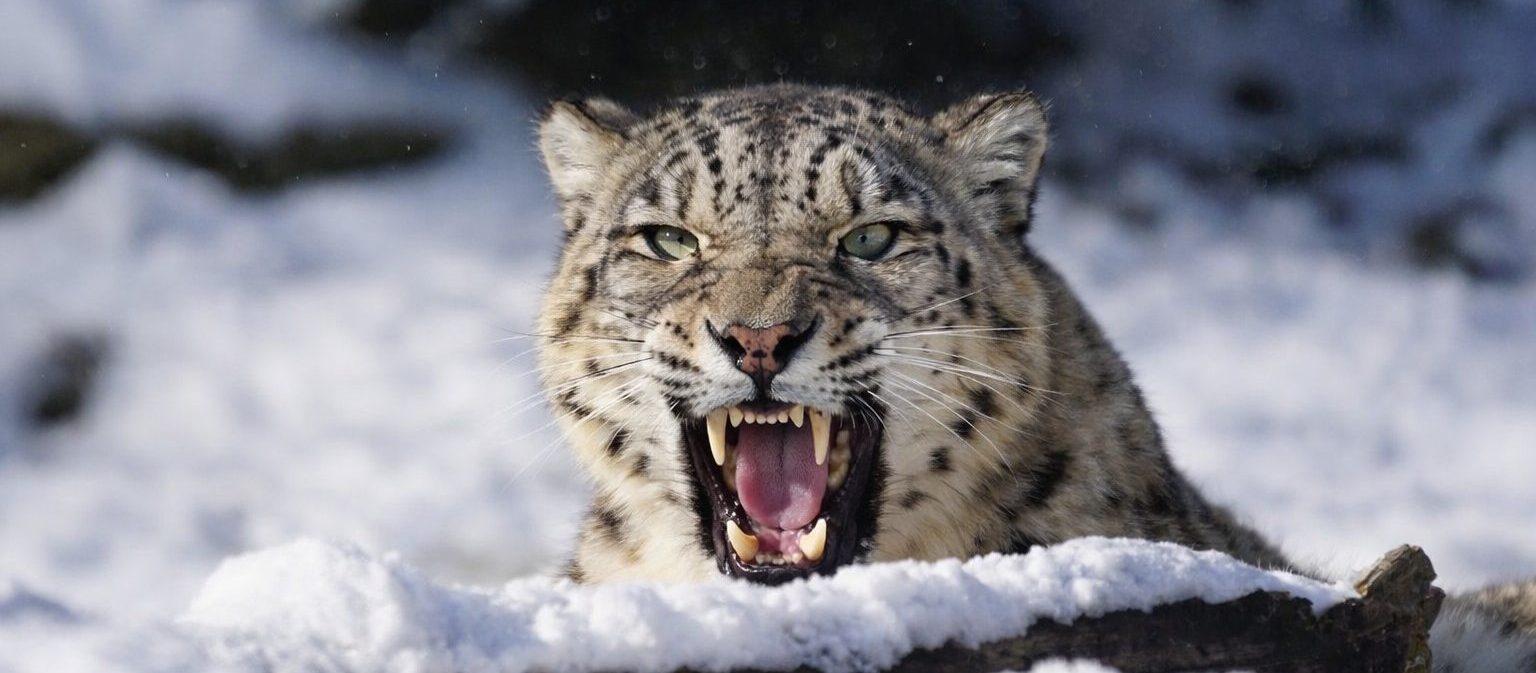
The snow leopard, scientifically known as Panthera uncia, is a unique species of large feline that resides in the Himalayan region spanning across Asia. This magnificent creature, commonly referred to as the snow leopard, holds immense significance in the realm of environmental conservation in high-altitude areas of Asia. Being a top predator, it plays a vital role in maintaining ecological equilibrium and represents a healthy mountain ecosystem.
-
 Sobit Bhandari
-
20 December, 2024
-
17 mins read
-
3195 Views
-
0 Comments


The snow leopard is a rare and strong wild cat that lives in the high mountain ranges of Central and South Asia. Scientifically known as Panthera uncia, this magnificent predator is uniquely adapted to survive in some of the most extreme and cold climates on the planet. With its thick smoky-gray coat featuring dark rosettes, strong muscular build, and long bushy tail, the snow leopard perfectly blends in rocky and snowy mountainous landscapes. Being a top predator, it plays a vital role in maintaining ecological equilibrium and represents a healthy mountain ecosystem.
Also known as the 'Ghost of the mountains', the snow leopard has this nickname due to its remarkable ability to go unnoticed. It is a silent climber of the Rocky Mountains, and its natural camouflage makes it very hard to detect in its natural habitat. Even in regions where snow leopards are known to exist, it is not easy to spot them. Snow leopard facts and information highlight that even in regions where they are known to exist, spotting them remains extremely challenging.
Snow Leopards are located in 12 countries and are estimated to be no more than 6,000 snow leopards worldwide. It is classified in Appendix I of the Convention on International Trade in Endangered Species of Wild Fauna and Flora. The Government of Nepal (GoN) also fully protected the species under the Fifth Amendment to the National Park and Wildlife Conservation Act. The IUCN Red List classifies it as Vulnerable because the worldwide population is anticipated to be less than 10,000 adult individuals and is likely to drop by roughly 10% by 2040.
It is under threat from poaching and habitat damage due to infrastructure expansion. It lives in alpine and subalpine zones at elevations ranging from 3,000-4,500 meters (9,800-14,800 feet) in eastern Afghanistan, the Himalayas, and the Tibetan Plateau to southern Siberia, Mongolia, and western China. It also lives at lower elevations in the northern half of its range.
Evolution of the Snow Leopard
The snow leopard (Panthera uncia) is a species of wild cat that has an interesting evolutionary history. Snow leopards belong to the Panthera genus, which also includes lions, tigers, jaguars, and leopards. However, snow leopards have an early divergence in their evolutionary history, which has resulted in distinct physical and behavioral characteristics that make them well adapted to living in high-altitude environments.
Genetic and fossil evidence suggest that the ancestors of modern Panthera cats evolved in Asia around 6-10 million years ago during the late Miocene epoch. Over millions of years, different lineages branched off, adapting to diverse habitats from dense forests to open grasslands.
The early ancestors of the snow leopard probably belonged to the same lineage as other big cats but evolved separately to survive in cold mountainous regions. While lions and tigers adapted to savannas and jungles, snow leopards moved into the high mountain ranges in Central Asia because of fewer rivals.
For many years, the snow leopard was placed in its own genus, Uncia, due to the physical differences from other Panthera Cats. However, modern DNA analyses have shown the strong genetic links between snow leopards and other Panthera species, especially tigers and lions. These phylogenetic studies confirmed that snow leopards are part of the Panthera lineage, although their exact branching order is still studied by evolutionary biologists.
Despite earlier classifications recognizing distinct subspecies based on geography and coat patterns, genetic evidence has not confirmed separate snow leopard subspecies. As a result, the snow leopard is currently considered a monotypic species, which means it has no scientifically recognized subspecies.
Characteristics of Snow Leopards

Snow leopards have thick, smoky-gray fur with a slight yellowish tint, perfectly adapted for camouflage in rocky and snowy mountain landscapes. Their coat features solid black spots on the head, neck, and lower limbs, while the rest of the body is covered in large, irregular rosettes, circular patterns that surround smaller dark spots. These unique spot patterns are different for every individual, much like a fingerprint. Conservation organizations use camera traps and spot analysis to identify and monitor individual snow leopards in the wild.
One of their most distinctive features is their long, thick tail, which can measure almost as long as their body (80-100 cm). This tail helps them maintain balance while navigating cliffs and rocky terrain. During harsh winter conditions, they wrap their tail around their face and body for extra warmth.
Snow leopards are built for power and agility. Their short forelimbs and strong, muscular hind legs allow them to leap up to 15 meters (around 50 feet) in a single bound, one of the longest jumps among big cats. Their large, fur-covered paws act like natural snowshoes, distributing their weight evenly across snow and providing protection from cold surfaces and sharp rocks.
Snow Leopard's Habitat and Its Vital Role in Asia's Water Systems
Snow leopards live in some of the highest and most extreme mountain ranges on Earth. Snow Leopard habitat is largely found in the mountain ranges of Central and South Asia, where cliffs, rocky outcrops, and snow-capped slopes provide the ideal camouflage for hunting and survival.
Major Mountain Ranges
Snow leopards are widely distributed across several major mountain systems:
Himalayas: This vast mountain chain stretches across Nepal, India, Bhutan, and parts of China and Pakistan. In Nepal, snow leopards are found in regions like Mustang, Dolpo(Shey Phoksundo), and the Everest area.
Karakoram: This rugged range provides a remote and high-altitude habitat ideal for snow leopards, located mainly in Pakistan, India, and China.
Altai Mountains: This region forms the northernmost part of the snow leopard’s range, found in Mongolia, China, Russia, and Kazakhstan.
Tibetan Plateau: Often called the 'Roof of the World,' this vast high-altitude plateau in China supports one of the largest snow leopard populations.
These mountain ecosystems are characterized by rocky terrain, alpine meadows, glaciers, and sparse vegetation, perfect conditions for snow leopards to hunt wild sheep and goats.
The snow leopard was previously placed in the monotypic genus Uncia. Since phylogenetic studies showed their links, Panthera species have been regarded as members of that genus. Based on physical differences, two subspecies were described, although genetic differences have not been proved. As a result, it is considered a monotypic species. Snow leopards have adapted to exist in some of the world's highest and harshest environments. While nomadic herders and more permanent populations encroach on their distant environment, human population density remains low in the big cat's territory.
However, the snow leopard’s high-alpine habitat is one of the most remote environments for humans on the globe. According to WWF’s extensive scientific analysis, more than two billion people reside in the water basins downstream from the snow leopard habitat, with over 330 million living within 10 kilometers of a river that starts in the mountains.
Guardians of the Headwaters: Snow leopards hunt in Central Asian mountainous terrain at elevations above 3,000 meters. The water cycle in this region is complex, drawing on water from many sources, including monsoons, winter snows, summer rains, melting glaciers, and extensive expanses of permanently frozen ground known as permafrost.
They comprise the headwaters of more than 20 important water basins, supplying water to 21 nations ranging from Azerbaijan to China. Water from snow leopard habitat supplies several of Asia’s most vital rivers, including the Ganges, Indus, Yangtze, and Yellow, which flow through some of the world’s most densely populated areas.
However, the crucial relevance of snow leopard habitat to the future of innumerable Asian populations is undeniable. And as the region’s population grows, maintaining its valuable water supplies will become ever more critical. The snow leopard’s alpine environment is becoming threatened due to human encroachment and climate change.

How is Global Warming Endangering Snow Leopards' habitat?
There are already fears that the fast-warming world is influencing this sensitive habitat, endangering the snow leopard’s future and the water supply of hundreds of millions of humans. Urgent action is required to minimize global warming and offset any detrimental effects on the mountains, preserving adequate habitat for snow leopards and ensuring water security for the enormous human populations downstream. Various factors, including increased poaching, conflict with humans, and habitat degradation, threaten snow leopards.
It is feasible to overcome these obstacles, but climate change will worsen them, necessitating even larger worldwide efforts to rescue the snow leopard and its unique environment. While climate change will have various effects in different locations, its overall influence will endanger the snow leopard and regional water resources. Increasing temperatures are expected to shift the tree line higher up the mountains, promote the growth of plant species that are less appealing to the snow leopard’s natural prey species and livestock, expand the area suitable for crops, increase aridity, alter water availability timing, and melt glaciers and permafrost. However, its survival is at risk due to the rising human and climate-related pressures on its habitat and population.
Rising Temperatures and Shrinking Habitat
As temperatures rise across the globe, tree lines are moving higher up in the mountains. This has a gradual effect on the reduction of alpine terrain, which is the main habitat for the snow leopard. Warmer conditions also allow human activities such as farming and livestock grazing to expand into previously uninhabitable high-altitude areas. This leads to habitat fragmentation, increased competition for prey, and greater human-wildlife conflict.
Melting Glaciers and Water System Disruption
Snow leopards inhabit regions often called the ‘Water Towers of Asia,’ where glaciers and snowpack feed major rivers. Climate change is accelerating glacier melt and thawing permafrost, altering natural water cycles. Changes in snowfall, earlier snowmelt, and prolonged droughts affect both wildlife and the millions of people living downstream. Disrupted ecosystems can reduce prey populations like blue sheep and ibex, making survival harder for snow leopards.
Increased Human-Wildlife Conflict
With changing climate conditions, livestock grazing expands into higher elevations. As natural prey becomes scarcer, snow leopards may prey on domestic animals, increasing retaliatory killings by herders. Along with poaching and habitat loss, global warming makes the threats to snow leopards even worse.
A Critical Conservation Challenge
Scientists predict that significant portions of the current snow leopard range could become unsuitable by the end of this century if warming continues unchecked. Protecting snow leopard’s habitat requires global climate action, sustainable mountain development, and community-based conservation programs.
Snow Leopard Diet and Hunting Behaviour

The snow leopard is one of the most elusive and powerful predators of the high mountains of Central and South Asia, including Nepal’s Himalayas. It has evolved unique hunting skills and dietary adaptations to survive in extreme alpine environments, living at altitudes between 3,000 and 5,000 meters.
Main prey of snow leopards
Snow leopards primarily hunt medium-sized mountain ungulates. Their main prey includes:
- Blue sheep (Bharal): The most important prey species in many Himalayan regions.
- Siberian ibex: A wild mountain goat found in rugged cliffs and rocky terrain.
- Himalayan marmot: Often hunted during the summer months when they are active.
They may also prey on:
- Argali sheep
- Himalayan tahr
- Young yaks or livestock (especially when wild prey is scarce)
- Small mammals and birds
An adult snow leopard typically kills a large prey animal every 8-15 days and can drag carcasses weighing up to three times its own body weight across steep slopes.
Hunting Techniques
Snow leopards are ambush predators, perfectly adapted to rocky, snowy landscapes.
Stealth and Camouflage: Their thick smoky-grey fur with black rosettes blends seamlessly with rocky cliffs and snow-covered terrain, making them nearly invisible.
High-Altitude Stalking: They use ridgelines, cliffs, and broken terrain for cover, silently approaching prey from above.
Powerful Leap: Snow leopards can leap up to 15 meters (50 feet) in a single bound, one of the longest jumps relative to body size among cats.
Killing Method: They usually attack from behind or above, biting the neck to suffocate their prey.
After a successful hunt, they may feed on the carcass for several days, covering it with snow or rocks to protect it from scavengers.
Snow Leopards' Behaviour and Lifestyle
The Snow leopard is mainly a solitary big cat, as it spends most of its life alone except during the mating season or when a female is raising her cubs. The Snow leopard is an adaptation to the harsh mountainous environment it inhabits, where prey is scarce and widely disturbed. Leading a solitary life ensures that there is no competition for food. The Snow leopard has a large territory that can measure between 50 and 1,000 square kilometers, depending on the prey density. The territory of the male snow leopard is larger and can encompass the territories of several female snow leopards.
Snow leopards are crepuscular, which means that they are most active during dawn and dusk. These are the best hunting times because their prey is also active during these times. The early morning and evening hours give the best light for hunting because it is soft, and this, combined with their natural camouflage, makes it easy for them to hide in the rocky and snowy terrain as they hunt for their prey. The temperatures in the highlands are also moderate during the morning and evening, which helps them conserve energy.
Why can't they roar?
Although snow leopards belong to the genus Panthera, they can’t roar like lions or tigers. The reason lies in their vocal anatomy. Roaring big cats possess a specialized elastic ligament in the voice box that allows their vocal cords to stretch and produce deep, resonant roars. Snow leopards lack this fully developed ligament and have different vocal fold structures, preventing them from generating a true roar. Instead, they produce softer sounds such as chuffing, hissing, growling, and yowling. In their remote mountain habitats, long-distance roaring is not necessary, as individuals are widely dispersed and primarily rely on scent marking for communication.
Snow Leopard: Population and Conservation Status
Estimated Global Population
The global wild population of snow leopards is estimated at approximately 4,000-6,500 individuals across their range, though exact numbers are hard to confirm due to their remote and rugged habitat. Some assessments suggest that confirmed population data exist for only a small fraction of their range because much of their habitat remains unexplored by scientists.
Estimated snow leopard populations:
| Afghanistan, | 100 – 200 |
| Bhutan, | 121 – 148 |
| Burma/Myanmar | No Studies |
| China | 2,000 – 2,500 |
| India | 500 – 700 |
| Kazakhstan | 150 – 200 |
| Kyrgyzstan | 150 – 500 |
| Mongolia | 500 – 1,000 |
| Nepal | 350 – 500 |
| Pakistan | 200 – 420 |
| Russia | 70 – 90 |
| Tajikistan | 180 – 220 |
| Uzbekistan | 20 – 50 |
IUCN Red List Status
The snow leopard is classified as Vulnerable (VU) on the IUCN Red List. This status reflects the species’ small population size, ongoing declines, and continuing threats.
Major Threats
Snow leopards face multiple interconnected threats across their range:
1. Poaching: Snow leopards are illegally hunted for their skins and body parts, used in the wildlife trade, and sometimes in traditional medicine.
2. Habitat Loss & Fragmentation: Infrastructure development (roads, mining), expansion of grazing areas, and human settlements reduce and fragment critical snow leopard habitat.
3. Human-Wildlife Conflict: When natural prey declines, snow leopards may attack livestock, leading to retaliatory killings by herders.
4. Decline of Prey Species: Overgrazing by domestic livestock and competition for grazing reduce populations of native prey (e.g., blue sheep), forcing snow leopards to turn to livestock.
5. Climate Change: Warming temperatures are shifting treelines and snowlines upward, reducing suitable high-altitude habitat and possibly fragmenting populations further.
Range and Distribution
Snow leopards are found in 12 Asian countries across the high mountains of Central and South Asia, including Nepal, China, Afghanistan, Bhutan, India, Kazakhstan, Kyrgyzstan, Mongolia, Pakistan, Russia, Tajikistan, and Uzbekistan.
Conservation Organizations and Efforts
Several national and international groups are working on snow leopard conservation:
- Snow Leopard Trust: Focuses on research, community engagement, monitoring technologies, and coexistence strategies.
- World Wildlife Fund (WWF): Supports habitat protection, conflict mitigation, law enforcement, and scientific surveys.
- Global Snow Leopard & Ecosystem Protection Program (GSLEP): A partnership of range countries aimed at securing 23 priority landscapes and enhancing transboundary cooperation (not an organization, but a key collaborative initiative).
Together, these efforts work to protect habitat, reduce conflict, strengthen anti-poaching measures, and improve scientific monitoring (e.g., camera trapping and genetic surveys).
Comparison between Leopard and Snow Leopard
| Comparison | Leopard | Snow Leopard |
| Family | Felidae | Felidae |
| Weight | 51-68 lbs (23-31 kg) | 60-120 lbs (27-55 kg) |
| Phylum | Chordata | Chordata |
| Class | Mammalia | Mammalia |
| Coloring | Yellow with black rosettes | Grayish white with black rosettes |
| Kingdom | Animalia | Animalia |
| Conservation status | Near Threatened | Endangered |
| Subfamily | Pantherinae | Pantherinae |
| Genus | Panthera | Uncia Gray, 1854 |
| Scientific name | Panthera pardus | Panthera uncia |
| Species | P. Pardus | U. uncia |
| Number in the wild | Around 69,000 | About 6,000 |
Snow Leopard Amazing Facts
- Snow leopards have speckled white-grayish fur that keeps them warm in the winter. It can measure 5cm on the back and sides and nearly 12cm on the belly. A snow Leopard’s tail may grow to be 80-105cm long, which is supposed to aid in balance and wrap around its body for warmth.
- Unlike other large cats, the snow leopard cannot roar.
- Snow leopards have a “main” sound that has been characterized as a “piercing Despite its name, the snow leopard is more closely related to the tiger than the leopard.
- A snow leopard’s large, fur-covered paws act as natural snowshoes, distributing its weight across soft snow and protecting it from the cold.
- Snow leopards may travel up to 25 kilometers in a single night.
- Snow leopards have excellent concealment. Individual snow leopards are difficult to distinguish due to their long coats and less obvious patterns that appear to change form with body movement compared to other large cats with more recognizable markings, such as tigers, leopards, and jaguars.
- The snow leopard would excel in most athletic activities, with the long jump being its strongest suit. Snow leopards have been observed leaping up to 9 meters – six times their total length.
- There may be as few as 4,000 leopards in the wild, although the precise number is unclear due to their elusiveness. Their primary risks include habitat loss and degradation, human-wildlife conflict, prey loss, illicit trade and poaching, and climate change. As a result, snow leopards require our assistance; the WWF is collaborating with communities, governments, and others.
FAQs of the Snow Leopard Facts and Information
1. What is the scientific name of the snow leopard?
The scientific name of the snow leopard is Panthera uncia.
2. Where do snow leopards live?
Snow leopards live in high mountain ranges across Central and South Asia, including the Himalayas, Karakoram, Altai Mountains, and the Tibetan Plateau. They are found in countries like Nepal, India, Bhutan, China, Mongolia, and others.
3. How big is the snow leopard?
An adult snow leopard weighs between 27 and 54 kg and measures 75 to 150 cm long without its tail.
4. Why are snow leopards called the 'Ghost of the Mountains'?
They are called the “Ghost of the Mountains” because they are extremely elusive, live in remote high-altitude regions, and have thick gray fur that perfectly camouflages them against rocky and snowy landscapes.
5. Are snow leopards endangered?
Snow leopards are currently listed as Vulnerable by the International Union for Conservation of Nature (IUCN). Their population is decreasing due to habitat loss, climate change, poaching, and human-wildlife conflict.
6. How many snow leopards are left in the wild?
Scientists estimate that there are approximately 4,000–6,500 snow leopards remaining in the wild, although exact numbers are difficult to determine because of their secretive nature and remote habitat.
7. What do snow leopards eat?
Snow leopards mainly prey on wild mountain animals such as blue sheep (bharal), ibex, marmots, and Himalayan tahr. Occasionally, they may attack livestock, which can lead to conflict with local communities.
8. Can snow leopards roar?
No, snow leopards cannot roar like lions or tigers. Although they belong to the same genus (Panthera), their vocal anatomy prevents them from producing a true roar. Instead, they make chuffing, growling, and yowling sounds.
9. How high do snow leopards live?
Snow leopards typically live at elevations between 3,000 and 5,500 meters (9,800–18,000 feet). In winter, they may move to slightly lower altitudes in search of prey.
10. How are snow leopards adapted to cold climates?
They have thick fur, a long bushy tail for warmth and balance, large paws that act like snowshoes, small ears to reduce heat loss, and powerful limbs for climbing steep rocky slopes.
11. Why are snow leopards important to the ecosystem?
Snow leopards are apex predators in their habitat. By controlling populations of wild herbivores, they help maintain a balanced mountain ecosystem and support overall biodiversity.
Comments (0)
Write a comment- Evolution of the Snow Leopard
- Characteristics of Snow Leopards
- Snow Leopard’s Habitat and Its Vital Role in Asia’s Water Systems
- Major Mountain Ranges
- How is Global Warming Endangering Snow Leopards’ habitat?
- Rising Temperatures and Shrinking Habitat
- Melting Glaciers and Water System Disruption
- Increased Human-Wildlife Conflict
- A Critical Conservation Challenge
- Snow Leopard Diet and Hunting Behaviour
- Main prey of snow leopards
- Hunting Techniques
- Snow Leopards’ Behaviour and Lifestyle
- Why can’t they roar?
- Snow Leopard: Population and Conservation Status
- Estimated Global Population
- IUCN Red List Status
- Major Threats
- Range and Distribution
- Conservation Organizations and Efforts
- Comparison between Leopard and Snow Leopard
- Snow Leopard Amazing Facts
- FAQs of the Snow Leopard Facts and Information
- 1. What is the scientific name of the snow leopard?
- 2. Where do snow leopards live?
- 3. How big is the snow leopard?
- 4. Why are snow leopards called the ‘Ghost of the Mountains’?
- 5. Are snow leopards endangered?
- 6. How many snow leopards are left in the wild?
- 7. What do snow leopards eat?
- 8. Can snow leopards roar?
- 9. How high do snow leopards live?
- 10. How are snow leopards adapted to cold climates?
- 11. Why are snow leopards important to the ecosystem?
Read the latest Blogs & Insights
Explore our collection of articles and insights to gain in-depth travel knowledge, expert advice, and stay updated on the latest trends and tips.

Namaste Meaning Origin and Spiritual Significance




No comments yet.