


Things to Do During Kailash Manasarovar Yatra: Spiritual & Adventure Guide
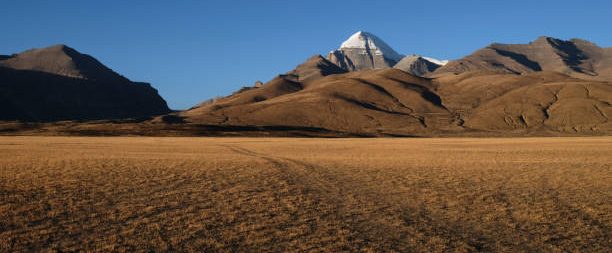
Nestled in the remote western Tibet plateau, Mount Kailash and Lake Manasarovar are among the most sacred sites in Hinduism, Buddhism, Jainism, and Bon. Revered as the abode of Lord Shiva, Mount Kailash attracts pilgrims from across the world, while the pristine Lake Manasarovar symbolizes purity, spiritual cleansing, and divine blessings.
-
 Bold Himalaya
-
7 January, 2026
-
22 mins read
-
72 Views
-
0 Comments


The Kailash Manasarovar Yatra is one of the most revered pilgrimages in the world, blending spiritual devotion, high-altitude trekking, and cultural exploration. Rising to 6,638 meters, Mount Kailash is sacred to Hindus, Buddhists, Jains, and followers of Bon, while Lake Manasarovar, perched at 4,590 meters, is believed to cleanse past karma and awaken inner clarity.
This Yatra offers more than just scenic views—it is a journey of meaningful experiences. From performing the Kailash Kora (circumambulation of the mountain) and participating in sacred rituals at Lake Manasarovar, to trekking high-altitude passes like Drolma La, visiting ancient monasteries, exploring Tibetan villages, and observing local festivals, every step brings spiritual insight and cultural understanding. Pilgrims can also experience meditation, prayer, and interactions with Tibetan nomads, making this pilgrimage both a transformative spiritual journey and an unforgettable adventure.
In this guide, we’ll explore the top things to do during the Kailash Manasarovar Yatra, including must-visit sacred sites, cultural experiences, trekking highlights, and optional activities such as helicopter tours and festival participation. Whether you are a first-time traveler or a seasoned pilgrim, this Yatra offers experiences that inspire devotion, reflection, and awe.
Understand the Spiritual Significance of Mount Kailash
High above the Tibetan plateau, Mount Kailash stands apart in the landscape of world religions.
Seen by Hindus as home to Lord Shiva, it is where stillness and awareness merge without end. Its shape - four clean faces meeting at a peak - echoes an ancient idea of balance between earth and sky.
To many Buddhists, this place mirrors Mount Meru, a center of existence where Buddha Demchok sits in deep contemplation. Enlightenment takes form here through silence rather than words.
Jains trace their roots to this spot too, believing Rishabhadeva broke free from endless cycles atop its slopes.
For followers of Bon, the mountain bears another name: Sipaimen - a pillar holding up meaning itself.
Ancient tales about beginnings give Manasarovar Lake its revered status, along with long-standing practices tied to cleansing.
In Hindu texts, the lake emerges from the thought of Lord Brahma, standing not just for purity but awareness itself. Bathing there holds deep meaning, seen by many as washing away past wrongs, opening paths to inner worth.
For Buddhists, it evokes qualities like kindness and insight, quite apart from how Jains view it - with reverence linked to motherhood and origin. Taken together, these perspectives shape the place into something beyond any one faith: a common center where belief overlaps and lingers.
Walking around Mount Kailash, called Kora or Parikrama, lies at the heart of the pilgrimage. Roughly 52 kilometers long, the trail loops the mountain across rugged, elevated ground, usually finished in about three days.
Hindus and Buddhists proceed in a clockwise direction; followers of Bon instead go counterclockwise. Finishing each round is thought to cleanse past wrongs, the body's strain reflecting inner growth. As steps fall into rhythm, breath and motion blend with prayer. Meditation unfolds not in stillness - but step by step.
Things to Do During Kailash Manasarovar Yatra
The Kailash Manasarovar Yatra is a blend of spiritual devotion, high-altitude trekking, and cultural immersion. Here’s a guide to the top things you must experience on this sacred pilgrimage.
1. Perform Kora (Circumambulation of Mount Kailash)
Performing the Kailash Kora, the circumambulation of Mount Kailash, is one of the most profound and essential activities during the Kailash Manasarovar Yatra. This 52 km high‑altitude pilgrimage route around the sacred mountain is believed to purify past karmas and bring spiritual liberation (moksha) to devotees from Hindu, Buddhist, Jain, and Bon traditions
The outer parikrama (Kora) typically takes about three days on foot, traversing desert‑like plains and rugged ridges around Mount Kailash’s base before returning to Darchen. Completing this route is seen not just as a physical achievement but as a meditative and devotional journey that symbolizes the removal of spiritual impurities
Day 1: Darchen to Dirapuk Monastery
- The parikrama begins in Darchen (4,675 m / 15,350 ft), where most pilgrims start their trek.
- The trail leads through wide valleys with sweeping views, ending at Dirapuk Monastery at the foot of Mount Kailash’s north face.
- Many consider this first stretch a time of reflection, as the mountain’s sheer size and serenity engage the pilgrim’s mind.
Day 2: Dirapuk Monastery to Drolma La Pass
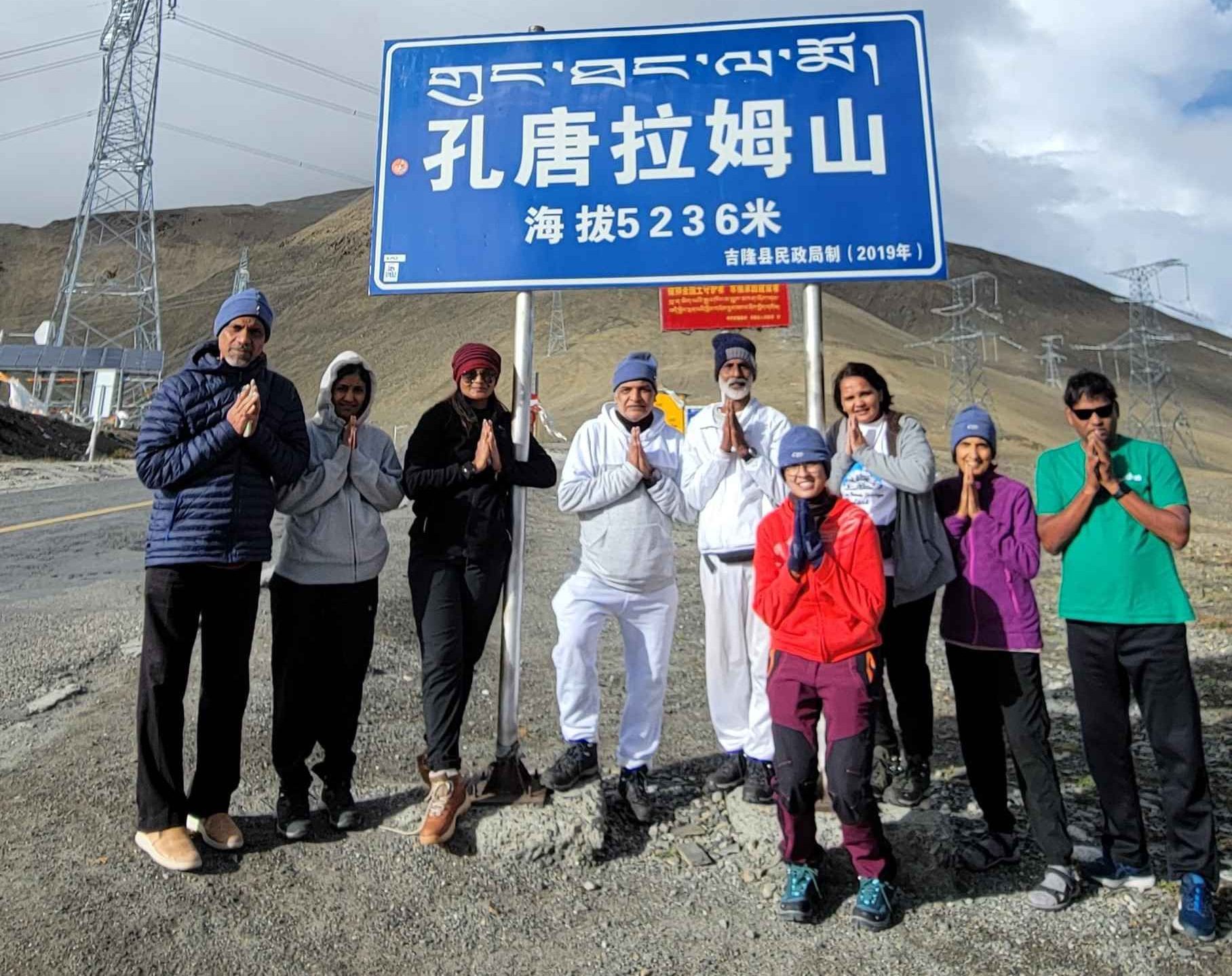
- This is the most challenging day of the Kailash Parikrama, with the highest point being Dolma La Pass (5,630 m / 18,471 ft)—a steep, rocky climb that tests physical endurance and mental focus.
- At the top, prayer flags flutter in the wind, and many pilgrims pause to offer prayers or meditate, embracing the spiritual energy of the pass.
- After the ascent, the route descends toward Gauri Kunda (a sacred high‑altitude lake) and then to Zuthulphuk, a resting point before the final day.

Day 3: Zuthulpuk to Darchen
- The final day is less demanding but rich in spiritual reflection as pilgrims complete the loop back to Darchen.
- Many conclude the Kora feeling a sense of inner peace, having walked through changing landscapes and woven prayer, breath, and intent into every step.
Note: The Kailash Kora trek is not merely a trek; it’s a transformative spiritual experience. Walking around the sacred mountain especially over high passes like Dolma La weaves together devotion, endurance, and deep reflection. Many pilgrims describe it as both a physical challenge and a moment of inner awakening, making it a must‑do activity on the Kailash Manasarovar Yatra.
2. Rituals and Practices at Lake Manasarovar
Visiting Lake Manasarovar is more than sightseeing, but it is a profound spiritual thing that can be traced back to history.
Holy Bath (Snan):
- In the mornings, many pilgrims dip into the freezing water of the lake, claiming that it purifies the heart and gets rid of bad karma.
- Although the water is extremely cold up there, it is such an achievement to get through that coldness as a sign of inner change.
Meditation & Prayer:
- The calm shoreline provides an ideal place for meditation and chanting mantras like Om Namah Shivaya or Buddhist prayers, helping travelers deepen their spiritual focus.
Offerings & Devotional Acts:
- Devotees often present flowers, incense, and prayers at the lakeside as a sign of devotion and reverence
Some pilgrims also walk around the lake’s circumference (about 82–90 km) — a sacred kora performed over multiple days — believed to bring spiritual merit and inner peace.
Best Time & Practical Tips for Visiting
- Best Season: May to September is the best season to visit Lake Manasarovar in the Kailash Manasarovar Yatra because the weather is mild at this time and the lake is fully accessible.
- Acclimatization: It is always important to take time to relax and adjust to the altitude and then plunge into rigorous ritual practices.
- Photography: Morning and evening lights change the color of the lake to deep blue, turquoise, and green with a gorgeous effect, and the views are such especially with Mount Kailash or the Himalayan ridges in the lake.
Note: Visiting Lake Manasarovar is not just a scenic highlight of the Kailash Mansarovar tour, it is a sacred spiritual milestone. Bathing in its waters, offering prayers, and spending quiet moments by its shores are believed to help seekers release past burdens, deepen devotional practice, and renew inner clarity.

3. Trek and Meditate at Drolma La Pass
Trekking Drolma La Pass is a highlight of the Kailash Manasarovar Yatra, offering spiritual, scenic, and physical experiences. Along the Kora route, basic guesthouses and temple shelters provide rest stops. Near Lake Manasarovar and Darchen, travelers can find seasonal tents and small lodges offering simple Tibetan meals like thukpa, momos, and butter tea. Staying hydrated and carrying snacks helps adjust to the high-altitude conditions.
Here’s what you can do at this sacred high-altitude pass:
Take in Panoramic Views
- Stop at the top to enjoy 360-degree vistas of Mount Kailash, surrounding ridges, and the Tibetan Plateau.
- Early morning offers the clearest skies and the best photo opportunities.
Visit Shiva Tsal
- Witness and participate in the sacred rituals at Shiva Tsal, where pilgrims leave khatas (prayer scarves) and small offerings.
- Spend a few quiet moments reflecting — this is a spiritual highlight of the Kailash Parikrama.
Practice Meditation While Walking
- Move at a slow, mindful pace, synchronizing your breath with each step.
- The climb itself becomes a meditative journey, linking physical effort with spiritual focus.
Enjoy the Challenge
- Experience the thrill of high-altitude trekking with steep, rocky terrain that tests endurance.
- Using trekking poles and sturdy boots helps make the ascent more manageable.
Navigate the Descent Carefully
- Descend toward Zuthulpuk slowly and safely, maintaining focus on the uneven terrain.
- Observe prayer flags and sacred spots along the way to remain spiritually aware.
- Since this is a high-altitude trek, remember to pace yourself, carry extra water, and dress warmly for sudden weather changes.
Note: Engaging actively in these experiences — observing sacred rituals, meditating, capturing panoramic views — transforms the Drolma La Pass trek from a physical challenge into a deeply spiritual part of the Kailash Manasarovar Yatra.

4. Explore Sacred Sites and Tibetan Villages Along the Kailash Kora Trail
The Kailash Kora trek is not just a physical journey—it is a profound spiritual and cultural experience. Along the trail, pilgrims encounter ancient monasteries, sacred caves, and remote Tibetan villages, each offering a unique glimpse into local traditions, devotional practices, and high-altitude life. Visiting these sites allows travelers to immerse themselves in both spiritual reflection and cultural understanding.
Dirapuk Monastery and Village
Perched on the northern slope of Mount Kailash, Dirapuk Monastery is one of the first major stops on the Kora. Pilgrims pause here to meditate, chant mantras, and admire centuries-old murals and sacred relics. The village below provides basic guesthouses and tea houses, offering travelers a chance to rest while observing daily Tibetan life—yaks grazing, prayer flags fluttering, and monks performing morning rituals. The combination of spiritual devotion and village culture makes Dirapuk a memorable starting point for the Kora.
Zuthulpuk Monastery and Milarepa Cave
Further along the southern route, Zuthulpuk Monastery is famous for the sacred cave of Milarepa, a revered Tibetan yogi. Visitors can leave khatas (prayer scarves), offer incense, and engage in quiet reflection. The surrounding village acts as a resting place for pilgrims, where traditional homes and local customs provide insight into centuries-old Tibetan lifestyles. This stop blends spiritual reverence with cultural immersion.
Chiu Gompa and Lake Manasarovar
Overlooking Lake Manasarovar, Chiu Gompa is a peaceful meditation center for monks. Pilgrims visiting this monastery enjoy panoramic views of the turquoise lake and the surrounding Tibetan plateau. The nearby village offers seasonal guesthouses and simple meals, making it an ideal spot for rest and reflection. Observing monastic life here, combined with the natural beauty of the lake, creates a serene spiritual experience.

Thirthapuri Monastery and Hot Springs
Nestled near natural hot springs, Thirthapuri Monastery is known for its ritual baths believed to purify body and soul. Pilgrims often take early-morning dips in the warm waters while performing prayers, combining spiritual cleansing with physical rejuvenation. The village nearby showcases traditional Tibetan architecture and offers a glimpse into the everyday life of high-altitude communities.
Tsaparang Monastery (Optional Stop)
Located slightly off the main Kora route, Tsaparang Monastery is rich in history, art, and architecture. Its ancient frescoes, sculptures, and preserved artifacts offer a window into Tibetan Buddhist heritage. Nearby villages reflect traditional lifestyles, providing context to the monastery’s cultural and spiritual significance.
Note: Exploring these monasteries and villages along the Kailash Kora trail is more than sightseeing. It provides a holistic pilgrimage experience, where every stop offers spiritual reflection, cultural insight, and an understanding of the profound devotion that defines the Kailash Mansarovar tour.
5. Participate in Spiritual Rituals
Spiritual rituals are at the heart of the Kailash Mansarovar tour. Participating actively allows pilgrims to connect deeply with the journey:
Join Morning Prayers
- Begin each day with group prayers at monasteries or camp sites.
- Experience the rhythm of mantras, which ground the mind and body for the day ahead.
Offer at Monasteries
- Make small offerings of incense, flowers, or coins at monasteries along the trail.
- Witness centuries-old ritual practices and learn about Tibetan Buddhist, Bon, and Hindu traditions.
Engage with Prayer Flags
- Observe or help raise prayer flags, which carry blessings across the mountains on the wind.
- Each color and symbol has a spiritual meaning, symbolizing hope, protection, and purification.
Practice Prostrations
- On sacred stretches, perform prostrations (full-body bows) to release past burdens.
- This act transforms physical strain into reverence and deepens spiritual focus.
Find Moments of Solitude
- Take time alone on cliffs, ridges, or near sacred lakes to meditate quietly.
- Solitary reflection allows the mind to slow down and connect with the natural and spiritual surroundings.
Note: Participating in rituals actively transforms the Kailash Manasarovar Yatra from a trek into a living spiritual experience, blending physical effort with inner growth, reflection, and devotion.
6. Photography and Scenic Exploration
The Mount Kailash region offers breathtaking landscapes and cultural experiences that deserve careful observation and photography:
Capture Sunrise and Sunset Views
- Observe Mount Kailash at dawn and dusk, when shifting light paints the mountain in striking colors.
- Valleys and ridges transform hourly, offering unique photo opportunities.
Photograph Monasteries and Prayer Flags
- Document remote monasteries, fluttering prayer flags, and stone pathways along the trails.
- Always maintain a respectful distance and ask for permission before photographing monks or pilgrims.
Explore Scenic Valleys and Lakeshores
- Walk around Lake Manasarovar or other open valleys to find quiet, untouched landscapes.
- Look for perspectives that blend mountains, water, and sky in one frame.
Protect Your Gear in Harsh Conditions
- Cold temperatures can reduce battery life; carry spares and keep them warm.
- Dust and wind are common; use protective covers for cameras and memory cards.
Respect Sacred Spaces
- Some areas may ban tripods or drones; always observe local rules.
- Focus on capturing the essence of the landscape and culture, rather than forcing every shot.
7. Attend the Kailash Saga Dawa Festival
The Saga Dawa Festival is one of the most sacred events for Buddhists, celebrated during the full moon of the fourth Tibetan month (usually May–June). It commemorates three major events in the life of Buddha: his birth, enlightenment, and parinirvana. This festival draws pilgrims from across Tibet, Nepal, India, and beyond to Mount Kailash and Lake Manasarovar.
During Saga Dawa, the atmosphere around Mount Kailash transforms. Pilgrims engage in special Kora rituals, often performing multiple circumambulations to accumulate spiritual merit. Butter lamps are lit at monasteries like Dirapuk and Chiu Gompa, symbolizing the dispelling of darkness and ignorance. Monks chant mantras, and travelers join in prayers, creating a rhythmic harmony that blends devotion with nature.

For visitors, participating in Saga Dawa offers a unique opportunity to witness Tibetan spiritual traditions in their purest form. While not limited to Buddhists, attending requires respect for rituals, quiet observation, and adherence to local customs. Pilgrims also make offerings of fruits, khatas (prayer scarves), and small donations, which are believed to multiply blessings during this holy month.
Note: Attending Saga Dawa at Mount Kailash is not just a sightseeing experience; it is a spiritual reflection that deepens understanding of Tibetan Buddhism and the sanctity of the Kailash-Manasarovar region.
Additional Things to Do During Kailash Manasarovar Yatra
Beyond the core experiences like the Kailash Kora and Lake Manasarovar rituals, there are several additional activities and sacred sites that enrich your pilgrimage and make the journey even more memorable:
1. Visit Ashtapad (Legendary Pilgrimage Site)
Ashtapad is a sacred mountain associated with Rishabhadeva, the first Tirthankara in Jainism. While access is often limited due to its remote location, learning about its spiritual significance adds depth to your Yatra. Pilgrims often meditate or reflect on the stories of liberation linked to this legendary peak.
2. Trek Around Gauri Kund
Gauri Kund is a high-altitude sacred lake along the Kora trail. Pilgrims stop here for short meditation sessions or ritual offerings. Its serene surroundings and proximity to Mount Kailash make it an ideal place for spiritual reflection and photography.

3. Cultural Immersion with Tibetan Nomads
Meet Tibetan nomadic families who herd yaks, goats, and sheep. Engaging respectfully allows travelers to learn about traditional high-altitude lifestyles, local customs, and spiritual practices that have persisted for centuries.
4. Experience Other Local Festivals
While Saga Dawa is the most famous festival, several regional Tibetan festivals may coincide with your visit. Participating or observing these ceremonies gives insight into local culture and devotion beyond the main pilgrimage rituals.
5. Shop for Local Handicrafts & Souvenirs
Small Tibetan shops near Darchen, monasteries, and along the Kora trail sell authentic prayer flags, thangkas, khatas, and ritual items. Pilgrims are advised to purchase respectfully, supporting local artisans while taking home meaningful mementos.
6. Optional Helicopter Tours
For travelers short on time or seeking aerial views of Mount Kailash and Lake Manasarovar, helicopter tours are available from Darchen or nearby points. These tours offer a unique spiritual and adventure perspective of the sacred region, capturing the scale and beauty of the Tibetan plateau. To understand the difference between helicopter and overland travel options, you can read our detailed Helicopter vs Overland Kailash Manasarovar guide.
Tip: Including these additional experiences can enhance your Kailash Manasarovar Yatra, providing both spiritual enrichment and cultural insight while making your pilgrimage truly unforgettable.
Places to visit in Kailash Mansarovar
1. Yam Dwar
Known as the gateway to the underworld in Hindu mythology, the Yam Dwar is a sacred stop that connects pilgrims with ancient spiritual beliefs. Visiting Yam Dwar allows travelers to reflect on life, death, and the cycle of karma.
2. Rakshastal Lake
Located near Lake Manasarovar, Rakshastal Lake presents a stark, contrasting landscape. While Manasarovar symbolizes purity and life, Rakshastal is associated with austerity and meditation. Pilgrims often pause here to absorb the tranquil yet powerful surroundings.

3. Saptarishi Caves
These ancient caves are linked to the seven sages (Saptarishi) in Hindu and Buddhist traditions. Pilgrims visit for meditation, prayer, and quiet contemplation in a sacred setting steeped in mythology.
4. Nandi Parvat
Dedicated to Lord Shiva’s bull, Nandi, this sacred hill offers panoramic views of Mount Kailash. Pilgrims often stop to perform prayers, meditate, and observe the spiritual significance of the location.
5. Shivasthal
Shivasthal is another holy site connected to Lord Shiva. Pilgrims visit to pay respects, perform rituals, and experience the spiritual energy associated with the mountain region.
Plan Your Kailash Manasarovar Yatra
Before embarking on the Kailash Manasarovar Yatra, it is essential to know when the best time to visit is and the most suitable routes and itinerary to follow. Proper planning ensures a safer, more meaningful, and spiritually rewarding journey.
Best Time to Visit
The pilgrimage season is relatively short, with a few ideal months each year:
- May: Snow melts on high passes, opening trails previously blocked.
- June: Trails are accessible with minimal risk of blizzards.
- July: Longer daylight hours and generally clear skies over Tibet, though monsoon rain can affect Nepalese corridors.
- August: Warm weather persists, but valley crossings can be unpredictable.
- September: Crisp air, expansive views, and thinner crowds make this a favorite month for many pilgrims.
- October–April: Winter sets in strongly. Snow blocks high roads, icy winds prevail, and most passes remain closed until spring.
Choosing the right season is crucial for safety, accessibility, and the overall experience of the pilgrimage.
Duration and Ways to Travel
The length of your Kailash Manasarovar Yatra depends on your chosen route:
- Nepal Route: Typically 12–15 days, including time to acclimatize, visit Lake Manasarovar, and complete the three-day circumambulation of Mount Kailash.
- Indian Route (Lipulekh or Nathu La Pass): Usually 18–21 days due to slower ground travel and extended acclimatization.
Many travelers now opt for helicopter transfers to reduce trekking distances and ease the strain of high-altitude travel. However, for most pilgrims, walking the full Kora remains spiritually significant and deeply rewarding.
Key Travel Routes
From India: Pilgrims enter via Lipulekh Pass or Nathu La Pass, with travel organized through official state-supported arrangements. Routes are designed for slow elevation gain and structured daily itineraries.
From Nepal: Begin in Kathmandu, fly to Nepalgunj, then onward to Simikot. From Simikot, continue to Hilsa at the Nepal-Tibet border. The journey then moves toward Taklakot, a crucial stop for altitude adjustment and official permits.

Safety & Health Considerations
Few travelers escape altitude sickness entirely; it often begins with a headache or queasiness. Rising slowly gives the body time to adjust, making problems less likely. Drinking plenty of fluids supports this process alongside careful elevation gain each day. When needed, acetazolamide helps some people cope faster with thin air. If confusion sets in or breathing becomes difficult, dropping to lower ground without delay is essential.
Starting strong, building stamina via cardio workouts, prepares the body for long efforts. Meanwhile, having full medical supplies plus solid insurance covers crises effectively. Health checks and smooth operations often rely on seasoned leaders. These team members also handle surprises calmly when they arise.
Frequently Asked Questions About Kailash Manasarovar Yatra
How long does the Kailash Manasarovar Yatra take?
The Yatra usually takes 12–15 days when entering via Nepal. If starting from India, the journey may extend up to 21 days, depending on the route and pace. Preparation, physical fitness, and proper altitude acclimatization are essential for completing the pilgrimage safely.
When is the best time to visit Mount Kailash?
The optimal period for the pilgrimage is May to September, when weather conditions are relatively stable, trails are accessible, and high passes like Drolma La are safer to cross.
Can I participate without permits?
No. Official permits are mandatory for all travelers. These include Chinese visas, Tibet Travel Permits, Alien Travel Permits, and sometimes military-issued permits, depending on the route. All permits must be obtained through authorized travel agencies; skipping any is not allowed.
How do I reach Mount Kailash from Nepal?
From Kathmandu, travelers typically fly or drive to Nepalgunj, then onward to Simikot and Hilsa on the Nepal-Tibet border. From there, organized overland travel continues into Tibet, following the Kora trail.
How do I reach Mount Kailash from India?
Pilgrims from India usually enter via Lipulekh Pass or Nathu La Pass. Travel must be organized through official agencies, as independent travel is restricted. Proper permits, including the Tibet Travel Permit and Alien Travel Permit, are mandatory.
Does the duration of the Yatra vary by route?
Yes. Journey length can shift slightly based on the chosen entry point, the pace of travel, side trips (like Gauri Kund or Thirthapuri), and whether the full Kora or helicopter-assisted portions are included.
Can I take a dip in Lake Manasarovar?
While Lake Manasarovar is sacred — and many pilgrims believe in the cleansing significance of water — direct bathing in the lake is often restricted locally. Pilgrims may sometimes use a bucket of lake water for symbolic cleansing if permitted.
What should I pack for the Kailash Manasarovar Yatra?
Pilgrims should carry warm thermal clothing, waterproof jackets, sturdy trekking boots, sunglasses, sunscreen, a first‑aid kit, personal medication, and high‑altitude essentials like a reusable water bottle.
Are helicopters available for the Yatra?
Yes — helicopter tours are an option, especially for those with limited time or health concerns, offering aerial views of Mount Kailash and Lake Manasarovar. However, the traditional foot pilgrimage around Kailash is the most spiritually meaningful.
Are there any special rituals or traditions during the Yatra?
Yes — pilgrims regularly engage in Parikrama (Kora), mantra chanting, prayer flag offerings, prostrations, and ritual visits to monasteries. During full moon months like Saga Dawa, additional festival rituals are observed.
What are the tips for altitude sickness during the Yatra?
- Acclimatize gradually: Avoid rushing up high passes.
- Stay hydrated: Drink plenty of water.
- Rest frequently: Take short breaks during treks.
- Consider medication: Consult a doctor for acetazolamide if prone to altitude sickness.
- Descend if symptoms worsen: Severe dizziness or shortness of breath requires moving to lower altitudes.
Do I need guides for the pilgrimage?
Yes. A licensed guide or tour operator is highly recommended for:
- Navigation and route safety
- Permit handling and logistics
- Cultural interpretation and local insights
- Health emergencies and altitude management
Are there any photography restrictions?
- Always ask permission before photographing monks, pilgrims, or sacred rituals.
- Drones are often restricted near monasteries and holy sites.
- Focus on landscapes, prayer flags, and panoramic views without disturbing spiritual practices.
Conclusion
A journey to Kailash Manasarovar is where faith meets rugged terrain. Walking around Mount Kailash tests physical strength, while stillness by Lake Manasarovar brings deep spiritual clarity. Though altitude challenges the body, meaning often rises in those very conditions. What begins as a pilgrimage becomes something lived through each step—purpose grows when comfort fades, and the land’s challenges are part of its profound power.
Clarity and safety come when structure meets reverence. Bold Himalaya ensures every detail is planned with care—experienced guides support travelers, permits are handled efficiently, and routes are designed to balance access with spiritual depth. Every step across high passes becomes an opportunity for reflection, devotion, and awe at the majestic Himalayas.
Bold Himalaya is here to guide you. You can plan and book your Kailash Manasarovar Yatra directly from here, ensuring a safe, smooth, and spiritually enriching journey.
Comments (0)
Write a comment- Understand the Spiritual Significance of Mount Kailash
- Things to Do During Kailash Manasarovar Yatra
- 1. Perform Kora (Circumambulation of Mount Kailash)
- 2. Rituals and Practices at Lake Manasarovar
- 3. Trek and Meditate at Drolma La Pass
- 4. Explore Sacred Sites and Tibetan Villages Along the Kailash Kora Trail
- 5. Participate in Spiritual Rituals
- 6. Photography and Scenic Exploration
- 7. Attend the Kailash Saga Dawa Festival
- Additional Things to Do During Kailash Manasarovar Yatra
- 1. Visit Ashtapad (Legendary Pilgrimage Site)
- 2. Trek Around Gauri Kund
- 3. Cultural Immersion with Tibetan Nomads
- 4. Experience Other Local Festivals
- 5. Shop for Local Handicrafts & Souvenirs
- 6. Optional Helicopter Tours
- Places to visit in Kailash Mansarovar
- 1. Yam Dwar
- 2. Rakshastal Lake
- 3. Saptarishi Caves
- 4. Nandi Parvat
- 5. Shivasthal
- Plan Your Kailash Manasarovar Yatra
- Best Time to Visit
- Duration and Ways to Travel
- Safety & Health Considerations
- Frequently Asked Questions About Kailash Manasarovar Yatra
- How long does the Kailash Manasarovar Yatra take?
- When is the best time to visit Mount Kailash?
- Can I participate without permits?
- How do I reach Mount Kailash from Nepal?
- How do I reach Mount Kailash from India?
- Does the duration of the Yatra vary by route?
- Can I take a dip in Lake Manasarovar?
- What should I pack for the Kailash Manasarovar Yatra?
- Are helicopters available for the Yatra?
- Are there any special rituals or traditions during the Yatra?
- What are the tips for altitude sickness during the Yatra?
- Do I need guides for the pilgrimage?
- Are there any photography restrictions?
- Conclusion
Read the latest Blogs & Insights
Explore our collection of articles and insights to gain in-depth travel knowledge, expert advice, and stay updated on the latest trends and tips.

Namaste Meaning Origin and Spiritual Significance
How Difficult Is the Manaslu Circuit Trek?


No comments yet.