



Best Things to do in Bhutan

-
 Sobit Bhandari
 -
20 December, 2024
-
19 mins read
-
2365 Views
-
0 Comments


In a world driven by speed and modern ambition, Bhutan stands quietly apart, measuring its success not by wealth but by the happiness of its people. Situated in the eastern Himalayas between India and China, this mystical kingdom is famously known as the ‘Land of Happiness.’ Its unique philosophy of Gross National Happiness (GNH) focuses on well-being, sustainability, cultural preservation, and spiritual balance, making Bhutan one of the most meaningful destinations on Earth.
What truly makes Bhutan a unique travel destination is its seamless blend of culture, nature, and spirituality. Ancient monasteries cling dramatically to cliffs, prayer flags flutter across mountain passes, and traditional Bhutanese life continues largely untouched by modern chaos. From exploring sacred sites like Paro Taktsang to wandering through lush valleys and pristine forests, every experience in Bhutan feels authentic and meaningful. The country’s strong spiritual roots in Buddhism, combined with its breathtaking Himalayan landscapes, make it an ideal destination for travelers seeking both adventure and inner reflection.
There are countless things to do in Bhutan that cater to every kind of traveler. Adventure lovers can trek through pristine Himalayan trails, culture seekers can explore the vibrant streets of Thimphu, and nature enthusiasts can discover serene landscapes like Phobjikha Valley, home to rare wildlife and stunning scenery. From attending colorful festivals and savoring traditional Bhutanese cuisine to enjoying a relaxing hot stone bath or trying archery, every experience in Bhutan feels authentic and unforgettable.
Bhutan revitalizes both the mind and the body of wanderlust spirits; here is a list of things to do in Bhutan.
Top Cultural and Spiritual Experiences in Bhutan
1. Visit Paro Taktsang(Tiger’s Nest Monastery)
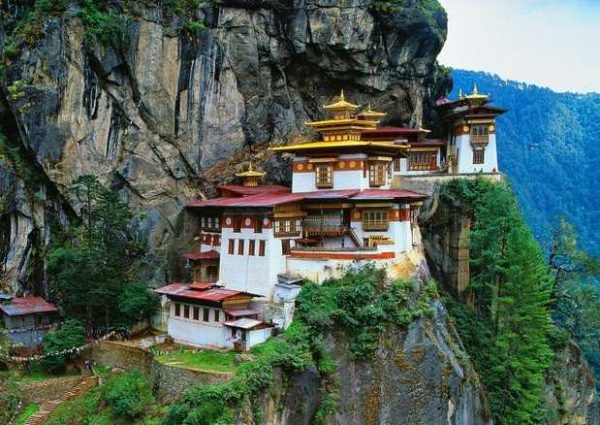
The Paro Taktsang, also known as Tiger’s Nest Monastery, is a Buddhist temple complex perched 3,120 meters/10,240 feet above sea level on a cliff in Bhutan’s upper Paro valley. Paro Taktsang is Bhutan’s most iconic monastery. Legend says Guru Rinpoche (Padmasambhava) flew here on a tiger, giving it the name ‘Tiger’s Nest.’ Built in 1692, it has white walls, golden roofs, and fluttering prayer flags, making it a striking symbol of Bhutanese culture and spirituality.
Reaching the monastery requires a 2-3 hour uphill hike through pine forests and traditional trails, passing meditation caves and prayer wheels along the way. It remains an active site of worship, allowing visitors to witness Bhutanese Buddhist rituals up close.
The best time to visit is spring (March-May) for blooming flowers or autumn (September-November) for clear valley views. The trek to Paro Taktsang is not just an adventure, but it’s a journey into the spiritual heart of Bhutan. This monastery’s centuries-old mythology adds to its mystique. Tiger’s Nest is an isolated spot that can only be reached by following difficult mountain paths, and one of the top attractions in Bhutan.
2. Explore Punakha Dzong
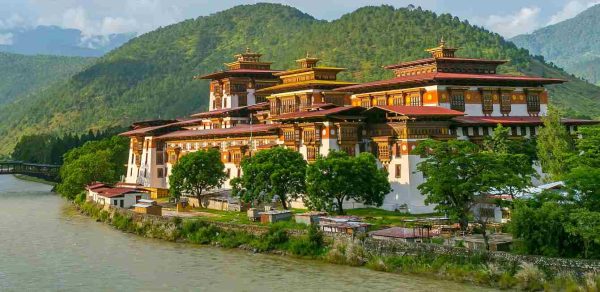
Punakha Dzong, also known as ‘The Palace of Great Happiness‘, located at the confluence of the Pho Chhu and Mo Chhu rivers, is one of the most spectacular and historically important Dzongs in Bhutan. This Dzong, completed in 1637, was once the country’s capital, housing both the government and the monastic community, but the capital is now in Thimphu. The impressive architecture of the Dzong, with its exquisite woodwork, high walls, and golden roofs, reflects Bhutanese craftsmanship.
Punakha Dzong looks especially magical in springtime when the jacaranda trees around it are in full bloom with their bright purple flowers. One can walk around its courtyards and temples and simply enjoy the scenery by the riverside. Apart from its beauty, Punakha Dzong offers a glimpse into Bhutan’s history and royal traditions, and is a must-visit place for any traveler in Bhutan.
3. Discover Thimphu’s Cultural Landmarks
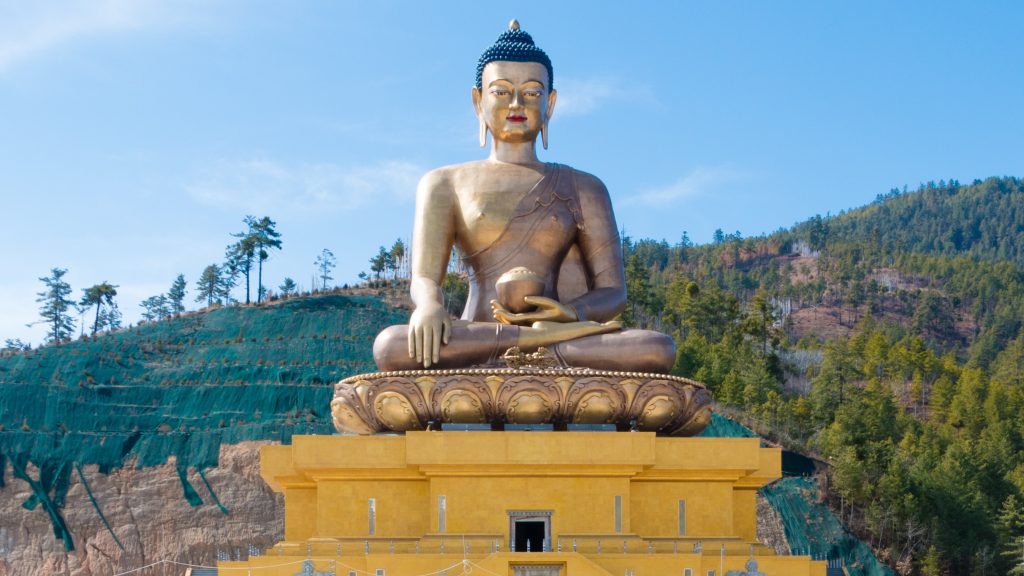
The capital city of Thimphu beautifully blends tradition with modern life, presenting travellers with a unique cultural experience. Some of the sites are:
- Buddha Dordenma: The giant golden Buddha statue overlooks the Thimphu Valley and symbolizes peace, happiness, and Bhutanese spirituality. Its immense size and serene presence make it a must-visit place for both photography and contemplation.
- Folk Heritage Museum: This museum showcases traditional Bhutanese homes, crafts, and everyday life. Visitors can explore authentic interiors, learn about local traditions, and gain insight into Bhutan’s cultural history.
- Tashichho Dzong: A majestic fortress and monastery that houses government offices and monks. It serves as a center for religious ceremonies, festivals, and cultural events, offering a glimpse into Bhutan’s administrative and spiritual life.
- Local Markets: Thimphu’s bustling markets sell handicrafts, textiles, and fresh local produce. They provide an immersive experience of Bhutanese daily life and are perfect for picking up authentic souvenirs.
Thimphu uniquely combines spiritual heritage with contemporary city life. Visitors can explore monasteries, museums, markets, and modern shops all within one vibrant capital, experiencing Bhutan’s culture in a living, evolving city.
4. Visit Ancient Temples and Monasteries
Bhutan is home to ancient temples and monasteries, which give travelers a glimpse of the country’s rich spiritual heritage. Talo Monastery, situated on a hilltop near Thimphu, is famous for its beautiful paintings, traditional architecture, and stunning views of the surrounding valleys. It is also a host for the Talo Festival, during which monks perform sacred dances and rituals, making it one of the most cultural things to do in Bhutan.
Another important site is Yagang Lhakhang, a centuries-old temple that preserves Bhutanese religious traditions and offers a peaceful retreat for meditation and reflection. Visitors can experience the rhythmic chanting of monks, prayer ceremonies, and other spiritual practices that are an integral part of Bhutanese life.
Many of these temples and monasteries also host spiritual festivals and rituals, where locals gather to celebrate, perform masked dances, and honor their ancestors and deities. Visiting these sacred sites allows travelers not only to admire Bhutanese architecture but also to immerse themselves in the country’s living spiritual traditions, making it a deeply enriching experience.
Experience Bhutanese Festivals (Tshechu)
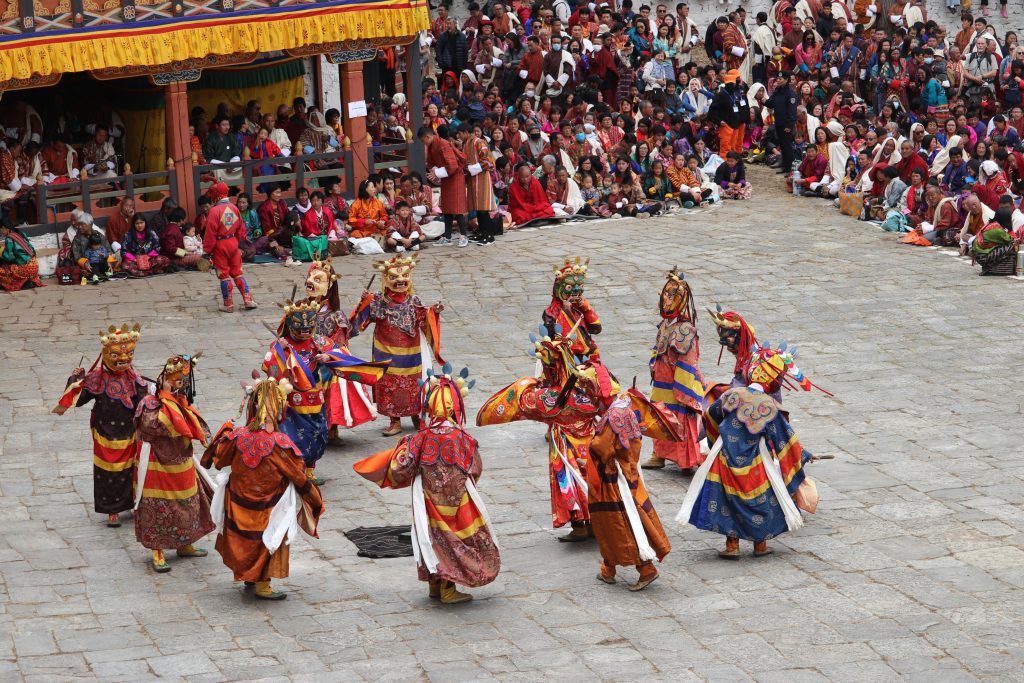
Bhutanese festivals, known as Tshechu, are vibrant celebrations of culture, spirituality, and community. Held in dzongs and monasteries across the country, these festivals feature masked dances, rituals, and lively gatherings, offering visitors an authentic glimpse into Bhutanese traditions and religious life, and are among the top attractions in Bhutan to watch.
Popular Bhutanese Festivals
1. Paro Tshechu
- One of Bhutan’s most famous festivals is held in Paro Dzong.
- Features Cham dances, sacred rituals, and attracts thousands of locals and tourists.
2. Thimphu Tshechu
- Celebrated in the capital at Tashichho Dzong.
- Offers colorful dances, cultural performances, and a lively market atmosphere.
3. Punakha Drubchen
- Held in Punakha Dzong, commemorating historical victories.
- Known for dramatic reenactments and traditional Bhutanese rituals.
4. Jambay Lhakhang Drup
- Located in Bumthang, one of Bhutan’s oldest festivals.
- Famous for fire blessings, mask dances, and mystical rituals.
5. Trongsa Tshechu
- Celebrated in central Bhutan at Trongsa Dzong.
- Highlights include sacred Cham dances and community gatherings.
6. Haa Summer Festival
- Held in Haa Valley, blending cultural shows with outdoor activities.
- Includes traditional games, horse riding, and local cuisine.
Beyond their religious significance, these festivals are a photographer’s dream, providing endless opportunities to capture colorful masks, intricate costumes, and the joyous energy of the crowd. Attending a Tshechu allows travelers to immerse themselves in Bhutanese culture, experience authentic traditions, and witness the living spirituality of this Himalayan kingdom.
Visit National Parks and Wildlife Sanctuaries
While Bhutan is not only a land of monasteries and mountains, but also a wildlife enthusiast’s heaven. Over 50% of the kingdom is under protection as national parks, wildlife sanctuaries, and biological corridors. This makes it one of the most biologically rich and ecologically intact parts of the world. This provides opportunities for eco-tourism, wildlife viewing, birdwatching, nature walks, and jungle safaris for adventure travelers as well as wildlife enthusiasts.
1. Phibsoo Wildlife Sanctuary
Phibsoo is one of Bhutan’s most unique wildlife sanctuaries, tucked along the southern border near Dagana and Sarpang districts. It is the only protected area in the country that features natural sal forests and is famous for its spotted deer (chital), giving the landscape a rich mosaic of grasslands and dense subtropical vegetation.
The sanctuary also supports populations of elephants, gaur (Indian bison), hornbills, golden langurs, and even Bengal tigers, a testament to Bhutan’s strong conservation efforts. Phibsoo is gradually being opened for eco‑tourism experiences such as birdwatching, jungle trails, camping by rivers, and safari drives amid pristine wilderness.
2. Jigme Dorji National Park
As one of Bhutan’s largest national parks, Jigme Dorji National Park spans multiple districts with dramatic elevation changes from lush valleys to alpine heights. It is home to a remarkable array of wildlife, including the elusive snow leopard, red panda, Bengal tiger, Himalayan black bear, blue sheep, and hundreds of bird species, and top attractions in Bhutan. Its varied ecosystems, from subtropical forests to high‑altitude meadows, make it ideal for wildlife safaris, guided hikes, and nature photography. The park also encompasses culturally significant peaks and rivers, blending natural beauty with spiritual significance.
Visiting Bhutan’s protected areas offers excellent opportunities to connect with nature responsibly. Travelers can go on guided wildlife spotting tours, where early mornings often bring sightings of rare deer, takin (Bhutan’s national animal), and birds. Birdwatching is particularly rewarding; species such as hornbills, raptors, and a diversity of migratory birds thrive here.
Bhutan’s strong stance on conservation ensures that eco‑tourism activities are low‑impact and community‑oriented, helping protect habitats while supporting local livelihoods.
Scenic Mountain Passes
The mountain passes of Bhutan provide some of the most spectacular views of the Himalayan range, combined with a sense of spirituality and natural beauty. Crossing the mountain passes is as much an experience as it is about the views, with prayer flags, mountain air, and breathtaking views that encapsulate the essence of Bhutan.
- Dochula Pass: Dochula Pass is famous for its 108 chortens (stupas), known as Druk Wangyal Chortens, located on the route between Thimphu and Punakha. On clear days, visitors can enjoy spectacular views of the snow-capped Himalayan range, making this one of the things to do in Bhutan. The pass is also a spiritual site, with prayer flags and a peaceful atmosphere that makes it ideal for reflection and photography.
- Chele La Pass: Standing at around 3,988 meters, Chele La Pass is one of the highest motorable roads in Bhutan. It offers stunning views of sacred peaks like Mount Jomolhari and the surrounding valleys. The area is adorned with colorful prayer flags, and the cool alpine environment makes it a perfect spot for nature lovers and photographers seeking dramatic Himalayan landscapes.
Adventure Activities in Bhutan
Bhutan offers a perfect mix of adventure and natural beauty, making it an ideal destination for outdoor enthusiasts. From high-altitude treks to scenic hikes and thrilling river rafting, the country provides unforgettable experiences in the heart of the Himalayas.
1. Trekking in the Himalayas
- Jomolhari Trek: One of Bhutan’s most popular treks, offering stunning views of Mount Jomolhari. The trail passes through remote villages, alpine meadows, and high mountain landscapes, making it perfect for those seeking both adventure and cultural immersion.
- Druk Path Trek: A shorter and moderate trek connecting Paro and Thimphu. Known for its beautiful lakes, forests, and mountain views, it is ideal for beginners and those with limited time, and one of the best adventure things to do in Bhutan.
- Snowman Trek: Considered one of the toughest treks in the world, this route crosses high mountain passes and remote regions of Bhutan. It is suitable only for experienced trekkers seeking a challenging and once-in-a-lifetime Himalayan adventure.
2. Hiking and Short Walks
- Tiger’s Nest Hike: A must-do hike to Paro Taktsang, offering breathtaking views and a deeply spiritual experience. The trail passes through pine forests and scenic viewpoints.
- Valley Hikes and Nature Trails: Bhutan’s valleys, including Phobjikha Valley and Paro Valley, offer gentle hikes through villages, forests, and farmlands, perfect for exploring local life and natural beauty.
Still confused about which trek to choose? Discover the best trekking adventures in Bhutan.
3. River Rafting
Bhutan is a small Himalayan country known for its beautiful environment, steep mountains, and extraordinarily high elevations. Its map has several rocky, untamed rivers that meander through it. It provides the ideal location for river rafting.
Due to their accessibility and safe routes, the Mo Chhu, Po Chhu in Punakha, Mangde Chhu, Wang Chhu, Puna Tsang Chhu, and Dangme Chhu are regarded as the greatest rafting rivers.
Some Rafting Rivers in Bhutan
1. Mo Chhu: The Mo Chhu (River) runs from Gasa Dzongkhag district along the Tibet-Bhutan border to Punakha in Bhutan’s central area. The Po Chhu then joins it from the northeast of Bhutan, stretching 5.6 miles. Although Punakha has two rivers, Pho Chu (male) and Mo Chu (female), the latter is commonly chosen by first-timers, children, and the elderly. The Mo Chu River is calmer and gentler, with fewer currents and rapids than Pho Chu, which is said to be ferocious, and only professionals and experienced rafters are permitted.
The best aspect is that rafters can be professionals to participate in these water activities on the Mo Chhu River. All they have to do is paddle through the river and, in certain areas, the rapids.
Highlights of Rafting in Mo Chhu are:
- Length of Rafting: 6 miles
- Best time: October- April
- Location: Punakha Valley
- Level: Class I-II
2. Po Chhu: Due to its rapids, the Po Chhu River is more like whitewater rafting and is highly thrilling and exciting. The vista is stunning, and along the way, one passes the largest suspension bridge. This is your opportunity to experience the entire 16 km route if you’re searching for an adrenaline thrill. Known for its stronger currents and exciting rapids, it offers an adrenaline-filled journey through narrow channels and rocky sections. Along the way, rafters can enjoy dramatic landscapes and a closer connection to Bhutan’s wild and untouched nature, making it one of the best things to do in Bhutan.
Highlights of Rafting in Po Chhu are:
- Length of Rafting: 16 km
- Best time: Throughout the year
- Location: Punakha Valley
- Level: Class I-III+
3. Wang Chhu: The banks of Thimphu, a tributary of the powerful Brahmaputra that runs across Bhutan, give an incredible opportunity for rafting and kayaking. The SAARC headquarters and Samtenling Palace, the royal residence of Bhutan, are both visible along the course.
Highlights of Rafting in Wang Chhu are:
- Length of Rafting: About 5 km
- Best time: March-April, November-December
- Location: Thimpu
- Level: Class III – Class V
Also, Kayaking in Wang Chhu should be on your list of things to do in Bhutan if you consider yourself a true adventurer. Since the course contains grades III and IV rapids, the adventure is intended for medium and expert kayakers. But to participate in this activity, you must gain Grade V skills because some of the courses are difficult to complete. This is one of the thrilling things to do in Bhutan.
Experience Bhutanese Cuisine
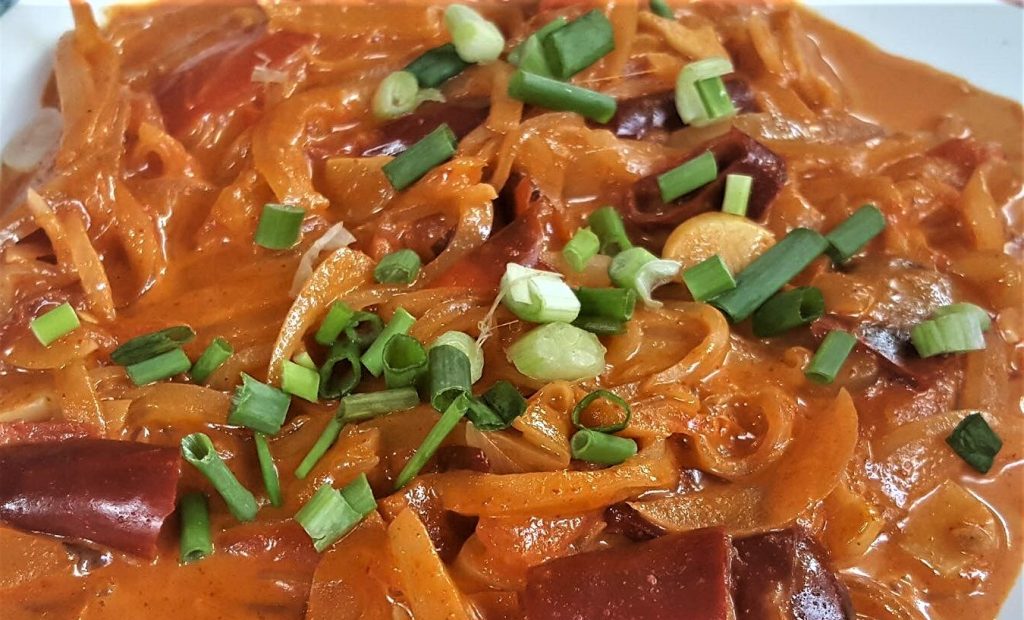
Bhutanese cuisine is simple, hearty, and deeply rooted in tradition, often featuring rice, chilies, cheese, and locally sourced ingredients. Food in Bhutan is not just about taste; it reflects the country’s culture, climate, and way of life. Exploring traditional Bhutanese dishes, visiting local markets, and dining in farmhouse settings are some of the most authentic things to do in Bhutan, giving travelers a deeper connection to the country’s rich culinary heritage.
- Ema Datshi: The national dish of Bhutan, made from chili peppers and local cheese. Spicy and flavorful, it is a must-try and often served with red rice.
- Kewa Datshi: A comforting dish made with potatoes and cheese, often cooked with mild chilies. It is less spicy than ema datshi and perfect for those who prefer a milder flavor.
- Phaksha Paa: A popular pork dish cooked with red chilies and sometimes radishes. Rich and slightly spicy, it is a staple in Bhutanese households.
- Jasha Maru: A traditional chicken stew prepared with tomatoes, garlic, ginger, and spices. It is lighter than other dishes but full of flavor.
- Red Rice: A nutritious Bhutanese staple grown in the Himalayas. It has a slightly nutty taste and is served with almost every meal.
- Momos: Dumplings filled with meat or vegetables, commonly found across Bhutan. They are usually steamed or fried and served with spicy dipping sauce.
- Suja (Butter Tea): A traditional drink made with tea leaves, butter, and salt. It may taste unusual to first-time visitors, but it is an essential part of Bhutanese culture.
- Zow Shungo: A simple yet delicious dish made from leftover rice mixed with vegetables. It reflects Bhutan’s sustainable and no-waste food culture.
Unique Experience in Bhutan
1. Try Archery
Bhutan’s national sport is an important part of its cultural identity and one of the top attractions. Locals gather for friendly competitions filled with music, singing, and celebration, giving visitors a fun and authentic cultural experience.
In Bhutan, where archery is not just a beloved sport but also a representation of culture and community, the sport’s precision, grace, and history are given new life. The lively and colorful dancing brings the archery competition to a close. Archers use traditional bamboo-made arrows and bows. However, the tournament competitors make use of modern tools, making it one of the most unique things to do in Bhutan.
The activity has evolved into a means of honoring Bhutanese culture. Every village in Bhutan holds several archery competitions to symbolize celebration and rivalry. An archery tournament is a necessary component of every festival in Bhutan.
2. Experience Staying in a Homestay
Staying in a local farmhouse gives you a glimpse into authentic Bhutanese rural life. In places like Punakha Valley, you can experience traditional wooden homes, share meals with local families, and learn about farming practices. It’s a warm, welcoming experience that connects you directly with Bhutanese culture and hospitality, and one of the best things to do in Bhutan.
3. Try Hot Spring Therapy
Hot springs, also known as Tshachus in Bhutan, are thought to have healing properties. Bhutanese people have visited these hot springs for centuries to treat body aches and sinus problems.
A traditional Bhutanese hot stone bath is a must-try cultural experience. Heated river stones are placed in a wooden tub filled with water and medicinal herbs, releasing minerals believed to have healing properties. After a long day of travel or trekking, this relaxing bath is the perfect way to unwind and experience Bhutanese wellness traditions.
They have a centuries-old tradition of visiting hot springs during the winter months. There are several hot springs in the country. The main hot springs include Gasa Tshachu, a ten-hour journey from Punakha, Dur Tshachu in Bumthang, Duenmang Tshachu on the Mangde Chu riverbank, and Gelephu Tshachu in southern Bhutan. This is one of the relaxing and cultural things to do in Bhutan.
4. Explore Local Market
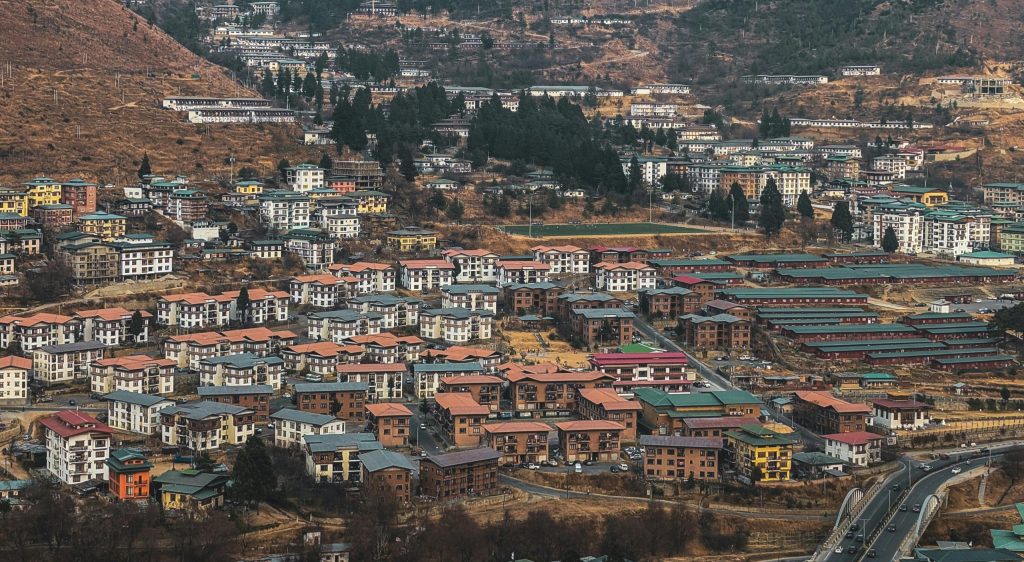
Exploring local markets in cities like Thimphu and Paro is a vibrant cultural experience. You’ll find fresh produce, handmade crafts, textiles, and traditional goods. Markets are also a great place to interact with locals and observe daily life in Bhutan.
The Thimphu handicrafts market is sometimes referred to as the Authentic Bhutanese Crafts Bazaar. Bamboo-made businesses offering colorful and exquisite genuine Bhutanese handicrafts are carefully arranged in rows along a mile-long area. Nearly a hundred stores in the market provide a wide variety of souvenirs, natural handcrafted clothes, purses, masks, and other products.
One of your most cherished experiences in Bhutan will likely be handicraft shopping here. Bowls, amulets, prayer beads, badges, and printing blocks are available. The shop proprietors’ kind demeanor and constant welcome smiles are what you will appreciate most about this place.
FAQs of Things to Do in Bhutan
1. What are the must-visit places in Bhutan?
Some of the top attractions include Paro Taktsang (Tiger’s Nest Monastery), Punakha Dzong, Thimphu’s cultural landmarks, Phobjikha Valley, Bumthang Valley, and scenic mountain passes like Dochula and Chele La. Bhutan offers a mix of culture, adventure, and natural beauty.
2. Which festivals should I experience in Bhutan?
Popular festivals include Paro Tshechu, Thimphu Tshechu, Punakha Drubchen, Jambay Lhakhang Drup, and Trongsa Tshechu. These feature masked dances, rituals, and vibrant celebrations that give visitors an authentic cultural experience.
3. What adventure activities can I do in Bhutan?
Bhutan offers trekking (Jomolhari, Druk Path, Snowman Trek), hiking (Tiger’s Nest, valley trails), and river rafting (Mo Chhu, Pho Chhu, Mangde Chhu). These activities suit all levels, from beginners to experienced adventurers.
4. What unique experiences should I try?
Visitors can try traditional archery, hot stone baths, farmhouse stays, Bhutanese cuisine, and explore local markets. These activities provide insight into Bhutanese culture and daily life.
5. What Bhutanese dishes should I try?
Must-try dishes include Ema Datshi (chili and cheese), Kewa Datshi (potato and cheese), Phaksha Paa (pork), Jasha Maru (chicken stew), red rice, momos (dumplings), and Suja (butter tea). Each dish reflects Bhutan’s flavors and traditions.
6. When is the best time to visit Bhutan?
The ideal times are spring (March to May) for blooming valleys and clear skies, and autumn (September to November) for festivals and trekking. Winter is cold but great for snow-capped views, and summer has fewer crowds but more rain.
7. Is Bhutan suitable for first-time travelers?
Yes, Bhutan is very tourist-friendly, though some treks and high-altitude activities require fitness. Most cultural sites, monasteries, and markets are easily accessible to all travelers.
8. Do I need a guide to explore Bhutan?
Yes. Bhutan requires tourists to travel via licensed tour operators, and a guide is included in your package. Guides help with cultural understanding, logistics, and navigating remote areas.
9. Are there opportunities for wildlife and nature experiences?
Absolutely. Bhutan’s national parks and sanctuaries, like Jigme Dorji National Park, Phibsoo Wildlife Sanctuary, and Royal Manas, offer wildlife spotting, birdwatching, and eco-tourism experiences. Rare species include snow leopards, red pandas, takin, and black-necked cranes.
10. Can I combine adventure and cultural experiences in one trip?
Yes. Bhutan allows travelers to combine trekking, hiking, rafting, and wildlife experiences with visits to monasteries, dzongs, markets, and festivals, providing a perfect blend of adventure, spirituality, and culture.
Comments (0)
Write a comment- Top Cultural and Spiritual Experiences in Bhutan
- Experience Bhutanese Festivals (Tshechu)
- Visit National Parks and Wildlife Sanctuaries
- Scenic Mountain Passes
- Adventure Activities in Bhutan
- Experience Bhutanese Cuisine
- Unique Experience in Bhutan
- FAQs of Things to Do in Bhutan
- 1. What are the must-visit places in Bhutan?
- 2. Which festivals should I experience in Bhutan?
- 3. What adventure activities can I do in Bhutan?
- 4. What unique experiences should I try?
- 5. What Bhutanese dishes should I try?
- 6. When is the best time to visit Bhutan?
- 7. Is Bhutan suitable for first-time travelers?
- 8. Do I need a guide to explore Bhutan?
- 9. Are there opportunities for wildlife and nature experiences?
- 10. Can I combine adventure and cultural experiences in one trip?
Read the latest Blogs & Insights
Explore our collection of articles and insights to gain in-depth travel knowledge, expert advice, and stay updated on the latest trends and tips.
View All Articles
Broad Peak Avalanche: Nirmal Purja & the Team
10 Aug. 2026
Prayer Flags
10 Jul. 2026
Golf Tour in Nepal
24 Aug. 2026



No comments yet.