



Things to know about Mera Peak Climbing
-
 Sobit Bhandari
 -
20 December, 2024
-
26 mins read
-
2079 Views
-
0 Comments


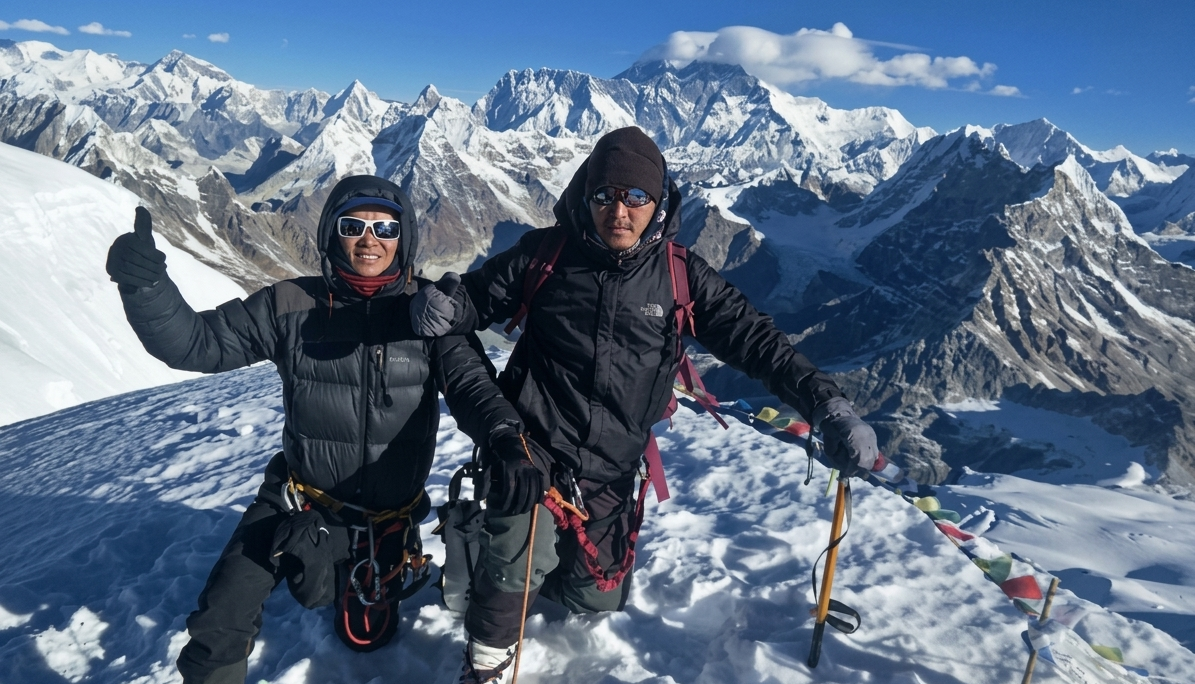
Mera Peak, the highest trekking peak in Nepal, is an unforgettable adventure for anyone seeking a thrilling Himalayan experience. Mera Peak stands at 6,476 meters(21,247ft), attracting adventure enthusiasts from around the world. This is known for its breathtaking panoramic views of the Everest, Lhotse, Cho Oyu, and Makalu, which combine the adventure of high altitude climbing with the beauty of the Khumbu and Hinku regions.
Mera Peak climbing is suitable for trekkers with good physical fitness and some prior trekking experience, though no extensive technical climbing skills are required on the normal route. Basic alpine skills and familiarity with winter climbing techniques are helpful for a safer ascent. This climb tests endurance, acclimatization, and mountaineering skills, which makes preparation and understanding the journey essential for a safe and rewarding expedition.
If you’re planning this thrilling ascent, it’s essential to be well-prepared. This guide covers things to know about Mera Peak Climbing, including the best season to trek, required permits, physical challenges, and safety tips. Whether you are a first-time climber or an experienced mountaineer, understanding these key aspects will help you have a successful and memorable expedition to one of the Himalayas’ most rewarding peaks.
Mera Peak Climbing Highlights
- Summit Mera Peak (6,476m) – Nepal’s highest trekking peak
- Enjoy breathtaking views of Mount Everest, Lhotse, Makalu, Cho Oyu, and Kanchenjunga
- Trek through scenic trails and remote Sherpa villages in the Everest region
- Cross the scenic Zatrwa La Pass (4,610m) with breathtaking Himalayan panoramas.
- Experience peaceful trekking in the remote Hinku Valley away from crowded trails
- Walk across the stunning Mera Glacier with basic mountaineering experience
- A perfect beginner-friendly climbing adventure with minimal technical difficulty
- Enjoy a scenic and thrilling flight to Lukla Airport
- Enjoy a rewarding sunrise summit with panoramic Himalayan views
- Spot rare Himalayan wildlife in Sagarmatha National Park.
Mera Peak Facts
Here are a few facts about Mera Peak and Mera Peak Climbing:
- Mera Peak has three summits: North Mera Peak (6,476m), Central Mera Peak (6,461m), and South Mera Peak (6,064m). Most climbers choose to climb Central Mera Peak instead of the highest one, North Mera Peak. This is because the route to North Mera Peak has large crevasses and changes in glaciers, making it safer to climb Central Mera Peak.
- Mera Peak is located to the south of Everest and overlooks the watershed between the heavily wooded valleys of the Hinku and Hongu Drangkas.
- In 1953, J.O.M. Roberts and Sen Tenzing made the first successful ascent of Mera Peak. The Frenchmen Marcel Jolly, G Baus, and L Honills were the first to reach the true summit of Mera North in 1975.
- Mera Peak climb is physically demanding due to altitude, but not technically difficult, with slopes rarely exceeding 40 degrees. Trekkers need to be physically fit and have a sense of adventure to ascend Mera Peak.
- The ascent of Mera Peak begins from the Mera La pass (5,415m) on the Northern face, which connects the Hongu and Hinku valleys.
- Mera Peak provides an impressive panoramic view of several mountain ranges, including Chamlang, Kangchenjunga, Makalu, and Baruntse to the east, and Cho-Oyu, Ama Dablam, and Kangtega to the west. The north view offers a glimpse of the unclimbed south face of Lhotse and the Nuptse/Lhotse ridge, with Everest visible in the background.
- If the weather permits, it is feasible to ascend and descend the peak within a day.
- The Hinku and Hongu valleys have no lodges, so adventure trekkers must be self-contained, adding to the allure for those seeking mountaineering adventure.
Location of Mera Peak
Mera Peak is situated in the Mahalangur section of the Himalayas, a mountain range that stretches across several countries in Asia, including Nepal, Tibet, India, Bhutan, Pakistan, and Afghanistan. Specifically, Mera Peak is located in the Barun Subsection of the Himalaya in the Solukhumbu district of Nepal, in the Sagarmatha National Park.
The park covers an area of 1,148 square kilometres and was established in 1976 as Nepal’s first national park. In 1979, Sagarmatha National Park was declared a UNESCO World Heritage Site, recognizing the unique natural and cultural values of the region.
The park is home to several high peaks, including Mount Everest, Lhotse, Nuptse, and Cho Oyu, as well as several glaciers, valleys, and rivers that contribute to the rich biodiversity of the region. Mera Peak is one of the most popular trekking peaks in the region and attracts thousands of adventure seekers every year who come to experience the stunning landscapes and challenge themselves with a high-altitude climb.
Mera Peak Expedition Difficulty Level
The Mera Peak climbing expedition is considered a moderate-to-challenging adventure due to its high altitude, unpredictable weather, and technical sections. The Mera Peak difficulty level can be broken down into the following factors:
- Altitude (6,476 meters):
The Mera Peak summit stands at 6,476 meters, making it one of the highest trekking peaks in Nepal. The high altitude increases the risk of altitude sickness, so proper acclimatisation, steady pacing, and hydration are essential for a safe Mera Peak trek.
- Technical Difficulty:
Although Mera Peak climbing is mostly non-technical, some sections require fixed ropes, crampons, and rope-assisted ascents on icy slopes. Prior experience or mountaineering training is highly recommended before attempting the Mera Peak expedition.
- Weather Conditions:
The Himalayan weather can be unpredictable, with sudden changes in snow, rain, and strong winds. During the Mera Peak summit, temperatures drop drastically at night, adding to the overall challenge of the Mera Peak Climb.
- Duration and Endurance:
The Mera Peak expedition typically lasts around 14-18 days, including acclimatization days. The long trek and the physical and mental demands make it a strenuous yet rewarding Himalayan climbing experience.
Despite its challenges, the Mera Peak trek and climb are achievable for physically fit trekkers who train properly and follow a gradual acclimatization schedule under the guidance of experienced Sherpa guides. With preparation and determination, summiting Mera Peak in Nepal becomes an unforgettable adventure in the heart of the Himalayas.
Mera Peak Climate and Best Months to Climb
1. Climate in Mera Peak
When you embark on a journey to climb Mera Peak, you will encounter a diverse range of climates. The expedition begins in Kathmandu, which is situated at an altitude of 1,300 meters (4,265.092 feet), and ends at the peak of Mera, which stands at an altitude of 6,476 meters (21,246.72 feet). The difference in climate between these two points is quite noticeable.
To ensure a successful climb, it is important to study the climate of Mera Peak and choose the ideal time to attempt the climb. During the journey, you will experience four different types of climate. The first is a temperate climate, which you will encounter at an altitude of 1,200 to 2,100 meters. The second is a frigid climate, in which you will experience between 2,100 and 3,300 meters. The third is an alpine climate, which will be present at altitudes between 3,300 and 5,000 meters. Finally, as you ascend above 5,000 meters, you will encounter a tundra climate.
Month-Wise Temperature Table
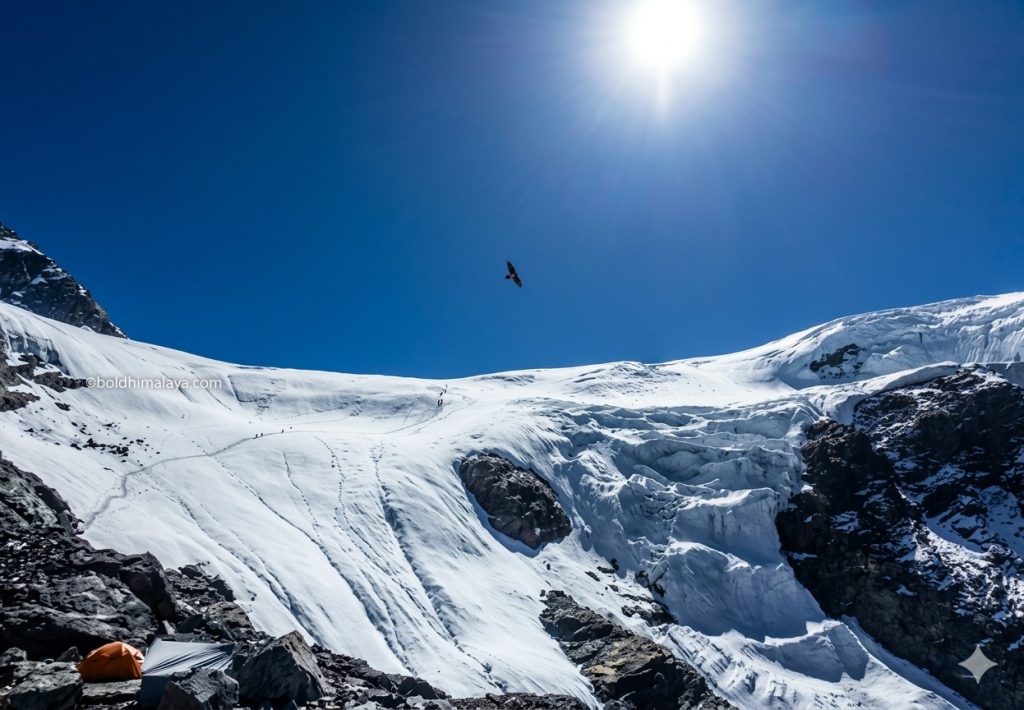
Mera Peak has extreme and constantly changing cold weather throughout the year due to its high altitude, so it’s important to be aware of the temperature changes as you gain altitude during your journey. Here is the table showing the month-wise minimum and maximum temperatures at Mera Peak from January to December.
| Months | Minimum Temperature (°C) | Maximum Temperature (°C) |
| January | -30°C | -4°C |
| February | -30°C | -4°C |
| March | -20°C | -1°C |
| April | -15°C | 5°C |
| May | -7°C | 10°C |
| June | 3°C | 14°C |
| July | 5°C | 16°C |
| August | 5°C | 16°C |
| September | 0°C | 12°C |
| October | -6°C | 8°C |
| November | -14°C | 1°C |
| December | -25°C | -2°C |
Best Time to Climb Mera Peak
The best time for Mera Peak climbing is during Spring (March–May) and Autumn (September–November), making it the perfect Mera Peak trek season. During these months, climbers enjoy clear Himalayan skies, stable weather, and panoramic views of Everest, Lhotse, Makalu, Cho Oyu, and Kanchenjunga from the Mera Peak summit.
- Spring (March–May): Ideal for Mera Peak trekking, with blooming rhododendrons, moderate temperatures, and long daylight hours for trekking and photography.
- Autumn (September–November): Considered the peak season for the Mera Peak expedition, offering crisp air, excellent visibility, and minimal cloud cover for stunning Himalayan mountain views.
- Winter (December–February): Cold temperatures and snow make Mera Peak climbing difficult.
- Monsoon (June–August): Heavy rainfall and slippery trails make it a less suitable time for Mera Peak trekking or expedition.
Choosing the Spring or Autumn Mera Peak climbing season ensures the safest and most rewarding Mera Peak expedition experience, combining adventure, stunning Mera Peak summit views, and a culturally immersive trek through Sherpa villages in the Everest region.
Altitude Sickness and Remedies during the Mera Peak Climbing
Mera Peak Climbing in Nepal is an extraordinary experience, but the high altitude presents serious challenges for even experienced trekkers. Altitude sickness, also known as Acute Mountain Sickness (AMS), is one of the most common health risks during the Mera Peak expedition. It usually occurs when the body cannot adjust quickly enough to the reduced oxygen levels at higher elevations.
Common Symptoms of Altitude Sickness
- Headache and nausea
- Dizziness or light-headedness
- Loss of appetite
- Fatigue and shortness of breath
- Difficulty sleeping
- Swelling of hands, feet, or face
Causes of Altitude Sickness on Mera Peak
The Mera Peak climbing route gradually ascends from Lukla (2,860m) to Mera High Camp (5,800m) and finally to the Mera Peak summit (6,476 m). The rapid altitude gain, thin air, cold temperatures, and physical exertion increase the risk of AMS. Many trekkers experience mild symptoms above 3,500m, which can worsen if not managed properly.
Remedies and Preventive Measures
- Proper Acclimatization: The Mera Peak trekking itinerary should include acclimatization days, especially at Khare and Tangnag, to help your body adapt gradually.
- Stay Hydrated: Drink plenty of water and avoid alcohol or smoking, as these can dehydrate the body and worsen AMS.
- Slow and Steady Ascent: Climb slowly, taking breaks as needed. A gradual pace allows your body to adjust to increasing altitude.
- Medication: Diamox (acetazolamide) is often used to prevent or treat altitude sickness. Consult your doctor before using any medication.
- Recognise Warning Signs: If symptoms worsen (such as severe headache, vomiting, confusion, or breathlessness), descend immediately to a lower altitude.
- Use Experienced Guides: Licensed Sherpa guides trained in altitude safety can monitor trekkers’ health and decide whether to continue or descend.
- Portable Oxygen and Medical Kits: Most Mera Peak expeditions carry oxygen cylinders and pulse oximeters for emergency use.
Preparation for Mera Peak Climbing
To successfully climb a peak like Mera Peak, preparation is key. This means making sure you are physically fit, mentally prepared, and have the necessary skills and equipment. Here are some steps to take when preparing for a Mera Peak Climbing:
1. Proper Training for Mera Peak Climbing
Proper training, including aerobic, strength endurance, and hiking training for at least three to four weeks, is crucial for the physical demands of climbing Mera Peak, and neglecting any of these components may compromise your success.
- Aerobic or Cardio Training
Aerobic Training is recommended for climbing Mera Peak due to high altitude and low oxygen levels, and starting with 3-4 days of activities such as jogging, cycling, and swimming, gradually increasing can help enhance cardiovascular fitness, increase the lactic threshold, and improve heart, lungs, and blood cells endurance.
- Strength Endurance Training
Strength Endurance Training, including lunges, squats, step-aerobics, sit-ups, shoulder presses, pull-ups, and back & shoulder flies, can improve core and leg strength and endurance required for climbing Mera Peak, and starting with comfortable weights and gradually increasing can help minimise the risk of injuries.
- Hiking Training
Hiking training is necessary to build endurance for the steep trail, glacier crossing, and carrying a heavy backpack. And starting with day-long hikes and gradually increasing the difficulty, with a training program similar to the actual climb, is recommended if you’re not used to hiking.
- Proper Diet
Having a proper diet with all major nutrients in the right proportions and drinking enough water is crucial for mountain climbing, as it requires a lot of energy, and at high altitudes like Mera Peak, drinking 4 to 5 litres of water per day is recommended to prevent altitude sickness.
2. Mental Preparation
Mental preparation is just as important as physical training for mountaineering, and during long treks like Mera Peak, having a positive attitude and mental strength is crucial to keep moving forward. Physical training can help improve mental stamina, while support from trekking partners and staff can also be valuable in building confidence and contributing to success.
3. Basic Mountaineering Skills
To successfully climb Mera Peak, it’s essential to have basic mountaineering skills, which include the ability to handle ice axes and climbing gear, as well as knowledge of glacier crossings and rugged terrain; if you’re new to climbing, it’s recommended to take a 40-day basic mountaineering training course starting in June, which covers new techniques and rescue activities.
4. Fitness Test
To increase the likelihood of a successful climb and prevent altitude sickness, it is important to test your lower body strength, uphill hiking fitness, and endurance prior to climbing Mera Peak due to its physically demanding nature, unpredictable weather, and low oxygen levels.
5. Adequate Acclimatization
To ensure a successful climb and prevent altitude sickness, it’s crucial to gradually acclimate yourself to high altitudes by taking breaks at certain elevations, and for Mera Peak climbing, it’s recommended to spend three nights at Khare (4,950m) and take acclimatization days at Base Camp (5,300m) and High Camp (5,800m), while also adding spare days for bad weather and side trips; furthermore, acclimatization days provide an opportunity for your guide to teach you the necessary skills for using climbing equipment.
Mera Peak Climbing Duration
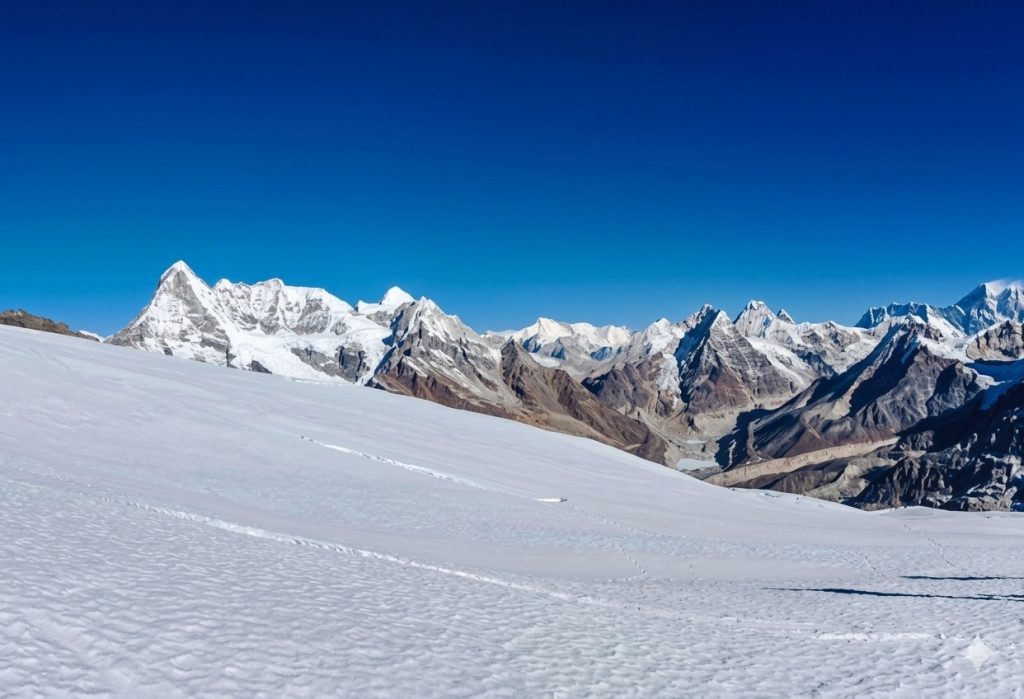
The Mera Peak expedition is one of the most rewarding experiences in the Himalayas, offering both trekking and high-altitude climbing. On the summit day, trekkers start early, around 1:30 AM, to begin the climb from High Camp to Mera Peak summit at 2:00 AM. The full journey ascending to the Mera Peak summit and descending back to Khare usually takes 11-12 hours, depending on weather and physical fitness.
The climb from High Camp to Mera Peak summit is exhilarating and moderately technical. The first section crosses the Mera Glacier, where climbers are secured with ropes for safety. The climb is gradual but becomes steeper near the summit. The final 40-50 meters of the Mera Peak climb require the use of fixed ropes and jumars to reach the snowy dome of the Mera Peak Summit.
The descent from High Camp to Khare is less physically demanding but still offers stunning Himalayan scenery. Overall, the Mera Peak climbing duration from High Camp to the summit and back is around 7-8 hours for the ascent and several hours for the descent, making it a challenging yet unforgettable Mera Peak trekking and climbing experience.
Mera Peak Climbing Itinerary
At Bold Himalaya, we understand that every adventurer has different needs. That’s why we offer classic Mera Peak climbing itineraries. Our standard 14-day program is recommended for most climbers, ensuring proper acclimatisation for a safe and successful summit. For those with prior high-altitude experience or limited time, we offer a more demanding 11-day itinerary.
Standard 14-Day Itinerary (Recommended)
Best For: First-time climbers, those who prioritise safety and proper acclimatisation, and anyone wanting to enjoy the journey without being rushed.
Key Advantage: Includes a full acclimatisation day at Khare and a dedicated contingency day for the summit, significantly increasing your success and safety.
- Day 1: Arrival in Kathmandu (1,400m/4,593ft) – Transfer to Hotel and Trek Preparation
- Day 2: Fly to Lukla (2,860m/ 9,383 ft) and trek to Chutanga (3,100m/10,168ft) – 35 minutes flight and 4 to 5 hours trek
- Day 3: Trek from Chutanga to Thuli Kharka (4,300m/14,104ft) via Zatrwa La (4,600m/15,092ft) – 5 to 6 hours trek
- Day 4: Trek from Thuli Kharka to Kothe (3,691m/12,107ft) – 6 to 7 hours trek
- Day 5: Trek from Kothe to Thaknak (4,358m/14,295ft) – 3 to 4 hours trek
- Day 6: Trek from Thaknak to Khare (5,045m/16,548ft) – 3 to 4 hours trek
- Day 7: At Khare – Acclimatisation Day and pre-climb training
- Day 8: Trek from Khare to Mera High Camp (5,780m/18,958ft) – 5 to 6 hours trek
- Day 9: Summit Mera Peak (6,461m/21,193ft) and trek to Khare (5,045m/16,548ft) – 11 to 12 hours trek/climbing
- Day 10: Contingency day for Mera Peak Summit
- Day 11: Khare to Kothe to Thuli Kharka (4,300m/14,104ft) – 8 to 9 hours trek
- Day 12: Trek to Lukla (2,840m/9,316ft) via Zatrwa La Pass (4,600m/15,088ft) – 5 to 6 hours trek
- Day 13: Fly from Lukla to Kathmandu (1,400m/4,593ft) – 35 minutes flight
- Day 14: Depart Kathmandu
Side Trips (Expandable Trips: Ama Lapcha Pass with Island Peak Climbing)
Ama Lapcha Pass with Island Peak Climbing is an exciting and challenging trek that combines two amazing adventures in the Himalayas.
It is possible to include the Ama Lapcha Pass as a side trip during the Island Peak Climbing while doing the Mera Peak Climbing tour. However, this would require additional time and preparation.
This trek is perfect for experienced trekkers and beginners alike, offering a unique and challenging experience in the Himalayas. The Ama Lapcha Pass with Island Peak Climbing is an adventurous side trip that can be added to the Mera Peak climbing itinerary, offering adventure seekers the opportunity to explore some of the most stunning landscapes in the Himalayas.
After trekking for 6 to 7 hours from Khare, we will reach Seto Pokhari at an altitude of 5,006m/16,427ft on day 1. The next day, we will cross the challenging Ama Lapcha Pass at an altitude of 5,800m/19,029ft and camp at Hunku Glacier at 5,628m/18,465ft after 7 to 8 hours of trekking. On day 3, we will climb to the summit of Iceland Peak, which stands at 6,173m/20,243ft, and then return to our campsite at Hunku Glacier after 8 to 9 hours of climbing.
The following day, we will trek for 6 to 7 hours to reach Chhukung, which is situated at an altitude of 4,730m/15,518ft. After that, we will continue to Tengboche on day 5, which will take us 5 to 6 hours of trekking and is located at an altitude of 3,860m/12,664ft. Day 6 will see us trekking to Namche Bazaar for another 5 to 6 hours, which is situated at an altitude of 3,440m/11,286ft. Finally, on day 7, we will trek for 6 to 7 hours to reach Lukla, which is situated at an altitude of 2,840m/9,316ft.
If you want Mera Peak Climbing with Amalapcha Pass or with Island (Imja Tse) Peak Climbing, contact us at +977-9849615880 via Call, WhatsApp, Viber, or Line.
Mera Peak vs. Island Peak: Which Trekking Peak Should You Choose?
Nepal is home to some of the world’s most breathtaking trekking peaks, attracting adventure enthusiasts and mountaineers from around the globe. Among these, Mera Peak and Island Peak (Imja Tse) stand out as popular choices for climbers seeking the thrill of summiting the Himalayas without tackling the technical challenges of Everest or other extreme peaks. But which one is right for you? Both peaks offer stunning views, unique experiences, and varying levels of difficulty, making the choice an important decision for your next adventure.
We’ll break down the key differences so you can decide which peak suits your skills and aspirations.
| Feature | Mera Peak (6,476m / 21,247 ft) | Island Peak (6,189m / 20,305 ft) |
|---|---|---|
| Altitude | Higher – Nepal’s highest trekking peak. | Lower, but still a significant 6,000m peak. |
| Technical Difficulty | Less Technical – Primarily a steep snow climb. | More Technical – Involves a steep headwall and rock sections. |
| Primary Challenge | Altitude & Endurance – A long summit day at extreme altitude. | Technical Skills – Requires confidence with fixed ropes and scrambling. |
| Summit Day | Longer (10-12 hours), gradual ascent on a glacier. | Shorter (8-10 hours), with a steep, dramatic final push. |
| Famous Summit View | Panoramic: 5 of the world’s 14 highest peaks (Everest, Lhotse, Makalu, Cho Oyu, Kanchenjunga). | Iconic: The towering south face of Lhotse feels close enough to touch. |
| Best For | Trekkers seeking a high-altitude challenge with basic climbing skills. | Aspiring mountaineers want to practice technical skills on a real peak. |
| Typical Approach Trek | More remote, through the scenic Hinku Valley. | The classic Everest Base Camp trail, busier but iconic. |
Facilities (Food, Accommodation, Connectivity)
To ensure a successful and enjoyable Mera Peak Climbing tour, it is important to consider facilities such as food, accommodation, internet, and electricity. Fortunately, the Mera Peak region boasts many stable lodges and tea houses that offer a variety of amenities for climbers and trekkers.
1. Meal during Mera Peak Climbing
Food on the Mera Peak route is simple, hearty, and designed to keep trekkers energised in high-altitude conditions. In the lower and mid-altitude sections, teahouses serve a variety of meals such as dal bhat, noodles, soups, potatoes, eggs, and even some Western dishes like pasta and pancakes. As you ascend higher toward Khare and beyond, the menu becomes more limited, focusing on easily prepared, high-energy foods like rice, pasta, and warm soups.
At Base Camp and High Camp, meals are prepared by the expedition team and are more basic, but still sufficient to maintain energy for the climb. Hot drinks like tea, coffee, and garlic soup are commonly consumed to help with warmth and acclimatisation.
2. Accommodation
Accommodation during Mera Peak climbing varies depending on altitude, starting with teahouses and transitioning to tented camps. In the lower regions, trekkers stay in local lodges that provide basic yet comfortable twin-sharing rooms, shared dining areas, and simple facilities like charging points and occasional hot showers.
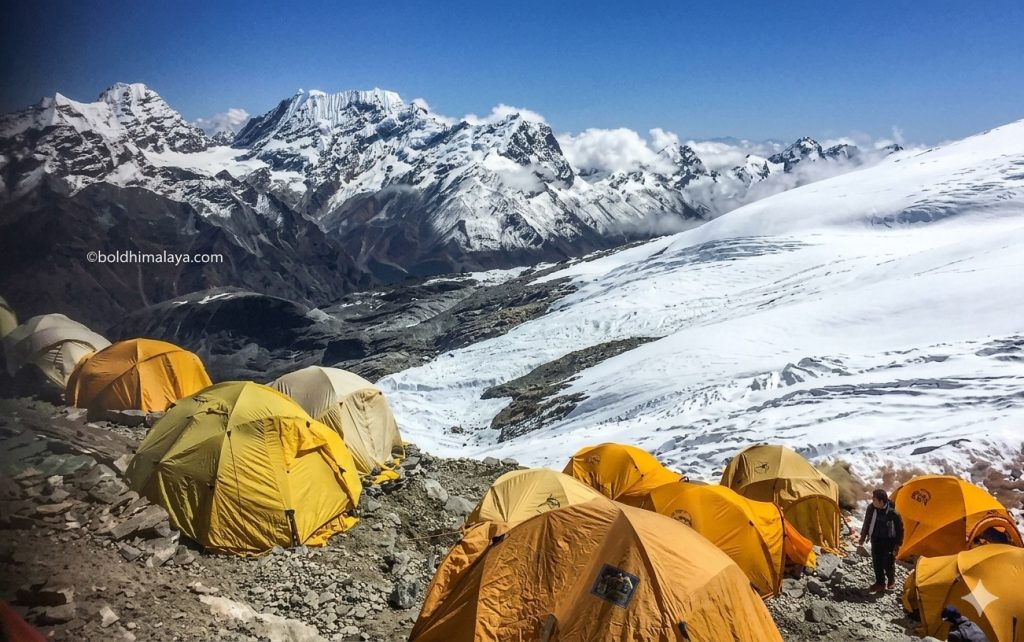
As you move higher, especially near Khare, the lodges become more basic with limited amenities. Beyond this point, at Base Camp and High Camp, accommodation shifts entirely to camping in tents. These camps are set up by the climbing crew and are purely functional, offering minimal comfort but ensuring proper rest before the summit push.
3. Connectivity and Communication on the Trail
Internet access on the Mera Peak trail is limited and becomes increasingly unreliable with altitude gain. In lower villages like Lukla and Kothe, Wi-Fi is available in teahouses for an extra fee, but the connection is often slow and unstable. Mobile network coverage from providers like Ncell or Nepal Telecom may work in some lower sections, but fades quickly as you ascend.
Above Khare, connectivity is almost nonexistent, and there is no internet access at Base Camp or High Camp. For safety, climbing teams typically rely on satellite phones or communication devices, making it important for trekkers to prepare for being mostly offline during the expedition.
It is crucial to note that the internet connection may not always be dependable or quick, so relying on it for critical communication is not advisable. Although electricity is available in most lodges and tea houses in the Mera Peak region, it is not always dependable. Power outages are frequent, so it is a good idea to bring a power bank or additional batteries to charge your electronic devices. Some lodges and tea houses may also have backup generators to provide electricity during power outages.
Mera Peak Climbing Permits
When planning to climb Mera Peak, it is important to know that several permits and fees are required. The Mera Peak climbing permit cost varies by season.
- For the spring season (March to May), the permit is approximately USD 250-350 per person, while in the autumn season (September to November), it costs around USD 125-175 per person.
- During the winter (December to February) and summer (June to August) seasons, the permit fee is about USD 70-175 per person.
- In addition to the climbing permit, trekkers are required to pay for entry into Makalu Barun National Park, which costs around USD 30 per person, and there is also a local area/community fee of NPR 2,000 (approximately USD 15–20), which is used for the maintenance and improvement of trekking trails.
Some operators may also include a garbage deposit of USD 500 to ensure environmental responsibility during the climb. These fees are essential for conservation and safety purposes, and it is advisable to confirm the latest rates with authorized agencies or trekking operators before planning your Mera Peak expedition.
Mera Peak Climbing Cost
The cost of climbing Mera Peak can vary widely depending on several factors, including the time of year, the company chosen, the length of the climb, including trek, the level of experience of the climbers, and the services included in the package. Here are some approximate costs for climbing Mont Blanc:
Guided group tours: These tours typically last 17-19 days and cost around $2000-$2200 per person. This price usually includes guides, accommodation, meals, equipment rental, domestic flights, permits, porter, ground transportation, Kathmandu Hotel, etc.
Private guided tours: These tours are tailored to the needs of individual climbers or small groups and can cost $2200 to 2400 per person. This price may include more personalised attention from the guides, permits, porter, equipment, better accommodations, additional services, etc.
Packing List for Mera Peak Climbing
Packing for Mera Peak Climbing is one of the important things to know about Mera Peak Climbing and crucial to ensure a safe and enjoyable trek. Here is a basic list of items to consider when packing:
Clothing (Layering System)
Layering is essential for adapting to extreme temperature changes.
1. Base Layer
- Thermal tops & bottoms (merino/synthetic)
- Moisture-wicking T-shirts
2. Mid Layer
- Fleece jacket or wool sweater
- Lightweight insulated jacket
3. Outer Layer
- Waterproof & windproof jacket (Gore-Tex)
- Waterproof trekking pants
4. Down Layer (Very Important)
- Heavy down jacket (for summit push)
5. Headwear
- Warm beanie
- Sun hat/cap
- Buff or face mask
6. Handwear
- Inner gloves (lightweight)
- Insulated gloves/mittens (for summit)
7. Lower Body
- Trekking pants
- Thermal leggings
- Comfortable shorts (lower altitude)
Proper layering keeps you warm and dry in changing conditions.
Footwear
- Mountaineering boots (crampon-compatible)
- Trekking boots
- Camp shoes/sandals
- Wool socks (3-4 pairs)
- Liner socks
Insulated boots are essential for glacier and snow climbing.
Climbing Gear (Technical Equipment)
(Usually can be rented in Kathmandu or Khare)
- Climbing harness
- Crampons
- Ice axe
- Helmet
- Ascender (Jumar)
- Carabiners (24)
- Belay device / Figure 8
- Climbing rope (provided by agency)
These are critical for safety on snow and glacier sections.
Sleeping & Camping Gear
- Sleeping bag (-20°C to -30°C)
- Sleeping liner (optional)
- Headlamp + extra batteries
High camps are extremely cold and often in tents.
Personal Items & Toiletries
- Toothbrush & toothpaste
- Wet wipes & hand sanitiser
- Sunscreen (SPF 50+)
- Lip balm with SPF
- Small towel
- Toilet paper
Dry air and strong UV at altitude make skincare essential.
Accessories & Essentials
- Sunglasses (UV protection/glacier glasses)
- Trekking poles
- Power bank / spare batteries
- Camera / GoPro
- Travel adapter
- Cash (no ATMs in the mountains)
Travel Insurance
Mera Peak Travel Insurance is a type of insurance that climbers need to buy before going on their adventure. Climbing mountains is an exciting activity, but it also comes with risks. There could be unexpected problems that may cause you to cancel your trip or require medical attention. Therefore, it is important to be prepared and purchase a proper travel insurance plan.
The travel agency is not responsible for any expenses that may arise due to unforeseen situations. Also, foreigners cannot purchase insurance in Nepal, so you need to buy insurance in your home country that covers trip cancellation, medical emergencies, rescue, lost luggage, theft, disasters, death, etc.
When choosing an insurance plan, make sure it covers all the activities you will be doing and the places you will be visiting, and has no height limitations or restrictions on your activities. Before starting your expedition, make sure to send a copy of your insurance policy to the Bold Himalayas so that they can assist you in case of an emergency. By having the right insurance, you can focus on your climbing and have peace of mind.
Some FAQs of the Mera Peak Climbing
1. Can beginners climb Mera Peak?
Mera Peak is a straightforward high-elevation trekking peak. You don’t need any specialized climbing knowledge of ropes, gear, or an ice axe to reach the top at 6476 m. Travelers with little to no mountaineering experience frequently travel to Mera Peak.
2. How hard is climbing Mera Peak?
Climbing Mera Peak is considered to be moderately difficult. It involves steep ascents, icy terrain, and high altitude, which can pose a challenge to climbers. However, with proper training and preparation, it is achievable.
3. How many hours does it take to reach the Mera Peak summit?
It takes around 11 to 12 hours to summit Mera Peak from High Camp, which is located at an altitude of 5,800 meters. The climbing duration may vary depending on the weather conditions, physical fitness, and acclimatization of the climbers.
4. What’s the hardest part of the climb?
Most people agree it’s Summit Day. It’s not just one hard thing, but a combination:
- The extreme altitude makes every step feel difficult.
- It’s a very long day (10-12 hours).
- You start climbing around 2 AM in the cold.
The mental challenge of pushing through this is often tougher than the physical one.
5. Can I rent gear in Kathmandu, or do I need to buy everything?
You can rent almost all the technical gear in Kathmandu! This includes heavy items like down jackets, sleeping bags, climbing boots, crampons, ice axes, and harnesses. This is a great cost-saving option for most climbers. We can help you arrange this.
6. What happens if I get sick or get altitude sickness?
Your safety is our top priority. Our guides are trained in wilderness first aid and altitude sickness recognition. The protocol is simple: if symptoms are serious, we descend immediately. This is the only real cure for AMS. We also carry a comprehensive medical kit and a portable oxygen cylinder for emergencies.
7. Can I charge my electronics?
Yes, but for a fee. Teahouses have solar panels or generators, and you can pay to charge your phone or camera battery. Power banks are extremely useful for keeping things charged on the go.
8. Is there phone signal and Wi-Fi on the trek?
Yes, but it’s limited and gets weaker as you go higher. You can buy a local NTC or Ncell SIM card in Kathmandu for data. Many teahouses offer paid Wi-Fi, but it’s often slow and unreliable. Embrace the digital detox!
9. Is the flight to Lukla really that scary?
The flight to Lukla’s Tenzing-Hillary Airport is an adventure in itself! It’s a short, spectacular flight through mountain valleys, landing on a steeply inclined runway. While it can be nerve-wracking, the pilots are highly experienced specialists. We only use reputable airlines with excellent safety records.
Comments (0)
Write a comment- Mera Peak Climbing Highlights
- Mera Peak Facts
- Location of Mera Peak
- Mera Peak Expedition Difficulty Level
- Mera Peak Climate and Best Months to Climb
- Altitude Sickness and Remedies during the Mera Peak Climbing
- Preparation for Mera Peak Climbing
- Mera Peak Climbing Duration
- Mera Peak Climbing Itinerary
- Side Trips (Expandable Trips: Ama Lapcha Pass with Island Peak Climbing)
- Mera Peak vs. Island Peak: Which Trekking Peak Should You Choose?
- Facilities (Food, Accommodation, Connectivity)
- Mera Peak Climbing Permits
- Mera Peak Climbing Cost
- Packing List for Mera Peak Climbing
- Travel Insurance
- Some FAQs of the Mera Peak Climbing
- 1. Can beginners climb Mera Peak?
- 2. How hard is climbing Mera Peak?
- 3. How many hours does it take to reach the Mera Peak summit?
- 4. What’s the hardest part of the climb?
- 5. Can I rent gear in Kathmandu, or do I need to buy everything?
- 6. What happens if I get sick or get altitude sickness?
- 7. Can I charge my electronics?
- 8. Is there phone signal and Wi-Fi on the trek?
- 9. Is the flight to Lukla really that scary?
Read the latest Blogs & Insights
Explore our collection of articles and insights to gain in-depth travel knowledge, expert advice, and stay updated on the latest trends and tips.
View All Articles




No comments yet.