


Kailash Mansarovar Yatra 2026 – Everything Pilgrims Must Know
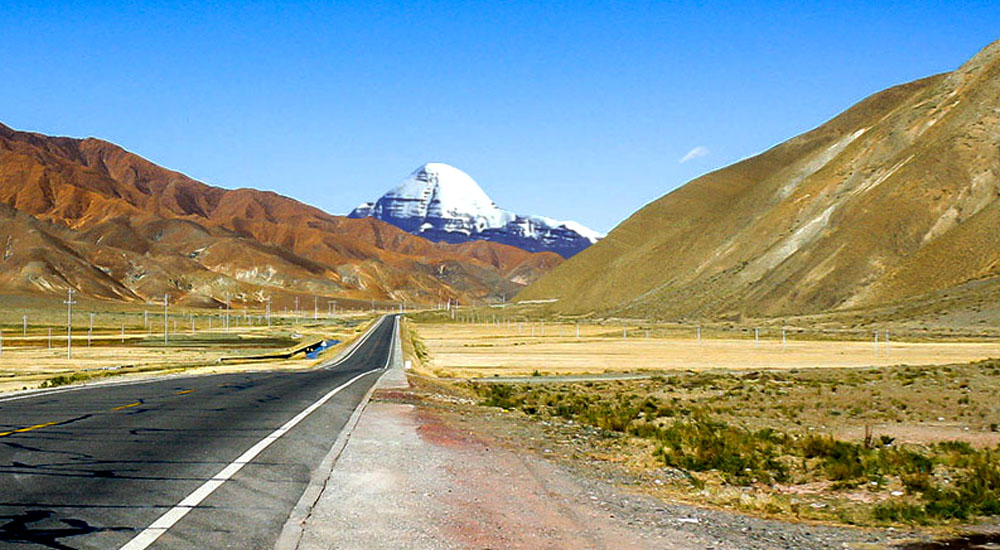
High in the remote landscapes of far-west Tibet, Mount Kailash towers at 6,638 meters, standing as one of the most sacred peaks in the world. Nestled beside it lies the pristine Lake Mansarovar at 4,590 meters, a place of spiritual cleansing and inner renewal. Pilgrims from across the globe—Hindus, Buddhists, Jains, and Bon followers—travel here […]

-
 Bold Himalaya
-
29 December, 2025
-
28 mins read
-
131 Views
-
0 Comments


High in the remote landscapes of far-west Tibet, Mount Kailash towers at 6,638 meters, standing as one of the most sacred peaks in the world. Nestled beside it lies the pristine Lake Mansarovar at 4,590 meters, a place of spiritual cleansing and inner renewal. Pilgrims from across the globe—Hindus, Buddhists, Jains, and Bon followers—travel here to seek blessings, enlightenment, and life-changing experiences.
The Kailash Mansarovar Yatra 2026 is especially auspicious, coinciding with the rare Fire Horse Year, believed to bring extraordinary spiritual merit. Completing the parikrama (circumambulation) of Mount Kailash this year is said to carry the merit of thirteen pilgrimages, making it a once-in-a-lifetime opportunity for devoted seekers.
This sacred journey combines breathtaking Himalayan landscapes, cultural immersion, and intense personal transformation. But it demands careful preparation—permits, high-altitude acclimatization, and physical endurance are key. Every step, every view, and every ritual along the way adds depth to this unforgettable pilgrimage.
Embark on this extraordinary spiritual adventure and book your Kailash Mansarovar Yatra 2026 with Bold Himalaya to ensure a safe, seamless, and enriching experience.
Latest 2026 News and Updates – Kailash Mansarovar Yatra
The Kailash Mansarovar Yatra is poised for a meaningful return in 2026, following a successful resumption in 2025 after nearly five years of suspension. This sacred pilgrimage — one of the most significant spiritual journeys for Hindus, Buddhists, Jains, and Bon followers — had been halted since 2020 due to the COVID‑19 pandemic and consequent border tensions between India and China.
Resumption of the Yatra After a Long Pause
In early 2025, the Government of India, through the Ministry of External Affairs (MEA), confirmed that the Kailash Mansarovar Yatra would resume between June and August 2025, marking the first full pilgrimage season in years. Pilgrims were invited to register online, and selections were made through a computerised, fair, random, and gender‑balanced process. Both Lipulekh Pass in Uttarakhand and Nathu La Pass in Sikkim were announced as official routes for Indian pilgrims to enter the Tibet Autonomous Region and undertake the pilgrimage to Mount Kailash and Lake Mansarovar.
Diplomatic and Regional Developments
The decision to restart the pilgrimage was rooted in renewed diplomatic engagement between India and China. Officials from both sides agreed in principle to resume the Yatra, along with enhanced people‑to‑people contacts, during foreign secretary‑level talks. These efforts were part of broader steps to normalise ties after years of limited travel and border standoffs.
The resumption of the Yatra is seen by many as both a cultural and diplomatic milestone, strengthening heritage travel and cross‑border cooperation between the two nations.
Looking Ahead to 2026
While the Governments of India and China have not issued a single, unified press release with official 2026 Kailash Mansarovar Yatra dates, licensed travel operators and authorized agencies have already opened registrations.
Based on historical patterns, permit availability, and ongoing planning, fixed departure windows for the Yatra are being offered from May through September 2026. Travelers are advised to plan and book early to secure their preferred schedule and ensure smooth permit processing.
Cultural Context and Significance
Beyond logistics, many devotees regard 2026 as spiritually auspicious. It is considered a Fire Horse Year in the Tibetan lunar cycle, a period traditionally viewed with special reverence in Tibetan Buddhist belief systems. While such an interpretation is cultural rather than official news, it contributes to the heightened interest and planning by spiritual travellers.
Official Yatra Dates for 2026
The Kailash Mansarovar Yatra 2026 will be organized from late April to early October and will largely rely on the weather conditions, the availability of the routes, and obtaining the permits.
This holy pilgrimage, unlike the trip schedules normal people use, is all good mountain weather and significant lunar dates rather than a fixed calendar.
The yatra begins traditionally in spring, when the high roadways are open, and continues through the summer, gradually closing with the arrival of fall and the weather becoming completely unpredictable.
Importance of Full Moon (Purnima) Dates
Many pilgrims prefer to begin their journey on a full Moon day, because they are really lucky. Bathing in Lake Mansarovar during a full moon is reported to be completely spiritually effective to the Hindus, Buddhists, Jains, and Bon people.
When the major festivals are on full moons, then you will notice a lot more people going out. The Kailash Mansarovar Yatra is mostly visited by people during important times such as Buddha Purnima, Saga Dawa Festival, Guru Purnima, and Janai Purnama.
Tentative Kailash Mansarovar Yatra 2026 Departure Timeline
Based on traditional pilgrimage patterns and lunar calendars, the tentative departure window for 2026 is expected to unfold as follows:
- Late April: This will probably begin around April 26, 2026, marking the first departures of the year.
- May: May will be the month of a few beginnings, particularly Buddha″Purnima and Saga Dawa Festival, a great full-moon festival which all attend.
- June: There should be a variety of choices in June, and it is because the weather has become more consistent on the Tibetan plateau.
- July: July prolongs the trip, and Guru Purana is one of the most important spiritual holidays.
- August: We will have some stars in August, and there will be another full moon, Janai Purnima.
- September-Early October: The final pushes occur in September, and by the beginning of October, the ride has been completed since the weather is now chilly.
Note: These dates are indicative and tentative. Final schedules may change due to weather conditions, permit processing, or regulatory decisions by the concerned authorities.
Routes to Kailash Mansarovar
Beyond the usual paths, ways to reach Kailash Mansarovar differ in pace and scenery, yet share a quiet purpose. One path might test breath at height, another tests patience through long drives. Your passport often decides where you can go. Strength matters, so does how much you carry on your back or in savings.
Time shapes choices just as much as weather shapes trails. Some journeys unfold over days, others stretch into weeks without warning.
Kailash Mansarovar via Lipulekh Pass
Starting in Delhi, pilgrims go through full health checks run by the Ministry of External Affairs. From there, they move toward Pithoragarh, a journey that leads them closer to the high mountains.
Once reaching Dharchula, close to the frontier, preparations shift toward the rugged terrain ahead. Traveling onward means walking long stretches across isolated Himalayan settlements. High above sea level - 5,600 meters - a crossing happens at Lipulekh Pass into Tibetan territory. This way has served Indian travelers since 1981, following an established path each year. Though tough on the body, lasting about three weeks, it comes with steady backing from authorities.
Kailash Mansarovar via Nathu La Pass
High above, past Sikkim's green folds, a path opens at Nathu La - built fresh in 2015. Rising to 4,310 meters, this crossing leads travelers beyond into wide stretches of the Tibetan highlands. From there, wheels turn toward sacred Lake Mansarovar, then onward to the towering form of Mount Kailash. Each journey takes close to three weeks, give or take a day.
Steps are fewer each day when measured against the longer trudge along the Lipulekh way.
Kailash Mansarovar via Kathmandu
Starting in Kathmandu feels natural after flying in from distant places. A few days there, handle paperwork needed later on. Heading north, the path moves along roads toward Rasuwagadhi near the edge of Tibet. Once across, the land opens up into high valleys leading slowly toward Saga. That stop helps bodies adjust to thin air ahead.

Further east, Paryang appears like a pause between long stretches of driving. Then comes the shimmering stretch of Lake Mansarovar beside quiet hills. Finally, Darchen sits at the foot of rocky slopes - ready for walking around Kailash. Spanning two weeks, this trip asks a fair amount of energy from travelers. Priced between 2,200 and 3,500 US dollars per individual, the cost shifts based on how many people join and what kind of services are picked.
Kailash Mansarovar Helicopter Route (Via Simikot–Hilsa)
Flying cuts the trip short, making it the quickest way through. Out of Kathmandu, planes head first to Nepalgunj before rotors take over - choppers carry travelers onward to Simikot, then further still to Hilsa, right at the edge where Nepal meets Tibet.
Once there, wheels roll into motion, roads leading straight toward Lake Mansarovar and the looming shape of Mount Kailash nearby. Time shrinks under wings; just eight to eleven days wrap up the whole stretch.
Skies decide schedules, though, storms often delay departures, while wallets need bracing - prices climb fast, landing between 3000 and 4000 US dollars.
Kailash Mansarovar via Lhasa
Starting in the sky, travelers land in Lhasa to ease into high altitudes before touring ancient landmarks like the Potala Palace and the Jokhang Temple.
Instead of rushing ahead, most stay two or three days just getting used to the thin air while stepping through prayer-filled courtyards. From there, wheels turn on rugged roads heading west past Shigatse, winding toward sacred Lake Mansarovar and the towering presence of Mount Kailash.
This entire stretch lives between seventeen and twenty sunrises, depending on pace and weather gaps. Money needed sits anywhere from 3,900 up to 5,000 US dollars - covering flights, ground travel, permits, and basic lodging along cold mountain trails.
Kailash Mansarovar Yatra 2026 – Altitude & Acclimatization
The Kailash Mansarovar Yatra takes travelers through some of the highest regions of the world, where altitude changes rapidly. Proper acclimatization is crucial to avoid altitude sickness and ensure a safe, spiritually fulfilling journey.
The following chart outlines each day’s route, approximate altitude, and recommended rest or acclimatization measures. Use this guide to plan pacing, hydration, and recovery during the pilgrimage.
| Day | Route / Activity | Altitude (m) | Acclimatization Advice |
|---|---|---|---|
| 1 | Arrive in Kathmandu | 1,400 | Rest after travel; avoid heavy activity. |
| 2 | Explore Kathmandu | 1,400 | Light walking only; finalize permits. |
| 3 | Flight: Kathmandu → Lhasa | 3,650 | Rest at the hotel; avoid exertion; hydrate well. |
| 4 | Lhasa sightseeing | 3,650 | Short walks; monitor for mild altitude symptoms. |
| 5 | Lhasa city tour / acclimatization | 3,650 | Gentle activity; stay hydrated. |
| 6 | Drive: Lhasa → Shigatse | 3,860 | Stop for short walks; eat light meals. |
| 7 | Drive: Shigatse → Saga | 4,300 | Rest day; essential for high-altitude adjustment. |
| 8 | Saga → Lake Mansarovar | 4,590 | Minimal exertion; hydrate; short walks near the lake. |
| 9 | Lake Mansarovar rituals → Darchen | 4,670 | Easy walks; sacred dip; stay hydrated. |
| 10 | Parikrama Day 1: Darchen → Dirapuk | 4,670 → 5,150 | Moderate pace; monitor oxygen intake; use trekking poles. |
| 11 | Parikrama Day 2: Dirapuk → Dolma La Pass → Zuthulphuk | 5,150 → 5,630 → 4,750 | Slow ascent to Dolma La; frequent breaks; take Acetazolamide if prescribed. |
| 12 | Parikrama Day 3: Zuthulphuk → Darchen | 4,750 → 4,670 | Downhill trekking; less strain; complete the kora. |
| 13 | Darchen → Saga | 4,670 → 4,300 | Gradual descent; rest and recover from high-altitude exertion. |
| 14 | Saga → Kerung / Shigatse | 4,300 → 3,600 | Easy travel; optional short walks. |
| 15 | Return: Kerung / Shigatse → Lhasa / Kathmandu | 3,600 → 1,400 | Rest day; recuperation from trek. |
| 16 | Buffer/sightseeing day | 1,400–3,650 | Flexible; use for recovery or sightseeing. |
| 17 | Departure | 1,400 | Lhasa city tour/acclimatization |
Permit Status and Registration for Kailash Mansarovar Yatra 2026
Going to Mount Kailash and Lake Mansarovar is rather complex - a lot of permits with the Chinese government are required, as the region belongs to the Tibet Autonomous Region.
You cannot simply fly down alone; you have to belong to some official party organized by the Indian government or some valid travel agency like Bold Himalaya. The entire permit issue is hasty and time-constrained; therefore, early planning is of utmost importance. Do it early enough, not at the last moment, but get all the paperwork sorted out well.
Required Permits for Kailash Mansarovar Yatra
1. Chinese Group Visa (Mandatory)
Travelers to Tibet are issued a Group Tourist Visa, not individual visas.
- Issued by the Chinese Embassy (New Delhi) or Chinese Consulate (Kolkata)
- Valid only for group travel
- Individual tourist visas are not accepted for the Tibet entry
- Processing time: 7–10 working days
Note: Visa issuance depends on final diplomatic clearance and approved group lists.
2. Tibet Travel Permit (TTP)
All foreign travelers entering Tibet must obtain a Tibet Travel Permit.
- Issued by the Tibet Tourism Bureau
- Can only be processed through licensed Tibetan tour operators
- Required before boarding flights or crossing land borders into Tibet
- Processing time: 2–3 weeks
3. Alien’s Travel Permit
Travel to restricted regions such as Mount Kailash, Lake Mansarovar, and Ngari Prefecture requires an Alien’s Travel Permit.
- Issued by local Public Security Bureau (PSB) offices
- Arranged after arrival in Tibet
- Mandatory for all pilgrims visiting Kailash
4. Military / Border Area Permit (Route-Specific)
Some routes pass through sensitive border zones and may require:
- Military permits
- Additional clearances from regional authorities
These are issued only when required and handled by authorized agencies.
Mandatory Documents Checklist
Pilgrims must provide the following:
- Passport valid for a minimum of 6 months
- 4–6 recent passport-size photographs
- Completed Chinese visa application
- Medical certificate confirming fitness for high-altitude travel
- Travel insurance covering:
- High-altitude trekking
- Emergency evacuation
- Medical treatment in remote areas
Additional Requirements for Nepal Route (Indian Nationals)
- Copy of PAN Card
- Copy of Voter ID Card
Government of India (MEA) Route – Official Pilgrimage
Indian nationals may also apply through the Ministry of External Affairs (MEA):
- Selection via a computerized lottery system
- Mandatory:
- Medical screening in Delhi
- Pre-departure orientation
- Applicable mainly to the Lipulekh Pass and Nathu La Pass routes
- Approximate cost: INR 1.74 lakh per pilgrim
Recommended Application Timeline
To ensure smooth processing, the following timeline is advised:
| Stage | Suggested Timing | Notes |
|---|---|---|
| Booking Opens | 6–9 months before | Best chance for preferred dates & routes |
| Document Submission | 45–60 days before | Upload passport, photos, and medical certificate |
| Permit Application Begins | ~45 days before | Travel operator files with Tibetan authorities |
| Permit Processing | 20–30 days | Tibet permit + Chinese group visa time |
| Final Confirmation | 30–20 days before | Permits released, final travel details shared |
Important Reliability Notes
- Permit approvals depend on:
- Government regulations
- Weather conditions
- Diplomatic coordination between India, China, and Nepal
- Schedules, routes, and requirements may change without prior notice
- Early planning and flexibility are essential
Best Time to Go and Weather Conditions
Avoiding peak times means sharing the path with fewer people from April through May. Daytime warms just enough, between five and fifteen degrees, yet darkness brings frost biting at tents. High ground stays white, especially near Dolma La, where winter lingers on slopes.
Clear peaks appear more often when skies stay empty of travelers. Cold cuts deep that time of year, trails sometimes hidden beneath old snowfall. Prices tick lower off the rush, but gear must handle ice without complaint.
Midway through May until July hits, folks show up in big numbers. Ten to twenty degrees mark the daytime warmth then. Skies tend to settle down around that time.

By now, the ice on Lake Mansarovar has vanished - bathing rituals can happen without issue. Paths along the trail get clearer, easier to follow. Everything from food stops to rest areas runs without hiccups. Still, rooms are harder to find. Prices climb fast.
Hikers pack the routes, making space tight. Bathed in late summer light, the days stay comfy - between fifteen and twenty degrees - even as evenings start biting. Rain shows up more in August, just when most tourists pack up and leave. By midmonth, paths clear out, spaces open wide, prices dip. Storms sometimes crash the party come September, rolling in like uninvited guests. Unsettled skies replace steady sunshine, turning forecasts into guesswork.
Travel Planning and Logistics
Four to six months out, getting ready for the Kailash Mansarovar journey means staying sharp on details. Picking a licensed travel provider comes first - this choice sets the tone for everything else.
Health checkups need special care: heart screenings, lung checks, plus full blood panels are part of it. Well ahead of time, fitness prep kicks in slowly; building endurance matters most.
Strength sessions help too, along with trial treks at higher elevations. How you train can make or break how well you cope when altitude hits. Most travelers heading overland from Nepal stick to a set routine.
In Kathmandu, the first couple of days go toward sorting permits and getting ready. On day three, the group moves out, driving to Kerung to cross into Tibet. By day four, they reach Saga, staying there on day five just to adjust to the altitude.

After that comes Paryang, followed by Lake Mansarovar, where people take an entire day for religious practices. On day ten, the walk begins near Mount Kailish - this part lasts three full days. Backtracking through Tibet comes next, step by step toward Kathmandu.
Folks begin in Kathmandu, where lodging means clean hotel rooms and running water. Moving into Tibet, places to sleep shift - simple walls, shared bathrooms, thin mattresses on hard frames. Darchen waits ahead, offering little more than a roof and space on a wooden bunk. As the kora unfolds, shelter shrinks further: cold floors, crowded halls, warmth held close by bodies packed near.
Cost Estimates and Budgeting – Kailash Mansarovar Yatra 2026
The Kailash Mansarovar Yatra is a spiritually rewarding journey, but it requires careful budgeting. Costs vary depending on the route, mode of travel, and group size. Here’s a clear guide for travelers in 2026:
Indian Government-Organized Tour
For Indian pilgrims selected through the Ministry of External Affairs (MEA) pilgrimage program, the Kailash Mansarovar Yatra cost via the Lipulekh Pass route is approximately ₹1.74 lakh per person. This government‑organized package typically includes permits, accommodation, meals, transport, and official support throughout the journey. Learn about Kailash Mansarovar Yatra costs, routes, packages, and budgeting tips for Indian and international travelers
For the Nathu La Pass route, which is also organized by the MEA, the price is generally higher (around ₹2.8–₹2.9 lakh per person) due to increased travel and accommodation expenses.
Overland via Nepal Route
- Standard packages: $2100 USD per person
- Mid-tier options: $2,800 – $3,200 USD
- High-end packages: $3,200 – $3,500 USD
- Helicopter-assisted travel: $3,000 – $4,000 USD
- Packages typically include permits, lodging, meals, and guided support.
Group Discount Pricing
Traveling in a group can significantly reduce the budget per person. Below is the group pricing structure for 2026:
| Group Size (PAX) | Cost Per Person (USD) |
|---|---|
| 4 – 4 | 2,100 |
| 5 – 11 | 1,785 |
| 12 – 20 | 1,625 |
| 21 – 29 | 1,550 |
| 35 – 50 | 1,455 |
Note:
- Prices include all major costs such as permits, accommodation, meals, and guide services.
- Costs may vary slightly depending on the route, travel agency, and extra services.
- Early bookings secure better departure dates and eligibility for group discounts.
Additional Expenses to Consider
- Airfare to and from Kathmandu or Lhasa.
- Visa fees and travel insurance ($150–$300 USD).
- Personal trekking gear and clothing.
- Porters or mule services for carrying luggage ($80–$150 USD per day, if needed).
- Meals outside the included package and optional souvenirs.
Estimated Total Spending:
For most travelers, the full budget of a Kailash Mansarovar Yatra ranges from $2100 to $5,000 USD per person, depending on group size, route, and type of package selected.
Proper planning and budgeting ensures a safe, comfortable, and spiritually fulfilling journey.
Health, Safety, and Altitude Preparation
Getting ready for high ground means knowing about mountain sickness first. Up at Dolma La Pass - 5,630 meters - the air holds just half the oxygen found at sea level. Headache, queasiness, tiredness, lightheadedness, trouble resting - that's mild AMS showing up.
When it gets worse, headaches turn crushing, and throwing up won't stop. In serious cases, fluid builds in the brain or lungs; that is when things become life-threatening. Coming down fast becomes the only real fix if either of those conditions appears.
Getting used to high altitudes slowly works best. Built-in rest stops matter a lot along the route. Drink plenty each day, three or four liters, to keep blood moving smoothly. Skip alcohol entirely while cutting back on coffee to stay hydrated.

Medicines such as Acetazolamide may lower the chances of altitude sickness, often dosed at 125 to 250 milligrams two times a day, beginning one or two days prior to climbing. Start strong with meds your doctor gave you - Acetazolamide, maybe Dexamethasone.
Toss in everyday picks: ibuprofen could help, and something for stomach trouble. Bandages matter, along with cream that keeps cuts clean. Sunscreen rated high works well, plus a tube of lip protection if it gets dry. Around Mount Kailash, the kora means trekking fifteen to twenty kilometers each day - three days straight - high up where air thins between 4,650 and 5,630 meters.
Stamina matters most; hearts need to handle steady movement lasting three or four hours, even with pauses along the way. Training well ahead helps a lot: consistent cardio workouts over three or four months make a real difference when the path climbs.
Cultural and Religious Significance of the Kailash Mansarovar Yatra
The Kailash Mansarovar Yatra is considered to be one of the holiest pilgrimages in the world, which is worshiped by various major faiths. It is not merely a mountain trek, but this pilgrimage is full of spiritual significance and ancient customs that have kept thousands of believers for thousands of years.
Hinduism: Abode of Lord Shiva and Path to Liberation
According to the Hindu faith, Mount Kailash appears to be the permanent residence of Lord Shiva and Goddess Parvati. Shiva is ever meditating there, and it is believed that the mountain is the centre of the universe, just as it is in Mount Meru.
The foot of the mountain is Lake Mansarovar, which is said to have been formed by Lord Brahma and is regarded as extremely sacred. Hindus believe a dip in its waters purifies sins, and undertaking the parikrama (circumambulation) of Mount Kailash can lead to spiritual merit and eventually moksha (liberation from the cycle of rebirth).
Buddhism: Kang Rinpoche and Path to Enlightenment
To Tibetan Buddhists, this mountain is referred to as Kang Rinpoche or Precious Jewel of Snow. It is believed to be the place of Demchok (Chakrasamvara), a god of supreme bliss, and it is regarded as the center ofthe Buddhist mandala, the universe itself. It is thought that by Cirumambulating Kailash, your bad karma will be washed away and will help you to get nearer to enlightenment.
Another aspect of Buddhist tradition that emphasizes the relationship between great saints, such as Milarepa, is his supposed meditation in the area as a spiritual practice.
Jainism: Ashtapada and Liberation
In Jain tradition, Mount Kailash is sometimes identified with Ashtapada, the place where Rishabhadeva, the first of the 24 Jain Tirthankaras, attained moksha (liberation). For Jains, a pilgrimage here represents the culmination of spiritual effort and the release from the cycle of birth and death.

Bon: Ancient Tibetan Spiritual Center
The Bon religion, which predates Buddhism in Tibet, regards Mount Kailash as its spiritual center. The mountain in Bon cosmology is a source of divine power and the connection between the physical and heavenly worlds. Bon pilgrims tend to walk in a clockwise direction, and Hindus and Buddhists tend to walk clockwise.
Shared Practices and Symbolism
Across these traditions, certain rituals and beliefs overlap:
- Circumambulation (Parikrama/Kora):
Walking around Mount Kailash — approximately 52 kilometers — is considered a core spiritual practice across faiths, symbolizing purification of the mind and soul. - Lake Mansarovar:
Its clear, cold waters are a focus of devotion for all faiths. Pilgrims often perform ablutions, prayers, and meditation here, believing that the lake’s waters bring spiritual cleansing and inner transformation.
Universal Themes in the Yatra
The Kailash Mansarovar Yatra is more than geographical distance — it represents a symbolic journey of inner transformation. Pilgrims often speak of:
- Release of past karmas
- Heightened spiritual awareness
- Inner peace and emotional resilience
- A sense of connection with the divine and universal consciousness.
For many devotees, completing the Yatra brings a sense of spiritual renewal and life‑long reflection, transcending individual faith traditions.
Note: The sacredness of the Kailash Mansarovar pilgrimage is not confined to a single religion but is a shared spiritual heritage for Hindus, Buddhists, Jains, and Bon followers alike. It stands as a living testament to humanity’s enduring quest for the divine, purity, and liberation — both physically and spiritually.
Practical Travel Tips — Kailash Mansarovar Yatra 2026
What to Pack: Clothing & Trekking Gear
Packing smart makes the Kailash Mansarovar Yatra much safer and more comfortable, especially since weather and terrain vary drastically from Kathmandu to the high‑altitude Tibetan plains. Layering and functionality are key.
Clothing Essentials:
- Thermal inners: Upper and lower base layers to trap body heat.
- Insulating layers: Fleece jacket or woolen sweater.
- Outer layers: Heavy down or insulated jacket; waterproof and windproof shell.
- Trekking pants: Quick‑dry, breathable, and comfortable.
- Warm accessories: Woolen cap, gloves (inner + insulated), neck gaiter/scarf.
- Socks: Several pairs of warm, moisture‑wicking socks.
- Footwear: High‑ankle waterproof trekking boots plus comfortable shoes for rest days.
Important Gear:
- Backpack with rain cover and a smaller daypack for daily essentials.
- Sunglasses (UV protection) and sunscreen (SPF 50+) for high‑altitude sun exposure.
- Trekking poles to ease strain on knees during Kora.
- Headlamp/flashlight with extra batteries.
- Water bottles (at least 1–2 liters) and water purification tablets.
- First aid kit, including any prescription medications.
Toiletries & Personal Items:
- Toothbrush, toothpaste, quick‑dry towel, wet wipes, hand sanitizer, lip balm.
- Small pack of snacks and energy bars for long travel days.
Packing Tips:
- Pack light but complete — extra weight becomes harder to carry at high altitude.
- Use a duffel bag rather than rigid suitcases.
- Baggage allowance on most flights is around 15–20 kg; keep within limits.
Mobile Network & Communication
Mobile connectivity on the Kailash Mansarovar Yatra is patchy due to the remote Himalayan terrain.
Before Tibet Entry:
- In Nepal (Kathmandu, Nepalgunj, Hilsa), networks like Ncell and Nepal Telecom work reliably.
- Roaming may be available but can be expensive — consider local SIM options.
Inside Tibet (China):
- Mobile network coverage is limited and inconsistent once you enter Tibet. Many remote stretches, especially during the Kora (circumambulation), have little to no signal.
- Wi‑Fi is rare outside major towns like Lhasa or Shigatse.
- Satellite phones are not generally allowed without special permission.
Tips for Communication:
- Inform family/friends about limited connectivity and possible blackout zones.
- Carry a power bank (10,000 mAh or larger) to keep phones charged before reaching charging points.
Currency, Money & ATM Availability
Planning your money matters well in advance is essential for a smooth yatra.
Currency Used:
- In Tibet, the accepted currency is Chinese Yuan (CNY).
- USD or Indian Rupees are not accepted at most places on the Tibet side — only Chinese Yuan is usable for local purchases.
Exchange Options:
- Exchange money in Kathmandu or Nepalgunj before crossing into China.
- You can also exchange USD or other major currencies at banks in Lhasa and Shigatse.
ATM Availability:
- ATMs are very limited in remote regions of Tibet.
- You can find ATMs in major cities like Lhasa and Shigatse, but these may not always accept international cards, and sometimes only Visa/Mastercard are accepted.
- Carry enough cash in Yuan for daily expenses, tips, and emergencies since small vendors do not accept cards.
Best Time to Visit & Weather Conditions
Planning your Kailash Mansarovar Yatra at the best time is crucial for a safe and comfortable pilgrimage. The high-altitude terrain of far-west Tibet experiences extreme weather, making May to September the most suitable months for your journey. During this period, mountain passes are open, roads are navigable, and daytime temperatures are moderate, ensuring a smooth trekking experience.
| Month | Day Temp (°C) | Night Temp (°C) | Weather / Conditions | Travel Notes |
|---|---|---|---|---|
| January | –10 to –5 | –25 to –15 | Severe winter, heavy snow | Not suitable — routes closed, passes blocked |
| February | –8 to –3 | –20 to –12 | Very cold, snow persists | Not suitable — limited accessibility |
| March | –5 to 0 | –15 to –8 | Cold, occasional snow | Not recommended — still harsh |
| April | 0 to 8 | –10 to –5 | Snow melting, cold nights | Pre‑season; early trails open but chilly |
| May | 6 to 15 | –5 to 0 | Cool, mostly clear | Start of Yatra season; snow melts, trails open |
| June | 10 to 18 | 0 to 5 | Mild, clear skies | Peak season begins; ideal trekking and visibility |
| July | 12 to 20 | 2 to 7 | Occasional clouds/rain | Summer warmth but potential rain; lush scenery |
| August | 12 to 18 | 2 to 6 | Cloudy, intermittent showers | Still accessible, rain gear useful |
| September | 10 to 17 | 0 to 4 | Clear, dry | Excellent weather; crisp views, calm skies |
| October | 5 to 12 | –-5 to 0 | Cooler, dry air | Still accessible, rain gear is useful |
| November | –5 to 0 | –15 to –10 | Cold, clear | Routes begin closing due to snow |
| December | –-8 to 0 | –20 to –15 | Severe winter | End of season, colder nights |
Important Travel Tips:
- Always carry layered clothing to handle fluctuating temperatures at high altitudes.
- June and July may have occasional rain in the lower valleys—pack waterproof jackets and trekking gear.
- Daily temperatures can vary significantly; be prepared for cold nights even during peak season.
- Check route-specific weather updates before departure to avoid last-minute disruptions.
Pro Tip: Scheduling your Yatra around full Moon dates enhances both spiritual significance and visibility along the high-altitude trails.
By planning your Kailash Mansarovar Yatra 2026 within the May–September window, you can enjoy safer roads, clear mountain views, and an unforgettable spiritual experience in the majestic Himalayas.
Safety Warnings for Kailash Mansarovar Yatra 2026
The Kailash Mansarovar Yatra passes through remote and high-altitude regions. Pilgrims should remain aware of potential risks and prepare accordingly:
1. Road Conditions & Terrain:
- Many routes involve steep, winding mountain roads.
- Landslides and rockfalls can occur, especially during the monsoon season (July–August).
- Some passes may close during winter or due to heavy snowfall.
- Travel delays are common; flexibility in your schedule is essential.
2. Weather Hazards:
- Temperatures can drop drastically, particularly at high passes like Dolma La (5,630 m).
- Sudden storms or fog can reduce visibility on roads and trails.
- Sunburn and snow blindness are risks at high altitudes; always use sunscreen, sunglasses, and proper clothing layers.
3. Emergency Preparedness:
- Always travel with licensed guides or registered tour groups. Solo travel is prohibited in Tibet.
- Carry a first-aid kit, medications for altitude sickness, and extra water and snacks.
- Know emergency contacts:
- Indian Embassy/Consulate in Lhasa:
- Nepal Embassy in Tibet (if entering via Nepal):
- Local guide/agency emergency number (provided by your tour operator)
4. Altitude Safety:
- Gradual acclimatization is essential to prevent Acute Mountain Sickness (AMS).
- Stay hydrated, avoid alcohol, and rest adequately during high-altitude treks.
- If severe symptoms occur—persistent headache, nausea, dizziness, or shortness of breath—descend immediately and seek medical attention.
5. Travel Insurance:
- Ensure your policy covers high-altitude trekking, emergency evacuation, and medical treatment in remote areas.
Pro Tip: Always check local weather forecasts, road conditions, and permit requirements before starting your journey to Mount Kailash.
Frequently Asked Questions
When does the Kailash Mansarovar Yatra 2026 take place?
The 2026 pilgrimage season typically begins in late April and continues until September, depending primarily on weather conditions and travel permits. Key spiritual dates include:
- May 1, 2026 – Buddha Purnima
- May 31, 2026 – Saga Dawa Festival
- July 29, 2026 – Guru Purnima
Pilgrims often choose these dates due to their religious significance and favorable celestial conditions.
Do I need a permit for the Kailash Mansarovar Yatra?
Yes. All travelers must obtain permits before entering the Tibet Autonomous Region (TAR). Solo trips are not allowed, and only licensed travel agencies can organize the journey. Required documents include:
- Valid passport (minimum six months' validity)
- Recent passport-sized photos
- Chinese visa application
- Medical clearance certificate
- Travel insurance covering high-altitude emergencies
The permit and visa process usually takes 2–3 months, so early planning is essential.
How fit do I need to be for the journey?
Travelers do not need extreme fitness, but a moderate level of stamina is important. Daily walking ranges from 3–6 hours, often at high altitudes between 4,500 and 5,600 meters. Gradual acclimatization helps reduce altitude sickness, and rest breaks along the route are crucial. Preparatory cardio and endurance exercises are highly recommended.
What are the route options to Kailash Mansarovar?
Pilgrims can choose between multiple routes, each differing in duration, scenery, and cost:
- Via Lipulekh Pass (India) – Approx. 3 weeks, priced around ₹1.74 lakh per person through government-organized tours.
- Via Nepal and Kerung – Overland trek of 2–3 weeks, costing $2,100–$3,500 USD.
- Helicopter Route (Simikot–Hilsa) – Quickest option, 8–11 days, costing $3,000–$4,000 USD.
- Via Lhasa (Tibet) – Includes acclimatization in Lhasa, lasting 17–20 days, costing $3,900–$5,000 USD.
Can I go alone, or do I need a group?
Solo travel is strictly prohibited. Every traveler must join a registered tour group with approved guides. This ensures safety, smooth permit processing, and compliance with Chinese regulations.
How much does the Yatra cost?
The price depends on the route and mode of travel:
- Indian government-organized tours: ~₹1.74 lakh per person
- Overland via Nepal: $2,100–$3,500 USD
- Helicopter Yatra: $3,000–$4,000 USD
- Via Lhasa with sightseeing: $3,900–$5,000 USD
The price generally includes permits, travel, accommodation, and basic meals, but may vary depending on the service level and number of participants.
How long should I prepare before the journey?
It is recommended to start planning 4–6 months:
- Book through a licensed travel agency
- Complete fitness preparation and acclimatization exercises
- Collect required documents, medical clearance, and travel insurance
- Submit visa and permit applications early to avoid delays
Conclusion
The Kailash Mansarovar Yatra 2026 is more than a high-altitude trek; it is a profound spiritual journey connecting pilgrims with centuries-old traditions. From the sacred Mount Kailash to the purifying waters of Lake Mansarovar, every step of the parikrama symbolizes inner transformation, spiritual renewal, and the release of past karmas.
Whether you travel via Lipulekh Pass, Nathu La, Nepal-Kerung route, Lhasa, or the helicopter route, proper planning, acclimatization, and adherence to permits are essential for a safe and fulfilling experience. The 2026 pilgrimage, falling in the Fire Horse Year, is especially auspicious, amplifying the spiritual merit of this sacred journey.
Prepare physically, mentally, and logistically—pack appropriate gear, understand high-altitude challenges, and respect local cultural practices. With careful preparation, the Kailash Mansarovar Yatra 2026 promises awe-inspiring Tibetan landscapes, deep spiritual enrichment, and memories that last a lifetime.
For a seamless, fully supported journey, book your Kailash Mansarovar Tour via the Hilsa Border with Bold Himalaya and experience this sacred pilgrimage safely and comfortably.
Comments (0)
Write a comment- Latest 2026 News and Updates – Kailash Mansarovar Yatra
- Resumption of the Yatra After a Long Pause
- Diplomatic and Regional Developments
- Looking Ahead to 2026
- Cultural Context and Significance
- Official Yatra Dates for 2026
- Importance of Full Moon (Purnima) Dates
- Tentative Kailash Mansarovar Yatra 2026 Departure Timeline
- Routes to Kailash Mansarovar
- Kailash Mansarovar via Lipulekh Pass
- Kailash Mansarovar via Nathu La Pass
- Kailash Mansarovar via Kathmandu
- Kailash Mansarovar Helicopter Route (Via Simikot–Hilsa)
- Kailash Mansarovar via Lhasa
- Kailash Mansarovar Yatra 2026 – Altitude & Acclimatization
- Permit Status and Registration for Kailash Mansarovar Yatra 2026
- Required Permits for Kailash Mansarovar Yatra
- Mandatory Documents Checklist
- Additional Requirements for Nepal Route (Indian Nationals)
- Government of India (MEA) Route – Official Pilgrimage
- Recommended Application Timeline
- Important Reliability Notes
- Best Time to Go and Weather Conditions
- Travel Planning and Logistics
- Cost Estimates and Budgeting – Kailash Mansarovar Yatra 2026
- Indian Government-Organized Tour
- Overland via Nepal Route
- Group Discount Pricing
- Additional Expenses to Consider
- Health, Safety, and Altitude Preparation
- Cultural and Religious Significance of the Kailash Mansarovar Yatra
- Hinduism: Abode of Lord Shiva and Path to Liberation
- Buddhism: Kang Rinpoche and Path to Enlightenment
- Jainism: Ashtapada and Liberation
- Bon: Ancient Tibetan Spiritual Center
- Shared Practices and Symbolism
- Universal Themes in the Yatra
- Practical Travel Tips — Kailash Mansarovar Yatra 2026
- What to Pack: Clothing & Trekking Gear
- Mobile Network & Communication
- Currency, Money & ATM Availability
- Best Time to Visit & Weather Conditions
- Safety Warnings for Kailash Mansarovar Yatra 2026
- Frequently Asked Questions
- When does the Kailash Mansarovar Yatra 2026 take place?
- Do I need a permit for the Kailash Mansarovar Yatra?
- How fit do I need to be for the journey?
- What are the route options to Kailash Mansarovar?
- Can I go alone, or do I need a group?
- How much does the Yatra cost?
- How long should I prepare before the journey?
- Conclusion
Read the latest Blogs & Insights
Explore our collection of articles and insights to gain in-depth travel knowledge, expert advice, and stay updated on the latest trends and tips.
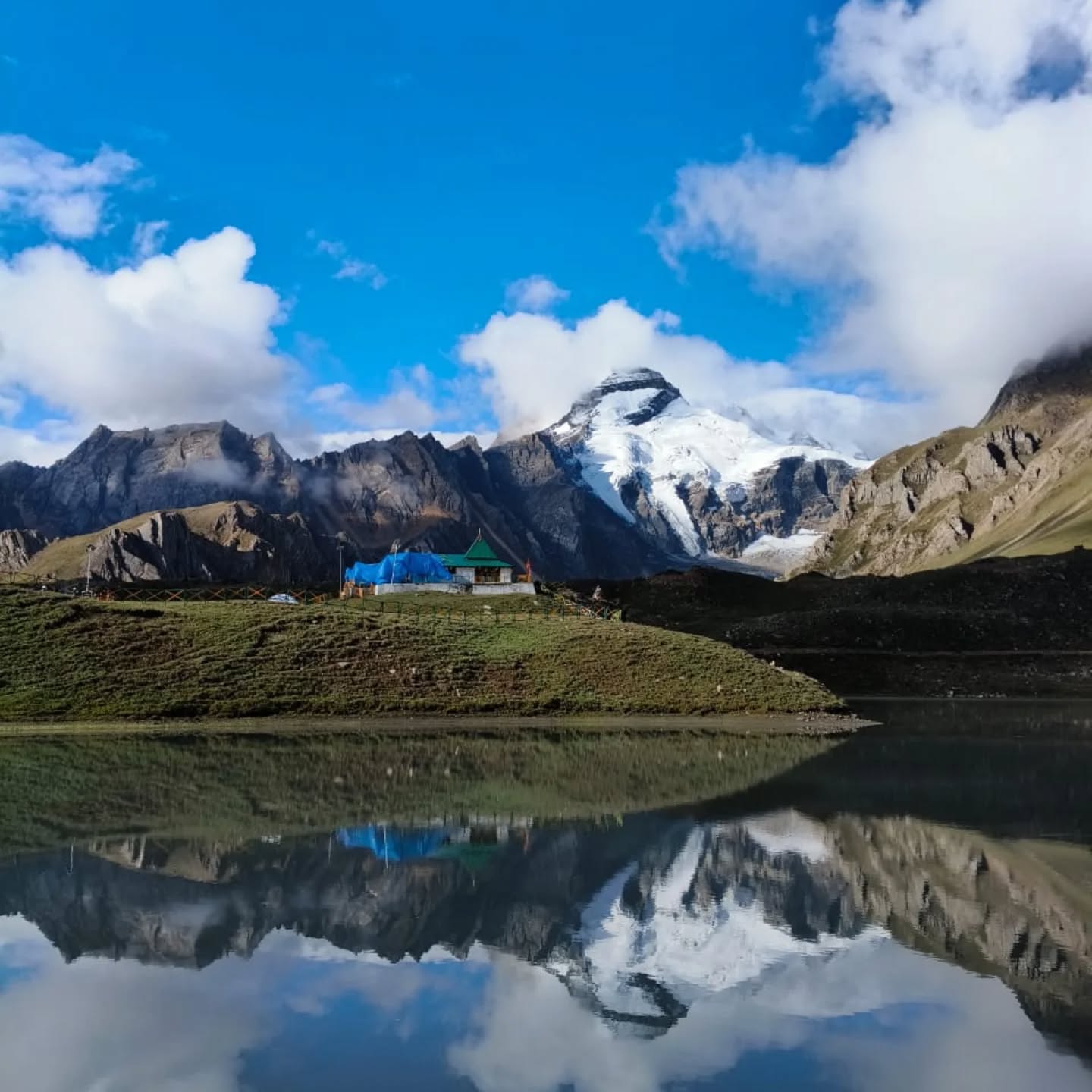
Adi Kailash Yatra and Trek 2026 Essentials
Best Photography Spots on Popular Treks


No comments yet.