



Things to know before Langtang Valley Trek
-
 Sobit Bhandari
 -
20 December, 2024
-
23 mins read
-
2439 Views
-
0 Comments


Imagine waking up beneath towering snow-capped peaks, walking beside glaciers, and ending your day in traditional Himalayan villages; that is the magic of the Langtang Valley Trek. The Langtang Valley Trek is one of Nepal’s most beautiful and beginner-friendly Himalayan adventures, which gives an unforgettable mix of mountain scenery, local culture, and peaceful trekking trails. Compared to the crowded trails of the Everest and Annapurna regions, Langtang remains quieter and more authentic, allowing trekkers to enjoy nature and local life at a slower pace.
Often called the “Valley of Glaciers,” this trek is Nepal’s best-kept secret trek, a short yet stunning Himalayan adventure just a few hours’ drive from Kathmandu. One of the biggest highlights of this trek is the chance to experience the rich Tamang culture, influenced by Tibetan Buddhism and mountain traditions passed down through generations.
The journey eventually leads to Kyanjin Gompa, a beautiful Himalayan settlement famous for its ancient monastery, panoramic mountain views, and nearby viewpoints like Kyanjin Ri. Along the way, you’ll pass through dense forests, yak pastures, and charming mountain villages, staying in welcoming local teahouses.
If you are planning your Himalayan adventure, this Langtang Valley Trek guide covers all the important things to know before Langtang Valley Trek, including difficulty, altitude, accommodation, permits, packing tips, and the best time to visit. Whether you are a beginner or an experienced trekker, Langtang offers a rewarding journey through one of Nepal’s most scenic mountain valleys.
Where is Langtang Valley Located?
Langtang Valley is located in the northern part of Nepal, within the protected area of Langtang National Park, which is the country’s first Himalayan National Park. This region is known for its pristine forests, alpine landscapes, and diverse wildlife, making it one of the country’s most scenic trekking regions. This stunning valley lies about 80 kilometers north of Kathmandu in a straight line. However, the actual travel distance by road to the starting point (Syabrubesi) is around 120-130 kilometers and typically takes 6-8 hours by vehicle.
Geographically, the valley sits very close to the Nepal-Tibet border, giving it a strong Tibetan cultural influence. Many local communities, especially the Tamang people, share traditions, language, and lifestyle similarities with Tibetan culture. This border proximity not only shapes the region’s unique heritage but also adds a distinct spiritual and cultural atmosphere to the Langtang trekking experience.
Tip: The Langtang trail can be easily accessed by a scenic jeep or bus ride from Kathmandu to Syabrubesi — no domestic flight needed, making it one of the most accessible treks in Nepal.
Why choose Langtang over other Treks?
Langtang Valley Trek offers a unique combination of natural beauty, cultural richness, and accessibility that makes it stand out compared to other popular treks in Nepal.
Quieter Trails: Less crowded compared to Everest Base Camp or Annapurna Circuit, offering a peaceful trekking experience.
Stunning Scenery: Spectacular views of snow-capped peaks like Langtang Lirung and surrounding mountains.
Rich Culture: Opportunity to explore traditional Tamang villages and visit spiritual sites such as Kyanjin Gompa.
Moderate Difficulty: Suitable for both beginners and experienced trekkers while still offering rewarding mountain views.
Close to Kathmandu: Easy accessibility for trekkers with limited time; only a 6-8 hour drive to the trailhead at Syabrubesi.
Affordable & Simple Logistics: Lower costs and simpler arrangements compared to more commercial trekking routes.
Scenic Diversity: Mix of forests, rivers, alpine meadows, and glaciers for varied trekking experiences.

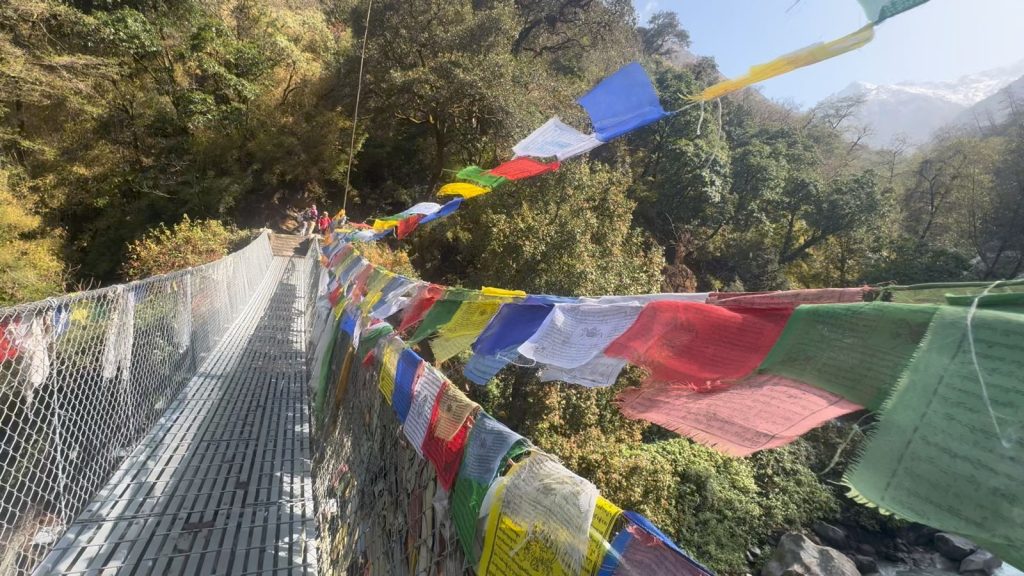
Trekking Heading Langtang Village by crossing the river
Best Time for Langtang Valley Trek
When planning your journey to the Langtang Valley, understanding the best season is one of the most important things to know before Langtang Valley Trek. The experience can vary greatly depending on the time of year you choose. The best seasons for trekking in the Langtang Valley are typically Spring (March to May) and Autumn (September to November).
- Autumn (September to November):
Autumn is considered the ideal time for trekking in the Langtang Valley. The weather is clear, dry, and stable, providing excellent visibility of the surrounding mountains. The temperatures are comfortable, and the stunning fall foliage adds to the beauty of the trek.
- Spring (March to May):
Spring is another excellent time to trek in the Langtang Valley. The weather is mild, and the rhododendron woods are in full bloom, adding vibrant colors to the landscape. Daytime temperatures are pleasant, but evenings can get chilly. It is a great time to enjoy the scenery and favorable trekking conditions.
- Winter (December to February):
Winter is the coldest time to trek in the Langtang Valley. The trails can be covered in snow and ice, requiring proper equipment and experience in winter trekking. Nighttime temperatures can drop well below freezing, and the days are shorter. It is crucial to be well-prepared and have the necessary gear to tackle the cold conditions.
- Monsoon Season (June to August):
The monsoon season in Nepal brings heavy rainfall to the Langtang Valley, making the trails treacherous and less favorable for trekking. The paths can be muddy, slippery, and prone to landslides. It is generally not recommended to trek during this season due to safety concerns.
Considering these seasonal variations, it is advisable to plan your Langtang Valley trek during spring or autumn for the most enjoyable and favorable trekking experience.
Trek Difficulty and Fitness Level
The Langtang Valley Trek is considered a moderate-level trek, suitable for both beginners and experienced trekkers. While it does not require any technical climbing skills, the trail includes steady ascents, some steep sections, and trekking at higher altitudes. Compared to routes like Everest Base Camp, it is less physically demanding but still offers a rewarding Himalayan experience.
Trekkers typically walk 5 to 7 hours per day, passing through forests, rivers, suspension bridges, and traditional villages as they gradually ascend into the beautiful Langtang Valley. Some days, especially hikes to viewpoints like Tserko Ri(approximately 4,984 meters/16,352 feet), can be more challenging due to longer hours and higher elevation.
Both beginners with a reasonable level of fitness and experienced trekkers can complete this trek comfortably if they maintain a steady pace and allow time for acclimatization. To prepare, it is recommended to begin a fitness routine 3-4 weeks before the trek, focusing on activities like walking, hiking, jogging, or cycling to build stamina. Strengthening leg muscles and improving cardiovascular endurance will make daily trekking easier, while practicing short hikes with a backpack can help simulate real trekking conditions and boost overall confidence for the journey.
Altitude and Acclimatization
Altitude is an important factor to consider during the Langtang Valley Trek, as the trail gradually takes you to higher elevations. The trek typically reaches its highest point at Kyanjin Ri (around 4,700 meters/15,659 feet). From this viewpoint, trekkers are rewarded with breathtaking panoramic views of snow-capped peaks, glaciers, and the entire Langtang range.
As you ascend through Langtang Valley, your body needs time to adjust to the increasing altitude. It is important to spend time acclimatizing at Kyanjin Gompa before attempting the hike to Kyanjin Ri, allowing your body to adjust to the reduced oxygen levels and minimizing the risk of Acute Mountain Sickness. Even though the Langtang Valley Trek is considered moderate, altitude is the biggest challenge. Proper acclimatization not only prevents illness but also ensures you can fully enjoy stunning Himalayan views, glaciers, and the cultural beauty of the region.
As an alternative, those seeking a more challenging and higher viewpoint can hike to Tserko Ri (approximately 4,984 meters/16,352feet), which offers even more expansive mountain views but requires better acclimatization and an early start.
Common Symptoms of Altitude Sickness are:
- Headache
- Nausea or loss of appetite
- Dizziness
- Fatigue or difficulty sleeping
Listening to your body is key; if symptoms worsen, it’s important to stop ascending or descending to a lower altitude. Proper preparation and awareness will help ensure a safer trekking experience.
How to Prepare and Plan for the Langtang Trek
Before you set out, proper preparation is key to enjoying the Langtang Valley Trek. From choosing the best season to packing the right gear, planning ensures a safe and unforgettable Himalayan adventure.
What to Pack during the Langtang Valley Trek?
Packing wisely is one of the most important things to know before the Langtang Valley Trek, as it ensures comfort, safety, and a smoother journey through the mountains.
Here’s a clear packing list for clothing, broken into points for easy reference:
- Base Layer: Moisture-wicking t-shirts and thermal tops
- Insulating Layer: Fleece jacket or down jacket for warmth
- Outer Layer: Waterproof and windproof jacket and pants
- Trekking Pants: Lightweight, quick-dry pants for hiking
- Thermal Leggings: For cold mornings and nights
- Hat & Cap: Warm hat for cold, sun cap for daytime
- Gloves: Insulated gloves for warmth
- Socks: Warm trekking socks (wool or synthetic)
Trekking Gear
Good-quality trekking gear makes the trek safer and more enjoyable. Essential items include:
- Sturdy trekking boots with good ankle support
- Trekking poles for stability on uneven terrain
- Backpack (30-40 liters) with rain cover
- Sleeping bag (if staying in higher or less-equipped tea houses)
- Sunglasses and sunscreen to protect against strong mountain sun
Important Items
Some additional essentials can make a big difference:
- Water purification tablets or a filter to ensure safe drinking water
- Power bank for charging phones or cameras
- Headlamp or flashlight for night use
- Personal first aid kit (bandages, blister pads, basic medicine)
- Snacks like energy bars or nuts for long trekking days
Share your Trek information with someone:
You should let a friend or a member of your family know that you’re going to the Langtang Valley Trek. In the event of an emergency, this will enable someone to be aware of your whereabouts and anticipated return date.
It can also be beneficial to provide trustworthy individuals with access to your schedule and contact details in case they need to get in touch with you while you are on the walk.
Booking trips with the best travel company:
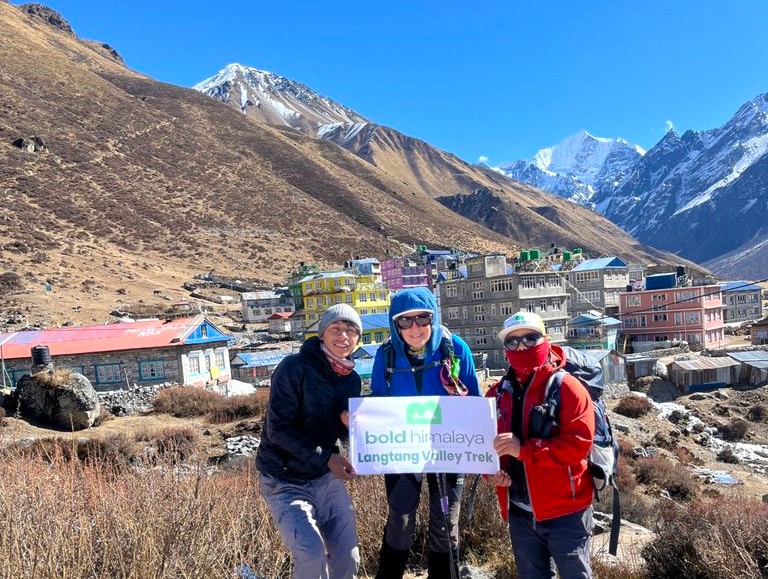
Bold Himalaya is a highly regarded and experienced trekking company, specializing in the Langtang Valley trek in Nepal. Our team of expert guides boasts extensive knowledge and years of experience leading treks in this region. We prioritize your safety, comfort, and enjoyment throughout the entire journey.
As a reputable tour operator, we provide well-organized and meticulously planned itineraries, ensuring a smooth and memorable experience. Our commitment to delivering exceptional service guarantees that you get the best value for your investment.
Choose Bold Himalaya for your Langtang Valley trek, and embark on a remarkable adventure knowing that you are in the hands of experienced professionals dedicated to creating an unforgettable journey for you.

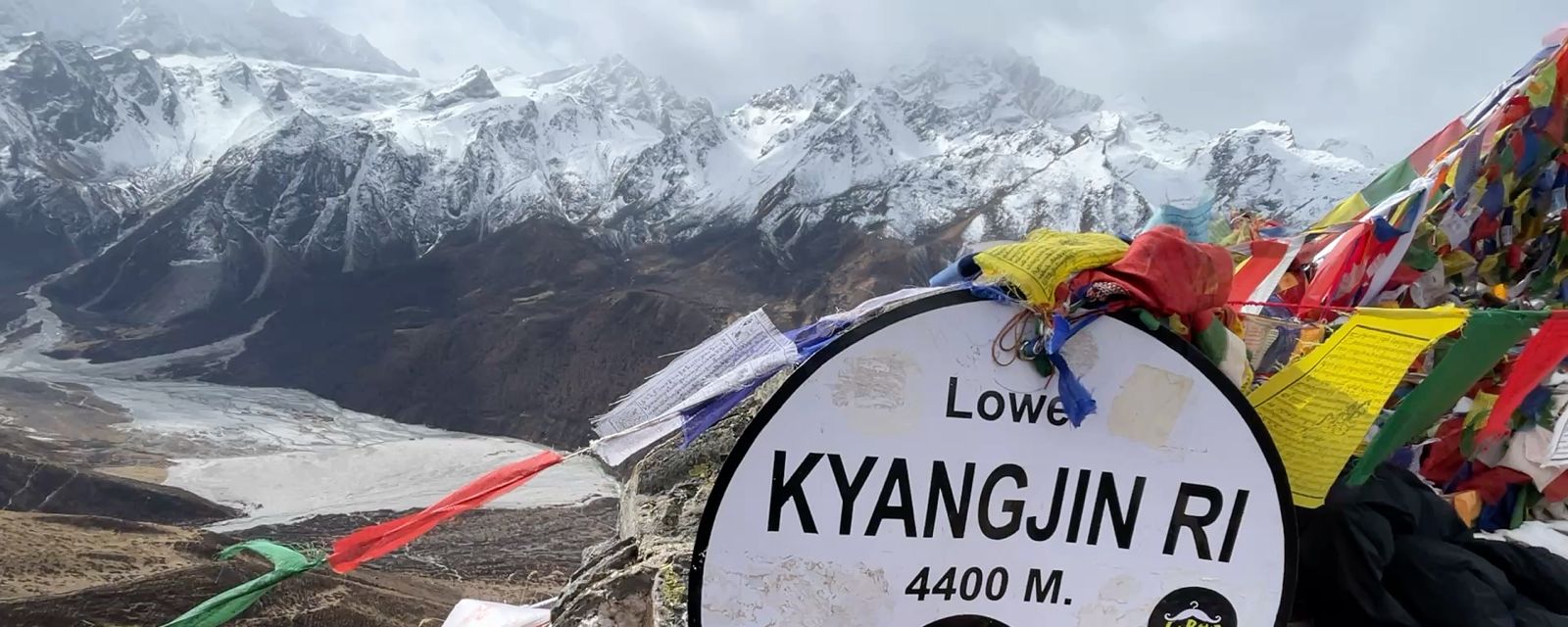
Trekker enjoys breathtaking views from Kyanjin Ri (4,785 m), surrounded by the majestic peaks of Langtang Valley, Nepal
Permits for Langtang Valley Trek:
To trek in the Langtang region, every traveler needs two permits, both easy to arrange in Kathmandu before starting the journey or directly at the park entry in Dhunche or Syabrubesi.
1. Langtang National Park Entry Permit
This permit grants access to Langtang National Park, which protects the region’s stunning landscapes, wildlife, and culture.
- Cost: NPR 3,000 per person (Around USD 22-30) (with a discount for SAARC Nations)
- Where to get it: Nepal Tourism Board office, Kathmandu, or at the park entry gate
- What you need: Passport and cash (Nepali rupees only)
2. TIMS Card (Trekkers’ Information Management System)
The TIMS card helps track trekkers for safety and record purposes.
- Cost: NPR 2,000 for independent trekkers, NPR 1,000 if trekking with a registered agency
- Where to get it: Nepal Tourism Board or Trekking Agencies’ Association of Nepal (TAAN) office, Kathmandu
Facilities in Langtang Valley Trek
- Food:
Throughout the Langtang Valley trek, you will find readily available food options at teahouses along the trail. These teahouses offer a variety of meals, including traditional Nepali dishes such as Dal Bhat (rice with lentil soup) and momos (dumplings). Snacks, soft drinks, and energy bars are also available.
- Accommodations:
Basic accommodations are provided at teahouses along the trek. Dormitory-style rooms with shared bathrooms are common, although some teahouses offer private rooms as well. It is advisable to carry a sleeping bag or liner, as blankets may not always be provided.
- Electricity:
Electricity availability is limited in the Langtang Valley. Teahouses may have solar panels for lighting and limited device charging. Some teahouses may have generators that provide electricity at specific times. Bringing a portable power bank is recommended for charging devices.
- Internet:
Internet connectivity is scarce in the Langtang Valley. While some teahouses may offer wifi, the service can be unreliable and slow. It is not guaranteed that you will have consistent internet access during the trek.
- Hot Showers:
Hot shower facilities are available along the trail.
- Laundry:
Laundry services can be found in teahouses, but they can be costly due to limited resources in the area.
- Drinking Water:
Drinking water is available at teahouses along the trail. However, it is recommended to bring water purification tablets or a water filter to ensure safe drinking water.
- Banks & ATMs:
There are no banks or ATMs in the Langtang Valley. It is essential to carry enough cash in Nepalese Rupees for your trek, as credit cards may not be accepted.
It’s important to note that amenities and services may vary from teahouse to teahouse along the trek. It’s always wise to be prepared with the necessary supplies and cash to ensure a comfortable and smooth trekking experience.
Itinerary for Langtang Valley Trek
Indeed, the duration of the Langtang Valley trek can vary based on several factors such as trekking routes, available timeframe, and personal interests. Typically, the trek can be completed within a range of 5 to 9 days. Here’s a breakdown of the different options:
- Langtang Valley Express (5-6 days):
This shorter trek focuses on the Langtang Valley itself, allowing you to explore the picturesque valley, encounter local culture, and enjoy stunning views of the surrounding mountains.
- Langtang Valley and Gosaikunda Lake (7-8 days):
This trek combines the Langtang Valley with a visit to the sacred Gosaikunda Lake. It offers a unique blend of natural beauty, cultural experiences, and religious significance.
- Langtang Valley, Gosaikunda Lake, and Helambu (9 days):
This extended trek encompasses the Langtang Valley, Gosaikunda Lake, and the culturally rich region of Helambu. It provides a comprehensive experience of the Langtang region, including diverse landscapes, traditional villages, and panoramic mountain views.
It’s essential to consider your physical fitness, acclimatization needs, and available time when choosing the duration and route for your Langtang Valley trek. Consulting with a reputable trekking agency or guide can help you determine the best itinerary based on your preferences and requirements.
8 Days brief Itinerary of the best route for the Langtang Valley Trek
Here is a general itinerary for the best route for the trek:
Day 1: Drive from Kathmandu to Syabrubesi (1467m)
Day 2: Trek to Lama Hotel (2470m)
Day 3: Trek to Langtang village (3430m)
Day 4: Trek to Kyangjin Gompa (3870m)
Day 5: Rest day at Kyangjin Gompa to explore the area and acclimatize
Day 6: Trek to Lama Hotel
Day 7: Trek to Syabrubesi
Day 8: Drive back to Kathmandu
It is important to note that this itinerary is a rough guide and can vary depending on your individual pace and the trail conditions.
Our Recommendation for Langtang Valley Trek
- Start Trek from a lower elevation:
Acclimatization must begin at a lower height and progressively climb the mountain. The decreased oxygen levels seen at higher altitudes take some time for the human body to get used to. Altitude sickness, which can include symptoms as basic as headache and nausea to more severe ones like confusion, breathing difficulties, and in rare instances, even death, can occur if a person ascends too quickly.
The danger of altitude sickness is decreased by starting at a lower level since the body has time to adapt to the changes in altitude. Furthermore, beginning at lower elevations enables a steady increase in physical exertion, making the climb easier to manage.
- Buy Insurance:
It is recommended that you have insurance while on a trek, such as the Langtang Valley trek, as it can cover unexpected events such as accidents, injuries, and evacuations. It is best to check with your insurance provider to see what coverage they offer for trekking and adventure activities.
It’s also a good idea to purchase travel insurance specific to trekking and adventure activities that cover emergency evacuation, medical expenses, trip cancellation and interruption, lost or delayed baggage, and other travel-related risks.

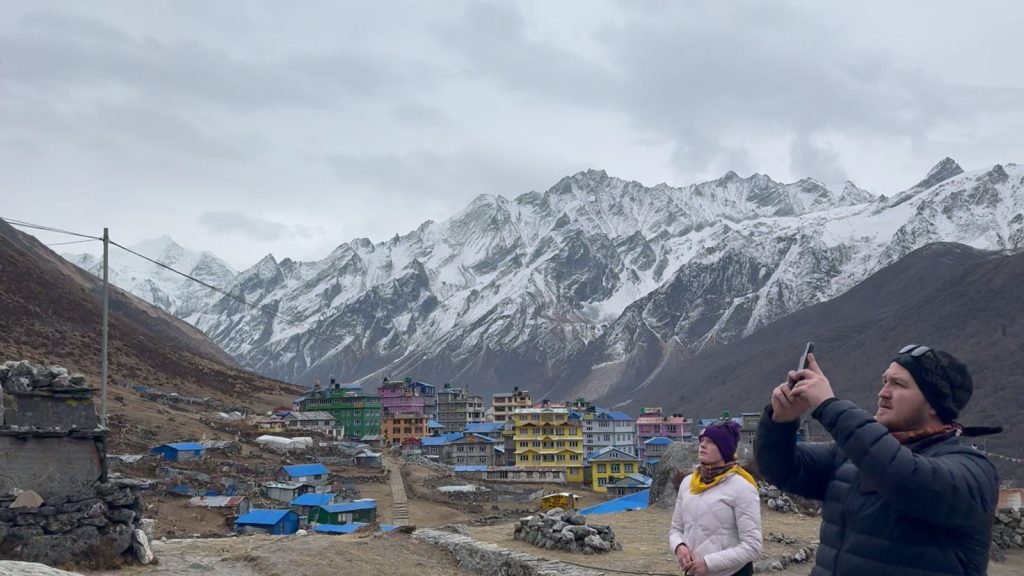
Breathtaking view of Langtang Valley with Langtang village and the Himalayas range in the background
- Follow Local Rules and Regulations:
It’s important to follow local regulations and ordinances while on the Langtang Valley hike. This requires obtaining the necessary permits, abiding by local customs, and respecting their culture, as well as following rules for garbage disposal and environmental conservation. When the trip passes through protected regions, it is essential to obtain the necessary permits and follow any rules set forth by the local authorities.
Respecting local customs and culture is also essential. For example, you should remove your shoes before entering a temple or monastery and dress appropriately. Rules for garbage disposal must be followed, such as packing out all trash and not leaving any litter, and the local ecosystem must also be taken into account.
- The weight limit for Porter:
The weight limit for a porter during the Langtang Valley trek in Nepal is typically around 20-25 kg (44-55 lbs). It is important to remember that a porter’s safety and well-being should be a top priority, and it is not ethical to overload them with excessive weight.
- Extra days for the trip:
It depends on your personal travel plans and preferences. The Langtang Valley trek is typically a 7-10 day trek, but you may want to allocate extra days for rest, acclimatization, or exploring the area further. Allocating extra days for the trek will also give you more flexibility in case of any unexpected events, such as bad weather or altitude sickness.
Additionally, it will allow you to take your time and enjoy the trek at a slower pace, which is especially important if you are not an experienced hiker. Also, the extra days can be used to explore some side treks, visit nearby villages, temples, or Monasteries, or simply relax.
Expandable trekking routes
The Langtang region offers several incredible extensions and alternative routes for trekkers who want to explore beyond the classic Langtang Valley. Whether you want a longer challenge, cultural immersion, or comparative adventure, here are the top options.
- Langtang Gosaikunda Trek:
Langtang Gosaikunda trek combines the Langtang Valley trek with a visit to the sacred lakes of Gosaikunda, which are revered by both Hindus and Buddhists. The trek also offers views of the Langtang Lirung and other peaks, as well as a chance to explore traditional Tamang villages.
- Langtang Helambu Trek:
This trek connects the Langtang Valley trek with the Helambu region, which is known for its lush forests, terraced fields, and Sherpa villages. The trek also offers views of the Langtang Lirung and other peaks, as well as a chance to explore traditional Tamang villages.
- Langtang-Ganjala Pass Trek:
Langtang Ganjala Pass trek connects the Langtang Valley trek with the famous high Ganja La Pass. It’s a longer trek and offers an opportunity to explore the High Himalayas.
- Tamang Heritage Trail
For a more cultural experience, the Tamang Heritage Trail is a shorter 5-7 day trek that explores the traditional villages near the Langtang region. You’ll pass through Gatlang, Tatopani, and Thuman, where Tamang traditions, homestays, and hot springs create a unique offbeat adventure.
Highlights:
- Authentic Tamang culture and lifestyle
- Easy-moderate trail, perfect for families or beginners
- Can be combined with the Langtang Valley Trek
Langtang vs Annapurna vs Everest – Comparison Table
The Langtang Valley, Annapurna Base Camp, and Everest Base Camp treks are among the most popular, each offering unique landscapes, cultural encounters, and challenges. These treks are among the most popular trekking routes in Nepal, and their key differences are access, duration, difficulty, altitude, crowd levels, culture, and highlights to help you decide which trek best suits your adventure goals.
| Feature | Langtang Valley Trek | Annapurna Base Camp Trek | Everest Base Camp Trek |
|---|---|---|---|
| Access | 6–7 hr drive from Kathmandu | Drive/flight to Pokhara | 30-min flight to Lukla |
| Duration | 7–10 days | 10–12 days | 12–14 days |
| Difficulty | Moderate | Moderate–Challenging | Challenging |
| Max Altitude | 4,773 m (Kyanjin Ri) | 4,130 m (ABC) | 5,364 m (EBC) |
| Crowds | Less crowded | Moderate | Very busy |
| Culture | Tamang, Sherpa | Gurung, Magar | Sherpa |
| Highlights | Close to Kathmandu, scenic valley, red panda habitat | Annapurna massif, hot springs | Everest, Khumbu Glacier, Tengboche Monastery |
Tip: If you’re looking for a short, quiet, and budget-friendly trek with rich culture and mountain scenery, the Langtang Valley Trek is your best choice, and if you have a short time, the Everest Mountain Flight will also be the best choice.
Major places of the Langtang Valley Trek
You will get the chance to see several stunning and remarkable attractions, breathtaking views, and locations throughout the Langtang Valley walk, some of which include:
- National Park of Langtang:
The walk begins in the Langtang National Park, which is home to a wide variety of plants and animals, including rhododendron, oak, and bamboo forests, as well as a large range of birds and creatures, including the red panda, musk deer, and Himalayan black bear. There are additional significant locations inside this national park that you should see.
The traditional Tibetan settlement of Kyanjin Gompa is situated at the foot of the Langtang Lirung and Tserko Ri peaks. Trekkers frequently stop here to rest, dine, and learn about the locals’ way of life.
The highest peak in the Langtang region, Langtang Lirung, is both gorgeous to watch and difficult to climb. Another well-known mountain, Tserko Ri, provides a sweeping vista of the Ganesh Himal and Langtang Himal ranges.
- Langtang Village:
Immerse yourself in the heart of the Langtang Valley, where the traditional Tamang village of Langtang offers a glimpse into local culture. Interact with friendly locals, explore their traditions and customs, and witness their unique way of life.

The vibrant Langtang Village with colorful prayer flags and traditional houses set against the stunning Himalayan backdrop.
- Kyanjin Gompa:
Located at 3,870 meters, Kyanjin Gompa is a significant Buddhist monastery. Experience its serene ambiance amidst stunning mountain vistas. Observe Buddhist rituals, soak in the peaceful atmosphere, and admire the snow-capped peaks.
- Tserko Ri:
Trek to Tserko Ri, a renowned viewpoint and peak near Kyanjin Gompa, standing at 4,984 meters. Challenge yourself on the hike and be rewarded with breathtaking panoramic views of the Langtang Himalayan range, including Langtang Lirung and Langshisa Ri.
- Glaciers:
The journey gives participants the chance to explore stunning and mesmerizing glaciers, including the Langtang and Ganja La glaciers.
- Tamang villages:
The hike also gives you the chance to visit the traditional Tamang villages, where you may discover the customs and way of life of the locals. Trekkers can also visit the hot springs in Gosaikunda, which are revered by both Hindus and Buddhists and are thought to have therapeutic effects.
These highlights are just a glimpse of the incredible places and experiences awaiting you during the Langtang Valley Trek. Prepare to be captivated by stunning landscapes, charming villages, and the untouched beauty of the Langtang region.
Major Activities to do in the Langtang Valley Trek
There are several activities you can engage in while on a journey through the Langtang Valley, including:
- Exploring endangered species:
The endangered red panda and Himalayan black bear are just two of the many plants and animals that can be found in the Langtang National Park.
- Lirung base camp trekking:
Trekking to the base camp of the Langtang Lirung mountain is a strenuous journey that passes through lovely forests and glaciers while providing breathtaking views of the peak.
- Discovering the traditional Tamang villages:
The Langtang Valley is home to various traditional Tamang villages where you may gain knowledge about the locals’ culture and way of life. Visit the Kyanjin Gompa, a historic Buddhist monastery that provides insight into local spiritual traditions and is situated at the foot of the Langtang Lirung Mountain.
- Taking a soak in a hot spring:
The Langtang Valley is home to several naturally occurring hot springs that are thought to have healing characteristics and are a wonderful way to unwind after a strenuous day of hiking.
- Climbing Tserko Ri:
This stunning summit offers a sweeping vista of the Langtang Range. It’s a lovely day trek. Taking in the amazing mountain views: The Langtang Valley has some of the most beautiful mountain views in the world, so make sure to take lots of pictures and enjoy the natural splendor of the area.
FAQs – Things to Know Before Langtang Valley Trek
1. Where is the Langtang Valley Trek located?
The Langtang Valley lies in the northern part of Nepal, close to the Tibetan border. It is part of Langtang National Park, known for its stunning mountain scenery and rich biodiversity.
2. How difficult is the Langtang Valley Trek?
The trek is considered moderate. It is suitable for beginners with good physical fitness, but you should be prepared for long walking hours (5-7 hours daily) and steady altitude gain.
3. What is the highest point of the trek?
The highest point is usually Kyanjin Ri (around 4,773 m). For those seeking a more challenging hike, Tserko Ri (around 5,000 m) is a popular alternative offering breathtaking panoramic views.
4. Do I need permits for the trek?
Yes, you need:
- Langtang National Park Entry Permit
- TIMS (Trekkers’ Information Management System) card
These permits are required to enter and trek within the region.
5. What is the best time to go?
The best seasons are:
- Spring (March-May): Blooming rhododendrons and pleasant weather
- Autumn (September-November): Clear skies and excellent mountain views
Winter and monsoon are possible but come with challenges like snow or rain.
6. Is altitude sickness a concern?
Yes, altitude sickness (Acute Mountain Sickness) can occur above 2,500 meters. Proper acclimatization, hydration, and gradual ascent are essential to stay safe.
7. What kind of accommodation is available?
You’ll stay in teahouses (lodges) along the trail. They provide basic rooms, shared bathrooms, and simple meals.
8. What should I pack for the trek?
Essential items include:
- Warm clothing (layers, down jacket)
- Trekking boots and socks
- Sleeping bag
- Water bottle and purification tablets
- Basic first-aid kit
9. Is a guide or porter necessary?
It’s not mandatory, but hiring a guide or porter is highly recommended for safety, navigation, and a better trekking experience, especially for first-time trekkers.
10. How long does the Langtang Valley Trek take?
The trek typically takes 7-10 days, depending on your itinerary, pace, and acclimatization days.
11. Is there internet or electricity on the trek?
Yes, but limited. Most teahouses offer Wi-Fi and charging facilities for an extra fee, but connectivity can be slow and unreliable.
12. What kind of food is available during the trek?
Teahouses serve a variety of meals like Dal Bhat, noodles, soups, pancakes, and tea/coffee. Food is simple but nutritious.
13. Can beginners do the Langtang Trek?
Yes, beginners with reasonable fitness can complete it, especially with a guide or porter. Experienced trekkers may enjoy side hikes and longer viewpoints for added adventure.
Comments (0)
Write a comment- Where is Langtang Valley Located?
- Why choose Langtang over other Treks?
- Best Time for Langtang Valley Trek
- Trek Difficulty and Fitness Level
- Altitude and Acclimatization
- How to Prepare and Plan for the Langtang Trek
- Facilities in Langtang Valley Trek
- Itinerary for Langtang Valley Trek
- Our Recommendation for Langtang Valley Trek
- Expandable trekking routes
- Langtang vs Annapurna vs Everest – Comparison Table
- Major places of the Langtang Valley Trek
- Major Activities to do in the Langtang Valley Trek
- FAQs – Things to Know Before Langtang Valley Trek
- 1. Where is the Langtang Valley Trek located?
- 2. How difficult is the Langtang Valley Trek?
- 3. What is the highest point of the trek?
- 4. Do I need permits for the trek?
- 5. What is the best time to go?
- 6. Is altitude sickness a concern?
- 7. What kind of accommodation is available?
- 8. What should I pack for the trek?
- 9. Is a guide or porter necessary?
- 10. How long does the Langtang Valley Trek take?
- 11. Is there internet or electricity on the trek?
- 12. What kind of food is available during the trek?
- 13. Can beginners do the Langtang Trek?
Read the latest Blogs & Insights
Explore our collection of articles and insights to gain in-depth travel knowledge, expert advice, and stay updated on the latest trends and tips.
View All Articles




No comments yet.