



Things to see on Everest Base Camp Trek

-
 Sobit Bhandari
 -
20 December, 2024
-
29 mins read
-
2113 Views
-
0 Comments


Imagine standing in the middle of some of the world’s highest peaks, with crisp Himalayan air around you and prayer flags fluttering in the wind. This is the magic of the Everest Base Camp trek. Regarded as a bucket-list adventure for trekkers worldwide, it’s not just a journey through mountains, but a journey into the heart of Sherpa culture and Himalayan life.
For those wondering what to see on the Everest Base Camp trek, the journey is filled with unforgettable sights: towering Himalayan peaks like Mount Everest, Lhotse, and Ama Dablam, pristine glaciers, and the ever-impressive Khumbu Icefall. Along the way, trekkers also encounter the vibrant Sherpa culture, ancient Buddhist monasteries, and colorful prayer flags fluttering across traditional villages.
From the bustling hub of Namche Bazaar to the serene views at Kala Patthar, every step of the trek is packed with natural wonders and cultural highlights. Planning for things to see on Everest Base Camp trek ensures you don’t miss the panoramic vistas, historic sites, and unique experiences that make this journey truly life-changing. If you’re curious about the things to see on Everest Base Camp trek, expect a mix of awe-inspiring landscapes and cultural treasures.
Certain places along the trek to Everest Base Camp are considered particularly significant or noteworthy. These places are thought to offer unique experiences and memories that cannot be found anywhere else on the trek. They are also expected to enhance the overall trekking expertise, making it more enjoyable and meaningful.

Things to see on the Everest Base Camp Trek
Here are a few significant places that you see during the Everest Base Camp Trek on the Everest Base Camp Trek journey.
Airports
The Solukhumbu region of Nepal, also known as the Everest region, is a popular destination for trekkers and mountaineers from around the world. The region is home to airports that serve as the main point of entry for visitors, as well as for locals and tourists. The Tenzing-Hillary Airport (also known as Lukla Airport) and Syangboche Airport are the major airports of the region.
1. Tenzing-Hillary Airport
The gateway to the Everest Base Camp Trek is the famous Tenzing-Hillary Airport, widely known as Lukla Airport. This is the primary airport serving the region and is located in the town of Lukla. It is considered one of the most dangerous airports in the world due to its short runway and challenging approach. The airport was named after Sir Edmund Hillary and Tenzing Norgay, the first climbers to summit Mount Everest. The airport is served by several domestic airlines and is the starting point for most trekking routes to the Everest region.
For many travelers, the flight to Lukla from Kathmandu is one of the highlights of the entire trip, offering spectacular aerial views of snow-capped Himalayan peaks and deep valleys.
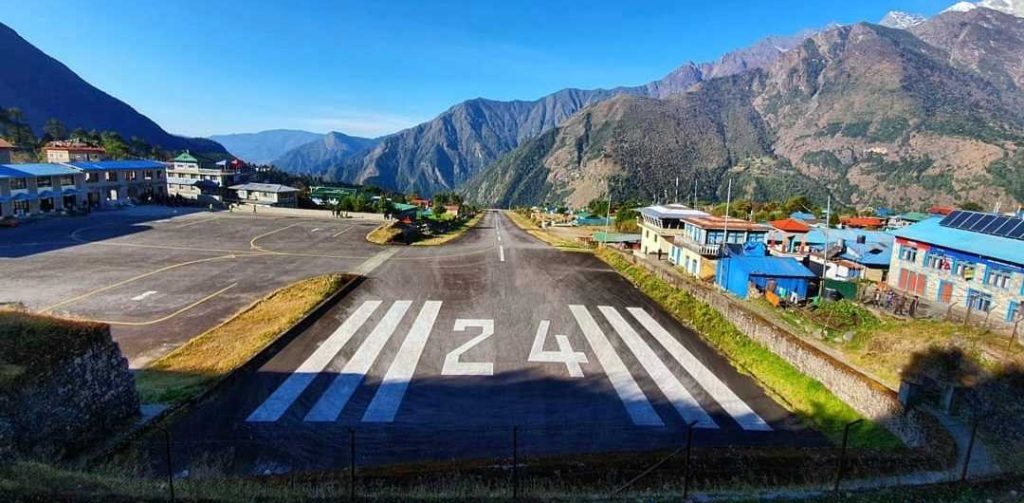
2. Syangboche Airport
If you travel from Kathmandu to the Everest region by road instead of flying to Lukla, another interesting place to see along the Everest Base Camp Trek is Syangboche Airport. Located above Namche Bazaar at an altitude of about 3,780 meters (12,402 ft), Syangboche Airport is one of the highest airstrips in Nepal.
Trekkers who reach the Everest region by driving to places like Salleri or Phaplu and then trekking toward Namche Bazaar often pass near this small mountain airstrip. Although regular commercial flights are rare, the airport is sometimes used by chartered helicopters and small aircraft.
The area around Syangboche is also known for its spectacular viewpoints. From here, trekkers can enjoy panoramic views of famous Himalayan peaks like Mount Everest, Ama Dablam, and Thamserku. Just above the airstrip lies the famous Everest View Hotel, one of the world’s highest hotels, where many trekkers stop to enjoy a cup of tea while admiring the breathtaking Himalayan scenery.
Sherpa Villages
Trekking in the Everest region is not only about the physical challenge of climbing in the mountains, but also about immersing oneself in the fascinating culture and lifestyle of the Sherpa people and gaining a deeper understanding of their way of life.
The Everest region is the home of the Sherpa people, an ethnic group known for their skills in mountain climbing and their deep connection to the Himalayas. The Sherpas are renowned for their skills and expertise as mountaineers, and you will see them at work as they help to guide and support trekkers and climbers on their journeys to the summit of Mount Everest. The region is dotted with beautiful Sherpa villages, many of which are located along the trail to Everest Base Camp (EBC).
These villages offer a glimpse into the Sherpa people’s traditional way of life and provide an opportunity to learn about their culture, customs, and traditions.
1. Lukla Village
Lukla is a village located in the Solukhumbu District of Nepal. It is situated at an altitude of 2,860 meters (9,383 feet) and is the starting point for many trekkers and climbers heading to Mount Everest. The Sherpa ethnic group resides in Lukla and is well-known for its mountaineering prowess and close ties to the Himalayan highlands.
Lukla village is not only the starting point for many trekkers and climbers heading to Mount Everest, but it is also a traditional Sherpa village. The Sherpa people, who are known for their mountaineering skills, play a crucial role in the local economy and offer their hospitality to visitors. The village is a popular destination for trekkers and climbers, who come to experience the unique culture and hospitality of the Sherpa people while respecting their way of life.
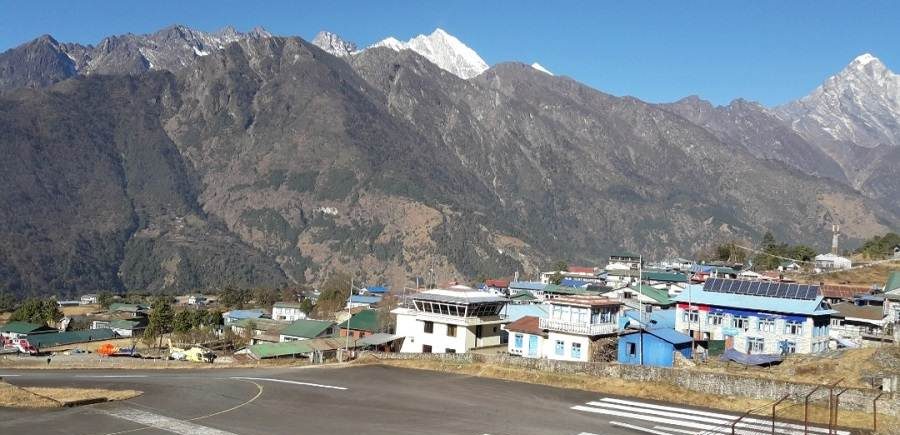
2. Phakding Village
Phakding is a charming Sherpa community located along the banks of the Dudh Koshi River and is one of the first overnight stops for trekkers heading toward Everest Base Camp. Situated at an altitude of about 2,610 m/8,563 ft, this peaceful settlement presents trekkers with their first real experience of the Everest region’s natural beauty and culture.
As you walk through the village, you’ll see colorful prayer flags, traditional stone houses, and welcoming teahouses where trekkers rest after the short hike from Lukla. The trail passes through pine forests, suspension bridges over the rushing Dudh Koshi River, and small monasteries that reflect the strong Buddhist heritage of the Sherpa community. Gompas, or traditional Sherpa monasteries, are significant sites of prayer for the Sherpa people and are abundant throughout the area.
3. Namche Bazaar
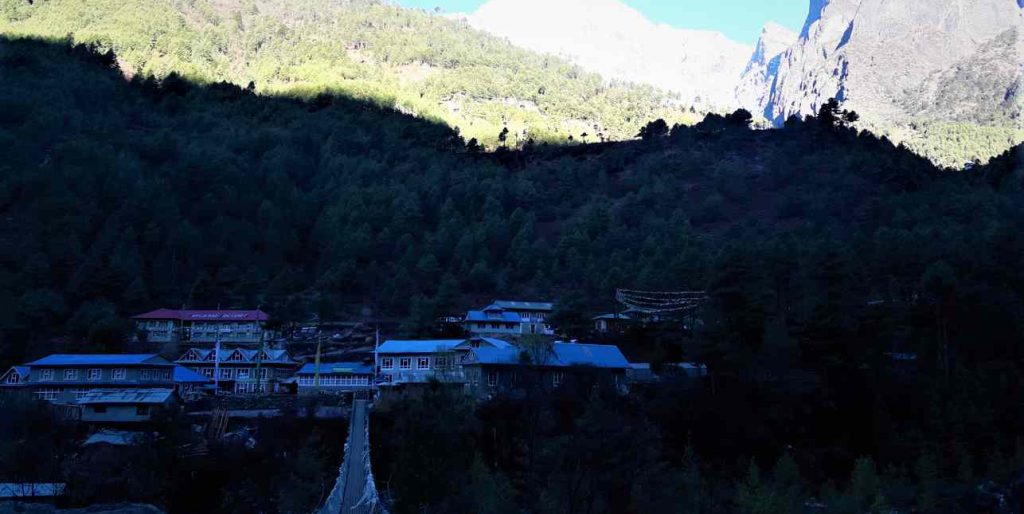
Namche Bazaar is a small town located in the Solukhumbu District of Nepal, in the Khumbu region. It is situated at an altitude of 3,440 meters (11,286 feet) and is a popular stop for trekkers and climbers heading to Mount Everest.
Namche Bazar is often referred to as the ‘Gateway to Mount Everest‘ and is the main trading center of the Khumbu region. Mount Everest, Mount Lhotse, and Mount Ama Dablam are among the breathtaking mountain peaks that surround the town. The town is famous for its colorful local markets, cozy bakeries, cafes, and numerous trekking shops where travelers can buy or rent gear for their Himalayan adventure. Trekkers can explore small souvenir stores selling traditional Sherpa handicrafts, mountaineering equipment, and locally made goods.
Namche Bazaar is also an important acclimatization stop for trekkers adjusting to the high altitude. Many visitors spend an extra day here hiking to nearby viewpoints, including the famous Everest Viewpoint. Additionally, it is situated alongside the Dudh Koshi River, which flows through the town. Many Sherpas, who are renowned for their climbing prowess and close ties to the Himalayan mountains, live in the town, which blends traditional and contemporary infrastructure.

4. Pangboche Village
Pangboche is one of the oldest Sherpa villages in the Khumbu region, located at about 3,985 m along the trail to Everest Base Camp. This village is known for its picturesque setting, surrounded by lush green forests and towering peaks. The village gives you stunning views of Himalayan peaks such as Ama Dablam, Lhotse, and Mount Everest, making it a scenic stop for trekkers.
Pangboche is also known for the historic Pangboche Monastery, the oldest monastery in the Khumbu region and an important spiritual center for the Sherpa community. The village is divided into Upper and Lower Pangboche, where trekkers can experience traditional Sherpa culture, peaceful mountain landscapes, and warm Himalayan hospitality. It is also a popular stop for trekkers and climbers on the way to Mount Everest Base Camp. Visitors can experience the unique culture and hospitality of the Sherpa people while respecting their way of life.
5. Dingboche Village
Dingboche is a beautiful high-altitude Sherpa village located at around 4,410 meters(14,470ft) in the Khumbu region of Nepal. Surrounded by towering Himalayan peaks and wide alpine valleys, Dingboche is an important acclimatization stop for trekkers heading toward Everest Base Camp.
The village is known for its stone-walled fields that protect crops such as potatoes and barley from strong mountain winds and grazing animals. From Dingboche, trekkers can enjoy breathtaking views of famous Himalayan mountains, including Ama Dablam, Lhotse, and Island Peak.
They are renowned for their fortitude, resiliency, and hospitality, and have adapted to the challenging circumstances of high altitude. The Sherpa people are essential to the local economy since they work as tour guides and manage hotels and lodges for tourists.
Monasteries during the Everest Base Camp Trek
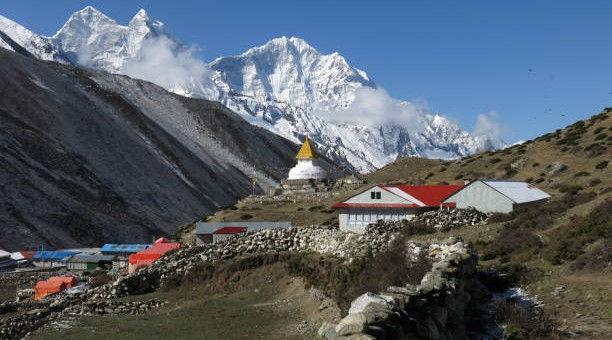
One of the most revered paths in the Khumbu region is the Meditational Trek to Buddhist Sacred Sites, which offers a wide variety of monasteries, Chortens, and hermitages for meditation. This Khumbu area holy sites walk is less used by trekkers and was created specifically for individuals looking for peace to relieve tension with a spiritual touch of historic Buddhist sacred monasteries, caves, and hermitages.
Numerous of these monasteries include fine carvings and vibrant prayer flags, and they provide a window into the Sherpa people’s extensive spiritual traditions. Visitors are welcome to explore the monasteries, take part in meditation and other spiritual activities, and learn more about the traditions.
1. Tengboche Monastery
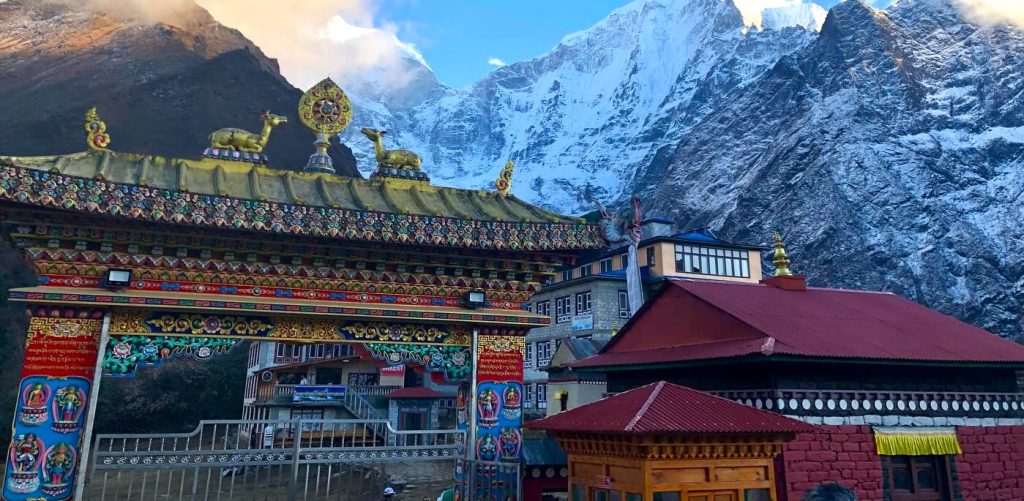
The Tengboche Monastery is the largest and most important Buddhist monastery in the Everest region and a major cultural highlight of the Everest Base Camp Trek. Located in the village of Tengboche at an altitude of about 3,867 meters (12,687 ft), the monastery sits on a hilltop surrounded by stunning Himalayan scenery.
Founded in 1916 by Lama Gulu, Tengboche Monastery serves as the spiritual center for the Sherpa community of the Khumbu region. The monastery belongs to the Nyingma school of Tibetan Buddhism and houses monks who conduct daily prayers, meditation, and traditional Buddhist ceremonies. Visitors can observe the monks chanting and performing rituals inside the beautifully decorated prayer hall filled with colorful murals, statues, and thangka paintings.
The monastery is also famous for hosting the annual Mani Rimdu festival, a vibrant religious celebration featuring masked dances, prayers, and blessings. From the monastery grounds, trekkers can enjoy breathtaking panoramic views of Himalayan peaks, including Mount Everest, Ama Dablam, Lhotse, and Thamserku, making Tengboche one of the most scenic and spiritually significant stops on the trek.
2. Pangboche Monastery
The Pangboche Monastery is one of the oldest and most culturally significant monasteries in the Khumbu region along the Everest Base Camp Trek. Located in the traditional Sherpa village of Pangboche at an altitude of about 3,985 meters (13,074 ft), the monastery presents a peaceful spiritual atmosphere surrounded by magnificent Himalayan peaks.
Believed to be more than 300 years old, Pangboche Monastery is an important center of Sherpa Buddhism. It is associated with the teachings of the respected Buddhist master Lama Sange Dorje, who is believed to have introduced Buddhism to the Khumbu region. Inside the monastery, visitors can see ancient murals, religious scriptures, and traditional Buddhist artifacts that reflect the deep spiritual heritage of the local Sherpa community.
Museums to visit in the Everest Base Camp Trek
You can learn about the indigenous Sherpa people, their culture and lifestyle, and their connection to the mountain through artifacts, clothing, tools, and equipment used in their daily lives. You can also learn about the life and achievements of Tenzing Norgay Sherpa, Sir Edmund Hillary, and other climbers who have summited Mount Everest.
1. Sherpa Culture Museum
This is the most famous cultural museum in the Everest region. It is designed like a traditional Sherpa house and displays artifacts that show how Sherpa families lived before tourism arrived in the Khumbu region. Inside the museum, visitors can see traditional tools, kitchen items, clothing, and religious objects used in everyday Sherpa life, which are adorned with intricate designs and patterns.
The museum also features photographs and exhibits about famous Sherpa climbers, including the legendary mountaineer Tenzing Norgay. Visiting this museum helps trekkers understand the deep connection between the Sherpa community and the history of Himalayan mountaineering.
In addition to the exhibits, the museum presents cultural programs and performances, such as traditional music and dance performances, which give visitors a taste of Sherpa culture and provide a deeper understanding of the region’s history and heritage. The Sherpa Culture Museum is a great way for visitors to gain a deeper understanding and appreciation of the culture and heritage of the Sherpa people, who are an integral part of the history and culture of the Solukhumbu region.
2. Sagarmatha National Park Museum

Another important museum-like attraction is the visitor center located inside Sagarmatha National Park. This center provides information about the environment, wildlife, and geography of the Everest region.
Inside the museum, trekkers can explore displays about Himalayan wildlife, glaciers, climate change, and the formation of the world’s highest mountains. It also includes exhibits related to Everest expeditions and the history of mountaineering in Nepal. From the viewpoint outside the centre, visitors can see spectacular Himalayan peaks, including Mount Everest, Lhotse, and Ama Dablam.
Because it combines education, history, and panoramic mountain views, it is one of the most interesting things to see on the Everest Base Camp trek.
Stunning Viewpoints
1. Kala Patthar
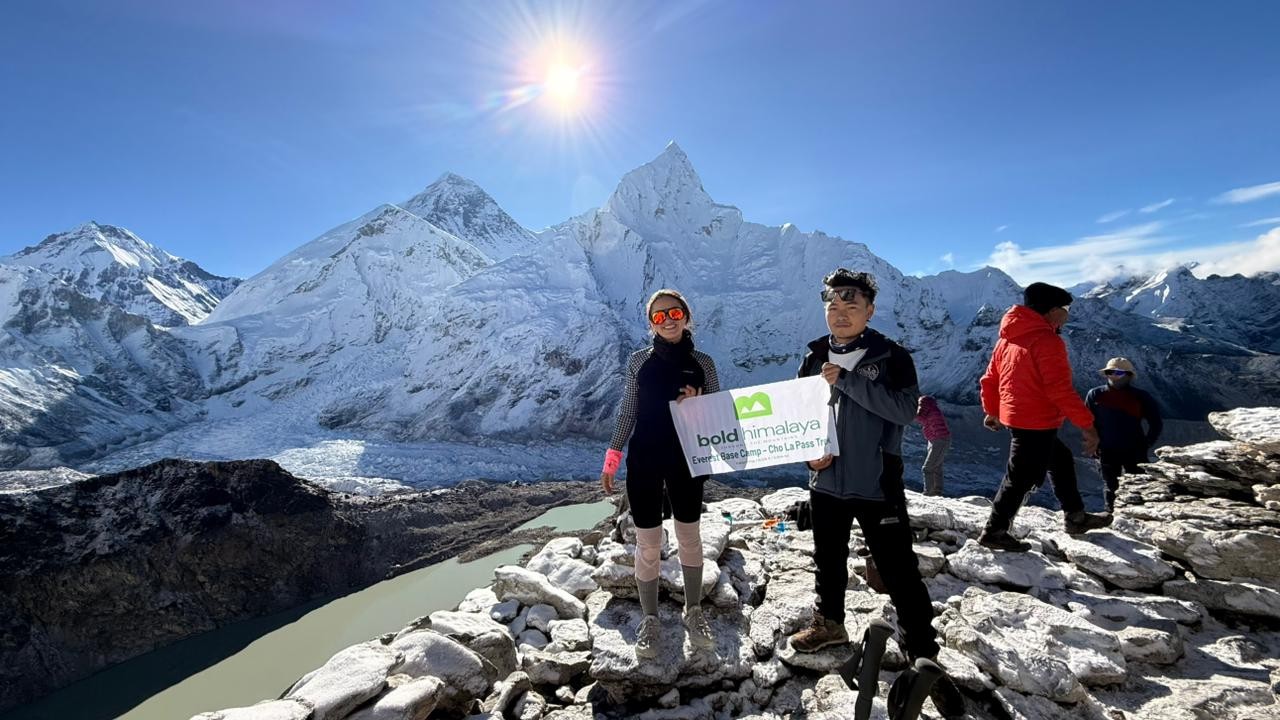
Kala Patthar is one of the best viewpoints on the Everest Base Camp Trek. Located at an altitude of about 5,545 meters (18,192 ft), it offers one of the closest and clearest views of Mount Everest without requiring technical climbing.
Kala Patthar literally means ‘Black Rock’ in Nepali. Trekkers usually hike here early in the morning or at sunset from Gorak Shep, the last settlement before Everest Base Camp. From the summit, you can enjoy breathtaking panoramic views of towering Himalayan peaks, including Mount Everest, Nuptse, Lhotse, and Pumori.
Because Everest itself is not clearly visible from Everest Base Camp, Kala Patthar has become the best vantage point for trekkers and photographers who want to witness the world’s highest mountain up close. The golden sunrise and sunset views over Everest from this rocky hill are considered one of the highlights of the entire trek.

2. Nangkartshang Peak Viewpoint
Nangkartshang Peak is a popular acclimatization hike and one of the best viewpoints located above the village of Dingboche on the Everest Base Camp trail. The short but steep climb takes trekkers to an elevation of about 5,083 meters, offering one of the most rewarding panoramic views in the Khumbu region.
From the top, you can witness a magical Himalayan panorama with towering peaks such as Ama Dablam, Makalu, Island Peak, and the vast Imja Valley stretching below. The breathtaking scenery, especially during sunrise or clear mornings, makes the climb truly unforgettable.
Besides the incredible views, hiking to Nangkartshang Peak is also an important acclimatization activity for trekkers heading toward Everest Base Camp. The hike helps your body adjust to the high altitude and prepares you physically and mentally for the challenging days ahead. After reaching this viewpoint and enjoying the stunning scenery, trekkers feel more confident and well-prepared for the next two days of the journey toward higher elevations.
3. Kusum Kanguru Peak View Point
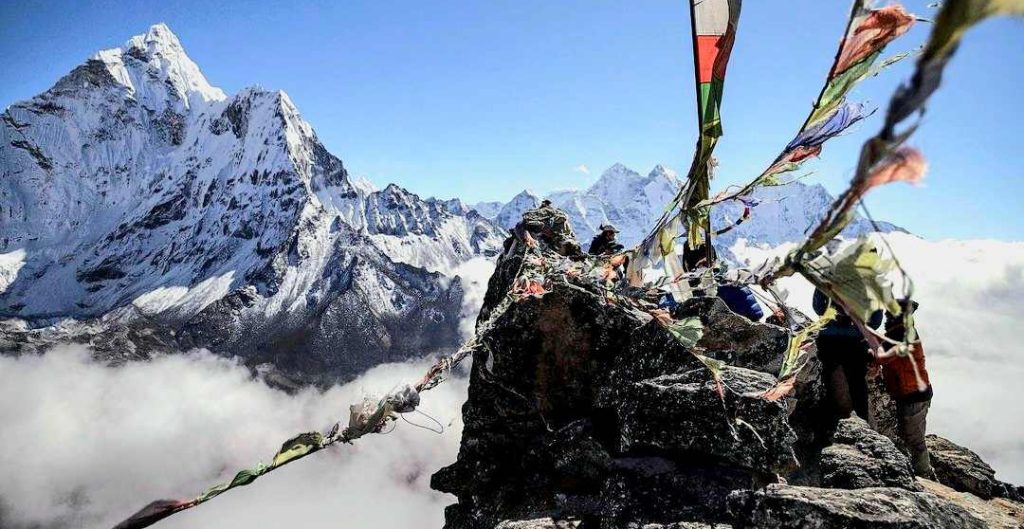
The Kusum Kanguru Viewpoint is a scenic spot along the trekking route in the Everest region that offers a stunning view of the dramatic Kusum Kanguru mountain (6,367 m). From this viewpoint, trekkers can admire the sharp, icy ridges and towering Himalayan landscape that make this peak one of the most beautiful mountains in the Khumbu area.
This viewpoint is often seen while trekking toward Everest Base Camp, and it provides a great opportunity to pause, take photos, and enjoy the peaceful mountain scenery. The sight of Kusum Kanguru rising above the valley gives trekkers an inspiring glimpse of the rugged beauty of the Himalayas.
4. Everest View Point
Near the foot of Mount Everest lies a viewpoint known as Everest View Point. It is a well-liked location for tourists to take in the magnificence of Mount Everest and the surrounding scenery. The Everest View Point is one of the first and most spectacular viewpoints of Mount Everest that trekkers experience in the Khumbu region. It lies above Namche Bazaar on a ridge called Syangboche, close to the famous Hotel Everest View, at an altitude of about 3,880 m (12,730 ft).
It lies above Namche Bazaar, inside Sagarmatha National Park, and is a key stop for trekkers heading toward Everest Base Camp. From this ridge, visitors are rewarded with their first clear sight of the world’s highest peak, Mount Everest, rising behind a dramatic wall of Himalaya giants. The viewpoint sits on a high ridge surrounded by alpine forests, prayer flags, and traditional Sherpa settlements, creating a peaceful and scenic atmosphere that perfectly represents the beauty of the Khumbu Valley.
From Everest View Point, trekkers can enjoy a spectacular panoramic view of several iconic Himalayan mountains, including Lhotse, Nuptse, Ama Dablam, and Thamserku. Sunrise is especially magical here, as the first rays of sunlight paint the snow-covered peaks in shades of gold and pink, creating an unforgettable Himalayan panorama. Many trekkers visit the viewpoint early in the morning or combine the hike with a stop at the nearby Hotel Everest View, where they can enjoy tea or breakfast while admiring the stunning views of the Everest massif.
Spectacular Mountains Above 8000m
One of the most unforgettable aspects of the Everest Base Camp trek is the chance to witness some of the highest and most breathtaking mountains on Earth. Trekkers are surrounded by towering Himalayan giants, each of which gives unique views and experiences along the trail.
Mount Everest, Lhotse, Makalu, and Cho Oyu are a few of the 8,000-meter mountains situated in Nepal’s Solukhumbu region. Mount Everest is the highest mountain on the planet; these peaks are regarded as some of the most arduous climbs in the whole world.
These summits demand the correct equipment, enough physical preparation, and acclimatization. Since the peaks are situated at a high elevation, the weather may be erratic and harsh.
1. Mount Everest
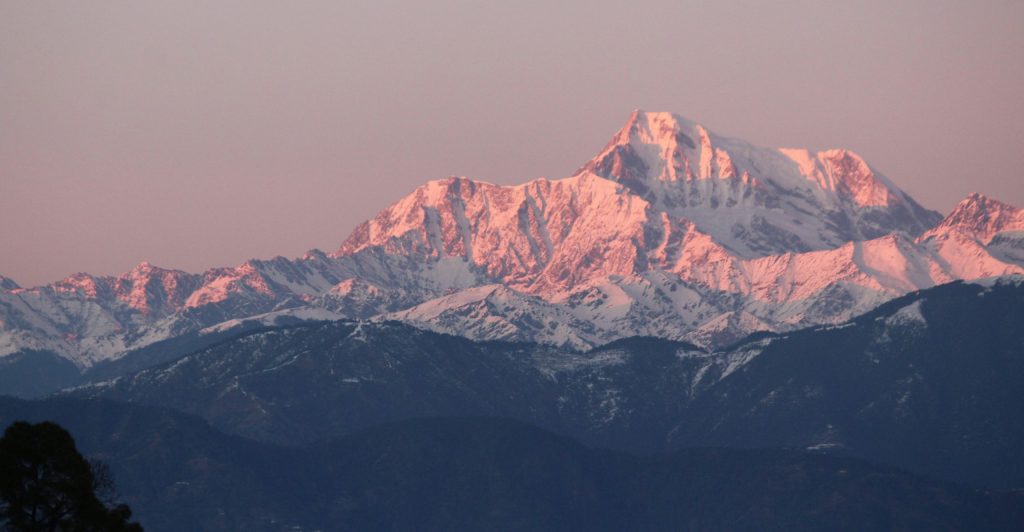
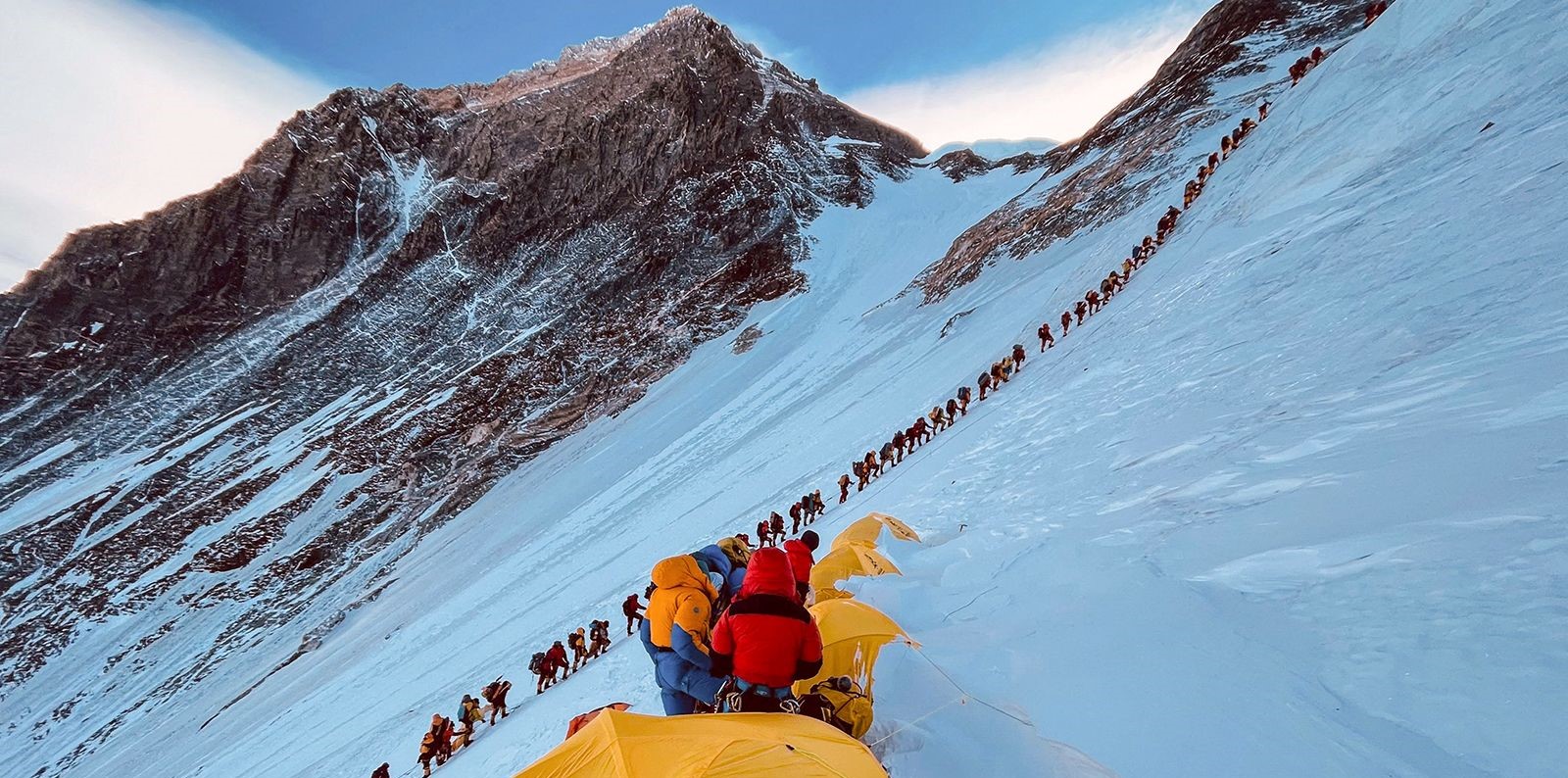
As the world’s tallest mountain, Mount Everest dominates the skyline. Mount Everest has captured the imagination of climbers and adventurers for centuries. Standing at 8,848.86 meters (29,031.7 feet) above sea level, it is located on the border of Nepal and Tibet, in the Solukhumbu district of Nepal. It is the main attraction of the region and is visited by thousands of trekkers and mountaineers each year. Seeing Everest up close is one of the most iconic things to see on Everest Base Camp trek, making every step of the journey even more rewarding.
Mount Everest is part of the Himalayan mountain range and is considered one of the most challenging and dangerous climbs in the world. The first recorded attempt to climb Mount Everest was made by British mountaineers George Mallory and Andrew Irvine in 1924. However, it was not until 1953 that Sir Edmund Hillary of New Zealand and Tenzing Norgay of Nepal became the first people to successfully reach the summit.
2. Mount Lhotse
Mount Lhotse is a mountain considered one of the most challenging and dangerous eight-thousanders in the world. Standing at 8,516 meters (27,940 feet) above sea level, it is the fourth-highest peak in the world, and it is located just south of Mount Everest. One of the key features of Lhotse is its proximity to Mount Everest. Its sharp, glacial ridges are visible from several points along the trail, especially near Tengboche and Dingboche. Lhotse’s majestic presence reminds trekkers of the grandeur and challenge of the Himalayas, making it another essential sight on the trek.
Many climbers who attempt to summit Mount Everest also try to summit Lhotse, as the two peaks share the same base camp and climbing routes. This makes Lhotse a popular objective for climbers who have already reached the summit of Mount Everest, and for those who want to tackle multiple peaks in one expedition. The demanding and steep paths on Lhotse are yet another distinguishing quality of the mountain.
3. Mount Cho Oyu
Cho Oyu, a mountain peak in Nepal’s Solukhumbu region, is regarded as one of the most difficult and perilous eight-thousanders in the world. It lies roughly 20 km west of Mount Everest and is the sixth-tallest mountain in the world, rising to a height of 8,188 meters (26,864 ft) above sea level. The fact that Cho Oyu’s climbing routes are less congested than those of other peaks in the area is one of its distinguishing qualities.
Additionally, as the trek to the base camp goes through several Sherpa towns, including Namche Bazaar, climbing Cho Oyu is a fantastic opportunity to learn about the culture and way of life of the Sherpa people. It offers a chance to get a taste of Sherpa culture and lifestyle while also seeing the area’s breathtaking scenery.
4. Mount Ama Dablam
Often called the ‘Matterhorn of the Himalayas,’ Ama Dablam is one of the most visually stunning peaks in the region. Its sharp summit and hanging glaciers make it a favorite subject for photographers and trekkers alike. Viewed from villages like Dingboche and Pangboche, Ama Dablam adds a magical beauty to the journey, solidifying its place as one of the must-see things on the Everest Base Camp trek.
5. Mount Makalu
Makalu is a majestic and imposing mountain, known for its steep and rugged terrain. It is the fifth-highest peak in the world, standing at 8,485 meters (27,838 feet) above sea level. The mountain is located in the Mahalangur range of the Himalayas, on the border between Nepal and Tibet. This location makes it a unique and challenging mountain to climb, as it is exposed to the harsh and unpredictable weather conditions of the Himalayas. Makalu’s first successful ascent was made in 1955 by a French team, led by Jean Couzy.
Makalu is also surrounded by Makalu Barun National Park and conservation area, which is home to a diverse range of flora and fauna, including the endangered snow leopard and red panda, making it a unique destination for nature lovers, trekkers, and climbers.
High Mountain Pass
Trekkers and mountaineers must pass through a number of these high-altitude passes in the Everest region of Nepal to get to Mount Everest’s base camp or summit one of the other peaks in the region. Both difficult and tiring ascents and breathtaking Himalayan mountain views may be seen on these passes. The following are some of the region’s most significant passes:
1. Thukla Pass
Thukla Pass is a high-altitude pass located in the Everest region of Nepal. It is one of the lesser-known passes in the region, and it is less frequently crossed than other passes like Kala Patthar or Cho La Pass. The pass is located at an altitude of 4,910 meters (16,108 feet), and it connects the villages of Gorak Shep and Lobuche, and it’s a part of the classic Everest Base Camp trek.
The Thukla Pass is also an important place of pilgrimage for the Sherpa people, as there are several memorials and stupas dedicated to the climbers and Sherpa who have lost their lives on the mountain. Trekkers should be respectful of the local culture and customs when visiting these memorials.
It’s important to note that the Thukla Pass trek is considered more challenging than the classic Everest Base Camp trek, and it requires more time, effort, and experience. It’s not advised for beginners or those who are not prepared for the altitude. It’s important to be aware of the risks of altitude sickness and to follow the advice of local guides and trek leaders. As with other passes in the region, it’s also important to respect the environment and not pollute the area.
Glaciers, Valleys, and Natural Landscapes
The Everest Base Camp is not only famous for its towering mountains but also for its spectacular glaciers, valleys, and protected natural landscapes. As trekkers move higher into the Khumbu region, the scenery transforms into a dramatic alpine environment filled with massive ice formations, glacier rivers, and wide Himalayan valleys.
The Everest region of Nepal is home to several large glaciers, which are integral to the landscape and play a vital role in the region’s ecosystem. The accumulation of snow and ice forms these glaciers, and the snowfall and glacial melt from the high Himalayas feed them. These glaciers are important for the local communities as they provide water for irrigation, domestic use, and hydropower generation. Some important glaciers are:
1. Khumbu Glacier

The Khumbu Glacier is the world’s highest glacier and one of the most remarkable natural features in the Everest region, located at the base of Mount Everest. The glacier is approximately 15 kilometers (9.3 miles) long and 1 kilometer (0.6 miles) wide, and it’s the starting point for climbing Mount Everest and other peaks in the area. The Khumbu Glacier is fed by the snowfall and glacial melt from the high Himalayas, and it’s the source of the Dudh Kosi River, which is a major tributary of the Bhotekoshi River. Trekkers walking toward Everest Base Camp can see the glacier’s rugged ice surface, with rocks and deep crevasses, creating a dramatic high-altitude landscape.
2. Khumbu Icefall
Located at the head of the Khumbu Glacier, the Khumbu Icefall is a constantly shifting mass of towering ice blocks and deep crevasses. It forms the first major obstacle for climbers attempting to summit Mount Everest. While trekkers usually view it from a safe distance near Everest Base Camp, its impressive and chaotic ice formations make it one of the most fascinating natural sights in the region.
3. Imja Glacier
The Imja Glacier is one of the major glaciers in Nepal’s Khumbu region, located in the eastern part of Sagarmatha National Park. It flows down from the southern slopes of Lhotse and Island Peak, forming a dramatic landscape of ice, rocks, and glacial moraines. The glacier stretches for several kilometers through the scenic Imja Valley, offering breathtaking views of the surrounding Himalayan peaks.
At the end of the glacier lies Imja Tsho (also called Imja Lake), a rapidly growing glacial lake formed by melting ice. The glacier and lake are important features of the Everest region and highlight the visible effects of climate change in the Himalayas.
Trekkers passing through villages like Dingboche and Chhukung can enjoy spectacular views of the Imja Glacier and the surrounding alpine landscape, making it one of the most remarkable natural attractions near the Everest Base Camp trekking route.
4. Sagarmatha National Park
Sagarmatha National Park is a UNESCO World Heritage Site that protects the unique environment of the Everest region. The park is home to diverse ecosystems ranging from lush forests of rhododendron and pine to high alpine terrain and glaciers. Trekkers may also encounter wildlife such as the Himalayan tahr, musk deer, and colorful pheasants while enjoying panoramic views of the world’s highest mountains.

Lakes
There are numerous high-altitude lakes in the Everest region, which constitute a prominent part of the scenery and are essential to the region’s environment. These lakes, which are generated by glacial melt from the high Himalayas, are appreciated by trekkers and mountaineers as they give breathtaking views of the neighboring peaks and a different viewpoint of the Himalayas. Some of the most important lakes in the Everest region include:
1. Cho La Lake
Cho La Lake is a high-altitude lake located in the Everest region. It is situated in the Khumbu region, near the Cho La pass, which is a popular trekking route that connects the villages of Dzongla and Gorak Shep. The lake is located at an altitude of 5,330 meters (17,490 feet) above sea level, and it’s surrounded by spectacular mountain peaks, including Ama Dablam, Lobuche Peak, and Pheriche Peak.
The Cho La Lake is a glacial lake that is formed by the glacial melt from the surrounding peaks, and it is known for its crystal clear waters and stunning scenery. The lake is a popular destination for trekkers and mountaineers, as it offers a unique perspective of the Himalayas and a sense of accomplishment for those who complete the trek.
Crossing Cho La Pass to reach the lake is a challenging part of the trek that requires good physical fitness, proper equipment, and careful acclimatization. The trail is steep and rocky, with sections of loose rock and scree, but the summit rewards trekkers with stunning panoramic views of the Himalayas.
The lake near Cho La is also considered sacred by local communities, so visitors should respect local culture and traditions. This route is more demanding than the classic Everest Base Camp trek, so trekkers should be prepared and mindful of the risks of altitude sickness while following the guidance of experienced guides.
2. Imja Lake
Imja Tsho (also known as Imja Lake) is a high-altitude glacial lake located in the Everest region. It is situated in the Imja valley, near the base of Mount Imja Tse (also known as Island Peak). The lake was formed by the retreat of the Imja Glacier and is considered a relatively new glacial lake that developed in recent decades. Located at an altitude of 5,010 meters (16,434 feet) above sea level, the lake is surrounded by spectacular Himalayan peaks, including Mount Everest, Lhotse, and Ama Dablam.

The Imja Tsho lake is considered a potential threat to the local communities as it’s prone to glacial lake outburst floods due to the melting of the Imja Glacier. The lake has grown rapidly in recent years, and it’s being closely monitored by the local authorities, as the potential for a GLOF (glacial lake outburst flood) could cause significant damage to the local communities and infrastructure.
The Imja Tsho lake is also a popular destination for trekkers and mountaineers, as it is located in the Imja valley, which is a beautiful and remote area known for its diverse landscapes, which range from subtropical forests to high-altitude deserts. The Imja Tse Base Camp trek, also known as the Imja Valley trek, offers a unique combination of natural and cultural experiences, as it passes through traditional Sherpa villages, lush forests, and high-altitude deserts, with stunning views of the Himalayas, including Mount Everest, Lhotse, and Ama Dablam.
Conclusion
In conclusion, the Mount Everest region is one of the most beautiful and culturally rich places in the world, and Bold Himalaya is the best company to help you explore it. With a wide range of travel options available, there’s something for everyone. Whether you’re looking for an adrenaline-pumping trek or hike, a cultural tour to explore the local customs and traditions, or an adventure activity, Bold Himalaya has got you covered.
FAQs about the things to see on Everest Base Camp Trek
1. What are the main attractions on the Everest Base Camp Trek?
The Everest Base Camp trek offers many remarkable attractions, including the panoramic viewpoint at Kala Patthar, the famous Tengboche Monastery, the vibrant Sherpa capital Namche Bazaar, the stunning Khumbu Glacier, and the dramatic Khumbu Icefall. Trekkers also enjoy incredible views of Mount Everest, Lhotse, Nuptse, and Ama Dablam.
2. What mountains can you see during the Everest Base Camp Trek?
During the trek, you can see several iconic Himalayan peaks, including Mount Everest (8,848.86 m), Lhotse, Nuptse, Ama Dablam, Thamserku, and Kangtega. These peaks create one of the most spectacular mountain landscapes in the world.
3. Why is Kala Patthar an important highlight of the trek?
Kala Patthar is the best viewpoint of Mount Everest during the trek. From its summit (5,545 m), trekkers can enjoy a close and unobstructed panoramic view of Everest and the surrounding Himalayan giants, especially during sunrise and sunset.
4. What cultural sites can trekkers visit on the Everest Base Camp Trek?
Trekkers can explore several cultural landmarks, such as Tengboche Monastery, the largest monastery in the Khumbu region. You will also pass through traditional Sherpa villages like Namche Bazaar, Khumjung, and Pangboche, where you can experience Sherpa culture, Buddhist traditions, and local hospitality.
5. What natural wonders can you see on the Everest Base Camp Trek?
The trek features dramatic Himalayan landscapes, including the massive Khumbu Glacier, the dangerous yet fascinating Khumbu Icefall, high alpine valleys, glacial rivers, and rhododendron forests inside Sagarmatha National Park.
6. Is Sagarmatha National Park part of the Everest Base Camp Trek?
Yes, the trek passes through Sagarmatha National Park, a UNESCO World Heritage Site. The park is home to diverse wildlife such as Himalayan tahr, musk deer, and the colorful Himalayan monal, along with breathtaking mountain scenery.
7. Which villages are worth seeing during the Everest Base Camp Trek?
Some of the most interesting villages along the route include Namche Bazaar, the trading hub of the Khumbu region, Dingboche, a scenic acclimatization stop with great mountain views, and Lobuche, located near the Khumbu Glacier.
8. What makes Everest Base Camp itself special?
Reaching Everest Base Camp (5,364 m) is the ultimate highlight of the trek. It is the starting point for climbers attempting to summit Mount Everest and offers a close-up view of the dramatic Khumbu Icefall and surrounding Himalayan peaks.
Comments (0)
Write a comment- Things to see on the Everest Base Camp Trek
- Airports
- Sherpa Villages
- Monasteries during the Everest Base Camp Trek
- Museums to visit in the Everest Base Camp Trek
- Stunning Viewpoints
- Spectacular Mountains Above 8000m
- High Mountain Pass
- Glaciers, Valleys, and Natural Landscapes
- Lakes
- Conclusion
- FAQs about the things to see on Everest Base Camp Trek
- 1. What are the main attractions on the Everest Base Camp Trek?
- 2. What mountains can you see during the Everest Base Camp Trek?
- 3. Why is Kala Patthar an important highlight of the trek?
- 4. What cultural sites can trekkers visit on the Everest Base Camp Trek?
- 5. What natural wonders can you see on the Everest Base Camp Trek?
- 6. Is Sagarmatha National Park part of the Everest Base Camp Trek?
- 7. Which villages are worth seeing during the Everest Base Camp Trek?
- 8. What makes Everest Base Camp itself special?
Read the latest Blogs & Insights
Explore our collection of articles and insights to gain in-depth travel knowledge, expert advice, and stay updated on the latest trends and tips.
View All Articles




No comments yet.