



Tihar: Nepal’s Festival of Lights
-
 Bold Himalaya
 -
29 October, 2025
-
12 mins read
-
746 Views
-
0 Comments


A Guide for Those Who Seek the Real Celebration
Walking through Kathmandu at sunset. Oil lamps flicker on every doorstep. Marigold garlands drape across merchant stalls. The entire city glows. Strangers embrace in narrow streets. This is Tihar. Nepal’s five-day festival. When light overtakes darkness.
Tihar sits at the heart of Nepali culture. Most travelers arrive wanting to see Everest or trek mountain trails. But those who time visits for Tihar discover something equally powerful: a nation transformed into a collective celebration of gratitude, prosperity, and family bonds.
What Tihar Means
Tihar derives from Sanskrit roots meaning “arrangement of lights” or “row of lamps.”For more information about Tihar and other Nepali festivals, visit the Official Nepal Tourism website. Locally, many call it Deepawali. The same festival is celebrated as Diwali across India and throughout Hindu communities globally. Yet, Tihar maintains its own distinct character through five days of specific rituals. Each is dedicated to honoring different aspects of existence.
The festival relates to ancient mythology where Yama, the God of death, granted his sister a gift. Any sister who performed rituals and applied a tika to her brother during festival season would ensure his protection and long life. This story shaped modern Tihar traditions and explains why family bonds receive such emphasis during these five days.
The Five Days Explained
Kaag Tihar (Day One): The Crow Ceremony
The festival begins with crows. On rooftops throughout Nepal, families place rice, beaten rice, and sweets as offerings. Crows serve as messengers of Yama in Hindu belief. By feeding them respectfully, families acknowledge death’s inevitability while seeking protection for the coming year. The ritual carries philosophical weight—acceptance of mortality makes life feel more precious, not less. Crows arrive knowing the season. They come in waves, feast, and depart.
Kukur Tihar (Day Two): Honoring Dogs
Every dog in Nepal receives recognition during this day. Street dogs get marigold garlands and red tilak marks applied to their foreheads. Working dogs and household pets receive the same honor. The ritual acknowledges the loyalty and companionship that dogs provide to human communities. Walking Kathmandu’s neighborhoods reveals decorated dogs resting contentedly, many receiving better meals than they’ll eat for months afterward.
Gai Tihar (Day Three): The Cattle Celebration and Laxmi Puja
Cows receive elaborate decoration and deep respect. In rural areas and throughout city streets, cattle adorned with flowers become walking blessings. Hindu tradition reveres cows as sacred; Gai Tihar formalizes this reverence. The ritual emphasizes gratitude toward animals sustaining agricultural communities and providing dairy products essential to Nepali subsistence.
This same day also marks Laxmi Puja in many regions. Oil lamps—diyas—number in millions across Nepal. Kathmandu, Pokhara, and villages simultaneously light countless flames. Lakshmi, goddess of wealth and prosperity, supposedly wanders the earth during this night seeking homes worthy of her presence. Families clean obsessively. Rangoli patterns—intricate designs created from colored rice, flowers, and natural materials—appear on doorsteps to welcome the goddess.
The visual spectacle defies description. Medieval streets glow orange and gold. Air carries scents of ghee and incense. Entire neighborhoods shine with synchronized illumination. Photography cannot capture the atmosphere—something about thousands of flames burning simultaneously creates an experience more spiritual than visual.
Goru Tihar / Govardhan Puja (Day Four): Oxen, Self, and Regional Traditions
Day Four takes different forms across Nepal’s communities. Goru Tihar honors oxen and bulls. Particularly, animals that work in agriculture. Similar to how cows receive worship on day three. Oxen receive decoration and respect for their labor and contribution to rural livelihoods.
In Newar communities throughout Kathmandu Valley, day four transforms into Mha Puja. A deeply personal ritual focused on self-worship and honoring one’s own body and life force. The ceremony involves intricate rituals performed in homes, acknowledging the individual as worthy of reverence and care. This practice reflects philosophical emphasis on personal responsibility and self-respect, foundational to Newar cultural identity.
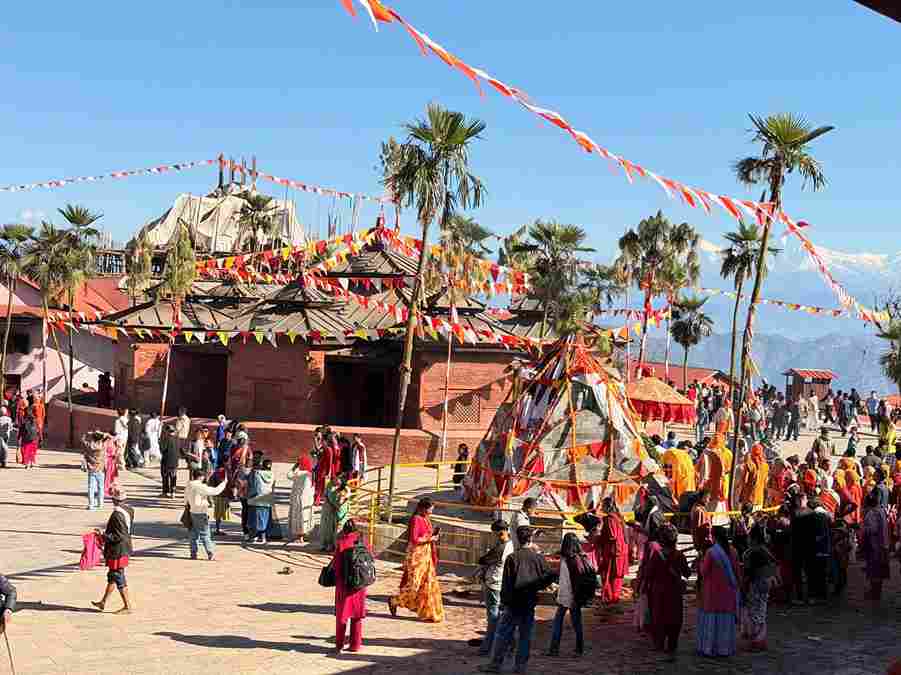
Govardhan Puja also occurs on this day in many regions, where communities honor mountains and create circular patterns symbolizing sacred geography. The rituals vary significantly by location and community tradition, but all emphasize respect for natural elements sustaining human existence.
The diversity of day four practices reflects Tihar’s adaptability across Nepal’s varied communities and geographic regions. What unifies these different traditions is their shared emphasis on honoring aspects of existence beyond immediate family—whether animals, self, or landscape.
Bhai Tika (Day Five): The Brother-Sister Bond
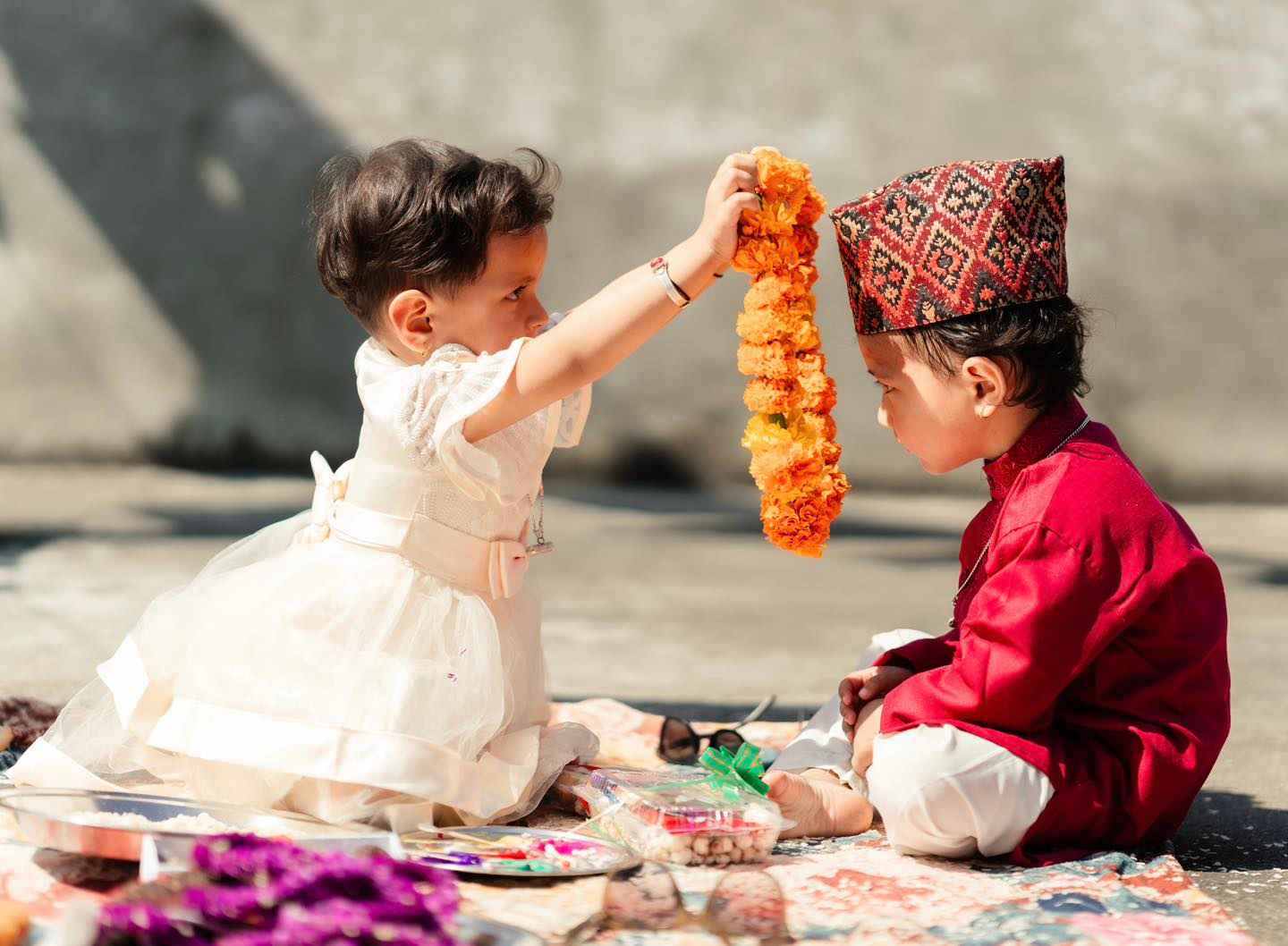
The final day focuses on family relationships. Sisters apply complex tilak marks on brothers’ foreheads using rice, yogurt, and vermillion. Patterns vary by region and family tradition. Sisters bless brothers and pray for their protection and long life. Brothers present gifts and renew promises of lifelong support. Even unrelated women perform this ritual for young men in their communities, extending the sibling bond’s metaphorical meaning.
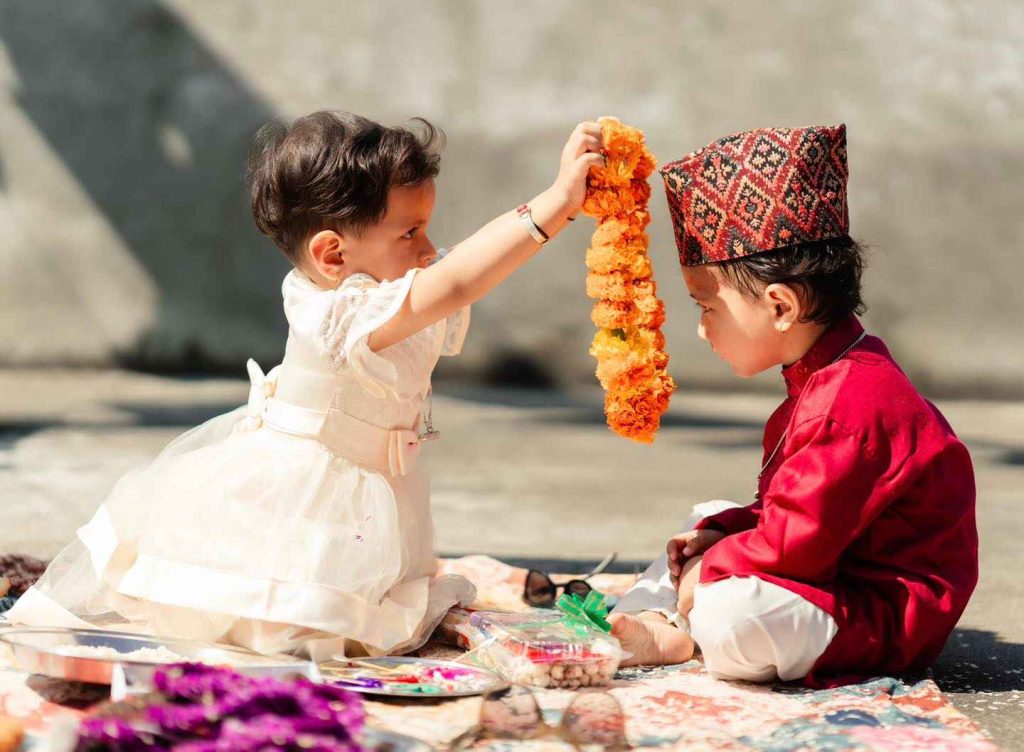
The emotional weight of this day surprises visitors. Grown men become teary during bhai tika ceremonies. The ritual acknowledges something essential about family bonds requiring maintenance through ritual and intention. Stories tracing back to ancient texts describe sisters protecting brothers from spiritual harm through their prayers and tilak application.
Why Tihar Matters to Nepal
Tihar embodies core Nepali values, transcending religious boundaries. The festival teaches that prosperity derives from gratitude rather than mere accumulation. It emphasizes interconnectedness between humans and all creatures. It prioritizes relationships and family bonds over material advancement.
The festival also serves practical social functions. Extended families scattered across Nepal return to ancestral homes. Relatives working in Kathmandu travel to villages. Generational knowledge transfers between elders and youth. Old friendships receive renewal. For five days, the normal economic pace halts entirely.
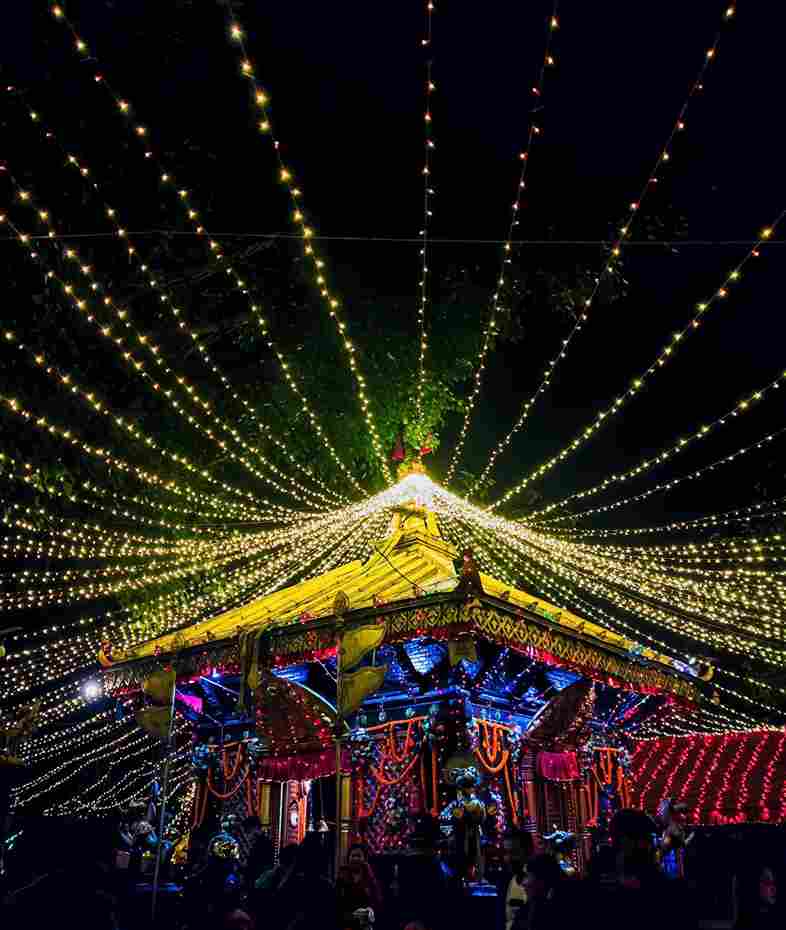
The spiritual atmosphere surrounding Laxmi Puja particularly affects visitors unfamiliar with large-scale collective devotion. Kathmandu during this night becomes something transcendent—medieval architecture glowing against midnight sky, thousands of strangers united in shared ritual, the sense that something sacred moves through ordinary streets.
Ten Facts Travelers Should Understand
Tihar spans exactly five days following the lunar calendar, shifting dates annually between October and November. The festival directly connects to Diwali, celebrated throughout India, though Tihar maintains distinct characteristics reflecting Nepal’s cultural synthesis. Yamapanchak—meaning “five days of Yama”—describes this complete cycle. Tihar typically follows Dashain, creating nearly six weeks of consecutive festival season.
The festival transcends religious boundaries; participation occurs regardless of faith or background. Kathmandu, Pokhara, and smaller towns all celebrate similarly, though rural observances maintain more traditional forms. Bhailo—traditional singing during Tihar evenings—involves groups moving through neighborhoods blessing homes. Deusi refers to girls and women who sing and dance during evenings, receiving gifts in return. These traditions emphasize community participation beyond formal religious ceremonies.
The festival carries roots traceable through Sanskrit texts and Buddhist scriptures spanning over two thousand years. Modern Tihar represents the cultural blending of Hindu, Buddhist, and indigenous Nepali traditions. Tourism during Tihar has increased significantly in recent decades, though family-centered celebrations remain central to the festival’s actual practice.
Visiting Nepal During Tihar
Timing requires planning. Festival dates shift yearly; check the current year’s lunar calendar dates three to four months ahead. Accommodation fills quickly; book hotels and guesthouses weeks in advance. Popular areas like Kathmandu’s Thamel reach capacity during peak festival days. Consider arriving for days three through five to witness major celebrations while avoiding the heaviest initial crowds.
The weather during October-November typically proves pleasant—neither monsoon humidity nor winter cold dominates. Clothing should include comfortable walking shoes for navigating crowded streets. Long pants or long skirts show respect during religious observances. Bringing small gifts proves appreciated if invited to household celebrations; quality tea or items from your home country work well.
Dietary considerations matter for some travelers. Festival foods contain heavy ghee and concentrated sugar. However, refusing offered food carries social significance; accepting small portions respectfully ensures better integration into family celebrations. Alcohol consumption during Tihar varies by region and family; when uncertain, follow your hosts’ lead.
Food of Tihar
Festival meals are as central to Tihar as its rituals, reflecting gratitude, celebration, and prosperity.
Sel Roti – This circular, fried bread has crispy edges and a soft, fluffy center. It appears on almost every household table during Tihar, and families often prepare it fresh throughout the festival season.
Sweets – Tihar brings an abundance of traditional Nepali sweets. Popular treats include:
- Khir – a rich rice pudding made with condensed milk
- Peda – dense, melt-in-the-mouth milk fudge
- Barfi – layered sweet blocks often flavored with nuts or spices
Dal Bhat – The staple Nepali meal of lentils and rice remains foundational, but during Tihar, its preparation receives extra attention and care.
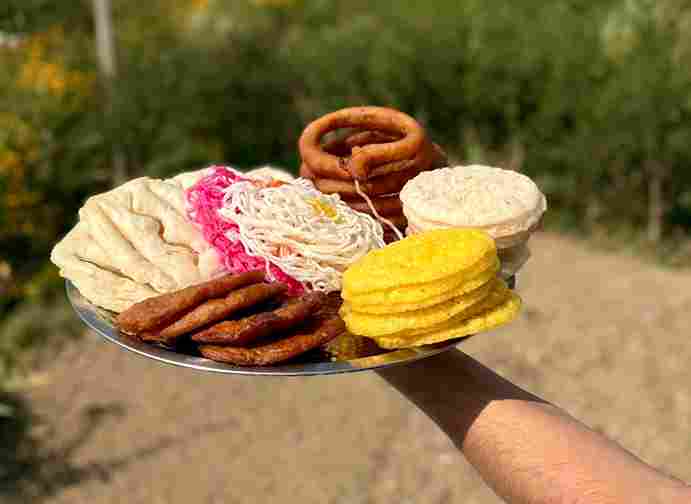
Beverages & Gatherings – Spiced tea (Chiya) and homemade barley beer (Chang) accompany festival meals. Evenings are often spent in warm, communal gatherings, enjoying food and company.
Tihar meals are rich, with ghee, milk, and sugar concentrated in each dish. Every bite symbolizes the welcoming of prosperity, gratitude, and abundance into the home
What to Expect in Kathmandu
Kathmandu during Tihar reaches peak visual intensity during Laxmi Puja night. Kathmandu Durbar Square receives elaborate decorations. Swayambhunath Stupa glows ethereally when festival lamps surround its golden dome. Pashupatinath Temple becomes the center of intense spiritual activity with pilgrims and devotees creating powerful congregation points. Markets transform completely—normally chaotic commercial spaces become temporary festival bazaars overflowing with goods specific to Tihar.
Neighborhoods like Asan and Indra Chowk offer experiences reflecting everyday Nepali life during Tihar. These areas, less frequented by tourism circuits, maintain authentic celebrations where community bonds remain central. Walking these streets at night during Laxmi Puja provides unmediated access to how ordinary Nepali families observe the festival.
Pokhara and Regional Variations
Pokhara during Tihar offers a similar celebration to Kathmandu but with less crowding. The lakeside city’s reflections, doubled by festival lights, create particularly striking visuals. Mountain views from Pokhara’s vantage points enhance the atmospheric quality during Laxmi Puja nights. Trekkers returning from high-altitude routes take descents to catch Tihar celebrations in valley towns, combining adventure with cultural immersion.
Tihar and Dashain: Connected Festivals
Dashain typically precedes Tihar by approximately one month, creating consecutive festival seasons spanning nearly six weeks during autumn. While both remain significant, they emphasize different values. Dashain celebrates Goddess Durga’s victory over evil, involving family reunions and ritual blessings from elders. Tihar, following Dashain’s completion, shifts focus toward gratitude, prosperity, and acknowledging life’s interconnectedness.
Tourism and Tihar: The Balance
Tourism’s relationship with Tihar has evolved considerably. Communities increasingly welcome visitors as culture-sharers rather than external observers. This shift benefits both travelers and local economies. Visitors gain authentic experiences; local communities receive seasonal economic support, sustaining livelihoods throughout the following months.
Responsible tourism requires genuine respect. Participate authentically rather than seeking social media content. Photograph respectfully—ask permission before capturing family rituals or individual moments. Take meals in local restaurants rather than tourist establishments. Stay in family-run guesthouses rather than hotel chains. These choices facilitate genuine cultural exchange.
Many tour operators structure Tihar packages for foreign visitors. Independent travelers often report richer experiences through spontaneous interactions and unscheduled participation in neighborhood celebrations.
The Real Story Behind Tihar
Beyond tourism appeal, Tihar represents something essential about how Nepali society functions. The festival teaches acceptance of natural cycles—birth, death, renewal. It emphasizes gratitude for what exists rather than striving for what doesn’t. It recognizes that prosperity comes through community and family rather than individual accumulation.
During Laxmi Puja, the message becomes visceral. Millions of tiny flames burning simultaneously carry prayers skyward. The collective act of lighting lamps creates something transcendent—not through grand gesture but through millions making an identical choice to honor gratitude and prosperity.
The bhai tika ritual on the final day crystallizes this philosophy. Sisters blessing brothers, brothers gifting sisters, extended family performing the same rituals for unrelated youth—these actions affirm that bonds between people matter more than anything material. The ritual costs almost nothing. Its value proves infinite.
Planning Your Tihar Experience
Arrive at least one day before the festival officially begins. This allows acclimation and positioning for optimal celebration experiences. Plan flexibility into schedules; Tihar activities prove unpredictable in timing and shift based on weather and family circumstances.
Budget for higher prices during festival periods. Accommodations, restaurants, and transportation increase rates during Tihar season. However, the experience’s value far exceeds typical tourist pricing. Allocate funds for small gifts, festival foods, and spontaneous participation opportunities.
Health precautions prove important. Festival foods contain rich ingredients; sensitive stomachs should pace consumption carefully. Stay hydrated during extended outdoor engagement. Air quality in Kathmandu sometimes decreases during Tihar due to increased vehicle traffic and ceremonial fires; those with respiratory sensitivity should monitor conditions.
Your Gateway to Nepal’s Heart
Tihar is not simply another travel destination. The festival represents Nepal’s collective identity expressed through light, ritual, and familial devotion. The celebration might overwhelm your senses with its intensity and color. The spiritual atmosphere might challenge your understanding of what community means. The family bonds you witness might reshape how you value relationships.
Pack your bags for the festival season. Book your flight to Kathmandu or choose a quieter celebration. Time your arrival during Tihar’s peak days. Your festival of lights experience begins the moment you step into streets transformed by millions of tiny flames, each one carrying hopes and gratitude skyward on Himalayan winds.
Comments (0)
Write a commentRead the latest Blogs & Insights
Explore our collection of articles and insights to gain in-depth travel knowledge, expert advice, and stay updated on the latest trends and tips.
View All Articles




No comments yet.