




12 Days Everest Base Camp Trek


Itinerary
Your Journey, Step by Step
Kathmandu/Ramechhap to Lukla & Trek to Phakding
Your 12-day Everest Base Camp trek itinerary begins with one of the most exhilarating flights in the world. Depending on the season, you will fly from Kathmandu or Ramechhap (Manthali Airport), landing at Tenzing-Hillary Airport in Lukla (2,860 m / 9,383 ft).
The flight offers stunning panoramic views of Langtang, Gaurishankar, and the Khumbu peaks—best seen from the left-side window. After meeting your guide and porters, the trek to Phakding (2,610 m / 8,563 ft) covers 8 km in 3–4 hours along gentle stone-paved trails beside the Dudh Koshi River, passing villages like Chheplung and iconic suspension bridges adorned with prayer flags.
Following the “sleep low” acclimatization principle, descending from Lukla to Phakding helps your body adjust to high altitude, giving you an advantage over express Everest Base Camp treks without acclimatization days. Overnight is at a comfortable teahouse, where you can enjoy a local meal and prepare for the ascent to Namche Bazaar the next day.
Phakding to Namche Bazaar (3,440m/11,286ft.)
From Phakding, the trail follows the Dudh Koshi River valley, passing villages like Zapute, Toktok, Benkar, and Chumoa. Along the way, enjoy stunning views of snow-capped peaks such as Kusum Kanguru (6,369 m) and Thamserku (6,623 m). At Monjo, the gateway to Sagarmatha National Park, your Bold Himalaya guide will handle your National Park Entry Permit.
Cross several suspension bridges, including the iconic Hillary Bridge, before starting the final climb up Namche Hill. The zigzag trail leads to Namche Bazaar (3,440 m / 11,286 ft), the bustling heart of the Khumbu, with panoramic views of Thamserku and Kongdi Ri.

Namche Bazaar – Acclimatization & Cultural Exploration
Today is a mandatory active recovery day on your 12 Days Everest Base Camp Trek, designed to help your body adapt safely to high altitude using the professional mountaineering principle of “Climb High, Sleep Low.” Sleeping at Namche Bazaar (3,440 m / 11,286 ft) while hiking to Hotel Everest View at 3,880 m / 12,730 ft allows your body to adjust to the 67% oxygen levels.
The morning hike takes 3–4 hours round trip along the Syangboche Airstrip trail and offers a stunning 360° panorama of Mt. Everest, Lhotse, Nuptse, and Ama Dablam. In the afternoon, you can explore the Sagarmatha National Park Visitor Center to learn about local wildlife and Sherpa mountaineering history, or visit Hillary School, Khumjung Village, and Monastery, home to the legendary Yeti Skull.
If your trek falls on a Saturday, the vibrant Namche Bazaar market showcases textiles, salt, and local produce from nearby villages and Tibet. Staying hydrated with at least 4 liters of water and avoiding alcohol or excess caffeine is essential for safe acclimatization.
Overnight accommodation is at a teahouse or lodge in Namche Bazaar, with breakfast, lunch, and dinner provided, including traditional Sherpa dishes like Dal Bhat, soups, and noodles. This day ensures you are well-acclimatized, energized, and fully prepared for the next stage of the 12 Days Everest Base Camp Trek.

Namche Bazaar to Tengboche – The Spiritual Heart of the Khumbu
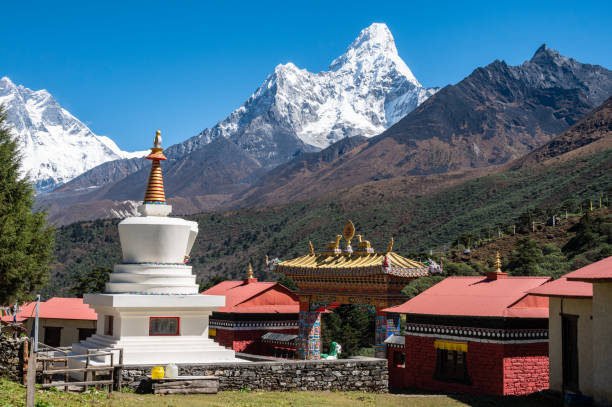
Day 4 of the Everest Base Camp 14-day Trek takes you from Namche Bazaar to Tengboche (3,860 m / 12,664 ft) and is one of the most scenic and culturally important days of the journey. The trek covers about 9.6 km and takes 5–6 hours, starting with a stunning high traverse above Namche that offers unobstructed views of Mt. Everest, Lhotse, Nuptse, and Ama Dablam, followed by a descent through rhododendron and blue pine forests to Phunki Tenga (3,250 m), where you cross the Dudh Koshi River by a suspension bridge and stop for lunch near traditional water-driven prayer wheels.
From here, the trail climbs steadily for about two hours through shaded forest to Tengboche, home to the famous Tengboche Monastery (Dawa Choling Gompa), the largest and most important Buddhist monastery in the Khumbu region.
The day includes undulating “Nepali flat” terrain, a deep descent, and a steep final ascent, with a net altitude gain of about 420 m.
If you arrive early, you can observe the afternoon Puja (prayer ceremony) around 3:00 PM, where the sound of long horns (Dungchen) and rhythmic chanting create a hauntingly beautiful and deeply spiritual atmosphere that is a highlight for many trekkers. Overnight is at a mountain lodge or teahouse in Tengboche, where colder ridge-top temperatures add to the authentic high-Himalayan experience.
Pro-Tip for 2026
In October, Tengboche hosts the Mani Rimdu Festival. If your 12 Days Everest Base Camp Trek coincides with these dates (typically late Oct), you will see incredible masked dances and sacred Sherpa rituals in the monastery courtyard.
Tengboche to Dingboche – Crossing the Tree Line
Day 5 of the 12 Days Everest Base Camp Trek takes you from Tengboche to Dingboche (4,410 m / 14,469 ft) and marks a dramatic transition into the high-altitude alpine landscape of the Imja Valley. The trek covers about 10.5 km and takes 5–6 hours, with a gradual but continuous ascent and an elevation gain of approximately 550 meters, making it physically moderate but more demanding due to thinning air.
The day begins with a short descent through mossy forests to Deboche (3,820 m), followed by a suspension bridge crossing over the Imja Khola, after which the trail climbs steadily toward Pangboche (3,930 m), one of the oldest Sherpa villages in the Khumbu and home to the historic Pangboche Monastery. From Pangboche, passing Shomare and Orsho, the route enters the wide Imja Valley, where forests disappear, and the terrain opens into high-altitude tundra with alpine grasses and windswept landscapes.
After the Pheriche–Dingboche trail junction, the path follows the right-hand route into the sheltered valley of Dingboche, a unique high-altitude settlement known for its stone-walled fields that protect crops from strong Himalayan winds and grazing yaks. Surrounded by towering peaks such as Ama Dablam, Lhotse, Island Peak, Taboche, and Cholatse, Dingboche is one of the most scenic and peaceful villages on the route and serves as the second major acclimatization stop of the trek.
Overnight is at a teahouse or mountain lodge in Dingboche, with breakfast, lunch, and dinner provided, including trekking staples like Dal Bhat, soups, noodles, and Sherpa dishes. This day’s steady ascent, changing landscapes, and increasing altitude make it a crucial adaptation stage as you move deeper into the high Himalayas and prepare for the higher elevations ahead.
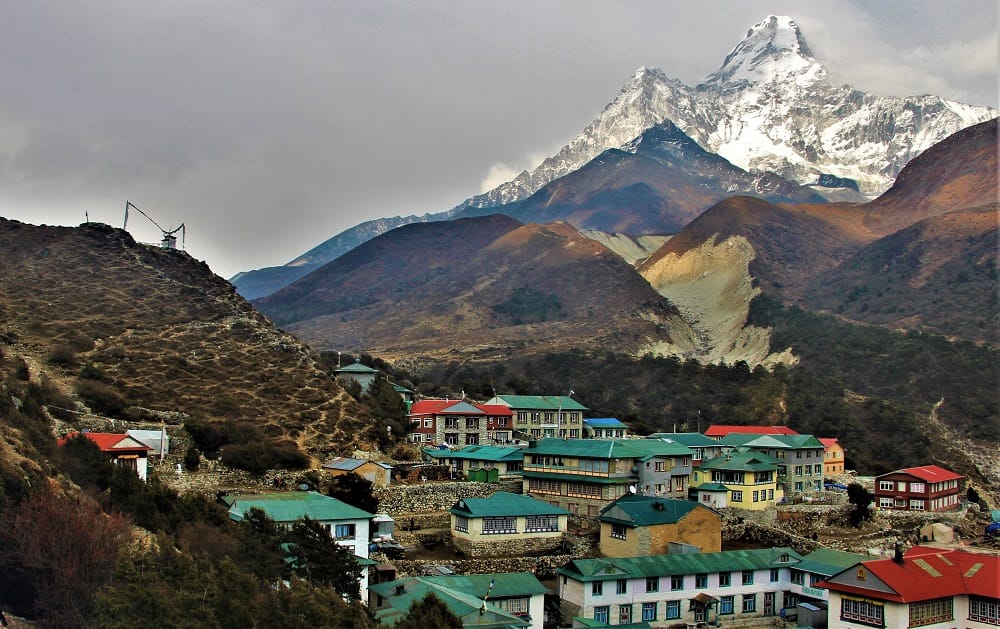
Second Acclimatization in Dingboche – The Nangkartshang Challenge
Today is the second mandatory acclimatization day of your Everest Base Camp 12-day Trek, essential for adjusting to the high-altitude environment of Dingboche, where oxygen levels are roughly 60% of sea level.
Following the proven mountaineering principle of “Climb High, Sleep Low,” you will take an acclimatization hike to Nangkartshang Peak (5,083 m / 16,676 ft), gaining 673 m over 3–4 hours along well-defined rocky trails.
From the summit, enjoy breathtaking 360° Himalayan panoramas, including views of Mt. Makalu (8,463 m), the south face of Lhotse (8,516 m), Ama Dablam (6,812 m), Island Peak (6,189 m), and the jagged ridges of Taboche and Cholatse, as well as the sweeping Imja Glacier.
After descending for lunch, the afternoon is reserved for rest, cultural exploration, and observing Dingboche’s traditional Sherpa lifestyle, including Mani walls, stone-walled barley and potato fields, and local cafes often referred to as the highest billiard parlors.
Staying well-hydrated (4–5 liters), eating carbohydrate-rich meals like Dal Bhat or garlic soup, and monitoring your oxygen saturation (SPO2) are critical at this altitude to prevent Everest Base Camp trek dangerous situations such as Acute Mountain Sickness (AMS).
Overnight accommodation is at a teahouse or mountain lodge in Dingboche with breakfast, lunch, and dinner provided, preparing your body for the challenging ascent toward Thukla Pass and beyond. This day ensures safe acclimatization while offering spectacular mountain scenery and insight into Sherpa culture, making it a crucial component of the 12 Days Everest Base Camp Trek.
Dingboche to Lobuche – The Memorial Pass and Glacial Moraine
Day 7 of your 12 Days Everest Base Camp Trek is a physically demanding but spectacular high‑altitude journey. Leaving Dingboche (4,410 m / 14,469 ft), the trail initially rises gently through the alpine meadows of the Pheriche Valley toward Thukla (4,620 m), a small cluster of lodges at the foot of the Khumbu Glacier’s moraine.
After a rest and lunch, you tackle the steep Thukla Pass (Chukpi Lhara), where oxygen levels drop to roughly 55% of sea level, making a slow, steady pace essential. At the top, you encounter the solemn Khumbu memorials, honoring climbers such as Scott Fischer and Babu Chiri Sherpa, offering a reflective pause amid the haunting winds and fluttering prayer flags.
The trail then follows the lateral moraine of the Khumbu Glacier, providing panoramic views of Pumori (7,138 m), Lingtren (6,749 m), Khumbutse (6,636 m), and Lobuche East, with the rugged glacier landscape defining the high‑alpine environment.
After 8–10 km (5–6 miles) and 4–6 hours of trekking, you arrive at Lobuche (4,910 m / 16,105 ft), a remote settlement of teahouses where your guide will perform an acclimatization check. Sunset over Nuptse casts a fiery glow across the peaks, while overnight temperatures can drop to -10°C to -15°C, emphasizing the need for warm layers and keeping water bottles insulated.
Meals include traditional trekking fare such as Dal Bhat, soups, and noodles, supporting your body for the next stage toward Gorakshep and Everest Base Camp. This day combines challenging terrain, high‑altitude acclimatization, and unforgettable Himalayan scenery, making it one of the most memorable legs of the Everest Base Camp trek.
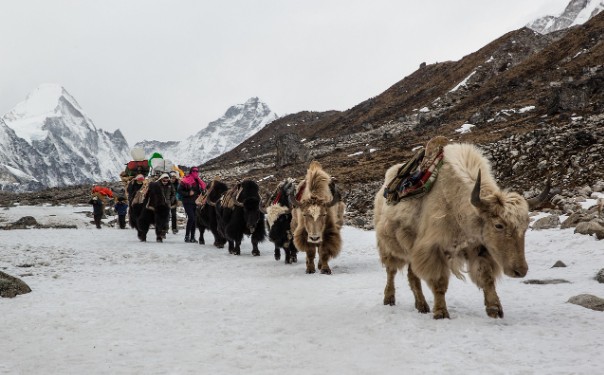
Lobuche to Gorak Shep and Everest Base Camp (5,364m)
Day 8 is the true Everest highlight of your 12-Day Everest Base Camp Trek, the day you reach the legendary Everest Base Camp (5,364 m / 17,598 ft). The trek covers about 12–14 km (7.5–8.7 mi) and takes 7–9 hours round trip, depending on pace and weather, with significant altitude gain making it one of the most challenging days of the trek.
You begin early from Lobuche (4,910 m / 16,105 ft) and follow the trail along the lateral moraine of the Khumbu Glacier, a stark, rocky landscape shaped by ancient ice. The path climbs gradually through loose gravel and rocky terrain toward Gorakshep (5,180 m / 16,990 ft), your resting point before the Base Camp push.
On arrival in Gorakshep, one of the highest permanent trekking settlements on the trail, you’ll take a short break and refuel before heading up the final section toward Everest Base Camp. This section is steadier and more exposed, with the icy Khumbu Glacier to your left and dramatic peaks rising all around. You pass frozen moraine ridges and scattered prayer flags marking the EBC trail.
At EBC, you stand at the foot of the massive Khumbu Icefall, one of the most dangerous and awe‑inspiring sections of the mountain climbed by expedition teams in spring. While trekkers do not cross the icefall, Base Camp itself offers an unforgettable panorama of Nuptse, Pumori, Changtse, and the surrounding Khumbu peaks, along with reminders of mountaineering history and expedition tents dotting the moraine.
After soaking in the accomplishment and views, you retrace your steps back to Gorakshep for your overnight stay. Lodging at this altitude is basic but functional, and meals typically include high‑energy trekking fare such as Dal Bhat, soups, noodles, and energy snacks to keep your strength up.
Note:
Even if you lose your appetite at Gorak Shep (common due to the 54% oxygen levels), force yourself to drink Garlic Soup. It is a natural vasodilator that helps with blood flow and is the unofficial Sherpa cure for altitude headaches.
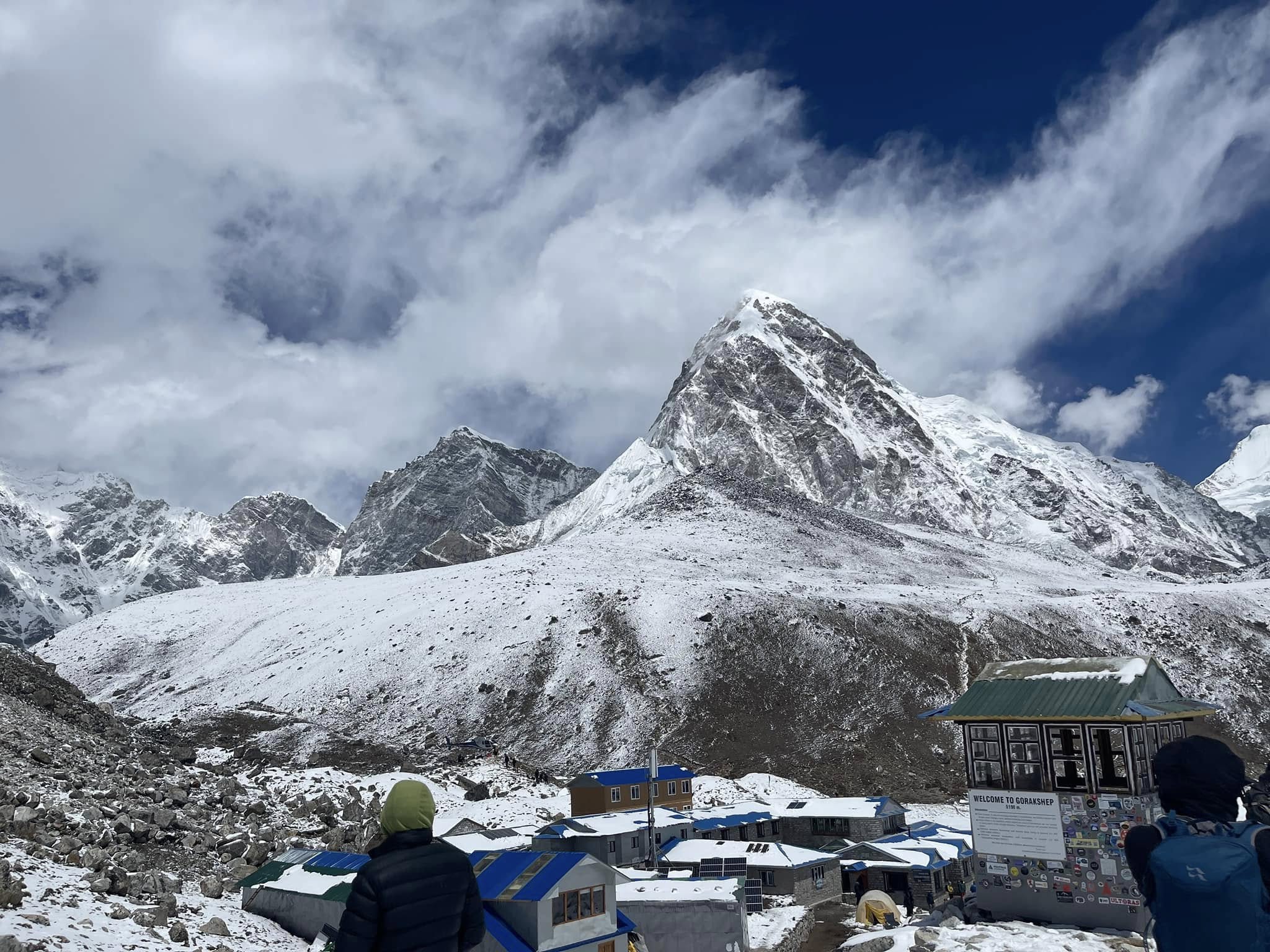

Gorak Shep - Kala Patthar (5,545m) and Descent to Pheriche
Day 9 of your 12 Days Everest Base Camp Trek is one of the most memorable and iconic segments of the journey. This day combines the highest viewpoint on the trek, Kala Patthar, with a long descent toward Pheriche, giving you both dramatic mountain vistas and a satisfying drop in altitude.
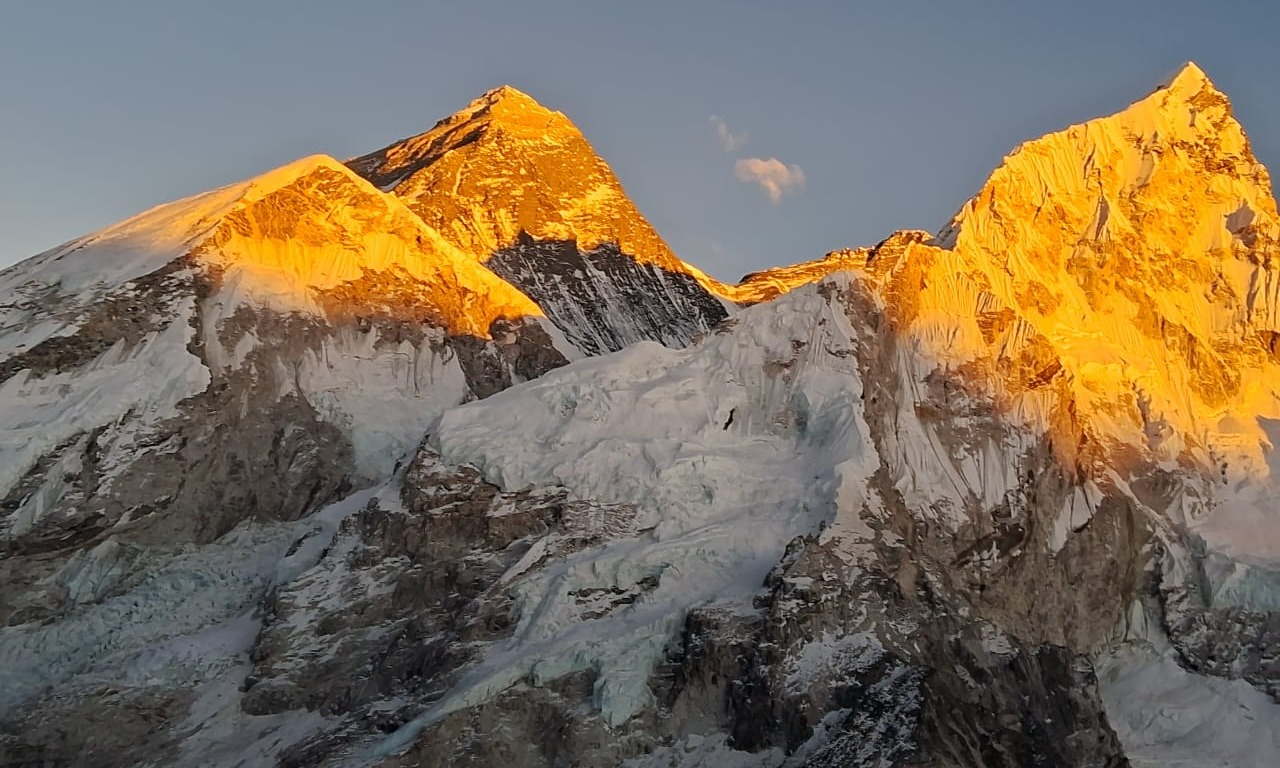
The hike begins in the freezing pre-dawn darkness (usually around 4:00 AM) from Gorak Shep.to Kala Patthar (5,545 m / 18,192 ft). Although the name translates roughly to “Black Rock,” Kala Patthar is famous for offering arguably the best panoramic sunrise views of Mount Everest (8,848 m), Nuptse, Lhotse, and Pumori from any point on the EBC trek. This short but steep pre‑dawn climb typically takes 2–3 hours round trip and is challenging due to the thin air oxygen levels at Kala Patthar, which are roughly 50%–55% of sea level.
Once you reach the viewpoint, the sunrise over the Himalayan giants with Everest and its neighboring peaks glowing in warm light is a highlight that many trekkers consider the pinnacle of the Everest Base Camp trek experience. After spending time at the top and taking in the sweeping vistas, you return to Gorakshep for breakfast and then begin a long descent all the way to Pheriche (4,210 m / 13,812 ft).
The trek back to Pheriche takes 5–6 hours, covering a distance of about 15–17 km (9–10 miles) depending on your route and pace. Because most of the walk is downhill or gently descending, the return leg helps your body recover from the high‑altitude exertion at Kala Patthar and Everest Base Camp while giving you more time to enjoy the breathtaking landscapes of the Khumbu Valley.
Along the way, you pass familiar settlements and trail junctions, retracing part of the Everest Base Camp trek distance and elevation change, and reminding you of the varied terrain you’ve covered from Lukla to the high alpine zone.
Overnight at a teahouse or lodge in Pheriche with breakfast, lunch, and dinner served. Dinner usually includes hearty, calorie‑rich meals like Dal Bhat, soups, noodles, and energy dishes to support recovery after a long day.
Pheriche to Namche Bazaar – The Descent into Life
After several challenging high-altitude days, Day 10 is a mostly downhill trek that retraces your steps through the Khumbu, bringing you back to the vibrant hub of Namche Bazaar. Starting from Pheriche (4,210 m / 13,812 ft), the trek covers approximately 15–18 km (9–11 miles) over 6–7 hours, with a descent of nearly 770 m.
The trail passes through Dughla, Lobuche, and Gorakshep, descending past the moraine of the Khumbu Glacier and entering the Imja Valley. Along the way, you cross the Imja Khola and Dudh Koshi River via suspension bridges and pass through alpine villages like Dingboche, Shomare, Pangboche, and Phunki Tenga, with short ascents along the “Khumbu Flat.” Highlights include Pangboche Monastery, stunning views of Ama Dablam, and opportunities to spot Himalayan wildlife such as the Danphe.
The final stretch takes you through Sanasa and Kyangjuma before reaching Namche Bazaar, where trekkers can celebrate at the World’s Highest Irish Pub or local cafes. Lodging is at a teahouse or lodge, with meals including Dal Bhat, soups, noodles, and traditional Sherpa dishes.
This day offers a restorative end to the high-altitude section of the trek, combining scenic alpine landscapes, cultural landmarks, and the comfort of returning to the Sherpa town, preparing you for the descent to Lukla the next day.
Namche Bazaar to Lukla – The Long Walk Home
Day 11 is the final leg of your 12 Days Everest Base Camp Trek, covering 18.5 km (11.5 miles) in 7–8 hours. From Namche Bazaar (3,440 m), you descend steeply toward the Hillary Bridge, then follow the Dudh Koshi River through Sherpa villages like Monjo, Phakding, and Toktok, passing mani walls and spinning prayer wheels. After a short final uphill to Lukla, you reach the airstrip, marking the completion of your trek.
Evening celebrations include a farewell party where trekkers can thank and tip their guides and porters for their support throughout the journey. Overnight is at a teahouse or lodge, giving you a chance to rest, share stories, and savor the sense of accomplishment after the Everest Base Camp trek.
Flight from Lukla to Kathmandu & Farewell
After completing the 12 Days Everest Base Camp Trek, you take a scenic flight from Lukla (2,860 m / 9,383 ft) to Kathmandu (1,400 m / 4,593 ft). This 20–30 minute flight provides breathtaking aerial views of Everest, Lhotse, Ama Dablam, and the Khumbu Valley, offering a memorable farewell to the Himalayas. Early morning departures are preferred, as the weather often dictates visibility.
Upon arrival in Kathmandu, the Bold Himalaya team hosts a special farewell dinner to celebrate your successful trek. This is also an opportunity to thank your guides and porters, tip them for their support, and share stories of your high-altitude adventure. During the evening, the team will welcome you to plan your next Himalayan trek, whether it’s the Annapurna Circuit, a shorter Mardi Himal trek, or any other adventure in Nepal. It’s a perfect way to conclude your journey while inspiring your next mountain adventure.
Inclusions
What’s Covered in Your Adventure
- All ground transportation (including airport pick up/drop) by private tourist vehicles
- Three-star category hotel in Kathmandu in twin sharing bed with breakfast basis & and best available standard trekking lodge during Everest base camp trekking route.
- Two-way domestic flight ticket from Kathmandu-Lukla-Kathmandu including airport tax
- Some necessary equivalents sleeping bag & Down jacket (if you need, return after trek)
- Full meals during trekking as mentioned in the itinerary (Breakfast, Lunch, Dinner ) with tea or coffee
- Essential First aid medicine items
- Sagarmatha National Park Trekking permit & TIMS card (Trekking Information Management System) and Pasang Lhamu Rular Municipality permit and necessary paperwork
- Necessary staff, guide, cook & porters their salary, accommodation, meals and their insurance, professional, friendly guide
- One special cultural show and farewell dinner program
- Duffle Bag, T-shirt, and Trip certificate
- Our government/Local taxes and official expenses
- International Airfare
- Travel Insurance
- Bar & Dersrt Bill
- Lunch & Dinner in Kathmandu
- Tips for the Trekking crew
Good to Know
Your Journey, Step by Step
Drinking Water
Drinking water is the most essential need that every trekker must be concerned with while trekking at a higher altitude. Trekkers must drink 3 to 4 litres of water per day to save energy and keep hydrated throughout the trek.
Local people in this region normally drink the water available from springs or taps, but that water is not considered fresh or safe to drink for trekkers.
Therefore, it is recommended that trekkers should carry water purification tablets or carbon filters to purify the water. You can also ask at tea houses or lodges to provide boiled water to drink.
Electricity and internet Facilities
Electricity is available throughout the Everest Base Camp trek. Electricity is generated through hydropower in the lower sections and solar power at higher altitudes.
As the electricity generated through solar power is of low voltage so there might not be enough sockets to charge your devices. You can ask the receptionist to charge your devices for an extra charge.
There is good access to internet facilities throughout the trail. Generally, internet services are provided through the means of Everest Link Wifi or using sim of Nepal Telecom. Internet speed might be quite slow in the tea houses or lodges due to the overconnection of devices.
Payment and extra money
While trekking, you’ll need to cover basic costs like food, accommodation, clothing, transportation, guide, and porter fees. However, there are additional expenses that can arise along the trail, and it’s important to be prepared.
For comfort and flexibility, it’s recommended to carry an extra NPR 1,500–2,000 per day. This will cover items such as:
-
Hot showers at teahouses
-
Snacks, tea, or coffee between meals
-
Bottled water or soft drinks
-
Private rooms or upgraded accommodations
-
Alcohol or special meals, if desired
Carrying this extra money ensures that you can enjoy your 12 Days Everest Base Camp trek without worrying about unexpected costs, and it allows you to make small upgrades or enjoy additional comforts along the way.
ATM Facilities and Money Exchange on the 12-Day Everest Base Camp Trek
The Everest Base Camp trekking trail passes through remote Himalayan regions where ATM and money exchange facilities are unavailable. Once you leave the city areas, you will not find any banks, ATMs, or currency exchange points along the trail.
Before starting your trek, it is essential to:
-
Withdraw sufficient cash in Nepalese Rupees (NPR) from ATMs in Kathmandu or other city areas.
-
Exchange foreign currency to NPR at official exchange centers in the city to cover all trekking expenses.
-
Carry extra cash for emergencies, snacks, hot showers, or optional services along the trail.
Planning your cash ensures a smooth, stress-free 12 Days Everest Base Camp trek, letting you focus on the adventure and Himalayan experience rather than worrying about money.
Visa Process to Enter Nepal
Every foreign citizen except a citizen of India will require a visa to enter Nepal. If you are interested to trek on Nepal, then you will have to go through the following process to get the tourist visa of Nepal.
- Your original passport is valid for at least the next two months and has two blank visa pages.
- Photocopies of the personal information page of your passport.
- At least one recent passport-sized picture of yourself.
- The completed and signed Nepal Tourist Visa Application form.
- Valid return flight or travel ticket and proof of sufficient financial means.
- Proof of having paid the Nepal visa fee.
For more deatils you can visit the immigration portal.
Health, Safety & High-Altitude Protocols for Everest Base Camp Trek
Trekking to Everest Base Camp (5,364m) is a thrilling adventure, but safety and acclimatization are crucial.
Bold Himalaya follows a scientific High-Altitude Risk Management System to help trekkers prevent altitude sickness, manage physical stress, and complete the trek safely.
Whether you’re a first-time trekker or an experienced adventurer, these protocols are designed for a secure and enjoyable journey.
-
Daily Health Monitoring for High-Altitude Safety
Proactive health checks are key to preventing Acute Mountain Sickness (AMS):
- SpO2 Monitoring: Blood oxygen saturation is measured twice daily to track how your body adjusts to thinner air.
- Heart Rate Tracking: Monitors early signs of fatigue or overexertion.
- Lake Louise Scorecard: Guides assess headache, nausea, and energy levels to determine safe daily altitude gain.
This routine ensures you ascend safely while minimizing the risk of AMS, HAPE, or HACE.
-
Golden Rules for Safe Ascent
Bold Himalaya follows proven high-altitude trekking guidelines to maximize safety:
- The 300m Rule: Sleeping altitude increases by no more than 300–500m per night above 3,000m.
- Climb High, Sleep Low: Day hikes to higher vantage points, then return to lower altitude for rest, helping red blood cells adapt.
- Zero-Alcohol Policy: Avoid alcohol above 3,000m to maintain optimal oxygen levels and hydration.
These rules, combined with expert Sherpa guidance, ensure a safe and sustainable trekking pace.
-
Hydration, Nutrition & Energy Management
High-altitude trekking changes how your body burns energy, so proper fuel is critical:
- Drink 4–5 liters daily using purified water with tablets or filters to stay hydrated.
- Carbohydrate-rich meals like fresh Dal Bhat provide sustainable energy for long trekking days.
- Snacks & Electrolytes: Trail snacks like nuts, energy bars, and rehydration salts help maintain stamina.
-
Emergency Preparedness & Insurance
Bold Himalaya prioritizes preparedness for the unexpected:
- Certified Guides: All guides are trained in high-altitude first aid and carry oxygen, Diamox, and medical kits.
- Mandatory Insurance: Covers emergency helicopter evacuation up to 6,000m.
- Trail Safety: Stay on the inner side of trails when animals pass, and never risk cliff edges.
Why This Matters
Following these high-altitude trekking protocols reduces the risk of AMS by up to 40% compared to rushed itineraries, ensures energy and stamina throughout your 12-day Everest Base Camp trek, and allows you to focus on enjoying stunning Himalayan views, Sherpa villages, and iconic monasteries.
Insurance
Travel insurance is mandatory for trekking in Nepal, as per government regulations. The Everest Base Camp trek takes you through high-altitude Himalayan regions, where sudden incidents like snowstorms, avalanches, or minor injuries can occur.
A proper travel insurance policy should cover:
-
Medical emergencies and hospitalization
-
Helicopter evacuation from high-altitude areas
-
Trip cancellations or delays
Having comprehensive travel insurance with different companies like World Nomads and IMG Global ensures your safety and peace of mind, allowing you to enjoy the 12 Days Everest Base Camp trek without worry.
Transportation Logistics: Flights & Overland Options
Navigating the journey to the Everest Region in 2026 requires more than just a flight ticket. At Bold Himalaya, we manage the complex logistics of Himalayan transit—whether you prefer the speed of a flight or the rugged reliability of an overland journey.
1. The Flight to Lukla: Kathmandu vs. Ramechhap
The Kathmandu to Lukla flight is the most popular entry point, but it has changed. To reduce air traffic, the Civil Aviation Authority now diverts most peak-season flights (March–May and October–November) to Manthali Airport in Ramechhap.
- Bold Himalaya Service: We provide private midnight transfers (leaving Kathmandu at 1:30 AM) to Ramechhap, ensuring you catch the first wave of flights for maximum reliability.
- Direct Flights: Outside of peak months, we prioritize direct flights from Kathmandu whenever available.
2. The Overland Alternative: EBC Trek by Road
For travelers who prefer a grounded approach, have a flight phobia, or are on a budget, the Everest Base Camp Trek by road is a scenic and safer alternative.
- The Route: You will be driven from Kathmandu to Salleri/Phaplu (approx. 9–10 hours) via the scenic BP Highway.
- Extension to Tham Danda: In 2026, the road was extended past Phaplu. During the dry season, our 4WD jeeps can reach Tham Danda or even Surke, bypassing the need to trek from lower altitudes and saving you 2 days of walking.
- Why Choose Road? It offers a more gradual altitude gain, significantly lower costs, and zero risk of flight cancellations.
3. Helicopter Transfers: The 2026 Time-Saver
When the weather closes Lukla’s runway for planes, helicopters can often still fly.
- Direct to Lukla/Namche: We offer shared helicopter seats from Kathmandu directly to Lukla or Namche Bazaar. This is the ultimate “safety net” for trekkers on a tight 12-day schedule who cannot afford weather delays.
Expert Guides & Ethical Porter Support
In 2026, the Nepalese government made it mandatory for all foreign trekkers to be accompanied by a licensed trekking guide.
At Bold Himalaya, we believe our team is the heartbeat of your journey. We don’t just provide “staff”; we provide local experts who are professionally trained in high-altitude medicine, Sherpa culture, and emergency coordination.
-
Professional Government-Licensed Guides
Your lead guide is more than a navigator—they are your High-Altitude Safety Officer.
- Experience & Training: Every guide is certified by the Nepal Mountain Academy and carries a valid Nepal Tourism Board (NTB) license. They are fluent in English and trained in Wilderness First Aid.
- Daily Health Monitoring: Your guide will conduct daily SpO2 checks and manage your acclimatization pace using the “Bistari, Bistari” (slowly, slowly) philosophy.
- Cultural Storytelling: Beyond safety, they act as a bridge to the local communities, explaining the history of the Tengboche Monastery and the traditions of the Sherpa people.
-
Ethical Porter Policy: Our “Fair Carry” Commitment
We take the welfare of our porters seriously. Unlike low-budget operators that overload their staff, Bold Himalaya follows strict ethical guidelines to ensure a sustainable and respectful working environment.
- Weight Limits: We strictly enforce a 12kg to 15kg limit per trekker for our porters. This ensures our porters carry a total weight that is safe for their long-term spinal health (max 30kg total per porter, shared between two trekkers).
- Full Insurance & Gear: Every porter is provided with medical and high-altitude rescue insurance. We ensure they have the proper high-altitude boots, windproof jackets, and sleeping gear necessary for the -20°C nights at Gorakshep.
- Fair Wages: By booking with a local agency like Bold Himalaya, you ensure that your money goes directly to the mountain communities.
-
Support Ratio & Logistics
- Standard Ratio: 1 Guide for every 1-8 trekkers; 1 Porter for every 2 trekkers.
- Baggage Logistics: You will carry a small daypack (water, camera, layers), while our porters move your main duffel bag directly to the next lodge, ensuring it’s waiting for you when you arrive.
Tipping Guidelines for 2026
While tipping is not mandatory, it is a deeply appreciated tradition in the Himalayas. In 2026, the standard group tipping rates are:
- Lead Guide: $15 – $20 USD per day (total from the group).
- Porter: $8 – $10 USD per day (total from the group).
Responsible Tourism & 2026 Eco-Friendly Protocols
At Bold Himalaya, we don’t just trek; we protect. Our 12-day Everest Base Camp trek is designed to minimize your footprint while maximizing your impact on local communities. In 2026, we have fully integrated the latest Khumbu environmental mandates into our operations.
1. Environmental Integrity: The “Clean Khumbu” Initiative
- Zero-Waste Mandate: We provide every trekker with biodegradable waste bags, a mandatory requirement for the 2026 season to manage high-altitude human waste sustainably.
- The 8kg Garbage Rule: In line with local regulations, we ensure all trekking waste is tracked. We encourage our guests to participate in the “Carry Me Back” initiative, taking a small bag of non-biodegradable litter back to Lukla for proper processing.
- Plastic-Free Hydration: Single-use plastic bottles are prohibited in the Khumbu. We provide UV-C purification or Chlorine Dioxide tablets and recommend high-quality reusable bladders.
- Renewable Energy: We prioritize teahouses that utilize solar or micro-hydro power, reducing the carbon footprint and the local dependency on firewood.
2. Social Equity: Respecting Sherpa Heritage
- The Ethical Trekker’s Code: Our guides provide orientation on Buddhist etiquette—ensuring you always pass Mani walls and Chortens in a clockwise direction.
- Community-First Lodging: We stay exclusively in locally-owned Sherpa teahouses. This prevents “tourism leakage” and ensures your money directly supports the village schools and infrastructure.
- Fair Trade Trekking: We strictly enforce a 15kg weight limit for our porters and provide them with full medical insurance, mountain-grade gear, and 2026-standard living wages.
3. Economic Responsibility
- Local Employment: 100% of our field staff are from the Himalayan regions, ensuring that the economic benefits of your trek stay within the mountain communities.
- Support for Local Education: Instead of handing out candy or pens on the trail, we facilitate direct donations to registered schools in the Khumbu Pasang Lhamu Rural Municipality.
Booking Confirmation
Everest Base Camp is one of the most popular trekking trails of Nepal, with an adventurous lifetime experience. If you are interested in trekking on Everest Base Camp and want to book a trip, you have to go throughan online product.
As our agency, Bold Himalaya, owns our own website, you can fill in the asked information or call us at our phone number to book a trip.
Once your booking request reaches us, we will further suggest that you to do advance payment of 20 percentage Non refundable budget to make sure your trip booking is confirmed.
Phone no: +977 984-9615880
Email: [email protected]
Last Minute Booking
Normally, trip booking done on last hour or within 24 hours before the trek starts is considered as last minute booking. We accept your last-minute booking and will organize your last-minute trips as much as possible.
We won’t let you feel that it was a rush decision, and remember, last-minute booking should be done 24 hours beforethe trek begins, otherwise we may not be able to provide you with an interesting trip.
Postponed Trips
Before your journey starts, if you have gone through some serious problems and there is chances that you won’t be able to attempt the trek, then you can postpone the trip for some other time.
If there are any cases of bad weather or certain incidents like Nepal Banda, then your trips will be postponed to another time by our agencies.
Lukla Flight, Weather & Travel Logistics
Flying to Lukla is one of the most thrilling and crucial parts of the 12 Days Everest Base Camp trek. For many trekkers, the Lukla flight marks the official start of the EBC Trek 2026 itinerary, but it also carries unique risks due to weather and high-altitude conditions. Proper planning, flexible schedules, and local expertise are essential to ensure a smooth start to your journey.
Kathmandu to Lukla Flight System
The standard route to begin your trek is a domestic flight from Kathmandu to Lukla, covering approximately 125 kilometers in 30–40 minutes.
- Flights are operated by multiple domestic airlines with experienced mountain pilots.
- Takeoff and landing are highly dependent on weather, so early-morning departures are recommended.
- Booking your Lukla flight well in advance is critical, especially during peak EBC trekking seasons.
- Travelers should plan for potential delays and maintain flexibility in their 12-day Everest Base Camp trek itinerary.
Ramechhap (Manthali) Airport Diversions
In recent years, seasonal diversions to Ramechhap (Manthali) Airport have become common due to Lukla flight cancellations or weather constraints.
- Diversions involve a 2–3 hour private vehicle transfer from Kathmandu to Ramechhap, followed by a domestic flight to Lukla.
- This option ensures your trek starts on time without skipping acclimatization schedules, maintaining the “Health-First” approach of the 12-day EBC trek.
- Experienced operators like Bold Himalaya manage these diversions seamlessly, prioritizing safety and minimizing stress.
Weather Risks & Flight Cancellations
Weather in the Khumbu region is unpredictable, and Lukla flights are particularly vulnerable to:
- Sudden fog, high winds, and rainfall
- Snow and ice during the winter months
- Monsoon cloud cover and reduced visibility
Tips for trekkers:
- Always allow extra buffer days in your itinerary for possible flight cancellations.
- Travel with flexible flight tickets when possible.
- Work with guides familiar with real-time weather monitoring to ensure safety.
Best Travel Windows for Reliable Flights
While the 12 Days Everest Base Camp trek is possible year-round, flight reliability improves when:
- The weather is generally stable
- Morning flight windows are prioritized
- Seasonal peak periods are considered (spring and autumn are usually the most reliable)
Even during winter or monsoon, careful planning, high-quality gear, and experienced guides make Lukla flights manageable. The key is flexibility, early starts, and local expertise to ensure your trek begins safely and on schedule.
12 Days Everest Base Camp trek Permits
When planning your Everest Base Camp trek, securing the correct permits is a critical first step, just as important as understanding your EBC trek itinerary, preparing a complete packing & gear list, and knowing the best time to trek.
Permits allow you to legally enter protected regions like Sagarmatha National Park and trek through the Khumbu region villages on your 12-day Everest Base Camp trek.
Obtaining permits ahead of time ensures you avoid delays at checkpoints along the trail, such as at Monjo and Namche Bazaar, and helps protect Nepal’s fragile mountain ecosystems. Below, you’ll find accurate and practical information on what permits you need and how to get them smoothly as part of your Everest trekking preparations.
1. Sagarmatha National Park Entry Permit
- This permit grants access to Sagarmatha National Park, a UNESCO World Heritage site that includes Everest and many surrounding peaks.
- It is checked at the park entrance near Monjo (Jorsalle) and must be carried with you throughout the trek.
- This permit also supports conservation efforts and community programs within the park.
2. Khumbu Pasang Lhamu Rural Municipality Permit
- This is a local administrative permit required to trek through the Everest region’s villages and trails.
- It is checked at Namche Bazaar, and both the Sagarmatha National Park permit and this permit are required before you continue toward Tengboche and beyond.
These permits are standard for all itineraries, whether you’re following a traditional EBC trek itinerary or a 12 Days Everest Base Camp trek framework.
You can obtain your permits in one of the following ways:
Booked Through a Licensed Trekking Agency.
Most trekkers, especially those doing the 12 Days Everest Base Camp trek, arrange permits through their tour operator. Agencies like Bold Himalaya handle the paperwork, payment, and delivery, ensuring everything is ready before your trek begins.
Altitude Sickness Prevention & Safety Protocols | 12 Days Everest Base Camp Trek
Trekking to Everest Base Camp is a dream adventure, but the high-altitude environment demands careful attention to health and safety. Understanding altitude sickness prevention and following structured safety protocols are essential for a successful 12 Days Everest Base Camp trek. Proper preparation allows trekkers to enjoy breathtaking Himalayan views while minimizing health risks.
AMS Symptoms & Warning Signs
Acute Mountain Sickness (AMS) is the most common high-altitude challenge on the EBC trek 2026. Early recognition of symptoms is critical to prevent escalation.
Key warning signs include:
- Headaches that don’t subside with painkillers
- Nausea, vomiting, or loss of appetite
- Dizziness, lightheadedness, or fatigue
- Shortness of breath even at rest
- Difficulty sleeping at higher altitudes
Detecting symptoms early allows guides and trekkers to take immediate action, preventing serious complications such as High-Altitude Pulmonary Edema (HAPE) or High-Altitude Cerebral Edema (HACE).
Pro Tip: Keep a daily health log of oxygen saturation (SpO₂) and heart rate. Monitoring these metrics is standard on professionally guided 12-day Everest Base Camp treks.
Acclimatization Techniques
Following a Health-First Trekking Protocol, acclimatization is key to reducing the risk of AMS on your EBC trek itinerary for 12 days.
Effective acclimatization strategies:
- Climb High, Sleep Low: Gain altitude during the day and descend slightly to sleep.
- Scheduled Rest Days: Planned stops at Namche Bazaar (3,440m) and Dingboche (4,410m) allow your body to adapt gradually.
- Slow Trekking Pace: Avoid rushing between high-altitude villages; steady progress reduces strain.
This scientifically structured approach ensures that your body adjusts efficiently, increasing your chances of reaching Everest Base Camp safely and enjoying the iconic sunrise from Kala Patthar.
Hydration, Nutrition & Rest Strategy
Proper hydration, nutrition, and rest are crucial on a 12 Days Everest Base Camp trek. Dehydration, inadequate calorie intake, or insufficient rest can exacerbate altitude sickness.
Best practices include:
- Drink at least 3–4 liters of water daily; consider electrolyte drinks.
- High-energy, high-protein meals to maintain stamina and recovery.
- Frequent short breaks and quality sleep at moderate altitudes before ascending higher.
Trekkers who integrate these strategies report improved endurance, better mood, and a reduced risk of AMS during the EBC trek 2026.
Emergency Response & Evacuation Planning
Even with precautions, unexpected altitude-related emergencies can occur. Professional operators, such as Bold Himalaya, include structured emergency response protocols in all Everest Base Camp trek packages.
Safety measures include:
- Daily SpO₂ monitoring with medical-grade pulse oximeters
- On-site high-altitude first aid kits and portable oxygen cylinders
- Established evacuation routes and helicopter support if necessary
- Guides trained in HAPE and HACE response procedures
These protocols provide peace of mind, ensuring that you can focus on the adventure while staying safe.
Why Altitude Safety Is Non-Negotiable
Your 12 Days Everest Base Camp trek is more than a hike — it’s a high-altitude expedition. Following a structured altitude sickness prevention plan and adhering to safety protocols not only maximizes your chance of reaching Everest Base Camp but also enhances your overall trekking experience.
Proper acclimatization, hydration, nutrition, and medical preparedness make the difference between a memorable Everest adventure and a risky ascent. By prioritizing safety, you enjoy the ultimate Himalayan journey with confidence and comfort.
Sherpa Culture, Monasteries & Himalayan Heritage
Beyond towering peaks and challenging trails, the 12 Days Everest Base Camp trek offers an immersive journey into the heart of Sherpa culture, Himalayan traditions, and ancient Buddhist heritage.
For travelers seeking more than just a high-altitude adventure, understanding the local lifestyle and spiritual landmarks adds profound meaning to the EBC trek 2026 experience.
Sherpa Lifestyle & Traditions
The Sherpas are the indigenous people of the Khumbu region, renowned for their resilience, mountaineering expertise, and warm hospitality. Experiencing Sherpa culture on the Everest Base Camp trek offers travelers insight into:
- Traditional living: Stone houses, mani walls, and prayer flags that blend spirituality with daily life.
- Cultural rituals: Festivals, local music, and religious ceremonies reflecting Tibetan Buddhist influence.
- Mountaineering heritage: Stories of legendary climbers and 14-time Everest summiteers provide inspiration for trekkers.
Engaging with Sherpa communities not only enriches the journey but also highlights ethical tourism practices that respect local customs and traditions.
Buddhist Monasteries on the Route
The trek passes several ancient monasteries, each a living testament to the spiritual depth of the Himalayas. Key stops include:
Tengboche Monastery
- Largest monastery in Khumbu, overlooking Ama Dablam.
- Known for prayer festivals and panoramic views of Everest and surrounding peaks.
- A spiritual hub where trekkers can witness traditional Buddhist rituals.
Pangboche Monastery
- Houses sacred relics and centuries-old murals.
- Offers a quieter, meditative atmosphere compared to larger monasteries.
- Cultural insight into daily monastic life and Sherpa devotion.
Khumjung Monastery
- Located in the oldest Sherpa village.
- Famous for its historic Yeti skull relic and Tibetan Buddhist artifacts.
- Provides an authentic glimpse into Himalayan history and local religious practices.
Sagarmatha National Park Significance
The 12 Days Everest Base Camp trek passes through Sagarmatha National Park, a UNESCO World Heritage Site. The park is not just a natural wonder but also a cultural landscape:
- Protects unique Himalayan flora and fauna, including snow leopards, red pandas, and Himalayan thar.
- Preserves Sherpa settlements, monasteries, and trekking trails that define regional heritage.
- Offers trekkers the perfect combination of environmental beauty and cultural immersion, reinforcing the “Everest Base Camp trek experience” beyond the climb.
Why Sherpa Culture & Heritage Matter
Understanding local customs, visiting monasteries, and respecting Sagarmatha National Park enhance the EBC trek 2026 experience. Cultural immersion ensures that the trek is not just physically rewarding but spiritually and emotionally enriching.
Experiencing Sherpa traditions and Himalayan heritage transforms a standard Everest Base Camp trek into a meaningful journey, giving travelers stories, memories, and perspectives that last a lifetime.
Everest Base Camp Trek Cost 2026/2027
Planning 12 Days Everest Base Camp trek starts with understanding the full cost. Trekking Everest is not just about adventure; it’s about safety, accommodation, logistics, and expert guidance, all of which influence the EBC trek cost 2026.
Knowing what goes into your trek helps you budget smartly, compare packages, and choose the right experience for your needs.
12 Days Everest Base Camp Trek Price Breakdown
The total Everest Base Camp trek cost in 2026 varies depending on group size, accommodation type, and optional services. Below is a transparent price guide per traveler:
| Group Size (PAX) | Cost Per Person (USD) |
| 1 | $1,375 |
| 2–3 | $1,265 |
| 4–5 | $1,220 |
| 6–9 | $1,210 |
| 10–15 | $1,190 |
| 16–25 | $1,150 |
| 26–40 | $1,100 |
What’s included in the base cost:
- Domestic flights: Kathmandu ↔ Lukla (or via Ramechhap if flights are canceled)
- Permits: Sagarmatha National Park, Khumbu Pasang Lhamu Rural Municipality, TIMS
- Accommodation: Teahouses or trekking lodges along the route
- Meals: Full board breakfast, lunch, and dinner during trek days
- Guides & porters: Experienced Sherpa guides, porter support, insurance, and tips
- Safety & medical support: Oxygen monitoring, first aid, and emergency protocols
This transparent breakdown ensures trekkers understand the full EBC trek package cost and avoid hidden fees.
Budget EBC Trek vs Premium Lodge EBC Trek
Your 12 Days Everest Base Camp trek cost can vary depending on your preferred comfort level:
Budget EBC Trek
- Standard teahouse accommodation with shared facilities
- Group meals and basic services
- Ideal for travelers seeking an affordable, yet safe and organized trek
Premium Lodge EBC Trek
- Upgraded rooms with private bathrooms, comfortable bedding, and hot showers
- Better quality meals and personalized services
- Optional private guides and small group trekking
- Offers enhanced comfort while still maintaining high-altitude safety protocols
By understanding the difference between the budget and premium EBC trek, you can select the package that balances cost, comfort, and adventure. For a deeper look at the difference between comfort levels, check out our guide on The Everest Base Camp Trek: Luxury vs Budget.
Optional Add‑Ons for Your 12-Day EBC Trek
Customize your trek to enhance convenience, comfort, and safety:
- Helicopter return from Everest Base Camp or Lukla: Ideal for those short on time or seeking a scenic aerial experience
- Private Sherpa guide: Personalized pacing, cultural insights, and one-on-one support
- Luxury lodge upgrades: High-end accommodation, hot showers, premium bedding
- Additional porter services: Carry extra luggage and reduce fatigue for a more enjoyable trek
Optional add-ons are a great way to tailor your EBC trek 2026 itinerary to your personal preferences without compromising the safety-first approach.
Why Understanding the Everest Base Camp Trek Cost 2026 Matters
Knowing your 12 Days Everest Base Camp trek cost helps you:
- Compare packages and avoid hidden fees
- Plan your budget effectively for flights, accommodation, guides, and permits
- Decide between budget and premium lodge options
- Include optional add-ons for a safer, more comfortable trek
- Focus on enjoying your trek instead of worrying about unexpected expenses
A transparent EBC trek price guide ensures you can prioritize safety, comfort, and experience over surprises, making your Everest adventure both unforgettable and stress-free.
Who Is This Trek Best For?
Understanding whether the 12 Days Everest Base Camp trek is right for you is essential for a safe and enjoyable experience. While this EBC trek 2026 is designed for a wide range of adventurers, proper preparation, fitness, and mental readiness make a significant difference in your success at high altitude. For a full overview, see our Main Things to Know Before You Go to the Everest Base Camp Trek.
Beginners vs Experienced Trekkers
The 12-day Everest Base Camp trek caters to both first-time trekkers and experienced hikers.
- EBC trek for beginners: With a health-first itinerary, proper acclimatization days, and Sherpa-guided support, even novices can complete the trek safely. The route emphasizes manageable daily distances and gradual altitude gain, minimizing altitude sickness risk.
- Experienced trekkers: Adventurers seeking high-altitude challenges can enjoy longer trekking days, optional side trips, and opportunities for photography and cultural immersion without compromising safety. For those, we have 16 days Everest Base Camp trek
This balance ensures the EBC trek difficulty level is achievable while still delivering a rewarding Everest experience.
Fitness Requirements
Physical fitness is important, but the 12 Days Everest Base Camp trek is accessible to most moderately active individuals. Key Everest Base Camp trek fitness requirements include:
- Ability to hike 4–6 hours daily on uneven terrain
- Cardiovascular endurance for high-altitude trekking
- Strength for carrying a daypack or optional personal gear
- Stamina for multi-day trekking at gradually increasing elevations
Even first-time trekkers can prepare with a structured Everest Base Camp trek training guide, combining walking, stair climbing, and light strength exercises to build endurance and reduce fatigue.
Mental Preparation
High-altitude trekking requires not just physical fitness but strong mental resilience. Key mental preparation tips for EBC trek 2026:
- Stay adaptable to weather changes, flight delays, and trail conditions
- Practice patience during acclimatization days at Namche Bazaar and Dingboche
- Develop stress management skills for isolation and long trekking hours
- Visualize daily progress and focus on the experience, not just the destination
Strong mental preparation enhances confidence, helps prevent altitude-related anxiety, and ensures you enjoy the cultural and scenic highlights along the trek.
Age & Health Considerations
The 12 Days Everest Base Camp trek is suitable for a wide age range, but certain considerations apply:
- Healthy adults aged 18–65 are generally ideal candidates
- Individuals with cardiovascular, respiratory, or chronic conditions should consult a physician before attempting high-altitude trekking
- Proper acclimatization and adherence to altitude sickness prevention protocols are critical for older trekkers
- Families and small groups can trek safely with guided support and optional porter assistance
By understanding your physical limits and health status, you can ensure your EBC trek experience is both safe and enjoyable.
Whether you are a first-time trekker, a moderately fit adventurer, or an experienced high-altitude hiker, the 12 Days Everest Base Camp trek 2026 is designed to accommodate different skill levels, age groups, and fitness levels.
Following proper EBC trek preparation, understanding your personal limits, and leveraging Sherpa guidance ensures a safe, culturally enriching, and unforgettable Himalayan journey. Main Things to know before you go to the Everest Base Camp Trek
Packing List & Gear Guide for 12 Days Everest Base Camp Trek 2026
Proper preparation for the Everest Base Camp trek is the foundation of a safe, comfortable, and unforgettable 12-day Everest Base Camp trek. A carefully curated EBC trek packing list 2026 ensures high-altitude performance, keeps your backpack manageable, and lets you fully enjoy the Himalayan adventure from Lukla to Everest Base Camp.
Essential Trekking Gear
- Backpacks: A durable main pack and a lightweight daypack
- Footwear & Poles: Waterproof trekking boots and trekking poles for stability on uneven terrain
- Accessories: Headlamps, sunglasses, hats, gloves, buffs, and reusable water bottles
- Safety Kit: A small first-aid kit, altitude medications, and hydration packs for daily trekking
Seasonal Clothing & Layering System
Layering is key for high-altitude comfort and safety:
- Base Layers: Moisture-wicking merino wool tops and bottoms
- Mid-Layers: Fleece jackets or pullovers for insulation
- Outer Layers: Windproof and waterproof jackets for cold, wind, and precipitation
- Special Seasonal Gear: Extra insulation for winter treks or waterproof gear for monsoon expeditions
Tech & Modern Essentials
- Connectivity: Ncell or NTC SIM cards for reliable communication along the trail
- Power: A 20,000mAh power bank, as charging at high camps may cost $5+ per device
- Navigation: GPS-enabled devices or trekking apps for route tracking and elevation monitoring
Health, Safety & Acclimatization
- Daily oxygen monitoring with a pulse oximeter
- Gradual acclimatization schedule to reduce the risk of Acute Mountain Sickness (AMS)
- High-energy snacks, hydration, and proper rest to maintain stamina
Sustainable Trekking Practices
- Carry reusable water bottles and minimize single-use plastics
- Use water purification tablets (e.g., Ef-Chlor) instead of buying bottled water
- Choose lightweight, durable, and environmentally responsible gear
Printable Checklist & Preparation Tips
Using a pre-planned checklist ensures nothing essential is forgotten—from clothing and trekking gear to safety equipment and medications. Proper preparation lets you focus on highlights like Kala Patthar sunrise, Sherpa villages, and Buddhist monasteries without worry.
Summary: A modern 12 Days Everest Base Camp trek packing list 2026 combines classic high-altitude essentials with tech-savvy, seasonal, and sustainable gear. This approach ensures comfort, safety, environmental responsibility, and a truly memorable Himalayan adventure.
Everest Base Camp Trek Accommodation Guide
Rest and recovery are the “silent partners” of a successful 12-day Everest Base Camp trek. In 2026, the Khumbu region will have evolved to offer a tiered system of lodging. At Bold Himalaya, we pre-book the best available lodges to ensure our trekkers stay in the warmest, cleanest rooms on the trail.
1. The 2026 Accommodation Spectrum
| Category | Recommended Locations | Features & Amenities | Est. Price (Room Only) |
| Luxury Lodge | Lukla, Namche, Deboche | Electric blankets, en-suite bathrooms, 24/7 hot water. | $250 – $450 |
| Standard Lodge | Phakding, Dingboche | Private twin rooms, attached toilets (lower elevations). | $15 – $35 |
| Basic Teahouse | Lobuche, Gorakshep | Plywood walls, shared “squat” toilets, solar lighting. | $5 – $15 |
2. Regional Breakdown: What to Expect by Altitude
Lower Khumbu (2,600m – 3,440m): The Comfort Zone
From Lukla to Namche Bazaar, you are in the “Green Zone” where logistics are easier, and comfort is higher.
- Top Recommended Lodges: Yeti Mountain Home (Luxury) or Hotel Namche (Standard).
- 2026 Amenities: You can expect attached bathrooms with western-style toilets, electric blankets, and even high-speed fiber Wi-Fi in Namche.
- Pro Tip: Namche Bazaar is the last place for a reliable, pressurized hot shower before heading into the higher wilderness.
Mid-Altitude (3,800m – 4,400m): The Transition
As you pass Tengboche and Dingboche, the “Luxury” lodges disappear and are replaced by sturdy, family-run teahouses.
- The Vibe: Rooms are twin-share with two single beds. Walls are thin (bring earplugs!).
- Heating: Bedrooms are not heated. The only heat source is the central pot-belly stove in the dining hall, typically fueled by dried yak dung.
- Bold Himalaya Safety: We provide medical-grade -20°C sleeping bags for these nights to ensure your core temperature remains stable.
High Altitude (4,900m – 5,164m): Functional Survival
In Lobuche and Gorakshep, accommodation is a matter of necessity over luxury.
- Gorakshep (The Final Stop): This is the highest sleeping point (5,164m). Lodges like Everest Inn or Buddha Lodge are basic but offer life-saving shelter.
- 2026 Reality: High demand in peak season (Oct/May) means rooms are tight. Bold Himalaya guarantees your bed through early-season contracts.
3. The “Hidden” Costs of 2026 Himalayan Lodging
Trekking at 5,000m means resources are flown in by helicopter or carried by yaks. Be prepared for these service fees:
- Everest Link Wi-Fi: $20 for 10GB or $30 for 20GB (Valid for 30 days).
- Hot Showers: $5 in Namche; up to $10 in Gorakshep (Often a bucket of hot water).
- Device Charging: $3 – $8 per device. We recommend bringing a 20,000mAh Power Bank to save costs.
- Boiled Water: $2 – $4 per liter. Avoid plastic bottles—use LifeStraw or purification tablets to be an eco-friendly trekker.
Why Bold Himalaya Stays are Different:
- Attached Bathrooms: We prioritize rooms with private toilets in Lukla, Phakding, and Namche wherever possible.
- Kitchen Hygiene: We only partner with teahouses that undergo our annual hygiene audit to prevent “trekker’s belly.”
- Pre-booked Logistics: In 2026, Gorakshep lodges fill up by midday. With us, your room is confirmed before you even start walking.
To know more about the Accommodation During the Everest Base Camp Trek, you can read this.
Food on the Everest Base Camp Trek
Food on the 12 Days Everest Base Camp trek is simple, fresh, and designed for high-altitude energy. Meals are served in local teahouses along the trail and provide the nutrition needed for long trekking days.
Typical meals include:
- Dal Bhat (rice, lentils, vegetables)
- Noodles, pasta, rice dishes
- Soups (garlic, vegetable, noodle)
- Tibetan bread, chapati, pancakes
- Eggs, porridge, muesli
- Tea, ginger tea, lemon tea, coffee
Meals are high in carbohydrates, easy to digest, and suitable for altitude trekking. Food options are wider in lower villages and become simpler as you go higher.
Food cost:
- Lower regions: $5–$10 per meal
- Higher regions: $8–$15 per meal
Tip: Always eat freshly cooked food and drink boiled or purified water.
Food on the Everest Base Camp trek is nutritious, safe, and altitude-friendly—keeping you energized for a successful Himalayan journey.
Mastering the 15kg Limit: Packing for Efficiency and Safety
In 2026, the strict 15kg weight limit for Lukla and Ramechhap flights remains a critical safety protocol due to the short runways and high-altitude performance of small STOL aircraft. To stay within this limit, we recommend a “split-load” strategy: 10kg for your duffel bag (carried by your porter) and 5kg for your daypack (carried by you).
The key to optimizing this weight is prioritizing high-fill-power down and technical merino wool, which provide maximum warmth-to-weight ratios.
We advise trekkers to wear their heaviest items—such as trekking boots, down jackets, and cameras—during the flight to save luggage weight. Furthermore, our 2026 protocols emphasize responsible trekking; by keeping your duffel to 10kg, you ensure our porters maintain a healthy and sustainable work pace.
If you have extra city clothes or gear, Bold Himalaya provides secure, free storage at your Kathmandu hotel, allowing you to fly light and focus entirely on the trek.
Struggling to fit everything? Ask our gear experts for a 1-on-1 packing consultation once you book your 2026 EBC adventure
Contact: +977 984-9615880
Email: [email protected]
FAQs
Your Questions, Answered
How to prevent altitude sickness?
The best way to prevent getting altitude sickness is to travel to altitudes above 2,500 meters slowly.
You can also:
- Avoid trekking directly on high altitude
- Avoid climbing more than 300 to 500 meters a day after 2,500 meters.
- Have a rest day every 600 to 900 meters you go up.
- Make sure you’re drinking enough water
- Eat a light but high-calorie diet.
Can I continue the trek after rest if I got sick?
You can continue going up with care once you feel you have fully recovered. If you do not feel any better after 24 hours, go down by at least 500 meters. Do not attempt to climb again until your symptoms have completely disappeared.
How much down payments should I pay while booking a trip?
To ensure your booking trip the 20% down payments is required to make advance as per company policy. As Nepal most liked tourist destinations and always overbooked we encourage you to make advance payment on time to secure your reservations.
How much should I give tips to trekking crews?
It is a better rule to thumb when trekking is to tip the equivalent of $5 per day for guides and $2 to $4 per day for porters. With guide and porters your trips will be more comfortable and memorable. You can give $ 5 per day for cook who will give you delicious food around the trek.
Why trek with Bold Himalaya?
Trekking with any agencies will give you more confidence and motivates you as well as you will be well known about the cultures and traditions of the society. Our Bold Himalaya is one of the renowned trekking agencies of Nepal. Some reasons why you trek with Bold Himalaya are:
- Trek with professional guide during your trip.
- Get valuable information and knowledge of trekking site.
- Easy to get permits for rural and Restricted Area trekking.
- Easily accessible of trekking materials and you won’t have to be worry.
- No compromise on your safety and security.
How difficult is Everest Base Camp Trek?
The difficulty level of the Everest Base Camp is moderate as the journey leads person to reach a calming state of mind, yet there are various obstacles present before reaching the destination. Even though the Everest Base Camp trek requires no prior trekking expertise, it is suggested that the trekker should be determined and be physically fit.
How many days does it take to complete Everest Base Camp trek?
Days required to complete Everest Base Camp trek depends on how you spend your days during trekking. If you do continuously trekking with one acclimatization day, then your trekking on Everest Base Camp will be completed in 12 days.
What are the benefits of Everest Base Camp trek?
Trekking on Everest Base Camp, you will be rewarded with great panoramic view of mountains, remote villages, lush vegetation and unique Sherpa culture. Some benefits of Everest Base Camp trekking are given below:
- Trek through an unexplored region of Khumbu
- Low risk of high altitude and program on schedule
- Exploration of Sherpa culture and Sherpa town ‘Namche’.
- Panoramic mountain views including Everest, Lhotse, Makalu, Cho Oyu and Ama Dablam.
- Safe from scary Lukla flight and Lukla Airport
How much does it cost for Everest Base Camp trek?
The cost for Everest Base Camp trek is not fixed price. The journey would cost anywhere between US$2500 to US$4500 depending on route, the outfitter and the services. The luxurious trekking packaging and return by helicopter will cost a bit higher than standard trekking packages.
What mountains can be seen from Everest Base Camp trek?
Everest Base Camp trek is more famous to observe the gigantic mountain views that are of more than eight thousand meters. The mountains like Mt. Everest (8,848.86m), Mt. Lhotse (8,516m), Mt. Makalu (8,463m) , Mt. Cho Oyu (8,201m) and Mt. Ama Dablam (6,812m) can be seen clearly on a clear day from Everest Base Camp trek.
How high is Kala Patthar?
Kala Patthar is the main destination as well as highest point of the Everest Base Camp trek. Kala Patthar is situated at an altitude of 5,555 meters above from sea level. Kala Patthar is famous place to observe close and clear view of mountains on Khumbu region as well as to observe glacier and lakes within this region.
Can beginners do Everest Base Camp trek?
The trek is categorized as moderate in terms of difficulty level but Everest Base Camp trek for beginner might be little challenging. Though, the trek can be easily completed with basic physical fitness along with mental fitness. You will walk through the rocky trail with several uphill and downhill.
How cold is Everest Base Camp trek?
Temperatures range throughout the year from around 22 degrees in the height of sumer to as low as -5 degrees in winter during the day with temperatures at night ranging from -15 degrees in the winter to around 4 degrees in the summer months. In conclusion, we can say trekking on Everest Base Camp is a bit cold throughout the year.
What are the popular trips in Everest region?
As the trekking trails in Everest region provides a perfect lifetime trekking experience to any trekkers. Some popular trips in Everest region are as follows:
- Everest Base Camp trek
- Gokyo Lake tour
- gokyo Lake and Gokyo ri trek
- Everest Base Camp Luxury lodge trek
- Everest Base Camp helicopter tour
- Everest Three passes trek
- Everest view trek
How many days of acclimatization are enough for Everest Base Camp trek?
Everest Base Camp trek lies at higher altitude in the lap of Mt. Everest. As the trekking is in higher altitude enough acclimatization day is needed to complete the trek successfully. Two days of acclimatization at Namche Bazar and Dingboche are enough for Everest Base camp trek.
Is 12 days enough to reach Everest Base Camp safely?
Yes, 12 days is enough to reach Everest Base Camp safely because our itinerary is professionally structured with 2 acclimatization days, safe pacing, and proven altitude safety protocols.
This makes our 12 Days Everest Base Camp Trek a perfect choice for trekkers looking for a short Everest Base Camp trek without compromising safety or success rate.
What is the success rate of the 12-day Everest Base Camp trek?
The 12-day Everest Base Camp trek has a high success rate of around 85%–95% when the itinerary includes 2 acclimatization days, proper pacing, and professional guiding. With correct altitude management and safety planning, most trekkers successfully reach Everest Base Camp without major issues.
What is the altitude of Everest Base Camp on a 12-day itinerary?
The altitude of Everest Base Camp on a 12-day Everest Base Camp trek itinerary is 5,364 meters (17,598 feet). The altitude is the same regardless of the itinerary length — what matters is proper acclimatization and pacing, not the number of days.
How much does a 12 days Everest Base Camp trek cost?
The cost of a 12 Days Everest Base Camp Trek depends on the group size. For a solo trekker, the price is USD 1,375 per person, while for larger groups of 26–40 people, the cost is reduced to USD 1,100 per person.
As the group size increases, the per-person cost becomes more affordable, making group bookings a more cost-effective option for the 12-day Everest Base Camp trek package.
Is acclimatization included in a 12-day Everest Base Camp trek itinerary?
Can beginners do the 12 Days Everest Base Camp Trek?
Yes, beginners can do the 12 Days Everest Base Camp Trek with proper preparation. Our 12-day EBC trek itinerary is designed for trekkers with moderate fitness, including 2 acclimatization days to help your body adjust to high altitude safely.
With experienced guides, gradual daily distances, and a well-structured schedule, even first-time trekkers can complete the short Everest Base Camp trek successfully and enjoyably.
Do I need oxygen for the 12-day Everest Base Camp trek?
No, supplemental oxygen is not required for the 12-day Everest Base Camp trek. Trekkers can safely reach Everest Base Camp (5,364 m / 17,598 ft) by following proper pacing and acclimatization. Oxygen is only needed for climbers attempting the Everest summit, not for standard EBC trekking.
How fit do you need to be for a 12-day Everest Base Camp trek?
You don’t need to be an athlete, but a moderate level of fitness is recommended. Regular cardio, hiking, and stamina-building exercises will help you enjoy the trek comfortably and handle high-altitude trekking challenges.
Is the 12-day Everest Base Camp trek safe?
Yes, the 12-day Everest Base Camp trek is safe when trekkers follow a well-planned itinerary, acclimatize properly, and travel with experienced guides. It is one of the most popular trekking routes in Nepal with established trails and emergency support.
What are the risks of doing Everest Base Camp in 12 days?
The main risks include altitude sickness, sudden weather changes, and physical fatigue. Following safe trekking practices, proper hydration, and gradual pacing minimizes these risks, making the trek safe for most healthy travelers.
How cold does it get on the 12-day Everest Base Camp trek?
Temperatures can drop below -10°C (14°F) at higher altitudes, especially in the early mornings and evenings. Lower villages are milder, but trekkers should be prepared with warm layers, thermal clothing, and quality sleeping gear.
How long do we walk each day on the trek?
Daily walking averages 4–8 hours, depending on terrain and altitude — slower at higher elevations.
Do I need travel insurance for the Everest Base Camp trek?
Travel insurance that covers high‑altitude trekking and emergency evacuation is strongly recommended and sometimes required by trekking agencies
Is solo trekking allowed in the Everest Region in 2026?
No. As of 2026, the Nepalese government has strictly enforced a mandatory guide policy for all foreign trekkers in National Parks, including the Everest (Khumbu) region.
You must be accompanied by a licensed trekking guide or porter-guide registered with an authorized agency like Bold Himalaya.
This rule is designed to improve safety and support the local mountain economy.
Will I have internet and Wi-Fi access at Everest Base Camp?
Yes, but it varies by altitude. In 2026, high-speed Starlink and Everest Link Wi-Fi will be available in most lodges up to Gorakshep (5,164m).
-
Cost: Expect to pay between $20 and $30 for a 10GB–20GB data card.
-
Sim Cards: NTC (Nepal Telecom) generally offers better signal at high altitudes (Dingboche to Lobuche), while Ncell is faster in lower regions like Namche Bazaar.
What are the mandatory permits for 2026, and how much do they cost?
You no longer need the old “TIMS” card for the Everest region. Instead, you need two specific permits:
-
Khumbu Pasang Lhamu Rural Municipality Permit: NPR 3,000 (approx. $23).
-
Sagarmatha National Park Entry Permit: NPR 3,000 (approx. $25). Bold Himalaya handles all permit logistics for our clients so you can focus on the trek.
Is travel insurance mandatory for the EBC trek?
While not a legal requirement to enter Nepal, it is mandatory to book a trek with Bold Himalaya. Your policy must specifically cover High-Altitude Trekking up to 6,000m and Emergency Helicopter Evacuation. Standard travel insurance often excludes altitudes above 3,000m, so always check the fine print before your 2026 departure.
View OurSimilar Packages
Discover our top tours, loved by thousands of travelers annually. Choose the adventure that inspires you and embark on a journey tailored to your desires.

Premium Nepal & Bhutan Luxury Tour | 11-Day Himalaya Adventure
Imagine stepping out of a private helicopter into the thin, crystal-clear... Multi-country
 5 (49)
 11 Days Days
Save 33%
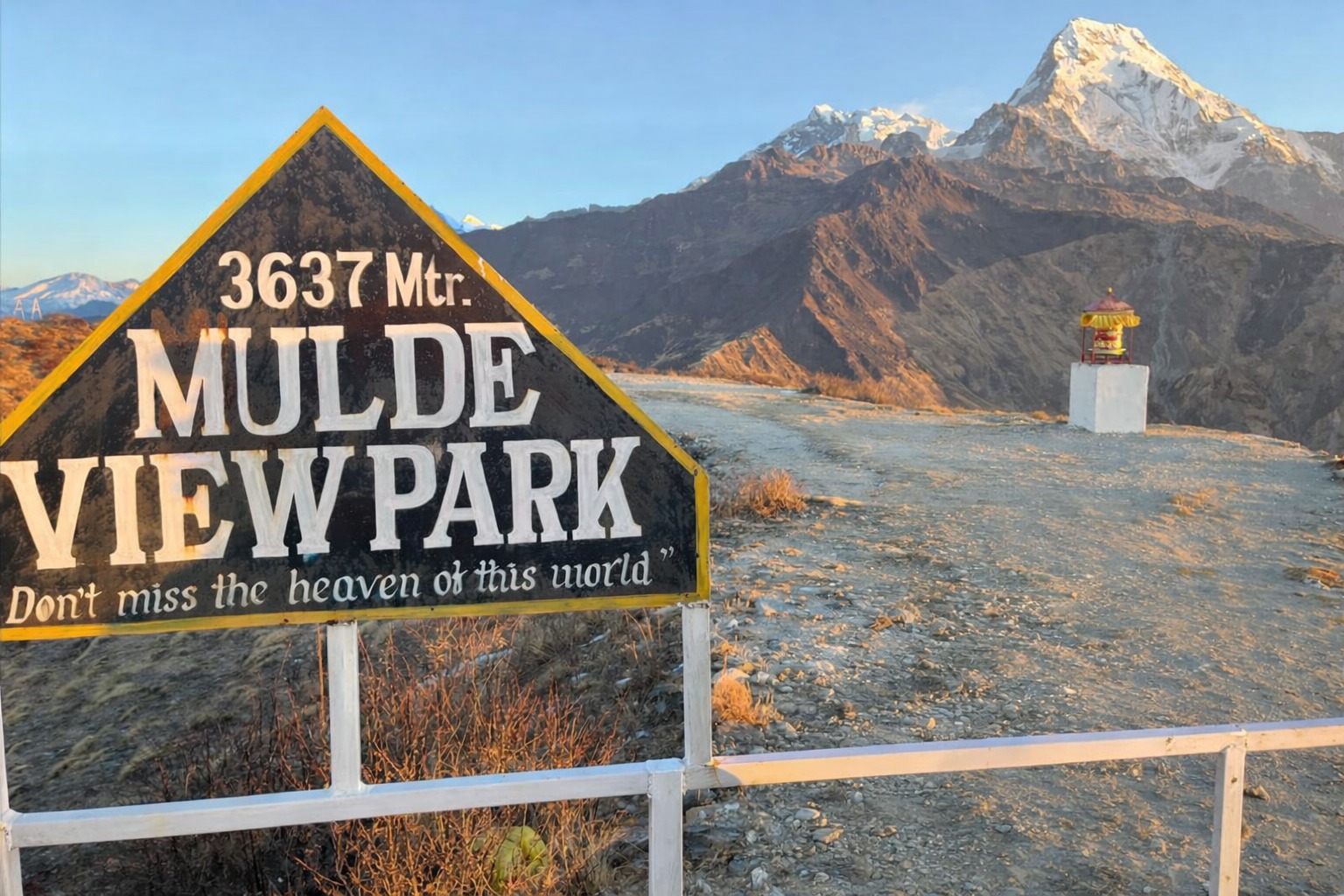
Mulde View Point Trek with Poon Hill – Four Days of Annapurna
Introduction Hidden within the gentle curves of the Annapurna landscape lies...
Nepal Tour Packages
5 (49)
4 Days

Save 32%
Mardi Himal Base Camp 5 Day Trek From Pokhara
The Hidden Jewel of the Annapurna: Mardi Himal Base Camp 5...
Nepal Tour Packages
5 (49)
4 Days
Save 22%
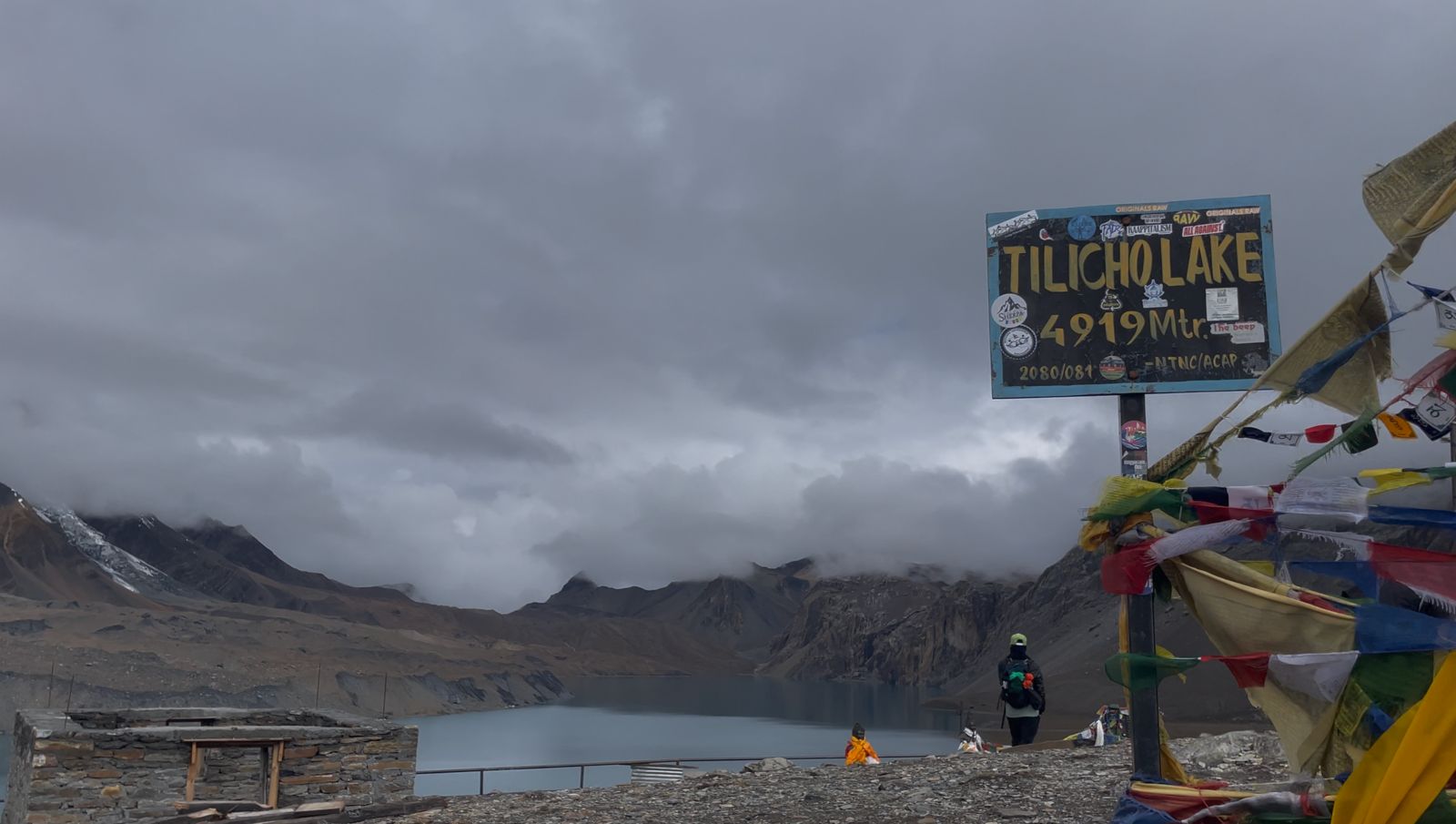
Annapurna Circuit Trek with Tilicho Lake
Imagine you walk up to a golden light that shines on...
Nepal Tour Packages
5 (49)
4 Days
Save 28%
Nar Phu Valley Trek – 11-Day Remote Himalayan Adventure
Tucked away between the legendary Annapurna and Manaslu regions lies one...
Nepal Tour Packages
5 (49)
11 Days


