Forgot Password
Register and start exploring through personalized experiences.
Register Account
Register and start exploring through personalized experiences.
By Registering, I agree to the terms and conditions of Bold Himalaya
View Nepal Tour Packages in Detail

Mulde View Point Trek with Poon Hill – Four Days of Annapurna

5(49)

Country
Country Nepal
Best Season
Best Season Whole Year
Duration
Duration 4D
Trek Difficulty
Trek Difficulty Moderate
Maximum Altitude
Maximum Altitude Mulde View Point: 3,640m (11,942ft)
Transportation
Transportation Private Vehicle
Accommodation
Accommodation Tea House
Meal
Meal Full Board

Introduction

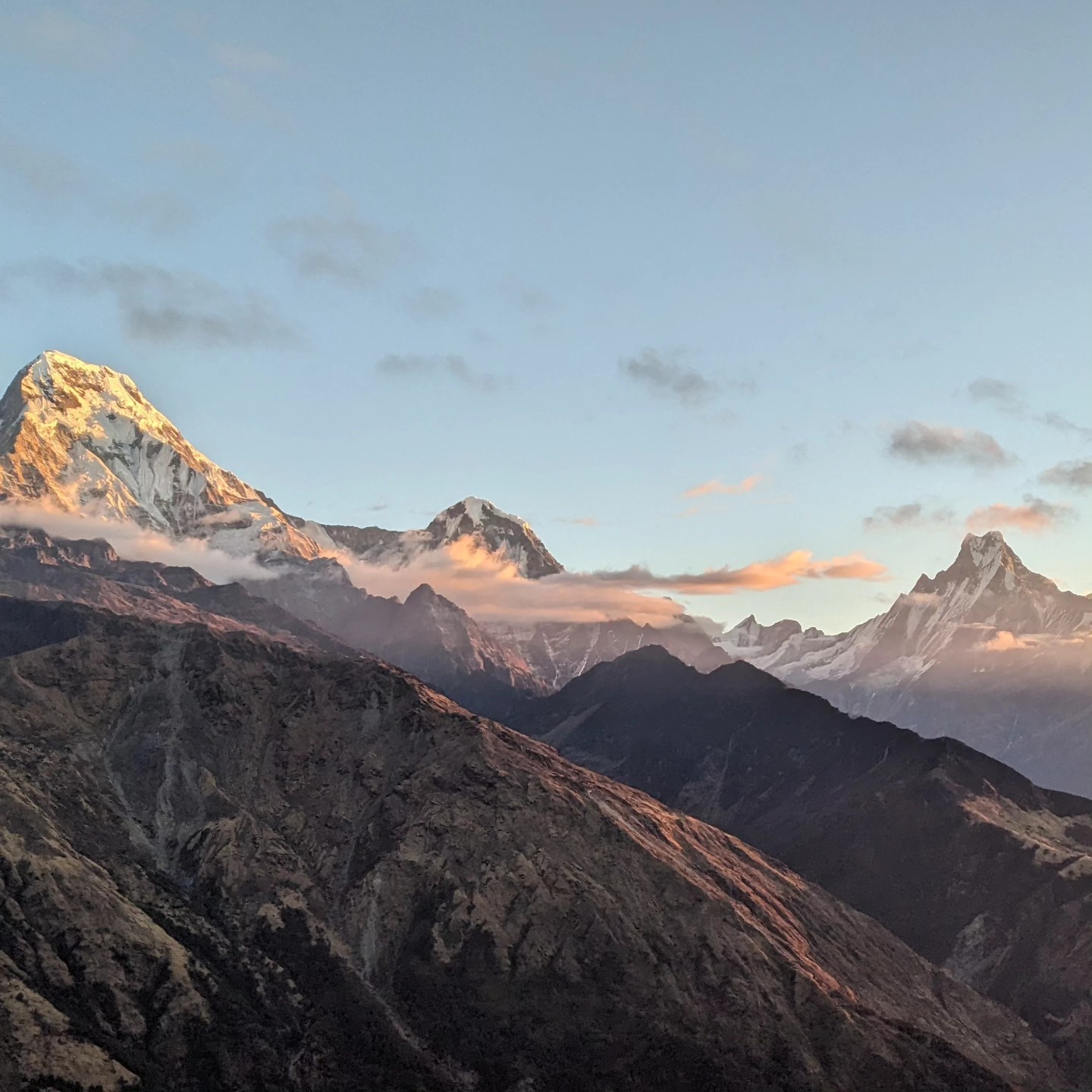
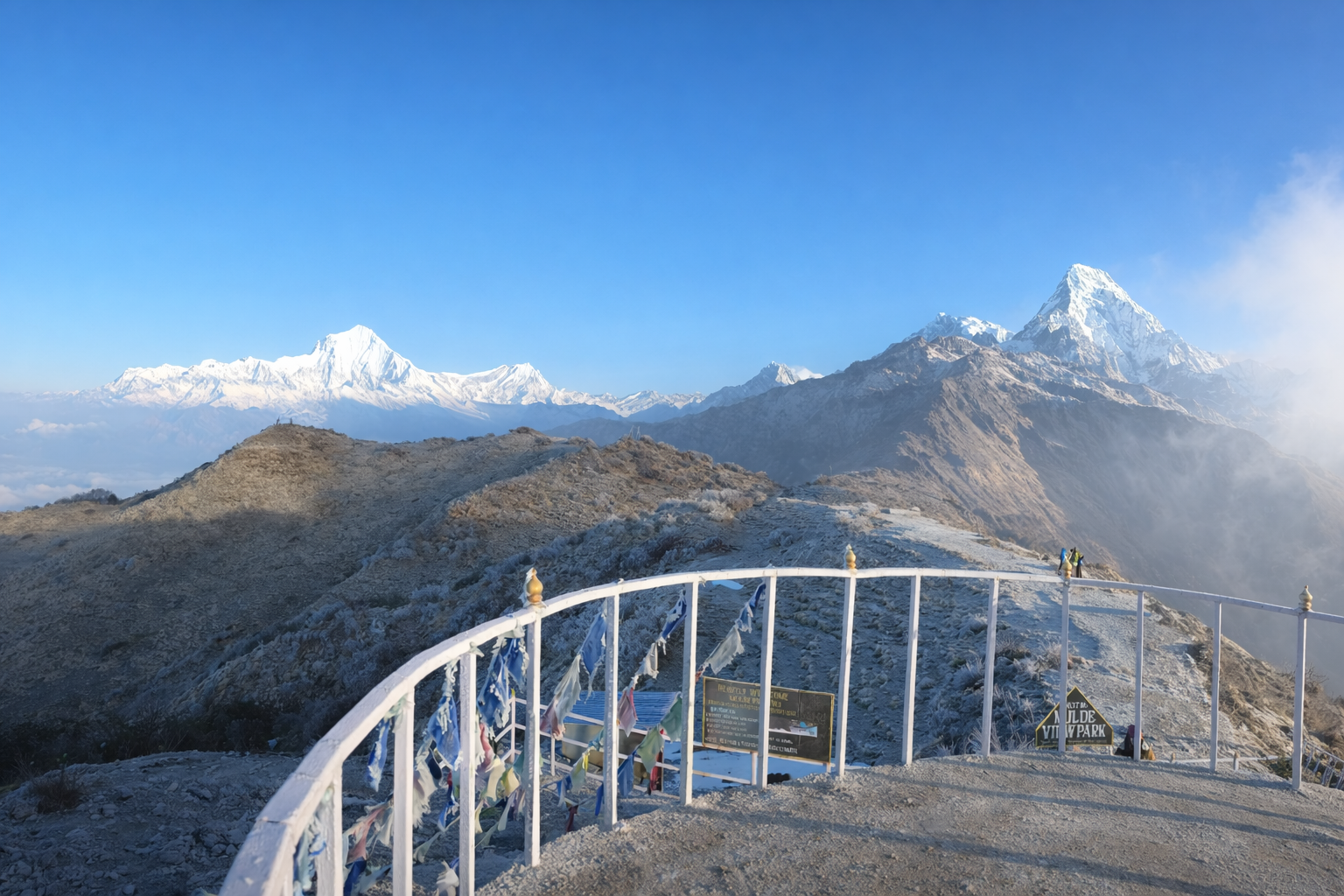
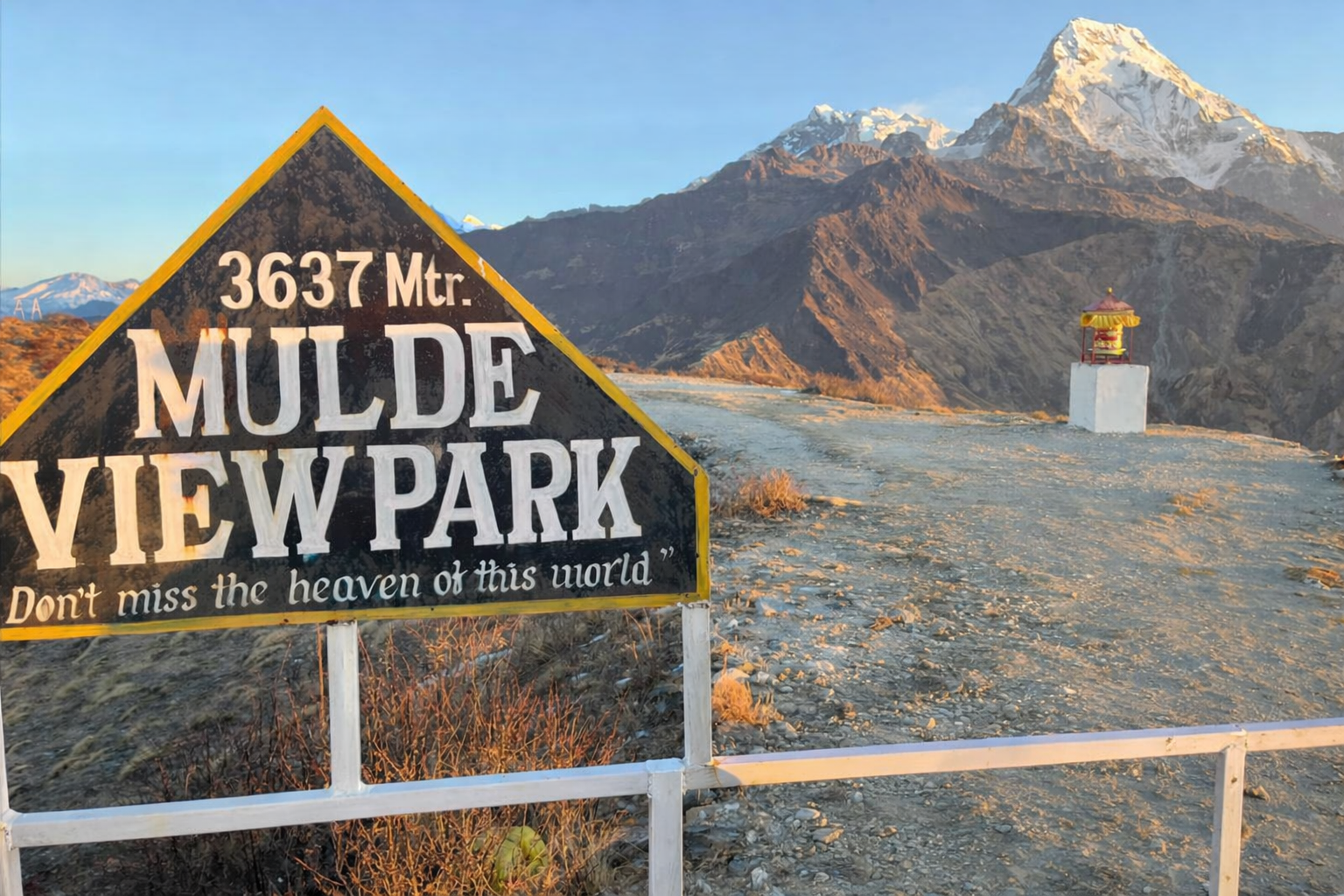
Hidden within the gentle curves of the Annapurna landscape lies Mulde Hill, a quiet panoramic lookout that remains largely unknown even to seasoned trekkers. At 3,637 meters above sea level, called Mudai by local Gurung communities, it stands as a raised vantage point offering sweeping Himalayan views without the crowds found on more famous routes. From here, at sunrise, an astonishing panorama of twenty-five snow-capped peaks unfolds: Dhaulagiri rises to the west, Annapurna South and Annapurna I dominate the central skyline, while the twin summits of Machhapuchhre (Fishtail) pierce the horizon alongside Nilgiri, Hiunchuli, Tukuche Peak, and Lamjung Himal.

Though the scene rivals anything seen from Poon Hill, remarkably few travelers make the journey here. While the Annapurna Circuit and Ghorepani Poon Hill trek draw thousands of visitors annually, Mulde View Point remains a quiet corner of the range, a place where stillness defines the experience and conversations unfold unhurriedly at village doorsteps.

For those with limited time who still crave an authentic Himalayan experience, the Mulde View Point Trek with Poon Hill delivers something rare: expansive high-mountain scenery compressed into just four accessible days. Starting from the lakeside city of Pokhara, the trail winds through traditional Gurung villages where stone houses nestle into terraced hillsides, then climbs through dense rhododendron forests that erupt in crimson bloom during spring. As the tree line thins, the path opens onto exposed ridgelines where the full sweep of the Annapurna and Dhaulagiri ranges comes into view.

The trek’s moderate daily walking stages make it suitable for first-time trekkers, while its quieter trails appeal to experienced hikers seeking respite from busier corridors. One of the route’s unique features is that it typically includes sunrise hikes to two spectacular viewpoints, the serene Mulde Hill and the iconic Poon Hill, offering distinct perspectives on the same majestic peaks.

What sets this trek apart is not merely the scenery but the experience of moving through a landscape where traditional mountain life continues largely untouched by tourism. Villages along the route retain their character; teahouses are family-run affairs where dal bhat is served with genuine warmth, and the only sounds are wind through pines and distant cowbells.

Hidden atop Mulde Hill, this Annapurna overlook welcomes solo travelers, pairs, and small groups without preference. Given proper preparation and clear expectations, the journey unfolds over four days, lingering in memory long after returning to Pokhara. Few experiences in Nepal reward so richly in so short a time.

Mulde View Point Trek with Poon Hill – Highlights at a Glance

  •  Two Viewpoints, One Circuit: Experience the dual-sunrise advantage. Compare the quiet, high-altitude Mulde View Point (3,640 m) with the iconic Poon Hill (3,210 m) in a single 4-day loop.
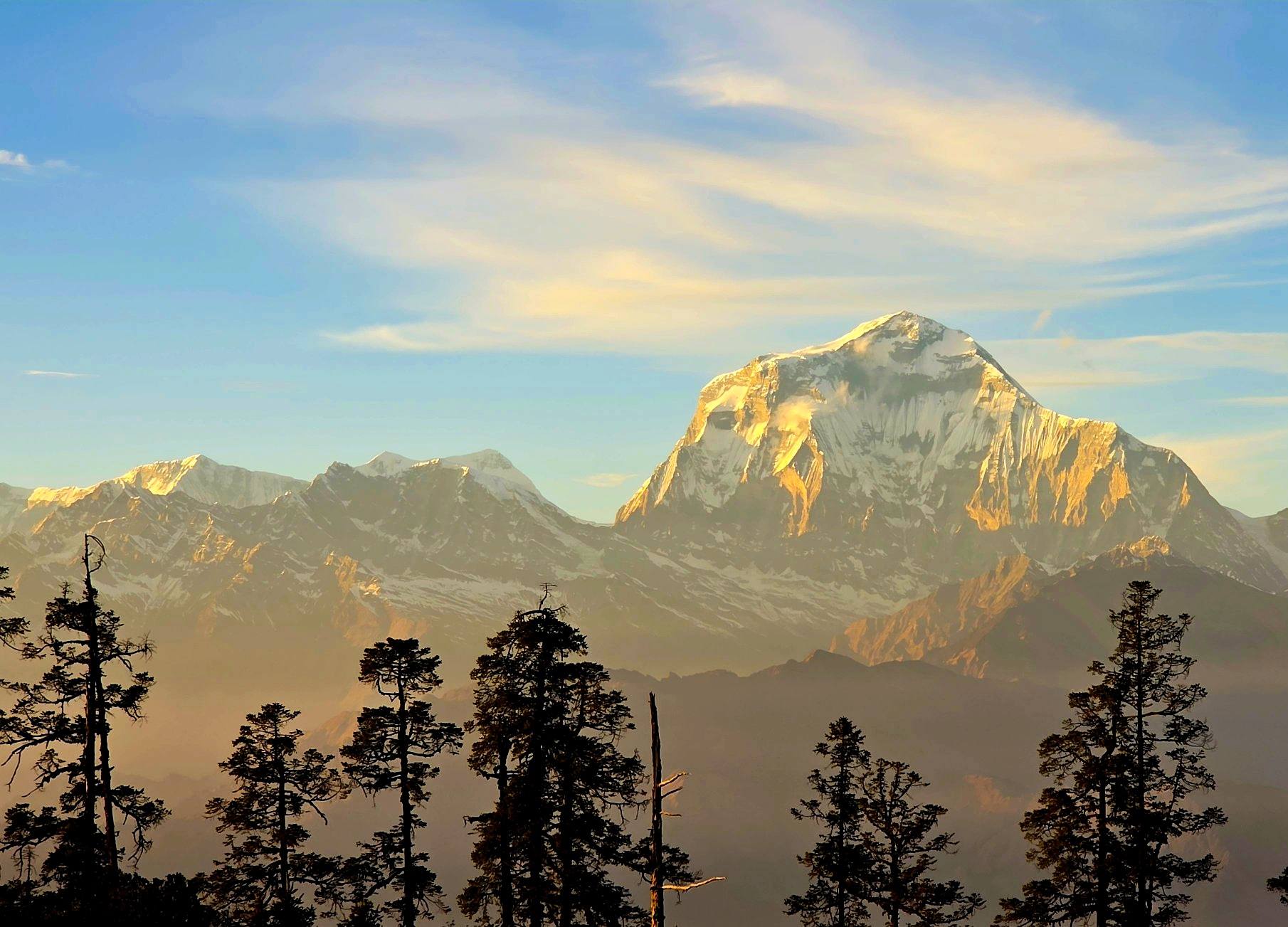
  • Panoramic Himalayan Peaks: On clear mornings, behold Dhaulagiri (8,167 m), Annapurna I (8,091 m), Machhapuchhre (Fishtail), and other towering summits. Mulde’s higher elevation provides a sweeping 360° panorama beyond lower ridges.
  • Optimized 4-Day Pace: Designed for a moderate physical load (4 – 6 hours of walking per day). The gradual ascent via Tadapani and Dobato ensures better acclimatization for beginners and families.
  •  Rhododendron & Cloud Forests: Walk through ancient moss-draped oak forests. In spring (March–April), the trail transforms into a vibrant corridor of crimson and pink blooms (11+ species of rhododendron).
  • Highland Settlement Stays: Spend the night in Dobato (3,420 m). Unlike commercial hubs, these remote teahouses offer an authentic, star-filled mountain experience far from the reach of motor roads.
  •  Rare Wildlife Spotting: The quiet trails around Bayeli Kharka are prime territory for the Himalayan Monal (Danphe), Himalayan Tahr, and langur monkeys, which are rarely seen on the busier Ghorepani trails.
  • Genuine Off-the-Beaten-Path: 2026 data shows Mulde sees roughly 80% less foot traffic than Poon Hill. It is the connoisseur’s choice for silence and “un-photobombed” landscapes.
  •  2026 Regulatory Compliance: Fully compliant with current Nepal Tourism Board standards. This trek requires an ACAP permit (NPR 3,000) and a licensed guide for a safe and legal journey.
  • Heritage Hospitality: Enjoy family-run hospitality in Ghandruk and Tadapani. Experience the “slow life” of the Gurung and Magar communities while refueling on organic, locally-sourced dal bhat.
  • Photographer’s Golden Hour: With unobstructed ridgelines and no “selfie-queues,” Mulde provides a superior window for capturing the golden glow of sunrise on the Dhaulagiri massif.

Why Choose the Mulde View Point Trek with Poon Hill

1. A Quieter Alternative to Poon Hill – 430 Meters Higher

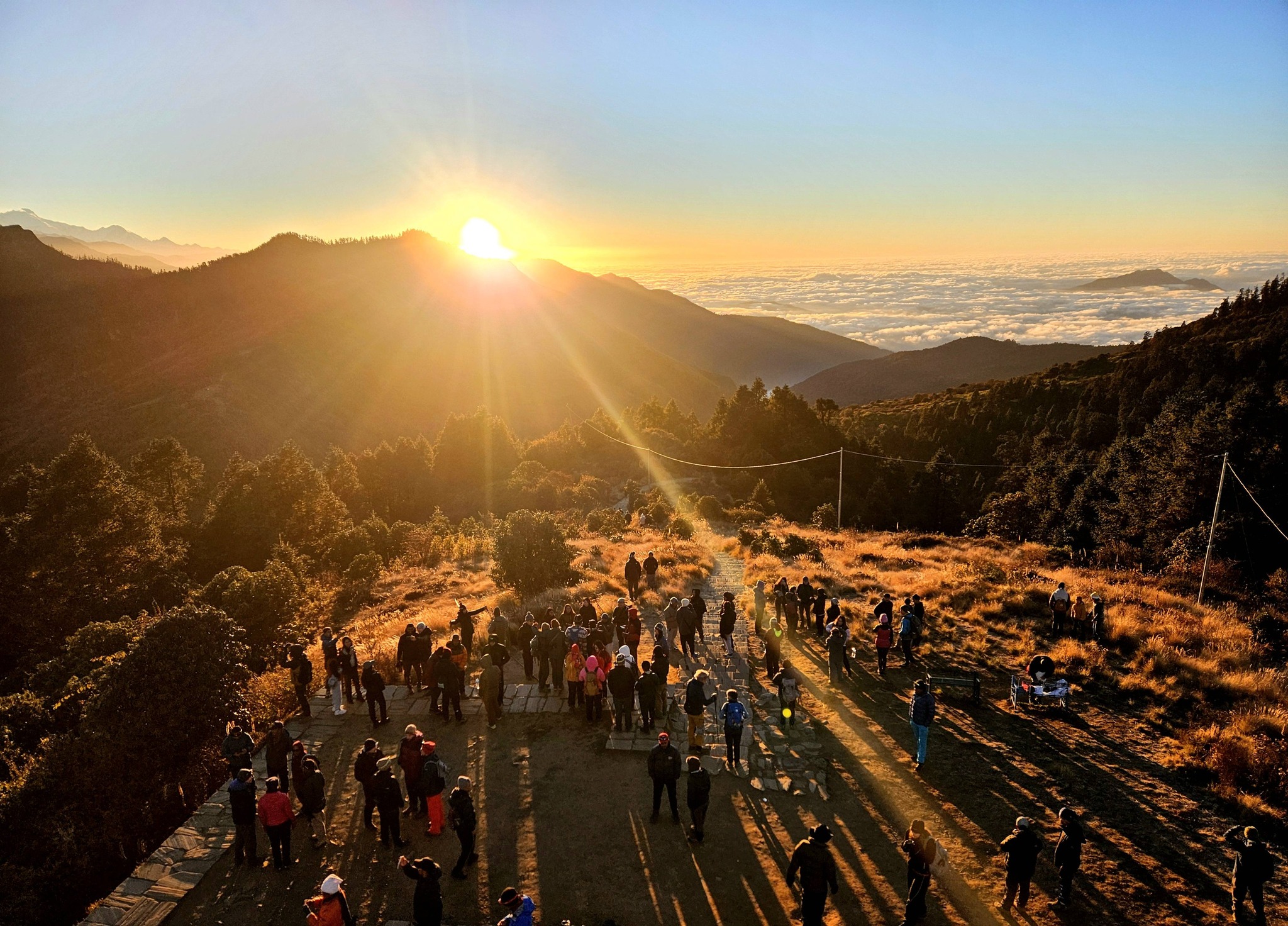
While Poon Hill is a famous landmark, it is often saturated with crowds. Mulde Hill (Muldai Peak) stands at 3,640 meters, roughly 430 meters higher than its neighbor. This extra elevation places you above the valley haze, offering an unobstructed, 360-degree panorama. According to 2026 trail data, Mulde sees 80% less foot traffic, ensuring your sunrise is defined by silence, not camera shutters.

2. The “Double-Sunrise” Advantage

This trek’s unique structure delivers the best of both worlds. Within a single 4-day circuit, you witness two distinct perspectives of the Annapurna and Dhaulagiri ranges: the serene, high-altitude dawn at Mulde Hill and the iconic, low-ridge panorama of Poon Hill.

3. Authentic Village Life (Uncommercialized)

While the main Ghorepani corridor has become a commercial hub, the villages on the Mulde route, Ghandruk, Tadapani, and Dobato, retain their genuine Gurung and Magar character. You’ll stay in smaller, family-run teahouses where dal bhat is served with local warmth rather than staged tourism efficiency.

4. 2026 Safety & Regulatory Compliance

In line with the 2026 Nepal Tourism Board mandates, this trek is a fully guided experience. The mandatory hiring of a licensed guide ensures:

  • Seamless Logistics: Your agency handles the ACAP (NPR 3,000) and TIMS permits.
  • Expert Safety: Guides are trained to monitor acclimatization at the higher Dobato (3,420) and Mulde (3,640) elevations.
  • Trail Integrity: You are supporting a policy that provides fair wages to over 50,000 mountain professionals.

5. Beginner-Friendly with High Scenic Reward

With maximum elevations staying below 3,700 meters, this is the ultimate “low-risk, high-reward” trek. There are no technical sections or glacier crossings. The daily 4–6 hour walks are manageable for beginners, yet the views of Dhaulagiri (8,167 m) and Annapurna I (8,091 m) rival treks that take twice as long.

Read More

Mulde View Point Trek with Poon Hill Itinerary

Your Journey, Step by Step

- Collapse All
Day 01

Pokhara → Nayapul → Ghandruk (The Heritage Gateway)

Accommodation
Accommodation Tea House
Meals
Meals Lunch, Dinner
Max Altitude
Max Altitude 1,940m

Your Mulde View Point adventure begins in Pokhara, the lakeside gateway to the Annapurna region. From here, a scenic 2.5–3 hour drive takes you along the Baglung Highway to Nayapul (1,070 m), the official trekking checkpoint where your ACAP and TIMS permits are registered. The journey winds through terraced hills, small rivers, and lush farmland, offering your first glimpse of the Annapurna foothills.

Beyond Nayapul, the traditional trekking trail follows the Modi Khola river and Syauli Bazaar, ascending gently through stone stairways and village paths. Recent road improvements now allow 4WD jeeps to reach Kimche (1,640 m), providing a convenient alternative to dusty road walking. From Kimche, it’s a short 1–2 hour trek uphill to Ghandruk (1,940 m)—one of Nepal’s most iconic Gurung villages—allowing more time to enjoy the scenery and village life rather than spending the day on rough jeep tracks.

Ghandruk, often called a “living museum,” is a picture-perfect settlement of slate-roofed houses and stone-paved alleys. After settling into a family-run teahouse, take a stroll to the upper village ridges to witness the sunset over Annapurna South (7,219 m) and Machhapuchhre (Fishtail, 6,993 m). The village also hosts a small Gurung Cultural Museum, where visitors can learn about the traditions, clothing, and daily life of this indigenous Himalayan community.

Day 02

Ghandruk → Tadapani → Dobato (Entering the Silent Annapurna)

Accommodation
Accommodation Tea House
Meals
Meals Breakfast, Lunch, Dinner
Duration
Duration ~5.5–7 hours
Distance ~13 km

Day 2 marks the trek’s true transition from bustling village life to highland serenity. Leaving the stone alleys of Ghandruk (1,940 m), the trail climbs steadily through ancient oak and rhododendron forests. Through breaks in the canopy, you’ll catch sharp glimpses of Machhapuchhre (Fishtail) and Annapurna South that feel closer with every step.

The air cools as you ascend, and the sounds of the village are replaced by birdsong and the rustle of Grey Langur monkeys. After 3–4 hours of steady climbing, you reach Tadapani (2,630 m). Known as the “window to the mountains,” this is a perfect spot for lunch while admiring a face-to-face view of Hiunchuli.

After lunch, the route takes a dramatic turn. You leave the main tourist highway and pivot toward Dobato (3,420 m). This 3-hour section is the “soul” of the Mulde Trek. You will pass through Isharu (3,140 m) and wander along moss-draped paths through temperate cloud forests. This area is prime territory for the Himalayan Monal (Danphe), Nepal’s colorful national bird, which thrives in these quieter, less-traveled woods.

In spring, the forests erupt in the deep crimson of Lali Gurans (rhododendrons), creating a natural tunnel of flowers without the “selfie-queues” found elsewhere. Arriving in Dobato, you’ll find a handful of remote, family-run lodges offering raw mountain hospitality.

Note:
If your energy holds, a 30-minute evening stroll to the Muldai Viewpoint offers a private sunset—a golden moment where the stars feel close enough to touch.

Day 03

Dobato → Mulde View Point → Ghorepani

Accommodation
Accommodation Tea House
Meals
Meals Breakfast, Lunch, Dinner
Difficulty
Difficulty Moderate
Walking Duration
Walking Duration 5–6 hours

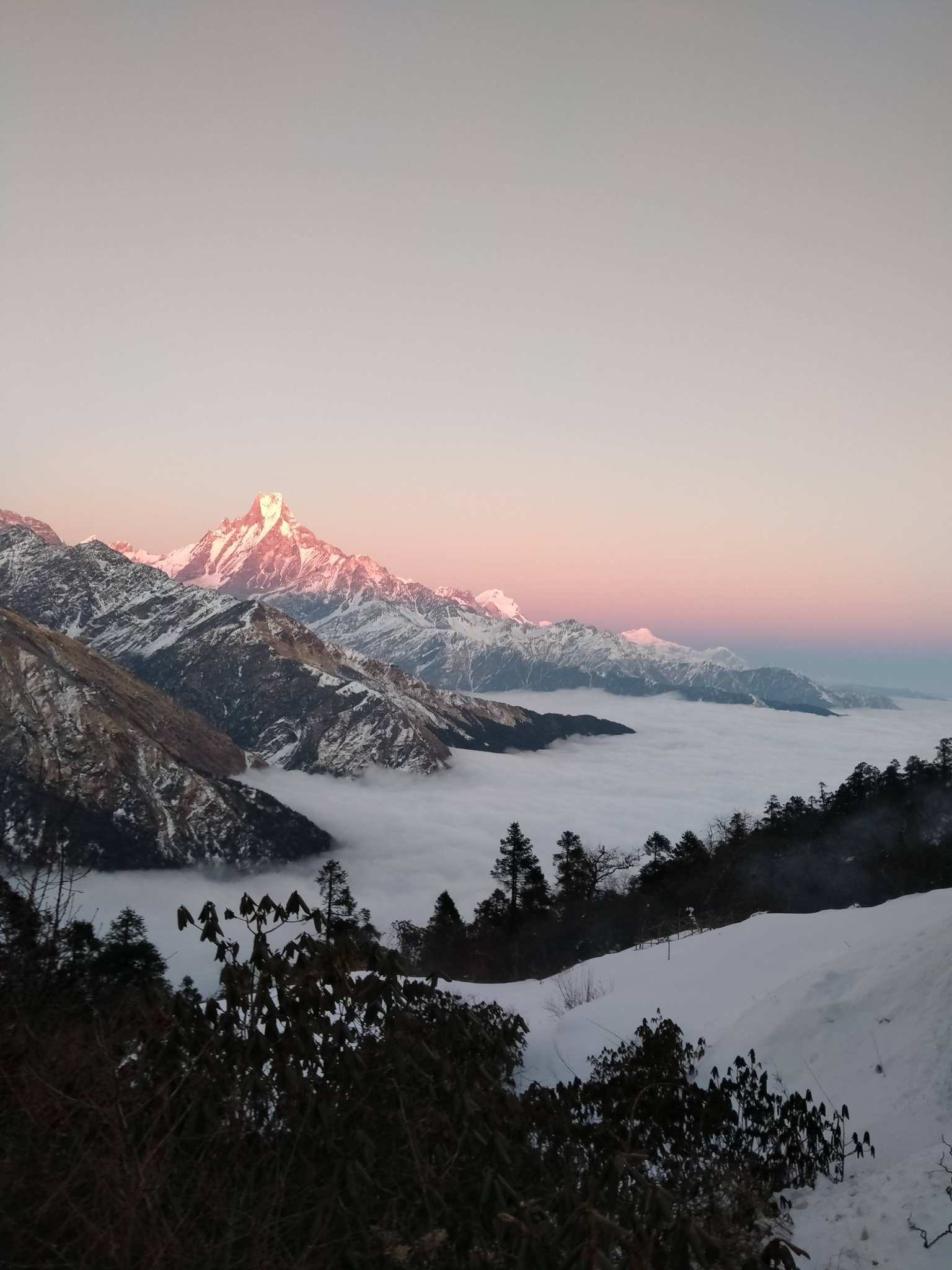
Day 3 is the crown jewel of the Mulde View Point Trek. Rise before dawn—typically between 4:45 and 5:15 AM, depending on the season—for a short 30–45 minute ascent from Dobato (3,420 m) to Mulde Peak (3,640 m). Unlike the crowded Poon Hill, Mulde offers a near-private experience with panoramic Himalayan views. From this vantage point, the “Triple 8,000ers” dominate the skyline: Dhaulagiri (8,167 m) to the west, Annapurna I (8,091 m) centrally, and Manaslu (8,163 m) in the distance, while Machhapuchhre and the Nilgiri range complete the 360° panorama. It’s 400 m higher elevation above Poon Hill ensures clearer morning light, crisp air, and unobstructed photography opportunities.

After sunrise, return to Dobato for breakfast before continuing along the ridgeline toward Ghorepani (2,870 m). The trail descends gradually, passing Deurali Pass (3,090 m), through moss-draped rhododendron forests, bamboo groves, and small waterfalls. You’ll also traverse quite highland settlements like Banthanti, experiencing off-the-beaten-path Himalayan life. The trek concludes in Ghorepani, a vibrant hub with a range of teahouses, bakeries, and connectivity—offering a comfortable contrast after two days of remote wilderness.

Insider Tip:
Ghorepani is famous for its apple pie and fresh bread. Many teahouses have their own bakeries. Treat yourself—you’ve earned it after today’s long trek.

Day 04

Ghorepani → Poon Hill → Ulleri → Pokhara – Final Sunrise & Scenic Descent

 Meals
Meals Breakfast, Lunch
Trek Duration
Trek Duration 4–5 hours

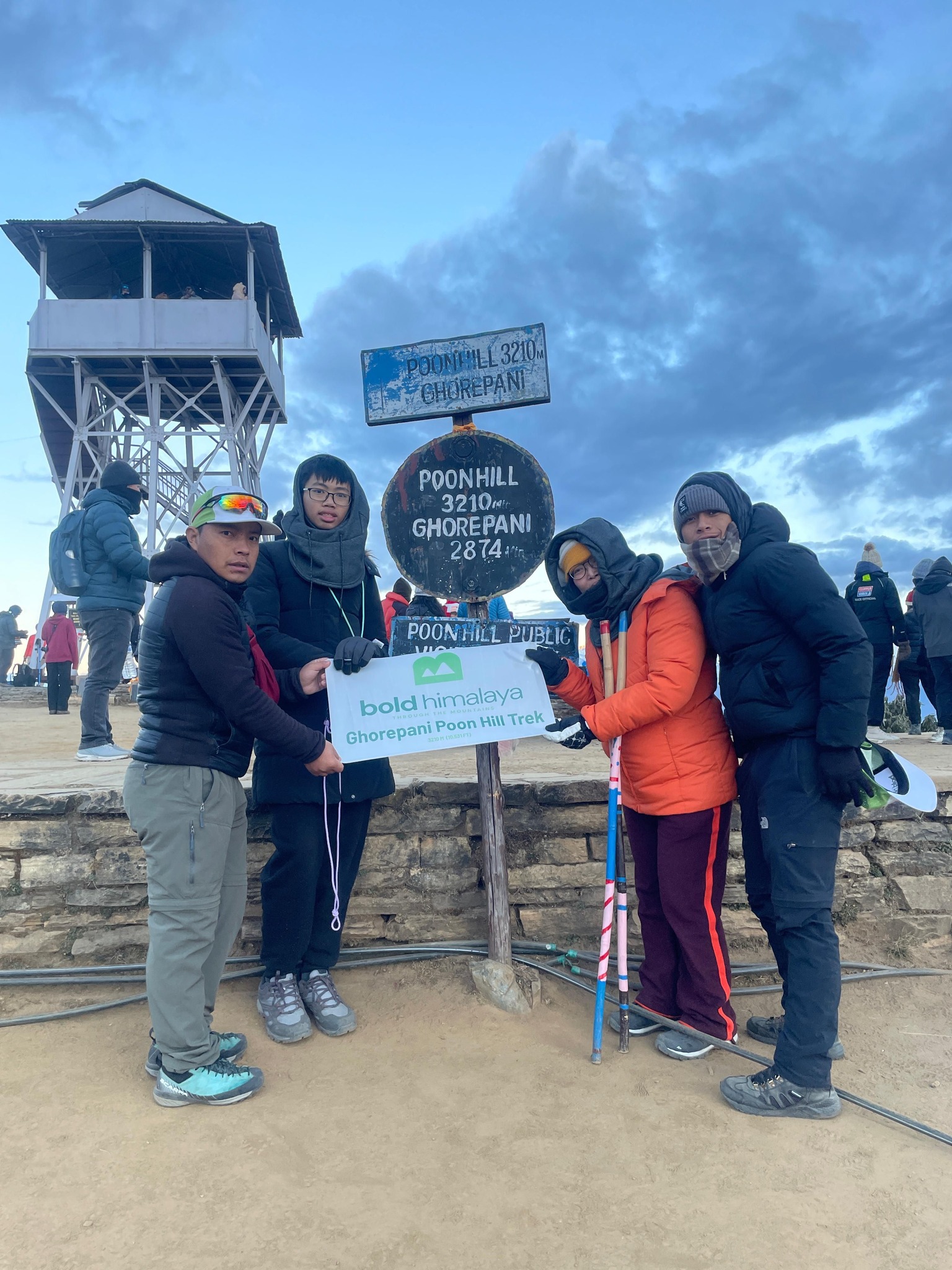
The final day of the Mulde View Point Trek begins with a pre-dawn hike to Poon Hill (3,210 m). In just 45 minutes, the well-maintained stone steps lead you through moss-draped rhododendron and oak forests to a summit that offers an intimate, close-up view of the Annapurna and Dhaulagiri ranges, including Machhapuchhre and Annapurna South. Sunrise here reveals Dhaulagiri’s 8,167 m peak glowing pink and gold—a perfect contrast to yesterday’s panoramic Mulde View sunrise.

After capturing the moment, descend to Ghorepani for a hearty breakfast at a local teahouse before beginning the long but scenic 4–5 hour trek down through terraced farmlands, quiet villages like Banthanti and Nangethanti, and the famous stone staircases.

The trail gradually leads to Ulleri (2,055 m), where a pre-arranged 4WD jeep meets you. The drive along the Bhurungdi River and past traditional settlements brings you back to Pokhara, bypassing the dusty road from Nayapul. Arrival by late afternoon marks the end of a four-day adventure, with two sunrises, high Himalayan vistas, and lasting memories of remote mountain life.

Inclusions

What’s Covered in Your Adventure

Includes
  • Pick-up and drop-off within a 4 km radius of Lakeside.
  • Private 4WD Jeep from Pokhara to Kimche (Start) and Ulleri/Hille back to Pokhara (End) to bypass dusty road walking.
  • English-speaking guide, including their expenses
  • 3 freshly prepared meals per day (Breakfast, Lunch, and Dinner) plus a daily serving of seasonal fresh fruit.
  • 3 nights of teahouse lodging (twin-sharing basis) in Ghandruk, Dobato, and Ghorepani.
  • Permits: Annapurna Conservation Area Permit (ACAP) and TIMS card
  • Trekking map
  • Extras: Trip certificate, Bold Himalaya cap or T-shirt
  • First aid kit and basic medical supplies
  • Gear: Down jacket and trekking poles available for use if needed
  • Porter: Available upon request for USD 90
Excludes
  • Extra charges for hot showers, Wi-Fi, and electronic device charging
  • Bottled water, canned sodas, specialty coffees, and alcoholic drinks.
  • Tips for the guide and porter
Equipment Gears for Mulde View Point Trek with Poon Hill – Four Days of Annapurna

Essential Gear & Equipment Checklist for Mulde View Point Trek with Poon Hill

Layer your clothing so you can adjust easily from cold pre-dawn hikes at Mulde View Point (3,640 m) to warmer afternoons in the villages. Proper footwear and socks prevent fatigue and blisters during long stone stair descents like Ulleri.

Clothing

Footwear

Base Layer

Mid Layer

Outer Layer

Trekking Pants & Shorts

Buff or scarf

Lightweight down jacket

Gaiter

Hiking Boots

Socks

Slippers or Sandals

Good to Know

Your Journey, Step by Step

Best Season for Mulde View Point Trek

Choosing the right time for the Mulde View Point Trek can transform your experience. Each season offers unique scenery, from spring’s rhododendron blooms to autumn’s crystal-clear mountain vistas.

Spring (March–May)Rhododendron Blooms & Moderate Weather

Spring awakens the Annapurna trails with colorful rhododendron forests between Tadapani and Dobato. Daytime temperatures range from 15–22°C at lower elevations and 5–15°C at Dobato/Mulde. Clear mornings provide excellent visibility for sunrise photography, while the trails remain dry and easy to walk.

Autumn (September–November)Peak Season & Crystal Clarity

Post-monsoon skies are clear, revealing crisp views of Dhaulagiri (8,167 m), Annapurna I (8,091 m), Machhapuchhre (6,993 m), and surrounding peaks. Temperatures are similar to spring, with cool nights at higher altitudes. Autumn is the most popular season; Mulde remains peaceful even when Poon Hill is crowded.

Winter (December–February)Solitude & Snow-Dusted Peaks

Winter is cold at higher altitudes: daytime 0–8°C and pre-dawn temperatures down to –10°C. Trails may carry ice or snow. Clear days offer stunning, unobstructed Himalayan panoramas, but this season is recommended only for well-prepared and experienced trekkers seeking solitude.

Monsoon (June–August)Lush Landscapes, Limited Visibility

Heavy rain turns the trails green and waterfalls abundant, but cloud cover often hides the peaks. Trails can be slippery, and leeches appear at lower elevations. Best suited for botanists, photographers, or travelers focusing on forest and village scenery rather than mountain vistas.

Trek Difficulty and Fitness Level

The Mulde View Point Trek is officially graded as Easy to Moderate, making it the perfect gateway for first-time Himalayan trekkers, families with active teens, and photographers. While it is physically accessible, it is still a high-altitude mountain journey that requires respect and preparation.

Altitude & Acclimatization

With a maximum altitude of Muldai Peak, this trek sits in the “safe zone” for most hikers. By following this 4-day loop—ascending gradually through Tadapani () and Dobato (), your body has ample time to adjust. While altitude sickness (AMS) is uncommon on this route, the thin air will make you feel “out of breath” faster during uphill sections.

The Physical Challenge: Steps & Ridges

While the Mulde View Point Trek is technically easy—no ropes, climbing, or mountaineering skills are required—the physical demands are real. Trekkers walk 4–6 hours daily, covering roughly 8–12 km on a mix of forest paths, ridgelines, and stone steps. The most challenging section is the Day 4 descent from Ghorepani to Ulleri, which includes nearly 3,000 stone steps, often tougher on the legs than the climbs. Another demanding moment is the pre-dawn 45-minute ascent to Mulde Peak on Day 3, where temperatures can dip between 0 °C and –5 °C, requiring focus, stamina, and steady pacing.

How to Prepare for 2026

You don’t need to be an elite athlete, but standard mountain fitness will greatly enhance your enjoyment. Start training 3 weeks in advance with regular walks or jogs, and if possible, use a stair-climber to condition your quads for the Ulleri descent. Break in your hiking boots with at least 20 km of walking before arriving in Nepal to prevent blisters and discomfort. Finally, adopt the Himalayan mantra “Bistari, Bistari” (Slowly, Slowly)—moving steadily is far more effective at altitude than rushing, ensuring a safer, more rewarding trek.

Accommodation on the Mulde View Point Trek

Accommodation on the Mulde View Point Trek is provided by traditional teahouses, family-run mountain lodges that offer reliable comfort in remote Himalayan terrain. Facilities vary by altitude, but standards are generally good along this route.

You stay in clean, twin-sharing rooms with basic furnishings such as wooden beds, foam mattresses, pillows, and blankets. Lower-elevation villages like Ghandruk and Ghorepani offer more developed teahouses, some with attached bathrooms, hot showers, and brighter dining areas.

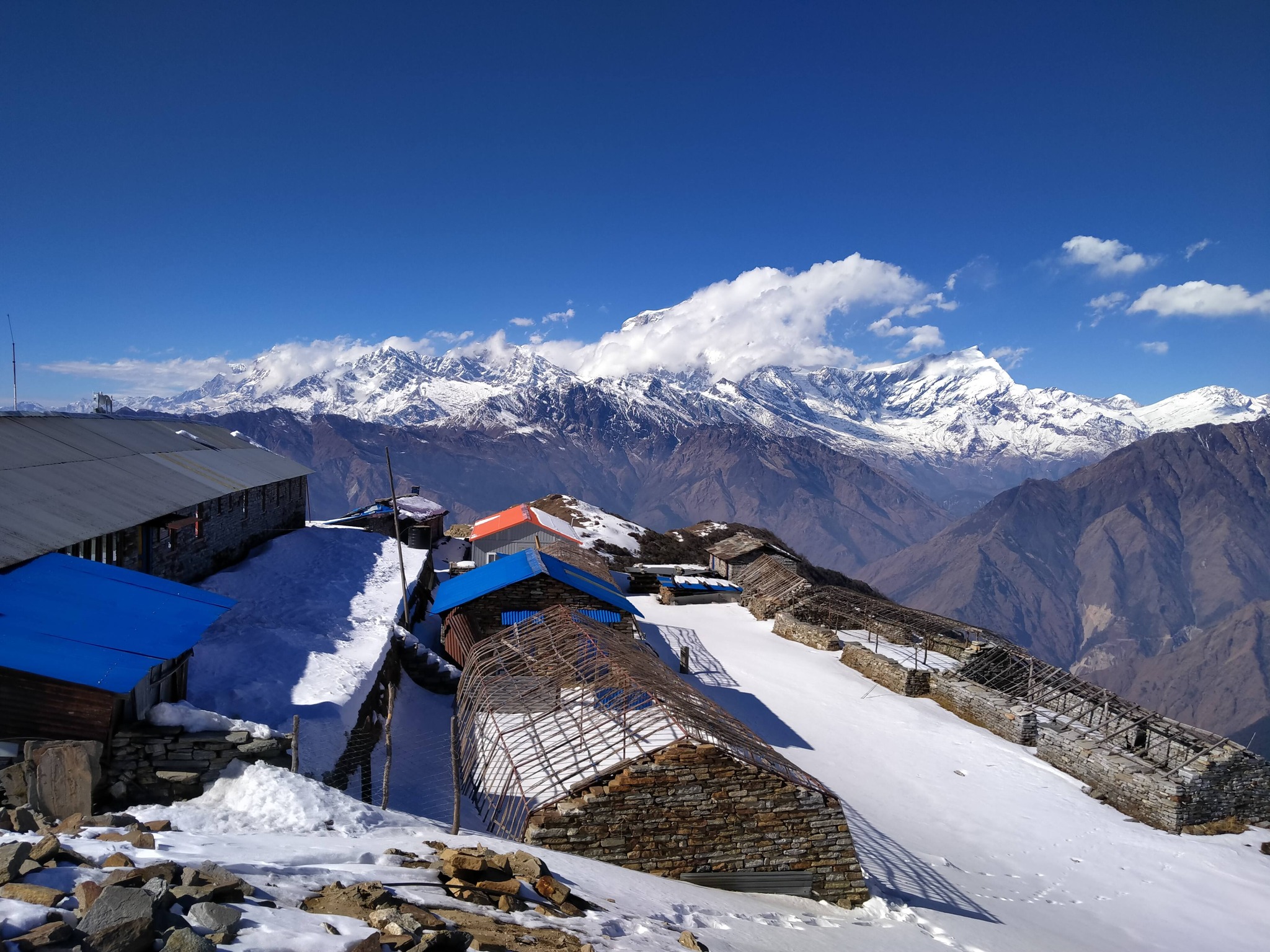
At higher stops such as Dobato (3,420 m), accommodation is simpler and more rustic, designed for warmth rather than luxury. Evenings are typically spent in a shared dining hall heated by a wood-burning stove, which also serves as the social center of the lodge.

Most teahouses provide solar-powered electricity, with charging and hot showers available for a small fee. Wi-Fi is common in Ghandruk and Ghorepani but can be slow or unavailable at higher elevations. Due to cold nights, especially in Dobato, carrying a warm sleeping bag (rated around –10°C) is strongly recommended, even though blankets are provided.

Food on theTrail

Meals along the Mulde route are simple, filling, and designed to support sustained trekking. The staple is dal bhat—rice, lentil soup, seasonal vegetables, and pickles—which remains the most reliable and energy-rich option and usually comes with free refills.

Menus also include eggs, fried rice, noodles, soups, momos, Tibetan bread, porridge, and pancakes. In Ghorepani, trekkers will find a wider selection, including pasta, pizza, bakery items, and the well-known apple pie.

Hot drinks such as tea, coffee, ginger-lemon-honey, and hot chocolate are available throughout the day. Safe drinking water can be obtained at lodges; using water purification tablets or a filter bottle is encouraged to avoid single-use plastic bottles.

How to Reach the Starting Point and Required Permits

The Mulde View Point Trek begins from Pokhara, Nepal’s main trekking hub, which is easily reached from Kathmandu by a short domestic flight (25 minutes) or tourist bus (6–8 hours). From Pokhara, travelers continue by jeep or local transport toward Nayapul or Kimche, depending on road conditions and itinerary preference.

The drive typically takes 2–3 hours and offers scenic views of rivers, farmland, and foothills before reaching the trailhead.

To legally trek in the Annapurna region, two permits are mandatory. The Annapurna Conservation Area Permit (ACAP) grants access to the protected area, while the TIMS card (Trekkers’ Information Management System) is required for trail registration and safety tracking.

Both permits are easily arranged in Pokhara or Kathmandu through a licensed trekking agency and must be carried throughout the trek, as they are checked at entry and exit points.

Poon Hill during the Mulde View Point Trek

Poon Hill is naturally included at the end of the Mulde View Point Trek, adding a classic Himalayan sunrise to an otherwise quieter route. Reached from Ghorepani, the 45-minute pre-dawn climb on stone steps leads to a lower but closer viewpoint than Mulde.

While Mulde offers a higher, wider 360° panorama, Poon Hill delivers a more intimate, front-row perspective of the Annapurna range. From the summit, trekkers watch first light strike Dhaulagiri, Annapurna South, and the unmistakable silhouette of Machhapuchhre.

Including Poon Hill after Mulde creates a “double-sunrise” experience—Mulde for height, silence, and sweep; Poon Hill for proximity and classic composition. Although Poon Hill is busier, visiting it after the quieter Mulde route provides contrast rather than repetition, rounding out the trek with both solitude and an iconic Himalayan moment.

Trek Difficulty – Mulde View Point Trek with Poon Hill

The Mulde View Point Trek with Poon Hill is classified as easy to moderate, making it one of the most accessible short Himalayan treks in Nepal, with a very high scenic return. No technical skills are required—there is no climbing, no glacier travel, and no need for ropes or crampons. That said, “easy” in the Himalayas still means sustained physical effort over several days.

Altitude & Acclimatization

The highest point of the trek is Mulde View Point (3,640 m). While this is considered low altitude by Himalayan standards, many trekkers begin to notice thinner air above 2,500 m, especially on uphill sections.

The route’s design—ascending gradually through Ghandruk, Tadapani, and Dobato—allows natural acclimatization, keeping the risk of altitude sickness very low when proper pacing and hydration are followed.

Terrain & Physical Challenges

The trail alternates between forest paths, ridgeline walks, and long stone staircases typical of the Annapurna region. The most demanding section is the descent from Poon Hill to Ulleri, which involves thousands of stone steps and can be tough on the knees.

Sunrise hikes to Mulde and Poon Hill require 45–60 minutes of steep uphill walking in cold, pre-dawn conditions, adding a short but intense physical push.

Daily Effort

Expect 4–7 hours of walking per day, covering roughly 8–12 km. If you carry your own pack, a 5–8 kg daypack increases the aerobic demand, though hiring a porter significantly reduces strain.

Overall Difficulty Summary

This trek is ideal for first-time trekkers with basic fitness, active travelers, and experienced hikers looking for a quiet alternative to busier routes. With steady pacing, proper footwear, and a “bistari-bistari” (slow and steady) approach, the Mulde View Point Trek with Poon Hill remains challenging enough to feel earned, yet achievable for most healthy adults.

Transportation for the Mulde View Point Trek with Poon Hill

The Mulde View Point Trek with Poon Hill begins and ends in Pokhara, the gateway to the Annapurna region. Pokhara is easily accessible from Kathmandu via a 25-minute flight or a 6–8 hour scenic drive along the Prithvi Highway.

From Pokhara, trekkers typically drive 1.5–2 hours to Nayapul or Kimche, the modern trailheads for this route. While Nayapul was historically the starting point, recent road improvements allow 4WD vehicles and jeeps to reach Kimche (1,640 m), cutting down on dusty road walking and giving trekkers more energy for the trek itself. Local buses are an option, but less reliable and slower.

At the end of the trek, after visiting Poon Hill, trekkers descend to Ulleri (2,055 m), where a pre-arranged jeep or 4WD transfer returns them to Pokhara in 3–4 hours. This route follows the scenic Bhurungdi River, passing through traditional villages and bypassing the longer, dusty road to Nayapul.

Using private vehicles not only enhances comfort and efficiency but also aligns with the 2026 trekking standard for high-end Annapurna experiences, letting trekkers focus on the journey without unnecessary road fatigue.

Mulde vs. Poon Hill – Which One is Right for You?

If you’re searching for Nepal short treks, the Mulde View Point Trek with Poon Hill is a perfect option. Both viewpoints offer stunning Himalayan sunrises, but your choice depends on the experience you want.

1. Elevation & Scenic Reward

  • Mulde View Point (3,640 m): 430 m higher than Poon Hill, offering 360° panoramic views of Annapurna, Dhaulagiri, Machhapuchhre, and surrounding peaks. Less haze in the morning makes it ideal for Annapurna sunrise trek photography.

  • Poon Hill (3,210 m): Famous for sunrise views over Annapurna and Dhaulagiri. Lower elevation means slightly narrower perspectives and more haze, but it’s iconic and accessible.

2. Crowds & Atmosphere

  • Mulde: A true off-the-beaten-path Nepal trekking experience with roughly 80% fewer visitors than Poon Hill. Enjoy quiet mornings, untouched ridgelines, and private sunrise moments.

  • Poon Hill: Popular with trekkers and tour groups. Sunrise is beautiful but can be crowded, which may affect the serenity and photography opportunities.

3. Trekking Difficulty & Family Friendliness

  • Mulde: Slightly more challenging due to extra elevation and ridgeline walking, but still a family-friendly Nepal trek suitable for children and older adults with moderate fitness.

  • Poon Hill: Slightly easier, making it ideal for first-time trekkers, families, or those seeking a shorter, less strenuous hike.

Summary:
Choose Mulde for a quiet, off-the-beaten-path Nepal trekking adventure with superior panoramic vistas.

Choose Poon Hill if you want the iconic Annapurna sunrise with easier access.

Combining both in a 4-day loop gives the best of both worlds, making it one of the most rewarding Nepal short treks.

Health & Safety Tips for the Mulde View Point Trek

Even though the Mulde View Point Trek is a family-friendly Nepal trek and rated easy to moderate, the high-altitude Himalayan environment requires preparation and mindfulness. Follow these tips to stay safe and enjoy the adventure:

1. Hydration is Key

Drink plenty of water throughout the day—at least 2–3 liters daily. Dehydration can worsen fatigue and increase the risk of Altitude Sickness (AMS). Carry a reusable bottle and water purification tablets or a LifeStraw, especially in remote lodges.

2. Pace Yourself (“Bistari, Bistari”)

Move slowly and steadily, especially on steep ascents to Mulde (3,637 m) and Poon Hill (3,210 m). A slow pace helps your body acclimatize and reduces the chance of AMS. Take short breaks every 30–45 minutes to catch your breath and enjoy the views.

3. Monitor for Altitude Sickness

Symptoms may include headache, nausea, dizziness, or shortness of breath. While the trek stays below 3,700 m, even mild AMS can affect first-time trekkers. Descend immediately if symptoms worsen.

4. Dress in Layers

Temperatures fluctuate—from pre-dawn near-freezing at Mulde to warm midday sun in the valleys. Layered clothing, including a down jacket, hat, gloves, and thermal base layers, is essential. Sturdy, well-broken-in hiking boots prevent slips on stone steps and muddy trails.

5. First Aid & Emergency Essentials

Carry a basic first-aid kit: bandages, pain relievers, blister care, altitude medication, if recommended by your doctor, and any personal prescriptions. Trekking poles reduce joint strain, especially during the descent of the Ulleri staircase.

6. Sun Protection

Even in spring or autumn, the high Himalayan sun can be strong. Sunglasses, sunscreen (SPF 30+), and lip balm protect against UV exposure at higher elevations.

7. Nutrition & Energy

Eat balanced meals at teahouses, including the local staple dal bhat, and snack on nuts or energy bars during hikes. Keeping energy levels stable prevents fatigue and supports proper acclimatization.

8. Emergency Contacts & Guide Support

Hire a licensed guide and ensure your trekking agency provides proper ACAP and TIMS permits. Guides monitor acclimatization, manage logistics, and respond to emergencies if needed.

Photography Tips – Mulde View Point & Poon Hill Trek

The Mulde View Point Trek is perfect for panoramic Himalayan shots, while the Poon Hill trek gives closer views of Machhapuchhre and Annapurna South.

Arrive early for sunrise and golden hour lighting for the best photos. Include foreground elements like rhododendron forests, stone steps, or village homes to add depth.

Mulde’s quieter trails make it ideal for offbeat Annapurna trek shots without crowds, while Poon Hill suits those seeking iconic, accessible vistas. Bring a tripod, extra batteries, lens cloths, and protect your gear from mist or rain.

This ensures your Annapurna short trek captures both peaks and culture beautifully, even on a family-friendly trek in Nepal.

Mulde View Point Trek with Poon Hill – Frequently Asked Questions

Your Questions, Answered

1. What is the Mulde View Point Trek with Poon Hill?

The Mulde View Point Trek with Poon Hill is a short, easy‑to‑moderate Himalayan trek from Pokhara that combines two sunrise viewpoints, Mulde View Point (3,637 m) and Poon Hill (3,210 m), offering panoramic views of the Annapurna and Dhaulagiri ranges.

It’s quieter than the popular Poon Hill route alone and passes through Gurung villages and rhododendron forests.

2. How long does the trek take?

Most itineraries are 4 days, depending on your pace and whether you include both sunrise viewpoints includes Pokhara → Ghandruk → Dobato → Mulde → Ghorepani (Poon Hill) → Pokhara.

3. When is the best time to do this trek?

The ideal seasons for Mulde View Point Trek are spring (March–May) and autumn (September–November), when skies are clear, and mountain views are sharp. Winter is possible but cold, and monsoon (June–August) brings slippery trails and limited peak visibility.

4. How difficult is the trek?

It’s rated easy to moderate, suitable for beginners with basic fitness. Daily walking is typically 4–7 hours on established trails with stone steps and forest paths. The highest altitude (Mulde) is below 3,700 m, so altitude sickness is uncommon when pacing yourself.

5. Do I need a guide or permits?

Yes. You must have an Annapurna Conservation Area Project (ACAP) permit and a TIMS (Trekkers’ Information Management System) card to trek in the Annapurna region, obtainable in Pokhara or through an agency.

Hiring a certified local guide is strongly recommended for safety, navigation, and local insight.

6. What gear should I bring?

Prepare for varying conditions: layers for warm days and cold pre‑dawn hikes, good hiking boots, trekking poles for steps, a warm sleeping bag (especially for Dobato), water purification, and sun protection. Snacks and power banks are also useful.

7. What food and accommodation can I expect?

Accommodation is in family‑run teahouses with basic twin rooms. Meals include dal bhat (rice and lentils) plus eggs, soups, noodles, and occasional Western options; hot drinks are widely available.

Teahouses in Ghandruk and Ghorepani are more developed, while the higher stops are simpler but welcoming.

8. Are mountain views guaranteed?

While Mulde and Poon Hill are famous for sunrise views, mountain visibility depends on the weather. Springs and autumns offer the best chances of clear vistas, while monsoon clouds often obscure peaks.

9. Can children or older people join this trek?

Yes! The Mulde View Point Trek with Poon Hill is suitable for children (8+) and older adults with moderate fitness. Walk at a slow pace with breaks, and follow a gradual itinerary.

The trails are safe, teahouses provide comfortable stops, and no technical skills are needed. Very young children or those with mobility or health issues should consult a doctor first.

10. What can we see from Mulde Viewpoint?

From Mulde Viewpoint (3,637 m), enjoy 360° Himalayan panoramas, including Dhaulagiri, Annapurna South & I, Machhapuchhre (Fishtail), Hiunchuli, Gangapurna, and Lamjung Himal.

Sunrise and sunset here offer stunning, unobstructed mountain views, perfect for photography and nature lovers.

11. What is the height of Mulde Viewpoint?

Mulde Viewpoint (also called Muldai Peak) stands at 3,637 meters (11,926 ft) above sea level, offering panoramic Himalayan views above the popular Poon Hill trek.

12. Why combine Poon Hill with Mulde View Point?

Combining Poon Hill (3,210 m) with Mulde View Point (3,637 m) gives trekkers the “double-sunrise advantage”: a closer, intimate view of peaks from Poon Hill and a higher, panoramic 360° perspective from Mulde.

This lets you experience unobstructed Himalayan vistas with fewer crowds.

13. Can the itinerary be customized?

Many companies allow changes depending on physical ability, duration of the trip, and individual choices.

With prior discussion, modifications like longer stays, different path options, or altered walking segments often get accommodated. Planning shifts usually happens through coordination with the provider.

14. How much does the Mulde Trek cost?

Pricing shifts based on team count, operator choice, and what services are included. Usually, a four-day supported journey – featuring leadership, lodging, food, and official access – aligns with typical local trek rates found across Nepali rural routes.

Since fees change over time, reaching out to an authorized provider delivers the clearest picture today. For accurate figures, direct inquiry remains essential.

View OurSimilar Packages

Discover our top tours, loved by thousands of travelers annually. Choose the adventure that inspires you and embark on a journey tailored to your desires.

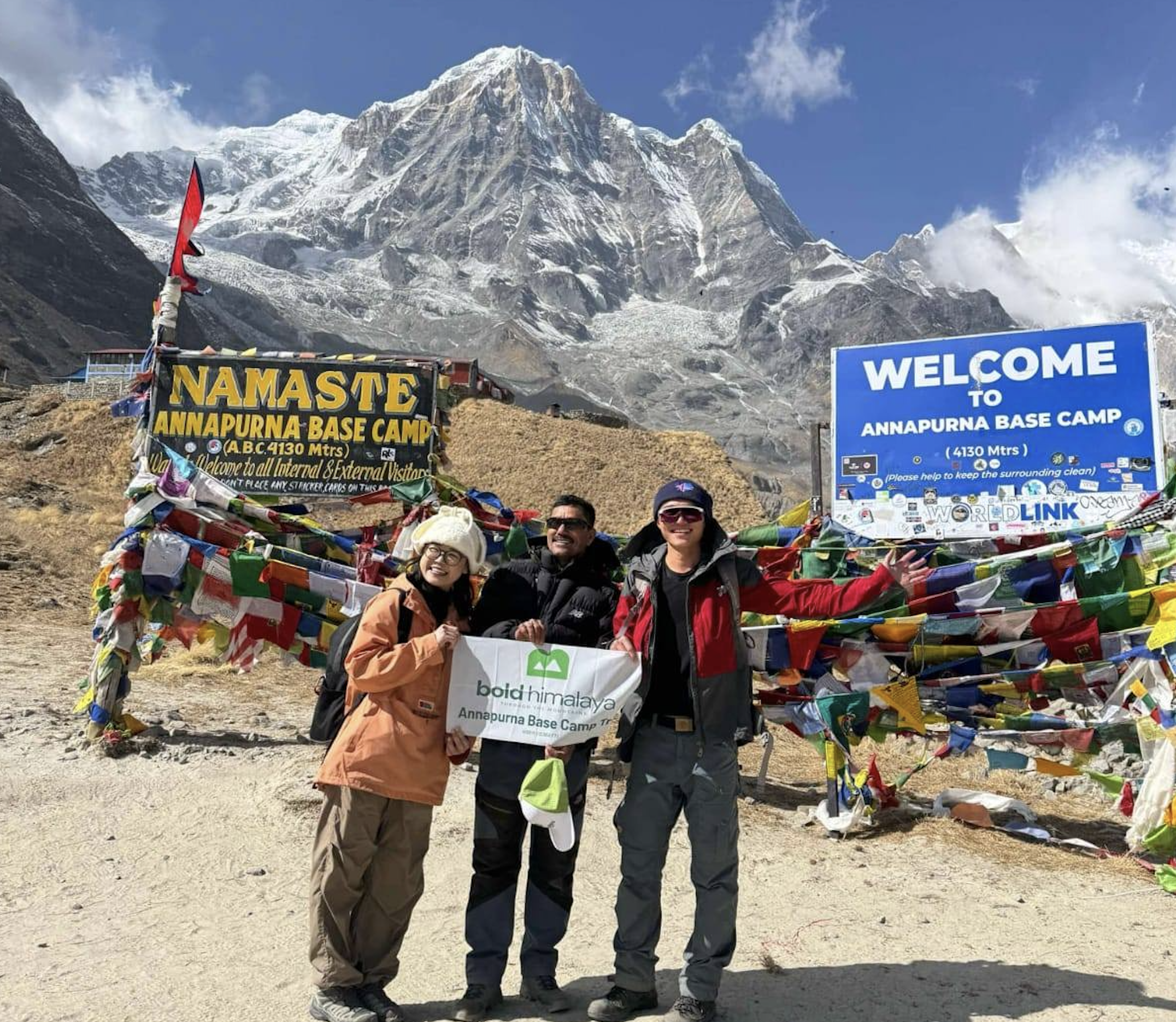
Bold Himalaya Team celebrating at Annapurna Base Camp (4,130 m / 13,549 ft) surrounded by stunning Himalayan peaks during Annapurna Base Camp Trek

Save 39%

Annapurna Base Camp Trek

The Annapurna Base Camp Trek via Ghandruk is the best mountain...
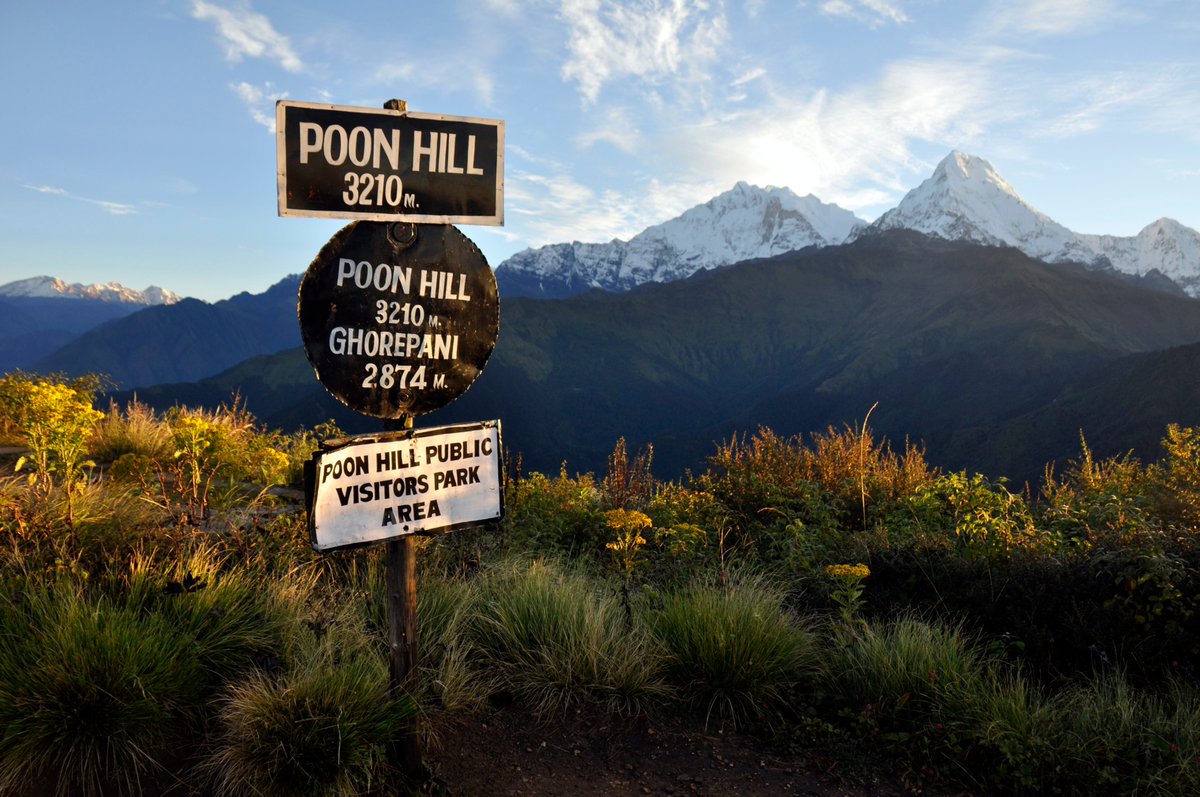
Sunrise view from Poon Hill with signpost and Annapurna mountains during the Ghorepani Poonhill Trek 3 Days.-best treks in nepal

Save 39%

3 Days Ghorepani Poon Hill Trek from Pokhara

Looking for a short trek from Pokhara that gives you jaw-dropping...

Australian Base Camp Dhampus Mountain Biking Tour

Australian Camp is one of the best mountain biking overnight trip...

Save 28%

Ghorepani Poonhill Trek

The 4-day Ghorepani Poon Hill Trek starts and ends in Pokhara,...

$350

Per Person
Quick Inquiry

Plan a trip

Explore the recognitions we've earned and the legal foundations we've built.

What is the destination of choice? [Select Multiple]

Explore the recognitions we've earned and the legal foundations we've built.

Flexible Flexible
Nepal Nepal
India India
Bhutan Bhutan
China China
Maldives Maldives
Indonesia Indonesia
Peru Peru
What activities are you interested in?

Explore the recognitions we've earned and the legal foundations we've built.

Flexible
Trekking/Hiking
Tours sightseen
Peak Climbing
Wildlife & Nature
Biking & Cycling
Water Sports
Day Tours
Helicopter Tours
Spiritual Religious
Hunting
Travel Date & Duration

Explore the recognitions we've earned and the legal foundations we've built.

Contact Information

Explore the recognitions we've earned and the legal foundations we've built.

Bookmark Added Successfully
You can always view your bookmarks on the profile page.
Error
You can always view your bookmarks on the profile page.
Warning
You can always view your bookmarks on the profile page.
Information
You can always view your bookmarks on the profile page.
invoice
Bold Himalaya Kuleswor-13, Kathmandu, Nepal https://www.boldhimalaya.com +977-9862964046
BILL TO John Michael [email protected] +977-9819947321 Triyuga, Udayapur, Koshi Province, Nepal
  • Invoice #156
  • Created 15/11/2024
  • Due 28/11/2024
  • Booking Number #156
  • Booking Status Processing
  • Payment Method Offline Payment
  • Tour Name Everest Basecamp Trek
  • Address Indonesia
  • Departure Date 12 Nov. 2024
  • Duration 4 Days
  • Adult 2
Pricing
  • Adult: 2 * $700 $1,400
  • Service Tax $0
  • Discount - $100
  • Invoice #156
  • Created 15/11/2024
  • Due 28/11/2024