

Bhutan Sightseeing Tour Package


Itinerary
Your Journey, Step by Step
Day 1: ARRIVAL IN PARO AND SIGHTSEEING
Hotel in Paro
Lunch & Dinner
2,200 m (Paro Valley)
Your Bhutan sightseeing tour begins with a scenic flight to Paro, one of the most beautiful valleys in Bhutan. This flight offers stunning views of the Himalaya, including famous peaks like Mt. Chomolhari and Mt. Jitchu Drake. As you land in the peaceful Paro Valley, you’ll immediately feel the fresh mountain air and calm surroundings—making it a perfect start to your Bhutan tour experience.
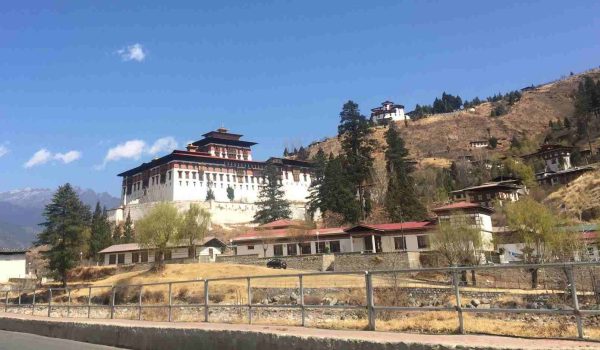
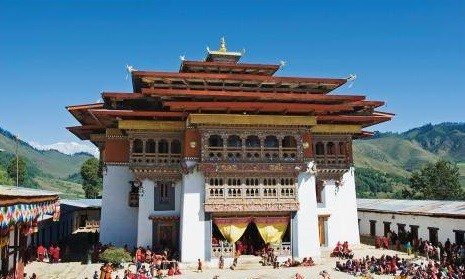
After arrival and some rest, you begin your Paro sightseeing tour with a visit to Rinpung Dzong (Paro Dzong), a historic fortress-monastery known for its impressive Bhutanese architecture. Inside, you can see beautiful murals and paintings, including those of the great meditation master Milarepa. Nearby, you may also see locals playing archery, the national sport of Bhutan.
Next, you visit the National Museum of Bhutan, located in a unique round watchtower above the dzong. The museum showcases traditional Bhutanese art, masks, and cultural artifacts. The tour then continues to Kyichu Monastery, one of the oldest temples in Bhutan, built in the 7th century, offering a peaceful and spiritual atmosphere. You will also pass by the historic Drugyel Dzong ruins, which reflect Bhutan’s rich history.
On the way back, you cross Nyamai-Zam Bridge, a traditional wooden bridge over the Paro River. After a full day of exploring culture, history, and natural beauty, you return to your hotel and spend the night in Paro.
Day 2: DRIVE FROM PARO TO PUNAKHA
Hotel in Punakha
Breakfast, Lunch & Dinner
Approx. 5–6 hours (including stops)
On Day 2 of your Bhutan tour, you begin a scenic drive from Paro to Punakha, one of the most beautiful valleys included in many Bhutan travel packages. After breakfast, you drive towards Thimphu, the capital city of Bhutan, where you make a short stop before continuing your journey.
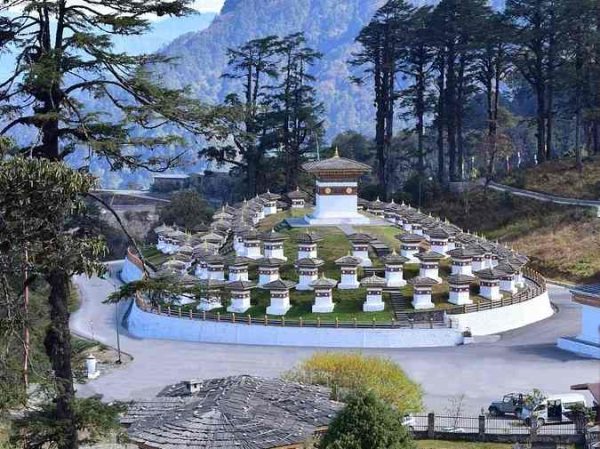
The highlight of today is crossing the famous Dochula Pass (3,050 meters). From here, you can enjoy stunning panoramic views of the Himalayan mountain range, including Mt. Gangkar Puensum, the highest unclimbed peak in the world. The pass is also known for its 108 memorial chortens, making it a peaceful and scenic spot.
After the pass, the road descends into the warm and fertile Punakha Valley. Along the way, you will pass through lush forests, rivers, and terraced rice fields, offering a glimpse of rural Bhutanese life. The changing landscape from mountains to valleys makes this drive one of the most memorable parts of your Bhutan travel experience.
By afternoon, you arrive in Punakha, where you can relax and enjoy the peaceful surroundings. Overnight stay in Punakha.
Day 3: EXPLORATION DAY AT PUNAKHA
Hotel in Punakha
Breakfast, Lunch & Dinner
2–3 hours (Chimi Lhakhang hike)
On Day 3 of your trip to Bhutan, you will explore the beautiful Punakha Valley, one of the most important cultural destinations when you travel to Bhutan. The day begins with a visit to the magnificent Punakha Dzong, one of the most iconic landmarks in Bhutan. Built in 1637 by Zhabdrung Ngawang Namgyal, this dzong is located at the meeting point of the Pho Chu (Male River) and Mo Chu (Female River), creating a stunning natural setting. It was once the capital of Bhutan and is still an important religious and administrative center today.
While exploring the dzong, you will experience traditional Bhutanese architecture, peaceful courtyards, and a deep sense of spirituality that reflects the country’s rich heritage. Punakha’s warm climate and fertile land also make it one of the most scenic valleys you will see during your tour of Bhutan.
After visiting the dzong, you take a short walk across a traditional suspension bridge, offering beautiful views of the river and surrounding countryside. The journey then continues with a gentle hike through rice fields and local villages to reach Chimi Lhakhang, also known as the Fertility Temple. This monastery was built in the late 15th century and is closely linked to Lama Drukpa Kunley, a famous spiritual figure in Bhutan. The temple is widely visited by couples seeking blessings and is an important part of Bhutanese culture.
After exploring the monastery and enjoying the peaceful rural landscape, you return to your hotel in Punakha. The rest of the day is free to relax and take in the calm beauty of the valley. Overnight stay in Punakha.
Day 4: Drive from Punakha to Gangtey Gompa
Hotel / Lodge in Gangtey
Breakfast, Lunch & Dinner
5–6 hours (including stops)
On Day 4 of your trip to Bhutan, you will embark on a scenic drive from Punakha Valley to Gangtey Gompa, one of the most picturesque areas in Bhutan. This drive is famous in many Bhutan travel packages for its stunning landscapes and serene environment.
The route passes through lush forests of rhododendron, oak, and pine trees, offering travelers a chance to experience Bhutan’s untouched natural beauty. The journey takes you to the Pepe La Pass (3,420 meters), where you can stop to enjoy breathtaking views of the Himalayan peaks, including the majestic Mt. Chomolhari. This pass is a perfect spot for photography and soaking in the grandeur of the high mountains.
Along the way, your guide will make stops at local villages and cultural sites, giving you a deeper understanding of rural life in Bhutan. You may also witness traditional farming landscapes, river valleys, and terraced fields that make this journey unique.
After this scenic drive, you arrive at Gangtey Gompa, a serene monastery perched in the Phobjikha Valley. This valley is famous for its peaceful environment, wildlife, and the unique Gangtey Nature Trail. You will spend the night in Gangtey, enjoying the area’s tranquil beauty and cultural richness.
This day is an ideal example of why travelers choose a Bhutan tour, combining natural beauty, cultural heritage, and Himalayan adventure in one journey.
Day 5: EXPLORATION DAY AT GANGTEY GOMPA
Breakfast, Lunch & Dinner
Hotel / Lodge in Gangtey
On Day 5 of your Bhutan Sightseeing Tour Package, you will explore the serene and culturally rich Gangtey Valley, one of the most picturesque regions included in Bhutan travel packages. The day begins with a visit to the Gangteng Monastery (Gangtey Gonpa), a prominent center of Nyingma Buddhism perched on a hill overlooking the Phobjikha Valley. This valley is renowned for its sweeping landscapes, traditional villages, and the tranquil flow of the Nake Chuu River.
Gangtey Gompa is famous for its unique architectural design, vibrant murals, and spiritual significance. The surrounding valley is home to nomadic shepherds and yak herders, offering travelers a glimpse of traditional Bhutanese rural life. During the visit, you may learn about the monastery’s history, observe local religious practices, and experience the peaceful atmosphere that makes Gangtey a standout destination on any Bhutan tour.
After exploring the monastery, you will enjoy a short trek of about 1.5 hours along the Gangtey Nature Trail, a scenic path that winds through forests, meadows, and small villages. The trail offers excellent opportunities to spot local wildlife such as black-necked cranes (seasonal) and take in panoramic views of the valley below.
The rest of the day is free to relax and enjoy the serene beauty of Gangtey Valley. This day combines cultural exploration, nature walks, and spiritual experiences, making it a highlight for travelers who want a complete travel to Bhutan experience. Overnight stay at your hotel in Gangtey.
Day 6: Drive from Gangtey Gompa to Thimphu
Hotel in Thimphu
Breakfast, Lunch & Dinner
Approx. 4–5 hours (including stops)
On Day 6 of your journey visiting Bhutan, you will drive from the serene Gangtey Valley to Thimphu, the bustling and modern capital of the kingdom. This scenic route is a highlight in most Bhutan travel packages, offering travelers picturesque views of forests, terraced fields, and Himalayan foothills along the way.
Once in Thimphu, your Bhutan travel tours include a visit to the National Memorial Chorten, a sacred monument built in honor of the third King of Bhutan, where locals come to pray and meditate. Next, explore the National Library, home to thousands of ancient Buddhist manuscripts, giving a deep insight into Bhutan’s spiritual heritage.
Your Bhutan packages continue with a visit to the Bhutan Folk Heritage Museum, where traditional rural life is preserved through artifacts, household items, and exhibits that show Bhutanese customs and lifestyles. You will also visit the Textile Museum, which showcases Bhutan’s rich weaving traditions, with a vibrant collection of fabrics, patterns, and historical designs.
In the evening, enjoy a stroll through Thimphu’s streets and local markets, interacting with artisans, exploring handicraft shops, and experiencing the city’s unique blend of tradition and modernity. This day is perfect for travelers visiting Bhutan to immerse themselves in the culture while enjoying the comforts of modern Bhutanese life. Overnight stay in Thimphu.
Day 7: Drive from Thimphu to Haa Dzongkhag
Hotel / Lodge in Haa
Breakfast, Lunch & Dinner
Approx. 4 hours (including stops)
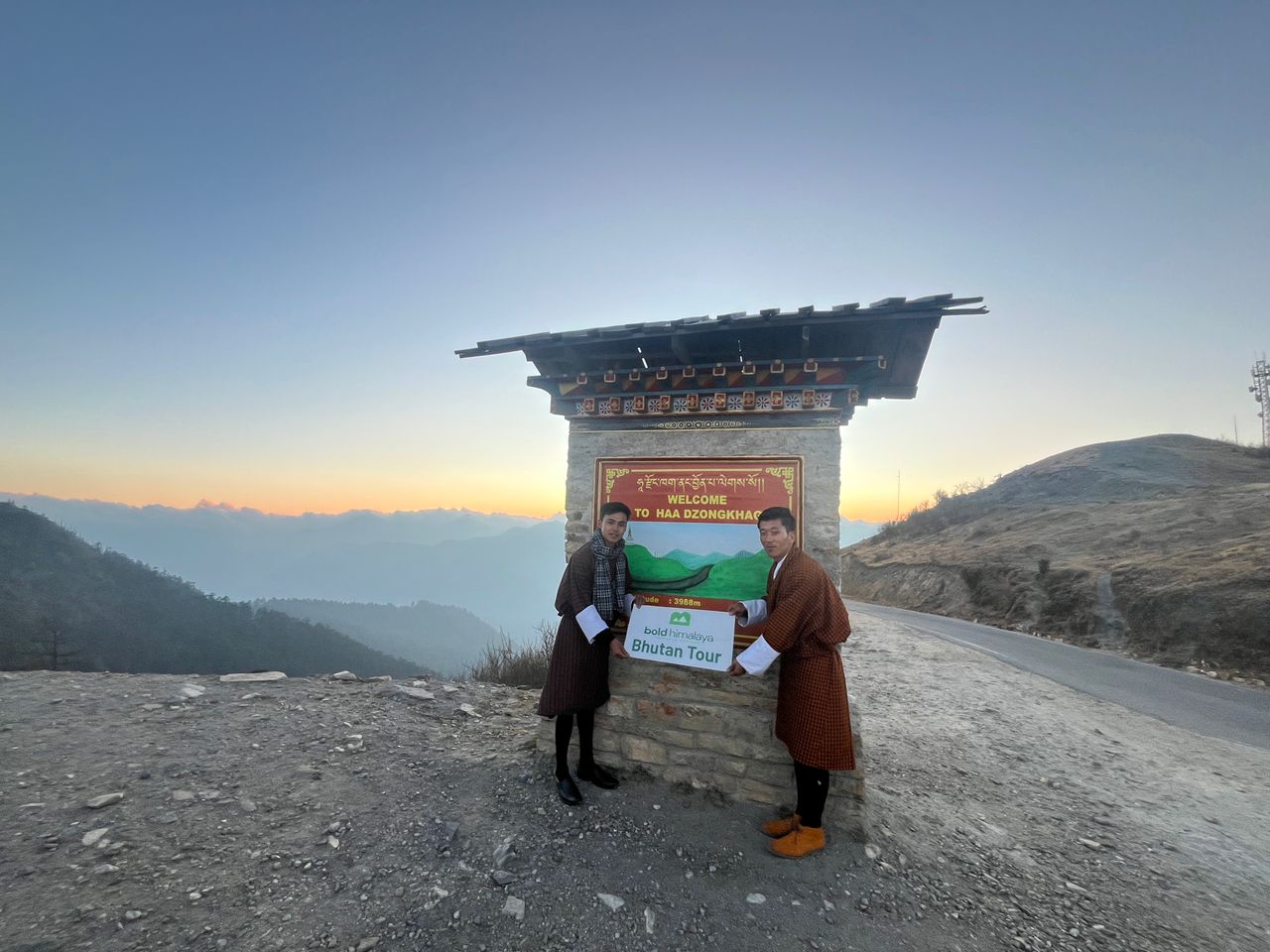
On Day 7 of your trip visiting Bhutan, you will drive from the capital city, Thimphu, to the enchanting Haa Dzongkhag Valley, one of the most picturesque and untouched regions included in Bhutan travel packages. Your day begins with a visit to the Handicraft Emporium in Thimphu, where you can admire and purchase authentic Bhutanese handicrafts, textiles, and traditional artworks—a perfect introduction to Bhutanese culture before continuing your journey.
The drive from Thimphu to Haa passes through dense pine forests and offers stunning views of snow-capped peaks, rolling hills, and quaint villages. Haa Valley, which was closed to outsiders until 2002, remains a hidden gem, showcasing the serene beauty of rural Bhutan.
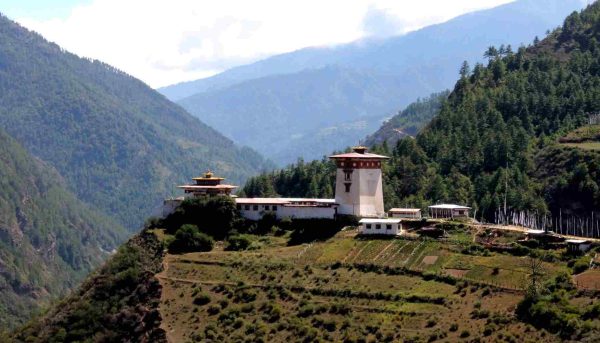
Upon arrival, your Bhutan travel tours include visits to historical landmarks such as Wangchuk Dzong, built in 1915, and the sacred Lhakhang Karpo (White Temple) and Lhakhang Nagpo (Black Temple), which were originally constructed in the 8th century by Tibetan King Songtsen Gampo. These sites offer insight into Bhutanese architecture, religious practices, and centuries-old cultural traditions.
The rest of the day allows you to explore the peaceful surroundings, interact with local villagers, and enjoy the calm and pristine environment of the Haa Valley. Overnight stay in Haa. This day is a highlight for travelers visiting Bhutan who want an authentic glimpse of Bhutan’s hidden valleys and heritage.
Day 8: Drive from Haa Dzongkhag to Paro
Hotel in Paro
Breakfast, Lunch & Dinner
Approx. 3–4 hours (including stops)
On Day 8 of your Bhutan sightseeing tour, you will drive from the serene Haa Valley to Paro, the cultural and historical heart of Bhutan. This short but scenic journey is a highlight in most Bhutan holiday packages, offering breathtaking views of green valleys, traditional villages, and dense Himalayan forests.
Along the way, there are multiple stops at religious and cultural landmarks, giving travelers an authentic glimpse into Bhutanese life, temples, and ancient spiritual practices. This is a unique opportunity for those traveling to Bhutan to connect with the kingdom’s rich heritage beyond the usual tourist paths.
After arriving in Paro, you will have time to relax and prepare for the next day’s adventure: the iconic Taksang Monastery (Tiger’s Nest) hike. In the evening, enjoy exploring Paro’s streets, visit local markets, and experiencing Bhutan’s warm hospitality firsthand. An overnight stay in Paro completes this peaceful and culturally enriching day.
Day 9: EXPLORATION DAY AT PARO. HIKE UP TO TAKTSANG MONASTERY (TIGER’S NEST)
Hotel in Paro
Breakfast, Lunch & Dinner
1.5–2 hours one-way
Moderate
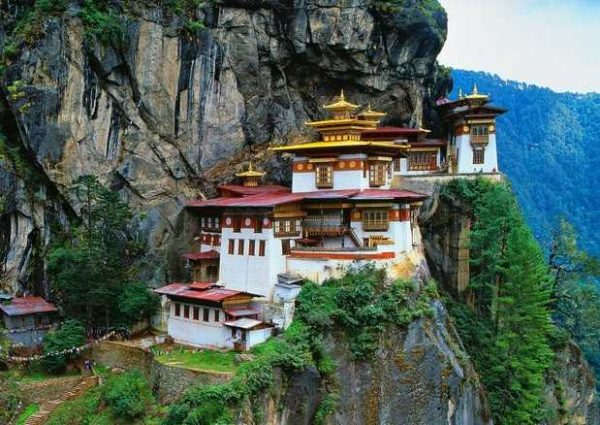
Today, we will hike to one of Bhutan’s most revered pilgrimage sites, the Taktsang Monastery. We will begin with a drive to Satsam Chorten. From here, we will start to hike or grasp a chance to ride a horse up to the cafeteria. From here, one must walk for about one and a half hours to reach the way to Paro Taktsang Monastery, popularly known as Tiger’s Nest.
It is the most valued temple of Bhutan that hangs on a fascinating granite cliff overlooking the whole Paro valley below. It is believed that Guru Padmasambhava, who is widely known as Guru Rinpoche, flew on a tigress’ back on this site to subdue a demon. After that, he stayed and meditated here for three months.
The monastery was revered and blessed as one of Bhutan’s most revered religious sites. Cameras and Photography are restricted inside the monastery, so we will have to keep our bags and cameras at the security entrance.
We will be spending most of the day hiking and exploring Tiger Nest Monastery. We will descend back to arrive at our hotel in Paro. It is our last day at Paro before flying back to our home country. So, grab a chance to peep into some souvenir shops at Paro for memories or loved ones back home. Dinner and overnight at the hotel in Paro.
Day 10: FLY BACK TO HOME COUNTRY
Breakfast
On the final day of your Bhutan sightseeing tour, you will check out from your hotel in Paro after breakfast and transfer to Paro International Airport for your flight back home. This marks the end of your unforgettable journey traveling through Bhutan, where you experienced the kingdom’s majestic mountains, sacred monasteries, serene valleys, and vibrant culture.
Before departure, you may have a few last moments to stroll around Paro, pick up souvenirs, or take photographs of the scenic landscapes surrounding the airport. Your Bhutan holiday package concludes with safe transfers and flights, leaving you with memories of a lifetime.
For travelers who have extra time and want to extend their Himalayan adventure, a seamless flight from Paro to Kathmandu, Nepal, opens up the opportunity for world-class trekking experiences. You can choose from iconic treks like the Annapurna Circuit and the Everest Base Camp trek.
Want to customize your trip?
We ensure every trip meets your expectations — customize your itinerary anytime to match your travel style and preferences.
Inclusions
When you book this Bhutan sightseeing tour, you can enjoy a hassle-free and comfortable journey with the following inclusions:
- Receive a warm welcome at Paro International Airport with all transfers in comfortable tourist vehicles.
- Hotels (upgradeable to 3, 4 or 5-star properties upon request) with all necessary amenities.
- Full board meals (breakfast, lunch, and dinner) throughout the tour.
- Guided sightseeing to iconic destinations like Paro, Thimphu, Punakha, Gangtey, and Haa Dzongkhag.
- All entrance fees for monuments, Dzongs, monasteries, and museums included in the itinerary.
- Certified Bhutanese guides to provide cultural insights and historical context.
- Private tourist vehicles for all intercity transfers and sightseeing.
- Bhutan visa fees ($40) and Sustainable Development Fee (SDF) ($100 per night) included.
- Guided walks, including the Tiger’s Nest Monastery trek, and nature trails where applicable.
- 24/7 support from our tour coordinators during your Bhutan trip.
- Flights to and from Bhutan (except where domestic flights are part of the itinerary).
- Comprehensive travel insurance covering medical emergencies, trip cancellations, and accidents.
- Shopping, souvenirs, laundry, phone calls, and additional meals or beverages outside the itinerary.
- Tips for guides, drivers, and hotel staff (optional but recommended).
- Additional visa fees for multi-country packages outside Bhutan.
- Drinks unless specifically included in the meals.
Good to Know
Your Journey, Step by Step
Visa & Entry Requirements for Bhutan
When planning your trip to Bhutan, it’s important to understand the visa and entry requirements to make your journey smooth and stress‑free. Unlike many countries, travel to Bhutan is regulated, and most visitors must obtain a visa before arrival as part of their Bhutan tour arrangements.
Who Needs a Visa?
Most international travelers, including those from North America, Europe, Australia, and much of Asia, must obtain a visa to enter Bhutan. Citizens of India, Bangladesh, and the Maldives typically do not require a visa but must still carry valid identification when they travel to Bhutan.
How to Get a Bhutan Visa
You cannot apply for a visa independently at a Bhutanese embassy or online on your own. Instead, visas are arranged through a licensed Bhutan tour operator like Bold Himalaya when you book your Bhutan tour package. The operator will submit your passport details to the Department of Immigration on your behalf. Once approved, you’ll receive a visa clearance letter before departure.
Fees & Charges
When you tour Bhutan, the visa fee and sustainable tourism charges are typically included in your tour package:
- Visa Fee: USD 40 (one‑time)
- Sustainable Development Fee (SDF): USD 100 per person per night
These fees are part of Bhutan’s responsible tourism policy, ensuring that visitors support cultural preservation and community development. Many Bhutan travel packages manage these fees upfront, so you don’t have to pay them on arrival.
Passport Requirements
To obtain your visa clearance:
- Your passport should be valid for at least 6 months beyond your planned date of departure from Bhutan.
- Provide clear passport scans at the time of booking your Bhutan tour.
Entry Points to Bhutan
You can travel to Bhutan by:
- Air: Most international flights arrive at Paro International Airport (PBH); scenic flights offer stunning views of the Himalaya during your tour of Bhutan.
- Land: Visitors coming from India may enter by road through recognized border crossings if included in your Bhutan travel package.
Accommodation
During your trip to Bhutan, accommodation is arranged according to the Bhutan tour package you choose, ensuring comfort, convenience, and a touch of authentic Bhutanese charm. Most hotels and lodges included in Bhutan travel packages are located near major cultural and scenic sites, allowing you to tour Bhutan with ease and fully enjoy the breathtaking valleys, monasteries, and landscapes.
Guests can expect clean, comfortable rooms with modern amenities, while many properties reflect traditional Bhutanese architecture and décor, providing an immersive cultural experience.
Meals are typically included as part of the package, offering full board options so travelers can focus entirely on exploring Bhutan without worrying about dining arrangements.
From the serene Paro Valley to the scenic Punakha, the peaceful Gangtey and Haa Valleys, and the vibrant capital of Thimphu, accommodations are thoughtfully selected to enhance your Bhutan travel tour, combining comfort, location, and authentic local atmosphere for a memorable Himalayan adventure.
Transport in Bhutan
During your trip to Bhutan, all transportation is arranged through private vehicles with licensed drivers and experienced guides. Public buses are limited in Bhutan and are not practical for tourists, as most sightseeing destinations are off the regular bus routes.
Using private vehicles ensures comfort, safety, and flexibility, allowing you to stop for photography, explore local villages, and reach remote monasteries and scenic spots easily.
For Bhutan travel tours, your transportation is fully included in the package, covering airport transfers, scenic drives between cities and valleys, and daily excursions.
This arrangement guarantees a smooth and hassle-free Bhutan tour experience while enjoying the stunning Himalayan landscapes along the way.
Food in Bhutan
During your Bhutan travel tour, all meals included in your package are carefully planned to give you a taste of authentic Bhutanese cuisine while also catering to international palates.
You will enjoy full-board meals at your hotels, lodges, or local restaurants, featuring traditional dishes like Ema Datshi (chili cheese stew), Phaksha Paa (pork with red chili), and freshly prepared local vegetables, rice, and soups.
Your Bhutan tour also allows opportunities to savor local delicacies at markets and small eateries, providing a cultural and culinary experience. Clean, safe, and freshly prepared food is always prioritized, ensuring that your trip to Bhutan is not only scenic and spiritual but also delicious.
Clothing & Essential
For your Bhutan tour, choosing the right clothing and essentials is important for a comfortable and enjoyable experience. Clothing in Bhutan depends on the season you travel.
In spring (March–May), light layers such as T-shirts, long-sleeve shirts, a light fleece or jacket, and comfortable hiking shoes are ideal, as this is the season of blooming rhododendrons. During the summer/monsoon months (June–August), lightweight, quick-dry clothes, a raincoat or poncho, waterproof shoes, and an umbrella are recommended due to warm and rainy weather.
In autumn (September–November), light to medium layers, a warm jacket or fleece, hiking shoes, and sunglasses are suitable for clear skies and scenic views.
For winter (December–February), heavy clothing such as thermal wear, a warm jacket, gloves, a woolen hat, and sturdy shoes are necessary as some high passes may be covered in snow.
Always carry a hat, sunscreen, and a small daypack for essentials while exploring, ensuring a comfortable and hassle-free trip to Bhutan regardless of the season.
Cultural Etiquette
When traveling to Bhutan, understanding the local cultural etiquette is essential for a respectful and enjoyable experience. Bhutan is deeply rooted in Buddhist traditions, and visitors are expected to behave politely and modestly.
When visiting monasteries, temples, and dzongs, dress conservatively, covering shoulders and knees, and always remove your shoes and hats before entering sacred spaces. Avoid touching religious artifacts, statues, or thangka paintings, and never point your feet toward sacred objects.
When greeting locals, a polite nod or slight bow is appreciated, and using the traditional greeting “Kuzuzangpo la” shows respect. Public displays of affection are uncommon and considered inappropriate. Photography is often restricted inside religious sites, so always check before taking pictures.
During festivals or ceremonies, follow instructions from local authorities and be mindful of rituals. Engaging respectfully with villagers, supporting local handicrafts, and adhering to Bhutan’s environmental and cultural guidelines enrich your Bhutan tour experience and help preserve the kingdom’s unique traditions for future travelers.
Connectivity
When traveling to Bhutan, connectivity is generally reliable in towns and cities but can be limited in remote valleys like Haa, Gangtey, or Punakha. Mobile networks are available through providers such as B-Mobile and TashiCell, and 4G coverage is expanding, but signal strength may vary in mountainous regions.
Most hotels and lodges in major destinations like Paro, Thimphu, and Punakha offer Wi-Fi, although it can be slower than in urban areas.
International calls can be made from hotels or via mobile roaming, but it’s advisable to check with your provider before your Bhutan tour. For online travelers, planning for maps, travel apps, and offline resources is helpful when venturing into remote areas where connectivity is intermittent.
Overall, staying connected while on a trip to Bhutan is possible in most tourist locations, but part of the charm of Bhutan is enjoying its serene landscapes and digital detox away from the hustle and bustle.
Frequently Asked Questions (FAQ) – Bhutan Travel
2. Why is Bhutan so expensive to visit?
Bhutan focuses on high-value, low-impact tourism to preserve its environment, culture, and heritage. The government charges a daily Sustainable Development Fee (SDF) per visitor to fund healthcare, education, and conservation efforts.
This ensures a peaceful and exclusive travel experience for tourists, unlike mass tourism destinations.
3. What vaccinations do I need for Bhutan?
Travelers visiting Bhutan should ensure they are up to date with routine vaccinations such as MMR, DTP, and Hepatitis A & B. Depending on your travel history and season, your doctor may recommend additional vaccines like typhoid or Japanese encephalitis. Always consult a travel clinic before your trip to Bhutan.
4. Can I go to Bhutan on my own?
No, independent travel is not allowed. All visitors must book through a licensed tour operator. You can tour Bhutan only via approved packages that include accommodation, transportation, and guides, ensuring compliance with government regulations.
What is the best time to visit?
The best time to visit is during the dry season, from April to October, when the weather is pleasant and ideal for outdoor activities.
5. Do I need a visa to visit Bhutan?
Yes, all international travelers require a visa. Your Bhutan tour operator will handle the visa process along with the mandatory SDF. The visa must be arranged before arrival in Bhutan. It is valid for the duration of your travel package.
6. Is Bhutan really worth visiting?
Absolutely. Bhutan offers unmatched natural beauty, pristine landscapes, sacred monasteries, and vibrant local culture. A trip to Bhutan is a unique experience that combines spiritual enrichment with breathtaking Himalayan vistas, making it one of the world’s most extraordinary destinations.
7. What is the best way to get around Bhutan?
The most convenient way to explore Bhutan is by private car or tourist vehicle arranged through your Bhutan travel packages. Public buses are limited and not suitable for tourists. Using a dedicated driver-guide ensures safety, flexibility, and seamless access to cultural sites and remote valleys.
8. Can I cover Bhutan in 5 days?
While it is possible to visit major highlights like Paro, Thimphu, and Punakha in 5 days 4 nights, it is recommended to opt for at least 7–10 days for a complete Bhutan tour experience. This allows time to explore valleys, monasteries, and enjoy cultural immersion without rushing.
9. Is it expensive to fly to Bhutan?
Flights to Paro are operated by limited airlines such as Druk Air and Bhutan Airlines, and the cost can be higher than regular international flights due to the challenging Himalayan approach. Booking in advance as part of a Bhutan tour can help manage costs effectively.
10. Is Bhutan safe for tourists?
Yes. Bhutan is one of the safest countries in the world with low crime rates, friendly locals, and excellent healthcare facilities in cities. Your tour of Bhutan package ensures guided support for a smooth and secure travel experience.
11. Are the toilets in Bhutan clean?
In urban areas and hotels, toilets are clean and well-maintained. In remote areas, basic facilities are available. Always carry hand sanitizer and small essentials for comfort during trekking and rural excursions.
12. Which month is best to visit Bhutan?
The best time for a trip to Bhutan is during spring (February–May) and autumn (September–November). During these months, the weather is pleasant, the valleys are lush, and festivals like Paro Tsechu are held, offering a full cultural experience. Winter months are cold but ideal for snow-covered landscapes, while the monsoon (June–August) can bring heavy rainfall.
13. What should I avoid in Bhutan?
Avoid disrespecting religious sites, touching monks, or taking photographs where prohibited. Public displays of affection are frowned upon in Bhutan.
14. Can UK citizens go to Bhutan?
Yes, but UK citizens must obtain a visa through a licensed Bhutan tour operator as part of a Bhutan travel package.
15. Do Bhutanese drink alcohol?
Yes, alcohol is consumed in Bhutan, particularly traditional drinks like ara (rice or wheat wine). Always drink responsibly.
16. What is famous in Bhutan to buy?
Popular souvenirs include handmade textiles, prayer flags, thangkas (Buddhist paintings), handicrafts, woodwork, and traditional masks.
17. Can you take photos in Bhutan?
Photography is allowed in most places except inside monasteries, temples, and during sacred rituals. Always seek permission if unsure.
View OurSimilar Packages
Discover our top tours, loved by thousands of travelers annually. Choose the adventure that inspires you and embark on a journey tailored to your desires.
View All Packages
Bhutan Tour 4 Days 3 Nights
 Bhutan: Tours & Trekking Experience Packages
  4.0 Days
Bhutan Tour 5 Days 4 Nights
Bhutan: Tours & Trekking Experience Packages
5.0 Days

Druk Path Trek Tour | Bhutan Tours Trekking
Bhutan: Tours & Trekking Experience Packages
8.0 Days

Premium Nepal & Bhutan Luxury Tour | 11-Day Himalaya Adventure
Multi-country
11 Days Days