

Everest Base Camp Trek 15 Days


Everest Base Camp Trek 15 Days Detailed Itinerary
Your Journey, Step by Step
Day 2: Fly Kathmandu to Lukla – Trek to Phakding (2,610 m)
Teahouses Teahouses

Breakfast, Lunch, Dinner
3 hours
2,610 m
We will start our Everest Base Camp 13 day’s trek with a scenic flight. After early morning breakfast in Kathmandu, we transfer you to the domestic airport and fly to Lukla, Tenzing Hillary airport. About 30 minutes of scenic flight from Kathmandu, we arrive at the Lukla Airport, the high place airport in Nepal. And the journey to the Himalayan begins after registering an entrance card at Lukla Tourism Checkpoint.
From Lukla, we begin our EBC trekking and head toward Phakding. Then trial formally commences after entering through Pasang Lhamu Sherpa Memorial gate. At first, the trail drops down to Thalsaroa and Cheeplung. We can have the spectacular vista of surging Dudh Khoshi river on the way to Cheeplung. From Cheeplung, the trail crosses through the suspension bridge over Thado Khola offering the view of Mt. Khumbila before reaching Ghat.
The trail continues to Phakding, which takes about 2 hours inclined walk offering a spectacular demonstration of the prayer wheels, mantras painted Mani stones and gompas.
Overnight stay at Phakding at Local Tea House
Day 3: Phakding to Namche Bazaar (3,440 m) – Gateway to the Sherpa Heartland
Teahouse
Breakfast, Lunch, Dinner
5–6 hours of trekking
~10 km
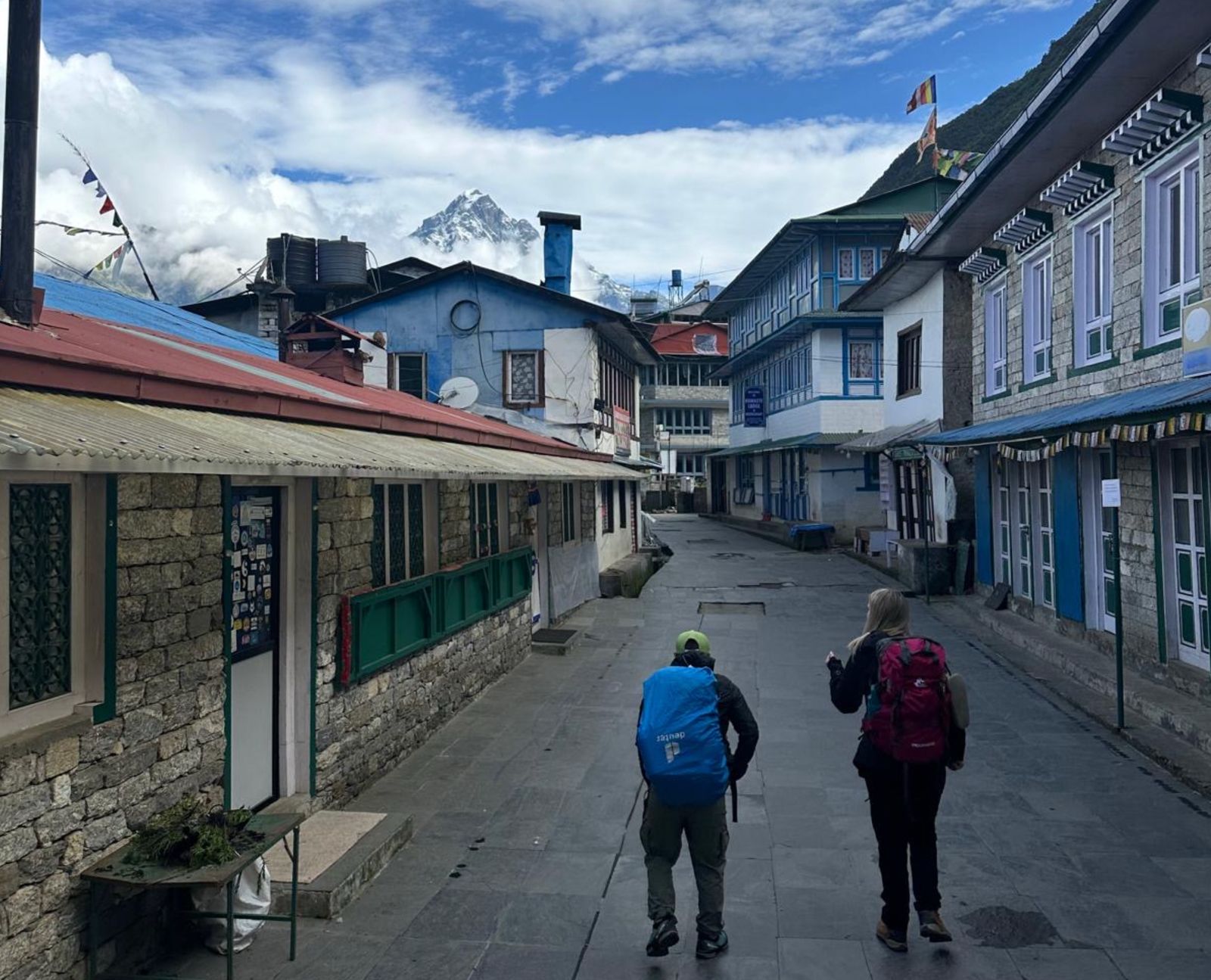
The trek from Phakding to Namche Bazaar is long but enchanting, introducing trekkers to the beauty of Sagarmatha National Park trekking. The trail follows the Dudh Koshi River, passing traditional Sherpa villages such as Rimijung, Zamfute, Benkar, and Chhamuwa, where trekkers can rest and enjoy Himalayan village life.
At Chhamuwa, your TIMS card and Sagarmatha National Park entry permit are checked, marking entry into the protected park.
After Monjo, the trail continues along the river to the confluence of the Bhote Koshi and Dudh Koshi Rivers, offering panoramic views of surrounding peaks. Trekkers often take a lunch break at Jorsala, the last stop before Namche Bazaar, while enjoying views of Thamserku, Kusum Kanguru, and other Himalayan giants.
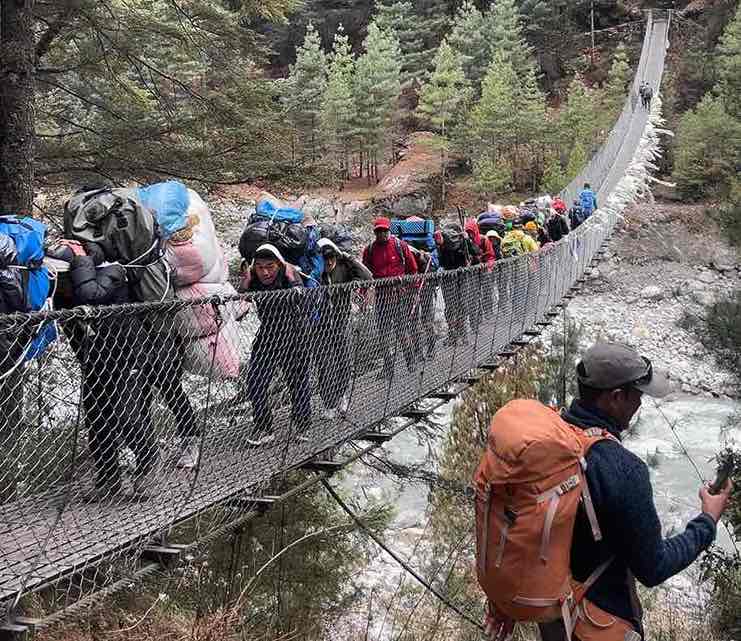
The final stretch includes crossing the Tenzing-Hillary Suspension Bridge and a steady ascent through pine forests, with glimpses of Everest, Nuptse, and Lhotse along the way. The day ends at Namche Bazaar, the bustling Sherpa trading hub, where trekkers stay overnight in teahouse accommodation on the Everest Base Camp trek.
Day 4: Acclimatization Hike – Everest View Hotel & Khumjung Village (3,880 m)
Teahouses
Meals Breakfast, Lunch, Dinner
5 hours
3,880 m
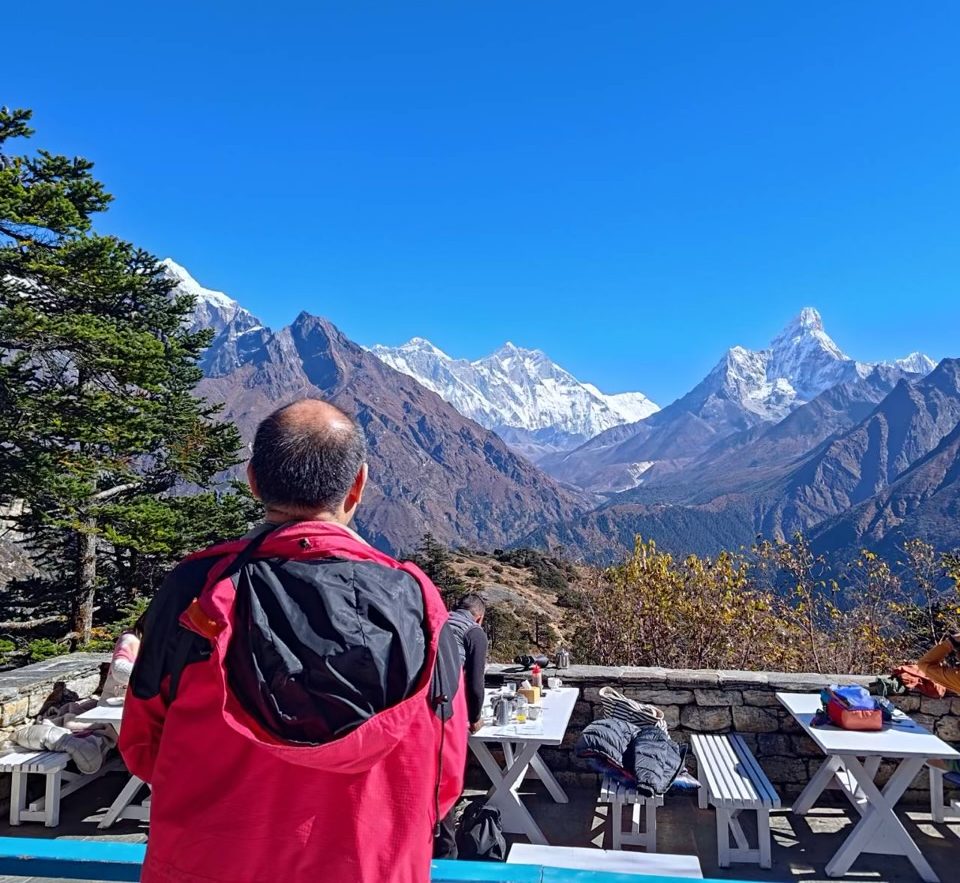
After breakfast at 7:30 AM in Namche Bazaar, trekkers start the Everest View Hotel hike at 8:00 AM. This acclimatization trek provides stunning panoramic views of Mount Everest, Lhotse, Ama Dablam, and Thamserku, and winds through pine and rhododendron forests, offering your first immersive experience in the Everest region trekking in Nepal.
On the way, trekkers can choose to explore Khumjung village, a traditional Sherpa settlement famous for its monastery that houses a legendary Yeti’s scalp, as well as local Sherpa culture on the Everest trek. After lunch in Khumjung, there is an optional 1.5-hour walk to visit the Sherpa Cultural Museum, which has two sections: a government-run gallery featuring a Tenzing Norgay statue, and a private section highlighting Sherpa heritage, music, and lifestyle.
This day emphasizes altitude acclimatization tips Everest trek: moving slowly, staying hydrated, and monitoring for early altitude sickness symptoms. Dinner is in Khumjung village at a local teahouse before returning to Namche Bazaar for an overnight stay. The day blends physical conditioning, cultural immersion, and breathtaking Himalayan vistas, making it one of the most rewarding stops on the Everest Base Camp trek 2026.
Day 5: Namche Bazaar to Phortse via Khumjung (3,810 m)
Local teahouse
Breakfast, Lunch, Dinner
5–6 hours trekking
~12 km
On Day 5 of your Everest Base Camp trek 15 days in, you leave the lively hub of Namche Bazaar and trek northeast toward Phortse village (3,810 m), a quieter and culturally rich stop in the Khumbu region. From Namche, the trail initially climbs through ridgelines and high valleys, offering sweeping views of the surrounding Himalayan giants such as Ama Dablam, Thamserku, and Kangtega as you trek through Sherpa villages in the Everest trek terrain.
Early in the day, you pass through Khumjung village, one of the traditional Sherpa settlements near Namche. Khumjung is known for its local monastery (with its famous cultural artifacts) and offers a deep insight into Sherpa culture on the Everest trek. After leaving Khumjung, the path climbs gently through alpine meadows, along ridge lines, and through scattered forests of birch and rhododendron, before descending toward Sanasa — the junction where you turn north toward Phortse rather than the classic Tengboche route.
From Phortse Tenga, a small riverside spot near the Dudh Koshi, the trail rises again through open terrain and traditional farming fields toward the remote village. Nestled between two valleys, Phortse provides a peaceful respite from busier trails and is known for its authentic Sherpa lifestyle, traditional stone homes, yak herding, and terraced agriculture, making it a meaningful cultural stop on your Everest journey.
Today’s walk rewards you with expansive mountain views and a quieter, more authentic trekking experience than the more frequented Tengboche route, setting you up for your next day’s ascent toward Dingboche or connection back to the main Everest region trekking Nepal guide route.
Day 6: Phortse to Dingboche (4,410 m)
Tea House
~10 km
5–6 hours trekking
4,410 m
On Day 6 of the Everest Base Camp trek, 15 days you leave Phortse and trek northeast toward Dingboche (4,410 m), passing through traditional Sherpa villages like Pangboche, which is famous for its historic monastery and Himalayan cultural heritage.
The trail climbs gradually through alpine terrain, rhododendron and birch forests, and open meadows, offering breathtaking views of Ama Dablam, Thamserku, and Island Peak. Dingboche, located within Sagarmatha National Park trekking, provides an essential acclimatization stop before higher elevations.
Here, trekkers stay in local Everest Base Camp teahouse accommodation, enjoy nutritious meals, and adjust to the thinner air to reduce the risk of altitude sickness on the Everest trek. The village also offers scenic viewpoints of Lhotse and surrounding peaks, making it a perfect combination of cultural immersion and Himalayan landscape appreciation.
Day 7: Acclimatization Day in Dingboche (4,410 m) – Trek to Nangkartshang Gompa
teahouse
Breakfast, Lunch, Dinner
Moderate
~4–5 km
4,410 m
On Day 8 of the Everest Base Camp trek 15 days in, trekkers enjoy a crucial altitude acclimatization on the Everest trek day in Dingboche, situated in the scenic Chhukung Valley. The day includes a moderate 400 m ascent to Nangkartshang Gompa, located on the ridge north of Dingboche village.
This hike provides spectacular panoramic views of Mt. Makalu, the world’s fifth-highest peak, as well as Ama Dablam and the valley floor, making it an ideal spot for photos and light trekking to aid acclimatization.
On the way back, trekkers can visit the historic Nangkartshang Monastery, experiencing local Sherpa culture and Himalayan traditions. The rest of the day is spent recovering at the Everest Base Camp teahouse accommodation, enjoying nutritious meals like dal bhat, soups, and momos, while taking advantage of limited Wi-Fi Everest Base Camp trek and hot showers (available for a small fee).
Light activity combined with proper hydration helps minimize altitude sickness symptoms in the Nepal trek, ensuring your body is prepared for the challenging ascent toward Lobuche. Overnight is spent in Dingboche at a local teahouse, resting for the next stage of the trek.
Day 8: Dingboche to Lobuche (4,940 m)
Lobuche teahouses
Breakfast, Lunch, Dinner
Moderate
4–6 hours trekking
~8–9 km
After a rest and acclimatization day in Dingboche, trekkers continue northwest toward Lobuche, gradually ascending through the dramatic alpine terrain of the Khumbu region. The trail passes above Pheriche Village and reaches Dugla, a small settlement with stunning views of Ama Dablam, Nuptse, and surrounding Himalayan peaks.
From Dugla, the trek follows a rocky Khumbu Glacier moraine, zig-zagging toward Thukla Pass, where memorials honor climbers who lost their lives in the Everest region. After an hour beyond the pass, Lobuche village appears, offering basic teahouse accommodation, shared bathrooms, limited hot showers, and meals such as dal bhat, noodles, and soups.
This day is moderately challenging due to the steadily increasing altitude, so trekkers are advised to maintain a slow pace, hydrate well, and watch for signs of altitude sickness.
The combination of spectacular mountain panoramas, the solemn memorials at Thukla, and the unique moraine landscape makes Day 8 a memorable and essential step on the journey toward Everest Base Camp.
Day 9: Lobuche to Everest Base Camp and Return to Gorak Shep (5,185 m / 17,010 ft)
Teahouse
Breakfast, Lunch, Dinner
5,185 m / 17,010 ft
~12 km
6–7 hours
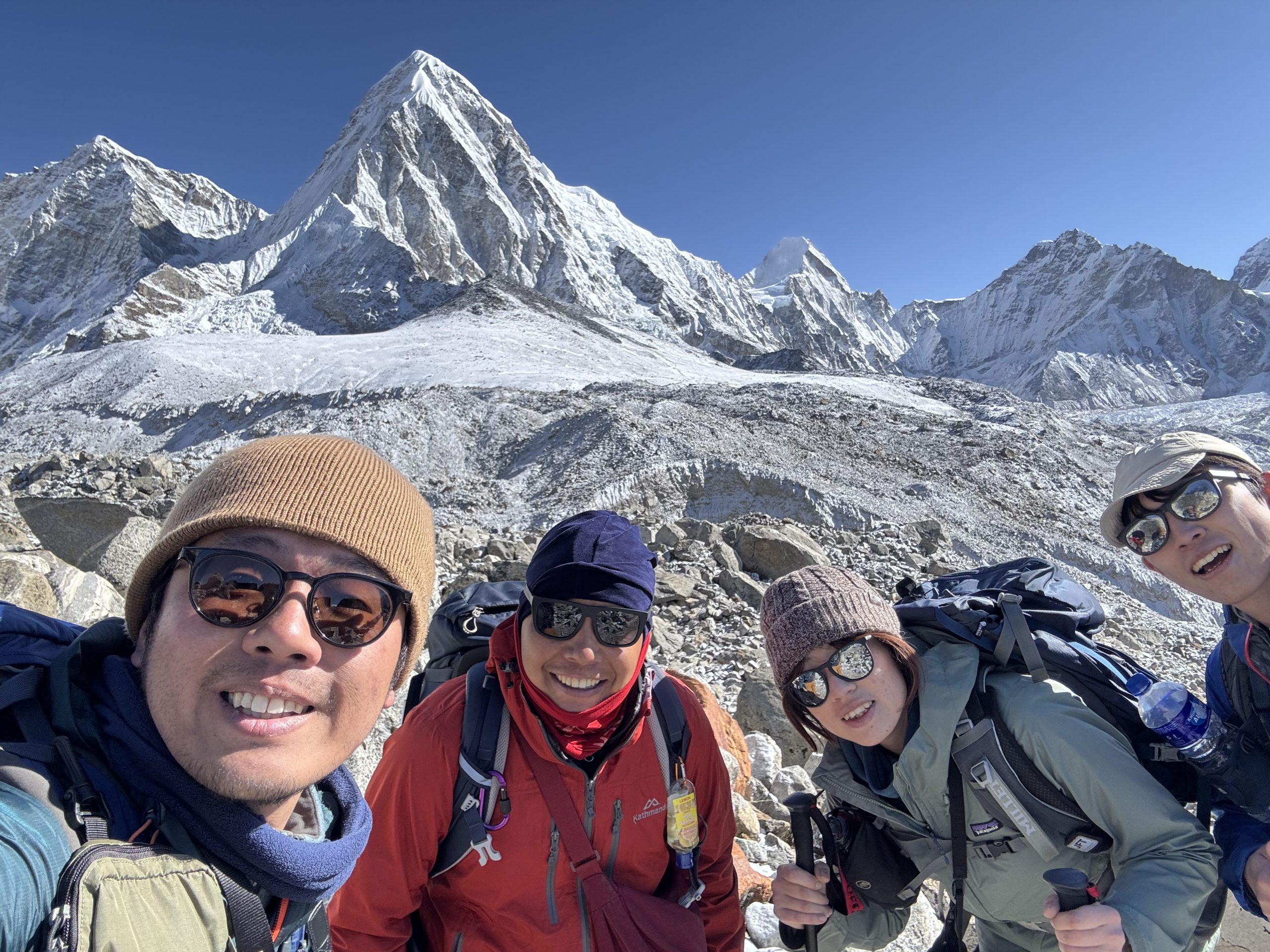
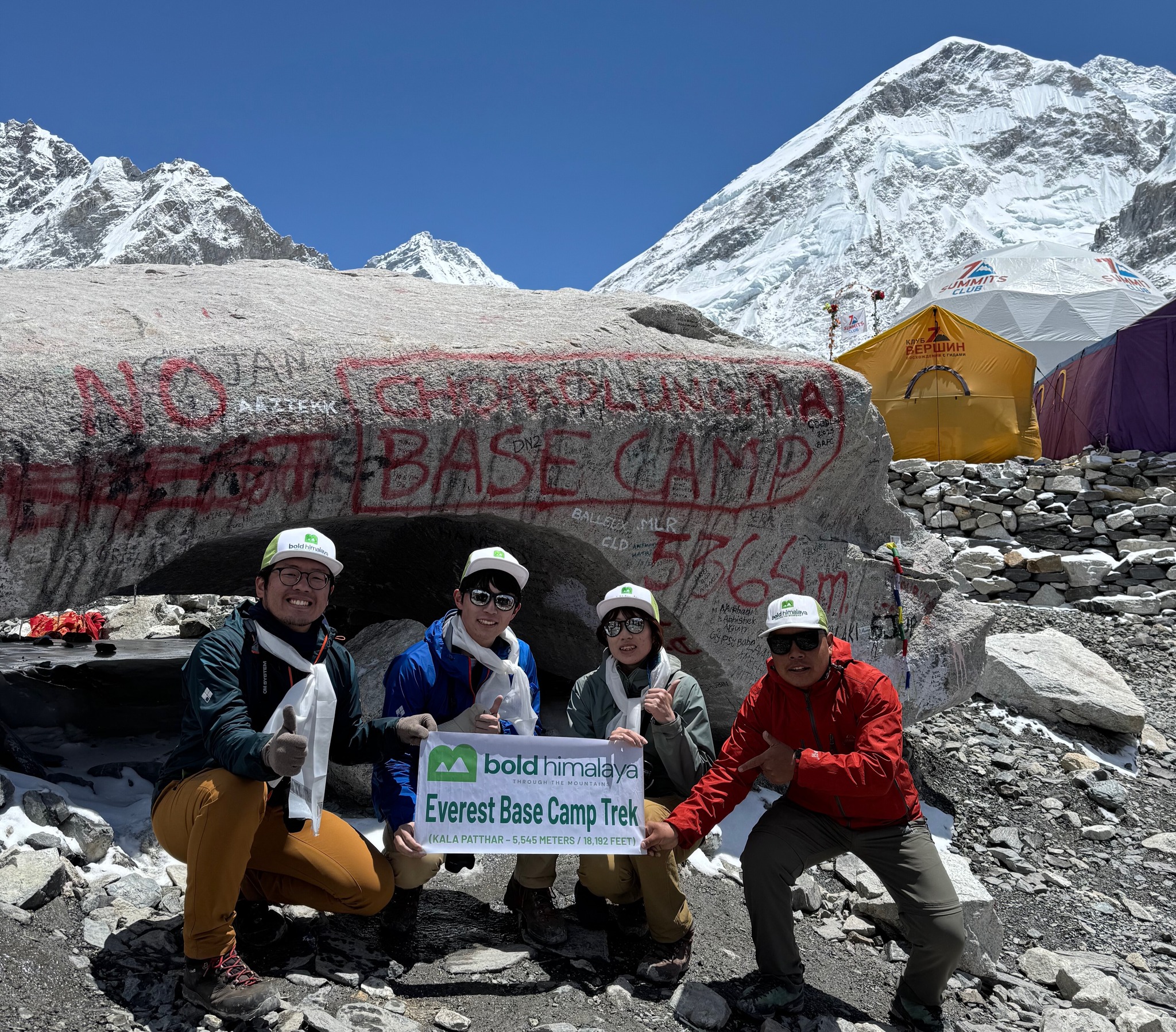
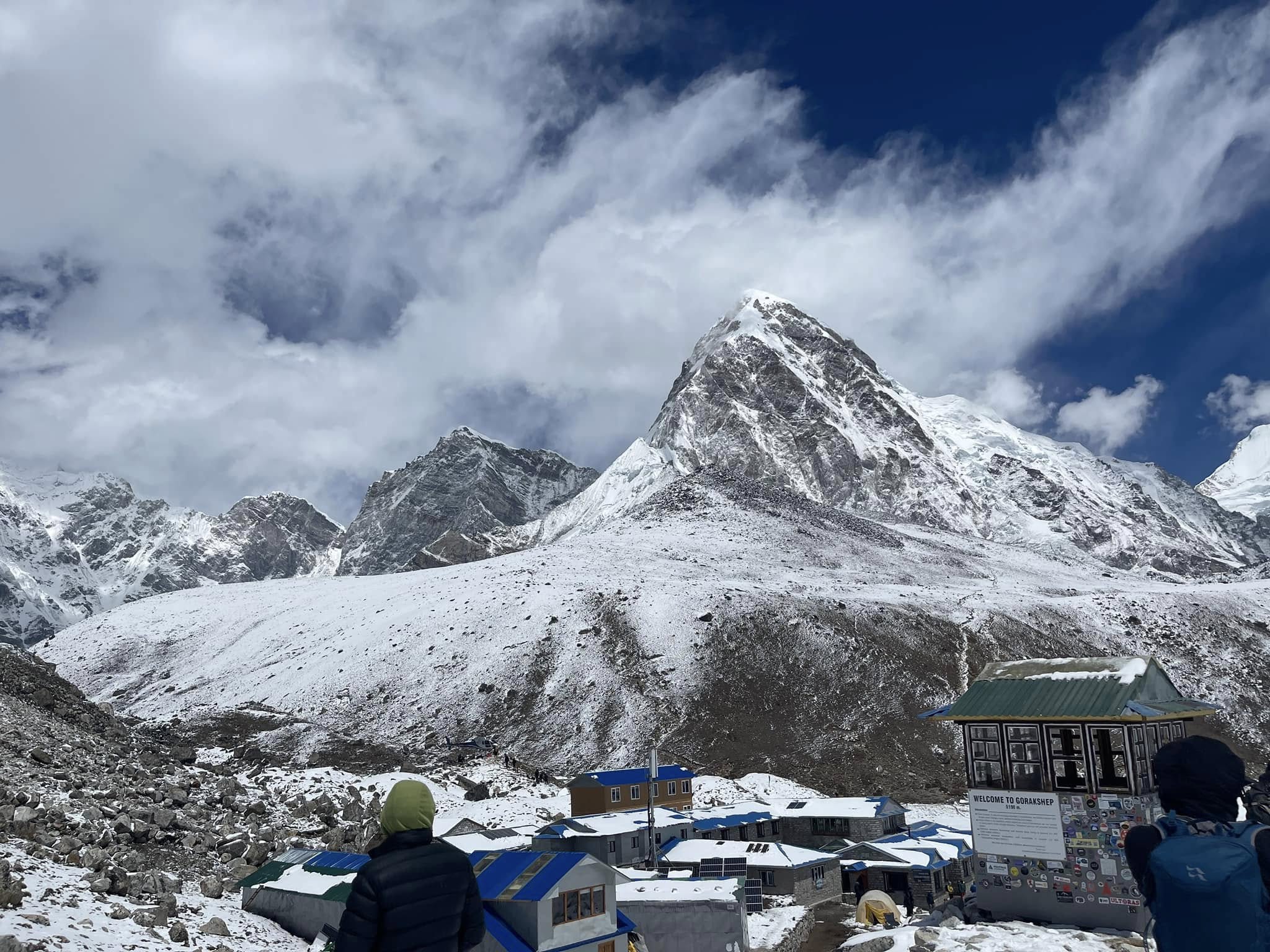
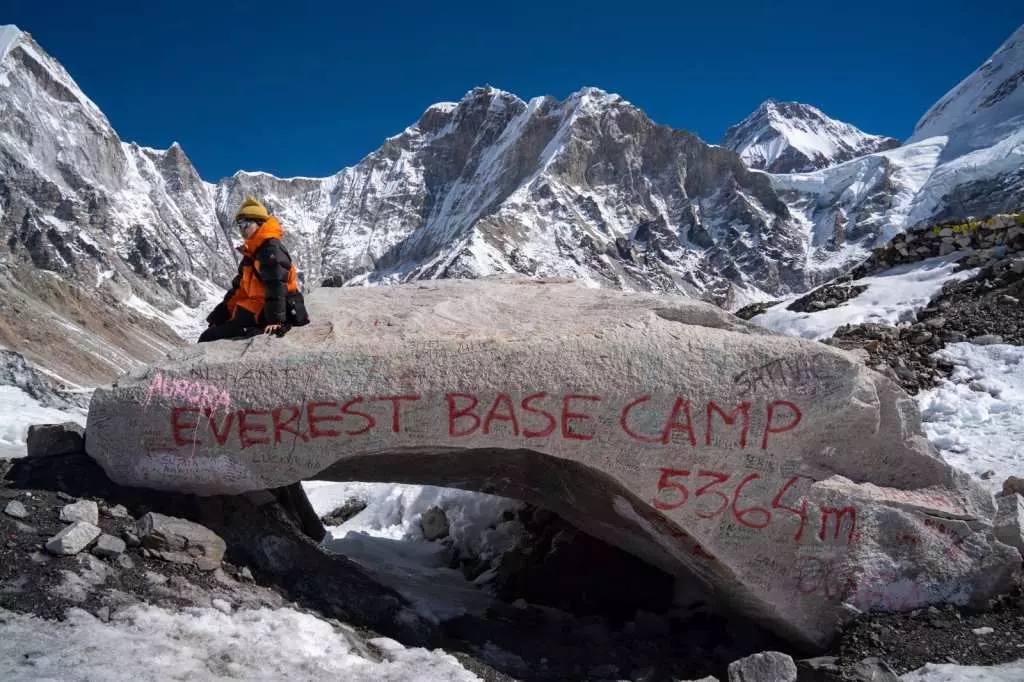
Today is the most memorable and iconic day of your Everest Base Camp trek 15 days. After breakfast at Lobuche (4,930 m / 16,175 ft), you continue along the rugged Khumbu Glacier moraines, trekking toward Gorak Shep, the last settlement before Everest Base Camp. Here, you leave your main gear and hike the final stretch to Everest Base Camp (5,364 m / 17,598 ft), the historic site where climbers prepare for expeditions to the world’s highest peak.
Standing at EBC, you are surrounded by towering Himalayan giants, including Everest, Nuptse, Lhotse, and Ama Dablam, making this a once-in-a-lifetime experience for any trekker.
After spending time taking photos and absorbing the views, you return to Gorak Shep for the night. Proper rest, hydration, and continued altitude acclimatization are essential to avoid altitude sickness on the Everest trek, especially after reaching this high point.
Gorak Shep offers basic teahouse accommodation in the Everest Base Camp, allowing trekkers to recover before the next day’s sunrise hike to Kala Patthar, which provides panoramic views of Everest and surrounding peaks. This day represents the pinnacle of the Everest Base Camp trekking Nepal, combining adventure, culture, and the breathtaking majesty of the Himalayas.
Day 10: Gorak Shep – Kala Patthar – Pheriche (4,240 m)
Teahouse
Breakfast, Lunch, Dinner
~13 km
7–8 hours
5,545 m / 18,192 ft
Very challenging
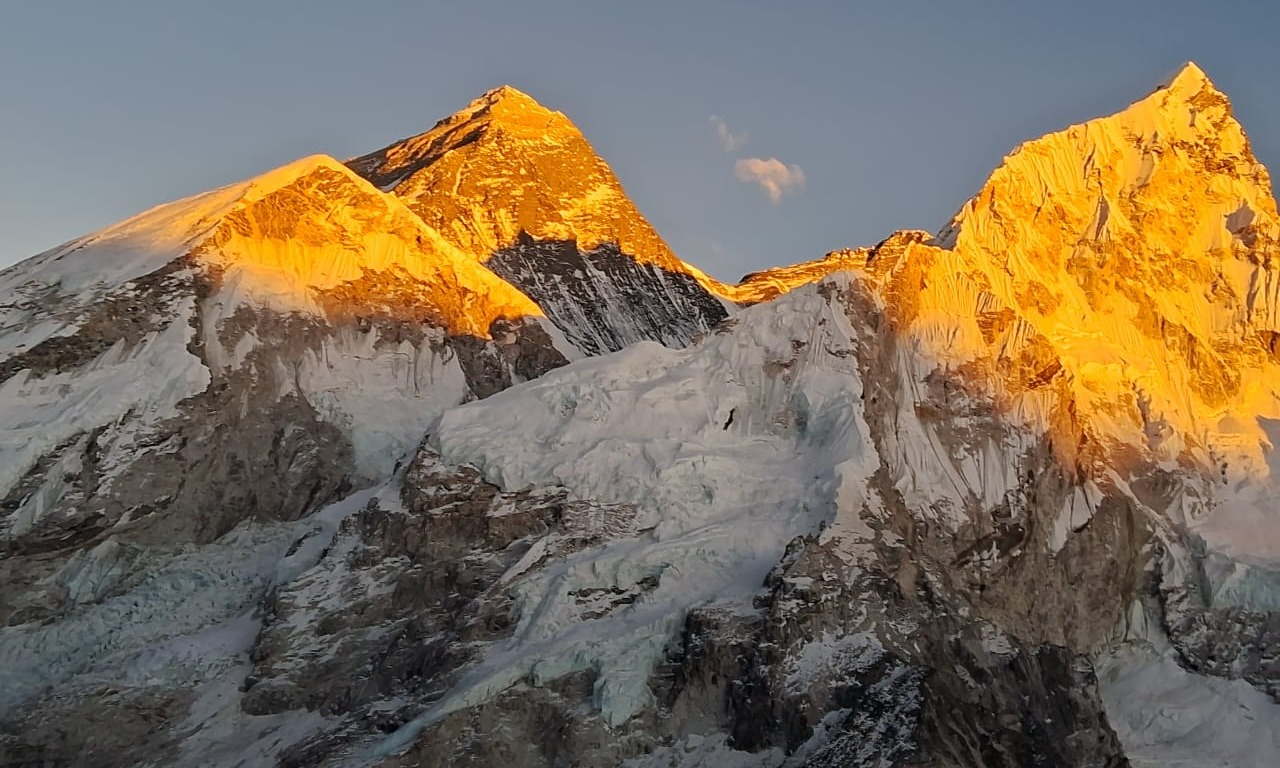
Day 10 is one of the most memorable days of the Everest Base Camp trek. Trekkers wake up early at around 4:30 AM in Gorak Shep (5,185 m) to begin the pre-dawn climb to Kala Patthar (5,545 m), the best viewpoint for sunrise over Mount Everest, Lhotse, Nuptse, and Ama Dablam.
The climb typically takes 2–3 hours along steep moraine trails, requiring steady pacing and careful breathing due to the high altitude. After soaking in the panoramic Himalayan views and capturing photographs, trekkers return to Gorak Shep for breakfast and a short rest.
The descent to Pheriche (4,240 m) follows the Khumbu Glacier route via Lobuche, taking approximately 4–5 hours. Along the way, the trail passes through dramatic glacial landscapes, small Sherpa settlements, and memorials honoring climbers.
Overnight accommodation in Pheriche is at local teahouses with basic twin-sharing rooms, shared bathrooms, optional hot showers, and limited Wi-Fi. Proper hydration, gradual pacing, and altitude awareness are essential on this day, as trekkers navigate both extreme altitude and steep terrain.
Day 11: Pheriche to Tengboche (3,860 m) – Sherpa Culture & Monastery Experience
Local teahouse
Breakfast, Lunch, Dinner
~10 km
4–5 hours
After breakfast in Pheriche, the trek descends gently through rhododendron, pine, and fir forests, passing traditional Sherpa villages, mani walls, and prayer flags fluttering in the Himalayan breeze. The trail offers stunning views of Ama Dablam, Kangtega, and Thamserku, making this a visually spectacular section of the Everest Base Camp trek.
The highlight of the day is reaching Tengboche Monastery (Dawa Choling Gompa), the largest and most important Buddhist monastery in the Khumbu region. Established in 1916 and rebuilt after the 1934 earthquake and 1989 fire, Tengboche remains a spiritual hub for local Sherpas.
Trekkers can participate in morning or evening prayers, offer puja ceremonies, or light butter lamps for blessings. Visitors can also explore the monastery’s ornate prayer hall, murals, and statues of Buddha and Avalokiteshvara, gaining insight into Sherpa culture and Buddhist traditions in Nepal.
Accommodation in Tengboche is in local teahouses, offering basic twin-sharing rooms with shared bathrooms. Hot showers and Wi-Fi may be available for a small fee. This stop provides not only acclimatization benefits but also a deep cultural experience, making it one of the most memorable highlights of the Everest Base Camp trek 2026.
Day 12: Tengboche to Monjo (2,835 m) – Scenic Descent Through the Heart of Khumbu
Teahouses
Breakfast, Lunch, Dinner
~15 km
5–6 hours
After breakfast at Tengboche, home to the famous Tengboche Monastery (3,867 m), the trek begins a gradual descent toward Monjo, retracing part of the classic Everest Base Camp trek route. Early in the hike, trekkers pass through Deboche, a serene village perched above the Dudh Koshi River, offering stunning views. Deboche is an ideal spot to stop for tea and take photos while observing local Sherpa farmhouses and mani walls.
Continuing downhill, the trail enters the Phulbari area, where rhododendron and pine forests dominate the landscape. Trekkers cross several suspension bridges over tributaries feeding the Dudh Koshi River, providing both adventure and spectacular views of the surrounding Himalayan peaks. The next notable settlement is Khumjung, not to be confused with the higher Khumjung village visited earlier, where small teahouses offer refreshments and local cultural glimpses.
The trail then passes through Jorsale, the last major village before Monjo, historically a stopping point for porters and climbers preparing for Everest Base Camp. Jorsale’s tea houses provide a sense of the trekking community and are perfect for a short rest. From here, trekkers continue the final descent along the Dudh Koshi River through terraced fields and small Sherpa hamlets, finally reaching Monjo, the gateway to Sagarmatha National Park.
Monjo provides basic but clean teahouse accommodation, shared bathrooms, and a communal dining area — ideal for relaxing and reflecting on the trek. Though the descent is less strenuous than the ascent, it is still important to maintain a steady pace to protect knees and enjoy the stunning Himalayan scenery.
Day 13: Monjo to Lukla (2,860 m)
Teahouses
5–6 hours
Breakfast, Lunch, Dinner
On the final day of the Everest Base Camp trek, you descend from Monjo (2,835 m) back to Lukla (2,860 m). The trail passes through Jorsale, a small village with teahouses and suspension bridges over the Dudh Koshi River, offering scenic Himalayan views. Continue through Phakding (2,610 m), where trekkers often stop for tea or lunch, before trekking along the river valley to Lukla.
The descent is gentle but requires attention to pace and knee care. Upon arrival in Lukla, enjoy a farewell dinner with your trekking team, celebrating the completion of the iconic Everest Base Camp journey.
Day 14: Fly Lukla to Kathmandu
3 Star Hotel
Breakfast, Dinner
After completing the Everest Base Camp trek, take an early morning scenic flight from Lukla (2,860 m) to Kathmandu (1,400 m). The 35–40 minute flight offers breathtaking aerial views of the Khumbu Valley, snow-capped peaks, and the Dudh Koshi River.
During peak trekking seasons, flights may occasionally be rerouted via Manthali Airport due to air traffic or weather conditions. Upon arrival in Kathmandu, transfer to your hotel and enjoy free time for shopping, sightseeing, or rest.
Day 15: Final Departure or Join Next Program
Breakfast
After completing your Everest Base Camp trek 15 days, you will either transfer to Tribhuvan International Airport, Kathmandu, for your onward flight or extend your adventure with another Nepal program. Enjoy your final breakfast at the hotel before departure, reflect on your Himalayan journey, and take home memories of snow-capped peaks, Sherpa culture, and the Khumbu landscapes.
Contact us for a customized Everest Base Camp itinerary based on your fitness and interests.
Want to customize your trip?
We ensure every trip meets your expectations — customize your itinerary anytime to match your travel style and preferences.
Inclusions
What’s Covered in Your Adventure
- All airport pick-up and drop-off services, including ground transportation as per the itinerary
- Round-trip domestic flights Kathmandu – Lukla – Kathmandu
- 2 nights in a 3-star hotel in Kathmandu (twin-sharing basis with breakfast)
- Standard guesthouse/trekking lodge accommodation during the trek
- All meals during trekking: daily breakfast, lunch, and dinner (one main course per meal)
- Seasonal fruits served daily during the trek
- First-aid medical kit for emergency support
- All government taxes, service charges, and official expenses
- Sagarmatha National Park Entry Permit, Khumbu Pasang Lhamu Rural Municipality Permit (local area permit)
- Sleeping bag and down jacket (provided if needed; returnable after the trek)
- Duffle bag, trekking T-shirt, and official trip completion certificate
- Cultural dinner and show program after the trek
- Professional licensed trekking guide (1 guide for up to 5 trekkers; extra guide for every additional 5 trekkers)
- Porter service: 1 porter for every 2 trekkers, carrying up to 20 kg (available at extra cost)
- Extra Breakfast, Lunch in the Kathmandu
- Dessert & Bar Bills
- Your international air ticket & travel insurance
- Tips for the trekking crew members
- Anything that is not mentioned is excluded

Clothing for Everest Base Camp Trek
Proper clothing is essential for comfort, warmth, and safety at high altitudes. Dress in layers so you can adjust to changing weather.
Gear
- Daypack
- Trekking Poles
- Sleeping Bag
- Water Bottle
- Headlamp/Flashlight
- Power Bank
Hygiene and Safety
- Toiletries
- Sunscreen
- Lip Balm
- First Aid Kit
Good to Know
Your Journey, Step by Step
Difficulty and Fitness Level for Everest Base Camp Trek 15 Days
The Everest trekking route difficulty is considered moderate to challenging, mainly due to high altitude, rather than technical terrain. While the trail does not require ropes or crampons, trekkers must be ready for long trekking days, steep ascents, and variable Himalayan weather.
The challenge of the trek lies in three main areas:
Altitude (5,545 m at Kala Patthar): The ultimate test—each step at high elevation feels like breathing through a straw.
Endurance (Slow Burn): Over 15 days, trekkers cover around 130 km (80 miles). The difficulty builds over consecutive long trekking days, not just a single climb.
Terrain: Trekkers navigate suspension bridges, rocky glacial moraines, and a 600 m vertical climb to Namche Bazaar.
Proper fitness preparation for the Everest trek is essential for a safe and enjoyable experience. Cardiovascular training—hiking, stair climbing, jogging, or gym workouts—at least 2–3 months prior will improve stamina and prepare your body for high-altitude trekking.
The Everest Base Camp 15-day itinerary includes strategic acclimatization days at Namche Bazaar and Dingboche, reducing the risk of altitude sickness and providing time to explore Sherpa villages, panoramic viewpoints, and cultural sites along the trail.
With adequate fitness for the Everest trek and careful acclimatization, the 15-day Everest Base Camp trek 2026 is achievable for both first-time high-altitude trekkers and seasoned adventurers, offering an unforgettable Himalayan experience.
Altitude Sickness (AMS) & Safety on the Everest Base Camp Trek (15 Days)
The Everest Base Camp trek-15 days, reaches high elevations, with the highest point at Kala Patthar (5,545 m / 18,192 ft). At this altitude, oxygen levels are roughly 50% of what they are at sea level, making altitude sickness (AMS) one of the most important safety considerations for trekkers. Understanding, preventing, and responding to AMS is critical for a safe and enjoyable journey.
Recognizing the Stages of Altitude Illness
Altitude sickness can begin above 3,000 m (9,800 ft). Common early symptoms include:
Persistent headache
Nausea or loss of appetite
Dizziness or lightheadedness
Fatigue or weakness disproportionate to effort
Severe forms of altitude illness include:
HAPE (High Altitude Pulmonary Edema): Fluid in the lungs. Signs: persistent cough with frothy sputum, shortness of breath at rest.
HACE (High Altitude Cerebral Edema): Fluid in the brain. Signs: extreme confusion, poor coordination (ataxia), and severe headaches that do not respond to medication.
2026 Safety Rule: If you cannot walk in a straight line or have difficulty breathing while lying down, descend immediately—rapid descent is the most effective treatment.
Prevention & Acclimatization Strategy
The best strategy for AMS prevention is a gradual ascent with planned acclimatization. Our 15-day itinerary includes essential stops at Namche Bazaar (3,440 m) and Dingboche (4,410 m).
Climb High, Sleep Low: Hike to a higher viewpoint during the day (e.g., Everest View Hotel at 3,880 m or Nagarjun Hill at 5,100 m) and return to sleep at a lower altitude.
Hydration (4–5 liters/day): Adequate fluid intake is the #1 natural prevention against AMS. Include water, electrolyte drinks, or local broths.
Slow Pace (“Bistari, Bistari”): Move deliberately; speed matters less than your body’s adaptation.
Nutrition: Regular, balanced meals help maintain energy and support acclimatization.
Medical Support & Monitoring
Experienced guides carry pulse oximeters to monitor your SpO₂ and heart rate each evening. Oxygen cylinders are also available if needed. If oxygen saturation drops below safe thresholds (usually around 70% at high altitude), the guide will implement a “Watch & Rest” protocol or advise descent.
Medication (Diamox/Acetazolamide): Preventive use of 125 mg twice daily can help some trekkers, but never use medication to mask serious symptoms. Always consult your doctor before taking Diamox.
Emergency Evacuation & Insurance
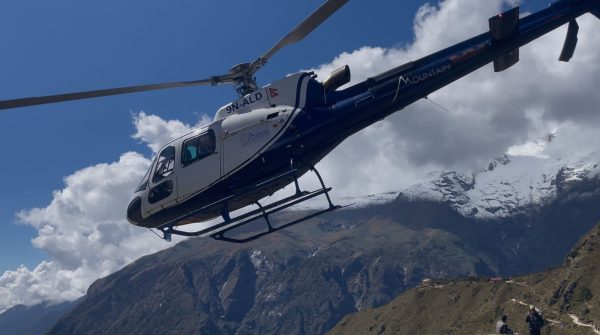
All trekkers are required to have insurance covering helicopter evacuation up to 6,000 m. During peak season, rescues may need to divert via Ramechhap/Manthali, but satellite communication (Garmin InReach or Starlink) ensures help is never more than 1 hour away.
Permits & Park Fees for Everest Base Camp Trek 15 Days
To trek to Everest Base Camp (EBC), all foreign trekkers must obtain two mandatory permits. These permits are checked at key points along the trail, including Monjo and other checkpoints. Ensuring your permits are ready before or shortly after arrival makes your trekking experience smoother and fully legal. Proper permits also support local communities, trail maintenance, and conservation efforts in the Everest region.
Sagarmatha National Park Entry Permit
The Sagarmatha National Park Entry Permit is required for entry into Nepal’s most famous national park, which covers the entire Everest trekking route from Monjo to Kala Patthar. This UNESCO World Heritage Site is renowned for its unique alpine ecosystems, glaciers, and biodiversity. Foreign nationals pay approximately NPR 3,000 (~$25–30 USD), while SAARC citizens pay NPR 1,500. You can obtain this permit at the Nepal Tourism Board office in Kathmandu or directly at the Monjo entrance counter. Carrying this permit ensures access to park trails and supports environmental preservation in the region.
Khumbu Pasang Lhamu Rural Municipality Permit
The Khumbu Pasang Lhamu Rural Municipality Permit is required to trek through the administrative area of the Everest region, including Lukla, Namche Bazaar, and surrounding villages. This local permit costs around NPR 2,000 (~$15–20 USD) for foreign nationals and is obtained at the Lukla office or Monjo. The fee supports local infrastructure, healthcare posts, and trail upkeep, and is mandatory for all trekkers on the classic 15-day Everest Base Camp itinerary.
TIMS Card: Is It Required?
Previously, trekkers also needed a Trekkers’ Information Management System (TIMS) card. However, for the standard Lukla-to-EBC route, the TIMS card is no longer required, as the Khumbu Pasang Lhamu and Sagarmatha permits now cover registration, tracking, and safety purposes. This update simplifies trekking paperwork while maintaining safety and trail monitoring.
Optional / Alternative Permits
If trekking to Everest Base Camp via the traditional Jiri route, you will also need a Gaurishankar Conservation Area Permit. This is not necessary for the classic 15-day trek starting from Lukla. Optional permits may also apply if you plan side treks outside the Sagarmatha National Park, such as to Gokyo Lakes or Cho La Pass, but for most standard itineraries, only the Sagarmatha and Khumbu Pasang Lhamu permits are mandatory.
Documents & Requirements for Permits
To apply for the permits, trekkers should bring a valid passport with at least six months’ validity, two passport-sized photos, and cash in Nepalese Rupees for the fees. Having extra passport copies and photos is recommended in case they are needed at checkpoints. These documents ensure smooth processing at Kathmandu, Lukla, or Monjo without delays.
Estimated Permit Costs for 2026
For most international trekkers on the Everest Base Camp 15-day itinerary, the total cost of mandatory permits is approximately NPR 5,000–6,000 (~$40–50 USD). This includes NPR 3,000 for the Sagarmatha National Park Entry Permit and NPR 2,000 for the Khumbu Pasang Lhamu Rural Municipality Permit. These fees directly support the conservation, infrastructure, and local communities along the trail.
Where Permits Are Checked on the Trail
Permits are verified at multiple points along the Everest trekking route. The first checkpoint is usually Lukla for the municipality permit, followed by Monjo for entry to Sagarmatha National Park. Random inspections can occur along the trail, so trekkers must carry their permits at all times. Having permits ready prevents fines and ensures a hassle-free trekking experience.
Lukla Flights & Weather Delays
Flying to and from Lukla Airport (Tenzing–Hillary Airport) is one of the most iconic parts of the Everest Base Camp trek 15 days, but it is also notoriously unpredictable due to mountain weather and operational constraints. Lukla serves as the aerial gateway to the Everest region, and flight delays or cancellations are common because of rapidly changing conditions in the high Himalayas.
Why Lukla Flights Are Unpredictable
Flights to Lukla operate under Visual Flight Rules (VFR), meaning pilots need clear visibility and stable weather for safe takeoff and landing. Fog, clouds, rain, snow, or strong winds can develop suddenly, forcing flights to turn back even after departure from Kathmandu. Lukla’s short, sloped, high-altitude runway further restricts operations — flights typically operate early morning only, with no services after dark.
Seasonal Flight Reliability
Spring (March–May) and Autumn (September–November) are the most reliable seasons for Lukla flights, with generally clear skies and lighter winds. These months coincide with the best Everest trekking weather.
Monsoon (June–August) brings heavy rainfall, dense fog, and low cloud cover, frequently delaying or canceling flights for several consecutive days.
Winter (December–February) can offer clear mornings, but snow, fog, and strong winds later in the day can still disrupt schedules.
Alternative Flight via Ramechhap (Manthali)
During peak seasons or in case of heavy congestion at Kathmandu airport, flights may be rerouted through Ramechhap Airport (Manthali). This secondary airport reduces delays caused by Kathmandu traffic and improves flight reliability to Lukla, especially for trekkers on tight schedules.
Common Causes of Flight Delays
Low visibility: fog, cloud cover, or precipitation grounds flights entirely.
Strong winds: gusts funneling through valleys make landings unsafe.
Airspace congestion: multiple daily flights during peak season can create backlogs if earlier flights are delayed.
Why Buffer Days Are Essential
Because Lukla flights are highly weather-dependent, adding buffer days before and after the trek is crucial. This flexibility prevents missed international connections and ensures that acclimatization days at Namche Bazaar or Dingboche are not skipped, keeping the trek safe and enjoyable.
Tips to Minimize Flight Disruptions
Book early-morning flights when the weather is most stable.
Consider Ramechhap flights during peak season to avoid Kathmandu congestion.
Monitor weather forecasts daily for early warnings.
Have flexible trekking plans and travel insurance covering flight delays or cancellations.
Accommodation & Tea Houses on the Everest Base Camp Trek 15 Days
Trekking to Everest Base Camp is a classic teahouse journey, where small, family-run lodges serve as both accommodation and dining hubs along the trail. These teahouses offer a unique cultural experience, providing warmth, meals, and local hospitality in remote Himalayan villages.
On the 15-day Everest Base Camp trek, most rooms are twin-sharing with wooden beds and thin mattresses, and heating is generally limited to the communal dining hall, warmed by a traditional yak-dung stove in the evenings. Toilet facilities vary with altitude: lower villages like Lukla and Namche have Western-style flush toilets, while higher settlements such as Lobuche and Gorak Shep offer basic squat toilets with shared facilities.
As trekkers ascend, amenities gradually decrease. Hot showers cost $5–$10 USD, and above 4,500 meters, they may be unavailable, making wet wipes essential. Electricity and device charging are limited, ranging from $3–$5 USD per device, and Starlink WiFi is now available in many lodges, though speeds fluctuate depending on weather and location. Meal options also become simpler but remain hearty, with staples like dal bhat, noodles, and soups supporting high-altitude nutrition.
Booking ahead is strongly recommended during the Spring and Autumn peak seasons, especially for key stops like Namche Bazaar, Tengboche, Dingboche, and Gorak Shep, to secure rooms and avoid overbooked lodges. Off-season travelers (Winter and Monsoon) may find some teahouses closed or limited in services, so confirming availability with a trekking operator is crucial. Bringing essential gear such as a sleeping bag liner, headlamp, snacks, and toiletries ensures comfort in higher-altitude lodges where supplies are minimal.
Overall, teahouse accommodation on the classic EBC route offers a safe, culturally immersive, and memorable high-altitude experience. While comfort decreases with elevation, proper preparation and planning make it possible to enjoy the journey fully, from the bustling Sherpa villages at Namche to the remote, windswept outposts near Base Camp.
Food & Dining on the Everest Base Camp Trek (15 Days)
Food on the Everest Base Camp trek is designed to be nutritious, energy-rich, and comforting, helping trekkers sustain long days of walking at high altitude. The staple meal throughout the journey is dal bhat (rice and lentils), a traditional Nepali dish served with vegetables, pickles, and sometimes meat, which provides a balanced mix of carbohydrates, protein, and calories ideal for high-altitude trekking.
In teahouses along the route, you’ll also find a variety of Himalayan trek meals such as noodles, soups, omelets, Tibetan momos (dumplings), fried rice, pasta, pancakes, and porridge.
As you climb higher toward places like Dingboche, Lobuche, and Gorak Shep, the variety of menu options becomes more limited, and food prices increase significantly. This is mainly due to the logistics of transporting food supplies by air, porters, or yaks to remote high-altitude villages.
For example, a plate of dal bhat in Lukla or Namche Bazaar may be reasonably priced, but the same meal in Gorak Shep or Dingboche can cost noticeably more. Hot beverages — such as tea, coffee, hot lemon, or ginger tea — are popular after dinner but usually carry an extra charge, especially at higher elevations.
Teahouse meals focus on simple preparation with locally available ingredients, emphasizing warmth, nutrition, and variety enough to support your energy needs.
Many trekkers also pack energy bars, trail mixes, and electrolytes to supplement meals and maintain hydration. Staying fueled and hydrated is essential not only for comfort but also for acclimatization and overall health during the trek.
Water & Hydration on the Everest Base Camp Trek15 Days
Proper hydration during the Everest Base Camp trek is essential for energy, safety, and acclimatization at high altitude. In the dry Himalayan climate, trekkers lose fluids quickly through breathing and exertion, increasing the risk of dehydration and altitude sickness.
Bottled water becomes more expensive and harder to find with altitude, especially in Dingboche, Lobuche, and Gorak Shep, and single-use plastic restrictions in the Khumbu region make it less available beyond Namche Bazaar. For this reason, most trekkers use water purification tablets, UV purifiers, or portable filters to safely drink from local water sources.
Trekkers should aim to drink 3–4 liters of fluid per day, including purified water, soups, and herbal teas. Proper water on the Everest trek supports oxygen circulation, improves acclimatization, reduces fatigue, and plays a key role in preventing altitude sickness on the 15-day Everest journey.
Communication & Connectivity on the Everest Base Camp Trek 15 Days
Staying connected on the Everest Base Camp trek is possible, but connectivity varies with altitude and location. Mobile network coverage in the Everest region is strongest in villages like Lukla, Namche Bazaar, Tengboche, and Dingboche, and becomes weak or unavailable on remote trail sections and at higher altitudes.
Most trekkers use local SIM cards (Ncell and NTC/Nepal Telecom)—Ncell offers faster data at lower elevations, while NTC provides better high-altitude coverage for basic calls and messages.
Many teahouses offer pay-per-use Wi-Fi through satellite systems such as Everest Link, available along the main trail from Lukla to Gorak Shep. Speeds are suitable for messaging, emails, and weather updates, but are limited for heavy use.
With proper planning for the Everest trek internet and mobile connectivity, trekkers can stay in touch for safety and essential communication while still enjoying the remote Himalayan experience.
Money & Expenses on the Everest Base Camp Trek 15 Days
Managing cash properly is essential for a smooth Everest Base Camp trek, as financial services are extremely limited in the Khumbu region. ATM facilities are available only in Kathmandu, Lukla, and Namche Bazaar. There are no ATMs beyond Namche, and once you move higher on the trail, access to banking services completely disappears.
Even where ATMs exist, they can be unreliable due to power cuts, network issues, or empty cash supplies, especially during peak trekking seasons.
For this reason, trekkers should carry enough Nepalese rupees before starting the trek to cover food, accommodation, Wi-Fi, charging, hot showers, snacks, drinking water, and emergency expenses. Credit and debit cards are rarely accepted on the Everest Base Camp trail, and when they are, extra service charges often apply.
Proper planning for Everest Base Camp trek expenses and cash management ensures you won’t face difficulties paying for basic services in remote mountain villages, making your trek safer and stress-free.
Cultural Etiquette & Respect on the Everest Base Camp Trek 15 Days
Trekking through the Khumbu region is not only a Himalayan adventure but also a journey through the heart of Sherpa Buddhist culture, where traditions, spirituality, and daily life are deeply connected to the mountains. Practicing proper Nepal trekking etiquette is essential to show respect for local communities and their beliefs.
Always greet locals with a warm and respectful “Namaste”, ask permission before taking photos—especially of people, monks, and inside monasteries—and dress modestly in villages and religious areas.
When walking on the trail, move clockwise around chortens, mani walls, and prayer wheels, and never step on or disrespect prayer flags, as they are sacred symbols of peace and compassion in Tibetan Buddhism. Inside monasteries (gompas), remain quiet, remove your shoes where required, and avoid pointing your feet toward religious objects or people.
Respecting these traditions not only honors local customs but also enriches your experience of Sherpa culture on the Everest trek, creating meaningful cultural connections alongside the physical journey to Base Camp.
Emergency Evacuation & Insurance for the Everest Base Camp Trek 15 Days
Proper Everest Base Camp trek insurance is essential for a safe and responsible journey in the high Himalayas. Your travel insurance policy should specifically cover high-altitude trekking (up to at least 5,545 m) and include emergency helicopter evacuation Nepal services, as this is often the only rapid rescue option in remote sections of the Everest region.
Medical facilities along the trail are limited, and serious altitude sickness, injuries, or illness may require immediate air evacuation to Kathmandu.
Licensed guides and trekking agencies follow established emergency evacuation protocols, using satellite phones, mobile networks, or lodge communication systems to coordinate rescue operations with helicopter services and medical centers.
While evacuation systems are well-organized, delays can occur due to weather conditions and flight restrictions, making proper insurance coverage and professional support absolutely critical.
Having the right insurance not only protects your health and finances but also ensures a fast, coordinated response in emergencies on the Everest Base Camp trek.
Climate of Everest Base Camp
The Everest Base Camp trek is a year-round adventure, but the climate and weather conditions vary significantly with each season, affecting trekking safety, scenery, and overall experience.
During the monsoon season (June to August), the Khumbu region experiences heavy rainfall, high humidity, and cloudy skies. Trails become wet and slippery, streams swell, and flights to Lukla are often delayed, making trekking more challenging. However, the forests and valleys are lush, green, and vibrant, offering a peaceful experience with fewer trekkers on the trail.
The post-monsoon or autumn season (September to November) is widely regarded as the best time to trek to Everest Base Camp, with clear skies, stable weather, and mild temperatures. This season provides perfect conditions for panoramic mountain views, photography, and cultural exploration, including festivals like Mani Rimdu in Tengboche.
In winter (December to February), the region is cold and dry, with snow covering higher elevations. Trails can be icy and challenging, but trekkers enjoy quiet, almost deserted paths, crisp mountain air, and uninterrupted views of Everest, Lhotse, Nuptse, and Ama Dablam. Proper winter gear and prior high-altitude trekking experience are essential during this season, as many teahouses may be closed.
Spring (March to May) offers another excellent window, with warm, dry weather, blooming rhododendrons, and manageable trails. Lukla flights are generally reliable, and the trails are less crowded, making spring ideal for trekkers who want a combination of natural beauty, pleasant weather, and cultural immersion.
Each season brings a unique Everest experience, but for most trekkers, autumn and spring provide the safest conditions, the clearest skies, and the most enjoyable trekking experience, while monsoon and winter offer solitude and adventure for more experienced adventurers prepared for the challenges of extreme weather.
Acclimatization During the Everest Base Camp Trek
Acclimatization plays a vital role in the Everest Base Camp (EBC) trek because trekkers ascend quickly from low altitude to high Himalayan elevations. After landing at Lukla (2,860m) and reaching Namche Bazaar (3,440m) within two days, the body begins to experience lower oxygen levels, which can cause altitude-related symptoms in some trekkers.
To reduce these risks, the trek includes two planned acclimatization days at Namche Bazaar and Dingboche, allowing the body time to adapt naturally to the altitude.
These acclimatization days follow the proven method of “climb high, sleep low,” where trekkers hike to higher points during the day and return to lower elevations to sleep.
Experienced guides monitor health conditions, check oxygen levels when needed, and are trained to recognize early signs of altitude sickness. Proper hydration, slow trekking pace, and clear communication with guides ensure a safe, comfortable, and well-acclimatized journey to Everest Base Camp.
Everest Base Camp Trek Duration Varieties
The Everest Base Camp (EBC) trek offers multiple itineraries to suit different preferences, fitness levels, and time availability. Each route provides a unique Himalayan experience, from classic treks to adventurous circuits.
10-Day Everest Base Camp Trek with Helicopter Return – Perfect for those with limited time who still want to explore the Everest region.
12-Day Everest Base Camp Trek – Ideal for trekkers seeking a shorter itinerary covering all main highlights efficiently.
Everest Base Camp Helicopter Tour – Scenic flights over the Himalayas for those who want a luxurious and minimal-trekking experience.
Everest Base Camp 14 Days Trek – Best for all trekkers, allowing extra time for acclimatization, cultural exploration, and a relaxed pace.
Everest Base Camp Trek by Road – Suited for adventure seekers who enjoy slower, traditional trekking routes via Ramechhap or Jiri.
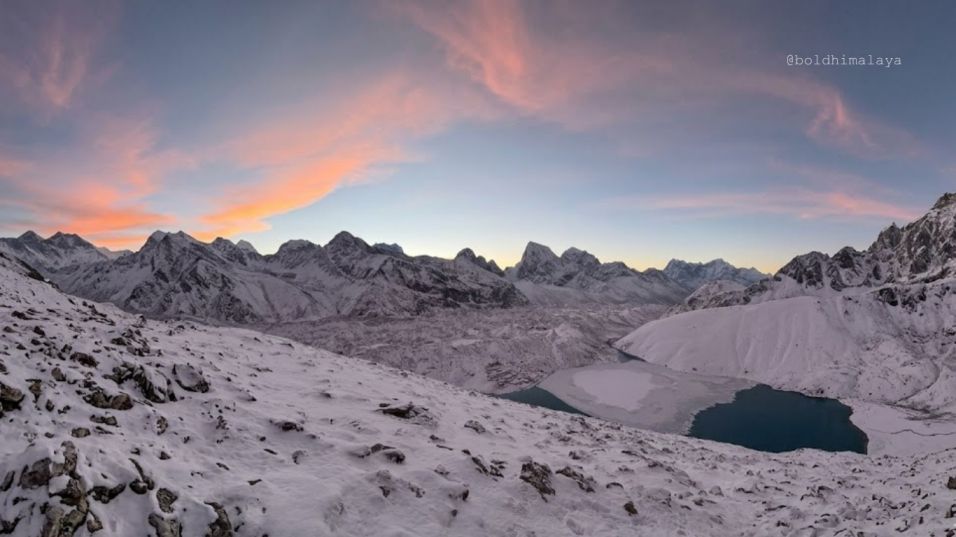
Everest Base Camp Trek with Gokyo & Cho La Pass – Designed for trekkers seeking a challenging route including the stunning Gokyo Lakes and Cho La Pass.
FAQs
Your Questions, Answered
How difficult is the Everest Base Camp trek?
The trek is considered moderate to challenging. You don’t need technical climbing skills, but you do need good physical fitness and endurance for walking 5–7 hours per day on uneven, high‑altitude terrain. Gradual acclimatization is vital for safety.
Do I need prior trekking experience?
No prior high‑altitude trekking experience is strictly required, but regular training — including long walks and cardio workouts — before the trek significantly improves your comfort and success rate
What permits are required for Everest Base Camp trek?
You need two main permits:
Sagarmatha National Park Entry Permit
Khumbu Pasang Lhamu Rural Municipality Permit: These are typically arranged in Kathmandu or by your trekking operator before departure.
Can I trek Everest Base Camp independently?
Independent trekking is no longer allowed in the Everest region; you must trek with a registered guide or through a licensed agency.
What altitude will I reach on the trek?
The highest point on the 15‑day itinerary is Kala Patthar at about 5,545 m, offering the best panoramic sunrise views of Everest and surrounding peaks. Everest Base Camp is at 5,364 m.
How do I prevent altitude sickness?
Altitude sickness can occur above ~3,000 m. Key prevention tips include:
Gradual ascent with acclimatization days
Drinking plenty of water (3–4 L daily)
Avoiding alcohol
Listening to your body and descending if severe symptoms occur: Medication like Diamox can help, but it isn’t a substitute for proper acclimatization.
What kind of accommodation will I find on the trek?
You’ll stay in tea houses/lodges, modest guesthouses with twin rooms, shared bathrooms, and basic heating. Higher up, facilities become simpler but comfortable for trekkers.
Is there Wi‑Fi and charging available?
Yes, charging and Wi‑Fi are available in many tea houses, usually for a small fee. Hot showers are sometimes provided for an additional charge at lower elevations
What food is available during the trek?
Common meals include Dal Bhat (rice & lentils), noodles, soups, momos, pancakes, and tea. Options expand in larger villages; vegetarian fare is widely available
Do I need travel insurance?
Yes, travel insurance with high‑altitude coverage and emergency evacuation (helicopter) is highly recommended, as it covers unforeseen events and medical needs.
How long do trekkers walk each day?
Daily walking typically ranges from 4 to 8 hours, depending on the elevation gain and terrain of each day.
Can children and older people do the trek?
Many trekkers aged from teens to older adults complete the trek, but everyone should be well prepared physically and take the necessary acclimatization. Always consult a doctor if you have health concerns.
How is the weather during the trek?
The weather changes with the season and altitude. Spring and autumn have moderate conditions and clearer views, while winter is colder, and the monsoon can bring rain and unpredictable Lukla flights.
Will I be able to charge my batteries during trekking in the Everest Base camp?
Yes. Charging facilities are available on the Everest Base Camp trek, but they are limited and usually paid for. In lower villages like Lukla and Namche Bazaar, charging is easy and sometimes free.
At higher altitudes such as Dingboche, Lobuche, and Gorak Shep, electricity is mainly solar-powered, charging is slower, and there is a small fee per device. Carrying a power bank and spare batteries is highly recommended.
Do I need to tip my porter and guide?
Yes. Tipping your guide and porter is customary and expected on the Everest Base Camp trek. While not mandatory, it is a respectful way to appreciate their hard work and support. A common guideline is $7–10 per day for guides and $5–7 per day for porters, given at the end of the trek in cash.
What is the luggage limit for porter and flight to Lukla?
For the Everest Base Camp trek, luggage limits apply for both porters and Lukla flights:
Flight to Lukla: The baggage limit is usually 15 kg total per person (including hand luggage), typically 10 kg checked + 5 kg hand carry. Excess weight may incur extra charges or be delayed.
Porter: One porter normally carries up to 20–25 kg total for two trekkers, meaning about 10–12.5 kg per person.
For safety and comfort, it’s best to keep your trekking bag under 10–12 kg and carry only essentials.
Do I need insurance for Everest Base Camp trekking?
Yes — travel insurance is strongly recommended for the Everest Base Camp trek. Because this is a high-altitude journey (above 5,000 m), insurance should cover:
High-altitude trekking
Medical emergencies
Helicopter evacuation (important if you develop serious altitude sickness or injury)
Trip cancellation or delays (including weather-related flight issues)
Make sure your policy specifically includes emergency evacuation from high altitudes and medical care abroad, as standard travel insurance often does not cover these. Without proper coverage, rescue and treatment costs can be very high.
Do I need to bring any personal equipment like sleeping bags, down jackets, Trekking poles etc?
No, you don’t need to bring heavy personal trekking equipment if you’re trekking with Bold Himalaya. Essential gear such as sleeping bags, down jackets, and trekking poles is provided by the company for the Everest Base Camp trek.
These items are given to you before the trek and must be returned after the trek is completed. You only need to bring your personal clothing, boots, and small personal gear for comfort and hygiene.
Is there an age limit for Everest Base Camp trekking?
There is no official age limit for the Everest Base Camp trek. However, trekkers should be in good physical health and proper fitness. People as young as teenagers and as old as 70+ have completed the trek. The most important factors are fitness level, acclimatization, medical condition, and trekking experience, not age itself.
View OurSimilar Packages
Discover our top tours, loved by thousands of travelers annually. Choose the adventure that inspires you and embark on a journey tailored to your desires.
View All Packages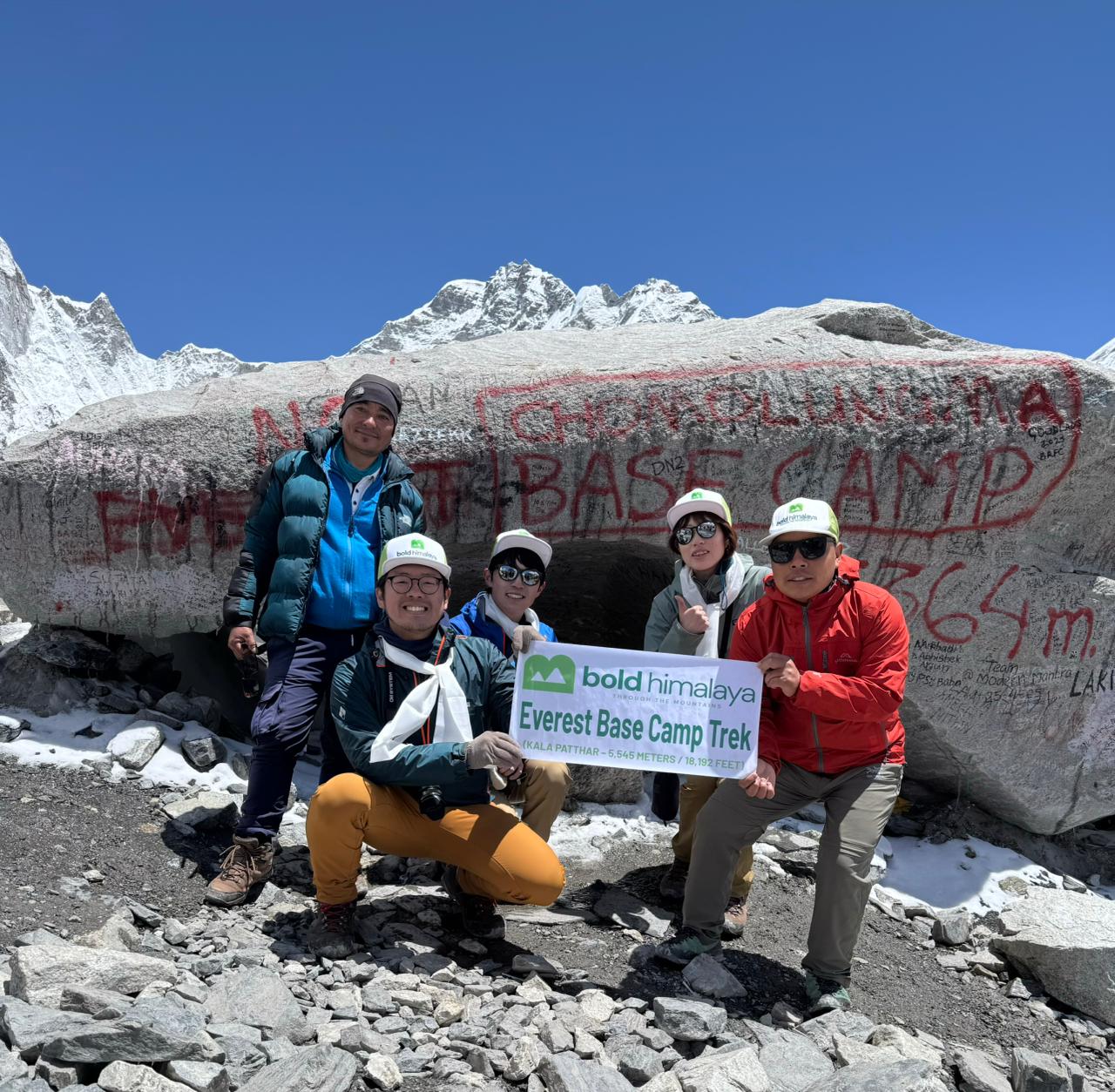
Save -10%

Everest Base Camp Trek 14 days
 Nepal Tour Packages
  14.0 Days
Save -6%
Everest Base Camp with Gokyo Cho La Pass Trek
Nepal Tour Packages
16 Days
Save -6%
Everest Base Camp Trek with Helicopter Return
Nepal Tour Packages
11 Days
Everest Base Camp Trek-13 Days
Nepal Tour Packages
13 Days
Save 24%
Luxury Everest Base Camp Trek with Helicopter Return
Nepal Tour Packages
11 Days

Save 33%
12 Days Everest Base Camp Trek
Nepal Tour Packages
12.0 Days