

Gokyo Lake Trek


Itinerary
Your Journey, Step by Step
Day 1: Arrival in Kathmandu Valley
1,440m (4,600ft)
30-45 minutes
Hotel
Upon arrival at Kathmandu airport, our Bold Himalaya representative will warmly welcome you and transfer you to your Hotel. Take some rest, and you can explore the streets of Thamel. We’ll have a short briefing on the Gokyo Lake trek and preparation in the evening. This is your city night convenience before entering Sagarmatha National Park.
Additionally, you’ll have the option to take a day trip to explore the rich history and architecture of Kathmandu, including its UNESCO World Heritage Sites. Overnight in Kathmandu Hotel.
Day 2: Fly to Lukla & Trek to Phakding
2,860m (9,383ft)
35-40 minutes
3-4 hours
Tea House
Breakfast, Lunch, Dinner
Today, after breakfast, we start our journey to the Gokyo Lake Trek. We’ll take a half-hour flight to Lukla from Kathmandu. A Himalayan flight over breathtaking views of Mount Everest, Lhotse, Makalu, and other giant peaks is one to remember for a lifetime.
Your porter team welcomes you at Lukla (2,860m), and here you set off on a gentle walk to Phakding. The walk downhill is in a gradient slope of an easy gradient slope, under some stunning rhododendron trees, over suspension bridges, and through small villages like Chaplung and Thado Koshi. The unchallenging walking on day one sets the acclimatization to the Phakding. Overnight to Phakding.
Day 3: Trek from Phakding to Namche Bazaar - Gateway to Khumbu
3,440m/11,286ft
5-6 hours
Tea House
Breakfast, Lunch, Dinner
After having breakfast in Phakding, we continue our trek to Namche Bazaar. Today’s trek marks your official entry into the heart of the Everest region. We begin with a gentle walk along the banks of the Dudh Koshi River. The trail passes through small Sherpa villages like Monjo and Benkar, where you’ll see prayer wheels, mani stones, and traditional houses. The route includes several suspension bridges, some of which are quite high and thrilling to cross, especially the famous Hillary Suspension Bridge.
As you continue, you’ll reach the entrance of Sagarmatha National Park, where your permits are checked. From here, the trail gradually becomes steeper. If the weather is clear, you may catch your first glimpse of Mount Everest along the way, which is a memorable highlight for many trekkers.
After several hours of trekking, you’ll arrive at Namche Bazaar, a vibrant Sherpa town situated in a natural amphitheater. Overnight in Namche Bazaar.
Day 4: Acclimatization Day in Namche Bazaar
3,880m/12,730ft (Everest View Hotel)
4-5 hours
Tea house
Breakfast, Lunch, Dinner
Today is the acclimatization day, helping your body adjust to the increasing altitude. Instead of resting completely, you can start with a short but steady hike above Namche. One of the most popular routes is the Everest View Hotel(3,880m), one of the highest-placed hotels in the world. From here, you can enjoy breathtaking panoramic views of peaks like Mount Everest, Ama Dablam, and Lhotse.
You can also visit the nearby village of Khumjung, where you can explore local monasteries, schools, and experience Sherpa culture more closely. Some trekkers also hike to the Sagarmatha National Park Museum for an informative introduction to the region’s geography, wildlife, and mountaineering history.
After the hike, you’ll return to Namche Bazaar to rest, hydrate, and explore the town. Namche has bakeries, cafes, gear shops, and even small museums, making it one of the most comfortable stops on the trek.
Day 5: Namche Bazaar to Phortse Village
3,810m/12,500ft
5 hours
Tea House
Breakfast, Lunch, Dinner
Today, leave the busy Everest Base Camp trail as you head toward the pristine Gokyo Valley. We continue our trek from Namche Bazaar, the trail gently ascends along a well-defined path above the Dudh Koshi Valley. Early in the trek, you’re rewarded with panoramic views of towering peaks like Mount Everest, Ama Dablam, and Thamserku on clear days. The route initially follows the popular Everest Base Camp trail toward Kyangjuma, passing through rhododendron forests and open hillside terrain.
Then, the trail diverges from the busier trail of Everest Base Camp as we head to Phortse village. As you ascend, the landscape opens up, revealing traditional stone houses and terraced fields before reaching Phortse Village (3,840m). This peaceful Sherpa village sits high above the valley. Overnight in Phortse.
Day 6: Phortse to Machhermo Village
4,470m/14,665ft
5-6 hours
Tea House
Breakfast, Lunch, Dinner
The trek from Phortse Village to Machhermo feels quieter and more remote as we move deeper into the Gokyo Valley. Leaving Phortse, the trail climbs steadily along open hillsides, with views of the surrounding mountains and valleys. The landscape gradually becomes more rugged, with fewer trees and more alpine terrain.
Along the way, we’ll pass small settlements like Dole and Luza, where you can rest and enjoy simple meals in teahouses. The trail follows a gentle but consistent ascent. As you reach Machhermo, the valley opens up, surrounded by towering peaks and glacial scenery. The village itself is peaceful and less crowded, often used as an acclimatization stop before heading higher toward Gokyo.
The village is also home to the Himalayan Rescue Association medical aid post, which provides information regarding altitude sickness as well as emergency medical assistance to climbers entering the high-altitude area of the Everest district.
Day 7: Machhermo to Gokyo - Enter the Sacred Lake Region
4,800m/15,748ft
4-5 hours
Tea House
Breakfast, Lunch, Dinner
You arrive today in the midst of Gokyo Valley, Nepal’s most lovely high-country landscape. The path goes up first along the ridge with a down-valley view of Kangtega and ends at mighty Cho Oyu dominating all. You walk on Pangkha and conclude at Ngozumpa Glacier terminal moraine, Nepal’s longest glacier.
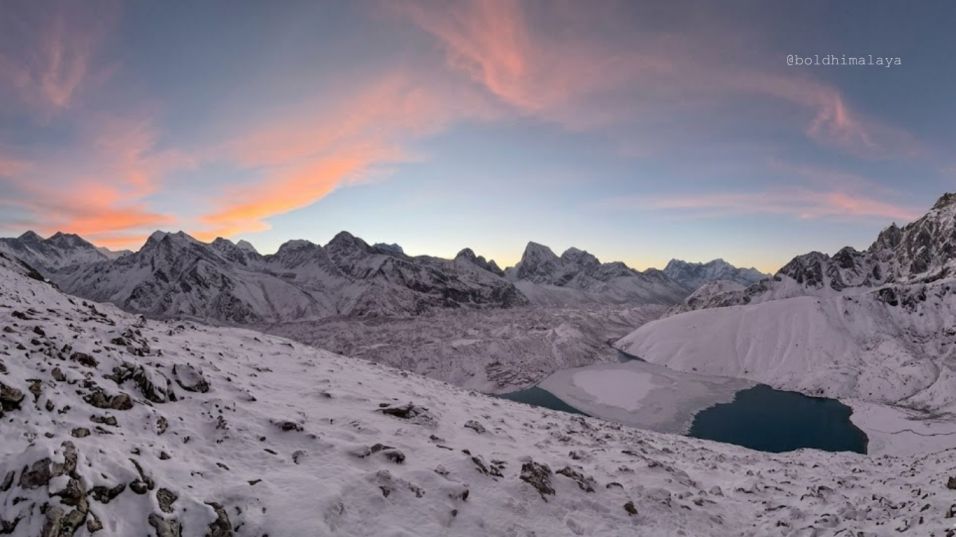
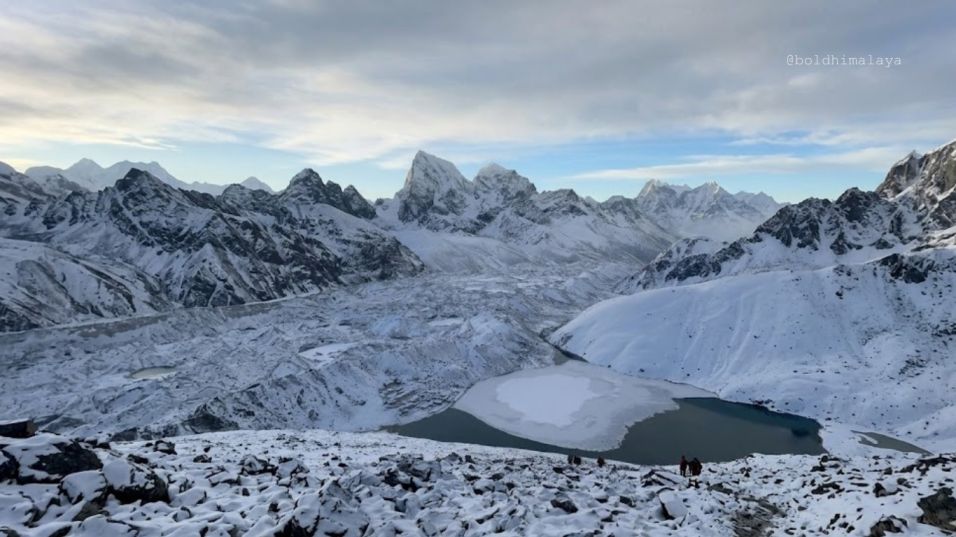
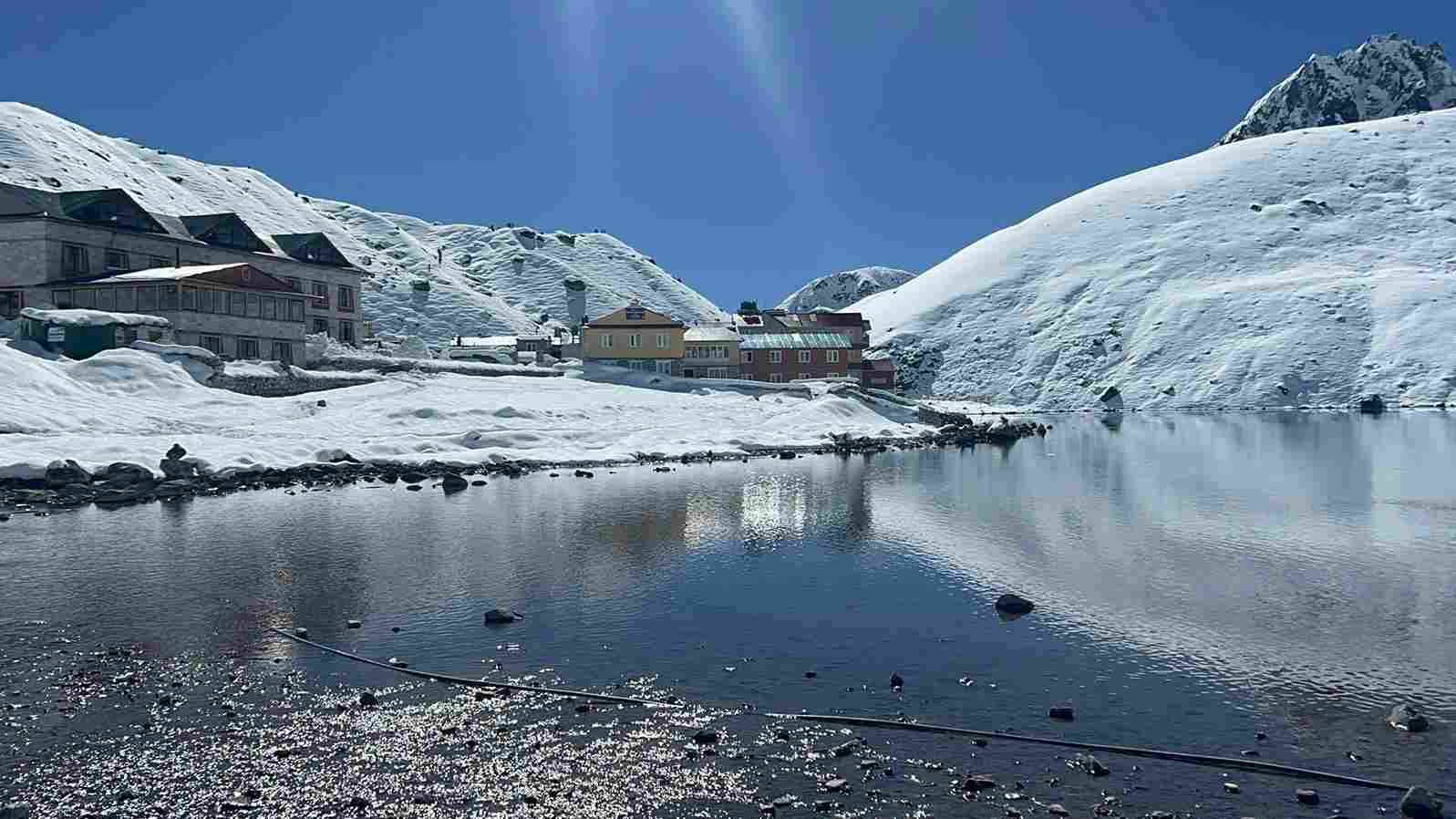
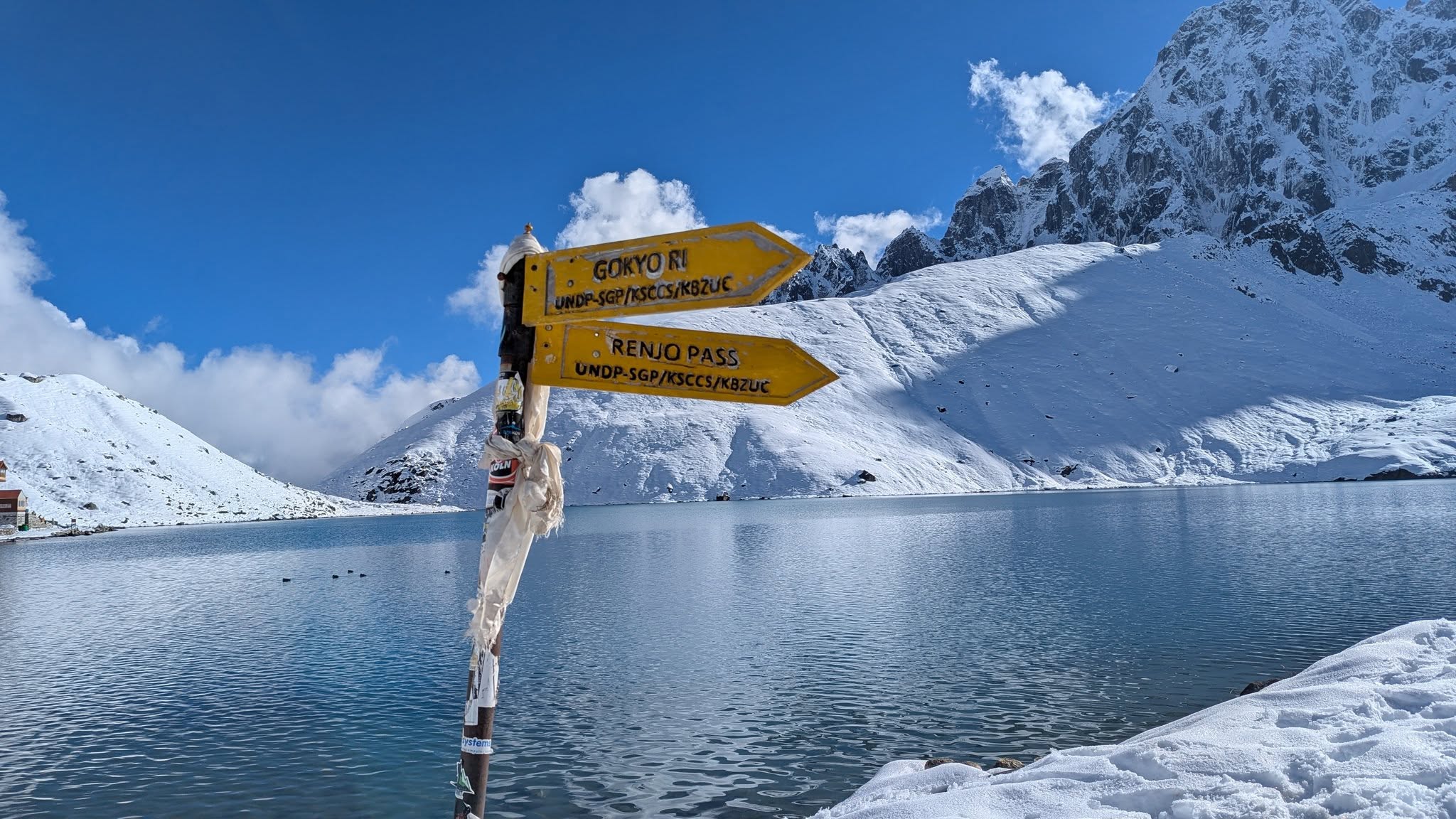
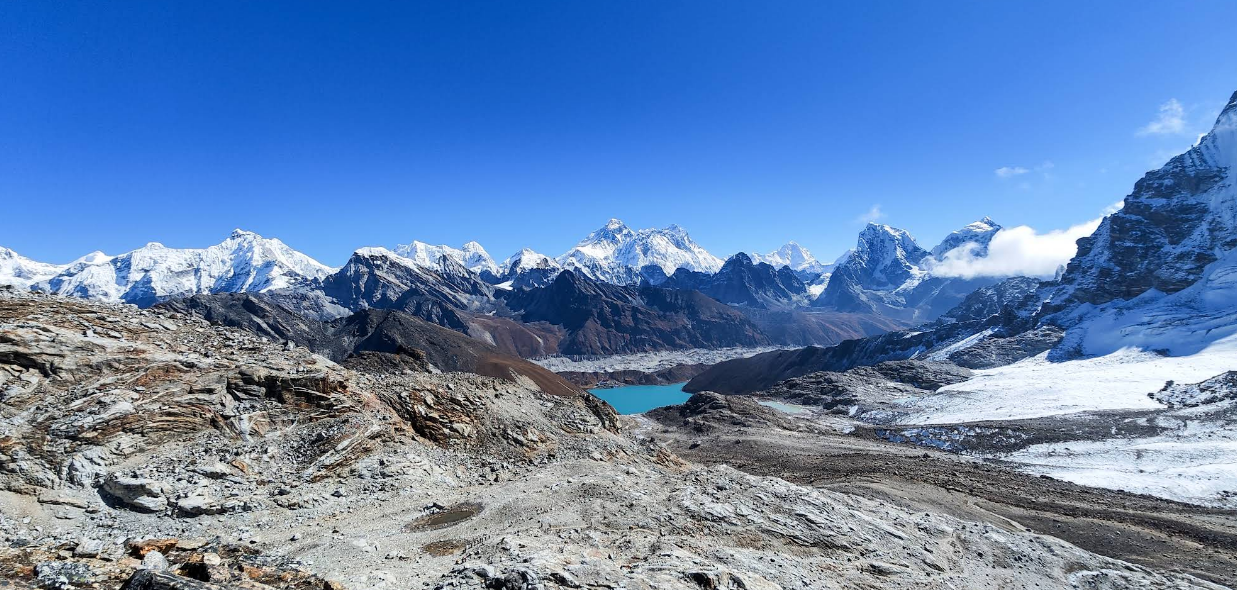
You’ll pass from the rim of the first Gokyo Lake, Longponga at 4,700m, and the second lake, Taujung Tsho at 4,728m, and the more renowned third lake – the actual Gokyo Lake Dudh Pokhari at 4,790m. Sacred Gokyo village is situated concealed around this beautiful turquoise lake, discreetly camouflaged behind sheer mountains such as the spectacular Cho Oyu massif.
Day 8: Gokyo Ri Summit & Five Lakes Exploration
5,357m/17,575ft
6-7 hours
Tea House
Breakfast, Lunch, Dinner
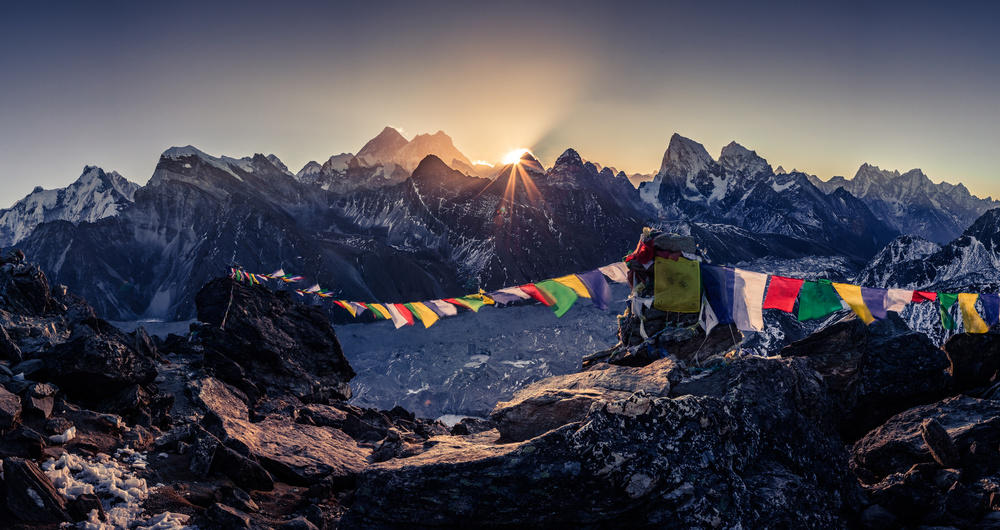
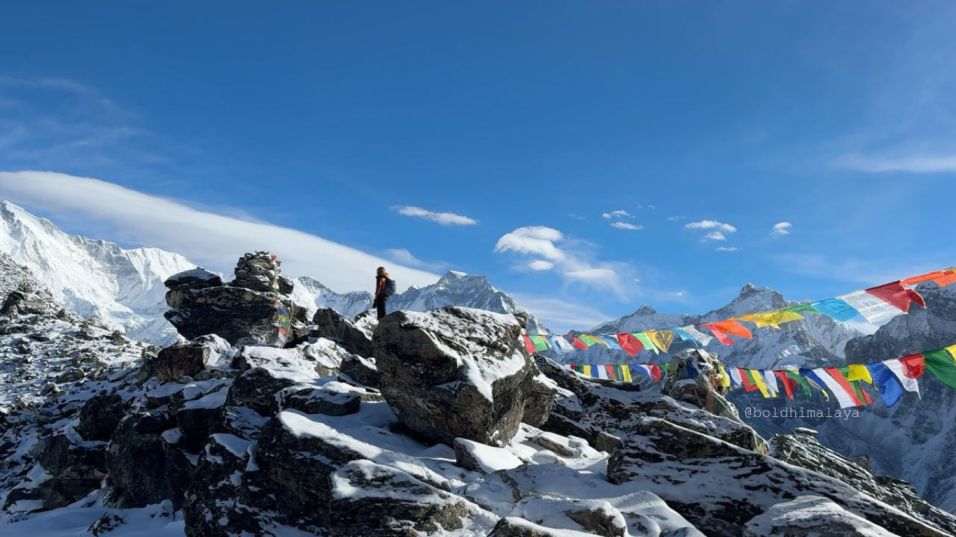
This is undoubtedly the highlight of your Gokyo Lake Trek. Starting before dawn (around 4:30 AM), you have the challenging 3-hour climb to the summit of Gokyo Ri at an elevation of 5,357 meters. You get to witness the 360-degree panorama views of four of the world’s eight highest peaks: Everest (8,848.86m), Lhotse (8,516m), Makalu (8,485m), and Cho Oyu (8,188m). Golden sunrises paint on giants is a once-in-a-lifetime experience.
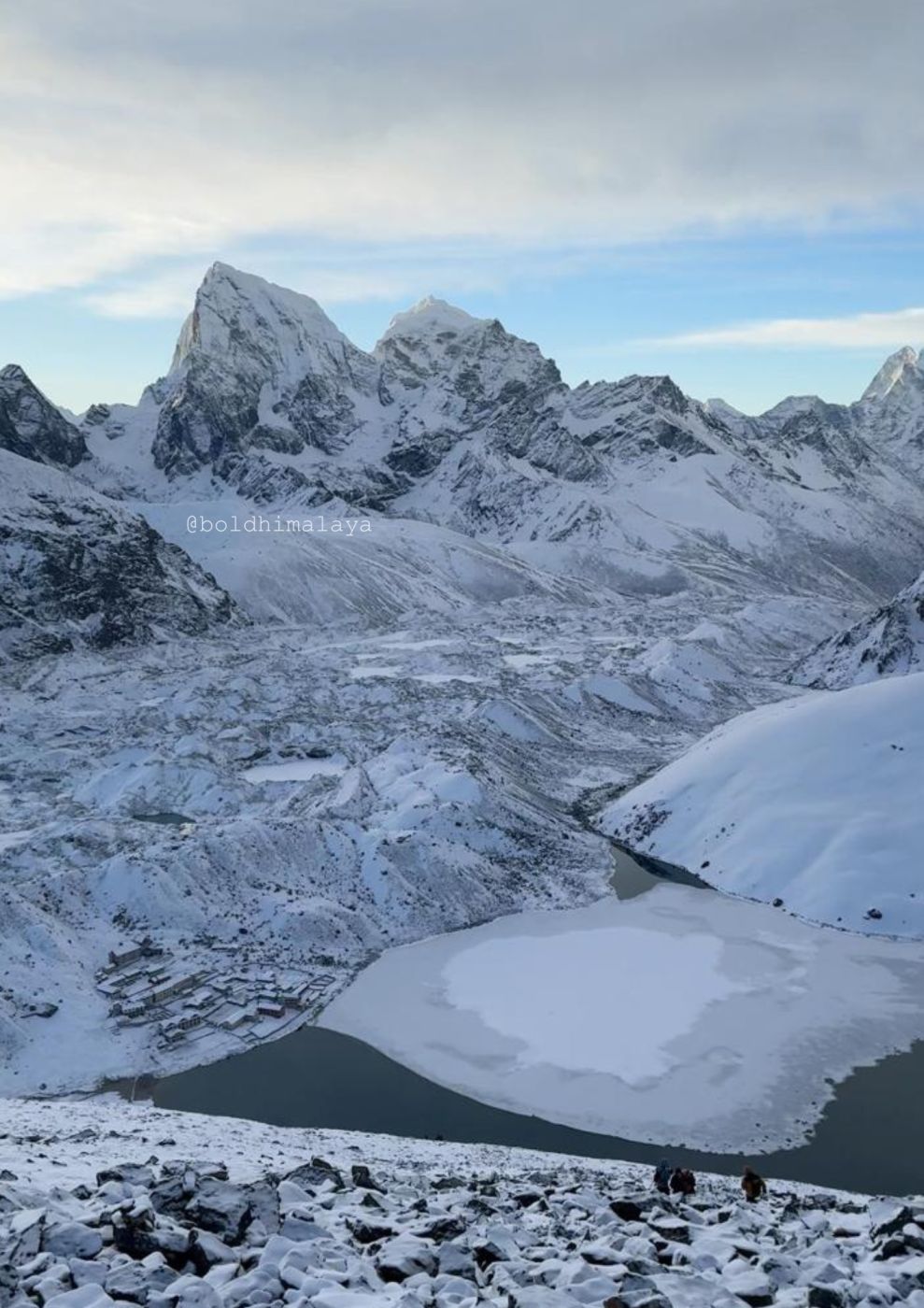
Then descend, have breakfast, and walk north to see the fourth lake (Thonak Tsho) at 4,870m and the fifth lake (Ngozumpa Tsho) at 5,070m. You reach Cho Oyu Base Camp with a clear view of the Ngozumpa Glacier, an ideal culmination to end your high-altitude lakes trekking tour.
Day 9: Gokyo to Dole - Begin Descent
4,110m/13,484ft(Dole)
5-6 hours
Tea House
Breakfast, Lunch, Dinner
Begin your journey back toward civilization, retracing the route that brought you to this high-altitude paradise. The track now has small concluding commanding views of the Gokyo Lakes complex and neighboring peaks around it. You descend through boulder moraine terrain with Dudh Koshi River incising dynamic ridges featuring Cholatse (6,440 m) and Taboche (6,542 m).
Altitude loss in Machhermo gives you the choice of descending right down to the Himalayan Rescue Association if you need to. Your body will be at a low altitude when you reach Dole, as the air is denser and you breathe normally. This village, nestled in a beautiful valley setting, offers a peaceful night’s rest after your high-altitude adventures.
Day 10: Dole to Namche Bazaar - Return to Sherpa Capital
3,440m/11,286ft
5-7 hours
Tea House
Breakfast, Meal, Dinner
Today’s trek passes some of the most picturesque forest parts of the Khumbu. The next plummets steeply down from the Dole through a flowering rhododendron forest and coniferous woodland in spring (March to May). Last glimpses of Everest, Lhotse, and Ama Dablam on the way. Potential wildlife spotting – glimpse Himalayan thar off-trail, musk deer, and Himalayan monal bird. Enjoyments of sacred scenery of Khumbila ridges are repaid at Mong La. The famous world trek to Namche Bazaar is a jewel on the standard Everest Base Camp trek from Kyangshum. Internet, foreign food, and hot showers are at your service on the bustling streets of the Sherpa capital after your isolationist hikes into the Gokyo wilderness area.
Day 11: Namche Bazaar to Lukla - Final Trek Day
2,800m/9,186ft
7-9 hours
Tea House
Breakfast, Lunch, Dinner
Your final trekking day follows a mostly downhill path along the Dudh Koshi River. You pass through familiar Sherpa villages, forests, and suspension bridges, retracing the route with a sense of accomplishment. The walk is long but easier compared to earlier days, as the altitude decreases. Reaching Lukla feels rewarding, a perfect moment to relax and celebrate the completion of your trek.
Day 12: Fly Back to Kathmandu
1,400m/4,600ft
Hotel
Breakfast
Today, we’ll fly back to Kathmandu from Lukla, which takes only 30-40 mins, and you will be dropped off at your hotel. You can explore the lively Thamel neighborhood, souvenir shopping, or visit UNESCO World Heritage sites. You will have a farewell dinner in the evening with your Bold Himalaya team for the culmination of your trek on one of Nepal’s most stunning trekking routes.
Day 13: Final Departure
Your transformative Gokyo Lake Trek concludes as our Bold Himalaya representative provides airport transfer for your international departure.
Alternatively, extend your Nepal adventure with additional activities from Bold Himalaya, like Chitwan Safari, white-water rafting, cultural tours, or other trekking expeditions in different regions of Nepal.
Want to customize your trip?
We ensure every trip meets your expectations — customize your itinerary anytime to match your travel style and preferences.
Inclusions
What’s Covered in Your Adventure
- All ground transportation (including airport pick up/drop) by private tourist vehicles
- Three-star category hotel in Kathmandu in twin sharing the bed with breakfast basis & standard trekking lodge in Gokyo Ri trekking route.
- Full meals during trekking as mentioned in the itinerary (Breakfast, Lunch, Dinner ) with tea and coffee
- Domestic flight (Kathmandu- Lukla- Kathmandu)
- Some necessary equipment sleeping bag and down jacket (if you need one, return after the trek)
- First aid medicine item
- Sagarmatha National Park permit & Pasang Lhamu Rural municipality entry permit TIMS card (Trekking Information Management System)
- Experienced, trekking guides including their salary, accommodation, meals, and their insurance.
- One special cultural show and farewell dinner program
- Bold Himalaya duffle bag, T-shirt, and trip certificate
- Our government/Local taxes and official expenses
- Lunch & Dinner in Kathmandu
- Dessert & bar bills
- International air ticket, Visa & travel insurance
- Tips for the trekking crew members
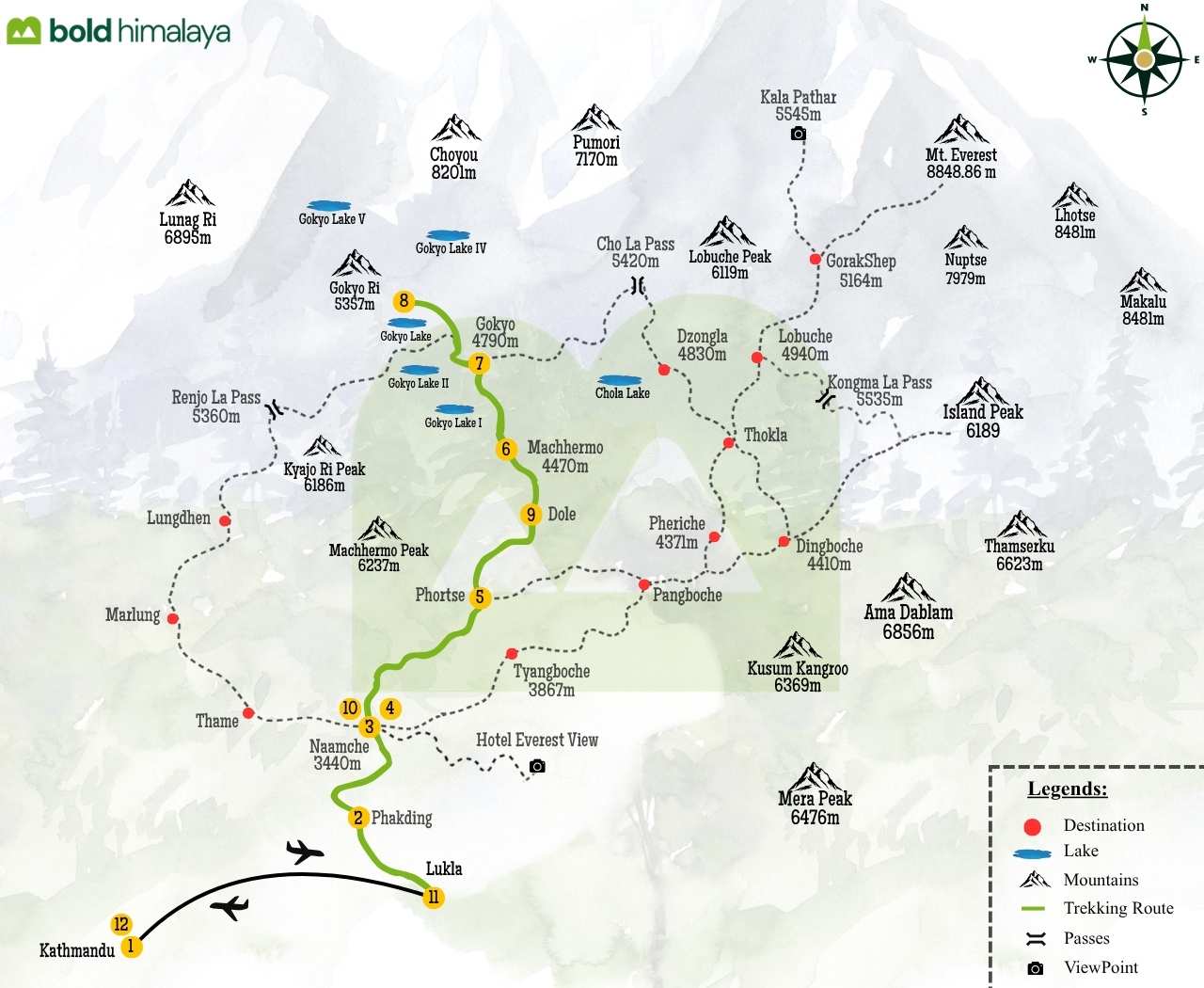
Detailed Map of Gokyo Lake Trek
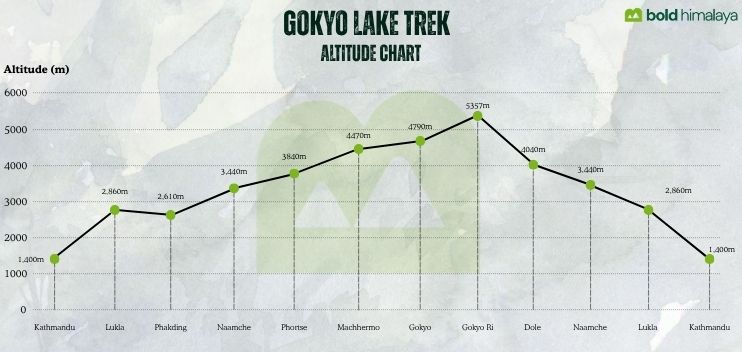
Altitude Chart of Gokyo Lake Trek
Good to Know
Your Journey, Step by Step
Best Time to Visit Gokyo Lakes
Autumn (September-November) and spring (March-May) are the best times to visit Gokyo Lake as it is clear weather and the best mountain views, and autumn and spring are the best times as a result. Autumn (September-November) has very clear mountain views, perfect weather, and 10-15°C daytime temperatures that are warm lower down.
Spring (Mar-May) has larger numbers of rhododendrons on the trail, with Nepal’s national flower, the rhododendron, painting patches of forest on the trail. Winter trekking (Dec-Feb) can be done but requires expedition-style equipment for nighttime temperatures of -20°C. Monsoon (Jun-Aug) is in the path with rain both day and night, and possible Lukla flight cancellations.
Accommodation & Facilities Along the Route
Tea houses along the way to Gokyo, simple but warm overnight stays, and convenient access. You descend in the likes of Namche Bazaar, then all sorts of treats await you can take a hot shower (for a fee), internet through Wi-Fi, even bakeries where you can purchase bread and cake. The higher you go, the less upscale the facilities you get to indulge in, but still quite much to be enjoyed, with a common dining hall and simple rooms.
It even carries an electric socket facility in all its teahouses where one can charge anything at a price-but it is better to bring a power bank. Some have hot shower facilities at a price, and some have basic washing facilities. There is a section of the dining hall where trekkers from all the corners of the earth sit and exchange experiences and anecdotes.
Helicopter Return Option - Luxury Alternative
For trekkers with limited time or those seeking a unique perspective, helicopter flights from Gokyo back to Lukla or directly to Kathmandu provide spectacular aerial views of the Himalayas. This option reduces the return journey from 4-5 days to just 30-40 minutes of flying time, allowing more time for other Nepal experiences or easier schedule management.
Helicopter flight offers you the ideal view and aerial photographs of glacial systems, lakes, and mountains that you have just explored through trekking. The weather must be good to fly, and sunny light and wind are the minimum. All such arrangements of matters like weather clearance for safe helicopter flights and permits are taken care of by Bold Himalaya.
Permits & Documents Required
Trekking in the Gokyo region requires two essential permits: the Sagarmatha National Park entry permit and a TIMS (Trekkers’ Information Management System) card. Both permits enable the government to keep records for safety reasons, as well as provide payment to locals as recompense for conservation. All the permits are arranged through Bold Himalaya but require you to send them copies of your passport and photos in advance.
Your passport must also be valid for at least six months, and Nepal offers a visa on arrival at Kathmandu airport for everyone except a few. But your entire Himalayan trek travel insurance, and in some cases, is required by the insurance company must cover a visa on high-altitude treks and helicopter evacuation.
Internet & Communication Facilities
Both Ncell and Nepal Telecom networks reach most of the Gokyo trail with decreasing signal at higher altitudes. Wi-Fi is readily available in most teahouses at low cost, although slower in the high season when many devices vie for available bandwidth.
Or for that matter, one locally bought SIM card with a data plan will be safer to browse the web with than the Wi-Fi one receives at teahouses. And as a precautionary step, communication equipment with a satellite signal will need to be carried in case of emergency on the off-beaten track from Machhermo to Gokyo with no good cell phone connectivity.
Money & Banking Facilities
There are no ATMs past Namche Bazaar, and therefore, sufficient Nepali rupees need to be carried during the trek. Banks in Namche also have limited hours (10 AM – 3 PM) and exchange minimal forex, so one should bring USD to be exchanged.
Any other miscellaneous expenses apart from food & stay, which fall under Bold Himalaya packages, including tips to guides & porters, hot shower, WiFi fee, drinks, and donations. Budget approximately $10-15 per day for these additional expenses, though costs increase with altitude.
Gokyo Lake Trek vs Everest Base Camp: Detailed Comparison
Crowds & Experience:
Gokyo Lakes trek is comparatively much less commercialized and offers a more isolated perception of the natural, pure Himalayan beauty to those interested in being fully surrounded by a trek with isolation. In contrast to EBC, where there are maybe hundreds of people who flock to it at any given time of day, Gokyo has day lodges with fewer people to greet and interact with and exchange information.
Views & Scenery:
You can photograph four 8,000m mountains (Everest, Cho Oyu, Lhotse, Makalu) from the same viewpoint from Gokyo Ri, which is a better viewpoint than the Kala Patthar viewpoint, according to everyone. The trek includes unique elements like the six sacred lakes, Ngozumpa Glacier, and diverse valley systems that EBC doesn’t offer.
Difficulty & Duration:
Gokyo trek is around 20 miles more than the standard mileage of EBC, but can be done in 12-15 days, while EBC can be done in 14-16 daysTechnicallyll,y 200m below the highest point of EBC. Both with the same zero level of Altitude Sickness, dang, er, but with the same crystal mountain view.
Cultural Experience:
Both treks go through Sherpa towns, but the Gokyo trek goes through isolated villages like Phortse and Machhermo, which are more culturally remote than the EBC trek. The lakes are sacred and something that one cannot see via the EBC trek.
Cost Difference:
Gokyo treks cost 10-15% less because they are shorter and there are fewer tourists arriving, so it doesn’t inflate the accommodation cost. However, optional helicopter returns can increase overall costs significantly.
Training & Preparation Guidelines
This would need to be initiated a minimum of 8-15 weeks in advance, when physical conditioning and endurance in hiking need to be developed in the Khumbu Region. Cardiovascular conditioning is particularly useful. Backward hiking upstairs, cardiovascular, and leg strengthening should be part of the routine.
There must also be mental conditioning because weather and climbing conditions are never expected to require one to be flexible and be in a good mood. Practice through meditation or mindfulness exercises to cope with bad circumstances still on the trek. Learn about Sherpa culture and learn some Nepali phrases, so it can be a more enriching experience but also to show respect to locals.
Packing List for Gokyo Lake Trek
All branded and non-branded trekking gear is easily available in Thamel, Kathmandu. They provide rental facilities for some items too.
Clothing items:
- Caps/Hat, Warm hats (Banie)
- Jackets (Down, fleece jacket, Waterproof)
- shirts
- Thermal Set (Base Layer)
- Trousers/Hiking Pants (warm & waterproof)
- Neck Gaiter
- Gloves (Inner & Insulated)
- Towel
- Undergarments
Bag packs and Bags:
- Day Pack, at least you have a 45-50 liters backpack or Duffel bag that can hold your necessary items
Footwear:
- Trekking Shoes
- Sandals
- Socks (Warm) at least 4 pairs
- Gaiters (for Winter)
Sleeping Bags:
- Sleeping bags for at least -15 to -20 for winter
- Sleeping bag liner
Electronics items:
- Camera and photography gear
- Headlamp or torch light with batteries
- Portable charger (Power Bank)
Accessories:
- Eyewear (Sun Glass)
- Trekking Poles
- Water Bottle (Hydration Bladder)
- Crampons/ microspikes (For Winter only)
Miscellaneous:
- Safety and First aid items & medicine (Including Oximeter and thermometer)
- Bag cover/pack covers
- Money Belt, hand sanitizer
- Sun cream, Toothbrush, toothpaste, soap, shampoo
- Toilet paper, Booties (for winter), Mitten (for winter)
- Cards, Shanks
Note: Winter months (December, January, February) need thicker clothes and crampons. Conversely, rain gear and lighter clothes are recommended during September and May compared to regular times.
Food & Dietary Considerations
Mountain teahouses provide primarily Nepali dal bhat (rice and lentils), noodles, pasta, and plain international fare. The default staple is vegetarian and supplemented at high altitude. Acclimatization to high altitude is the ginger tea and garlic soup formula employed to combat indigestion and nausea.
Avoid raw vegetables and uncooked foods at higher altitudes to prevent stomach issues. Stick to hot, freshly cooked meals and bottled or purified water. Carry high-energy snacks like nuts, chocolate, and energy bars for trail nutrition between meals.
Altitude Sickness Prevention & Management
The gradual ascent profile of the Gokyo trek, including the acclimatization day in Namche Bazaar, significantly reduces altitude sickness risks. Follow the golden rule of “climb high, sleep low” and maintain proper hydration throughout the trek. Diamox (acetazolamide) tablets can be taken sometimes to speed up acclimatization, after taking advice from a doctor before embarking on the trek.
Identify signs such as headache, nausea, dizziness, and fatigue. Descent immediately is the altitude sickness treatment that may prove fatal. Himalaya guides are also trained to identify altitude sickness and emergency procedures, which include the evacuation procedure if necessary.
Itinerary Variations & Alternatives
Variation 1: Short Gokyo Trek (10 Days)
- Day 1-2: As normal itinerary
- Day 3: Phakding to Namche (skip acclimatization day)
- Day 4: Namche to Dole (combine Phortse day)
- Day 5: Dole to Machhermo to Gokyo
- Day 6: Gokyo Ri climb & lakes trek
- Day 7: Gokyo to Namche
- Day 8: Namche to Lukla
- Day 9-10: Fly to Kathmandu & departure
Note: Greater risk of altitude sickness with quicker ascent
Variation 2: Helicopter Return from Gokyo (10 Days)
Luxury option with scenic aerial return
- Day 1-8: Normal continuation to the Gokyo Ri summit
- Day 9: Gokyo to Lukla or Kathmandu direct by helicopter flight
- Day 10: Depart Kathmandu
Benefits: Timesaving, unique aerial perspectives, luxury touch
Cost: Additional $1,200-2,000 for helicopter flight
Variation 3: Extended Everest Gokyo Circuit (18-21 Days)
Ultimate Everest region experience
- Day 1-8: Normal Gokyo itinerary
- Day 9: Cross Cho La Pass (5,420m) to Dzongla
- Days 10-14: Gorak Shep and Lobuche to Everest Base Camp
- Day 15: Climb Kala Patthar and descend to Pheriche
- Days 16-18: Return via Tengboche and Namche to Lukla
Highlights: Two of the most popular viewpoints, three high pass options, complete the Everest region circuit
Variation 4: Gokyo with Renjo La Pass (15 Days)
High pass trek for experienced trekkers
- Days 1-8: Normal Gokyo trek
- Day 9: Via Renjo La Pass (5,340m) to Thame
- Days 10-12: Trek back via Thame Valley to Lukla
Challenge Level: Advanced due to the technical pass crossing
Best Season: October-November, March-May
Required Documents for Gokyo Lake Trek
- Passport:
A valid passport with at least six months of validity beyond your intended departure date from Nepal is required. - Nepal Visa:
Most travelers need a visa to enter Nepal. You can obtain a visa on arrival at Tribhuvan International Airport in Kathmandu or at land border crossings. Visa requirements may vary based on your nationality. - TIMS Card:The
Trekkers’ Information Management System (TIMS) card is necessary for trekking in Nepal. It helps authorities keep track of trekkers and provides emergency assistance if needed. - Sagarmatha National Park Permit:
As the trek passes through the Sagarmatha National Park, you need to obtain a parking permit to enter the area. This permit is usually arranged by your trekking agency. - Travel Insurance:
Comprehensive travel insurance is strongly recommended to cover potential medical emergencies, evacuations, and trip cancellations due to unforeseen circumstances.
Nepal Visa Information
All foreign citizen requires a Nepal visa to enter Nepal except Indian Citizens. While you are entering Nepal, you can get an on-arrival visa at the border and international airports. Tourists can get a visa for 15, 30, and 90 days.
On-Arrival Tourist Visa Fee for Tourists to Enter Nepal:
- 15 Days – 30 USD
- 30 Days – 50 USD
- 90 Days – 125 USD
Responsible Tourism on Gokyo Lake Trek
We strongly believe in responsible tourism and our policies are guided by the principles of economic, Social, and environmental responsibility. We encourage trekkers to follow the principles of responsible tourism:
- Learn about and respect local customs, traditions, and etiquette. Dress modestly and seek permission before taking photos of people or sacred sites.
- Purchase local goods, crafts, and services to contribute directly to the local economy and help communities thrive.
- Carry a reusable water bottle, avoid single-use plastics, and practice the Leave No Trace principles by properly disposing of waste.
- Use energy and water sparingly, especially in areas where resources are limited due to high altitudes.
- Contribute to local conservation projects or initiatives that work towards preserving the natural and cultural heritage of the region.
FAQs
Your Questions, Answered
What is the best time to do the Gokyo Lake Trek?
Autumn (September–November) and spring (March–May) are ideal for the Gokyo Lake Trek, offering clearer weather, good mountain visibility, and favorable trekking conditions.
What is the duration of the Gokyo Lake Trek?
The standard Gokyo Lake Trek is a 13-day itinerary including arrival and departure in Kathmandu, with around 10 days on the trekking route and an acclimatization day at Namche Bazaar. Longer versions can be combined with Everest Base Camp or high passes.
Is Gokyo Lake Trek possible for beginner trekkers?
Physically fit beginners can complete the Gokyo Lake Trek with proper preparation, training, gradual acclimatization, and professional guide support. Previous high-altitude trekking experience is helpful but not essential.
What permits do I need for the Gokyo Lake Trek?
The Gokyo Lake Trek requires the Sagarmatha National Park Entry Permit and the Khumbu Pasang Lhamu Rural Municipality Permit. Bold Himalaya arranges the required trekking permits as part of the service.
How much does the Gokyo Lake Trek cost?
The Gokyo Lake Trek starts from USD 1,470 per person. The final cost can vary depending on group size, itinerary, season, and included services.
Is there any issue of altitude sickness during the Gokyo Lake Trek?
Altitude sickness is a possible risk on the Gokyo Lake Trek because the route reaches high elevations. Gradual ascent, proper acclimatization, hydration, and monitoring for symptoms are important. Guides can assist with altitude-related concerns during the trek.
What are the accommodation facilities on the trek?
Accommodation is provided mainly in teahouses and mountain lodges. Facilities range from more comfortable lodges in Namche Bazaar to basic teahouses at higher elevations, generally with shared bathrooms and communal dining areas.
Is there a phone and internet connection while trekking?
Mobile network coverage is available along parts of the Gokyo route but can become weaker at higher elevations. Many teahouses offer Wi-Fi, although connection quality varies.
How is the Gokyo Lake Trek different from the Everest Base Camp Trek?
The Gokyo Lake Trek is generally less crowded and focuses on the Gokyo Lakes, Gokyo Ri, glaciers, and panoramic Himalayan views. The Everest Base Camp Trek focuses on Everest Base Camp and the Khumbu region. The two routes can also be combined through high passes such as Cho La.
Is the helicopter return from Gokyo Lake worth it?
A helicopter return can save several days of trekking and provide aerial views of the Khumbu’s mountains, valleys, and glaciers. Flights are subject to weather and operational conditions.
Is the Gokyo Lake Trek safe?
The Gokyo Lake Trek can be completed safely with proper preparation, gradual acclimatization, experienced guides, suitable equipment, and attention to changing weather and altitude conditions.
Can I combine other activities with my Gokyo Lake Trek?
Yes. The Gokyo Lake Trek can be combined with routes such as the Everest Base Camp Trek via Cho La or Renjo La, as well as other Nepal activities depending on your itinerary and available time.


View OurSimilar Packages
Discover our top tours, loved by thousands of travelers annually. Choose the adventure that inspires you and embark on a journey tailored to your desires.
View All Packages
Save 18%

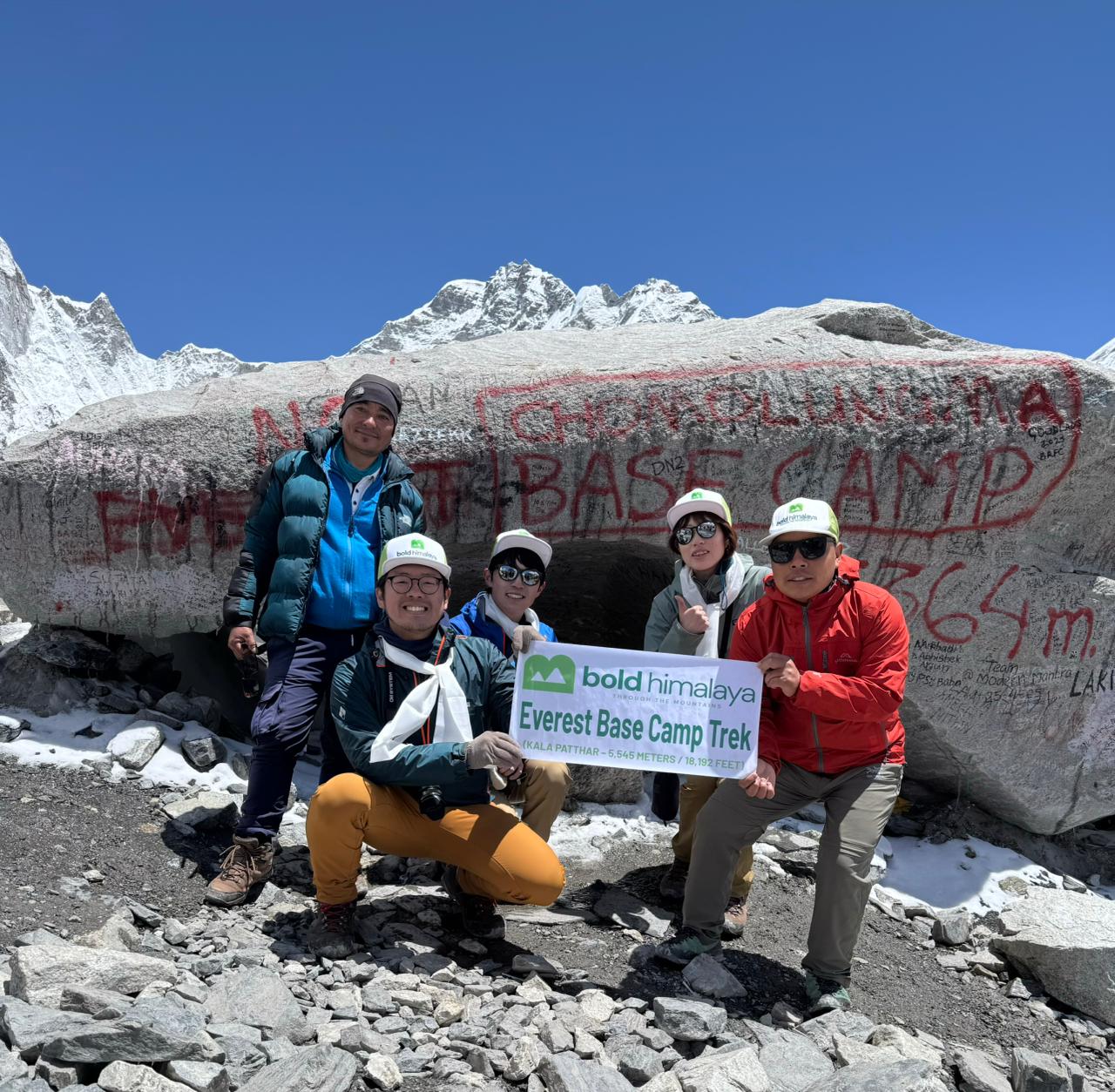
Everest Base Camp 11 Days Trek
 Nepal Tour Packages
  11.0 Days
Save -10%
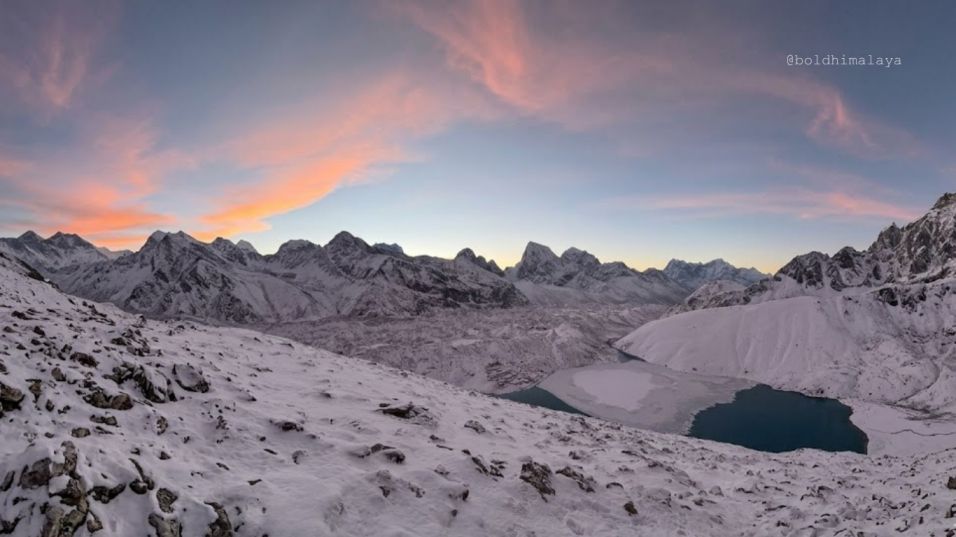
Everest Base Camp Trek 14 days
Nepal Tour Packages
14.0 Days
Save -6%
Everest Base Camp with Gokyo Cho La Pass Trek
Nepal Tour Packages
16 Days
Save -6%
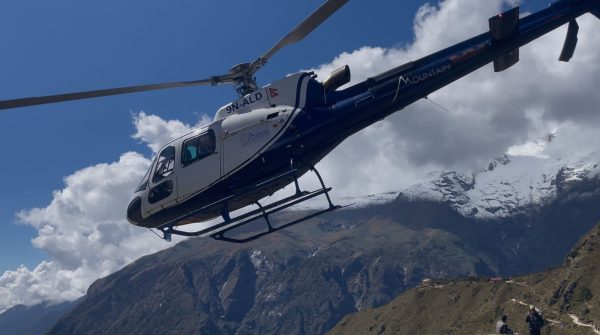
Everest Base Camp Trek with Helicopter Return
Nepal Tour Packages
11 Days

Save 32%
Everest Base Camp with Gokyo Lake Helicopter Tour – Guarantee Landing
Nepal Tour Packages
4- 5 Hours Days

Save 0%
Everest Mountain Flight – 1 Hour Scenic Flight from Kathmandu
Nepal Tour Packages
1 Hours Days

Save 33%
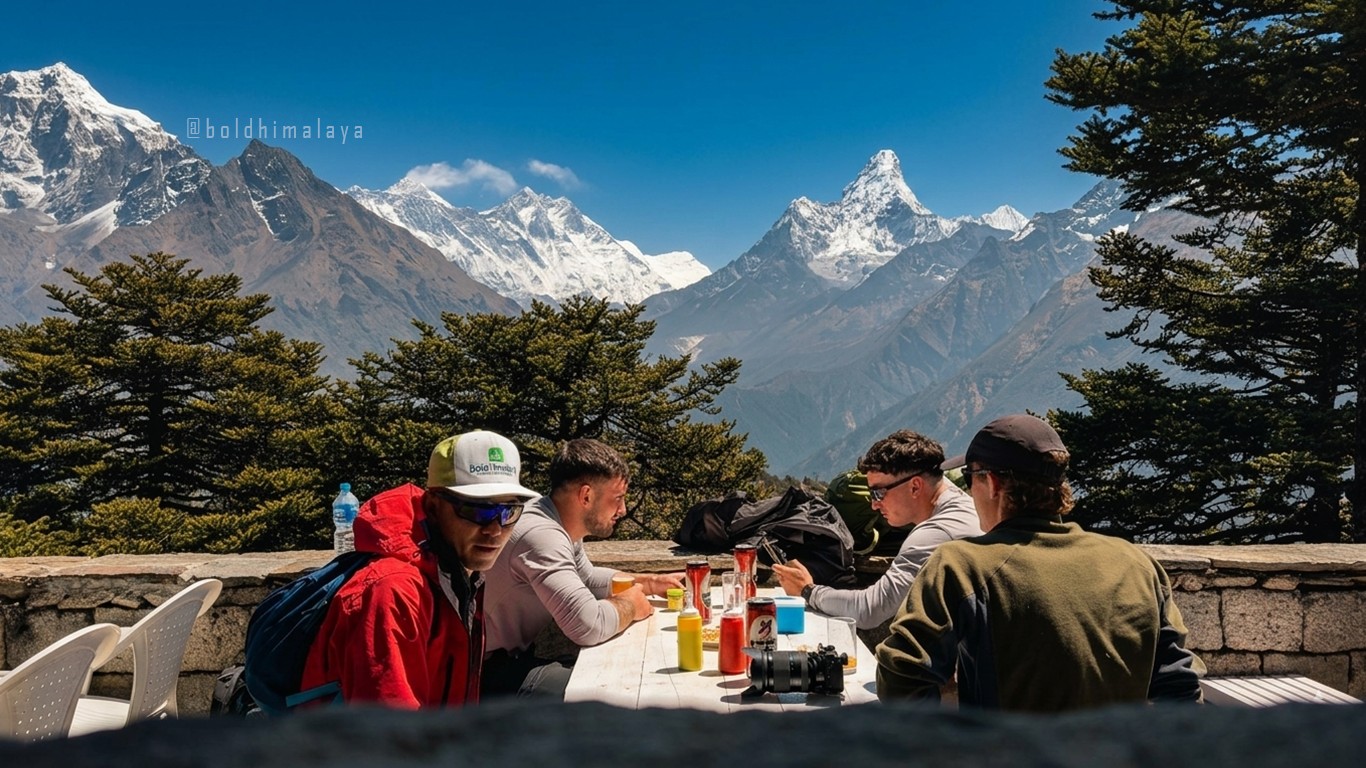
Everest Three Pass Trek: The Ultimate High Altitude Adventure in Nepal
Nepal Tour Packages
18.0 Days
Save -11%
Everest View Trek - A Scenic Journey in the Everest Region
Nepal Tour Packages
6 Days
Save -7%
Gokyo Lakes Renjo La Pass Trek
Nepal Tour Packages
14 Days