



Saga Dawa Festival

-
 Bold Himalaya
 -
21 June, 2025
-
22 mins read
-
979 Views
-
0 Comments


Saga Dawa” is what the Tibetans call the “fourth month.” Tibetans celebrate it in the fourth month because they retain the units of time from the classic Tibetan calendar, making this a period when religious energy demonstrates its most powerful force throughout the whole region.
Buddhists worldwide experience Saga Dawa as the full cycle of purification blended with holy rituals. This festival provides a platform where both locals and visitors can experience untouched Himalayan culture through profound religious rituals that communities have practiced for over one thousand years.
This is an accredited ritual; more than this is where face-to-face confronts the new pilgrim with the accumulated wisdom of centuries. Buddhist pilgrim or intrepid traveler, Saga Dawa opens the way to the spiritual homeland of the Himalayas.
The Origins and Historical Background
Historical Roots in Tibetan Buddhism
Saga Dawa originated in the 7th century when Buddhism reached Tibet. The festival began when Tibetan monasteries first began marking secret rituals to celebrate Buddha’s most notable life events. Those original rituals later created the massive festival that we see today.
Songtsen Gampo, Tibet’s first Buddhist king, established the groundwork for Buddhist education throughout his kingdom. Monasteries later became centers where monks led communities in intricate rituals, prayers, and meditation sessions.
Mythological and Religious Context
The entire Saga Dawa is a sacred time in Buddhist tradition because it is a time when the world of souls approaches as close as possible to our world. Ancient texts describe this time as when virtuous and vicious deeds carry multiplied consequences, making it the ideal period for religious practice.
The festival is nearest to Buddhist karma philosophy and the generation of merit. Merit gained due to their good deeds done during Saga Dawa is very much bigger at this time of the year than at any other time of the year.
Life of Lord Buddha and the Relation with Saga Dawa
The festival is used specifically to commemorate three events in the life of Buddha, which all took place in the fourth month of the lunar calendar. All three of these three such events – birth, enlightenment, and death into nirvana – are all described in Buddhist literature as the “Triple Blessed Festival.”.
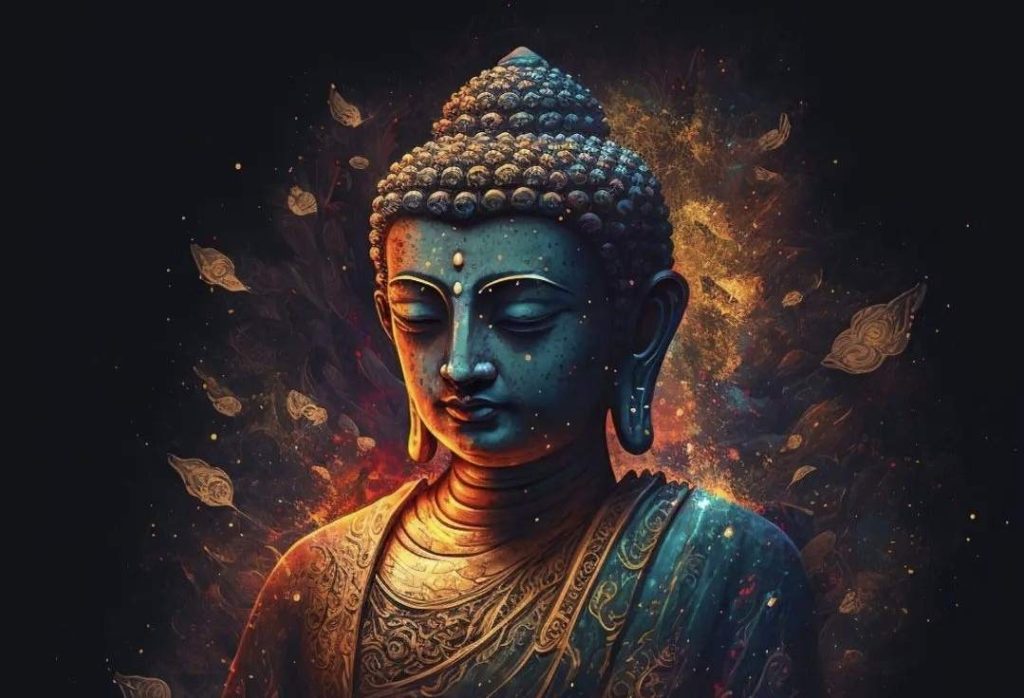
Buddhist traditional book puts Prince Siddhartha (later known as Buddha) to have been born on the fifteenth day of the full moon in the fourth month in Lumbini, Nepal. His followers, some years later, after leaving, were also enlightened on the same day under the Bodhi tree. Later, Buddha passed away at 80 due to Parinirvana (complete liberation) on the same holy day.
When is Saga Dawa Celebrated?
Date According to the Tibetan Calendar
Saga Dawa takes place in the fourth month of Tibet. The finest time to mark the occasion would be the 15th of the month, which is the full moon day. It is also known as “Saga Dawa Duchen” – the best of the festival.
Tibetan is a lunisolar calendar, and the beginning of the month is by the new moon. The dates occur alternately in the Western calendar, typically May to June.
Corresponding Gregorian Calendar Timeline
Saga Dawa in the Western calendar is mid-May to mid-June, but dates change annually based on lunar calculation. Mid-day festival (full moon) typically occurs late May or early June.
In 2024, Saga Dawa is from 8th May to 6th June and is at its peak on 23rd May. The tourists must follow strict dates every year because they are based on the lunar phases.
Role of the Full Moon during the Saga Dawa Festival
The full moon is a Buddhist cosmological phenomenon because it is when the spiritual energy reaches its peak. Buddhist texts describe the full moon as a time when the mind naturally becomes more peaceful and receptive to spiritual teachings.
At Saga Dawa full moon, pilgrims increase the karma of their actions 100,000 times. This belief draws thousands of pilgrims to sacred sites across the Himalayas, creating an atmosphere of intense spiritual energy and devotion.
Where is the Saga Dawa Festival Celebrated?
Primary Celebrations in Tibet and Nepal
Saga Dawa festivals have been celebrated all over the Himalayas, and the most vibrant one is observed in Tibet and Nepal. These two destinations host the largest number of pilgrims and most of the traditional ceremonies and rituals.
It is seen in Lhasa, Mt. Kailash, and other monasteries in Tibet. In Nepal, it is seen mostly in and around the Kathmandu Valley, Buddhist monasteries and stupas, and even in far-flung mountain regions such as the Tsum Valley.
Main Celebration Places of Saga Dawa Festival
Mt. Kailash (Tibet)
The holy site of Saga Dawa is the summit of Mount Kailash. The holy mountain, revered by Buddhists, Hindus, Jains, and even by Bon believers, is filled with pilgrims flocking to the ancient kora (circumambulation) of the mountain.
Pilgrims across the continent undertake the spiritually fulfilling 52-kilometer trek around Mount Kailash during Saga Dawa, believing this journey will cleanse their sins and lead them toward enlightenment.

Lhasa – Tibetan Buddhism Heart
Potala Palace: Potala Palace is a lovely destination to visit, where hundreds of Tibetan pilgrims go down on their knees or pray standing in front of the impressive building. Pilgrims pray and offer sacrifices in front of the palace compound during the festival season.
Jokhang Temple: Jokhang Temple is the religious core of Lhasa’s activity for Saga Dawa celebrations. Pilgrims take the kora, going around the most sacred temple, along the ancient circular prayer path. The temple is a center of butter lamp worship and prayer rituals.
Barkhor Street: Barkhor Street is lined with massive crowds of pilgrims making circumambulation in Saga Dawa. Old Market Street is transformed into a holy path down which the devotees move clockwise through whirling prayer wheels and mumbled incantations.
Lingkhor Street: Lingkhor Street forms part of the extended circumambulation route around Lhasa town, on which pilgrims perform a longer kora around the whole sacred precinct of the city.
Dzongyab Lukhang Park: Close to the Potala Palace, this park is large enough to accommodate giant evening outdoor picnics as families and communities reunite to celebrate.
Sacred Monasteries Across Tibet
Drigung Til Monastery: One of the most popular places to visit throughout Saga Dawa celebrations, Drigung Til Monastery was established in 1179 and hosts pilgrims who visit to gain blessings and participate in special prayer ceremonies led by the monks.
Tsurpu Monastery: Tsurpu Monastery, Karmapa’s ancestral home, is also visited for grand Saga Dawa festivities. Pilgrims and the monastery perform elaborate rituals and provide an opportunity for pilgrims to undertake intensive meditation practice during the sacred month.
Everest Region: The Everest area is among the most visited pilgrimage sites during the Saga Dawa festivities. Rongbuk Monastery, the world’s highest monastery, and its periphery are toured by pilgrims and viewed with breathtaking scenery of Mount Everest. Pilgrims’ rest is organized, and special ceremonies are conducted at the monastery during the festival celebration.
Other Sacred Sites Around Tibet
Natural Sacred Sites
Tibet is full of sacred caves, lakes, mountains, and natural places that pilgrims have been visiting for centuries during Saga Dawa. Some of them are:
Sacred Lakes: They possess some high-altitude lakes, which are sacred pilgrimage sites where the believers offer gifts and prayers
Holy Caves: Meditation caves of renowned Buddhist adepts attract practitioners to seek spiritual retreats
Sacred Peaks: Specific peaks in Tibet are the focal point of the Saga Dawa celebration in the region
Temples and Stupas: Pilgrims go to holy monasteries, temples, and stupas in Tibet for the experience of being part of virtuous deeds during Saga Dawa. These range from old ruins in remote valleys and city temples in capital cities, each offering distinctive scope for spiritual practice as well as cultural exposure.
Boudhanath Stupa (Kathmandu, Nepal)
The globally largest Buddhist stupa, Boudhanath Stupa, is the highlight of Nepal’s Saga Dawa celebrations. White-domed, gold-spire-topped stupa encircled by monasteries attracts Nepali pilgrims and foreign tourists.
The stupa campus was filled with pilgrims reciting koras, prayer wheels, and butter lamp light during the festival. Night is snug with the ancient monument, candlelit on every corner.
Tsum Valley & Upper Mustang
These remote areas of Nepal provide nature-near ceremonies where their ancient culture remains pollution-free. “Hidden Valley” of Tsum Valley provides Buddhist culture and Saga Dawa festivals in their pure form to travelers.

Upper Mustang, the Kingdom of Lo, maintains indigenous local traditions combining Tibetan Buddhism and pre-Buddhist Bon ceremonies to mark Saga Dawa. Prehistoric traditions have survived in remote isolation.

Local vs Pilgrimage Sites
Buddhist communities celebrate local traditions from village monasteries to urban temples. These intimate gatherings incorporate small-scale rituals with shared prayers, vegetarian meals, and acts of charity within familiar, secure settings.
Places of pilgrimage offer a deeper religious experience, and pilgrims undertake long pilgrimages. Pilgrimage sites offer the possibility of pilgrimages that transform by equating religious passion and physical pain in sites regarded as the holiest.
Why is Saga Dawa Celebrated?
Commemorating Three Key Events of Lord Buddha’s Life
Saga Dawa is special in that it celebrates three of the most important events in Buddhist history, which conveniently happened to be occurring on the same lunar day but in different years. It is a coincidence that makes the holiday so crucial in the history of Buddhism.
Birth
Prince Siddhartha Gautama was born in Lumbini, Nepal, around 563 BCE. Buddhist texts describe his miraculous birth as laying the foundation for Buddhism’s beginning. Devotees commemorate his birthday during Saga Dawa, celebrating the potential for enlightenment that exists within all humanity.
Enlightenment
After centuries of religious introspection as a practicing religionist, Prince Siddhartha became enlightened at 35 years of age under a Bodhi tree, Bodh Gaya, India. Enlightenment realization, where he became Buddha (“the awakened one”), is the ultimate human spiritual accomplishment and the foundation of Buddhist philosophy.
Parinirvana (Death)
Buddha passed into his ultimate Parinirvana, his last release from the cycle of birth and death, at the age of 80. It is not a sad day, but one of celebration at Buddha’s work done in this life,e, as well as of unmitigated peace. Buddhists aspire to what all religious striving strives for.
Importance in Mahayana Buddhism
As a reaction to Mahayana Buddhism, Saga Dawa Festival is particularly distinctive in that this is the day one remembers the Bodhisattva ideal – the vow to become enlightened for the liberation of all sentient beings. Spiritual piety on the festival day is towards cultivating universal compassion and wisdom superior to personal enlightenment itself.
The human festival retains essential Mahayana teachings such as emptiness, dependent origination, and the Six Perfections (generosity, ethics, patient acceptance, effort, concentration, and wisdom). These are basic subjects of prayer, teaching, and practice throughout the entire month-long festival.
Spiritual Practices and Beliefs During the Saga Dawa Festival
Buddhists consider that the fruits of actions’ karmas of Saga Dawa are multiplied dozens, dozens of dozens, even hundreds of times. That is the prize for religious practice, i.e., prayer, meditation, alms, and following Buddhist precepts.
The holiday is to acquire merit through righteous deeds, from the Buddhist perspective, which produces more auspicious conditions of rebirth and ultimate enlightenment. That makes a month-long religious intensive practice and contemplative righteous behavior possible.
Rituals and Activities During the Saga Dawa Festival
Traditional Ceremonies and Offerings during Saga Dawa Festival
The Aga Dawa festival begins early in the morning when they light juniper incense and recite prayers in holy mantras. Monasteries organize elaborate pujas where monks recite ancient Buddhist texts while laypeople make offerings of flowers, food, and money.
Distribution of the traditional tsampa (roasted barley flour), butter tea, and well-cooked food, handed out amid the crowd by monks, and munificence gift, one of the best of Buddhist virtues.
Lighting of Butter Lamps and Prayer Flags
The overall theme of Saga Dawa celebrations is that the butter lamps are in thousands and gently swaying, providing a beautiful sight in holy places. Each of the lamps carries with it a prayer of compassion and wisdom, symbolized by the flame as the departure of ignorance and the coming of wisdom.
Communities hang five-colored prayer flags (blue, white, red, green, and yellow) throughout celebration areas, representing the five elements and carrying prayers on the wind. During Saga Dawa, monks bless new prayer flags before communities hang them, while they respectfully retire the old ones.
Pilgrimages and Kora Rituals (Circumambulation)
Kora – circumambulating in the clockwise direction of sacred places – is the highlight of the Saga Dawa festival. Pilgrims circumambulate monasteries, stupas, and holy hills on their lips muttering mantras and offering prayers along the way.
Three days is the most difficult but the wealthiest kora of Mt. Kailash. Climbers hike in daylight with darkness at night, camp at rudimentary camps, and have unshakeable religious devotion to Sanskrit labor and physical endurance of high-altitude trekking.
Alms Giving and Acts of Compassion
Charity is also at its peak during Saga Dawa, with monastics offering alms to monks, food to the hungry and poor, and helping with monastic festivities. Dana (giving) is arguably the most efficient method for gaining merit.
Volunteers also provide clothes and food to the poor. Some volunteers organize community kitchens, offer free healthcare, or organize sanitation campaigns. These take the religious message of the festival from the domestic to the public domain.
Observing the Day as a Vegetarian
All the volunteers follow vegetarian diet for the month of Saga Dawa, and some others follow the whole month. The practice once again follows the Buddhist school of thought of compassion and non-violence towards all living creatures.
Restaurants and markets within the Buddhist zones provide vegetarian offerings during the festival so that people from all walks of life can partake in this component of the festival, regardless of their regular diet.
How Locals Celebrate Saga Dawa Festival
Community Gatherings during Saga Dawa Festival
Locals have local community festivals, which consolidate social cohesion and religious celebrations. The villages and neighborhoods are welded together by communal feasts, prayer meetings, and cultural dances.
Local myths and Buddhist scripture are some of the stories that arise during the festivals carried out by the elderly, thereby passing on indigenous knowledge to the youth.
Monasteries and Monks’ Role
Monasteries are the central point for Saga Dawa celebrations, where prayers are done by monks, sermons from Buddhist texts are read, and religious rituals are conducted. The monastery is a common gathering place for the entire population on festive occasions.
Systematic lectures by monks to laymen define mysterious aspects of festive rituals and give lectures on ethics and meditation. All these synthesize Buddhist teachings into all states of mind.
Chants, Mantras, and Cultural Performances
Repeating the mantra generates a spiritual energy atmosphere during Saga Dawa. The favorite mantra chanted is “Om Mani Padme Hum,” Avalokiteshvara Bodhisattva of Compassion’s six-syllable compassion mantra.
Cultural renaissance is also a celebration with performances of classical music and dance. Classical performances are recreations of mythic Buddhist legends and recreational and religious practices for performers.
Environmentally Friendly Practices (No Killing, No Harm)
Saga Dawa romanticizes extreme observance of non-violence (ahimsa). It entails total refraining from the killing of any living organism, strict prohibition of hunting and fishing, and even construction that would inevitably involve the killing of mosquitoes and small animals.
The majority of towns conduct tree planting, river cleaning, and animal protection in their conservation efforts. This is Buddhist conservation and the interdependence of all that there is.
How International Tourists Can Experience Saga Dawa Festival
Best Places to See the Saga Dawa Festival
The foreign visitors can witness Saga Dawa ceremonies in comparatively affordable places. Boudhanath Stupa in Kathmandu offers the finest and worthwhile experience to foreign visitors with many monasteries, ancient buildings, and English-speaking guides.
For those who desire adventure, there are challenging types of traveling experiences, and Mt. Kailash has the ultimate trek pilgrimage, but in peak physical fitness and acclimatization. Upper Mustang and Tsum Valley are isolated areas with special festivals and a lean crowd, but a challenging trekking experience.
Guided Tour Options and Local Experience Programs
Bold Himalaya offers personalized Saga Dawa tour packages with culture, low-key lodging, and expert management. The tour involves working monasteries, daily prayer rituals, and interaction with native Buddhist gurus.
Special tours may involve touristy Kailash Mansarovar Yatra, holy circumambulation of Mount Kailash with an overnight camp at divine Mansarovar Lake. The tour, although very important for Buddhism as well as Hinduism, gives the tourists an experience that is life-altering in its nature.
Dos and Don’ts for Foreign Participants
Do’s:
- Dress modestly and remove your shoes to enter temples
- Walk around holy monuments in a clockwise manner
- Obtain pre-approval before photographing people or ceremonies
- Respectful participation in group rituals
- Symbolic offering of labor to the work of the monastery
Don’ts:
- Never point your feet at monks or Buddhist icons
- Never show flesh with obscene clothing
- Never interrupt a ceremony or a prayer
- Never be loud in temples
- Don’t handle anything religious without asking for permission
Respectful Participation in Rituals
Most Saga Dawa celebrations are open to visitors, but ask that they observe the local custom and the guidance of the guide. Some basic understanding of key Buddhist rituals enriches the experience and respect for local customs.
Orientation is given by all the monasteries to foreign guests on what a set of rituals is about and how to be an active participant. Orientation enables the guests to get the intrinsic worth of the rituals they can enjoy.
Booking and Travel Planning for the Saga Dawa Festival
Ideal Travel Itinerary for Saga Dawa Festival Travel (10–15 Days)
Preparation is necessary to experience Saga Dawa due to the religious and high-altitude nature of the festival. The following is a sample 15-day itinerary:
Day 1-3: Arrive in Kathmandu, acclimatize and relax at Boudhanath Stupa
Days 4-6: Fly from Kathmandu to Lhasa and gradual acclimatization
Day 7-10: Drive to Mount Kailash with overnight acclimatization stops
Day 11-13: Tour Mount Kailash and Mansarovar Lake, and Kora
Days 14-15: Journey back and departure
Saga Dawa Festival Tour Booking Procedure with Bold Himalaya
Bold Himalaya primarily provides organizing the complex activity of the Saga Dawa trek with door-to-door packages that include the whole of permits, accommodations, transfers, and skilled guides required. The booking process starts with a planning consultation for tailoring the best possible itinerary for people depending on their health condition, personal preference, and available time.
A reservation is required since Saga Dawa attracts scores of tourists and pilgrims and thus generates extra demand for accommodation and transport. Bold Himalaya recommends booking 3-4 months in advance to get the best packages and facilities available.
Suggested Travel Routes
- Nepal Route: Kathmandu → Boudhanath → Tsum Valley → Upper Mustang → Kathmandu
- Tibet Travel Route: Kathmandu → Lhasa → Shigatse → Mount Kailash → Mansarovar → Lhasa
- Combined Travel Route: Extended trip to both Tibet and Nepal locations
Both tours provide a combination of Saga Dawa festival events, ranging from city life in Kathmandu to remote backcountry in the region surrounding Mount Kailash.
Accommodation and Food Options During the Saga Dawa Festival
There are several high-end to low-end houses, from upscale hotels in Kathmandu to simple guesthouses on Mount Kailash. Bold Himalaya ensures that all accommodations meet safety and hygiene standards while providing authentic cultural experiences.
Restaurants cater to various dietary requirements, with special attention to vegetarian meals during the festival period. The journey offers traditional Nepali and Tibetan cuisine, while larger towns provide international food options.
Visa, Documentation, and Permits
Tibet Travel Permit and Chinese Visa (For Tibet Travelers)
Tibet requires multiple permits and documentation. Foreign travelers must first obtain a Chinese visa before applying for a Tibet Travel Permit (TTP). Only authorized tour operators like Bold Himalaya can secure TTPs – individual travelers cannot apply directly.
Tour operators must arrange additional permits for specific locations like Mount Kailash well in advance through pre-booking processes. It takes 15-20 working days to obtain the permit, and hence, booking in advance is advisable.
Nepal Visa Information
Nepal is a visa-on-arrival for nearly all nations except for the most isolated, and therefore very simple to visit for the foreign visitor. The tourist visa can be stamped for 15, 30, or 90 days and has multiple-entry facilities for arrival and departure travel between Nepal and Tibet.
It is simple to secure a visa that requires no longer than a passport, a visa fee, and passport photographs. Pre-applying online can result in fast tracking for earlier arrival on arrival.
Restricted Area Permits (Upper Mustang, Tsum Valley)
Certain regions of Nepal come under special permits because they either belong to protected areas or border areas, which are sensitive. Both Upper Mustang and Tsum Valley require Restricted Area Permits (RAP) that travelers must obtain through registered trekking agencies.
These permits help preserve the local environment and culture while ensuring tourist safety. Allowance involves certification of travel insurance and confirmation of the booking of guided tours.
Booking Through a Registered Local Tour Operator
Using a registered local tour operator like Bold Himalaya is not just recommended but required for most Saga Dawa destinations. Local operators possess connections, local knowledge, and experience to be one step ahead of all the red tape and provide authentic experiences.
Registration with the Nepali and Chinese tourist boards by Bold Himalaya ensures strict compliance with all official protocol and provides complete backup during the tour.
Tips for a Meaningful and Comfortable Saga Dawa Experience
What to Pack for the Saga Dawa Festival and Pilgrimage
Saga Dawa travel luggage should carry varied altitudes, climatic temperatures, and religious requirements. Some of these items to carry are:
- Clothing: Loose and layered clothing for hot days and cold nights, trekking shoes, and sleeping bags for high-altitude regions.
- Spiritual Essentials: Prayer beads, brief temple meditation, and a notebook for documentation of experiences and impressions.
- Health Essentials: Sun hat, altitude sickness tablets, first aid kit, and medication.
- Electronics: Headlamp for early morning shoots, power bank, and camera with extra batteries.
Altitude Sickness and Health Tips
Places of high altitude, such as Mount Kailash, need to be adequately prepared to avoid altitude sickness. Regular trekking, proper hydration, and possessing information on how to identify the signs of altitude sickness are the foundation of a safe trip.
Bold Himalaya’s itinerary includes the best acclimatization days and medical care along the way. Guests are requested to visit their physician before travel, especially with any pre-existing condition.
Cultural Sensitivities to celebrate Saga Dawa
Additional respect for places is afforded by sensitivity to tradition in the place of visit, with respect accorded. These are photographer manners, attire, and respect for religious tradition. Knowledge of a handful of basic greetings in the local languages and Buddhist etiquette guarantees friendship among fellow travelers and locals.
Photography and Drone Use Etiquette
Laws regarding photography vary from location to location, and in some monasteries and religious sites, photography is not allowed or is restricted. Avoid requesting people to pose for their photo shoots, especially monks and pilgrims, while meditating.
Drones are not allowed or are banned in most locations, especially borders and sacred areas. Ask for the location rules and plan for the advance escort of drone equipment.
FAQs
Is it safe to trek during Saga Dawa?
Yes, Trekking is safe at Saga Dawa if planned and guided by experienced guides.
Do non-Buddhists get permission to participate in the rituals?
Most ceremonies can be observed and participated in by non-Buddhists respectfully.
Is there any age restriction while doing the Kailash Kora?
Fit trekkers aged 16-65 can do the Kailash Kora.
How much does the Saga Dawa tour cost?
The tour price depends on location, stay duration, and accommodation level, of $1,500-$5,000.
How tall do I ascend on the tour?
1,400m height in Kathmandu to 5,630m height at Mt. Kailash.
Are there age limits for children?
We do not recommend children under 12 for high-altitude destinations due to health risks.
What language do the guides speak?
Bold Himalaya provides English-speaking guides, with some also fluent in other languages.
Are credit cards accepted for travel?
It is hard to find an ATM in rural areas, but most cities have ATM services during travel.
What medical facilities are available?
Basic medical facilities exist in larger towns, with emergency evacuation available if needed.
Conclusion
Saga Dawa provides a once-in-a-lifetime experience of unadulterated spiritual heritage in its pristine setting. The festival provides the audience with a Buddhist philosophy and a sense of congruity with other like-minded fellow travelers worldwide. Spiritual in essence or culture enthusiast, Saga Dawa provides experiences that change lives after one has returned home.
Both clients and staff have reported profound personal transformation following their Saga Dawa experience. It is physical travel, spiritual practice, and cultural learning that lead to profound self-awareness and personal growth. Several clients have reported that the trip has been transformahas broughtand bring more depth, empathy, and wisdom into their lives.
Bold Himalaya invites you to join us for this extraordinary celebration that bridges ancient wisdom with modern exploration. Our experienced crew takes care of your well-being and comfort. They provide you with real access to one of the world’s sacred Buddhist rituals. Whether it’s the long and challenging journey to Mount Kailash, or the profound cultural influence of Nepal in its festivals. We ensure an experience that will widen your perception of yourself and the world you see around you. Get in touch with us today to begin planning a trip to Saga Dawa.
Comments (0)
Write a comment- The Origins and Historical Background
- When is Saga Dawa Celebrated?
- Where is the Saga Dawa Festival Celebrated?
- Why is Saga Dawa Celebrated?
- Rituals and Activities During the Saga Dawa Festival
- How Locals Celebrate Saga Dawa Festival
- How International Tourists Can Experience Saga Dawa Festival
- Booking and Travel Planning for the Saga Dawa Festival
- Visa, Documentation, and Permits
- Tips for a Meaningful and Comfortable Saga Dawa Experience
- FAQs
- Is it safe to trek during Saga Dawa?
- Do non-Buddhists get permission to participate in the rituals?
- Is there any age restriction while doing the Kailash Kora?
- How much does the Saga Dawa tour cost?
- How tall do I ascend on the tour?
- Are there age limits for children?
- What language do the guides speak?
- Are credit cards accepted for travel?
- What medical facilities are available?
Read the latest Blogs & Insights
Explore our collection of articles and insights to gain in-depth travel knowledge, expert advice, and stay updated on the latest trends and tips.
View All Articles
Broad Peak Avalanche: Nirmal Purja & the Team
10 Aug. 2026
Prayer Flags
10 Jul. 2026
Golf Tour in Nepal
24 Aug. 2026



No comments yet.